Mimo, że bardziej to potężny krążownik szos niż sportowy pożeracz zakrętów – Triumph model 1800 jest jednym z najlepiej pamiętanych brytyjskich aut z okresu tuż po wojnie. To miała być bezpośrednia reakcja na powstanie Jaguara. Marka z sierściem na masce sporo zawdzięcza współpracy ze Standardem – brali od nich co najmniej silniki, a już na pewno podwozia i skrzynie biegów. Tak powstał SS, który potem przestał identyfikować się jako SS i zmienił płeć na “samochód sportowy marki Jaguar”. Ówczesny prezes Standarda, Sir John Black, chciał wtedy zwiększyć swoje udziały w Jagu, i w efekcie przejąć firmę. Właściciel tejże – William Lyons (później również ser) – powiedział mu wtedy, że jakie kurwa dzieńdobry? Gdzie mnie z tymi rencami?! John Black się wtedy rozjuszył i wykupił całą markę Triumph, wpompował w nią technologię, wszystkie silniki Standarda i całą mechanikę. Całe inżynieryjne doświadczenie zaczerpnięte podczas budowy maszyn lotniczych na potrzeby wojenne. Słowem… nie musiał się rozpędzać od zera, bo już zawczasu miał czym przyjebać.
Asem w rękawie była doskonała znajomość technologii Jaguara. Black miał w zanadrzu rzędowe 4 cylindry z zaworami nad głowicą – w zestawie z odpowiednią przekładnią. Ten układ napędowy był produkowany w warsztatach Standarda na osobiste zamówienie Williama Lyonsa, i od 1937 widywany wyłącznie pod maską Jaguara 1½-litre. To Black coś takiego miał do swojej dyspozycji i znał ten motor lepiej jak własną żonę (byłą… z którą się z resztą dużo wcześniej rozwiódł – nieważne). Osobiście chciał 6 cylindrów, ale nie spodziewał się obrotu wydarzeń i sprzedał Jaguarowi sprzęt do ich konstrukcji.
Niezależne zawieszenie na sprężynach piórowych poprzecznie, ze sztywnym tylnym mostem i wzdłużnymi piórami, również wywodzi się wprost z katalogu Standarda. Podwieszane podwozie – to było coś nowego. Doskonały projekt ramy drabinowej, ręcznie spawanej z 3-calowych rurek. Niby prosta konstrukcja, ale Triumph nic takiego do tej pory nie robił. Aluminiową karoserię naciągnięto na drewniany szkielet, dzięki czemu zaoszczędzono nieco na materiałach… Ze stalą u nich po wojnie, to tak jak u nas z węglem za Sasina – nawet bez wojny.
Sam design modelu 1800 również czerpie z Jaguara. Duże reflektory z przodu, które wydają się jakby zawisły w powietrzu, wprost imitują model SS100. Triumph w momencie prezentacji był czymś jedynym w swoim rodzaju. Raz, że miał kanapę z przodu zamiast konwencjonalnych foteli. Dwa, że na specjalne polecenie Blacka umieszczono w bagażniku dodatkowy zestaw otwieranych siedzeń – ukłon w stronę czasów minionych i Triumphów z dawnych lat (vide: Triumph Dolomite – na bank go kiedyś pokażę w przybliżeniu). Gdy siedzenia nie były w użytku, cały przedział się zamykał i oferując sporą przestrzeń na bagaże. W efekcie mamy tanie w produkcji sportowe… dobra “usportowione” auto – w układzie 3+2 (ostatnie w historii produkcyjne auto w takiej konfiguracji), które na łeb wszystkich bije wszechstronnością. Do tego drzwi typu “kurołap” i długa maska, co zawsze jest na propsie. Jak już wspomniałem: 6 reflektorów, duża cofnięta atrapa chłodnicy oraz po trzy szyby z każdej strony (w sedanie Renown). Wycieraczki również były trzy. Zaokrąglona linia nadwozia z ostrymi kantami – ten styl karoserii nazywamy teraz Razor Edge, i był właśnie przez ten model Triumpha spopularyzowany do tego stopnia, że wszystkie angielskie marki aż do lat ’60-tych miały w swojej ofercie auta w podobnym tonie.
Silniki wersji 1800 oraz 2000 TR
2,5 tysiąca sztuk się tego poszło w świat zanim odświeżono silniki i skrzynie biegów – wtedy klientów znalazło kolejnych 2000 pojazdów. Nowe Triumphy były lżejsze i mocniejsze, a więc i szybsze. Robiły setkę w 27.9s, więc do Kwaśniewskiego nie miały podejścia, ale w porównaniu do początkowych wersji to tamte przyspieszały w ponad 34 sekundy. Wczesne Triumphy cierpiały na sporą nadwagę, przez co były zdeklasowane przez Jaguary, ale nawet po updatcie prędkość maksymalna wynosiła zaledwie 120 km/h. Mimo, że silnik był większy, oferował lepszą moc i moment obrotowy, skrzynia miała pełna synchronizację a auto przeszło na dietę. Prócz elastyczności – nic to nie dało.
Auto, które miało kraść klientów rywalowi, ale ten okazał się bezkonkurencyjny. Triumph oferował styl i dobre wykonanie, ale czegoś zabrakło. Miał charakter, miał swój wdzięk, ale przegrał w szerszej perspektywie. Jego obfite w drewno, zahaczające o luksus wnętrze nie miało nic wspólnego ze sportem. Siedzenia mieściły wielu pasażerów, ale miały zero trzymania bocznego. Silnik, który był dobrym punktem wyjścia, zwyczajnie nie miał mocy by udźwignąć to brzemię. Nie oferował osiągów – szczególnie w stosunku do ceny. Jaguar, który sprzedawał auta taniej od konkurencji w swoim segmencie, miał dwa razy tyle mocy. Triumph za to powstawał względnie tanim kosztem, ale w salonie trzeba było swoje na stół wyłożyć. No wyglądał atrakcyjnie, ale był przestarzały. Zbudowany 10 lat wcześniej byłby w ścisłej czołówce. A tak? Powstawał w wersjach 1800, 2000 jako roadstery i przedłużane sedany oraz później limuzyny pod nazwą Renown – na nowym tak podwoziu, jak i zawieszeniu. Sam roadster jednak w 1949 roku zdechł a wszystkie jego pochodne wkrótce potem.
Krzysztof Wilk Na podstawie: wheelsage.org | wikipedia.org | conceptcarz.com | classiccarsforsale.co.uk | classicargarage.com | historics.co.uk | carandclassic.com | tssc.org.uk | hagerty.com | M Buckley – The Complete Illustrated Encyclopedia of Classic Cars
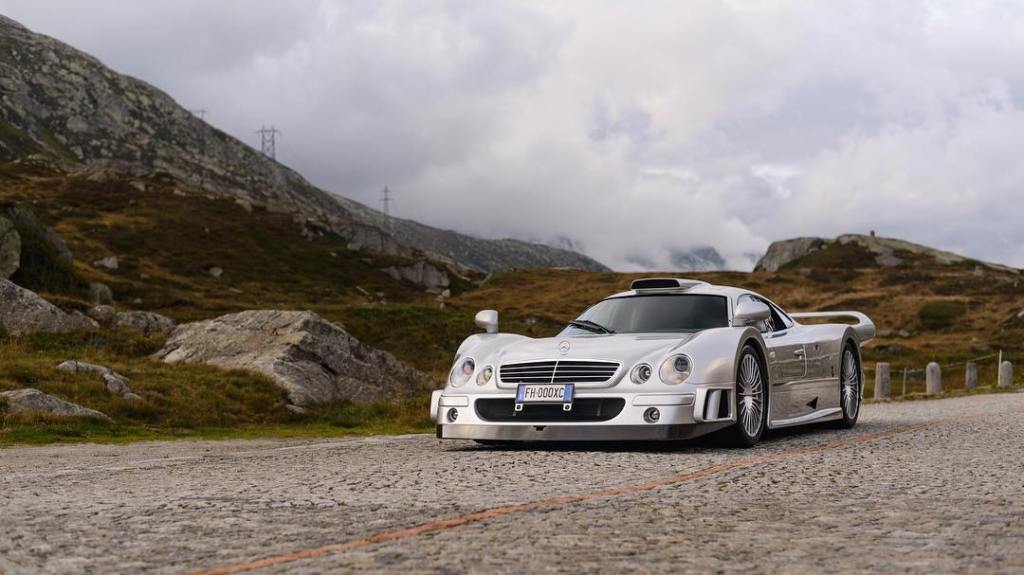
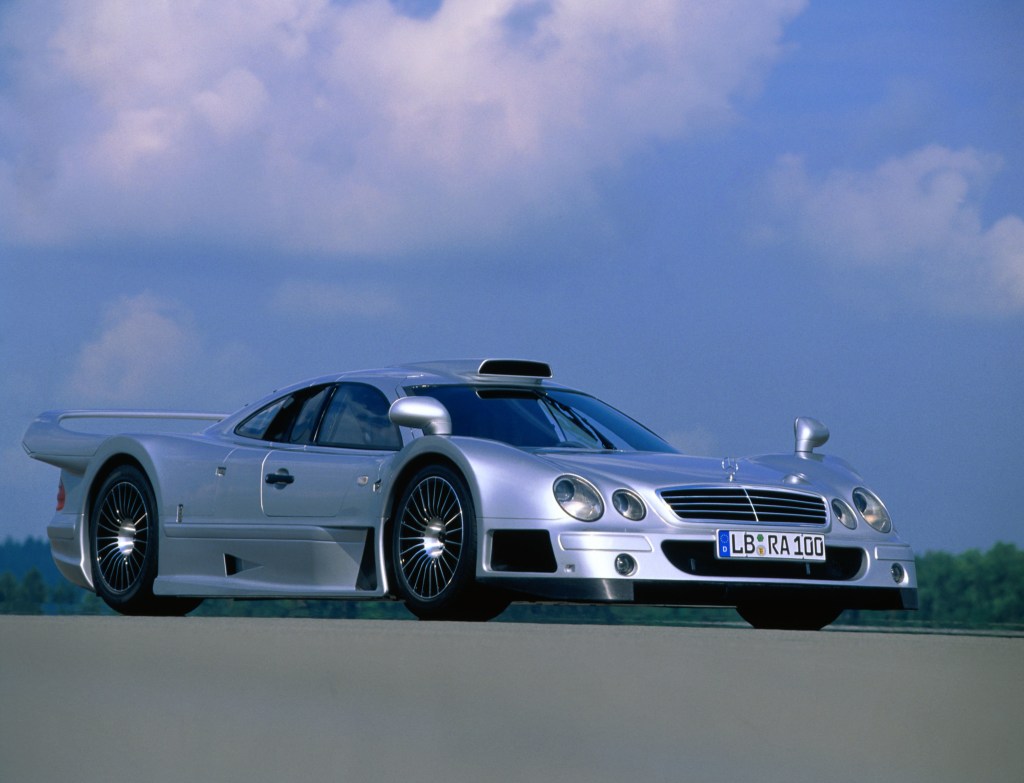
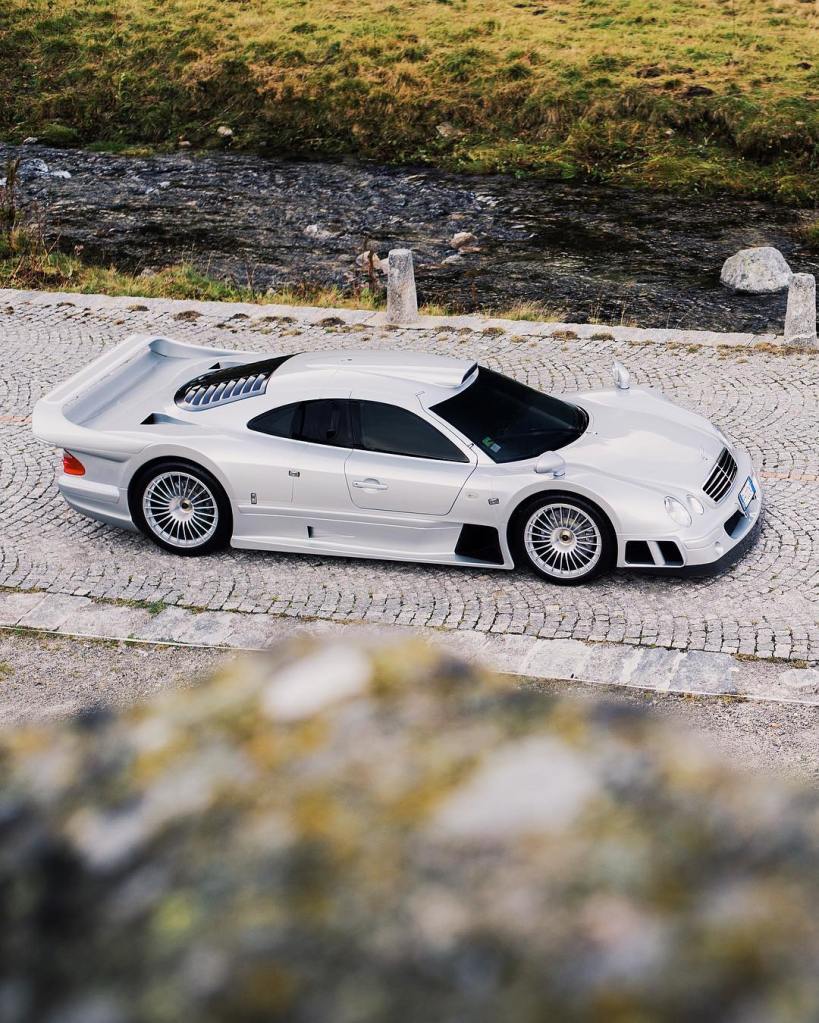
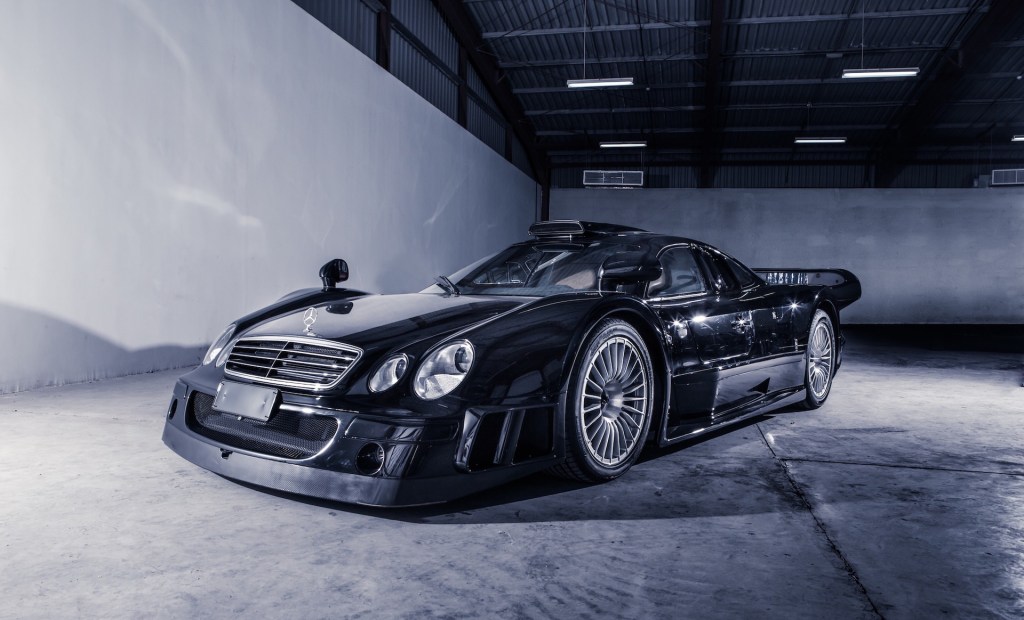
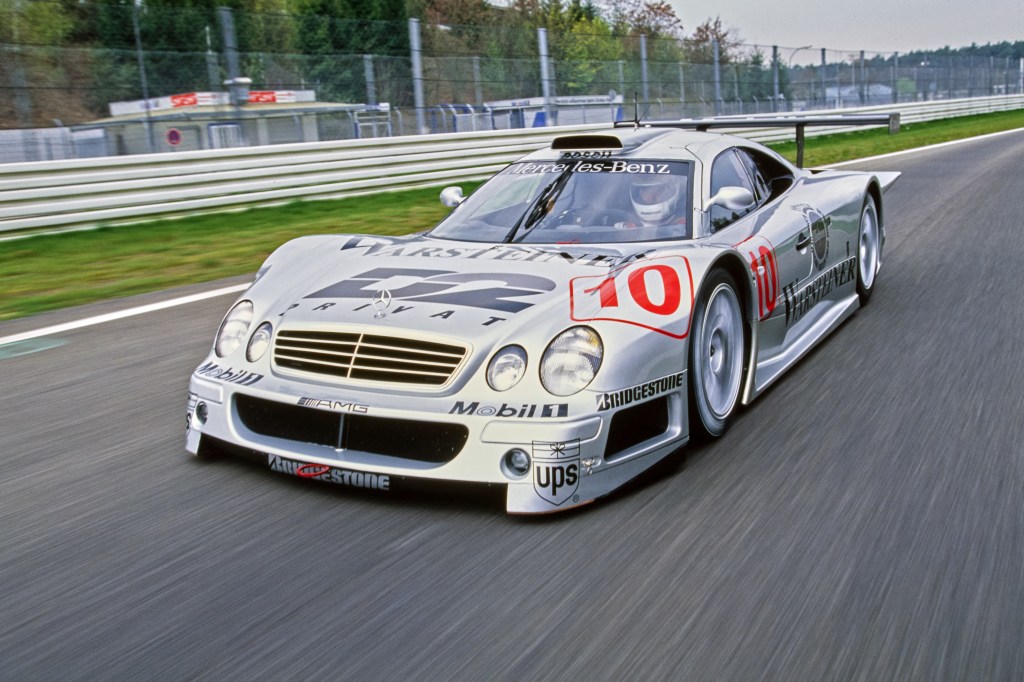
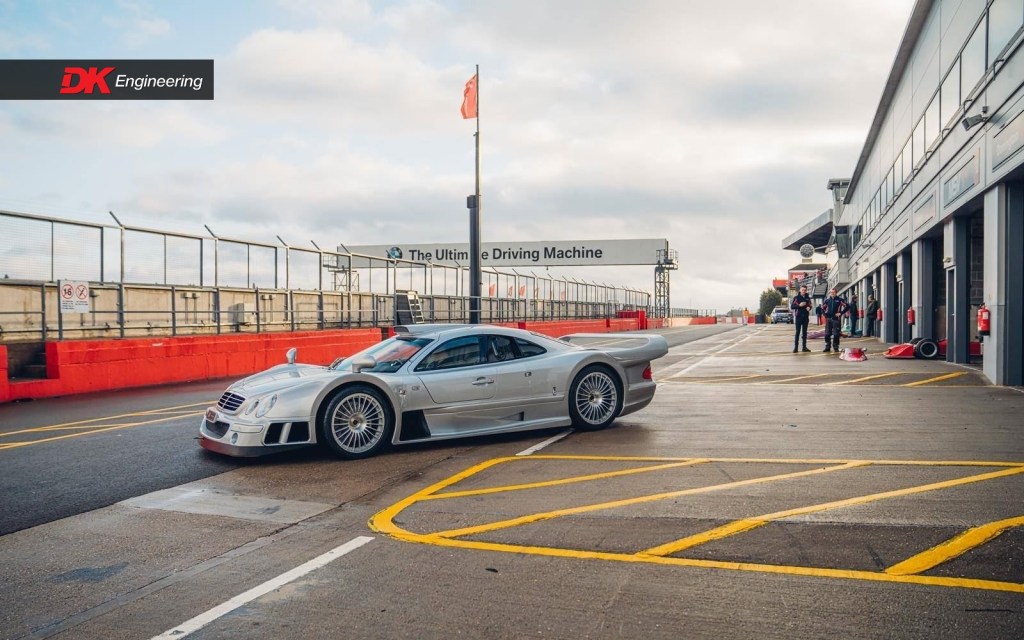
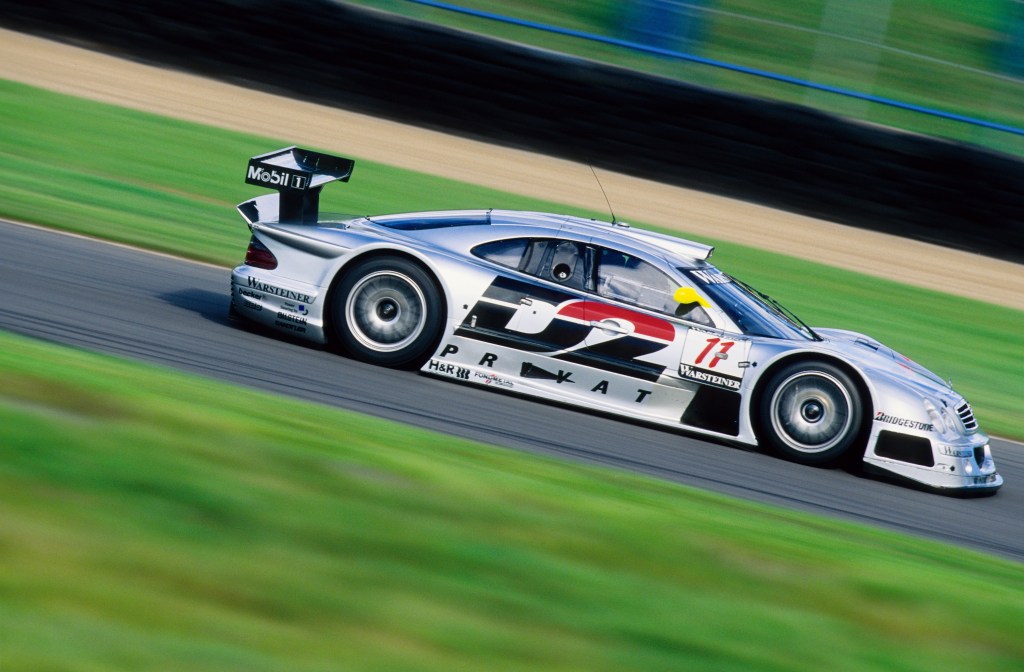
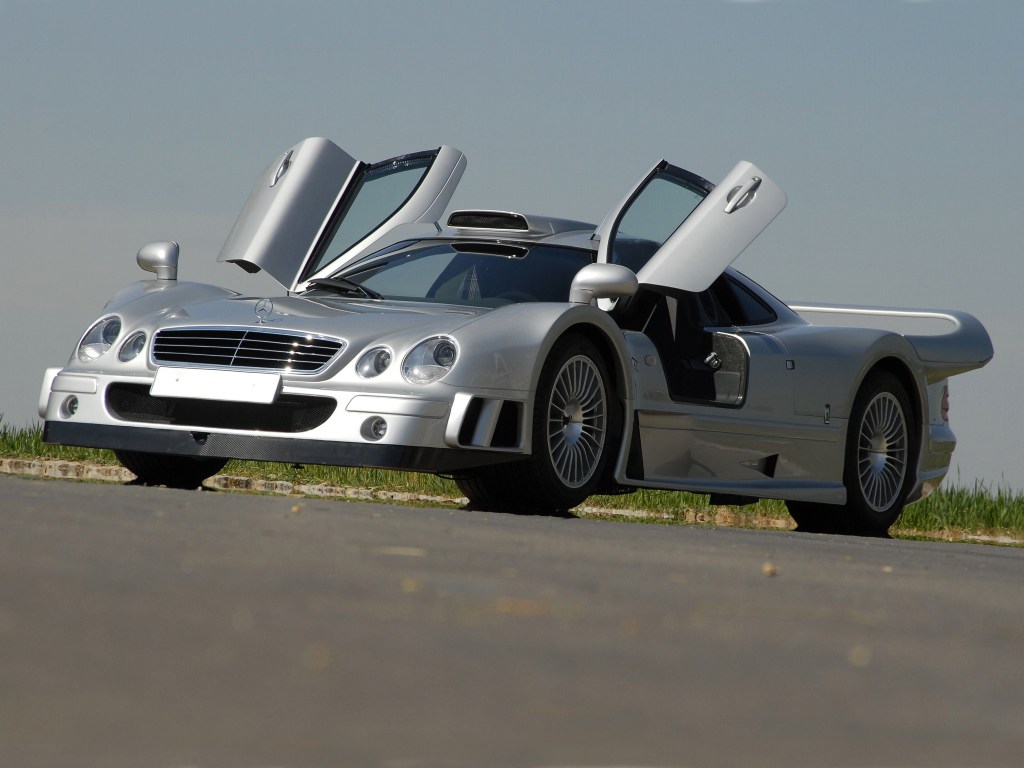
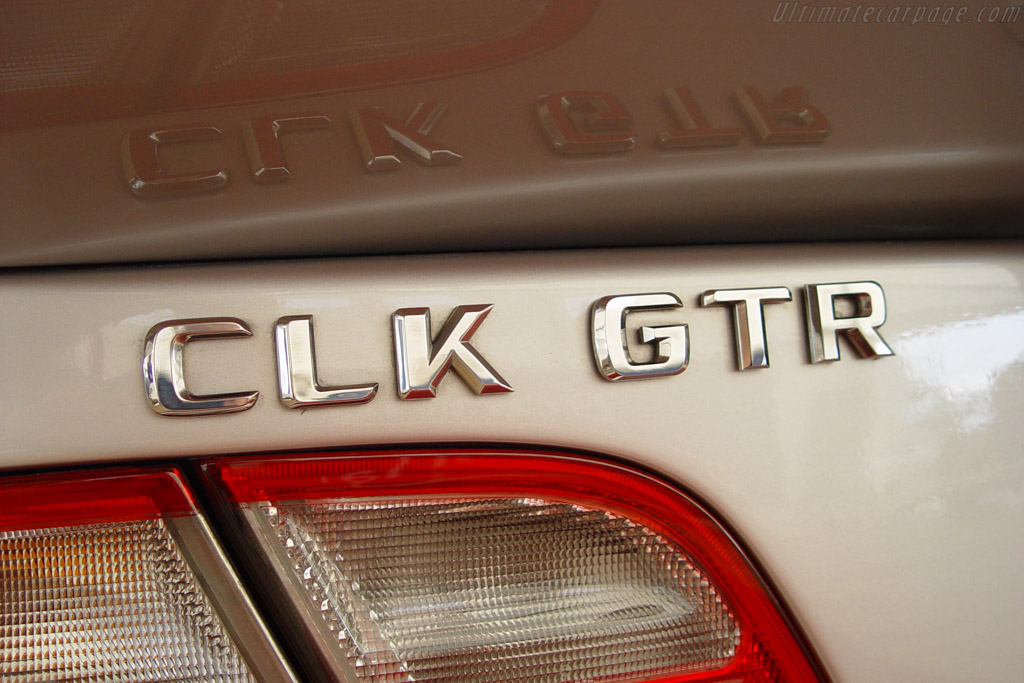
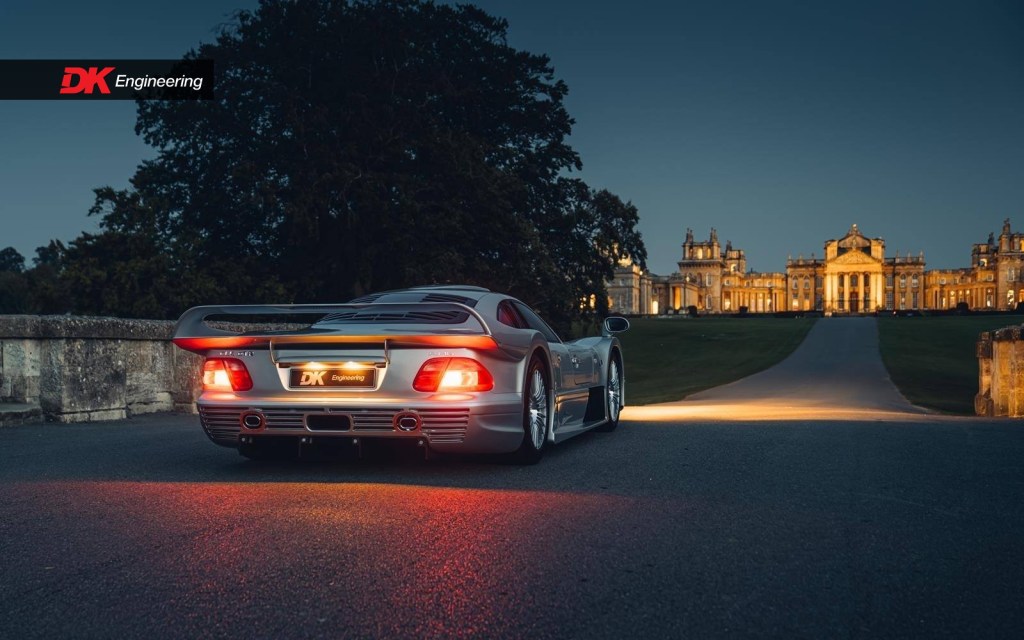
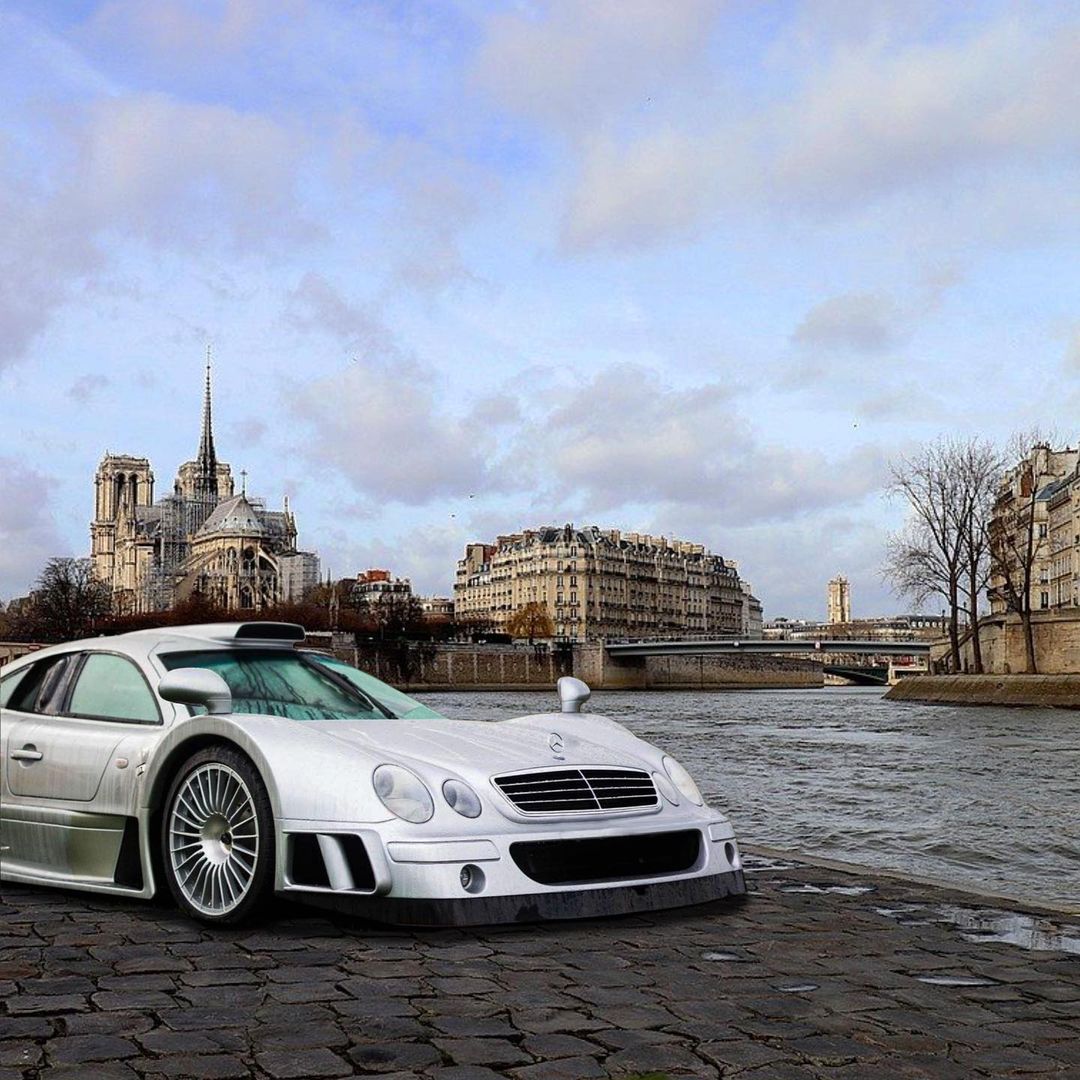
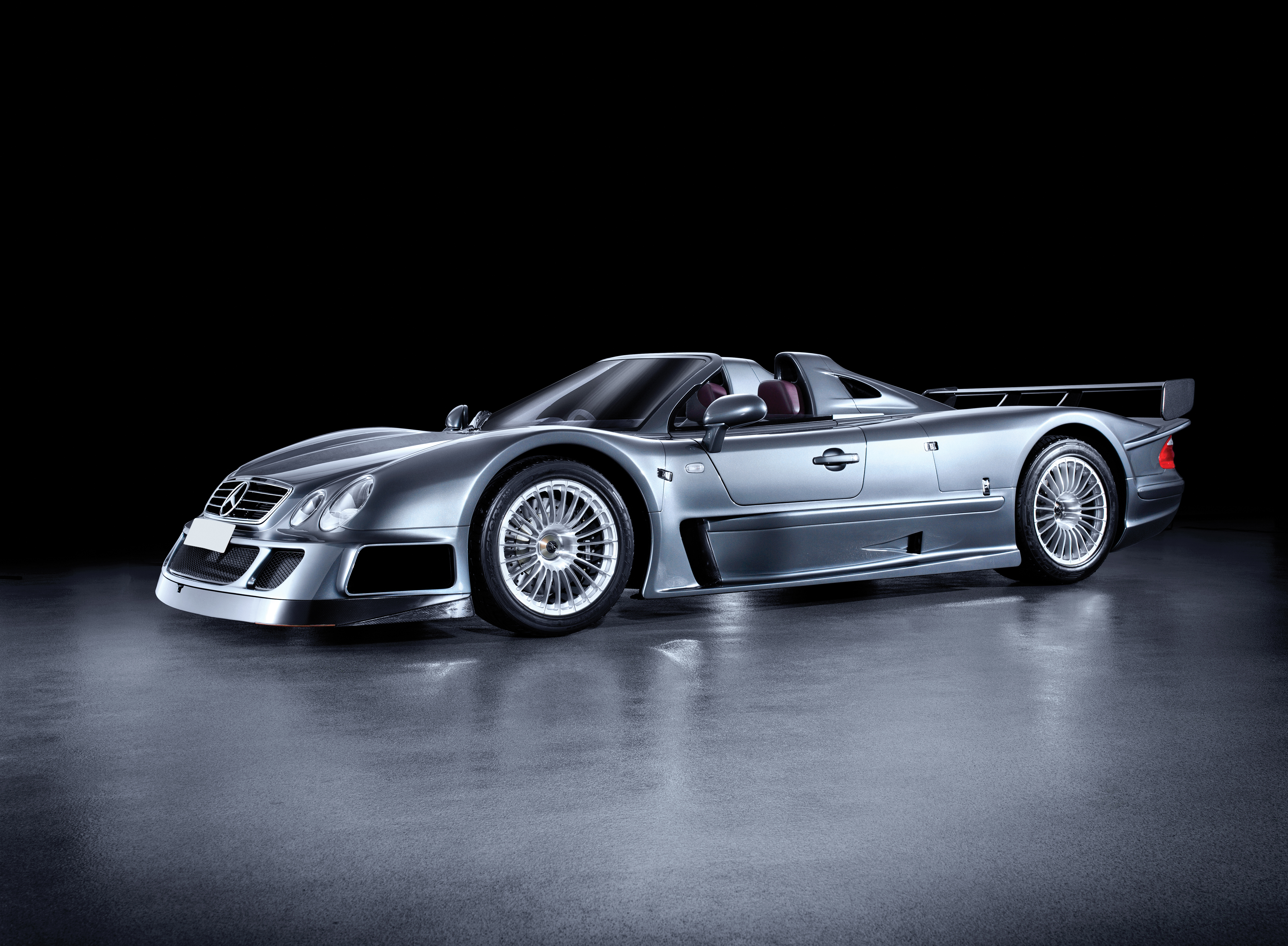
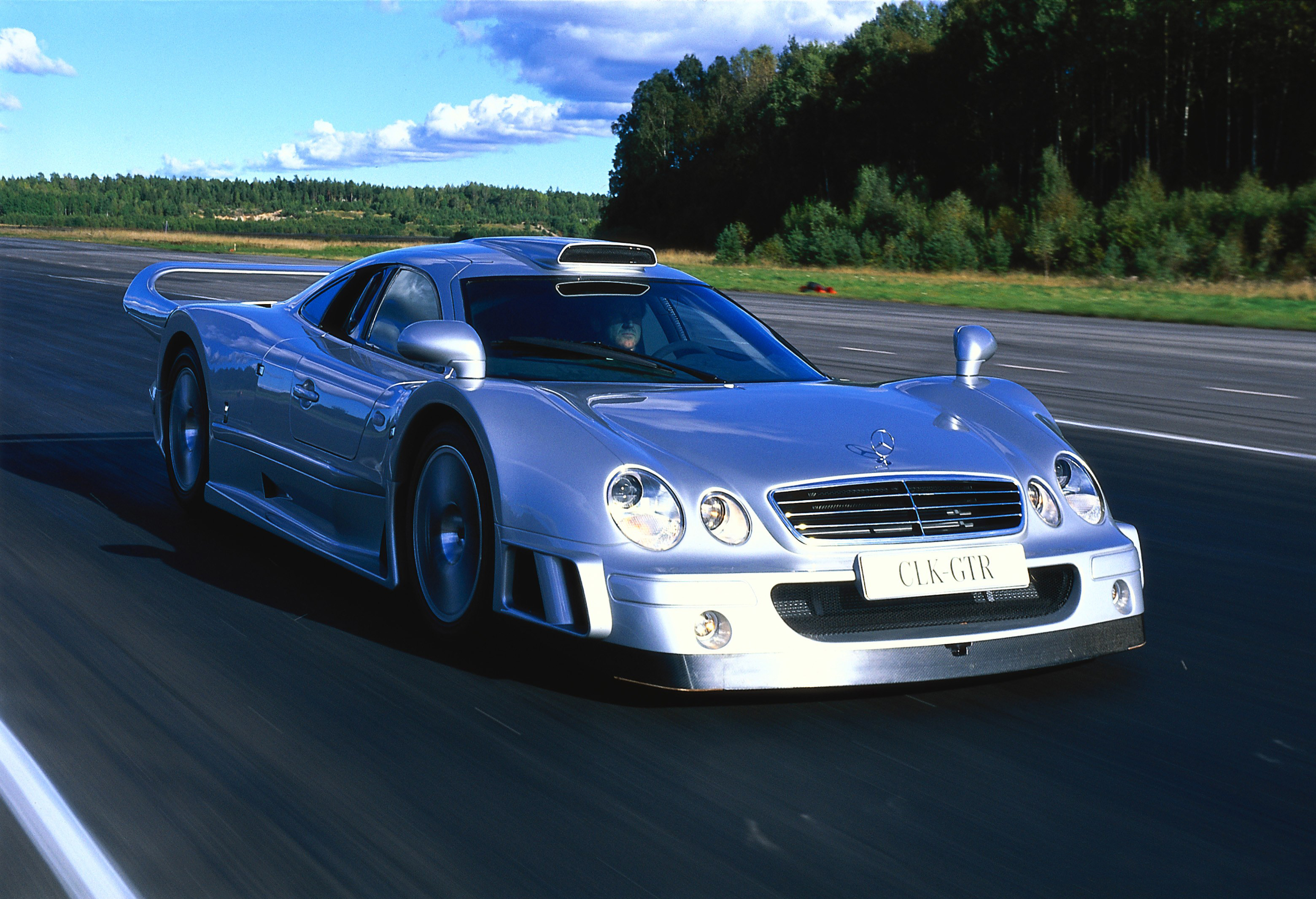
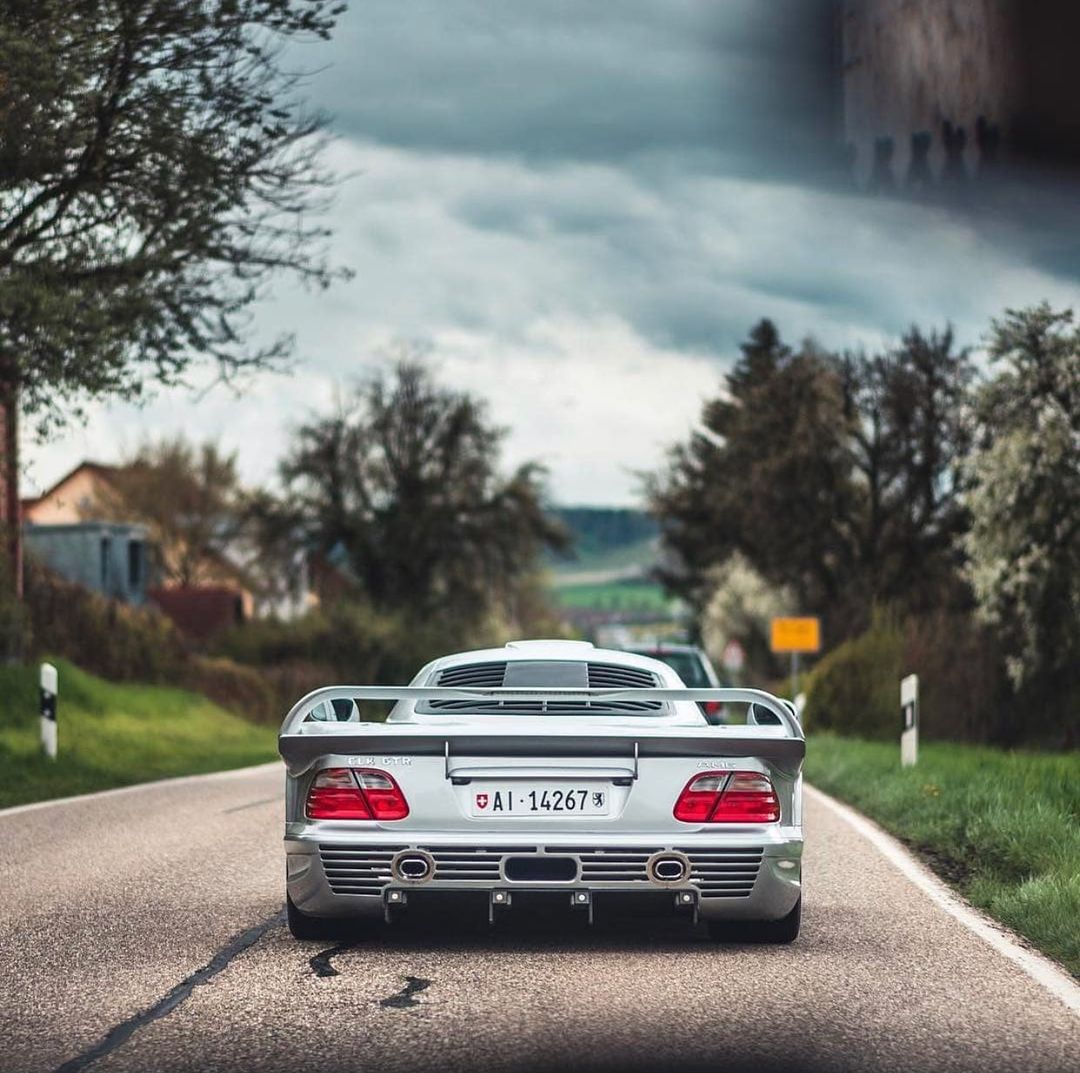
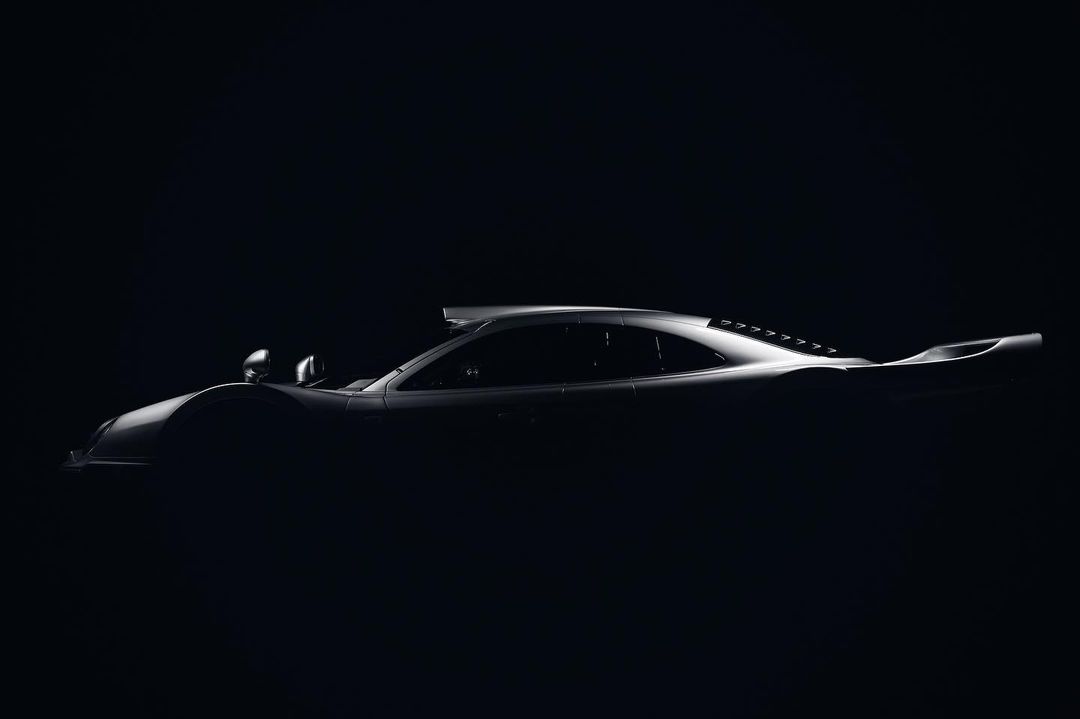
To auto powstało stricte do motorsportu. W 1996 roku seria DTM zawinęła kierpce, i Mercedes – z AMG – nie mieli gdzie dawać ujścia wspólnym ambicjom. Wtedy FIA poluzowała trochę restrykcje, żeby przyciągnąć do rywalizacji więcej producentów w klasie GT, więc Mercedes – mimo, że szał na supersamochody już się zakończył – postanowił stworzyć właśnie coś takiego, zgodnie z regulaminem World GT. Takie auta mogły rywalizować w Le Mans a zamiast 100 egzemplarzy, jak to było wcześniej, teraz wymagano 25 pojazdów do homologacji. Właściwie to wystarczyła tylko jedna sztuka – a pozostałe 24 można było skończyć “kiedyś tam później”. Tak więc wyczynowy CLK-GTR zadebiutował na torze Hockenheim w 1997 roku – a pierwszy egzemplarz drogowy powstał DWA LATA po tym fakcie. Niemcy do tego momentu już zdążyli wygrać mistrzostwa dwukrotnie – bo ich auto, oczywiście, było najlepsze.
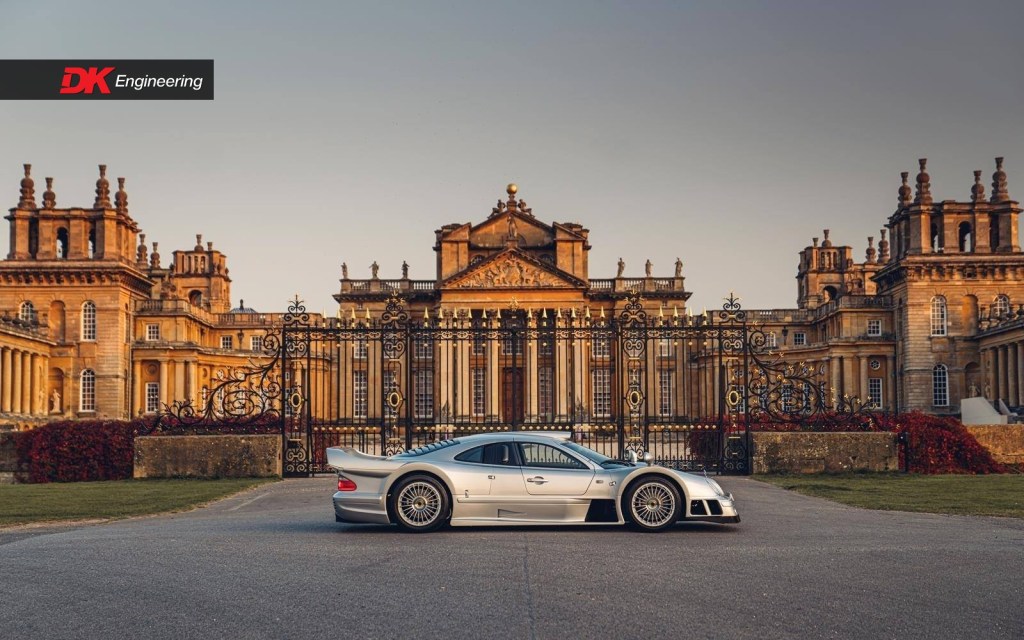
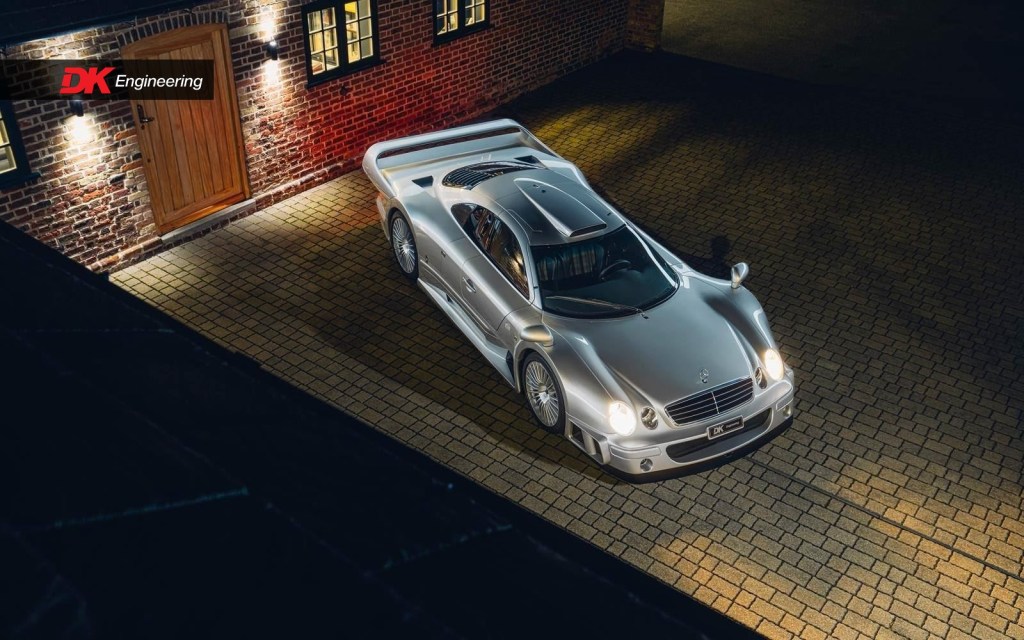
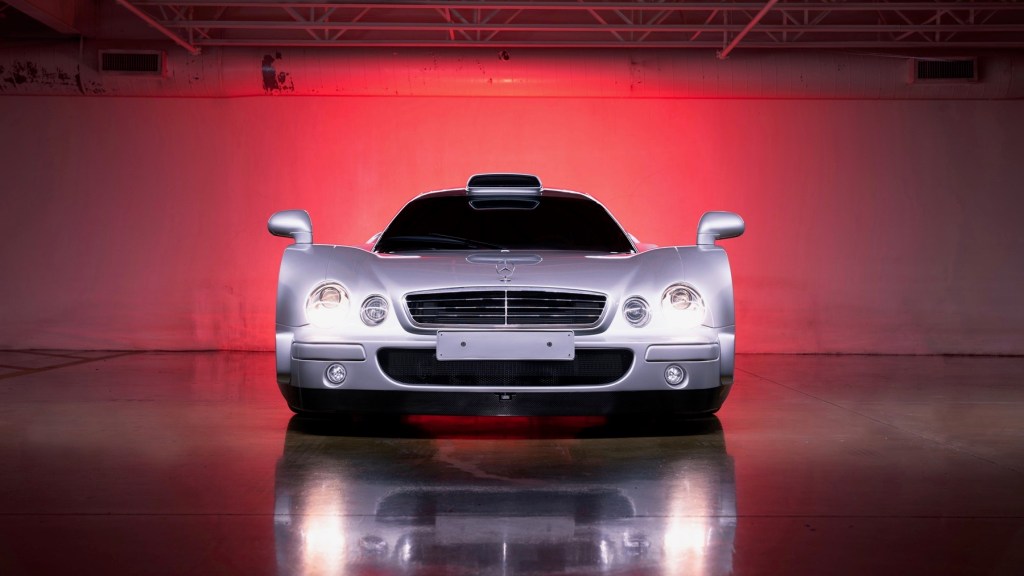
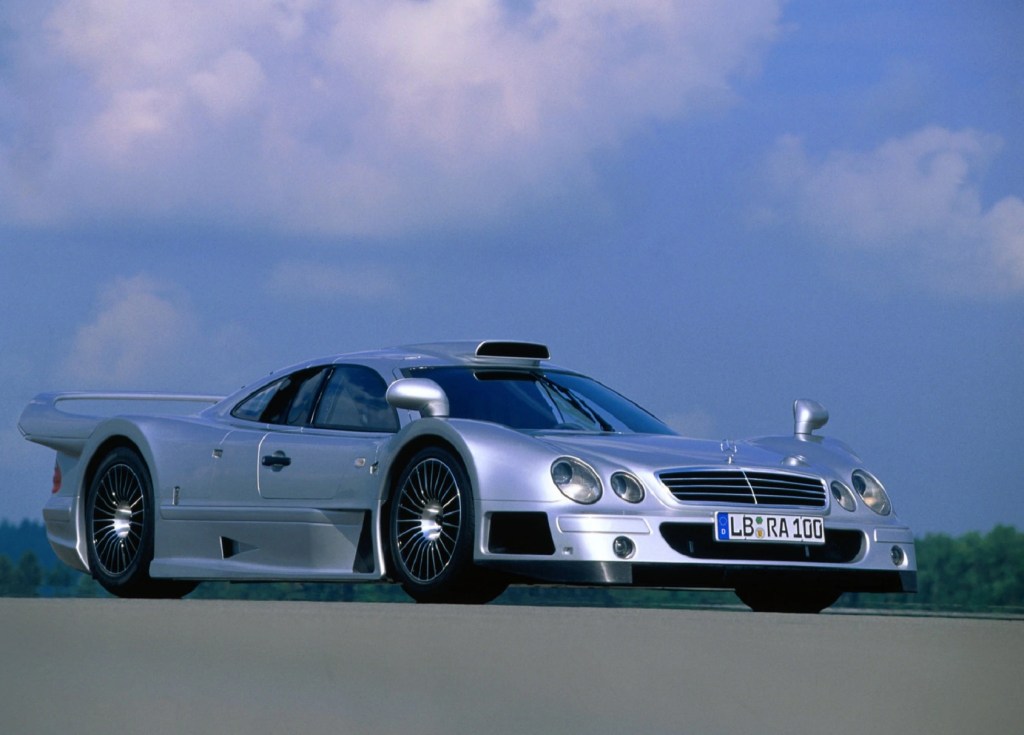
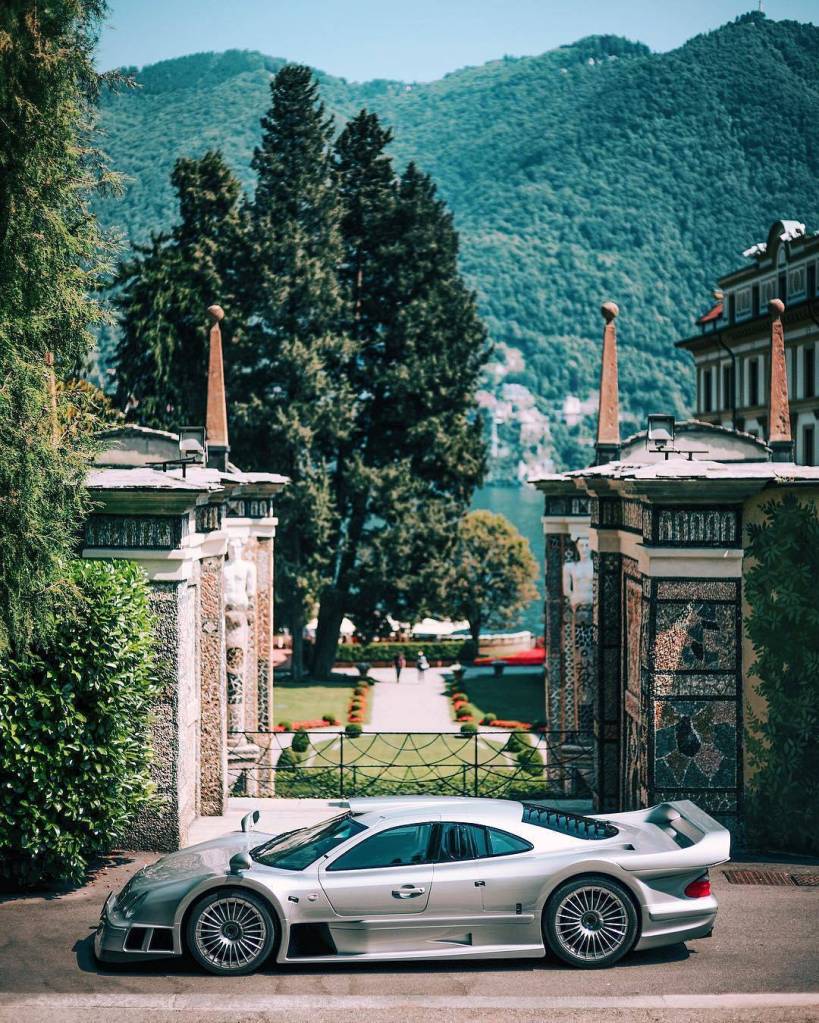
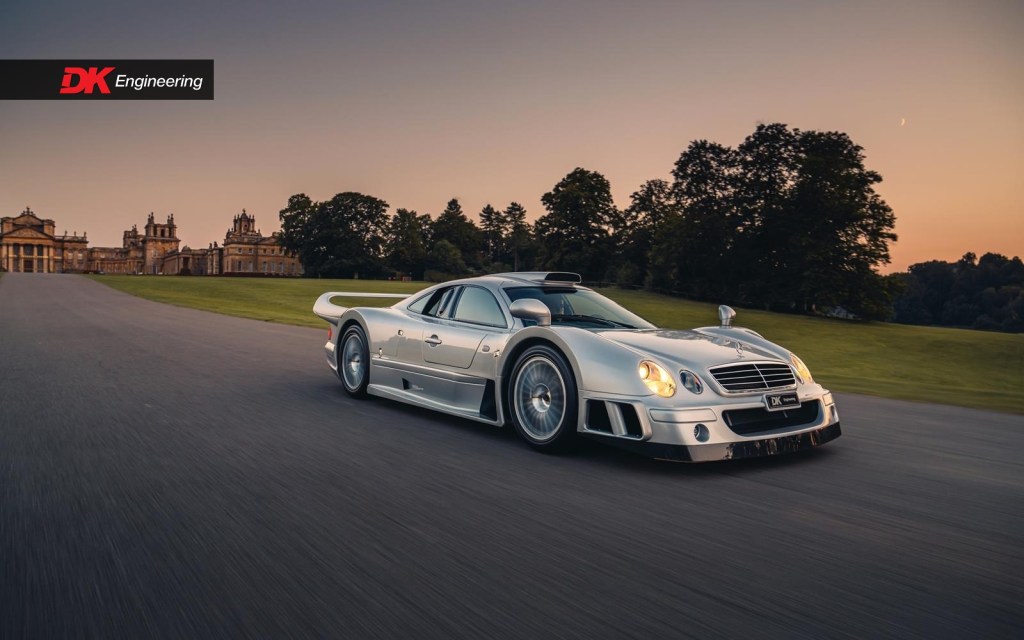
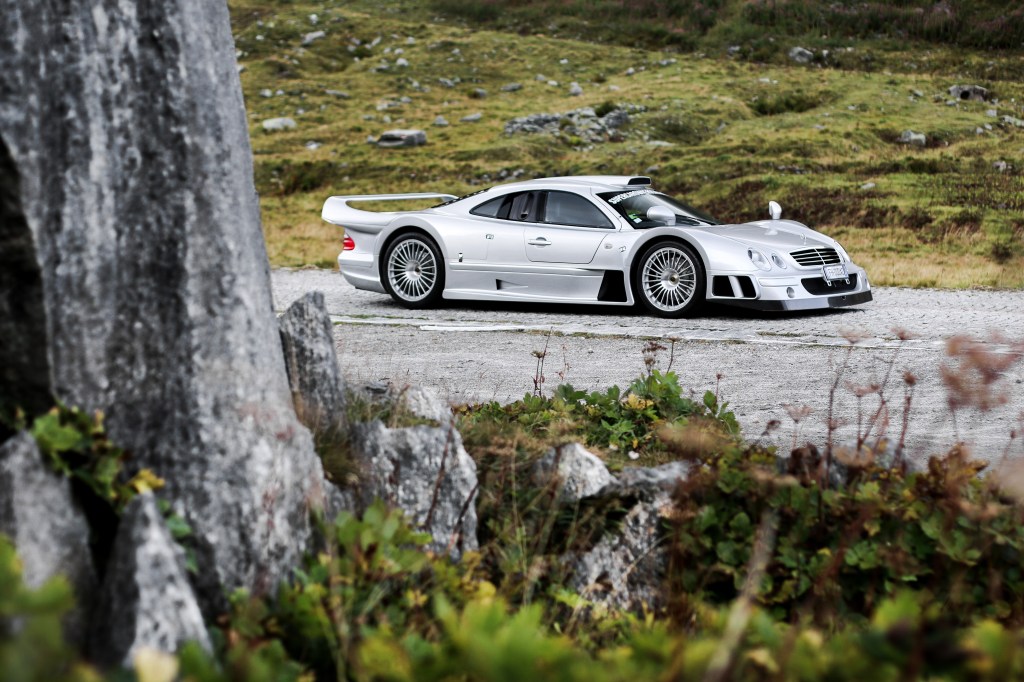
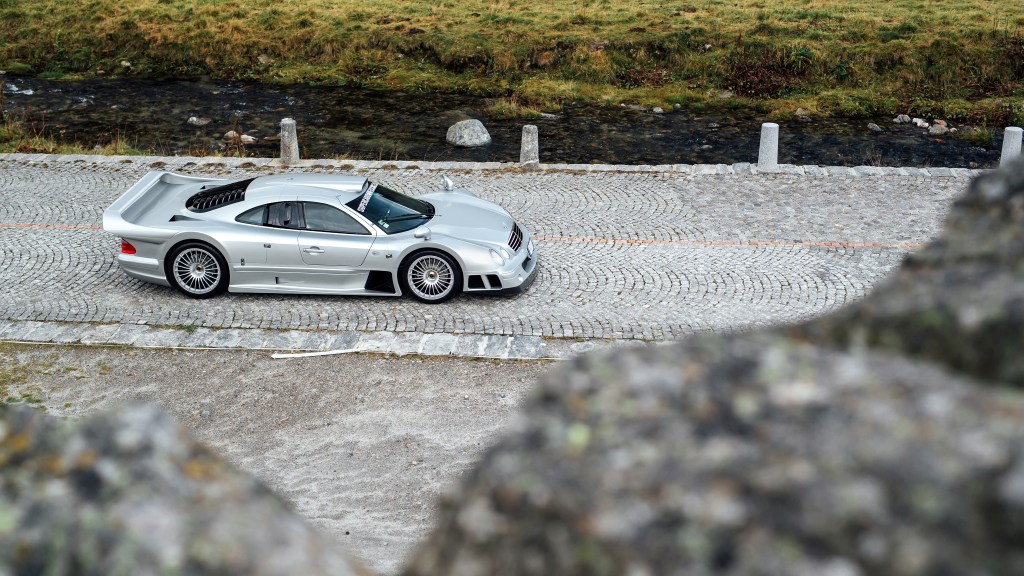
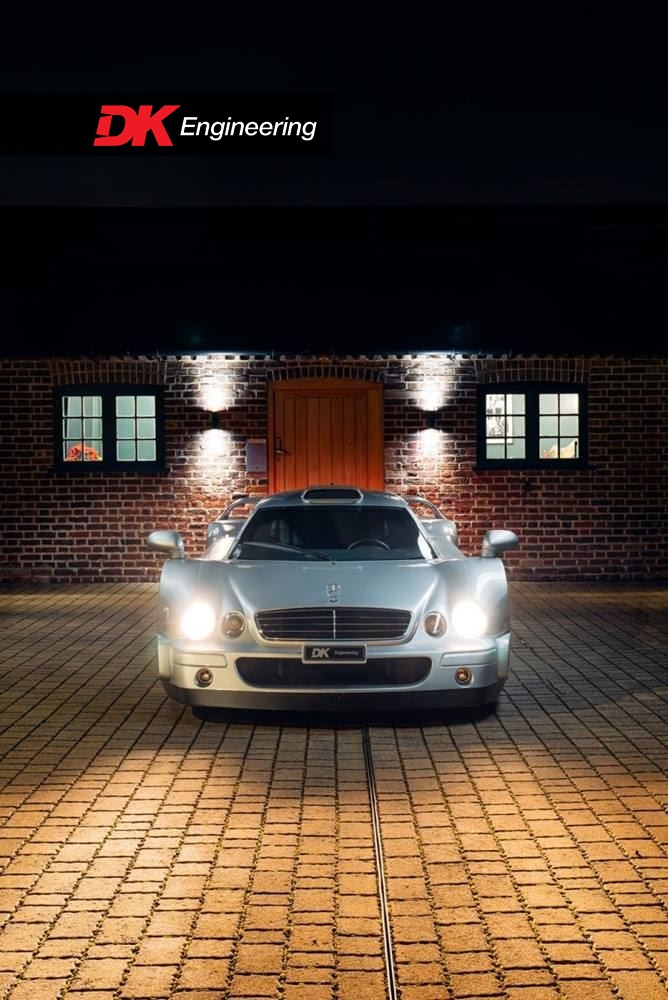
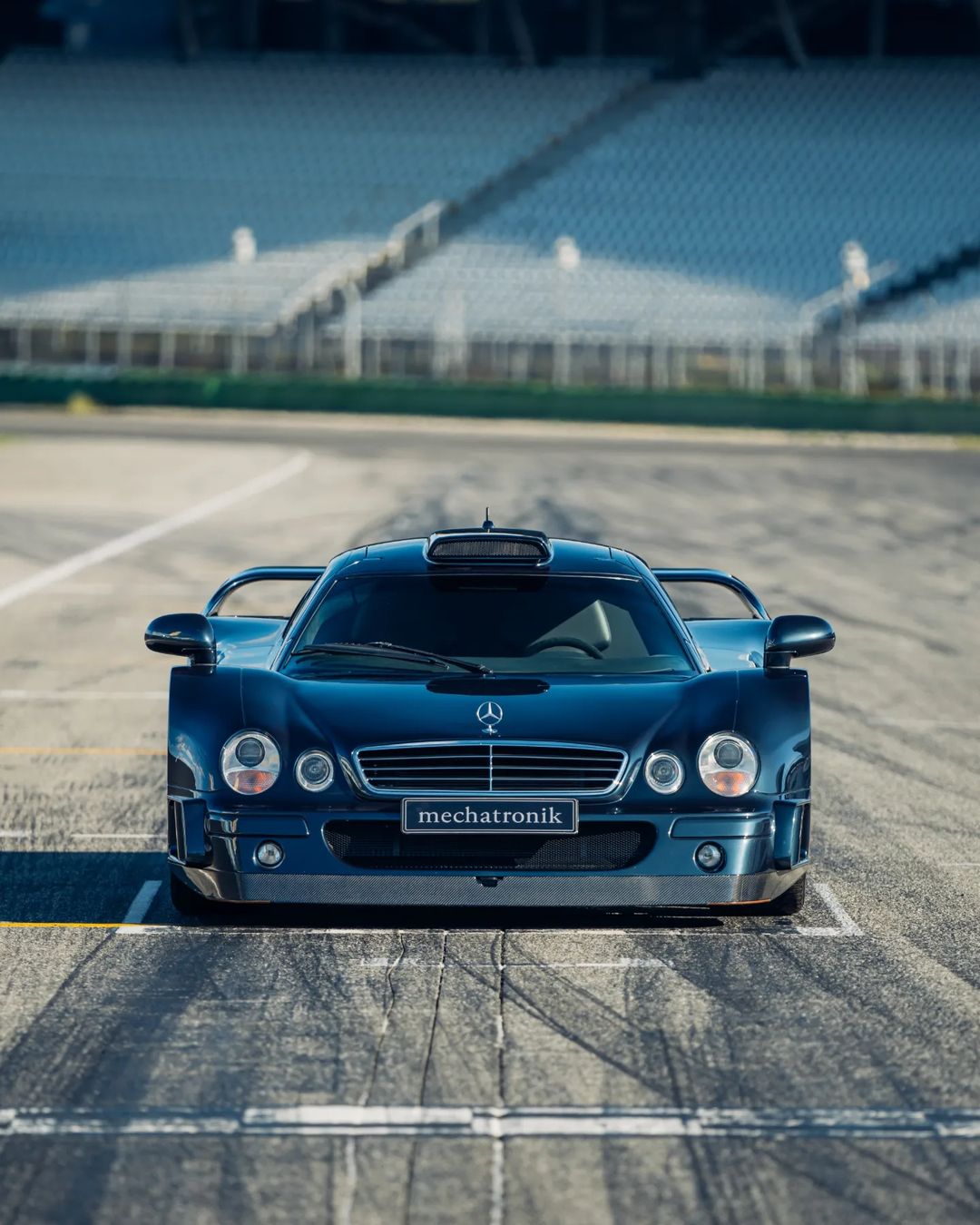
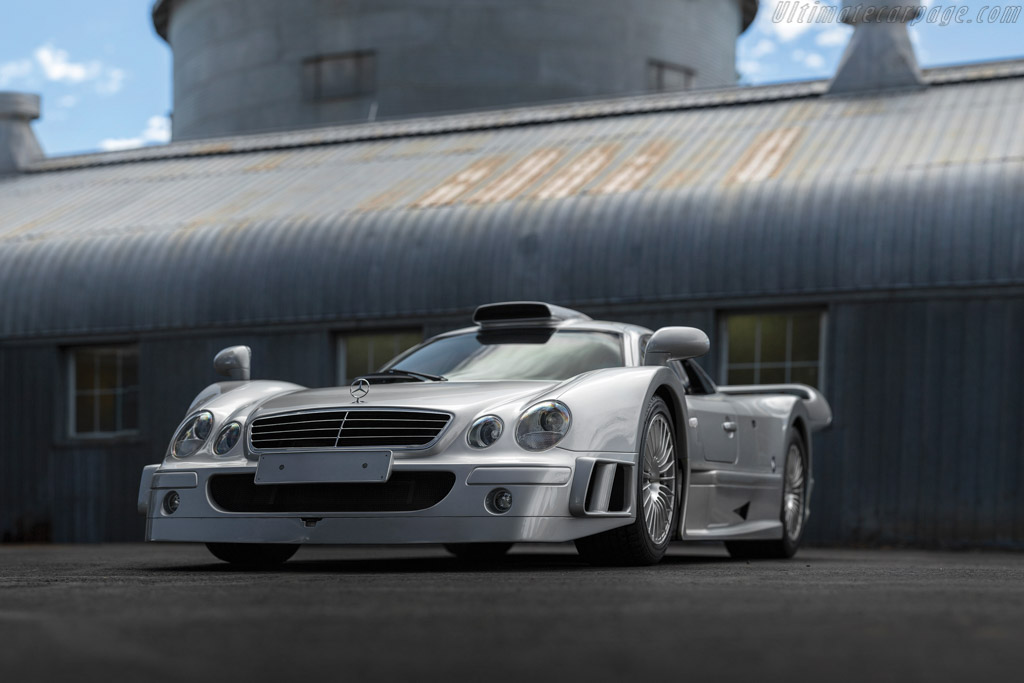
CLK-GTR Straßenversion Coupe
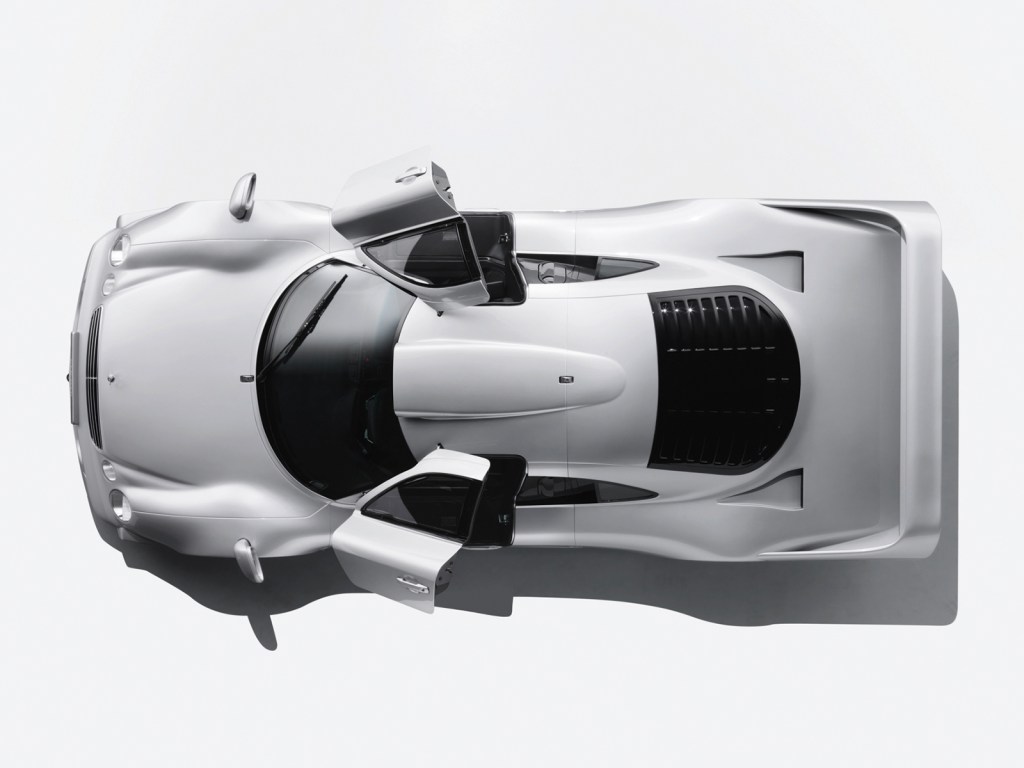
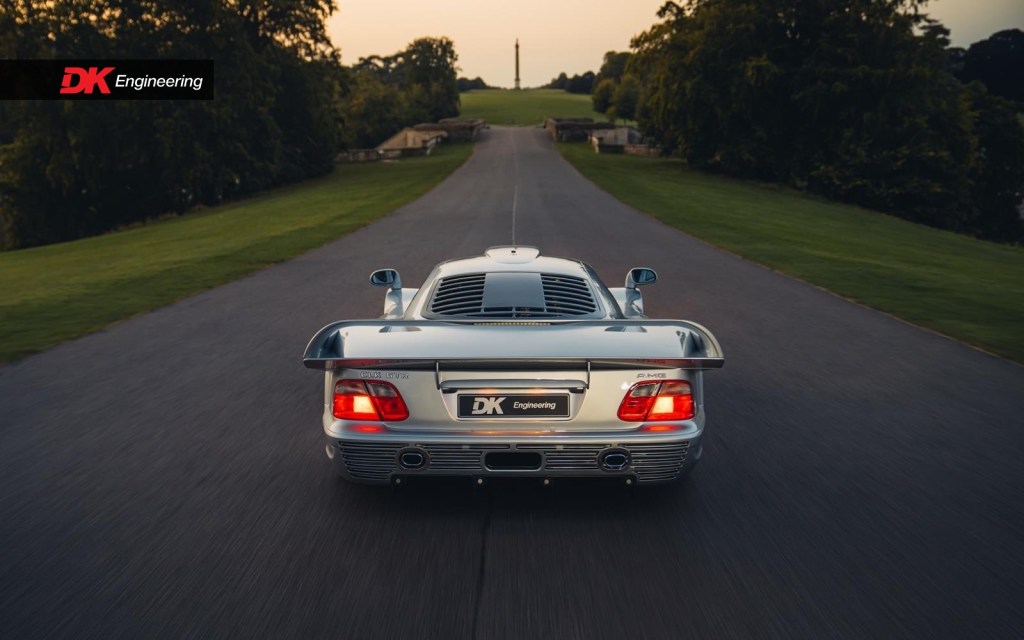
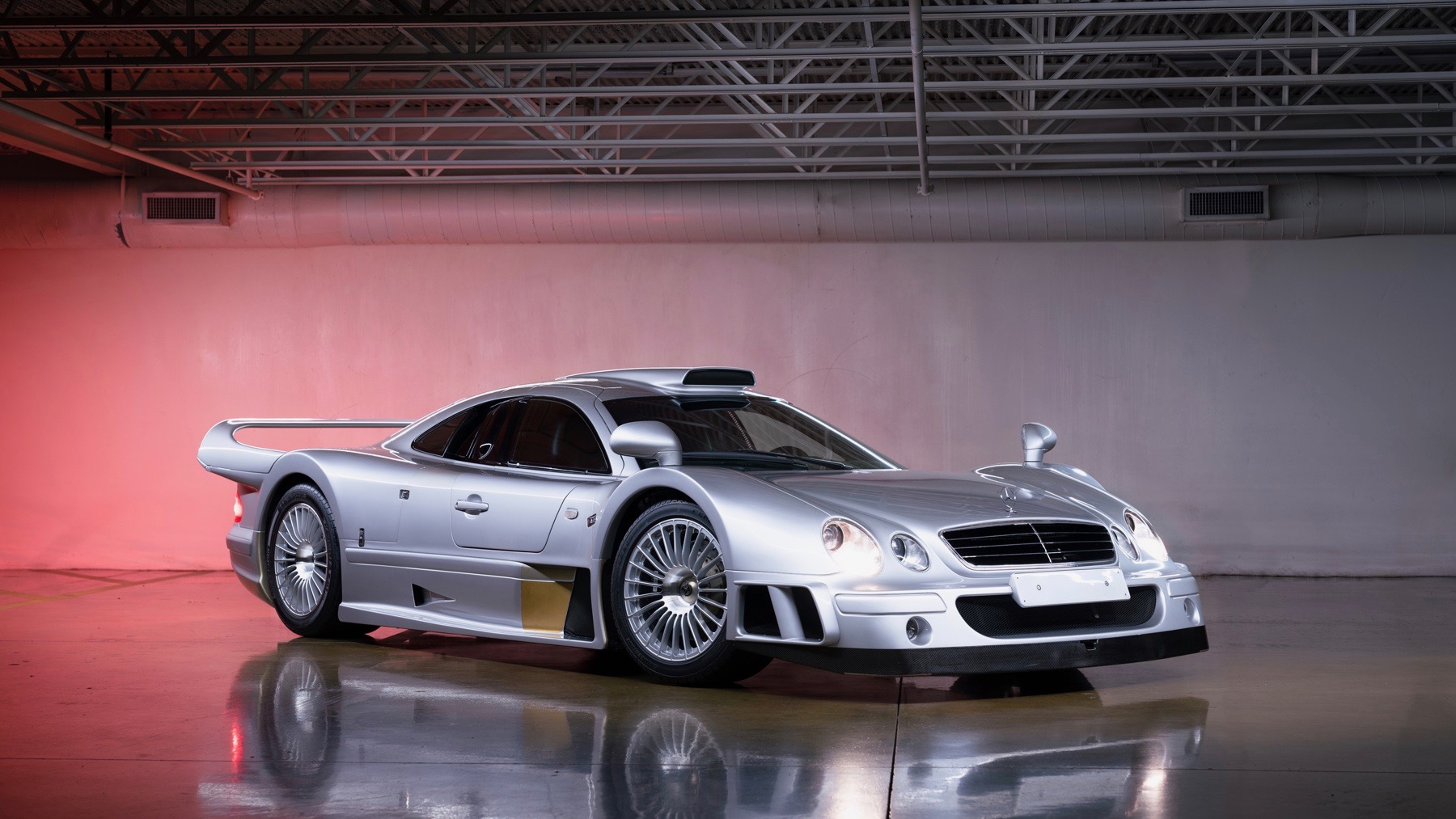
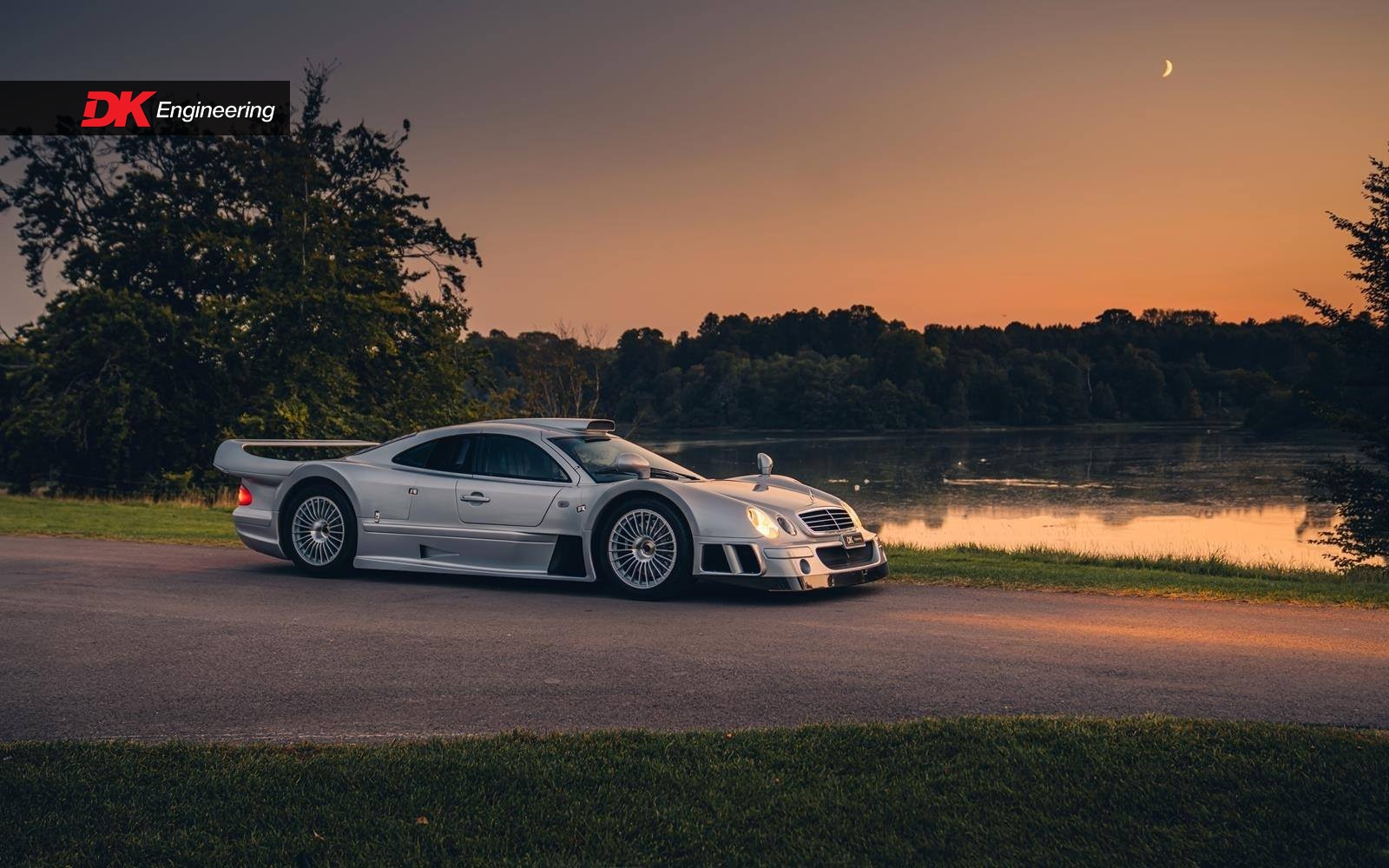
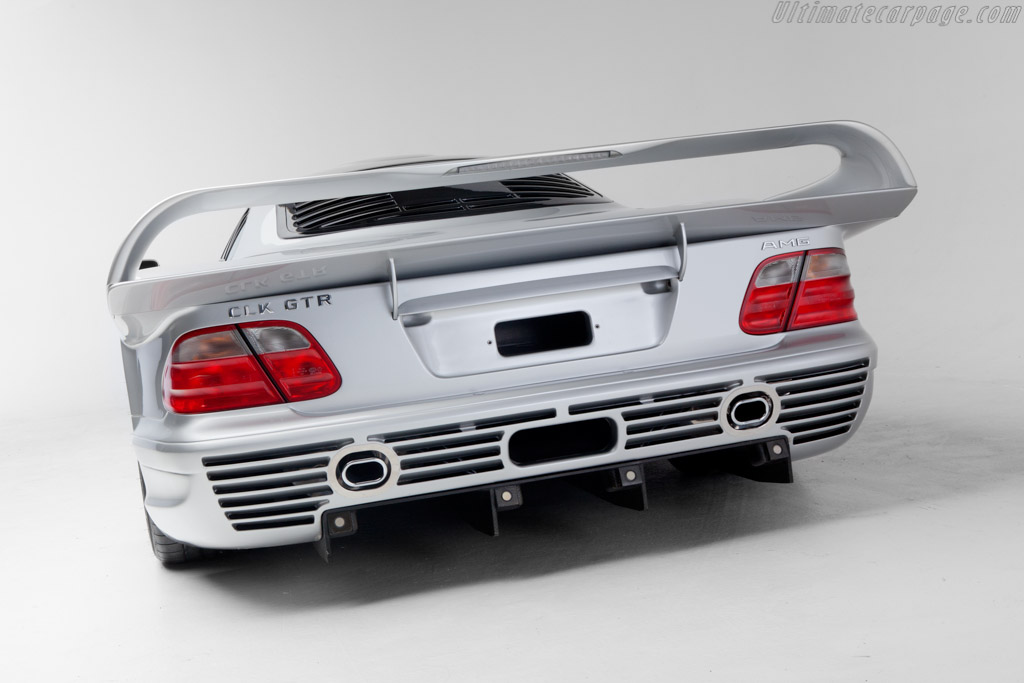
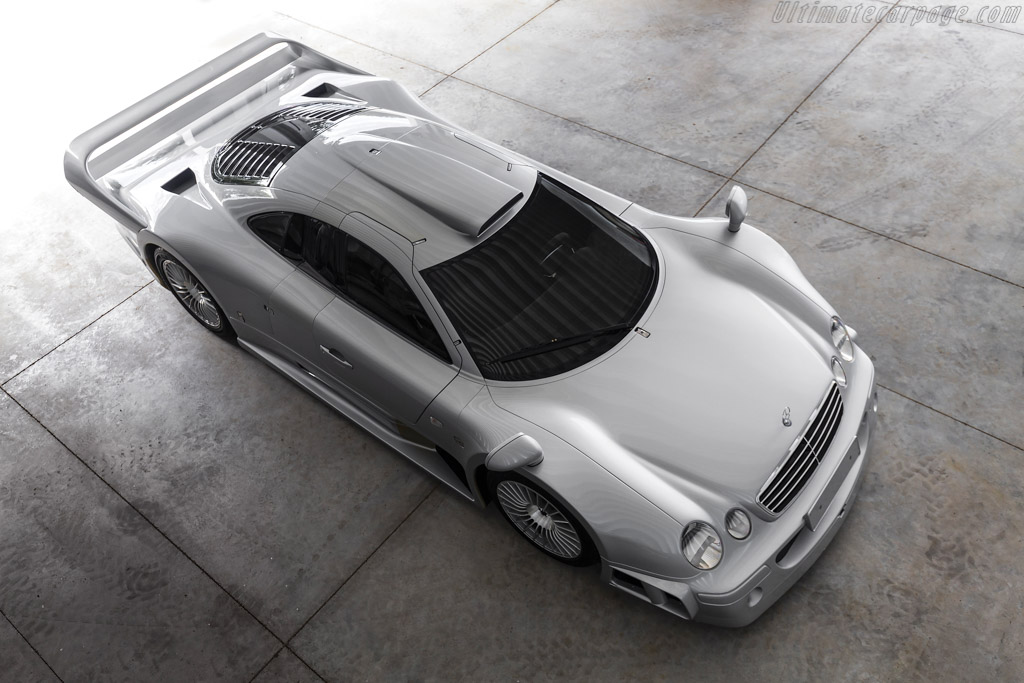
Porsche bazowało na 911 – Mercedes postanowił zacząć projekt od zera. Od pierwszych rysunków do gotowego jeżdżącego auta przeszły zaledwie 4 miesiące. Technologicznie – może mało nowatorski – ale to był w praktyce torowy bolid. Typowe dla wyczynowych konstrukcji podwozie z włókien węglowych produkcji uznanej w motorsporcie marki Lola. Przód zawieszenia był przymocowany bezpośrednio do podwozia a tył, na wzór Ferrari F50, leżał na osłonie skrzyni biegów, która biegła dalej przez ramę pomocniczą z lekkich stopów. Takie coś było lekkie, a i solidne. Z motorsportu wywodzi się również sam układ zawieszenia na podwójnych wahaczach, ze sprężynami śrubowymi i amortyzatorem. Dodatkowe wloty powietrza zapewniały chłodzenie wentylowanych tarcz hamulców. A na koniec: karoseria z włókna węglowego ze zoptymalizowaną do użytku torowego aerodynamiką.
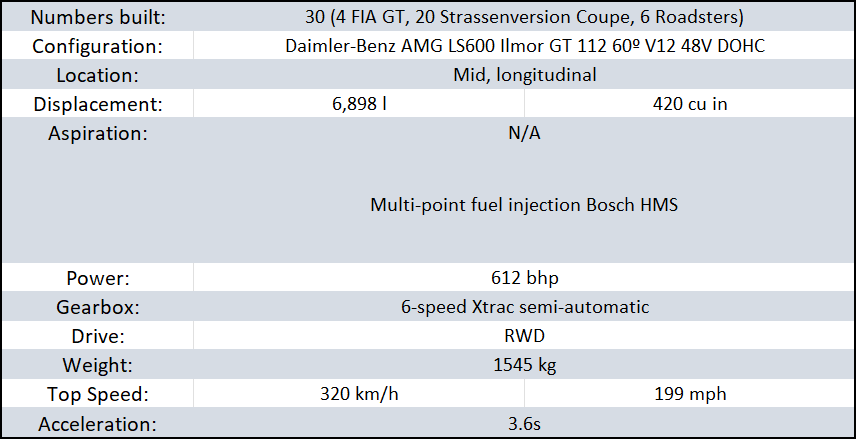
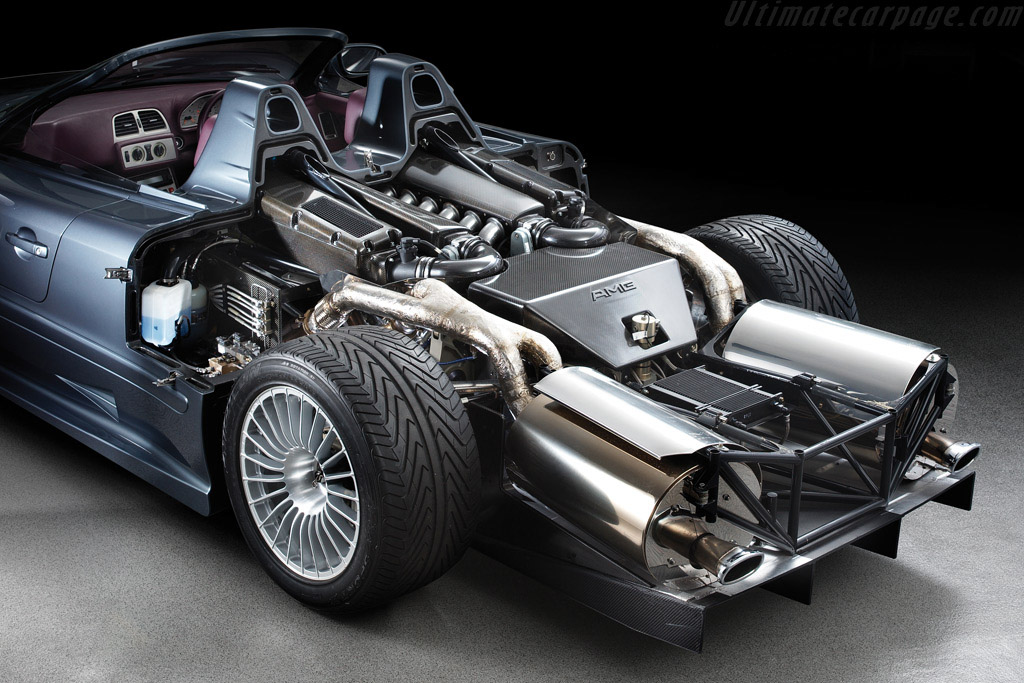
Samo V12 nie było niczym wielce zmyślnym. Motor pochodził z modelu S-Klasse – 6-litrów po modyfikacjach AMG. Kute tłoki, zwiększone zawory (4 na cylinder), korbowód z tytanu… takie tam. 612 koni takie coś robiło. Niemcy po cichu kupili egzemplarz McLarena F1 GTR dla testów, i dokonywali na nim naprawdę srogich modyfikacji w celach rozwoju CLK-GTRa. W gruncie rzeczy, to właśnie McLaren był pierwszym prototypem Mercedesa. Zmieniali w nim aero – wymieniali całe panele nadwozia i próbowali różnych wariantów ich V12-stki. Wersje drogowe ostatecznie dostępne były z V12 o pojemności 6.1-litra, potem dwa rodzaje 6.9, i w końcu znane z Pagani Zondy 7.1-litra o mocy grubo ponad 700 koni mechanicznych w wariancie SuperSport.
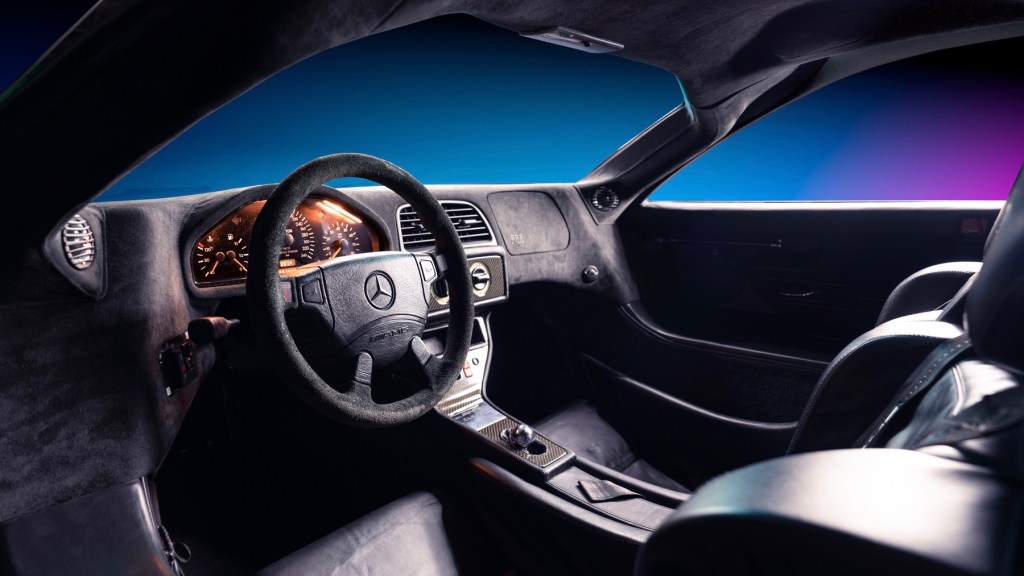
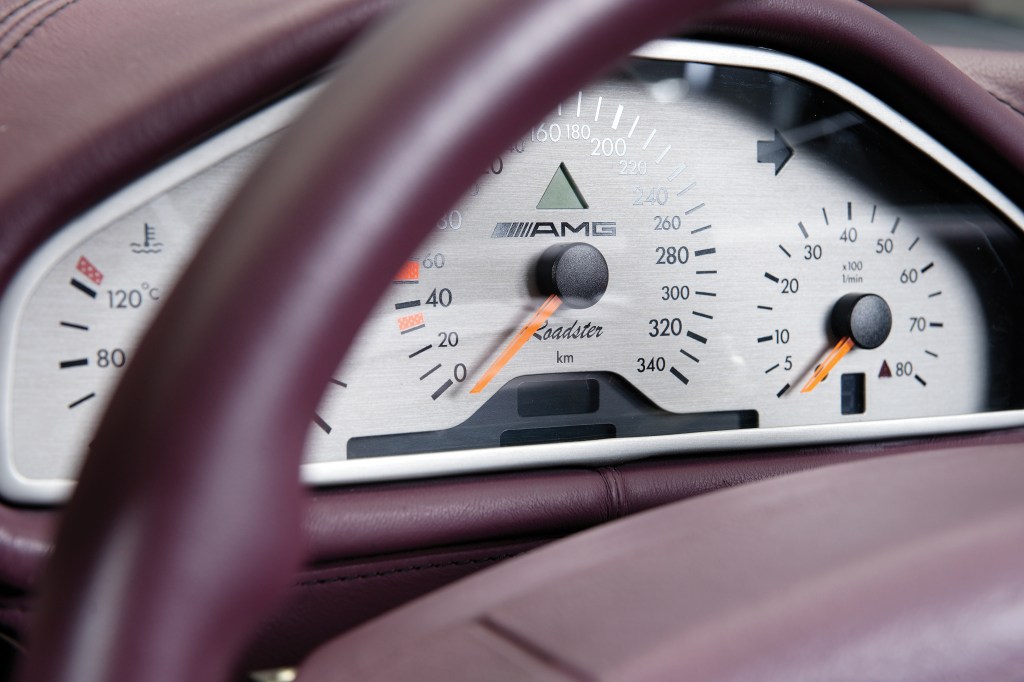
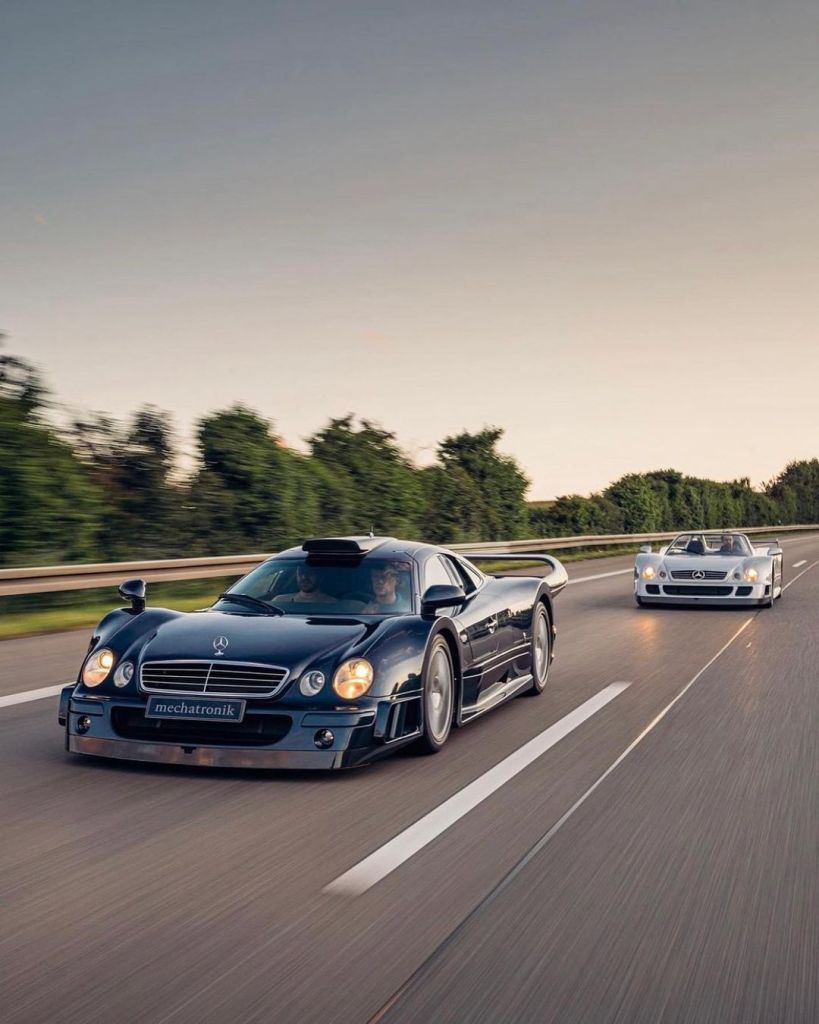
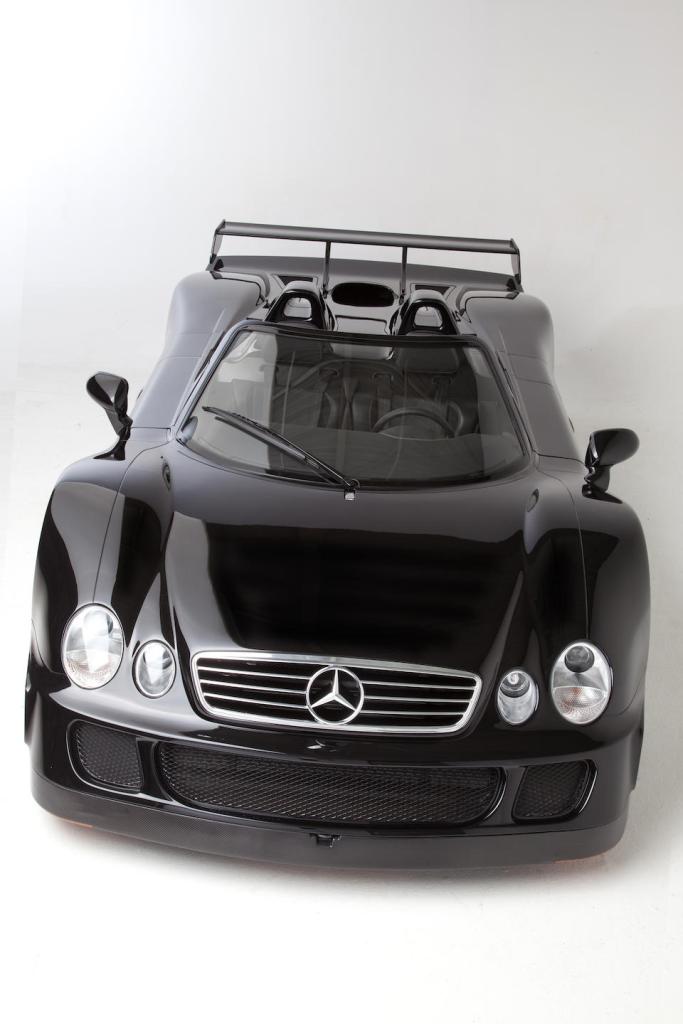
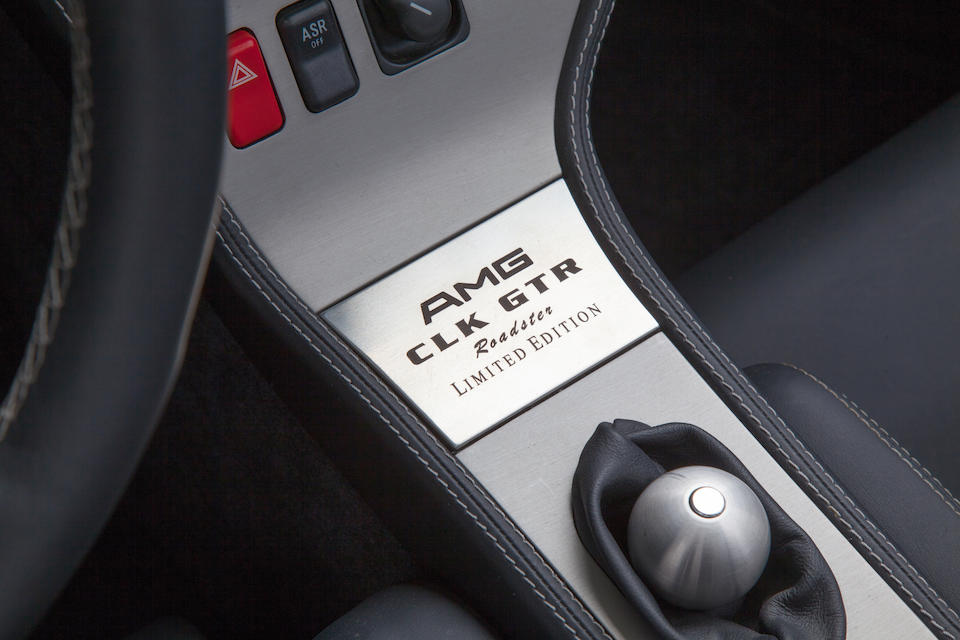
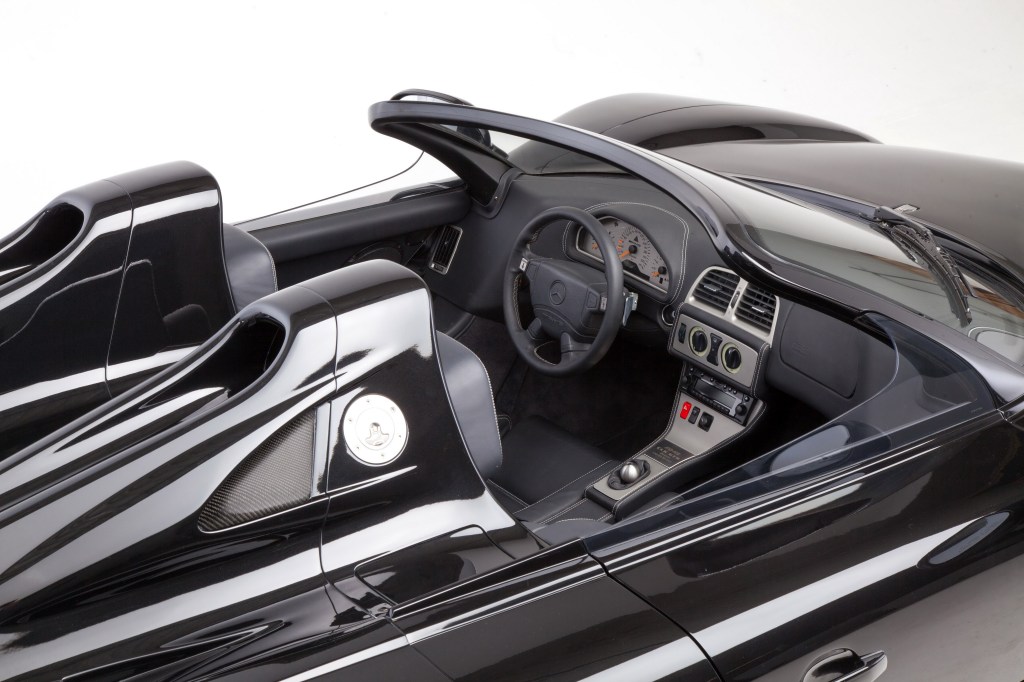
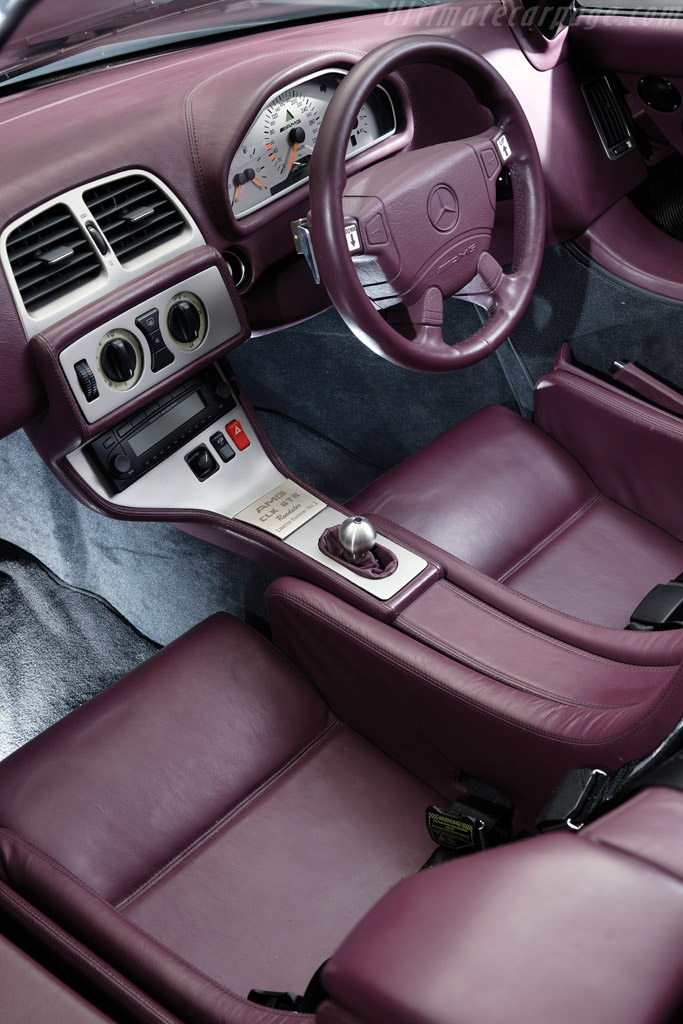
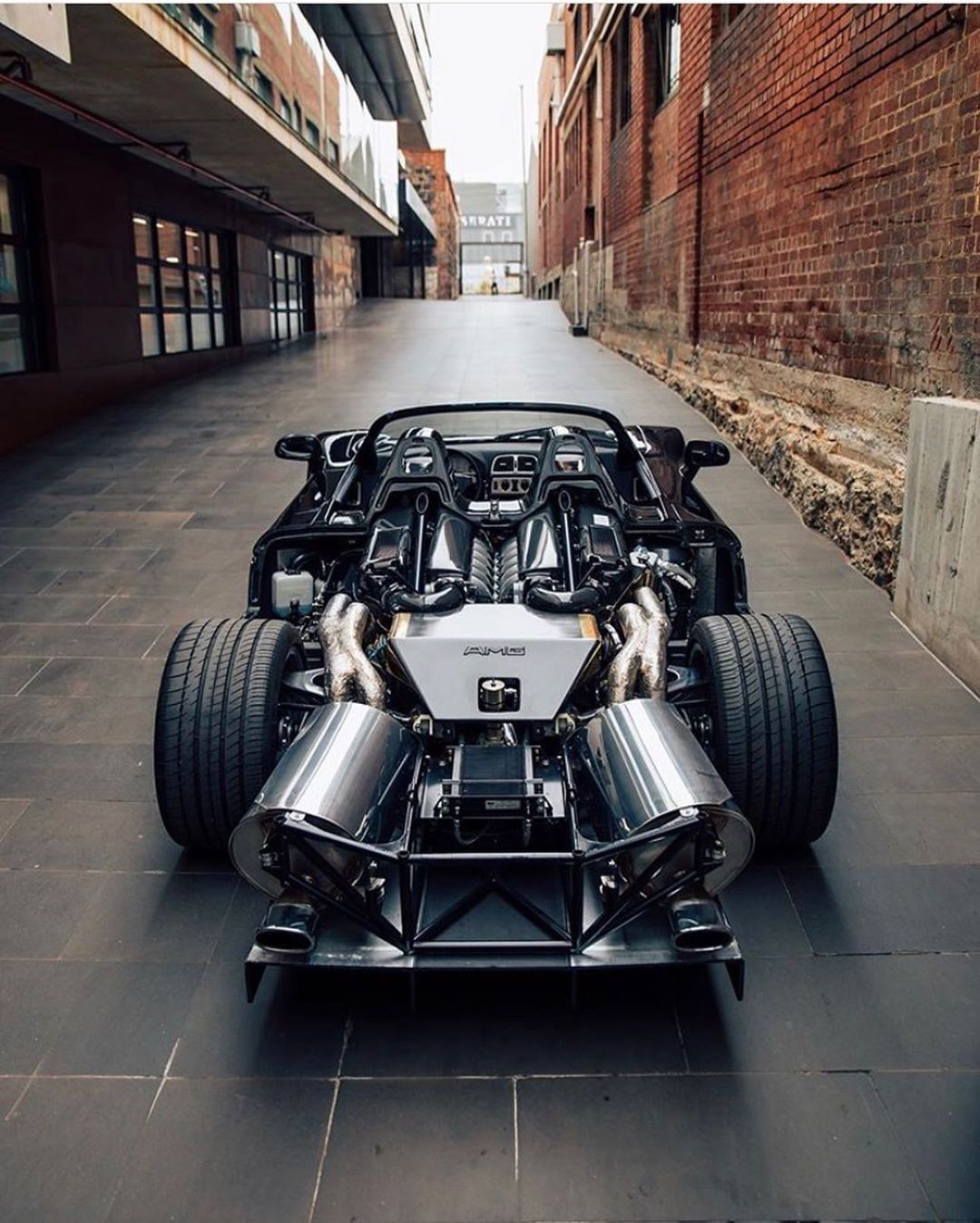
Kabina Straßenversion Coupe – zegar i silnik wersji Roadster
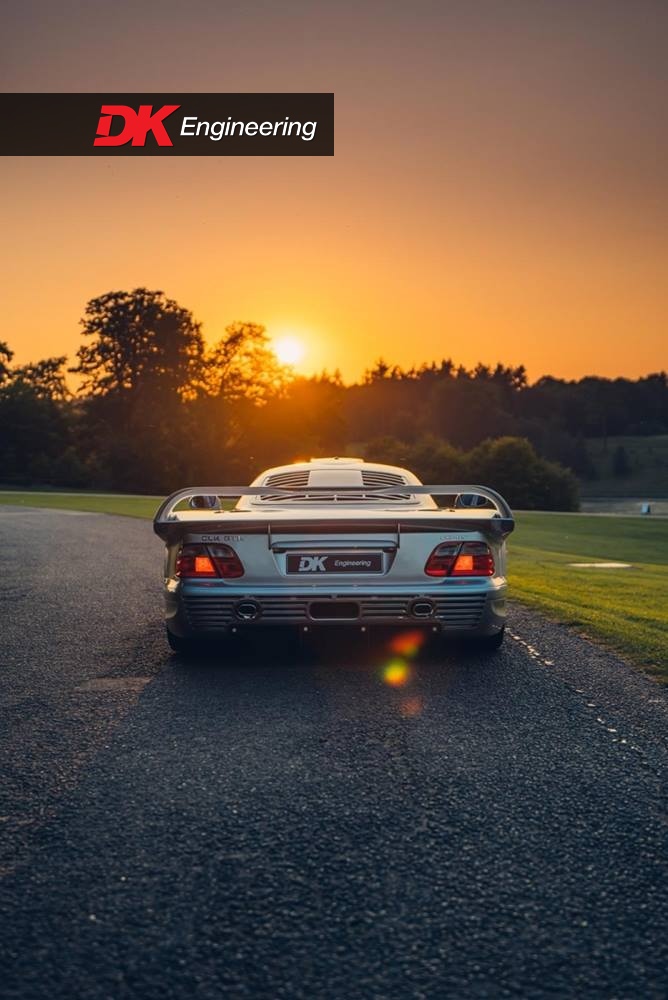
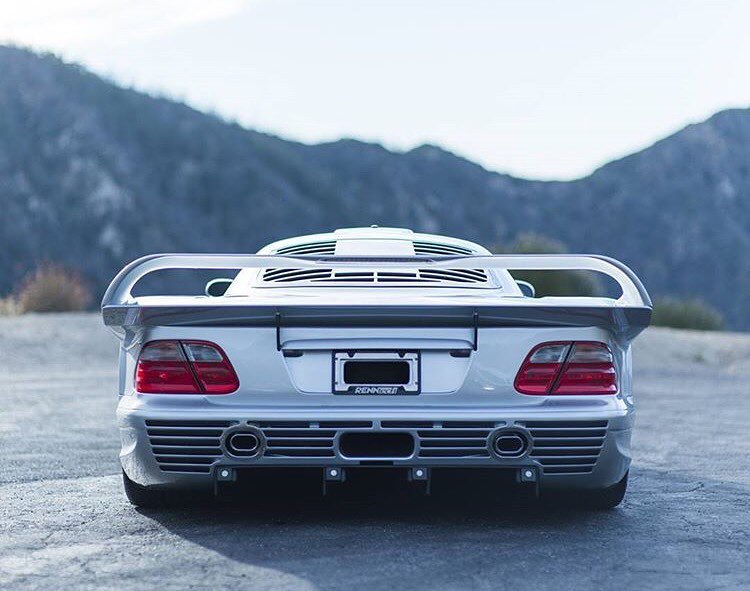
Rozwój auta dla ludu, to już inna historia. HWA mogło walić w chuja i postawić na koła jedną sztukę do mistrzostw – ale żeby dało się tym jeździć normalnie po drogach publicznych i się nie zabić… ło, to synek – to trzeba usiąść i na spokojnie. Przez długi okres rozwoju doszło do wielu zmian. Są plusy dodatnie i plusy ujemne. Moc wzrosła do rzeczonych 600 koni (bo obiecane było 560), ale okupiono to 1470kg masy całkowitej. Zamiast tradycyjnej dźwigni zmiany biegów w tunelu środkowym, te zmieniało się za pomocą łopatek przy kierownicy. Aero ustawione na maksymalny docisk mocno upośledzało osiągi na prostej. Prędkość maksymalna wynosiła 199mph. Dobrze, ale bez szału… żeby nie szukać daleko – tacy Anglicy na przykład – to sprzedawali plomby na mordę w tym temacie każdemu kto się napatoczył. No dosłownie nikt nie miał podejścia. McLaren wyznaczał nowy standard – z kagańcem robił 231mph a po zdjęciu blokady dawał radę i 240. Z taką nadwagą Mercedes dostawał w dupę również podczas przyspieszenia, które wynosiło 3.8s do setki. Ale na łukach? W zakrętach to Niemcy dominowali. Podwozie Mercedesa było odporne na jakiekolwiek naprężenia, auto bardzo komunikatywne a reakcja na ruch kierownicą – natychmiastowa. Sporo trakcji zapewniały szerokie opony, a do tego jeszcze docisk z tylnego spojlera i wlotu na masce. Tu Mercedes robił robotę jak nikt inny – ale wymagał umiejętności za kierownicą.
Wyścigowe sprzęgło miało bardzo krótki skok i potrzeba było nie lada precyzji aby nim operować. W środku zero wygłuszenia a dźwięk V12, które miałeś… no bezpośrednio za głową, wdzierał się w bębenki niczym PiSowcy do zarządów spółek skarbu państwa. Do tego wszystko – silnik, skrzynia biegów, zawieszenie – wszystko stało na wspólnej ramie pomocniczej, więc wibracje w kabinie były niemożebne jak w ruskim Kamazie. A samo wnętrze? Nosiło cechy wspólne z CLK z produkcji seryjnej. W środku znalazła się klimatyzacja i elektryczne lusterka. Kierownica i zestaw audio wprost z popularnych modeli Mercedesa… ale natury auta nie oszukasz. Kierowca nie miał łatwego życia siedząc w takim bolidzie. Nie miał ani wygody, ani luksusu – i to w samochodzie za parę dużych baniek. Mercedesie!
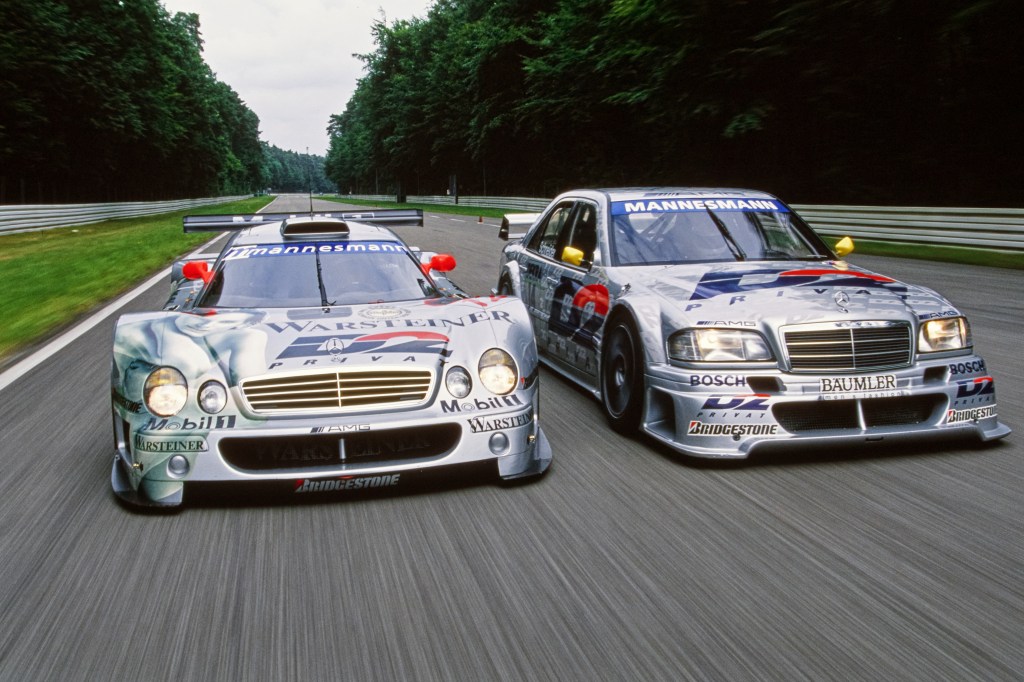
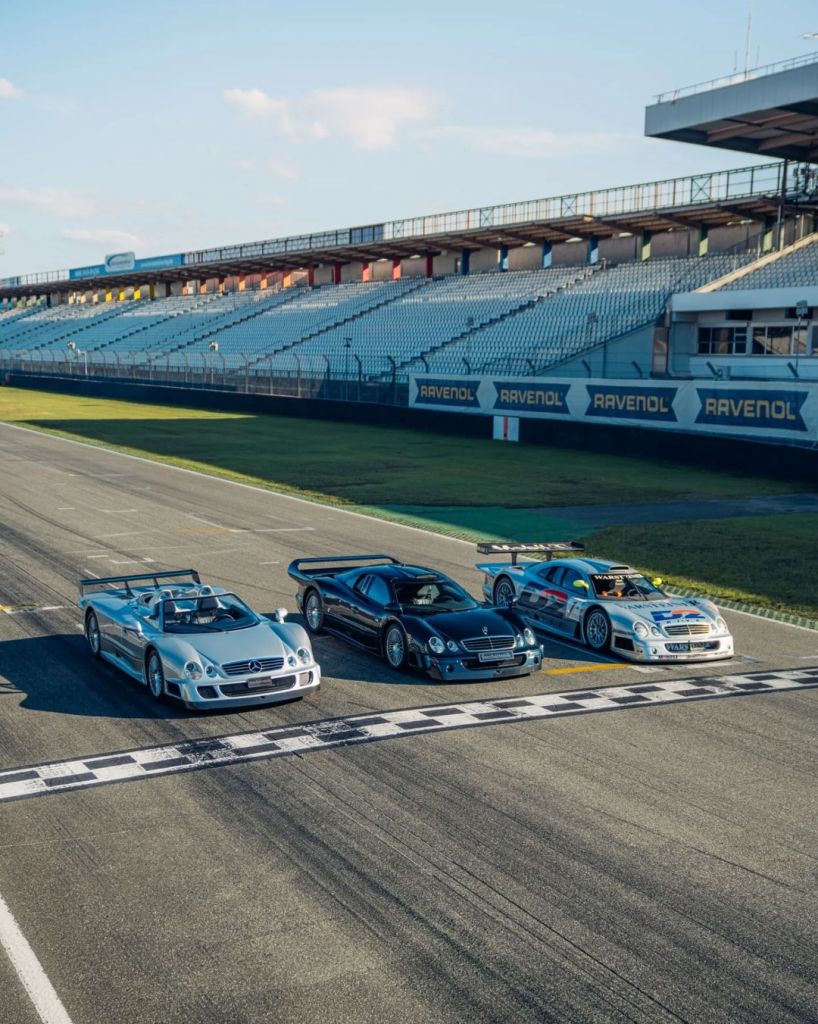
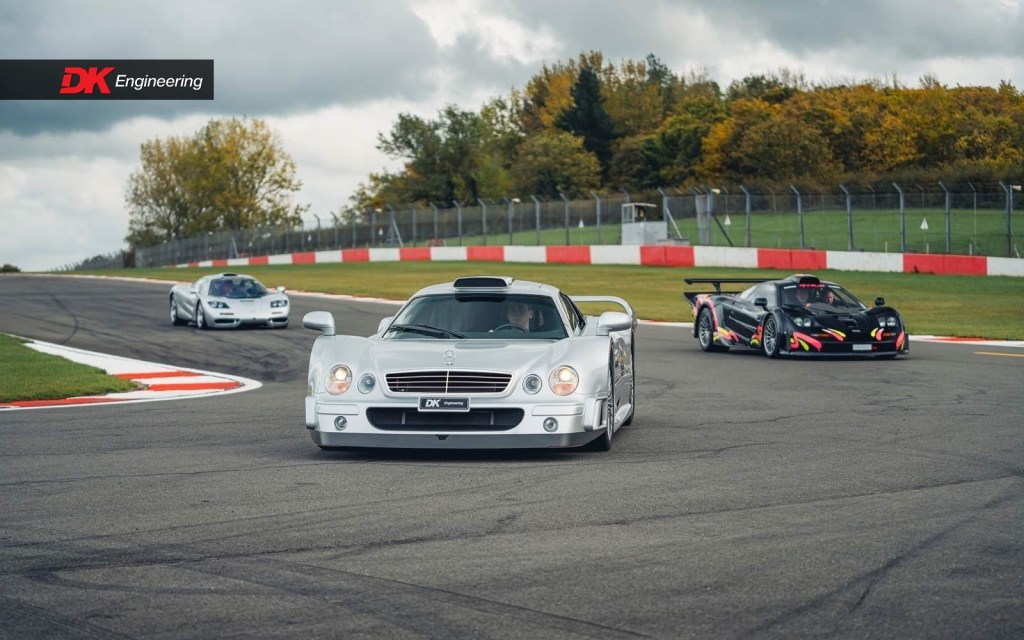
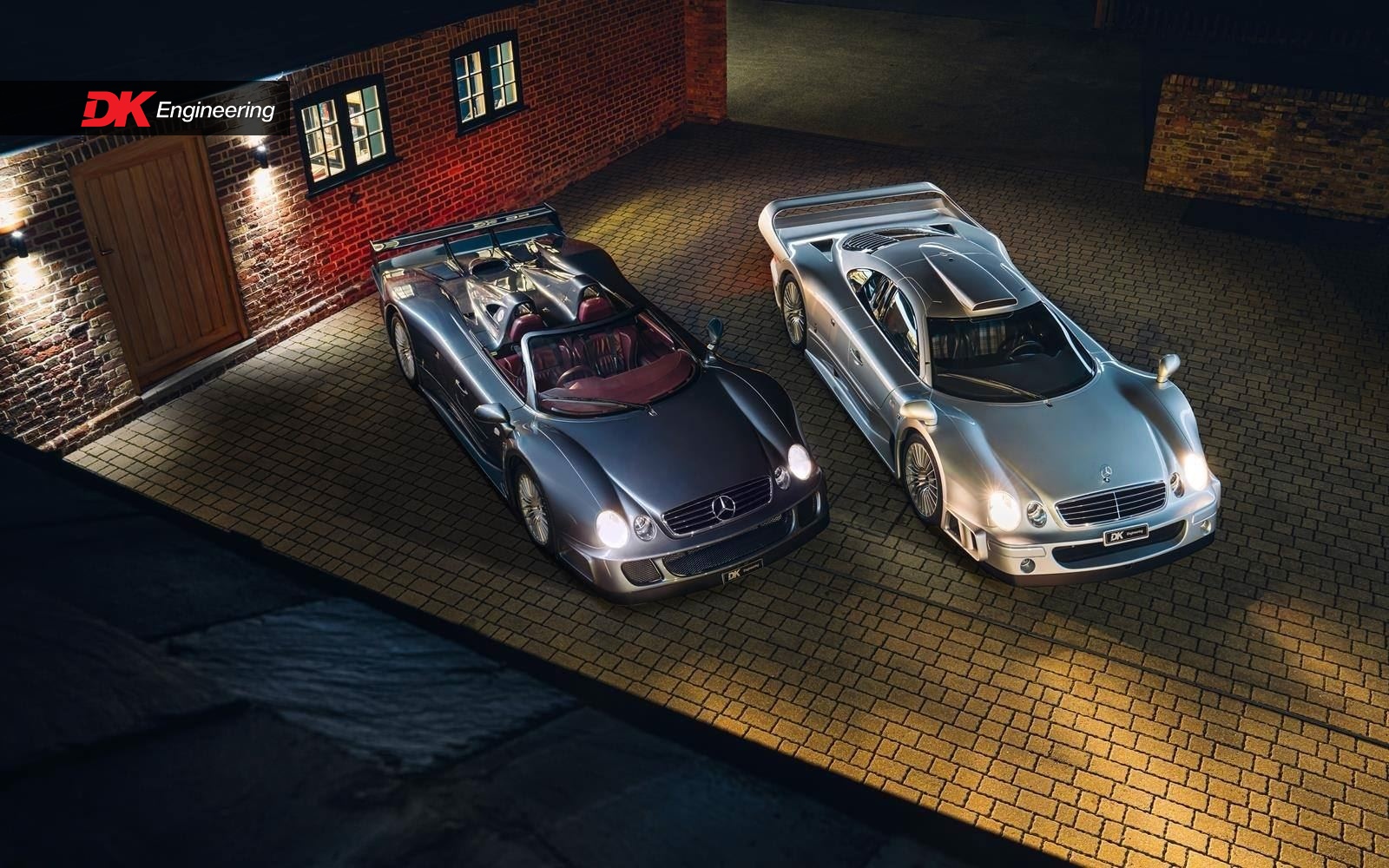
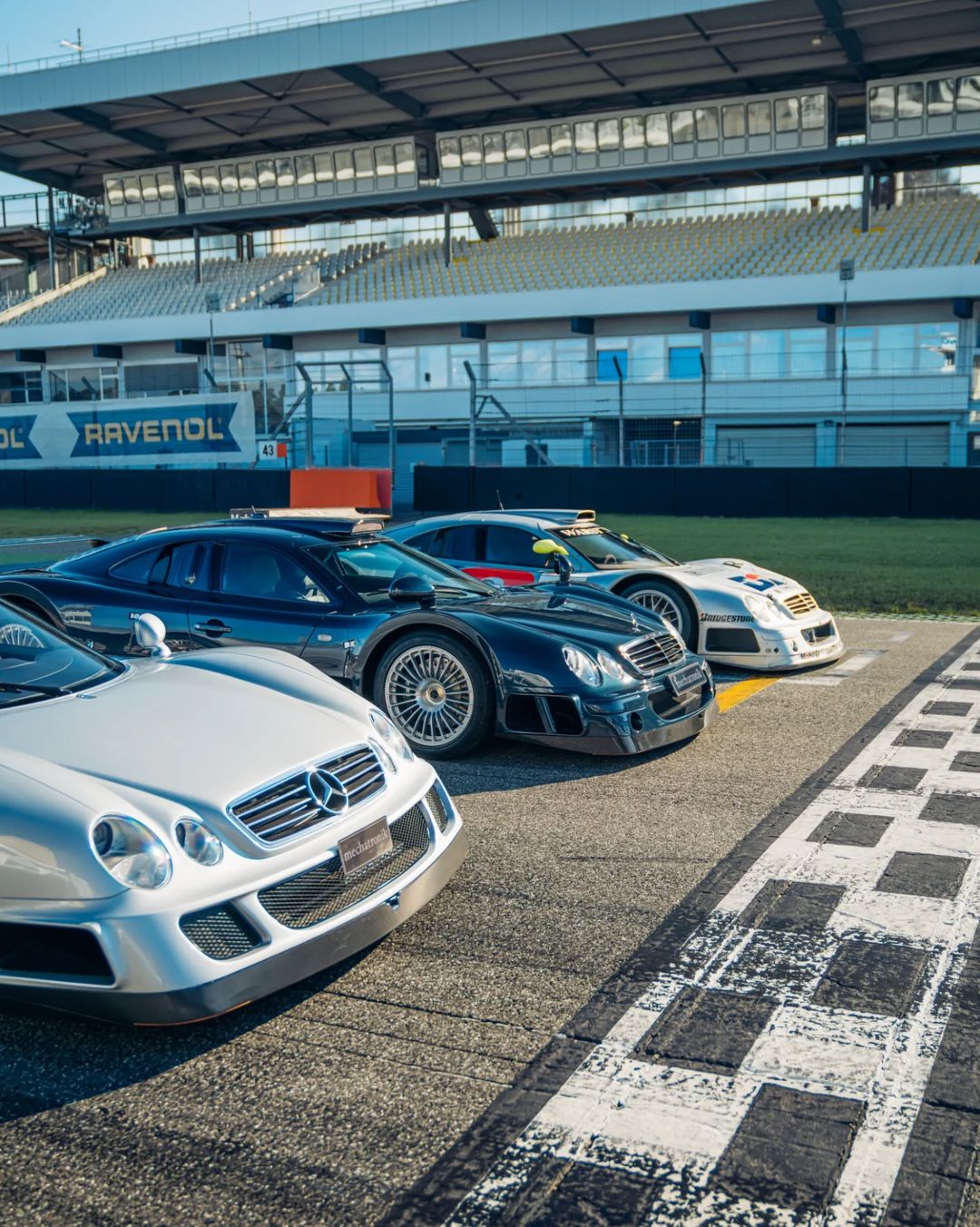
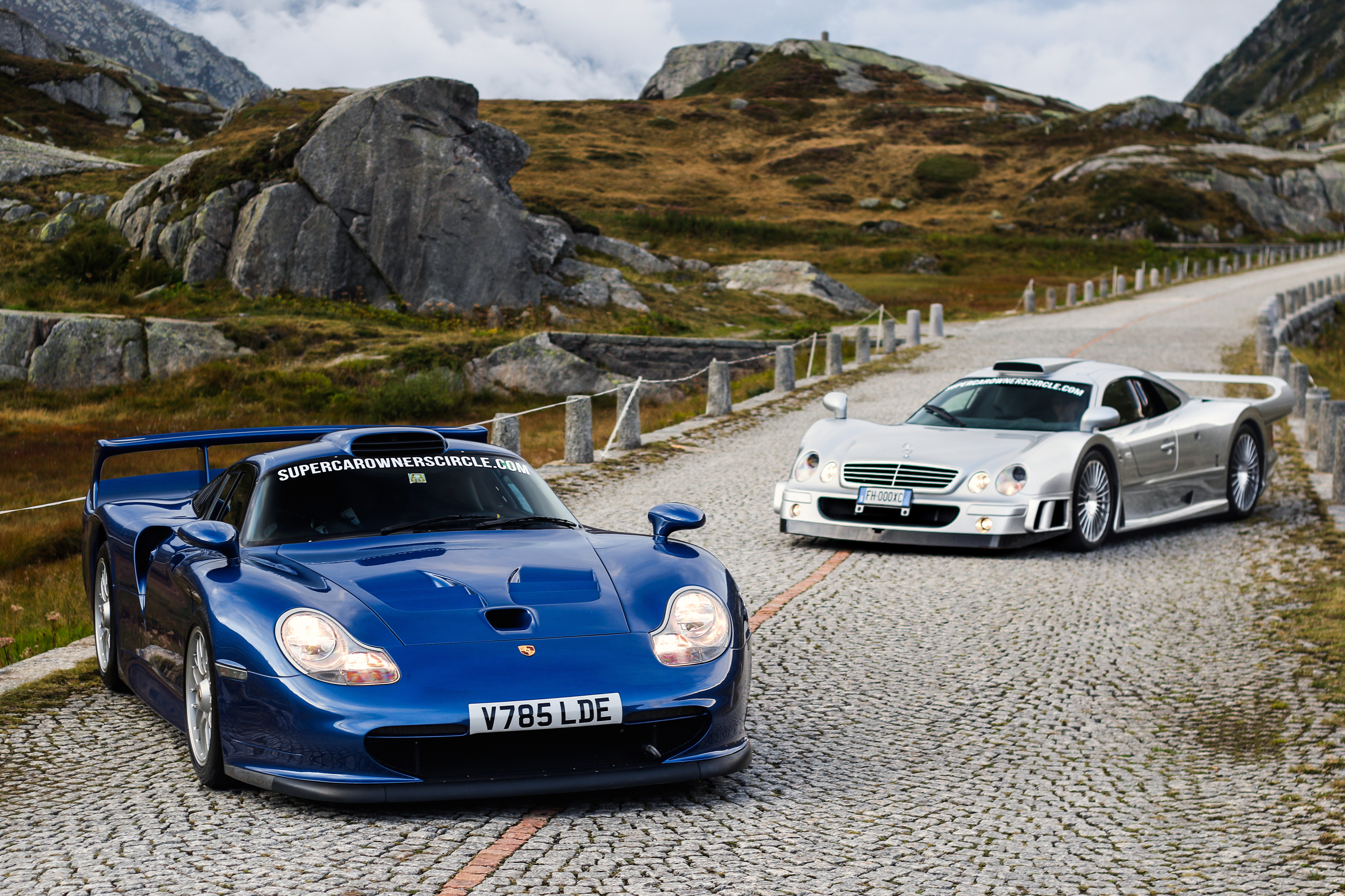
FIA GT, Straßenversion Coupe oraz Roadster stojące razem w jednej linii
Właściwości jezdne również dalece odbiegały od komfortu. Inżynierowie AMG starali się o jak najłagodniejsze ustawienie zawieszenia, a i tak nie nadaje się to do jazdy po drogach publicznych – nawet mimo faktu, że CLK GTR został wyposażony w masę systemów podtrzymywania życia jak ABS, kontrola trakcji, czy wspomaganie kierownicy. To właśnie to, swoją drogą, było główną przyczyną opóźnień w produkcji i przybraniu na wadze dobrych 500 kilogramów względem wersji wyścigowej. Rozumiecie to? To duże uproszczenie, ale jedna trzecia wagi tego pojazdu, to systemy bezpieczeństwa.
Drogowa wersja Coupe oraz wyścigowa FIA GT
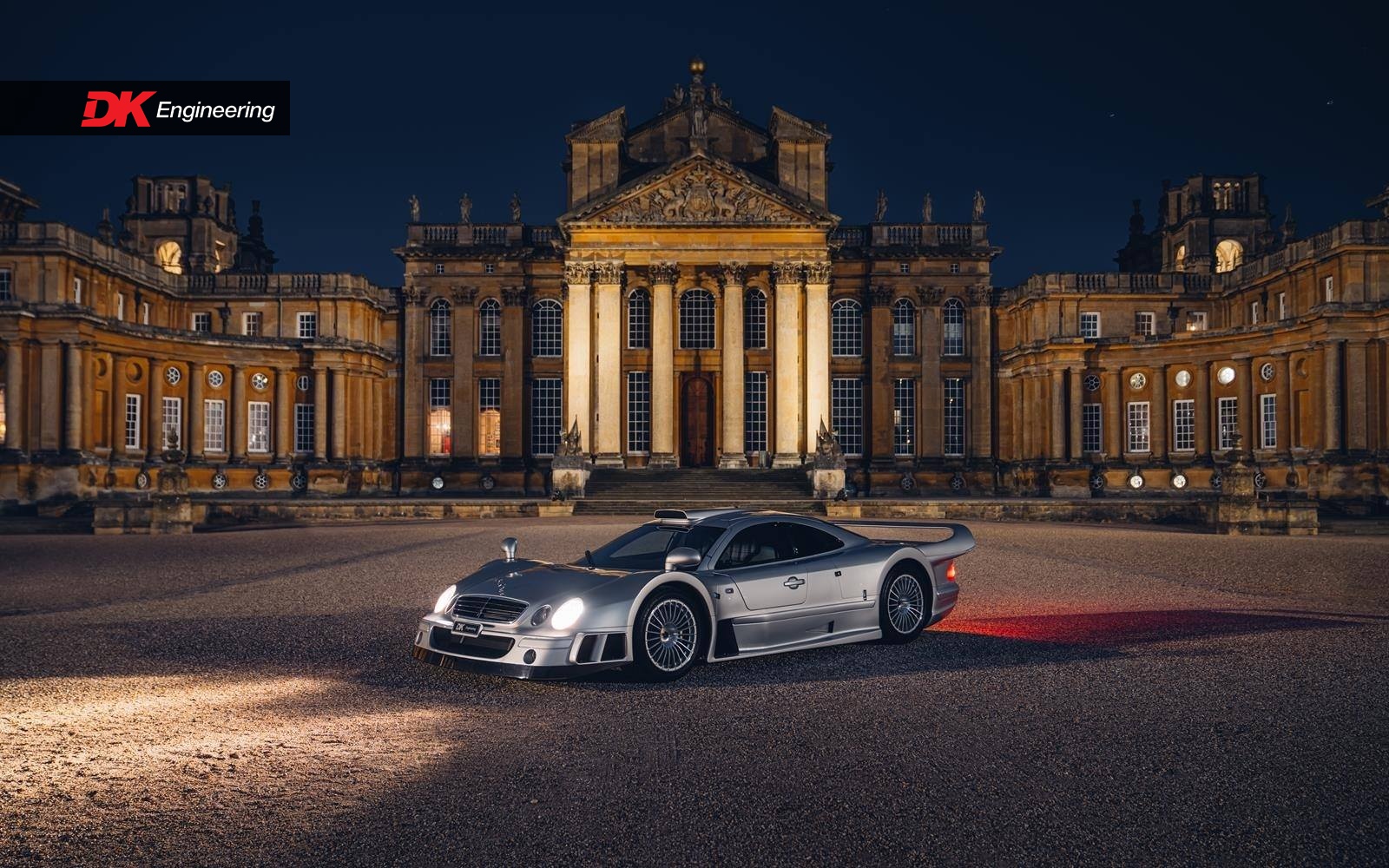
Mercedes był arcydrogi… nawet w porównaniu do innych aut w tym segmencie – pobił rekord Guinnessa i kosztował tyle co dwa McLareny F1. HWA była specjalną sekcją wewnątrz AMG i to oni przygotowali 20 egzemplarzy w dwa lata. I zanim zaczną się pytania o to, czy panowie z AMG się nie bali, że ktoś się dowie, że nie spełnili wymogów homologacji – no właśnie się dowiedzieliście, i co? To były takie czasy, że poza samym McLarenem, to chyba każdy w dupie miał te ustalenia i robili, co chcieli. Porsche chyba jako pierwsze przycięło w chuja ze swoim GT1, które oparte było o technologię 993, a potem 996 istniejących wersji modelu 911. FIA nie miała nad nimi żadnej władzy – a skoro już ich nagrodziła dwoma tytułami, to nie mogła ich cofnąć za lata poprzednie. A poza tym, HWA fizycznie miała dodatkowe platformy, z których po latach wykonano 6 sztuk wersji roadster.
Mercedes miał dwóch głównych rywali w sporcie: Porsche pod postacią 911 GT1 oraz McLarena F1 w barwach BMW Motorsport – ale ostateczna walka o zwycięstwo toczyła się między Mercedesem a McLarenem. Podczas inauguracji na torze Hockenheim oba Merce musiały się wycofać – to wina pospieszonego procesu rozwoju pojazdu. Oba egzemplarze wtedy zawiodły. Jeden odpadł już na 5-tym okrążeniu z powodu usterki zestawu hamulców, a drugi – również z problemami – ukończył na dalekiej pozycji. No cóż, zdarza się. Chociaż nadzieje były wielkie, bo Mercedesy miały pole position i najlepszy czas okrążenia w tym wyścigu. W kolejnych rundach kierowcy GTRów już stale stwarzali zagrożenie. Mercedes oba eventy kończy w pierwszej dziesiątce – Silverstone na drugim stopniu podium – mniej niż sekundę za McLarenem. Co ciekawe – Niemcy odpuścili sobie tamtą edycję Le Mans aby skupić się na rozwoju obiecującego projektu.
Ten dodatkowy czas na pracę oczywiście przyniósł żniwo w postaci dominacji tak na torze Nurburgring, jak i Zeltweg, Suzuka oraz Donington. Wszystkie te eventy skończyły się zarówno pierwszym, jak i drugim miejscem dla kierowców CLK-GTRów. Pozostałe cztery rundy to dalsze pasmo sukcesów: 2 razy drugie miejsce (Mugello i Spa w środku sezonu) i dwa razy triumf na koniec (ostatnie rundy: Sebring i Laguna Seca). Od początku sezonu, na 30 wszystkich startów modelu CLK GTR, Mercedes przedwcześnie kończył tylko 4 razy… 3 z nich w wyniku wypadku – to pokazuje jak bardzo można było polegać na tym modelu. Jak świetna to była platforma do wyścigów. Bernd Schneider został mistrzem… a jego auto nie miało nawet homologacji.
FIA wymagało, aby do końca sezonu przedstawić drogową wersję… więc Mercedes to zrobił. Pokazali światu jeden jedyny egzemplarz na podstawie auta do wyścigów. Z grubsza różnił się od niego tylko zintegrowanym tylnym spojlerem oraz V12 o mocy 612 koni. Oczywiście nie trafił do sprzedaży, bo tego papier FIA już nie wymagał – wszystkie drogowe warianty zostały w rękach Mercedesa aż do końca 1998 roku. Wtedy w ogóle zaczęto produkcję pozostałych 20 sztuk na sprzedaż. 1.5M dolarów takie coś kosztowało – najdroższy samochód w swoim czasie. W tym czasie rozpoczęto przygotowania do sezonu ‘98 i czoła stawiło im już tylko Porsche. BMW skupiło się na Le Mans, więc McLareny już nie wyjechały na tor, a taki np. Bitter ze swoim GT1 – nie ukończył nawet jednego startu.
Porsche miało poważny niedowład względem Mercedesa i CLK-GTR przez pierwsze dwie rundy sezonu jechał jak po swoje. To był jednak koniec dla Teamu AMG – pałeczkę przejął Persson Motorsport. Ich GTRy musiały się jednak mierzyć z nowym przeciwnikiem… ale nie uprzedzajmy faktów. AMG zamiast kontynuować program FIA GT – postanowili przygotować pojazd do Le Mans. Wariant CLK-LM miał 5-litrowe V8 – duuuużo lżejsze to niż V12. Było też prostsze w budowie i bardziej niezawodne, a wyposażone w większe ograniczniki dolotu – generowało podobne 600 koni mocy. Do tego miało lepszą aerodynamikę dzięki obniżonej masce, jak i linii dachu. Nie pomogło to nic, bo oba te “ulepszone” silniki zesrały się w parę godzin po starcie a cały event trafił w ręce… kierowcy dokładnie tego Porsche GT1, które dostało wpierdy od Mercedesa w dwóch pierwszych rundach FIA GT Championship.
Po tych perypetiach AMG wróciło na tory FIA GT. Wszystkie eventy trafiły do nich i nawet Persson Motorsport musiał uznać ich wyższość – ale to prywaciarze, więc to nieuczciwe ich porównywać 1:1. Niemcy wygrali wtedy wszystko – dosłownie każdy jeden wyścig. Mercedes zdobył 146 punktów, kiedy drugie w tabeli Porsche – jedyny poważny rywal – miało ich zaledwie 49. CLK-GTR nie miał realnej konkurencji, więc FIA po prostu zamknęła temat. Zakazano tego typu pojazdów z rokiem 1999-tym i AMG – w myśl zasady, że raz w dupę to nie pedał – skupilło swoje siły przerobowe na konstrukcję nowego auta do Le Mans. Mercedesa CLR – takiego, którego już nie wiązały żadne limity homologacji. Takiego, który pozamiatałby od razu. Nie pozamiatał – to znaczy pozamiatał… kilka drzew rosnących wokół toru. Drugą sztukę wycofano, gdy wozy transmisyjne uwieczniły katastrofę pierwszego pojazdu. Oj, nieszczęśliwe te Mercedesy na torze de la Sarthe… Tak to CLK-GTR – jeden z najbardziej imponujących supersamochodów – zdominował całe mistrzostwa przez dwa lata z rzędu, a zapamiętany został z dwóch klęsk we Francji. Niemiecka architektura pojazdów w swej szczytowej formie. Auto, które swoją supremacją zdruzgotało format wyścigów, w których uczestniczyło.
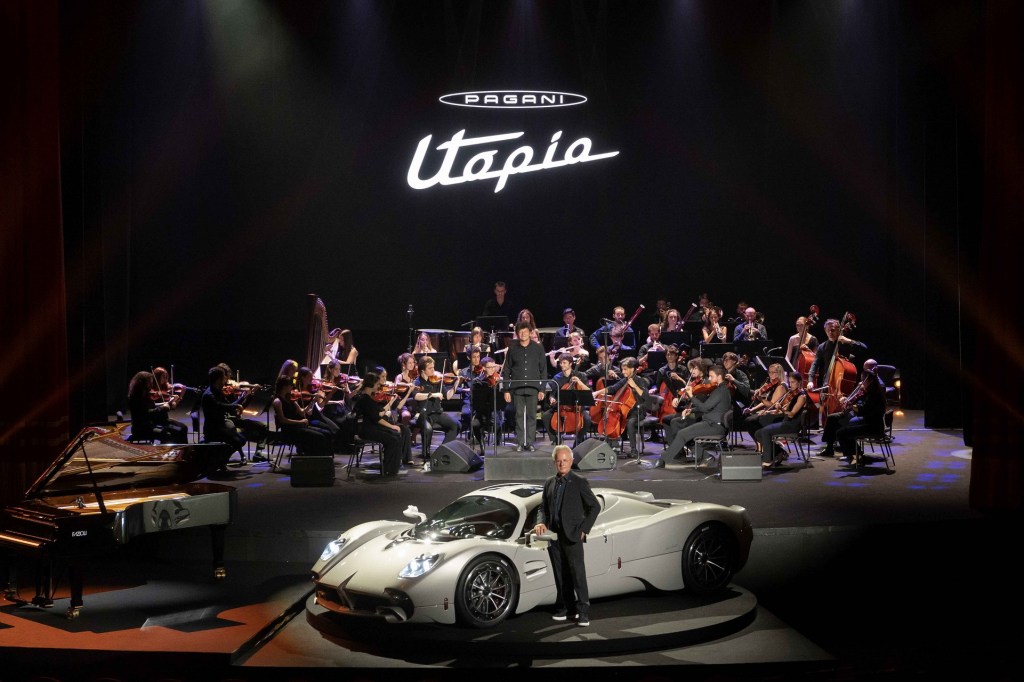
“Ponad 4 tysiące szkiców. 10 modeli w skali oraz jeden w pełnym rozmiarze. Morze pomysłów, eksperymentów… ponad 6 lat pracy nad rozwojem prototypów. Tona wyrzeczeń i niezłomna pasja prowadziła do powstania czegoś ponadczasowego i innowacyjnego zarazem.” Horacio Pagani
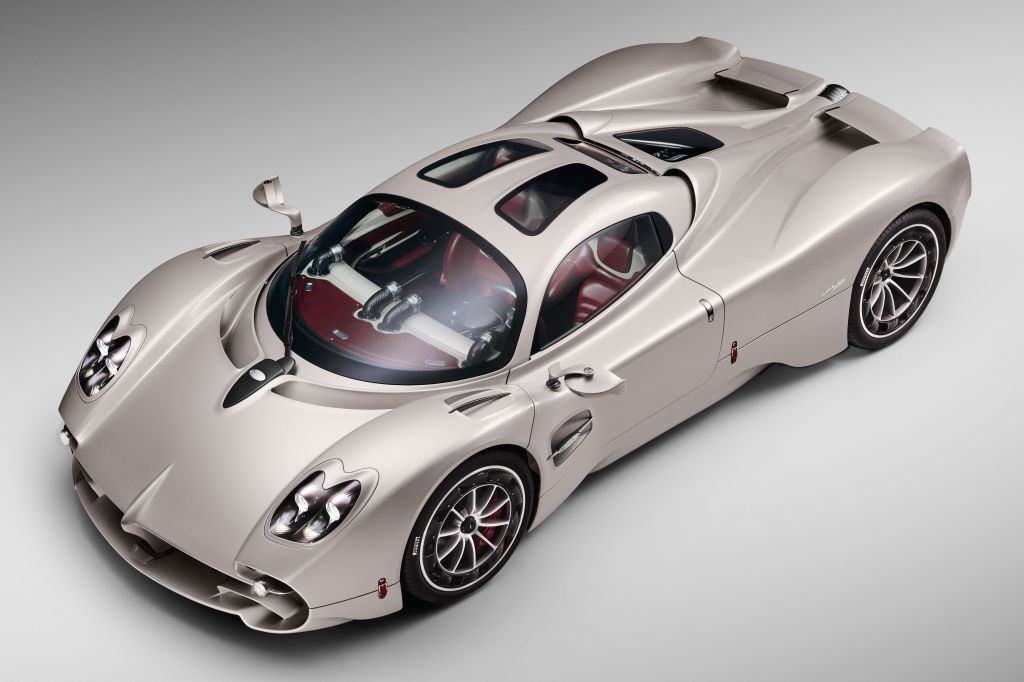
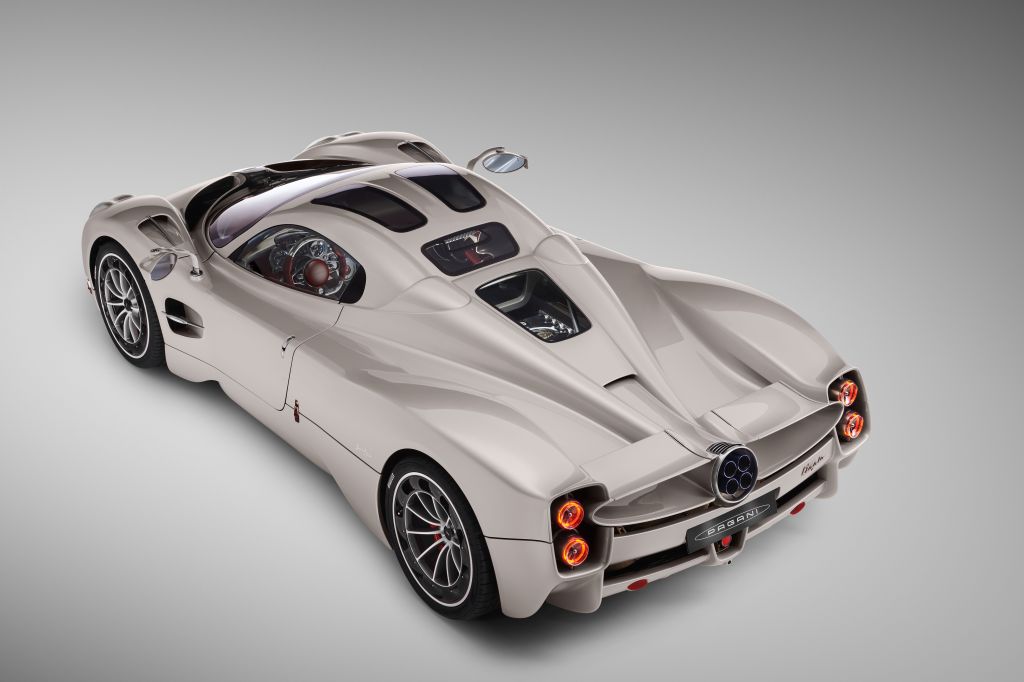
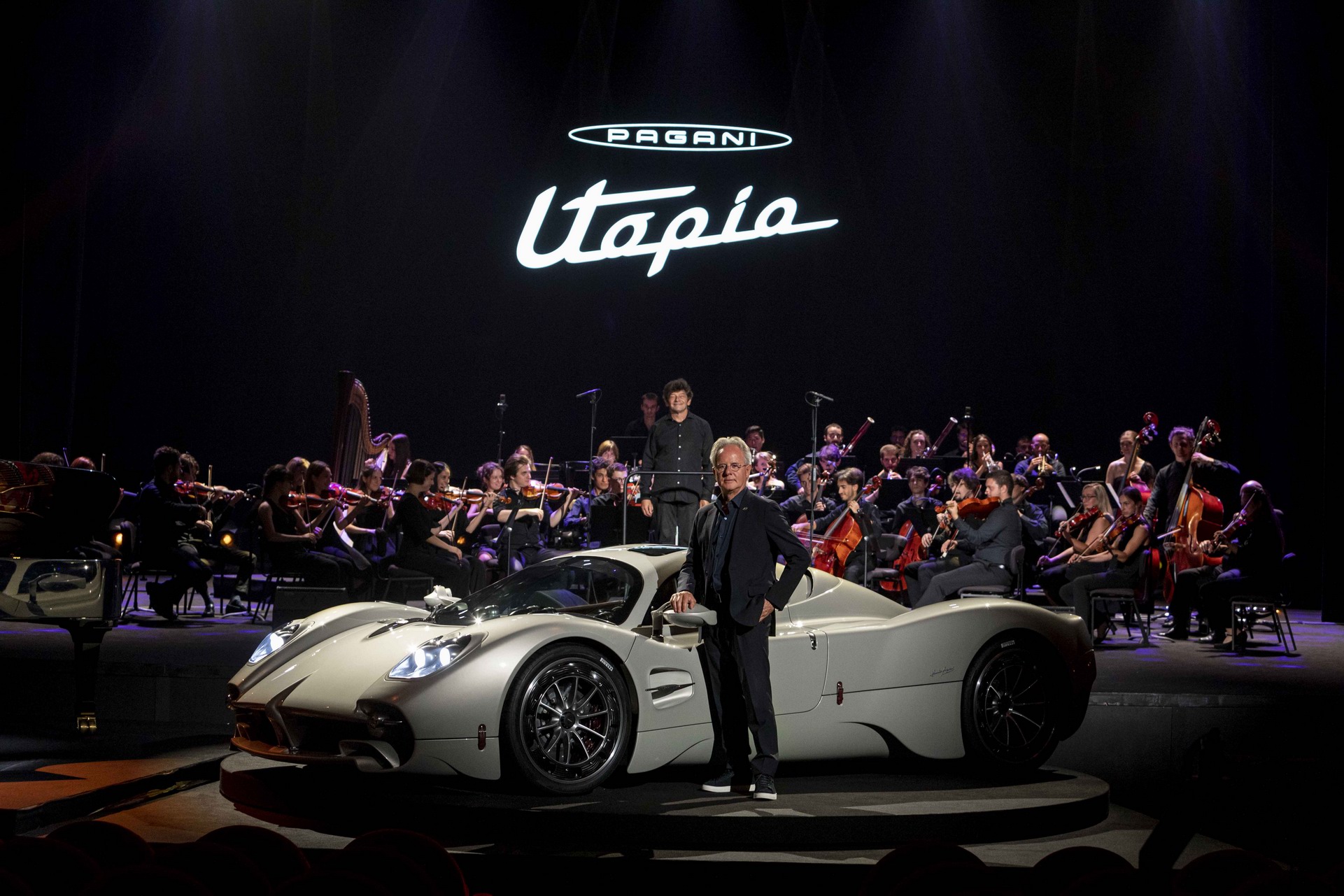
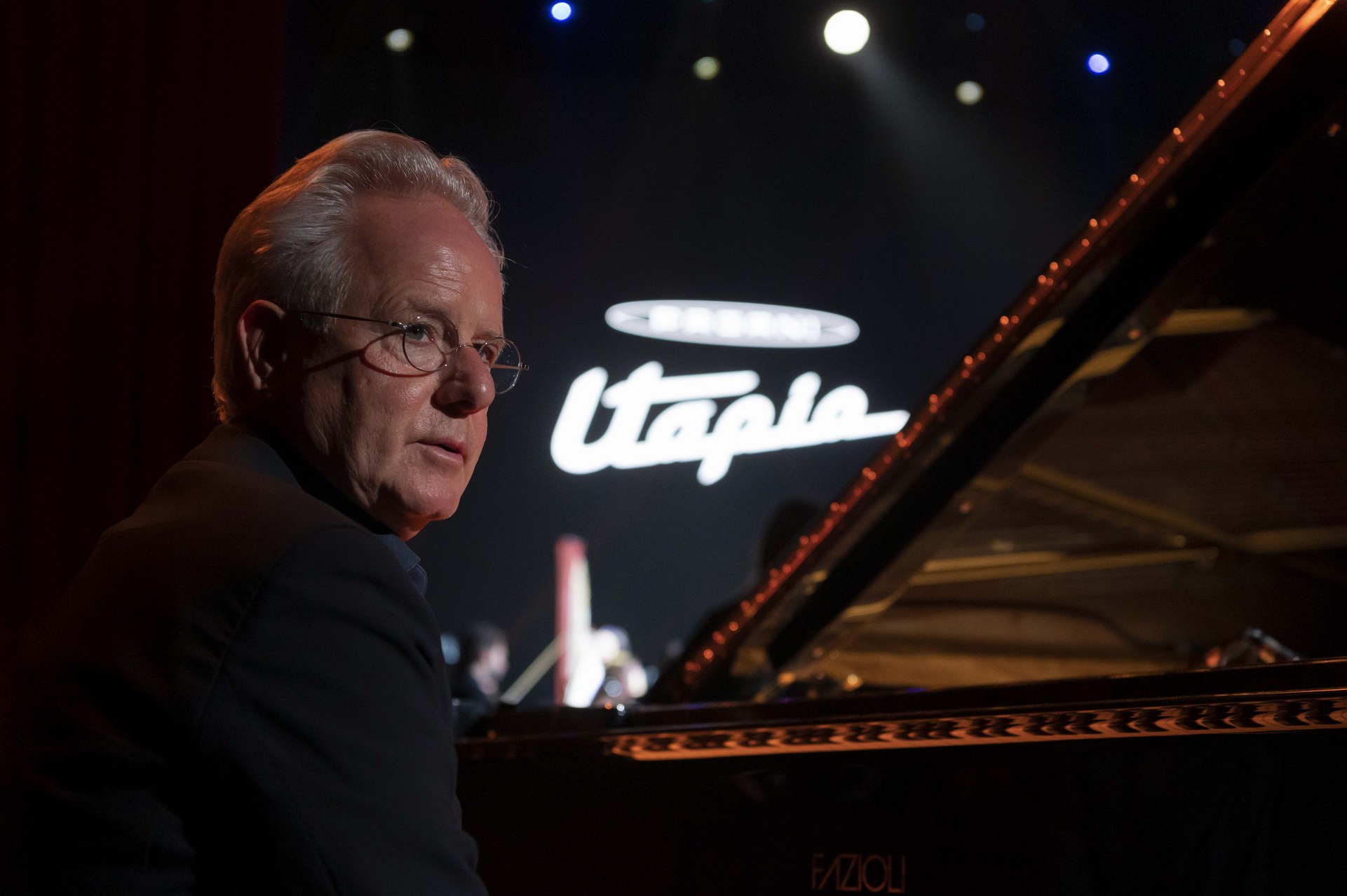
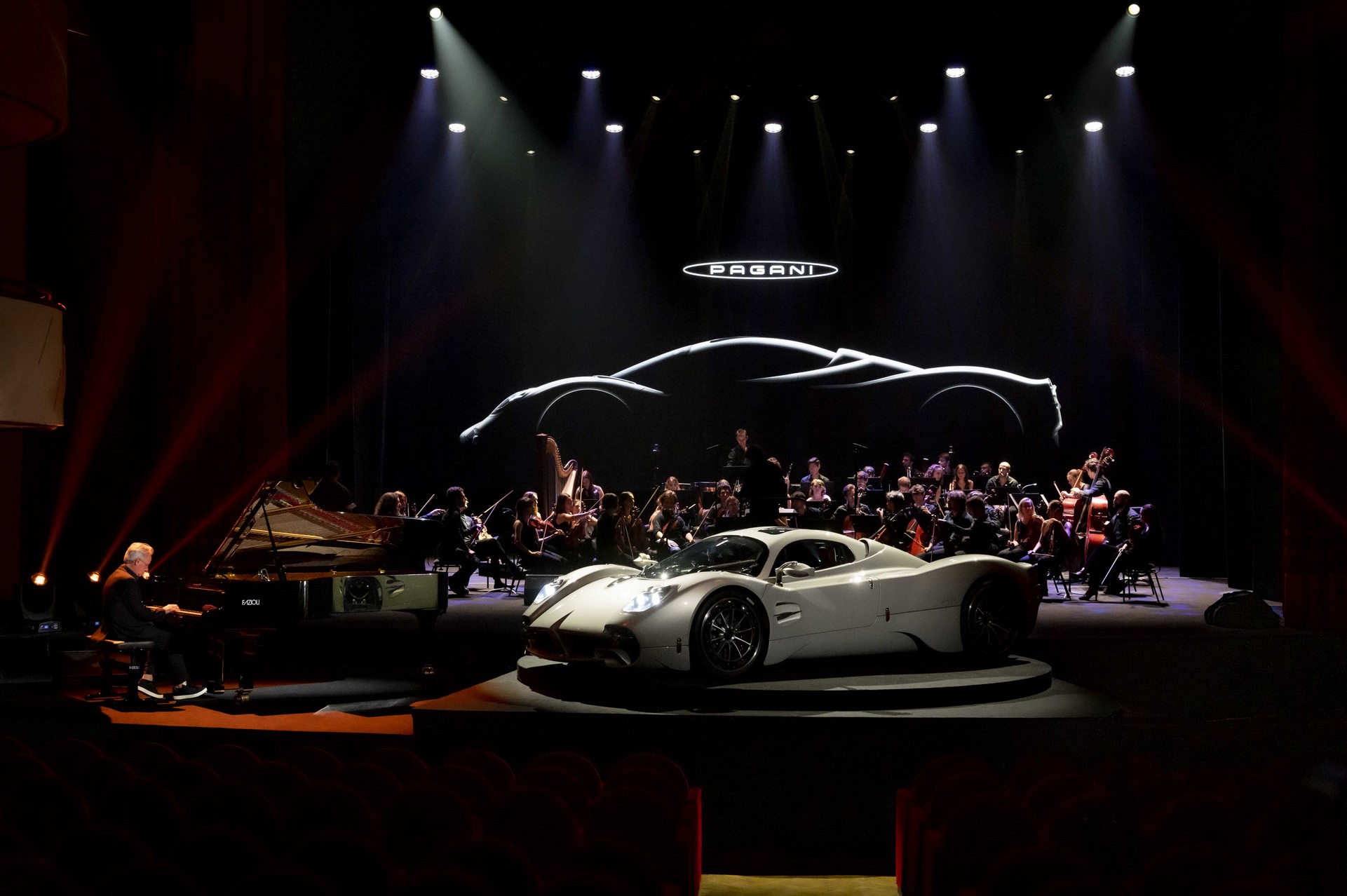
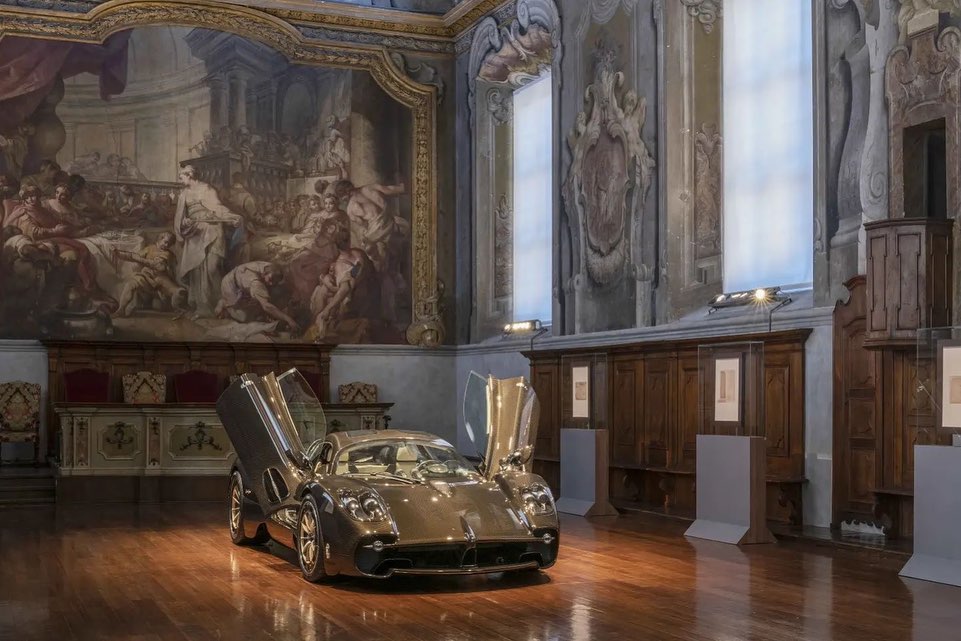
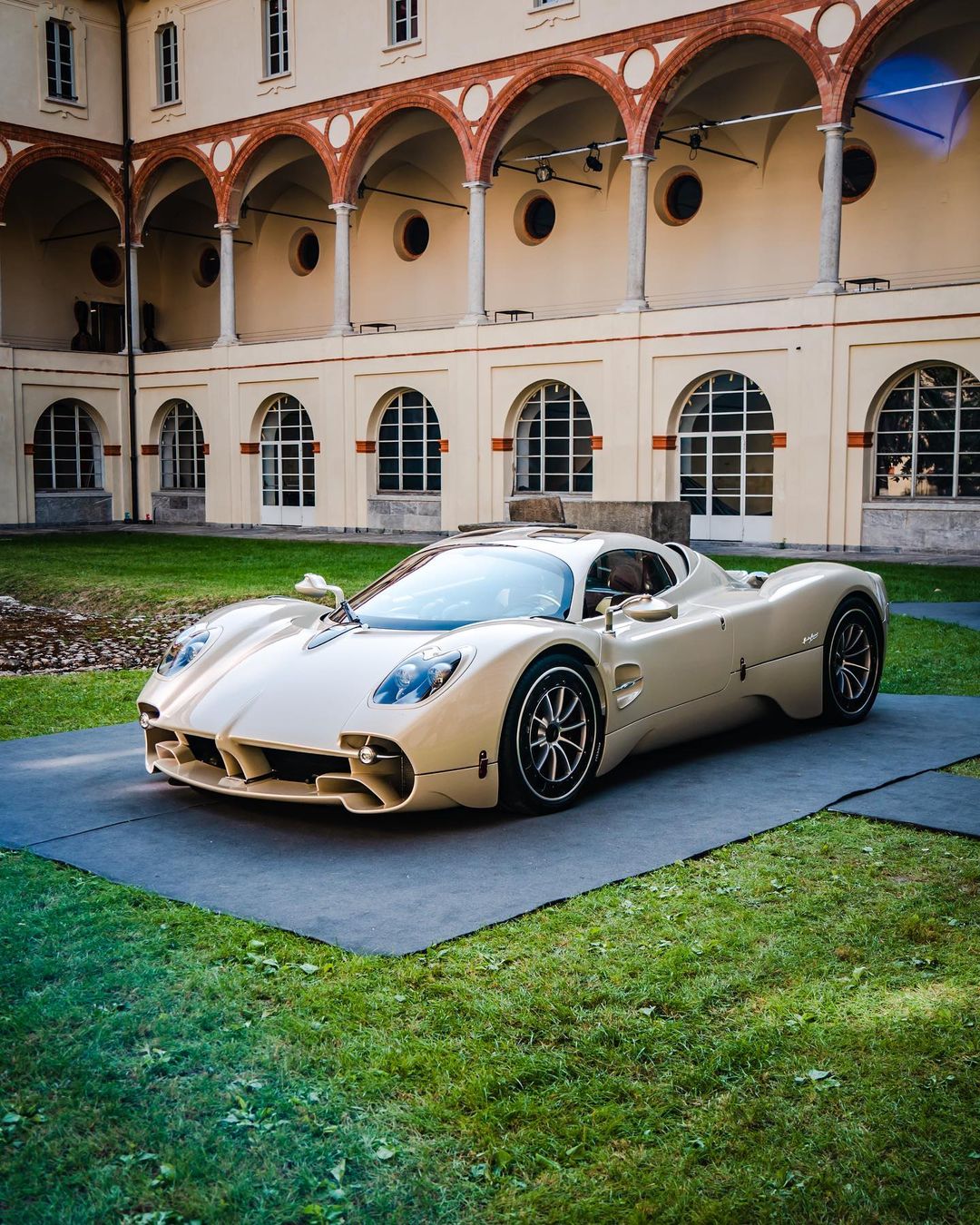
Narodowe Muzeum Nauki i Techniki w Mediolanie, w otoczeniu 6 oryginałów Leonarda da Vinci, w atmosferze Orkiestry Symfonicznej największej włoskiej akademii muzycznej – Conservatiorio Giuseppe Verdi – tak odbywa się prezentacja nowego modelu Automobili Pagani. Marki, która co i rusz obnaża to jak cienka granica dzieli samochód od dzieła sztuki. Trzecia dekada istnienia ich firmy i oto jest trzeci rozdział w jej historii. 10 pełnych lat musieliśmy czekać na kolejne auto – następcę Huayry. Równie przepiękny – kontynuuje stylistyczną tradycję Pagani, nawiązując jednocześnie do najlepszych aut sportowych lat minionych. Horacio Pagani miał w tym projekcie również pochylić się w stronę konsumenta i zdanie klienta było głównym kryterium kształtującym to auto. A klient życzył jednoglośnie: chcemy prostego i lekkiego auta dla funu. Et voilà!
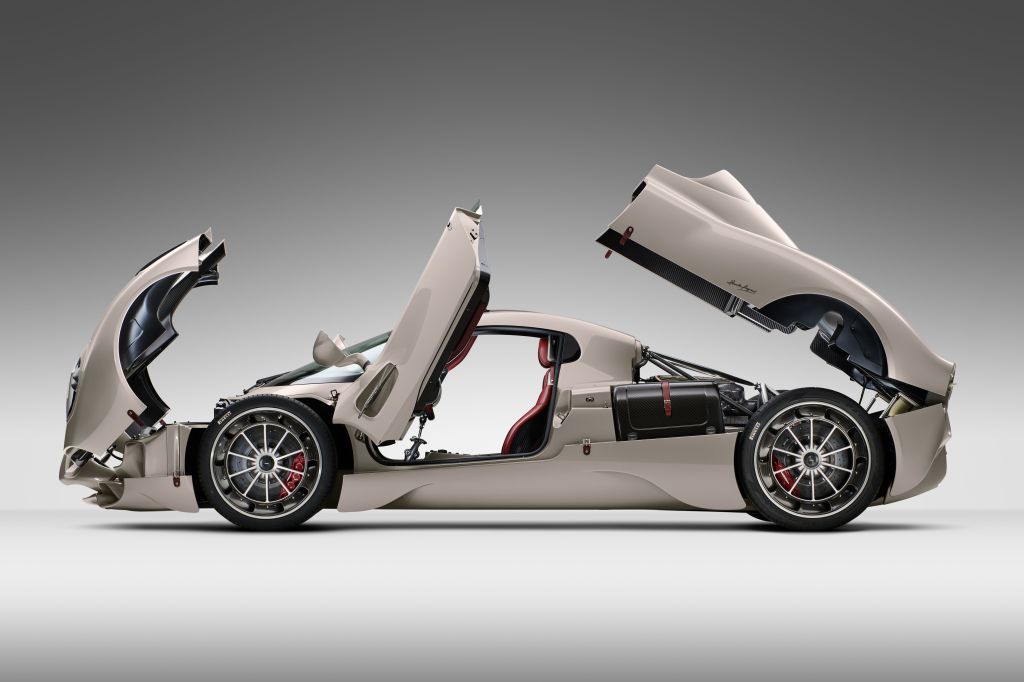
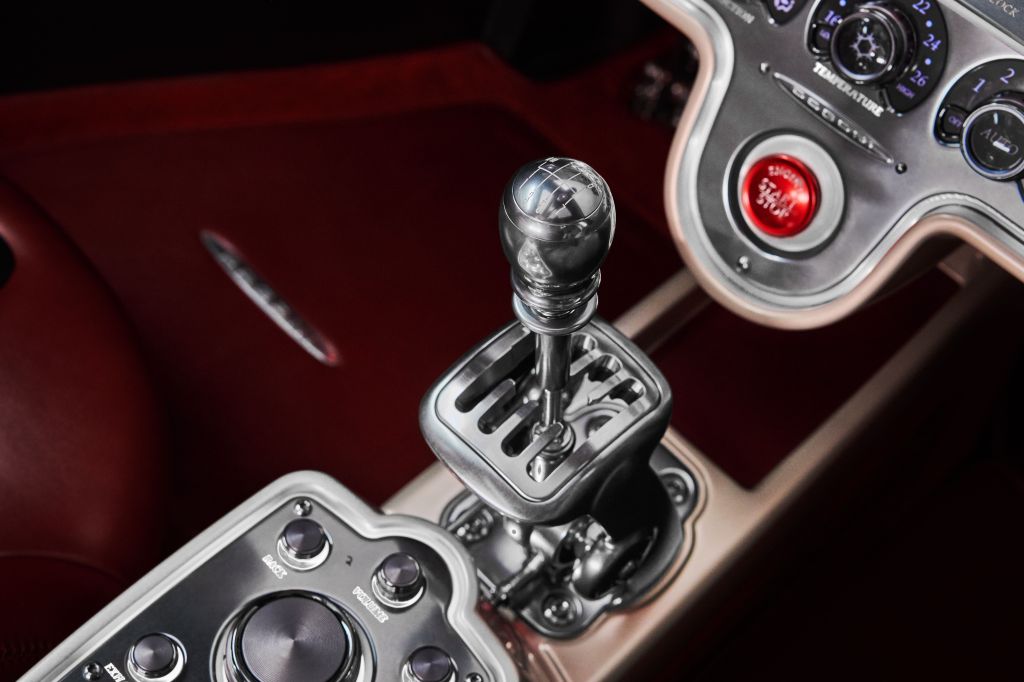
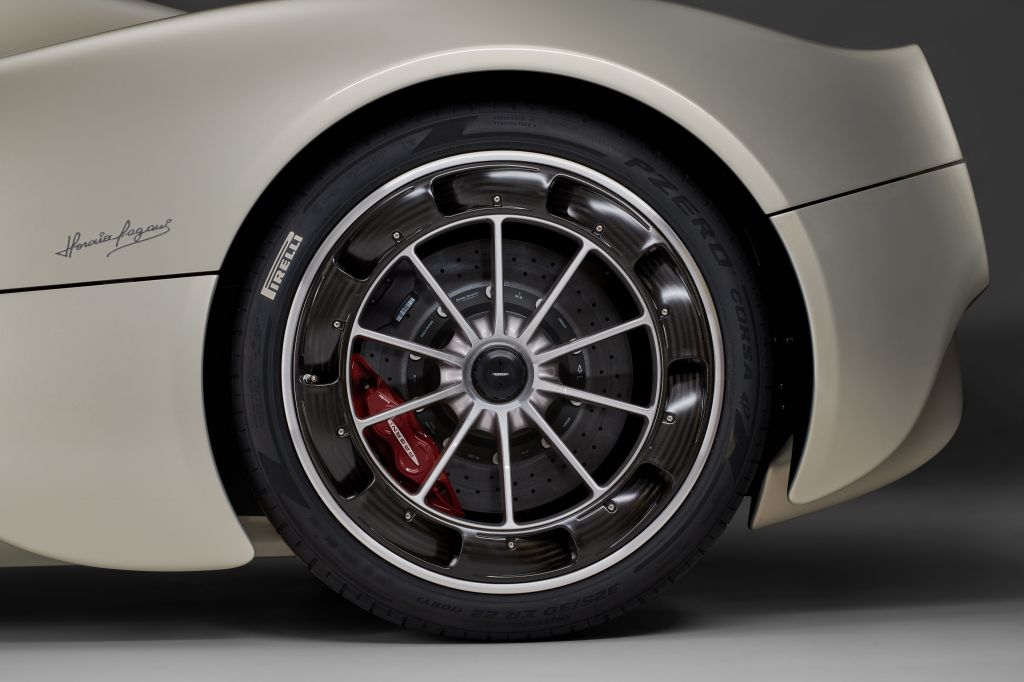
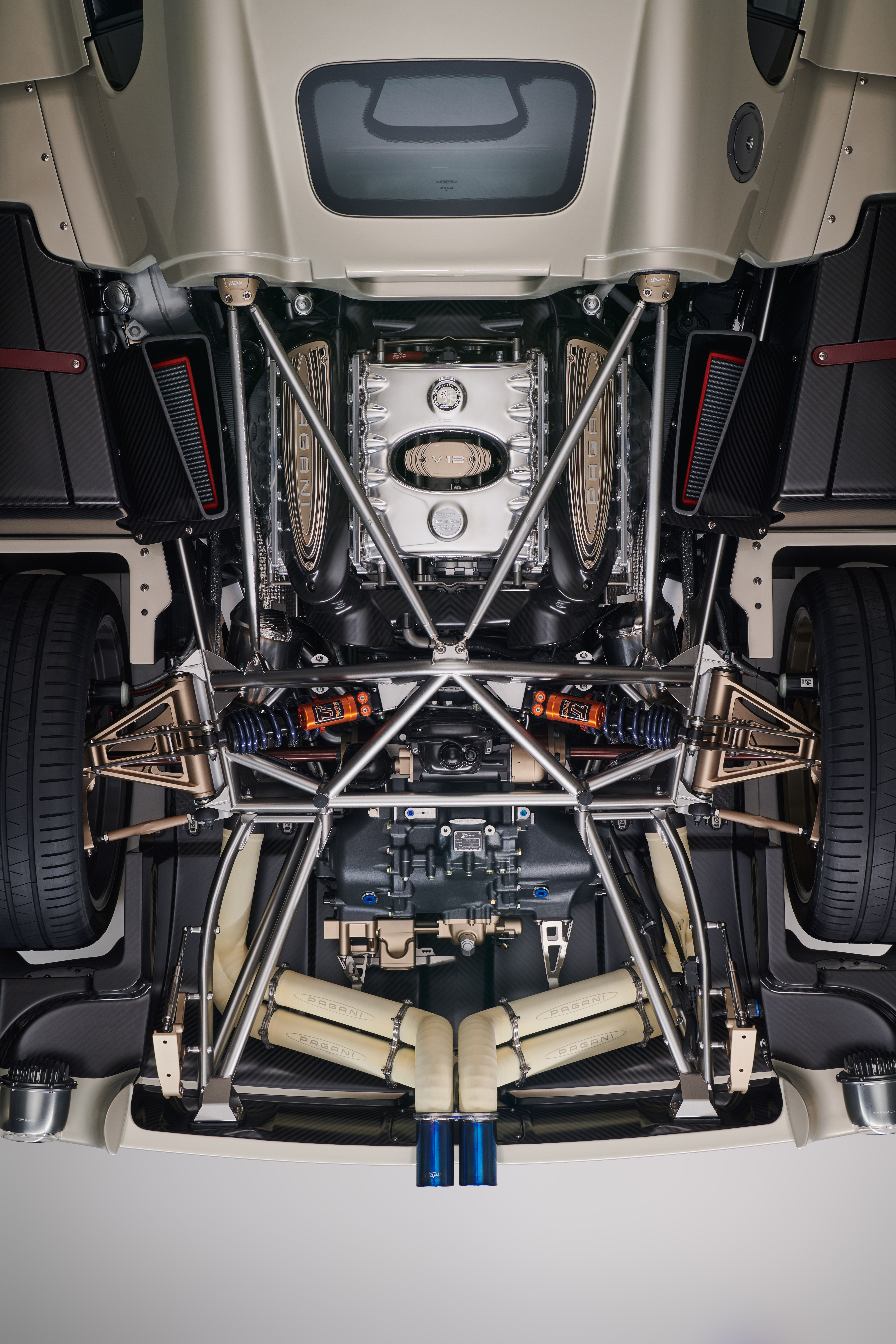
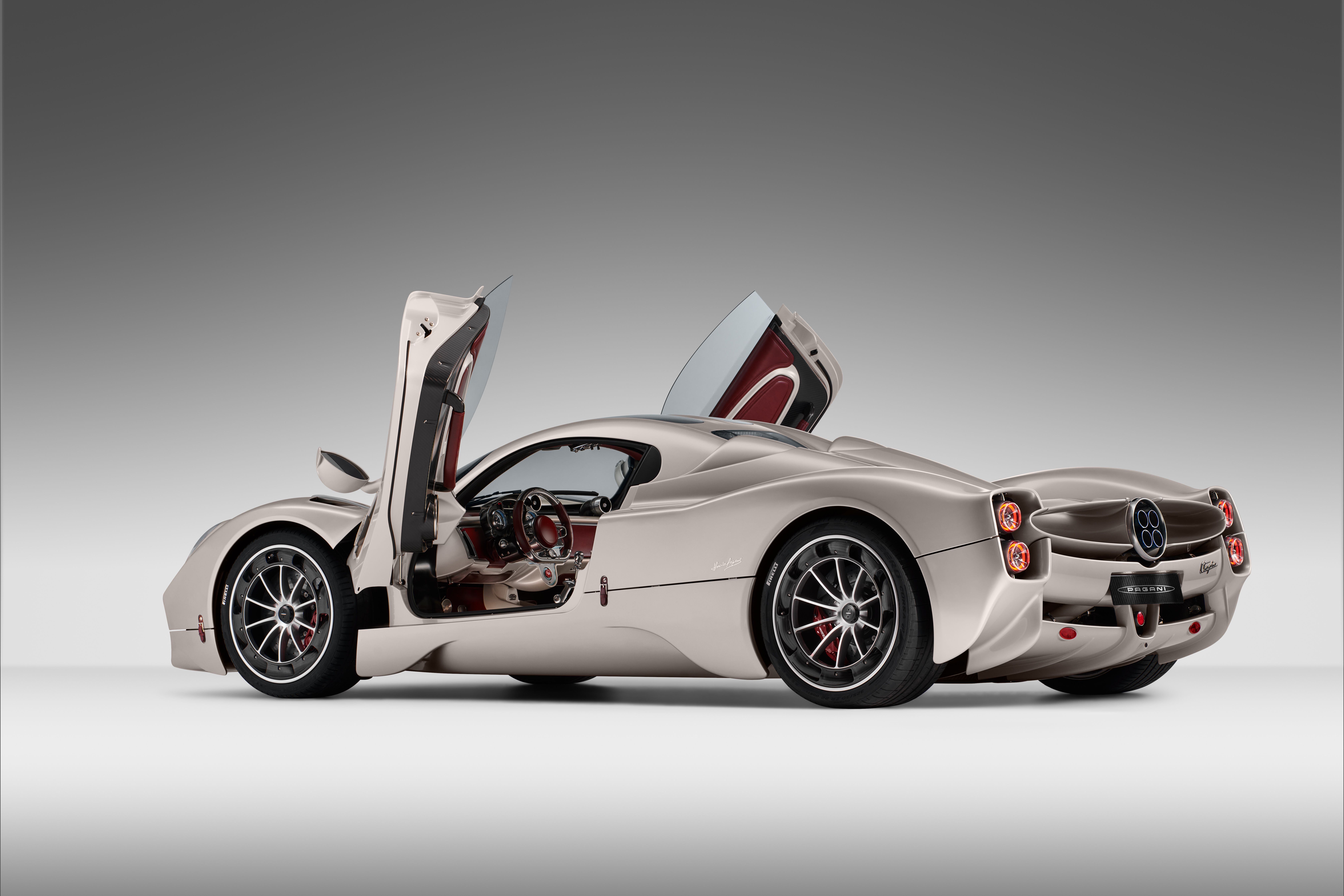
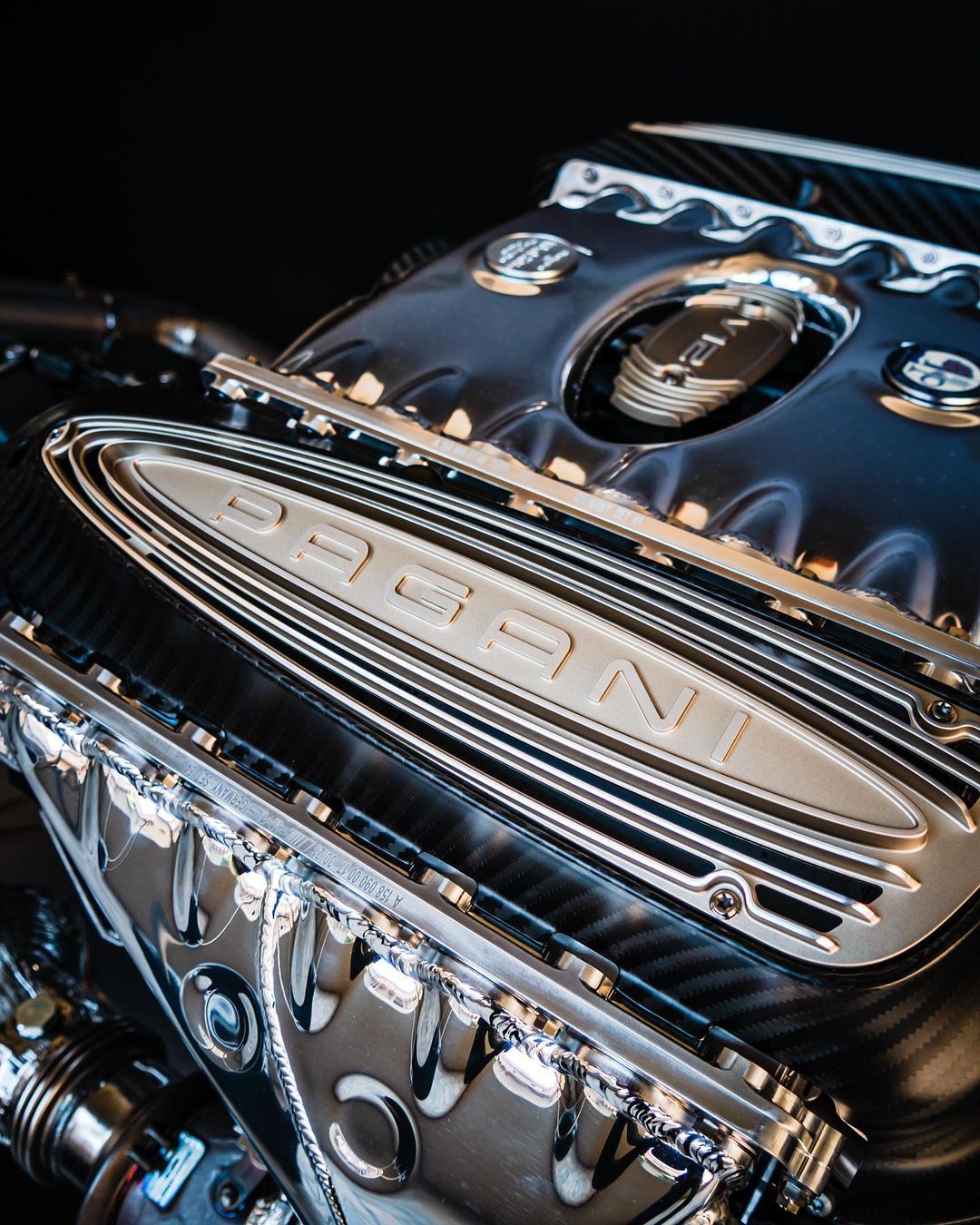
Pagani idzie pod prąd – nie uświadczysz tu hybrydowych rozwiązań. Utopia zasilana jest biturbo znanym z modelu Huayra, 6-litrowym V12 Mercedesa-AMG – bardzo możliwe, że ostatnie takie – i przenosi całą moc na tylne koła za pośrednictwem 7-biegowej manualnej przekładni – bardzo możliwe, że ostatniej takiej. Od czasów Zondy nie było nic podobnego. A ma co przenosić, bo ponad 860 koni mocy urywa jajca, a 1100 (słownie: dysk tysionc sto) Nn momentu obrotowego, zapodane już od spodu, dosłownie miażdży odbyt. Cała moc, po chrześcijańsku, idzie na tył. Bogactwo lekkich włókien węglowych, to już norma w tej klasy aucie. Taki wydech, np. – dzięki wykonaniu go z tytanu, potrafi ważyć blisko 6 kilo. Całe auto (o mocy prawie 900 koni, przypomnę) nie przekracza 1300 kg. masy własnej. Specjalny nowy rodzaj kevlaru łączonego z tytanem użyty do produkcji najnowszych Pagani, to nowy standard w tym temacie – ma o 38% lepszą sztywność w porównaniu do innych podobnych konstrukcji. Zapewnia pewność prowadzenia przy każdych prędkościach.
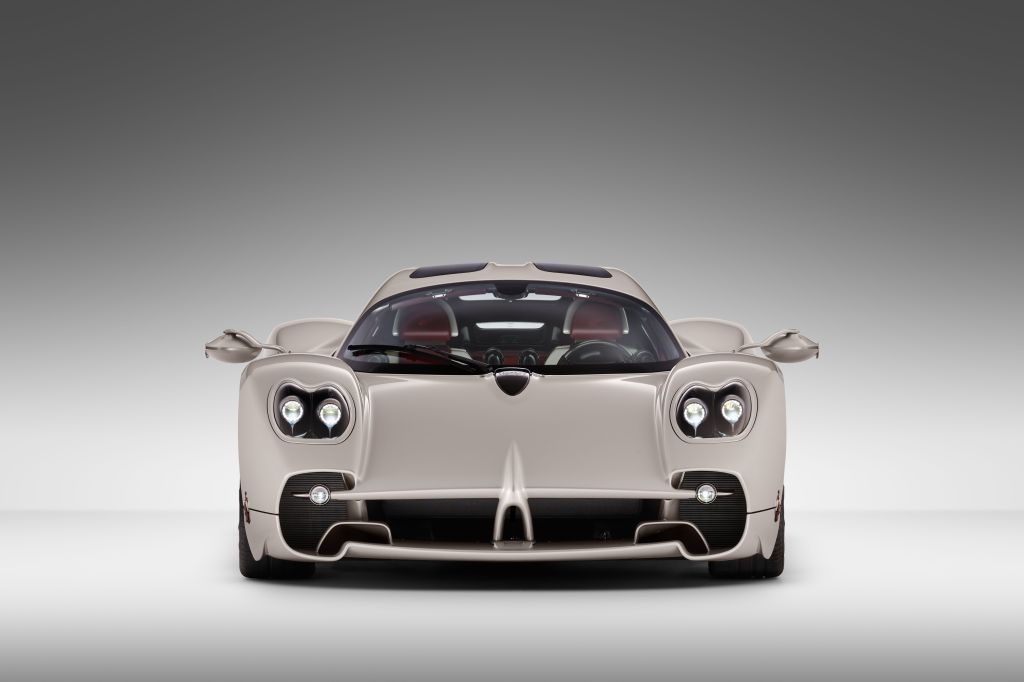
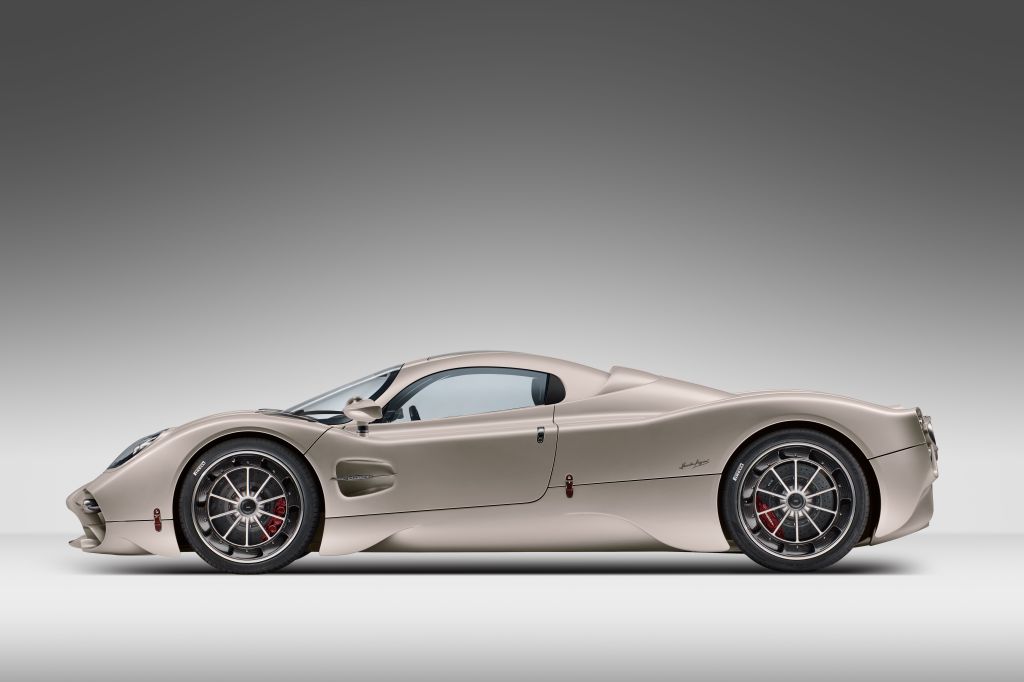
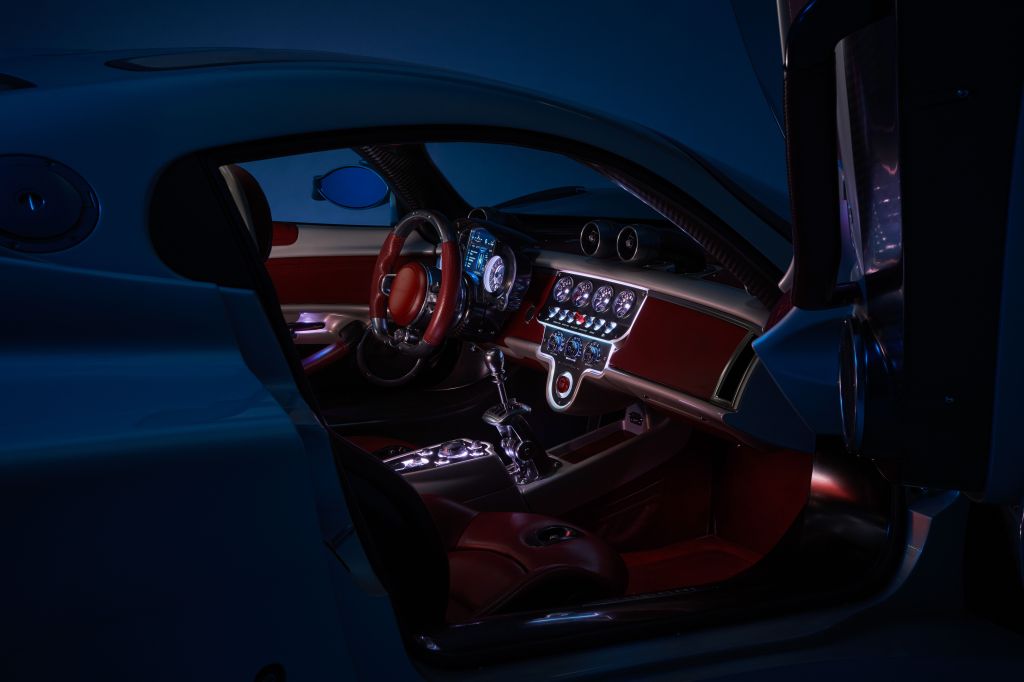
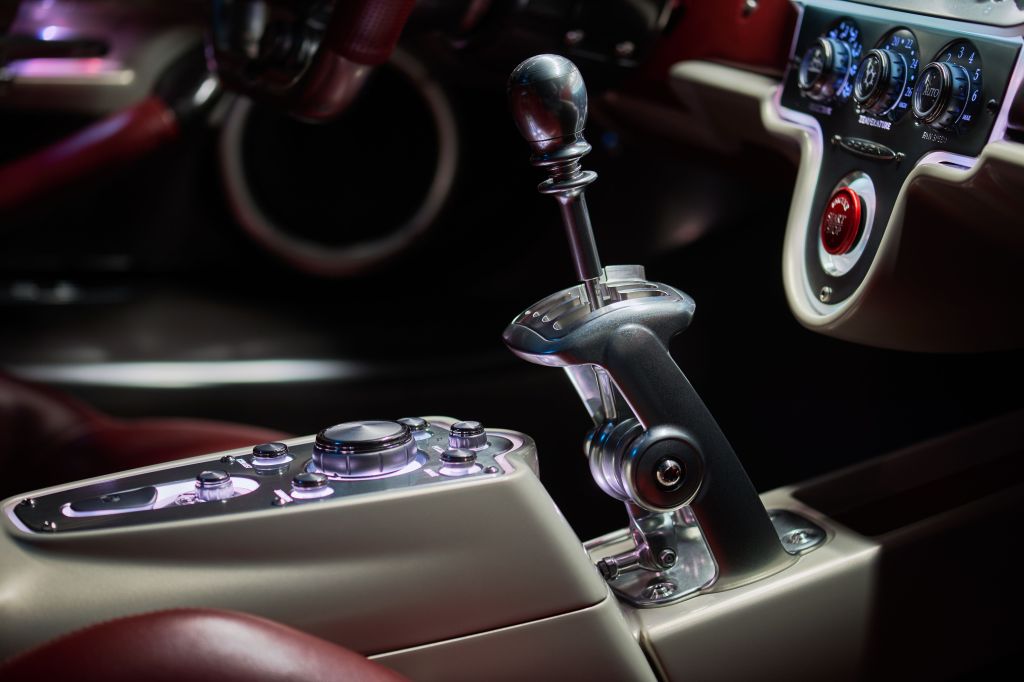
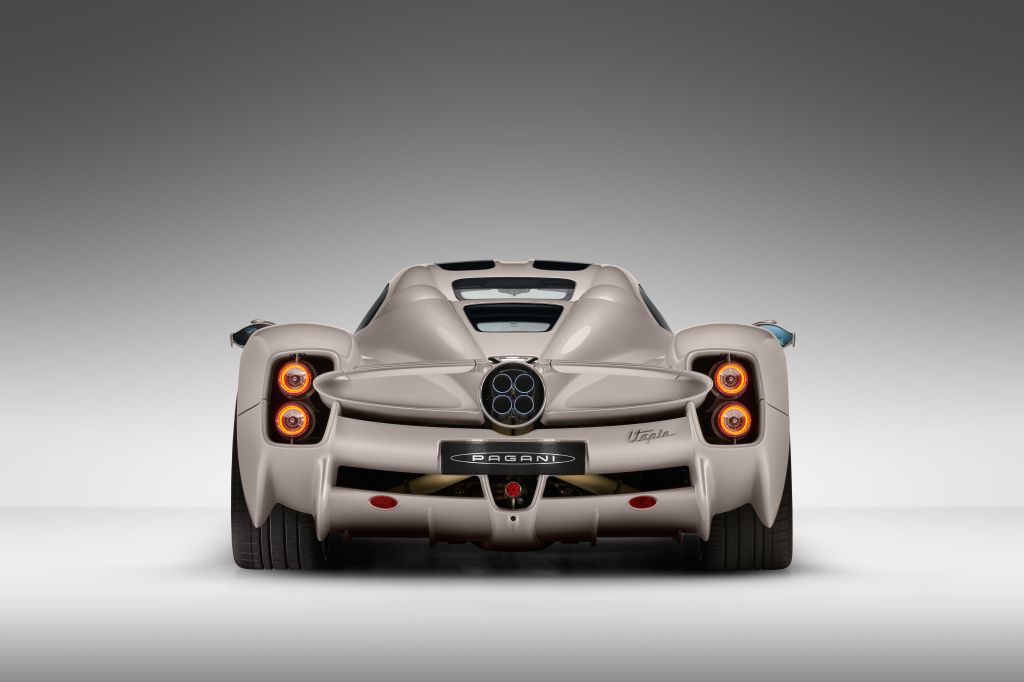
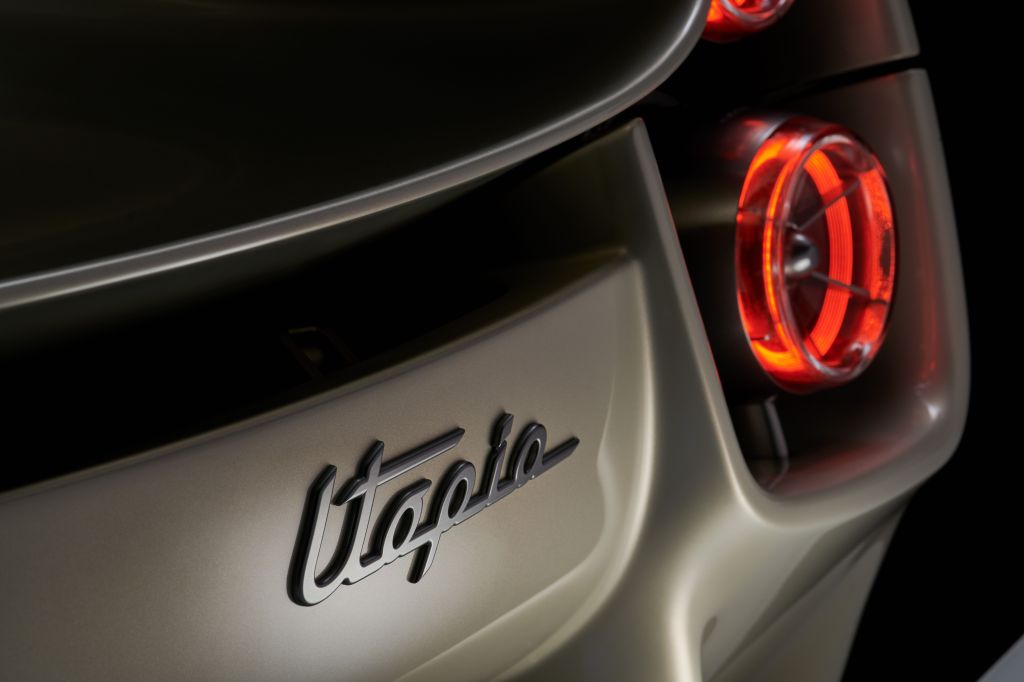

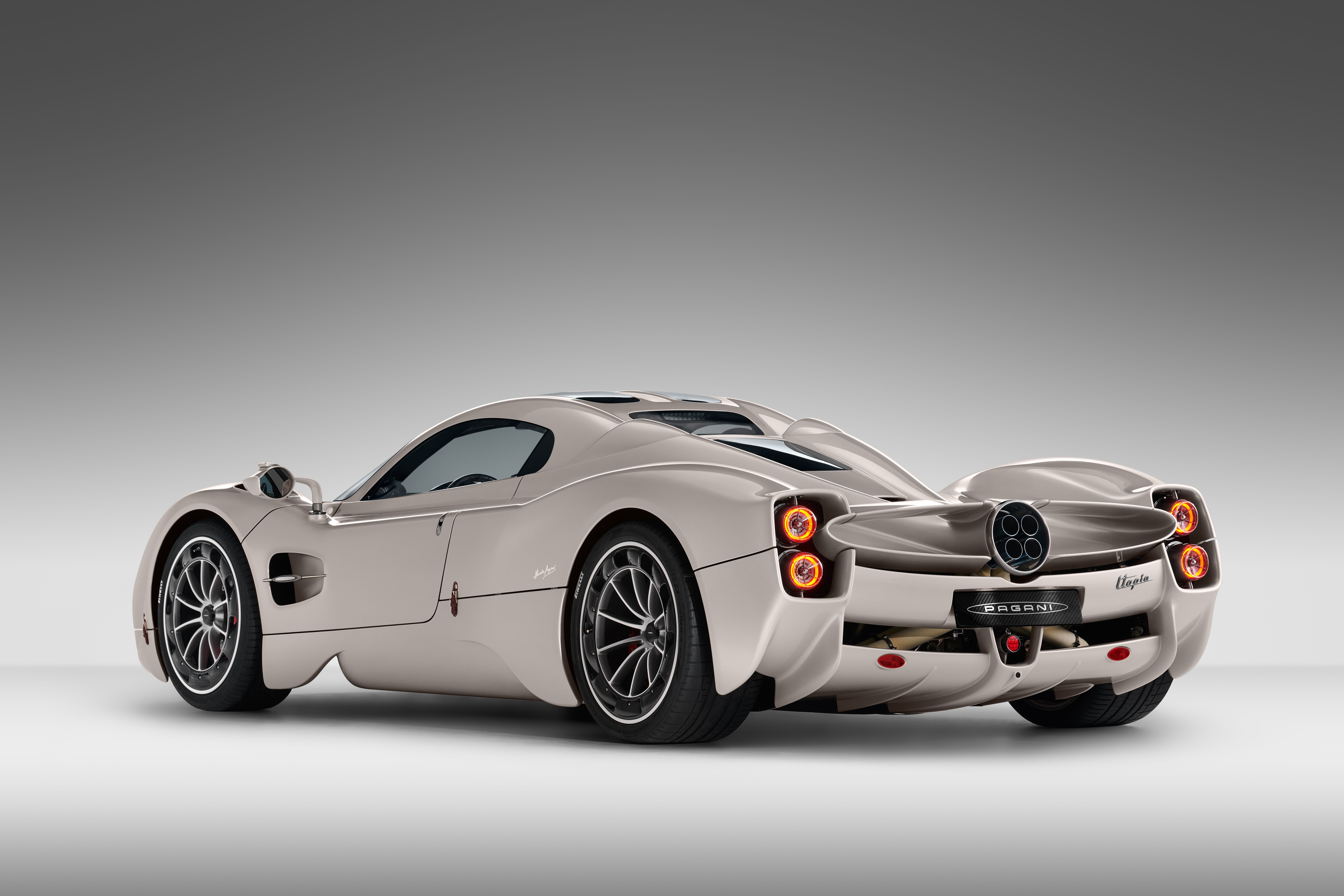
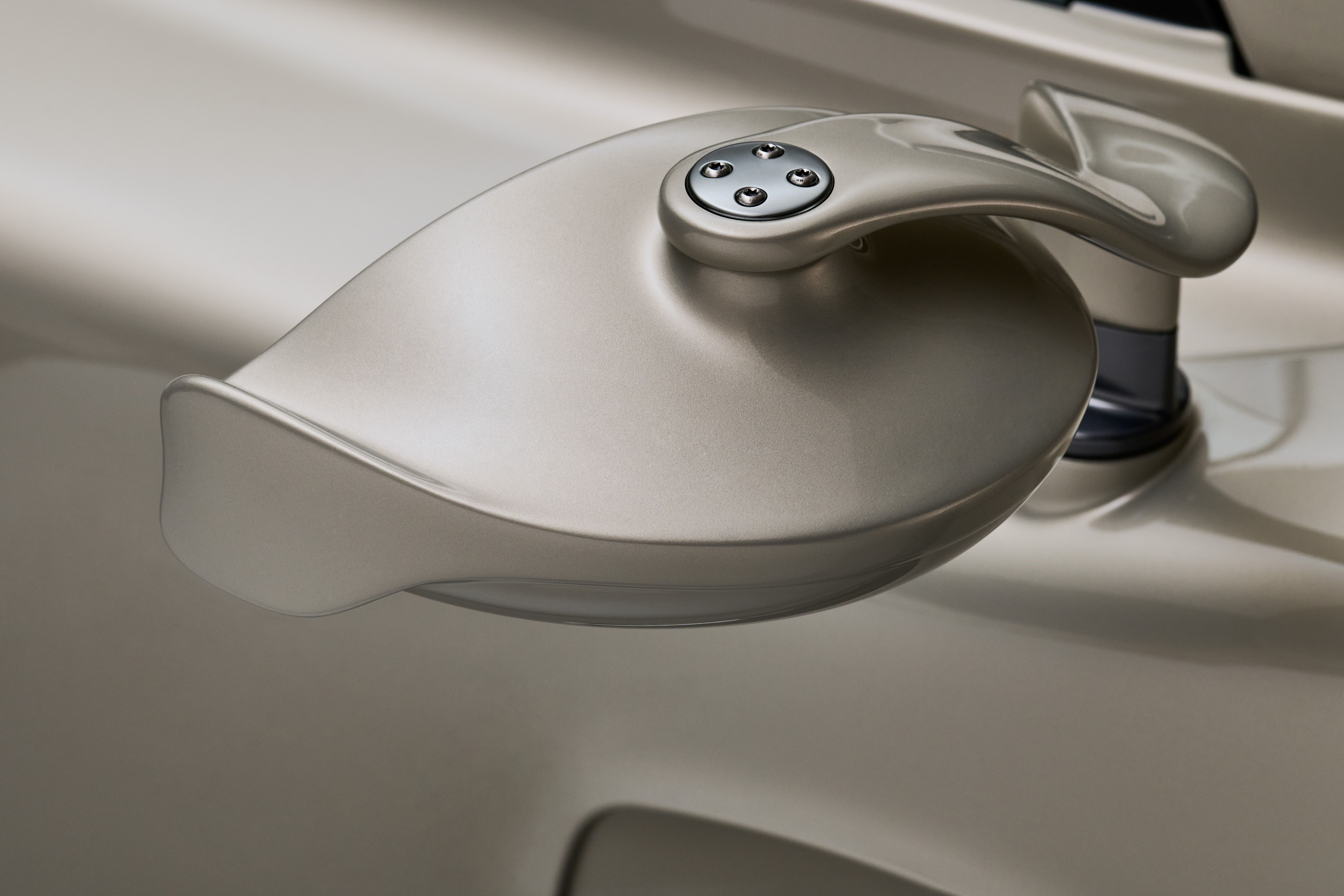
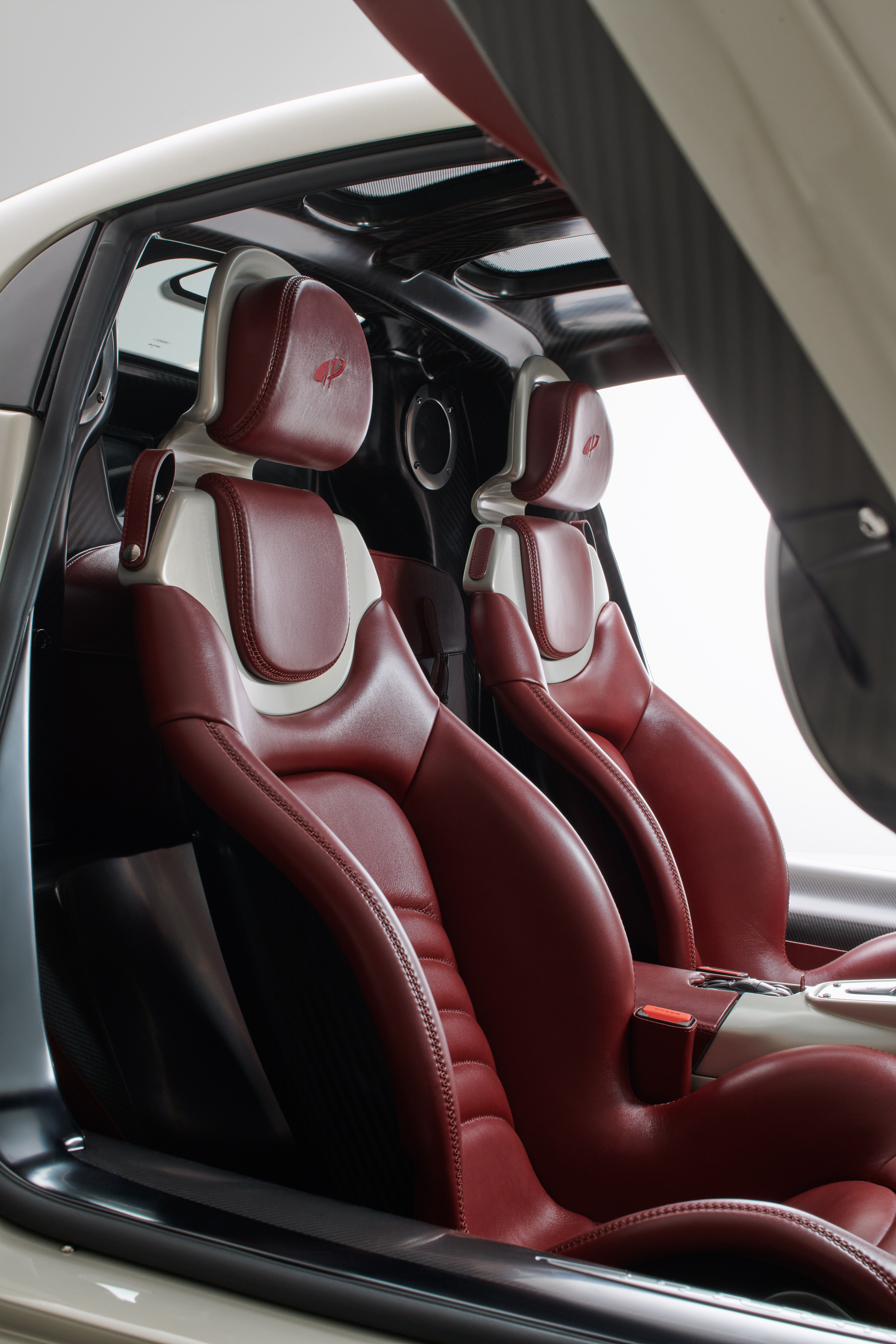
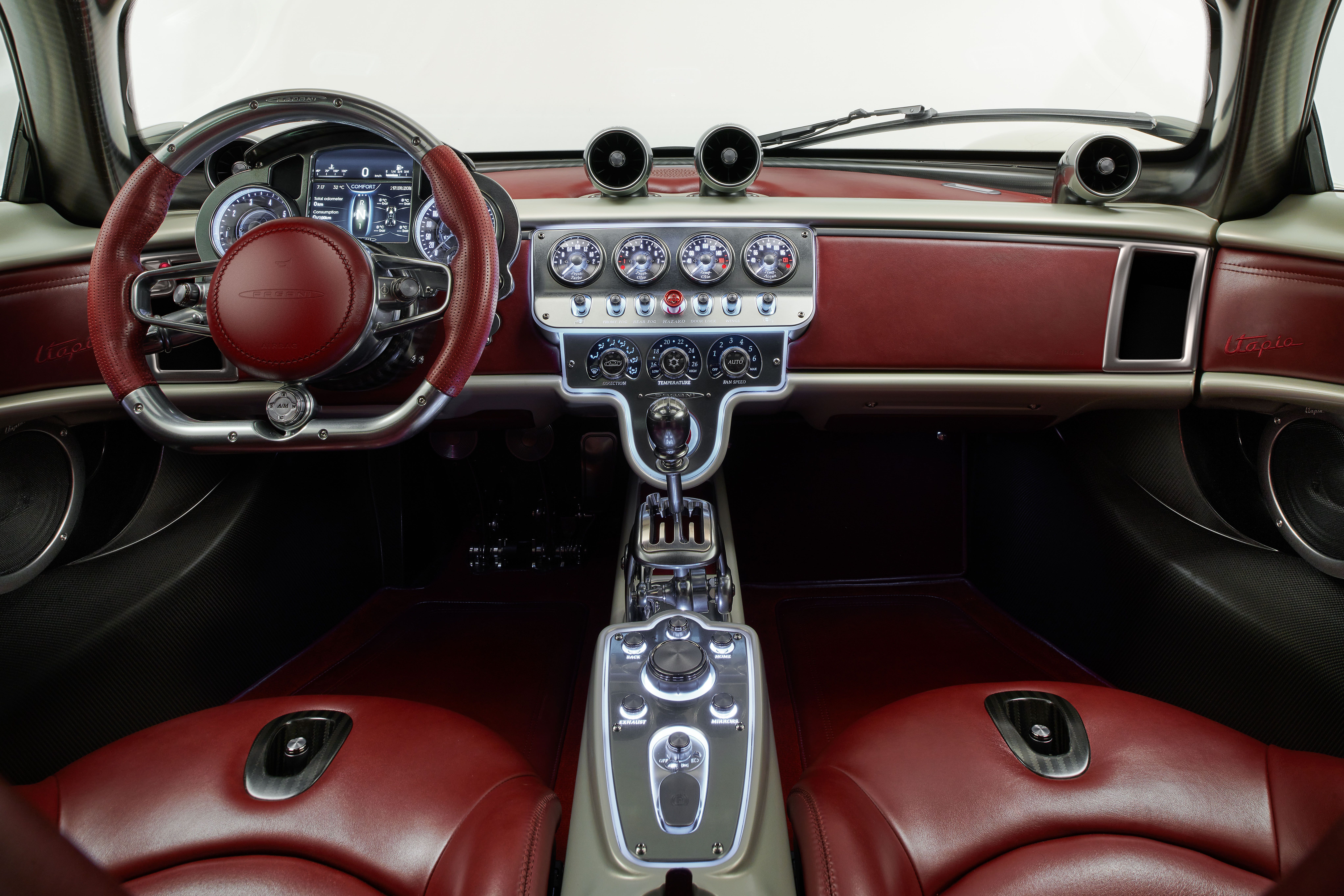
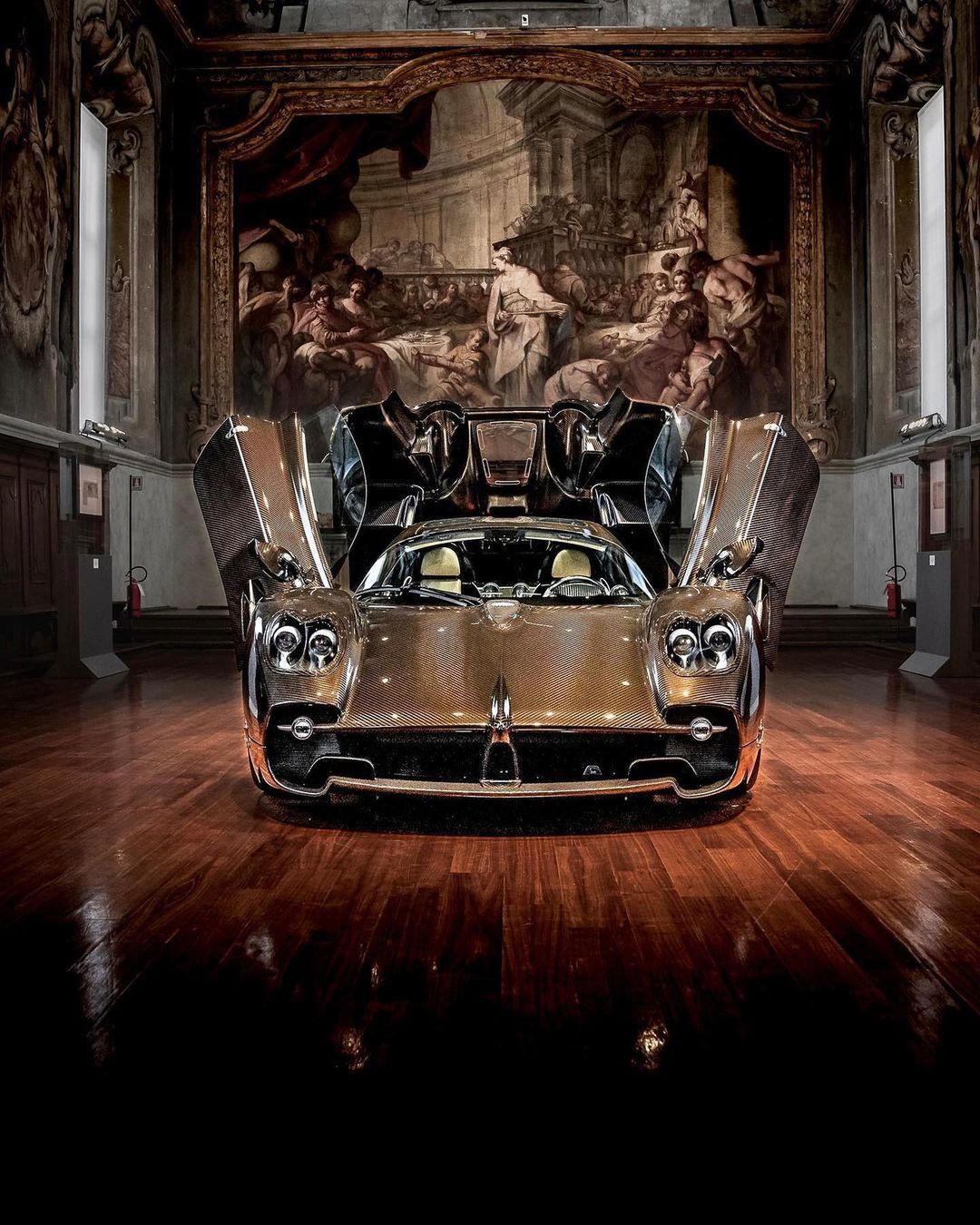
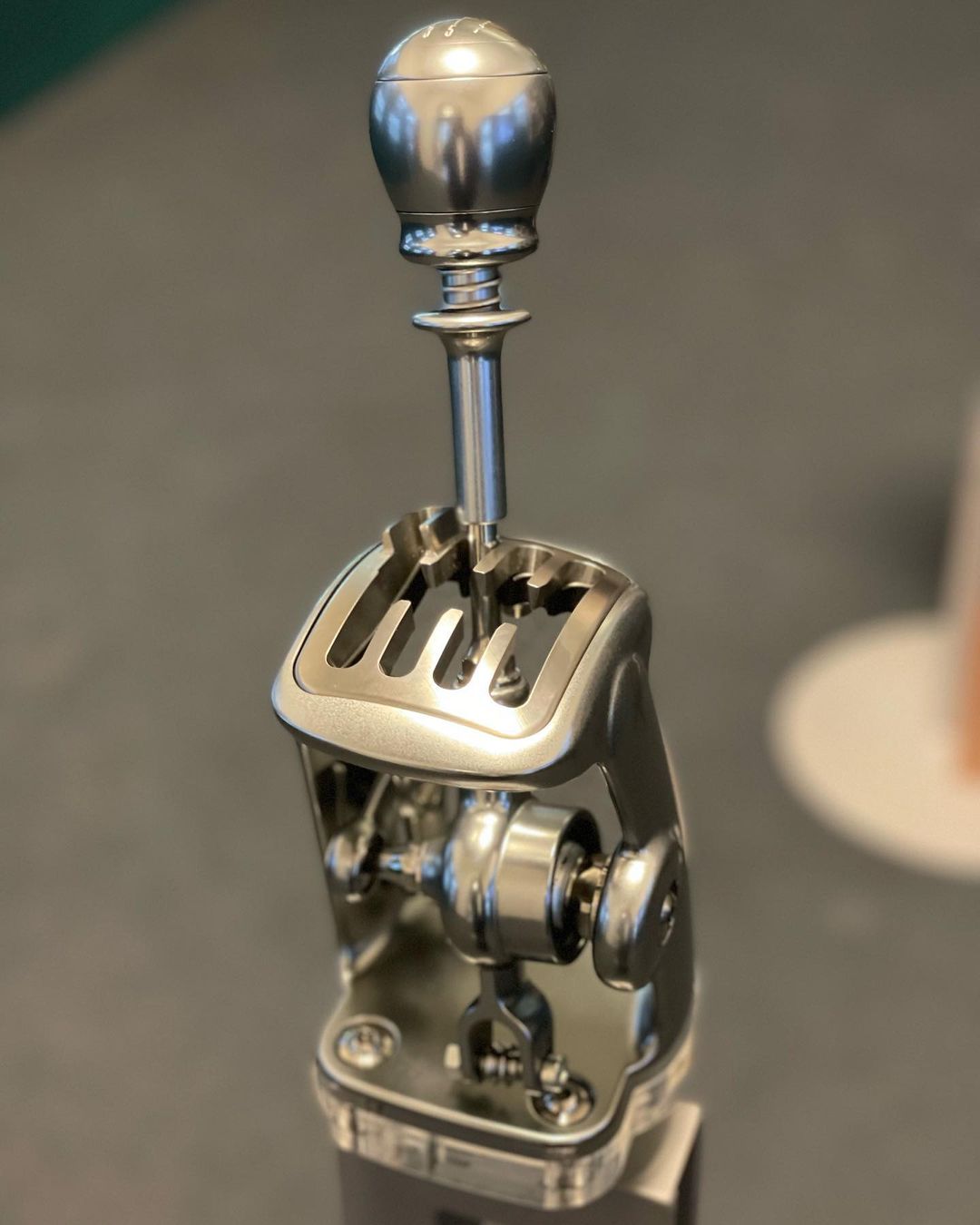
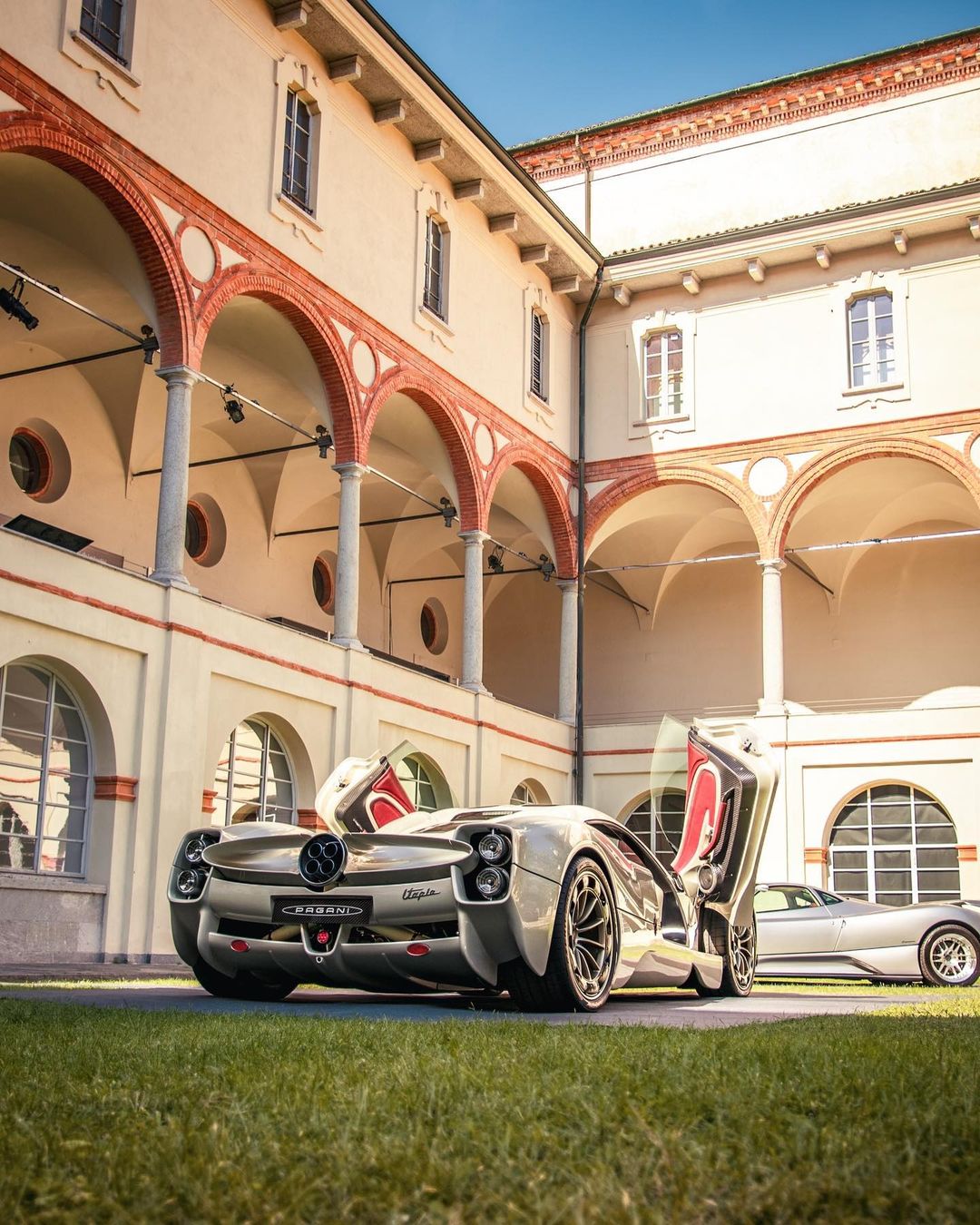
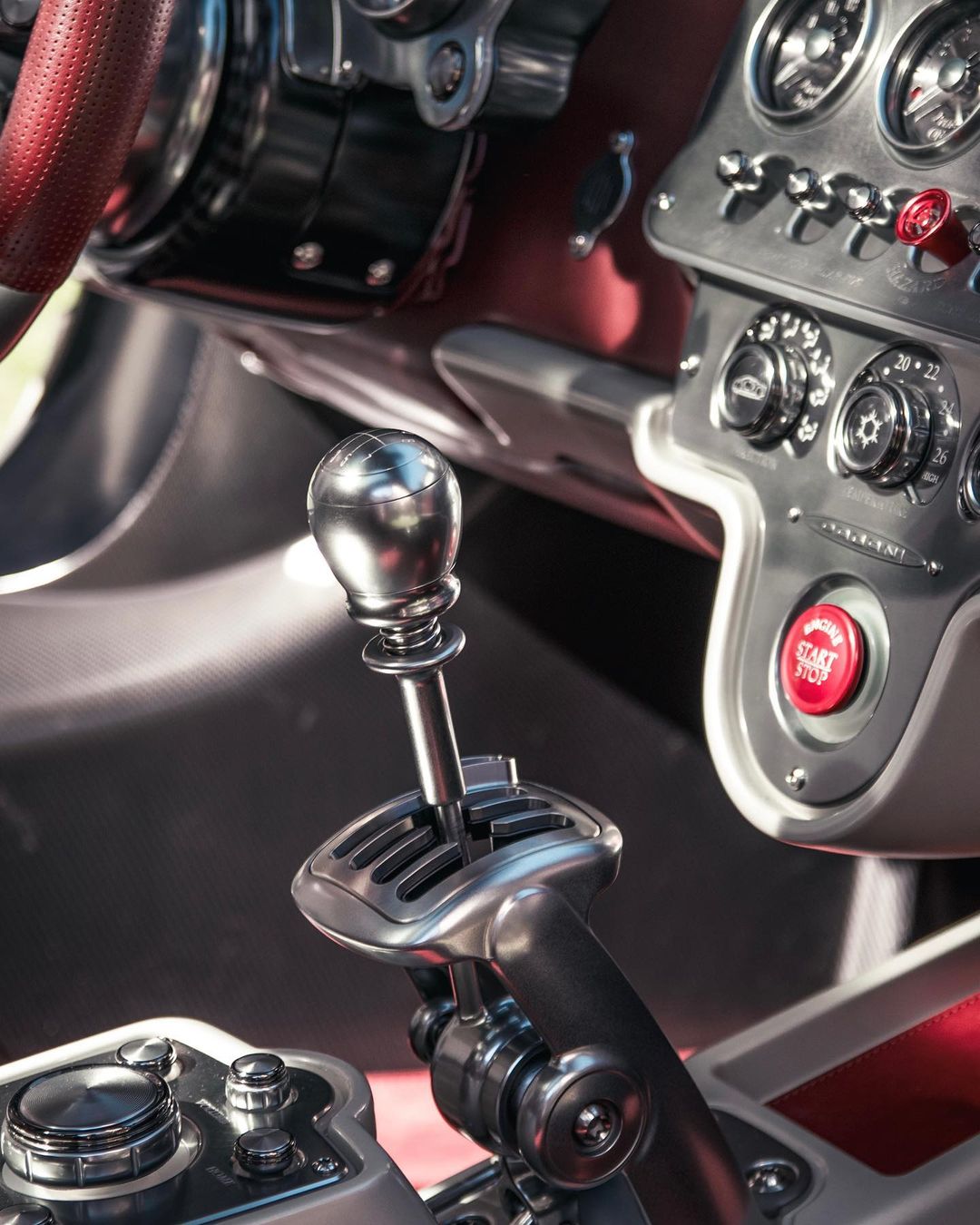
Stylistycznie Utopia nie odbiega od tradycyjnych linii wykształconych przez tę markę. Mimo, że nowy projekt jest bardziej wykrystalizowany i dojrzały, jest to ewolucja a nie rewolucja. Prosty i stonowany design nadwozia, za sprawą aerodynamiki, zapewnia więcej docisku i stabilności niż krzykliwe spojlery na Zondach, czy najszybszych Huayrach. Dalej możemy podziwiać, tytanowy jak w niedawnej wersji Codalunga, poczwórny wydech – wizytówkę aut ze stajni Pagani. Przednie lampy również przypominają te z poprzednich modeli. Przetłoczenia na masce to w dalszym ciągu to, do czego Horacio nas przyzwyczaił. Tylne lampy i dzielony spojler również przywodzą pozytywne skojarzenia. Wnętrze bogate w najwyższej jakości skórę, w fizyczne – metalowe przełączniki i w analogowe zegary dodające mu jeszcze więcej elegancji. Kierownica, to jedna wielka obręcz z aluminium, wspaniale wykończona skórą. Polerowane kulisy dźwigni zmiany biegów są w dumnie wyeksponowane, jak w Ferrari czy Lamborghini z dawnych czasów. Żadnych manetek przy kierownicy. Arcydzieło w każdym calu – nie ma chuja we wsi. Dostępna będzie wersja z automatem, ponoć najszybszym w świecie, ale to byłaby zbrodnia na ludzkości zamówić automat w miejsce czegoś tak doskonałego.
Dziś rynkiem rządzą zelektryfikowane supersamochody – ale otóż pan Pagani w dupie ma te konwenanse, a jak! Stworzył auto ze snów – najbardziej subtelne i minimalistyczne w historii włoskiej marki, a zarazem bezkompromisowe i tak niebywale perfekcyjne. Łącząc w ten sposób sztukę z technologią, Horacio Pagani idzie w ślady mistrza da Vinci. Utopia godnie kontynuuje tradycję jego firmy. Zapowiedziano produkcję 99 sztuk tego modelu, ale jak będzie – czas pokaże. Pagani idzie wbrew obecnym trendom. W czasach masowej elektryfikacji, automatyzacji i wszechobecnych tabletów w miejscu przełączników – jest to ostatnie tak analogowe auto – ale jak nie macie na zbyciu kwot rzędu 14M PLNów, to nie ma o czym rozmawiać – to, gdyby wszystkie nie były już sprzedane.
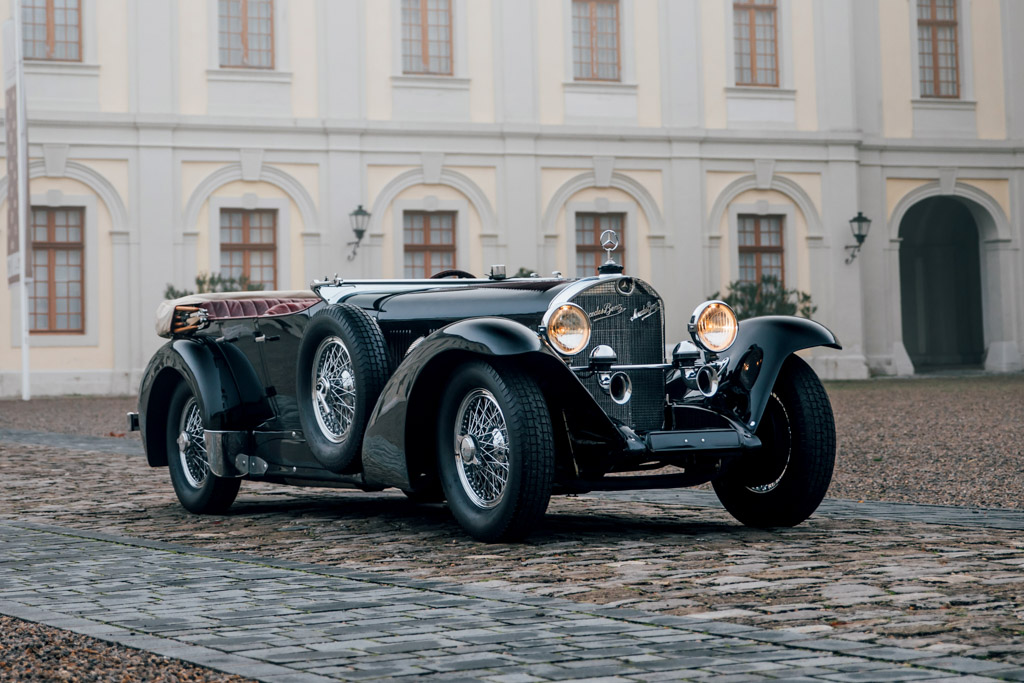
Before the era of the Silver Arrows – German racing automobiles to D-O-M-I-N-A-T-E the circuits of the world – Mercedes was racing more than capable Sportmodel branch. Model Sport of Mercedes-Benz contained variants S, SS, SSK and SSKL – all bitchslapping the Italians and the French on their best day. They were proving their worth on hillclimbs DAILY, twice the triumph at the Nurburgring and even the famous Mille Miglia race trophy went to the Germans.
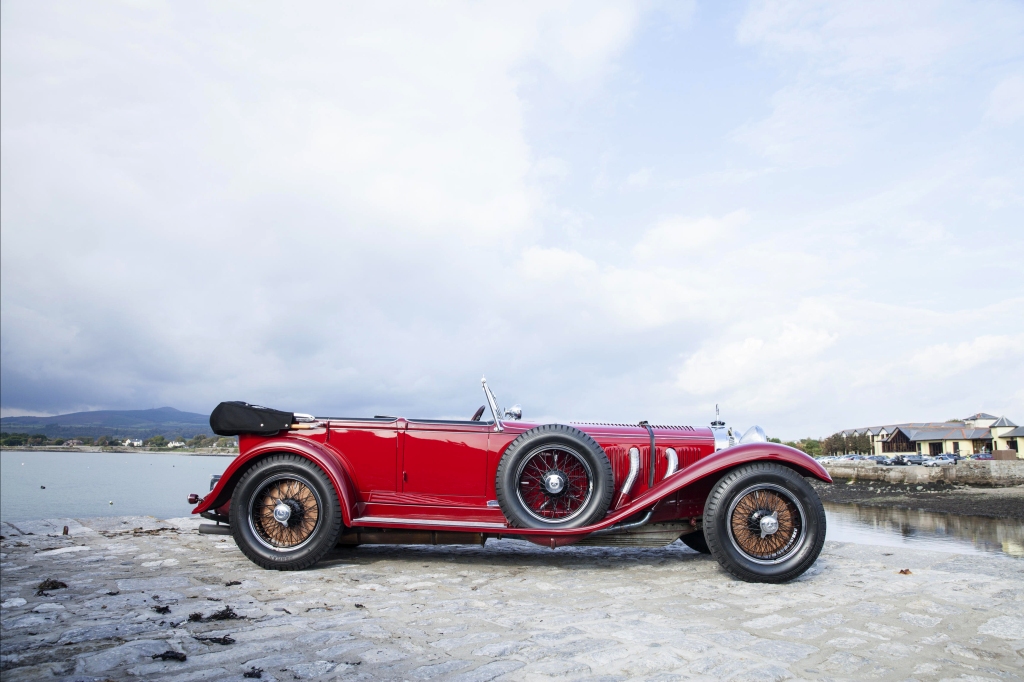
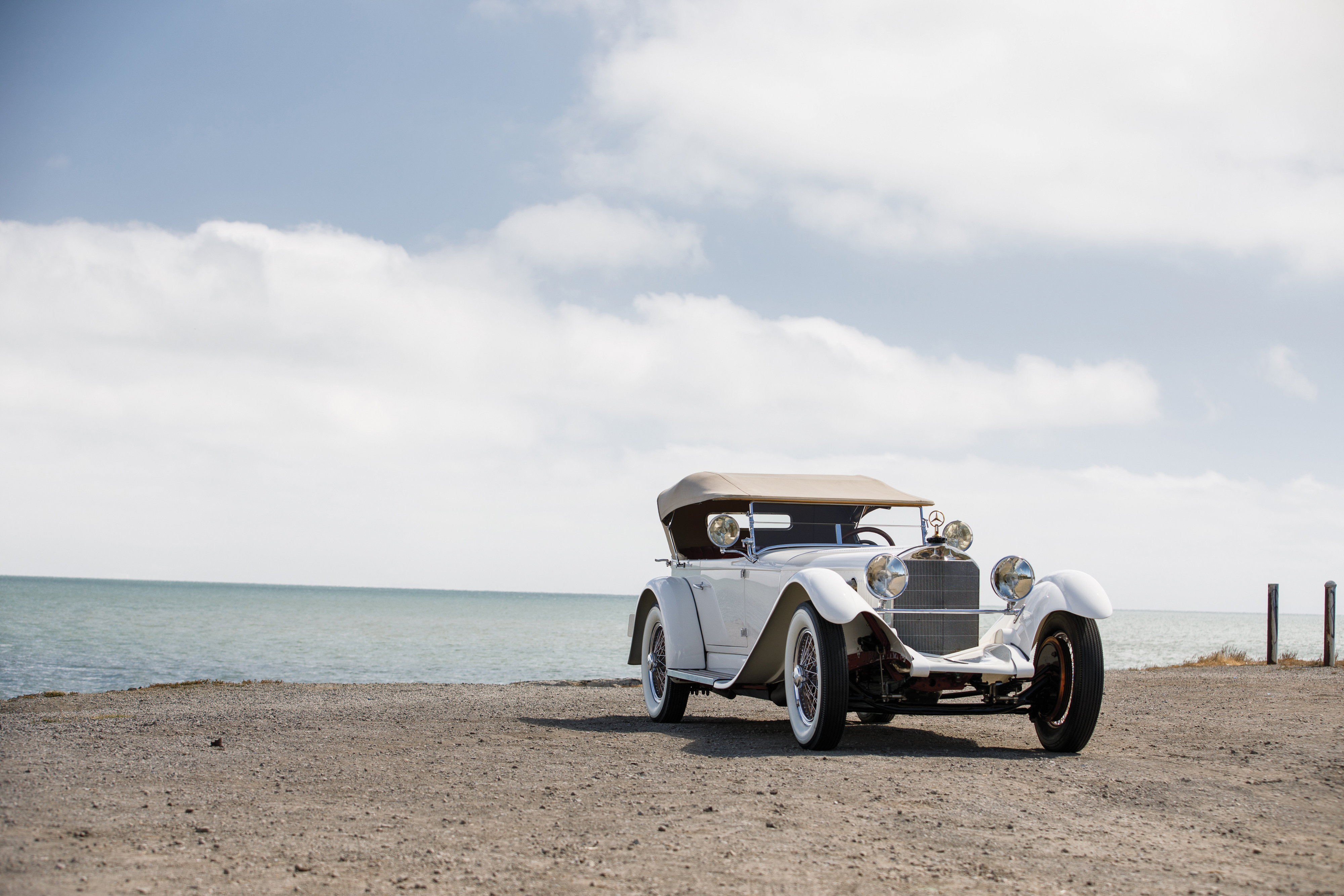
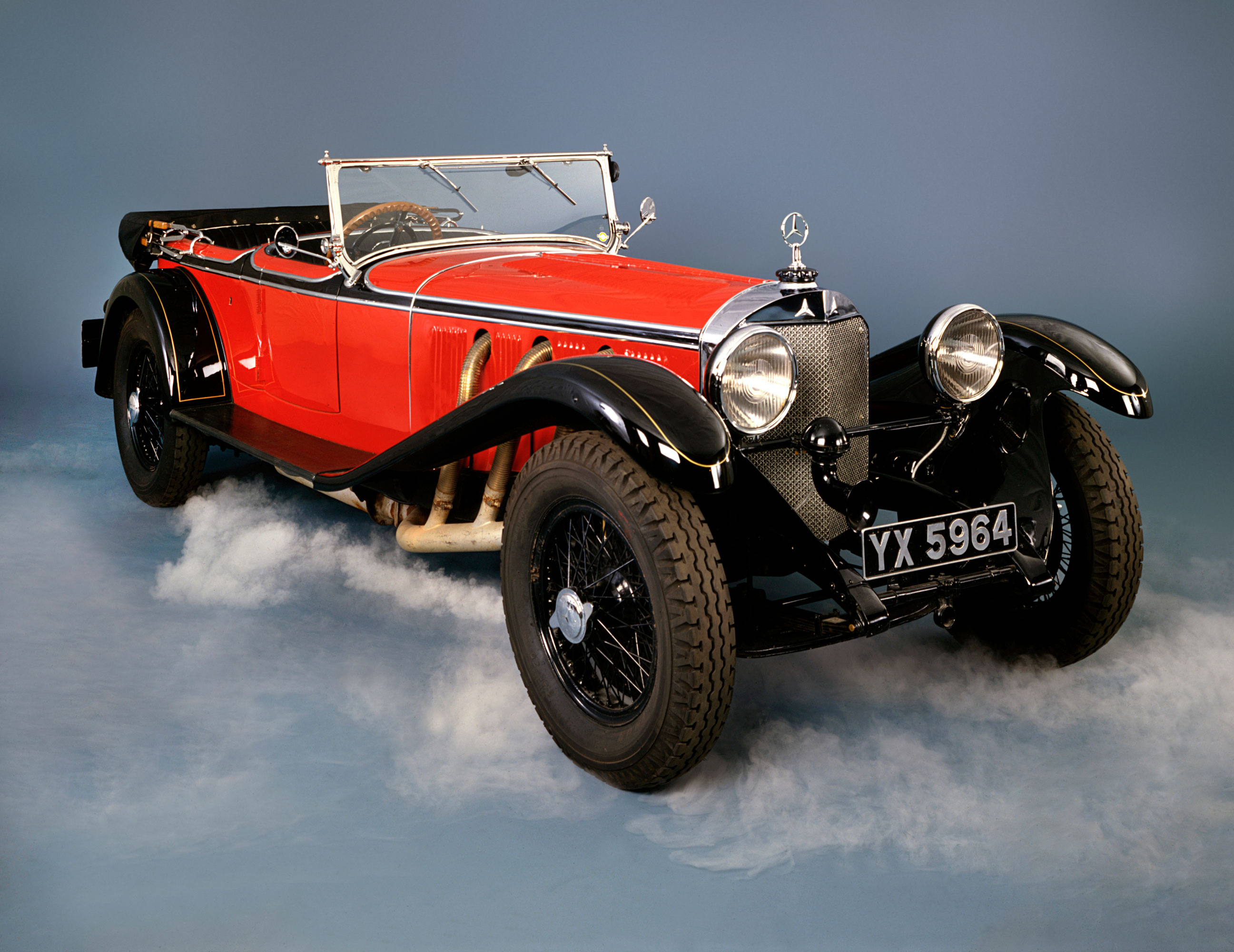
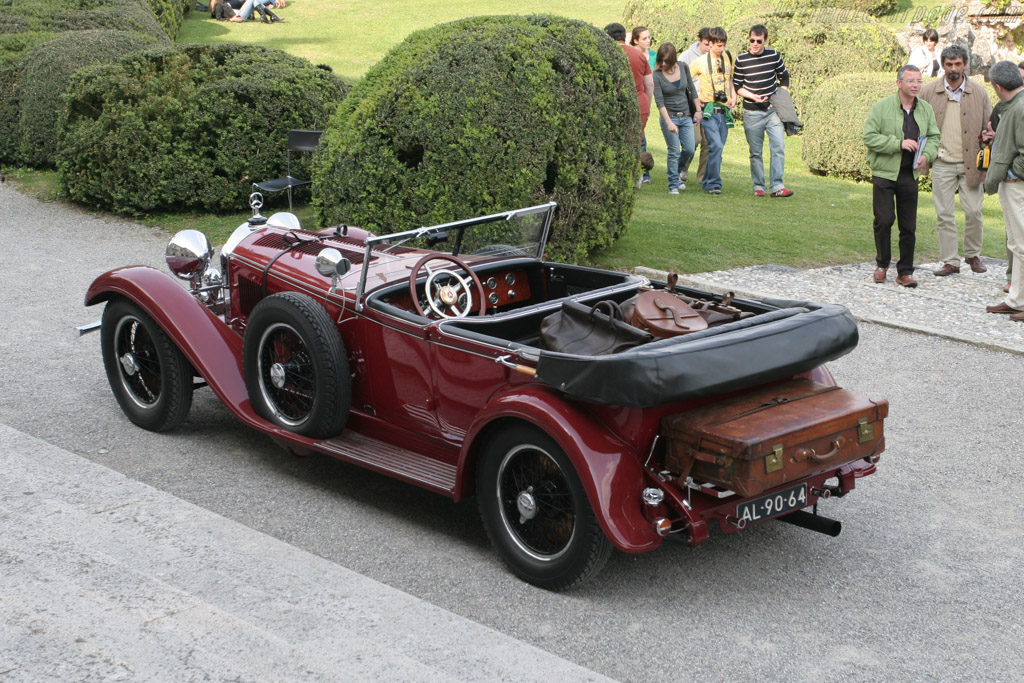
Mercedes Typ 680 S 26/120/180 Erdmann Rossi Sports Tourer
Mercedes was established as a top motorsport brand long before the First War. They were the best in Germany, but not only. First place at the French Grand Prix, and fastest cars at Indy500 race over the big water. They were the driving force for motor industry development. Then, the war comes and goes – what is left is the economical crisis and cutting costs of production. Mercedes starts to build sportscars closely related to their road-going automobiles. But now they are richer in war experience and the knowledge of aviation engineering with forced induction motors, which is not a common sight in road vehicles, but by the year 1922, ROOTS-type supercharger finds its way into car industry. In huge part thanks to Mercedes.
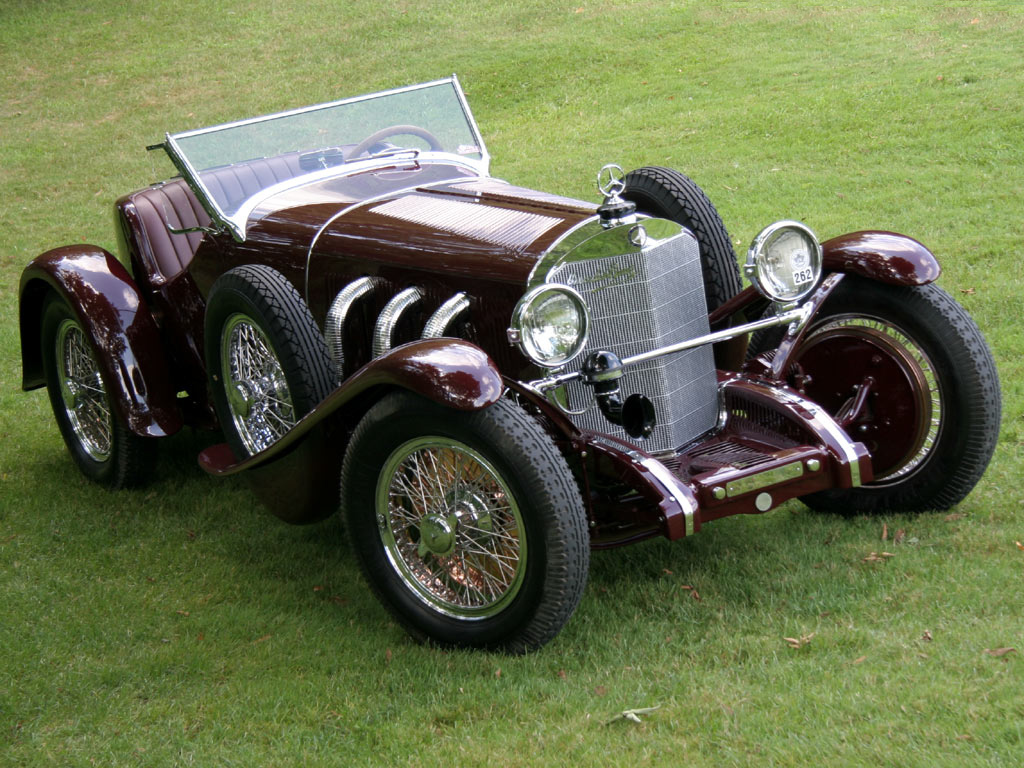
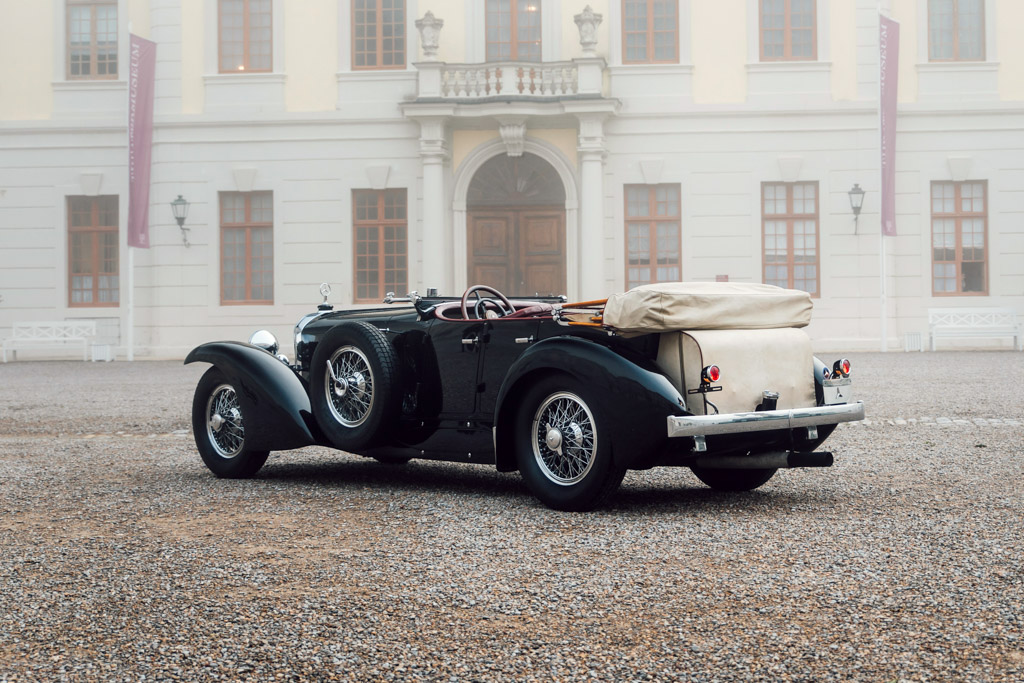
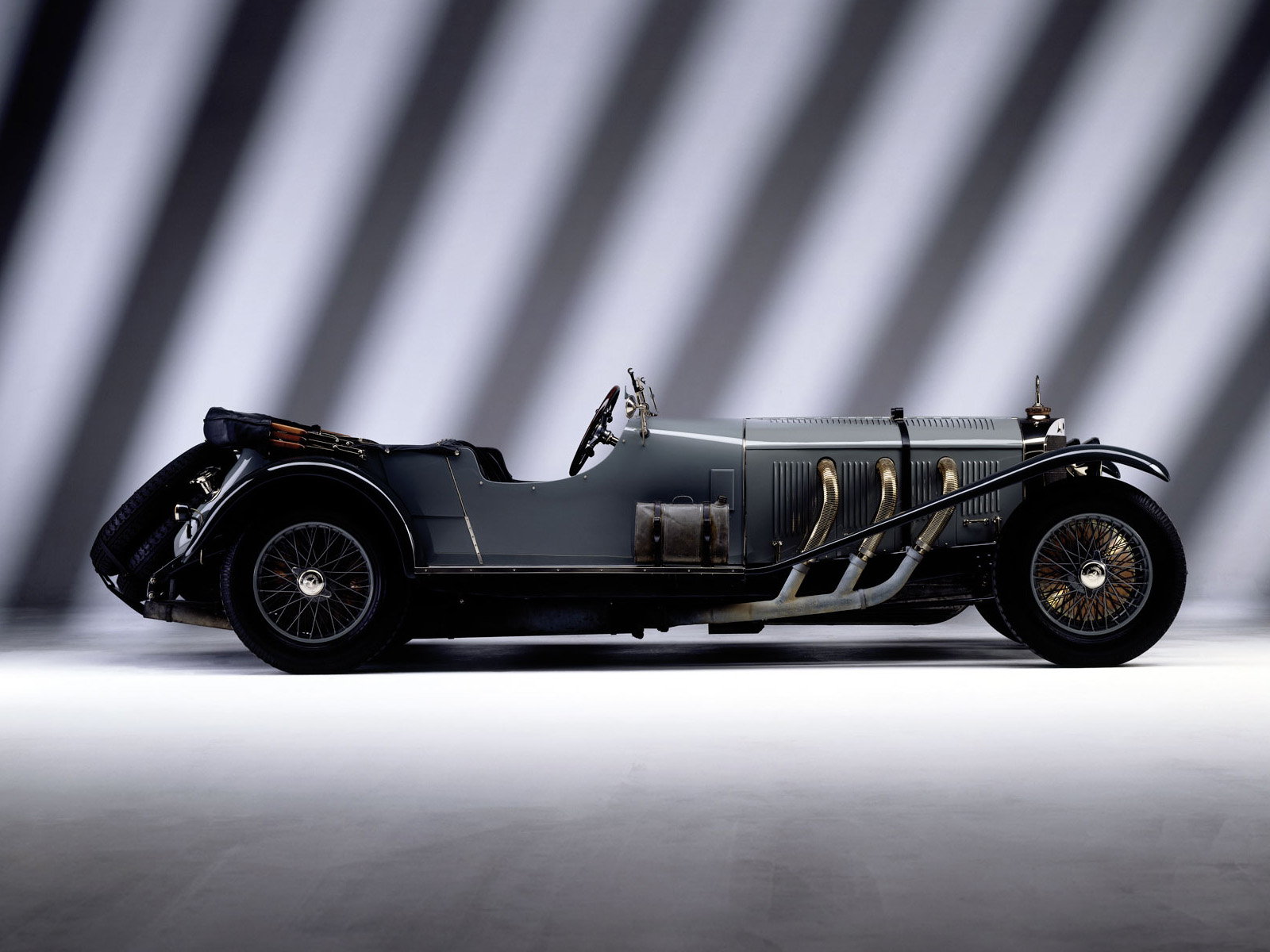
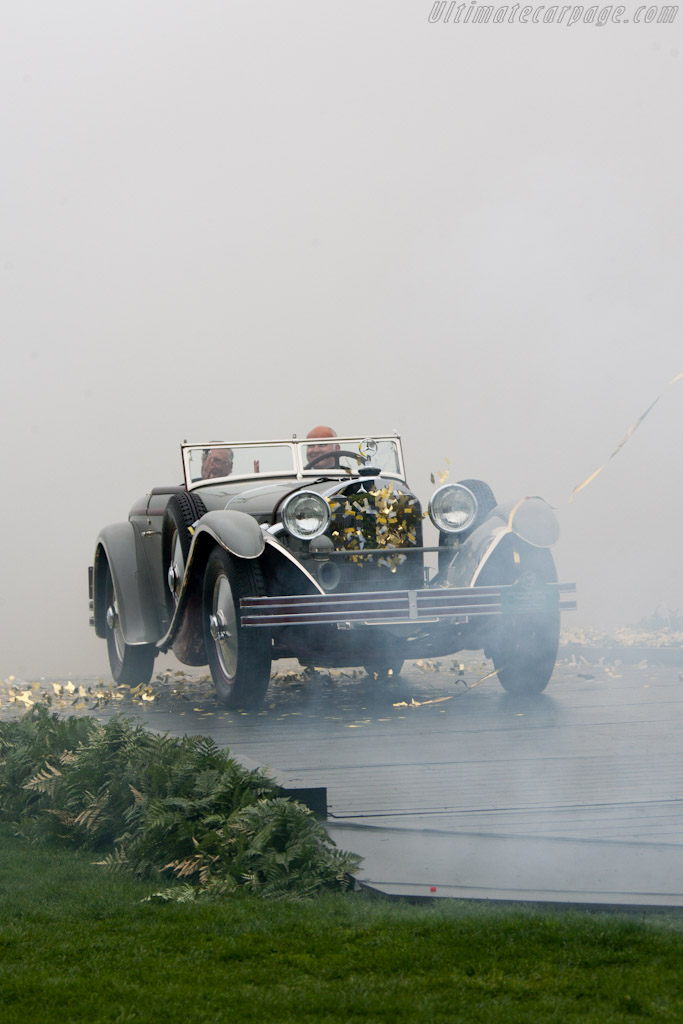
710 SS Fernandez and Darrin Sport Tourer
The Mercedes was bound to be awesome, as it was mr…- DR. Porsche’s doing. Dr. Ferdinand Porsche, before he established his own sportscar brand – he had an engineering bureau, and before that: he worked as Daimler’s Technical Director. That is why the new Mercedes was great by definition. It had to be. Hugely thanks to Porsche, Germans won their Targa Florio in ’24 and they would have kept winning, if not for the change of regulations. But regulations did change and the were left without any winning machine. Porsche then, took the 630K model, which was a huge limousine with a Straight 6, over 6-litre capacity – supercharged, no less. It was, of course, his own design as well and it didn’t take him even a year to change a 2-tonne limousine into a speed demon. He took this shit and bored its motor to what was almost 7-litres, increased the compression ratio and used bigger valves. All this was mated with a better 4-speed transmission, and put in a lowered, shortened Mercedes-based chassis, so it… you know… accelerates, turns in corners… those types of weird fetishes.
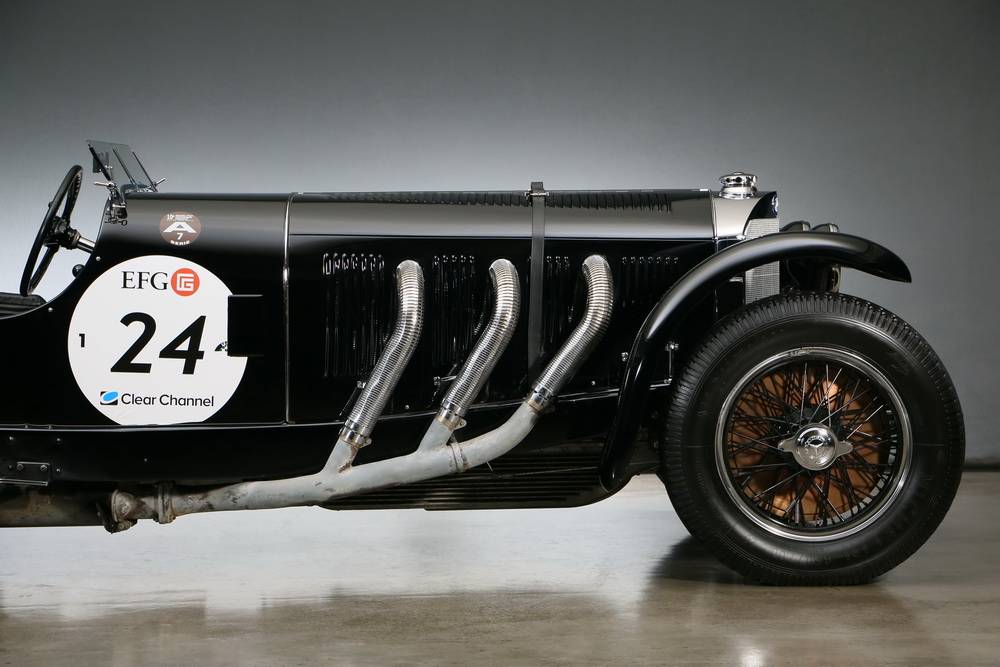
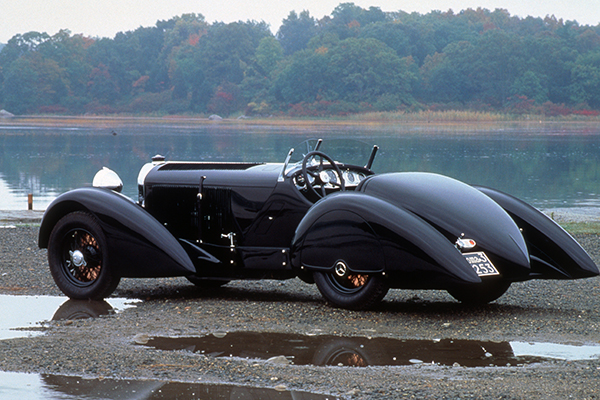
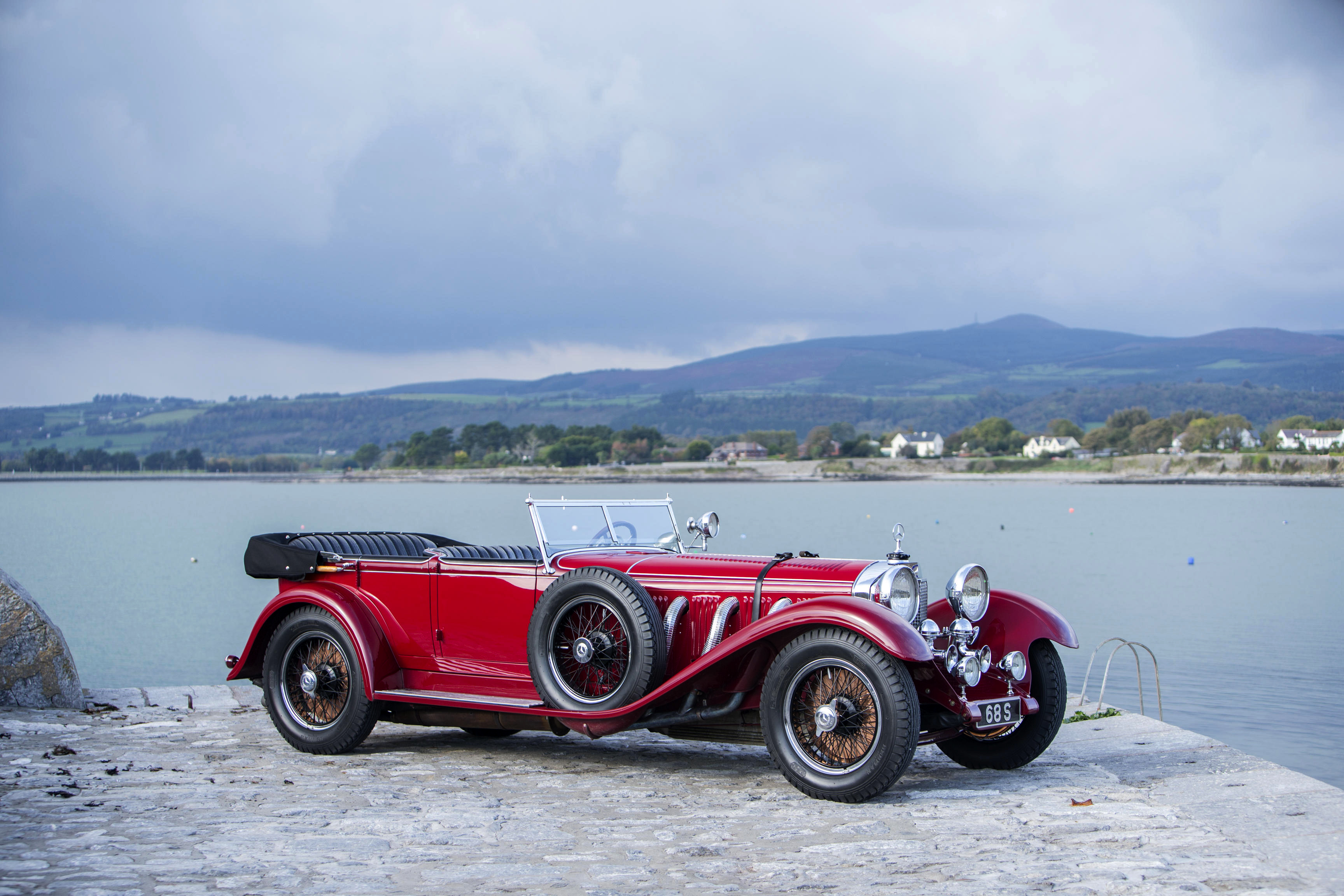
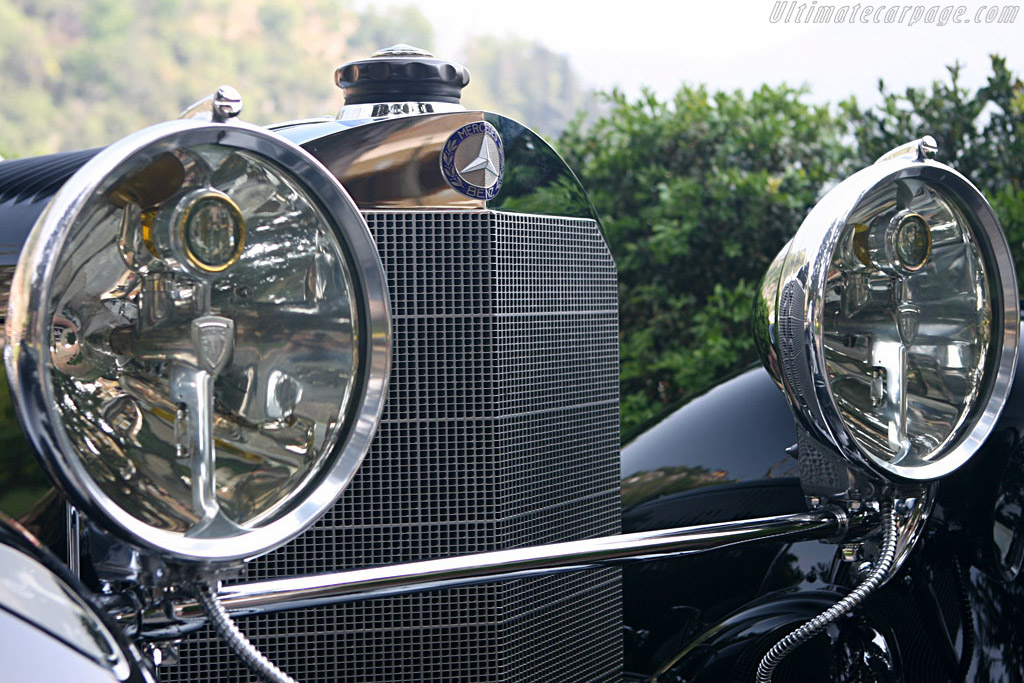
Mercedes SSK
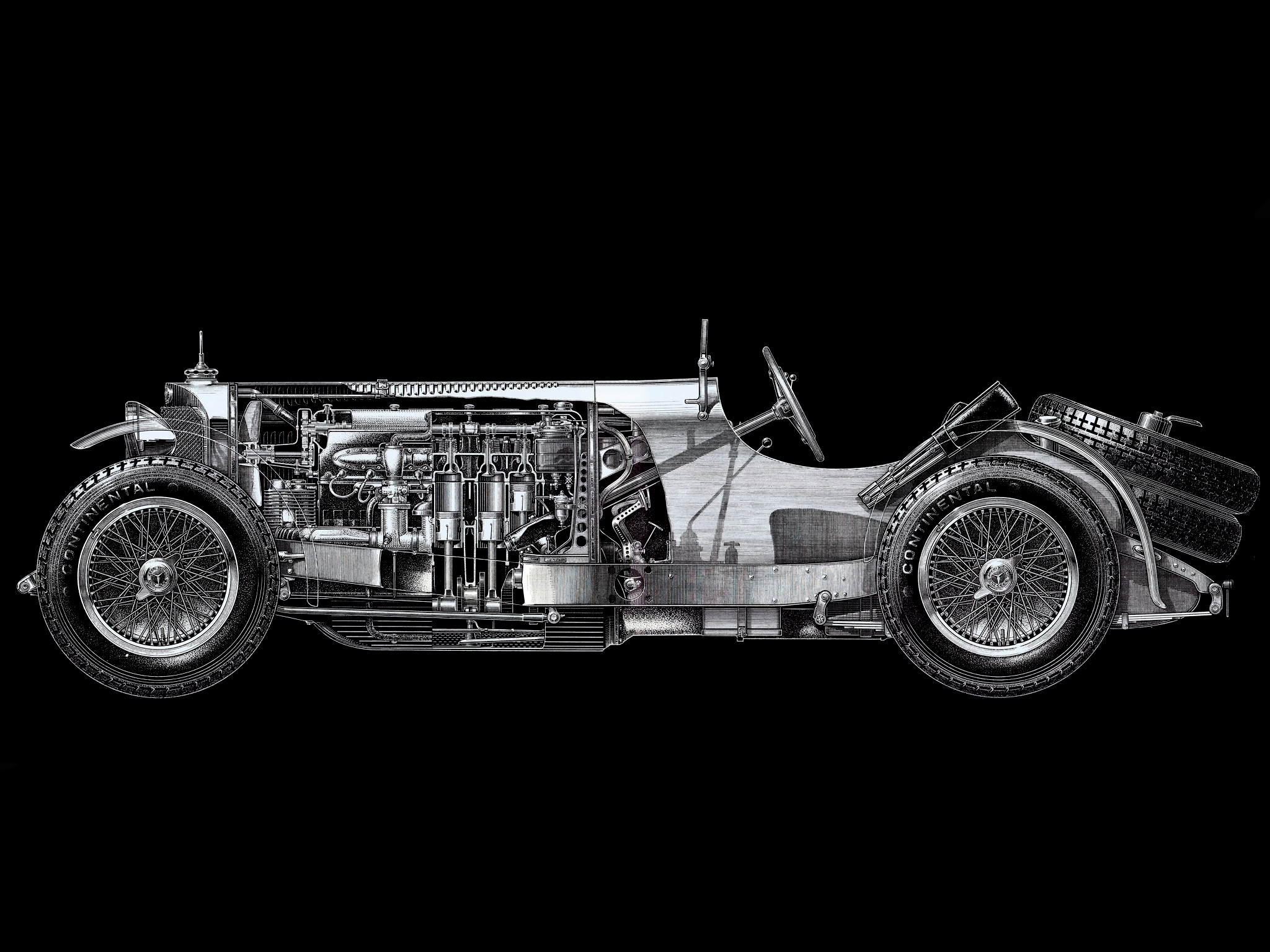
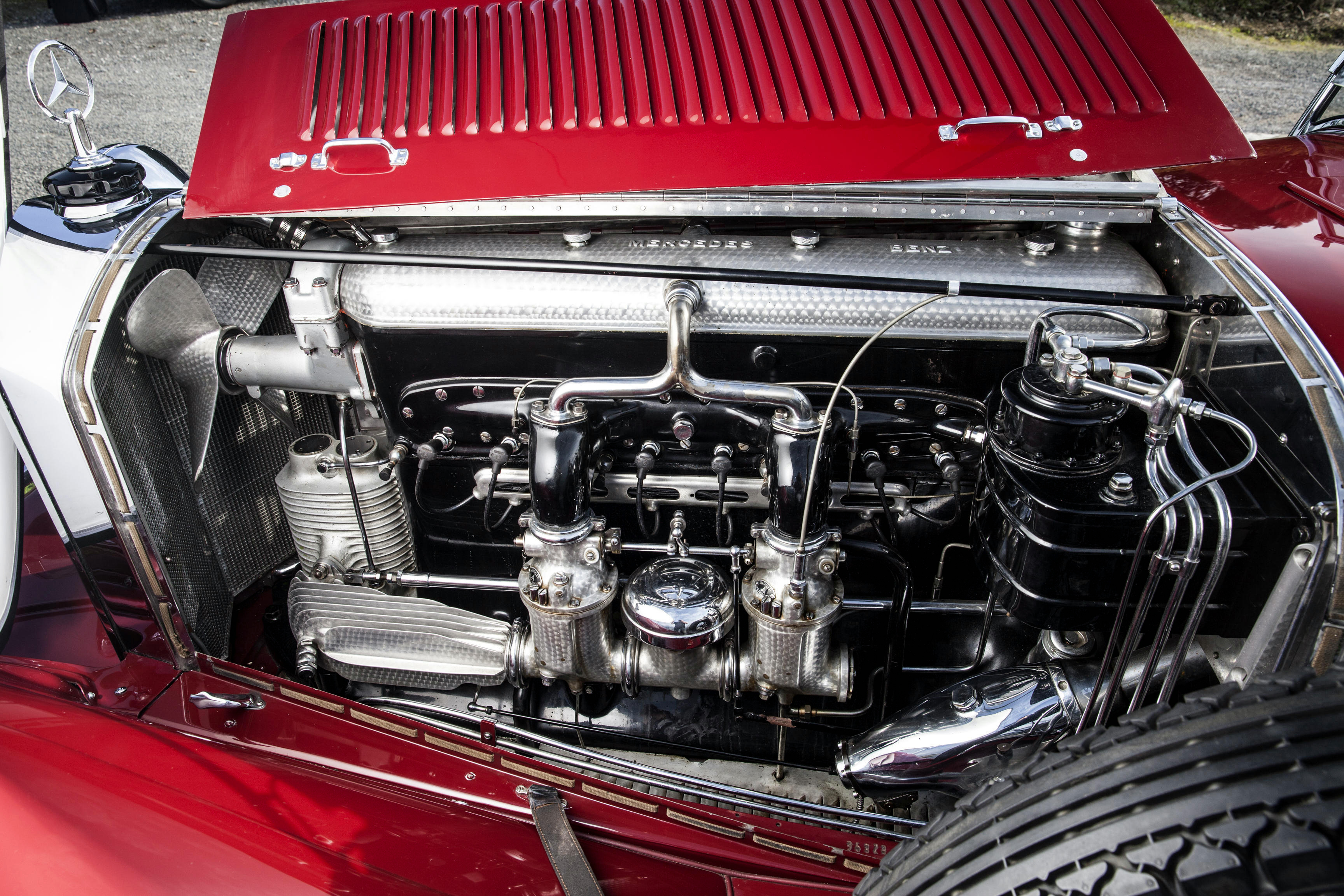
And you know – funny story – in the old times, until like 1948, we used „tax horsepower” to understand engine parameters. It was, obviously, not in any way related to the actual engine power. Not entirely random number – you had a special formula to calculate it and it mainly depened on cylinder capacity, but let’s face it… it was bullshit, ok? It was a bullshit number. Let’s keep that in mind then. Now we look into the Mercedes engine details. It has a Roots-type supercharger. Ok – a rotary pump starts operation when the pedal is fully depressed. If not, then engine has no forced induction, generates only 120 horsepower, but with increased reliability. And now get this: Model S was not really called S. Oh, no, no, no – that would be easy. We don’t do that here. The Germans named their new car after the power generated from its engine. ‚Which number?’ I hear you ask. ‚Tax horsepower, natural or with forced induction?’ The answer is: yes… Instead of Mercedes S (sport) the new Mercedes model was ‚Typ 680 26/120/180S’ which included its displacement, tax, natural and forced induction horsepower in its name. With an ‚S’ at the end.
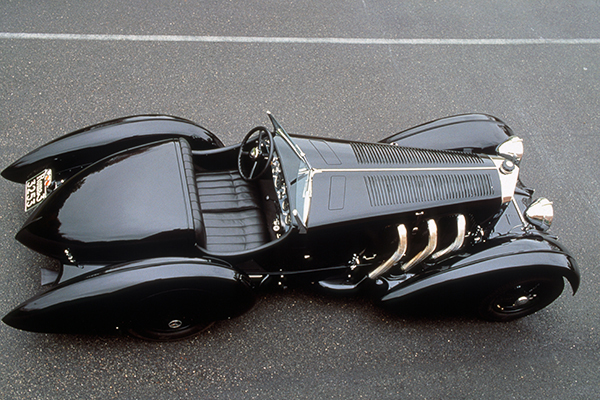
SSKL
680 S was victorious in its debut – Caracciola was, with Rosenberger 2nd in a second Mercedes. The German GP later also went to the Mercedes. They didn’t even win – they claimed all podium for themselves, ok?! And they were constantly working on their cars. The SS variant came to be only after a year from introducing the original ‚S’. Up the displacement to the 7.1-litre, increased the reactor power to 200 BHP per second per second… but that was still… „meh”. Yeah, they were fast, of course they were – but they dominated long straights mostly, and they were more luxurious cruisers than real sports cars. The cars that still could weigh up to 2-tonnes and over. This type of automobile was successful in the hands of Rudolf Caracciola – he was the fastest to cross the finish line of a Nurburgring race, but the victory came due to the talented driver, really – and not the machine. A capable, solid construction increased his chances, but the car’s performance figures didn’t play any big role in the win.
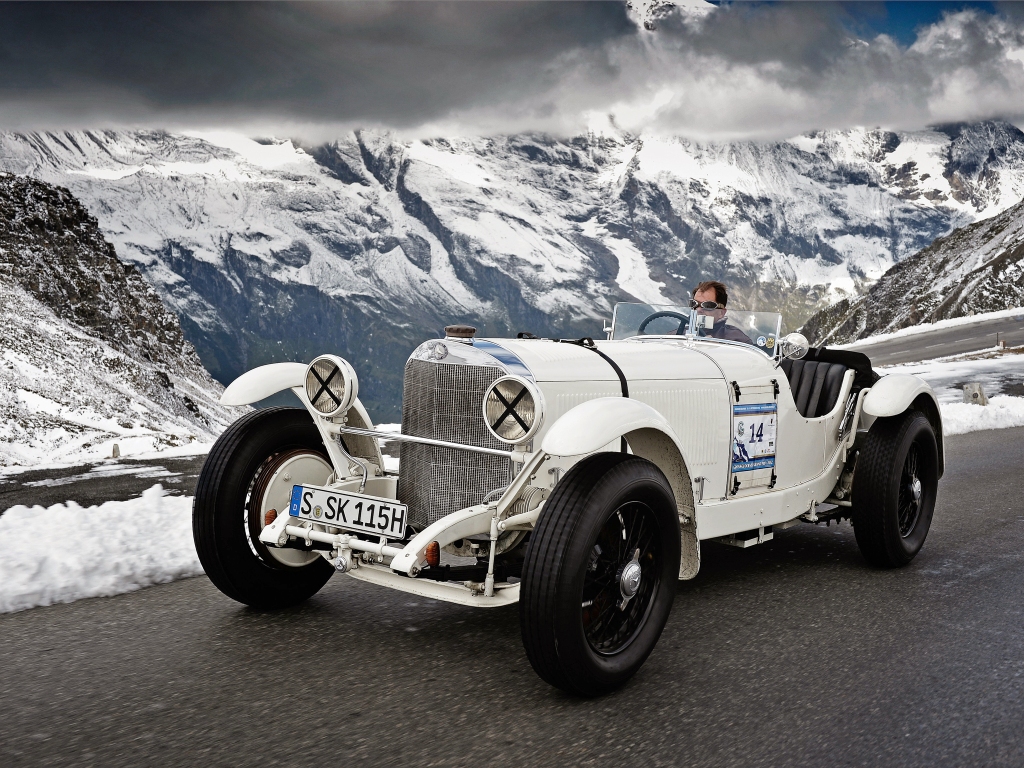
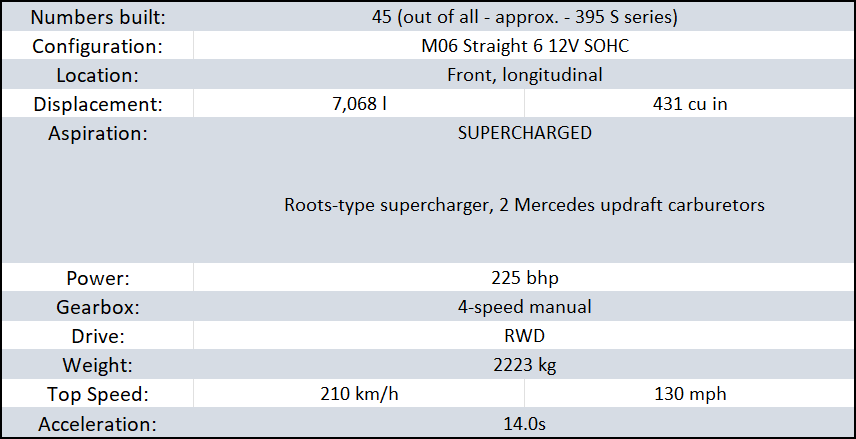
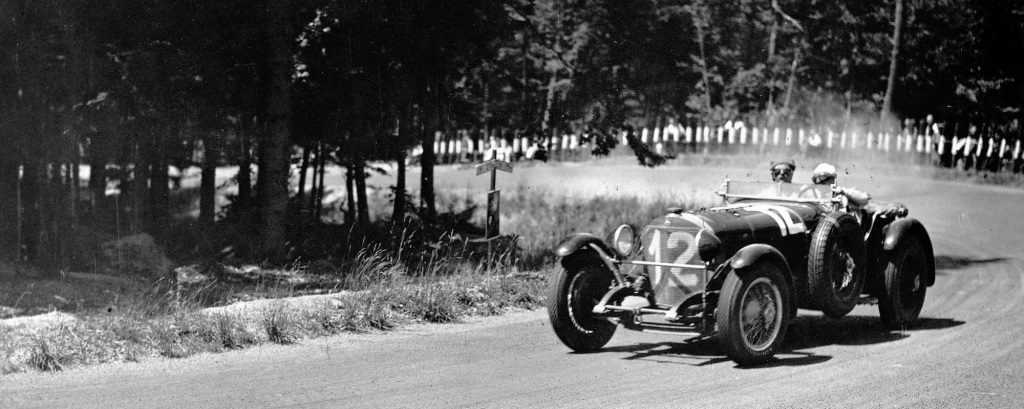
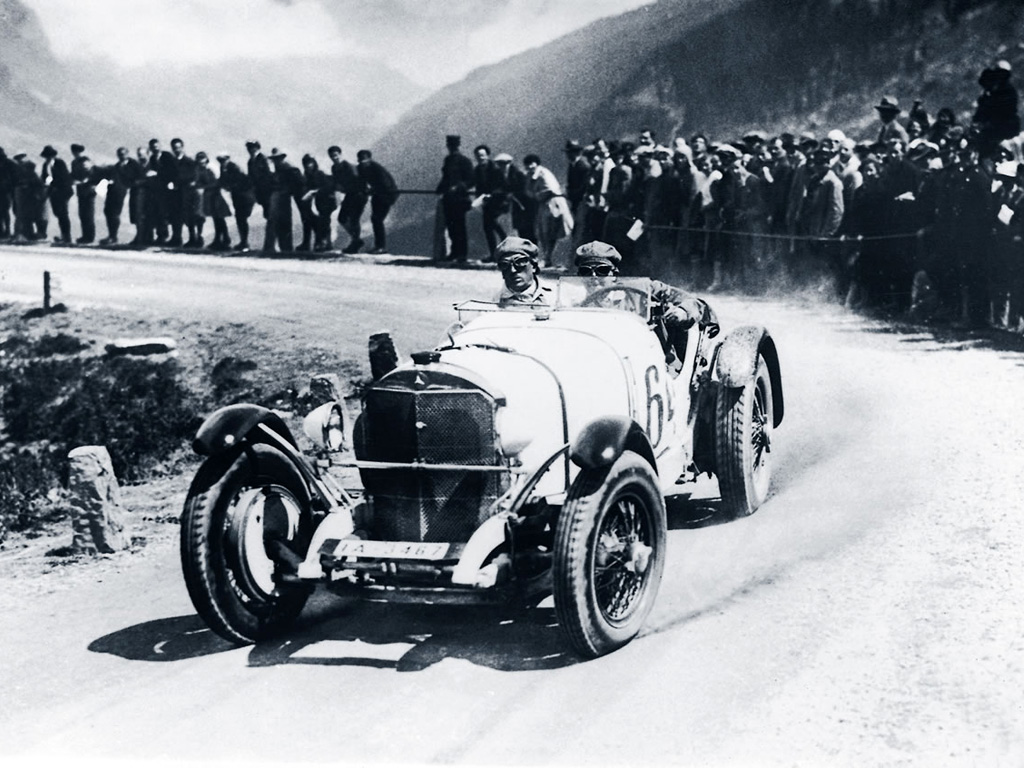
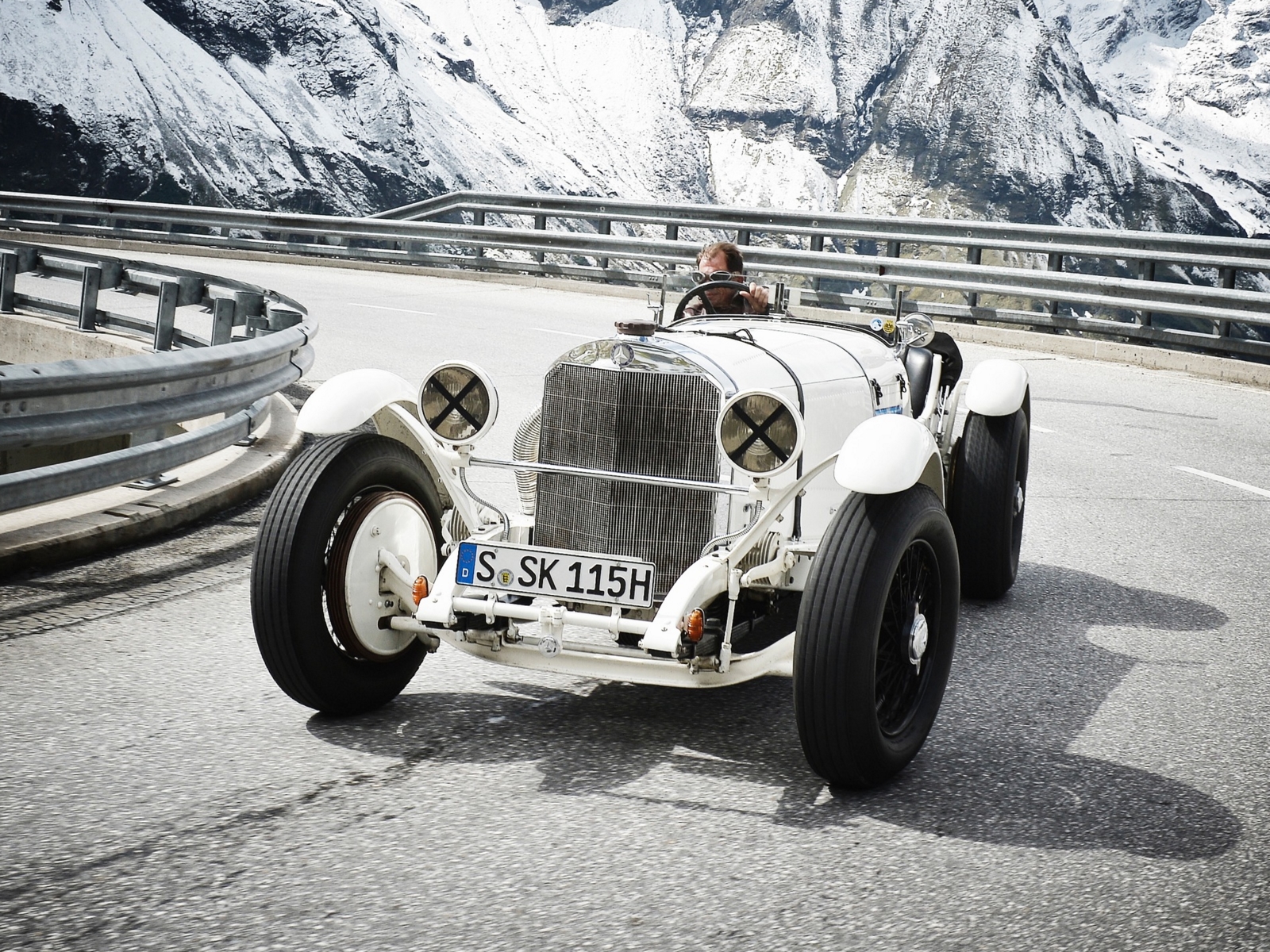
But the time came for a true racer to appear. 45 examples were made – of a lighter SSK variant with a shorter wheelbase. It was a new chassis after the company merged with Benz. SSK had an S radiator, an SS engine – and there was no match for it in hillclimbs at least 26 times. That’s how many times Rudolf Caracciola won HIMSELF – WITHIN 2 YEARS – not counting any other drivers. And maybe he wasn’t a true rival to Bugattis of the time, maybe not even for the Bentleys, as both were differently focused cars, essentially. But Alfa’s were being fucked without getting warmed-up. Caracciola won his Mille Miglia as a first non-Italian driver, and he beat the record speed at that (going 101 kph avg.)… just to be caught not 3 weeks after, during the Belgium event, going with 195 kph average speed. Alfas were nimble, but the Mercedes had the engine block from lightweight silumin, a bigger supercharger, 225 bhp and it could accelerate to 120 mph. It had so much torque, that if you put it against your house and slowly started going – it would fucking move the entire building. Over 500 ft lb.
SSKL was a dedicated track destoryer. It had 300 horsepower and lighter chassis. Germans saved some good by boring out holes in its ladder frame. That made it 70 – even 120 kg lighter than originals. It was fueled by a race mixture of benzole – the engine would overheat without it. Not many of those were made, but one was driven to success by Caracciola. SSK was one of the best sportscars of the ’20s, and its end came with the introduction of the Alfa Romeo 8C2300. It was a better handling car, but it also was a completely new generation of a sportscar from grounds up. And then, another crisis came and Mercedes had to quit racing entirely. The Germans will have their comeback to the top, not with the ‚S’ series, but their winning track cars, that will haunt all the possible circuits of the world. The SSKL was a rare variant itself, made in 7 examples only (I think) – all for motorsport purposes and none survived to this day.
Its performance and sport triumphs cemented the German position as the best sportscar of the ’20s. The very last Porsche design, before he left the company to start his own. The fastest in its time. It got to the finals of the Car of the Century awards. Won countless events: endurance, sprint, hillclimbs – you name it. And today: the ultimate example for a true collector. The Holy Grail of motor world. The mighty. The beautiful. Car with soul and huge portion of auto history in its portfolio. It started as a result of post-war cuts, and ended as the best car of its decade.
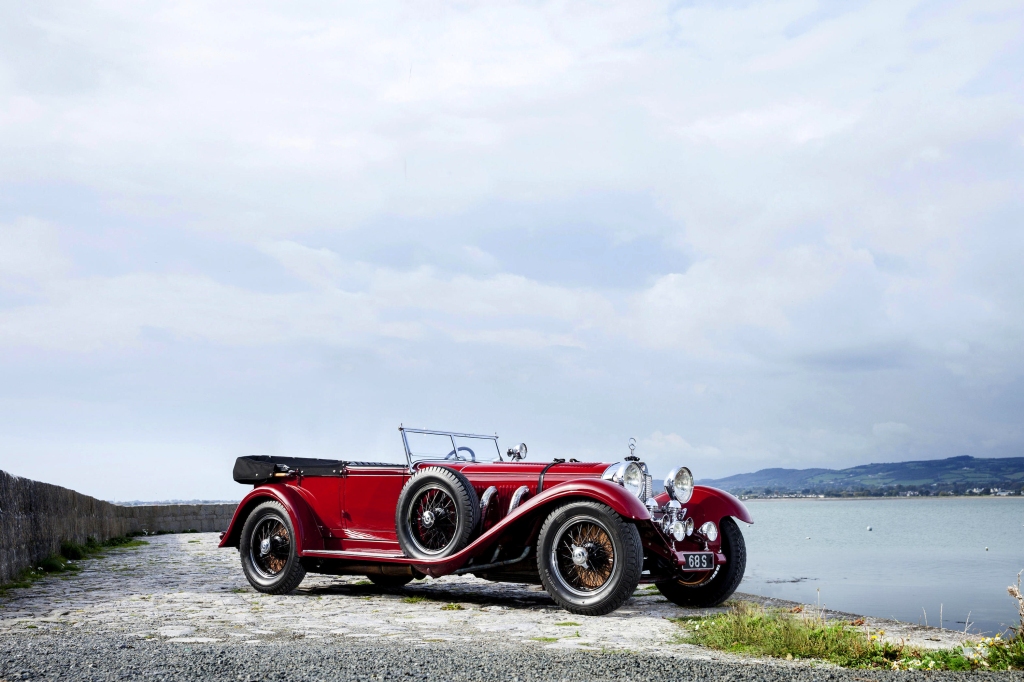
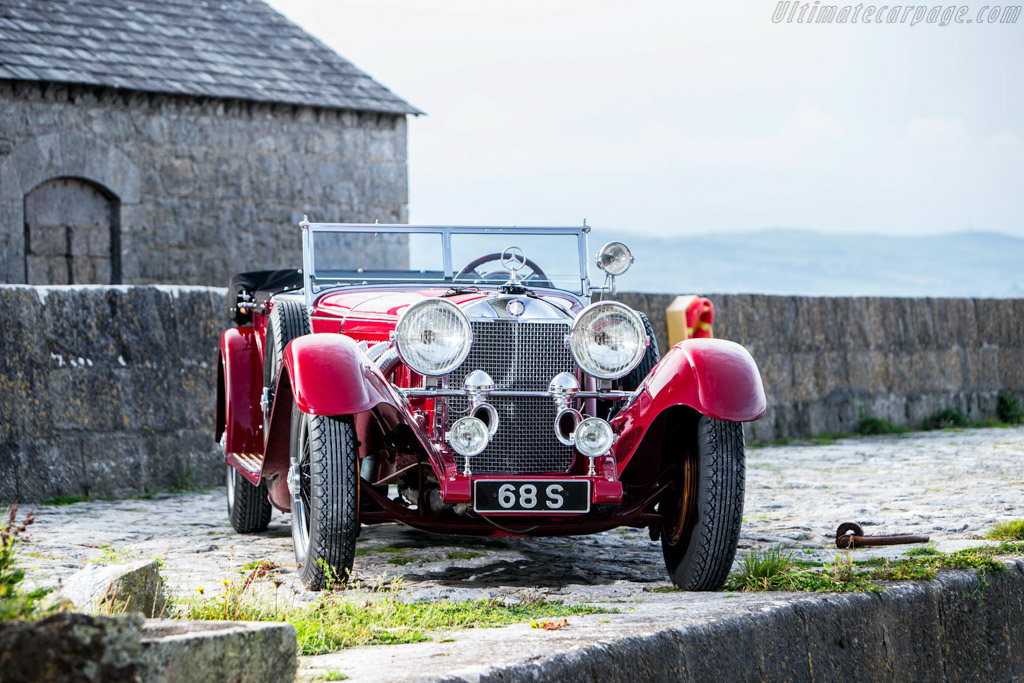
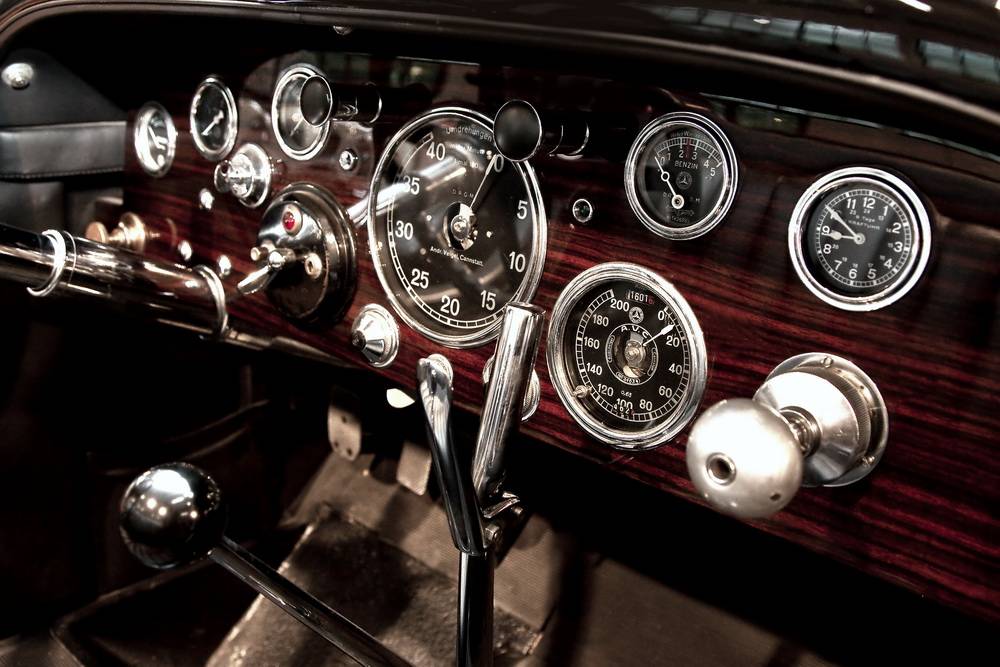
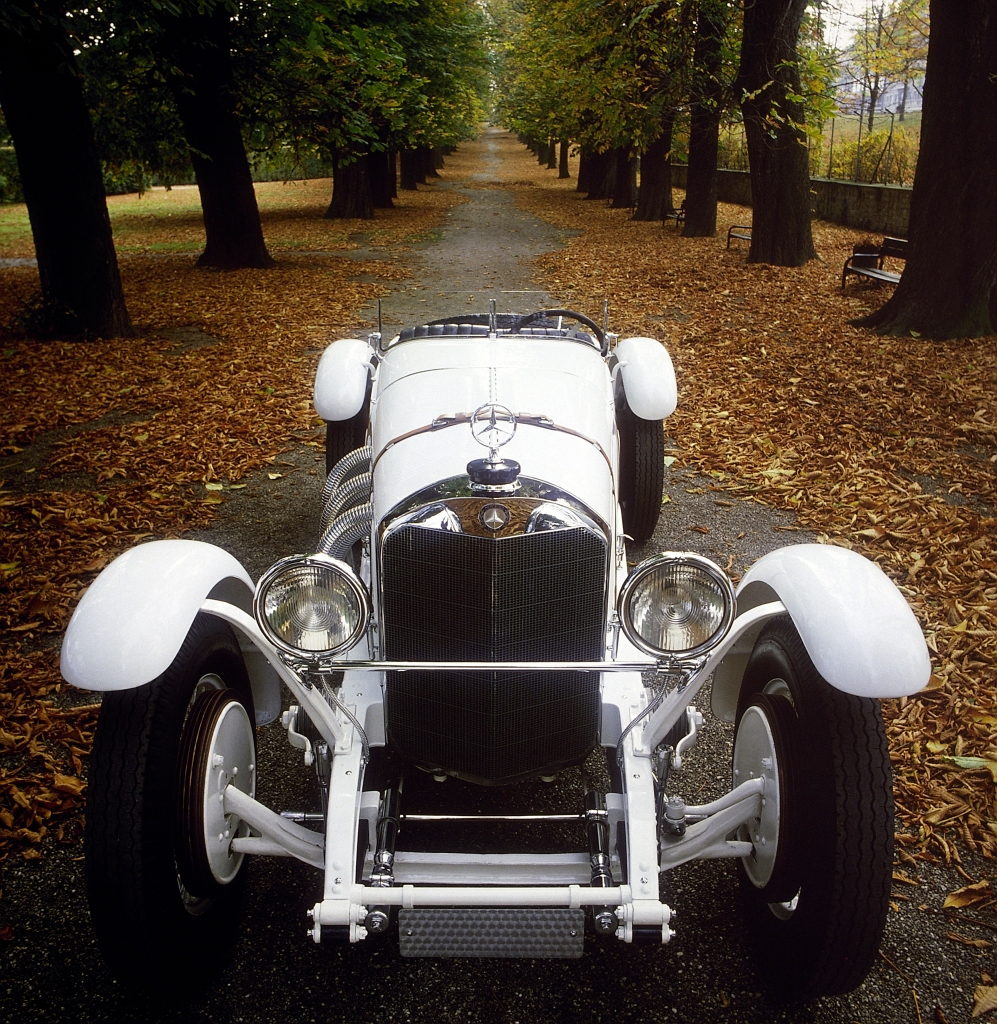
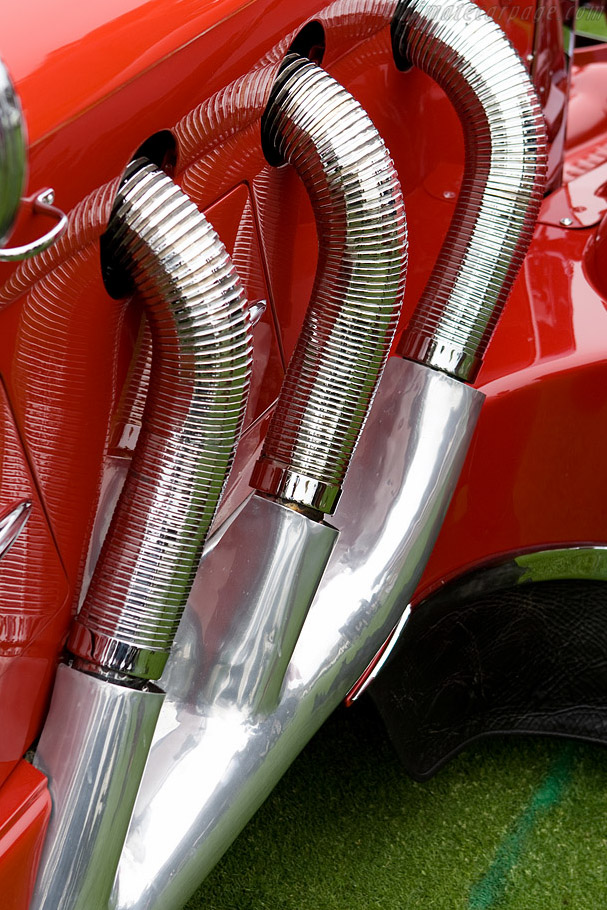
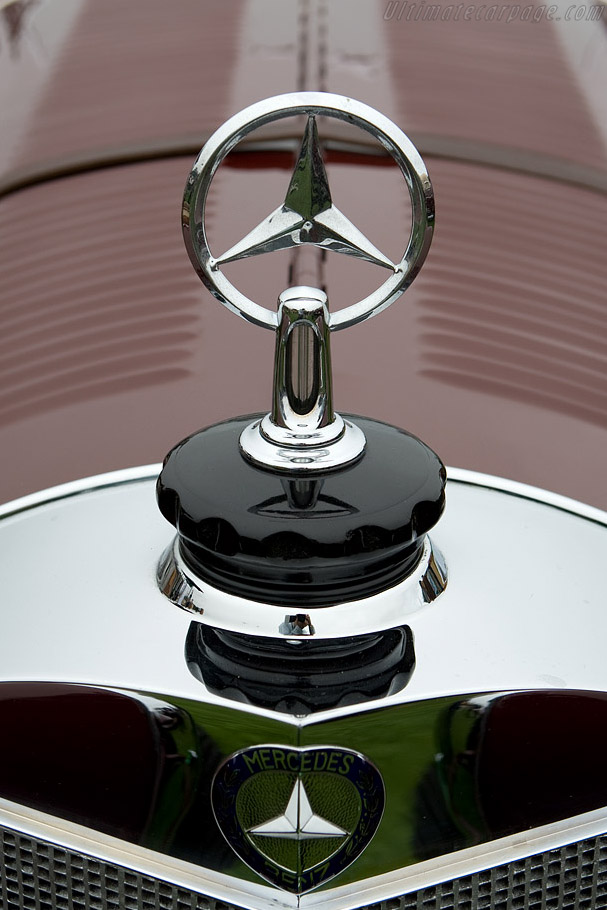
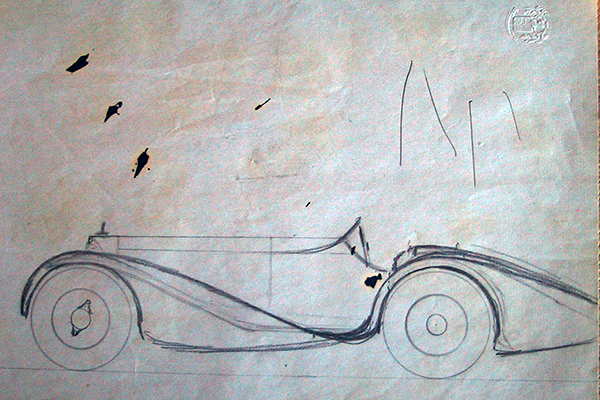
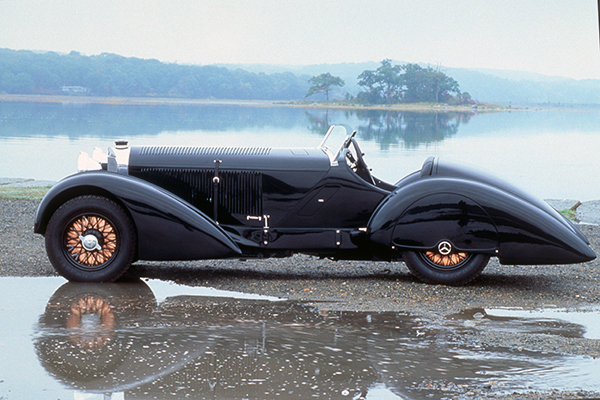
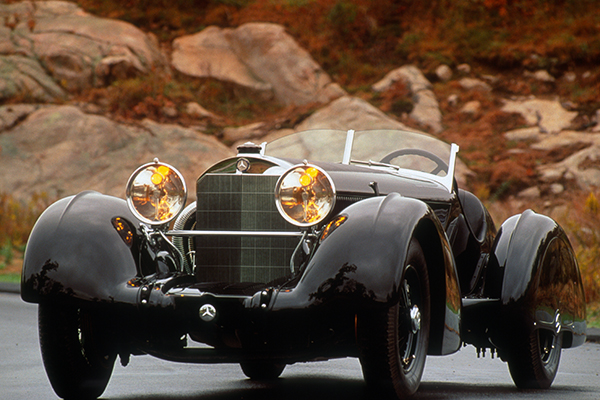
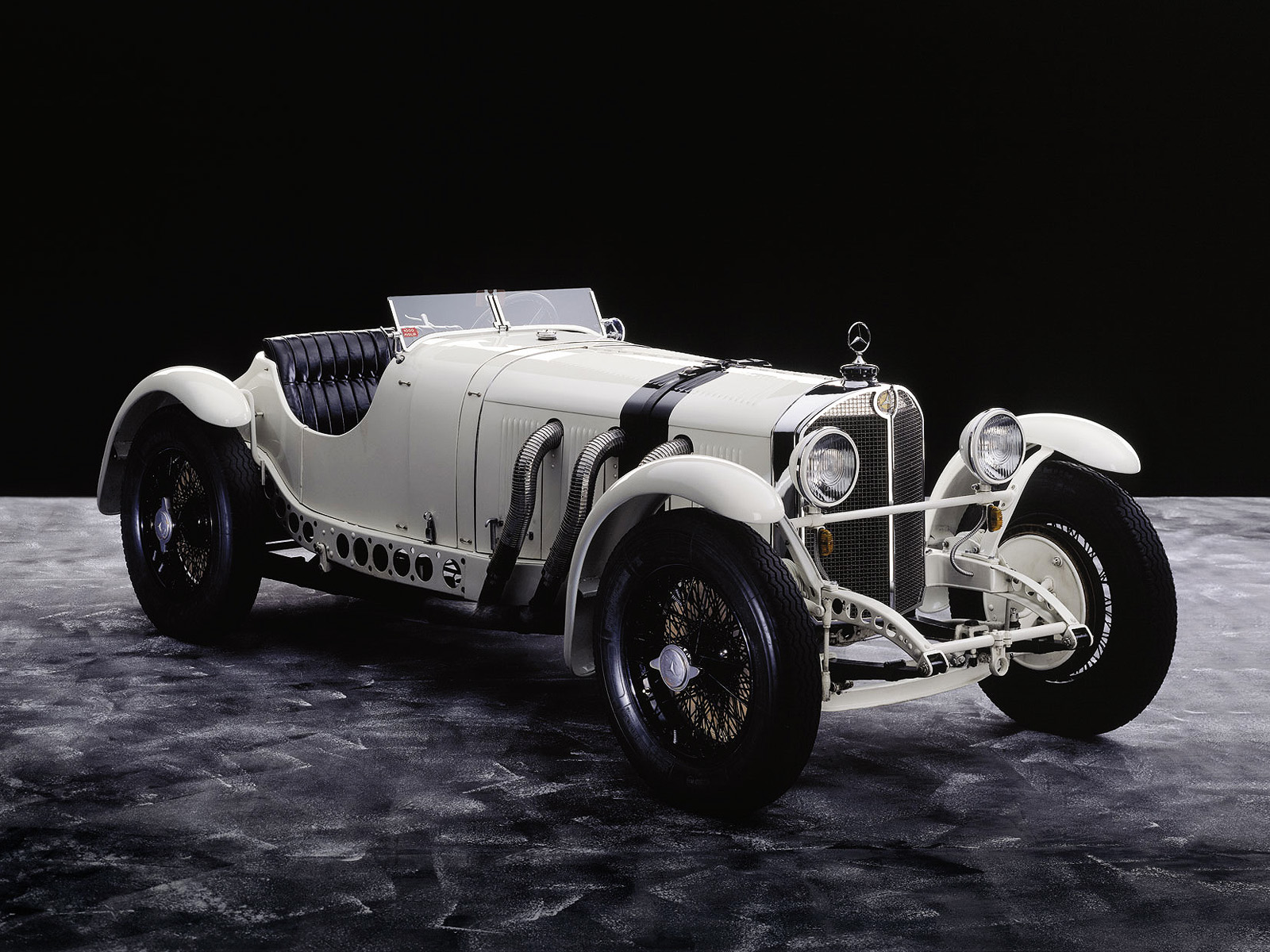
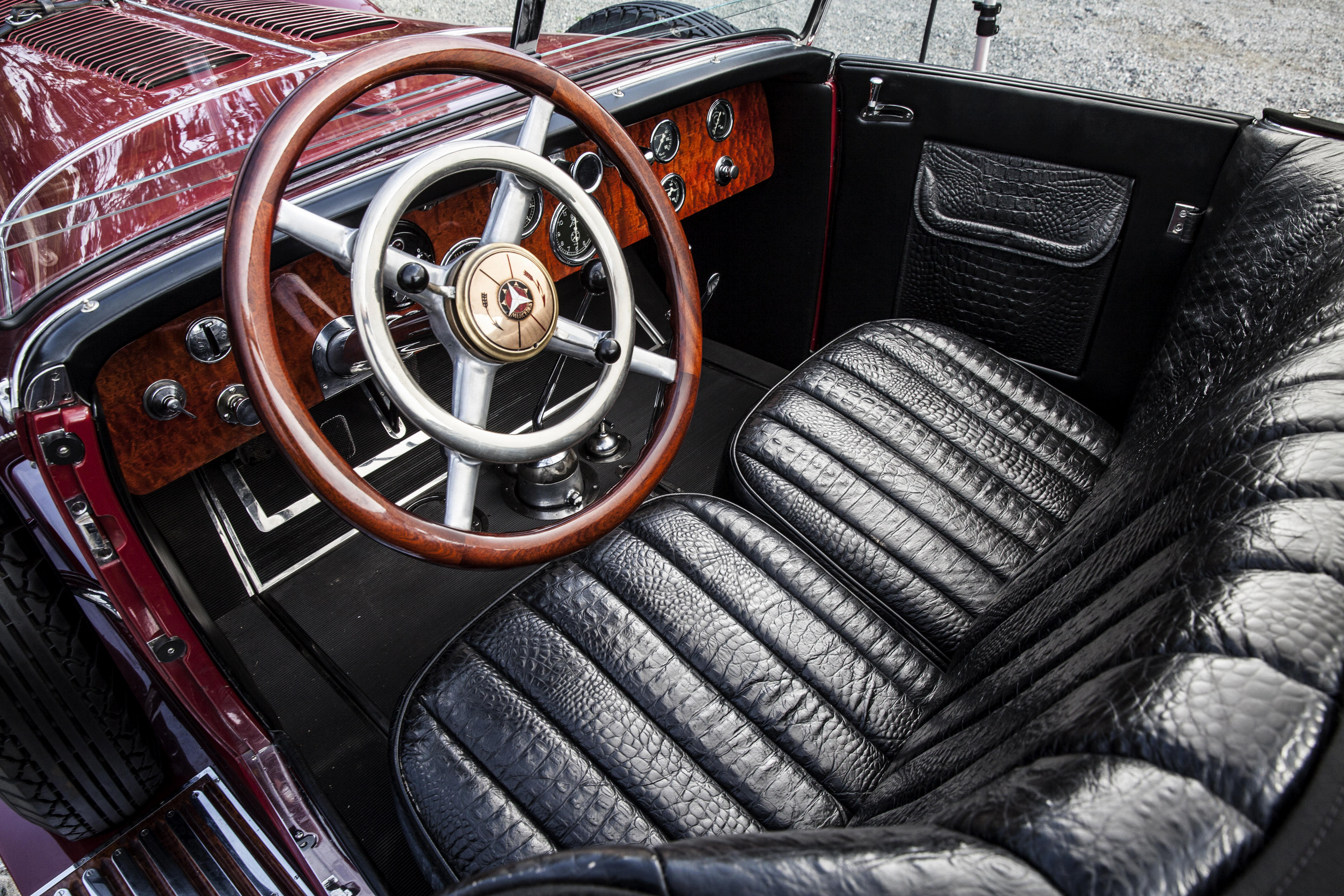
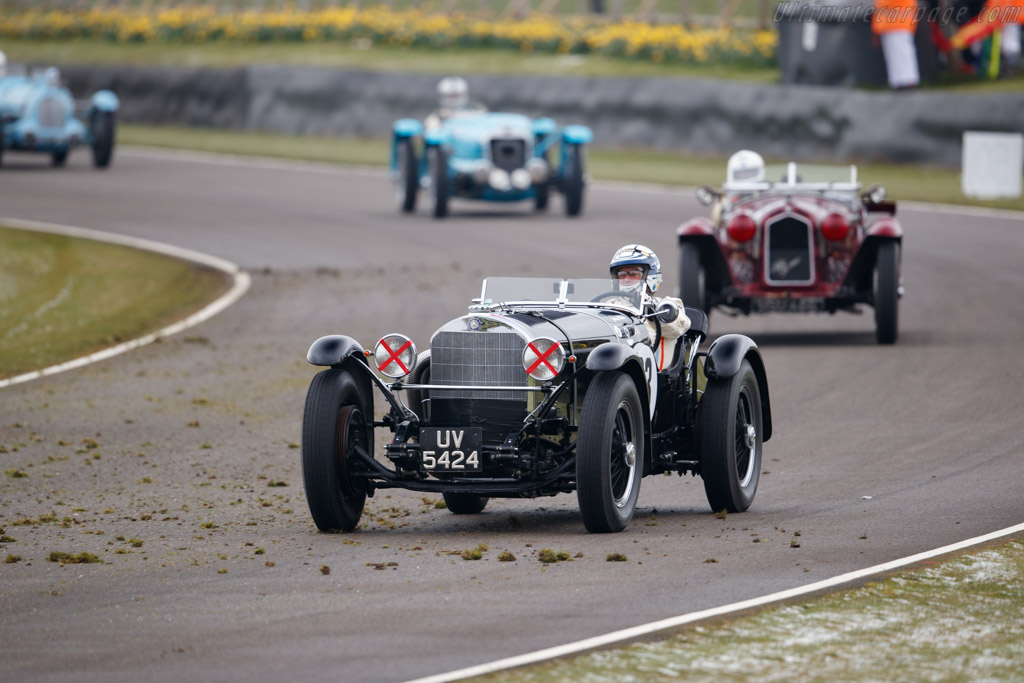
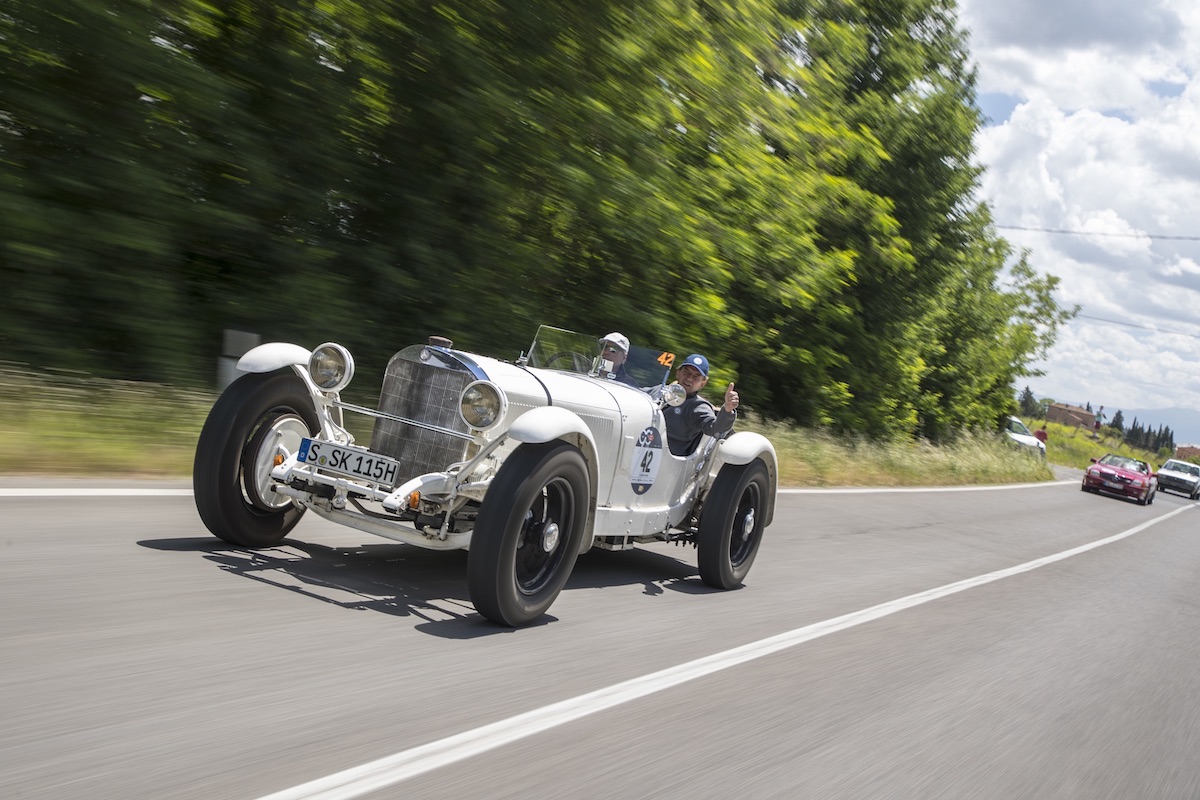
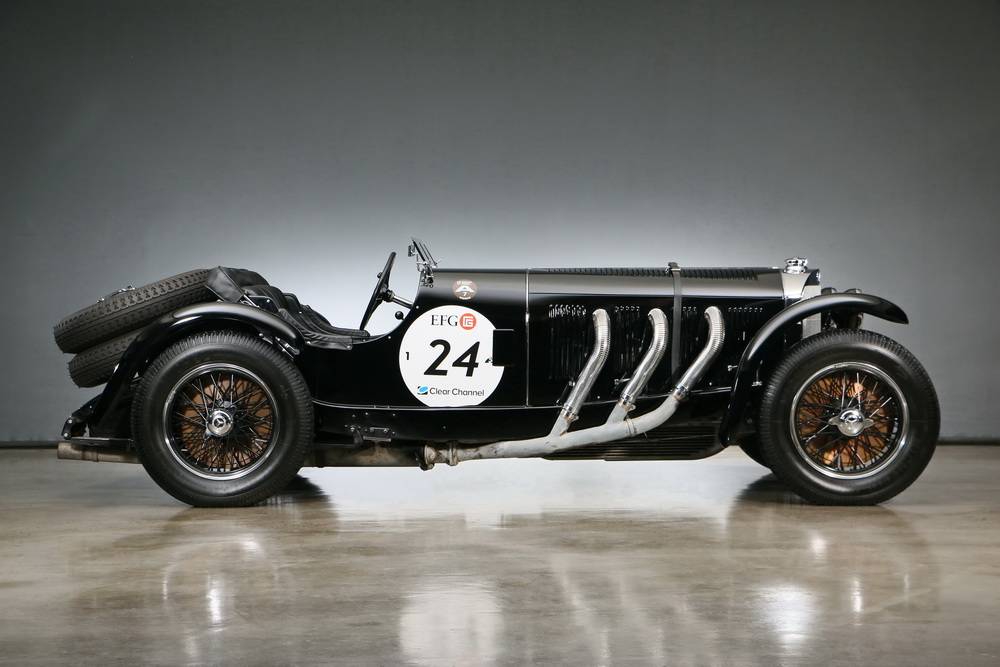
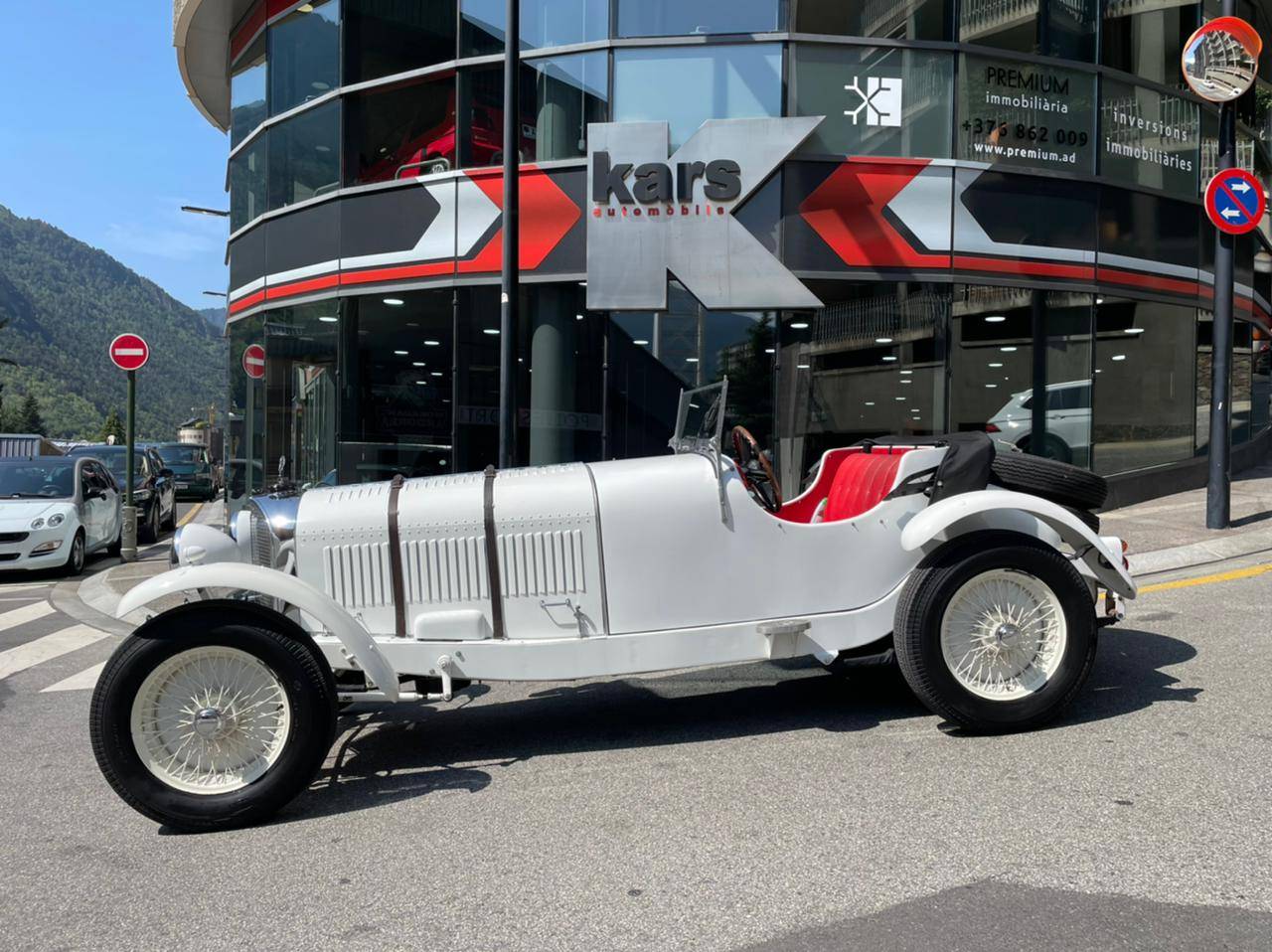
Mercedes cars: S, SS and SSK
Krzysztof Wilk All sources: autozine.org | ultimatecarpage.com | wikipedia.org | classic-trader.com | revsinstitute.org | hotcars.com | bonhams.com | rmsothebys.com | conceptcarz.com | dyler.com | paulrussell.com | supercars.net | mercedes-benz-publicarchive.com | Top Gear: The Cool 500 – The Coolest Cars Ever Made | N Balwdin – The World Guide to Automobiles, the Makers and their Marques
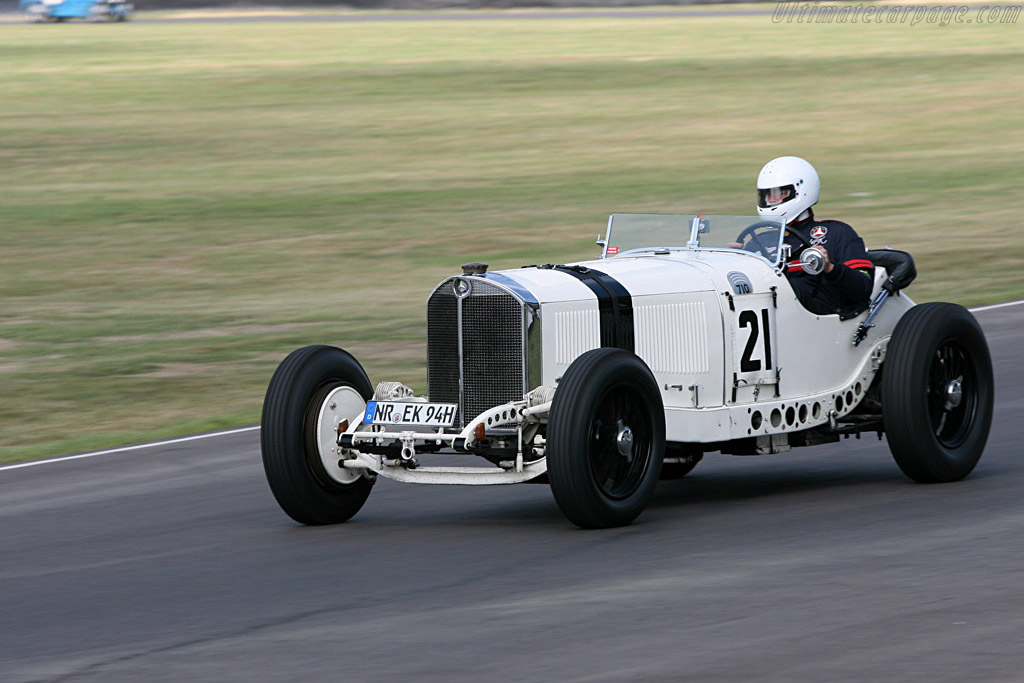
Jeszcze zanim Srebrne Szczały zdominowały tory wyścigowe świata, Mercedes potrafił srogo pozamiatać przy pomocy drzewka rozwoju modelu Sport. Na serię Sport Mercedesa składały się warianty S, SS, SSK oraz SSKL, i wszystkie potrafiły sprzedawać lepy na mordę tak Włochom, jak i Francuzom w ich najlepszej formie. Hillclimby miażdżyły na poziomie dziennym, dwa razy triumfowały na Nurburgringu i nawet Mille Miglia ukończyły najszybciej.
Mercedes Typ 680 S 26/120/180 Erdmann Rossi Sports Tourer
Mercedes jeszcze przed pierwszo wojno zbudował markę, która królowała w motorsporcie na niemieckiej ziemi – i nie tylko. Bywali najlepsi też podczas Grand Prix Francji a nawet za oceanem w wyścigu Indy500. Byli motorem napędowym rozwoju motoryzacji, aż przyszła wojna i sobie poszła – a kryzys został. Aby ciąć koszta, Niemcy zaczęli budować auta sportowe na bazie tych dla cywili. Czego się jednak na wojence nauczyli, to poznali dogłębnie tajniki budowy silników lotniczych i metody ich doładowania – co w aucie nie było wtedy tak oczywiste, ale do 1922 roku, m.in. dzięki Mercedesom, kompresor typu Roots stał się już normą.
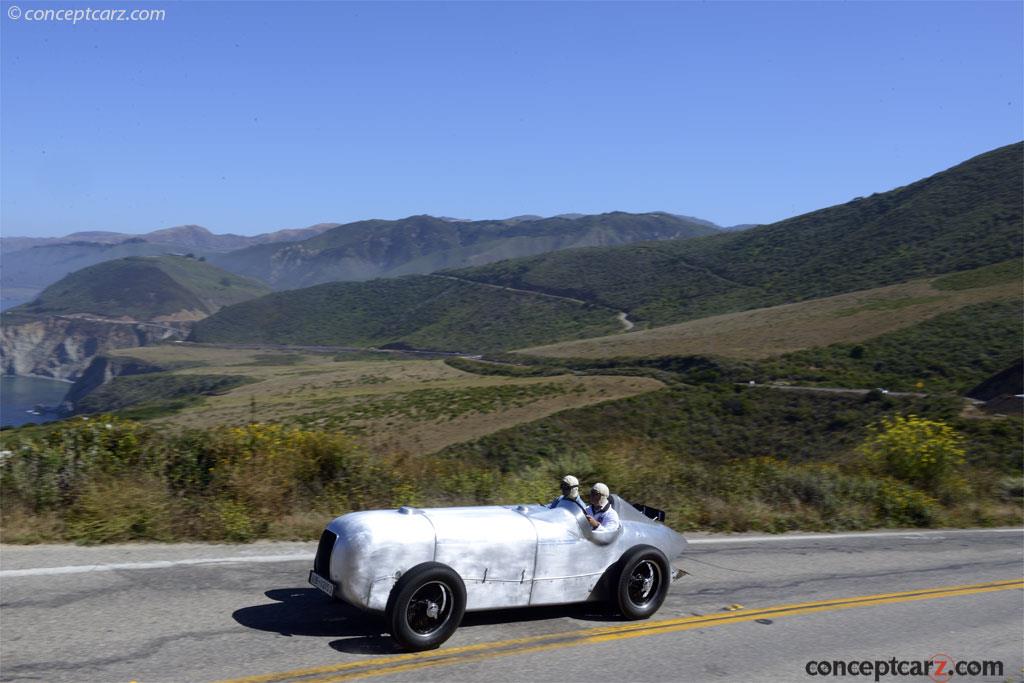
710 SS Fernandez and Darrin Sport Tourer
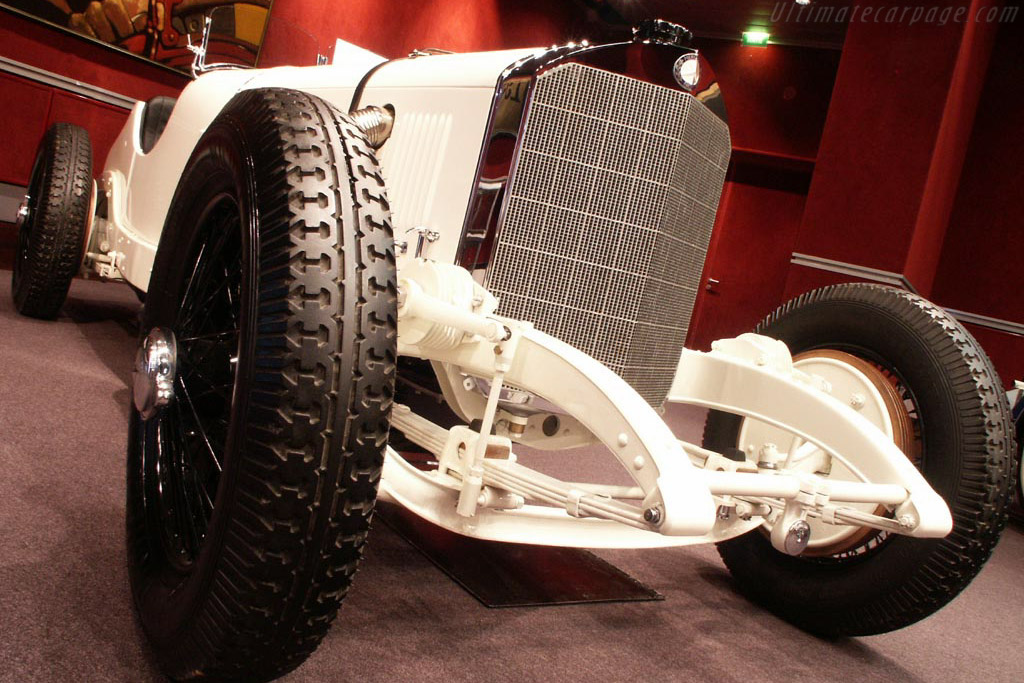
Mercedes musiał wymiatać, bo był projektem pana Porsche. Zanim założył swoją markę aut sportowych, Ferdinand Porsche miał własne biuro inżynieryjne – a zanim to – pracował dla Daimlera na stanowisku Dyrektora Technicznego… dlatego Mercedes już z definicji musiał być przemocarny. To w dużej mierze dzięki Ferdinandowi Niemcy wygrali Targa Florio w ‘24 i wygrywaliby dalej, gdyby się regulaminy nie zmieniły. Ale się zmieniły i potrzeba było nowej maszyny. Porsche wziął na warsztat model 630K, który był limuzyną z 6-cylindrowym silnikiem rzędowym – 6 litrów i więcej. Z kompresorem – a jakże. I oczywiście ten silnik też od podstaw był autorstwa Ferdinanda. I nawet rok czasu mu to nie zajęło, żeby z 2-tonowej limuzyny zrobić auto do wygrywania. To takie coś wziął rozwiercił do prawie 7 litry, dał większe zawory, zwiększył współczynnik kompresji – podłączył do lepszej, 4-biegowej przekładni – i umieścił w obniżonej, skróconej wersji podwozia na bazie Mercedesa… wiecie… tak, żeby to jeździło, skręcało… takie tam fetysze.
Mercedes SSK
W ogóle, świetna historia XD. Kiedyś, jak to drzewiej bywało – tak do 1948 roku mniej-więcej – parametry silnika określało się tzw. mocą podatkową, która nie miała nic wspólnego z mocą rzeczywistą. Nie była to cyfra kompletnie arbitralna, wyciągało się ją z określonego wzoru i zależała w głównej mierze od objętości cylindra – no ale powiedzmy sobie szczerze: no była z dupy, tak… No to miejmy to na uwadze. Teraz skupmy się na cechach szczególnych silnika Mercedesa: doładowanie kompresorem typu Rootsa – pompa rotacyjna załącza się dopiero po wciśnięciu ekhem… pedału… do oporu. W przeciwnym wypadku – gdy nie dusimy na max – silnik daje tylko od siebie, a bez wspomagacza wyda 120 koni mocy, ale przy znacznie mniejszym obciążeniu dla silnika. I teraz najlepsze. Model S wcale nie nazywał się S. Nie, nie – to by było za łatwo. Niemcy nazwali Mercedesa od mocy jego silnika. Zapytacie: ale to tej atmosferycznej, z doładowaniem, czy jeszcze jakiejś innej? Odpowiedź brzmi: “tak…” Zamiast sportowy model nazwać S (od sport), to Germanie w swej kreatywności oficjalnie przedstawili nowe auto pod kryptonimem Typ 680 26/120/180S, czyli najpierw pojemność a potem pierwszy człon odpowiadał za moc podatkową, drugi za nominalną i trzeci przy doładowaniu. A “S”, to wiadomo… że Sasin przepierdolił 70M PLN na wybory, które się nie odbyły i nie poniósł za to konsekwencji NIC!
SSKL
680 S wygrał już w pierwszym wyścigu (1-szy Caracciola, 2-gi Rosenberger), a potem z większych jeszcze Grand Prix Niemiec. On tego GP nawet nie wygrał – on tam zajął 3 pierwsze miejsca, ok? A do tego stale był wspierany. Wariant SS wszedł w obieg już w rok od premiery pierwszego modelu – był trochie lżejszy i mocniejszejszy. Pojemność wzrosła do 7,1 litra a moc do 200 koni mechanicznych na metr²… ale to dalej, no “tak se…” Były to szybkie auta, ale raczej tylko na prostej – a i bardziej luksusowe niż typowo sportowe. Szczególnie, że te – trzeba przyznać – pięknie wykonane dzieła sztuki, dalej potrafiły ważyć i dwie tony. I w rękach Rudolfa Caraccioli, auto z gwiazdą na masce dojechało do mety Nurburgringu jako pierwsze, ale to raczej zasługa kierowcy i jego talentu… Do pewnego stopnia udanej, twardej i solidnej konstrukcji auta – a nie do końca samych osiągów.
W końcu jednak przyszła pora na prawdziwe auto do motorsportu. Powstało 45 sztuk wersji SSK – lżejszej i z krótszym rozstawem osi – nowa platforma po połączeniu z Benzem. Miał chłodnicę z S-ki, silnik z SS-ki i nie miał sobie równych na hillclimbach conajmniej 26-krotnie – pan Rudolf sam jeden wygrał tyle razy w dwa lata. Może nie był rywalem ani dla Bugatti, ani dla Bentleya, bo to zgoła inaczej zorientowane auta – ale był bardzo wszechstronny. Takie np. Alfy Romeo to były wpierdalane bez popity. Caracciola wygrał Mille Miglia jako pierwszy nie-włoski kierowca, bijąc przy tym rekord prędkości (średnia 101 km/h). Niecałe 3 tygodnie później podczas przejazdu w Belgii miał średnią 195 km/h. Alfa może była zwinna, ale Mercedes miał teraz lekki blok silnika z siluminu, większy kompresor, osiągał moc rzędu 225 koni mechanicznych i rozpędzał się do 120 mph. A moment obrotowy to miał taki, że zaparłbyś się Mietkiem o swoją chatę i powoli ruszył, to by ci całą chałupę w pizdu przesunął! Prawie 700 Nm…
SSKL to już typowy germański morderca o mocy 300 koni i odchudzonym podwoziu. W ramie drabinowej powywiercano otwory, które pozwoliły zaoszczędzić 70 – nawet do 120 kilogramów. Silnik spalał wyścigową mieszankę paliwa i benzolu – w innym wypadku potrafił się przegrzewać. Takich wersji było bardzo niewiele, ale jedną z nich trofea zdobywał Caracciola. SSK jest jednym z najlepszych aut sportowych lat ’20-tych, a jego zmierzch nadszedł wraz z prezentacją Alfy Romeo 8C2300, która pod względem prowadzenia, była lepsza pod każdym względem. Ale Alfa to była już nowa generacja aut sportowych – a do tego kolejne załamanie na rynku i Mercedes musiał wycofać się ze sportu calkowicie. Niemcy oczywiście się odbiją, ale już nie serią S Mercedesa a wyczynowymi bolidami, które terroryzować będą wszystkie tory wyścigowe tego świata. SSKL był wariantem, którego powstało tylko parę sztuk (chyba 7) do motorsportu i żaden się nie zachował.
Jego osiągi i sportowe sukcesy scementowały ten model Mercedesa na pozycji najlepszego auta końca lat ‘20-stych. Ostatni projekt Ferdinanda Porsche zanim wyruszył swoją własną ścieżką. Najszybsze auto swoich czasów. Półfinalista, jeśli chodzi o nagrodę Auta Stulecia – wygrywał zawody długodystansowe, sprinty, hillclimby – you name it. Dziś: najlepszy klasyk jaki można mieć w swojej kolekcji. Święty Graal motoryzacji. Potężny, przepiękny – z charakterem i kawałem historii w portfolio. Powstał jako wypadkowa powojennego kryzysu, a stał się najlepszym autem swojej dekady.
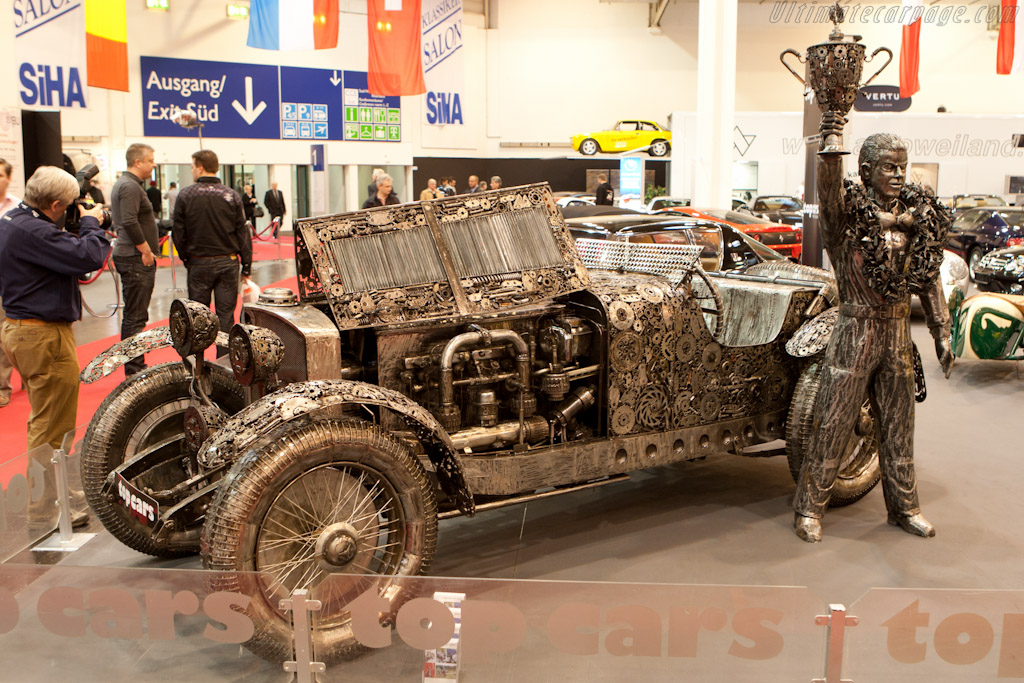
Mercedesy: S, SS oraz SSK
Krzysztof Wilk Na podstawie: autozine.org | ultimatecarpage.com | wikipedia.org | classic-trader.com | revsinstitute.org | hotcars.com | bonhams.com | rmsothebys.com | conceptcarz.com | dyler.com | paulrussell.com | supercars.net | mercedes-benz-publicarchive.com | Top Gear: The Cool 500 – The Coolest Cars Ever Made | N Balwdin – The World Guide to Automobiles, the Makers and their Marques






















 SRT
SRT 