1981 – Rover SD1 Group A

EngineDisplacementPowerAccelerationTop Speed
V83.5 L250-340 BHP250-257 km/h
155-160 mph

Motorsport was the obvious driving force behind sales. That’s how it was, is, and always will be. Every serious player knew that. The British Motor Corporation had success with that strategy through its Austin Rover and British Leyland brands. In British racing, there were still old Triumph Dolomites going around — so, come on… And just then, the engine size limit was raised to 3.5 liters.

British Leyland tried to cash on racing, and in the ’70s, the obvious choice was the Rover SD1 for touring car competitions. The problem was that folks in the BTCC started whining, talking crap when the car exceeded their beloved 3-liter limit. They were afraid of American competition, but in the end, they allowed the Rover 3500 in under Group 1 rules.
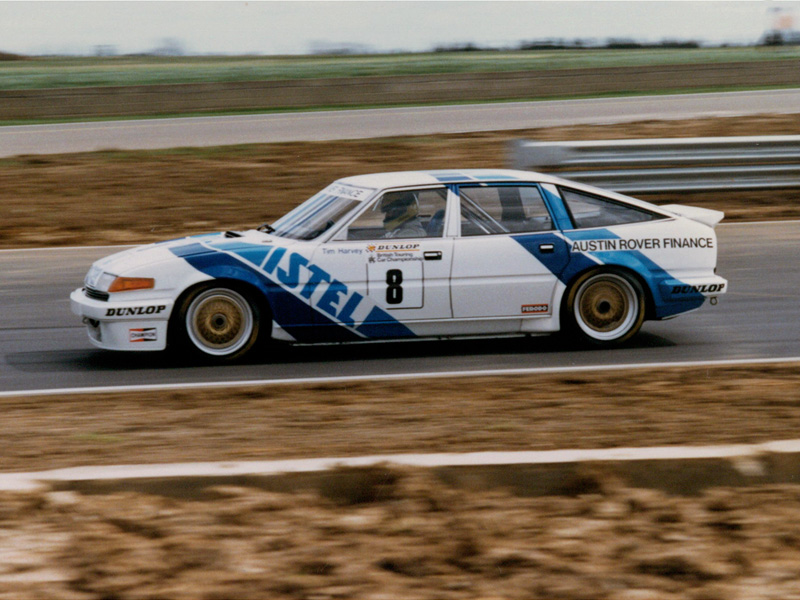
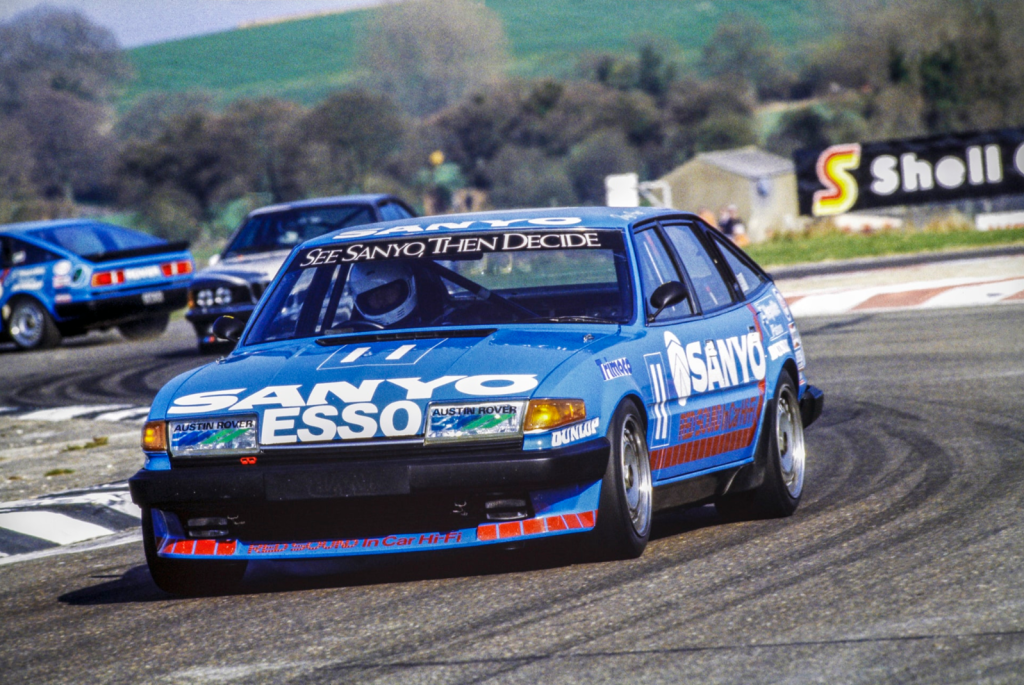
Might have seemed like a shining days then — but that was just the beginning of their misery and torment. The reason was plain and simple: money. I mean, if you want to go racing, it helps to actually have some, right? And that was always a problem for them. So British Leyland wanted to race… but with no program, no engineering support, and a car built on a shoestring. Work on the car began both within the company and with private teams modifying their own vehicles alongside Rover’s efforts. Group 1 was a relatively strict category, so the resulting machines were fairly similar technologically.

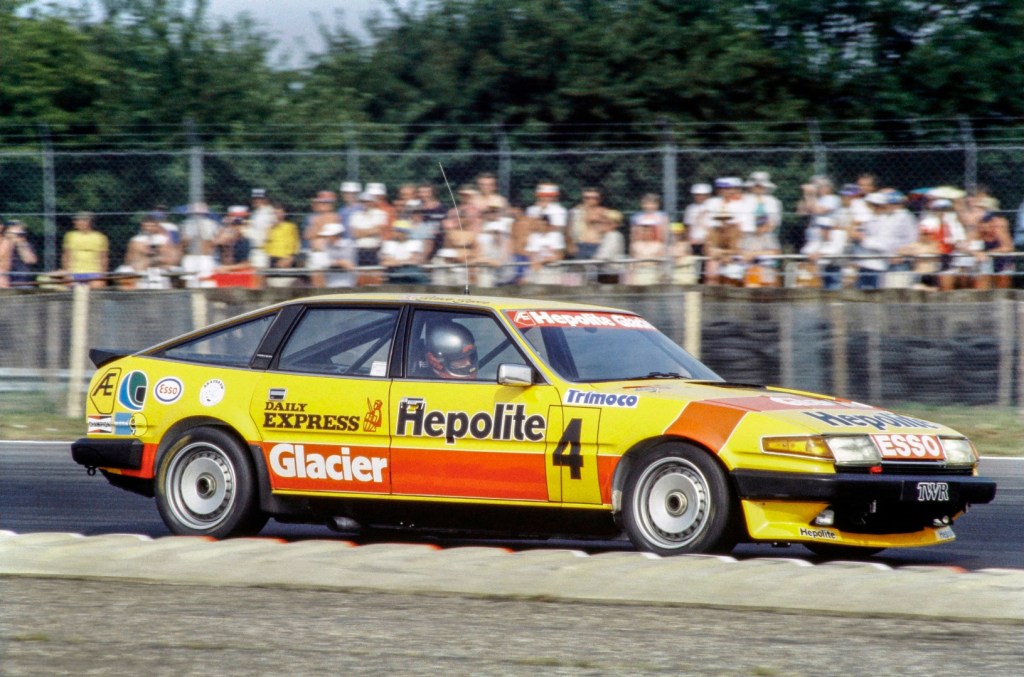
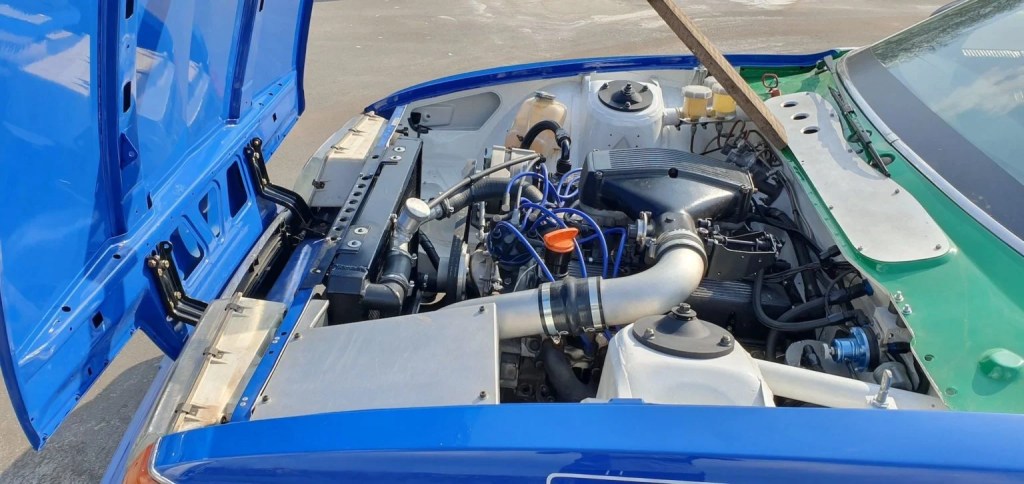
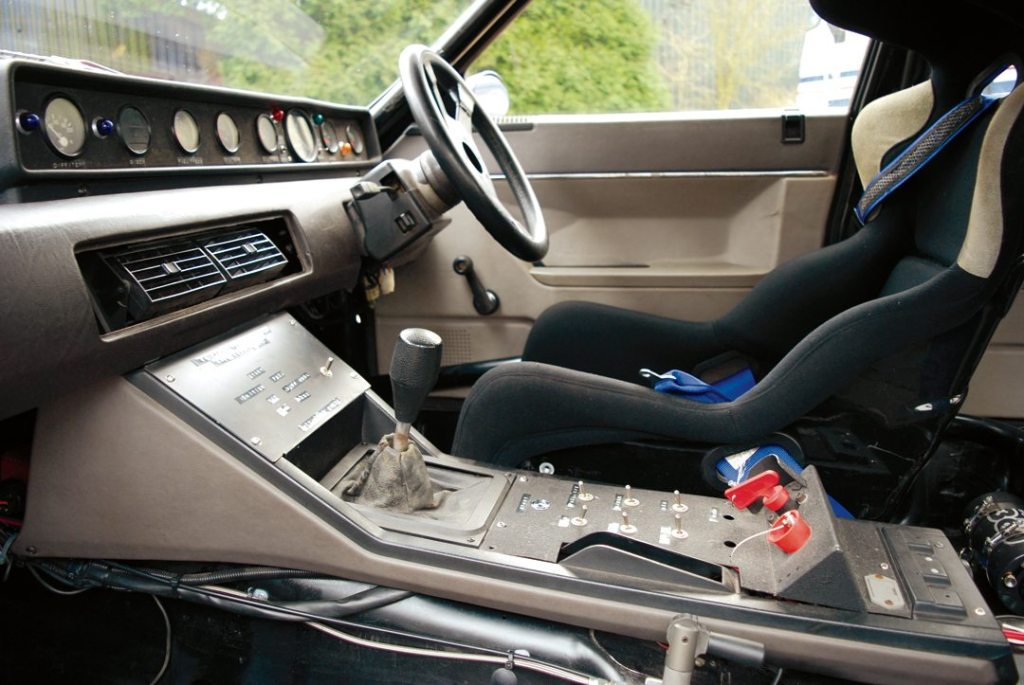
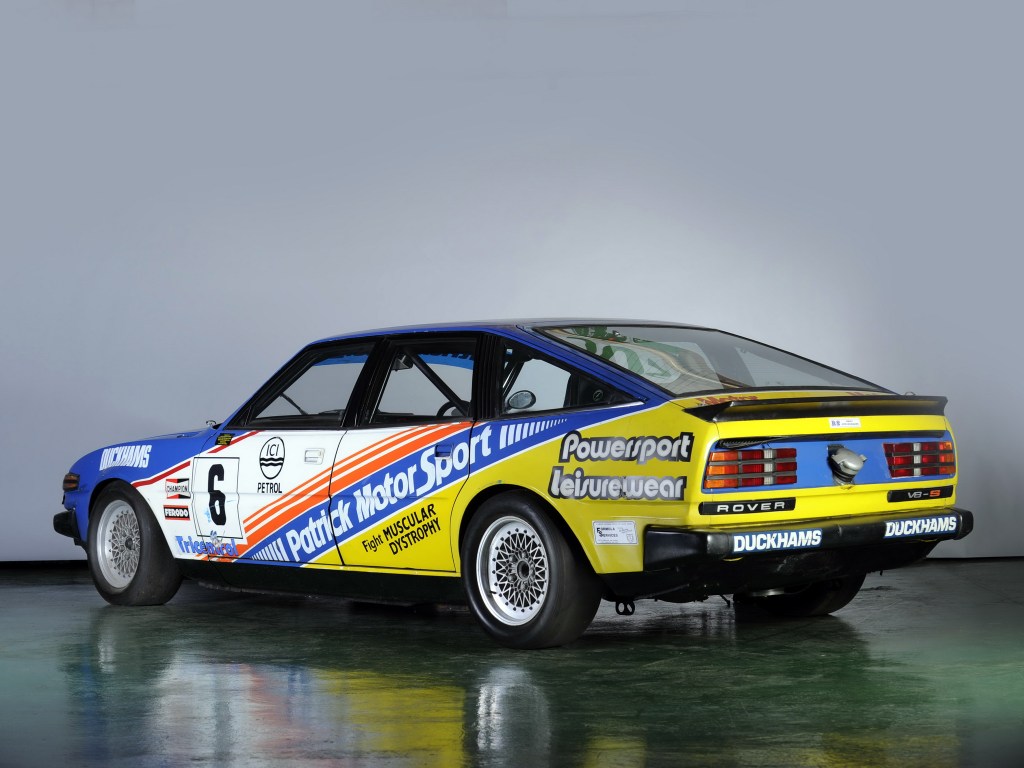
Race modifications focused mainly on upgrading the suspension and brakes. The motorsport-spec Rovers also got shorter gear ratios. They went on a diet to drop as much weight as possible. The V8 had a light-alloy block and still breathed through a pair of carbs, but Rover’s engine was good for a minimum of 250 horsepower. Didn’t matter if it was a privateer car or one from British Leyland — they were very much alike.
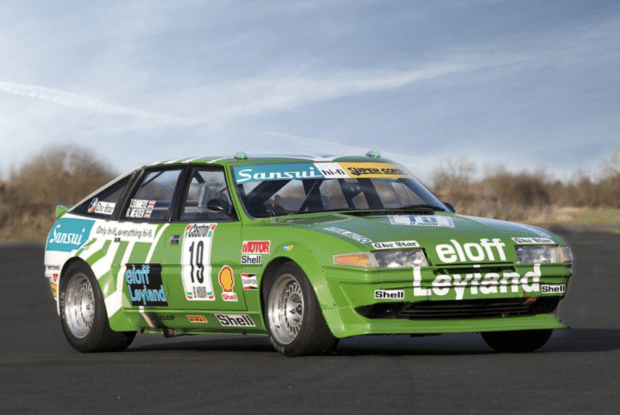
The road SD1 was never seen as a motorsport contender, but truth be told, it was a perfect fit. It had great aerodynamics and a simple enough undercarriage that it would be such a waste not to take advantage of it. Most of the race prep happened in the BL Motorsport garages with Dave Price Motorsport help. These were guys with F3 experience, working with drivers like Nigel Mansell. Later on, they would even play a part in the 1989 Le Mans victory. McLaren F1 GTR won that one for the Sauber-Mercedes team, bagging both the drivers’ and constructors’ titles. They were winning in Italy too… well, you get the story. These guys knew racing — that’s the point. And they had to, because they were up against beasts like the Ford Capri and the Mazda RX-7 TWR.

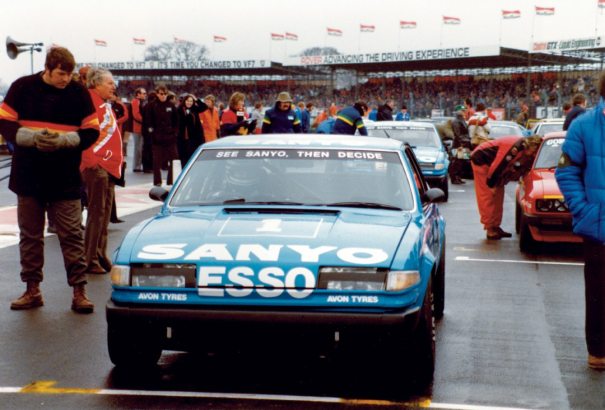
And a good car it was — but not as good as the Capri. The first events ran with a 250-horsepower Rover 3500 S. Not good – not terrible, I’d say. Brands Hatch ended with a solid first place after a strong race in the rain — and the car showed promise. They managed a similar success at Donington, this time with F1 world champion Alan Jones behind the wheel.

The Rover was finishing high up, just not quite at the very top. And of course, that wasn’t enough. The problem was in constant mechanical failures, especially in the drivetrain. So they called in a second opinion — Tom Walkinshaw. Not just a talented driver, but a brilliant team manager. Walkinshaw quickly launched his program, Tom Walkinshaw Racing, and his Rovers hit the top five times that season.
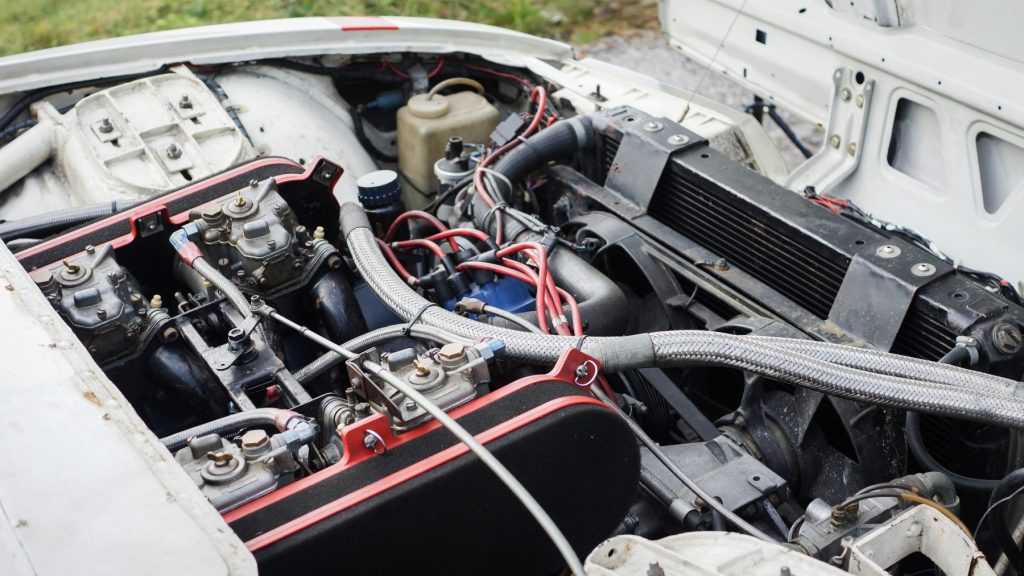
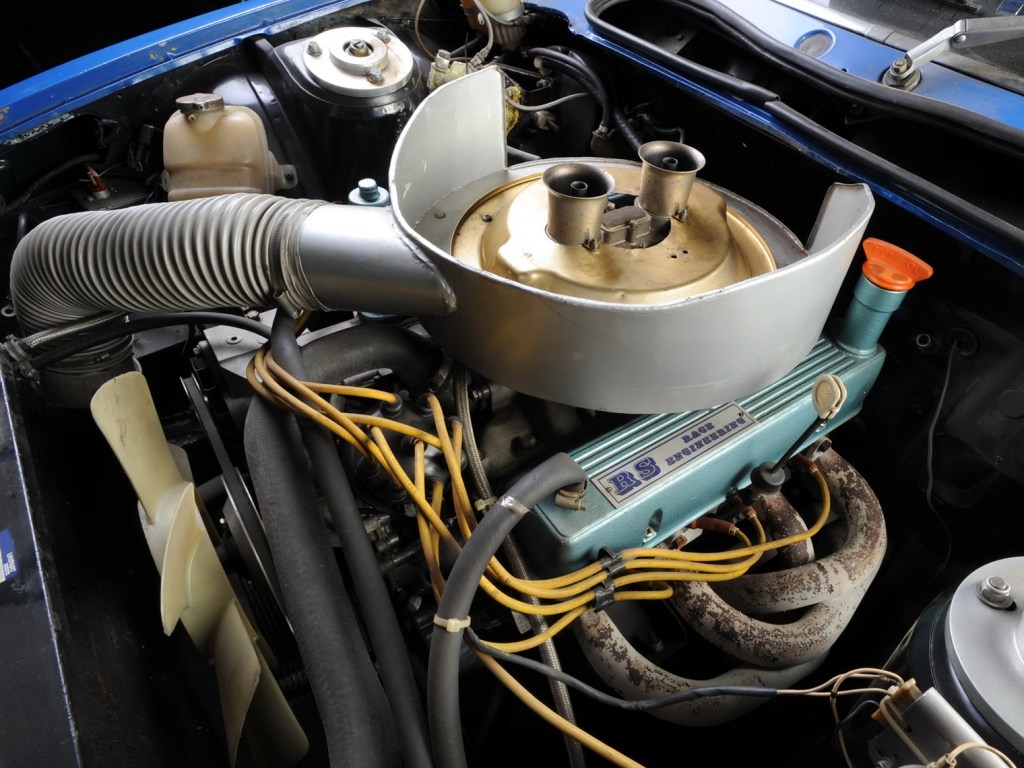
His verdict? “The Rovers are too slow and the engine keeps shitting itself.” He wasn’t wrong, alright. He’d been through the same thing with the Mazdas — and he sorted that out. He told them he’d fix the Rover, but he’d charge £1,000 for every tenth of a second shaved off per lap after his upgrades. They swapped the cats, worked on the suspension, said their prayers… And got pole position for Silverstone race. Rover had to pay up the full £20k — the car was nearly three seconds faster. Even Walkinshaw’s own Mazda had trouble keeping up — and he done good shit on that too.

They also developed a Group 2 version before their contract with British Leyland expired. Group 2 allowed more freedom, so they ditched the carbs for a set of quad-barrel units, gaining a clean 100 horses. That required wider tires and fatter fenders. These cars even entered some endurance races. The TWR collaboration was a game-changer. Walkinshaw breathed new life into the SD1.
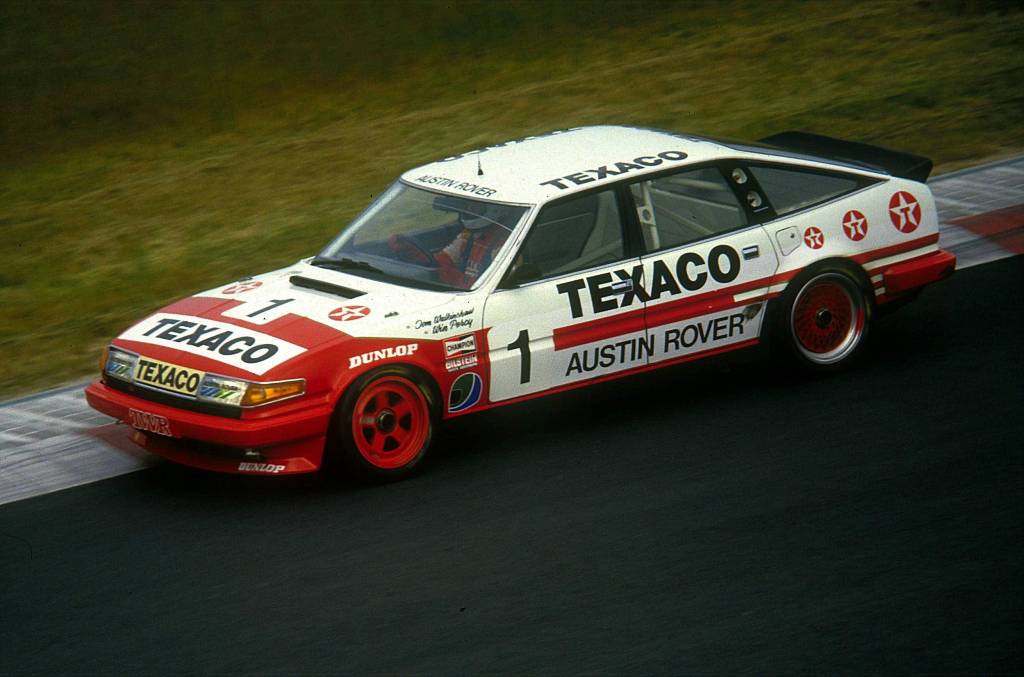
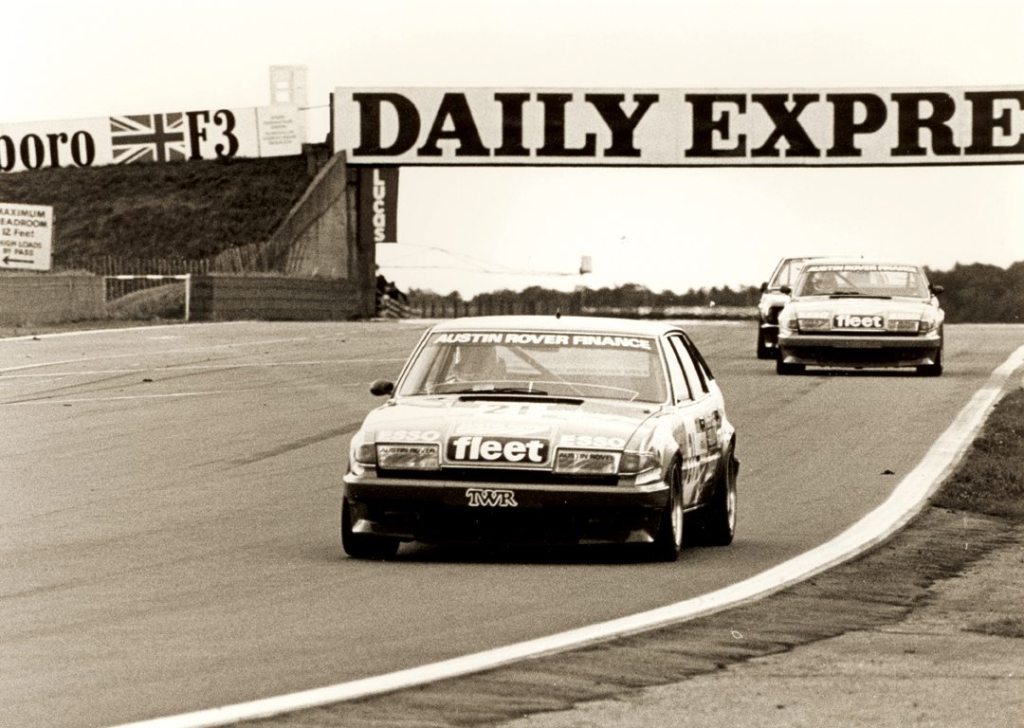
Next season, the Rovers ran in full TWR colors. Walkinshaw’s team had a stacked deck — they ran both Mazdas and Rovers side by side, and even fielded an Audi 80 GLE with none other than Stirling Moss behind the wheel. It was his first real comeback after his 1962 crash at Goodwood, where he wrecked his Lotus and spent a month in a coma. And the TWR Rovers? They started winning — regularly. Double podiums, clean sweeps — both 1981 and 1982 were great seasons for SD1 drivers. TWR also prepped rally versions, but those never matched the performance of their track-spec counterparts.

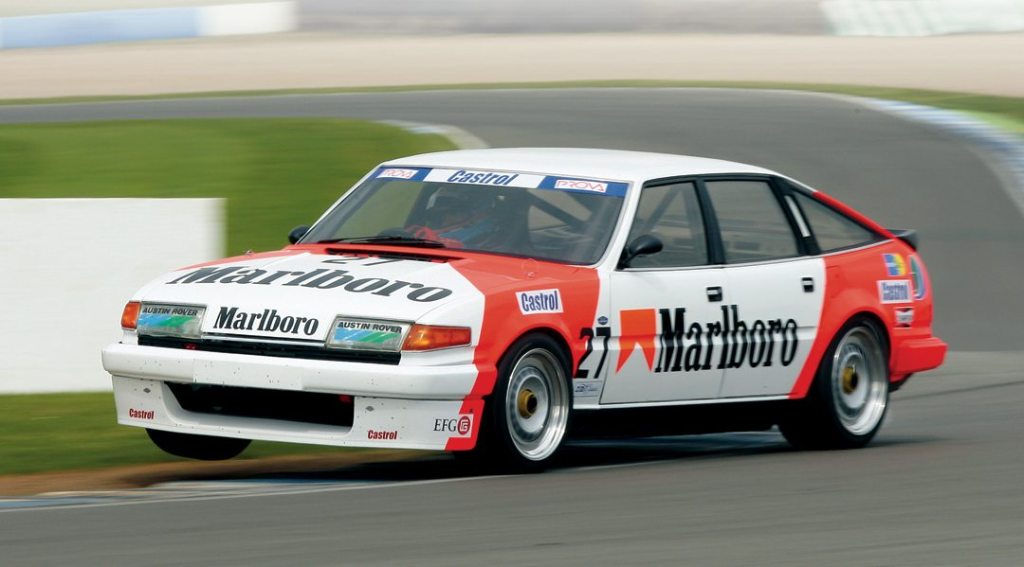
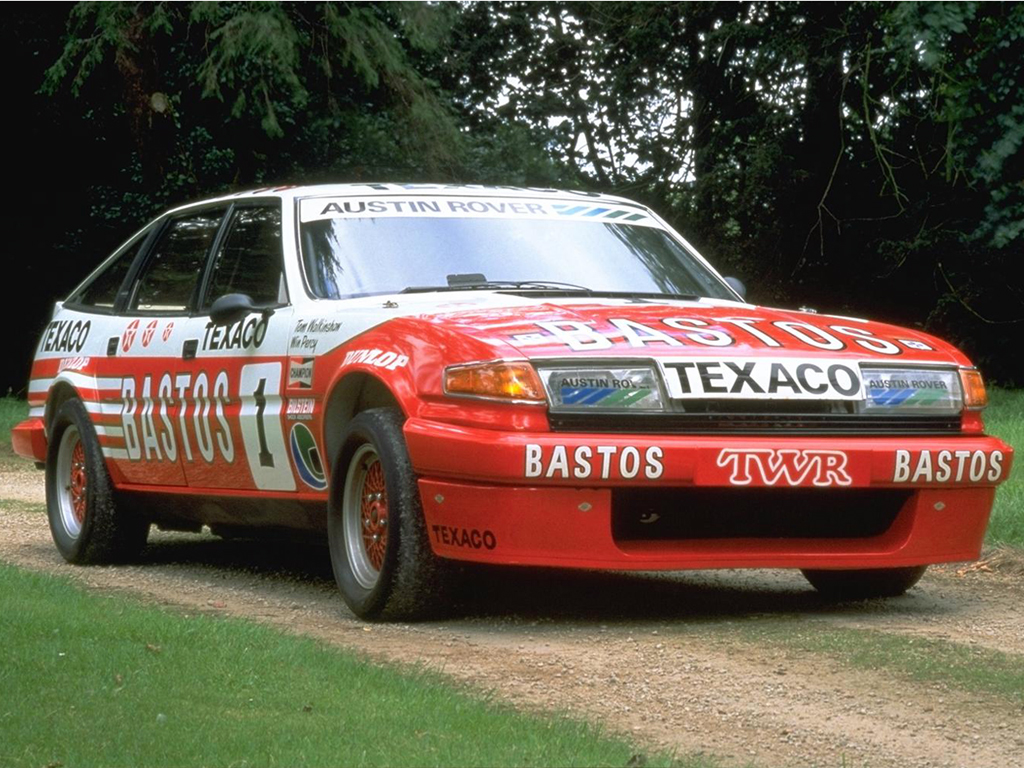
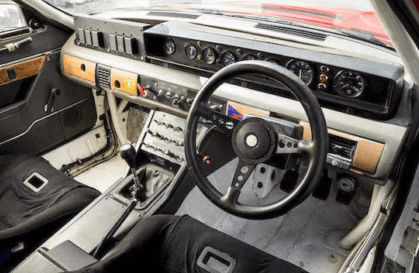
1982 was especially big, with the debut of the Vitesse road car — new suspension, fuel-injected V8. In 1983, the new Group A regulations came into effect, so TWR had to build a fresh machine based on the Vitesse. That was the real shit — and eligible for everything from touring car races to 24-hour marathons and rally events.

It wasn’t just the engine that got an upgrade — the whole platform did. That excuse for spoiler from the road version was binned, and the race car got active aero that actually produced downforce instead of just the looks. That helped — because stock SD1s liked to launch into orbit under hard acceleration. The new version stuck to the road. Group A allowed more flexibility in brakes, suspension, driveline, and rear-end design.

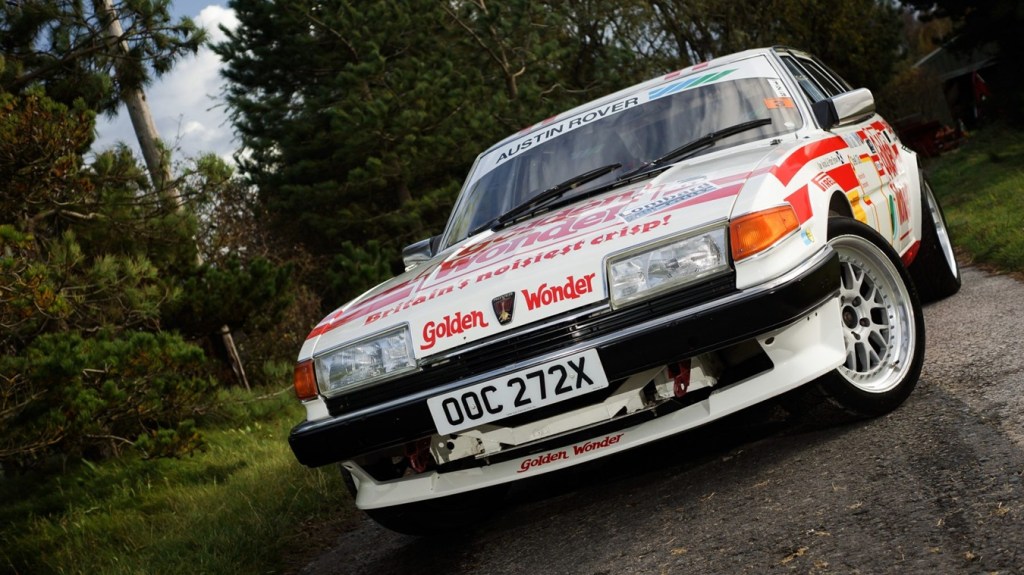
Walkinshaw couldn’t build the cars alone, but he had help from Austin Rover Group Motorsport — they divided the work just to make the season in time. Of course there were problems. The plan was to break 250 horsepower with the new injection, but the rules clamped down on engine mods, exhaust manifolds, and intake design. It was hard to even match the power the old carb-fed engines made — let alone surpass it. So they threw those injectors in the bin and swapped in something totally different — and better. The injectors were key to performance, and early on, they did the job.

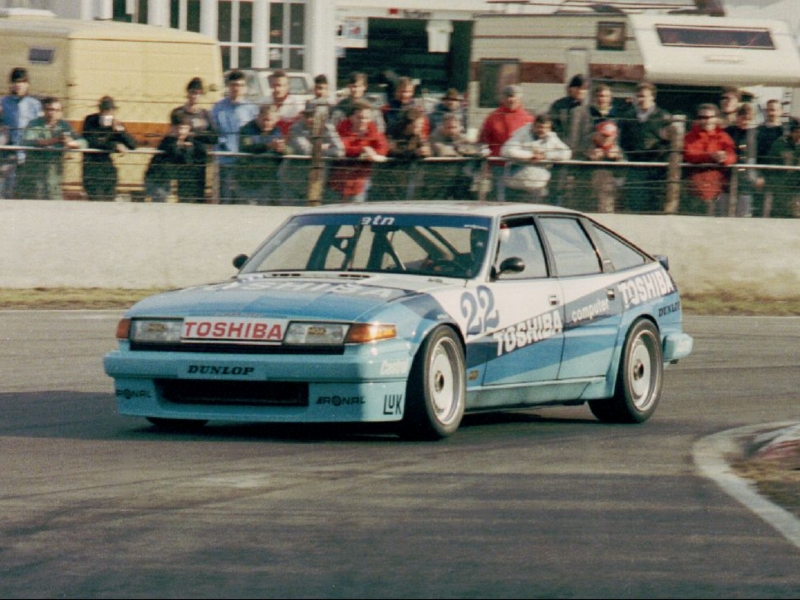
The season opened at Silverstone — and the three SD1s swept the podium. They dominated the whole BSCC format. Won all 11 races. BMW started whining about “illegal fenders” that didn’t match the road car. Well… yeah, they didn’t XD And Group A said bodywork had to match homologation. So the organizers erased all of TWR’s results that season. They would’ve won the title, but instead it went to Andy Rouse in the Alfa Romeo GTV6.
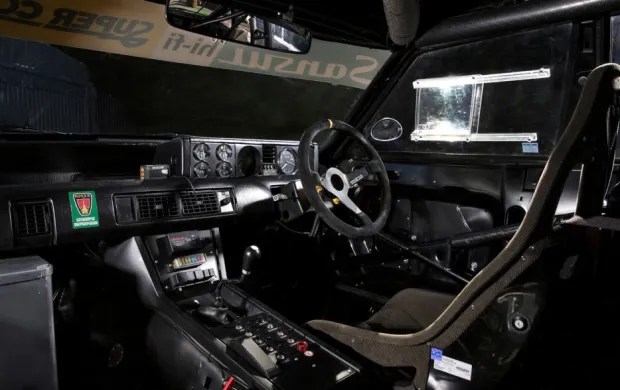
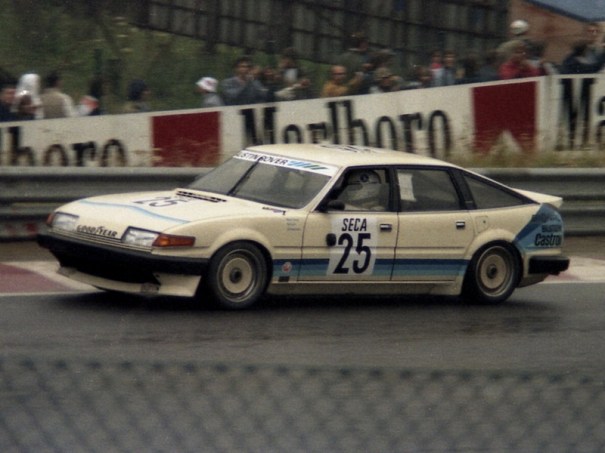
Rover also did well in France — but that turned into a circus with extra ballast penalties. Technically they followed Group A rules too, but if you won a race, you had to add weight for the next one — which opened the door to all kinds of games. You could throw a race on purpose to get a better shot at the one after. You never knew who was driving at 100%, and who was just coasting. One day you’d win — next day, you’re last.

Don’t even get me started. At one event, Rover got disqualified because they had to push-start the car. Nope. I’m done – not talking about that anymore. Just know they ended the season with 209 points and fourth in the standings. Next year, the project kept going, and honestly, the biggest improvement was in the driver’s seat — they swapped out René Metge for Jean-Louis Schlesser for some great performances. He could totally dominate certain events, but that year, Peugeot was just stronger.
As for rallying — the first SD1 was built for the Peking to Paris Rally, and it would’ve raced, had the event not been cancelled. Rover was pissed — the car was ready. It passed through a few hands until it ended up with Ken Wood. He entered it in the Scottish Rally Championship, but didn’t know the car well, so instead of pushing, he went for safe points…

… and the man finished second in that event. Sure, it was 1983 and the car was old — just a standard SD1 3500. But when it turned out to be a surprise hit, they upgraded it to Vitesse spec. It had 320 horses at least. In 1984, he won the championship — maybe with an overpowered lump the size of a wardrobe, but at least with no 4×4 (even though it got into mainstream by then).
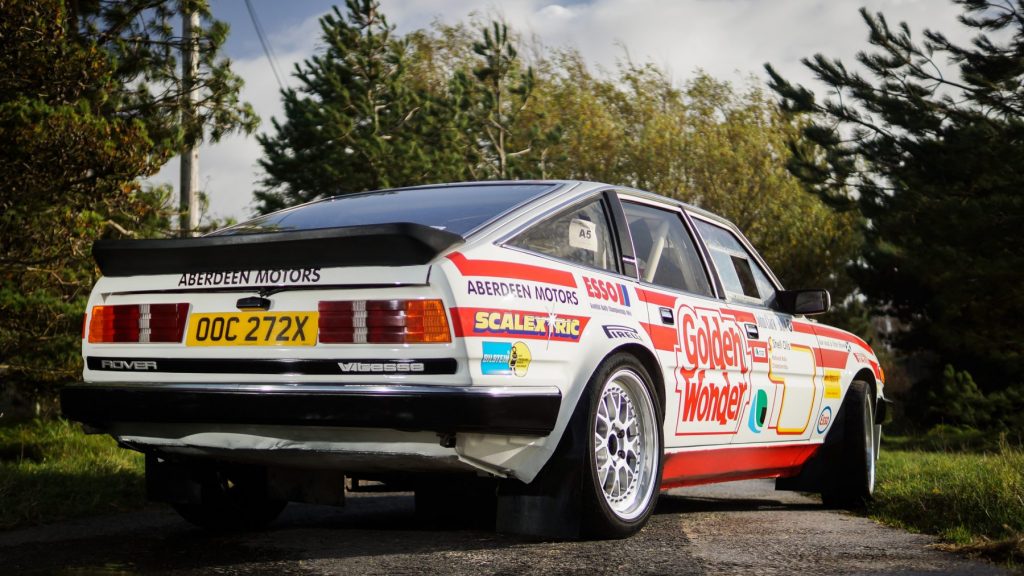
Maybe it never truly dominated any one series for long, but the Rover SD1 became a motorsport legend — in both British and French racing. And there was a time when, after their circuit careers ended, retired SD1 race cars in private hands kept rallying. It was one of the best performance cars — not because it was the fastest, but because it was so versatile. You could turn a Rover into anything. A personal luxury car, a sports car, a street racer, a muscle, a rally monster, a touring racer… anything you need.

Tony Pond won the 1985 World Rally Championship Group A title in the SD1 — just before Rover switched to competing in Group B with the Austin MG Metro. Thanks to these models, Rover bagged titles in DTM, BSCC, and the RAC Tourist Trophy. The SD1 won in ETCC, FIA TCC, and was fastest in class at Bathurst 1000. It still has a fanbase today, and you can catch it at historic events.

Krzysztof Wilk
All credits to: ultimatecapage.com | supercars.net | touringcarracing.net | carandcassic.com | bringatrailer.com | silodrome.com | wikipedia.org

1981 – Rover SD1 Group A

EngineDisplacementPowerAccelerationTop Speed
V83.5 L250-340 BHP250-257 km/h
155-160 mph

Sport to był oczywisty motor napędowy sprzedaży. Tak było, jest i będzie. Każdy poważny gracz o tym wiedział. British Motor Corporation odnosiło w ten sposób sukcesy ze swoimi markami Austin Rover i British Leyland. Z tym, że w brytyjskich zawodch jeździły jeszcze stare Triumphy Dolomite – to no bądźmy poważni… A akurat zgodzono się podnieść limit do 3.5 litra.

British Leyland próbował uszczknąć coś z wyścigów i w latach ’70-tych oczywistym wyborem był model Rover SD1 do zawodów aut turystycznych. Problem był taki, że ludzie w BTCC zaczynali miałczeć, no coś tam pierdolić, kiedy auto przekraczało ten ich limit 3 litrów. Bali się amerykańskiej konkurencji, ale końcu dopuścili Rovera 3500 na zasadach Grupy 1.

Można więc powiedzieć, że udało się – ale to był dopiero początek ich męki i katorgi. Powód był jasny i oczywisty: pieniądze. To znaczy, jeśli chcesz się ścigać, to generalnie warto je mieć, no nie – a u nich to zawsze był problem. Tak więc British Leyland chciał w wyścigi… ale bez programu, bez wsparcia konstrukcyjnego i samochodem zbudowanym bez pieniędzy. Rozpoczęto więc prace nad autem we firmie, jak i prywatne teamy dokonywały zmian w pojazdach równocześnie do starań Rovera. Grupa 1 to z grubsza rygorystyczna kategoria, dlatego powstałe maszyny były zbliżone pod względem technologii.

Zmiany do wyścigów polegały głównie na poprawie zawieszenia i hamulców. Rovery z motorsportu miały też skrzynie biegów z krótszymi przełożeniami. Auta przeszły terapię odchudzającą, aby zbić wagę pojazdu do minimum. V8 miało blok z lekkich stopów i dalej oddychały przez parę gaźników, ale jednostka Rovera została tak przetasowana, że robiła 250 koni minimum. Nie ma znaczenia: prywatny model czy dostarczony przez British Leyland. One były bardzo podobne.

Model SD1 nigdy nie był postrzegany w kontekście motorsportu, ale tak naprawdę nadawał się idealnie. Miał świetny współczynnik oporu powietrza i dość prostą konstrukcję pod spodem, że to grzech nie skorzystać. Większość prac nad modelem na tor przeprowadzano w garażach BL Motorsport przy współpracy z Dave Price Motorsport. To byli ludzie z doświadczeniem w F3 i pracujący z takimi kierowcami jak Nigel Mansell. Później tam będą też mieli wpływ na zwycięstwo podczas wyścigu Le Mans w 1989. McLaren F1 GTR wygrał wtedy dla teamu Sauber-Mercedes zarówno mistrzostwo wśród kierowców, jak i tytuł dla konstruktorów. Wygrywali tam również we Włoszech… no nie ważne. Chłopy umieli w wyścigi, no nie – o to mi chodzi. A musieli umić, bo walka była z takimi maszynami jak Ford Capri, czy Mazda RX-7 TWR.

No i to było dobre auto, ale nie tak dobre jak Ford Capri. Pierwsze eventy odbywały się za kierownicą 250-konnego Rovera 3500 S. Może sukcesów nie było, ale tragedii też nie. Brands Hatch zakończył się solidnym pierwszym miejscem po dobrym wyścigu i batalii w deszczu – a model wydawał się rokować na przyszłość. Zdołano osiągnąć podobny sukces na torze w Donington. Wtedy za kierownicą zasiadał mistrz świata F1 Alan Jones.

Rover kończył na wysokich pozycjach, ale raczej nie tych topowych. To oczywiście nie wystarczało. Problemem były ciągłe usterki. Głównie w temacie zespołu napędowego. Dlatego poproszono o opinię drugiego eksperta i do Rovera sprowadzono Toma Walkinshawa – nie dość, że utalentowanego kierowcę, to jeszcze uzdolnionego managera. Walkinshaw szybko odpalił własny program Tom Walkinshaw Racing i jego Rovery 5 razy znajdowały się na szczycie podium w tym sezonie.

Diagnoza Toma Walkinshawa brzmiała jak wyrok: „Rovery są za wolne a silnik wykrzacza.” No mądrego to zawsze dobrze posłuchać. On znał temat, bo miał dosłownie to samo z Mazdą – i jakoś to ogarnął. Powiedział, że porobi im tego Rovera, ale bierze 1k do portfela za każde 0.1s ucięte na okrążeniu, jakie zrobi autem po poprawkach. Powymieniano katalizatory, popracowano nad zawieszeniem. Odmówiono jakieś tam modlitwy… Już na Silverstone auto robiło pole position. Rover musiał wypłacić 20k sztuk pieniądza – maksymalną kwotę na jaką się umówili, bo maszyna była prawie 3s szybsza. Mazda z garażu Walkinshawa miała problemy z utrzymaniem tempa, no nie – a on ją porobił tam dobrze też.

Opracowali wtedy też model do Grupy 2 – jeszcze zanim im umowy z British Leyland powygasały. Grupa 2 pozwala na trochę więcej, więc wymienili gaźniki na poczwórne. Już samo to dodało ze 100 koni. Potrzeba było szerszych opon, a do tego większych nadkoli. Takie auto kilkukrotnie startowało w wyścigach długodystansowych. Współpraca z TWR była game-changerem. Walkinshaw tchnął w model Rovera drugie życie.

W następnym sezonie Rovery jeździły już w barwach TWR. Team Walkinshawa miał szeroką talię kart – wystawiał Mazdy i Rovery wspólnie obok siebie, a także Audi 80 GLE z samym Stirlingiem Mossem za kierownicą, który wrócił do sportu tak na serio po raz pierwszy od wypadku w 1962 roku. Rozbił wtedy swojego Lotusa na torze w Goodwood, po czym spędził miesiąc w śpiączce. No i Rovery TWRu to już zaczęły wygrywać regularnie. Potrafiły kończyć wyścigi na dwóch pierwszych pozycjach. Tak 1981, jak i 1982 były sukcesami dla kierowców SD1. Garaż TWR przygotował też rajdowe egzemplarze, ale nigdy nie pokazały takiej formy jak te walczące na torze zamkniętym.

Szczególnie 1982 był ważny, bo to była premiera drogowego wariantu Vitesse. Nowe zawieszenie i V8 na wtryskach. W 1983 regulaminy przyjęły zasady Grupy A, więc TWR musiał przygotować nową maszynę, już na bazie Vitesse. Takie auto wymiatało po całości, a mogło konkurować w pełnej palecie wyścigów aut turystycznych, maratonów 24-godzinnych i innych rajdów samochodowych.

Nie tylko silnik podlegał poprawkom, ale i cała platforma. W ogóle ten gówno spojler dla picu, z drogowej wersji pojazdu, poleciał do kosza a auto do wyścigów miało aktywne aero, które już faktycznie zwiększało docisk zamiast tylko wyglądać. A to dobra jest, bo zwykłe SD1 za bardzo chciały odlatywać w kosmos podczas twardego przyspieszania. Nowy model lepiej kleił się do drogi. Grupa A pozwalała na większe manipulacje w temacie hamulców, zawieszenia, przekładni napędowej i samej tylnej osi.

Walkinshaw sam nie dałby rady przygotować maszyn, ale mieli pomoc od Austin Rover Group Motorsport i trochę dzielili się pracą, żeby zdążyć na sezon. Były problemy, a jakże! W ogóle planowano przekroczyć 250 koni mocy z nowym wtryskiem, ale regulaminy nałożyły restrykcje na silnik, projekt kolektora wydechowego, oraz układu dolotu i to ciężko było sięgnąć ten poziom mocy co stare pojazdy robiły na gaźnikach – a co dopiero przekroczyć. To wyjebano te wtryski całkowicie i wymieniono na kompletnie inne, lepsze. W ogóle te wtryski były kluczowe do osiągania dobrych wyników na torze. I to na początku robiło robotę.

Pierwszym eventem był wyścig na torze Silverstone i trzy sztuki SD1 wzięły wtedy całe podium dla siebie. Generalnie zdominowali cały format BSCC. Wygrali wszystkie 11 wyścigów. W BMW coś tam miauczeli, że „tak nie wolno”, że „nielegalne nadkola”. W sumie mieli rację, bo musiały się zgadzać z drogowym odpowiednikiem – a tak nie było. Organizator więc wykreślił wszystkie wyniki TWR z tego sezonu. Oczywiście mieliby mistrzostwo, ale ich zdyskwalifikowano i wygrał Andy Rouse w Alfie Romeo GTV6.

Rover odnosił też sukcesy we Francji, ale tam to już totalnie odchodziły cyrki z dodatkowym balastem. Bo niby oni też jeździli na zasadach Grupy A, ale jak wygrywałeś to dostawałeś karę do masy pojazdu – i musiałeś wystartować cięższy w następnym wyścigu no nie… Chyba widzicie do jakich machinacji może to prowadzić? Zawsze można specjalnie poddać wyścig, aby mieć większe szanse w innym evencie. Nigdy nie wiesz kto jedzie na 100% a kto daje z siebie tylko 30%. Tam to każdy jednego dnia wygrywał, a drugiego dnia był ostatni.

Szkoda strzępić ryja. W ogóle w pierwszej rundzie Rover został zdyskwalifikowany, bo musiał odpalać na pych. Nie… nie będę więcej o tym gadał. Zostawię was tylko z tą myślą, że na koniec uzbierali 209 punkty i 4 miejsce w tabeli. W następnym sezonie dalej rozwijali projekt a największą moim zdaniem poprawkę wnieśli w systemie między fotelem a kierownicą: wymienili Rene Metge na Jean-Louis Schlessera i ten zaliczał solidne występy. Potrafił totalnie dominować niektóre wyścigi, ale Peugeot był lepszy tego roku.

Jeżeli chodzi o rajdy, to pierwszy SD1 powstał do rajdu Pekin – Paryż, i by wystartował, gdyby eventu nie odwołano. Rover się wkurwił, bo auto było gotowe. Potem trafiało z rąk do rąk, aż wpadło w ręce Kena Wooda. Chciał tym uczestniczyć w Rajdowych Mistrzostwach Szkocji, ale nie znał dobrze maszyny, więc zamiast dawać z siebie wszystko, wolał polować na bezpieczne punkty…

… i chłop zajął drugie miejsce w tym evencie. To był co prawda sezon 1983, ale maszyna była już stara i w standardzie SD1 3500. Dopiero po tym jak niespodziewanie okazało się, że wymiata – wtedy postanowili ją podnieść do standardu Vitesse. 320 koni to tam było spokojnie. W 1984 roku wygrał te mistrzostwa – może i autem z przerostem mocy, i może i z gabarytem kredensu, ale za to bez 4×4 (w czasie kiedy mieli go już wszyscy).

Może nigdzie nie dominował przez dłuższy okres, ale Rover SD1 stał się legendą motorsportu zarówno brytyjskiego, jak i francuskiego. A i był czas, że po zakończonej kampanii wyścigowej, emerytowane torowe egzemplarze w prywatnych rękach uczestniczyły w rajdach samochodowych. To była jedna z lepszych maszyn sportowych nie dlatego, że najszybsza – ale właśnie dlatego, że taka wszechstronna. No wszystko z tego Rovera można było zrobić. Auto klasy premium, auto sportowe, street racer, muscle, rajdówka czy wyścigówka… Mów czego ci trzeba, wariacie!

Tony Pond w SD1 wygrał Rajdowe Mistrzostwa Świata w Grupie A dla sezonu 1985 zanim Rover przestawił się na rywalizację w Grupie B za pomocą Austina MG Metro. Dzięki tym modelom Rover miał na koncie mistrzostwa DTM, BSCC oraz RAC Tourist Trophy. SD1 wygrywał w ETCC, FIA TCC, oraz był najszybszy w swojej klasie podczas Bathurst 1000. Auto do dziś ma swój fanklub i można je spotkać na eventach historycznych.

Krzysztof Wilk
Żródła: ultimatecapage.com | supercars.net | touringcarracing.net | carandcassic.com | bringatrailer.com | silodrome.com | wikipedia.org

1992 – Dodge Viper SR I RT-10 Roadster

That car had its debut at Detroit North American Auto Show in 1989 and it literally kicked ass. It was a man machine. An iconic Shelby Cobra spirit incarnate – mean and knowing no compromise. More, in future we will learn it would be, maybe not purely American, but one of the most yankee automobile on the market – with over 75% of its parts made in-house. That’s placing it in top ten in the world. Well, what can you say? Americans can be proud… but it wouldn’t take much for the car to never have existed.

Chrysler Cordoba was fading out in the ’80s and it was an important model for them, cause it really saved their asses in the face of a global crisis. It was to rival Oldsmobiles, Regals and the Cougars on the luxury market, but Chrysler wanted to badge their car as Plymouth Mirada initially. That planned was crossed as quickly as the fuel prices went up, so the mother company decided to fully embrace the new car as a Chrysler. That way, Cordoba gained +5 to prestige, and the Chrysler marketing tools did good job as well. Happy days – and Chrysler people could put the ropes back on the shelf this time.

Cordoba was a success, but it had its toll. It did eventually manage to keep the company on the surface, but it was going against its own family. Dodge Charger SE, though cheap, looked like shit compared to the fancy new cousin. Not to mention all the under-equipped smaller luxury vehicles like Plymouth Fury and Dodge Coronet – all that couldn’t ever match Chrysler comfort levels or prestige. That’s how LeBaron was born – it was to clean up the mess in that segment in the late ’70s.

It got a facelift and a completely new front wheel-drive platform – yet LeBaron still remained the cheapest luxury car on the market then. Chrysler started offering those cars as convertibles – first like that since the Eldorado – and the richer dads with families could buy fresh Town and Country station wagons. The cheap LeBaron kept coming with more interior options and the bigger Cordoba was losing attention to the point that it’s factories were shut dead with the end of 1983.

Chrysler said goodbye to the models like Fifth Avenue – which started as a trim for the LeBaron, but grew big enough to get its own series – Dodge Diplomat and Plymouth Gran Fury – both of which were closely related to New Yorker, Fifth Avenue, and by definition, with the LeBaron. To put it simple: boring, boring and more rebadged boring – in a different package. The head of the Chrysler business was Lee Iacocca, and he tried to be a smartass. He had a plan to give a fresh tone to the Chrysler name.

Lee was a chairman of a big corporation himself and with the legendary De Tomaso brand owner – they were good friends. Alejandro de Tomaso was an ex-F1 driver and the mastermind behind the De Tomaso Pantera sportscar. And privately – he hung with his pal Iacocca. At times they were discussing new ideas: one of them was a Reliant-based Mercedes luxury roadster. It didn’t happen, but what did happen was they had plans for what was to be a completely new product in Chrysler line-up: the one to change everything upside down and bring new clients to their dealerships. The target was: young people, full of energy and with money. Such that would look for a Buick Reatta sort of car, or a Cadillac Allante. That way Chrysler TC came to be – and let’s face it, it was gutless. It was the definition of bland. The cheap LeBaron similarities were striking, and it had nothing to make up for it. It was under-equipped compared to the LeBaron and it cost bigger money – while you could at least get some sportier versions of the LeBaron. Chrysler planned to craft the TC in 10,000 examples every year, but the production stopped after exactly 7300 – and only because that was the deal. Chrysler just burnt 600M dollars – SIX HUNDRED MILLION – that’s how much the development cost. They had to spend 80 thousand to produce one vehicle of that sort. I don’t think I have to say there was no image change coming with it, do I? In order to achieve that, they had to try a different approach…

Bob Lutz was the owner of the Chrysler corporation then, and he once shared his ideas with Tom Gale. Gale was working in their design facility and Lutz asked him: ‚Hey, Bob. What if we made a, you know… a Shelby Cobra? Essentially… I’m just thinking, yeah? Like if we, hypothetically, made a Cobra, yeah? But today. So – im not suggesting anything, ok… but how would it look like? To you. And remember: if you put some shit motor in it, you’re fired.’ Gale then told him he had to think about it… and he prepared a model of the car. When Lutz saw the car, they made a prototype and sent it to Detroit Auto Show. Fuck me, it was the bomb. People were clapping their ears and chief engineer Roy Sjoberg was redirected to work on the development of a running example. Iacocca though started having TC flashbacks – he just threw 600M down the toilet, remember? – and as the chairman… afraid of the risks of the new project, he held the financing. It wasn’t a car for everyone, with high chance it would never be cost effective. The Pope adviced patience.

Sjoberg took over Team Viper: an exclusive group of 85 engineers – all volunteers – and with one focus… secret development of a killer sportscar. Sjoberg told his guys:
– We got that 70M promised, but we can’t spend it just now, so if anyone asks, we ain’t doing nothing – he said.
– But we are working on a project…
– Yes, we are – but if anyone asks, if there are questions – We not doing anything.
– Ohh… If anyone asks, we not working… Because, in fact, we are working. But if anyone asks, we aren’t. Got it!

He finally got his money and started making calls. He spoke to Lamborghini first – it belonged to Americans then – and he made a request for new motors for the prototypes and production cars’ engine blocks. He had 70M dollars to make a car from scratch. It really was nothing, so Team Viper used the worst crap they could find in their cheapest cars, and with that waste they finished the interior. They had only one goal: the car had to be fast. Anything else was irrelevant. They didn’t think much about glovebox, or any other passenger amenities. There was no such bullshit in their car. Air condition wasn’t even in their plans, and the car didn’t have electric windows… frankly, they didn’t put the windows in at all! Why, who needs them? No windows, no roof, not even doorhandles. What it had was performance. The bucket seats and, if you had the money, adjustable suspension. It was a proper Cobra-style roadster – and quick as fuck!

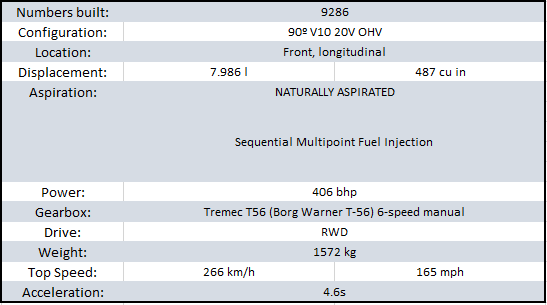
Lamborghini delivered 400-horsepower V10s, that – when put under the hood of a 3300-pound car the size of a Miata – could be an immediate threat on the road. You could start driving on 3rd gear and you know what? Actually… the transmission, when driving in low RPM, would go from 1st to 4th without asking. Not everyone can drive this thing. It’s not really hard when you’re careful, but faster corners are incredibly demanding, and it takes a lot of skill to do it. And bare this: Viper drivers die like real men. No airbags, no heatseeking guidance systems. What… you thought that rollbar would save you from death? Pfff… forget about it! The car is like a friend who’s got wasted and – you’re having some laughs together at the party – by when you’re stopped by some dudes on the way home, he’s looking for some heat. And you know you can drive normal – you’re not in hurry. But you got an 8-liter V10 under the hood. 400 horsepower. And it’s testing you. “Well, go hit it – you think I can’t take it? You know I can. Just wait and see. You know what’s gonna happen. Go step on it – you know me…” and then you step on it…

There is a very thin line separating a sportscar from a serial widowmaker. The edge, many automakers in the history were carefully closing in to. Dodge shows at the place, kicks the door open, shits in the middle of the room, giving everyone the finger on the exit. They don’t make such cars anymore. No one will. Even later Vipers – tremendous sportscar’s, extremely effective on a racetrack – year by year they strayed further from god. Early GTS variants from 1996 got a fixed roof already and an Aircon. It was still a daring coffin on wheels – but more practical at that which takes away some of its brute charm. Even though each next generation was more powerful and more lightweight at the same time – it could forgive more driver mistakes. The fastest variants held the Nurburgring time and the dealerships had several special editions waiting the clients. 1998 Let Mans went to Dodge – GTS-R Group 2 was best AND second best in its class. But it wasn’t enough… they year after they came for first 6 positions! No point bringing all their wins now, cause the list goes from here to San Francisco. Dodge was best in GTS class DAILY – they could win 16 events out 18 possible. That model dominated GT Endurance formats. It took podiums on every track of the world. Often standing on the first spot.

It was a huge leap of faith for Lee Iacocca. Burning money for a project so bold, so short after a devastating TC disaster that shook his self esteem to the bits. It must have been a huge test for him. It worked perfectly this time – and after many years, Iacocca gave America a car… THE CAR to fight Corvettes again – just like Shelby Cobra did. Viper does 0-60 in 4.5 seconds and transfers all the tiniest road imperfections straight on the steering wheel precisely. Yes, it asked for a strong grip on the wheel and nerves to drive it, but it did quarter mile in less than 13s from the factory, and 200 km/h (120 mph) is reached after 17 seconds. From the factory. No traction control, no ABS – none of this crap. Such character we will not find in any car today, and the brute, crude nature we know and love this car for. Viper wins races for 26 years until the last examples exit Dodge factory in 2017.

Krzysztof Wilk
All sources: ultimatecarpage.com | favcars.com | wheelsage.org | wikipedia.org | hotcars.com | rallyways.com | motorsportmagazine.com | netcarshow.com | hotcars.com | supercars.net | carscoops.com | YT: Doug DeMuro | YT: Donut Media | YT: Z Innej Perspektywy