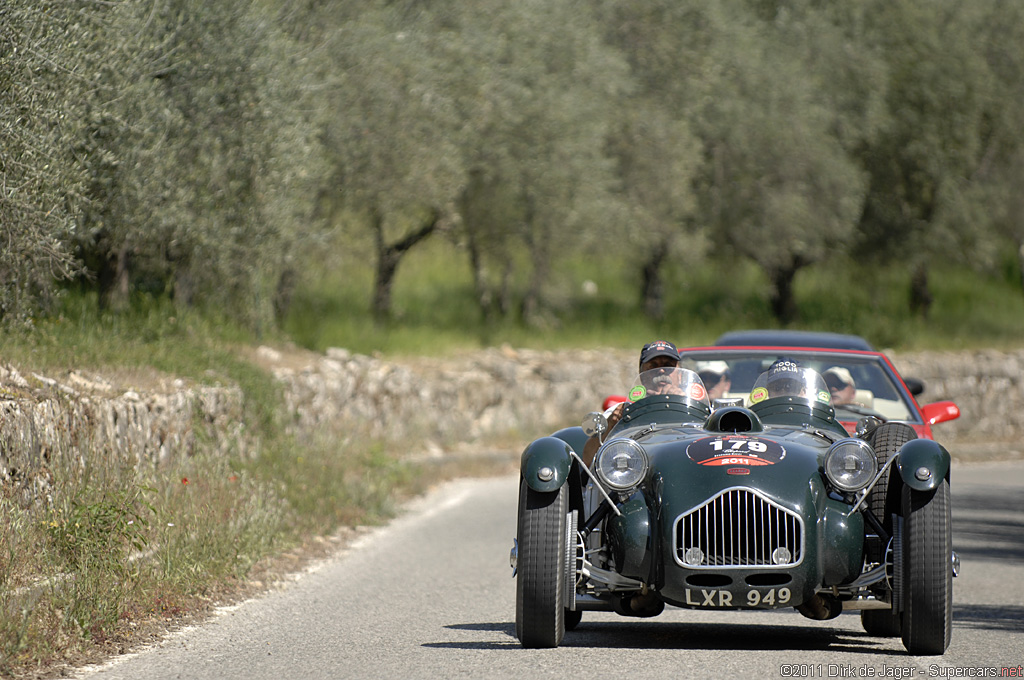
| Engine | Displacement | Power | Acceleration | Top Speed |
| Cadillac V8 16v | 5.4 L | 160-200 BHP | 5.9s | 209 km/h 130 mph |
Sydney Herbert Allard was a car dealer in London. He was selling cars in Ford dealership and thanks to that he gained access to their V8 motors. Those engines helped him create a motorsport machine. The car decimated British competition before the war and it had no equal in the ’30s. It raced Le Mans and Mille Miglia. The model Special was good on the track, but Allard himself offered road vehicles only after the Second World War. I was based on Ford platform – Model 40 with its drivetrain and power delivery, but hidden underneath Bugatti Type 51 bodies. It was light and fast – made of aluminum. Very formidable if we’re talking about any hillclimb or handling, power-to-weight oriented type of racing. All of his models were made with this philosophy in mind. The post-war Special variants could also have a Lincoln V12 under the hood, though such examples were rarely seen. They had shitloads of torque, which gave them many victories. It was a good car, alright – though having overheating problems when pushed too far… That was because of the poor manifold design – but the car itself was good.
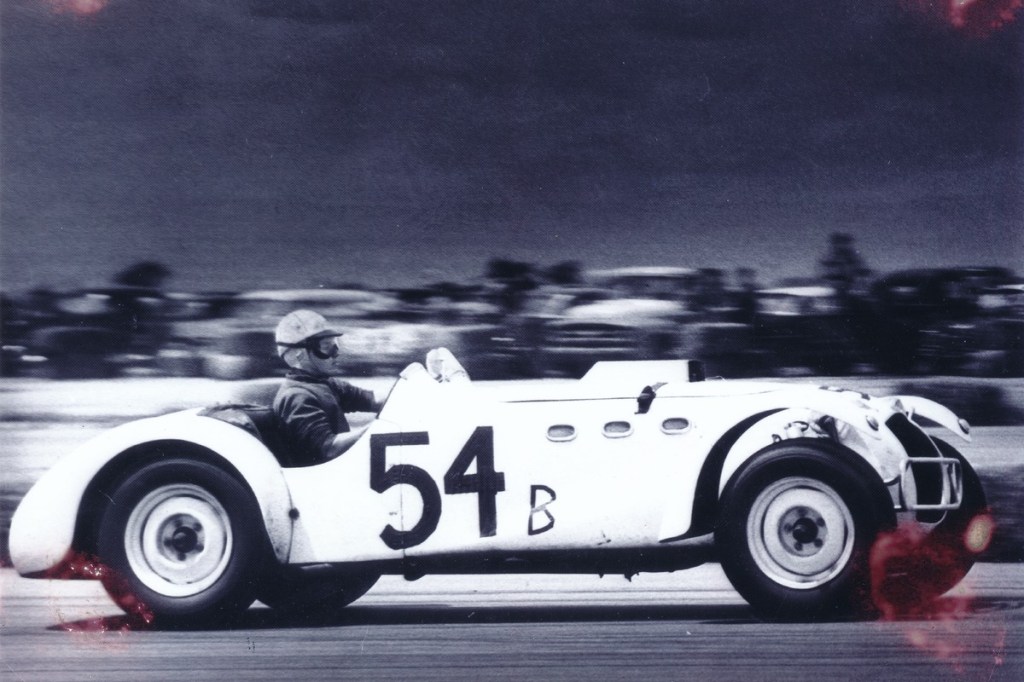
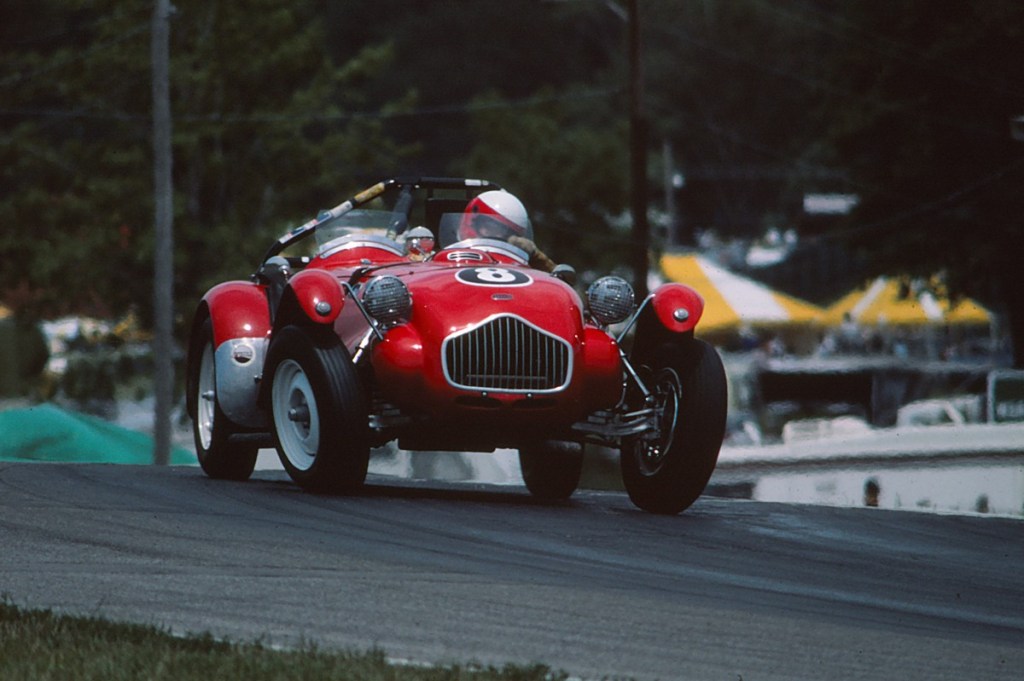
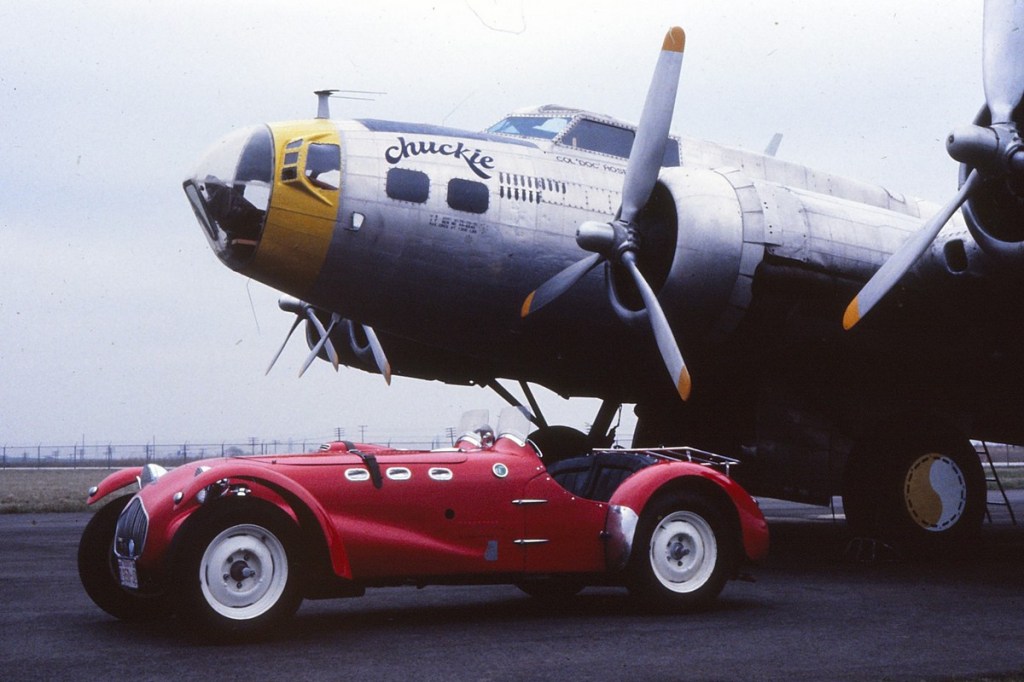
Allard focused on fixing military vehicles during the war, but when the conflict was over he could finally refresh his catalogue and start working on road examples. He managed to construct a few new projects equipped with Ford powertrains mated to a 3-speed of the same manufacture. It was suspended on a front split axle with a live axle at back – transverse leaf springs both. K1 and J1 models were pretty simple – if not crude – in their design. But they were damn fast. With a 3.9-litre V8 – for sure. M1s and L Type 4-seaters introduced later were more sophisticated. On top of that, P1 sedan was made – such a car (with a 4.4-litre power BTW.) won a Monte Carlo Rally AND was third at Le Mans. With only 3rd gear of their 3-speed gearbox actually working.
It was a good car, alright. Best of them was J2 – a model in production from 1949. This machine was a four wheel motorcycle in the essence. It had a modern V8 straight from Cadillac, which left in the dust even XK120s. Even the Jag turned out to be too slow for this shit – that’s how capable it was on the road. J2s accelerated from 0 to 60 in less then 6 seconds, and could reach 100 mph. It was a huge step forward from a J1. Did it mean the beginning of the Golden Era of Allard?
It exactly meant the beginning of the end for that company. But… but why? – you ask. Well, Jaguar was released in thousands. It had its market, on which they played a major role. Allard kept making small series of his road cars and could not possibly compete without mass production technology. No matter the performance, regardless of their build quality. That was when Jaguar offered their cars below their real value, and could flood the British roads with their vehicles if need be. Yes, sad… Anyway.

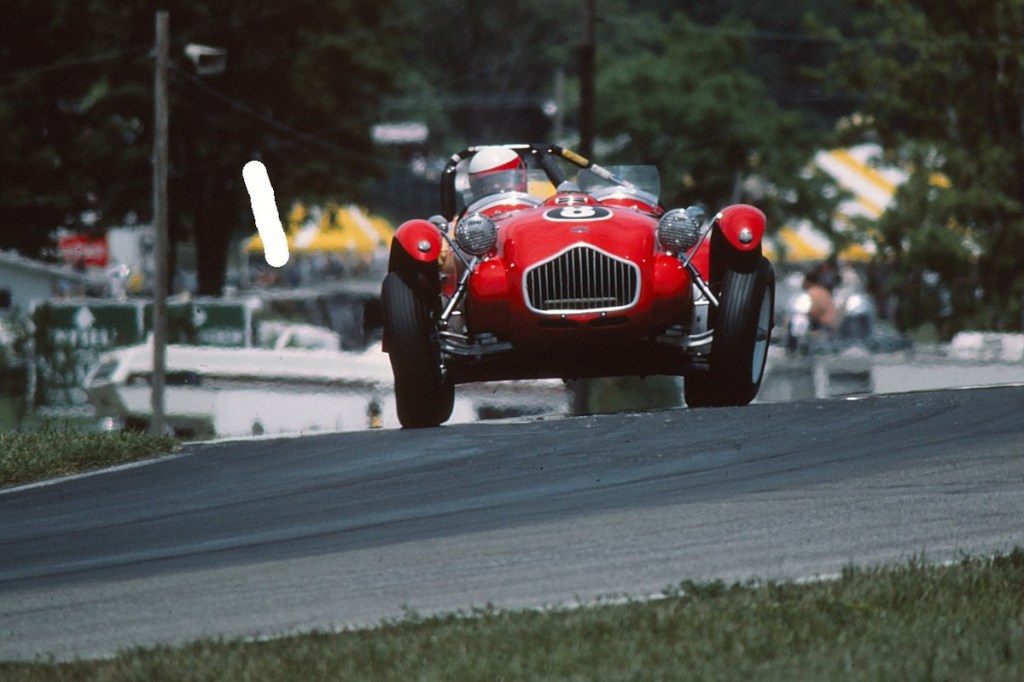
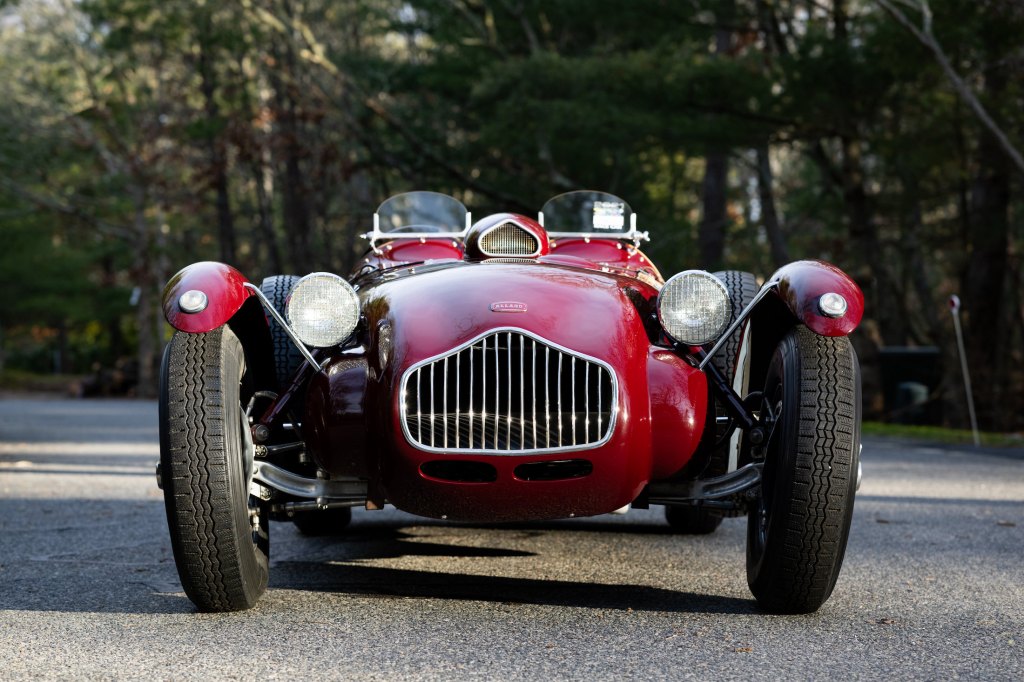
One more word about the J2 – last sentence. I promise. Well, the front suspension was closely related to its predecessor’s, but the leaves were replaced with coil springs. With DeDion, and upgrades in terms of the drum brakes design in the back – the unsprung weight was reduced. The whole V8 was pushed deep back under the hood, so the center of gravity would move closer to the middle. The sidevalve Ford V8 came as a standard, but there were also Cadillac-powered examples with a pushrod V8 motor. All in all – you could not compete against Allards of those times. There was no match. Even the best could not offer a good competition. 5.4-litre J2 with a Cadillac was best of its class at Le Mans. It landed a podium overall! Then Allard introduced updates to his J2s in the early ’50s – and those racers dominated the whole American scene. Cadillac V8 J2X and those with 331 Chrysler HEMI Firepower under the hood – you wouldn’t believe what madness it caused on the track. You wouldn’t believe. 313 starts – they won 40 times and at least on 62 occasions managed other podiums. They were raced professionally by such as Caroll Shelby (you know from the Mustangs, GT40s and Shelby Cobra I plan to soon introduce to you BTW.) or Zora Arkus-Duntov (him you recognize as a father of the Corvette).
Maybe now you have a better understanding why Shelby Cobra looked the way it looked. It was a small, lightweight roadster with a big strong V8 under. This machine deserves more attention than it gets. It was an important step in the history of motor car. Allard was the role model – inspiration for the best. Corvette was copying its philosophy, Cobra was born in exact Allard racer spirit. Vastness of the British sports cars followed similar design. It was simple, it was solid, it brought power to the table. The recipe for total domination of everyone and everything – everywhere. Even the models of more advanced technology. None could compete. Sadly, it posed threat to Jaguar’s business, and with 1958 Allard ended. They struggled with sales for almost 5 years, but they were – in the end – defeated.
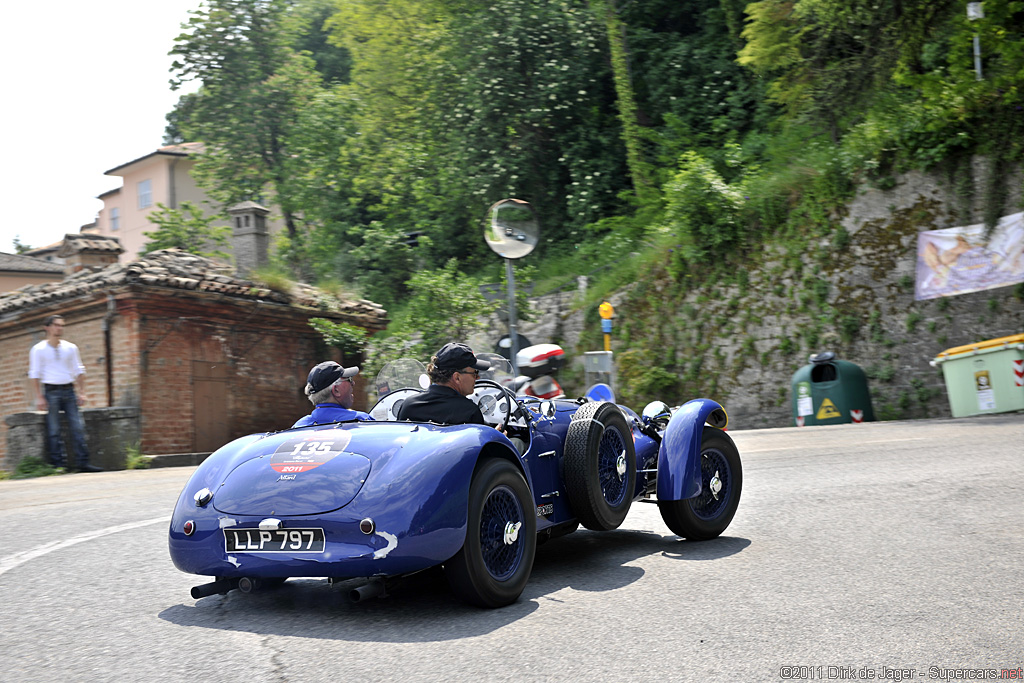
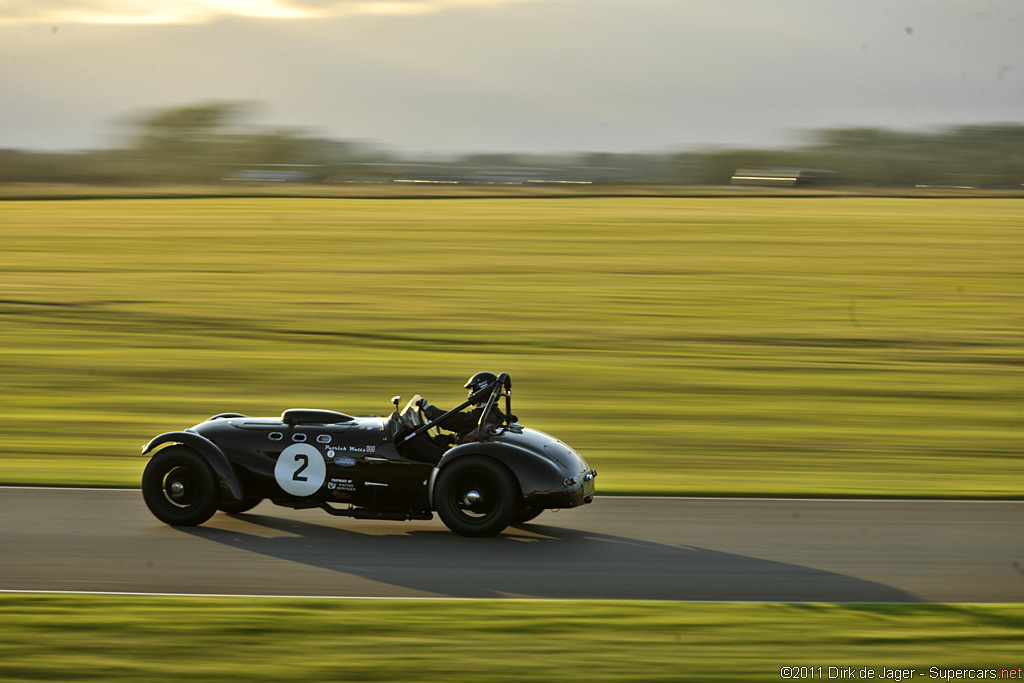
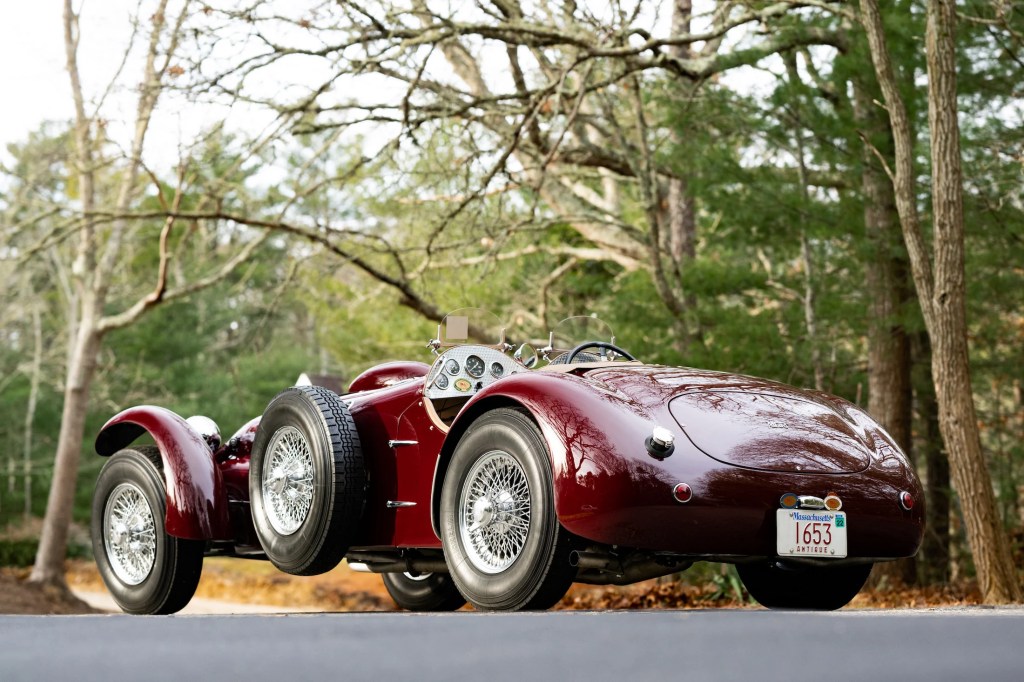
I DON’T FUCKING THINK SO! After half a century of nothingness – since 2006 up until today, you can buy a brand new car from the factory, manufactured true to the original blueprints of the golden era sportscar. Even though it is a fun fact rather than a promise of mass production. We cannot really say any of the Allards – from any era – was ‚mass produced’. That would be untrue. To think about it… nothing really changed since the ’50s.
Krzysztof Wilk
All sources: M Buckley – The Complete Illustrated Encyclopedia of Classic Cars | ultimatecarpage.com | classiccarweekly.net | conceptcarz.com | supercars.net | silodrome.com | allardregister.org | wheelsage.org
 SRT
SRT 