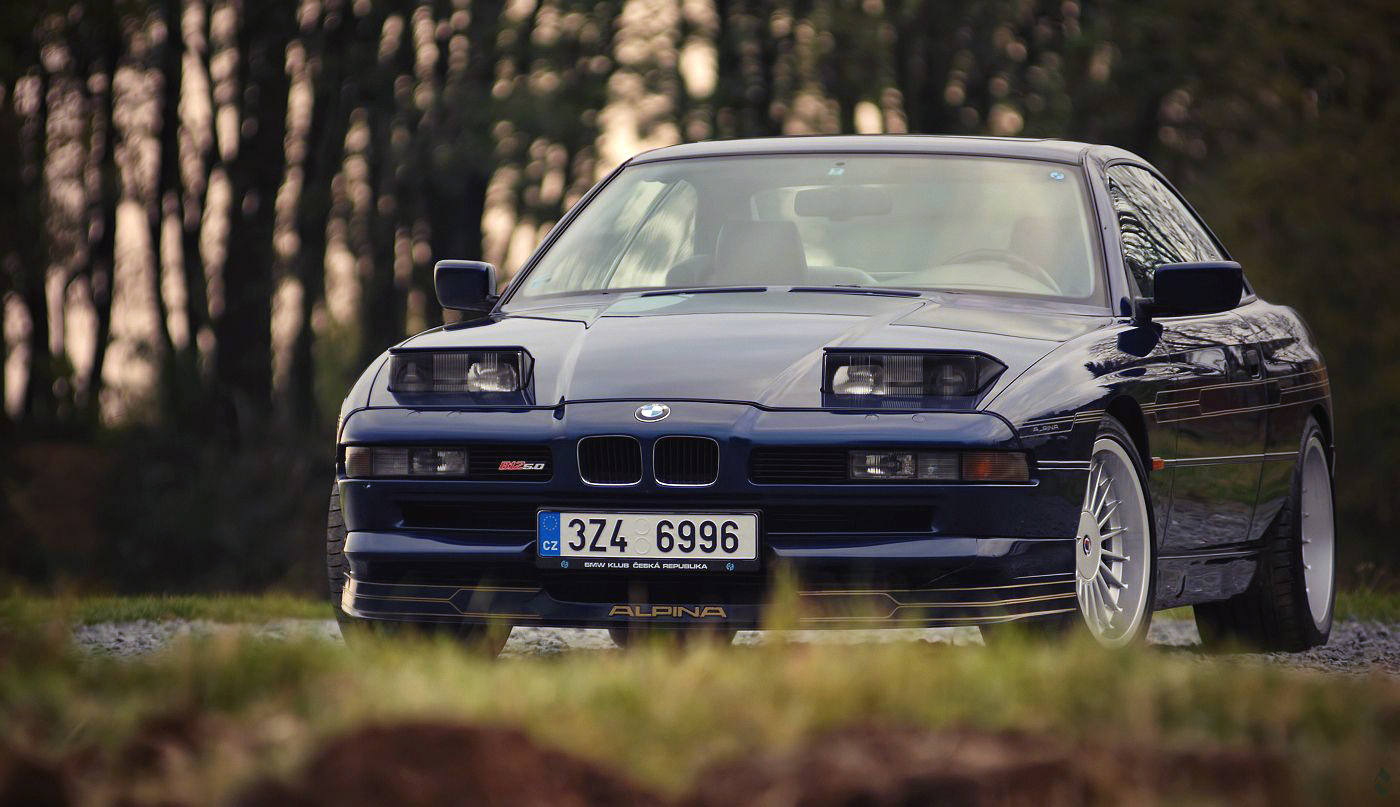
1990 – Alpina B12 E31 Coupe

EngineDisplacementPowerAccelerationTop Speed
V125.0-5.7 L350-416 bhp5.8-6.4s280-300 km/h
174-186 mph

One of the fastest cars to wear an Alpina badge was the B12 – and in fact, there were two different cars carrying the same name. There was the Alpina B12 based on the four-door BMW 7 Series sedan, and there was the Alpina B12 Coupe built on the 8 Series. The B12 Coupe was a proper upper-class GT. Fast, comfortable… with a touch of luxury. It was created to satisfy customers for whom an ordinary BMW simply wasn’t enough. By turning to Alpina, they could feel a certain sense of exclusivity, while still retaining the advanced engineering of these German machines and their remarkable driving characteristics – AND they could even feel an improvement over the standard 8 Series.

The 8 Series was introduced in 1990 as the successor to the BMW E24 6 Series. It was not a pure sports car, but rather a large GT powered by either a V8 or a V12. The 850i served as the basis for the Alpina B12 5.0, but when BMW Motorsport unveiled its 850CSi, it turned out to be so good that Alpina chose that very car as the foundation for building the B12 5.7 Coupe.

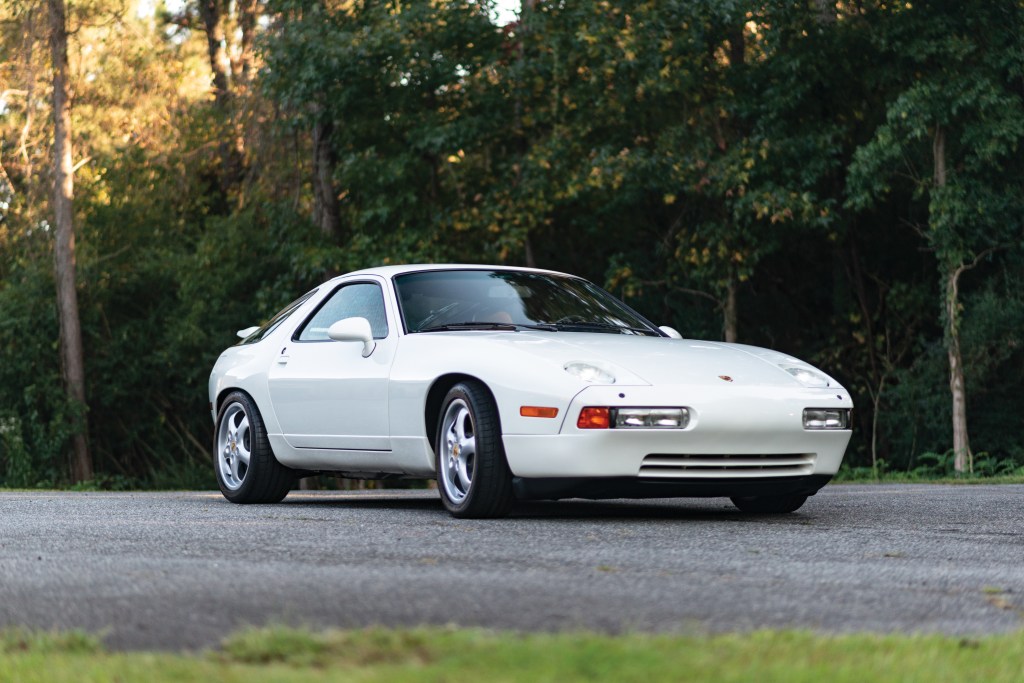
The Alpina Coupe was available exclusively as a V12, and it had an incredibly difficult task ahead of it, as very serious competition was waiting both on a domestic market and abroad. It had to exist in the world where there was the Porsche 928 – and from 1992 onward, also in GTS form, with a larger V8 smoothly delivering at least 350 cheerful horses. 5.5 seconds to 100 km/h was still slower than I take my whiskey, but already dangerously close to the Testarossa of that era (the 512 TR did it in 5.0 seconds). And Porsche, after all, was a 2+2 GT – not a supercar. So in terms of performance, the rivalry was fierce.

And when it comes to prestige… there was also something like the Mercedes 600 SEC roaming the German autobahns. This was the coupe variant of the S-Klasse – of the third generation, coded W140 (C140 for the Coupe) – and by that point it already had a 6.0-liter V12 making 400 horsepower (or nearly 400, depending on the facelift). So the driver of something like that really had no right to complain about mid-range acceleration. And when it comes to ride comfort and equipment, I only have two words to say: S-Class. Thank you for your time. Any questions?

You could say that Gran Turismo is a very tightly defined niche, but even on that shelf there is plenty of room for reshuffling. The competition was highly varied: the performance-focused Porsche, the luxurious Mercedes, and the well-balanced Jaguar. Each of them was a natural rival to BMW, and Alpina had to be better than ALL OF THEM. That is why it introduced its own alternative to the 8 Series – more exclusive, and loaded enough to provide the driver with sensations unmatched by any competition.

Alpina made changes to the car’s aesthetics, but also carried out mechanical modifications to underline its dominance in performance. The architecture of the E31 8 Series was a very good base to work with. The BMW 850i was an exceptionally well-thought-out car (and I will likely show it myself before long), which meant Alpina already had a lot to gain from the very start.

It certainly looked the part, because BMW had given it sleek, aerodynamic lines, though naturally it did not go without Alpina touches both outside and inside the car. The E31 was fitted with some clever suspension with Bilstein dampers and Eibach springs. So at that point it had both the comfort and the driving dynamics, because the E31 delivered the ideal balance – while also leaving its rivals behind in that regard.

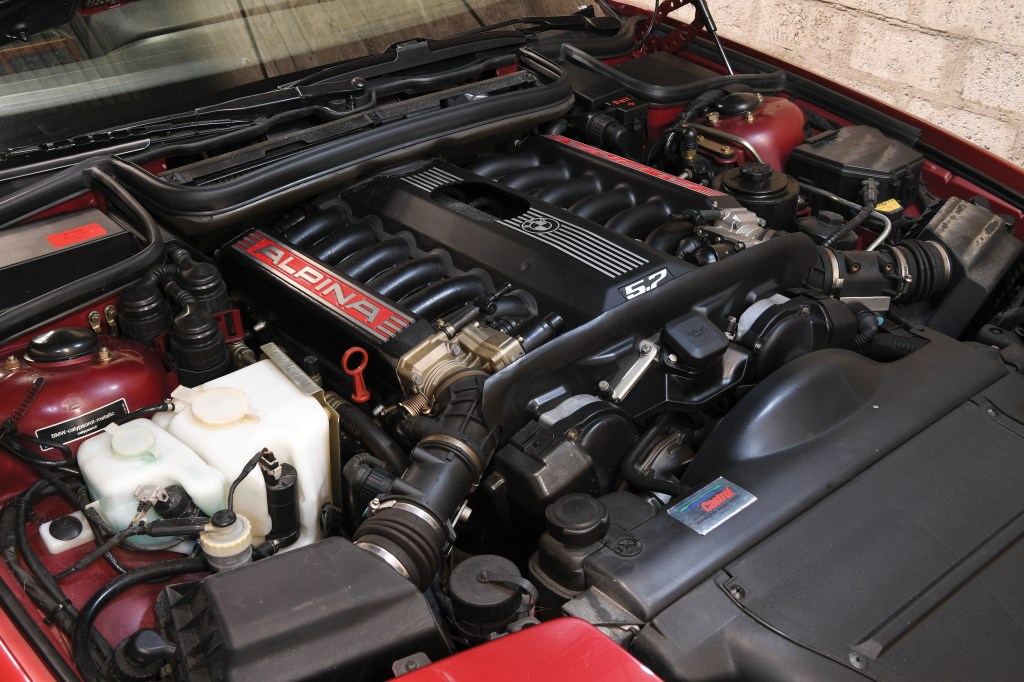
It had to be powered somehow, too – and what sat at the base was BMW’s 5.0-liter V12. It had an aluminum-alloy block and made somewhere in the region of 300 horsepower. Alpina made their changes first raising the output to 350 horsepower, and later increasing displacement to 5.7 liters (410 hp).

It was essentially a ‚double straight-six,’ as it had two distributors, a set of ignition leads for each bank of six cylinders, and a twin air-filter setup of the kind you would normally associate with that layout. The crankcase had been designed specifically with a V12 in mind, but the block itself, the crankshaft, the connecting rods, and all the manifolds remained unchanged. The pistons were thrown out and replaced with ones of higher compression, enlarged intake valves were fitted – they lifted higher and with more aggressive timing – and Bosch ECU control was added as well. Aside from the manifolds, the entire stainless-steel exhaust system was completely new.

The gearbox remained the same 4-speed automatic as in the 5.0-liter BMW, but Alpina reworked its programming so it could fully exploit the car’s new capabilities. Later on (for the 5.7), there was a 6-speed manual Getrag, as well as ShiftTronic with an electronically controlled clutch. This is the only Alpina ever offered with such system.

Inside, there were bespoke made-to-order elements, special color options, and unique upholstery – beyond everything you could already get in the most expensive BMW E31s. Alpina drivers had their own seats and different interior trim than in a standard BMW. From the outside, the car differed only in the details.

Depending on the version, the car could accelerate from 0 to 60 in 5.5 to 6.4 seconds and reach as much as 174-186 mph. Even the 5.0-liter V12 variant was one of the fastest GT cars of its time. The B12 was something magnificent. It combined colossal, supercar-worthy power – but delivered it in a smooth manner – with the refinement of a luxury limousine.

The suspension modifications ensured excellent handling, while the might of the V12 delivered effortless acceleration and exciting sound sensations coming from the exhaust. The regular BMW 8 Series was already a magnificent GT, but the B12 stood above all of them in terms of technology and class equipment. The car remained stable at any speed, inspired confidence in the corners, and braked hard. All of that had to amplify the sense of certainty behind the wheel.

It was a strong entry into the fast GT market. The press fell in love with the car immediately. It hardly had any flaws, while the list of advantages seemed endless. It was a serious contender in this segment right from the start, because it combined Alpina’s craftsmanship with BMW’s underlying architecture.

Machine was prime and price for it was prime – but there was never a shortage of buyers for this car. Even its rivals had to give the Germans their due. People began to recognize the strength of this market segment, and before long, new large coupes would appear, all competing in performance, refinement, and exclusivity. In a way, Alpina opened everyone’s eyes to the true value of this corner of the industry.

The Alpina B12 E31 Coupe is now a true icon of the 1990s, and one of the better – yet also rarer – classics of the era. It stands as a symbol of Alpina’s peak achievements and of their collaboration with BMW. The finest blend of comfort and luxury with performance and emotion – sharpened with a touch of exclusivity. In seven years, fewer than 200 examples of both versions of this model were built. Today, it is a real prize for collectors, available only for very serious money.

Krzysztof Wilk
All sources: it was a text retrieved from my lost webpage – sources will need to be filled later
1990 – Alpina B12 E31 Coupe

EngineDisplacementPowerAccelerationTop Speed
V125.0-5.7 L350-416 bhp5.8-6.4s280-300 km/h
174-186 mph

Jednym z najszybszych aut ze znaczkiem Alpiny było B12 – i tak naprawdę istnieją dwa auta o tej samej nazwie. Alpina B12 w czterodrzwiowym sedanie na bazie BMW Serii 7, oraz Alpina B12 Coupe z Serią 8 u podstaw. B12 Coupe to typowe GT z górnej półki. Szybkie, wygodne… z odrobiną luksusu. Powstała po to aby zadowolić klientów, dla których zwykłe BMW to za mało. Zwracając się w stronę Alpiny, mogli oni czuć się w pewien sposób ekskluzywnie, wciąż zachowując zaawansowaną inżynierię tych niemieckich pojazdów i niebanalne właściwości jezdne – a nawet mogli czuć poprawę względem zwykłej Serii 8.

Serię 8 zaprezentowano w 1990 roku jako następcę BMW Serii 6 E24. To nie było auto czysto sportowe, ale właśnie duże GT z V8 bądź V12. 850i stanowiło bazę dla Alpiny B12 5.0, ale kiedy BMW Motorsport przedstawiło swoje 850CSi to było tak dobre, że wtedy Alpina właśnie na nim dokonywała zmian budując B12 5.7 Coupe.

Coupe Alpiny dosępne było wyłącznie jako V12 i miało niesamowicie trudne zadanie, bo czekała na nie solidna konkurencja zarówno z kraju, jak i zagranicy. Na rynku obecne było Porsche 928 – od 1992 roku jeszcze w wersji GTS z większym V8 jedwabiście zapodającym 350 wesołych koników co najmniej. 5.5 sekundy do setki, to wciąż wolniej jak Kwaśniewski, ale już niebezpiecznie blisko Testarossy tamtych czasów (512TR robiło 5.0s). A przecież Porsche to GT 2+2 a nie supersamochód. Dlatego pod względem osiągów rywalizacja była zaciekła.

A jeśli chodzi o prestiż… Po niemieckich autobahnach jeździło również coś takiego jak Mercedes 600 SEC. To była S-Klasa w wersji Coupe – 3 generacja o kodzie W140 (C140 dla Coupe) i to tam już było 6 litrowe V12 o mocy 400 koni (bądź prawie 400 – w zależności od wersji liftu). No to kierowca takiego czegoś nie miał prawa narzekać na elastyczność swego pojazdu. A przechodząc do komfortu jazdy i wyposażenia, no to mam dwa słowa do powiedzenia: S Klasa. Dziękuję za uwagę. Jakieś pytania?

Można powiedzieć, że Gran Turismo to bardzo sztywno określona nisza, ale i na tej półce jest sporo miejsca do przetasowań. Konkurencja była bardzo różnorodna: nastawione na osiągi Porsche, luksusowy Mercedes oraz zrównoważony Jaguar. Każdy był naturalnym rywalem dla BMW, a Alpina musiała być lepsza od nich wszystkich. Dlatego wprowadziła do oferty ich alternatywę dla Serii 8 – bardziej ekskluzywną i dopakowaną na tyle, żeby zapewnić kierowcy wrażenia nieporównywalne do aut konkurencji.

Alpina dokonała zmian w estetyce pojazdu, ale i mechanicznych modyfikacji dla podkreślenia dominacji w osiągach. Architektura Serii 8 E31 to dobra baza do manipulacji. BMW 850i było bardzo przemyślanym autem (ja o nim zapewne niedługo też opowiem), dzięki czemu Alpina sporo zyskała już na starcie. Na pewno dobrze wyglądała, bo BMW miało smukłe aerodynamiczne linie, ale nie obyło się bez wstawek Alpiny tak na zewnątrz, jak i wewnątrz pojazdu. Do E31 dołożono kurwa sprytne zawieszenie z amortyzatorami Bilstein i sprężynami Eibach. To już wiemy, że ani o komfort, ani dynamikę jazdy nie ma co się obawiać, bo E31 stanowiło idealny balans – przy okazji dystansując rywali w tym temacie.

Coś musi go też napędzać – a jest to motor z 5-litrowym V12 BMW u podstaw. Miał blok ze stopów aluminium i moc w granicach 300 koni mechanicznych. Alpina przypudrowała nosek i temu misiu, podnosząc power do 350 koni, a potem litraż do 5.7L (410 hp).

To właściwie „podwójna szóstka”, bo ma dwa rozdzielacze, parę przewodów zapłonowych dla sześciu cylindrów i podwójny filtr powietrza z tego typu silników. Skrzynia korbowa była projektowana z myślą specjalnie o V12, ale sam blok, wał korbowy, korbowody i wszystkie kolektory – były niezmienione. Tłoki wyjebano i wstawiono takie o wyższym stopniu sprężania, dano powiększone zawory w dolocie – wyżej się podnosiły i miały agresywny timing – oraz sterownik ECU Boscha. Oprócz kolektora – układ wydechowy ze stali nierdzewnej cały był w ogóle nowy.

Skrzynia biegów pozostała tym samym 4-biegowym automatem co w 5-litrowym BMW, ale Alpina pozmieniała w niej oprogramowanie, żeby dała radę wykorzystać w pełni nowe możliwości pojazdu. Później (dla 5.7) wszedł nawet 6-biegowy manualny Getrag, jak i ShiftTronic z elektronicznym sprzęgłem. To jest jedyna Alpina kiedykolwiek oferowana z tym systemem.

We wnętrzu dostępne były elementy na życzenie, specjalne opcje kolorystyczne i unikalna tapicerka – już poza wszystkim co można dostać w najdroższych BMW E31. Kierowcy Alpiny mieli własne siedzenia i inne obicia wnętrza niż w BMW. Z zewnątrz auto różniło się tylko detalami.

Pojazd w zależności od wersji potrafił przyspieszać od 0 do 100 w 5.5s – 6.4s i osiągać do 280-300 km/h. Nawet wariant z 5-litrowym V12 był jednym z najszybszych GT swoich czasów. B12 było czymś wspaniałym. To połączenie kolosalnej mocy godnej supersamochodu – ale podanej w płynny sposób – z wyrafinowaniem luksusowej limuzyny.

Modyfikacje zawieszenia zapewniały doskonałe prowadzenie, a potęga V12 dostarczała bezwysiłkowe przyspieszenie i ekscytujące wrażenia dźwiękowe dochodzące od strony wydechu. Zwykłe BMW Serii 8 było wspaniałym GT, ale B12 to już nad każdym górowało technologią i klasowym wyposażeniem. Auto jest stabilne przy każdej prędkości, prowadzi się pewnie i mocno hamuje. To wszystko musi wzmagać pewność za kierownicą.

To było dobre wejście na rynek szybkich GT. Prasa od razu pokochała to auto. Właściwie nie miało żadnych wad a lista zalet się ciągnęła w nieskończoność. Mocny konkurent w tym segmencie już od początku, bo łączył w sobie rzemiosło Alpiny i architekturę BMW.

Cena była niemała – ale chętnych na to auto nie brakowało. Nawet rywale musieli oddać Niemcom, co należne. Dostrzeżono siłę w tym segmencie rynku i wkrótce pojawią się nowe modele dużych coupe prześcigających się osiągami, wyrafinowaniem i ekskluzywnością. Alpina w pewnym sensie otworzyła wszystkim oczy na rzeczywistą wartość tego rynku.

Alpina B12 E31 Coupe to już kultowe auto lat ’90-tych i jeden z lepszych – a zarazem rzadszych klasyków. Symbol szczytowych osiągnięć Alpiny i ich współpracy z BMW. Najlepsze połączenie komfortu i luksusu, z osiągami i emocjami – podrasowane szczyptą wyjątkowości. W 7 lat zbudowano niecałe 200 sztuk obu wersji tego modelu. Dziś jest kąskiem dla kolekcjonerów do dostania tylko za grube szekle.

Krzysztof Wilk
Żródła: to odzyskany tekst z utraconej witryny – źródła są do uzupełnienia

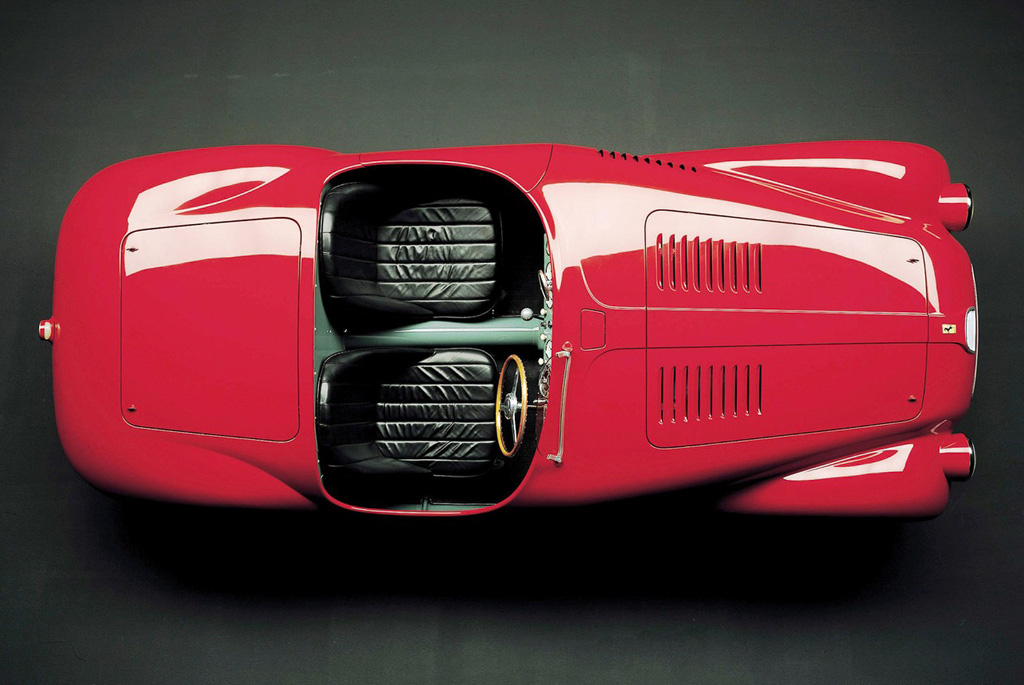
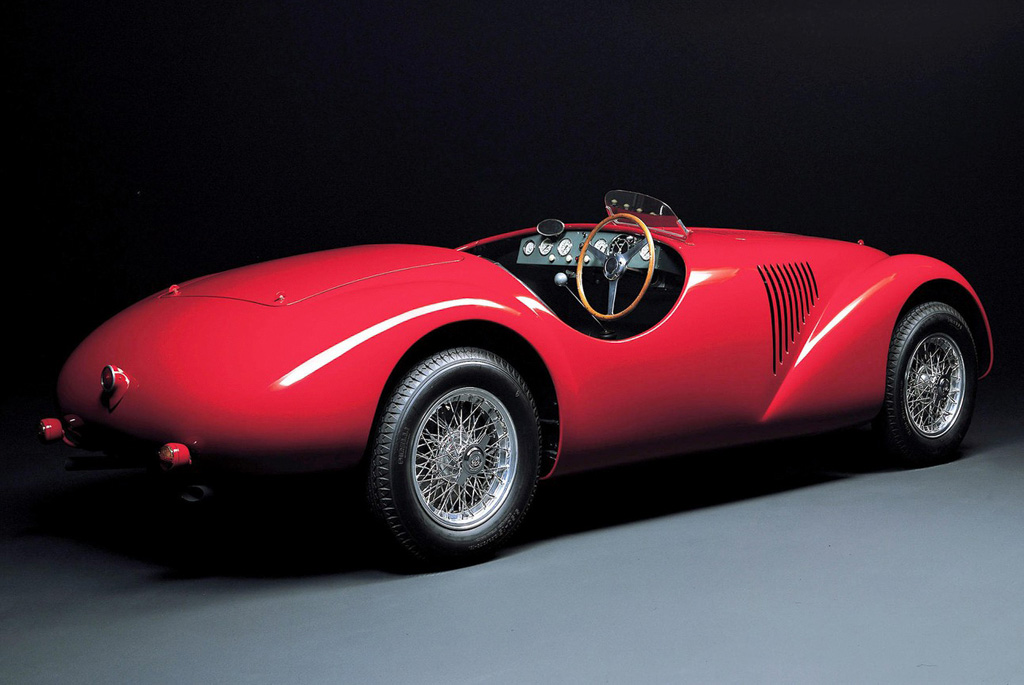
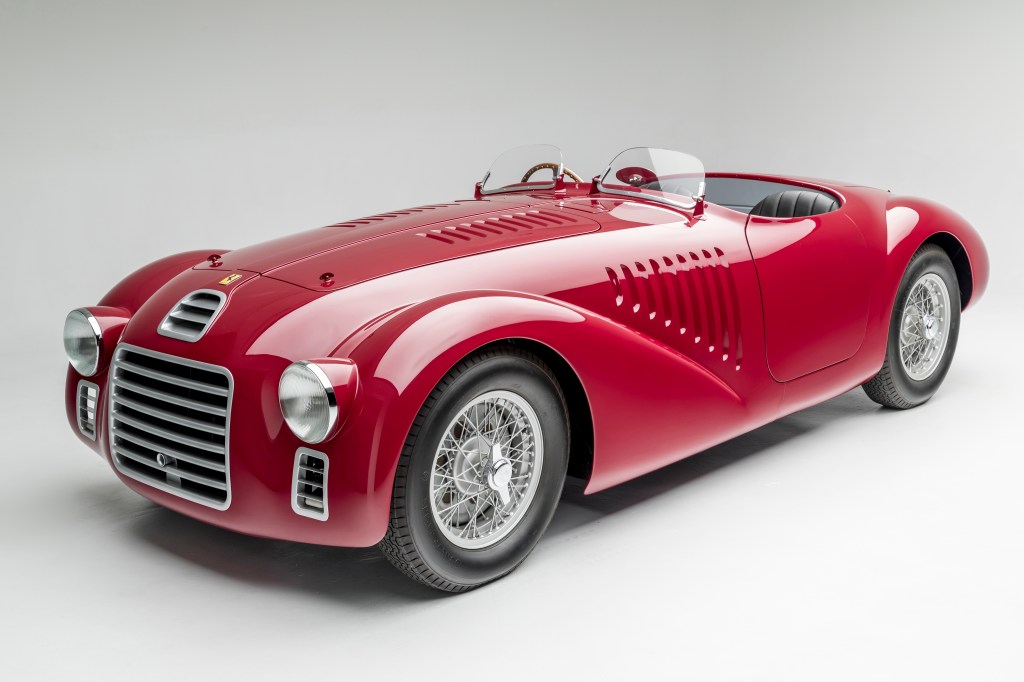
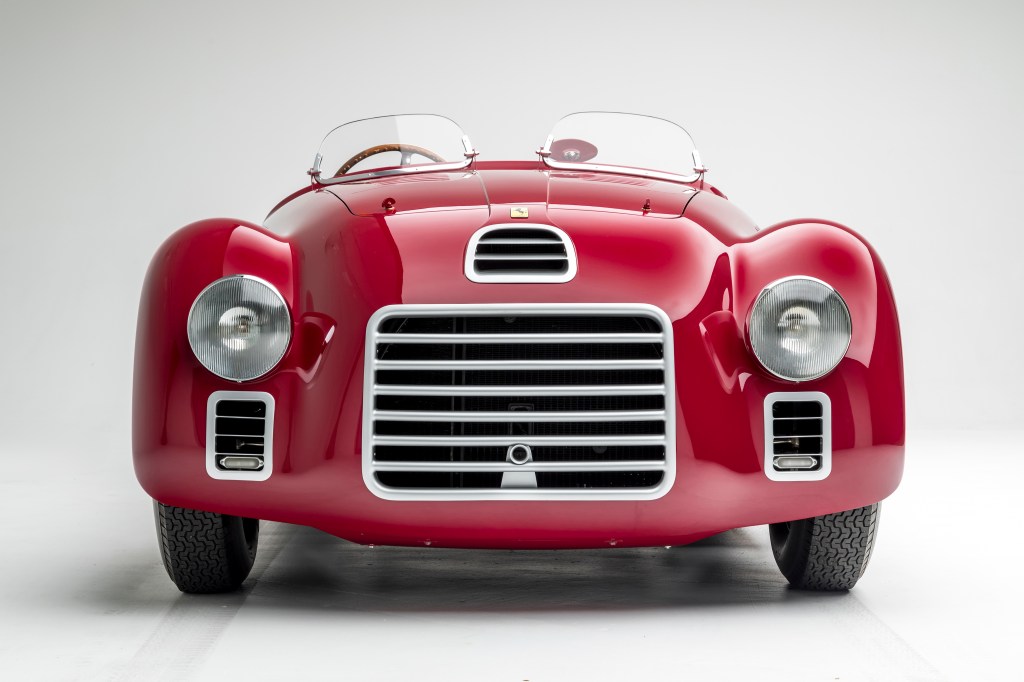
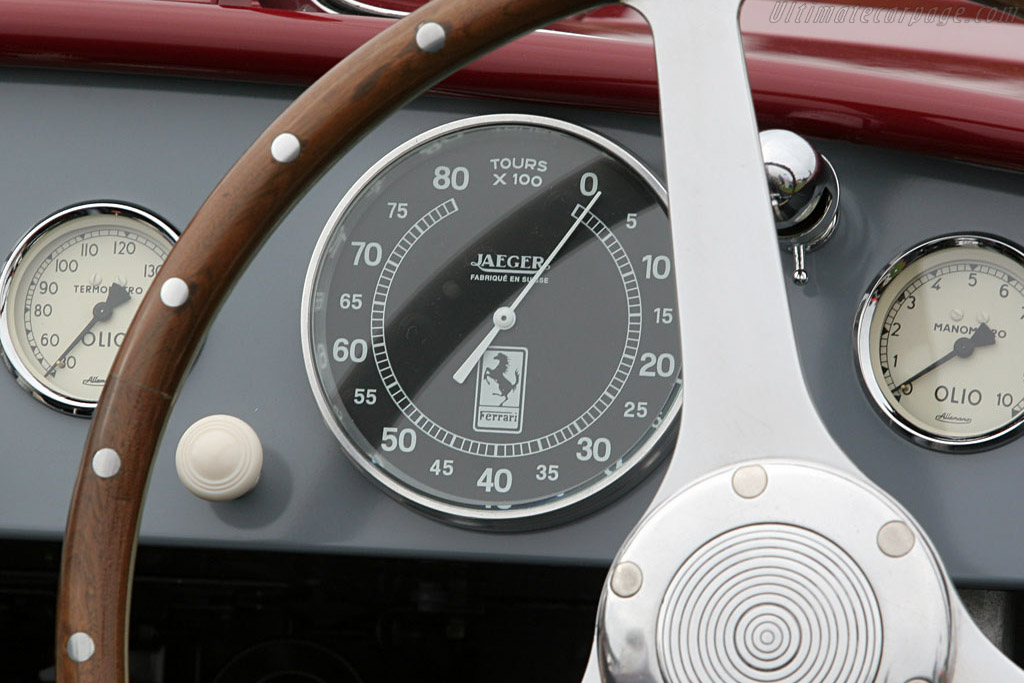
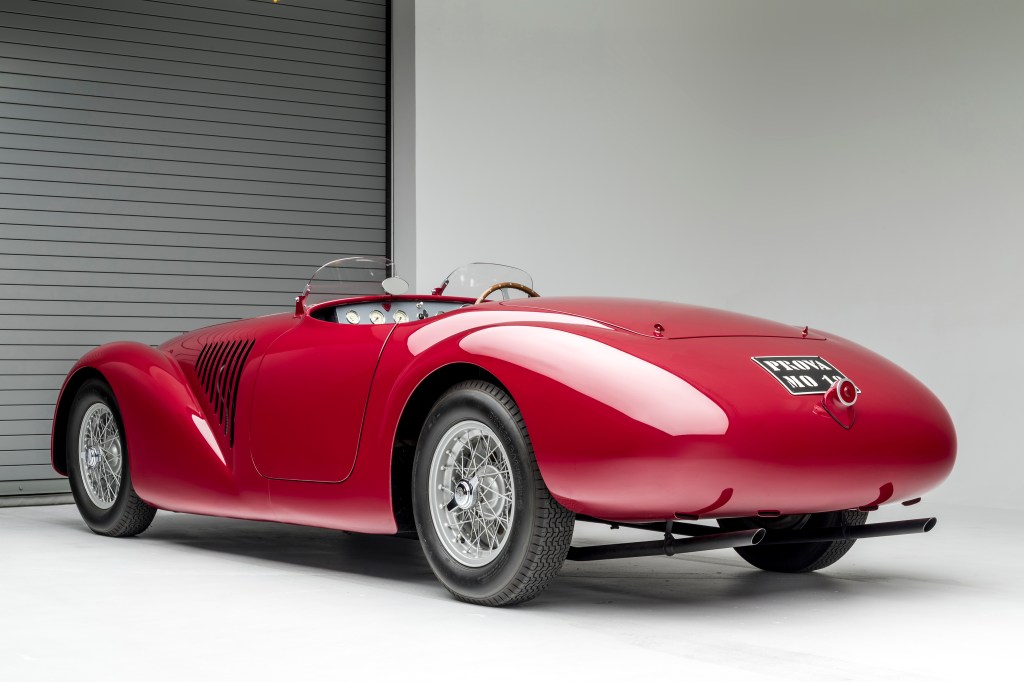
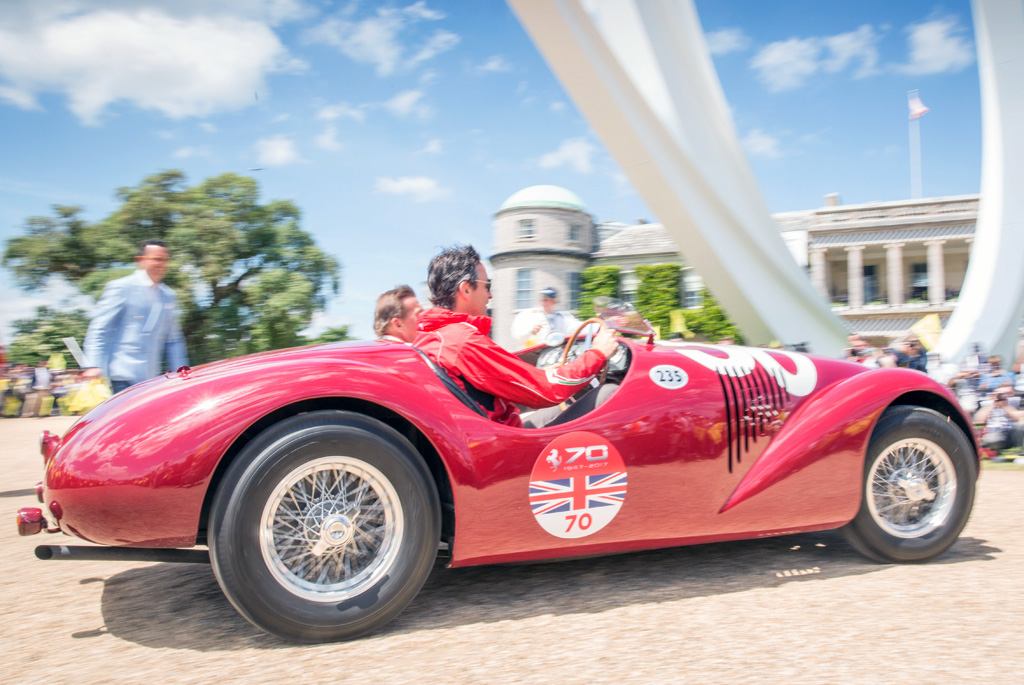
1947 – Ferrari 125 S

EngineDisplacementPowerAccelerationTop Speed
V121.5-2.0 L

Ferrari is all different. Enzo never wanted to build production cars. That was never his dream. Racing was always the goal. It is, however, a rather expensive hobby – and some top-level series simply require running road-going examples for homologation in order to compete at all. So for Enzo, motorsport was the calling, and building cars for civilian customers was merely a necessity. A job he didn’t really want – but one he showed up to, because he simply had to, in order to fuel his racing ambitions.

You have to look at Ferrari differently. Usually the situation is clear – take Porsche, for example… Everyone knows what’s what. For over half a century, ‚the Porsche’ essentially meant the flagship 911 paired with some accompanying model – often more conventional, with more accessible performance and a friendlier price tag. Over the years that role was filled by the 912, 914, 944 and the Boxster.

Lamborghini followed a similar pattern: a flagship supercar paired with a weaker and more affordable sports car. Miura and Espada. Countach and Jalpa. Murciélago and Gallardo.

Jaguar was different – but just as clear. For most of its history, Jaguar meant a sports car: starting with the XK120, then the E-Type, the XJS that replaced it, followed by the XK8 and eventually the F-Type. That was one side of Jaguar. The other face of the brand was its line of flagship XJ luxury sedans. Beyond the sports car and the XJ, there was rarely anything that truly lasted over time. Of course, you’ll find exceptions to all of the above – SUVs, for instance – but that’s a relatively recent trend, and not one worth focusing on, so I’m not counting it.

And so everything is clear… but Ferrari is all different. In truth, the brand doesn’t really have a direct rival. There are no true equivalents. They don’t build sedans, they don’t build cars for the masses. Ferrari’s lineup consists almost exclusively of sports cars.

And you might say that Porsche or Aston Martin are natural Ferrari rivals – yes, but which ones? What Porsches and what Ferraris? Why one model and not the other? All of their cars are powerful, fast, beautiful and exclusive. Quite often, they’re not obtainable by money alone – the opportunity to buy certain models has to be earned in other ways. For example, by having prior experience behind the wheel of a Ferrari and owning a sufficient number of the brand’s more accessible cars.

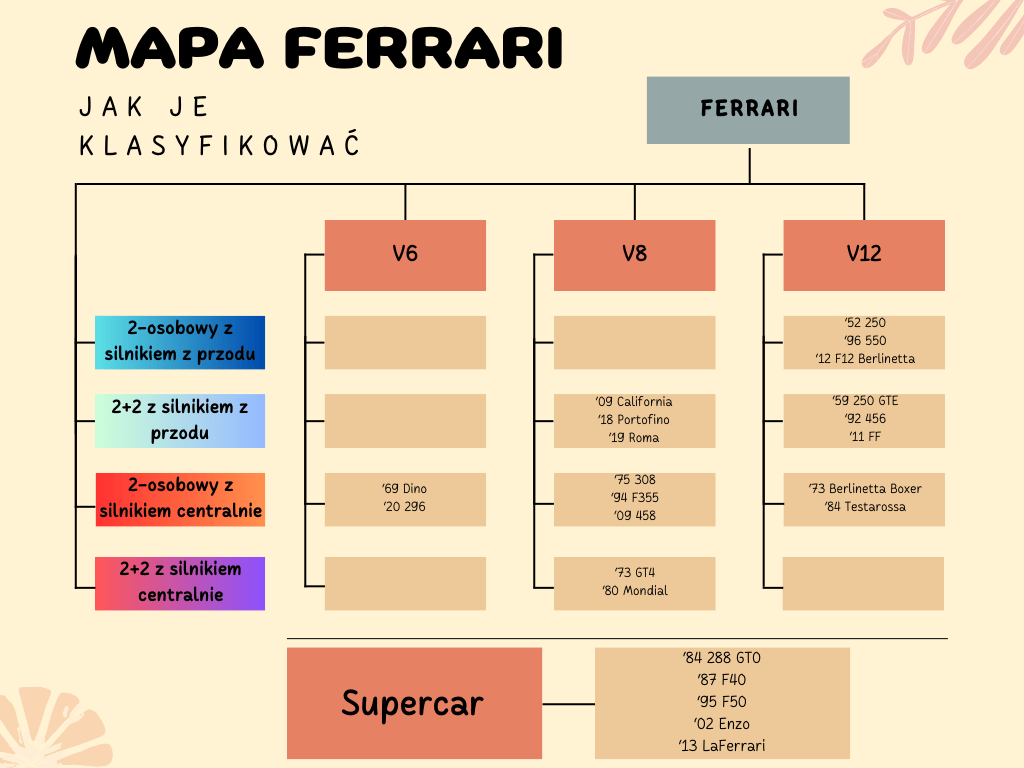
So how do you decide which one is the flagship? Can any of them even be called that? Which model is the continuation of which? There is a way to quickly identify any Ferrari – a way that lets you understand, in just a few seconds, exactly where to place it on the map. A method so effective that we’ll be using it in all articles covering the brand’s road cars.

To truly understand Ferrari’s cars, you need three pieces of information: the type of engine, its location, and the seating layout. Starting with the first data point – Ferrari built cars with V-shaped engines featuring 6, 8, or 12 cylinders. That engine was always mounted either at the front or in a mid-engine configuration. The final criterion is the seating layout, which came in two variants: strict two-seaters or 2+2.

And that already tells us a lot about their models, because that data allows us to easily determine that, for example, the Testarossa is the successor to the Berlinetta Boxer – since it replaces a two-seat mid-engined V12 coupé. In their case, it was a flat V12 with a 180-degree angle.

And that’s really all you need to know. Performance figures, horsepower, price, even the name – irrelevant. With those basics, we can easily determine where both models sit on the X-axis. Alright – now that we’ve got that out of the way, let’s get to it…

A high-quality infographic with outstanding aesthetic value brilliantly illustrates what I’ve been trying to explain to you here in the first place. (It’s in Polish, but I will soon replace it with one in English)

Enzo had been involved in motorsport since the early 1920s. He had some modest success as a driver. Won some golden thong behind the wheel of an Alfa Romeo, picked up a waffle award. Nothing spectacular – but you can’t say he was a complete failure either.

It wasn’t until the end of the decade that things really took off, when Enzo founded his own team, racing in the official Alfa Romeo colors. And that’s when they absolutely wiped the floor with the competition. For two reasons – first of all: they had the best technical mind in the business, Vittorio Jano. And second of all: they had the best driver, ok – Tazio Nuvolari, of course. Champions League dream team. You won’t change my mind.

These guys were delivering such carnage on track that Alfa handed over the entire racing program to them with a kiss on the hand, happily focusing on building road cars instead – because Enzo had it all sorted. Everything handled. Easy life.

Unfortunately – or just the opposite! – after nearly two decades of cooperation, Enzo Ferrari had to face his first schism. The one that would ultimately give birth to his automotive empire. The partnership with Alfa Romeo was over – and from that moment on, the fastest cars in all of Italy – hell, in Europe, maybe even the world – would wear the Ferrari badge.

And although the first ‚Ferrari’ was still the AAC 815, built largely from Fiat parts, after the war Enzo was finally free to use his own surname however he pleased. He wanted to bring Jano back into the fold for his new venture – that didn’t quite work out, but he did manage to secure a certain Gioacchino Colombo. The two already knew each other from their time at Scuderia Ferrari Alfa Romeo, where they had both been involved in projects like the 158. And what a machine that was – fuck me, that’s story another story for sure.

You may not like him, but let’s be clear about one thing – Enzo Ferrari was not stupid. He understood that the world rebuilding itself after the war would not be the ideal market for expensive, high-maintenance sports cars. That’s why Colombo’s task was to design a platform versatile enough to appeal to a broader range of customers.

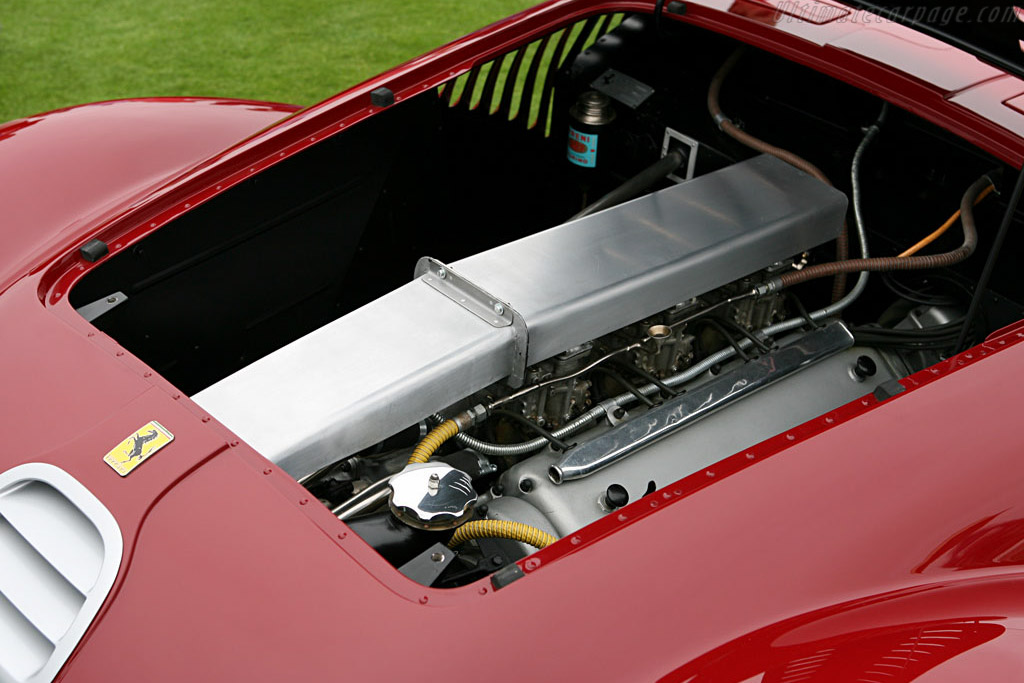
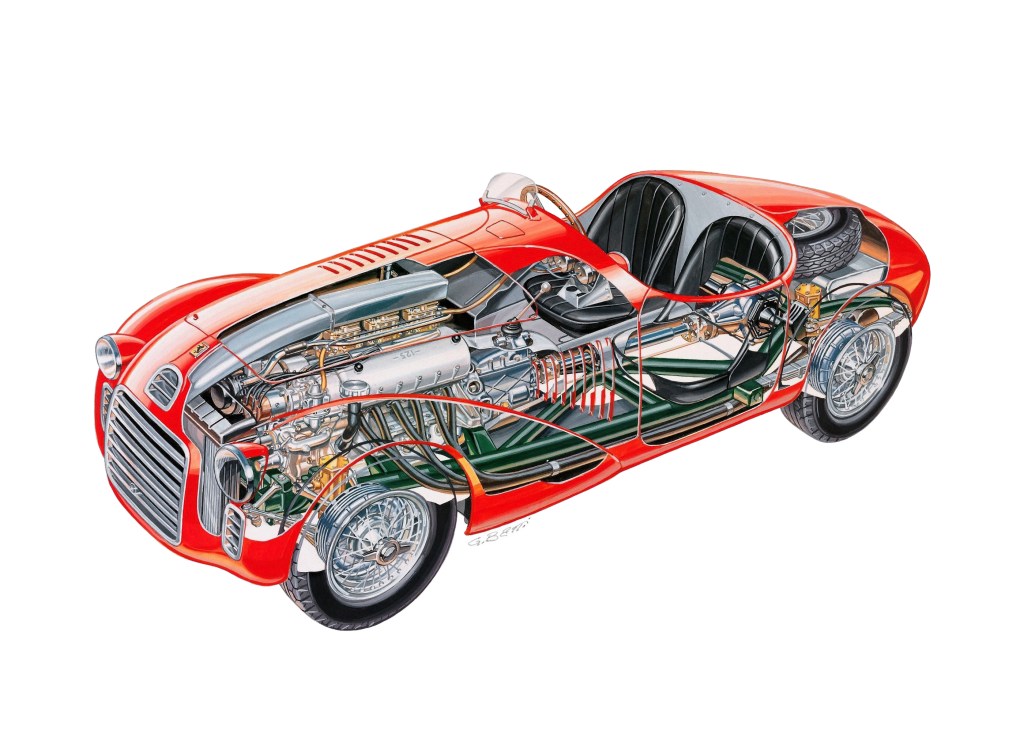
What he devised was a fairly simple tubular spaceframe and a V12 built in the old Scuderia Ferrari style, with a 60-degree bank angle. Nothing revolutionary, really – but you don’t change a winning team, do you…

The engine was to displace 1.5 liters – and get this: it was probably the smallest V12 in the history of our galaxy. Naturally aspirated it could comfortably power road cars, and all it took was adding a supercharger to make it do serious work on the track. And since it was only 1.5 liters, it qualified for all the Grand Prix categories without any trouble. Made sense.

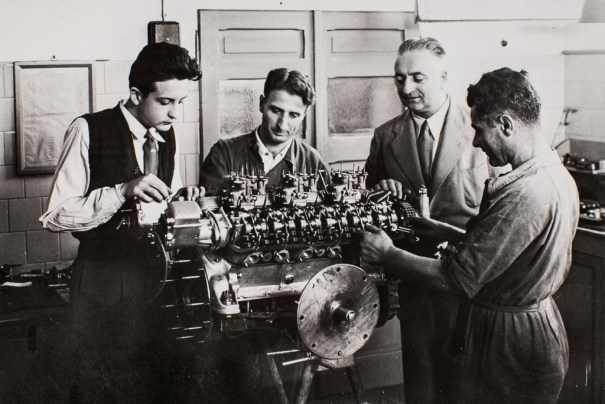
Unfortunately, Colombo returned to Alfa Romeo, so a man by the name of Aurelio Lampredi was brought in to continue the work at Ferrari. Those engines had a few issues – he was the one tasked with sorting them out.

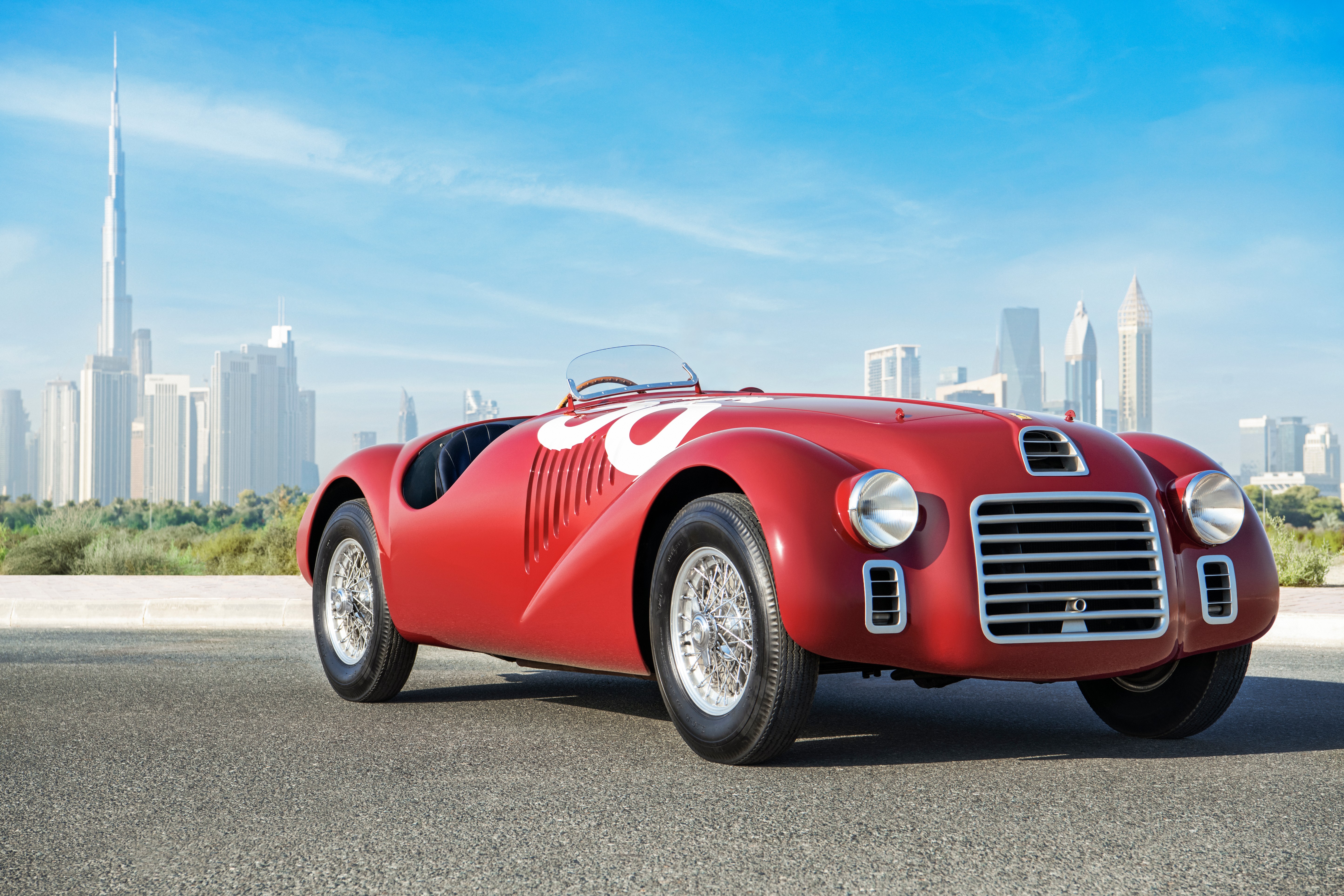
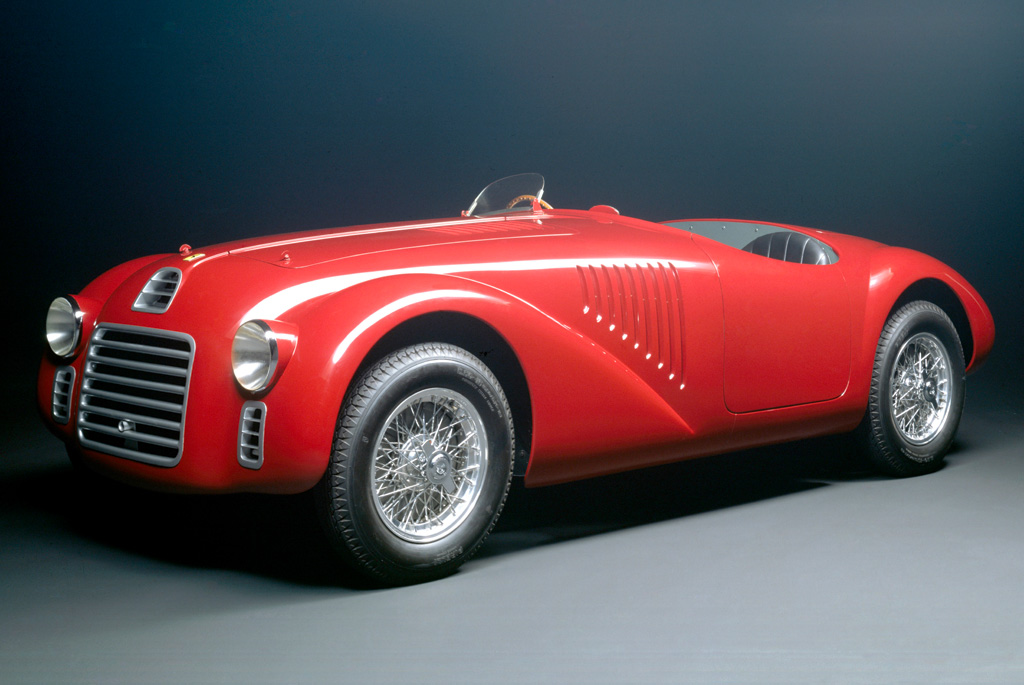
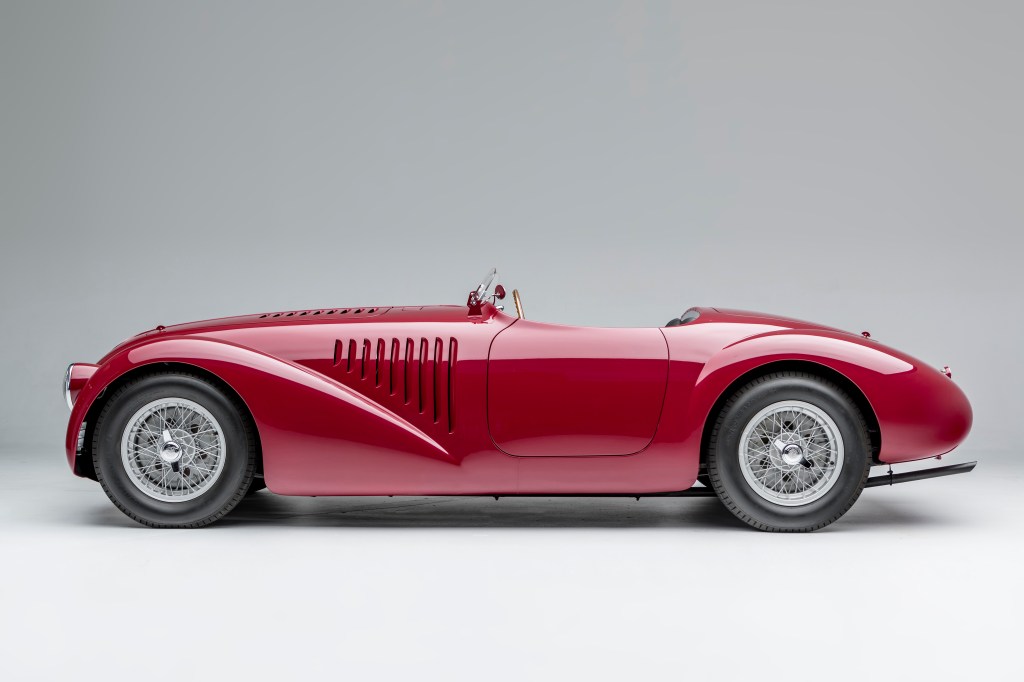
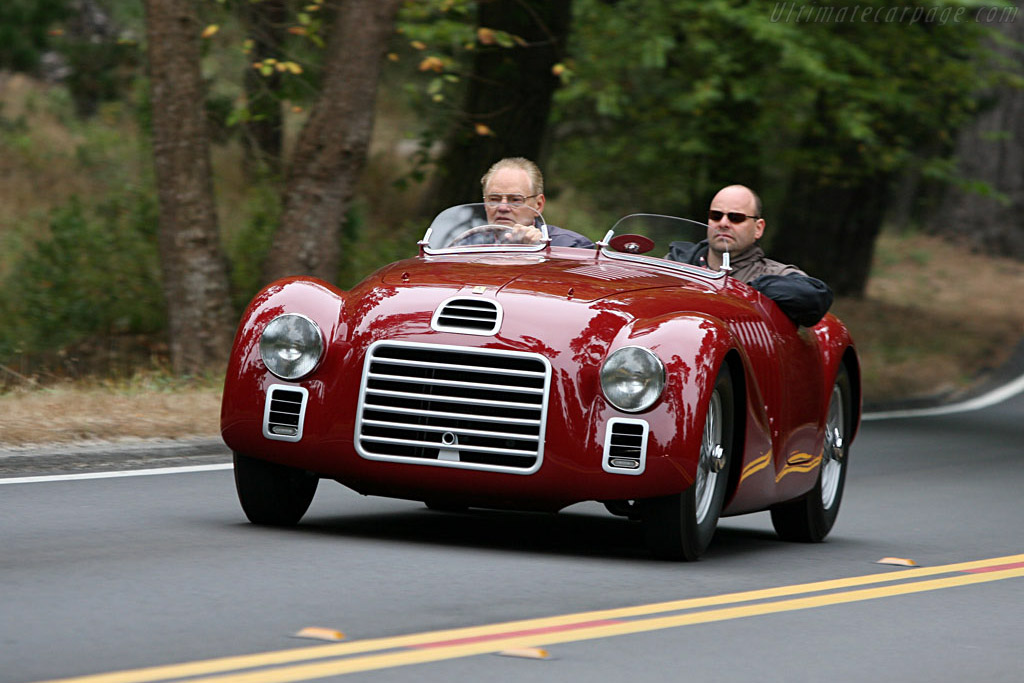
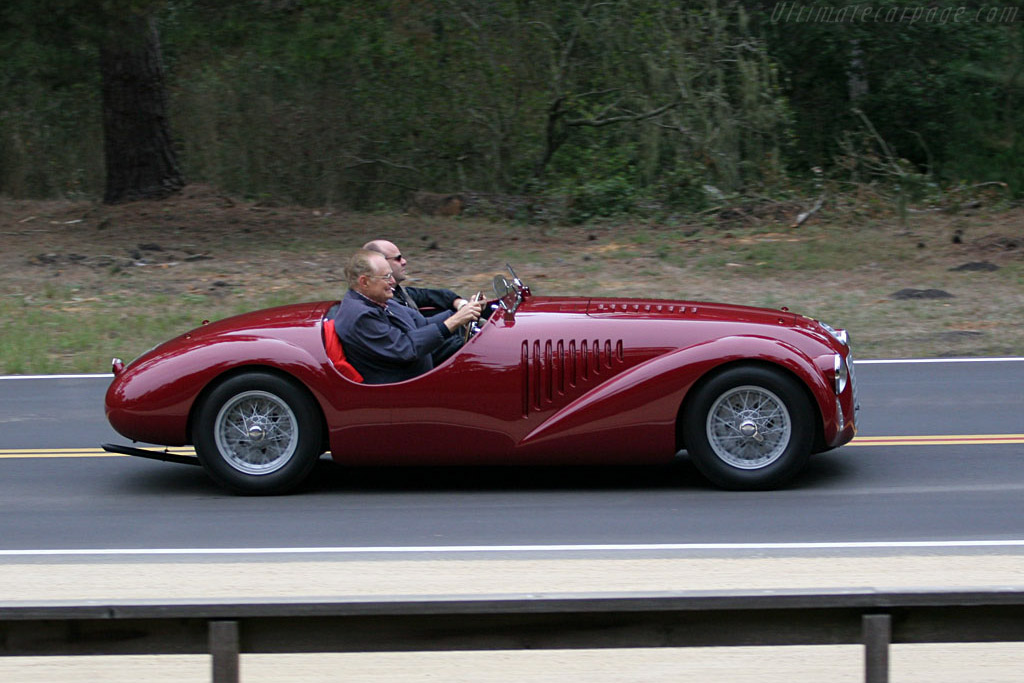
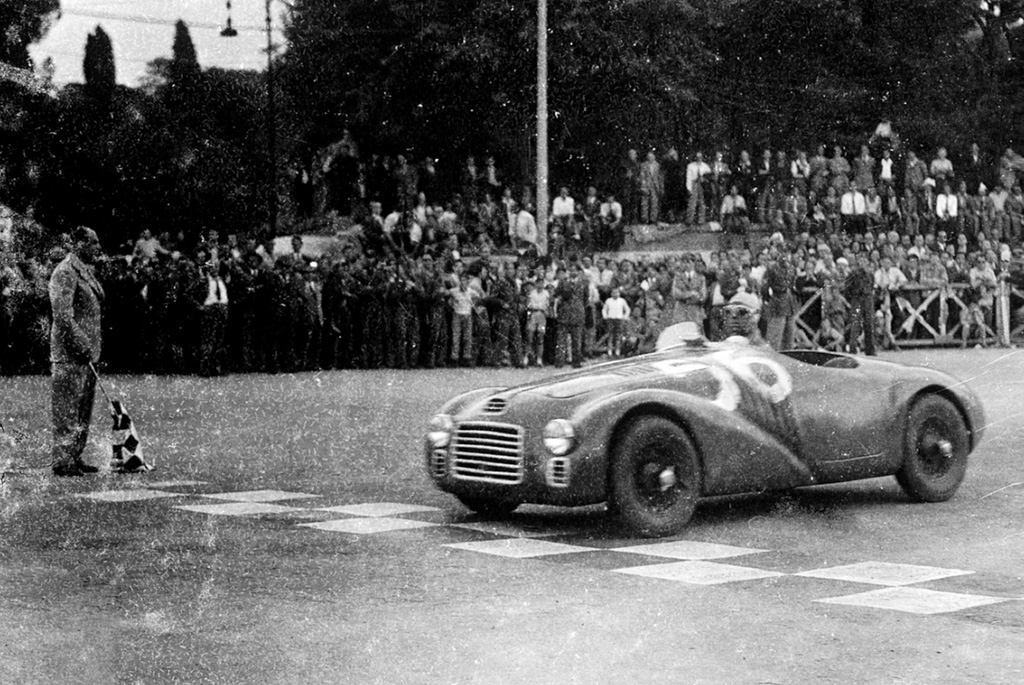
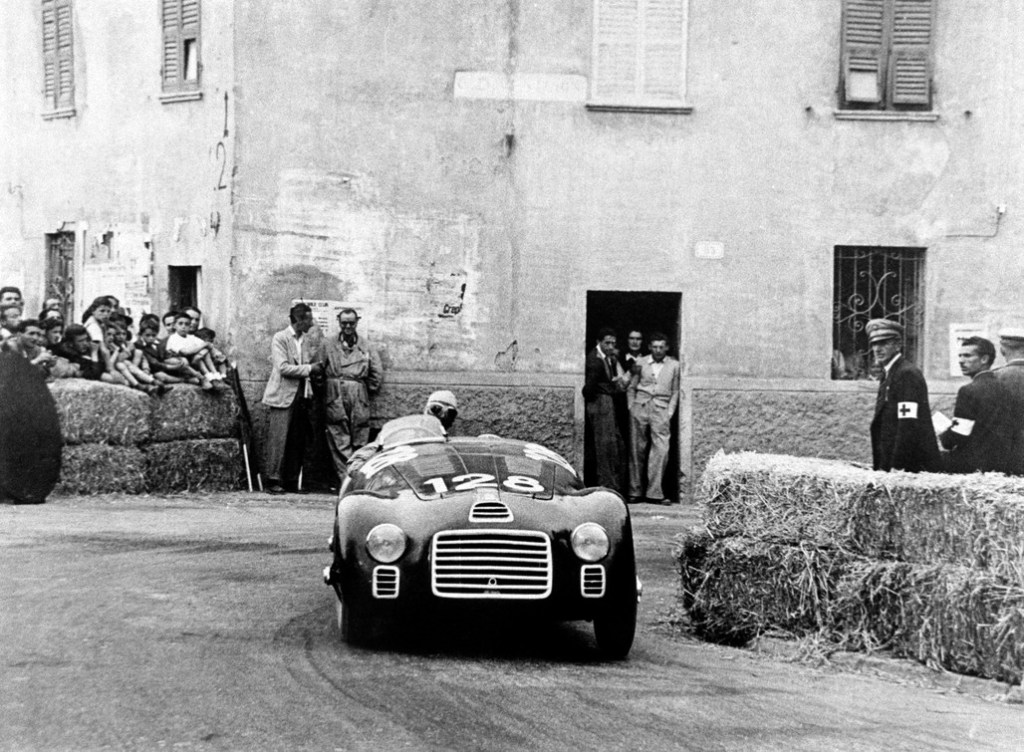
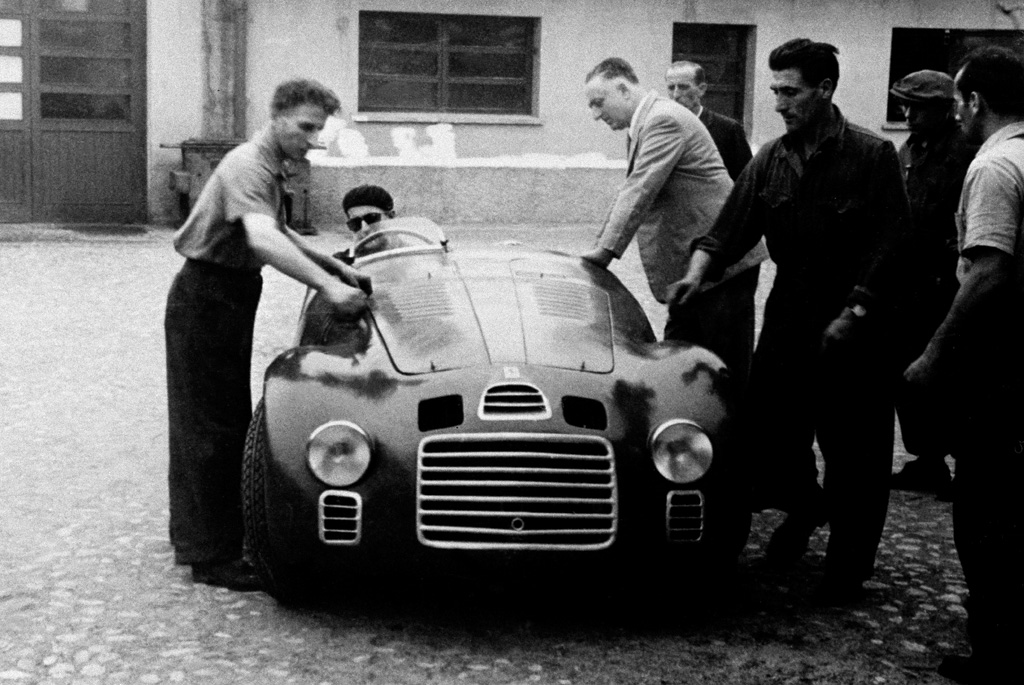
The name came from the engine variant used – specifically, the displacement of a single cylinder – and it’s a tradition that would stay with the brand for years to come. In March 1947, the first example came to life. By May, Lampredi was gone as well. A second car was built, but it differed quite significantly from the first. The early version was a conventional roadster; the new one had fully exposed wheels.

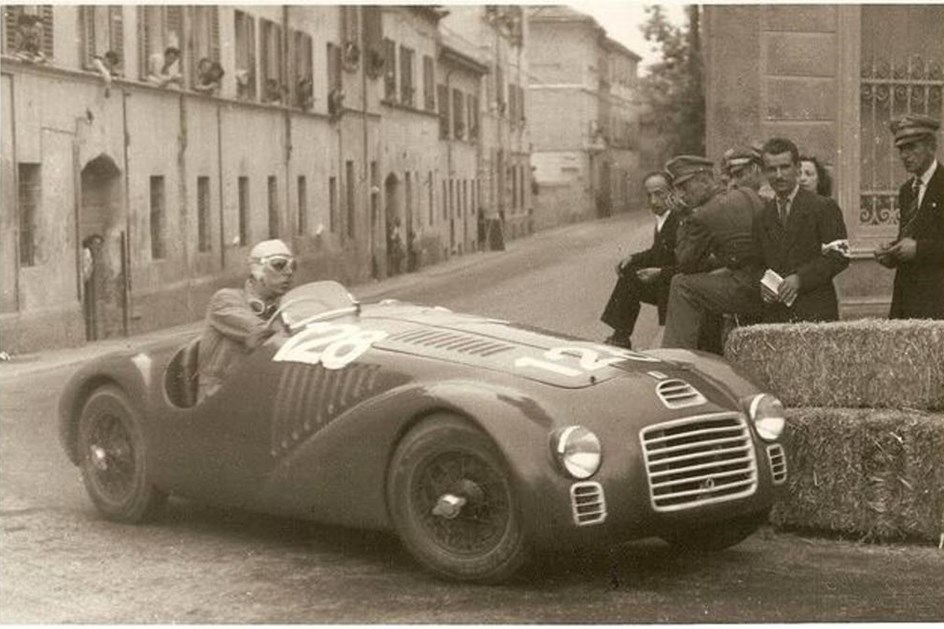
Both cars headed for Piacenza to compete, but after a tough run one of them started smoking, choking – I don’t know… likely the fuel pump. It had to retire, even though it had been leading up to that point. Enzo himself admitted it was a rather ‚promising failure.’ I think it had about three laps to go.

The second project didn’t fare much better. It crashed. Twice – no less. Complete disaster. Two weeks later came the second attempt – successful this time. The first victory for the Ferrari name – in just its second race. And within four months, they had won 6 out of 13 events overall.

Both cars received continuous support and were developed in parallel throughout the season. The V12 had to be enlarged to keep up with stronger competition – it needed at least 1.9 liters capacity. That’s why the models with this engine (meaning both existing cars – none of which have survived to this day in their initial 125 S configuration) were re-designated as 159.

A third example was built – this one with full racing bodywork. They managed to consult Colombo, and following his suggestions, all the 159s saw a significant boost in performance. It was in one of these that Raymond Sommer won the Turin Grand Prix – Ferrari’s first major victory. Behind the wheel of an updated 159.

That last example became the basis for a car intended for a customer – one that would be driven on public roads. It was very advanced in terms of its bodywork and chassis – the entire platform, let’s say… but there was still plenty of work to be done on the engine. The displacement was increased once more – the 166 variant was now close to 2 liters, yet it still qualified for racing.

By the time the car was sold, it had already become the winner of the Turin race. That’s how the 166 Spyder Corsa came to be – directly derived from the 125 S. The 166 variants went to seven clients before Ferrari introduced an entirely new generation of sports car.

It was great a success for Ferrari. For Enzo – him specifically – rather than just the model or brand itself, because while the car was successful, you could hardly imagine a worse moment to start a business back then. Many had better conditions and still failed – and yet he made it work.

It was thanks to Ferrari’s exceptional sense for running business, and his sheer determination. The truth is, Colombo sketched out the plans for the 125 on toilet paper – and just two years later its direct derivative, the 166, goes on to win Le Mans with Luigi Chinetti behind the wheel.

That Colombo doodle would go on to form the foundation for many Ferrari models well into the 1960s, helping the brand reach absolute world number one status by then. A significant portion of Ferrari’s Le Mans success in that era can, to a large extent, be credited to those engines.

Today, however, some information is lost. The documentation hasn’t survived, and many parts were transferred between different examples. Among historians, the prevailing view is that both 125 S cars were upgraded to 166 Spyder Corsa specification – and that’s how they were delivered to customers – which means that not a single one survived in its original form. A fun fact: one of the first customers actually received a discount on his car, because it was sold to him as new, but when he collected, it turned out many of the parts were already worn. Life’s a bitch… isn’t it.

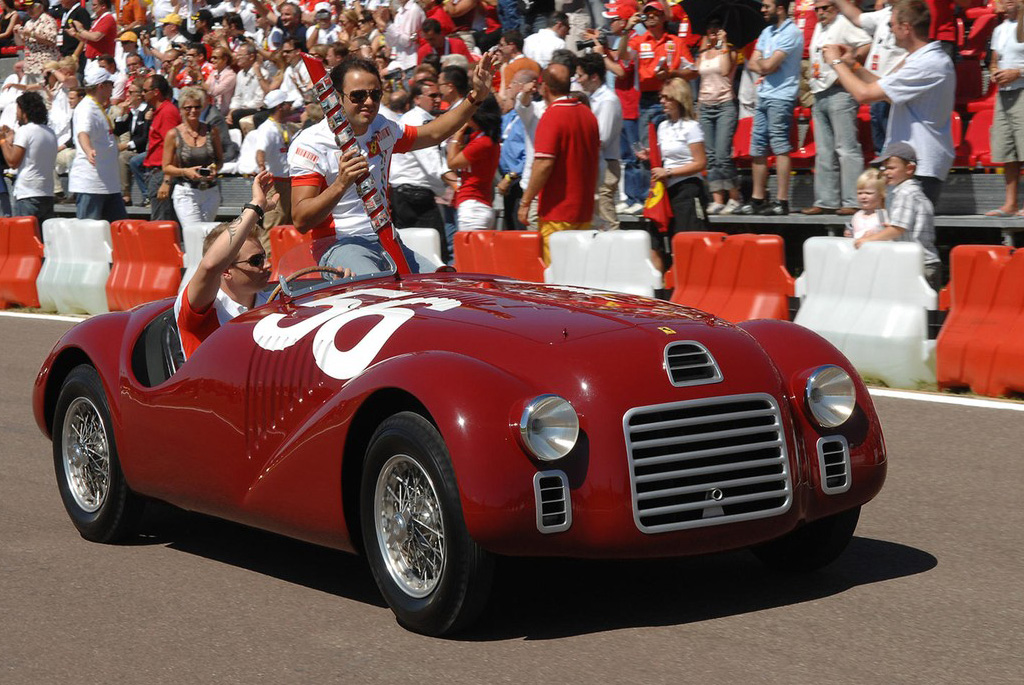
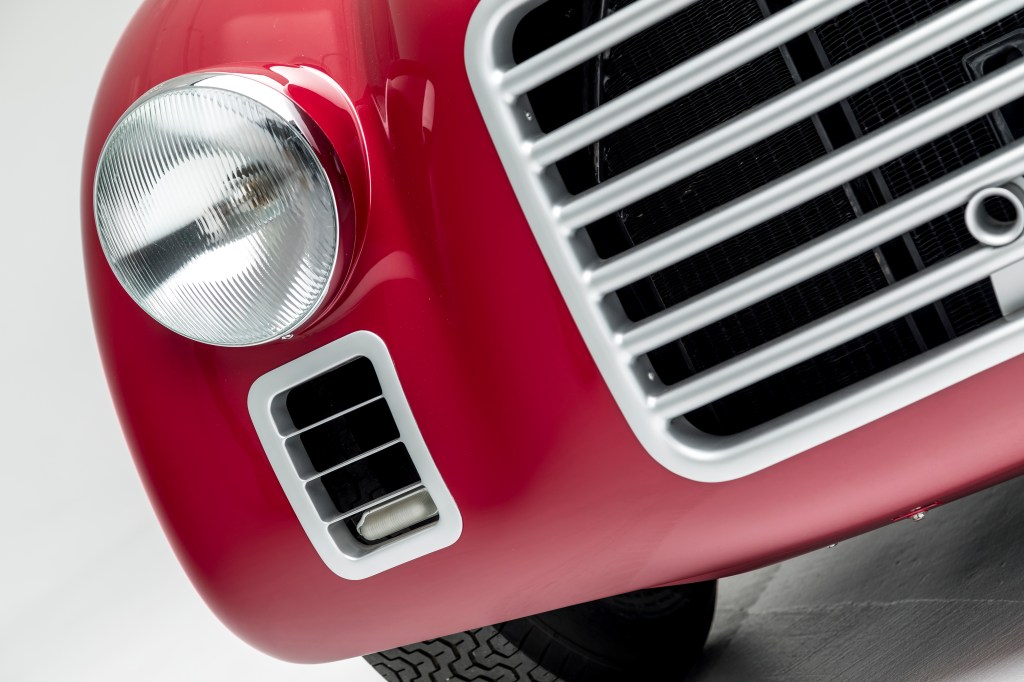
The brand’s 40th anniversary in the 1980s – Michelotto, works in cooperation with Ferrari and using their original parts, builds a perfect Ferrari 125 S based on what was considered to be the very first of the original 125 models… A Ferrari which, however, is NOT classified by experts as a third 125 S, but merely as a replica.

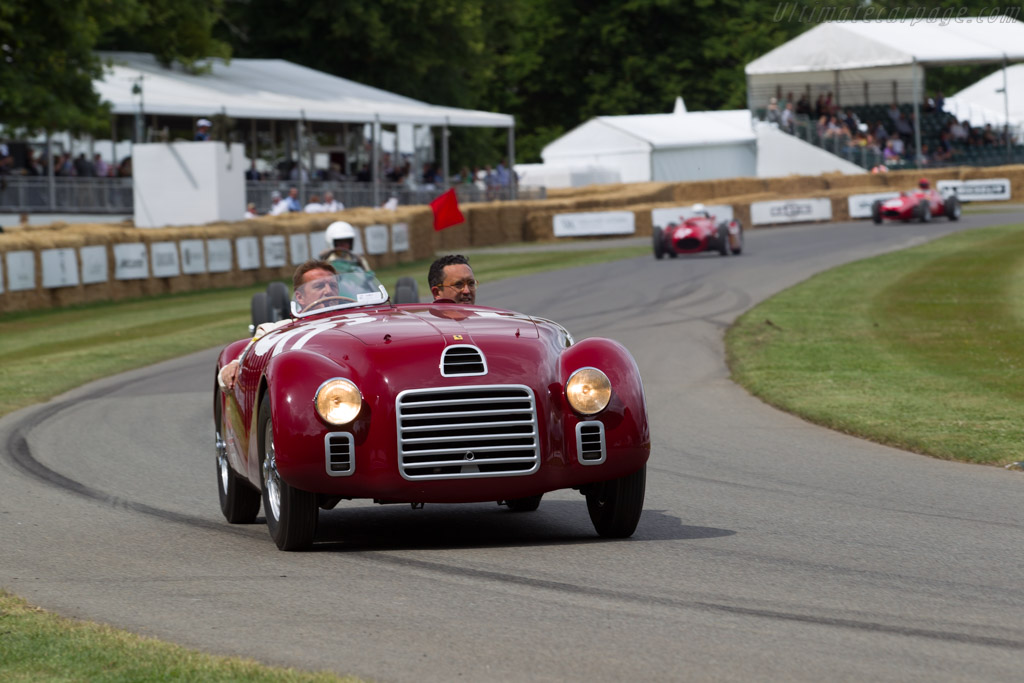
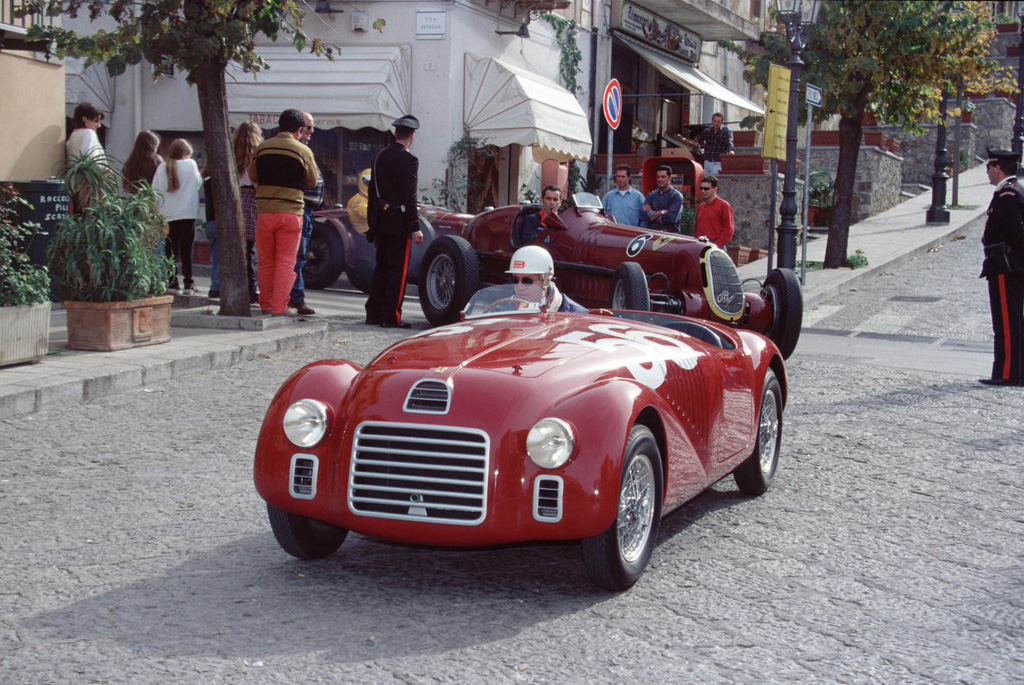
There’s an ongoing debate around this, with arguments on both sides. Officially, it’s accepted that only two examples of the 125 S were built in 1947 – and not one has survived. The oldest functioning Ferrari today is one of its derivatives, but no longer in the original 1.5-liter V12 specification. Instead, it carries a 1.9-liter engine (the Ferrari 159 S). The “replica” can still be seen to this day.

Krzysztof Wilk
All sources: it was a text retrieved from my lost webpage – sources will need to be filled later

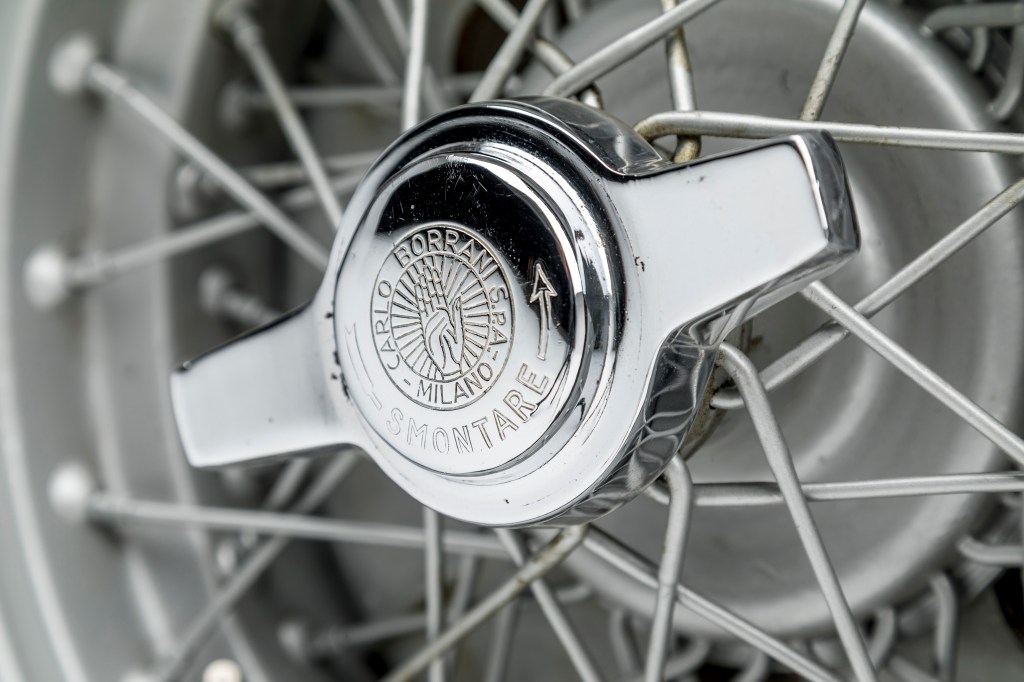
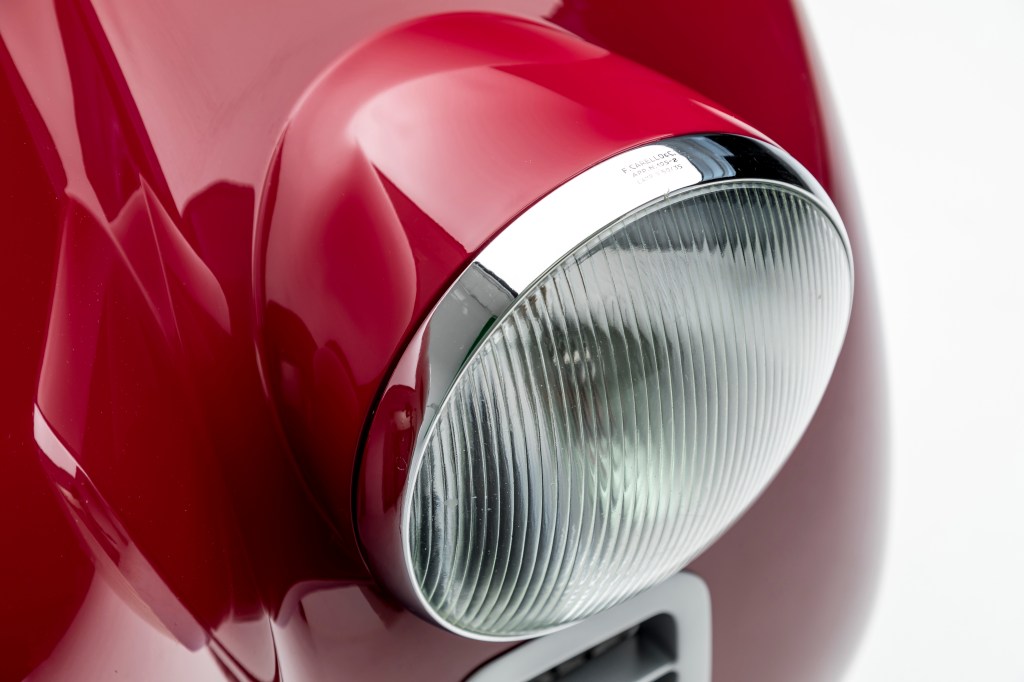
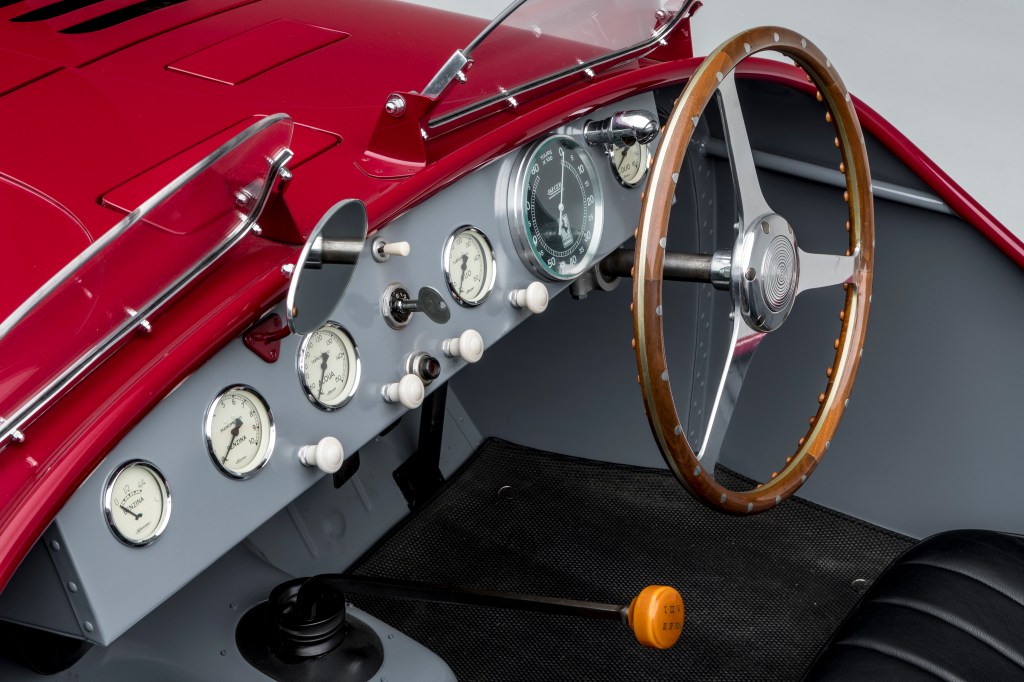
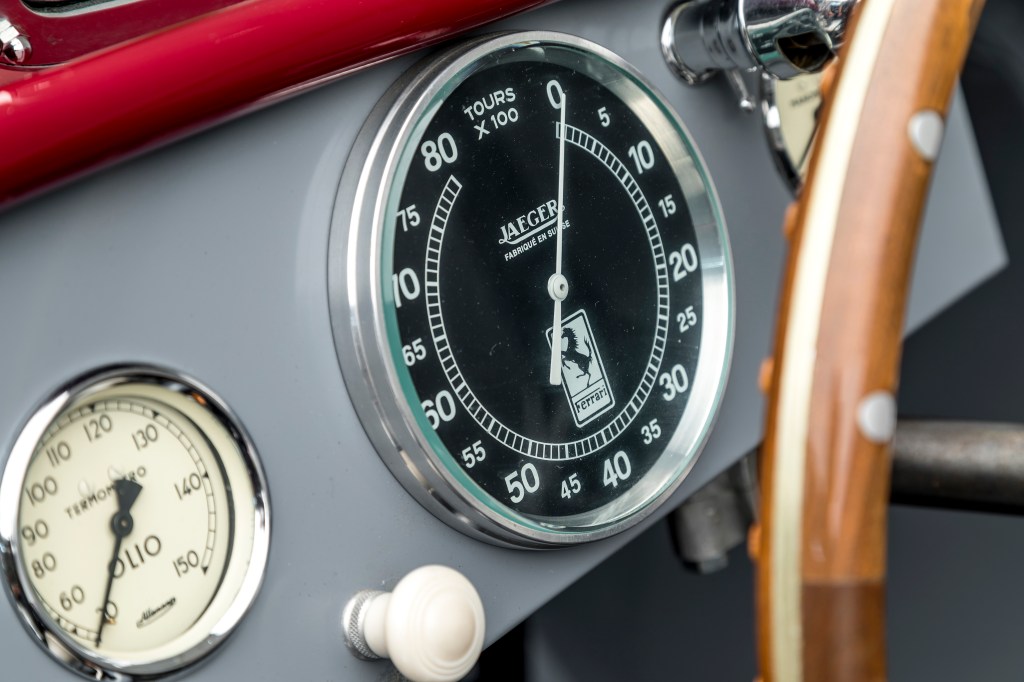
1947 – Ferrari 125 S

EngineDisplacementPowerAccelerationTop Speed
V121.5-2.0 L

Na Ferrari trzeba patrzeć inaczej. Enzo nigdy nie chciał robić aut na produkcję. Nie to było jego marzeniem. On od zawsze miał na celu wyścigi. Jest to jednak dość kosztowne hobby, a niektóre formaty na najwyższym szczeblu zwyczajnie wymagają jeżdżących egzemplarzy w celach homologacji, aby w ogóle móc rywalizować. Dlatego więc motorsport był dla Enzo powołaniem, a produkcja aut dla klientów cywilnych – jedynie koniecznością. Pracą, do której nie chciał – ale uczęszczał, bo zwyczajnie musiał, aby móc napędzać swoje zainteresowania sportowe.

Na Ferrari trzeba patrzeć inaczej. Zwykle sytuacja jest jasna – no takie Porsche na przykład… Wszyscy wiedzą co jest co. Porsche to od ponad pół wieku było topowe 911 z jakimś modelem towarzyszącym – nierzadko bardziej konwencjonalnym, o bardziej przystępnych osiągach i w atrakcyjnej cenie. Były to kolejno 912, 914, 944 i Boxster.

Lamborghini miało podobny schemat: model flagowy w postaci supersamochodu – w parze ze słabszym i tańszym autem sportowym. Miura i Espada. Countach i Jalpa. Murcielago i Gallardo.

W Jaguarze sytuacja była odmienna, ale również klarowna. Jaguar to przez większość czasu auto sportowe – w postaci najpierw modelu XK120, przez E-Type’a, XJS-a, który go zastąpił aż do XK8 i F-Type. To była jedna strona Jaguara – drugim obliczem tej marki była rodzina flagowych limuzyn serii XJ. Poza autem sportowym i modelem XJ nie było właściwie nic, co utrzymałoby się dłuższy czas. Oczywiście od wszystkich ww. znajdą się wyjątki w postaci chociażby SUV-ów, ale to jest moda relatywnie młoda, a i nie warta uwagi, więc tego nie liczę.

No i wszystko jest jasne… ale na Ferrari trzeba patrzeć inaczej. Tak naprawdę, ta marka nie ma swojego rywala – nie bezpośrednio. Nie mają swoich odpowiedników. Nie robią limuzyn, nie robią aut dla ludu. W ofercie Ferrari są właściwie wyłącznie auta sportowe.

I można powiedzieć, że przecież Porsche, czy Aston Martin rywalizują z Ferrari – ale z którym? Dlaczego z tym, a nie z innym? Ich wszystkie pojazdy są mocne, szybkie, piękne i ekskluzywne. Nierzadko nie są możliwe do dostania wyłącznie za pieniądze – na możliwość zakupu niektórych trzeba sobie zasłużyć w inny sposób: np. mając doświadczenie za kierownicą Ferrari i posiadając odpowiednią ilość łatwiej dostępnych aut marki.

Jak więc powiedzieć który jest flagowy? Czy w ogóle można któryś tak nazwać? Który model jest kontynuacją którego? Jest sposób jak szybko zidentyfikować każdy z modeli tak, żeby w parę sekund zorientować się w którym miejscu na mapie się on znajduje. Sposób o tyle dobry, że będziemy go stosować do wszystkich artykułów dotyczących drogowych aut tej marki.

Otóż aby wiedzieć o autach Ferrari wszystko, musimy mieć dane 3 typów. Rodzaj silnika, jego lokalizację i układ siedzeń. Zaczynając od punktu pierwszego: Ferrari tworzyło auta z widlastym sercem o ilości cylindrów równej 6, 8 lub 12. Taki silnik umieszczany był zawsze z przodu pojazdu, bądź centralnie. Ostatnim kryterium jest układ siedzeń a ten występował w dwóch wariantach: 2 osobowym oraz 2+2.

I to nam wiele o ich modelach mówi, bo znając te trzy rzeczy możemy łatwo rozstrzygnąć, że taka np. Testarossa jest następcą modelu Berlinetta Boxer, bo zastępuje w ich ofercie dwuosobowe coupe z V12 centralnie – w ich przypadku było to V12 o 180-stopniowym kącie rozwarcia cylindrów.

I tyle należy o tym wiedzieć. Osiągi, moc, cena czy jego nazwa – to nie ma w tym momencie znaczenia, a my możemy łatwo rozpoznać w którym momencie na osi X oba modele się znajdują. Dobra – skoro mamy to za sobą, to do rzeczy…

Infografika o wysokiej jakości walorach estetycznych w sposób wybitny prezentuje o czym w ogóle ja tu do was rozmawiam

Enzo już od wczesnych lat 20-tych związany był z motorsportem. Jakieś tam sukcesy miał jako kierowca. Wygrał tam jakieś złote kierpce za kierownicą Alfy Romeo, był laureatem nagrody w postaci wafla. Szału nie było, ale też nie można powiedzieć, żeby mu się kompletnie nie powodziło.

Dopiero pod koniec dekady biznes nabrał rozmiarów, kiedy Enzo założył swój własny zespół, rywalizujący w oficjalnych barwach Alfy Romeo. No wtedy to zamiatali rywali w trzy dupy. A to z dwóch powodów – po pierwsze primo: mieli najlepszego technika w postaci Vittorio Jano. A po drugie primo: mieli najlepszego kierowcę, którym był przecież Tazio Nuvolari. Drink team, liga mistrzów – chyba nie ma dyskusji co do tego. Chłopy robili takie miazge na torze, że Alfa oddała im cały program wyścigowy z pocałowaniem ręki, dzięki czemu sami mogli skupić się na produkcji aut, a o sport się nie martwić w ogóle, bo Enzo im to pozałatwiał tak, że będzie pan zadowolony.

Niestety – albo “stety” – po prawie dwóch dekadach współpracy, Enzo Ferrari musiał zderzyć się z pierwszą schizmą. Tą, która zapoczątkuje jego imperium samochodowe. Koniec powinowactwa z Alfą Romeo – od teraz najszybsze auta w całych Włoszech, ba! – w Europie, albo i na całym świecie – będą nosić znaczki Ferrari! I choć pierwsze Ferrari to było jeszcze AAC 815 z części po Fiacie, to po wojnie Enzo mógł używać własnego nazwiska zgodnie ze swoim widzimisię.

Chciał ponownie zrekrutować Jano do swego projektu – to mu się co prawda nie udało, ale nabył osobistość nazwiskiem Gioacchino Colombo. Panowie również się znali ze współpracy w Scuderia Ferrari Alfa Romeo, gdzie razem maczali palce przy projekcie 158 na przykład. A co to była za maszyna – o kurwa, to wam kiedyś opowiem na bank.

Można go nie lubić, ale powiedzmy sobie jasno – Enzo Ferrari głupi nie był. Zdawał sobie sprawę, że świat odradzający się po wojnie nie będzie wymarzonym rynkiem zbytu dla drogich i ciężkich w utrzymaniu aut sportowych. Dlatego zadaniem Colombo było zaprojektowanie takiej platformy, co by była na tyle wszechstronna, aby mogła zainteresować szerokie grono klientów.

W odpowiedzi dostał dość prostą konstrukcję ramy rurowej i V12 w starym stylu Scuderia Ferrari z 60° kątem rozwarcia. Niby nic nowatorskiego, no ale zwycięskiego składu się nie zmienia, prawda…

Silnik miał mieć 1.5 litra – i słuchajcie tego: to było chyba najmniejsze V12 w historii naszej galaktyki. Ciekawa sprawa, bo wolnossący mógł sprawnie napędzać auta drogowe, a wystarczyło dołożyć mu kompresorem, aby robił robotę na torze. Jako, że miał ledwie 1.5 litra, to się bezproblemowo kwalifikował do wszystkich Grand Prix. Generalnie robi to sens.

Niestety Colombo wrócił do Alfy Romeo, więc do prac nad Ferrari zaciągnięto pana nazwiskiem Aurelio Lampredi. Te ich silniki miały pewne problemy – on miał je ogarnąć. Wkrótce Enzo opublikował swoją ofertę: Ferrari model 125 S.

Nazwa pochodziła od wariantu użytego silnika – od objętości pojedynczego cylindra – i jest to tradycja, która zostanie z tą marką na lata. Z marcem 1947 roku, pierwszy egzemplarz został powołany do życia. W maju Lampredi również odchodzi. Powstaje drugie auto, ale różni się od pierwszego dość znacząco. Wczesna wersja była normalnym roadsterem, ten nowy to miał w ogóle poodsłaniane koła.

Oba wyruszyły na zawody do Piacenzy, ale jeden po ciężkiej przeprawie zaczął dymić, zaczął się w ogóle krztusić, ja nie wiem… Generalnie – jak w Kilerze – to chyba pompa. Musiał się wycofać, choć do tej pory zajmował pierwsze miejsce. Enzo sam przyznał, że to była dość “obiecująca porażka”. Chyba trzy okrążenia miał do końca. Ten drugi projekt w ogóle się rozbił – nawet nie raz tylko dwa razy. Tragedia. Dwa tygodnie później przyszedł czas na drugi start – wtedy już wygrali. Pierwsze zwycięstwo dla marki Ferrari – już z drugim wyścigiem. A w 4 miesiące wygrali ich w sumie 6 z 13 prób ogółem.

Oba auta otrzymywały wsparcie i były rozwijane równocześnie przez cały sezon. V12 trzeba było powiększyć, aby mogło rywalizować z silniejszymi. Do tego trzeba było co najmniej 1.9 litra. Dlatego modele z takim silnikiem (czyli oba istniejące auta – do dziś nie zachowało się żadne w konfiguracji 125 S) przemianowano na 159.

Powstał trzeci egzemplarz – z wyścigową karoserią. Udało się skonsultować z Colombo, i po jego sugestiach wszystkie 159 potężnie zyskały na osiągach. Takim egzemplarzem Raymond Sommer wygrał GP Turynu – pierwszy major na koncie Ferrari. Właśnie za kierownicą zmodernizowanej 159.

Ten ostatni egzemplarz właśnie stanowił bazę do auta, które miało trafić do klienta na drogi publiczne. Był bardzo zaawansowany pod względem karoserii – czy nadwozia, no powiedzmy… ale jeszcze było sporo roboty nad silnikiem. Ponownie podniesiono pojemność – wariant 166 miał już prawie 2 litry, ale dalej klasyfikował się w zawodach.

W momencie sprzedaży auta, było już ono triumfatorem wyścigu w Turynie. Tak powstała Spyder Corsa 166, która była ze 125 S bezpośrednio związana. Wariant 166 znalazł jeszcze siedmiu właścicieli zanim Ferrari wprowadziło zupełnie nową generację auta sportowego.

To był niewątpliwy sukces Ferrari. Enzo – jego konkretnie, a nie samego modelu, bo ten był udany, ale nie można było sobie wyobrazić gorszego momentu na start biznesu w tamtym okresie. Wielu miało lepsze warunki, ale polegli – a jemu się udało.

To dzięki świetnemu zmysłowi w zarządzania firmą, oraz ogromnej determinacji pana Ferrari. Prawda była taka, że Colombo rozrysował plany 125 na kolanie, a w dwa lata potem jego bezpośrednia pochodna – wariant 166 – wygrywa wyścig Le Mans z Luigim Chinettim za kierownicą.

Ten zrobiony na kiblu projekt Colombo będzie stanowił podstawę do wielu modeli Ferrari aż do lat 60-tych, i pomoże im do tego czasu osiągnąć absolutny top 1 na świecie. Duży odsetek sukcesów z Le Mans z tamtego okresu będzie można w pewnym stopniu przypisać tym silnikom.

Dzisiaj jednak historia tych modeli jest niejasna. Dokumentacja się nie zachowała, a wiele części z jednych egzemplarzy trafiało do innych. Wśród historyków panuje opinia, że obie sztuki 125 S zostały podniesione do standardu 166 Spyder Corsa – i tak trafiły do klientów – co oznacza, że ani jeden nie zdołał się zachować w oryginalnej specyfikacji. Ciekawostka – jeden z pierwszych klientów dostał rabat na swój egzemplarz, bo został mu sprzedany jako nowe auto, a gdy je odebrał to się okazało, że wiele części było już zużytych. Taka to… historia… ŻYCIOWA.

W latach ‘80-tych – na 40-lecie istnienia marki – zakłady Michelotto we współpracy z Ferrari i przy użyciu ich części, wykonały idealne Ferrari 125 S na bazie auta, które uznano za pierwszy z wszystkich stworzonych oryginalnie modeli 125… Ferrari, które jednak przez znawców NIE jest klasyfikowane jako trzeci egzemplarz 125 S, a jedynie replika.

Odbywa się w tym temacie żywa dyskusja, są argumenty za i przeciw. Oficjalnie uznaje się, że modeli w konfiguracji 125 S powstało sztuk 2 w roku 1947, i z której nie zachował się żaden. Najstarszym sprawnym Ferrari jest jedna z pochodnych, ale już nie w oryginalnym pierwszym standardzie z półtoralitrowym V12, a z 1.9 pod maską (Ferrari 159 S). “Replikę” można oglądać do dziś.

Krzysztof Wilk
Żródła: to odzyskany tekst z utraconej witryny – źródła są do uzupełnienia

1992 – Yamaha OX99-11

EngineDisplacementPowerAccelerationTop Speed
70° V123.5 L400-420 BHP3.1s352 km/h
219 mph

When it comes to F1 technology for the public roads, the McLaren F1 is often considered very alike motorsport machines. Ferraris have the opinion of those „true Formula 1 cars made available to the customer.” Most of the time, though, that’s just a catchy marketing slogan. But no one went as far as the Japanese. They shoved a legit detuned engine – one that was actively powering race cars in the pinnacle of motorsport – into a supercar meant for civilians. Well, they were going to, but Yamaha ended up in the oblivion. Still, it’s a concept worth knowing about.

The early ’90s could be called the golden age of the supercar craze – a time when fast cars were not only stunningly designed but also packed with cutting-edge technology. The revival of Bugatti, the McLaren F1 raising the bar, and the epic rivalry between the Ferrari F40 and Porsche 959… A market was emerging that couldn’t simply be ignored. Even Jaguar, which had never ventured into this territory before, threw its hat into the ring. Many followed suit, and Yamaha was among them.

At first glance, Yamaha might seem like just a motorcycle brand, but back then, they were making waves with their engines in F1 racing. Drivers from teams like Zakspeed and Jordan were relying on Yamaha’s technology. In 1991, Yamaha developed a new engine, codenamed OX99, designed to give team Brabham a competitive edge. It was a 3.5-liter, 60-valve V12 with cylinders arranged at a 70-degree angle – an architecture reminiscent of Ferrari’s handiwork. Capable of delivering 660 horsepower at around 13,000 RPM, it was impressive on paper, but it fell short compared to the Italians.

It broke down more often, struggled with reliability, was a bit too heavy, slightly underpowered, and produced vibrations so intense that it could self-destruct without warning – which, unsurprisingly, happened a few times. While it didn’t make a mark on the racetrack, Yamaha thought it might find a second life on the showroom floor.

When it came to building cars, Yamaha could be described as vegetarians in a room full of carnivores – more into tuning motorcycles than designing full-blown cars. Sure, they had a hand in the Toyota 2000GT, but that was ancient history by this point. Here, we’re talking supercar, so the project was handed over to Yamaha’s British subsidiary, Ypsilon Technology. This division existed solely to keep their F1 engines alive, so they had some expertise under their belt.

To help develop the car, Yamaha enlisted the design studio IAD and consulted with engineers who had F1 experience. Initially, the project was handed to some German design office, but the car they presented was… well, let’s just say it wasn’t exactly groundbreaking. After that lukewarm effort, the prototype development was handed back to the specialists at Ypsilon and IAD. At the helm of the project was Robin Herd from March Engineering, an F1 car expert, which was promising for the car’s motorsport pedigree.
The rolling platform they came up with was nothing short of radical – dare I say, completely insane. It was a two-seater, but not in the way you’d imagine. The seats were arranged in a tandem layout, with the passenger sitting directly behind the driver, so close that their legs wrapped around the driver, much like you’d see on a motorcycle. The aerodynamic cabin strongly resembled a fighter jet cockpit.
As for the doors – well, calling them „doors” doesn’t really do them justice. They were more like a roof, or maybe a hatch? Whatever you’d call it, it was an integral piece of the car that opened wide to give access to both the driver and the passenger. The chassis and engine were deeply rooted in Formula 1 technology, making this machine a blend of motorsport and madness.

This was one of the most radical projects ever undertaken, both technologically and visually. It drew heavily from Group C racing, hence the centrally positioned seats within a cockpit surrounded by polycarbonate, akin to a fighter jet’s canopy. The wheelbase was incredibly short, and there was a front splitter integrated between the headlights. Interestingly, apart from a diffuser, the rear of the car was completely devoid of spoilers – a bold choice.

In true Formula 1 fashion, the engine was mounted directly to the platform, which was a carbon-fiber honeycomb monocoque. This setup was closer to F1 engineering than anything McLaren or Bugatti could even dream of at the time. Power was delivered through a transaxle system developed by FF Developments, featuring a 6-speed manual gearbox integrated with a multi-plate clutch and a limited-slip differential.

Braking was handled by ventilated cast-iron discs with six-piston calipers up front and four-piston calipers at the rear. Suspension setup consisted of double wishbones on all four corners, with inboard springs and pushrod-actuated dampers – a setup straight out of Formula 1.

The bodywork? Hand-pressed aluminum, crafted with the same care and precision as Aston Martin’s racing cars – and, in fact, the very same Aston Martin team did the thing for Yamaha. While many supercars of the era were notorious for questionable build quality, Yamaha stood out for its impeccable craftsmanship. This wasn’t just radical; it was a masterclass in engineering and execution.

The V12, which in Formula 1 could easily generate well over 600 horsepower – closer to 700, really – was tuned here to produce 400. Still, that’s impressive: a solid 114 horsepower per liter, and it revved up to 10,000 RPM. Not many engines at the time could come close to such figures.

They aimed for a curb weight under a ton, but let’s be honest… that was a tough ask. At 1,100 kg with 400 horsepower, the power-to-weight ratio wasn’t bad at all. However, to be fair, that kind of power output doesn’t exactly set the world on fire today – and even in the ’90s, it wasn’t groundbreaking. Especially with McLaren just around the corner. Within a year, they would unleash the F1, sitting in the same weight category but boasting over 600 horsepower. That was game over for everyone else.

As for the interior, well, there wasn’t much – though the presence of functioning air conditioning was a saving grace. There was no sound insulation, so the scream of the V12 revving up to 10k RPM drilled straight into your ears. This wasn’t a car for comfortable road trips – it was never meant to be. Instead, it focused entirely on delivering an unparalleled driving experience and emotions that no “street go-kart” like a Lotus or Morgan could match – thrills reserved exclusively for F1 cars.

And you have to admit, if this model had hit the market, it wouldn’t have had any real competition. Supposedly, you could drive it “normally” up to 6,000 RPM. But cross that threshold, and it was all-out chaos – either you became the fastest person in town, or you met your end trying.

The Japanese set out to create a hardcore supercar built around a purebred racing engine… Unfortunately, Yamaha couldn’t come to financial terms with IAD, so they pulled the project and handed it entirely to their Ypsilon bureau – but even they were given an ultimatum. The car had to be ready in six months, or the whole thing would be scrapped. With every passing moment, the chances of finding buyers for such a car were getting dangerously close to zero. Delays piled up, and eventually, the project was officially shut down.

Only three prototypes were built: one red, one green, and one black. One of them even went up for sale not long ago, valued at $1.3M. When the car was initially supposed to hit the market, its price tag was set at $800k – around $1.5M in today’s money. For that price, you could’ve bought three Lamborghini Diablos with Lamborghini V12 power. Selling it was always going to be an uphill battle. And that’s a shame. The price was steep, but realistically… nothing else like it was available, not anywhere, not at any price. If you added air conditioning and a few extras (like, say, a body shell) to an F1 car, this is exactly what you’d end up with: the Yamaha.

Then again, maybe it’s for the best that it never went into production – depends on how you look at it. The world soon faced a financial crisis, and the supercar craze fizzled out. Many smaller manufacturers that tried to ride that wave sank without a trace. Meanwhile, Yamaha stuck to motorcycles and eventually got the chance to contribute to the Lexus LFA project.

Usually, manufacturers don’t like to talk about their old failed projects. Not the Yamaha. They’re still proud of this model to this day. The prototype in their Japanese museum is often driven at various events, a rolling reminder of what could’ve been.

Krzysztof Wilk
All sources: TO BE ADDED