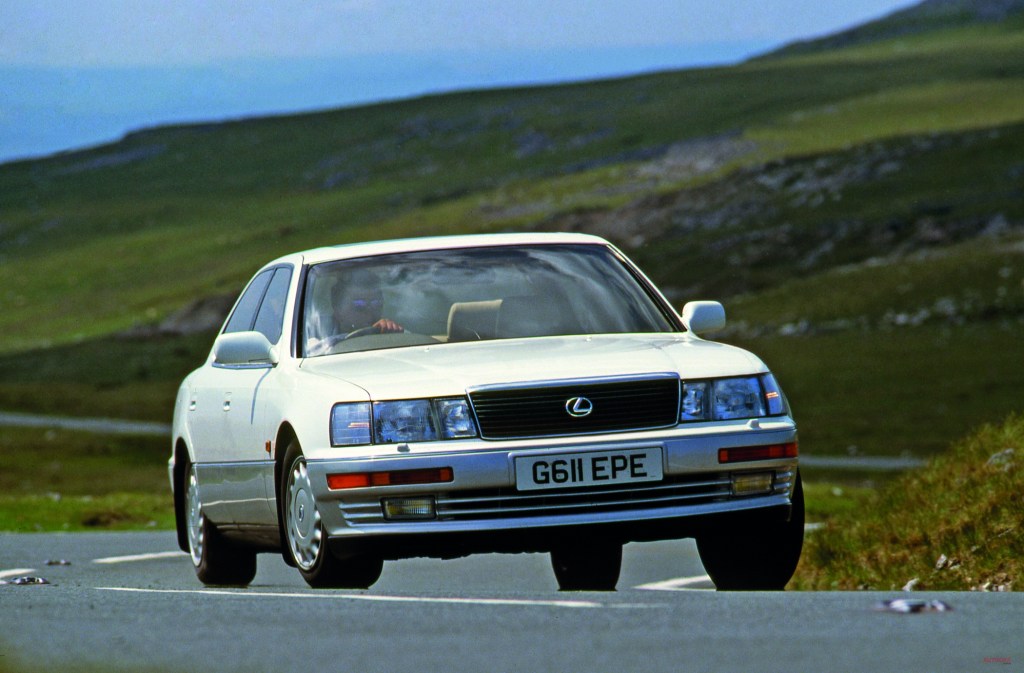
| Engine | Displacement | Power | Acceleration | Top Speed |
| 90° V8 | 4.0 L | 240-253 BHP | 7.9-8.0s | 241*-250 km/h 150*-155 mph |
Imagine this: you’re sitting in a movie theatre, eyes glued to the screen, completely immersed in the film. Everyone around you is just as captivated, their focus entirely on the movie. Suddenly, you feel a tap on your shoulder. You turn around, but before you can even register what’s happening… WHAM! A massive, resounding slap lands square on your face with such brute force that you find yourself on the floor, legs numb and useless. You flail your arms, but there’s no getting up… I think this vivid metaphor perfectly captures the impact left behind by the car we’re discussing today.
The first blow came in the 1960s. It wasn’t a single swift strike but a relentless pummeling. The Japanese attacked with affordable sports cars, and it almost resulted in two knockouts. They obliterated the entire British car industry, which flatlined – despite being dominant before the arrival of the Asians. Even the Germans pooped their pants. As the hype for sports cars began to fade elsewhere, in Japan, it was the opposite: cult followings for domestic brands began to emerge. However, the value of the yen kept dropping, and producing sports cars became less profitable. That’s when the focus shifted to luxury vehicles.
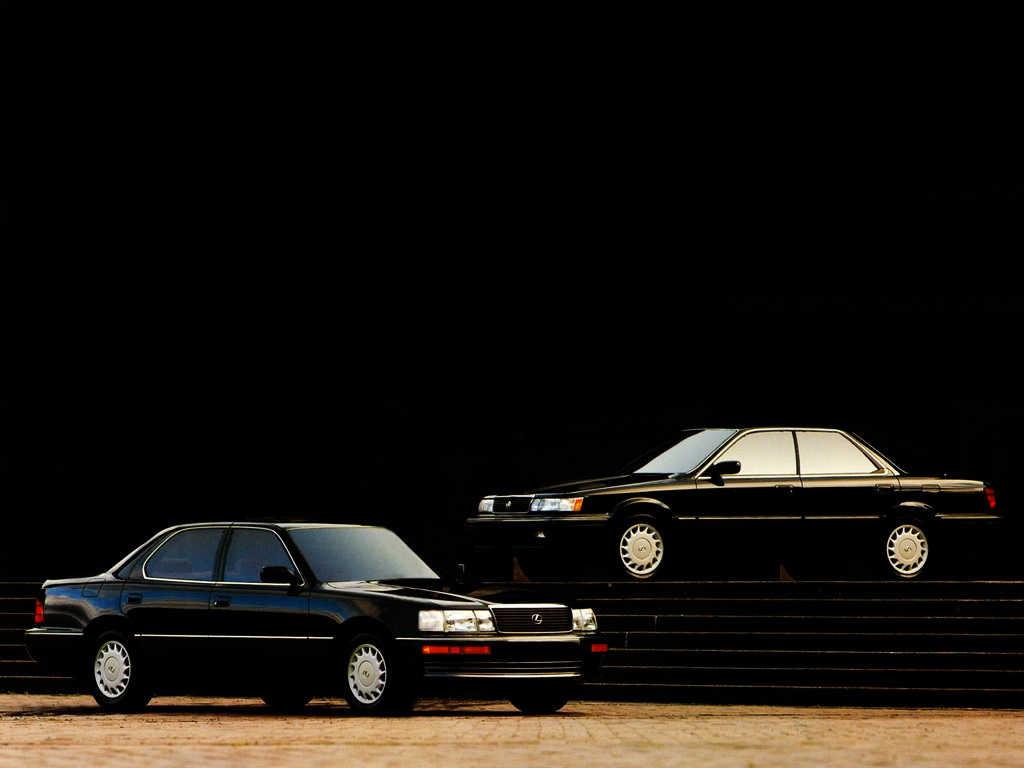
Honda went first. They found success with the Acura brand and the Legend V6, but in reality, it was more of a well-equipped Accord than a true luxury sedan. However, Honda wasn’t the main contender. The number one in Japan was Toyota, and both they and the second-place Nissan decided to compete directly with the best. Backing them was serious cash and production capabilities far beyond what Honda could muster. Let’s note that, at the time, Japan didn’t offer anything remotely on the same level as the E-Class – let alone rivals for the BMW 7 Series or the S-Class. But that was about to change.

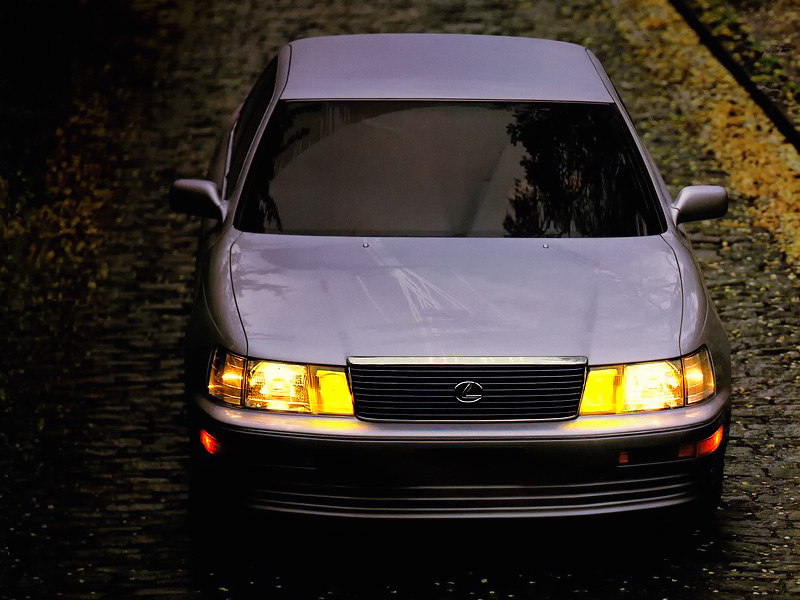
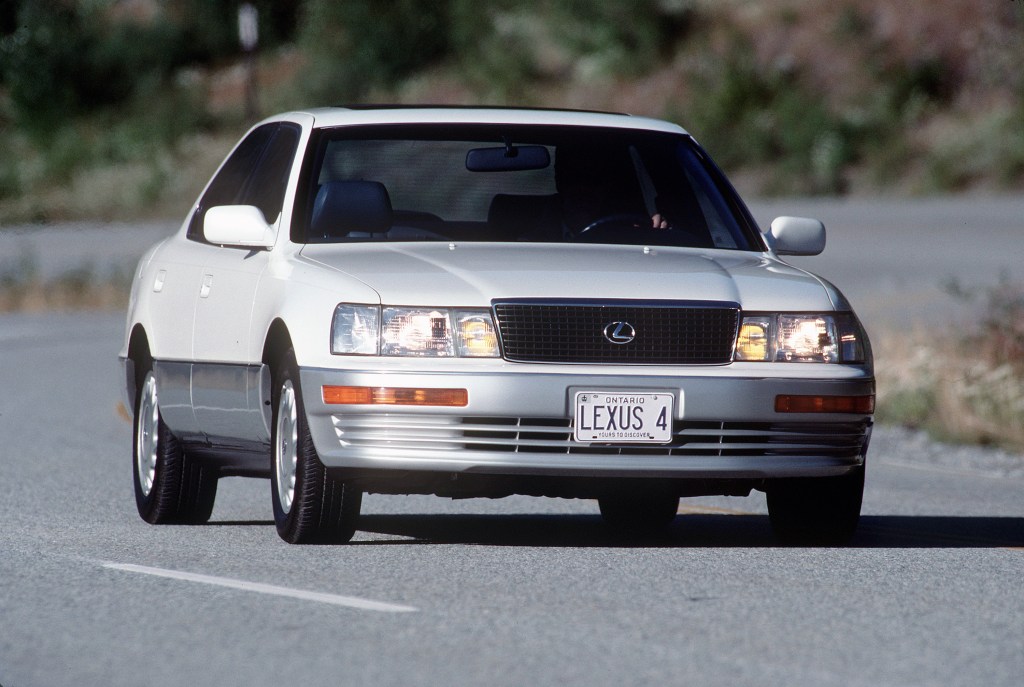
Toyota already had comfortable cars in its lineup. The Crown and Century sold well in Japan, but to gain global recognition, they simply wouldn’t cut it. We’re talking wool seat upholstery, lace curtains – seriously, get outta here… To appeal to the Western customer, they had to go above and beyond. So, they sent 20 scouts to America. They were conducting interviews, taking notes, filming videos, some weird anime porn with tentacles – literally all they could. They observed everything: what people wore, where they shopped, what cars they drove. They knew the size of their shoes if needed.
As early as 1983, Toyota’s president, Eiji Toyoda, launched Project F1 – short for „Flagship One.” The goal? To create a model unlike anything Japan had ever produced before. Engineers were tasked with building a car so groundbreaking it would obliterate the Mercedes S-Class – the brand synonymous with nearly a century of the ultimate luxury. And what would they use to achieve this? A Toyota. Yes, the same manufacturer known for the likes of the cheap Corolla. One of the project managers outright said, “This is impossible. There’s no way… Can’t be done.” Building such a car? It would require hundreds of engineers, creating hundreds of prototypes. He was dead wrong. Not the hundreds, but thousands. Nearly a thousand different variations of the engine alone were developed, and over 400 prototype cars were built for testing.
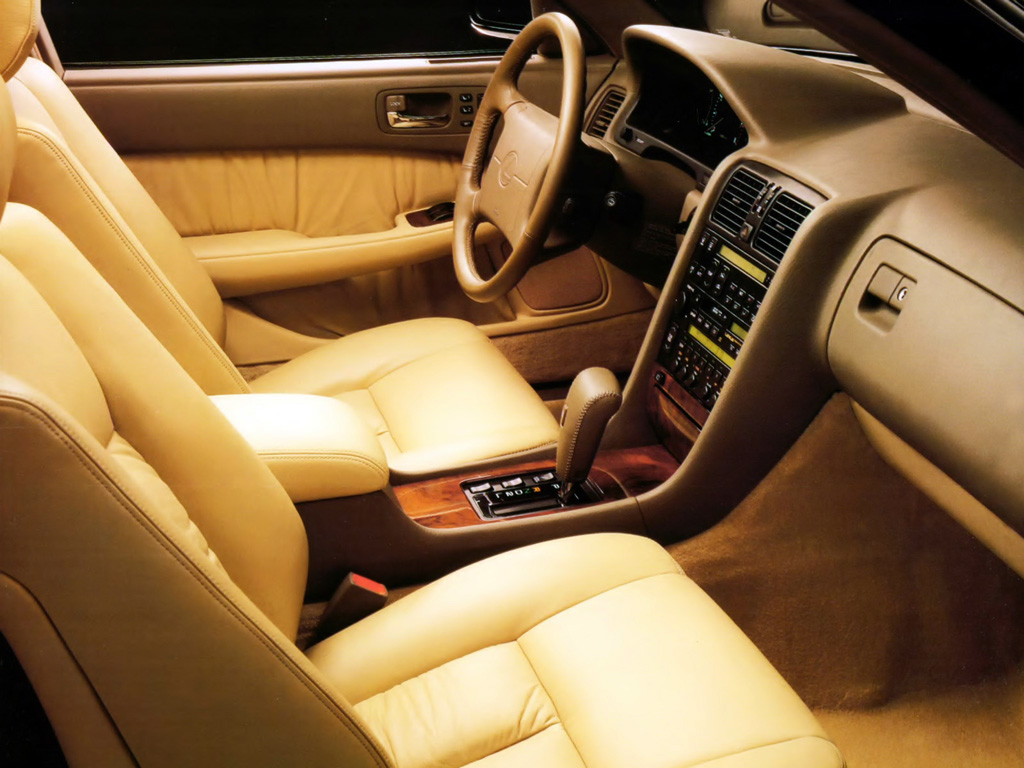

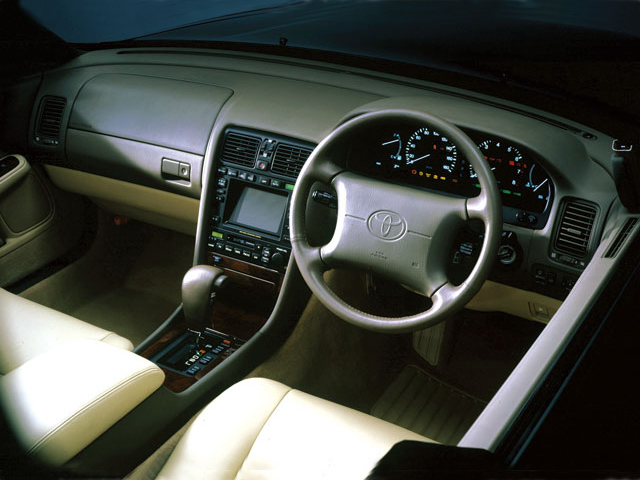
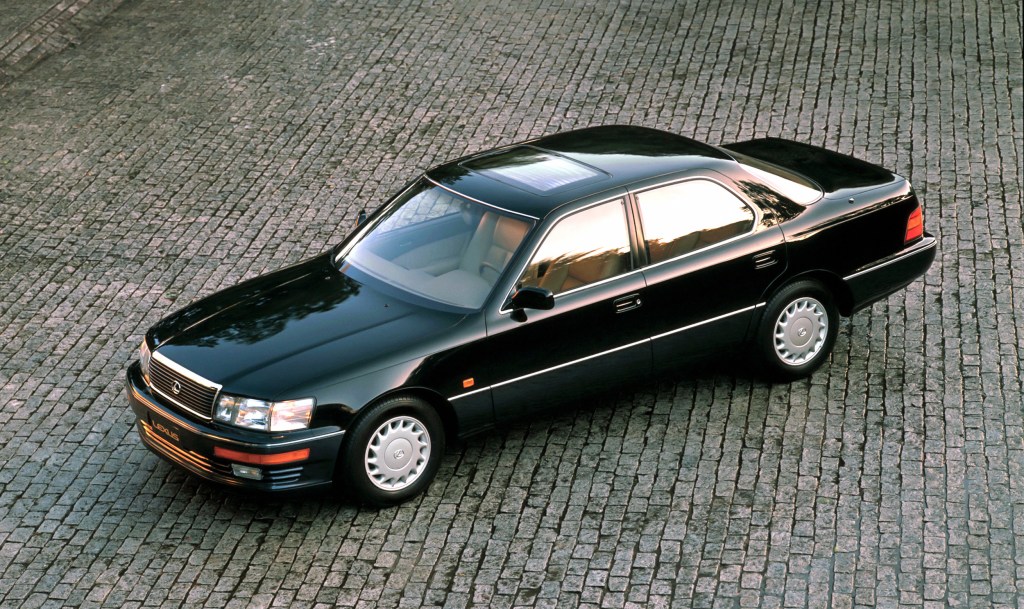
And there you can see it: the car that cannot to exist. The car that – as Toyota itself admitted – was impossible to create. Even with the best manufacturing techniques in the world (and let’s face it, the Japanese had no equal), this car simply shouldn’t have been feasible. And yet, here it was: the LS400. Around 4,000 people worked on the project. They weren’t given any deadlines; the job would be done when it was done. Cost wasn’t an issue. No shortcuts needed. They were free to do whatever it took. Two years before production even started, they were deliberating over 24 different types of wood, paired with various leather options, to find the ultimate combination for the interior. In collaboration with Yamaha – yes, the piano and violin maestros – they decided on California walnut for the trim. When the team debated whether their key design was good enough, the chief engineer pulled out a box containing keys from every car manufacturer imaginable to prove theirs was superior. This automobile packed over 300 innovative features for its time. There wasn’t much you needed to choose, either; nearly everything came as standard. Your choice was limited to options like a different radio or air suspension. Everything that mattered – everything good – was already included.
This car was the result of an enormous amount of work and dedication. It involved 60 designers, 1,400 engineers, and 2,300 additional technicians working across 24 teams over six years. They created 973 prototypes of the engine alone, developed in collaboration with Formula 1 specialists. They built 450 functional platforms and 14 full-scale models. Test drives lasted an unbroken 15 months. A hundred units were sacrificed in crash tests. They drove a staggering 2.7M kilometers across Germany’s Autobahns, the deserts of Arizona, and locations in Australia and the Middle East. Some sources even claim the figure was closer to 4.5M kilometers. This wasn’t dedication anymore – it was a downright obsession. The cost? Over a billion U.S. dollars – ridiculous money for a single model. Failure was not an option; success was the only acceptable outcome, regardless of cost. Initial forecasts predicted U.S. sales of 16,000 units, but in just one year, Lexus sold over 42,000 – far surpassing anyone’s expectations. The first thousand barely had time to hit showrooms before heading straight to customers. In the end, 160k units were sold, with Toyota never officially disclosing exact figures for the domestic Toyota Celsior variant, which played a minor role in these numbers. The vast majority of Lexus vehicles found homes in America, where the Japanese outperformed domestic automakers on their own turf. Lexus, with its debut model, became the best-selling luxury sedan in the U.S. market.
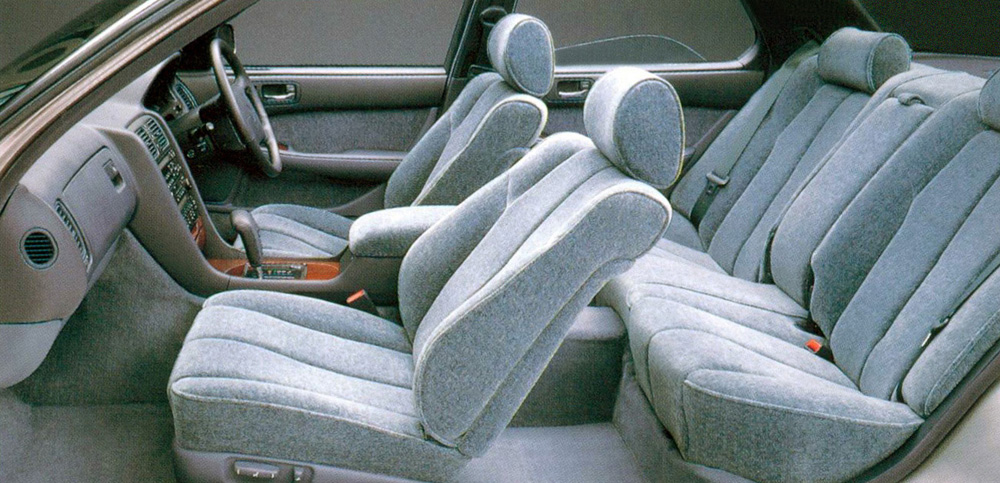
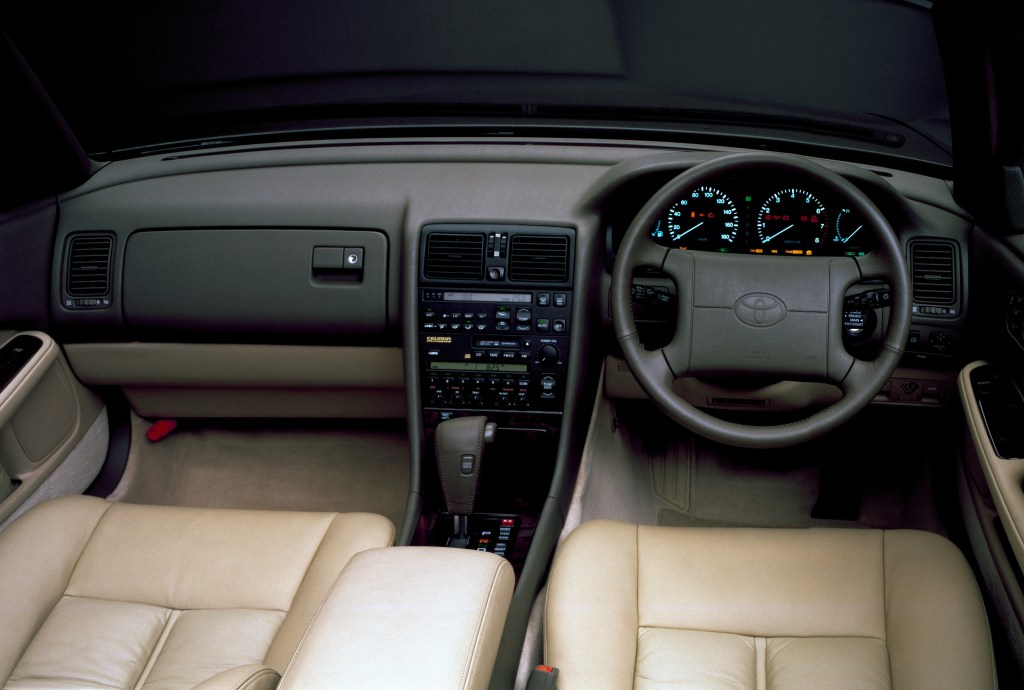
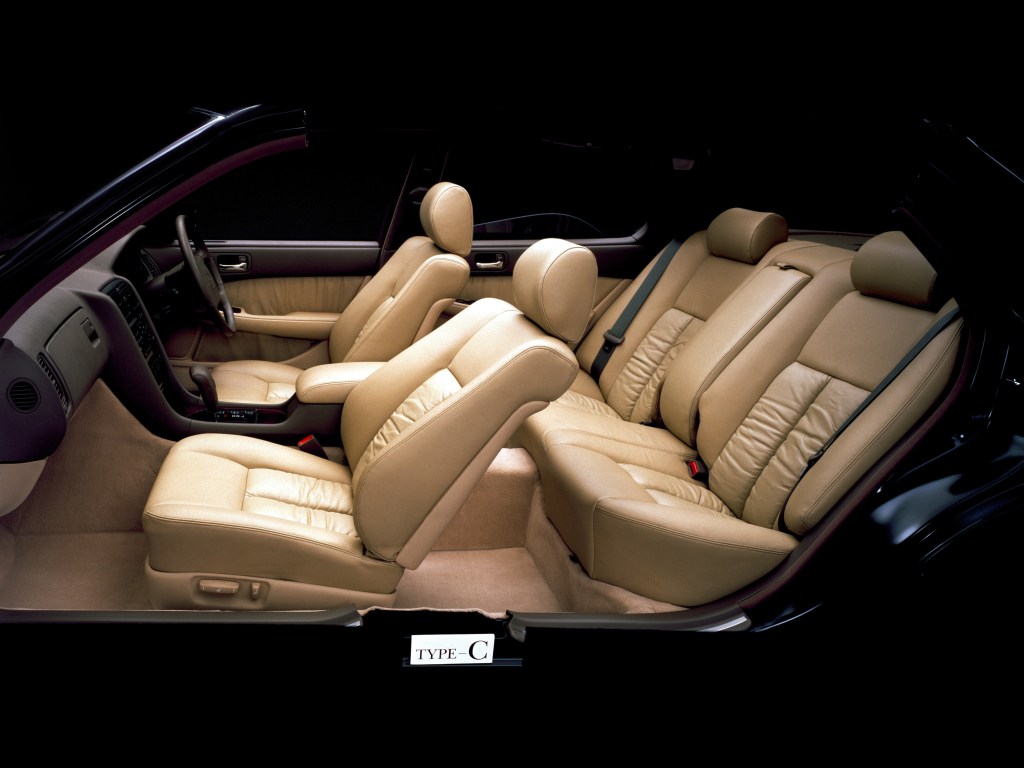
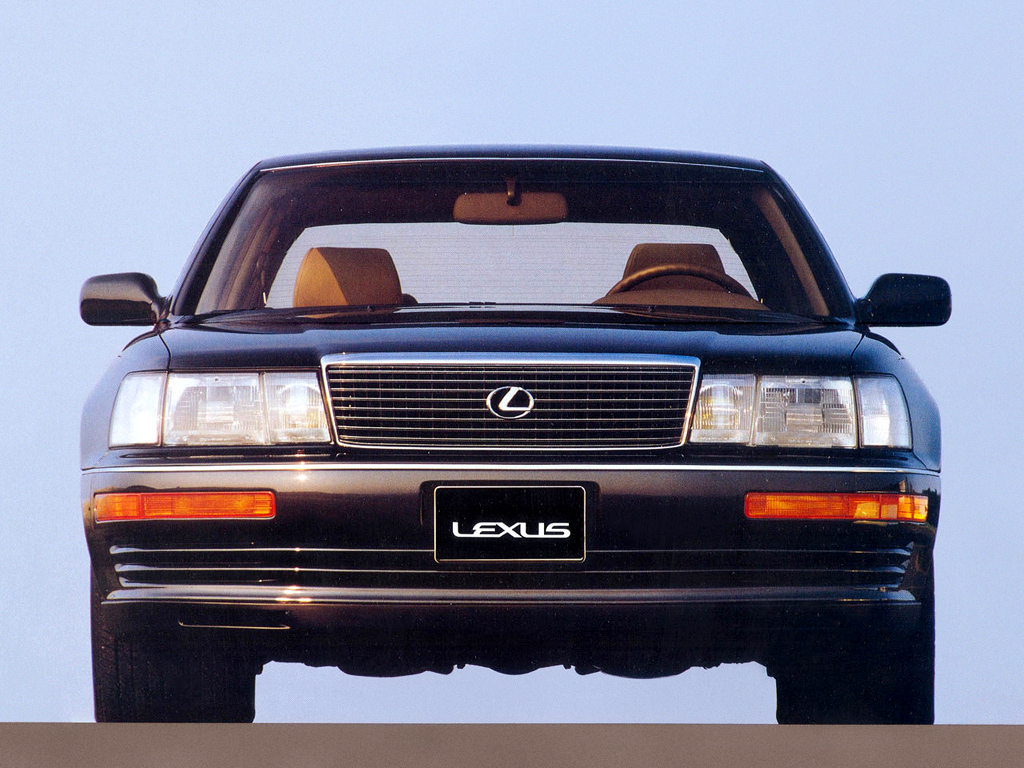
Both the Infiniti Q45 and Lexus LS400 aimed for the same lofty goals but approached them in vastly different ways. Infiniti followed the path set by the Jaguar, offering sleek, sporty lines and a potent V8 engine. Its suspension was tuned to deliver exhilarating driving dynamics, making it a car that stirred the emotions of its driver. Lexus, on the other hand, charted a completely different course. Where Nissan delivered a sports-oriented character, Lexus prioritized unmatched ride comfort. Infiniti’s spirited approach could not rival the refinement of Toyota’s engineering. The interior of the LS400 wasn’t designed to provoke excitement – it was inspired by the best generation of the Mercedes-Benz S-Class, emphasizing calm sophistication. The attention to detail in the Lexus far surpassed that of any Mercedes. Though the car’s conservative styling might resemble a rolling credenza, it boasted the best-in-class drag coefficient of just 0.29. Even the quality of the paint that coated its bodywork was leagues ahead of any European counterpart. Lexus was built in the same factory as the Supra and Soarer, but it had its own dedicated production line and over 1,600 bespoke quality control processes. If the car couldn’t crush Mercedes, Jaguar, Audi, and BMW on all fronts, it wasn’t allowed to leave the factory. The assembly line was so clean that technicians were required to wear lab coats – a level of sterility and precision that McLaren now employs in its facilities, but Toyota pioneered as early as the 1980s.
The V8 they designed was a masterpiece of engineering – silent and silky-smooth. The 4.0-liter, 32-valve DOHC engine was so exquisitely balanced, it was nearly impossible to tell if the engine was running if not looking at the tachometer. The motor was subtly tilted backward to reduce vibrations, mounted on hydropneumatic supports, and featured a revolutionary valvetrain design that further minimized any residual tremors. Lexus engineers left nothing to chance, ensuring an experience of unparalleled refinement. For promotional purposes (and yes, you can still find these ads on YouTube), they placed a pyramid of wine glasses on the hood and accelerated the car to 220 km/h. And what happened? Nothing happened. Not a single glass tipped over. Swiss watches were crap compared to this engine. It’s very likely that this was the finest V8 to ever power humanity.
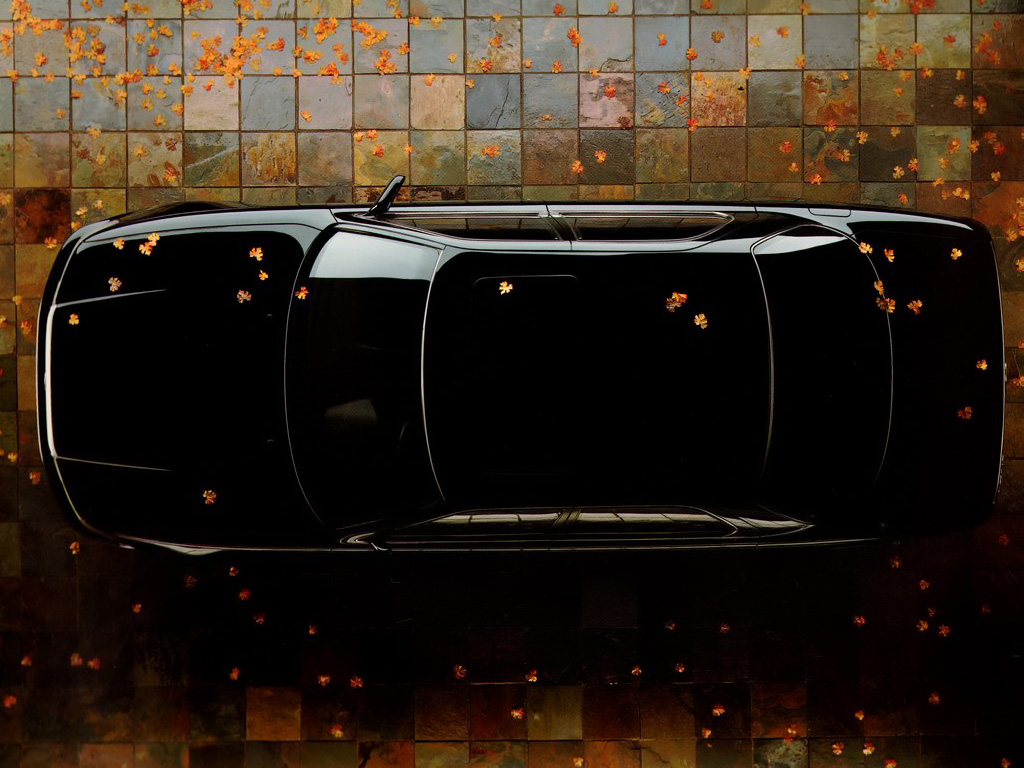
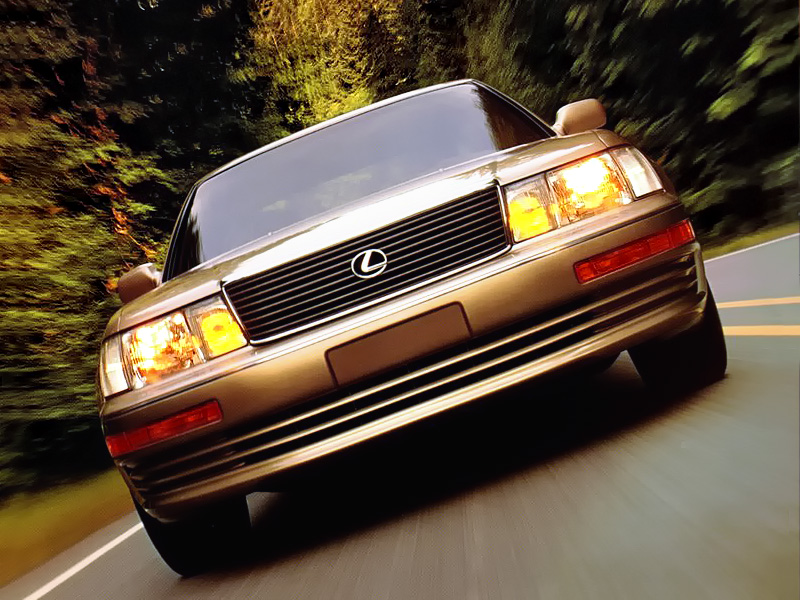
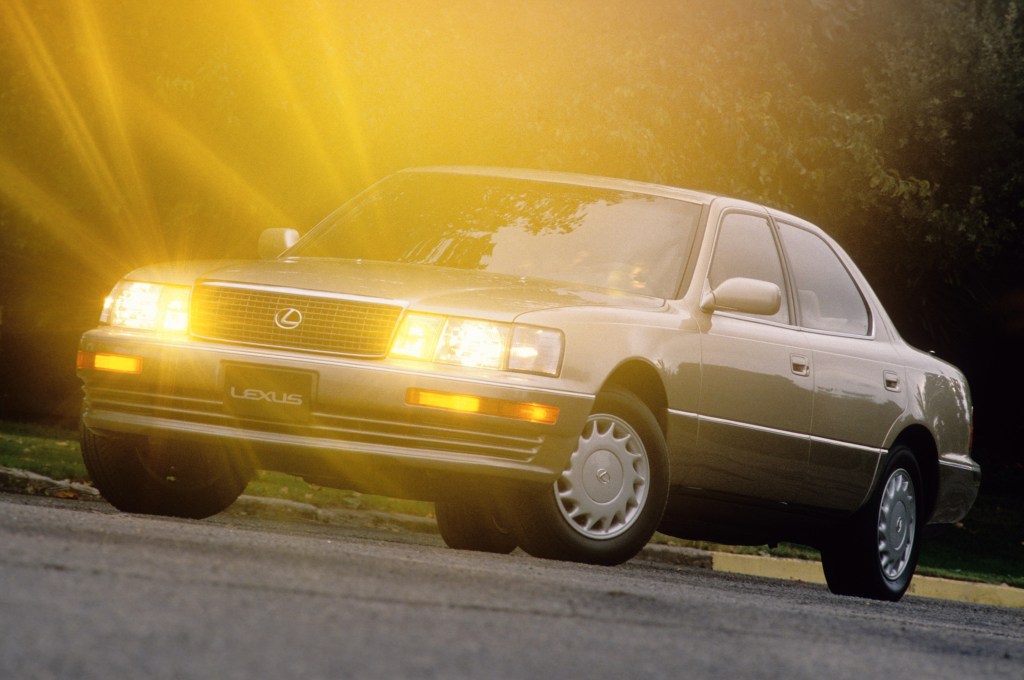
Its transmission – an indestructible 4-speed automatic – was responsive, lively, and seamless in operation. Thanks to its communication with the engine management computer, it could automatically match revs before shifting gears, ensuring silky-smooth transitions. Moreover, it adapted itself to the driver’s style, whether relaxed cruising or spirited acceleration – it could read your mood without fault. This car doesn’t just drive – it glides. Traveling in it was an experience of supreme comfort and near silence. With the introduction of the LS400, Toyota redefined the benchmark for interior quietness and refinement. Not even the S-Class offered such tranquility and comfort within its cabin. Even minor details were engineered to perfection: the windshield wipers adjusted their resting position based on vehicle speed, reducing wind noise at higher velocities. While the Lexus might not have delivered the dynamic driving experience of a BMW, its 250-horsepower V8 was more than sufficient to deliver comparable performance. On the highway, the Lexus outpaced its German rivals. It was lighter and benefited from a superior drag coefficient, making it faster and more efficient at high speeds. This wasn’t just a luxury sedan – it was a quiet revolution on wheels.
If you’re asking yourself right now whether Toyota was a good enough car to destroy the European competition, the answer is simple. Absotively posilutely. European newspapers were writing about how the launch of the Lexus sent a clear message to all the manufacturers from the old continent – and from across the ocean – that a storm was brewing, and it was headed straight for their pants. In Europe, they were saying that yes – Toyota lacked the prestige to compete – but that wouldn’t last forever, and it was only a matter of time before they made their mark. And that was the only flaw of this model. The Motorweek couldn’t find a single weak point. Top Gear called the Lexus „terrifyingly good.” Americans immediately ranked it first. They recognized it as better not only than Mercedes (using the 420SEL as a reference), but also far superior to BMW, Infiniti, Audi V8 Quattro, or Jaguar Sovereign. And it wasn’t just „better” – it was easily surpassing anything. There was no match to Lexus, only a huge gap before everyone else.
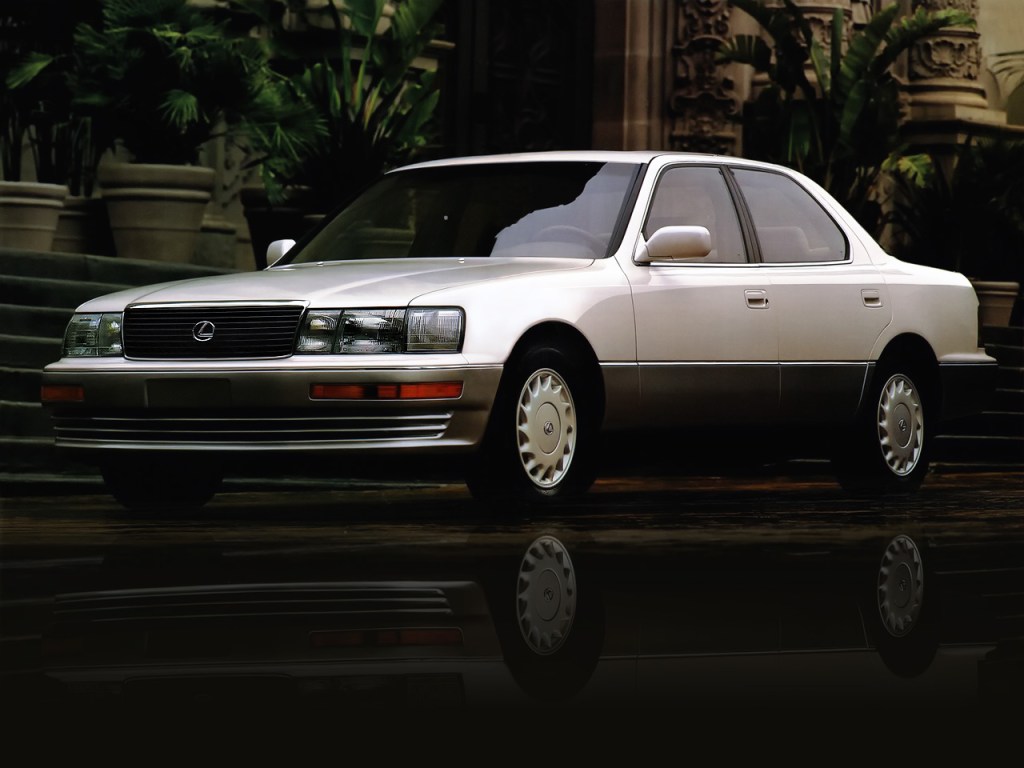
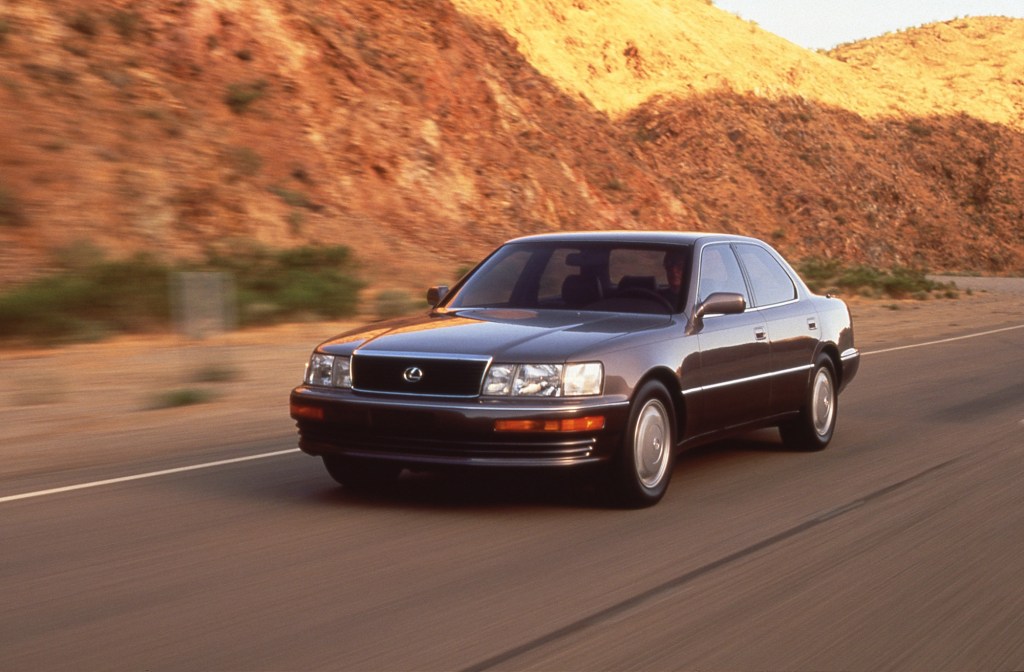
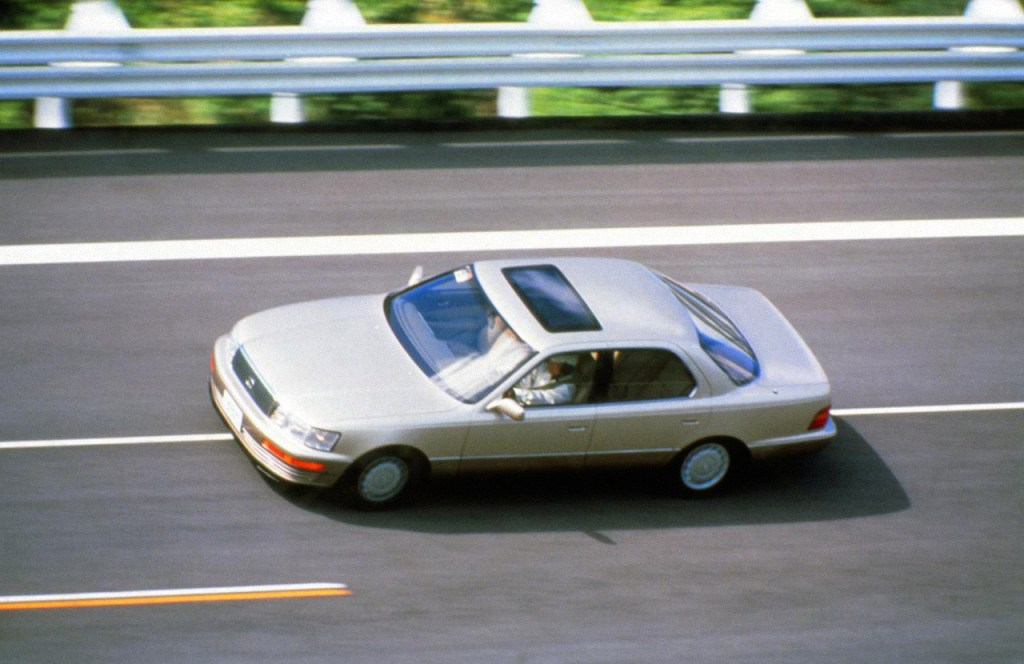
There were some issues, of course. 8,000 units were already shipped to America when two people complained about some cables that caused the battery to die quickly, or about a light at the back not working, or something like that. Just some petty stuff. The cruise control sometimes wouldn’t turn off – in cars that were already on the road. It wasn’t much – just a few thousand working cars, and the faulty ones could be counted on one hand. In theory, they could just ignore it… But that’s not what they did. Get this: Two complaints came in, and they called back all 8,000 cars, whether they were working or not, didn’t matter – they recalled every single one. Normally, you’d think… no fucking way. I’m not going to waste a month driving to the service, giving up my car that I actually need, waiting who knows how long – without a car – and then coming back. You’d have to take time off work, figure out transport home… Now, listen to this – none of that was ever your problem when you were a Lexus owner. The manufacturer sent out 8,000 little Chinese guys from Toyota… or maybe it was one guy who just made 8,000 trips? Who the hell knows. So they sent these little guys to pick up each car. They’d take it from your home, drive it to their place, tinker with it where needed, and then drop it back at your house. Full of gas, washed, polished, pampered so that it looked better than it did at the dealership – and they even left a bottle of something in there as a parting gift. Let me remind you, we’re not talking about Rolls-Royce here; this is Toyota’s customer service we’re talking about. The same brand that makes Corollas. And guess what, it didn’t even take them a month. They handled everything in 20 days, done and sorted. In 20 days, you can’t even get through to Jaguar’s service. None of the cars built after that ever had those problems again. Mercedes had positive reviews from 77 percent of users at that time – which was a record in America. Over 96% of Lexus customers rated their service and support as „good” or „excellent.” And that’s all I got to say about that.
The facelift in 1991 involved over 50 changes. But wait, was there something wrong with the previous model? Not at all – it was simply a matter of listening to customer feedback. They added bigger brakes, larger tires, power steering, and a few new colour options. Nothing dramatic. The car was already perfect. It didn’t need any improvements. These vehicles, nearly 40 years old now, still perform exceptionally. They haven’t lost any of their comfort. The seats are worthy of the Führer himself. There’s no couch better anywhere. Every button on the dashboard works. There was an employee at Lexus, whose sole job was to press every and any switch on the dashboard to ensure each one made the desired sound. That was his only task. The materials used to make the interior still impress today. The engine delivers power without hesitation, even decades after production. The car doesn’t feel sluggish in the slightest. Even after all these years, even with the air conditioning running full blast. Toyota guarantees that these V8 engines do 250,000 miles, no problem. Cars exist with 1.5 MILLION kilometers on the clock – and still drive like new. There are cases – more than one, and more than two in America – where Toyotas with over a million miles on the odometer are cruising around, having driven the distance from Earth to the Moon twice and still not complaining. There are such that have never broken down.

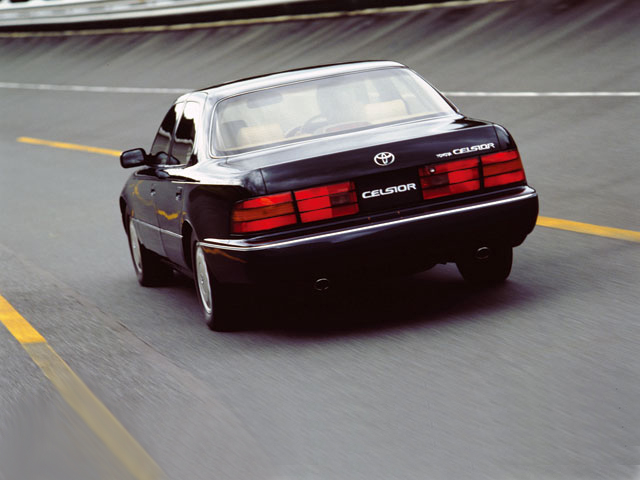
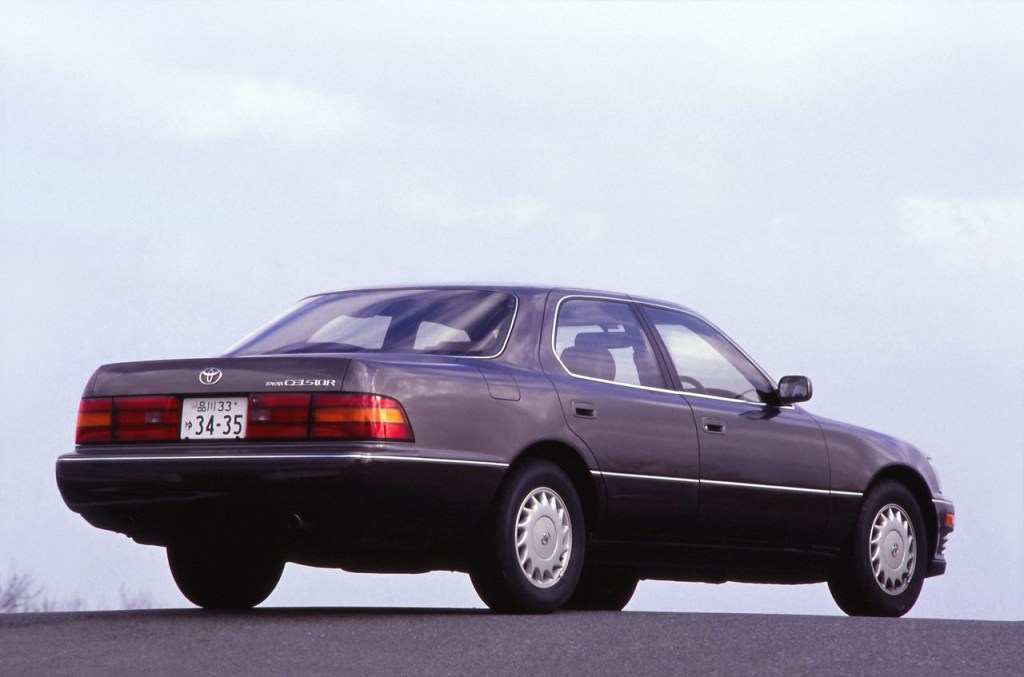
German rivals could not believe it. Lexus was a nobody – a brand that had just emerged – and it could take on their best with such ease. And win so dramatically. Japanese car was a better choice – not because more comfortable than the German limousines. Not even because just faster. The fact it was more reliable was not the reason, either. It was because it was better thought through. It had no downsides. It was planned to make no compromise and designed to take no prisoners. Chief Engineer Ichiro Suzuki once said, that if they had stepped back just for once – the whole project would have failed. They would have resulted with a average car and that was not their goal… The best car made by men – and you can get it quite cheap today.
Krzysztof Wilk
All sources: TO BE ADDED
 SRT
SRT 