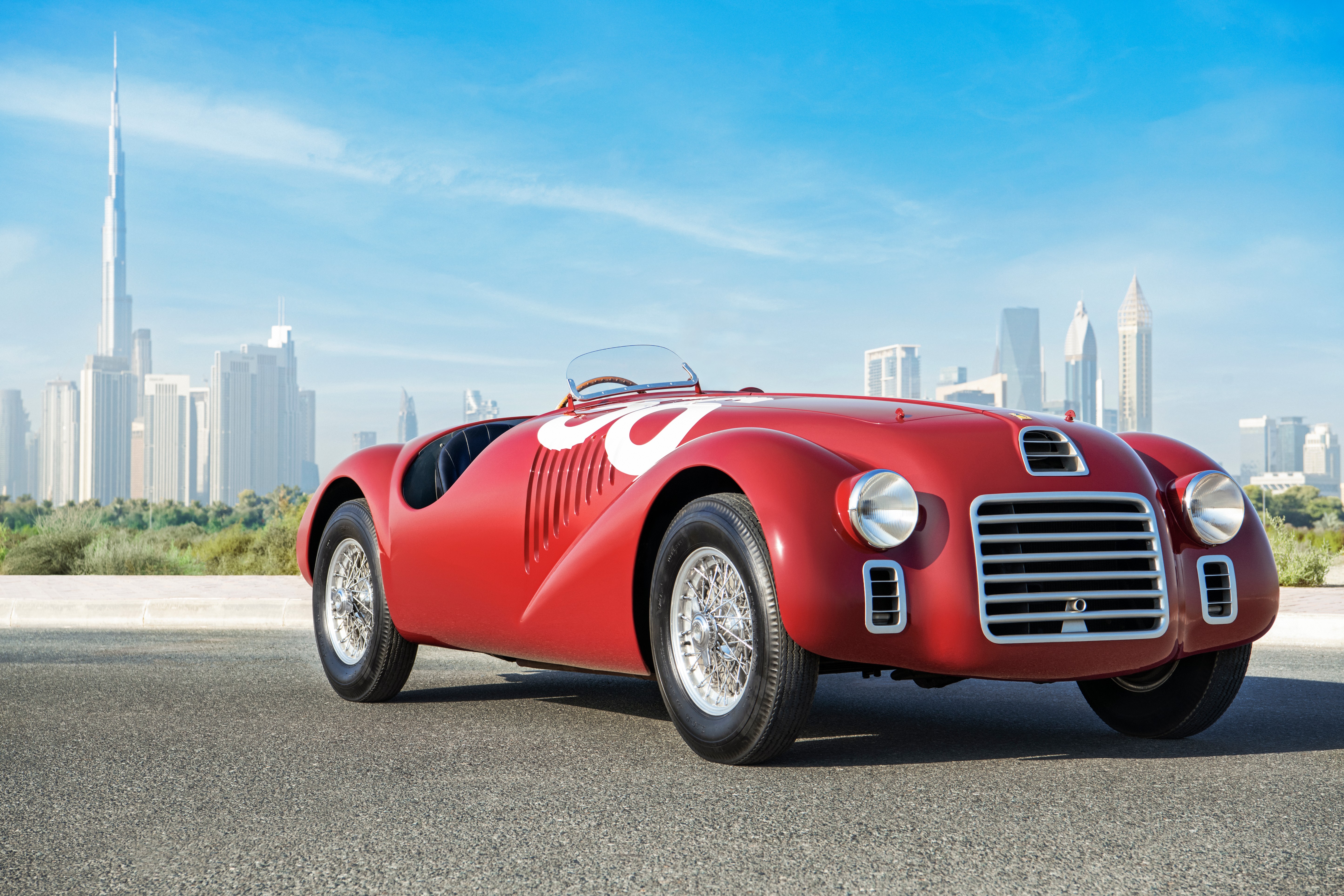
| Engine | Displacement | Power | Acceleration | Top Speed |
| V12 | 1.5-2.0 L |
Ferrari is all different. Enzo never wanted to build production cars. That was never his dream. Racing was always the goal. It is, however, a rather expensive hobby – and some top-level series simply require running road-going examples for homologation in order to compete at all. So for Enzo, motorsport was the calling, and building cars for civilian customers was merely a necessity. A job he didn’t really want – but one he showed up to, because he simply had to, in order to fuel his racing ambitions.
You have to look at Ferrari differently. Usually the situation is clear – take Porsche, for example… Everyone knows what’s what. For over half a century, ‚the Porsche’ essentially meant the flagship 911 paired with some accompanying model – often more conventional, with more accessible performance and a friendlier price tag. Over the years that role was filled by the 912, 914, 944 and the Boxster.
Lamborghini followed a similar pattern: a flagship supercar paired with a weaker and more affordable sports car. Miura and Espada. Countach and Jalpa. Murciélago and Gallardo.
Jaguar was different – but just as clear. For most of its history, Jaguar meant a sports car: starting with the XK120, then the E-Type, the XJS that replaced it, followed by the XK8 and eventually the F-Type. That was one side of Jaguar. The other face of the brand was its line of flagship XJ luxury sedans. Beyond the sports car and the XJ, there was rarely anything that truly lasted over time. Of course, you’ll find exceptions to all of the above – SUVs, for instance – but that’s a relatively recent trend, and not one worth focusing on, so I’m not counting it.
And so everything is clear… but Ferrari is all different. In truth, the brand doesn’t really have a direct rival. There are no true equivalents. They don’t build sedans, they don’t build cars for the masses. Ferrari’s lineup consists almost exclusively of sports cars.
And you might say that Porsche or Aston Martin are natural Ferrari rivals – yes, but which ones? What Porsches and what Ferraris? Why one model and not the other? All of their cars are powerful, fast, beautiful and exclusive. Quite often, they’re not obtainable by money alone – the opportunity to buy certain models has to be earned in other ways. For example, by having prior experience behind the wheel of a Ferrari and owning a sufficient number of the brand’s more accessible cars.
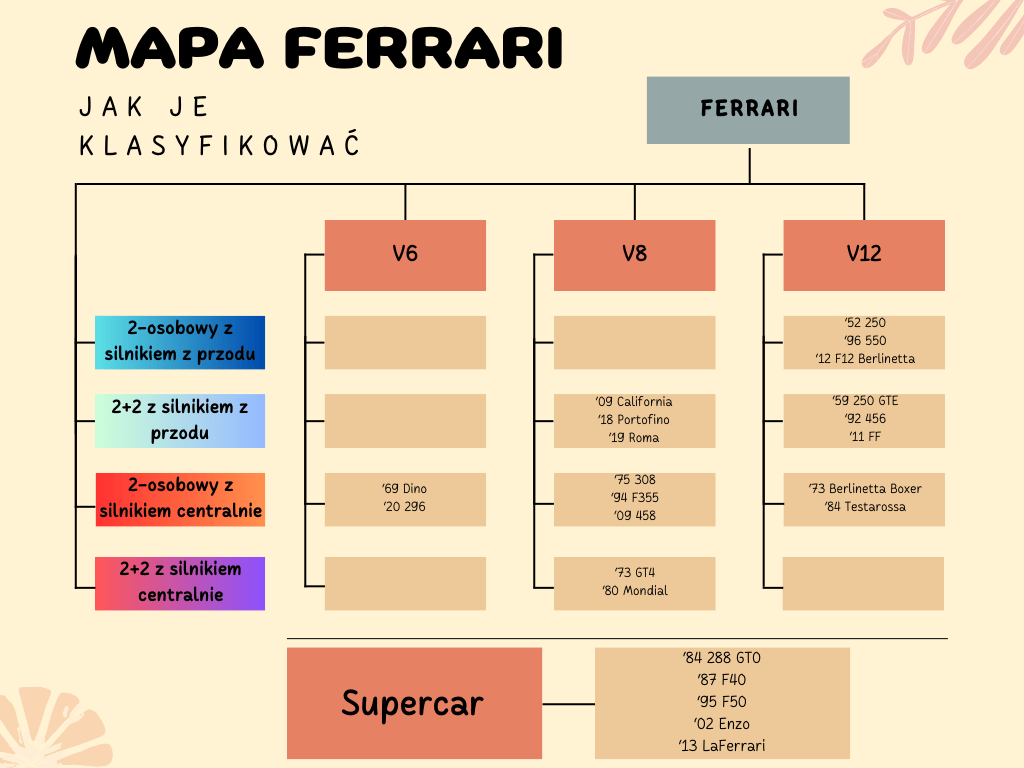
So how do you decide which one is the flagship? Can any of them even be called that? Which model is the continuation of which? There is a way to quickly identify any Ferrari – a way that lets you understand, in just a few seconds, exactly where to place it on the map. A method so effective that we’ll be using it in all articles covering the brand’s road cars.
To truly understand Ferrari’s cars, you need three pieces of information: the type of engine, its location, and the seating layout. Starting with the first data point – Ferrari built cars with V-shaped engines featuring 6, 8, or 12 cylinders. That engine was always mounted either at the front or in a mid-engine configuration. The final criterion is the seating layout, which came in two variants: strict two-seaters or 2+2.
And that already tells us a lot about their models, because that data allows us to easily determine that, for example, the Testarossa is the successor to the Berlinetta Boxer – since it replaces a two-seat mid-engined V12 coupé. In their case, it was a flat V12 with a 180-degree angle.
And that’s really all you need to know. Performance figures, horsepower, price, even the name – irrelevant. With those basics, we can easily determine where both models sit on the X-axis. Alright – now that we’ve got that out of the way, let’s get to it…
Enzo had been involved in motorsport since the early 1920s. He had some modest success as a driver. Won some golden thong behind the wheel of an Alfa Romeo, picked up a waffle award. Nothing spectacular – but you can’t say he was a complete failure either.
It wasn’t until the end of the decade that things really took off, when Enzo founded his own team, racing in the official Alfa Romeo colors. And that’s when they absolutely wiped the floor with the competition. For two reasons – first of all: they had the best technical mind in the business, Vittorio Jano. And second of all: they had the best driver, ok – Tazio Nuvolari, of course. Champions League dream team. You won’t change my mind.
These guys were delivering such carnage on track that Alfa handed over the entire racing program to them with a kiss on the hand, happily focusing on building road cars instead – because Enzo had it all sorted. Everything handled. Easy life.
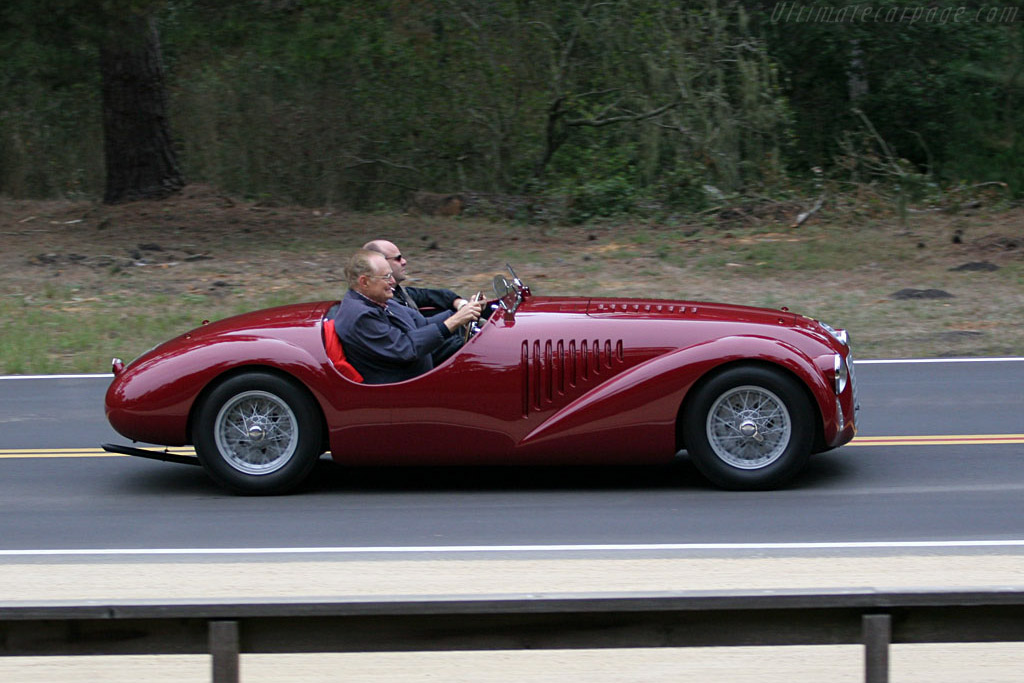
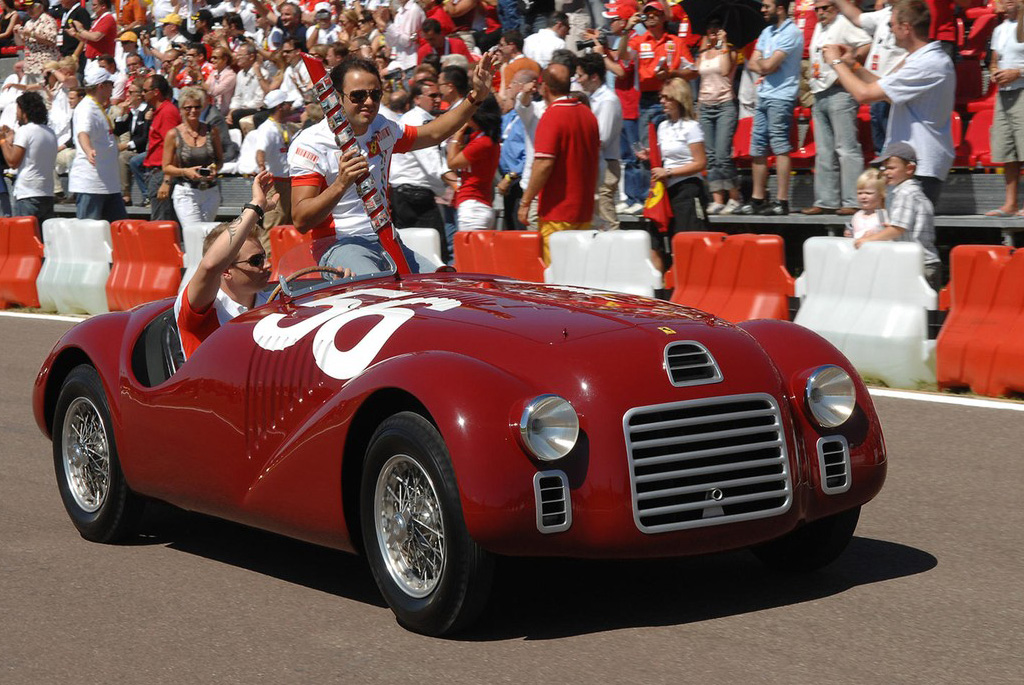
Unfortunately – or just the opposite! – after nearly two decades of cooperation, Enzo Ferrari had to face his first schism. The one that would ultimately give birth to his automotive empire. The partnership with Alfa Romeo was over – and from that moment on, the fastest cars in all of Italy – hell, in Europe, maybe even the world – would wear the Ferrari badge.
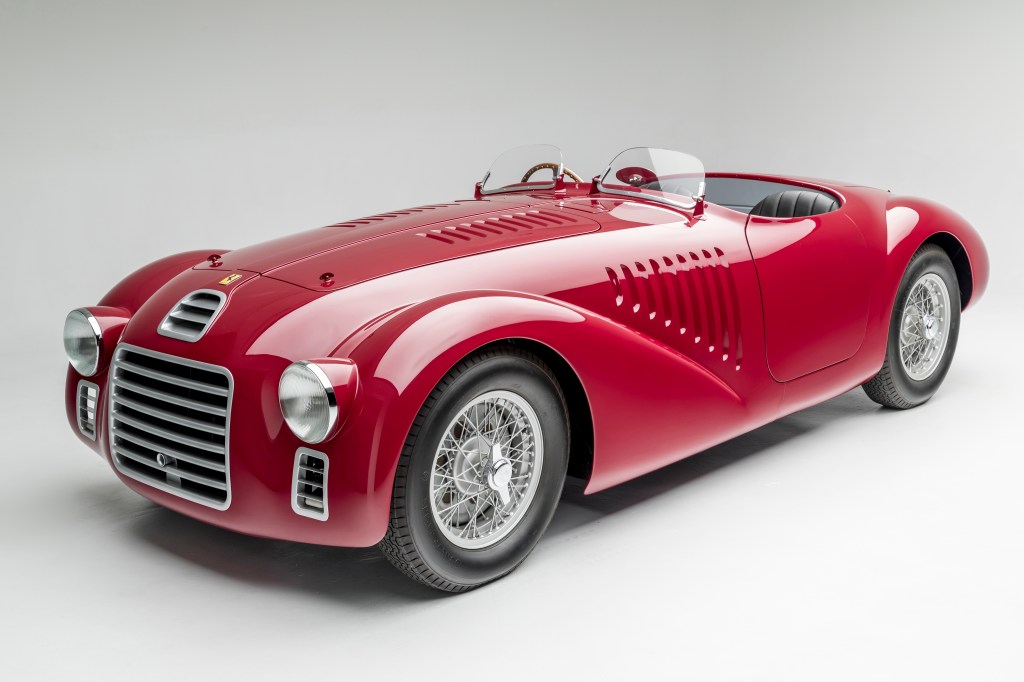
And although the first ‚Ferrari’ was still the AAC 815, built largely from Fiat parts, after the war Enzo was finally free to use his own surname however he pleased. He wanted to bring Jano back into the fold for his new venture – that didn’t quite work out, but he did manage to secure a certain Gioacchino Colombo. The two already knew each other from their time at Scuderia Ferrari Alfa Romeo, where they had both been involved in projects like the 158. And what a machine that was – fuck me, that’s story another story for sure.
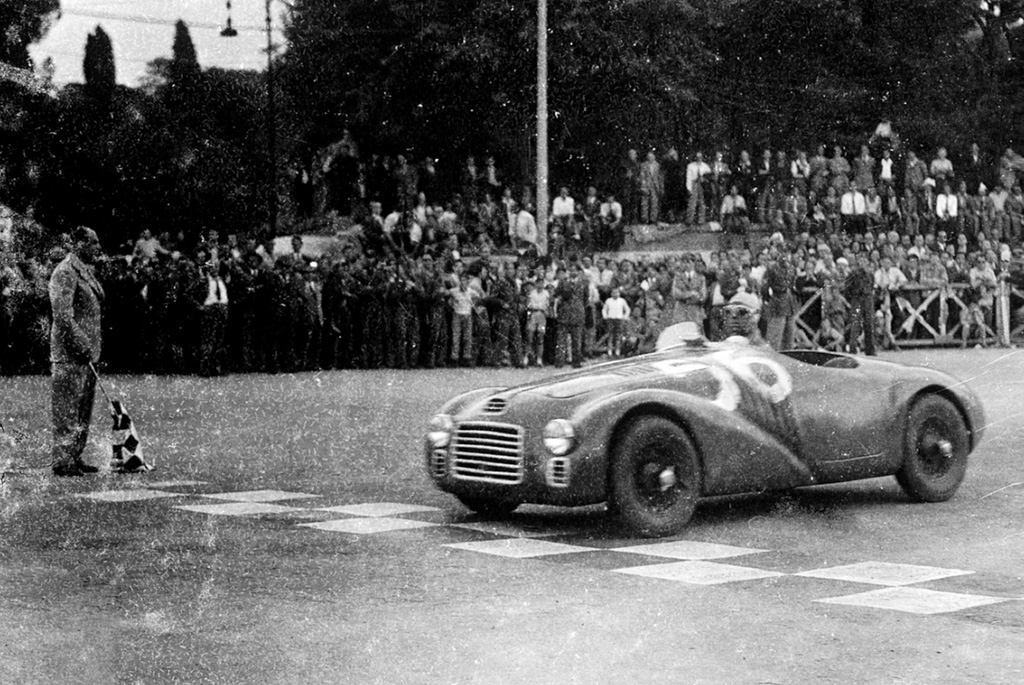
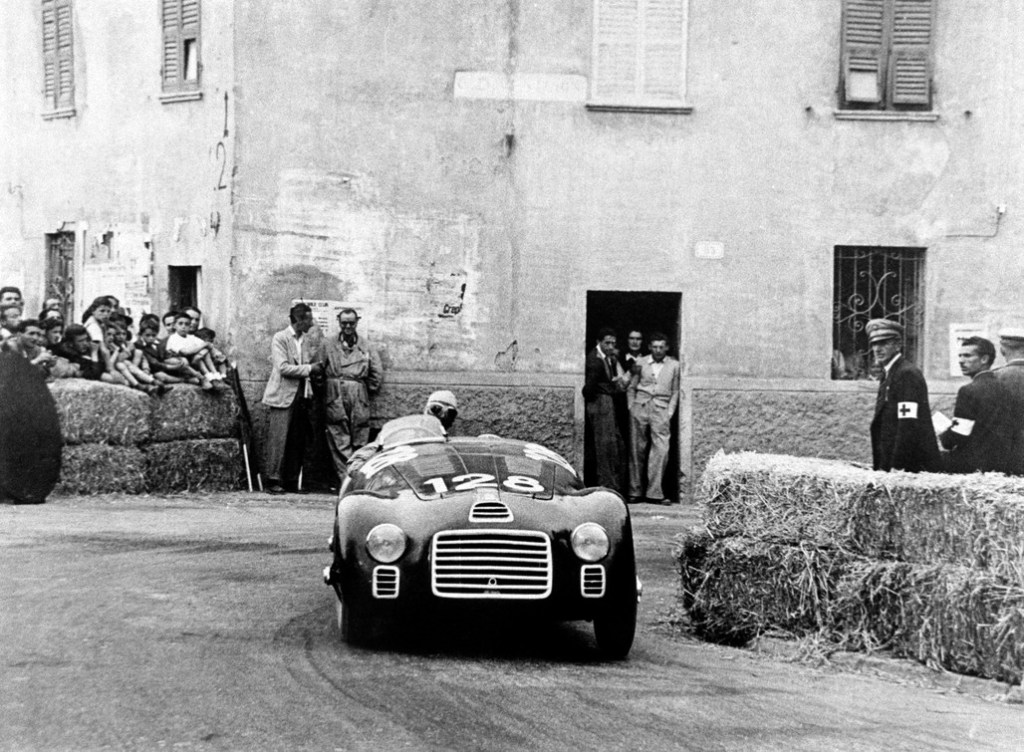
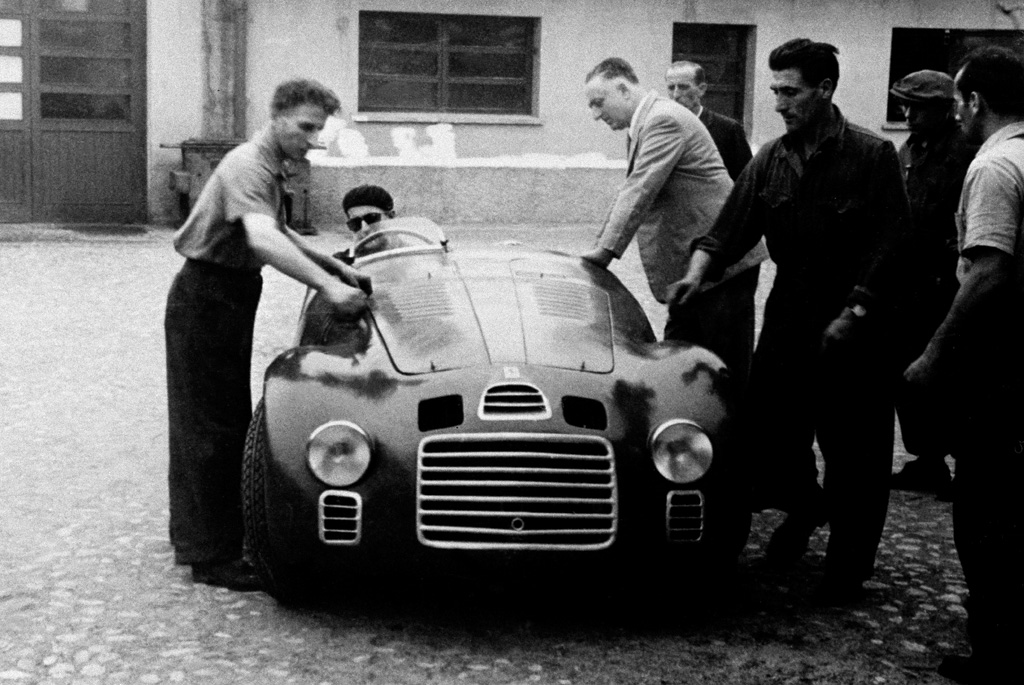
You may not like him, but let’s be clear about one thing – Enzo Ferrari was not stupid. He understood that the world rebuilding itself after the war would not be the ideal market for expensive, high-maintenance sports cars. That’s why Colombo’s task was to design a platform versatile enough to appeal to a broader range of customers.
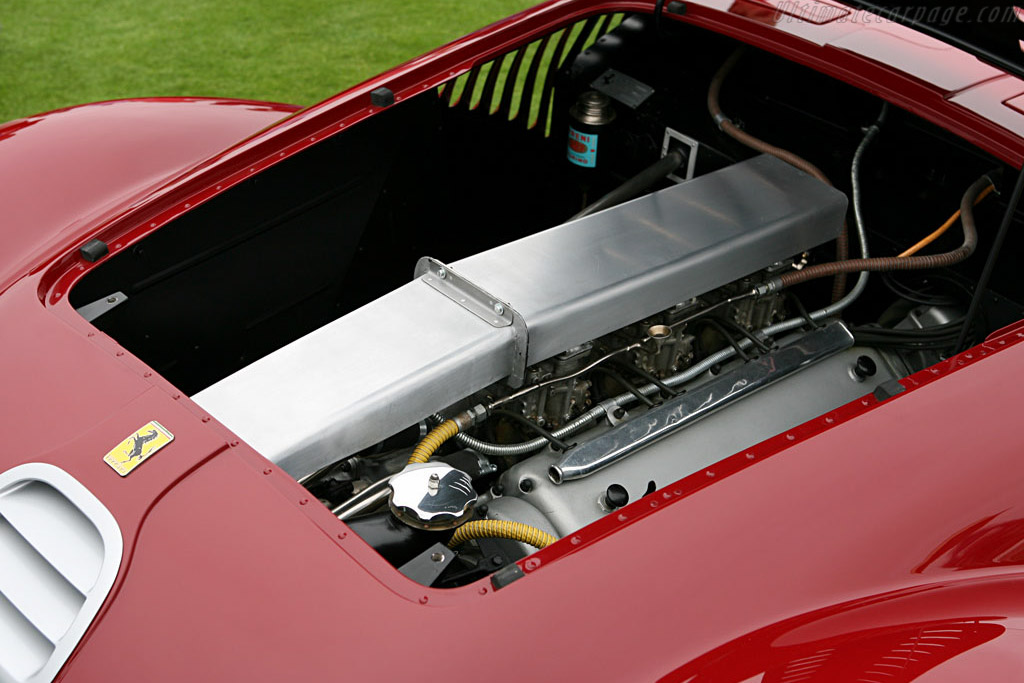
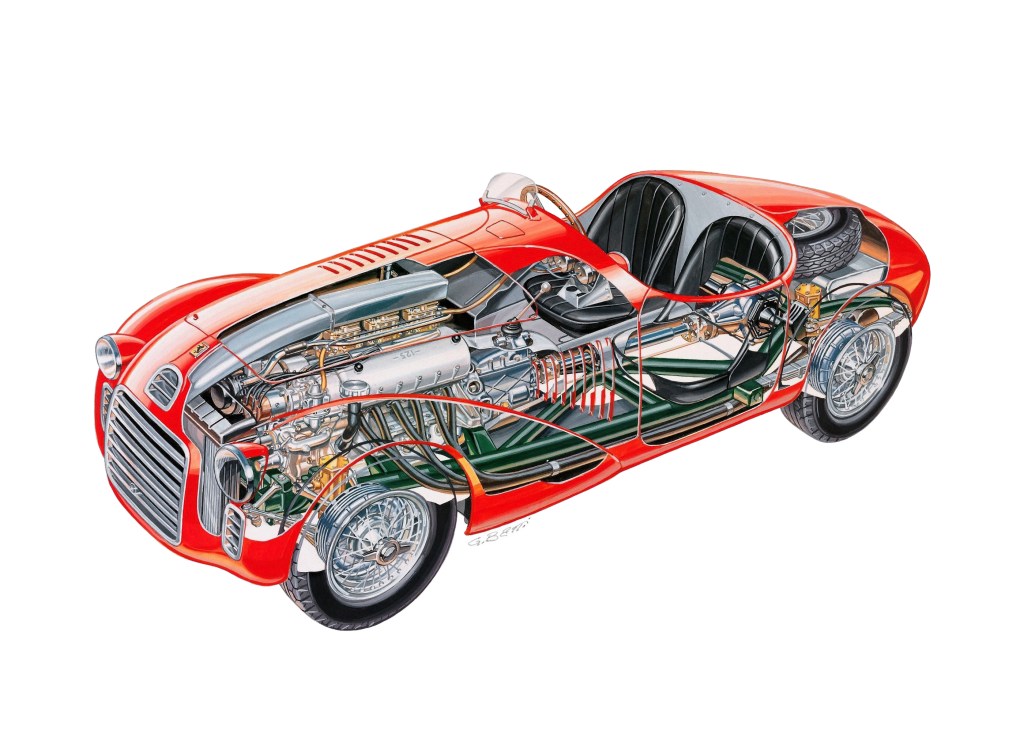
What he devised was a fairly simple tubular spaceframe and a V12 built in the old Scuderia Ferrari style, with a 60-degree bank angle. Nothing revolutionary, really – but you don’t change a winning team, do you…
The engine was to displace 1.5 liters – and get this: it was probably the smallest V12 in the history of our galaxy. Naturally aspirated it could comfortably power road cars, and all it took was adding a supercharger to make it do serious work on the track. And since it was only 1.5 liters, it qualified for all the Grand Prix categories without any trouble. Made sense.
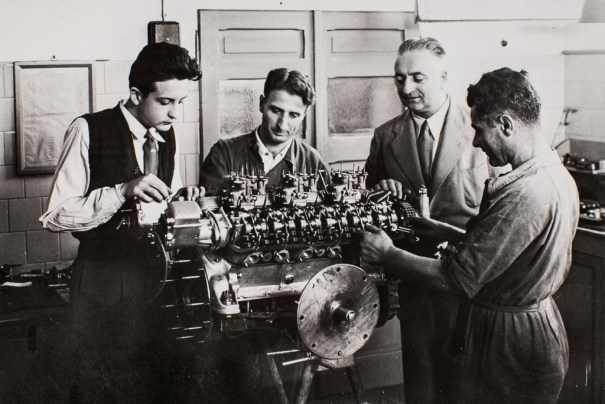
Unfortunately, Colombo returned to Alfa Romeo, so a man by the name of Aurelio Lampredi was brought in to continue the work at Ferrari. Those engines had a few issues – he was the one tasked with sorting them out.
The name came from the engine variant used – specifically, the displacement of a single cylinder – and it’s a tradition that would stay with the brand for years to come. In March 1947, the first example came to life. By May, Lampredi was gone as well. A second car was built, but it differed quite significantly from the first. The early version was a conventional roadster; the new one had fully exposed wheels.
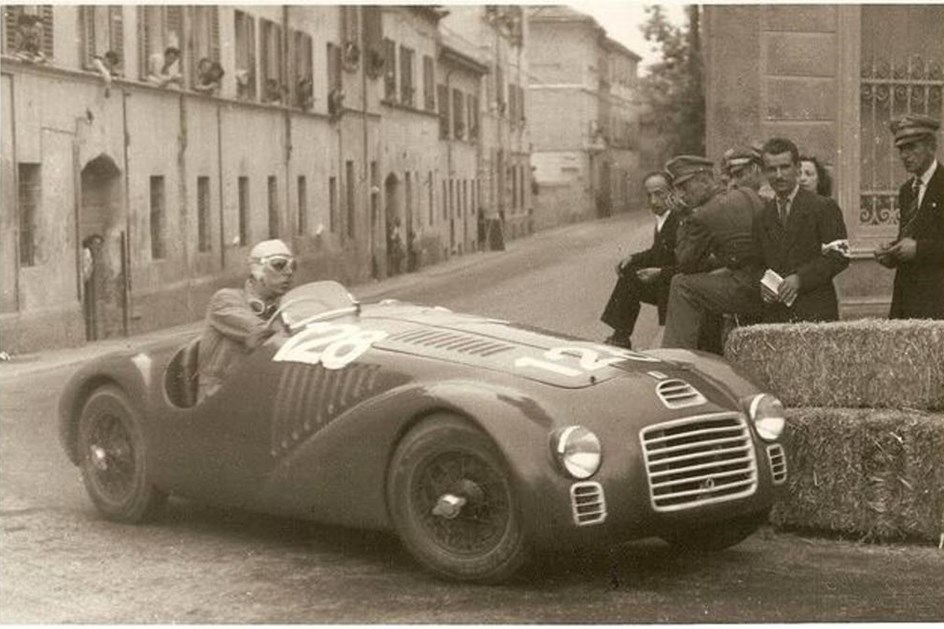
Both cars headed for Piacenza to compete, but after a tough run one of them started smoking, choking – I don’t know… likely the fuel pump. It had to retire, even though it had been leading up to that point. Enzo himself admitted it was a rather ‚promising failure.’ I think it had about three laps to go.
The second project didn’t fare much better. It crashed. Twice – no less. Complete disaster. Two weeks later came the second attempt – successful this time. The first victory for the Ferrari name – in just its second race. And within four months, they had won 6 out of 13 events overall.
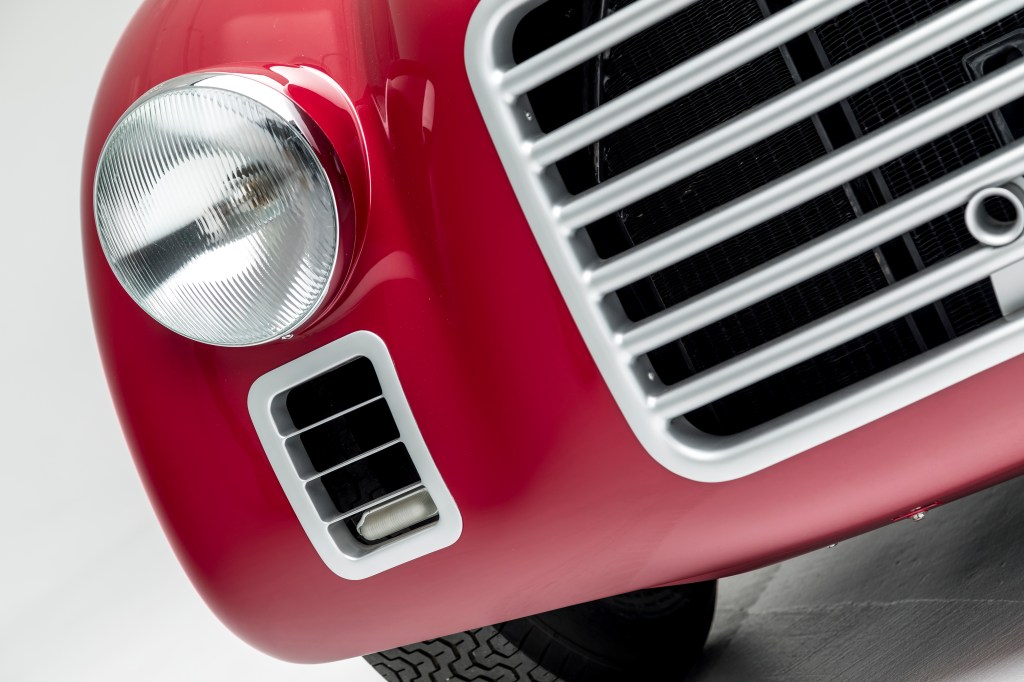
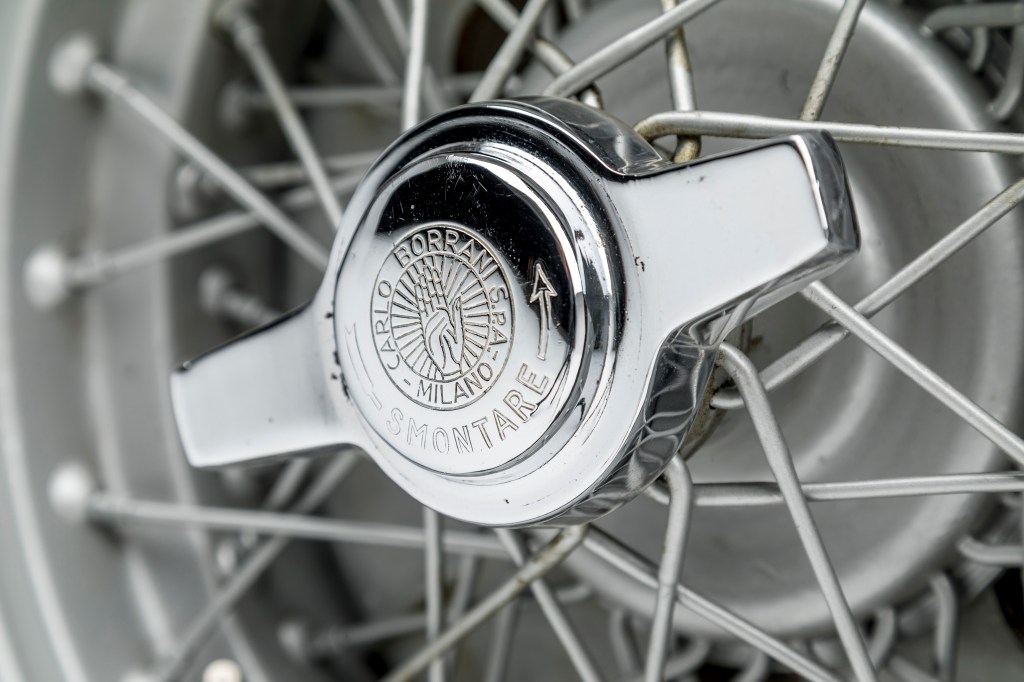
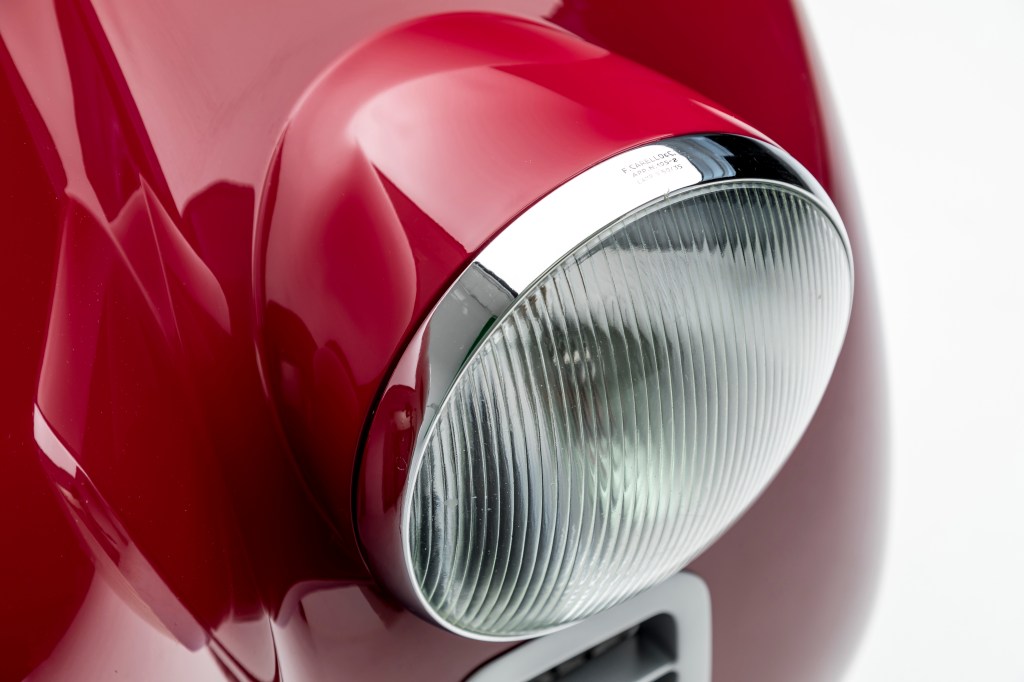
Both cars received continuous support and were developed in parallel throughout the season. The V12 had to be enlarged to keep up with stronger competition – it needed at least 1.9 liters capacity. That’s why the models with this engine (meaning both existing cars – none of which have survived to this day in their initial 125 S configuration) were re-designated as 159.
A third example was built – this one with full racing bodywork. They managed to consult Colombo, and following his suggestions, all the 159s saw a significant boost in performance. It was in one of these that Raymond Sommer won the Turin Grand Prix – Ferrari’s first major victory. Behind the wheel of an updated 159.
That last example became the basis for a car intended for a customer – one that would be driven on public roads. It was very advanced in terms of its bodywork and chassis – the entire platform, let’s say… but there was still plenty of work to be done on the engine. The displacement was increased once more – the 166 variant was now close to 2 liters, yet it still qualified for racing.
By the time the car was sold, it had already become the winner of the Turin race. That’s how the 166 Spyder Corsa came to be – directly derived from the 125 S. The 166 variants went to seven clients before Ferrari introduced an entirely new generation of sports car.
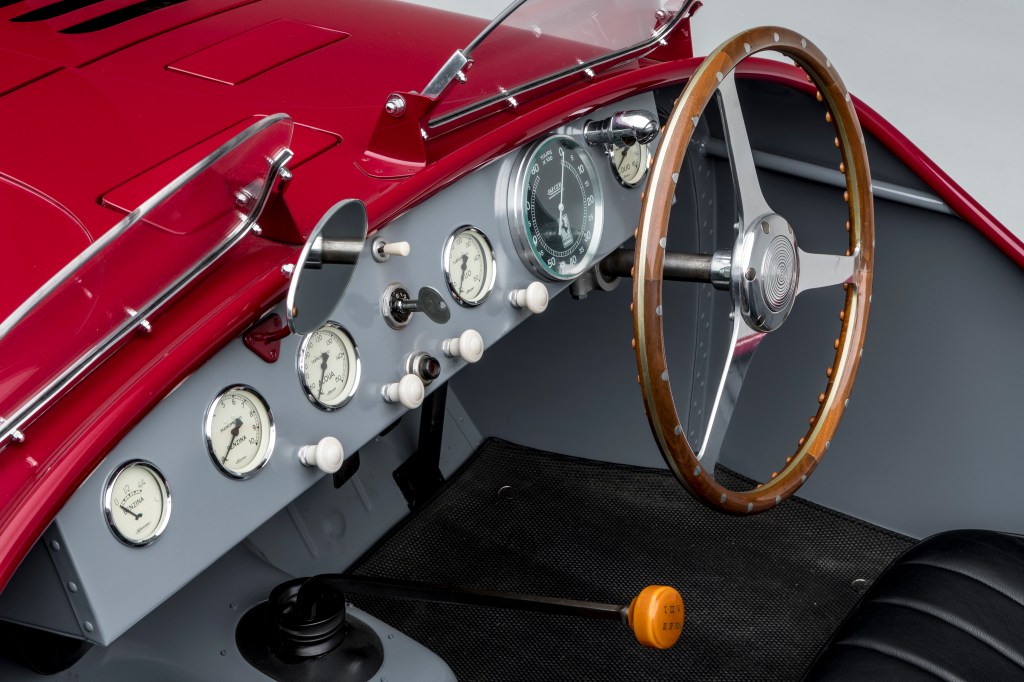
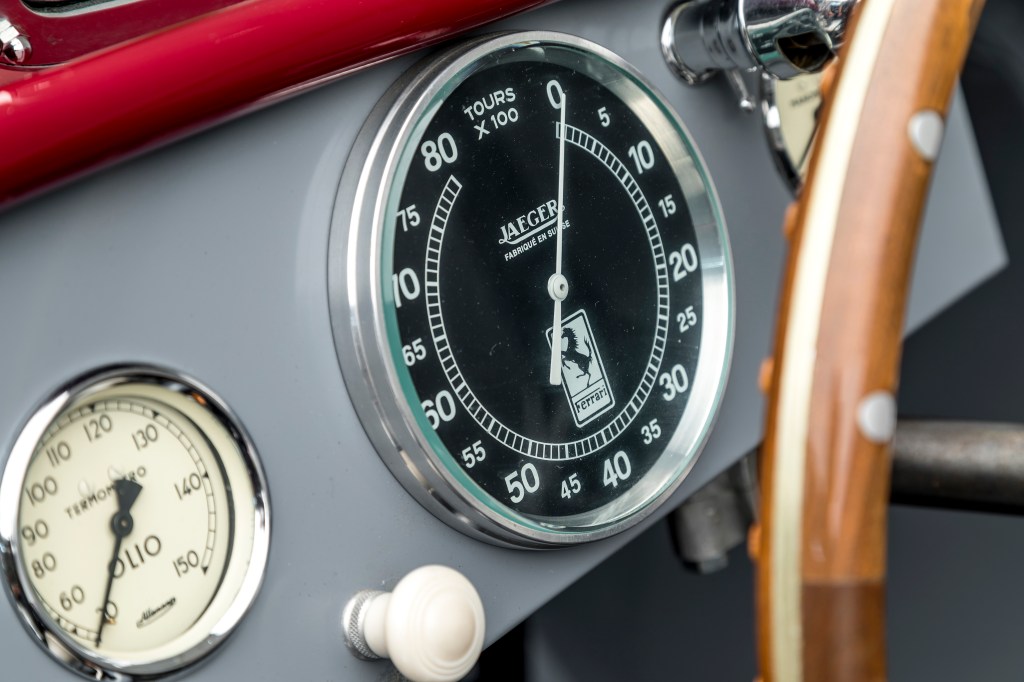
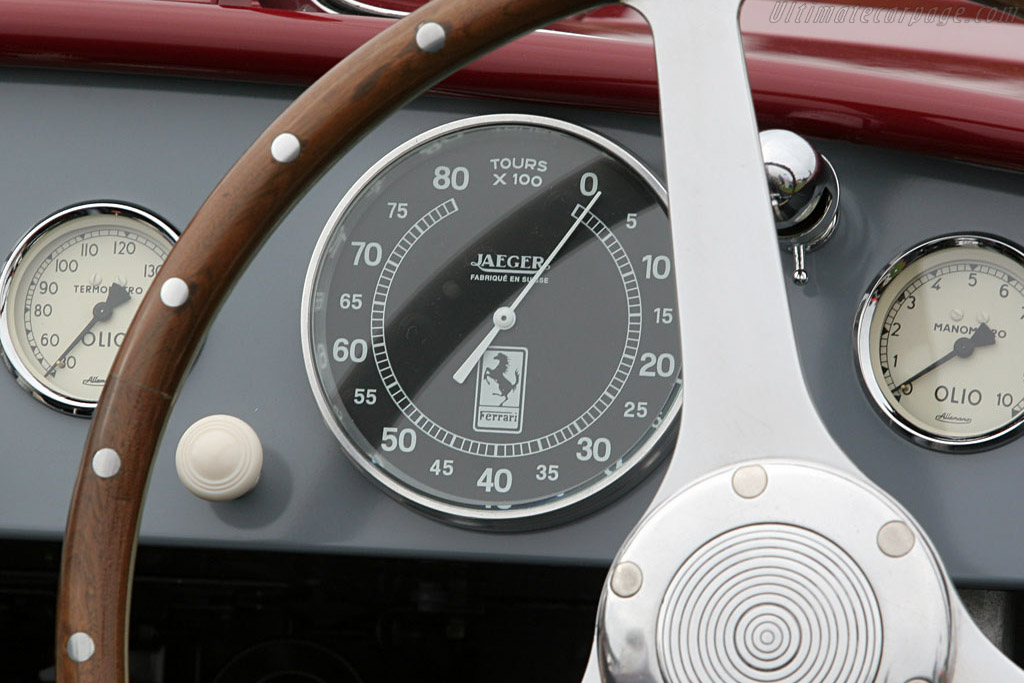
It was great a success for Ferrari. For Enzo – him specifically – rather than just the model or brand itself, because while the car was successful, you could hardly imagine a worse moment to start a business back then. Many had better conditions and still failed – and yet he made it work.
It was thanks to Ferrari’s exceptional sense for running business, and his sheer determination. The truth is, Colombo sketched out the plans for the 125 on toilet paper – and just two years later its direct derivative, the 166, goes on to win Le Mans with Luigi Chinetti behind the wheel.
That Colombo doodle would go on to form the foundation for many Ferrari models well into the 1960s, helping the brand reach absolute world number one status by then. A significant portion of Ferrari’s Le Mans success in that era can, to a large extent, be credited to those engines.
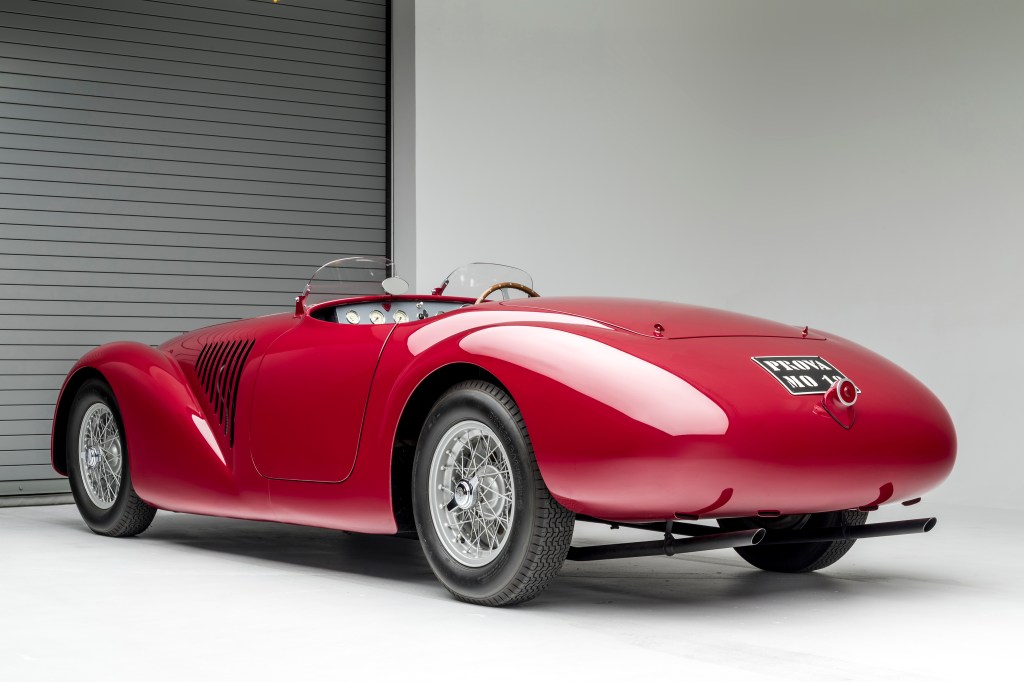

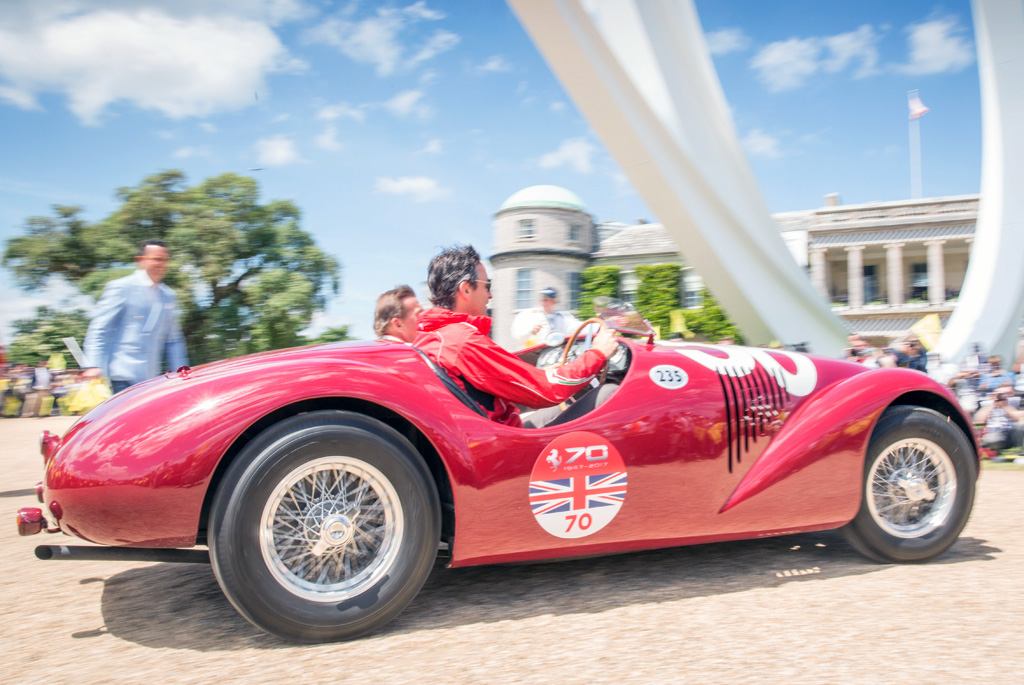
Today, however, some information is lost. The documentation hasn’t survived, and many parts were transferred between different examples. Among historians, the prevailing view is that both 125 S cars were upgraded to 166 Spyder Corsa specification – and that’s how they were delivered to customers – which means that not a single one survived in its original form. A fun fact: one of the first customers actually received a discount on his car, because it was sold to him as new, but when he collected, it turned out many of the parts were already worn. Life’s a bitch… isn’t it.
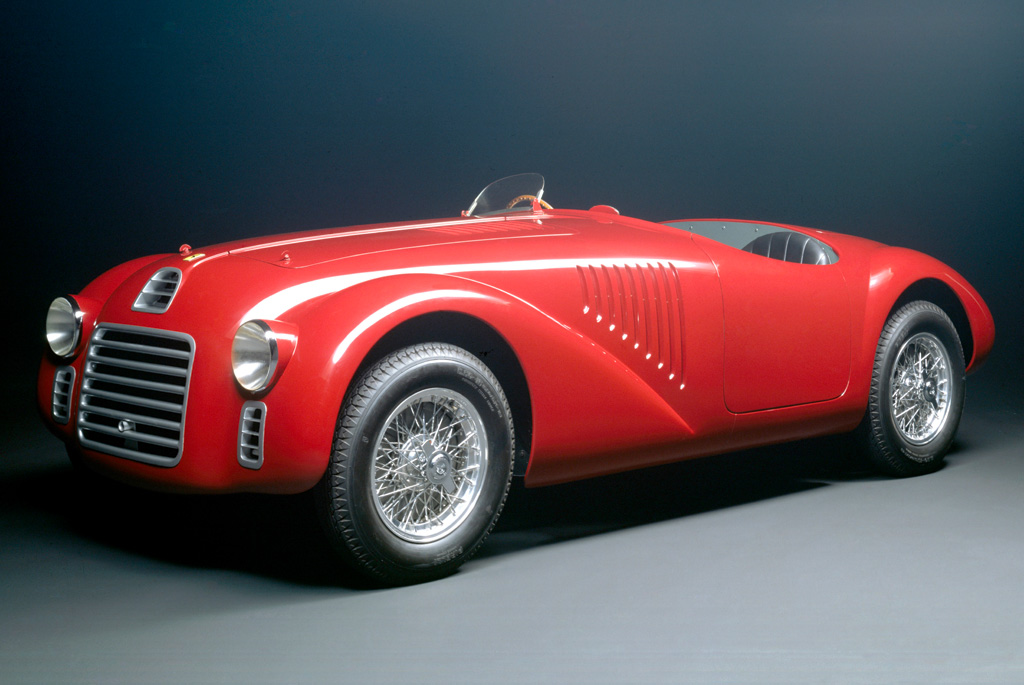
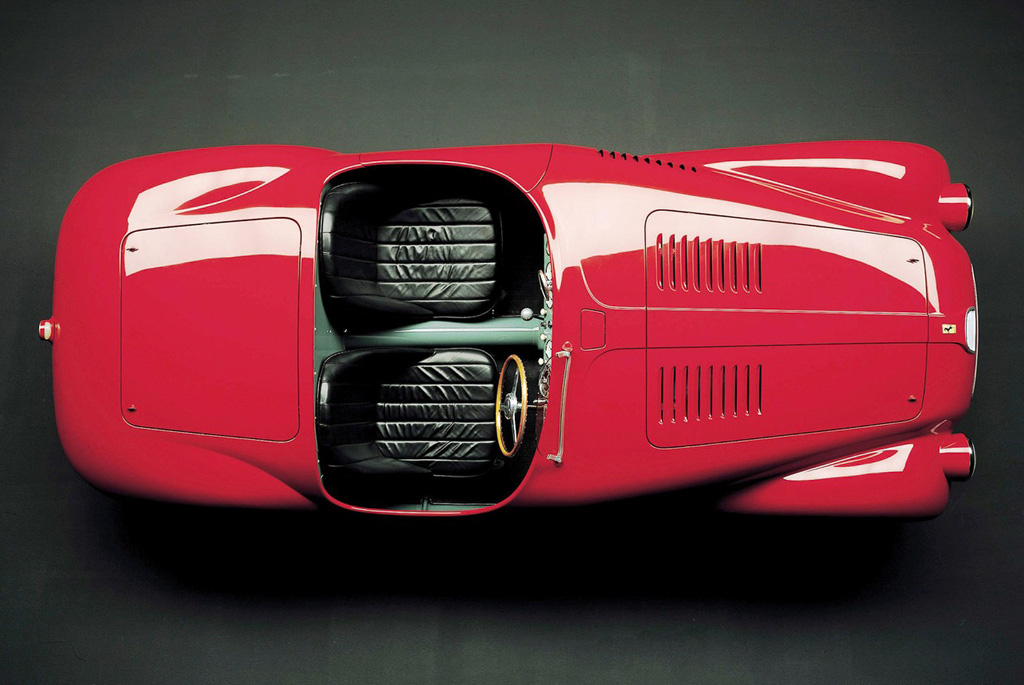
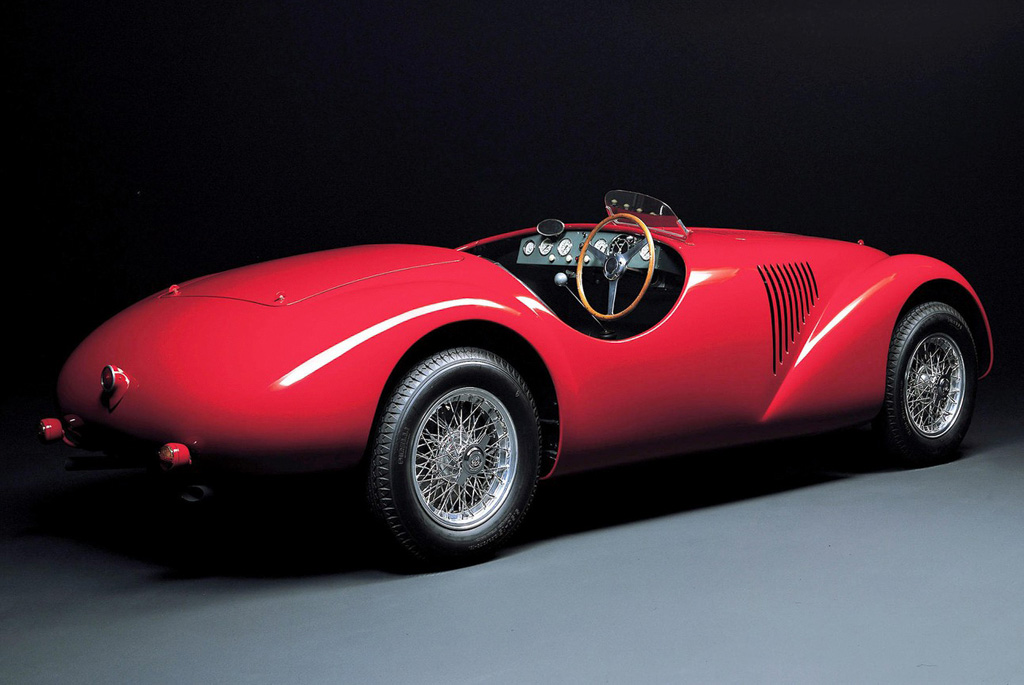
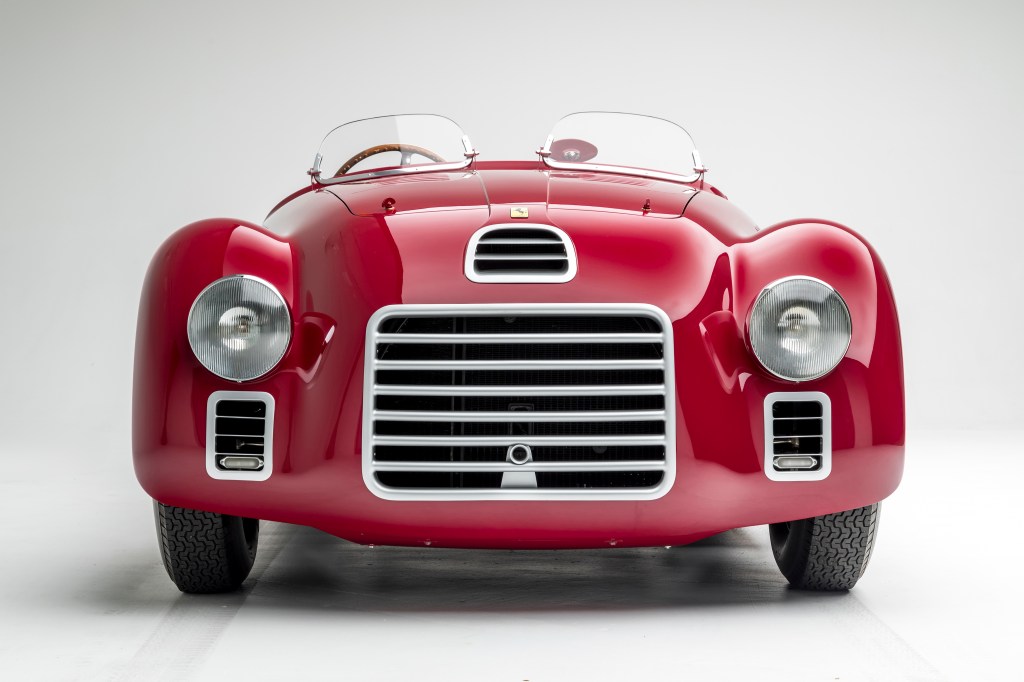
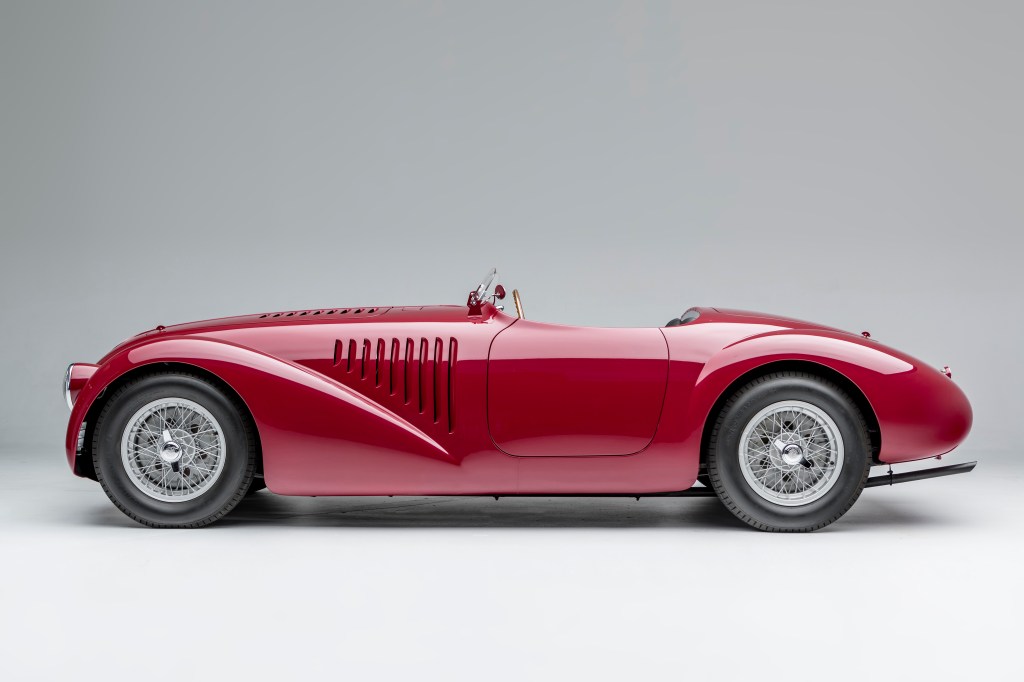
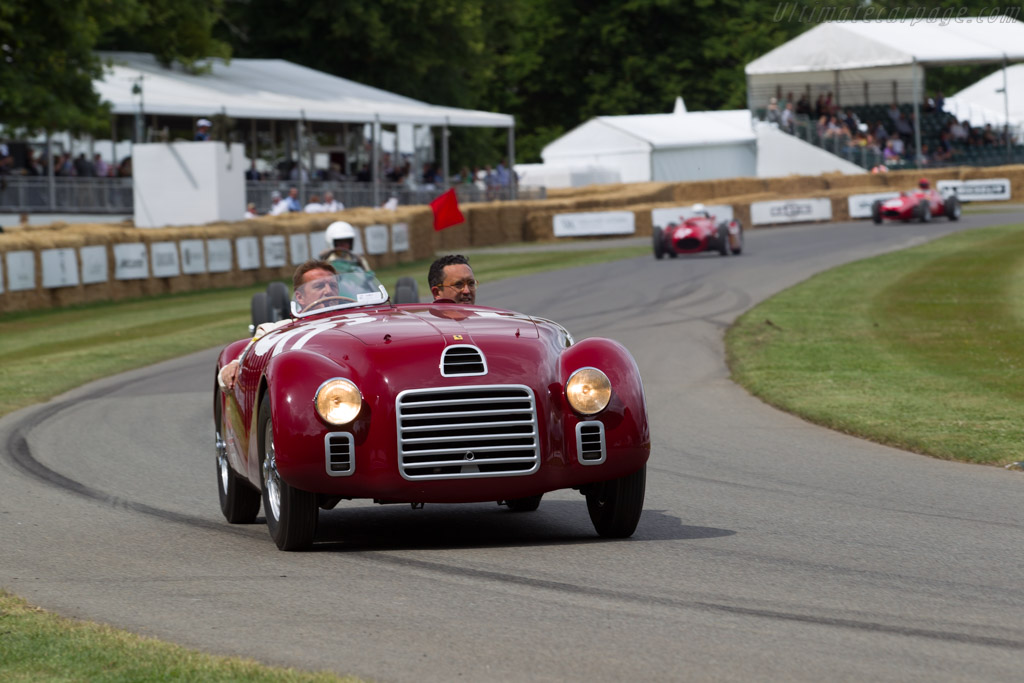
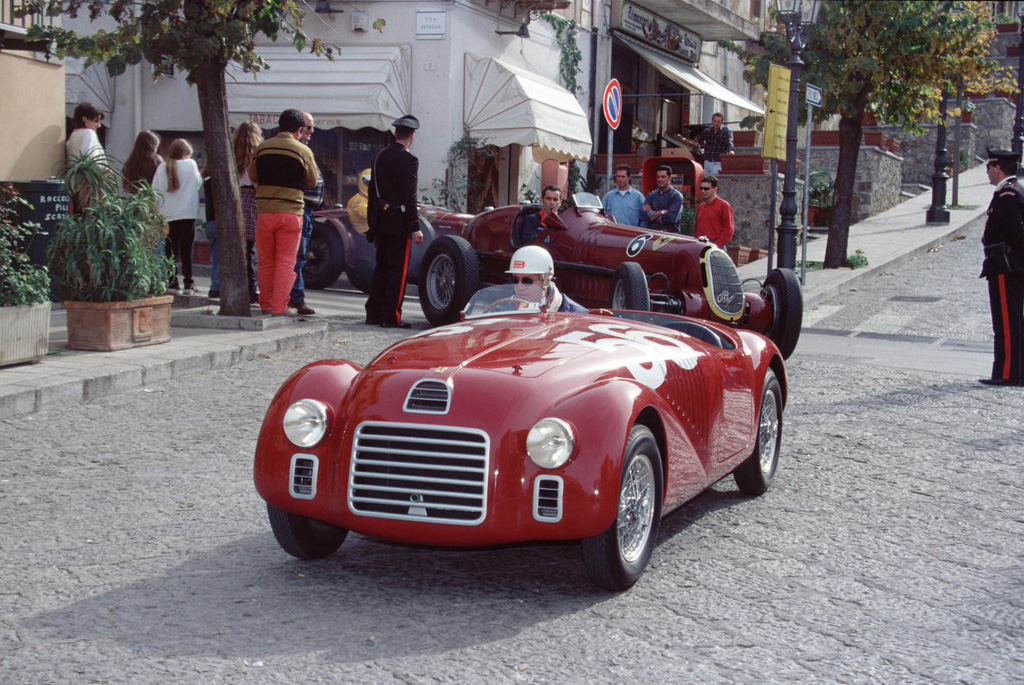
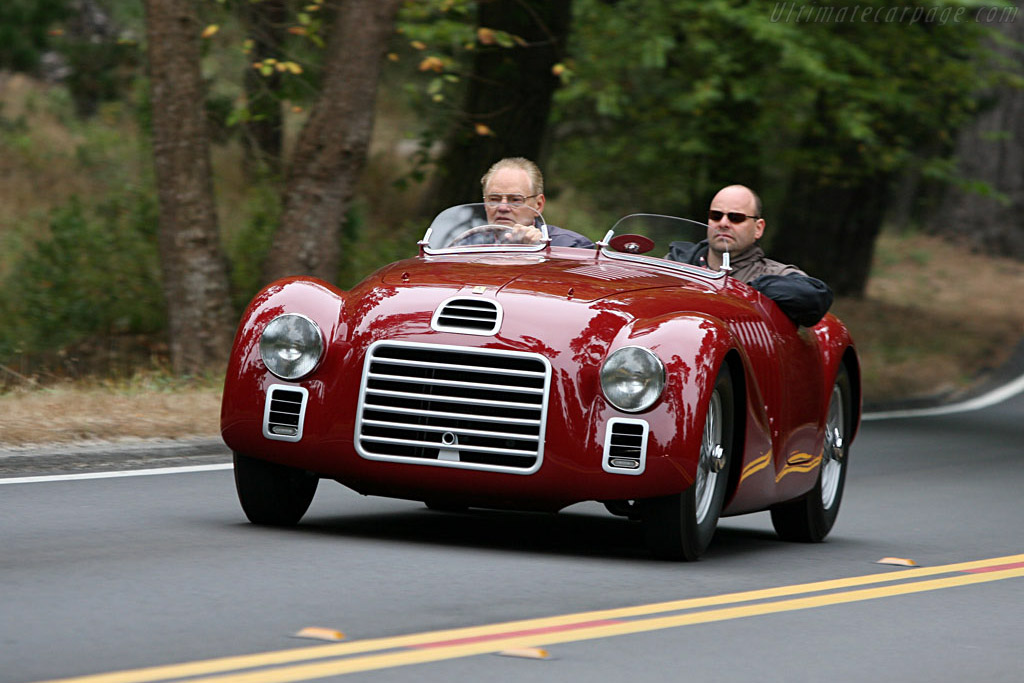
The brand’s 40th anniversary in the 1980s – Michelotto, works in cooperation with Ferrari and using their original parts, builds a perfect Ferrari 125 S based on what was considered to be the very first of the original 125 models… A Ferrari which, however, is NOT classified by experts as a third 125 S, but merely as a replica.
There’s an ongoing debate around this, with arguments on both sides. Officially, it’s accepted that only two examples of the 125 S were built in 1947 – and not one has survived. The oldest functioning Ferrari today is one of its derivatives, but no longer in the original 1.5-liter V12 specification. Instead, it carries a 1.9-liter engine (the Ferrari 159 S). The “replica” can still be seen to this day.
Krzysztof Wilk
All sources: it was a text retrieved from my lost webpage – sources will need to be filled later
 SRT
SRT 