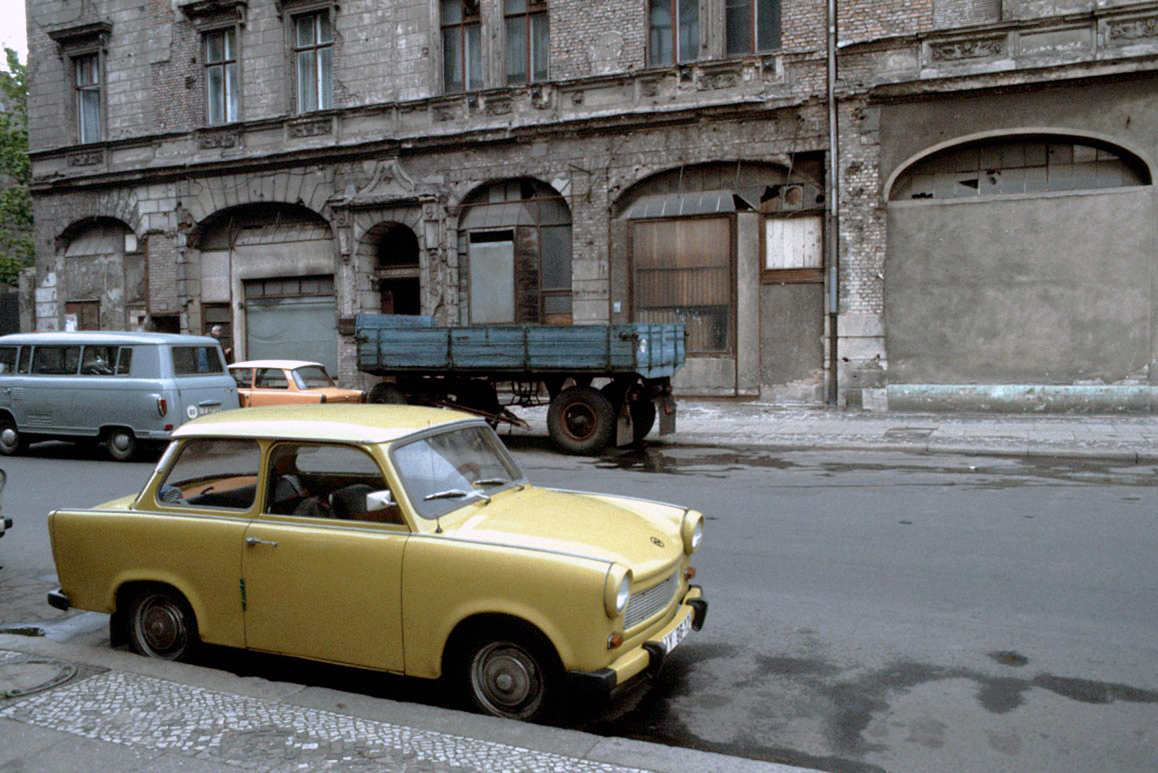
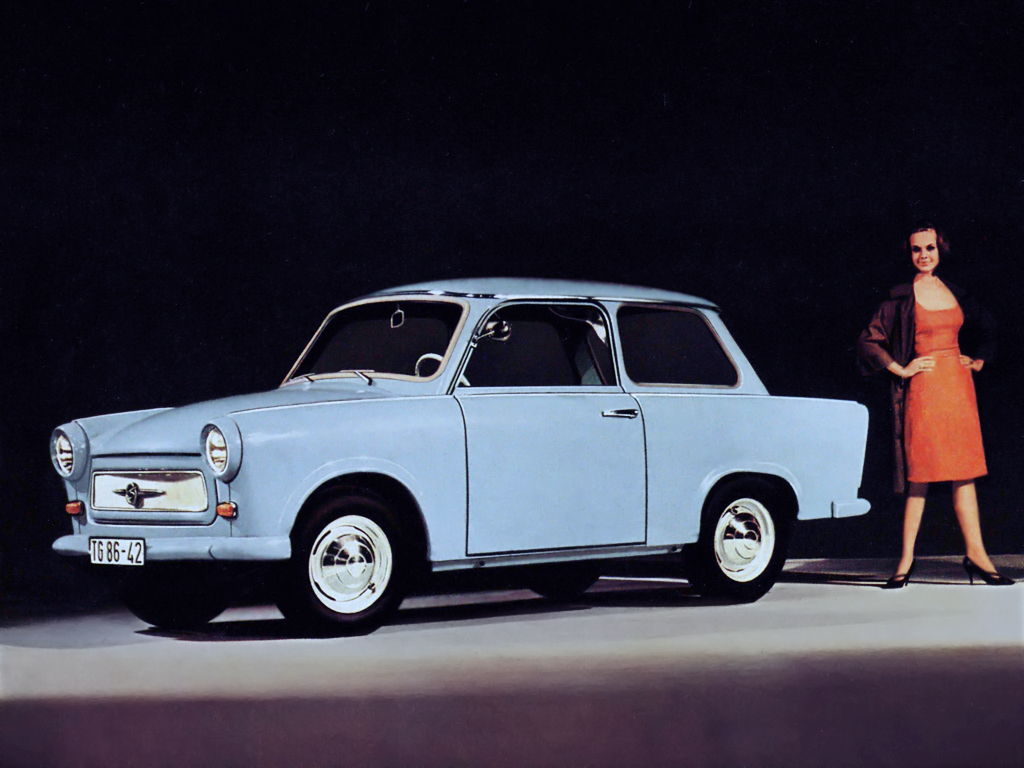
1964 – Trabant 601

EngineDisplacementPowerAccelerationTop Speed
Straight 2
two stroke
0.6 L26-29 bhp100 km/h
62 mph

The car carried the marketing name Trabant, but the actual brand behind it was Sachsenring – hence the ‚S’ logo on the hood – and the model itself was shaped by designers of Horch and Audi. The name ‚Trabant’ roughly translates to a ‚faithful companion.’ It’s also a term used for satellites – and not by accident did it end up on this car’s body.

At the very same time, the Soviets had just launched Sputnik into space, and the Eastern Bloc decided to mark the moment with a car of their own – one that, much like the Beetle on the other side of the Berlin Wall, was meant to motorize communist Germany.
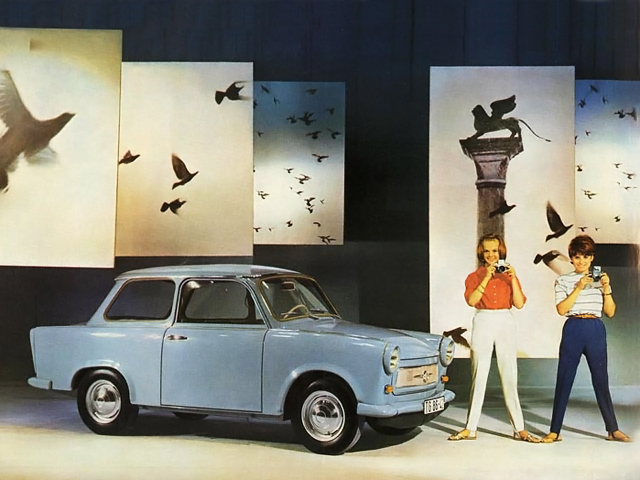
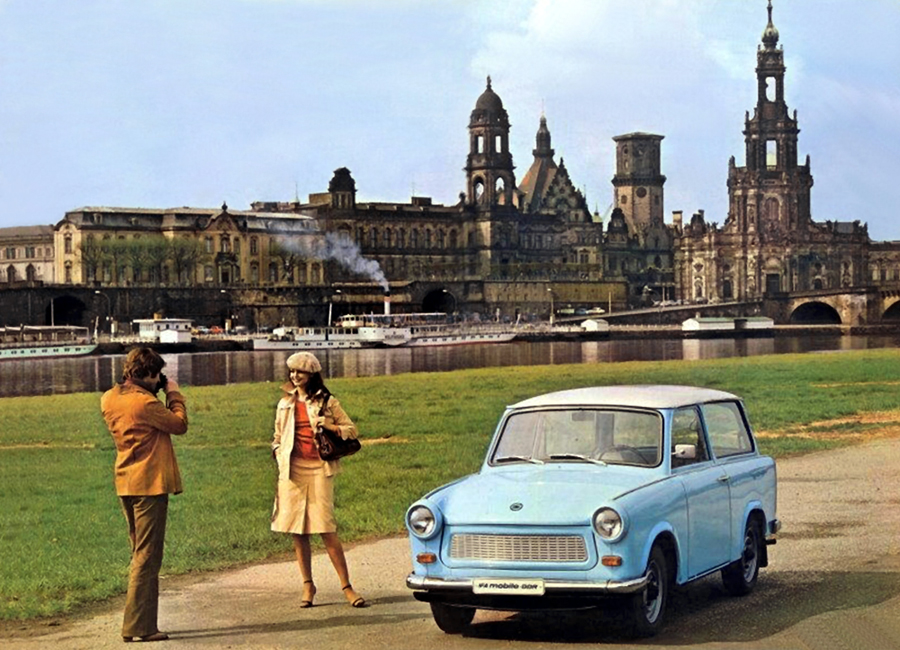
In the 1930s, the automotive landscape of Germany looked quite different than now. The prominent names were Adler, Auto Union, BMW, Mercedes, and Opel. Audi and Volkswagen, as we know them, only really came into existence after the war.

All major centers of technological development were located deep within the country. This was a part of the war effort – intended to make potential Allied attacks on these facilities more difficult. Fighter aircrafts, V2 rockets, and research in chemistry and metallurgy were all centralized and carried out in regions like Thuringia.

Naturally, German factories became prime targets, and American air raids reduced many of them to rubble. Among the hardest hit were the Horch production lines. Most of the workers checked out under the pressure of ‚democracy’ being dropped straight onto their heads from the sky, while many others ended up in Soviet captivity after the bombed-out territories were handed over to them. And there were also those who fell victim to the war – unrelated to the bombings.

All in all – shituation was suboptimal. The Soviets came in, took the machinery, and shipped it off to Mother Russia to help build a strong communist economy. The result – from German perspective – was that the Horch factory was partially destroyed, while the Audi halls across the street avoided the bombing… but were left completely empty.
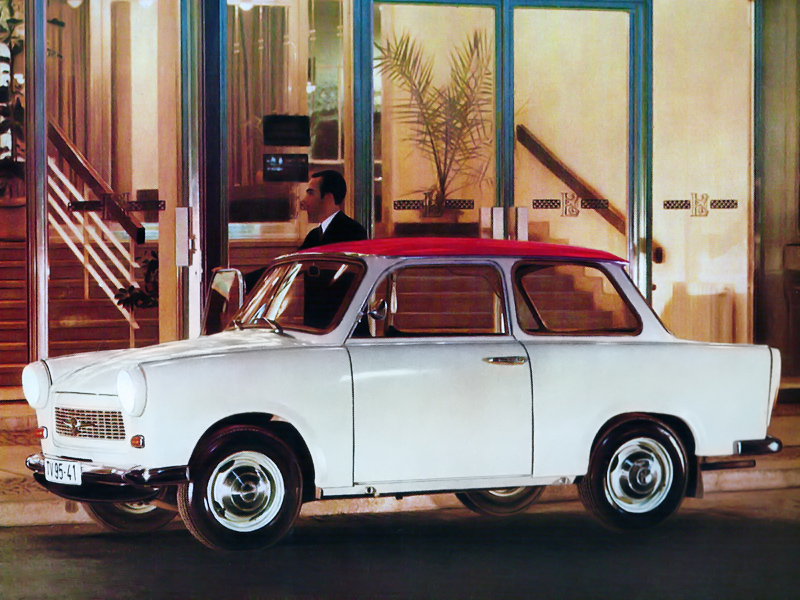
The Cold War broke out. Germany was divided into four zones of influence. The West went to the Americans, the British, and the French – the East fell under Soviet control.

Thuringia had been a major production hub before the war, but it relied heavily on supply chains – coal, for instance, but also metals and other materials. Now, the British and Americans had absolutely no intention of supplying Soviet-run factories with what they needed, and the quality of Soviet sheet metal was good for fuck all – not for building a car, that’s for sure.

The Soviets had very little room to maneuver with the limited amount of usable materials they had. So all those specialists who had once worked on Germany’s finest pre-war limousines were now tasked with designing a small ‚car for the masses’ – something that could be built essentially out of nothing. They had no machinery, no materials, not even the right personnel – and on top of that, everything had to go through Soviet hands.

The car was meant to be full-sized – unlike something like the BMW Isetta. It had to have four wheels, carry four passengers, and offer at least some luggage space.

For power, they used engines left over from before the war. Quite a few DKWs had survived, since they weren’t particularly useful to the military. Their frames were made of wood, and two-stroke engines left a trail of smoke behind them. So the obvious solution – given the shortage of materials and the abundance of these engines – was to use them in the new vehicle.

The first project was the P70.
I use the word ‚project’ and not ‚model’, because the P70 was more of a placeholder – a test platform for the new car. Continuing production based on DKW plans was impossible, and developing a car from scratch quickly – even more so. The P70 was essentially a prototype for testing, and one heavily based on DKW.

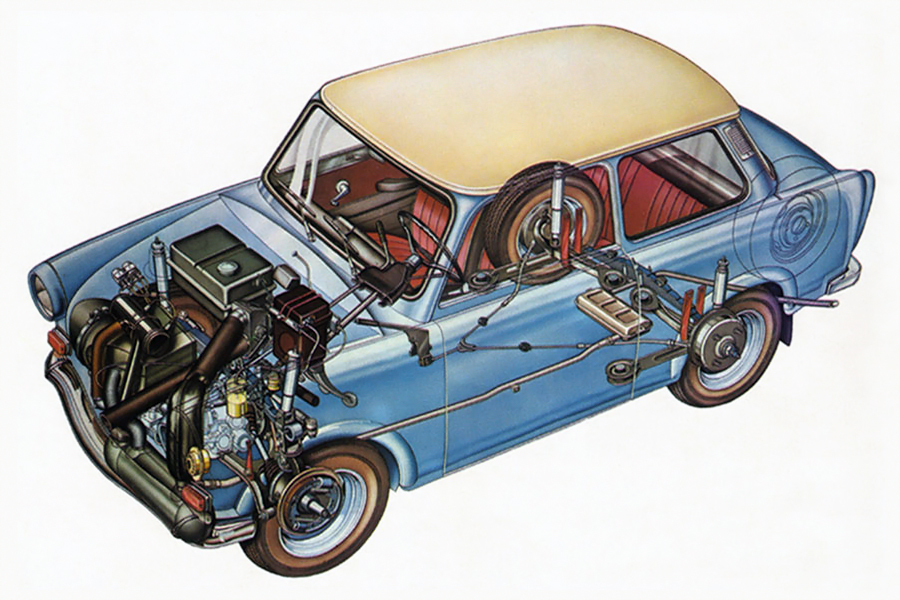
It used pre-war suspension, frame, and body built in a similar way out of wood. The engine was flipped and moved ahead of the front axle instead of sitting behind it, as in the DKW. The car was closely related to the DKW F8, but its body was made from a completely new material – a type of plastic.

All of this was because building a car out of metal simply wasn’t an option, and DKW had already been experimenting with innovative solutions before the war. They were doing crash tests and developed materials that, in some ways, were better suited than wood – or even steel.

Duroplast – a composite material made from cotton fibers pressed with resin – was easy to produce with the machinery they still had (the heavy equipment had already been shipped off to Russia). It was strong, lightweight, resistant to rust, and easy to paint. It also didn’t burn like modern electric cars. The body panels were glued onto the frame – nothing was bolted in place.

The P70, however, wasn’t suitable for stable production – it was too large and required too many materials. Its wooden frame was already outdated. The Germans simply couldn’t continue with this project.
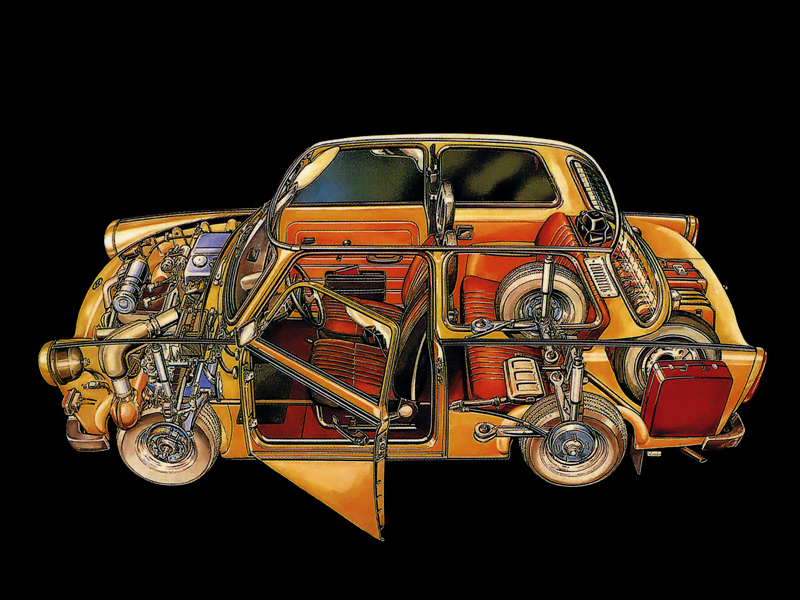
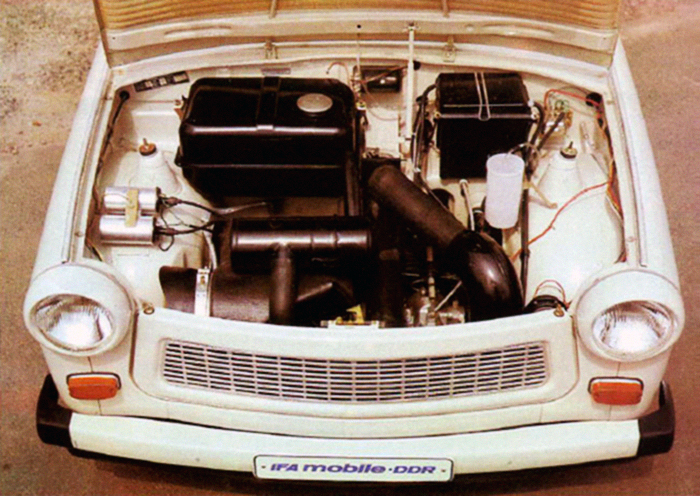
The P50 plan, which was meant to replace it, was smaller and more optimized. Germans eventually concluded that the car’s structure should be made of steel, with composite panels mounted on top. The rigid rear axle was replaced with independent suspension. The old motorcycle-style gearbox with a chain drive was abandoned. In its place came a transverse drivetrain with a differential – something that remains standard to this day.

In the Trabant, though, you changed gears with some ridiculous little lever by the steering wheel. Its looks were updated over time, but technically, it was always the same car underneath. The front-wheel-drive layout was actually quite modern. On top of that, the weight distribution loaded the front end more heavily, which made it handle surprisingly well. The Trabant even had a rack-and-pinion steering system.

The first mass-produced examples saw the light of day in 1958. They may have arrived later than intended, turned out worse than expected – but at least they were twice as expensive as planned. Still, the car was gradually refined over the years. It eventually received a synchronized gearbox, and the displacement of the initially 0.5-liter engines grew to 0.6 liters, allowing it to reach 100 km/h.

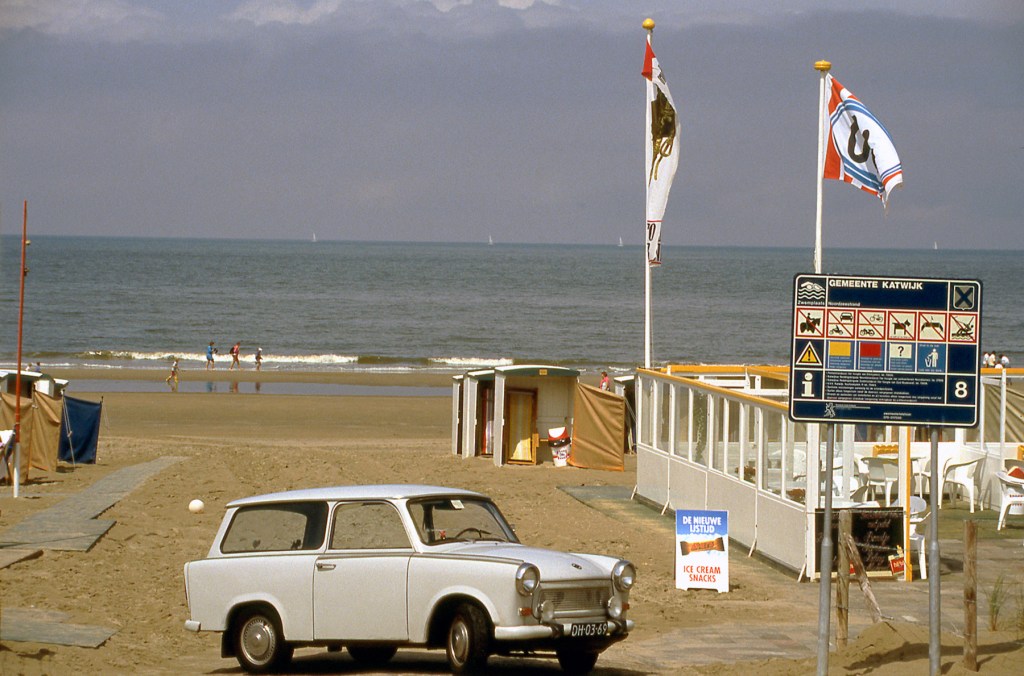
The Trabant wasn’t popular just in the Eastern Bloc – it also found its way to places like the Netherlands, Belgium, and Denmark. It went up against the likes of NSU and DAF, and in Poland, against the Syrena and the Fiat 126p.
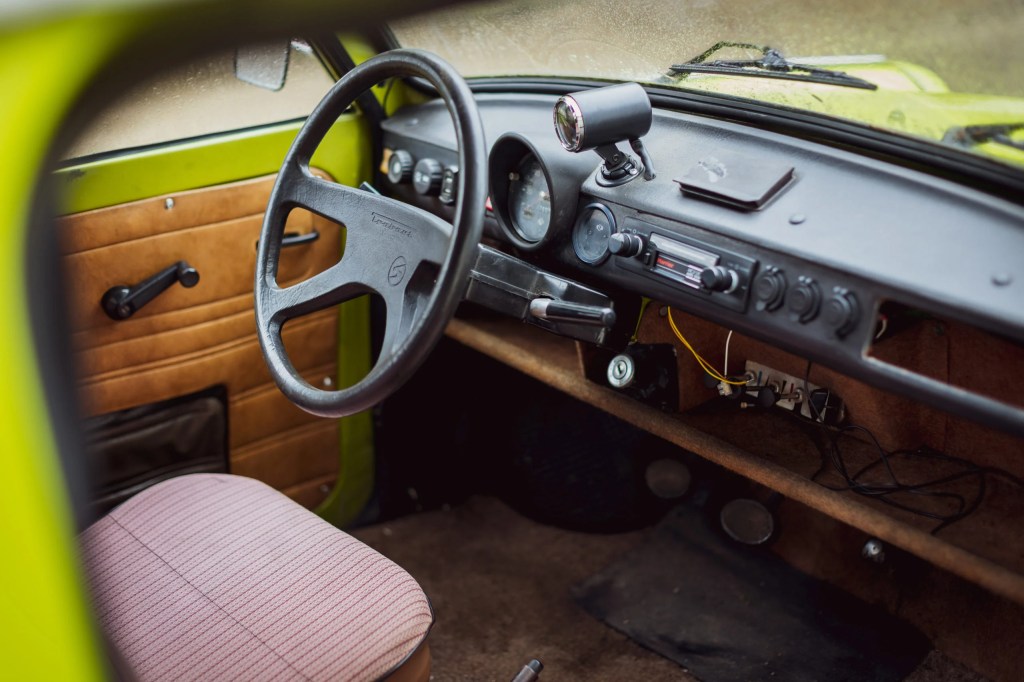
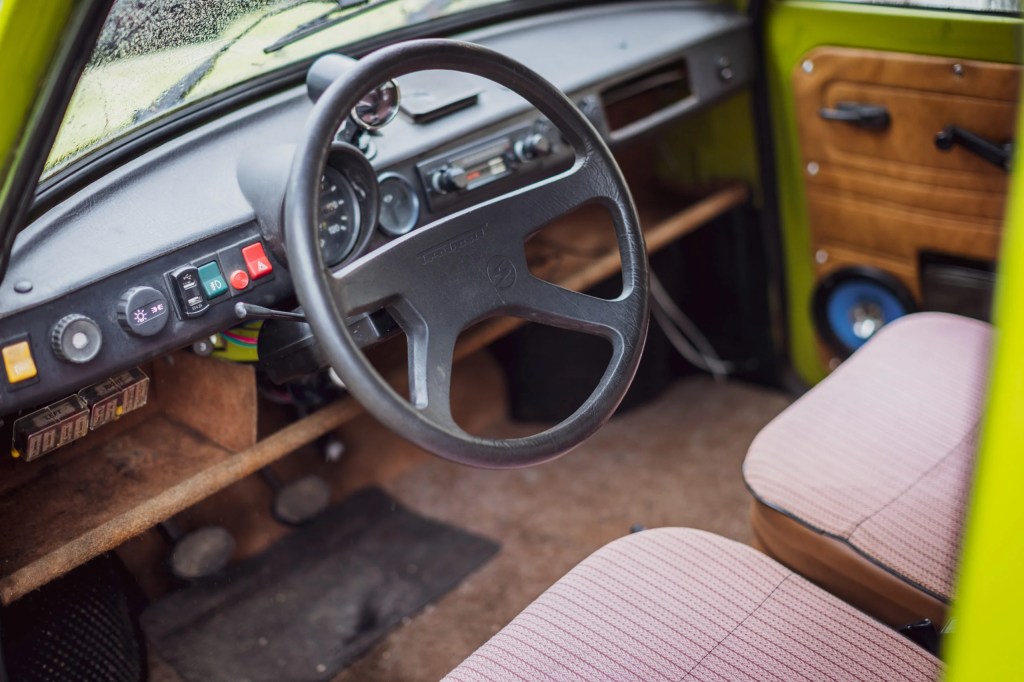
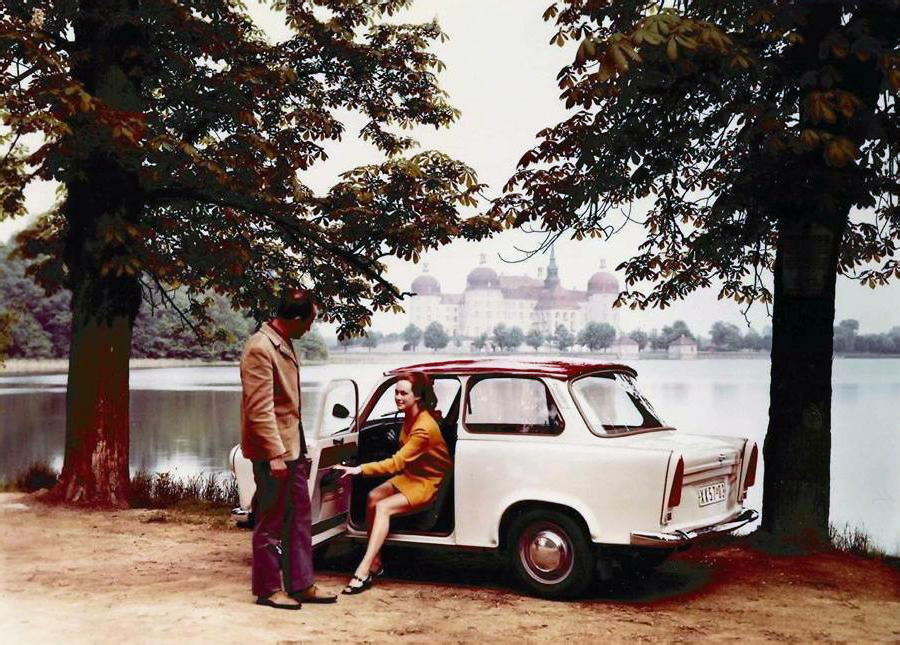
The 601 entered production in 1964 and looked much better than its predecessors. It featured a refreshed body and more space inside – both for passengers and for luggage. Over time, it received improved brakes and a revised rear suspension (switching from leaf springs to coils).

It was more modern, but in reality, it not much of a step forward over its predecessor. The engine kept snapping crankshafts just like in the earlier models. That was down to the poor quality of fuel in socialist countries. Those small two-strokes simply couldn’t cope – while in the West, everyone was already moving on to four-stroke engines.

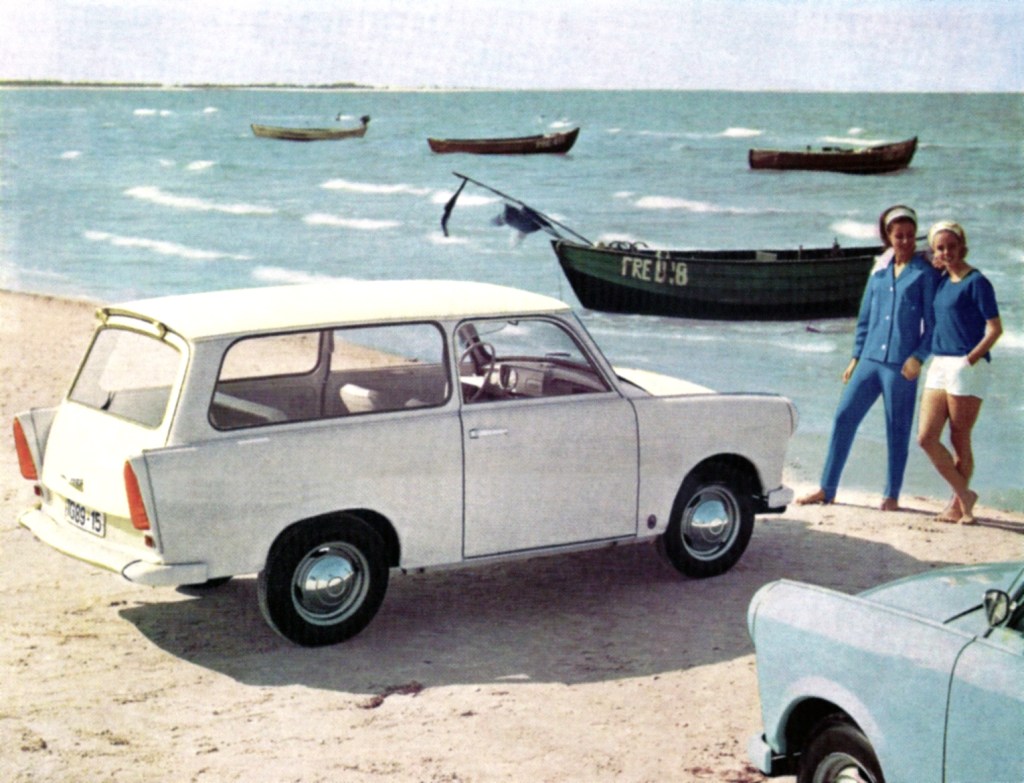
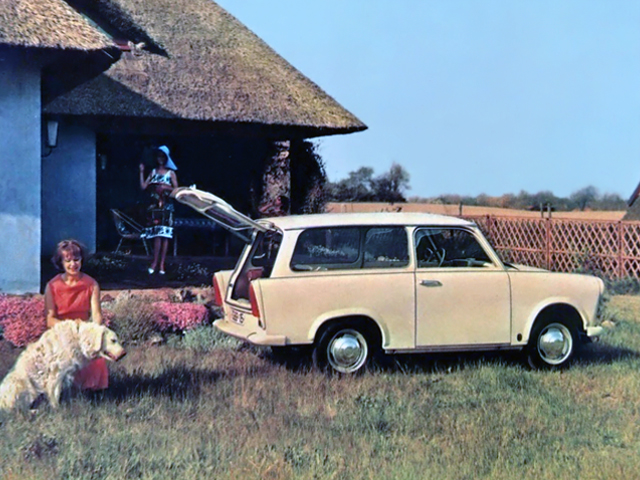
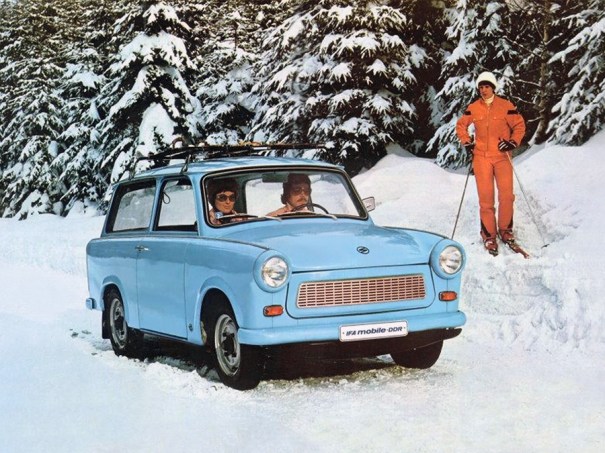
The Trabant lasted 26 years without any major changes. The 601 was available in several body styles, but the sedan (Limousine) was the dominant one. There was also the 601 Universal station wagon, versions with a sort-of automatic box, and even ones with an extra 3 horsepower squeezed in – but for better engines, you had to wait until 1990. And even that wasn’t really worth it, because they used a 1.1-liter unit known from the VW Polo – and the model was discontinued just a year later.
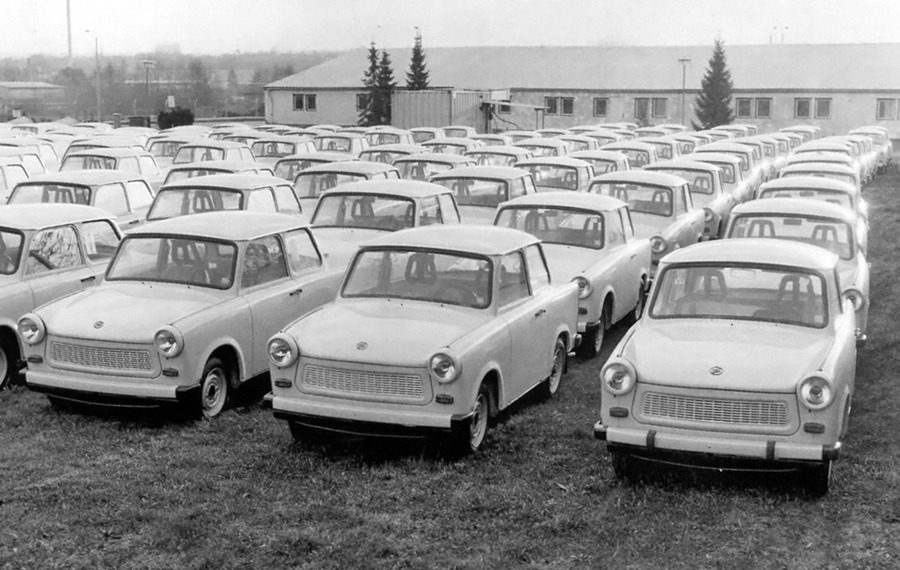
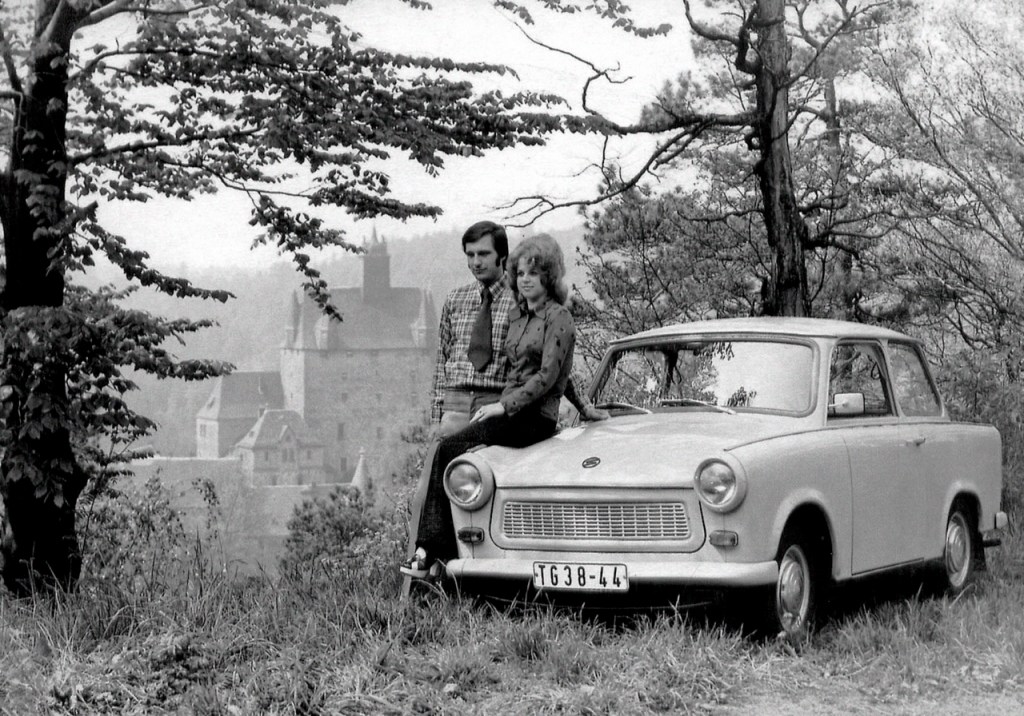
There were plenty of ideas on the table. Bigger engines were considered, even Wankel units. A hatchback, years before the West really embraced that concept. But the Soviets – as usual – blocked any further development. They already had a ‚car for the people,’ so why change anything if goal was achieved? They preferred to allocate resources to more ‚luxurious’ vehicles… like the Wartburg.

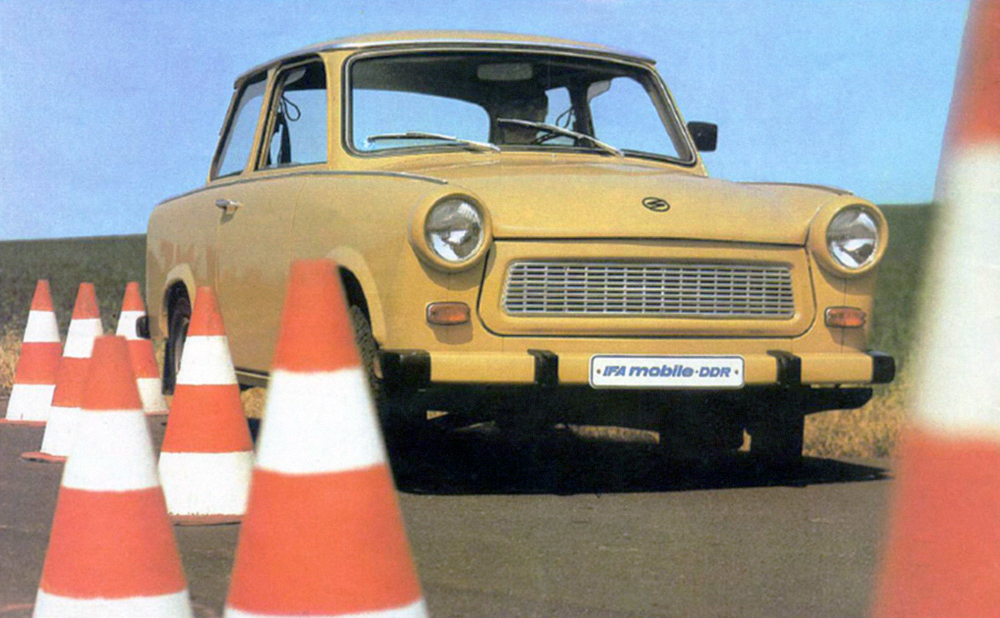
That’s why the Trabant 602 never happened – nor did the 603 or 610. All of them were scrapped, and there was always some excuse. The 601 was only replaced in 1990 – after the fall of the Berlin Wall – by the Trabant 1.1. Under the hood, there was a 40-horsepower Volkswagen engine. Externally, not much changed – maybe a new grille, different bumpers. It did get better brakes than before…

… but it was still the same car – competing in the 1990s market with the likes of the VW Polo, which you didn’t have to wait 15 years for, unlike the Trabant. Used ones often cost as much as new ones – or even more – simply because they were available immediately. That’s why I’m only mentioning the 1.1 only briefly – it was produced for just two years, and there’s not much more to say about it. In total, nearly 4 million Trabants were sold worldwide.
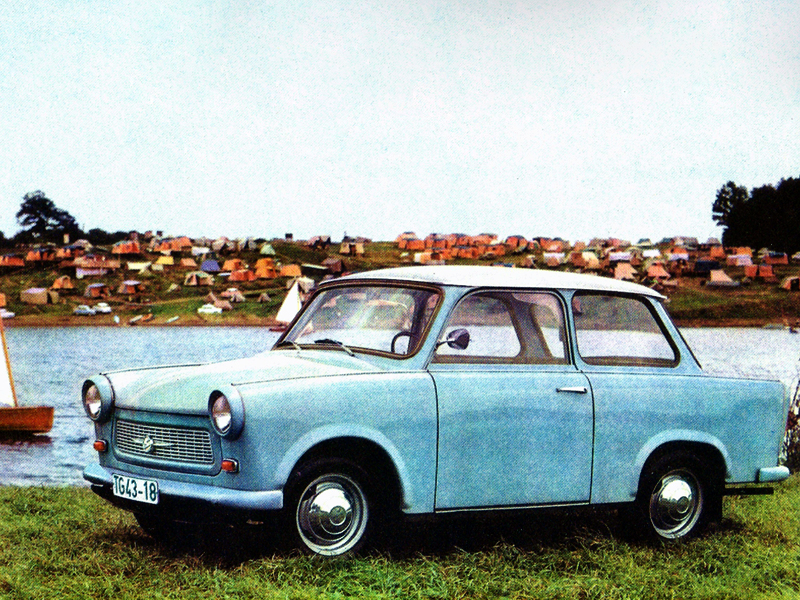
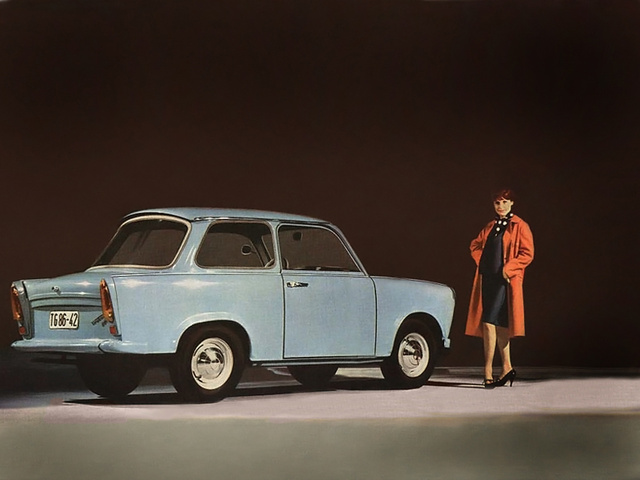
Engineers from Audi and Horch created a car that was meant to be as simple as possible – yet still functional – and easy to build despite such severe shortages of materials. Because it saw so few meaningful changes over time, we look at the Trabant today as a backward relic of the past. But when it first entered production, it was a highly innovative – albeit simple – piece of engineering.

The early Corvette was the first car with a plastic body – the Trabant (or rather its ‚prototype,’ the P70) came second, right after Chevrolet. The car didn’t really excel at anything, but it earned a cult following. It was cheap, durable, and easy to maintain.

And honestly – not even all that ugly.

Krzysztof Wilk
All sources: it was a text retrieved from my lost webpage – sources will need to be filled later
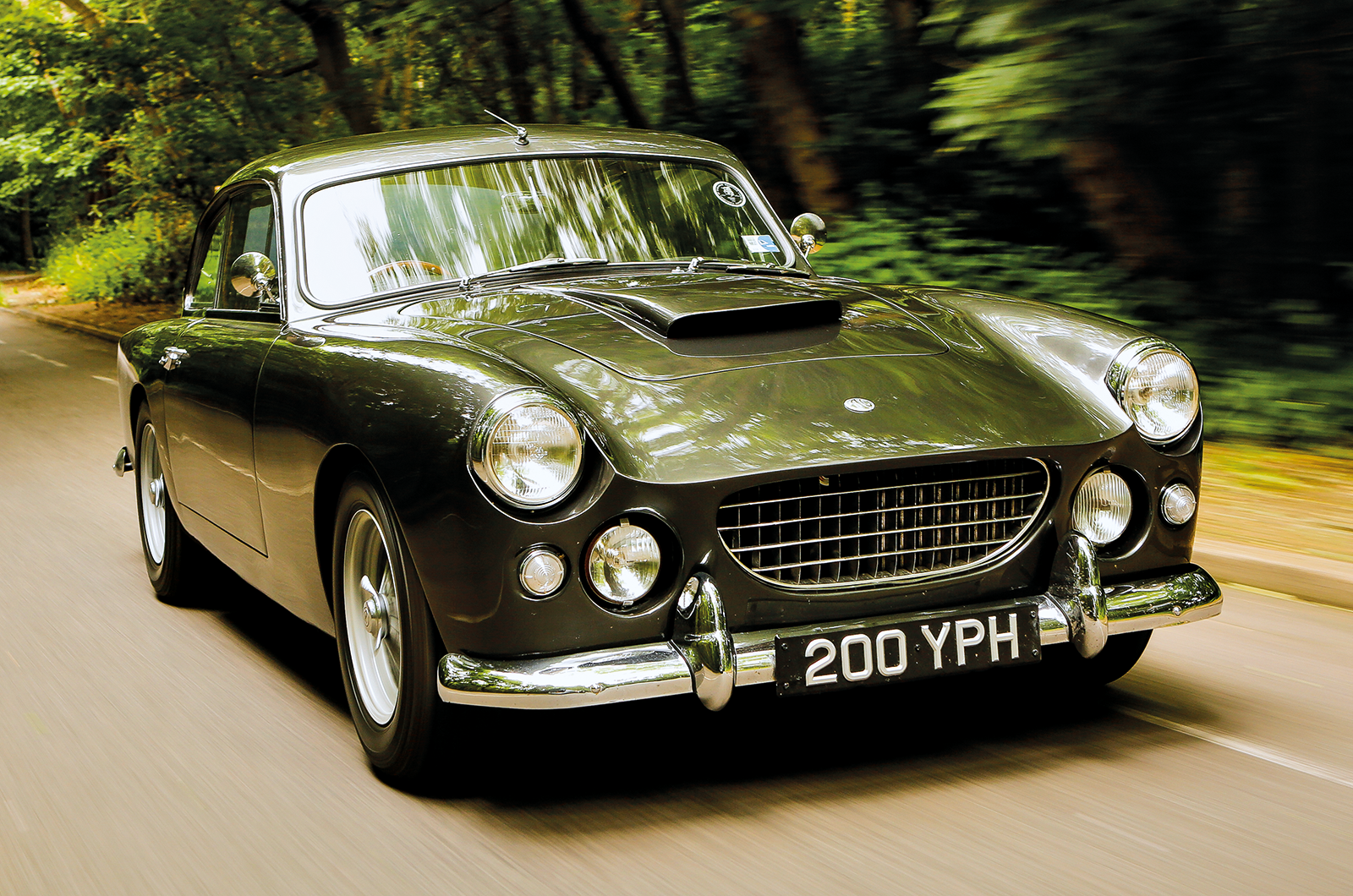
1964 – Trabant 601

EngineDisplacementPowerAccelerationTop Speed
Straight 2
two stroke
0.5-0.6 L26-29 bhp100 km/h
62 mph

Auto nosiło marketingową nazwę Trabant, ale jego marką tak naprawdę był Sachsenring – stąd logo w kształcie „S” na masce – a model nakreślali projektanci Horscha i Audi. Nazwa Trabant oznacza coś w stylu „wiernego towarzysza”. Satelity również określa się tym słowem. I nieprzypadkowo trafiło ono na karoserię tego pojazdu. W tamtym właśnie okresie Ruscy wysłali w przestrzeń swojego Sputnika, i wschodni blok postanowił uczcić ten moment swoim modelem samochodu, który jak Garbus po drugiej stronie muru berlińskiego, miał zmotoryzować komunistyczne Niemcy.

W latach czydziestych samochodowa mapa Niemiec wyglądała w ten sposób, że z widocznych marek mieliśmy Adlera, Auto Union, BMW, Mercedesa oraz Opla. O Audi i Volkswagenie można powiedzieć, że powstały dopiero po wojnie. Wszystkie najważniejsze centra opracowania technologii były skupione w głębi kraju. Był to element przygotowania do wojny i miał utrudnić ewentualne alianckie ataki na te ośrodki. Myśliwce, rakiety V2, prace nad chemią i metalurgią były scentralizowane i odbywały się w rejonach Turyngii.

Oczywiście niemieckie fabryki zostały obrane na celownik i amerykańskie naloty zrównały je z ziemią. Jednymi z tych, które ucierpiały najbardziej były linie produkcyjne Horch. Większość pracowników się wymeldowała pod naporem demokracji zrzucanej z samolotów bezpośrednio na ich głowy, ale wielu trafiło do ruskiej niewoli po oddaniu zbombardowanego terenu onucom. A byli również pracownicy, którzy padli ofiarą wojny – bez związku z bombardowaniem.

No, generalnie nie było miło. Kacapy przyszli, maszyny zabrali, i wysłali transporty do mateczki Rosji, aby tam budować silną komunistyczną gospodarkę. Rezultat tego – z perspektywy Niemiec – był taki, że fabryka Horcha była zniszczona do pewnego stopnia, a hale Audi po drugiej stronie ulicy szczęśliwie nie ucierpiały od nalotów, ale były puste.

Rozgorzała (nie wiem czy to dobre słowo) Zimna Wojna. Niemcy podzielono na 4 strefy wpływu. Zachód trafił się Amerykanom z Anglikami i Francuzami – wschód wpadł pod panowanie czerwonych. Turyngia przed wojną była centrum produkcji szeroko pojętej, ale była zależna od łańcuchów dostaw takiego powiedzmy węgla np. – ale nie tylko bo również metalu i takich tam. Teraz Anglicy, czy Amerykanie nie mieli absolutnie zamiaru wspierać ruskich fabryk wysyłając im niezbędnych materiałów, a ruska blacha nadawała się co najwyżej do wyjebania a nie do produkcji, no powiedzmy, auta.

Ruscy nie mieli pola manewru dla dysponowania taką ilością użytecznych materiałów, jaką mieli – musieli więc wszystkim tym specjalistom, pracującym przed wojną nad najwspanialszymi niemieckimi limuzynami, kazać im w jakiś sposób zaprojektować małe auto dla ludu tak, aby dało się je zrobić właściwie z niczego. Nie mieli ani maszyn, ani materiałów, ani nawet odpowiedniego personelu – a wszystko jeszcze musiało przechodzić przez ruskie ręce.

Auto powinno być pełnowymiarowe – w odróżnieniu od takich jak BMW Isetta. Miało mieć 4 koła, pomieścić 4 pasażerów i dysponować jakimś bagażnikiem. Do napędu użyto silników pozostałych jeszcze po wojnie. Sporo egzemplarzy DKW się zachowało, bo nie były użyteczne dla wojska. Ich ramy były wykonane z drewna, a silniki typu dwusuw zostawiały za sobą chmurę dymu. Dlatego oczywistą konsekwencją braku materiałów – a dostatku tych silników – było użycie ich do nowego pojazdu. Pierwszym projektem był model P70.

Mówię „projektem” a nie modelem, bo P70 było takim półśrodkiem – platformą testową dla nowego auta. Kontynuowanie produkcji według planów DKW było niemożliwe, a szybkie opracowanie auta od zera tym bardziej. P70 był właściwie prototypem do testów, i to mocno bazującym na DKW.

Miał przedwojenne zawieszenie, ramę i wykonane w podobny sposób z drewna nadwozie. Silnik odwrócono i przesunięto przed przednią oś zamiast za nią jak w DKW. Auto było mocno spokrewnione z DKW F8, ale karoserię do niego wykonano z kompletnie nowego materiału – plastiku.

Wszystko dlatego, że nie było możliwości budowy auta z metalu, a DKW jeszcze przed wojną eksperymentowało z nowatorskimi rozwiązaniami. Robili crashtesty i potrafili wykonać materiał, który nadawał się lepiej od drewna czy nawet stali.

Duroplast – który był rodzajem kompozytu na bazie bawełny sprasowanej z żywicą – był łatwy do wykonania maszynerią, którą dysponowali (a ciężkie maszyny wywieziono do Rosji), był przy tym wytrzymały, lekki, odporny na rdzę i łatwy do pomalowania. Nie palił się też przy tym jak dzisiejsze elektryki. Panele nadwozia były przyklejane do ramy – nic nie mocowano śrubami.

P70 nie nadawał się jednak do stabilnej produkcji, bo był za duży i wymagał zbyt wielu materiałów. Jego rama była drewniana, przez co i przestarzała. Niemcy nie mogli kontynuować tego projektu.

Plan P50, który miał go zastąpić, był mniejszy i bardziej zoptymalizowany. Niemcy w końcu doszli do wniosku, że strukturę auta należy wykonać ze stali, aby na nią nałożyć panele z kompozytu. Sztywny tylny most wymieniono na niezależne zawieszenie. Stara motocyklowa skrzynia biegów z łańcuchem odeszła w zapomnienie. Teraz dysponowano poprzecznym przeniesieniem napędu z dyferencjałem – coś co jest standardem do dziś.

W Trabancie jednak przełożenia zmienia się jakąś bzdurną dźwignią przy kierownicy. Jego wygląd z czasem odświeżano, ale pod względem technologii, to zawsze było to samo auto. Układ z przednią osią napędową był całkiem nowoczesny. Do tego rozkład mas mocniej dociskał przód, przez co model prowadził się naprawdę dobrze. Trabant miał przecież układ kierowniczy ze zębatką.

Pierwsze masowo produkowane egzemplarze ujrzały światło dzienne w 1958 roku. Może i pojawiły się później niż zamierzano, były gorsze niż przewidywano – ale za to dwa razy droższe niż planowano. Były jednak przez lata dopieszczane. Doczekano się skrzyni z synchronizacją, a pojemność początkowo 0.5-litrowych silników wzrosła do 0.6 litra, co pozwoliło osiągać prędkość 100 km/h. Trabant był popularnym autem nie tylko w bloku wschodnim, ale i np. w Holandii, Belgii, czy Danii. Nawiązywał rywalizację z NSU oraz DAFem, a w Polsce ze Syreną i Malczanem.

Standard 601 wszedł do użytku w 1964 roku i wyglądał dużo lepiej od poprzedników. Miał odświeżoną karoserię i więcej miejsca w środku. Zarówno dla pasażerów, jak i tego przeznaczonego na bagaże. Z czasem dostał lepsze hamulce i tył zawieszenia (zmiana z piór na sprężyny śrubowe).

Był bardziej nowoczesny, ale praktycznie nie stanowił żadnego kroku naprzód wobec poprzednika. Silnik upierdalał korbę tak samo jak i we wcześniejszych modelach. To wina złej jakości paliw w krajach socjalistycznych. Te małe dwusuwy sobie z nimi po prostu nie radziły – a na zachodzie wszyscy przestawiali się na czterosuwy.

Trabant przetrwał 26 lat bez żadnych istotnych zmian. 601 był dostępny w kilku rodzajach nadwozia, ale dominował ten w sedanie (Limousine). Produkowano także kombi 601 Universal, były wersje z niby-to-automatem, oraz takie z zastrzykiem dodatkowych 3 koni mocy – ale na lepsze silniki trzeba było czekać aż do 1990 roku. A i to nie warto było, bo użyto wtedy 1.1-litra – jednostek znanych z VW Polo – i model wyszedł z produkcji w rok po tym fakcie.

Na stole było wiele opcji. Były pomysły z większymi jednostkami napędowymi i nawet takimi w układzie Wankla. Hatchback – na lata zanim zachód zaczął swoje podejście do tego typu pojazdu. Ruscy jednak – jak zwykle – blokowali wszelkie prace. Mieli auto dla ludu – więc po co zmieniać, skoro działa? Woleli przeznaczyć środki na naprawdę luksusowe pojazdy… jak Wartburg.

Dlatego do Trabanta 602 nie doszło, tak jak i do 603 oraz 610. Wszystkie wywalono do kosza i zawsze znaleziono jakąś wymówkę. Model 601 został zastąpiony dopiero w 1990 roku – po upadku muru berlińskiego – Trabantem 1.1. Pod maskę nowego auta trafił 40-konny silnik Volkswagena. Auto przeszło niewiele zmian na zewnątrz – można było pozwolić sobie na nowy grill, czy zderzaki. Wyposażano je w lepsze niż dotychczas hamulce…

ale to w gruncie rzeczy to samo auto – konkurujące w latach ’90-tych z takimi modelami jak VW Polo, po którego nie trzeba było się ustawiać w 15-letniej kolejce – a na Trabanta P601 tyle trzeba było czekać. Używane kosztowały tyle co nowe, albo i więcej – bo były dostępne od zaraz. Dlatego o 1.1 wspominam wyłącznie z obowiązku – auto produkowano tylko przez 2 lata i nie ma co o nim więcej mówić. Wszystkich Trabantów sprzedano prawie 4 miliony sztuk na świecie.

Technolodzy Audi i Horcha stworzyli auto, które miało być w jak największym stopniu proste – ale w dalszym ciągu funkcjonalne – i możliwe do wykonania przy tak poważnym ubytku surowców. Przez brak istotnych zmian dzisiaj patrzymy na Trabanta, jako na zacofany relikt przeszłości, ale gdy wchodził do obiegu był wysoce innowacyjną – choć prostą konstrukcją.

Wczesna Corvette była pierwszym autem z plastikową karoserią – Trabant (jego „prototyp” – P70) był drugi zaraz za Chevroletem. Auto nie zachwycało tak naprawdę niczym, ale zyskało status kultowego. Było tanie, solidne i łatwe w utrzymaniu. I nawet nie brzydkie.

Krzysztof Wilk
Żródła: to odzyskany tekst z utraconej witryny – źródła są do uzupełnienia

1959 – AC Greyhound

EngineDisplacementPowerAccelerationTop Speed
Straight 62.0-2.6 L75-170 BHP9.0-11.4 s110-120 mph
180-190 km/h

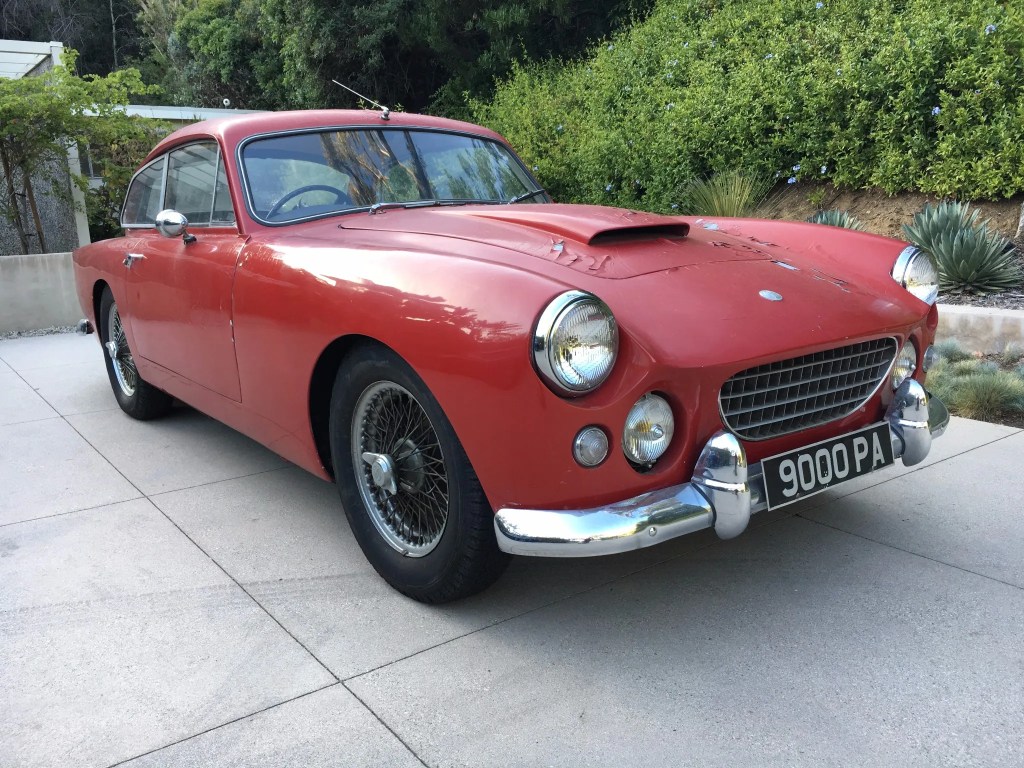
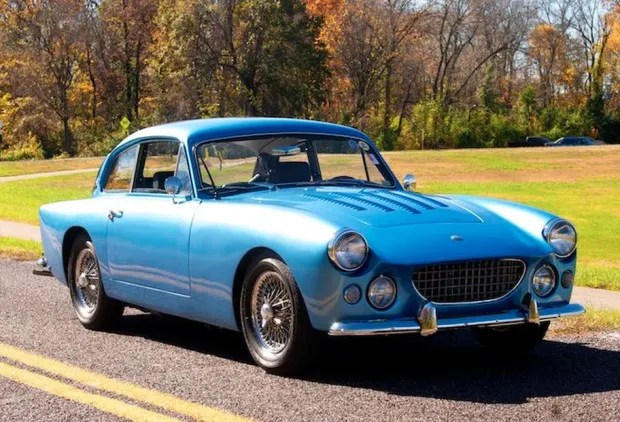
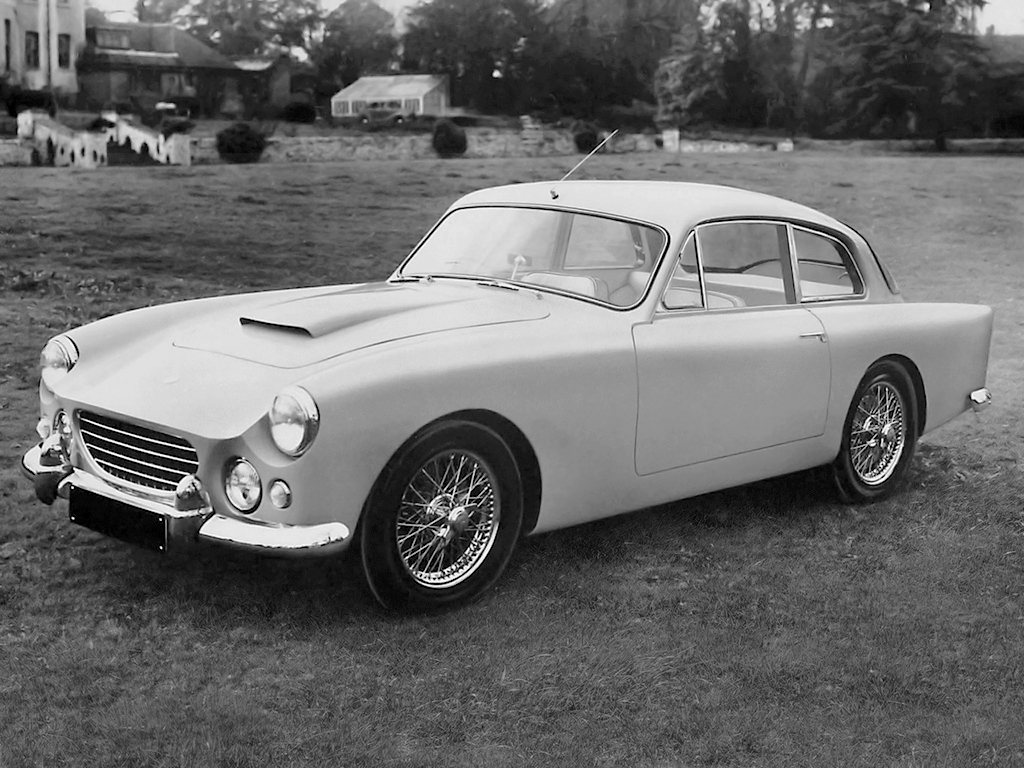
Even before Carroll Shelby cemented the Cobra’s place in the pantheon of automotive legends, the British marque AC already had some genuinely interesting machines in its lineup. The Aceca proved to be a success, and the Ace itself was a popular roadster worldwide – so the British decided to go for something more refined. That was meant to be the new Greyhound.

Not entirely new, though – the British had already built a 2+2 before. A decade earlier, they had the 2-Litre, and in theory, the Greyhound was meant to be its successor – but in practice, the new car had nothing in common with it.

The 2-Litre was an old design inspired by pre-war Jaguars. The engine technology dated all the way back to 1919, and the car used a solid axle both front and rear, while the new model was based on the AC’s sportscar platform. And I’ll tell you what – the Aceca was a huge departure from those carbon-dated designs.

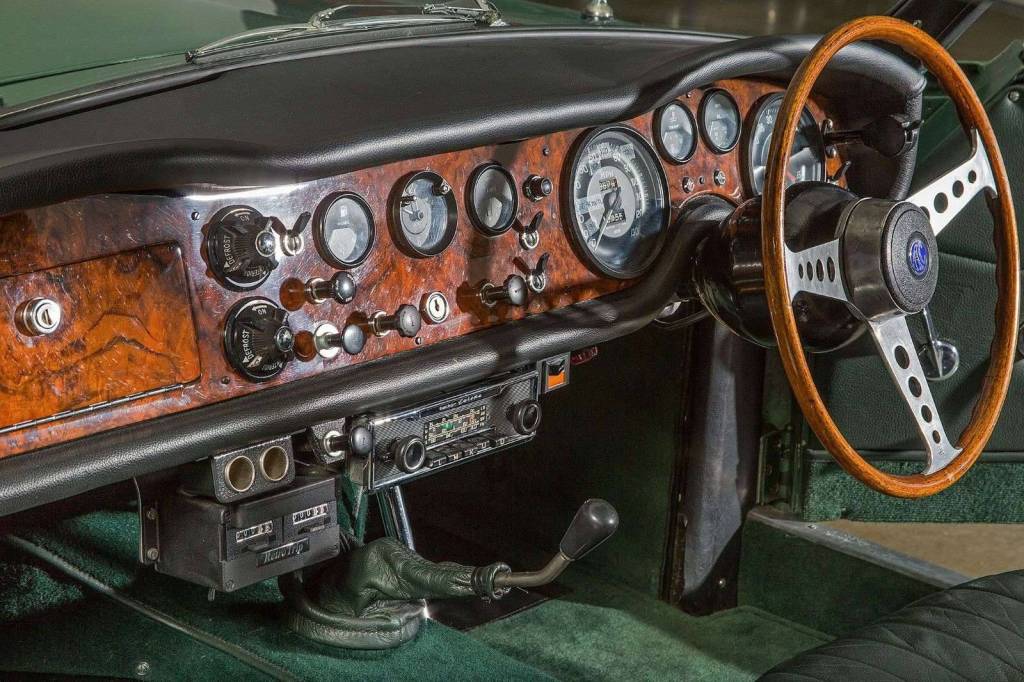
The goal was to comfortably carry four people, so instead of cramming a rear bench into the Aceca, they chose to extend the wheelbase. Getting rid of the transverse leaf springs freed up a lot of space – both for a proper engine up front and for passengers in the rear. The switch to coil springs and a now independent suspension setup also brought handling benefits – well, compared to the 2-Litre, that’s for sure.

On top of that, the chassis itself needed upgrades. The frame was reinforced, as the new model had to handle greater loads. It was also significantly longer than its predecessor. Because of that, it couldn’t match AC’s purely sporting lineup – and the added weight effectively crippled the performance across the board, whether it was powered by Bristol, Ford, or AC’s own engines. All of them suffered for it.

Overall, the competition had a clear advantage – mainly thanks to superior power outputs. The rivals didn’t just look more aggressive, they had the speed to back it. The AC looked decent enough, but a 2.0-liter under the hood killed any dreams of greatness. It was simply too little for a car that looked this good – especially since AC wasn’t offering anything beyond that.

That’s why only around 83 units were built in total – give or take. There was also a 2.2-liter Bristol variant, but output never exceeded 125 horsepower, so it didn’t really matter anyways

Bristol stopped producing those engines, so the British had to find a new supplier – and only the 2.55-liter Ford Zephyr unit managed to deliver around 170 horsepower. Even then, it still wasn’t enough to classify the car as a true sports machine.

That was never its role – it was meant to be comfortable and more approachable than the brand’s extreme models. It was never meant to have true sporting ambitions.

Handling was never its strong suit. Despite the larger engine, there was practically no difference in acceleration — the extra power only slightly increased the top speed to around 120 mph (190 km/h). It is often said that the Bristol engines, based on BMW designs, could manage 0-60 in as little as 9 seconds (depending on the gearbox), but those are very generous estimates. Most examples were probably closer to 11–12 seconds, and hard data on the subject is difficult to come by.

The development of this model consumed a huge portion of the company’s funds, and in reality, the project still needed a lot of refinement. There was a prototype with a boxer engine, as well as plans to use a Daimler V8 (or Rover/Buick). The boxer would have handled better – and the Daimler would have been much faster… So why did none of that happen?

Well, we all know what happened. The Cobra happened. Cobra stormed in and tore the head off every other project. Even the Ace and Aceca died off around the same time. Some owners swapped in V8s on their own – and the platform takes the extra power without much trouble.

A short life Greyhound had. It was on the market for just four years, but let’s be honest, it was doomed from the start. The Bristol engine – a respected unit and considered reliable – simply wasn’t enough and was quickly phased out. The body design may have aged well today, but it was not received best at launch. On the road, the car only really held its own in a straight.

The Greyhound had modern suspension and was comfortable, but it was too big on the outside and too small on the inside for a proper family car. The biggest advantage of owning one in the ’60s was probably just those engines… which is exactly why many of them fell victim to car thieves – stripped down to become donors for other Ace models.

Krzysztof Wilk
All sources: it was a text retrieved from my lost webpage – sources will need to be filled later
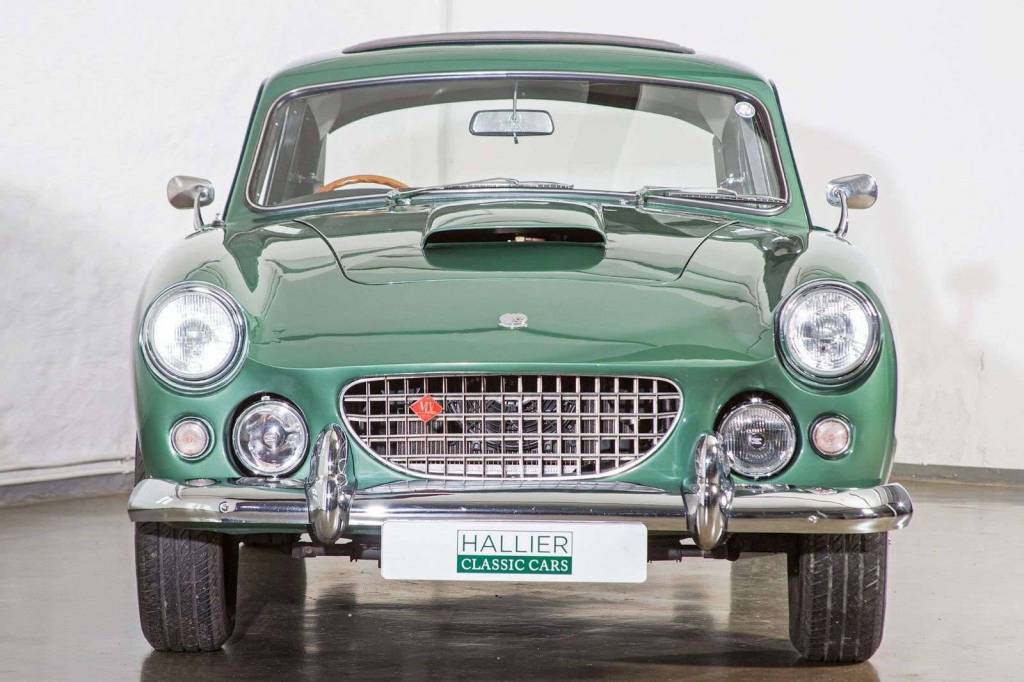
1959 – AC Greyhound

EngineDisplacementPowerAccelerationTop Speed
Straight 62.0-2.6 L75-170 BHP9.0-11.4 s110-120 mph
180-190 km/h

Jeszcze zanim Carroll Shelby umieścił Cobrę na stałe w kanonie legend motoryzacji, brytyjska marka AC miała już w ofercie naprawdę ciekawe maszyny. Model Aceca okazał się sukcesem, sam Ace był popularnym na świecie roadsterem, więc Anglicy zdecydowali się na bardziej luksusowy produkt. Takim miał być nowy Greyhound.

Nie taki zupełnie nowy, bo Anglicy już zrobili wcześniej auto w układzie 2+2. Jeszcze dekadę wcześniej mieli model 2-Litre i to jego następcą tak naprawdę miał być Greyhound, ale nadchodzące auto w praktyce nic z nim nie łączyło.

2-Litre to był stary design inspirowany przedwojennym Jaguarem. Technologia tamtych silników to projekt jeszcze z 1919 roku, a pojazd miał sztywną oś z przodu i z tyłu, kiedy nowe auto korzystało z platformy sportowych modeli marki. I powiem wam, Aceca to było duże odstępstwo od zdziadziałych projektów datowanych radiowęglowo.

Auto miało w wygodny sposób zabrać w podróż 4 osoby, dlatego zdecydowano się nie dodawać tylnej kanapy do modelu Aceca, a zamiast tego raczej wydłużyć rozstaw osi. Pozbycie się poprzecznych sprężyn piórowych pozwalało zaoszczędzić sporo miejsca na jakiś solidny silnik z przodu, jak i dla pasażerów z tyłu. Użycie sprężyn śrubowych w niezależnym teraz układzie zawieszenia miało zalety również w prowadzeniu – no w porównaniu do 2-Litre, to na pewno.

Do tego poprawki czekały samo podwozie. Wzmocniono ramę, bo nowy model musiał być dostosowany do większego obciążenia. Był też dużo dłuższy od poprzednika. Nie mógł przez to równać się z czysto sportową gamą modelową AC, a dodatkowe obciążenie wykastrowało osiągi wszystkich modeli – tych z silnikiem Bristola, Forda, albo z własnymi motorami AC. Wszystkie na tym cierpiały.

Generalnie konkurencja miała sporą przewagę – głównie dzięki dominacji w mocy. Rywale nie dość, że wyglądali agresywnie, to mogli się pochwalić szybkością. AC wyglądało sensownie, ale 2.0 pod maską niszczyło wszelkie marzenia o wielkości. To było po prostu za mało jak na takie ładne auto – z tym, że AC nie oferowało nic ponad to.

Dlatego powstały chyba tylko 83 sztuki w całej historii – coś koło tego. Bristol występował też w wersji 2.2, ale maksymalna moc nigdy nie przekraczała 125 koni mechanicznych, więc to było bez sensu.

Bristol przestał robić te motory, więc Anglicy znaleźli nowego dostawcę i dopiero silnik Forda Zephyr o pojemności 2.55-litra był w stanie dostarczyć moc na poziomie 170 koni. To jednak nie wystarcza, żeby zaklasyfikować ten pojazd jako sportowy.

Bo i też nie taka jego rola – on miał być wygodny i bardziej przystępny niż ekstremalne modele marki. Nigdy nie miał sportowych aspiracji.

Właściwości jezdne nie były jego mocną stroną. Mimo większego silnika, różnica w przyspieszeniu nie zaistniała praktycznie żadna – dodatkowa moc zwiększyła tylko nieznacznie prędkość maksymalną do około 120 mph (190 km/h). Mówi się, że podobno silniki Bristola na bazie BMW cechowały się przyspieszeniem na poziomie nawet 9s do setki (w zależności od użytej przekładni), ale to bardzo wielkoduszne kalkulacje. Raczej większość modeli miała osiągi bliżej 11-12s i trudno znaleźć jakieś twarde dane w tym temacie.

Rozwój tego modelu pochłonął gro funduszy u Anglików, a projekt tak naprawdę wymagał jeszcze sporo poprawek. Był prototyp z silnikiem w układzie boxer, oraz plany użycia V8 Daimlera (albo Rover / Buick). Boxer na pewno by się lepiej prowadził – a Daimler byłby dużo szybszy… Dlaczego do nich nie doszło?

Wszyscy znamy odpowiedź na to pytanie. Do oferty wdarła się Cobra i łeb urwała wszystkim innym projektom. Nawet Ace i Aceca też zdechły w tym samym czasie. Niektórzy właściciele na własną rękę pchają do nich V8 i platforma bezproblemowo przyjmuje mocniejsze jednostki napędowe.

Ten model miał krótkie życie. Był w obiegu tylko 4 lata, ale tak naprawdę od początku był skazany na porażkę. Silnik Bristola – uznana jednostka i uchodząca za niezawodną – był niewystarczający i szybko wypadł z produkcji. Design nadwozia, dziś zyskuje na urodzie, ale raczej nie został pozytywnie przyjęty w dniu premiery. Zachowanie auta na drodze trzymało poziom wyłącznie na prostej.

Greyhound miał nowoczesne zawieszenie i był wygodny, ale za duży na zewnątrz, a zbyt mały w środku jak na auto dla rodziny. Największym plusem z posiadania tego AC w latach ’60-tych były chyba tylko te silniki… przez co wiele z nich padło łupem złodziei właśnie po to, aby skończyć jako dawcy dla modeli Ace.

Krzysztof Wilk
Żródła: to odzyskany tekst z utraconej witryny – źródła są do uzupełnienia

1947 – Ferrari 125 S

EngineDisplacementPowerAccelerationTop Speed
V121.5-2.0 L

Ferrari is all different. Enzo never wanted to build production cars. That was never his dream. Racing was always the goal. It is, however, a rather expensive hobby – and some top-level series simply require running road-going examples for homologation in order to compete at all. So for Enzo, motorsport was the calling, and building cars for civilian customers was merely a necessity. A job he didn’t really want – but one he showed up to, because he simply had to, in order to fuel his racing ambitions.

You have to look at Ferrari differently. Usually the situation is clear – take Porsche, for example… Everyone knows what’s what. For over half a century, ‚the Porsche’ essentially meant the flagship 911 paired with some accompanying model – often more conventional, with more accessible performance and a friendlier price tag. Over the years that role was filled by the 912, 914, 944 and the Boxster.

Lamborghini followed a similar pattern: a flagship supercar paired with a weaker and more affordable sports car. Miura and Espada. Countach and Jalpa. Murciélago and Gallardo.

Jaguar was different – but just as clear. For most of its history, Jaguar meant a sports car: starting with the XK120, then the E-Type, the XJS that replaced it, followed by the XK8 and eventually the F-Type. That was one side of Jaguar. The other face of the brand was its line of flagship XJ luxury sedans. Beyond the sports car and the XJ, there was rarely anything that truly lasted over time. Of course, you’ll find exceptions to all of the above – SUVs, for instance – but that’s a relatively recent trend, and not one worth focusing on, so I’m not counting it.

And so everything is clear… but Ferrari is all different. In truth, the brand doesn’t really have a direct rival. There are no true equivalents. They don’t build sedans, they don’t build cars for the masses. Ferrari’s lineup consists almost exclusively of sports cars.

And you might say that Porsche or Aston Martin are natural Ferrari rivals – yes, but which ones? What Porsches and what Ferraris? Why one model and not the other? All of their cars are powerful, fast, beautiful and exclusive. Quite often, they’re not obtainable by money alone – the opportunity to buy certain models has to be earned in other ways. For example, by having prior experience behind the wheel of a Ferrari and owning a sufficient number of the brand’s more accessible cars.

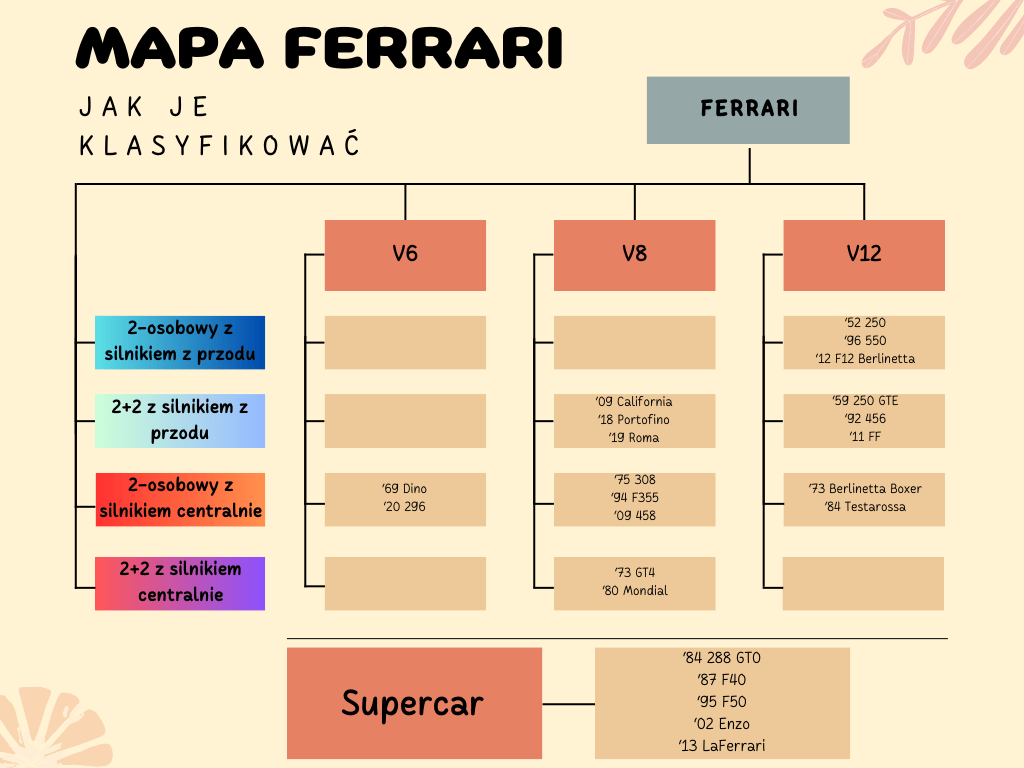
So how do you decide which one is the flagship? Can any of them even be called that? Which model is the continuation of which? There is a way to quickly identify any Ferrari – a way that lets you understand, in just a few seconds, exactly where to place it on the map. A method so effective that we’ll be using it in all articles covering the brand’s road cars.

To truly understand Ferrari’s cars, you need three pieces of information: the type of engine, its location, and the seating layout. Starting with the first data point – Ferrari built cars with V-shaped engines featuring 6, 8, or 12 cylinders. That engine was always mounted either at the front or in a mid-engine configuration. The final criterion is the seating layout, which came in two variants: strict two-seaters or 2+2.

And that already tells us a lot about their models, because that data allows us to easily determine that, for example, the Testarossa is the successor to the Berlinetta Boxer – since it replaces a two-seat mid-engined V12 coupé. In their case, it was a flat V12 with a 180-degree angle.

And that’s really all you need to know. Performance figures, horsepower, price, even the name – irrelevant. With those basics, we can easily determine where both models sit on the X-axis. Alright – now that we’ve got that out of the way, let’s get to it…

A high-quality infographic with outstanding aesthetic value brilliantly illustrates what I’ve been trying to explain to you here in the first place. (It’s in Polish, but I will soon replace it with one in English)

Enzo had been involved in motorsport since the early 1920s. He had some modest success as a driver. Won some golden thong behind the wheel of an Alfa Romeo, picked up a waffle award. Nothing spectacular – but you can’t say he was a complete failure either.

It wasn’t until the end of the decade that things really took off, when Enzo founded his own team, racing in the official Alfa Romeo colors. And that’s when they absolutely wiped the floor with the competition. For two reasons – first of all: they had the best technical mind in the business, Vittorio Jano. And second of all: they had the best driver, ok – Tazio Nuvolari, of course. Champions League dream team. You won’t change my mind.

These guys were delivering such carnage on track that Alfa handed over the entire racing program to them with a kiss on the hand, happily focusing on building road cars instead – because Enzo had it all sorted. Everything handled. Easy life.

Unfortunately – or just the opposite! – after nearly two decades of cooperation, Enzo Ferrari had to face his first schism. The one that would ultimately give birth to his automotive empire. The partnership with Alfa Romeo was over – and from that moment on, the fastest cars in all of Italy – hell, in Europe, maybe even the world – would wear the Ferrari badge.

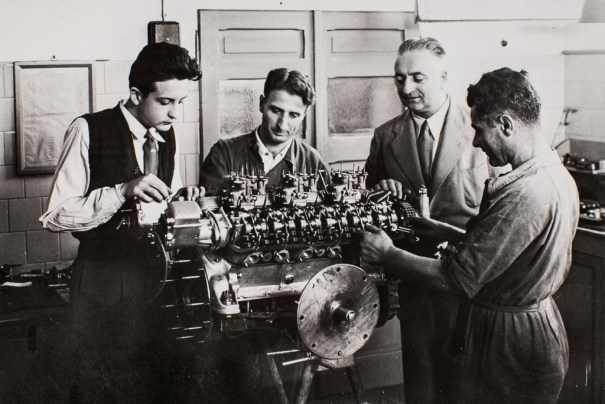
And although the first ‚Ferrari’ was still the AAC 815, built largely from Fiat parts, after the war Enzo was finally free to use his own surname however he pleased. He wanted to bring Jano back into the fold for his new venture – that didn’t quite work out, but he did manage to secure a certain Gioacchino Colombo. The two already knew each other from their time at Scuderia Ferrari Alfa Romeo, where they had both been involved in projects like the 158. And what a machine that was – fuck me, that’s story another story for sure.

You may not like him, but let’s be clear about one thing – Enzo Ferrari was not stupid. He understood that the world rebuilding itself after the war would not be the ideal market for expensive, high-maintenance sports cars. That’s why Colombo’s task was to design a platform versatile enough to appeal to a broader range of customers.

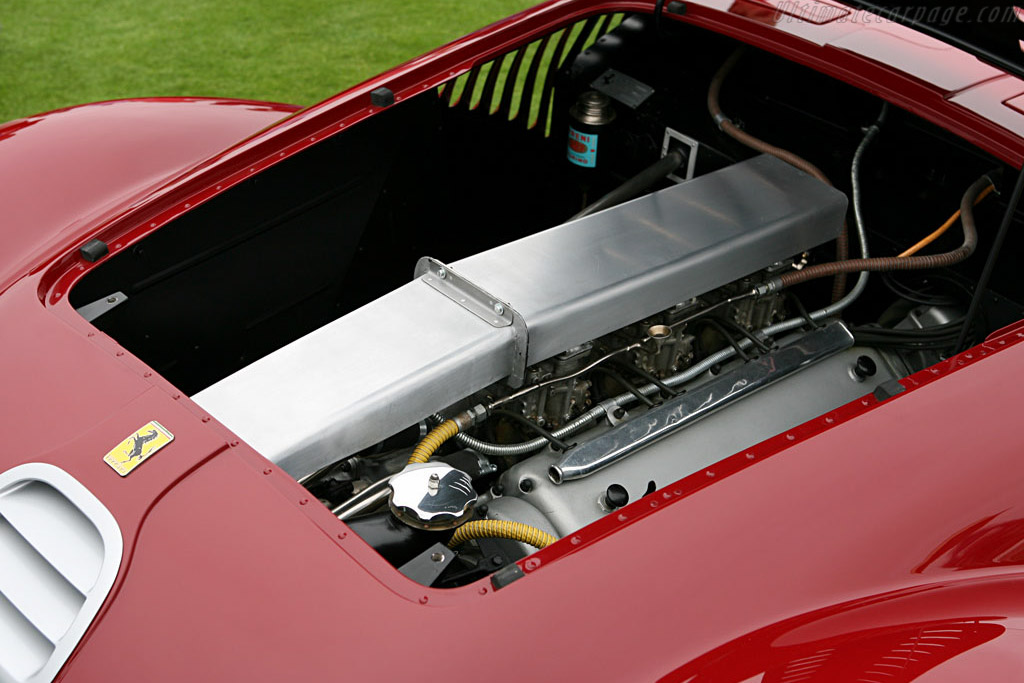
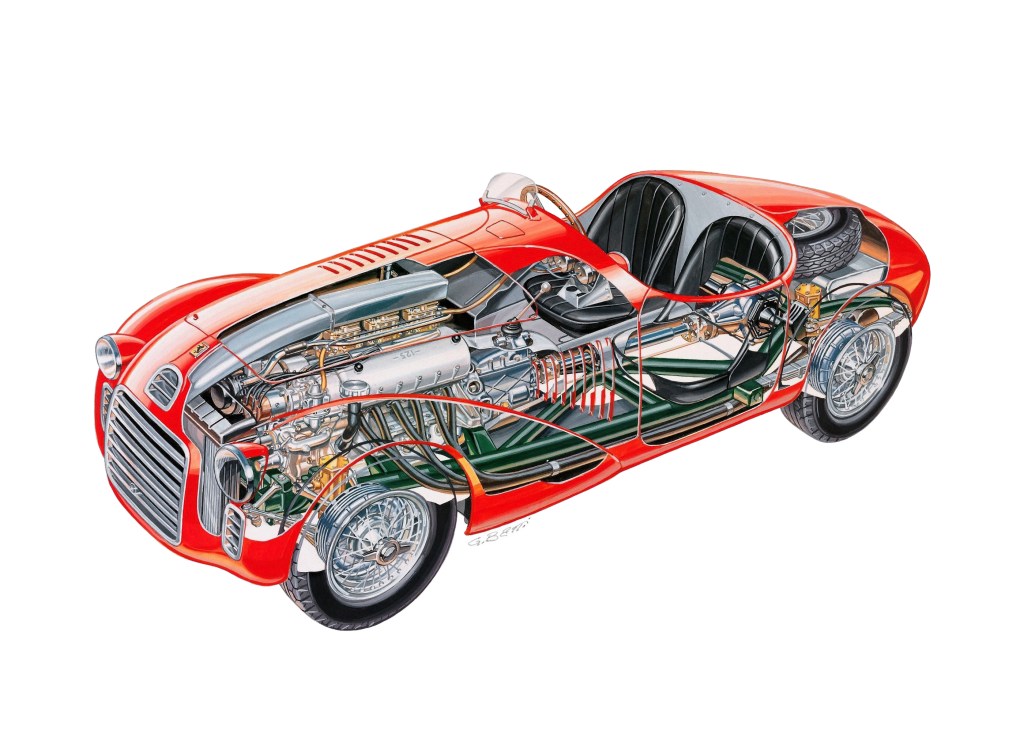
What he devised was a fairly simple tubular spaceframe and a V12 built in the old Scuderia Ferrari style, with a 60-degree bank angle. Nothing revolutionary, really – but you don’t change a winning team, do you…

The engine was to displace 1.5 liters – and get this: it was probably the smallest V12 in the history of our galaxy. Naturally aspirated it could comfortably power road cars, and all it took was adding a supercharger to make it do serious work on the track. And since it was only 1.5 liters, it qualified for all the Grand Prix categories without any trouble. Made sense.

Unfortunately, Colombo returned to Alfa Romeo, so a man by the name of Aurelio Lampredi was brought in to continue the work at Ferrari. Those engines had a few issues – he was the one tasked with sorting them out.

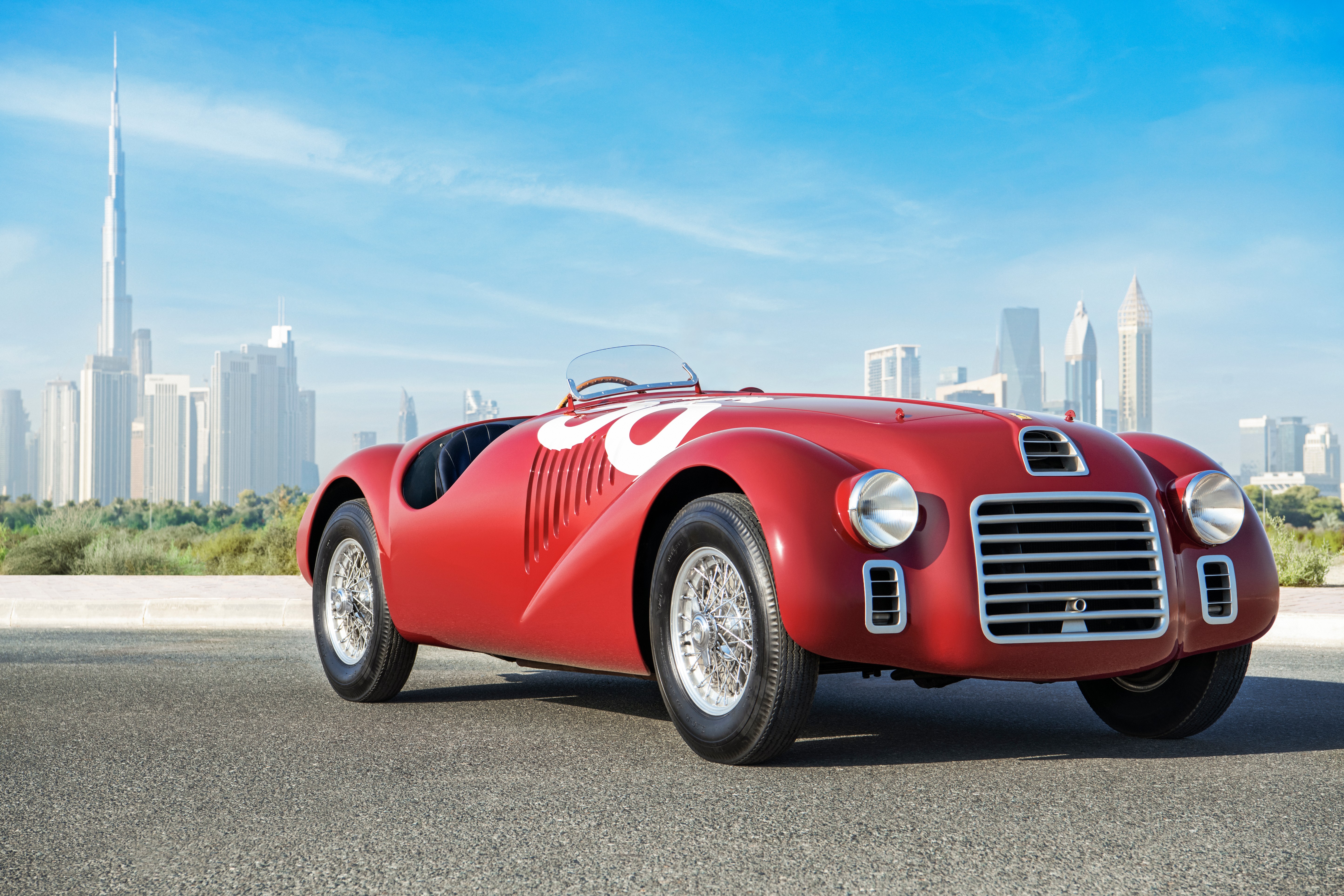
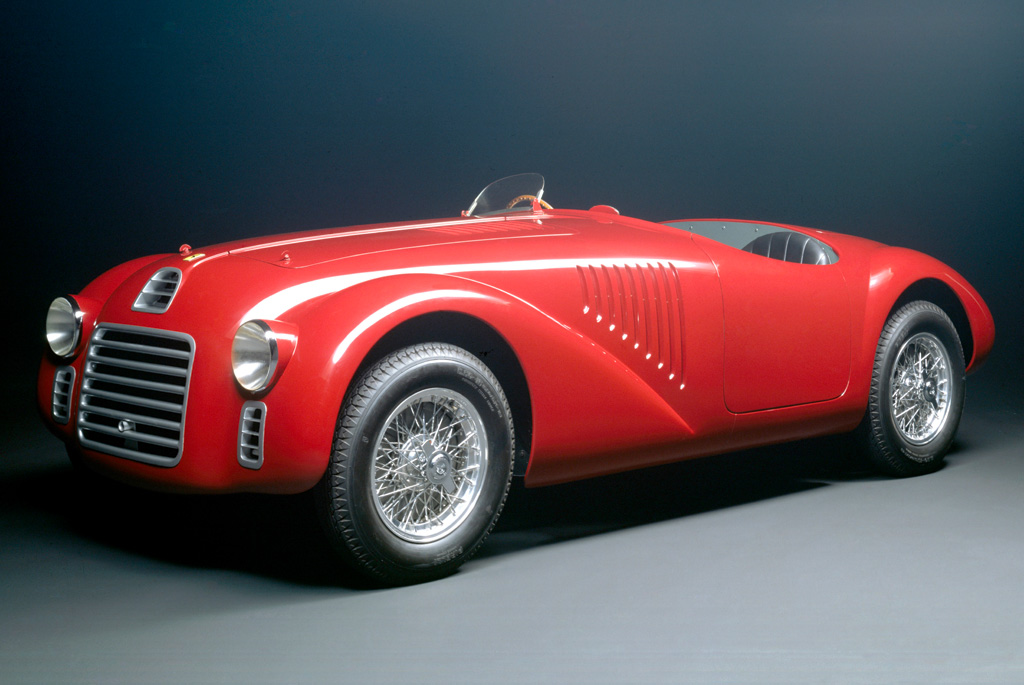
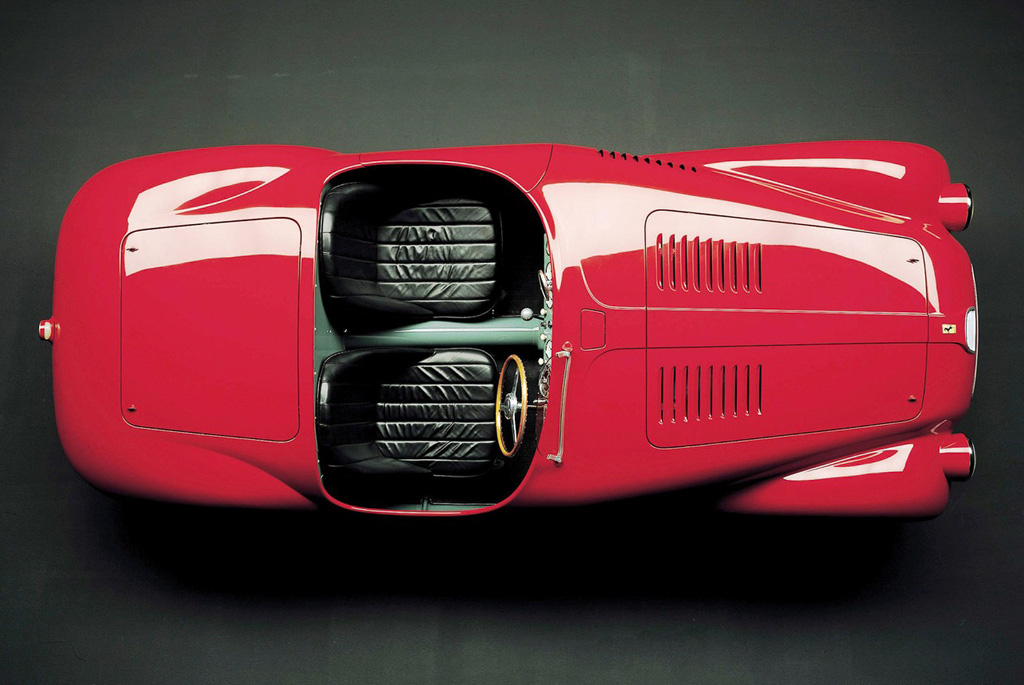
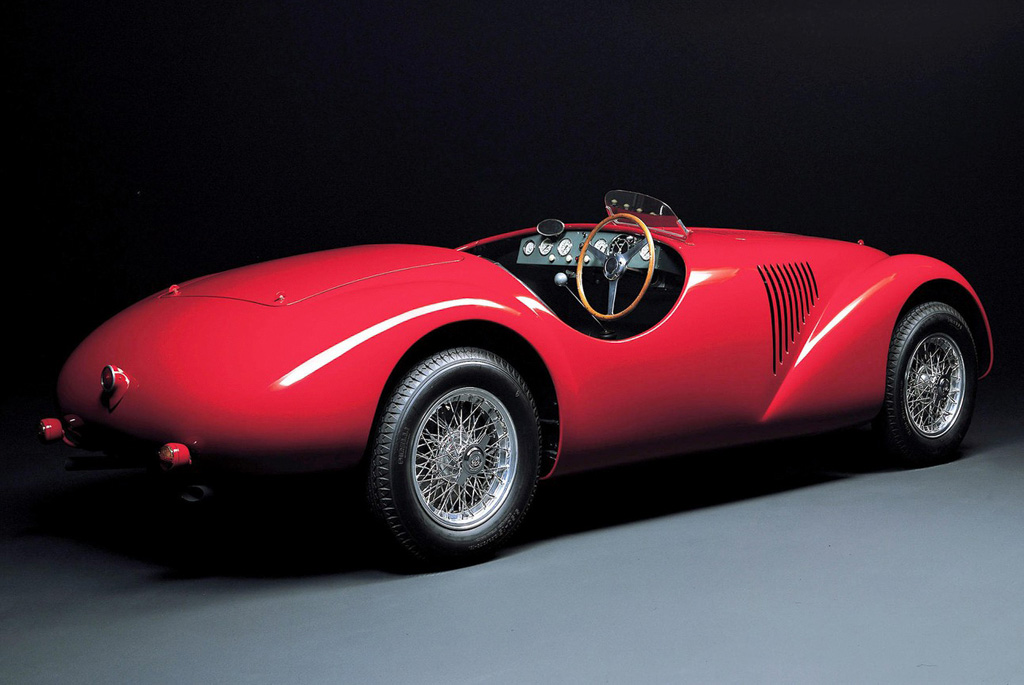
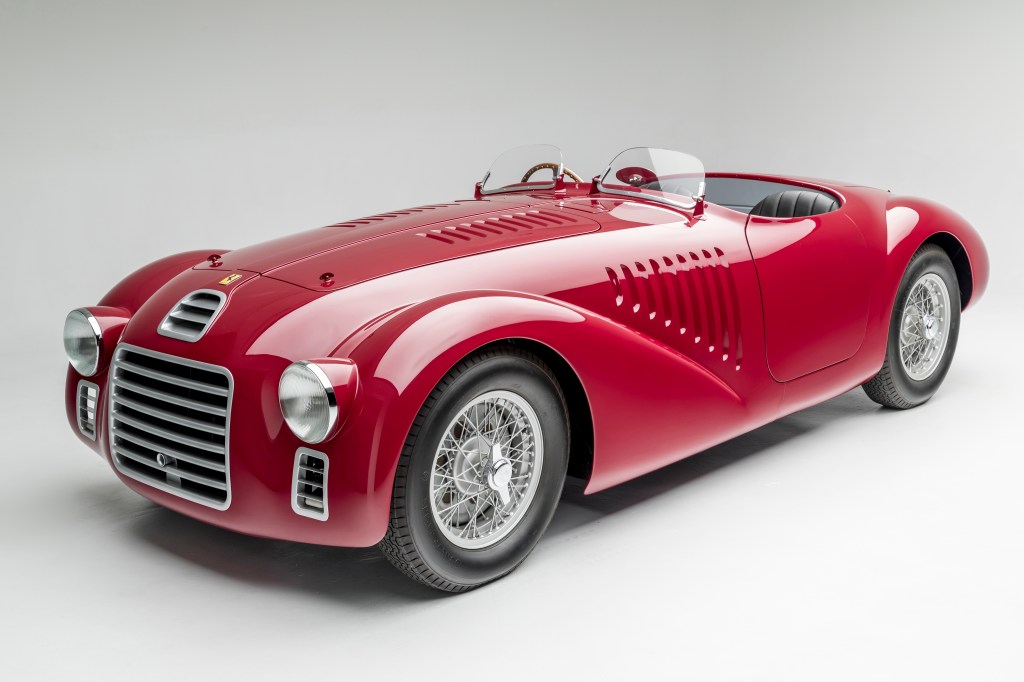
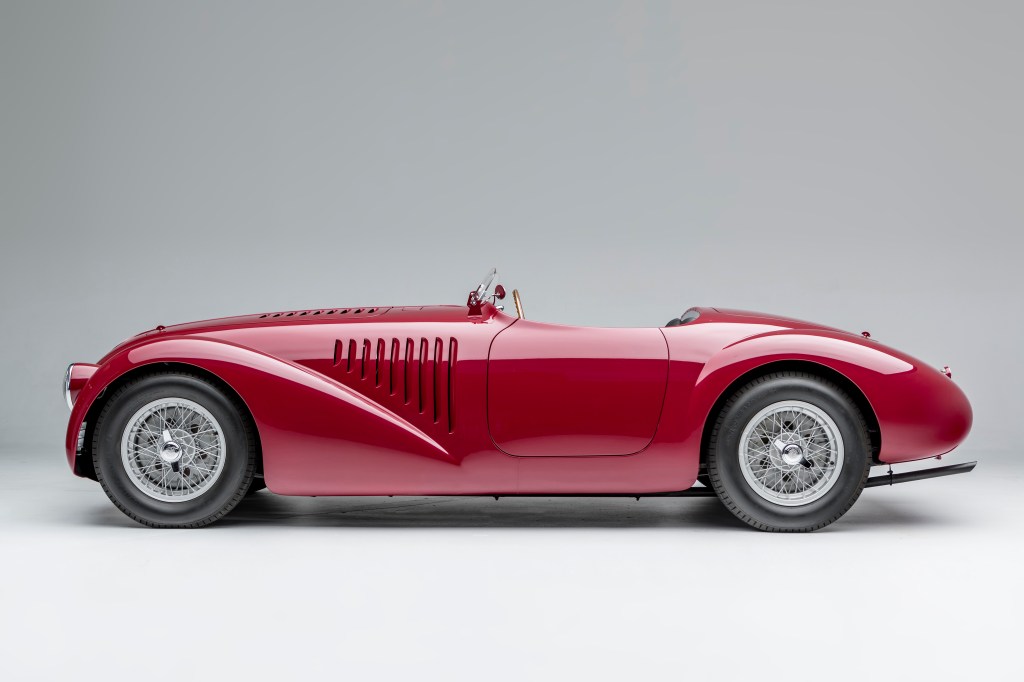
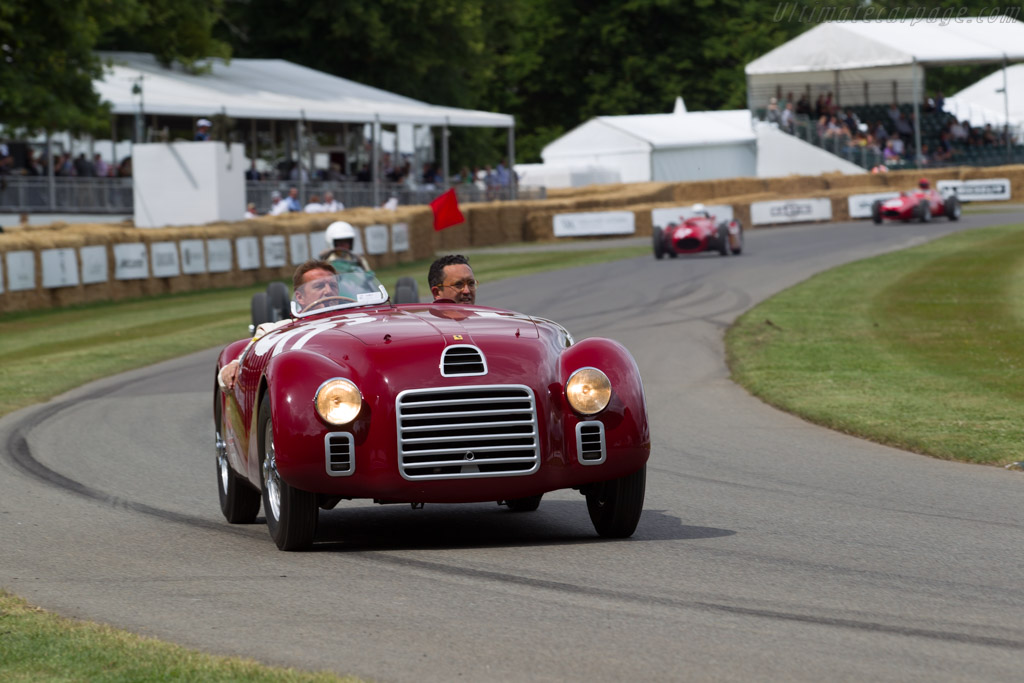
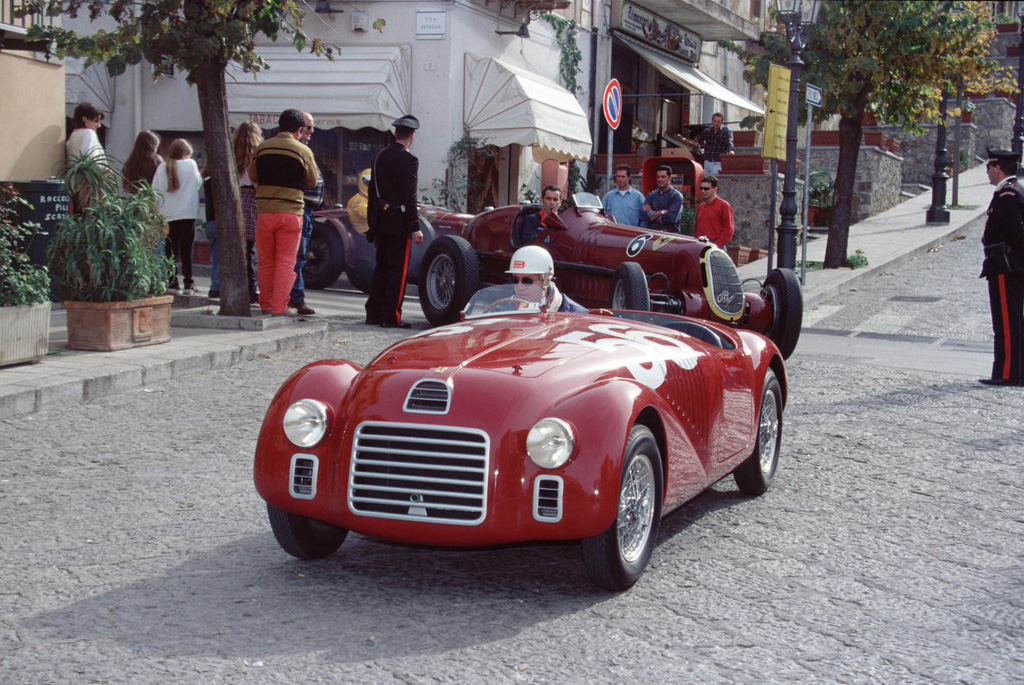
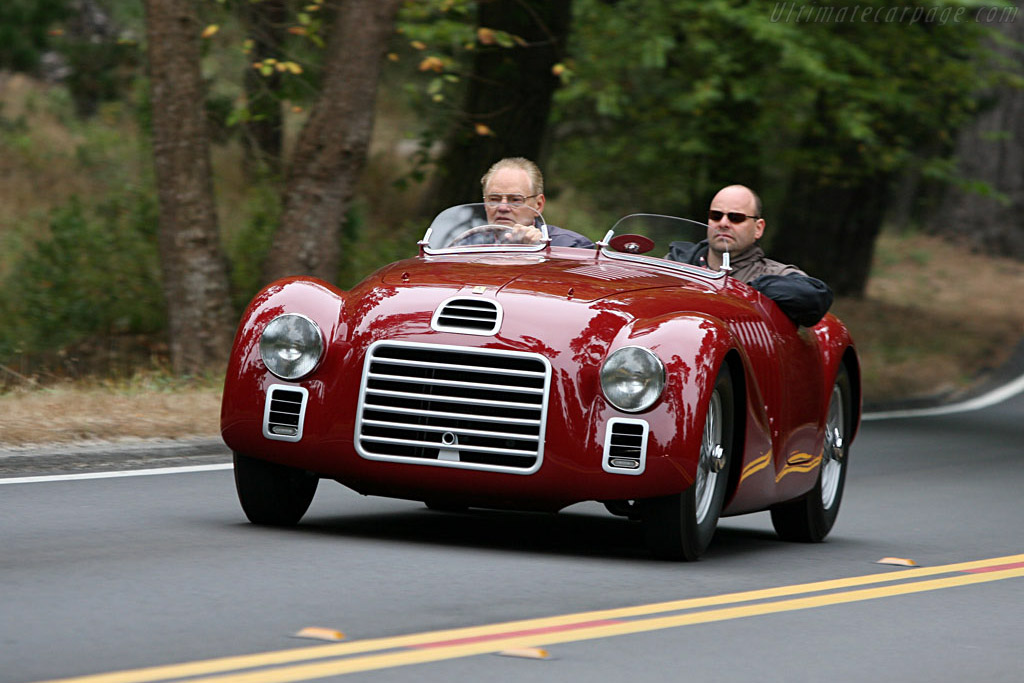
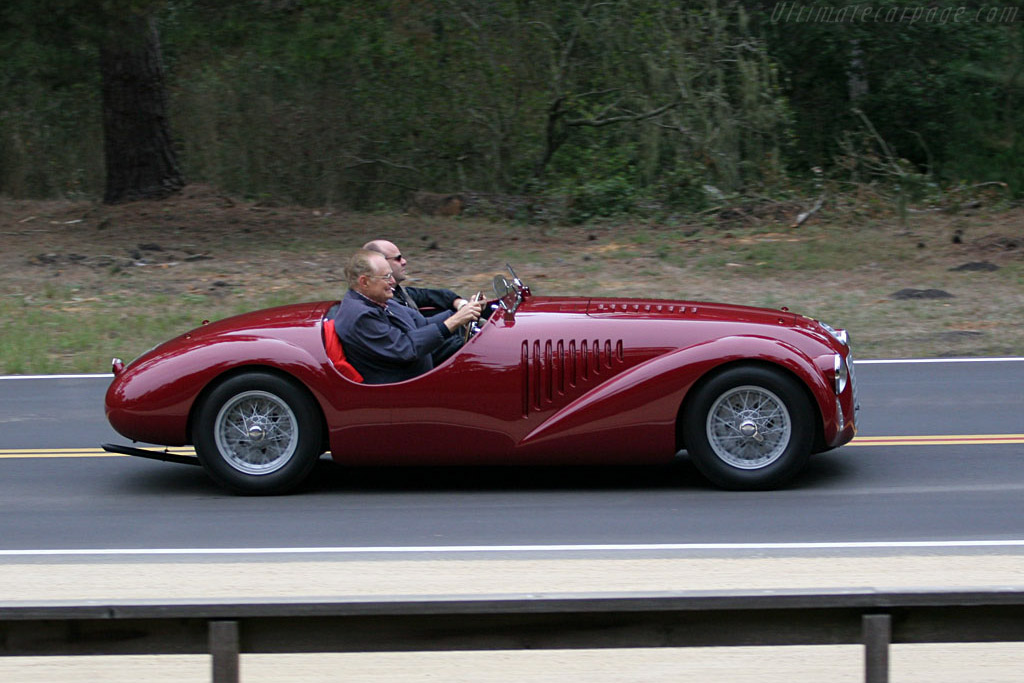
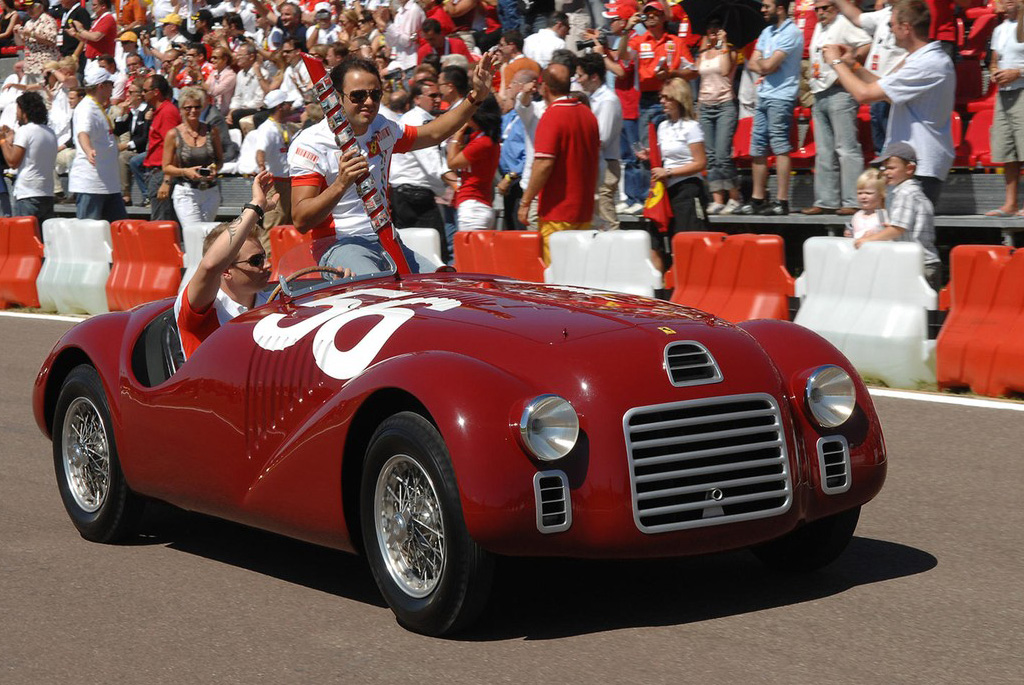
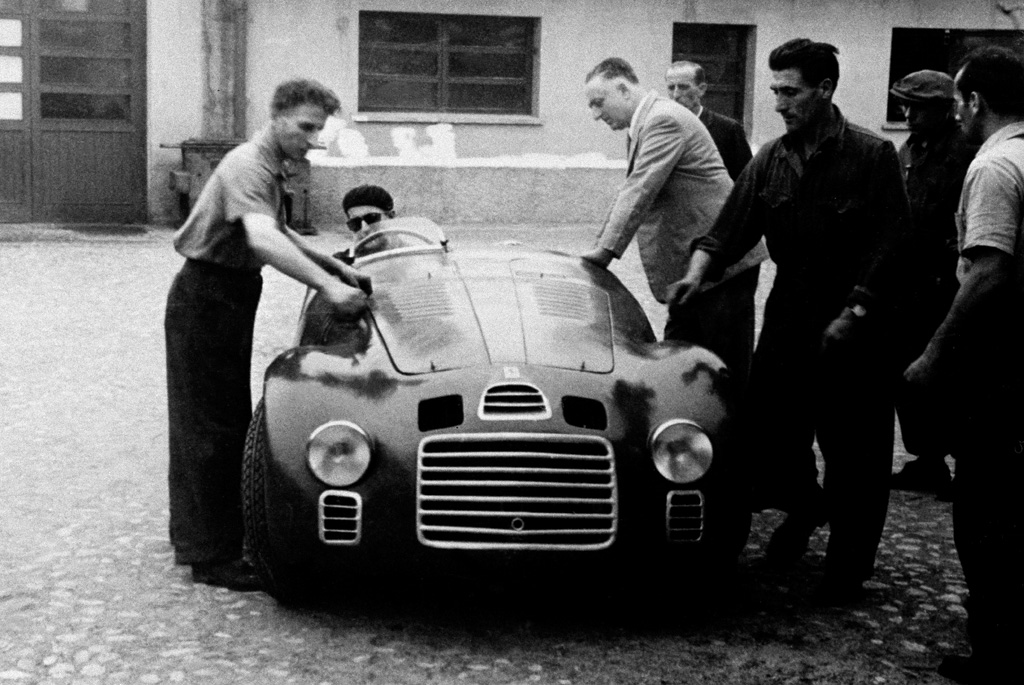
The name came from the engine variant used – specifically, the displacement of a single cylinder – and it’s a tradition that would stay with the brand for years to come. In March 1947, the first example came to life. By May, Lampredi was gone as well. A second car was built, but it differed quite significantly from the first. The early version was a conventional roadster; the new one had fully exposed wheels.

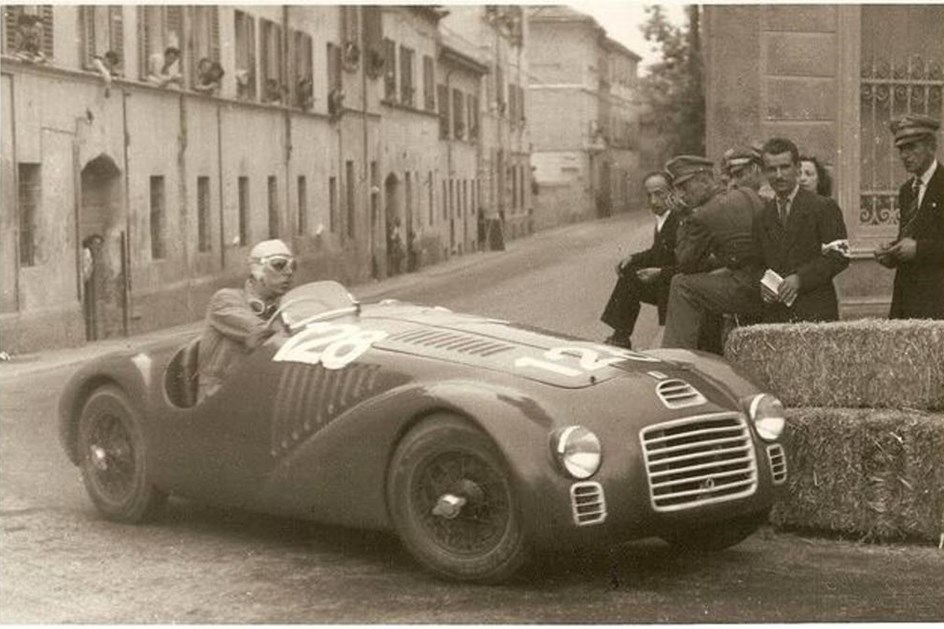
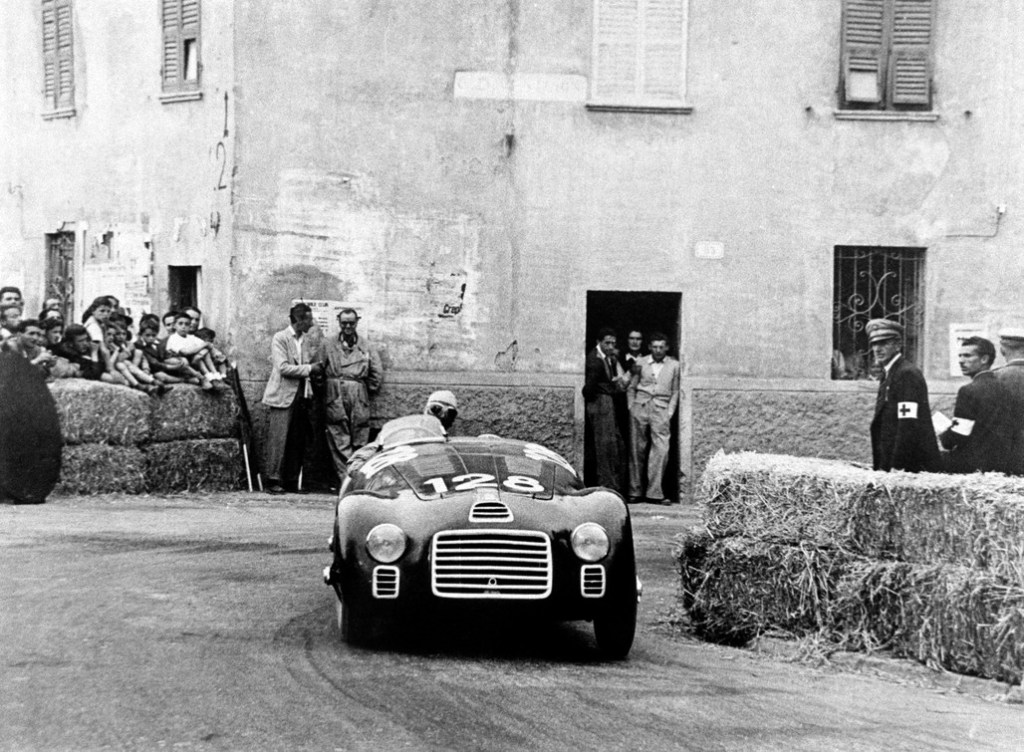
Both cars headed for Piacenza to compete, but after a tough run one of them started smoking, choking – I don’t know… likely the fuel pump. It had to retire, even though it had been leading up to that point. Enzo himself admitted it was a rather ‚promising failure.’ I think it had about three laps to go.

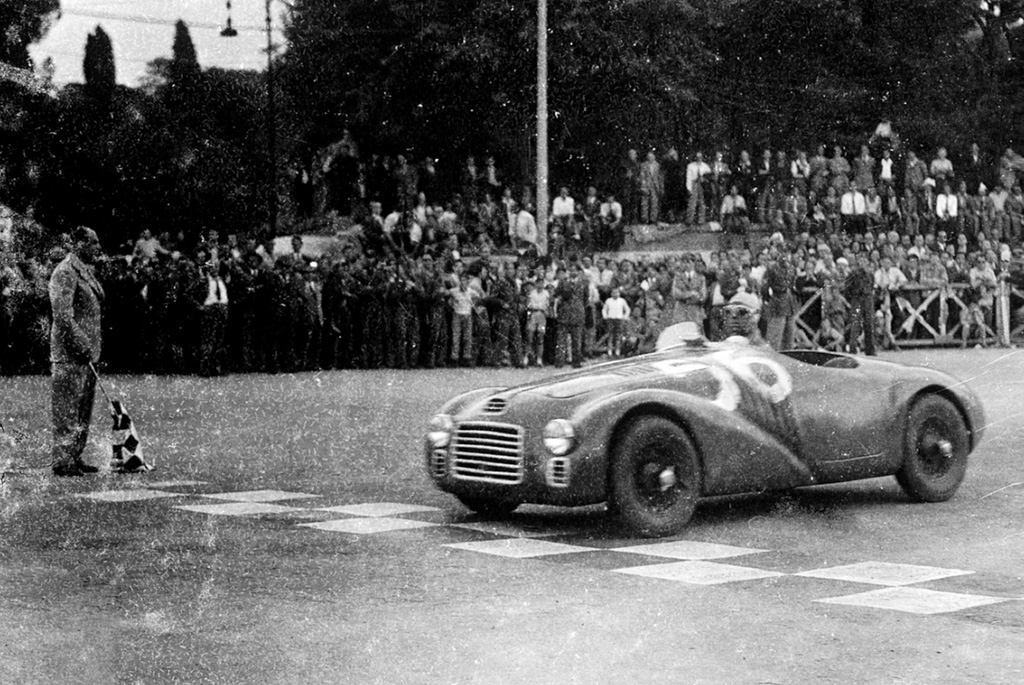
The second project didn’t fare much better. It crashed. Twice – no less. Complete disaster. Two weeks later came the second attempt – successful this time. The first victory for the Ferrari name – in just its second race. And within four months, they had won 6 out of 13 events overall.
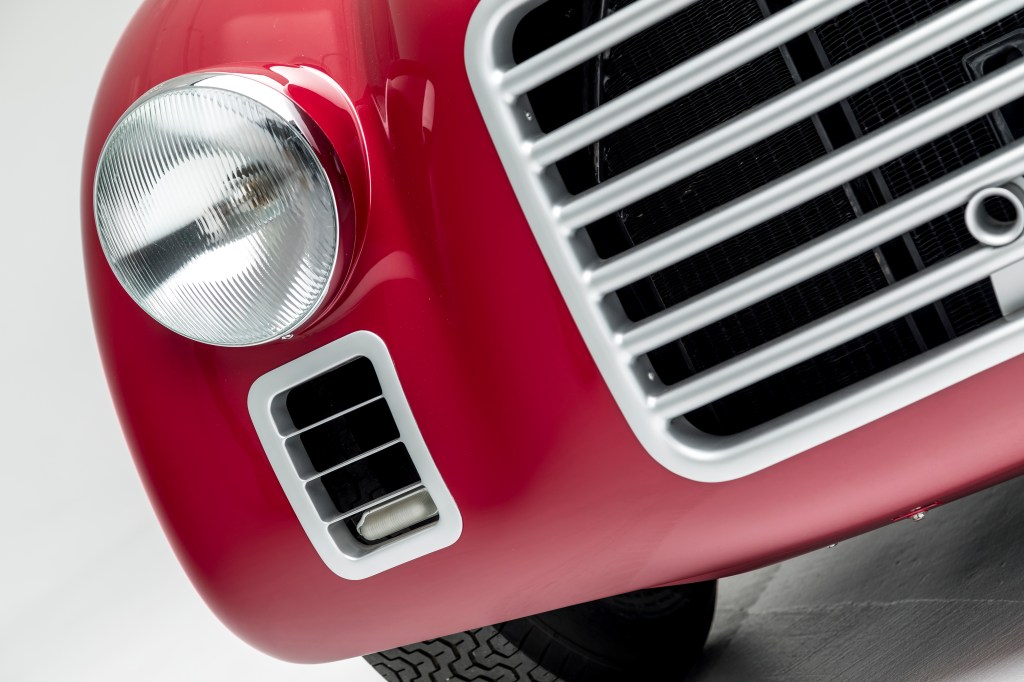
Both cars received continuous support and were developed in parallel throughout the season. The V12 had to be enlarged to keep up with stronger competition – it needed at least 1.9 liters capacity. That’s why the models with this engine (meaning both existing cars – none of which have survived to this day in their initial 125 S configuration) were re-designated as 159.

A third example was built – this one with full racing bodywork. They managed to consult Colombo, and following his suggestions, all the 159s saw a significant boost in performance. It was in one of these that Raymond Sommer won the Turin Grand Prix – Ferrari’s first major victory. Behind the wheel of an updated 159.

That last example became the basis for a car intended for a customer – one that would be driven on public roads. It was very advanced in terms of its bodywork and chassis – the entire platform, let’s say… but there was still plenty of work to be done on the engine. The displacement was increased once more – the 166 variant was now close to 2 liters, yet it still qualified for racing.

By the time the car was sold, it had already become the winner of the Turin race. That’s how the 166 Spyder Corsa came to be – directly derived from the 125 S. The 166 variants went to seven clients before Ferrari introduced an entirely new generation of sports car.

It was great a success for Ferrari. For Enzo – him specifically – rather than just the model or brand itself, because while the car was successful, you could hardly imagine a worse moment to start a business back then. Many had better conditions and still failed – and yet he made it work.

It was thanks to Ferrari’s exceptional sense for running business, and his sheer determination. The truth is, Colombo sketched out the plans for the 125 on toilet paper – and just two years later its direct derivative, the 166, goes on to win Le Mans with Luigi Chinetti behind the wheel.
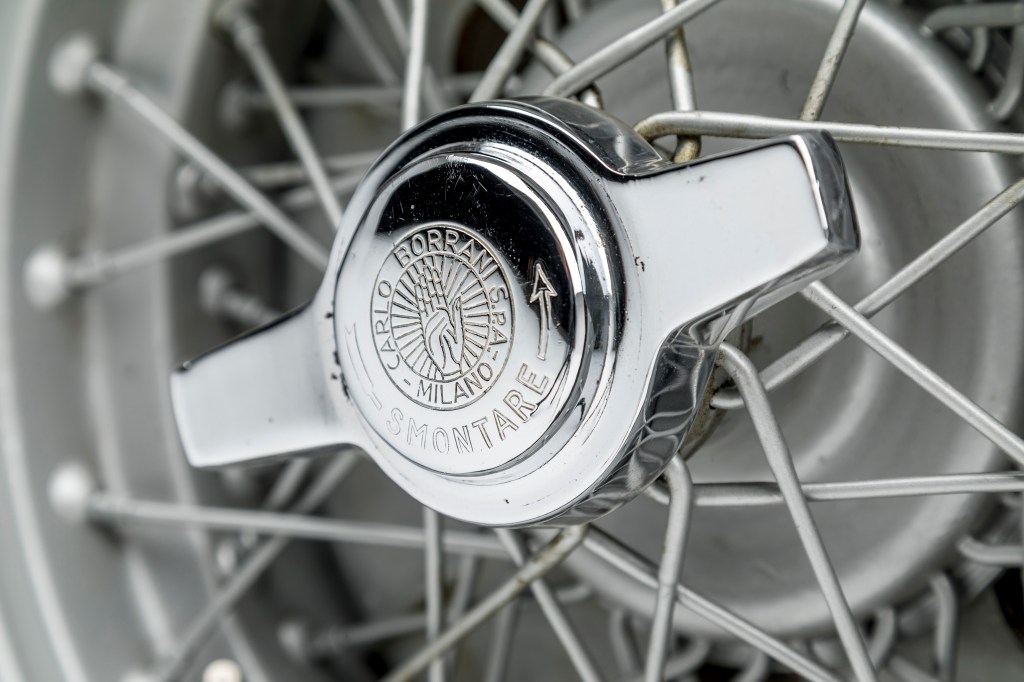
That Colombo doodle would go on to form the foundation for many Ferrari models well into the 1960s, helping the brand reach absolute world number one status by then. A significant portion of Ferrari’s Le Mans success in that era can, to a large extent, be credited to those engines.

Today, however, some information is lost. The documentation hasn’t survived, and many parts were transferred between different examples. Among historians, the prevailing view is that both 125 S cars were upgraded to 166 Spyder Corsa specification – and that’s how they were delivered to customers – which means that not a single one survived in its original form. A fun fact: one of the first customers actually received a discount on his car, because it was sold to him as new, but when he collected, it turned out many of the parts were already worn. Life’s a bitch… isn’t it.

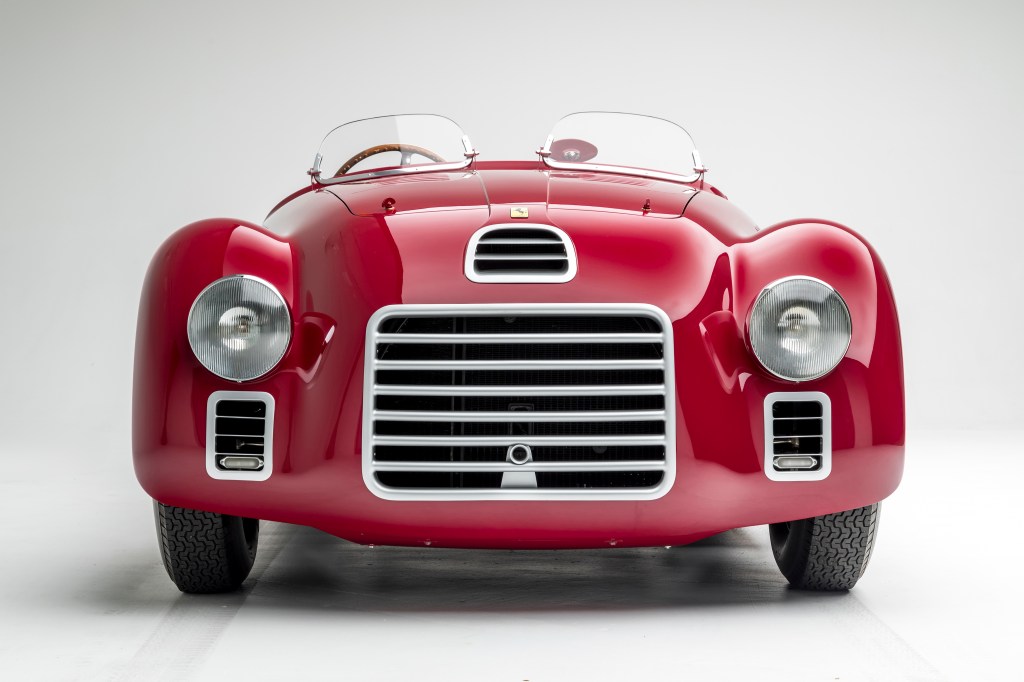
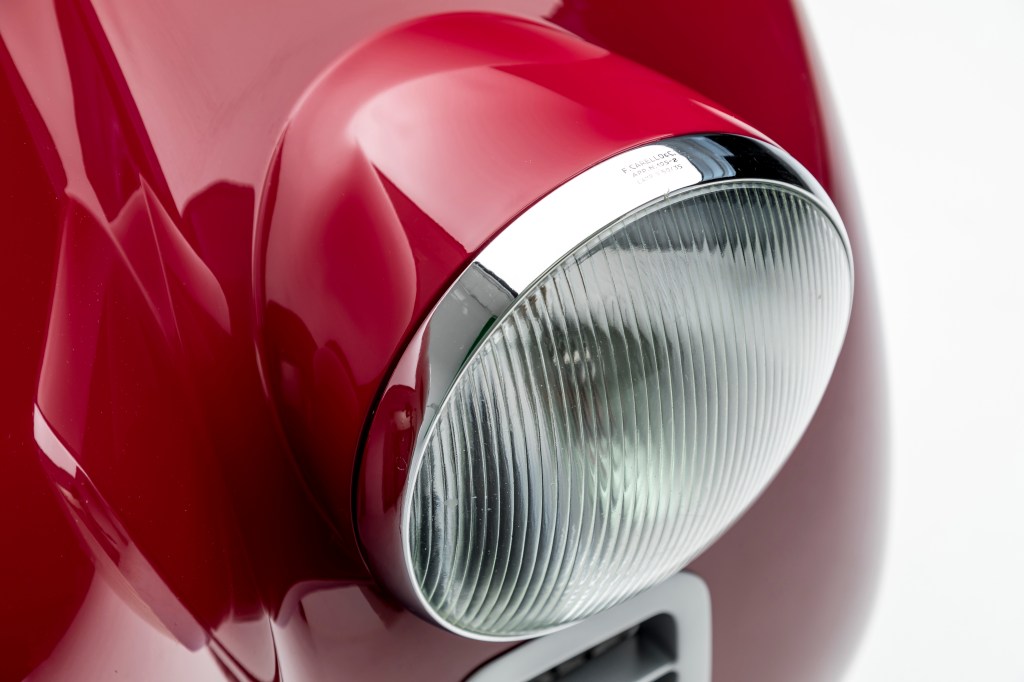
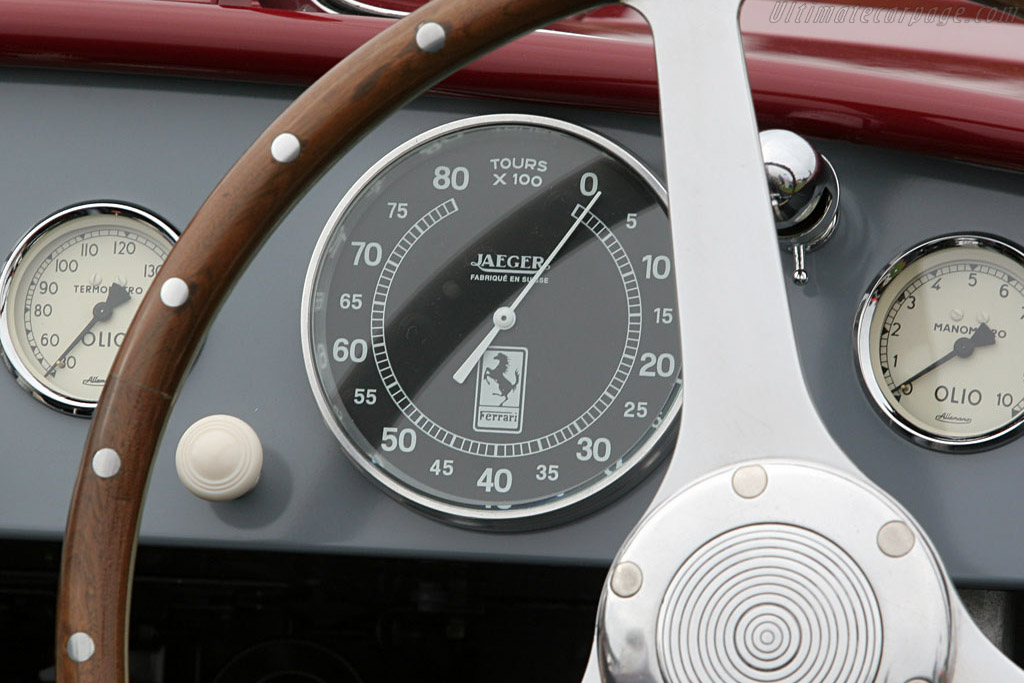
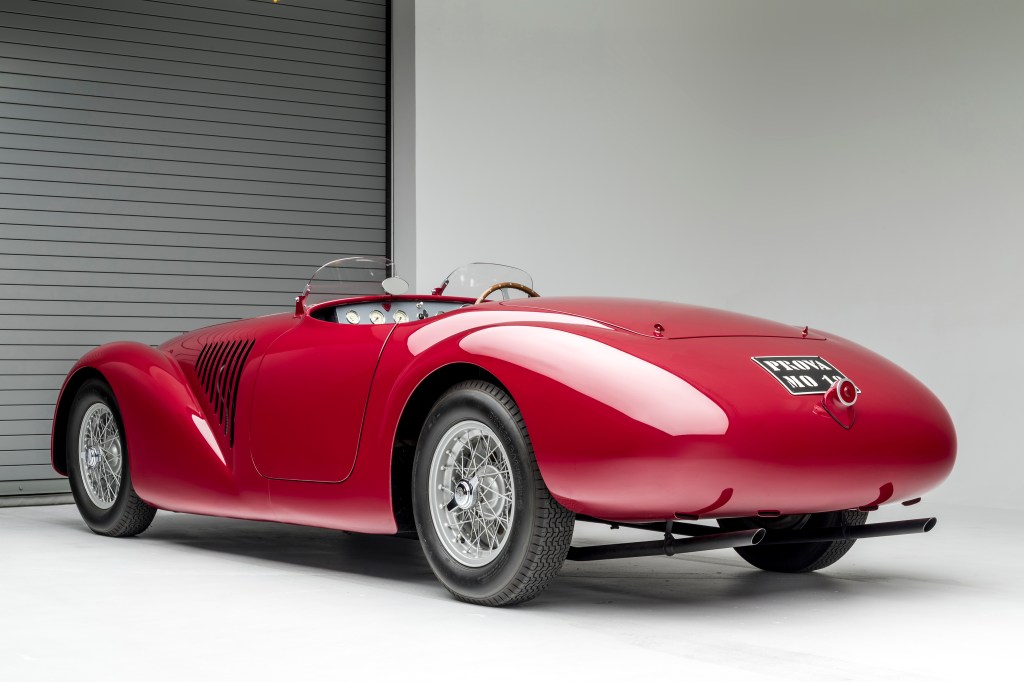
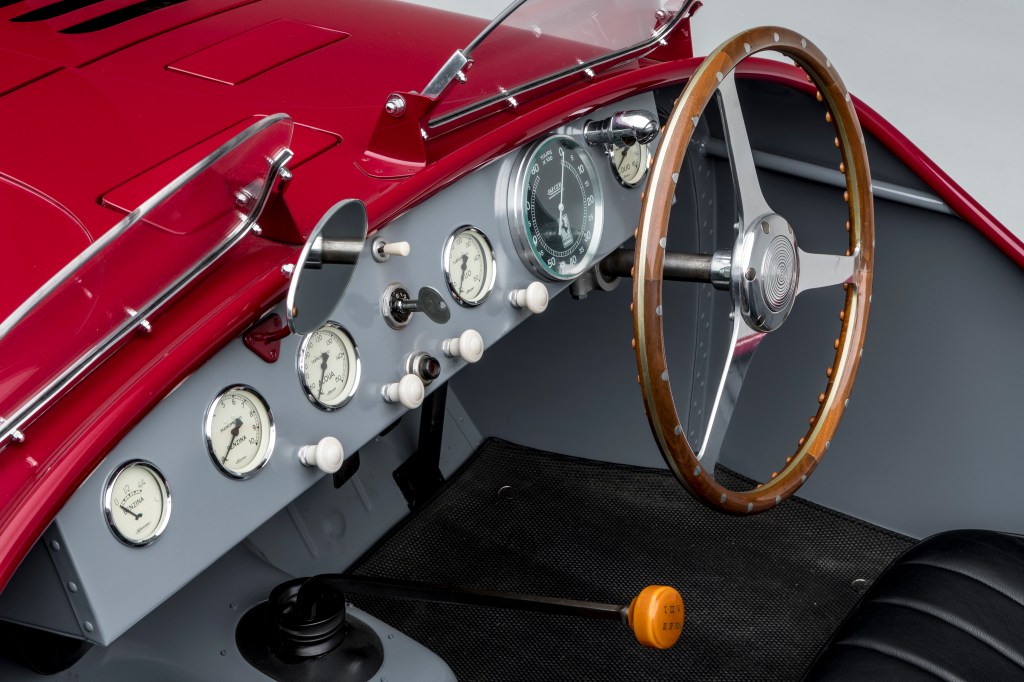
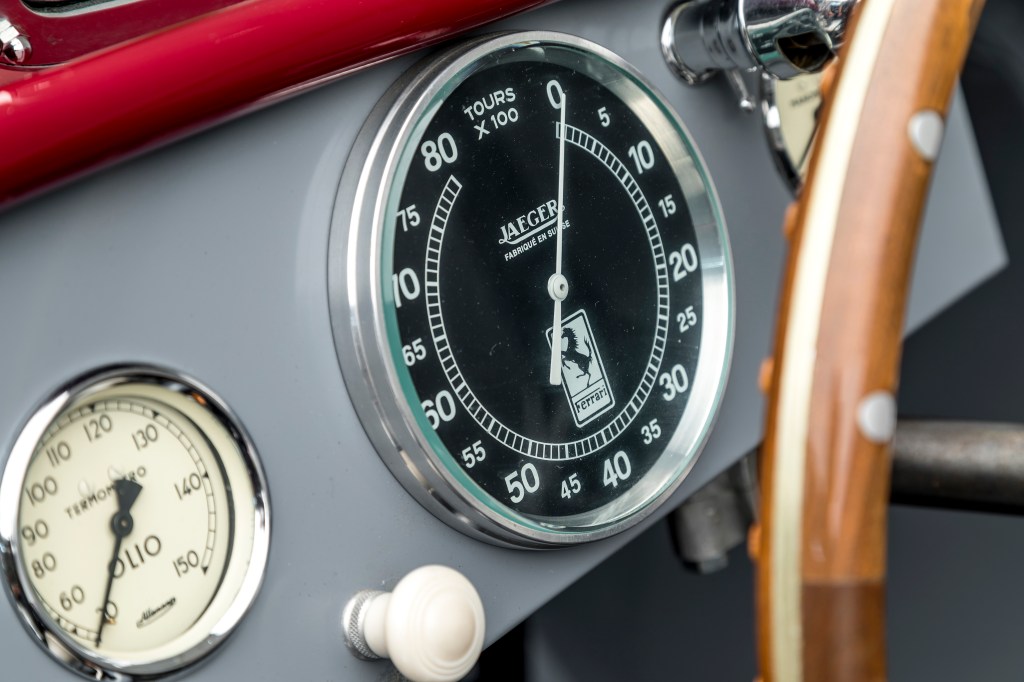
The brand’s 40th anniversary in the 1980s – Michelotto, works in cooperation with Ferrari and using their original parts, builds a perfect Ferrari 125 S based on what was considered to be the very first of the original 125 models… A Ferrari which, however, is NOT classified by experts as a third 125 S, but merely as a replica.

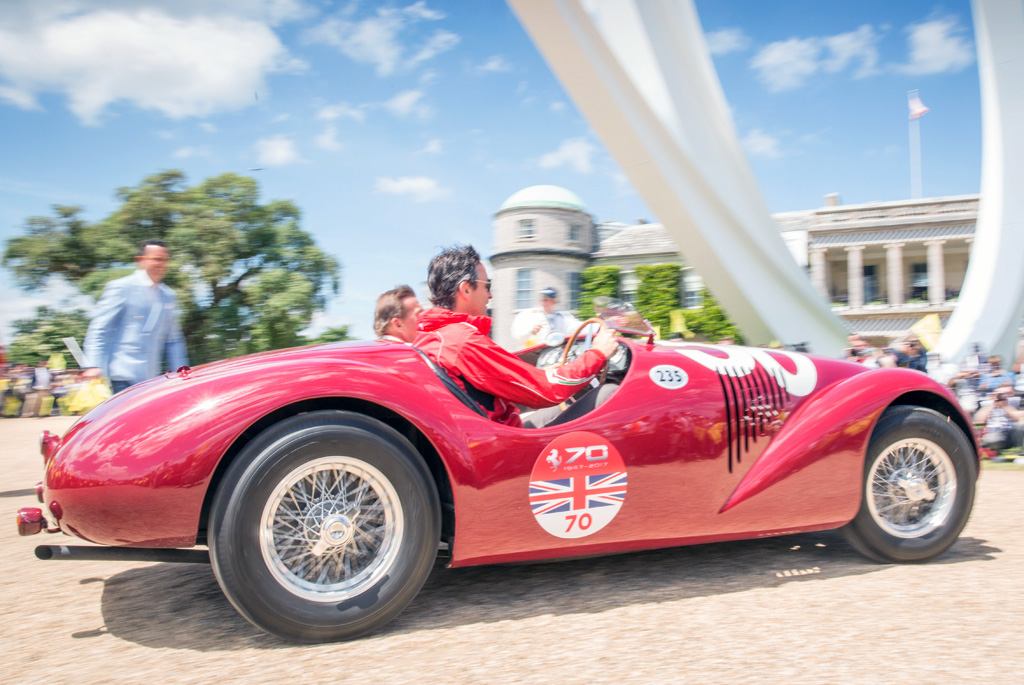
There’s an ongoing debate around this, with arguments on both sides. Officially, it’s accepted that only two examples of the 125 S were built in 1947 – and not one has survived. The oldest functioning Ferrari today is one of its derivatives, but no longer in the original 1.5-liter V12 specification. Instead, it carries a 1.9-liter engine (the Ferrari 159 S). The “replica” can still be seen to this day.
Krzysztof Wilk
All sources: it was a text retrieved from my lost webpage – sources will need to be filled later