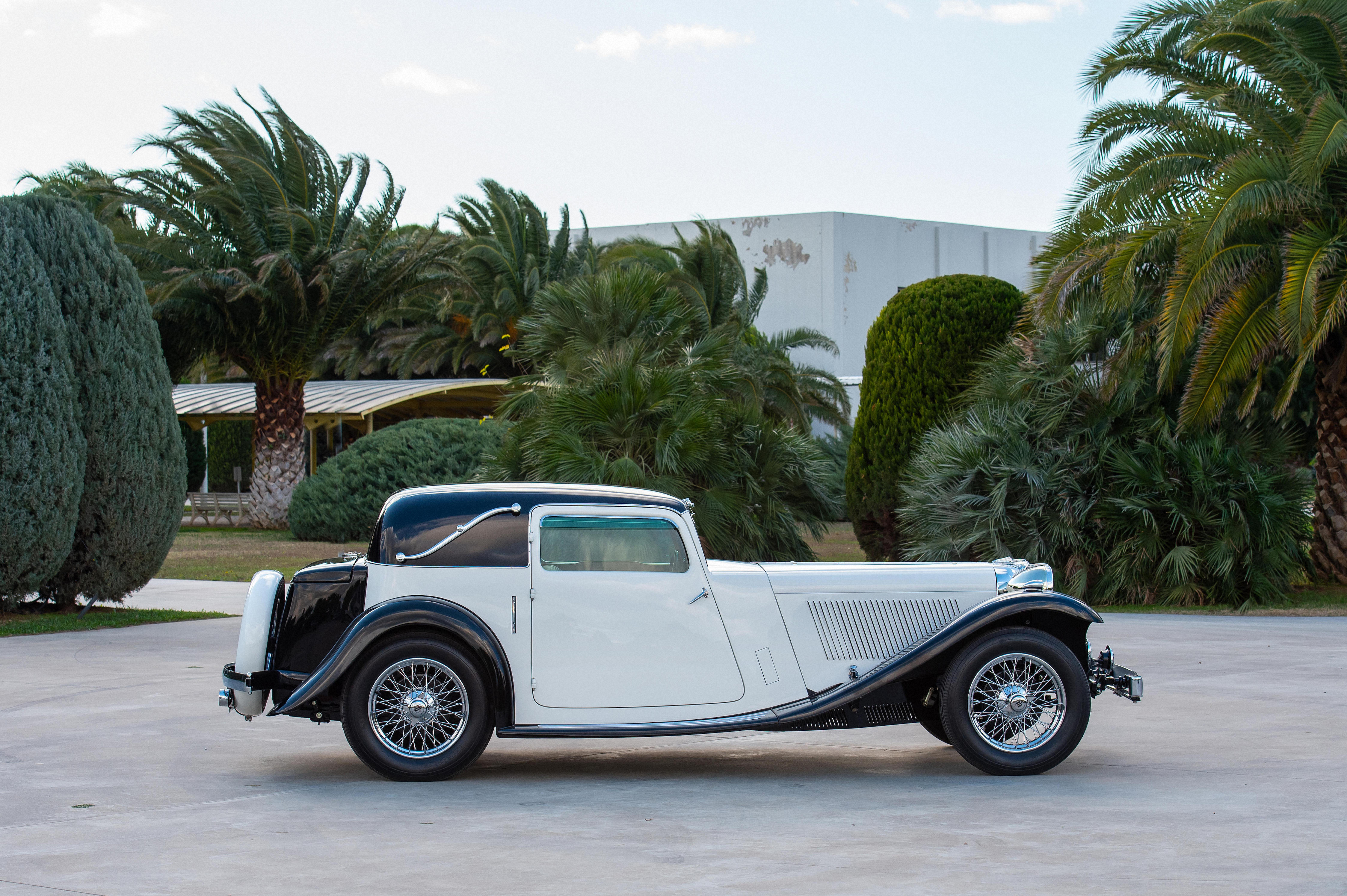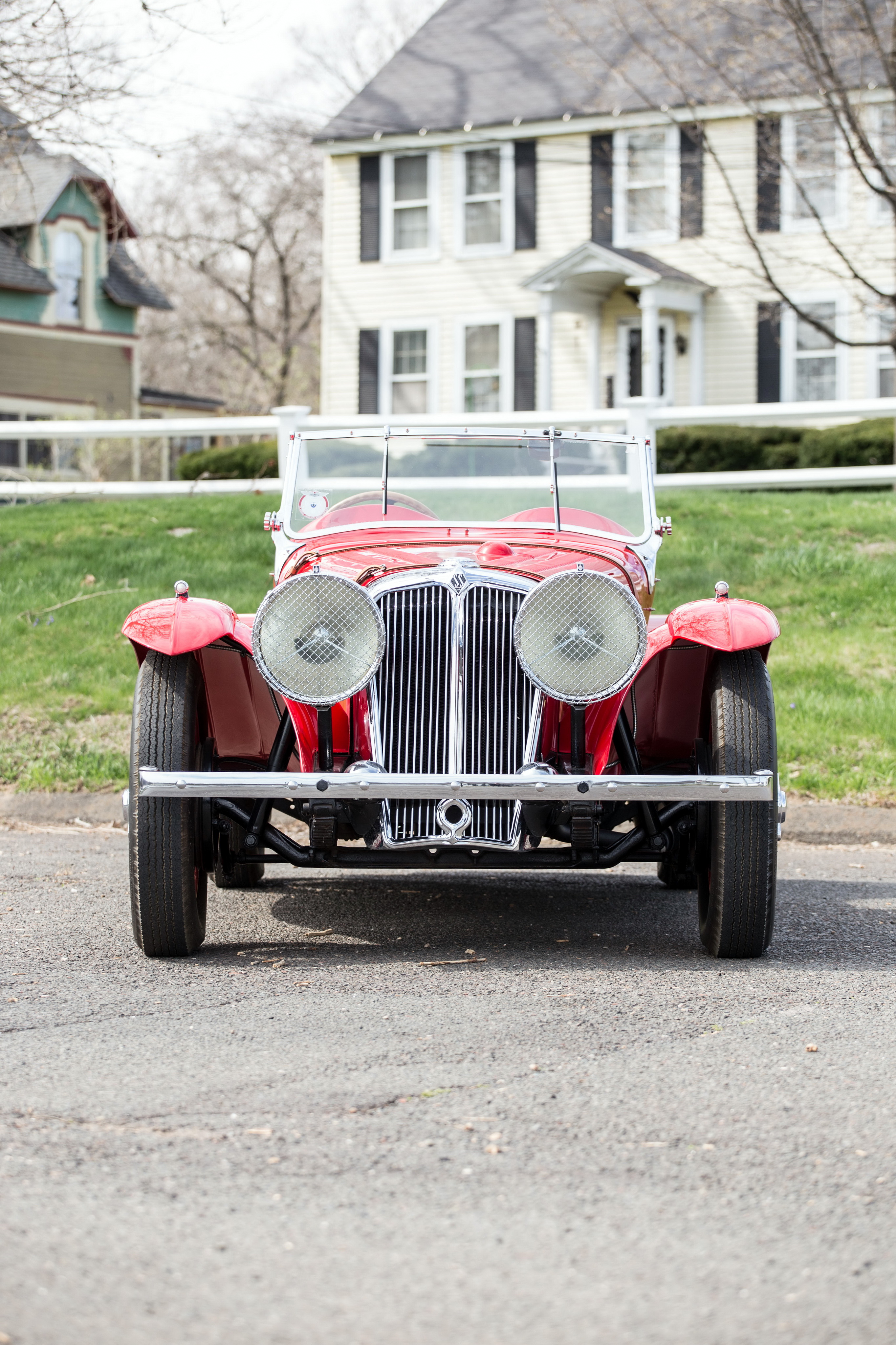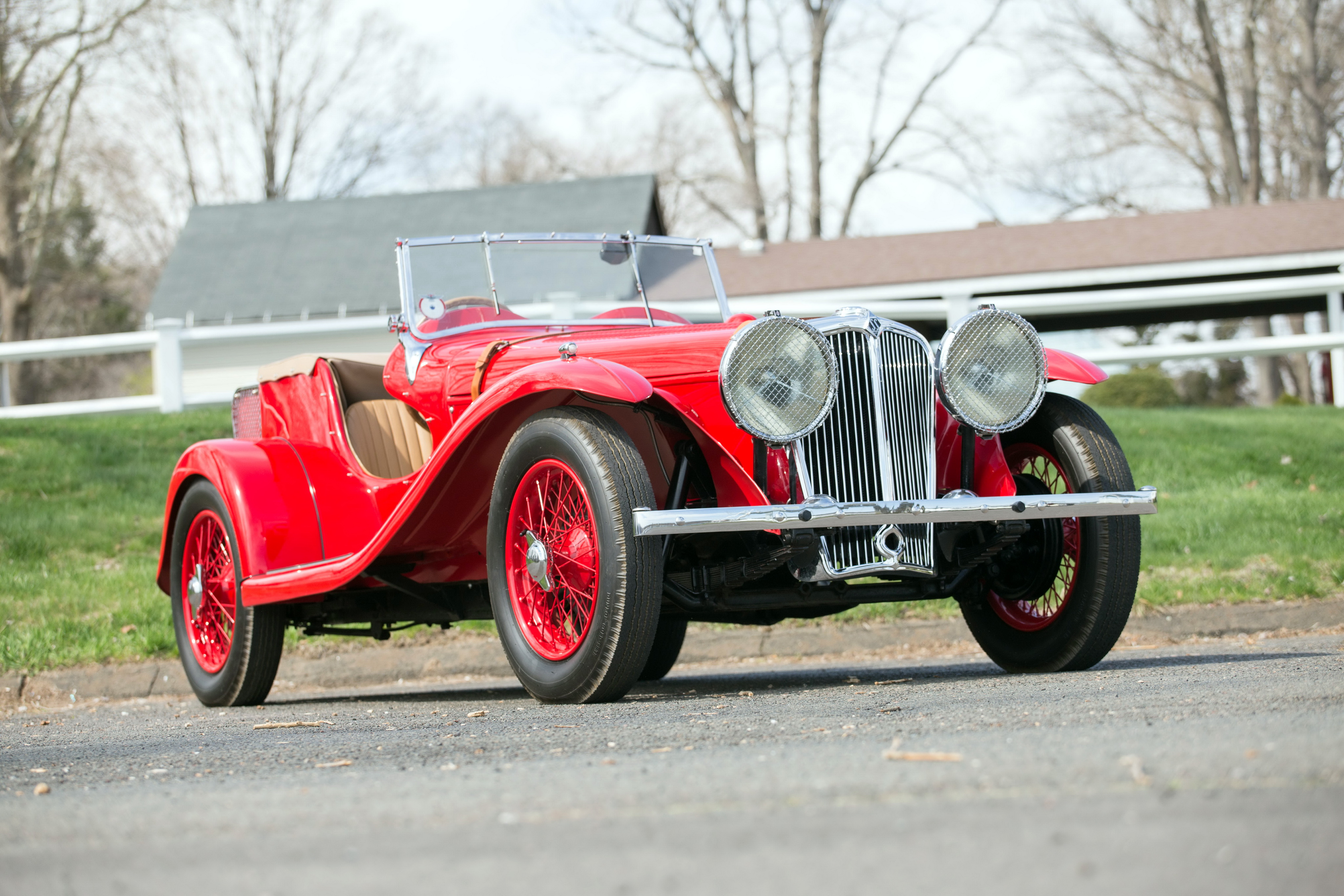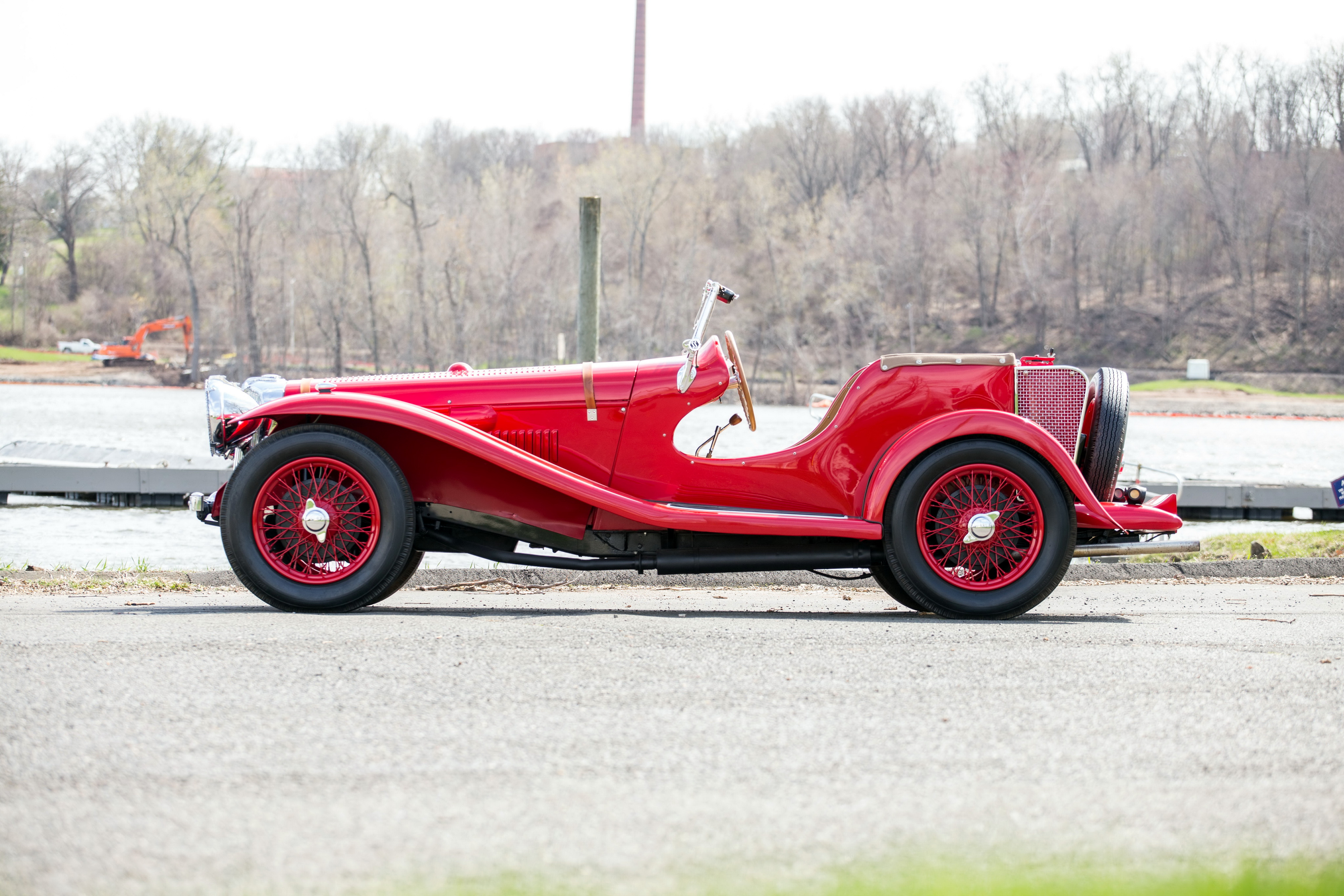
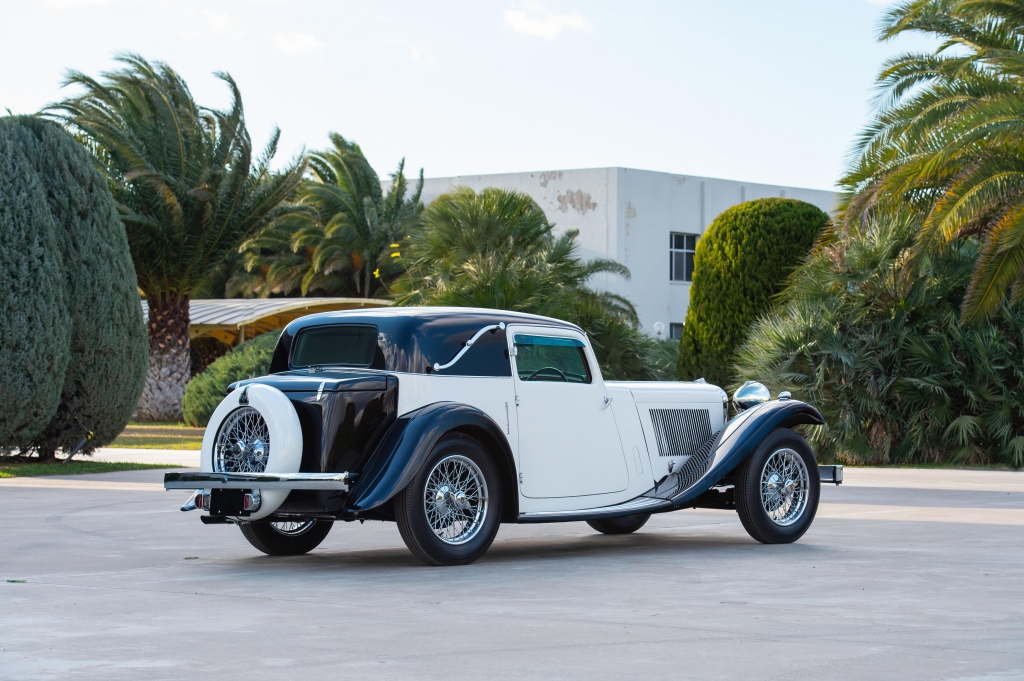
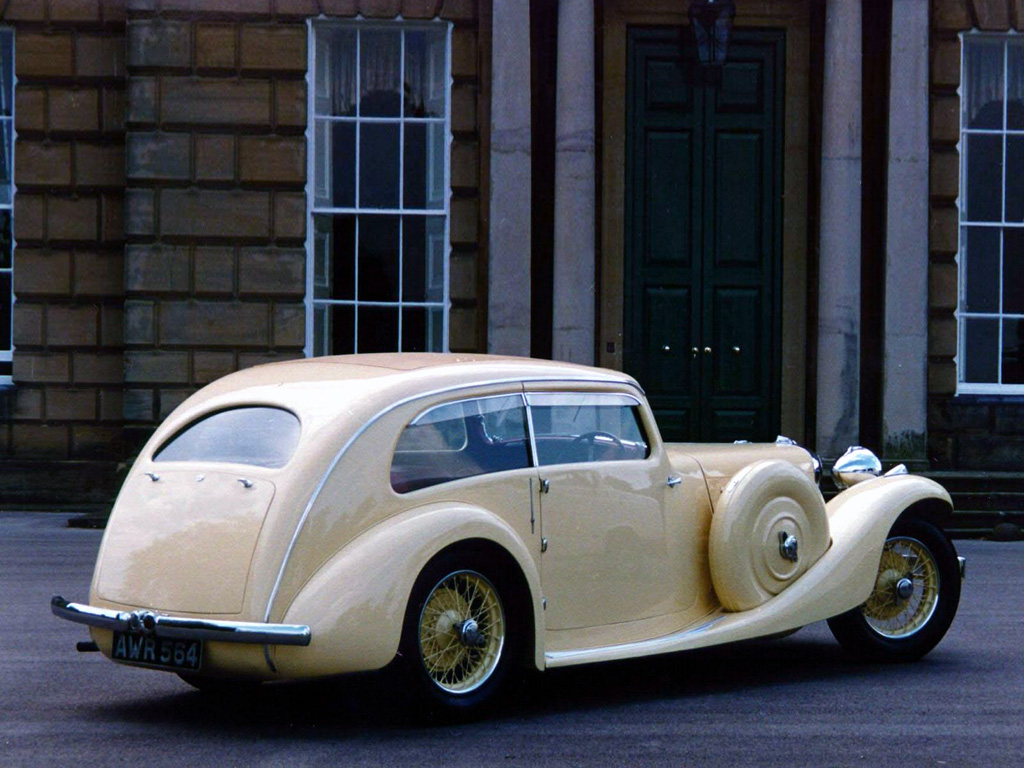
1932 – SS1 Coupe

Jaguar was established as a brand in 1945, but its roots go deeper than that. William Lyons starts his small business in the early ’20s. The company – Swallow Sidecar Co. – was fixed on manufacturing aluminum motorcycle side cars. Lyons was a moto enthusiast himself, owned a few machines and even entered a few sports events. He worked as a dealer at the time, buying and selling motorcycles – he put his hands on a lot of technology… until he met another William – William Walmsley – who just moved right next to Lyons. Both Williams were neighbours and lived on the very same street. Lyons was dealing motorcycles, and Walmsley was making sidecars in his garage – one per week. What a coincidence!
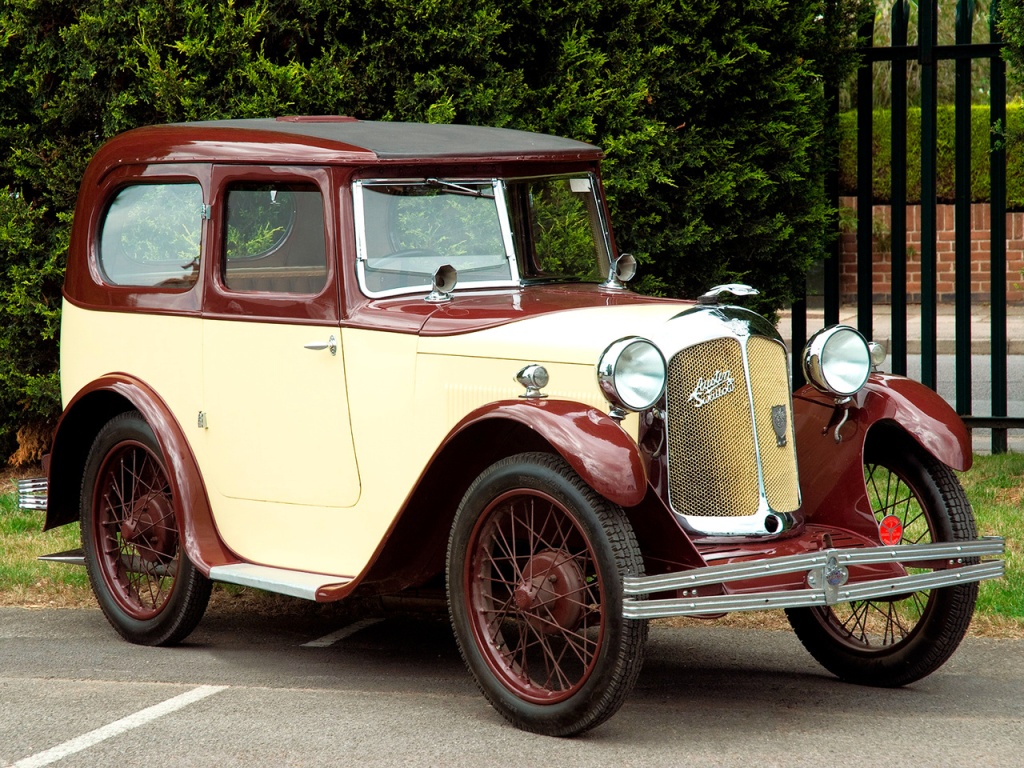
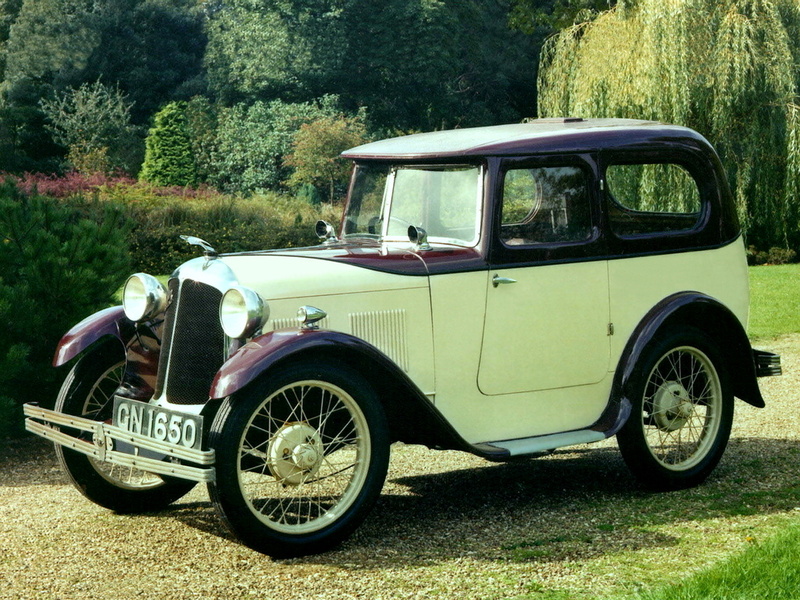
Lyons ordered such sidecar from Walmsley and, impressed when he got it, he suggested both start a business together. Walmsley didn’t want to go that far at first, but he was pressed right and with their parents’ blessing, in year 1922 – on William Lyons’ 21’st birthday BTW – Swallow Sidecars was born. Walmsley was doing the sidecars and Lyons was responsible for sales, accountance and administration. Their business grew enough to move their workshop from the second floor of the electrical equipment factory, to a more suitable and larger building. They also changed their name to Swallow Sidecar and Coachbuilding – to accommodate their range expansion.
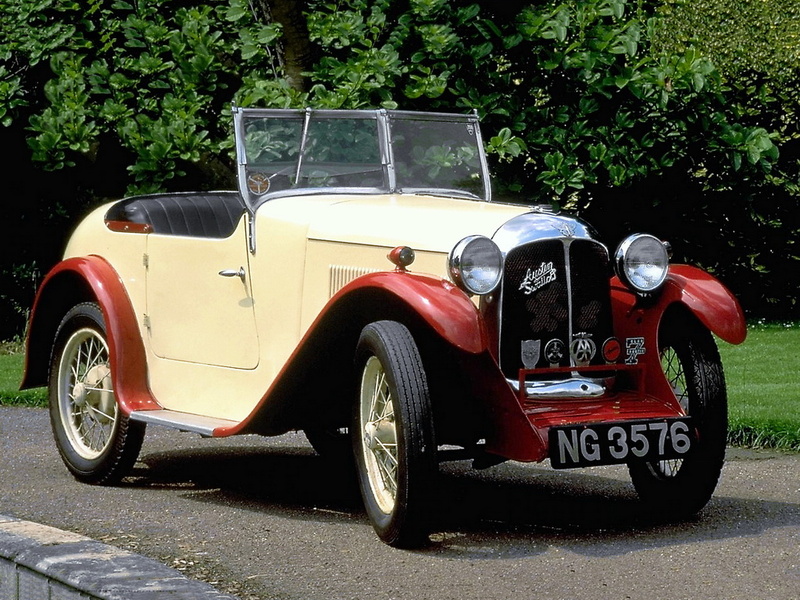
In the early Coachbiulding stage they were just fixing local Austin 7s, but Lyons quickly put 2 and 2 together… he could make much more money executing original and elegant bodies for those cars. At some point he did buy one of these and Swallow made a bespoke body for that model. The car had 2 seats and hinged hood – and quickly went into production as an Austin Swallow. Austin themselves sent their chassis to Swallow workshop, so they could officially finish the car on their own – that’s how good their bodies were – and they had a plethora of options: from roadsters, to sedans and coupes. The company put their bodies on Clyno and Alvis cars, they employed over 50 workers, couldn’t handle the demand and constantly grew bigger. At that point they already made 100 sidecars weekly plus 2 cars a day, but when Shell left their manufacture in Coventry, Lyons put his hands on it instantly – that allowed him easier access to resources and helped increase the output to 50 cars every week. Last years of the ’20s and the early ’30s was a good time for Swallow Sidecars. The brand appeared on a motorshow, got contracts for Fiat bodies, ones for Morris, Wolseley and – what’s most important – for Standard Motor Company (while the production rocketed to 30 automobiles per day). They also decided to construct their own complete vehicle.
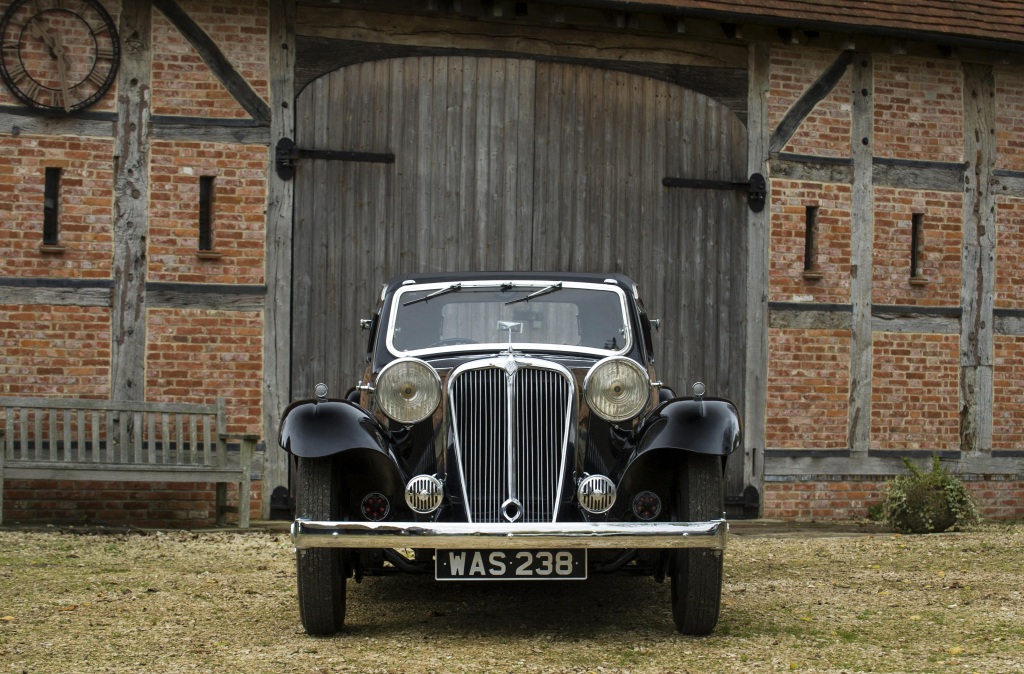
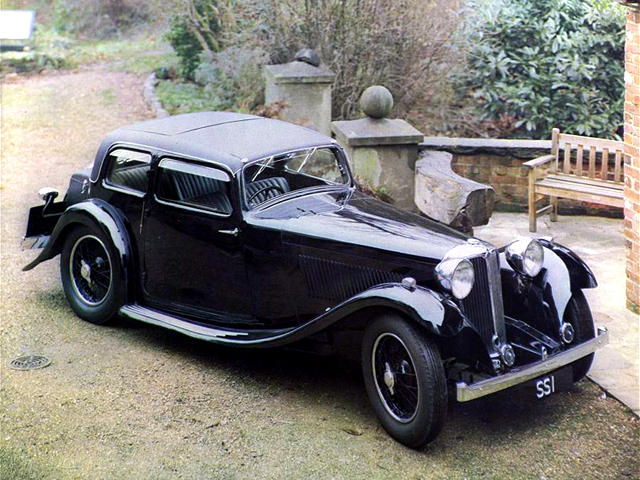
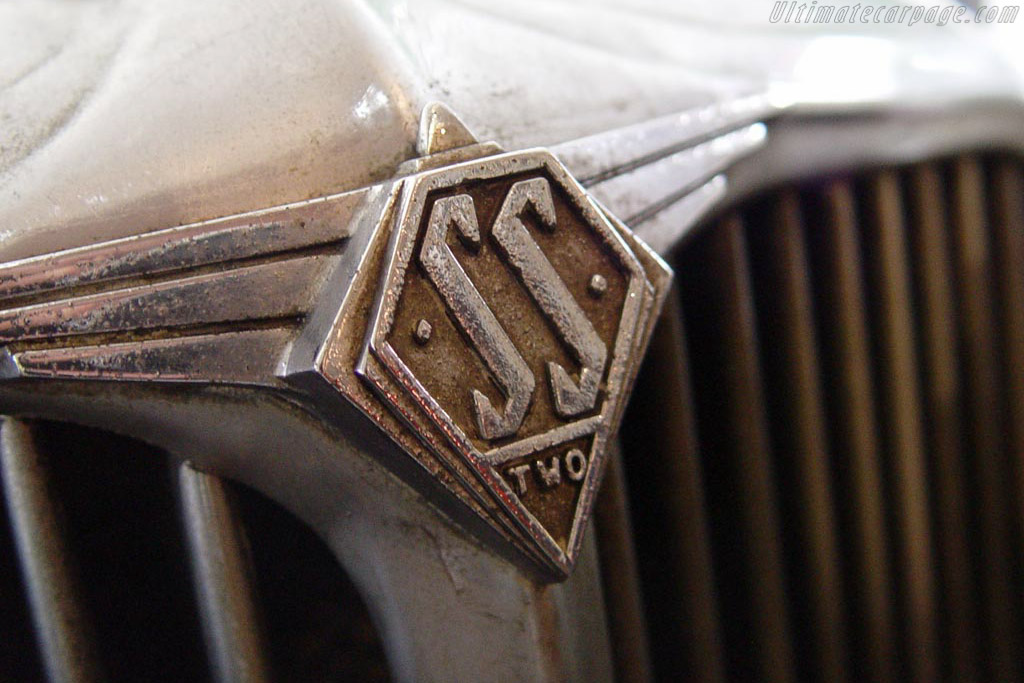
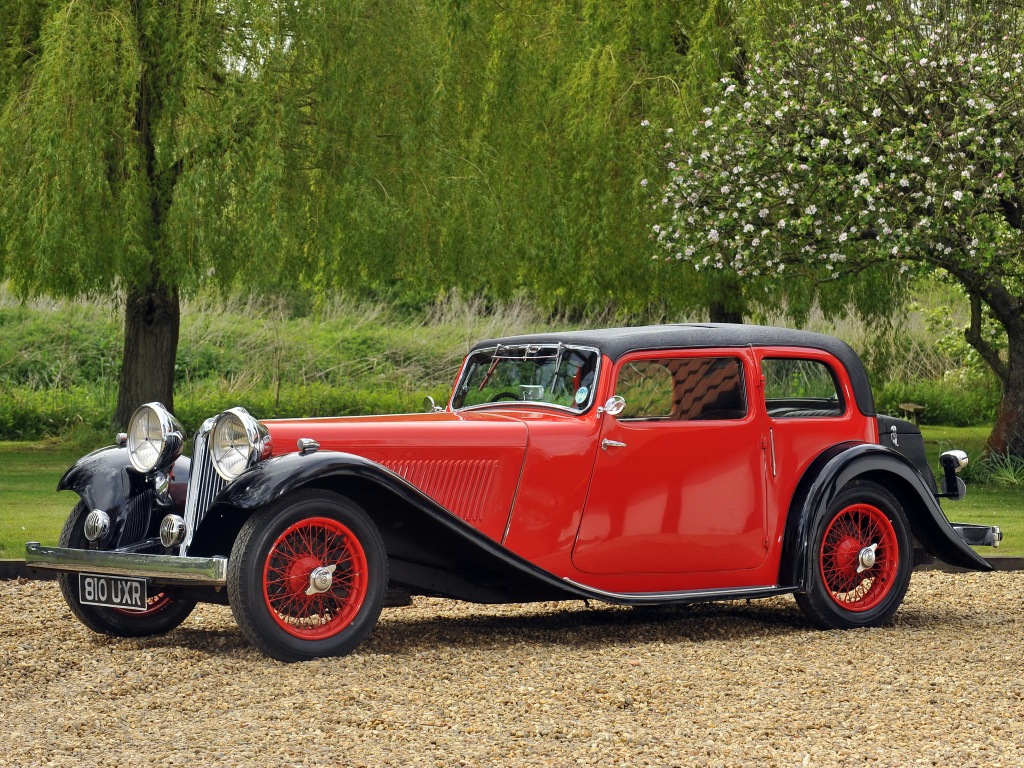
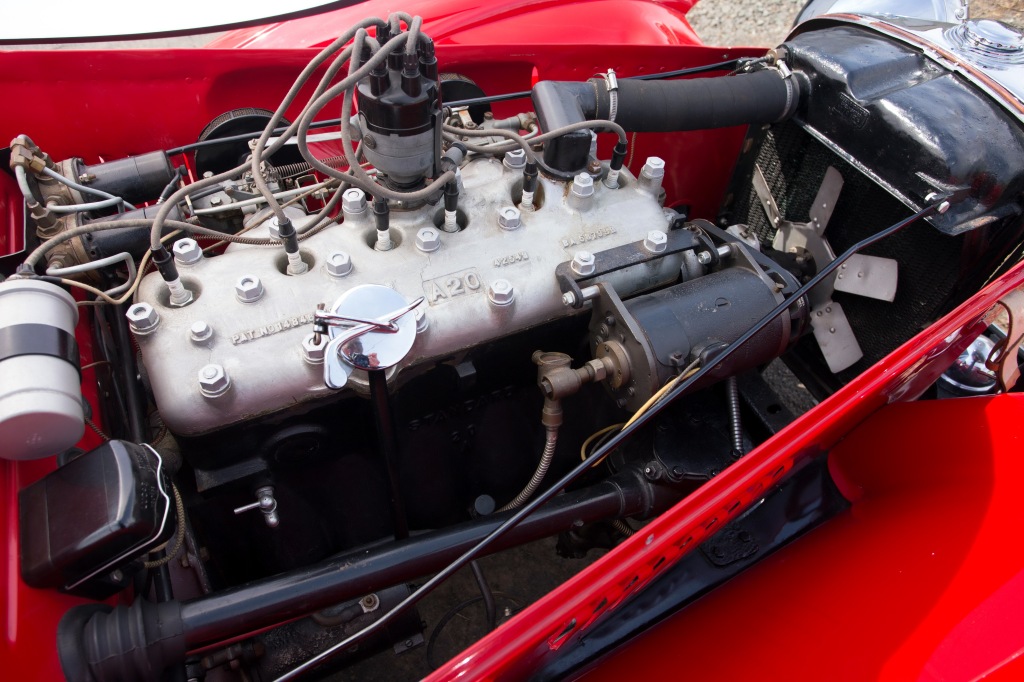
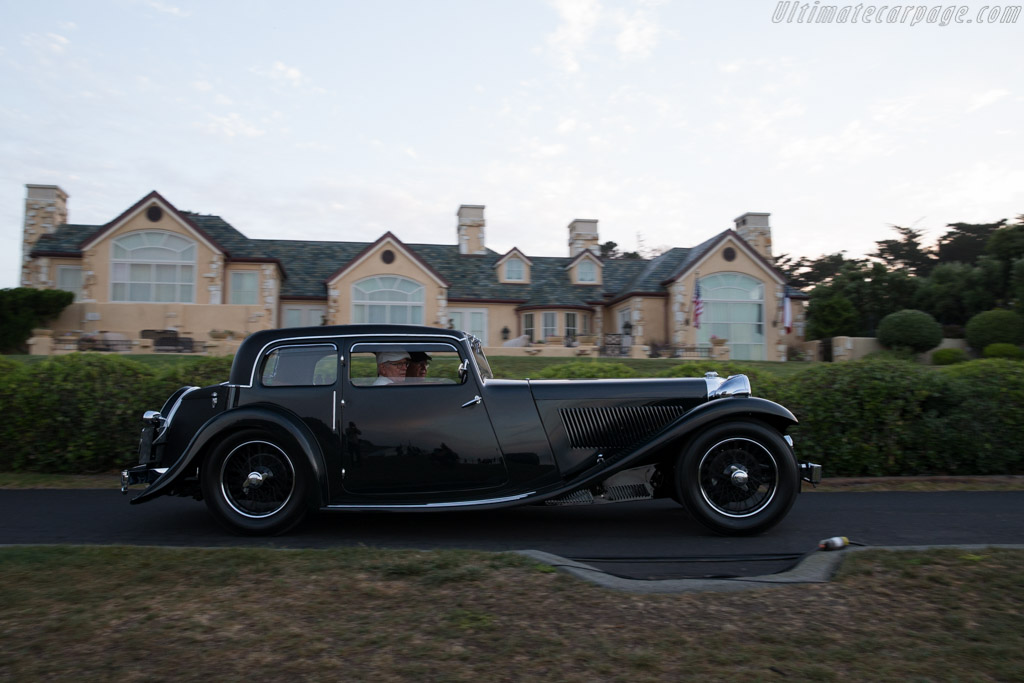
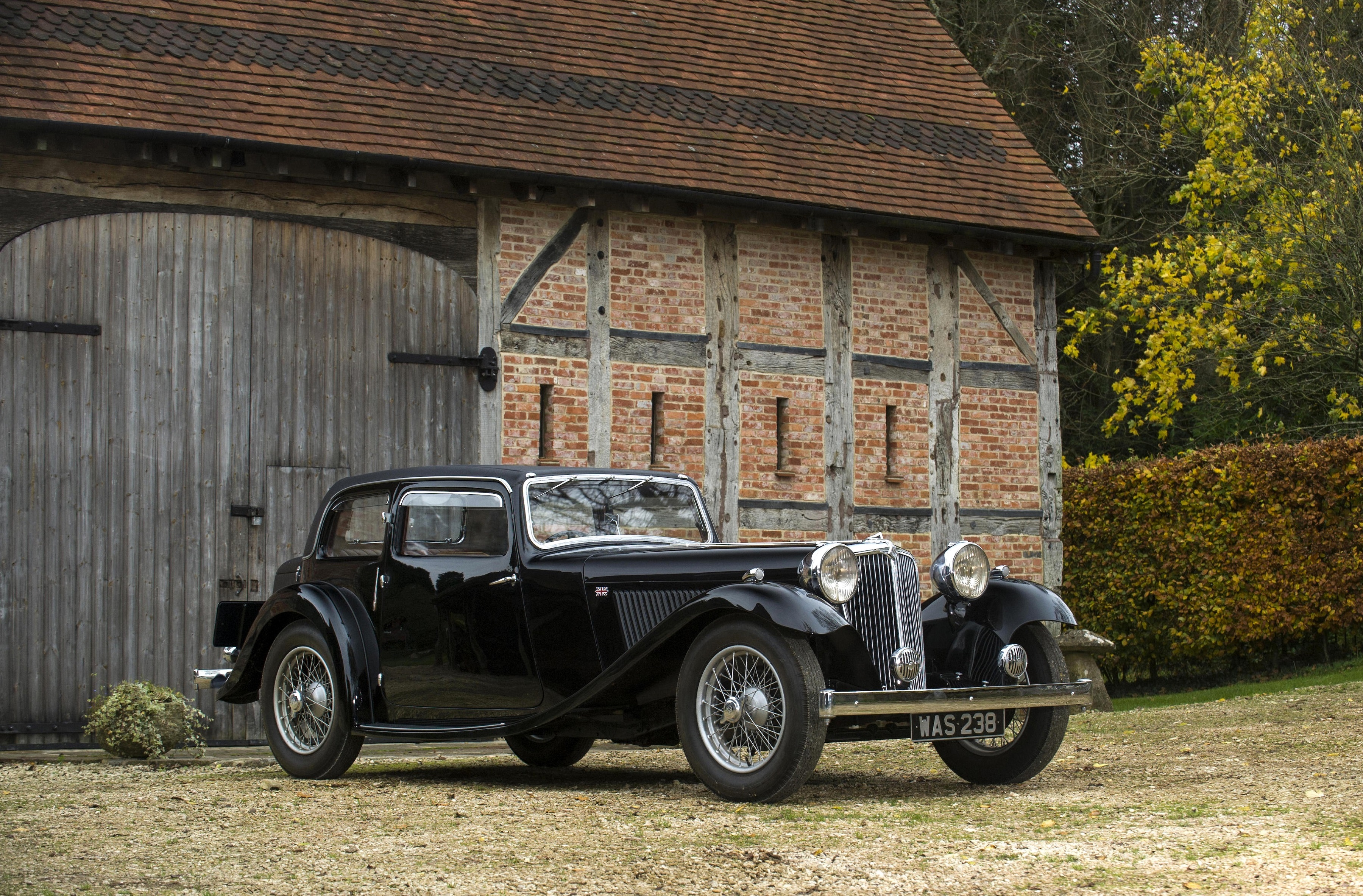
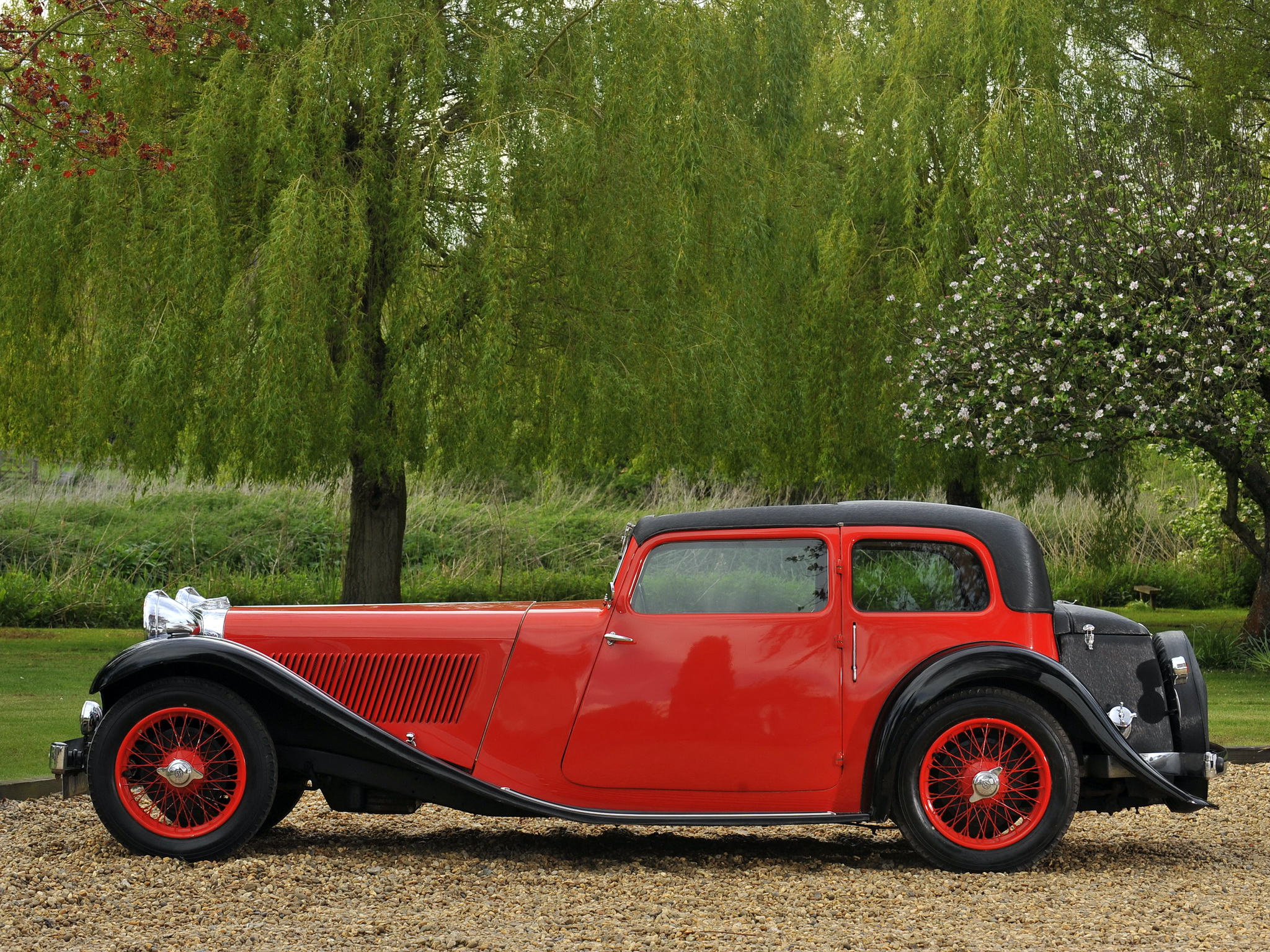
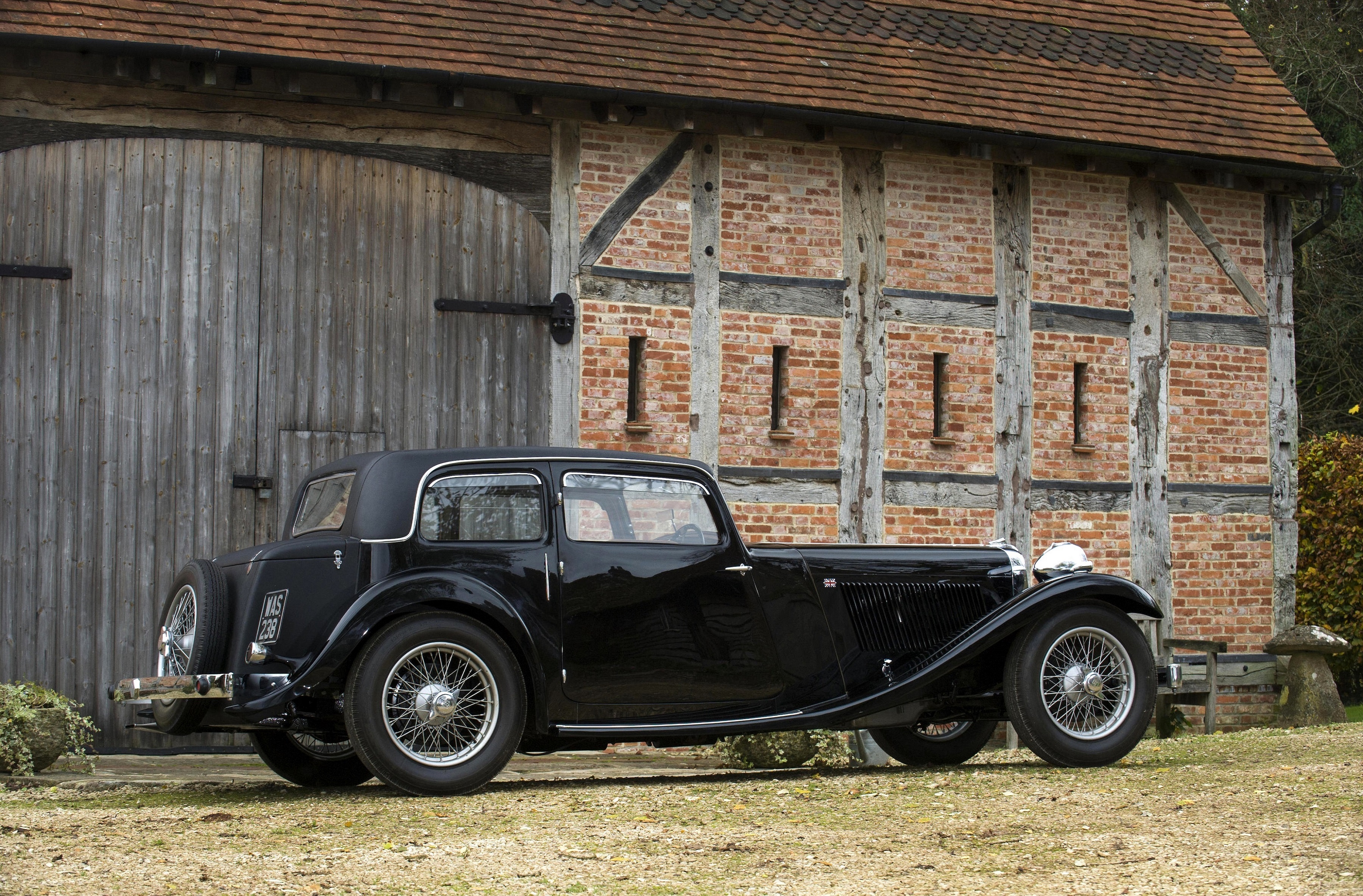
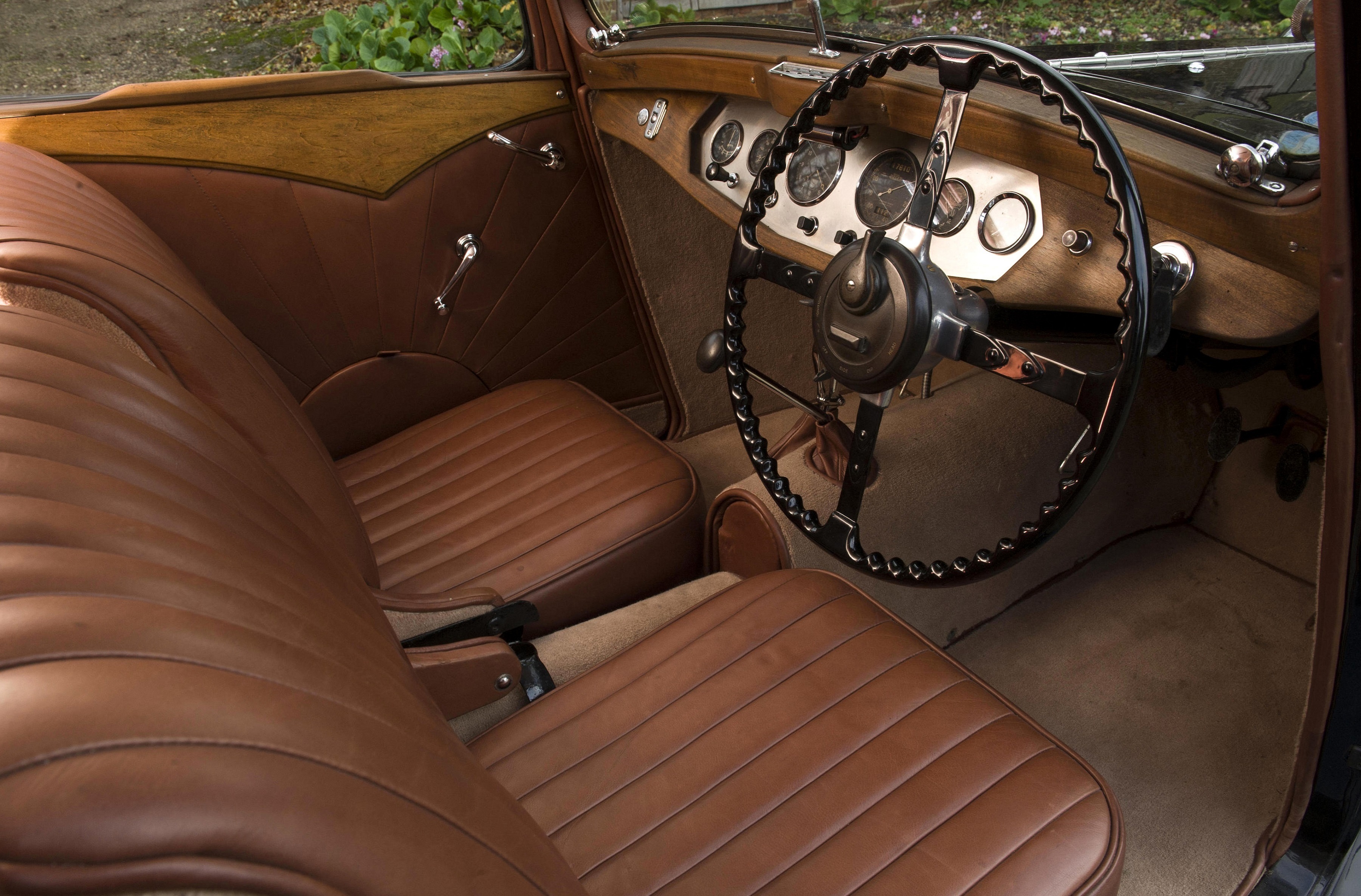
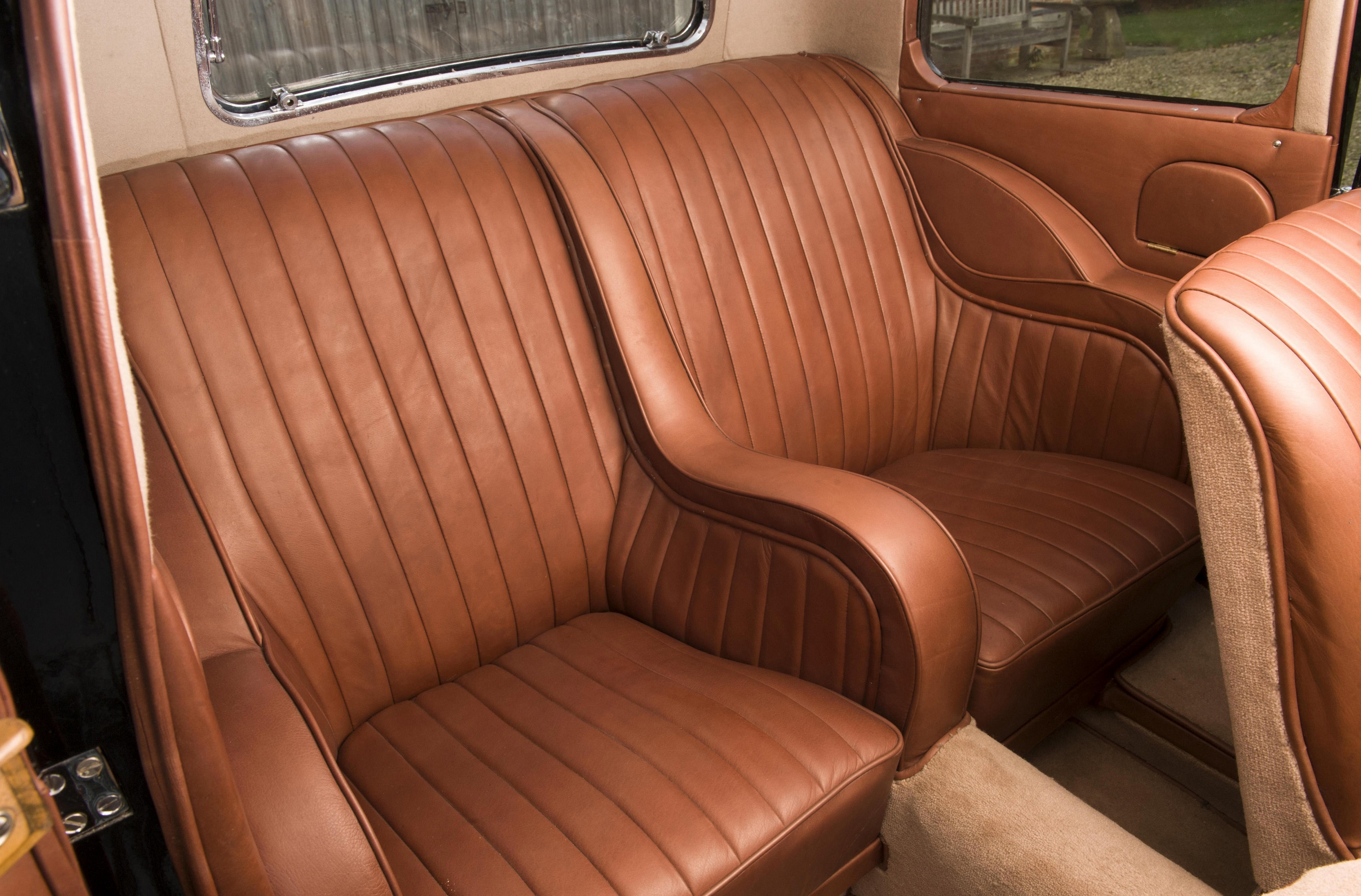
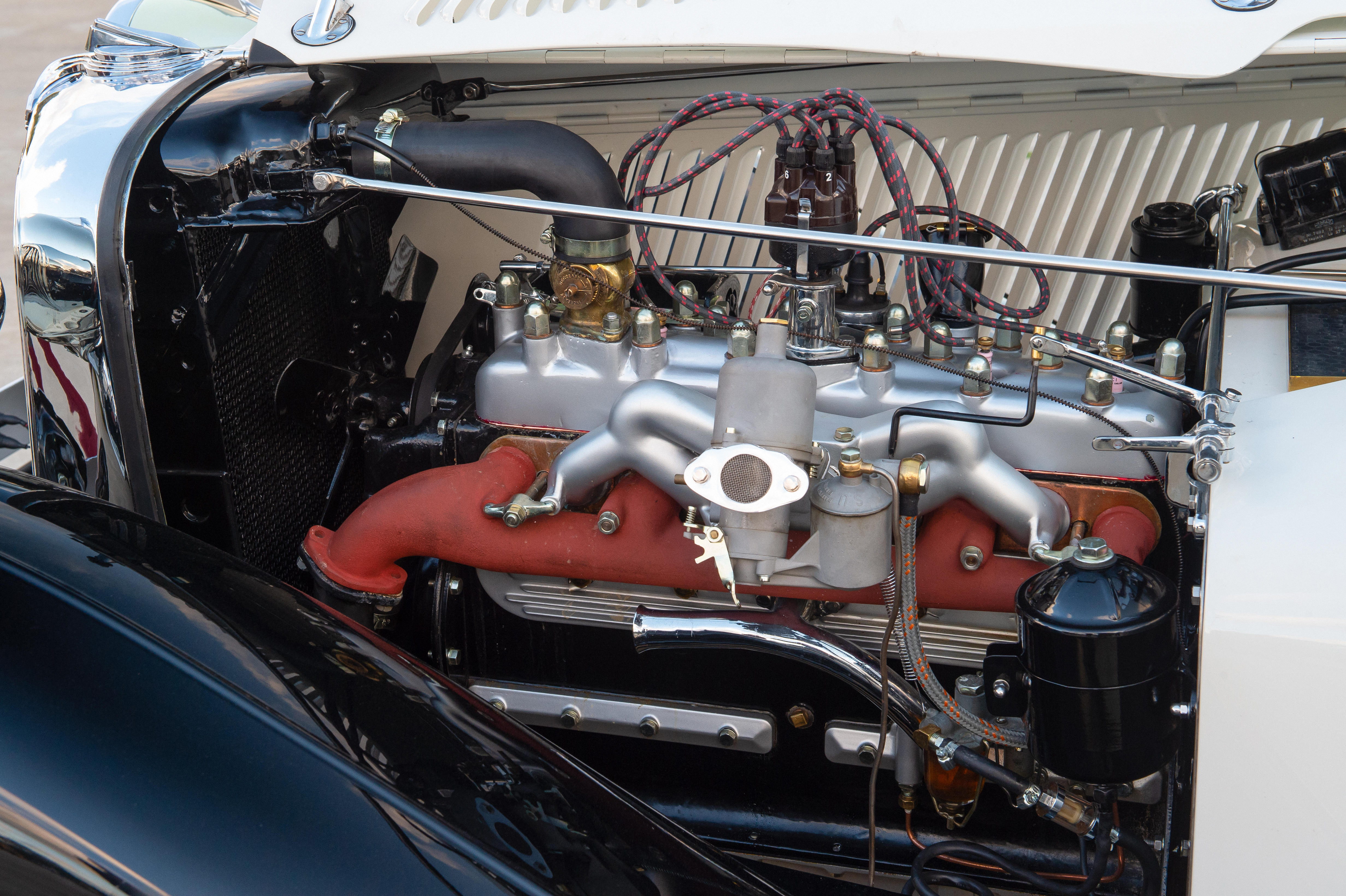
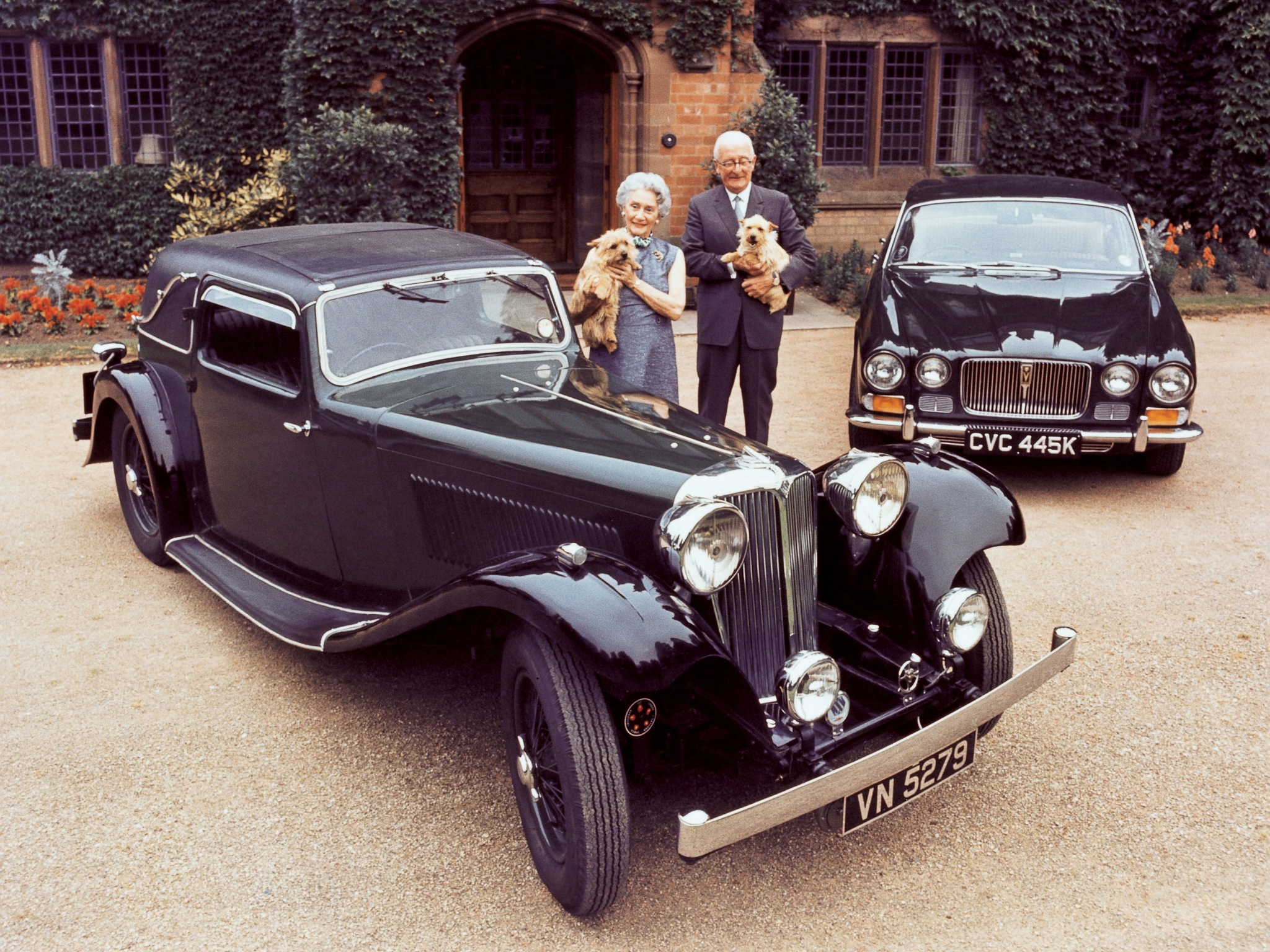
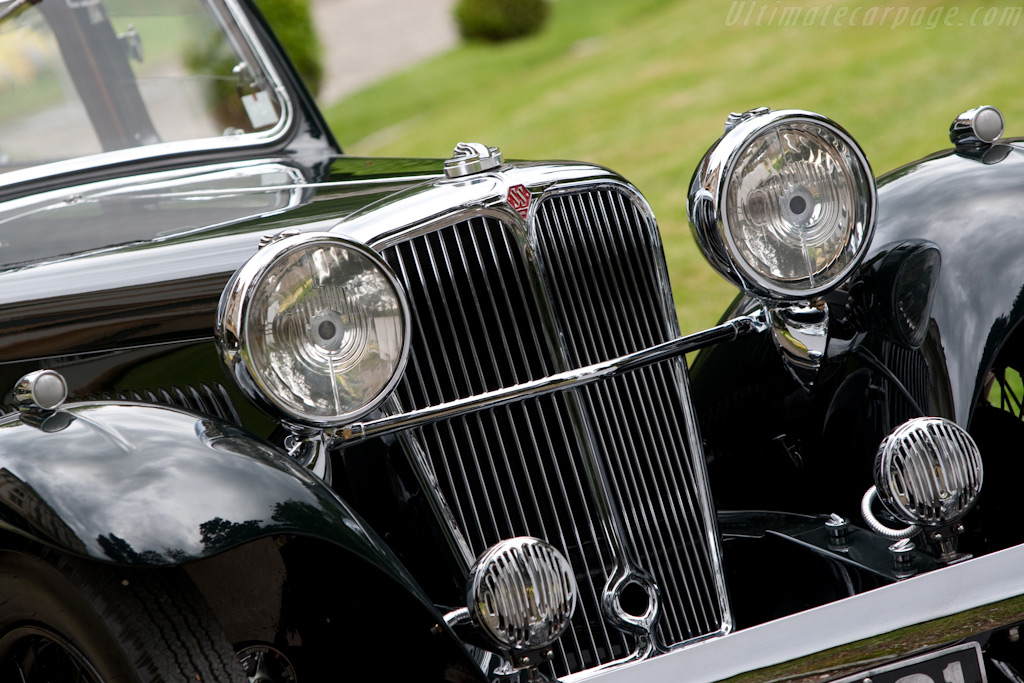
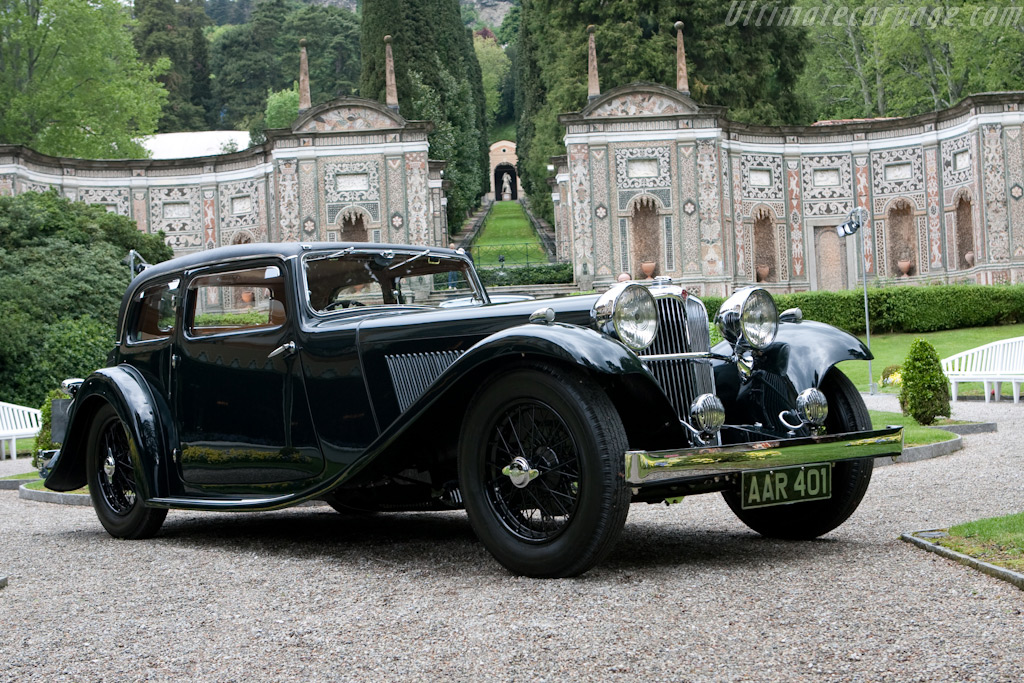
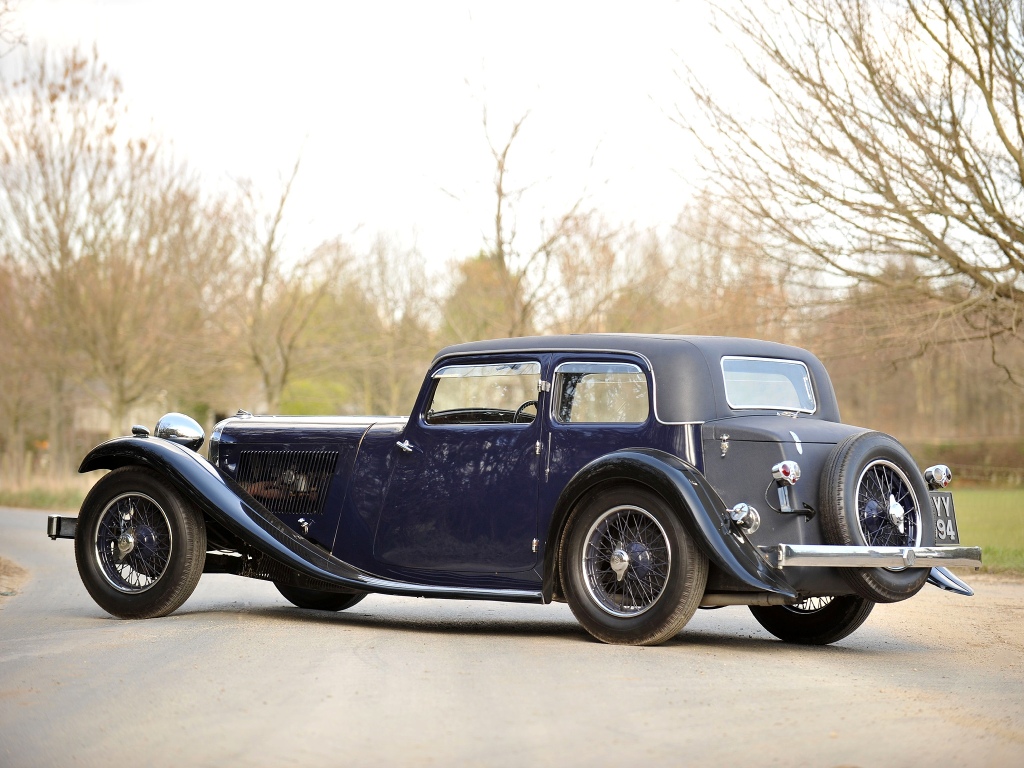
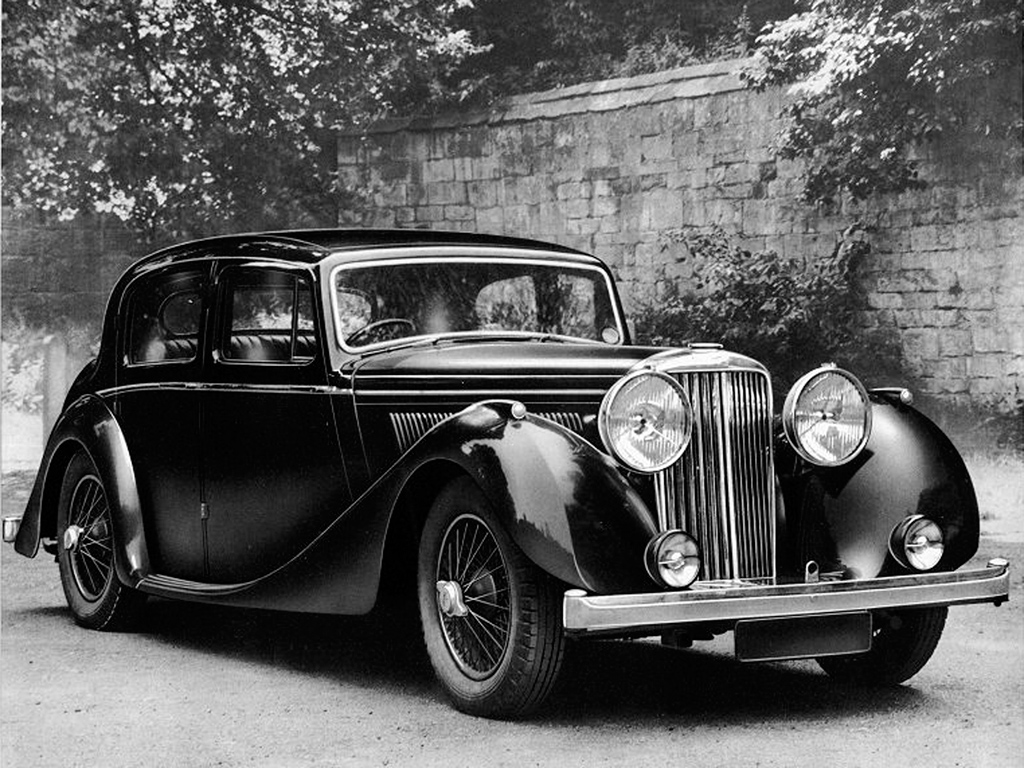
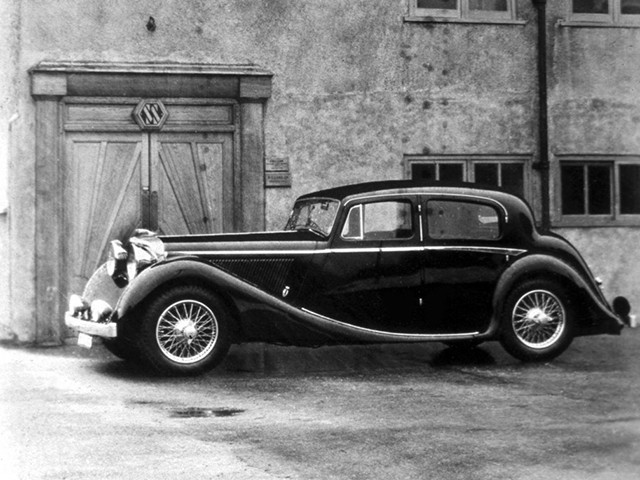
A new company – SS Cars – was established for that purpose. Its name is often translated to ‚Standard Swallow’ – wrong. Nick Thorley in his book of Jaguar explains its meaning: and that was ‚Swallow Sports’ – used initially only for the sportier Standard-based models. Lyons showed two of such in 1932: a 6-cylinder SS1 along with its 4-cylinder variant – the SS2. SSI was a 2-door coupe on a specially modified Standard frame. The body and engine were ‚home made’ – and the car offered 50 horsepower for 310 pounds. At that time it was nothing. The SS was a hit – and it sold in 776 examples that year only.
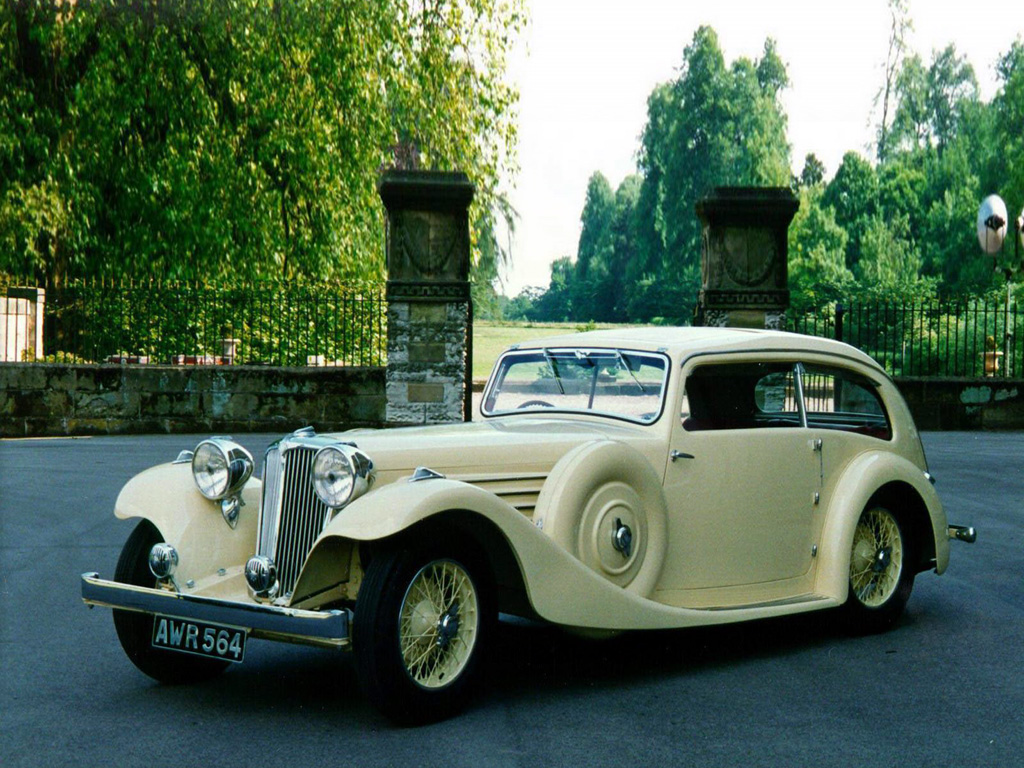
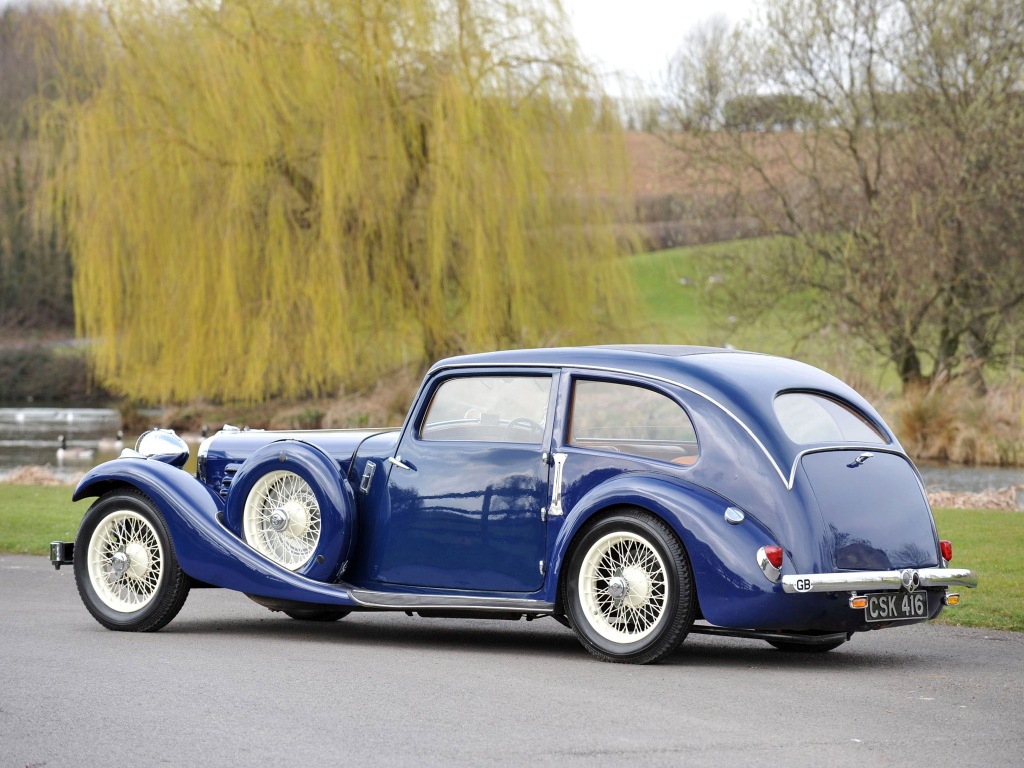
New, bigger bodies were offered from 1933 – in many variants, with synchronized transmission and more powerful engines. And the model was still popular – even though the technology was very similar to the original 1932 SS1 model. The sidecar manufacture business was a good source of money, but compared to the car production – it was small fish. Both had to split and SS Cars Limited began focusing on cars only, with Lyons alone steering the business from now on. In time he bought the whole sidecar plant anyway, so both industies went back to him eventually. And he had a great ambition: to rival the best of the best – Lagonda, Alvis… even Bentley. His SS brand was reputable, but it was quickly forced to change its name…
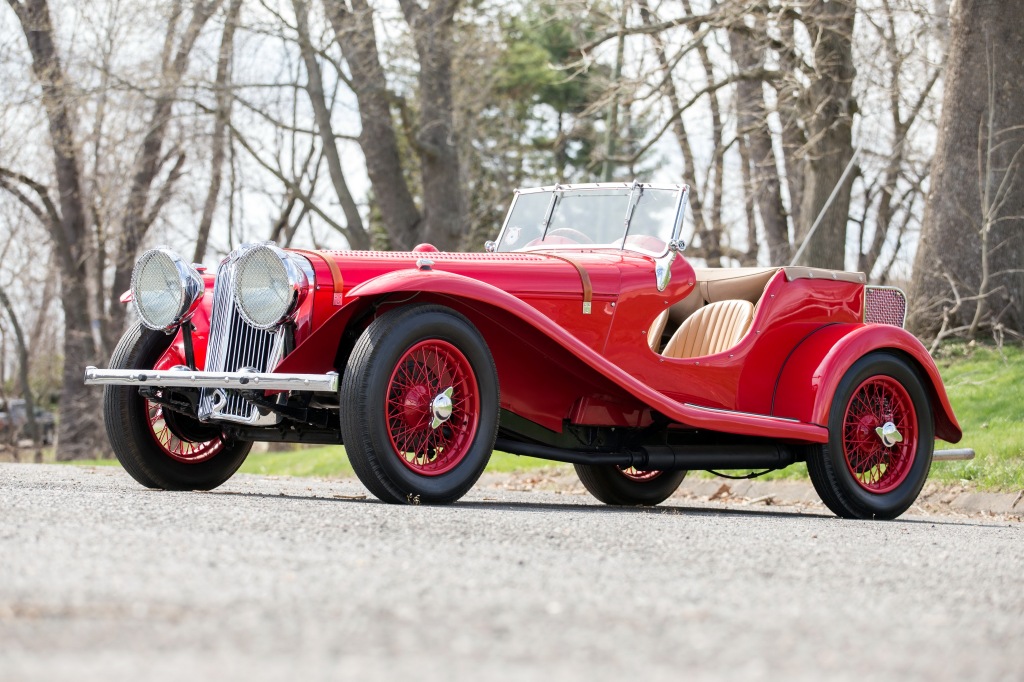
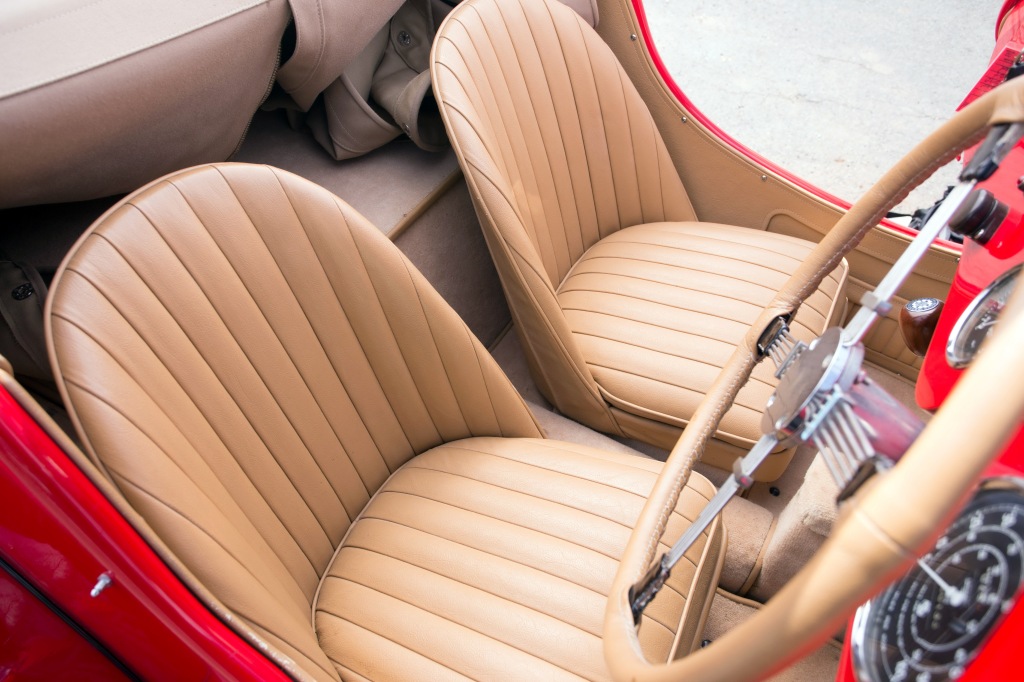
Standard-based SS models hit the jackpot and they turned people’s heads to the car factory in Coventry. Those vehicles were great design and quality – for a reasonably small price. The plan now was to underline the brand’s position on the market with a car to be synonymous with might and ferocity. They took a name of a cat predator – a Jaguar – and adapted it to the new model. Those cars with a leaping feline as hood ornament were another success – and important part of both English and world automotive history.
Krzysztof Wilk
All sources: favcars.com | wheelsage.org | ultimatecarpage.com | wikipedia.org | Top Gear: The Cool 500 – The Coolest Cars Ever Made | The Kingfisher Motorsports Encyclopedia | M Buckley – The Complete Illustrated Encyclopedia of Classic Cars | N Balwdin – The World Guide to Automobiles, the Makers and their Marques | N Thorley – The Complete Book of Jaguar | Publications International – Classic Cars: 60 Years of Driving Excellence
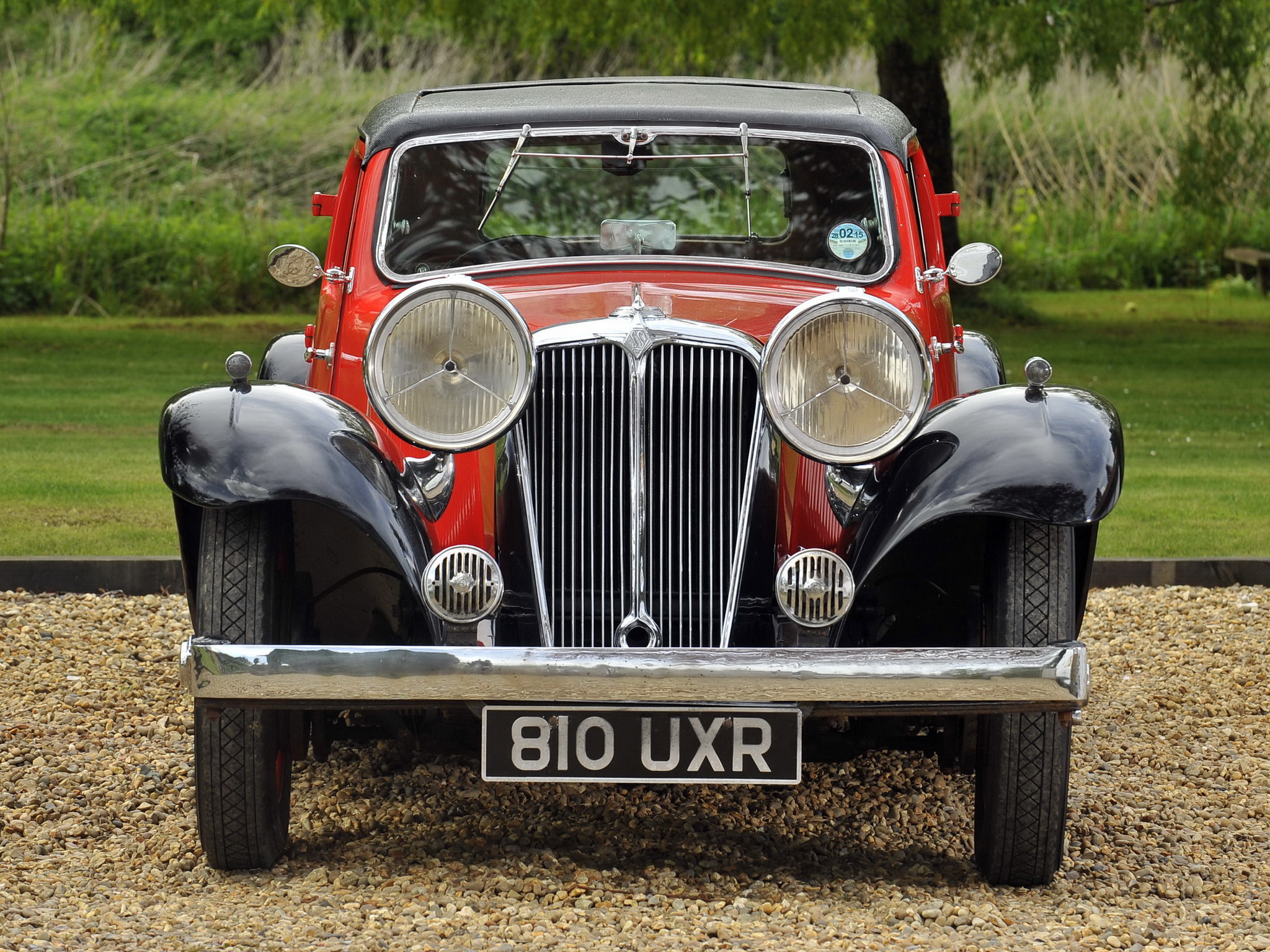
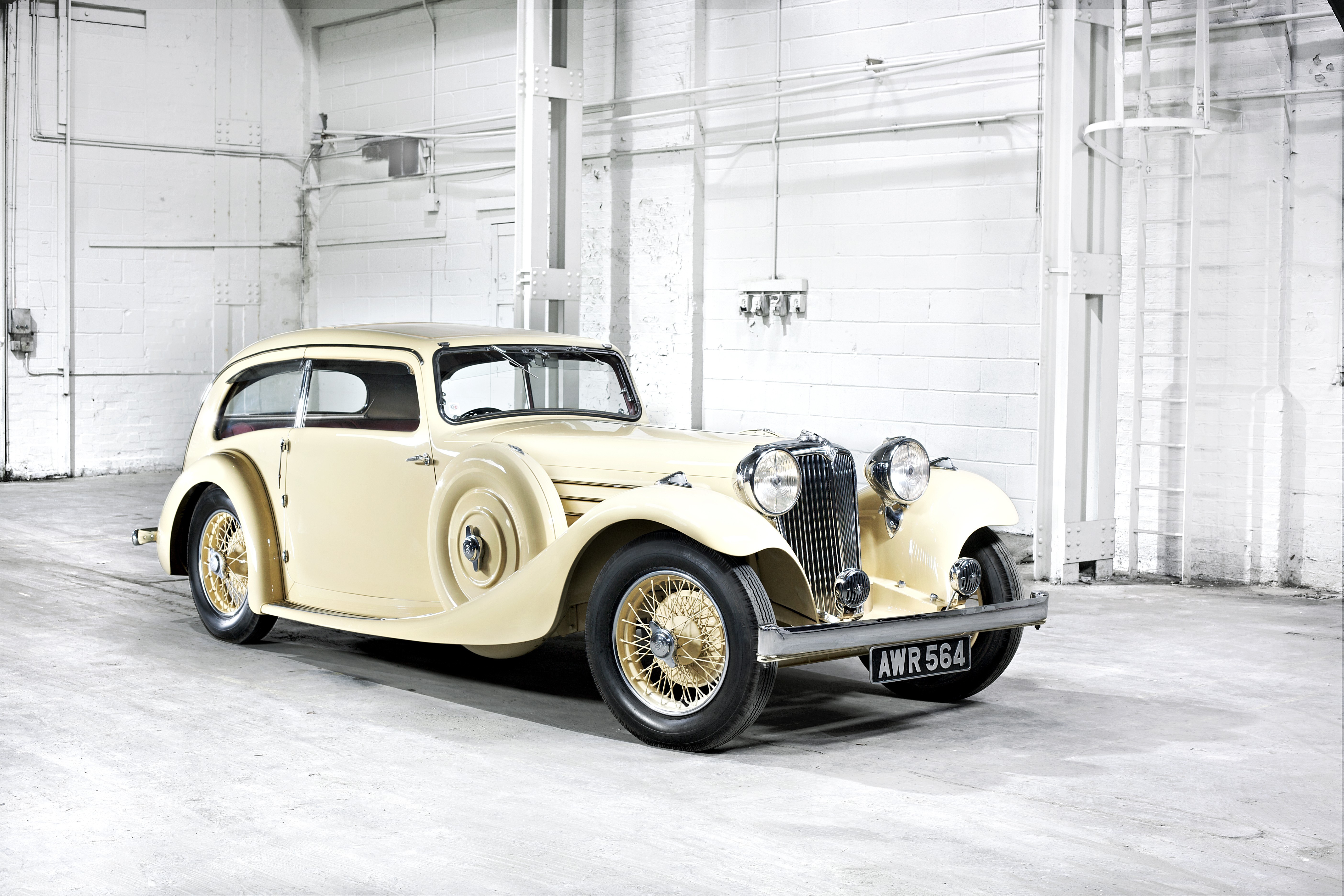
1932 – SS1 Coupe

Jaguar jako marka powstał dopiero w 1945 roku, ale jej korzenie mają swój początek dużo wcześniej. Już na początku lat ’20-stych William Lyons zakłada swoją firemkę. Jest to Swallow Sidecar Co. – podmiot zajmujący się produkcją koszów do motocykli. Lyons był entuzjastą jednośladów i w posiadaniu kilku sztuk – startował też w niejednym evencie sportowym. Pracował u handlarza i miał kontakt z przeróżnymi maszynami. Jedne kupował, inne sprzedawał – sporo technologii przeszło przez jego ręce… aż w pewnym momencie poznał drugiego Williama – Williama Walmsley – który przeprowadził się do domu na tej samej ulicy, co mieszkał Lyons. Panowie byli sąsiadami – a Walmsley w garażu nowego domu klepał jeden kosz do motocykla tygodniowo i puszczał w obieg.

Lyons kupił taki kosz z aluminimum od Walmsleya i stwierdził, że dobre to to. Powiedział mu „panie, dawaj pan – zakładamy biznes we dwóch i rozszerzamy interes”. Walmsley na początku się wahał, ale presja otoczenia, błogosławieństwo rodziców i ogólne wsparcie pomysłu… Tak właśnie w 1922 roku, w dzień 21-szych urodzin Williama Lyonsa, powstała marka Swallow Sidecar. Walmsley zajmował się produkcją a Lyons odpowiadał za sprzedaż, księgowość i administrację – i Walmsley pierwsze kroki stawiał niepewnie, ale biznes szybko się rozrósł a warsztat, z pięterka fabryki sprzętu elektrycznego, trzeba było przenieść do większego budynku. Zmieniono też nazwę na Swallow Sidecar and Coachbuilding – bo asortyment również miał się poszerzyć.

Początkowo dokonywano napraw na modelach Austina 7, ale Lyons szybko połączył kropki… na oryginalnych, eleganckich karoseriach można zarobić dużo więcej. Wziął w posiadanie sztukę tego modelu i firma wykonała specjalne nadwozie do tego pojazdu. Auto miało dwa siedzenia i opuszczany dach – i szybko weszło do produkcji jako Austin Swallow. Austin sam wysyłał do nich podwozia, żeby Swallow oficjalnie kończył auto u siebie – tak dobre te budy robili – a oferowali przeróżności: kabriolety, sedany i wersje coupe. Firma zajęła się również karoserią do pojazdów marki Alvis oraz Clyno, zatrudniała ponad 50 pracowników, nie wyrabiała z zamówieniami i stale się rozrastała. W tym momencie dawali już radę ogarniać 100 koszów tygodniowo i 2 auta dziennie, ale gdy Shell opuścił swoje faktorie w Coventry, Lyons szybko je zaklepał, co umożliwiło łatwiejszy dostęp do surowca i pozwoliło wypluwać 50 aut na tydzień. Koniec lat ’20-tych i początek ’30-tych, to był bardzo udany czas. Marka pojawiła się na targach motoryzacyjnych, przyjęto zamówienia na blachy dla Fiata, Morrisa, Wolseley oraz – co najważniejsze – dla Standard Motor Company a produkcja wzrosła już do 30 sztuk dziennie. Pojawiło się też pierwsze kompletne auto.

Do tego celu powstała nowa marka: SS Cars, której nazwa jest często tłumaczona jako „Standard Swallow” – błędnie. Nick Thorley, w swej historii Jaguara wyjaśnia, że skrót oznacza „Swallow Sports” i stosowany był początkowo tylko do usportowionych modeli na bazie Standarda. W roku 1932 Lyons zaprezentował takie dwa: 6-cylindrowy SS1, oraz jego 4-cylindrowy wariant – SS2. SSI, to było dwudrzwiowe coupe, które stało na, specjalnie zmodyfikowanym dla Lyonsa, podwoziu Standarda. Karoserię i silnik wykonano własnoręcznie – kompletne auto wyciągało 50 koni mechanicznych za koszt 310 funtów, czyli tyle co nic. To był hit – 776 sztuk tego poszło w jeden rok.

W 1933 doszły nowe, większe nadwozia – w przeróżnych wariantach, ze zsynchronizowaną skrzynią i z mocniejszymi silnikami. A model stale się sprzedawał – mimo, że wszystkie były technologicznie bardzo zbliżone do oryginału z 1932. Produkcja akcesoriów motocyklowych wciąż kwitła, ale w porównaniu do manufaktury samochodowej, to nie było porównania – przez co oba warsztaty musiały się rozdzielić. SS Cars Limited, którą Lyons dowodził teraz samodzielnie, od tej pory zajmowała się wyłącznie samochodami. Lyons po czasie jednak wykupił również i markę Walmsleya, więc oba biznesy finalnie wróciły w jego ręce. A ambicje miał niemałe, bo chciał równać się z najlepszymi. Myślał grać w jednej lidze z Lagondą, Alvisem, czy nawet Bentleyem. Jego marka – SS – zyskała rozgłos… ale szybko musiała zmienić nazwę.

Bazujące na pojazdach Standarda modele SS były strzałem w dziesiątkę i zwróciły uwagę motoryzacyjnego świata na Coventry. Reprezentowały doskonały standard wykonania połączony ze świetnym designem – za niewielką cenę. Lyons zapragnął przypieczętować swoją pozycję autem, które utożsamiane miało być z potęgą i dzikością. Do nowego auta zastosował nową drapieżną nazwę: Jaguar, a maszyna z kotem na masce była kolejnym sukcesem – i stanowiła ważny punkt w historii angielskiej, jak i światowej motoryzacji.

Krzysztof Wilk
Na podstawie: favcars.com | wheelsage.org | ultimatecarpage.com | wikipedia.org | Top Gear: The Cool 500 – The Coolest Cars Ever Made | The Kingfisher Motorsports Encyclopedia | M Buckley – The Complete Illustrated Encyclopedia of Classic Cars | N Balwdin – The World Guide to Automobiles, the Makers and their Marques | N Thorley – The Complete Book of Jaguar | Publications International – Classic Cars: 60 Years of Driving Excellence
1982 – Alfa Romeo Alfasud Sprint 6C 902

One of the best city cars you could get in the ’70s was the Alfa Romeo. It could easily rival the Golf GTI in terms of driveability and the Volkswagen is considered by many the first hot-hatch… but when it came to be – Alfa was already 6 years on the market. Its name came from Alfa Sud, which stands for Alfa South – and it originates from the new Alfa factory in the south Italy. It brought a lot of hope that the brand would climb to the top and stay competitive for years to come…

The smallest Alfa in the catalogue, it was intended as a cheap and reliable vehicle. It contained a front suspension based on MacPherson struts and a rigid rear axle – and a front wheel drive. That way the production was very easy and it had a lot of space in the interior… but that wasn’t even the best thing. It had an amazing boxer under the hood – single cam, yes – but very swift and smooth at that! For a good decade we couldn’t find anything like that – in a car like that. Not until the new Alfa was sent to the dealerships. And maybe that engine did generate mere 60 bhp from 1.2-litre capacity, but it had the center of gravity going very low, and that was the trick.

Later came several Ti versions of a larger caliber and those crushed any opposition – only the Golf GTI could go head-to-head against it, as Alfasud was already closing to 10s acceleration. Unfortunately, Alfa had one major problem: the use of Soviet steel that would rot their cars even new in the factory. That’s why, though the car was truly amazing, it could never win the hearts of people. The whole brand took a gigantic hit because of that – one they would not recover from for almost two decades… Meanwhile, new versions were introduced, for example: ‚Sprint’ coupe.

Giugiaro’s design looked similar to the larger GTV in the family, and compared to a basic Alfasud, indeed the new Sprint coupe had much more interior space for the rear passengers. It was also better crafted – while still inheriting the thrilling handling and exceptional powertrain. Its end came after good 13 years of production and the final versions were capable of 120 horsepower… but they tried more than that. Year 1980 and the Group B is officially approved. That means you could start from 1982 – with the leash off – and Alfa wanted to with the Alfasud Sprint 6C that was to enter the season ’83, but it never came to be.

They took a normal Alfa and replaced front and rear. They gave it bigger spoilers and fenders. People say two cars were made – a rally prototype and a road concept. They had a GTV6 powertrain and where backseats would normally be – was the 220 horsepower engine known for its successful career in ETCC – an obvious choice for the rally project. The layout looked much like the Renault R5 Turbo – an ordinary FF transformed into a Mid-engined RWD. The early jobs were finished in 1982, when you could see the prototype at the Paris Motor Show and at Monza, but the car – get this – like most Alfas… IT WASN’T RUNNING. The odometers were stuck on ‚0’ during the presentation, which speaks for itself.

The cars were not identical. The one with black grille had small round side mirrors, black louvres in the back and a spoiler with Sprint 6C decals on it. It was ‚the road car’ and it also had the muffler tip in the middle. The other example was left with a single rectangular side mirror, it had a chrome grille and additional lights in the bumper. Its louvres were painted and spoiler was saying just ‚Alfa Romeo’. The back was also redesigned. It had additional stoplights and dual exhaust. The number plates were also moved to a different position. Nonetheless, both cars got their louvres in place of a rear screen – to help the engine breathe better – and the driver was separated from it with a thermo-acoustic glass. The rally car was more simple in the interior. It was equipped with sport racing seats with all the harnesses required for proper rallying. It was an early attempt on a rally car though, and much more work was still in front of them. The engine and crankshaft – both exposed and uncovered. Just like the double wishbone suspension elements of the car.

Alfa used 2.480-litre engines, but they wanted to lift that capacity to at least 2.503-litre, so they could start in the higher class (2.5-3 litre). One could say it’s not the best plan to put yourself right at the bottom of the displacement ladder, but their reasoning was that Alfa weighed only 2200 lbs (990 kg) and the faster class offered wider tires while allowing for rally evolutions with more powerful engines up to 3 litres. And a road homologation 2.5-litre motors were capable of 160 bhp, but 3.0 Evo was already in plans and those could easily spit 240 and up to 300 bhp on public roads in their naturally aspirated versions. Both Sprint 6C protorypes were most likely 2.492-litre cars though – not the capacity they really wanted to get homologation for.

The board cancelled the project and revived Group 4 rally Alfetta GTV Turbodelta that already raced in 1980. They had some financial problems and manufacturing 200 homologation specials for the roads was not an easy task. Alfasud could sell well and it could achieve successes in motorsport, but all dreams of rallying shoulder-to-shoulder with 037 perished. We cannot be sure how many prototype examples were made. Ones say there were two, but there are voices claiming it was all one car – just reworked. You could also hear stories about more than two. The whole work was binned before it could ever get to a rally stage. There was one guy in Australia – fun fact – he purchased a few Sprint 6C cars and tried to revive the mid-engined sport prototypes on his own. Shipping the GTV6 engines was too much, so he used Holden V8 – a 5-litre powertrain, cheap and local – domestic to him. The cars were called ‚Group B’ and 15 vehicles were created until his company, Giocattolo Motori, kicked the bucket.

Krzysztof Wilk
All sources: favcars.com | wheelsage.org | rallygroupbshrine.org | autozine.org

1993 – Isdera Commendatore 112i

Eberhard Schulz was a German car designer… Thank you for your time and see you in two weeks.


… Nah, I was joking, of course. I mention Mr. Schulz, as he is one of the more talented personas in the automotive industry. And you don’t have to trust my word – the facts speak for him quite enough. The man got a job offer at Porsche’s Design and Development bureau BEFORE he ever managed to complete his education. More so – he got the job after he built a Ford GT-inspired showcar in his own garage (his parents’ actually – whey used the place for doing laundry – never mind) and he took that car directly to Porsche’s headquarters, where everyone pissed their pants after he showed up. So he had no papers from university, his CV was a god-damn joke – but he got the job, because he had skills and he could use them in practice – as we could see, even with no budget. Almost a decade he spent there, until he changed colors for the bb – a tuning company mostly, but not only – and that’s where Mr. Schulz gets most recognition.

While his time in the bb, he took part in designing supercars for Mercedes-Benz, and not just anything, but the replacement for the iconic 300SL. The car had Mercedes stickers, but everything – the design, all ideas and the prototype – it all took place in the bb workshops. Amazing machine, BTW – I will have to write about it some day. That car was a base for a project Schulz undertook after opening his own design bureau. It will be his first big-time craft. Finally it will exit the factory in 30 examples, spyder versions, those of Mercedes, the prototypes – all 108i Isderas were Mercedes V8-powered with at least 5-litre capacity and in 400 horsepower range in their AMG iterations. Fuck me, that’s serious shit.

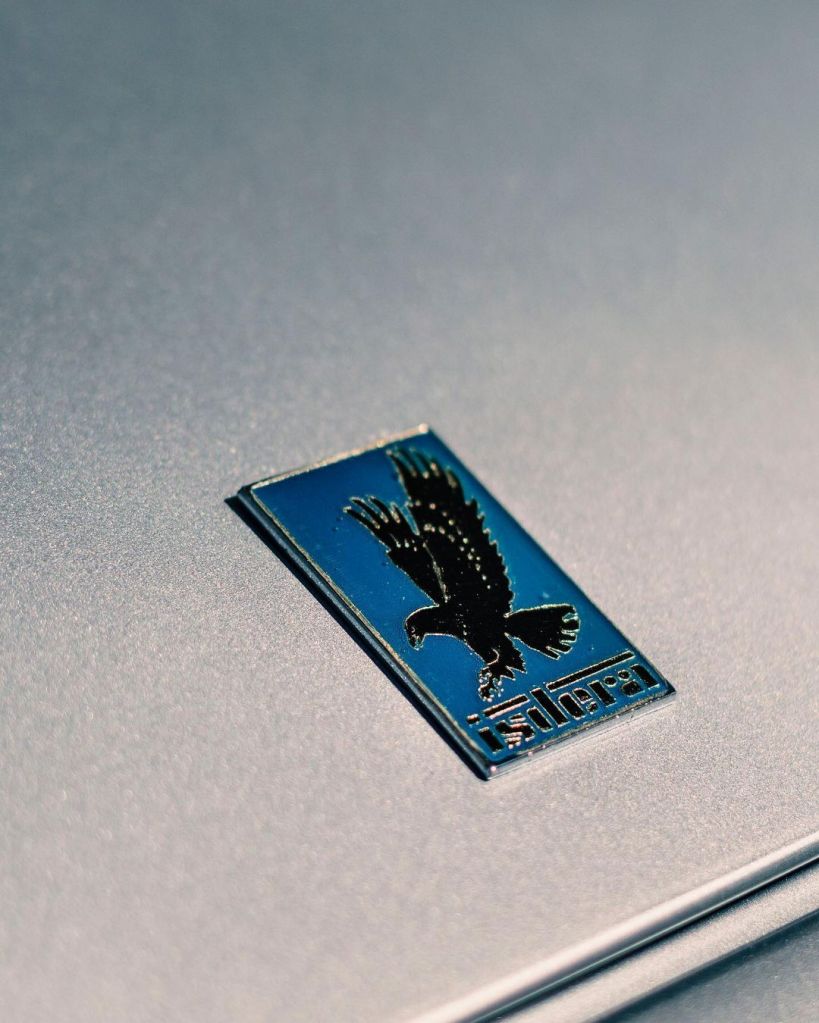
Now, why were Mercedes cars being built by some small manufacturer? The philosophy behind Isdera company was, so that they would actually execute the projects Mercedes would very much like to construct, but they were not really allowed to, because the marketing, the finance department, the eco-trends, the fuel emissions and all that gay talk. Isdera was small fish – they didn’t give a shit. They didn’t have no finance department. The only way to make Isdera purchase was to talk directly to the head of the company. There were no dealerships, no salesmen. You had to wait for your car at least a year and nobody said a word to it – because the car was worth the wait. Isdera compromised on nothing: you had a bold design, towering performance, and luxurious interior – all in one package. 3 times „yes” – welcome to the final! The car had it all – and in the year 1993 its successor was presented.

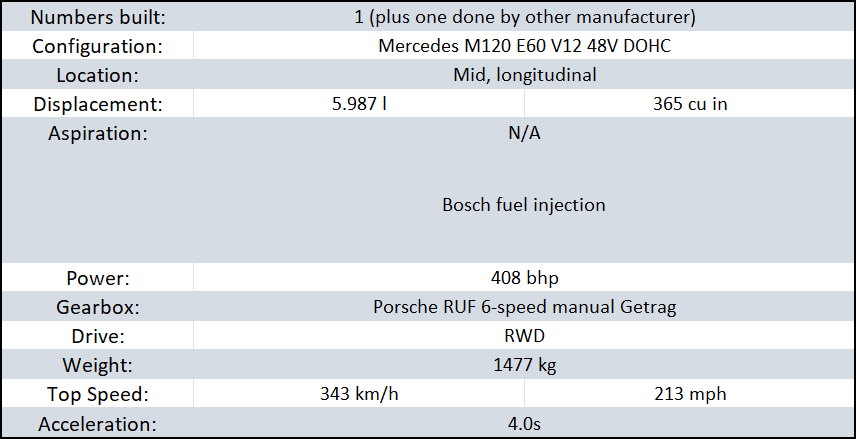
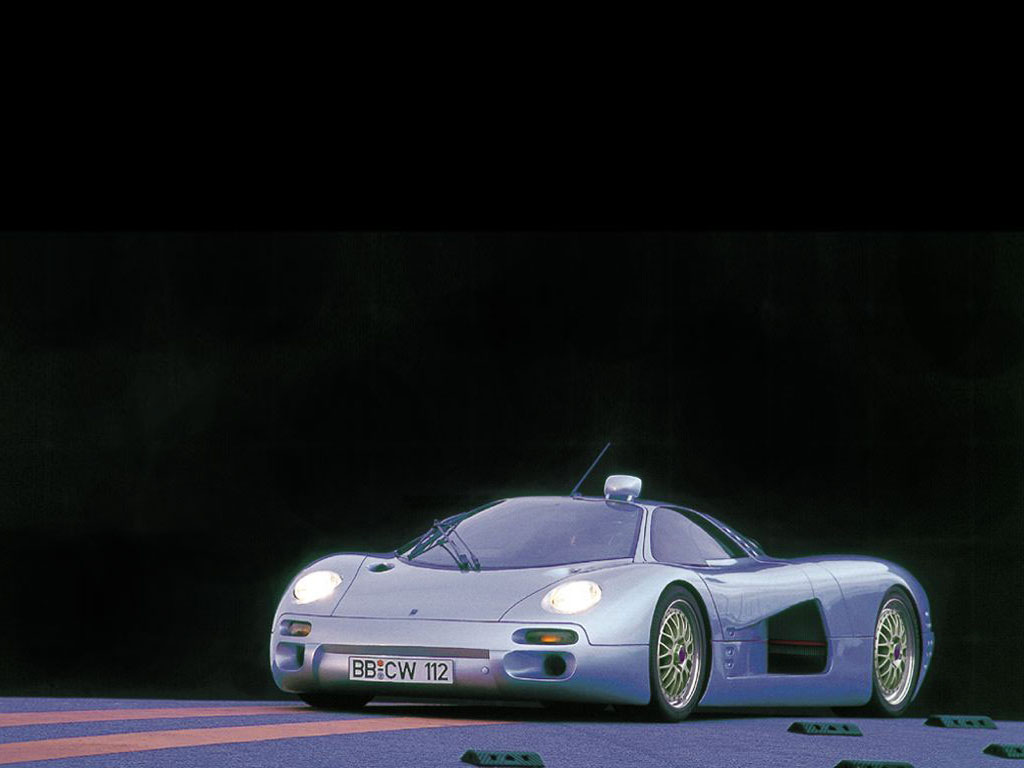
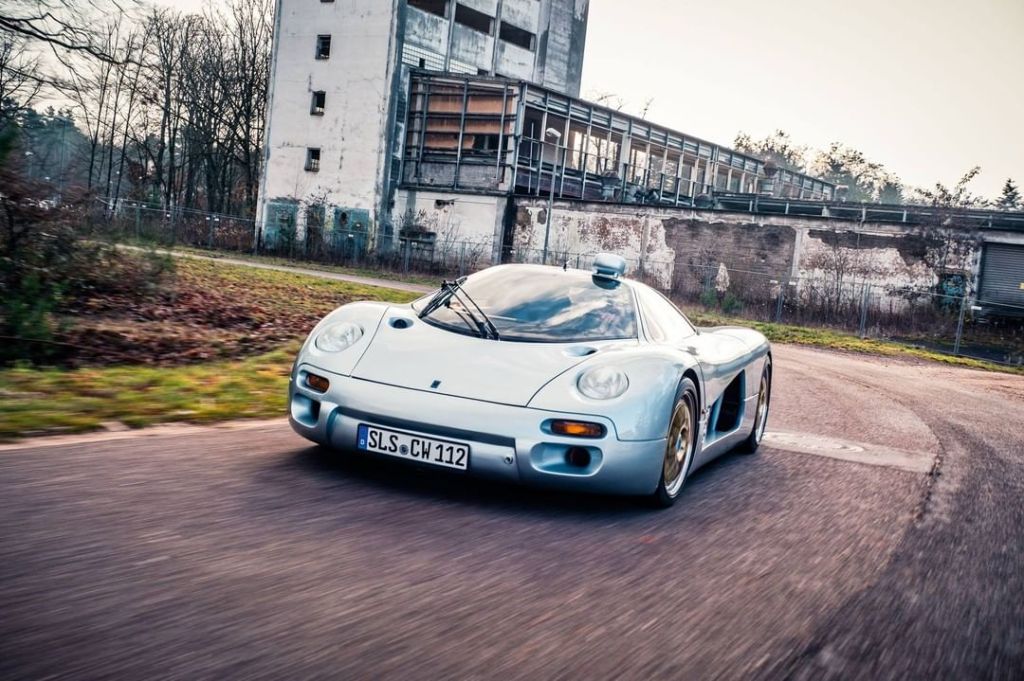
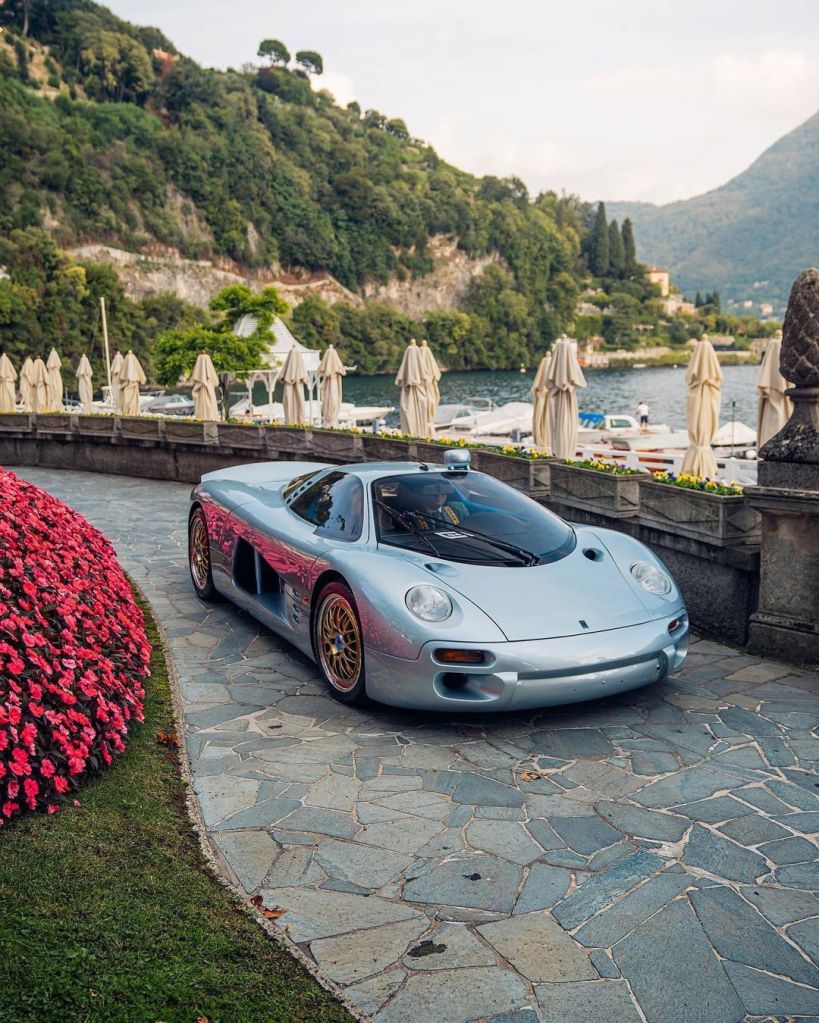
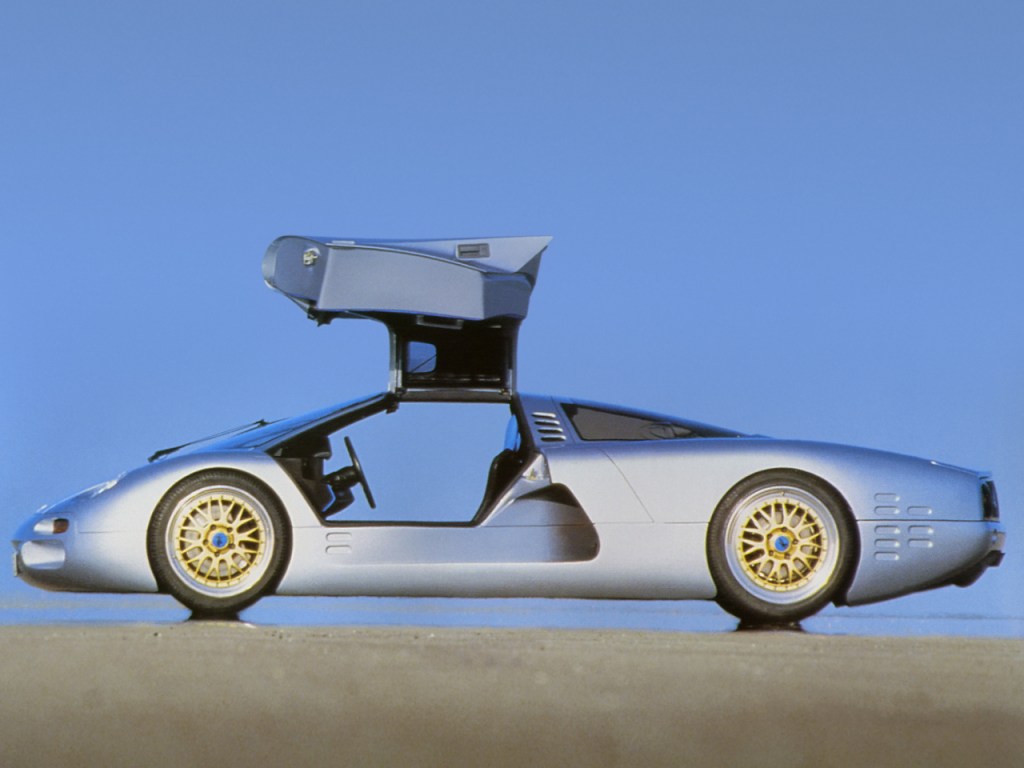
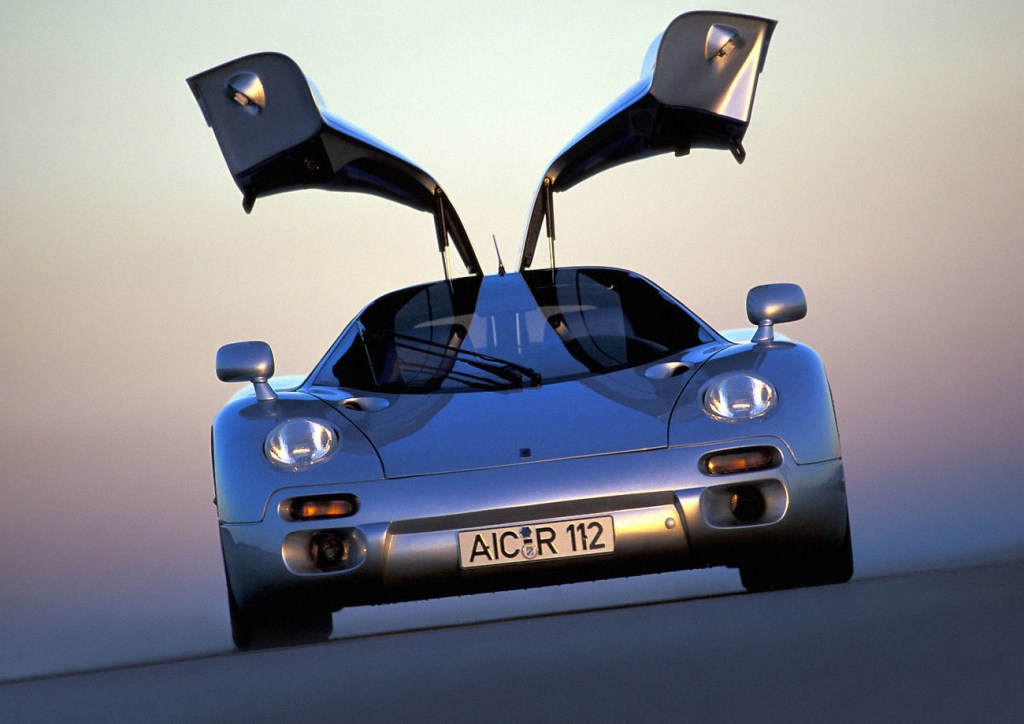
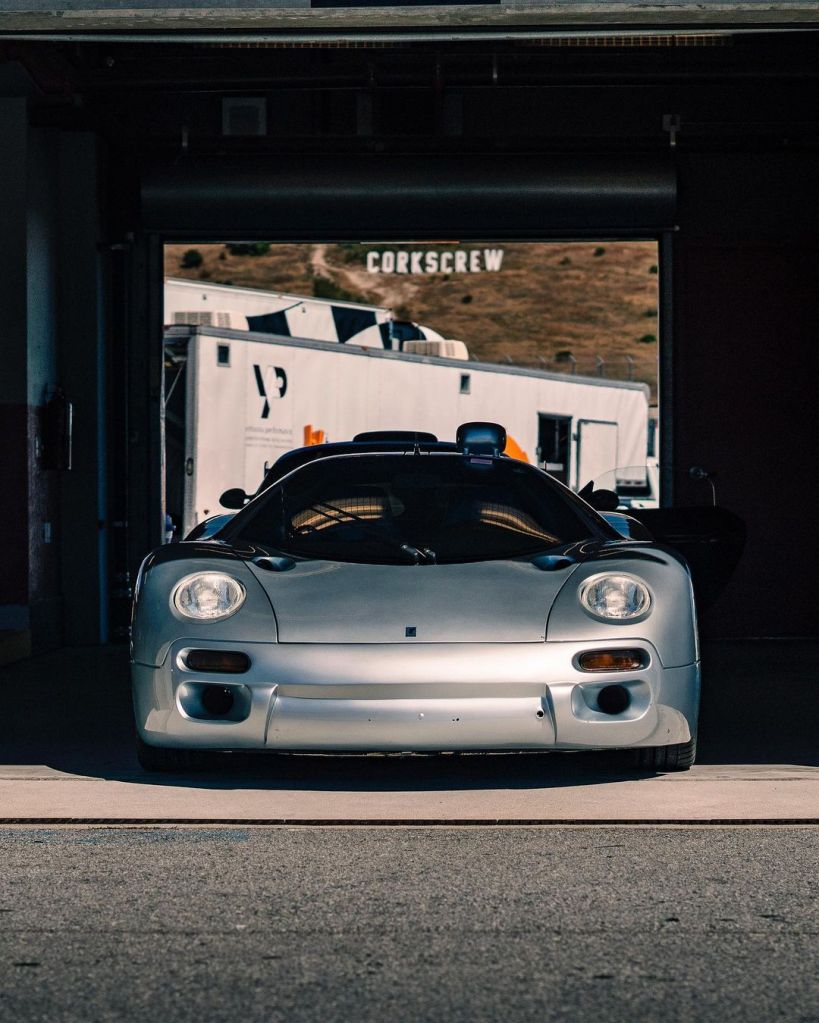
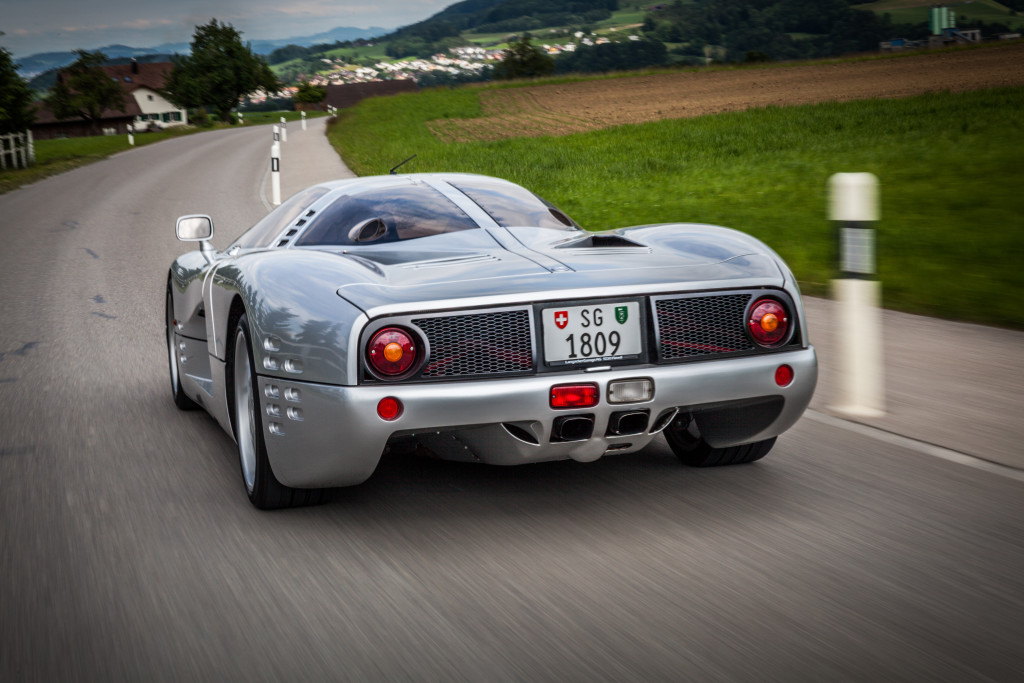
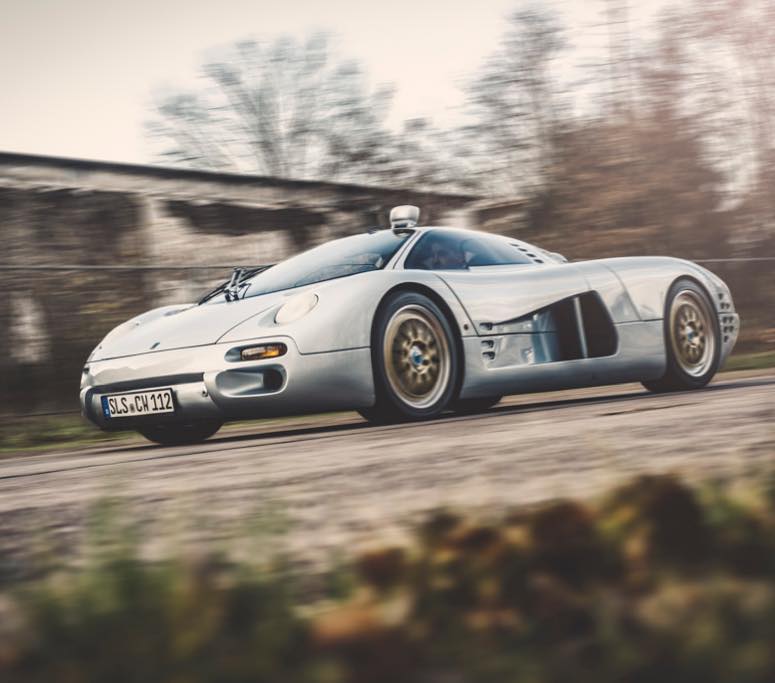
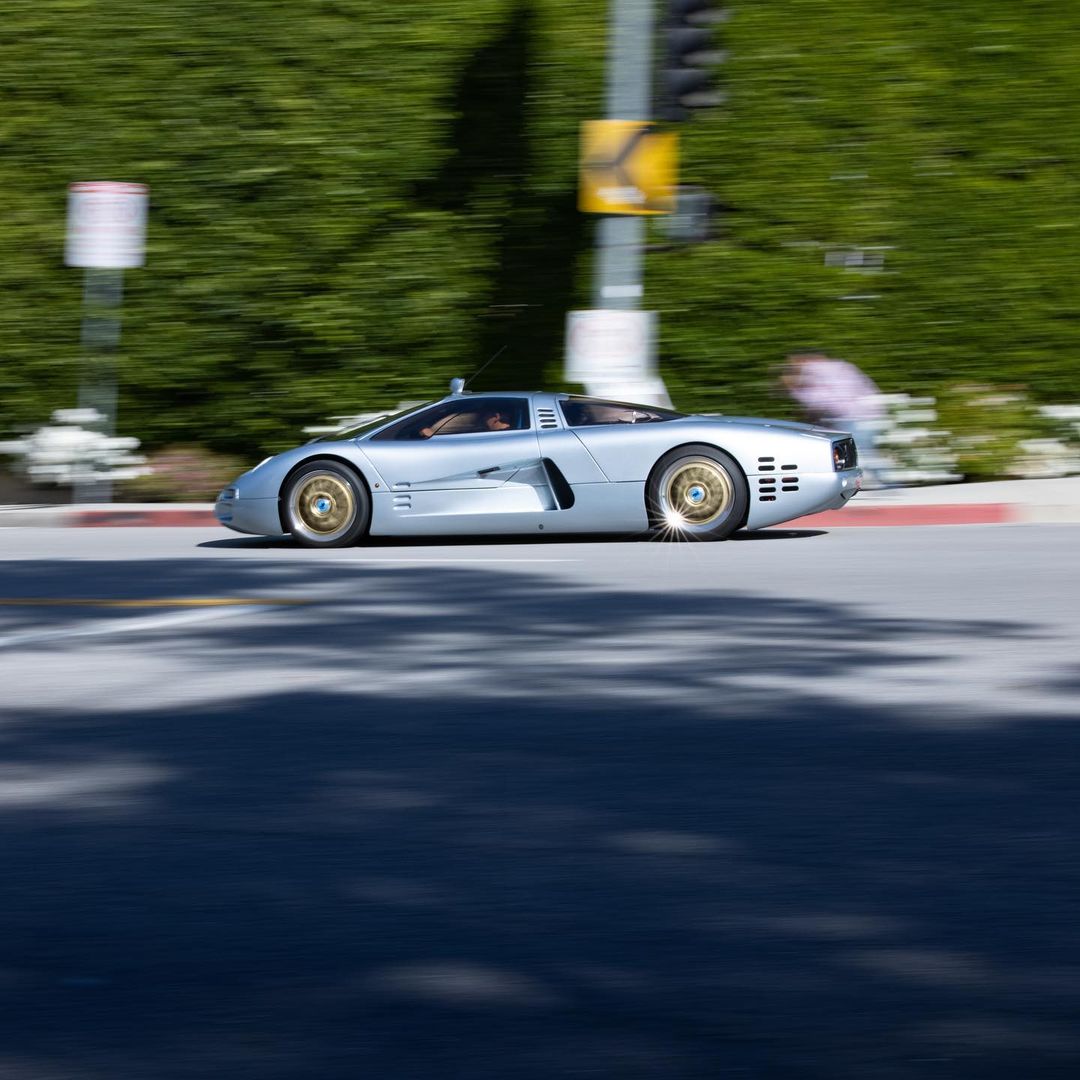
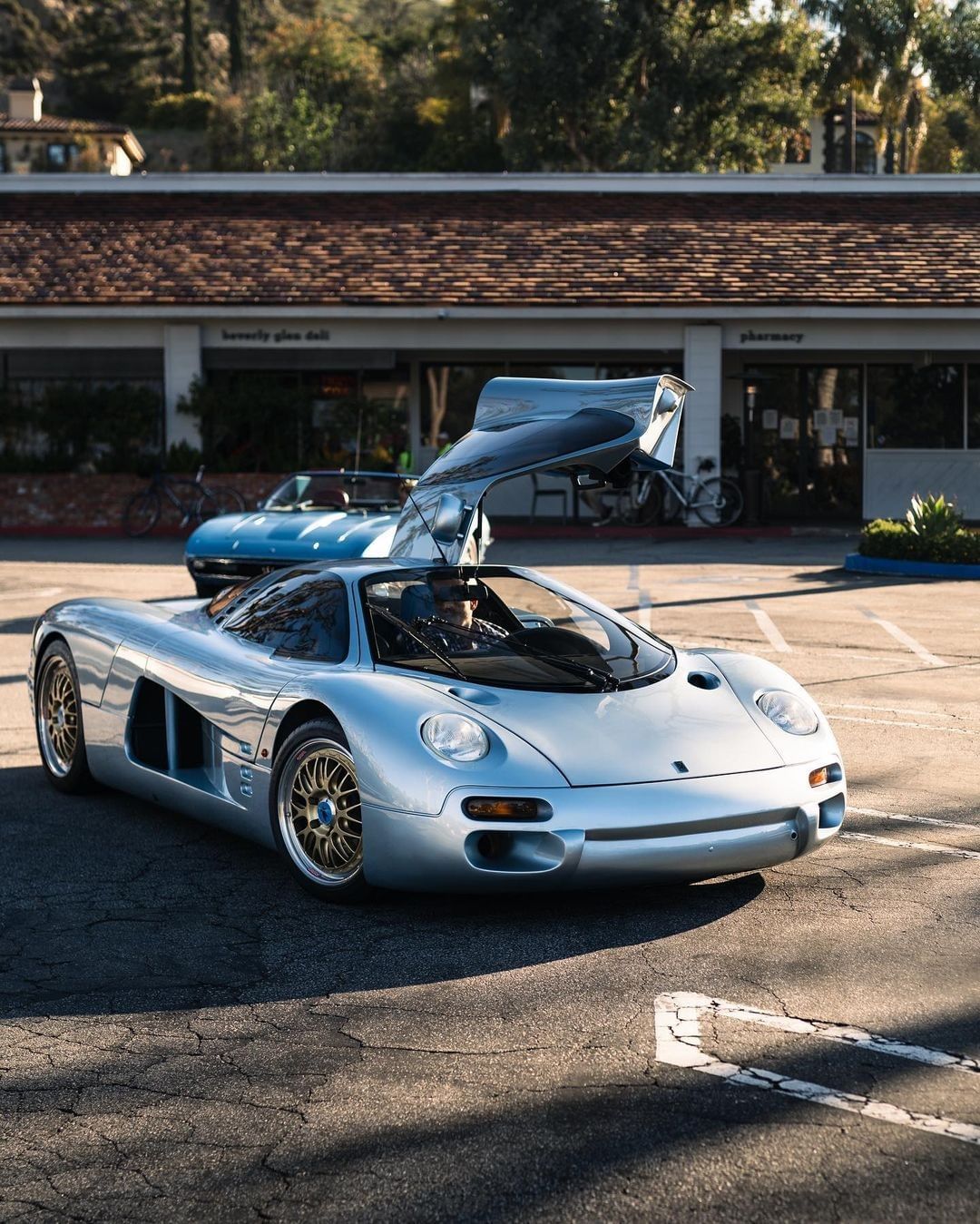
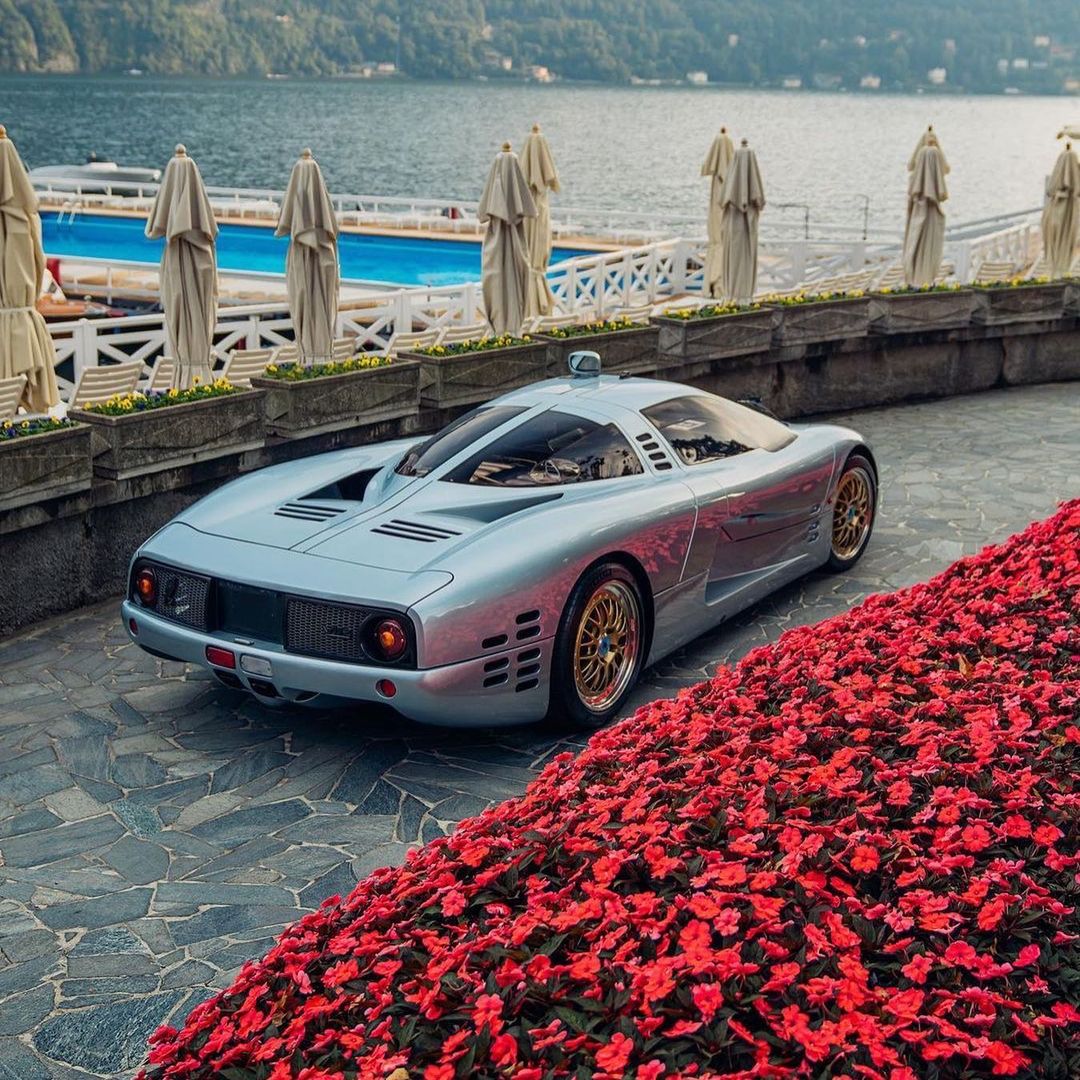
Frankfurt Motor Show 1993 when we first saw the new model: Commendatore 112i. Fucking hell. Mercedes V12 did 400 horsepower, no sweat – in fact it had a lot of headroom left, because they could have easily tuned it for 150 more if the wanted. But they didn’t go for it and the car still hit 212mph (340 km/h) and it didn’t have to be rebuilt after. Eat the cake and keep the cake – they didn’t sacrifice the engine reliability, and they still had a hugely powerful motor. It was unheard of then! Yes, we already had the cars hitting 220 miles, but it was always a stretch, and that V12 could do it time and time again – no stress on the engine. S-Klasse would have same motors and it would also power later Pagani supercars – and it would still be awesome! It’s a good performer – 10/10. Would buy again.

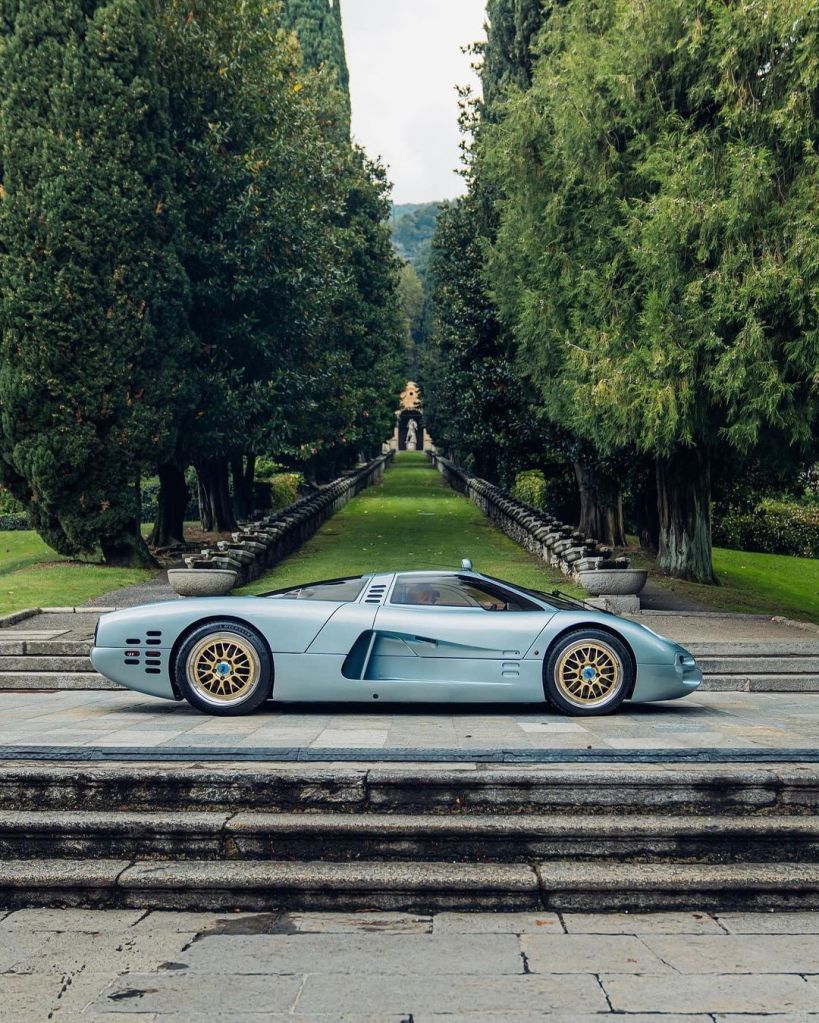
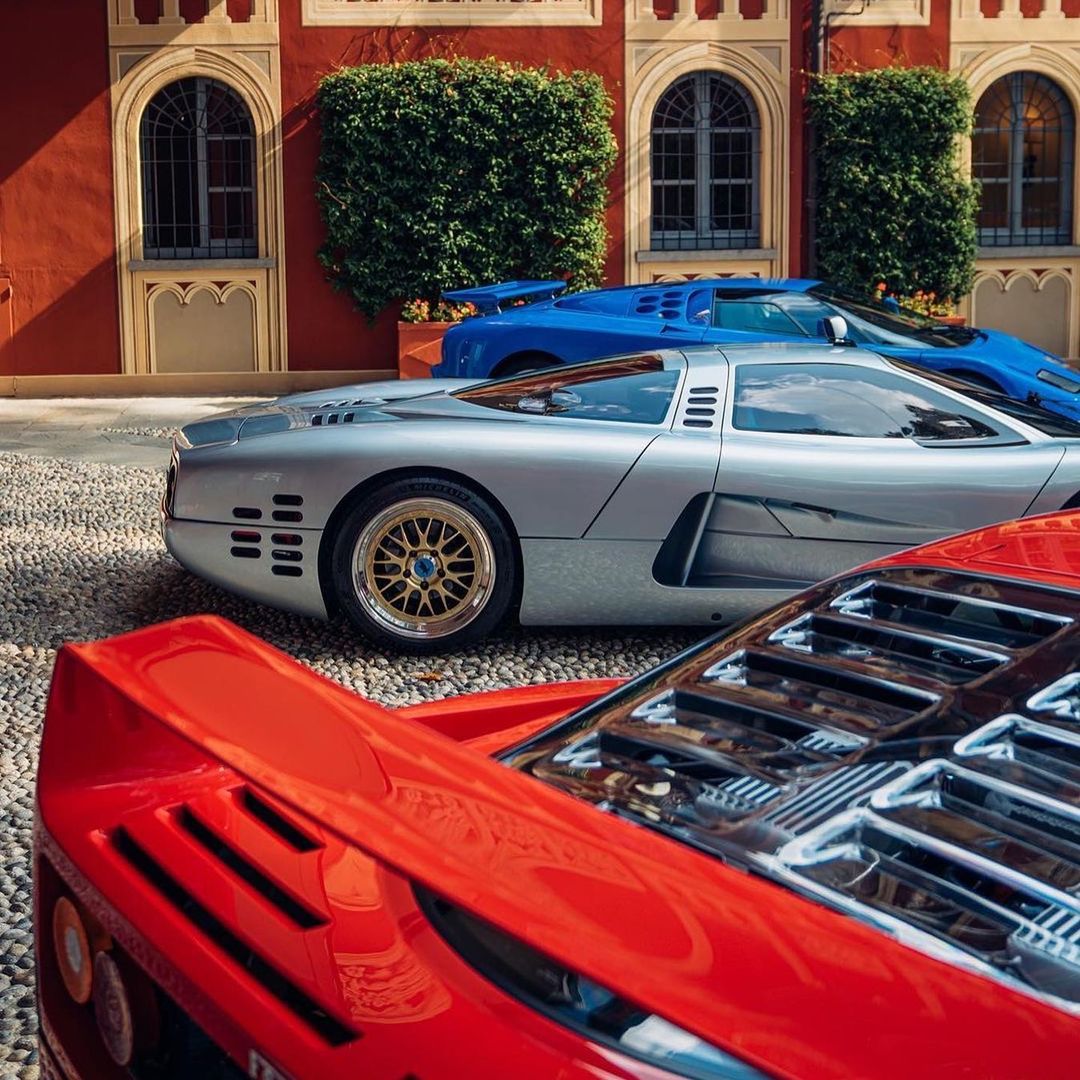
If that was not enough, the man put a RUF-modified Porsche 6-speed gearbox based on 5-speed Getrag transmission. Isdera claimed 4,7s to lightspeed, but the car crossed 60mph after only 4.0s. A lot of elements were Porsche-derived. The body was hand-built from carbon fiber and GRP, but the suspension and ABS brakes were shared with Porsche 928. Pop-up headlights were direct copy of 968 models. It had lifted doors like in the legendary Gullwing – fuck, the engine cover had the doors working the same way. Active suspension kept the car low at high speeds and deployed the aero brake when required. The driver didn’t have side mirrors, but he could look back through a FREAKING PERISCOPE! Shit you not.

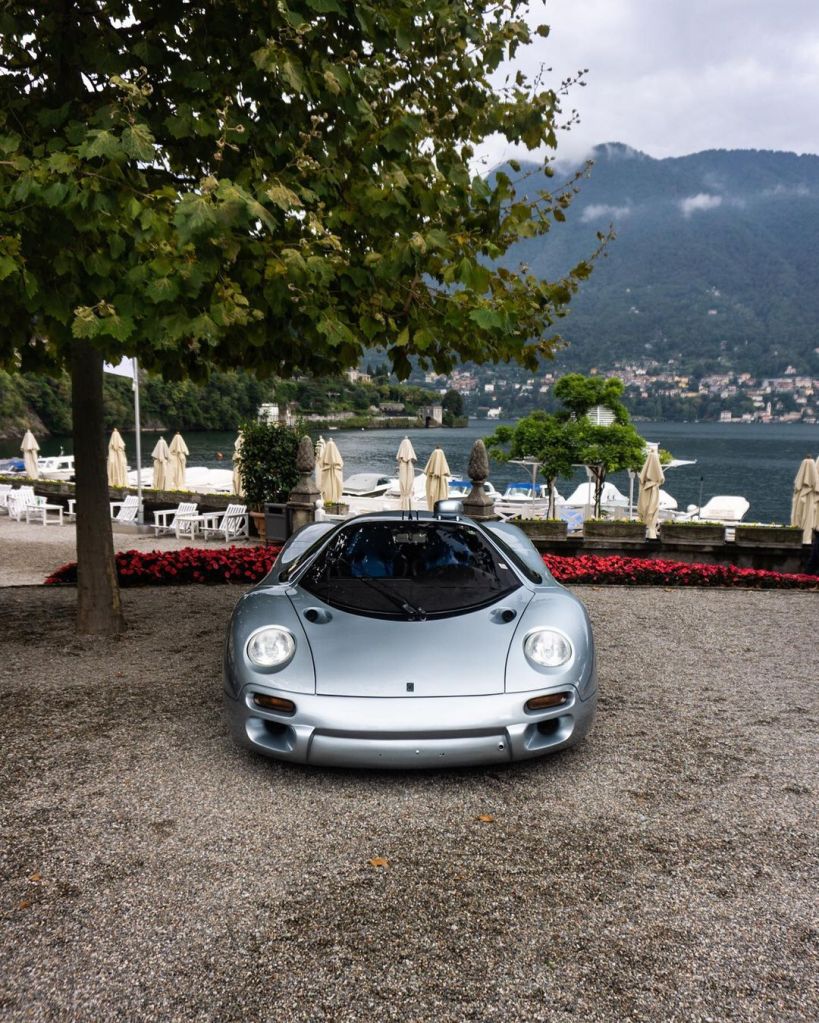
The car was astonishing and it deserved the chance, yet – the prototype suffered delays and the financial crisis forced the company to declare bankruptcy like many supercar brands. The project was trashed and only one example exists. There was an additional leftover chassis, that was bought and finished by an outsider, but Isdera claims nothing to do with that project. And the original? It changed hands and beefed up. At some point capable of 230 mph (370km/h) from a 610 bhp V12. That configuration was called the Silver Arrow, and you could tell it from the original by the more ordinary side mirrors in place of the periscope, and Mercedes badging instead of Isdera – the replaced rims had them too. Fun fact: that one and only example was reclaimed by the Isdera company in 2015, brought back to its initial form, and sold last year (2021-FEB) by RM Sotheby. It hit well over 1M Euro.

In it’s own way Isdera united all beauty the world of automobiles had to offer till that point. It was called after Enzo „Il Commendatore” Ferrari himself, it used finest German technology, powered by the dream Mercedes V12, and stood on a Porsche-born suspension layout. One big homage to achievements of automotive history – and one that crossed the still exclusive 200mph barrier proud! It was to race the 24h of Le Mans, but when the finance ended, Schulz dreams died as well.

Krzysztof Wilk
All sources: favcars.com | wheelsage.org | wikipedia.org | ultimatecarpage.com | autozine.org | topgear.com | rmsothebys.com | supercars.net | motortrend.com | motor1.com | thedrive.com | supercarworld.com | M Buckley – The Complete Illustrated Encyclopedia of Classic Cars | instagram: remidargegenphotographies, kirin_cars, carenthusiasts, danielzizka, mauricevolmeyer, machinistic, sunroofdelete, popz.s, coches.site, abdielnfs, ste19bozzy92, automotived, officialoctanemagazine, nostracarmus, tdautophotog, onlyexclusivecars, mauricevolmeyer, bigboybenzes

1993 – Isdera Commendatore 112i

Eberhard Schulz to był niemiecki stylista samochodowy… Dziękuję za uwagę – zobaczymy się za dwa tygodnie.


… Nie no, żartowałem. O panu Schulzu warto wspomnieć, bo jest jedną z bardziej zdolnych postaci w motoryzacyjnej historii. Jeśli ja was nie przekonam, to może suche fakty będą silniejszym argumentem. Chłop dostał ofertę pracy w dziale designu marki Porsche ZANIM jeszcze skończył edukację – a dostał tę robotę, bo we własnym garażu (właściwie jego rodziców, którzy używali tego miejsca jako pralni) wykonał auto pokazowe inspirowane Fordem GT40 i pojechał nim do ich siedziby, gdzie wszystkim szefom popuszczały zwieracze. Nie miał papieru z uczelni i jego CV szczerze nie zachwycało, a dostał u nich pracę wyłącznie za umiejętności jakie potrafił zaprezentować w praktyce i to bez zaplecza. Prawie dekadę spędził w tym biurze, aż zmienił barwy na firmę bb, zajmującą się głównie tuningiem, ale nie tylko. To tutaj Schulz zyskał swoją reputację.

W bb maczał palce przy powstaniu projektu auta dla Mercedesa, i które miało zastąpić legendarne 300SL. Miało naklejki Merca, tak – ale sam zamysł i prototyp powstały w warsztatach bb. Swoją drogą, zajebista maszyna – jeszcze kiedyś o niej napiszę. To na bazie tego pojazdu, po otwarciu własnego biura projektowego, Schulz stworzy swoje pierwsze auto z prawdziwego zdarzenia. Finalnie powstanie około 30 egzemplarzy, wersje spyder, Mercedesy, prototypy – wszystkie Isdery 108i miały V8 Mercedesa o pojemności co najmniej 5-litrów oraz mocy do 400 koni w wersjach AMG. Srogie bydło.

Dlaczego Mercedes powstawał w zakładzie Isdera? Filozofia tej niszowej marki była taka, że wypuszczali na rynek auta, na które duży Mercedes by się zdecydował – gdyby w dupie mieli te konwenanse: marketing, finanse, ekologię, normy emisji – całe to pedalskie pierdolenie. Do zakupu produktów z ich katalogu prowadziła tylko jedna droga: zagadać bezpośrednio z właścicielem firmy – i rok oczekiwania to była norma. A auta Isdera robiła bezkompromisowe: odważne w designie, z mocarnymi osiągami i luksusowym wnętrzem. 3 razy „tak” – przechodzisz do finału. Ten samochód miał wszystko. A w 1993 roku pokazano następcę.

Na targach samochodowych we Frankfurcie w 1993 roku zaprezentowano model Commendatore 112i… i ło, kurwa! Silnik V12 Mercedesa robił solidne 400 koni mocy i miał spore zapasy – mógł spokojnie wydać nawet 150 więcej, gdyby chcieli. To znaczy, że auto rozwijało prędkości do 340 km/h (212mph) i nie musiało zaraz iść do remontu. W tamtym okresie to było niesłychane, a dla tego V12 to było zero wysiłku. To samo serce później jeździło w S-Klasie, ale i ze znaczkami Pagani – i dalej dawało radę. Super sprawa. Serio – polecam.

Do tego skrzynia Porsche po modyfikacjach od RUFa – 6-biegowy manual na bazie 5-biegowej przekładni. Producent deklarował 4,7s w nadświetlną, ale Isdera przekracza pierwszą setkę w 4,2 sekundy. W ogóle, wiele elementów pochodzi z Porsche. Samą budę ręcznie wykonano z włókien węglowych i GRP, ale układ zawieszenia i hamulce z ABSem były dzielone z Porsche 928, a podnoszone lampy wyciągnięto wprost z modelu 968. Auto było wyposażone w podnoszone drzwi, jak w Gullwingu – więcej: miało pokrywę silnika otwieraną w ten sam sposób! Aktywne zawieszenie obniżało auto przy większych prędkościach i odpalało hamulec aerodynamiczny, kiedy trzeba było. Kierowca, nie miał co prawda lusterek bocznych, ale miał za to JEBANY PERYSKOP!

I miało być tak pięknie… To auto zasługiwało na swoją szansę, niestety – podczas rozwoju prototyp miał wiele opóźnień, jak również brak wsparcia finansowego zmusił firmę do ogłoszenia bankructwa i projekt wyrzucono na śmietnik po powstaniu jednego egzemplarza. Co prawda powstała druga sztuka, ale Isdera się jej wyparła. A ten oryginalny? Trafił do rąk prywatnych metodą kupna-sprzedaży i przypudrowano mu nosek. Po machinacjach wyciągał 370km/h za pomocą V12 o 610 koniach mocy – i po tych zmianach trzeba na niego mówić Silver Arrow. Od zwykłej Isdery, Silver Arrow różni się normalnymi lusterkami zamiast peryskopu oraz znaczkami Mercedesa – również na podmienionych felgach. Ciekawostka – ten jedyny egzemplarz doprowadzono do oryginalnego stanu i w zeszłym roku sprzedano na aukcji RM Sotheby za grubo ponad milion starych erło.

Isdera w pewnym sensie łączyła w sobie całe piękno motoryzacji do tej pory. Nazwana po panu Enzo „Il Commendatore”, korzystała z najlepszej niemieckiej technologii, zasilana wspaniałym V12 Mercedesa, stała na zawieszeniu rodem z Porsche. Jeden wielki hołd motoryzacyjnej historii, i z dumą wkraczał w świeżo odkryte rejony 200 mil na godzinę. Auto miało rywalizować w 24-godzinnym wyścigu Le Mans, ale gdy bańka spekulacyjna prysła – marzenie Eberharda Schulza również w pizdu prysło.

Krzysztof Wilk
Na podstawie: favcars.com | wheelsage.org | wikipedia.org | ultimatecarpage.com | autozine.org | topgear.com | rmsothebys.com | supercars.net | motortrend.com | motor1.com | thedrive.com | supercarworld.com | M Buckley – The Complete Illustrated Encyclopedia of Classic Cars | instagram: remidargegenphotographies, kirin_cars, carenthusiasts, danielzizka, mauricevolmeyer, machinistic, sunroofdelete, popz.s, coches.site, abdielnfs, ste19bozzy92, automotived, officialoctanemagazine, nostracarmus, tdautophotog, onlyexclusivecars, mauricevolmeyer, bigboybenzes