2016 – Vanderhall Laguna

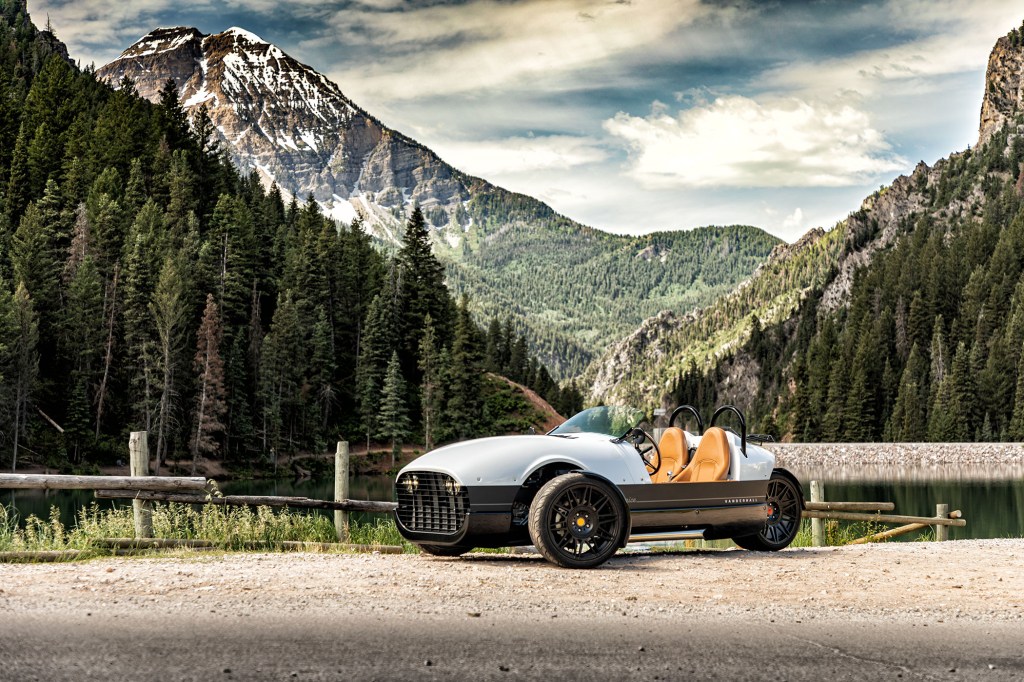
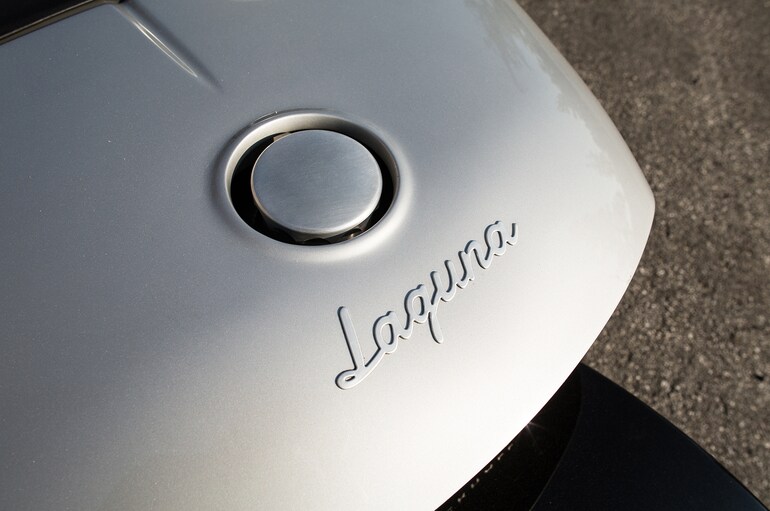
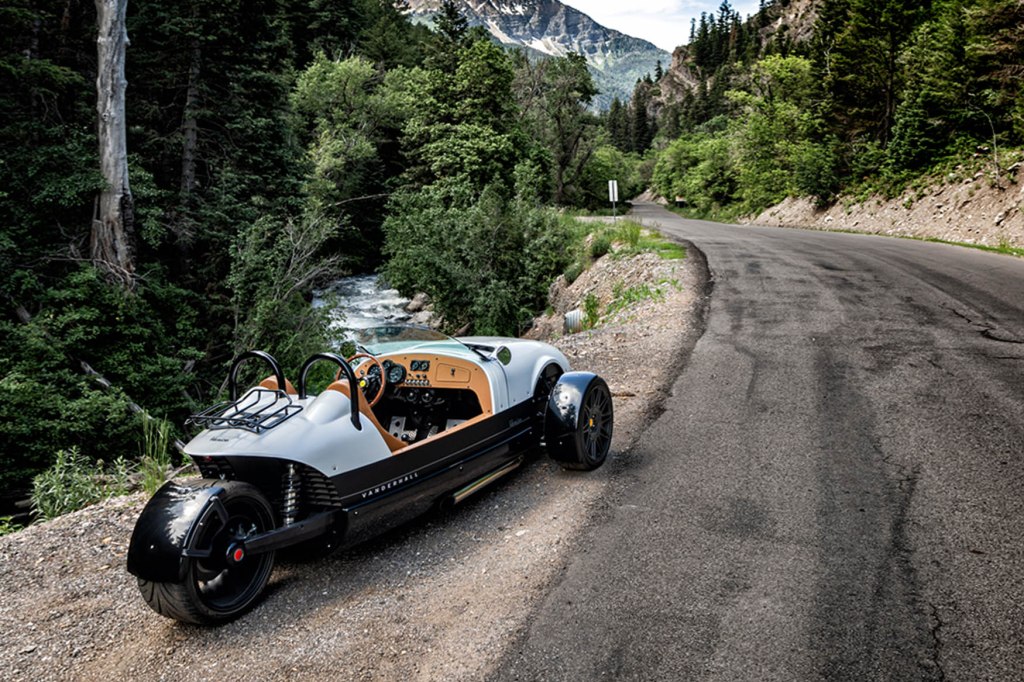
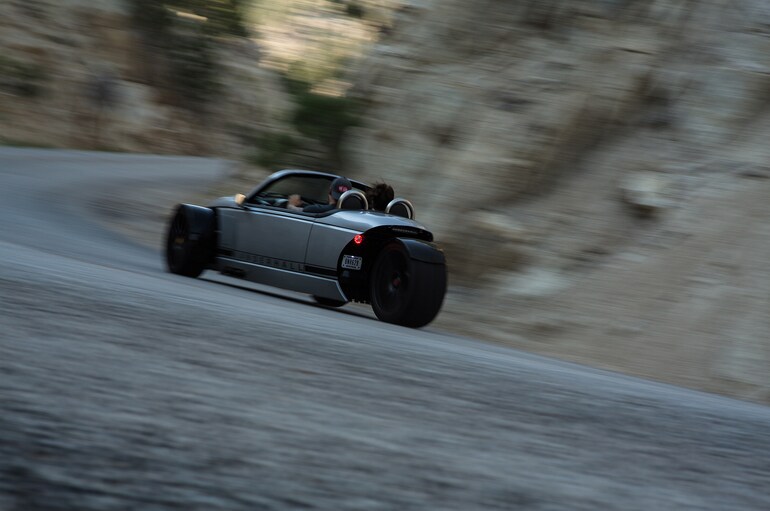
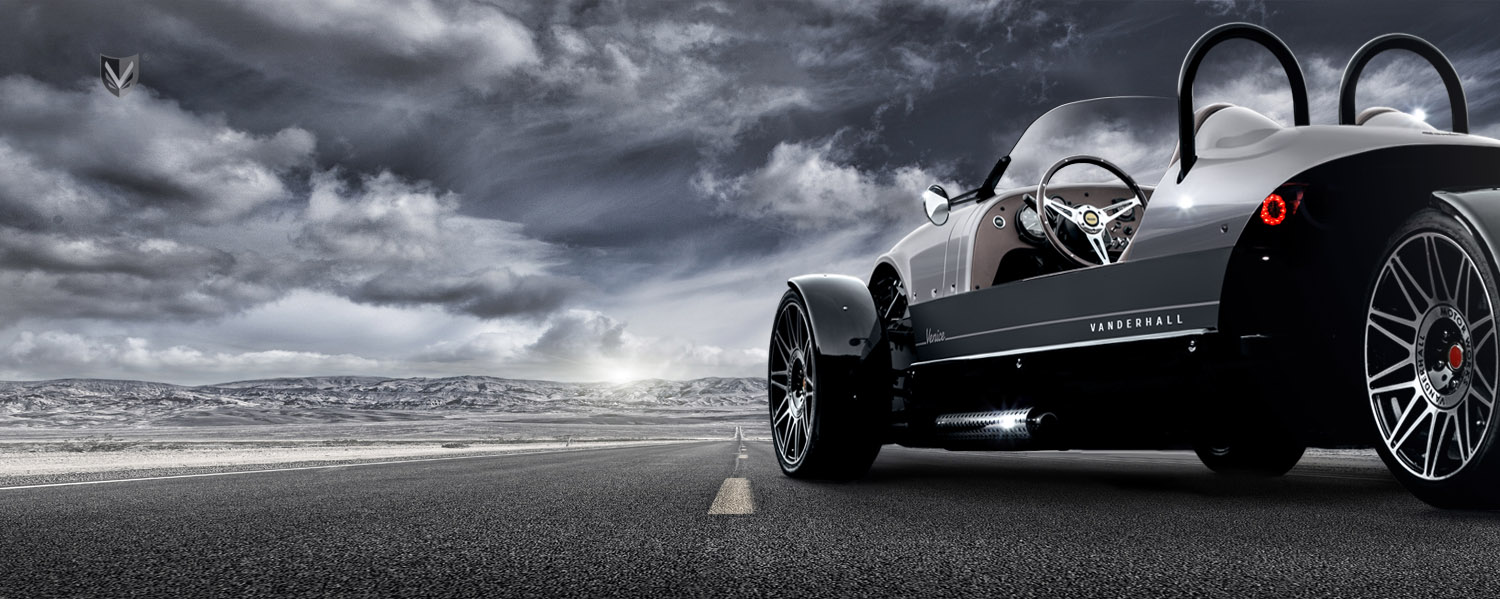
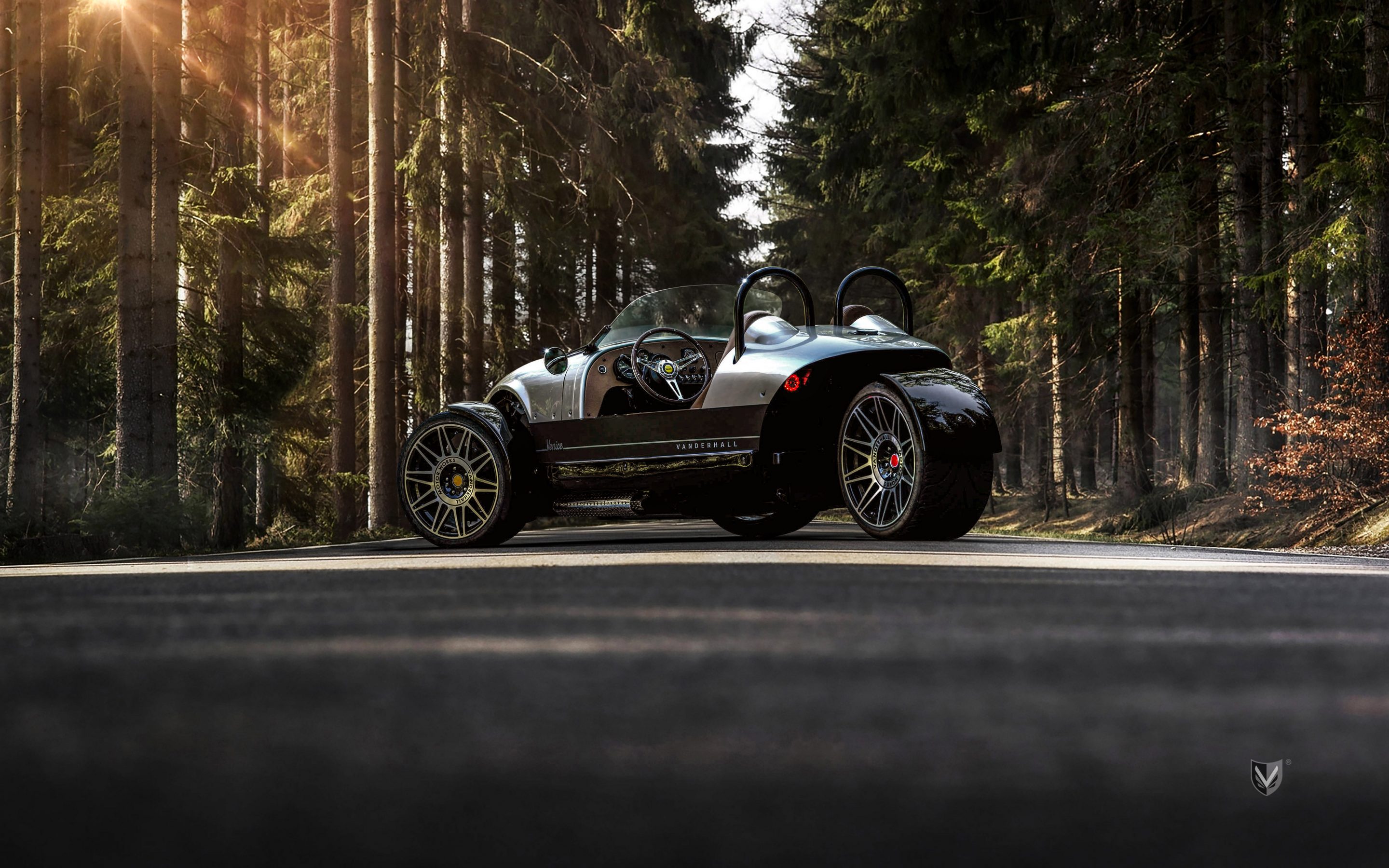
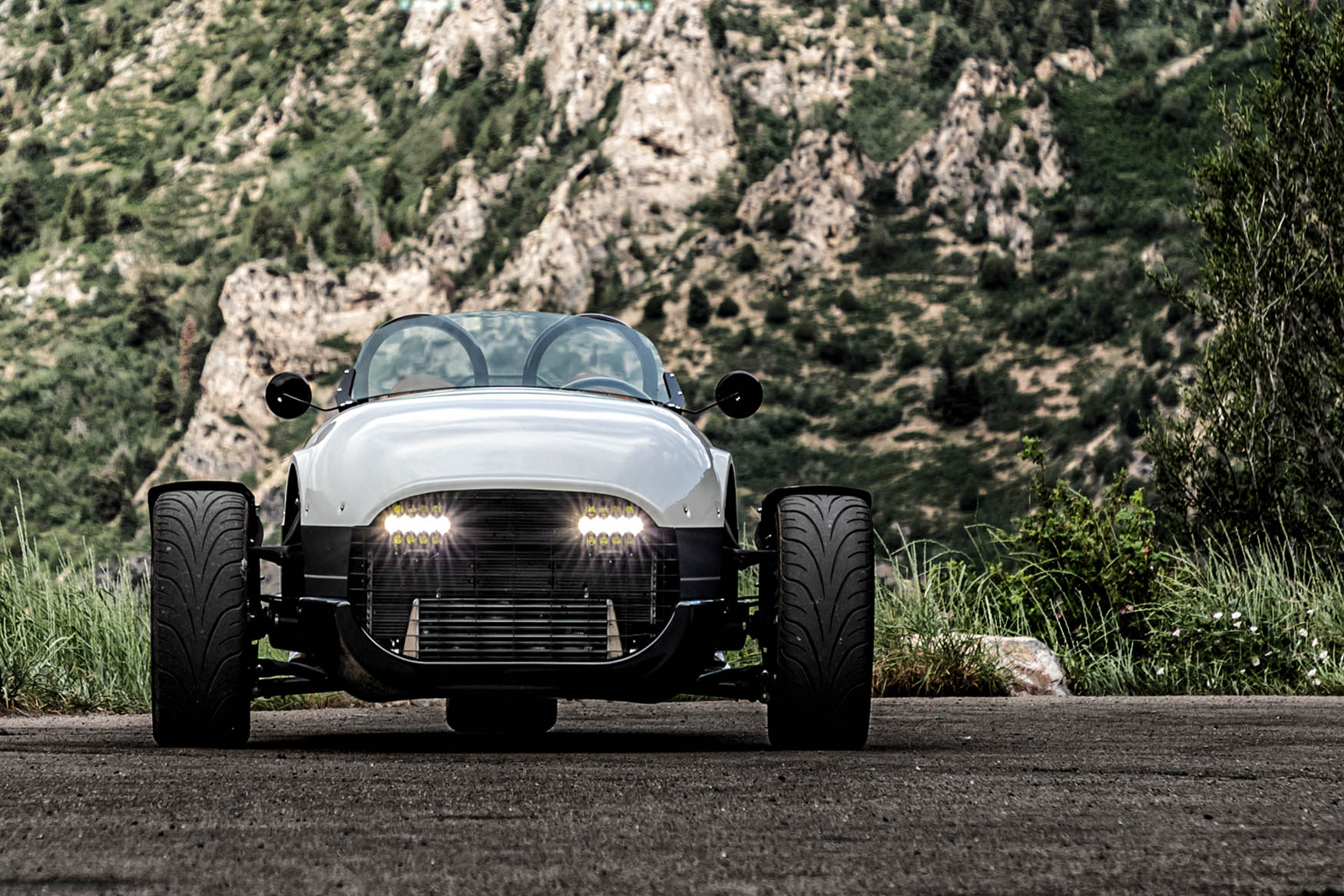
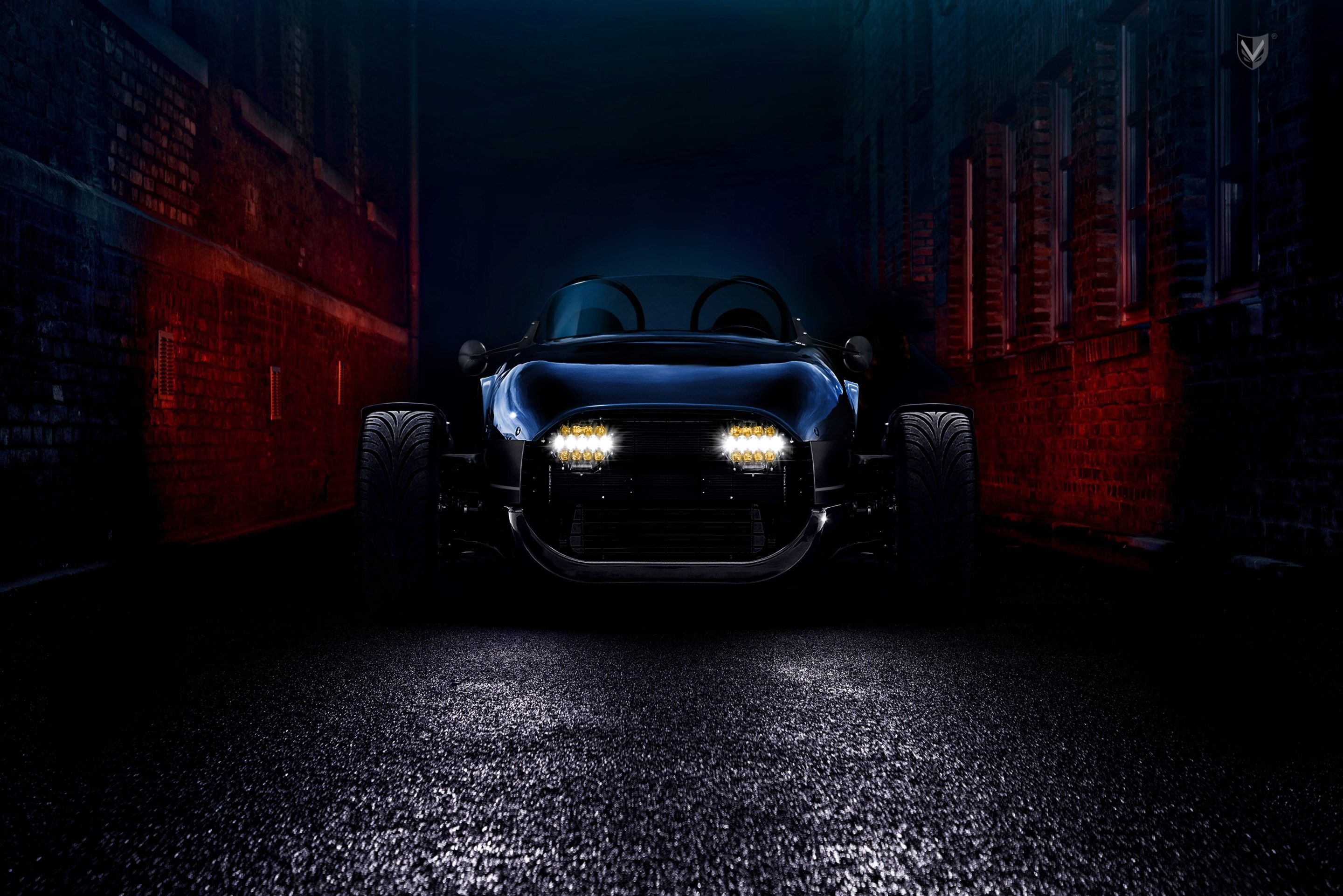
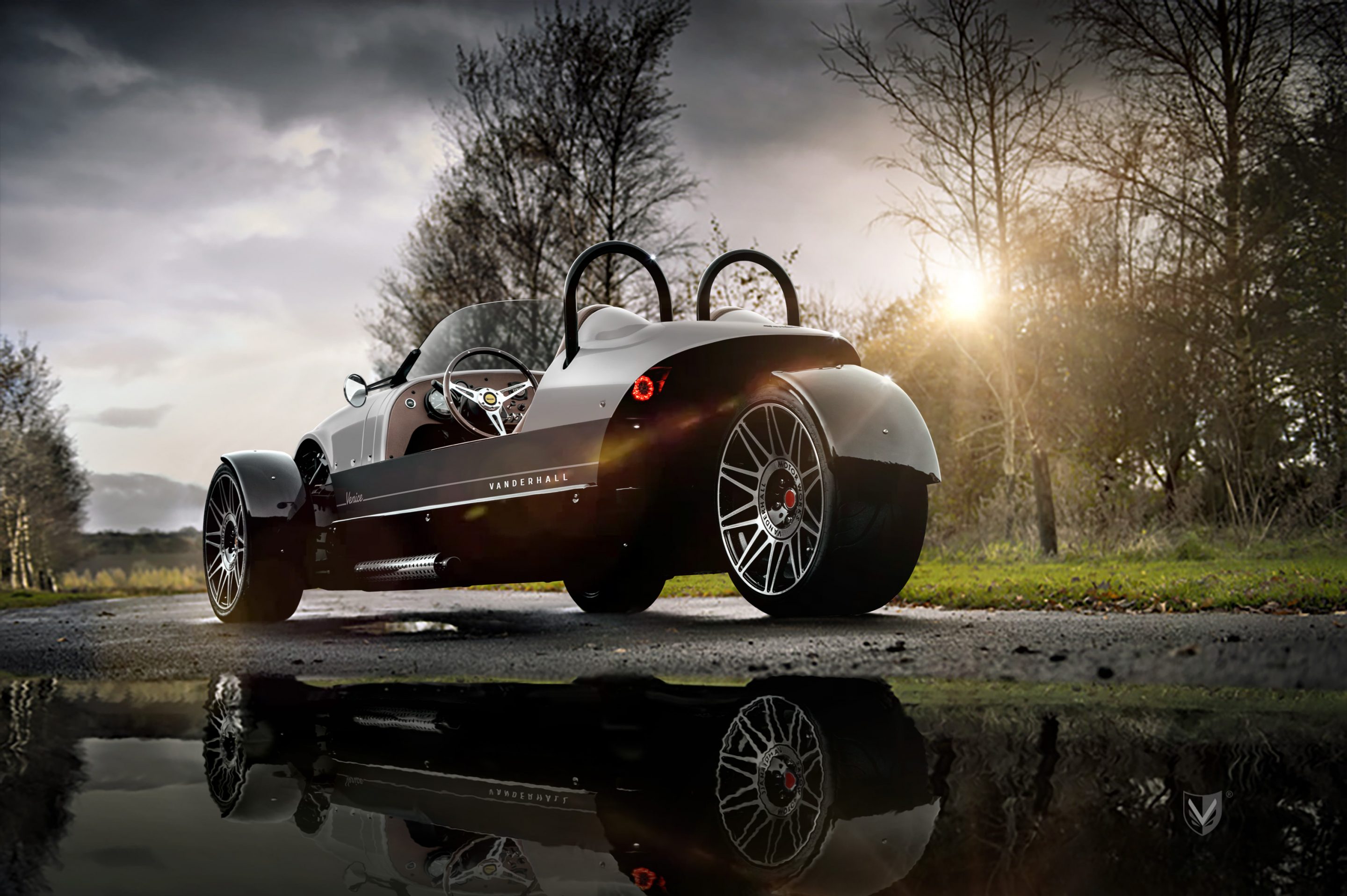
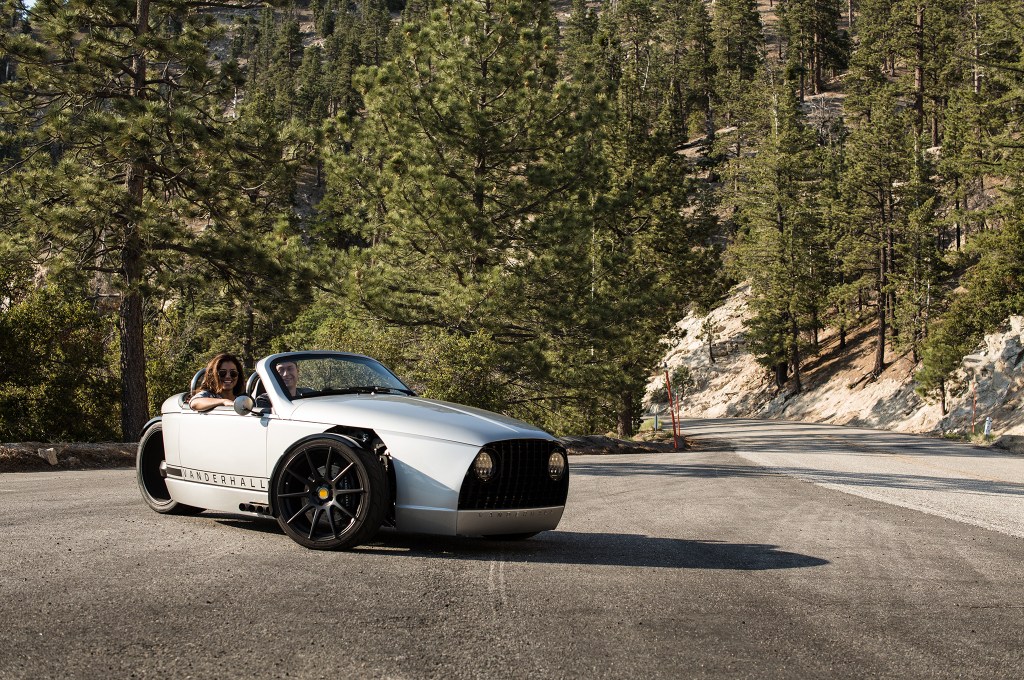
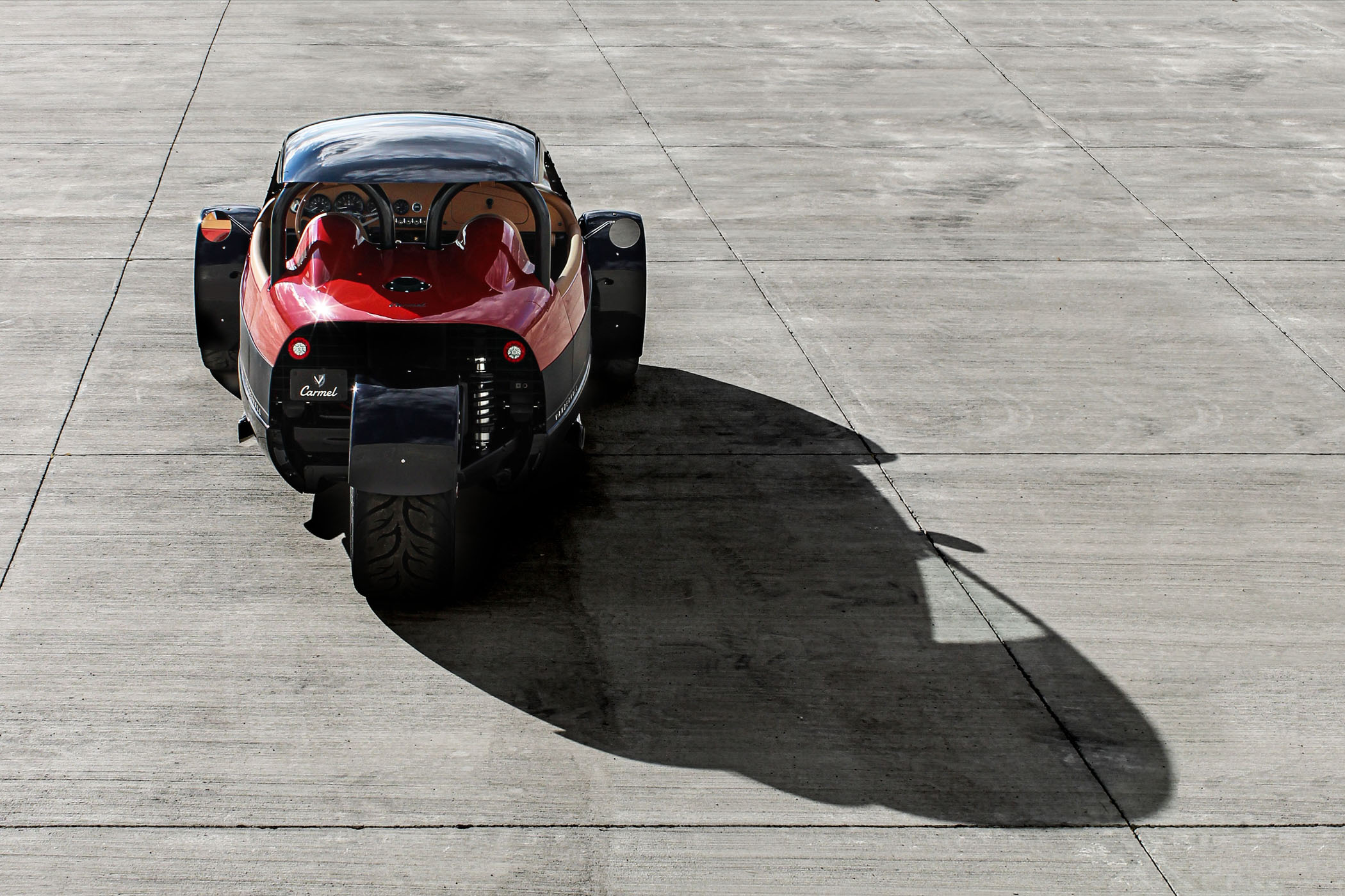
Marka Vanderhall to jest nowy twór. Założony przez Steve’a Halla w 2010 roku, po tym jak skończył karierę w Novatek jako designer i przez pięć lat zajmował się ich prototypami. W 2016 roku – pod swoją marką – przedstawił światu 3-kołowca swego autorstwa.
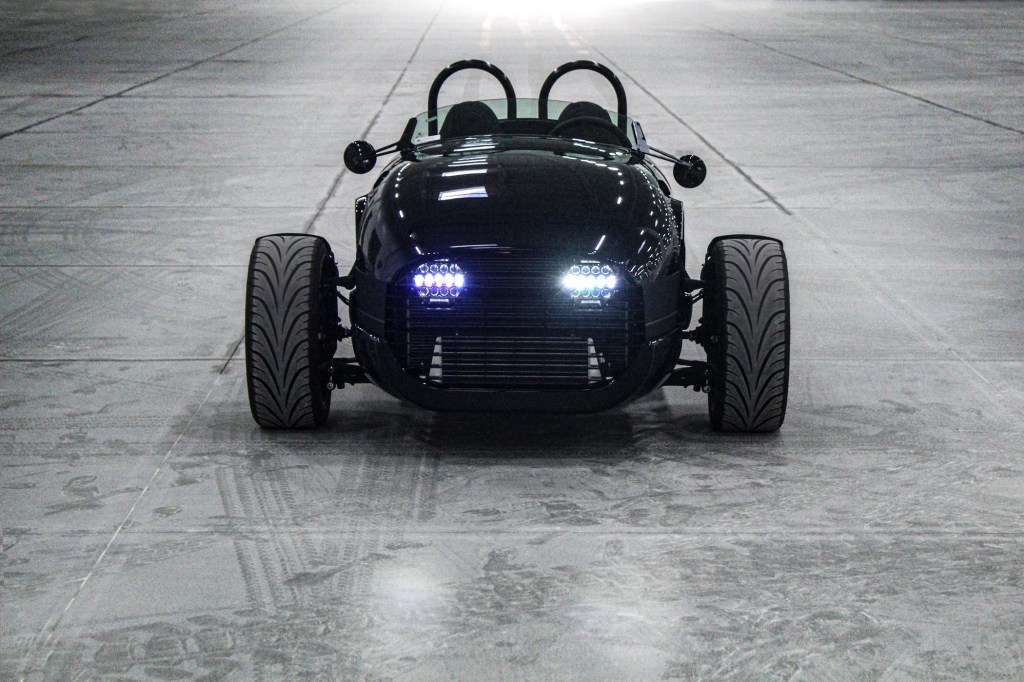
Dlaczego tylko trzy koła? Stworzenie własnego auta to droga zabawa. Samo opracowanie prototypu to jedno, a do tego dochodzi cały szereg testów – m.in. zderzeniowych. Można jednak ten krok pominąć… kiedy twoje auto nie jest samochodem. Większość stanów USA uznaje trzykołowce za motocykle, przez co testy są mniej restrykcyjne a uzyskanie niezbędnych licencji – dużo łatwiejsze.
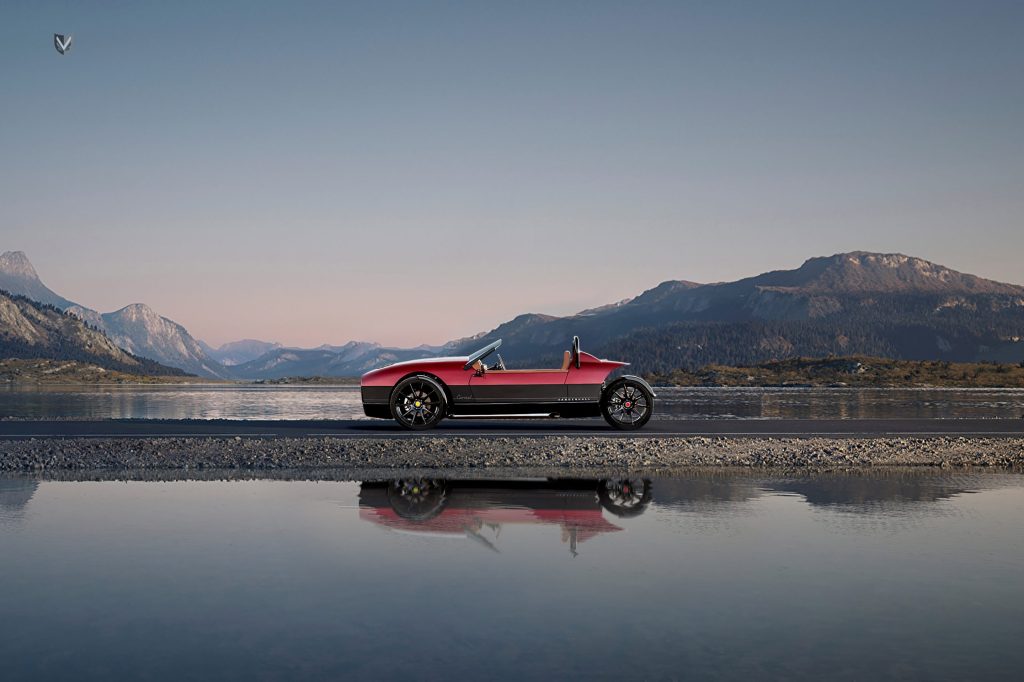
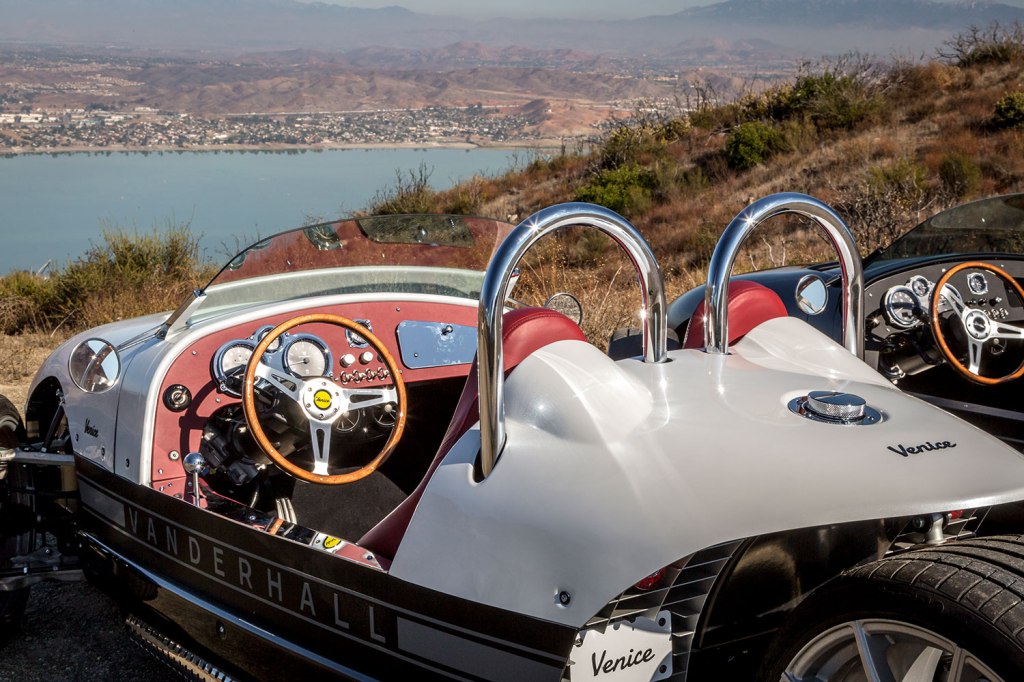
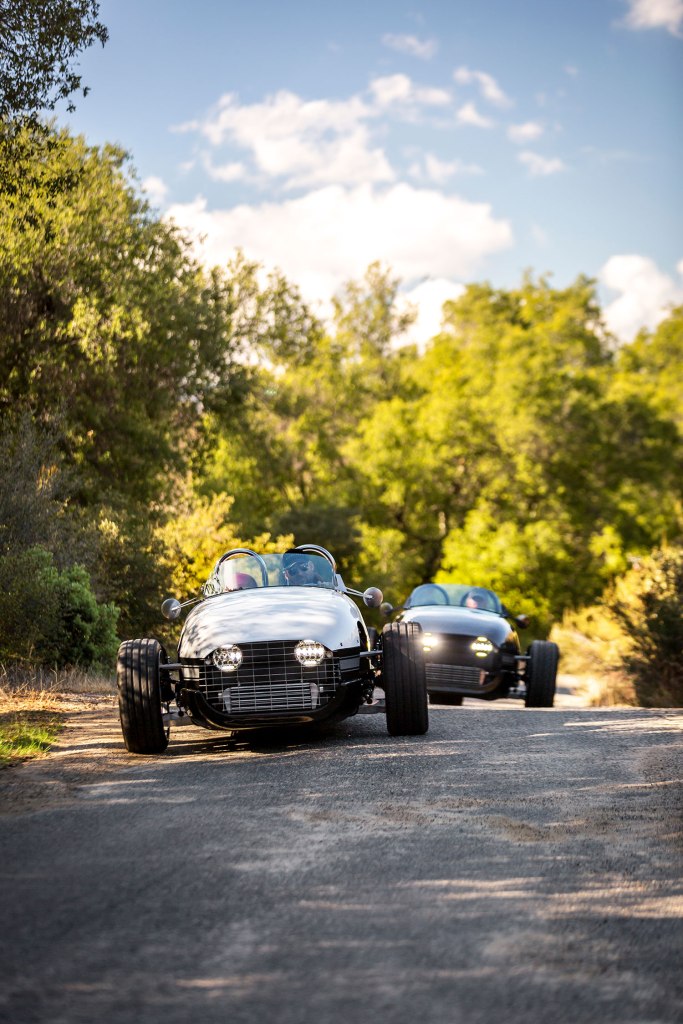
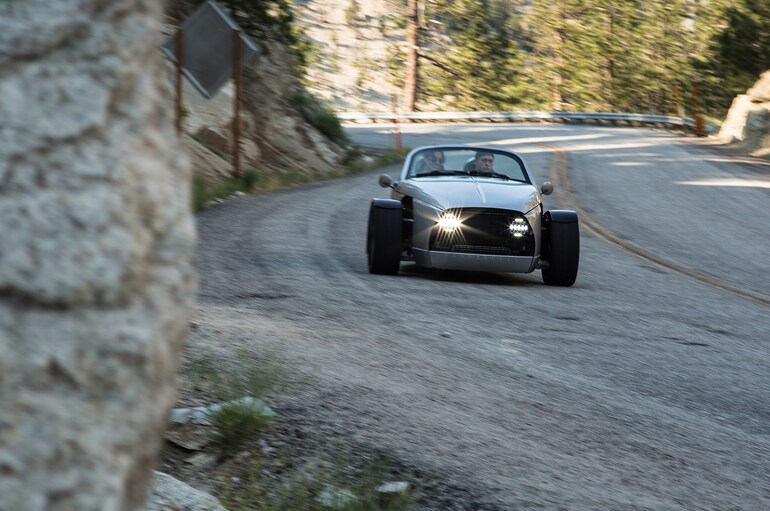
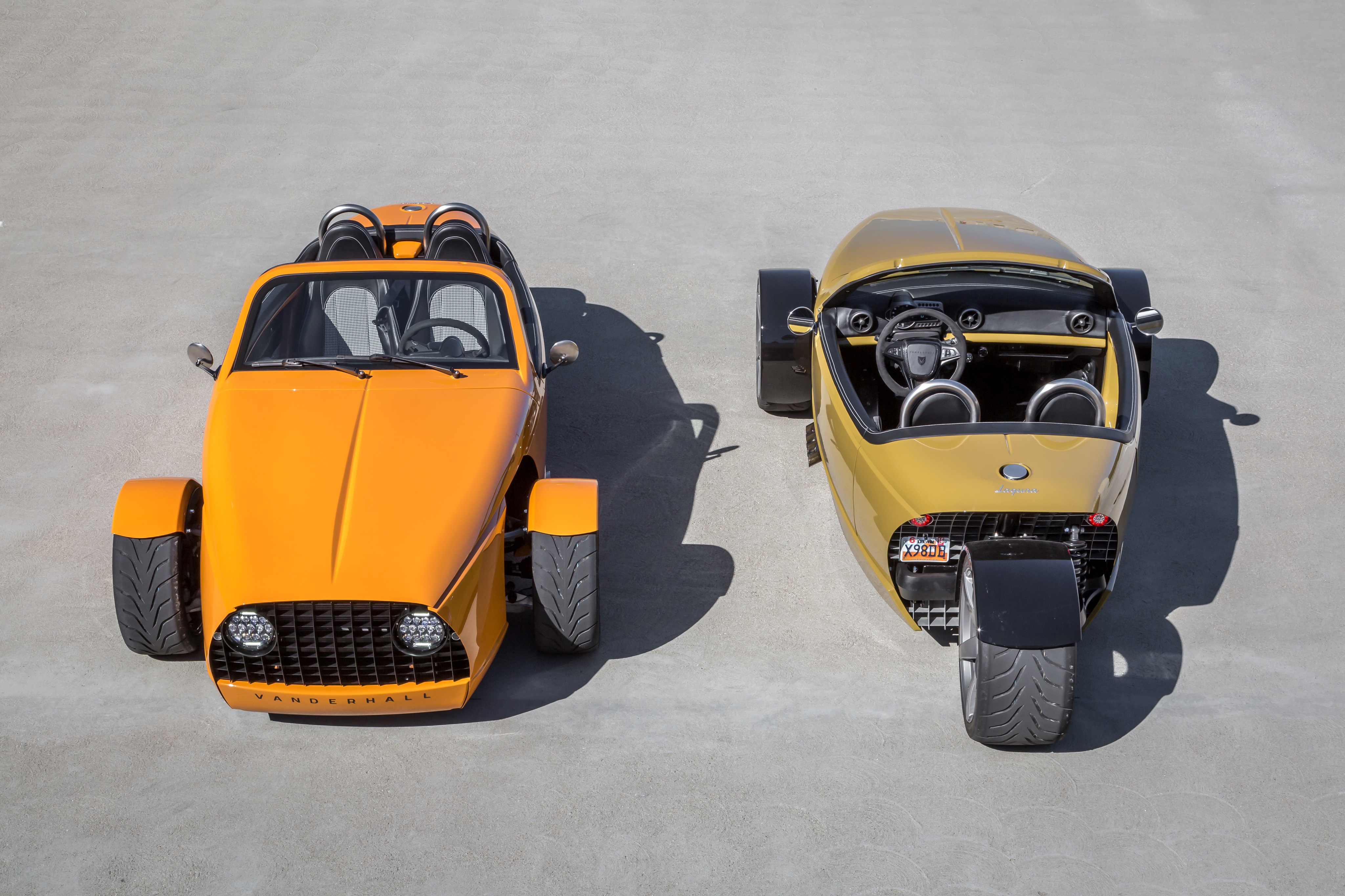
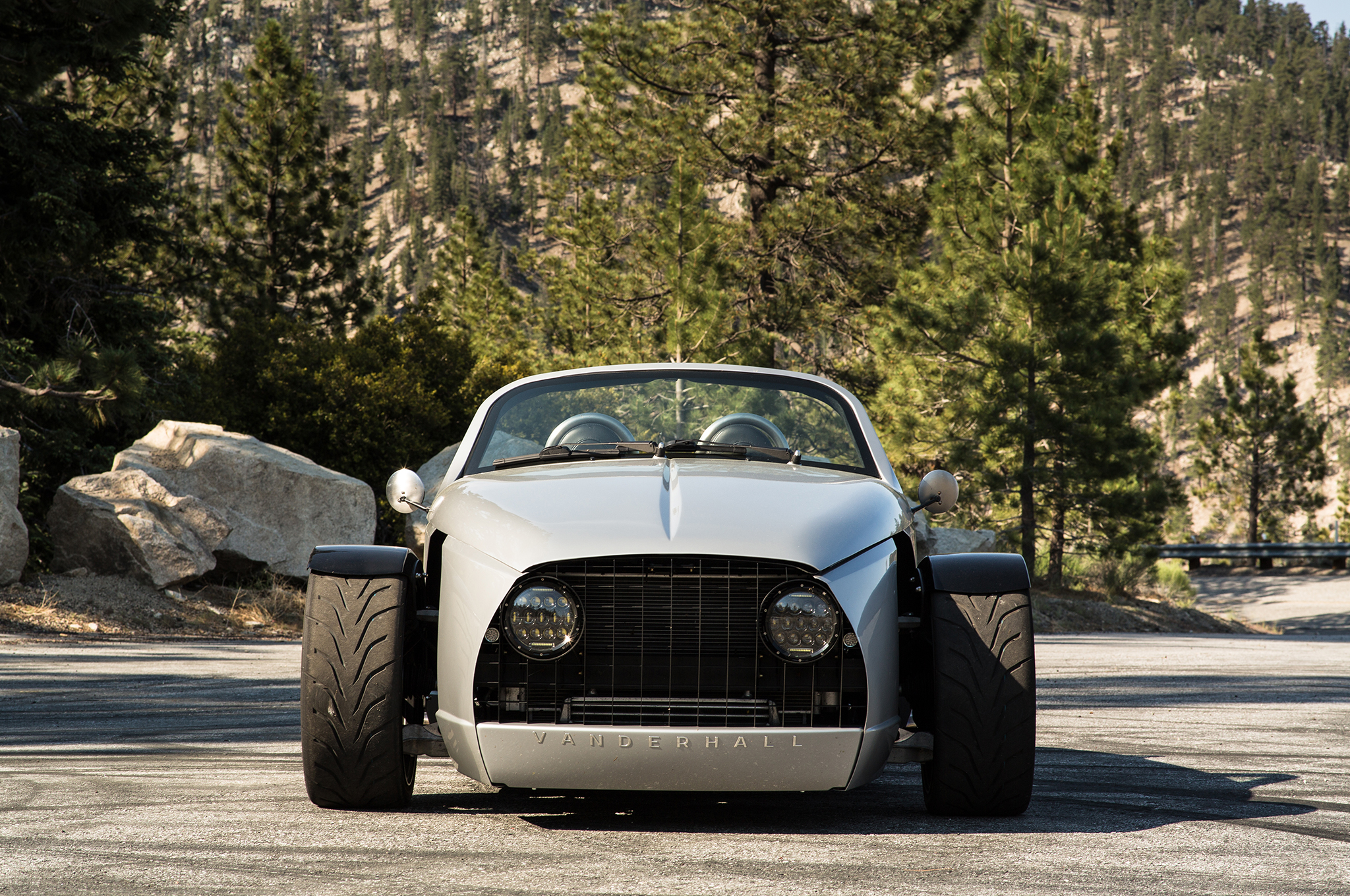
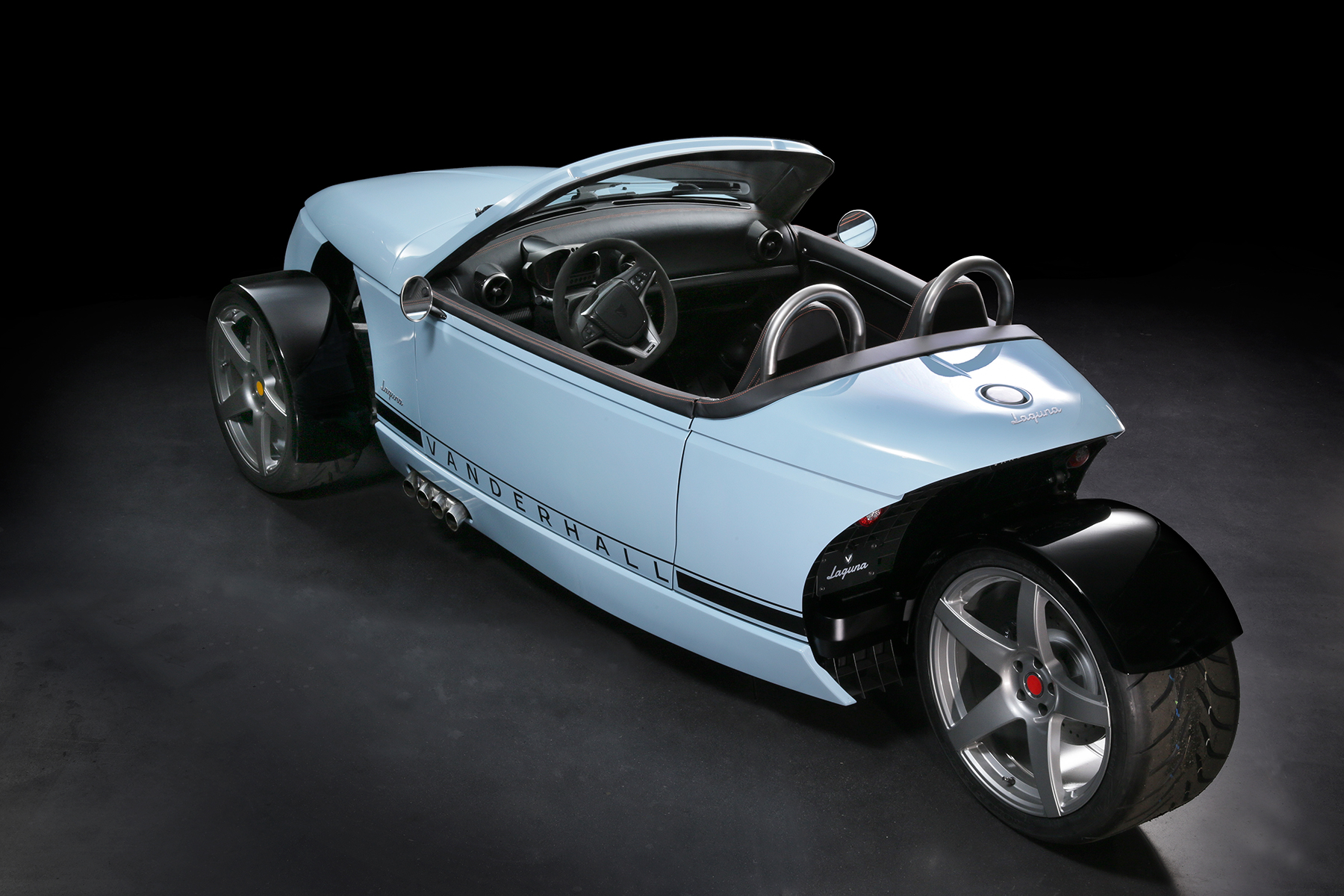
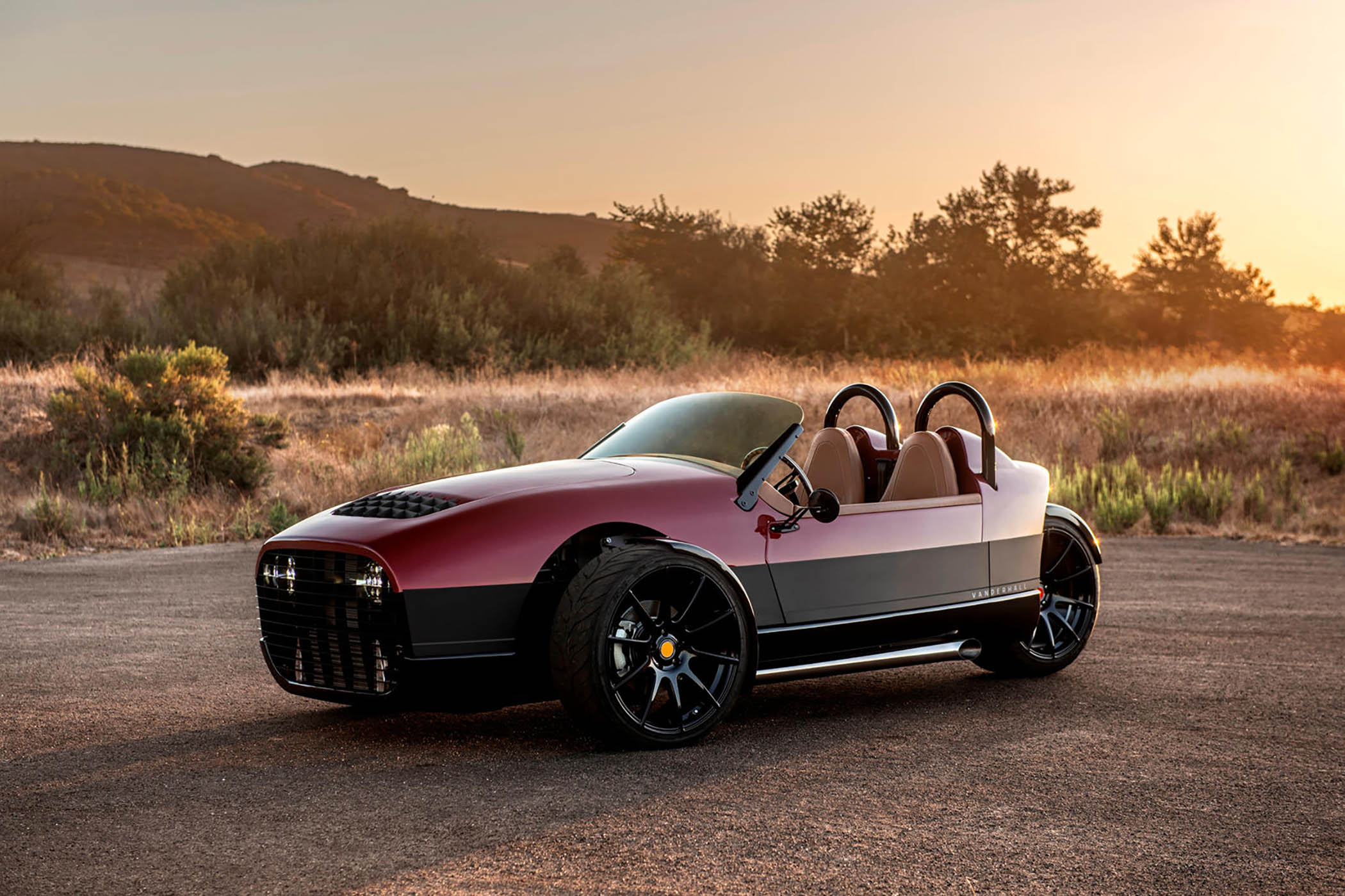
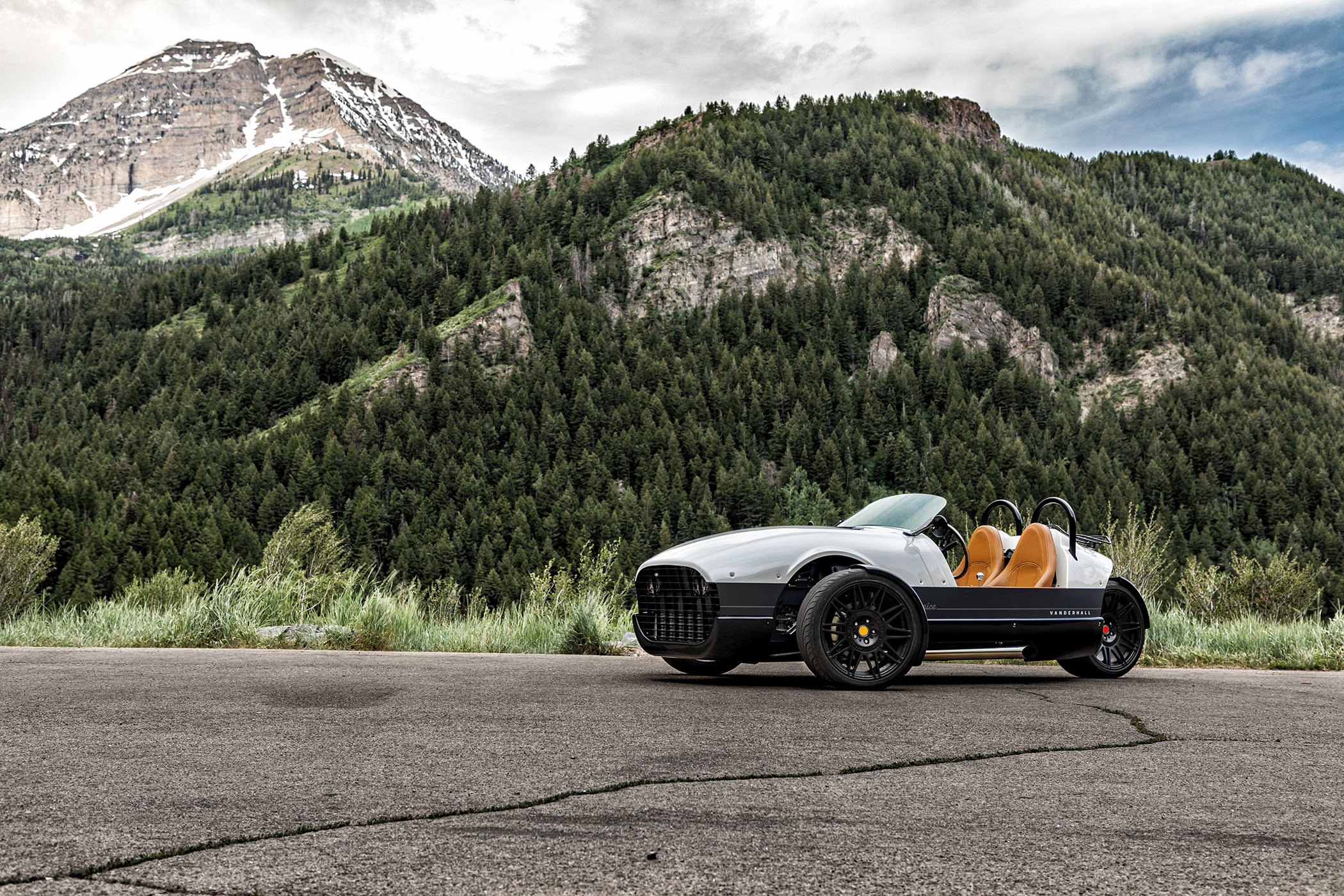
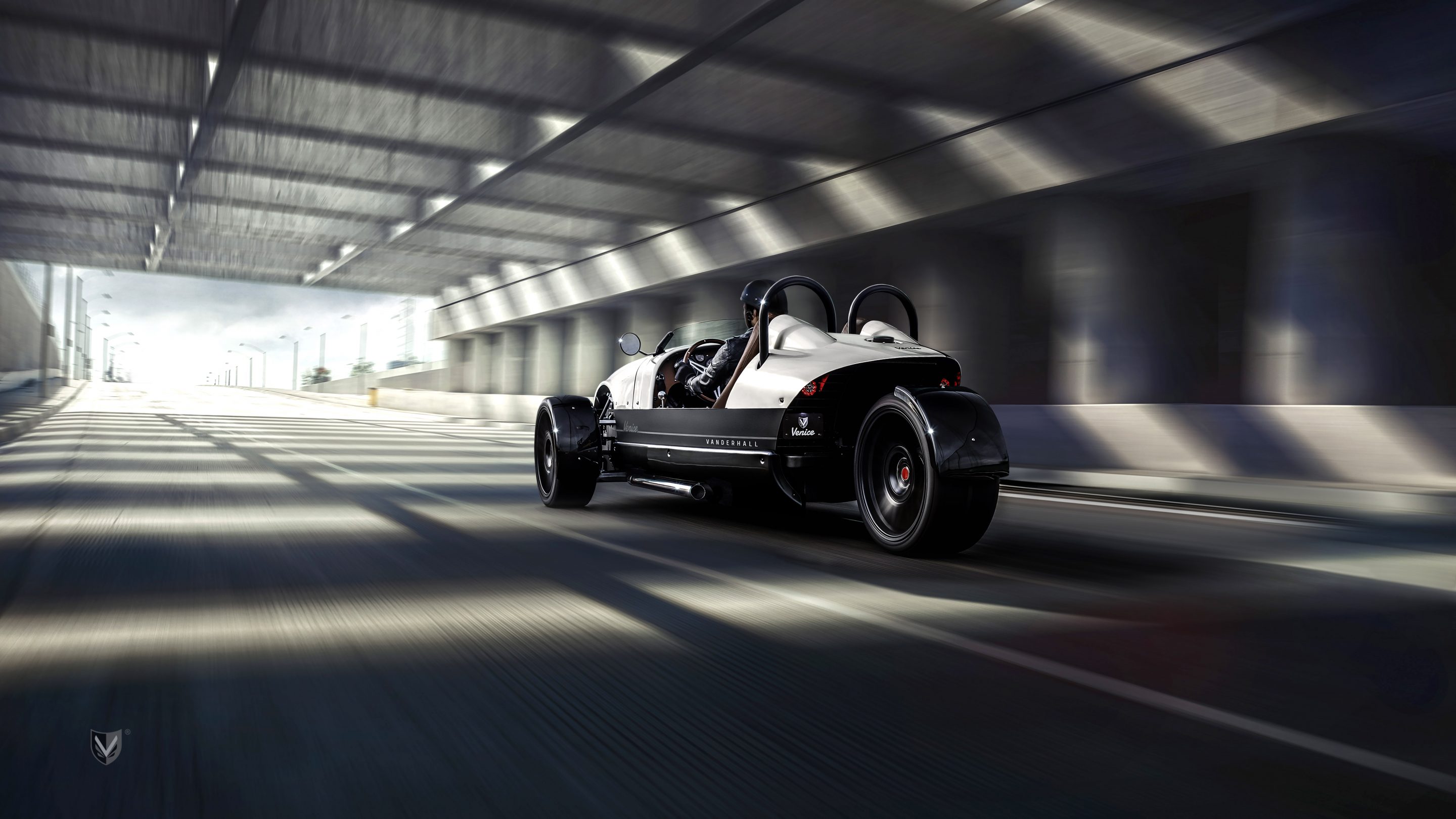
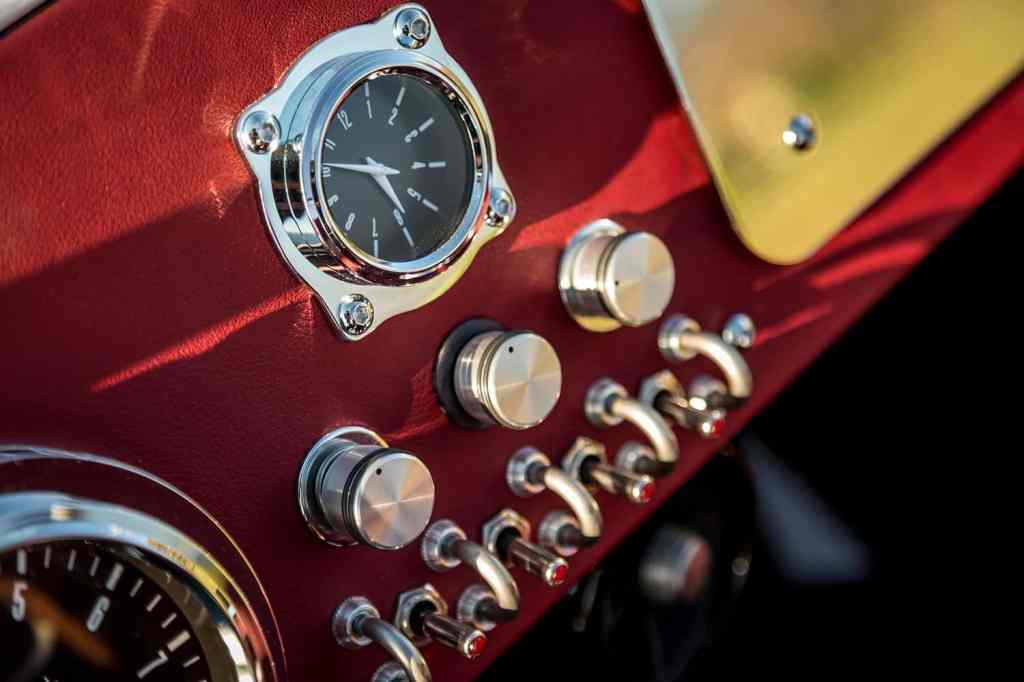
Jeśli chodzi o 3-kołowce, to pewnie niektórzy z was znają takie zjawiska jak Morgan, albo Polaris. Vanderhall jest inny. To nie jest składak z silnikiem od motoru. Oferuje minimalistyczne, ale doskonale wykonane wnętrze w ponad 200 różnych wariantach do wyboru. W środku mamy podgrzewane fotele obszyte świetnej jakości skórą, tempomat, klimatyzację i elegancki zdejmowany dach. Auto jest bardzo wygodne, agresywna kontrola trakcji czuwa nad naszym bezpieczeństwem a do zmiany biegów możemy wybrać automatyczną przekładnię. Morgan i Polaris, to również zabawki, ale to przede wszystkim torowe maszyny. Laguna jest mniej sportowa, mniej radykalna a bardziej przyjazna i komfortowa.
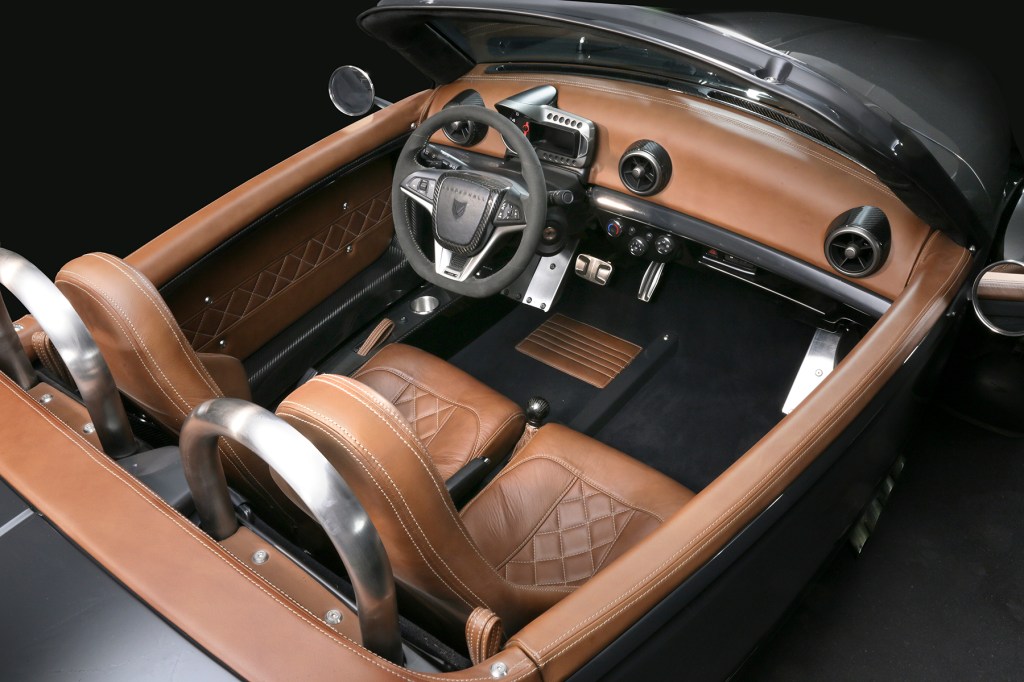
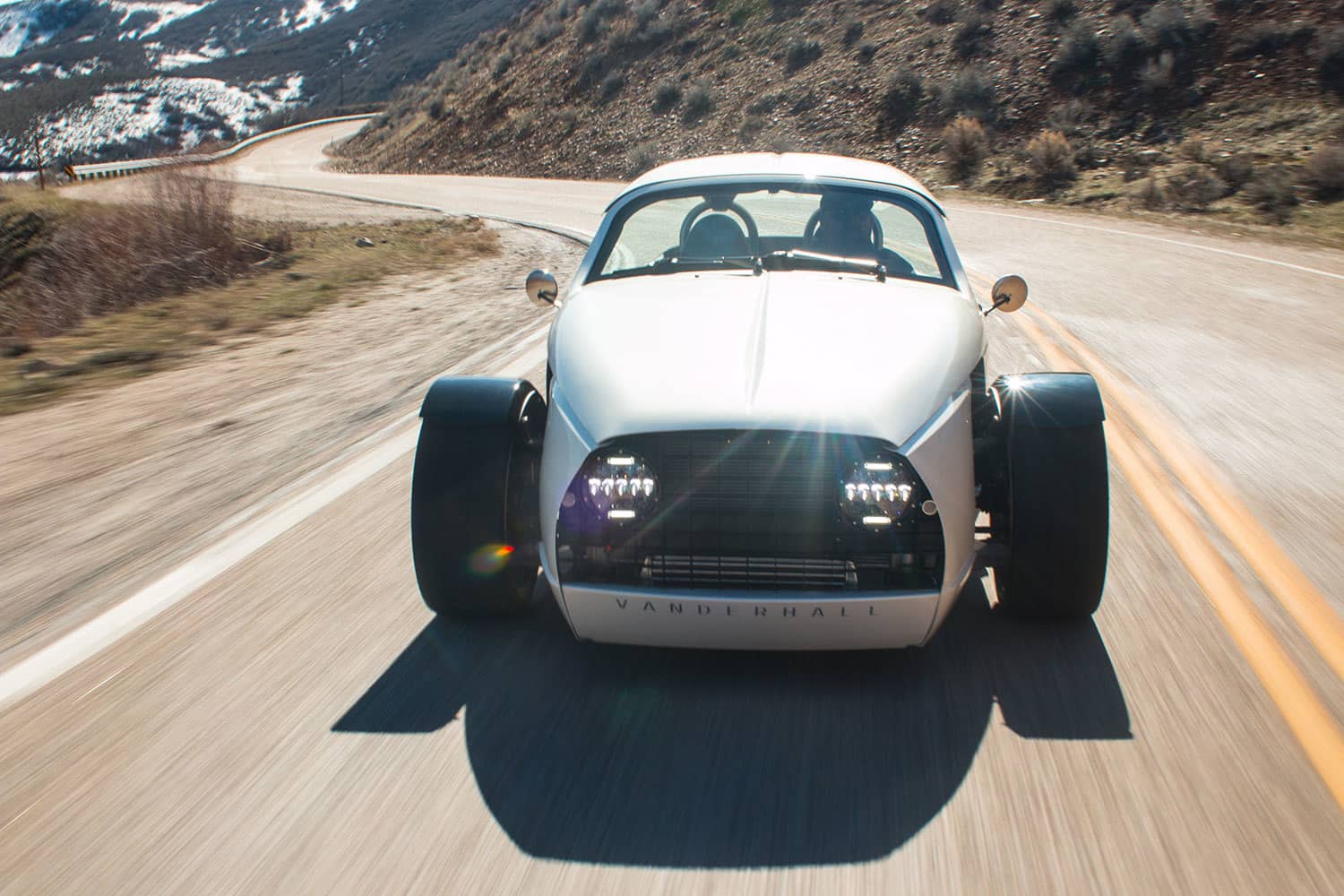
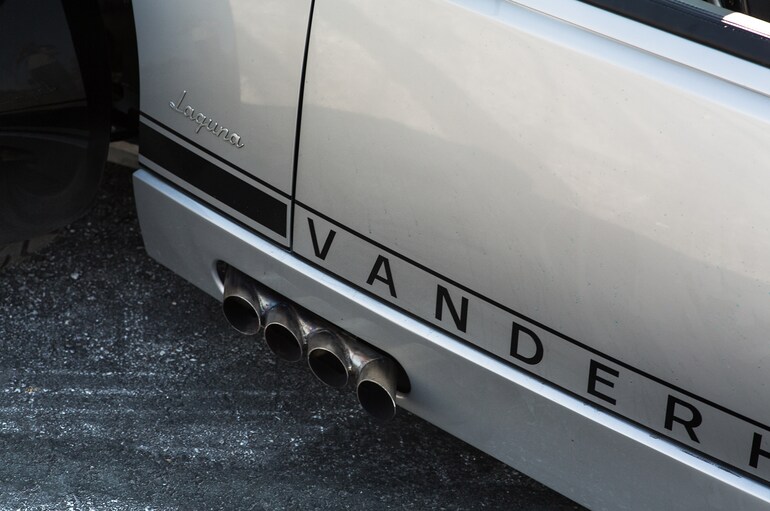
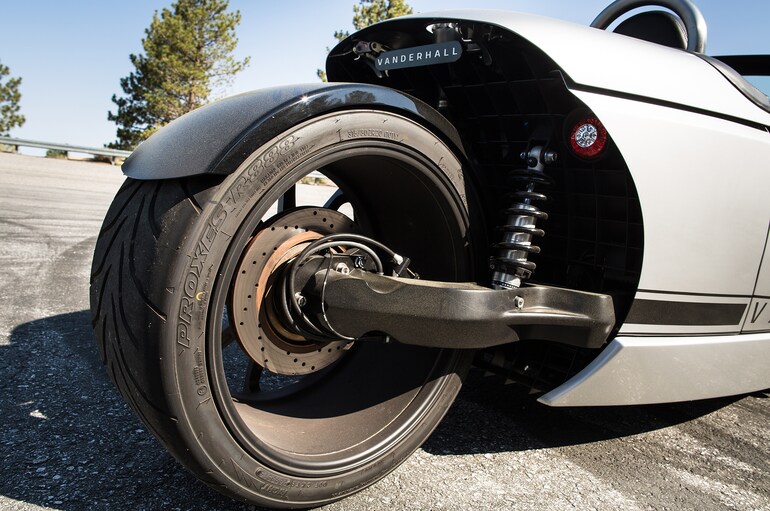
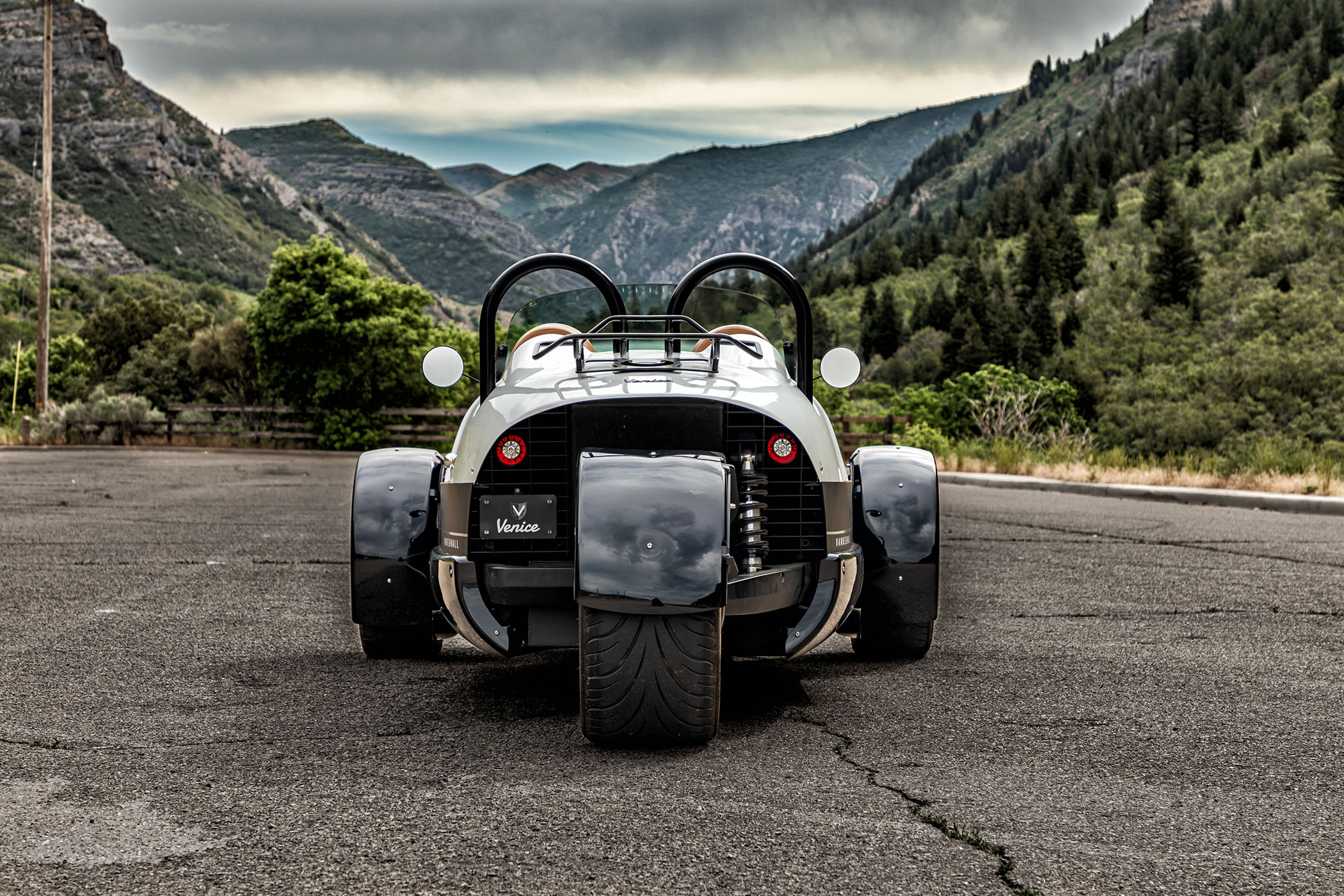
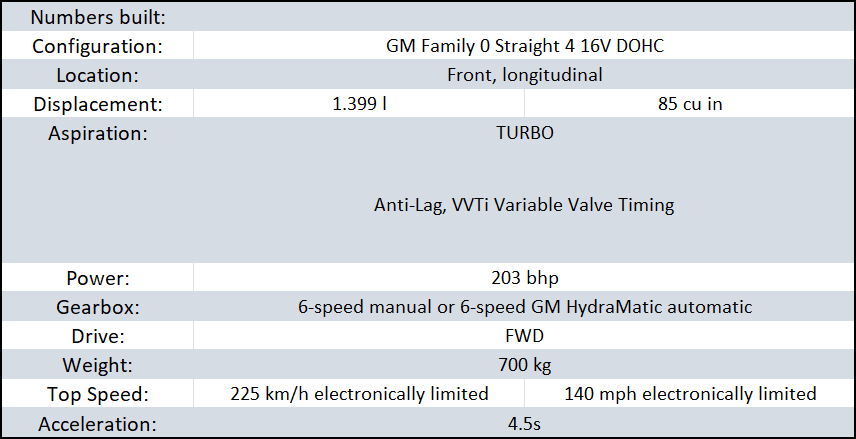
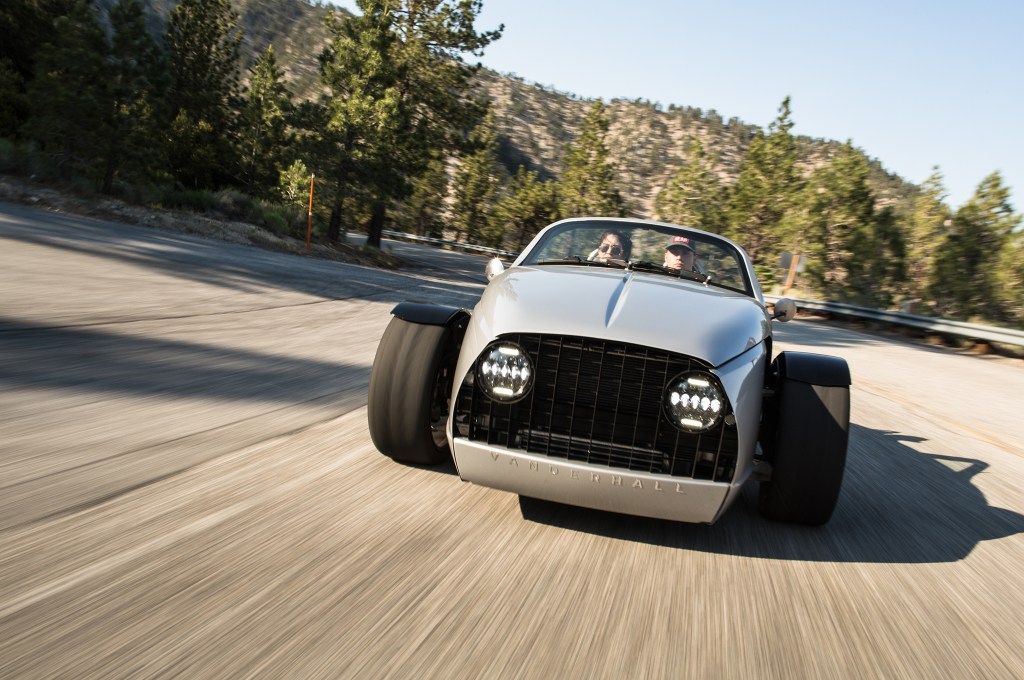
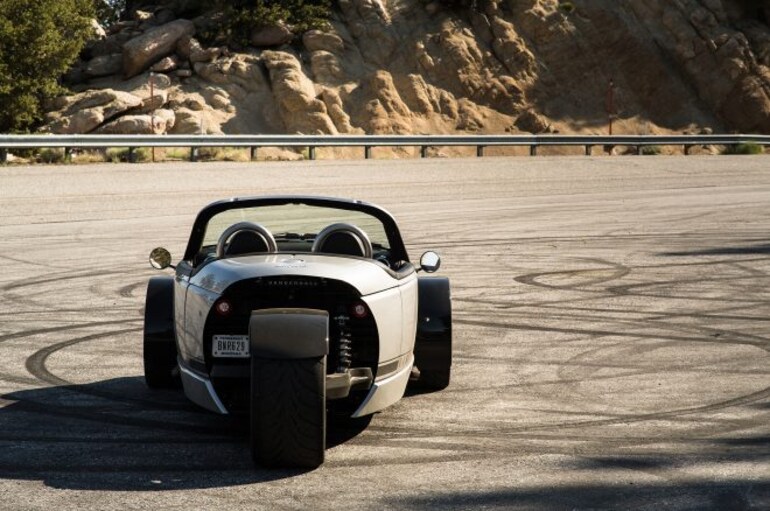
Nadwozie wykonane jest z włókna węglowego a rama: z lekkiego aluminium. Dzięki temu waga pojazdu nie przekracza 700 kilogramów. Do tego silnik generujący całe 200 koni mechanicznych i 271 Nm momentu obrotowego. Ogromne hamulce doskonale zdają egzamin. Proporcje jedyne w swoim rodzaju: krótki rozstaw z silnikiem wiszącym przed przednią osią. Takie combo oznacza, że niemal 70% całej masy pojazdu znajduje się na przedzie, ale przedni napęd – tak, przedni! – zapewnia fenomenalną stabilność przy dużych prędkościach. Bijąc pod tym względem wszystkie inne auta tego typu. Do tego moc jest przerzucana na 2 ogromne koła, zamiast jednego jak w przypadku reszty 3-kołowców. Boczny wydech: po cztery końcówki z każdej strony – zaraz w sąsiedztwie naszych uszu – niemal całkowicie zagłusza wszelkie odgłosy w środku.
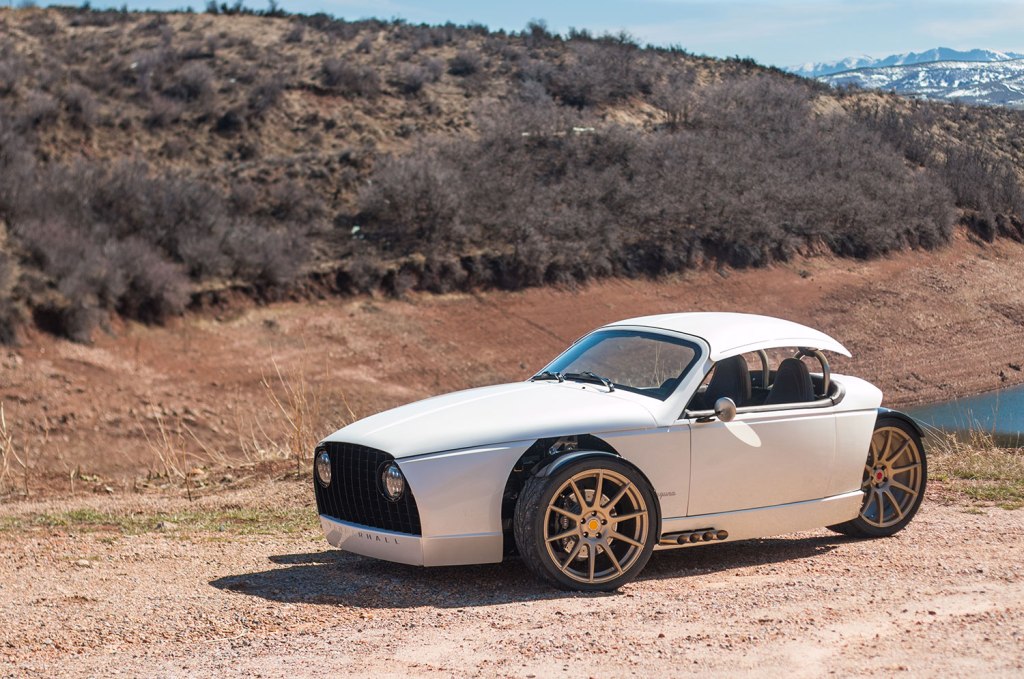
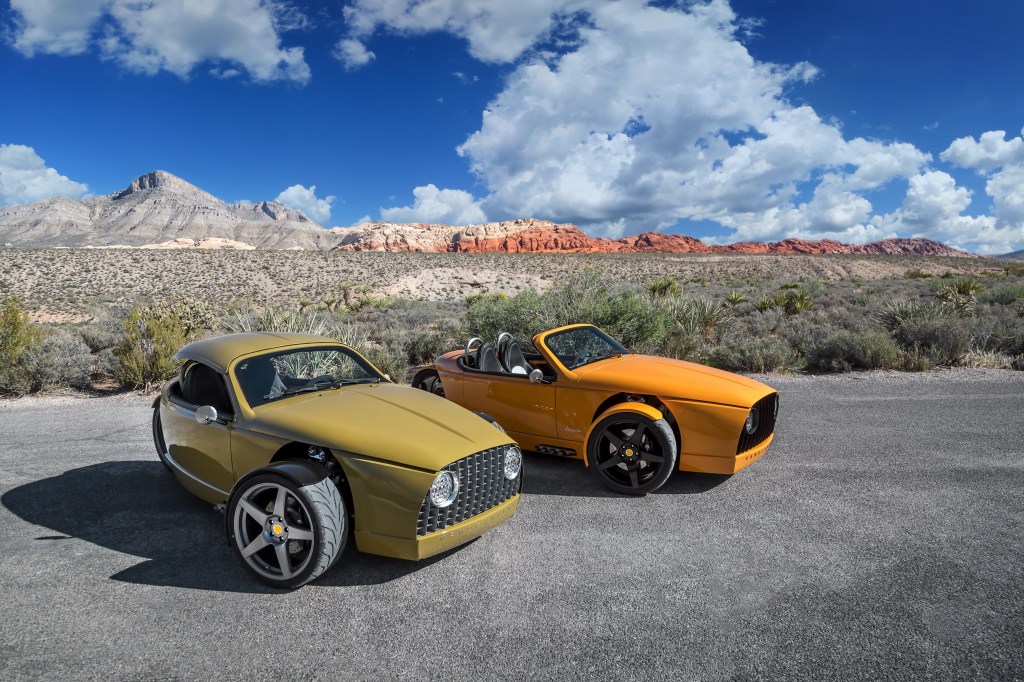
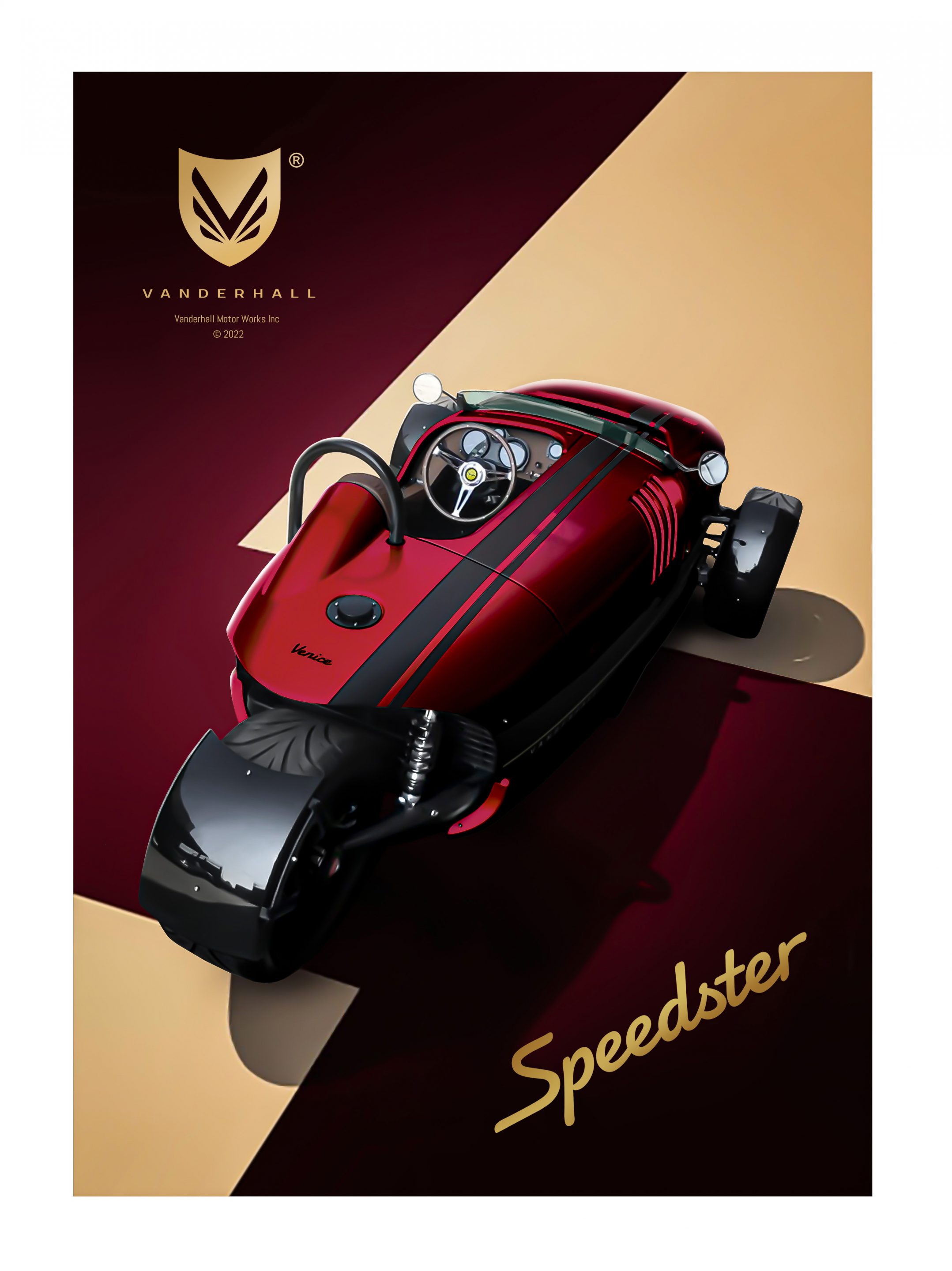
Vanderhall to przemyślane i dobrze wykonane, jedyne w swoim rodzaju auto. Gokart dla bogatszego klienta, który nie musi być doświadczonym rajdowcem. To cafe racer w świecie samochodów. Krążownik szos – zdecydowanie za drogi i nie grzeszy osiągami – ale który ma w sobie coś pociągającego. Marka wciąż żyje a model z czasem wyewoluował w nowe warianty: jeszcze bardziej luksusowy Carmel i usportowiony Venice z 1.5l SGE Turbo, a nawet elektryczną opcję Edison.
Krzysztof Wilk
Na podstawie: car.info | roadandtrack.com | wheelsage.org | vanderhallusa.com | luxatic.com | YT: EverydayDriver

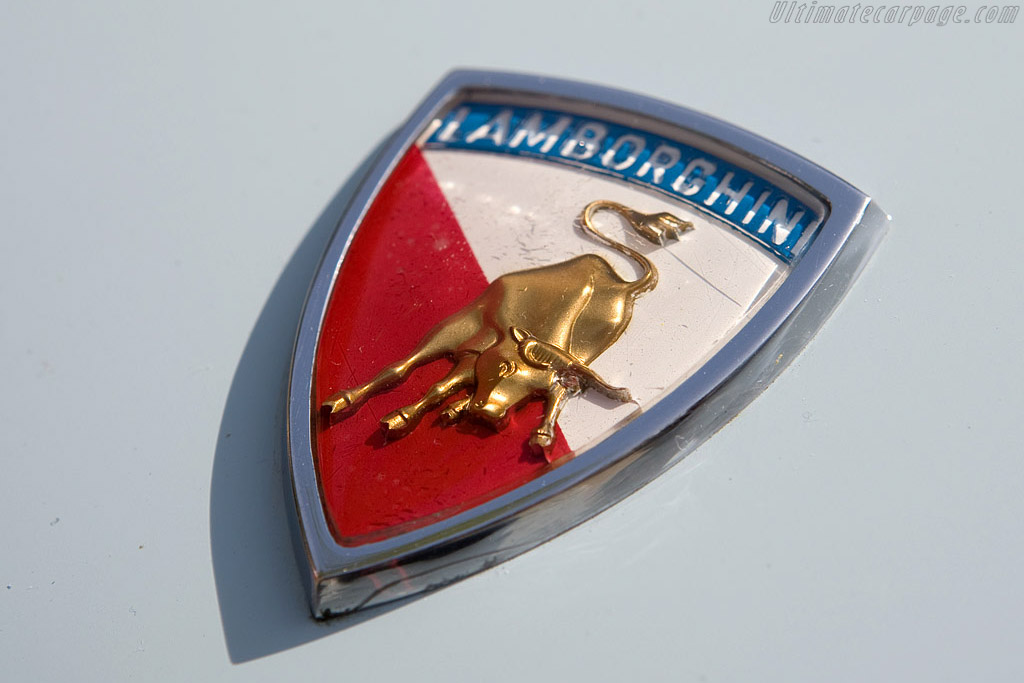
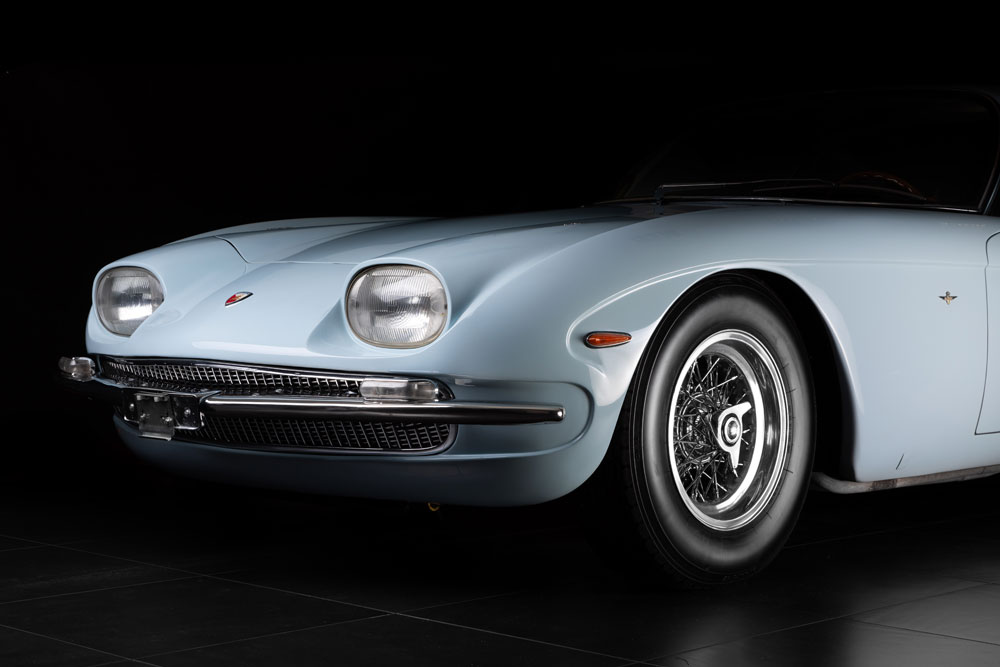
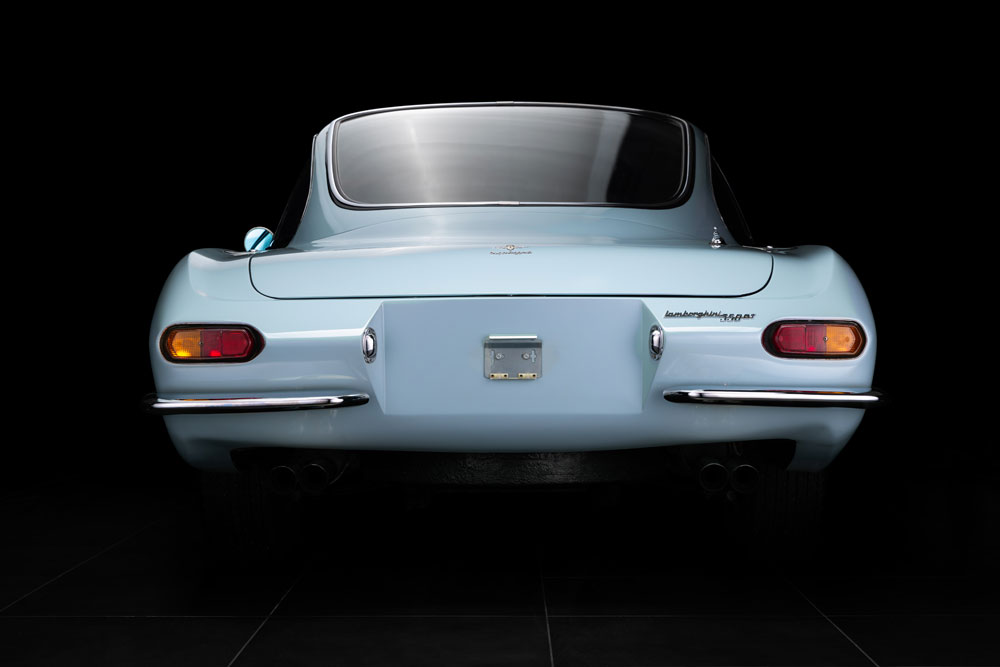
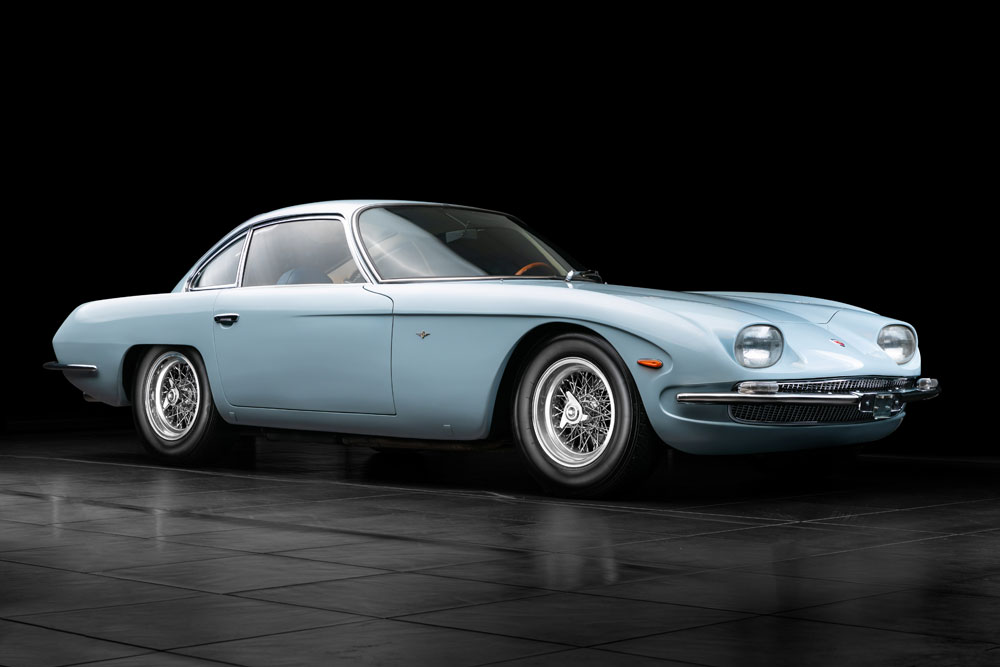
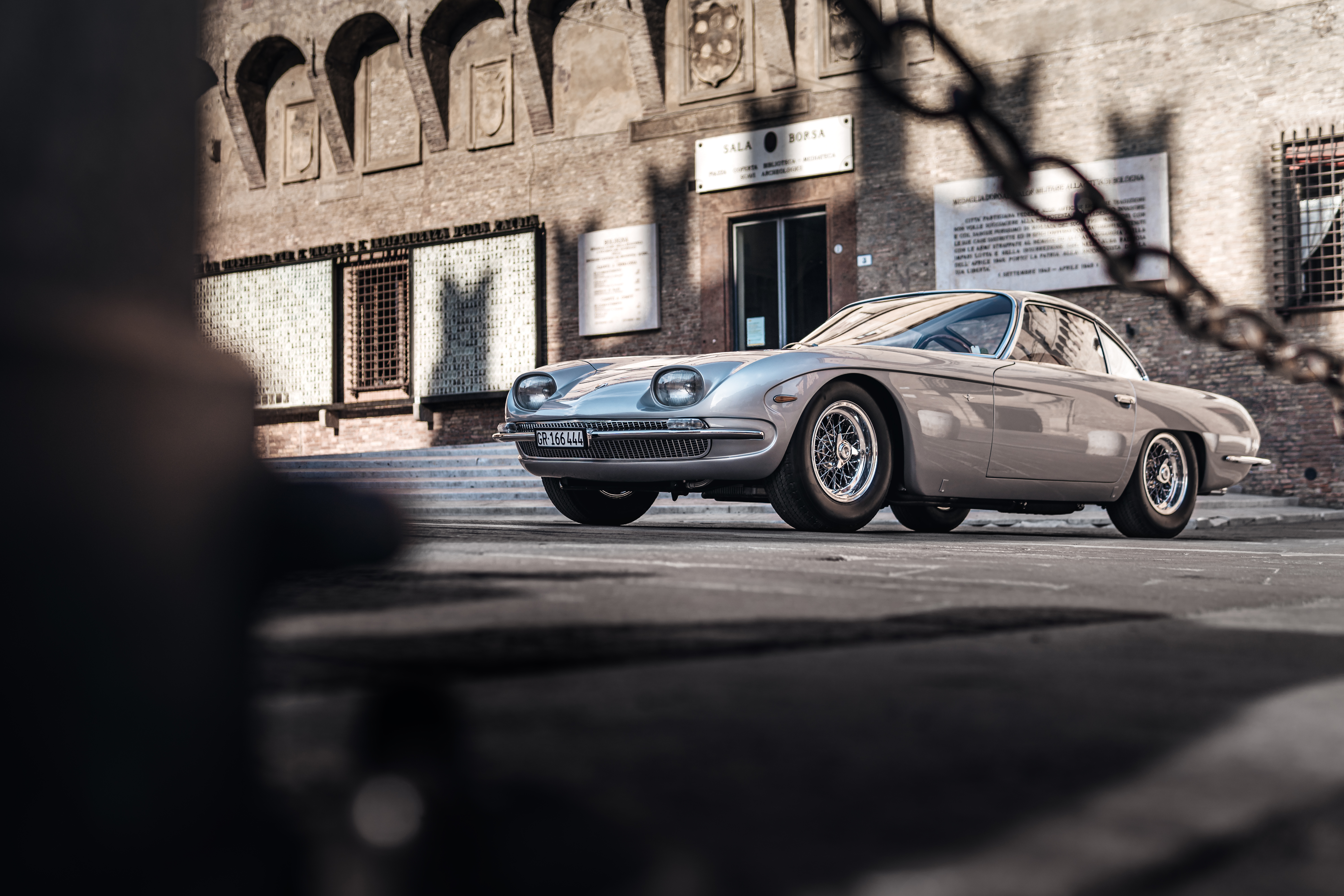
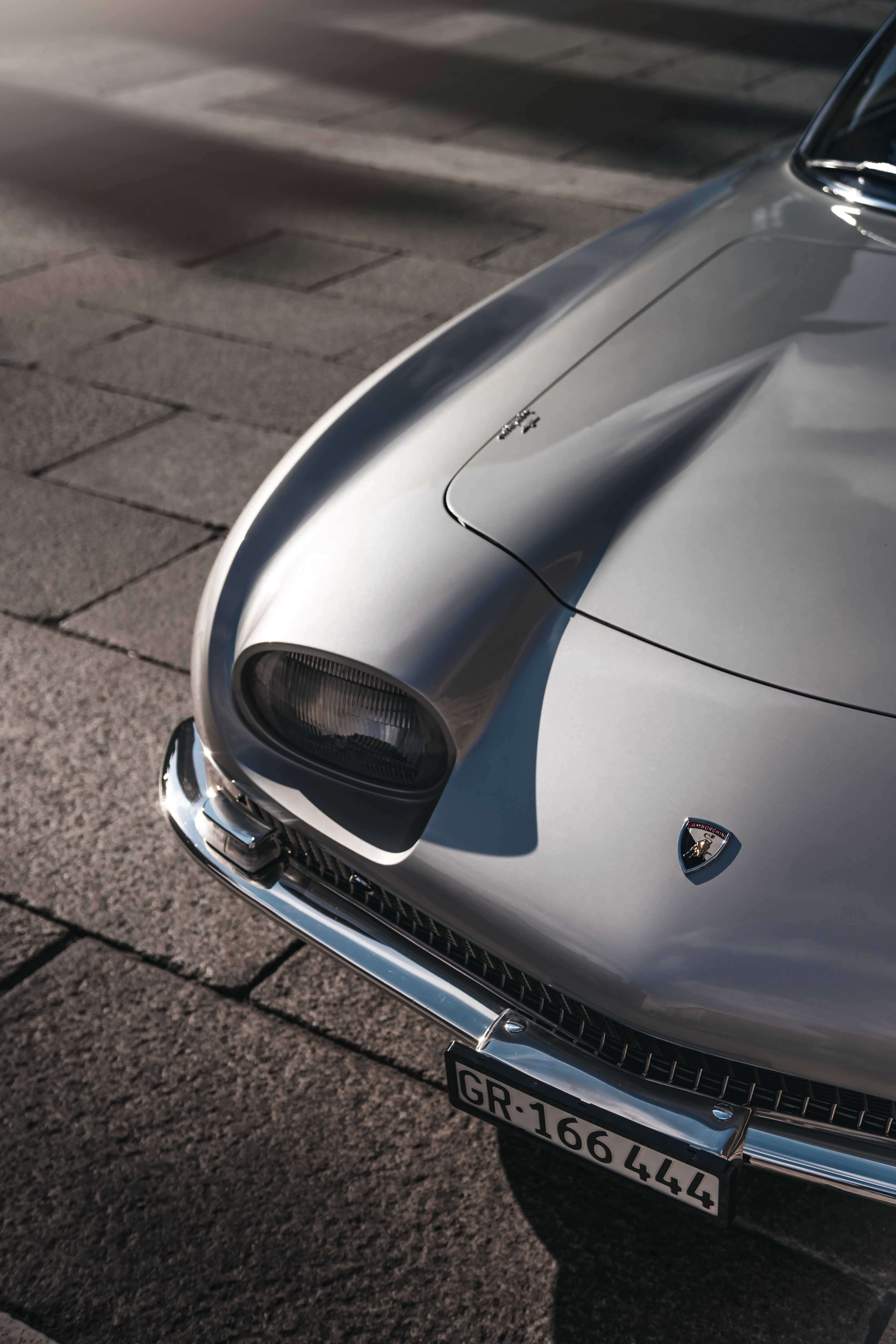
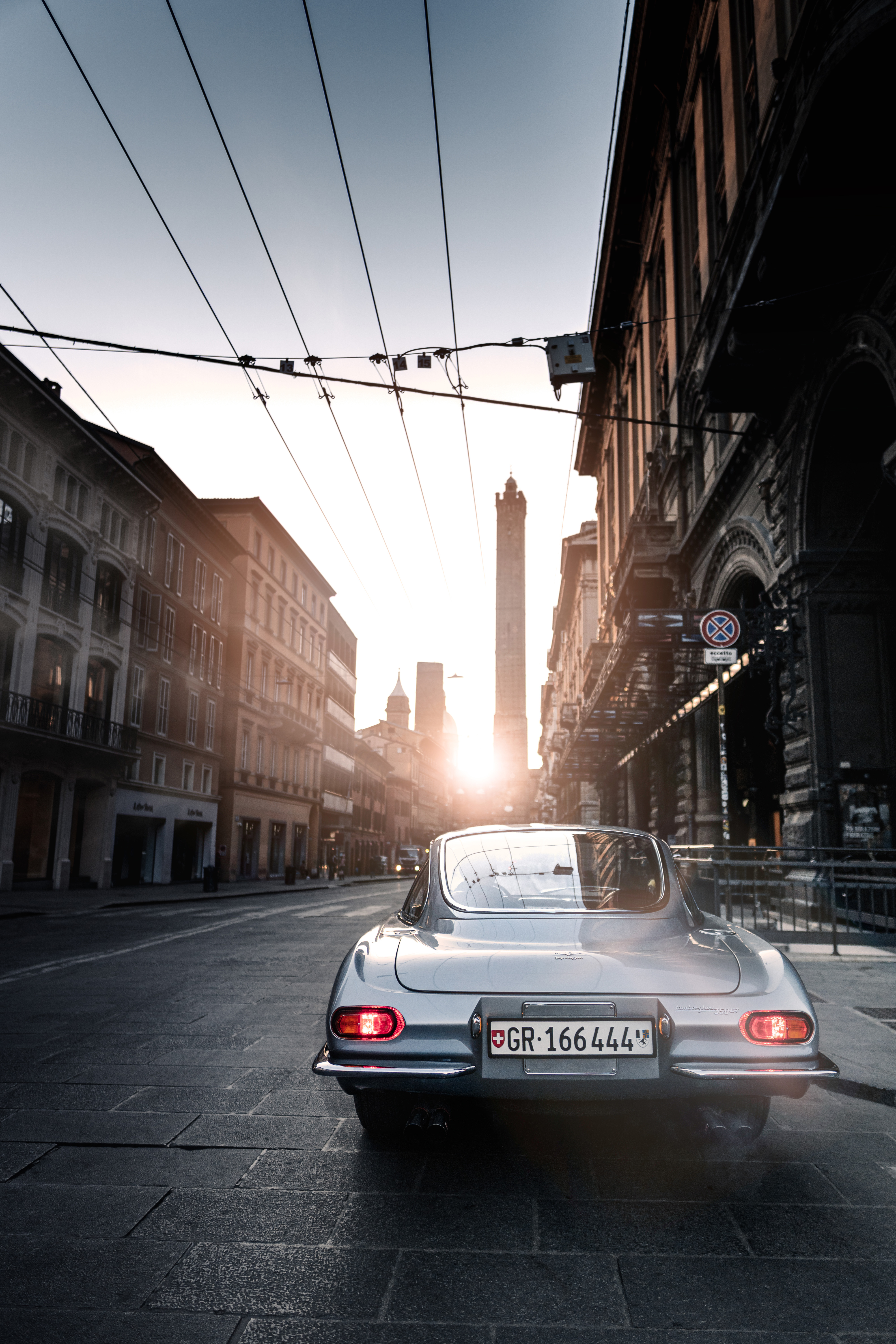
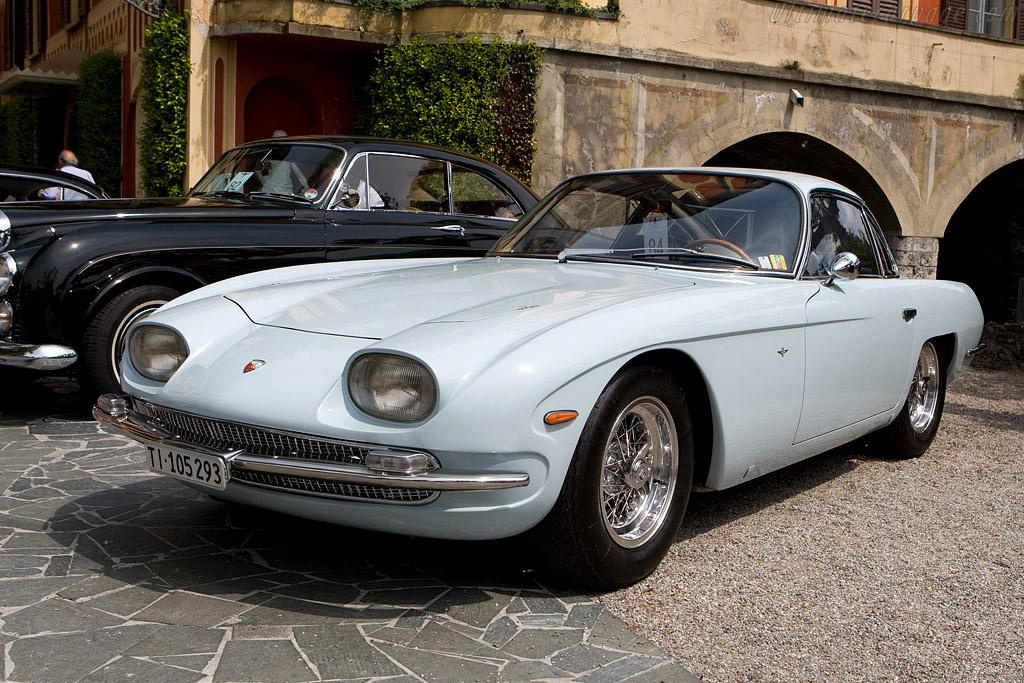
1964 – Lamborghini 350 GT

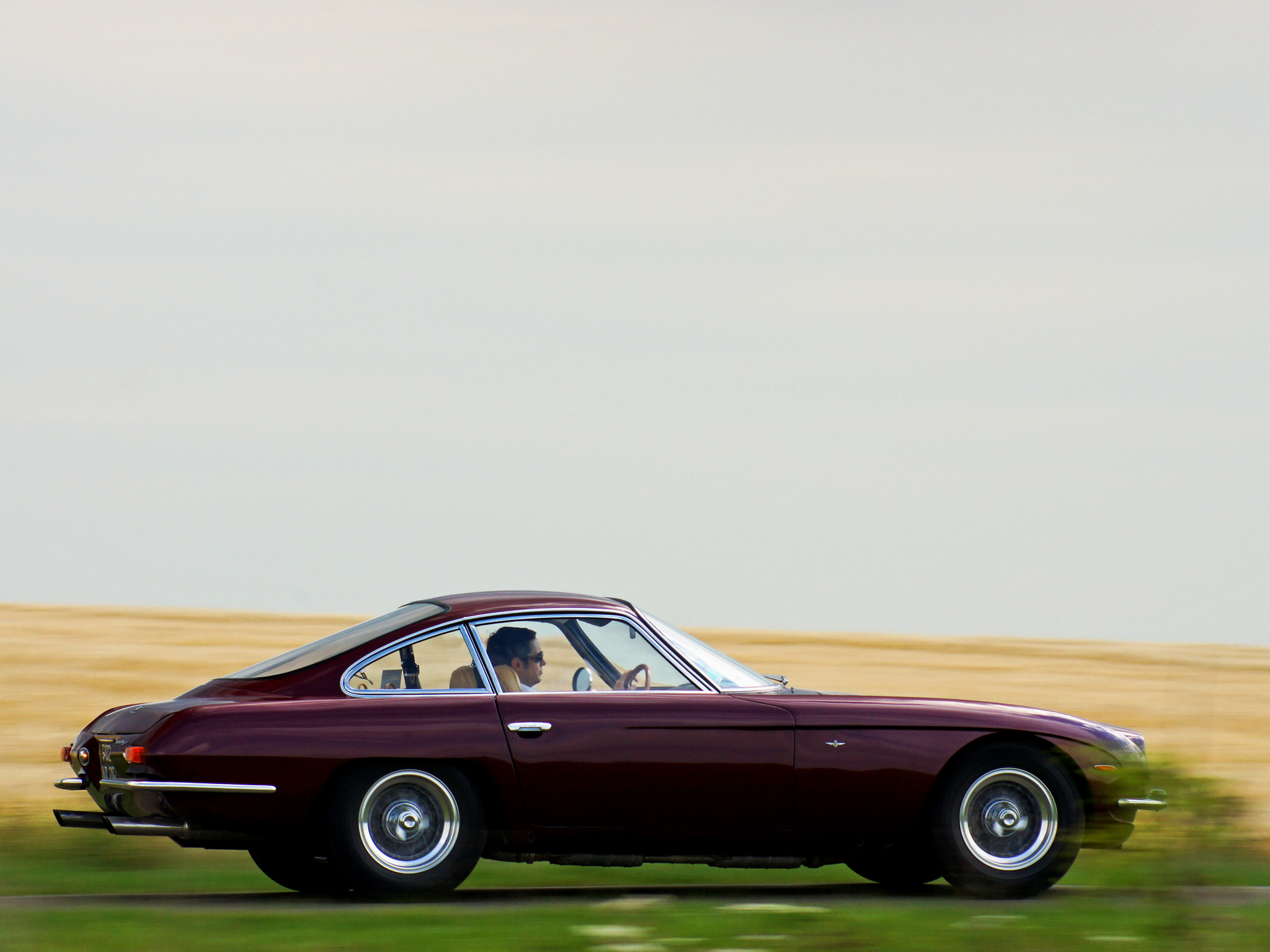
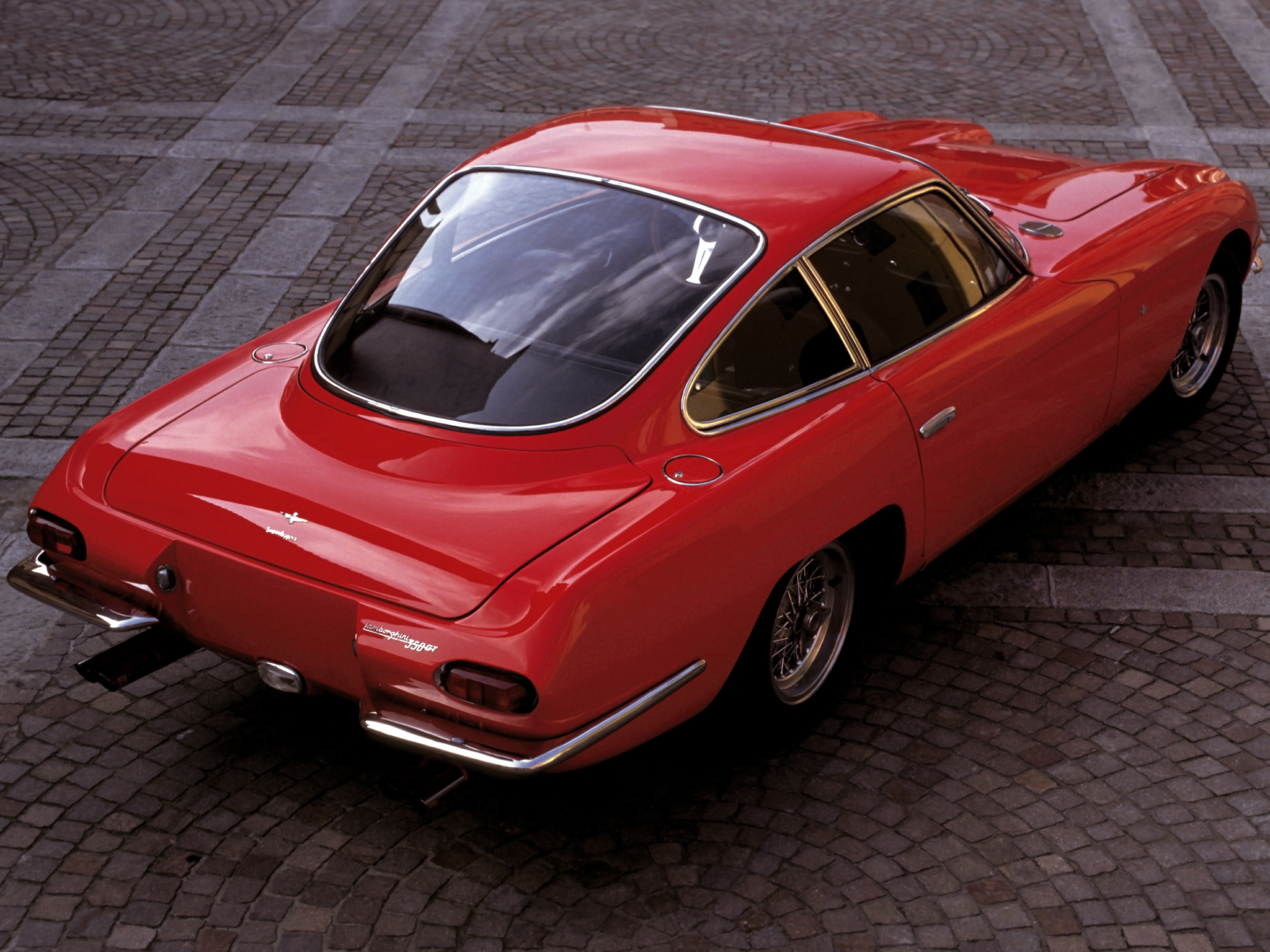
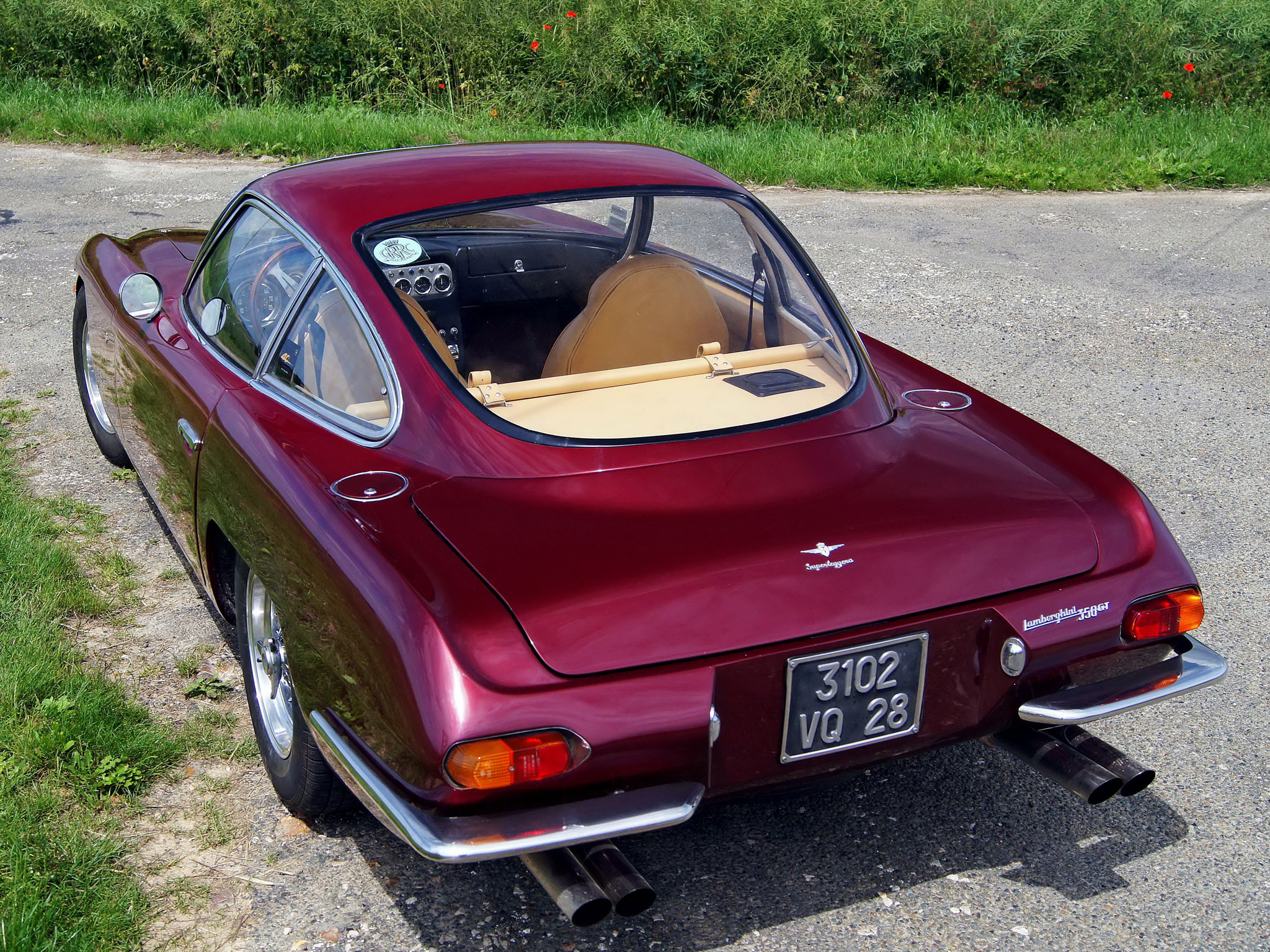
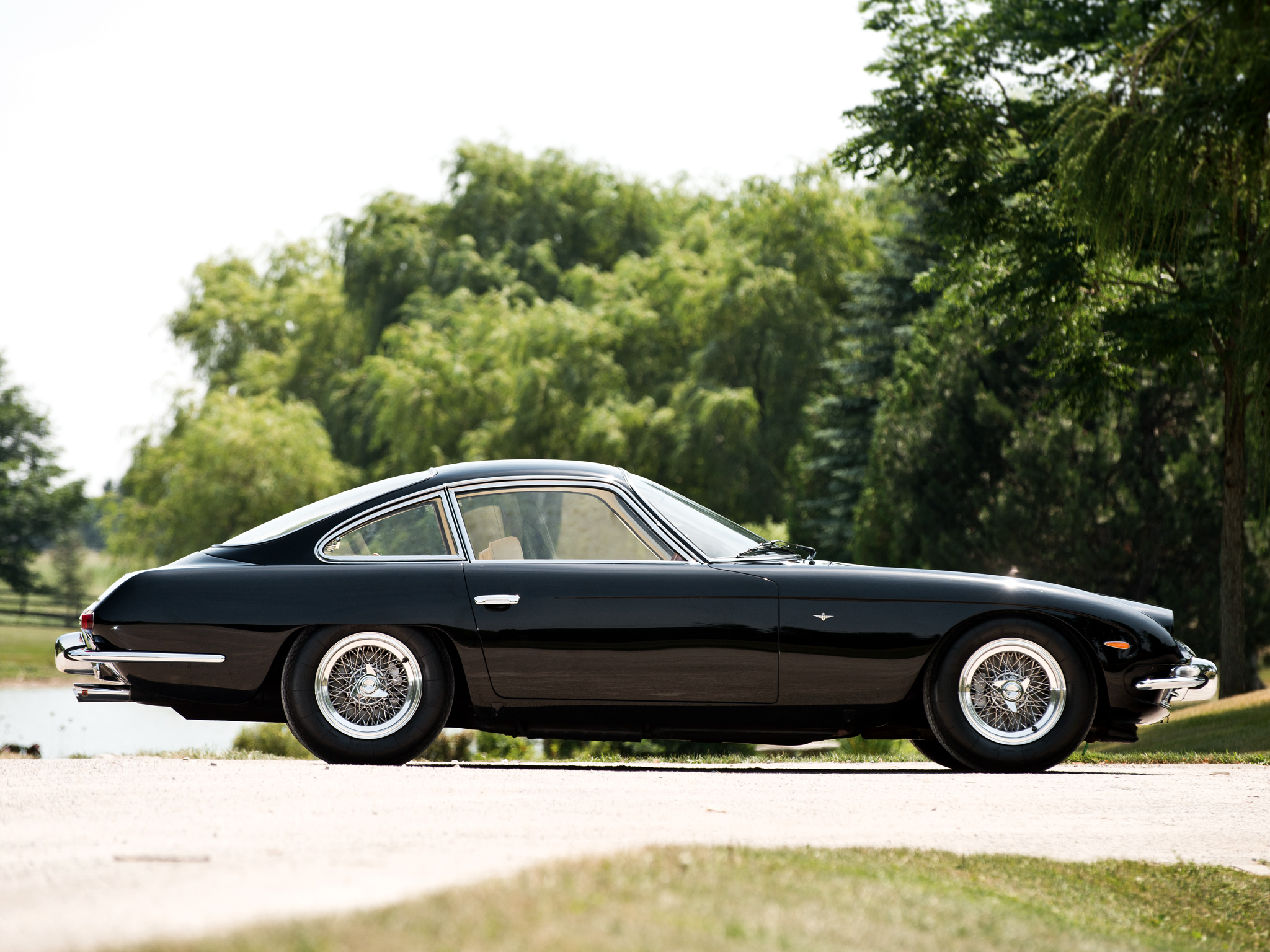
Year 1960 was the time Enzo Ferrari makes his biggest mistake and loses the most important client in the history of his company. The car we discuss today is a direct result of his disagreement with Ferruccio Lamborghini – one that started the rivalry that lasts today – over 60 years after that event, and good 3 decades after both gentlemen eat the dirt – and we can safely assume that war will never end. Not unless one side goes out of business.
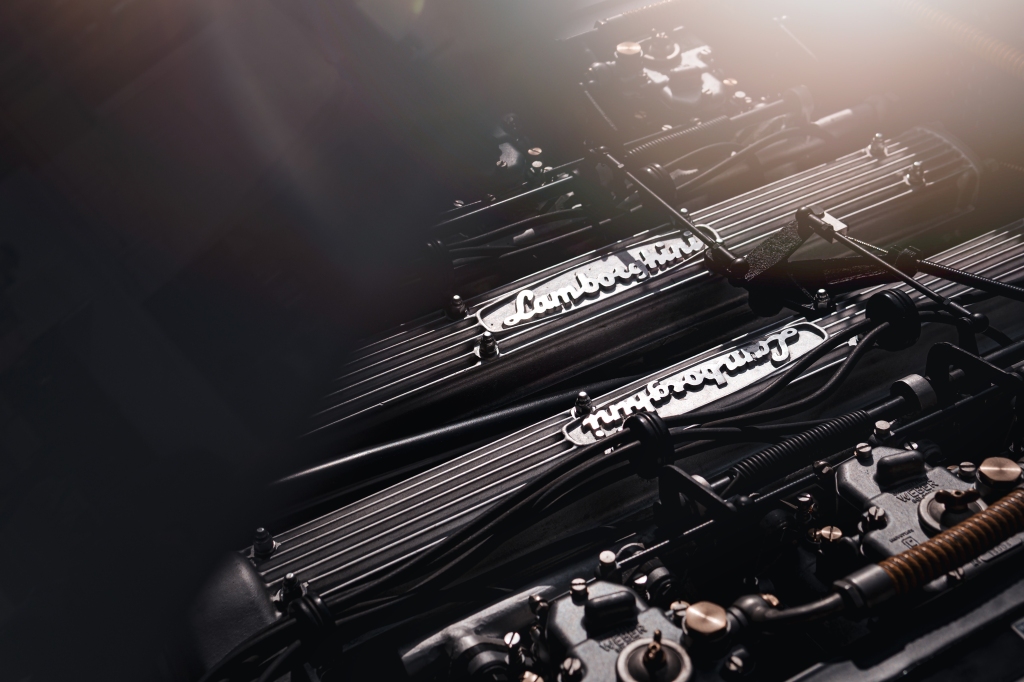
First quick hook hit the target in 1963 when Ferruccio established a fresh purpose-built factory in Sant’Agata, near Modena. The facility was fixed on making cars only and since Lamborghini had the money, he manned his team with the very best car industry personas of the time – some with Ferrari and Maserati experience… but Lamborghini had a different vision for his cars. Old Ferrari was in pursuit of speed, when Ferruccio – performance, yes – but not instead of comfort. Reliability and craftsmanship were of utmost importance to him. That’s why Bizzarrini designed a V12 of great power for him – and cut its guts off, limiting it to ‚mere’ not-really-but-almost 300 bhp. That way they had a motor that would run in any conditions, every time – all the time – and would be faster than any product that had ‚Ferrari’ in its name. It would accelerate from zero to sixty in 6 seconds without worry that you have to rebuild the engine after such fun time. It was actually an F1 design that on the drawing board had only 1.5-litre capacity – it was smaller than my kettle, but Bizzarrini was like: ‚MOAR POWAAAAR!!!’ He changed the caliber to 3.5-litre, gave it quad cam, gave it 6 HUGE Weber carburetors, and that config could generate 400 bhp if you wanted and that’s before VAT… but why would you want that? It already beat the Ferrari – full Knock-Out – easy, so… way to go, job done – nothing more to see here. Everything was better than Ferrari. Ferrari was weak in power, Ferrari was short in displacement. They put only 3 carburetors in their cars and they couldn’t into camshafts. Ferraris had only 4-speed transmissions and their reliability… gh-… get outta here! We have nothing to talk about. Come back when we have something to talk about.
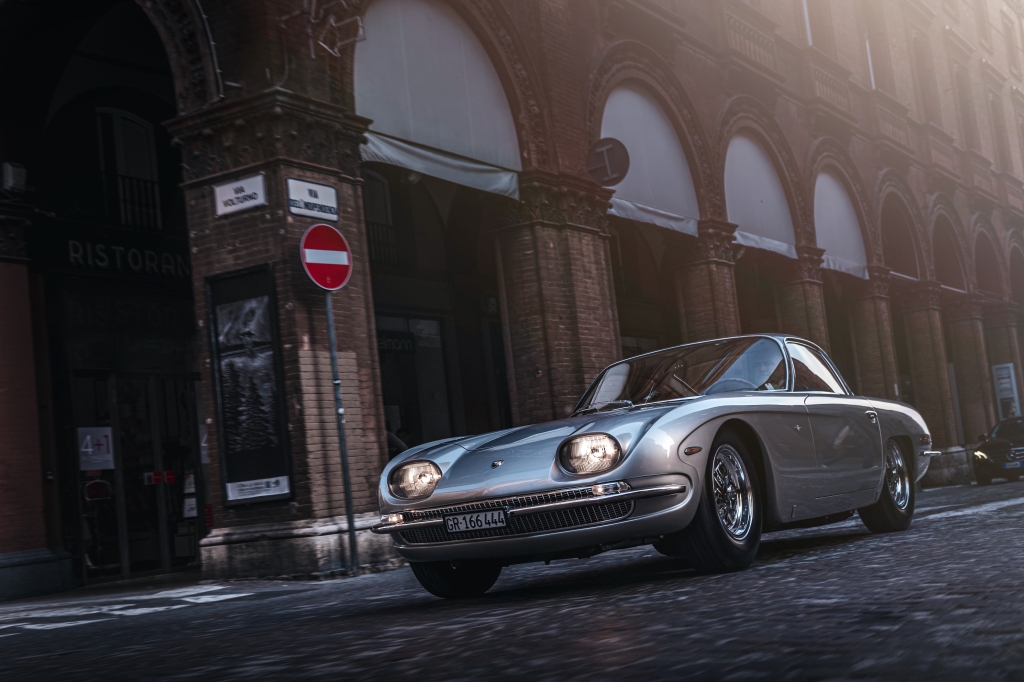
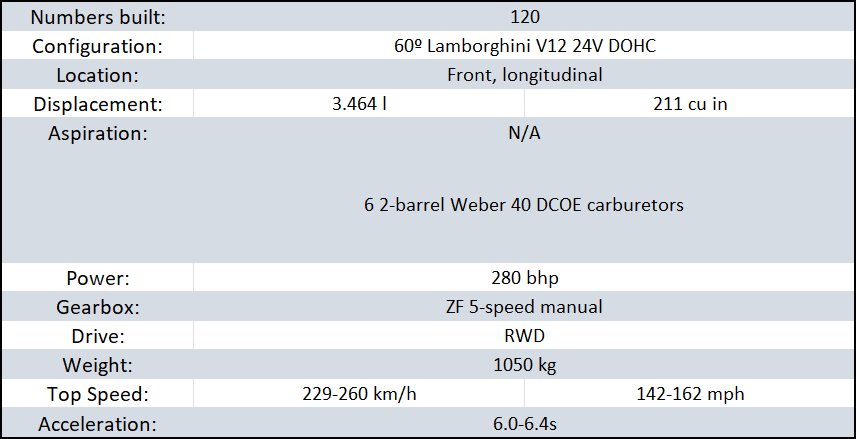
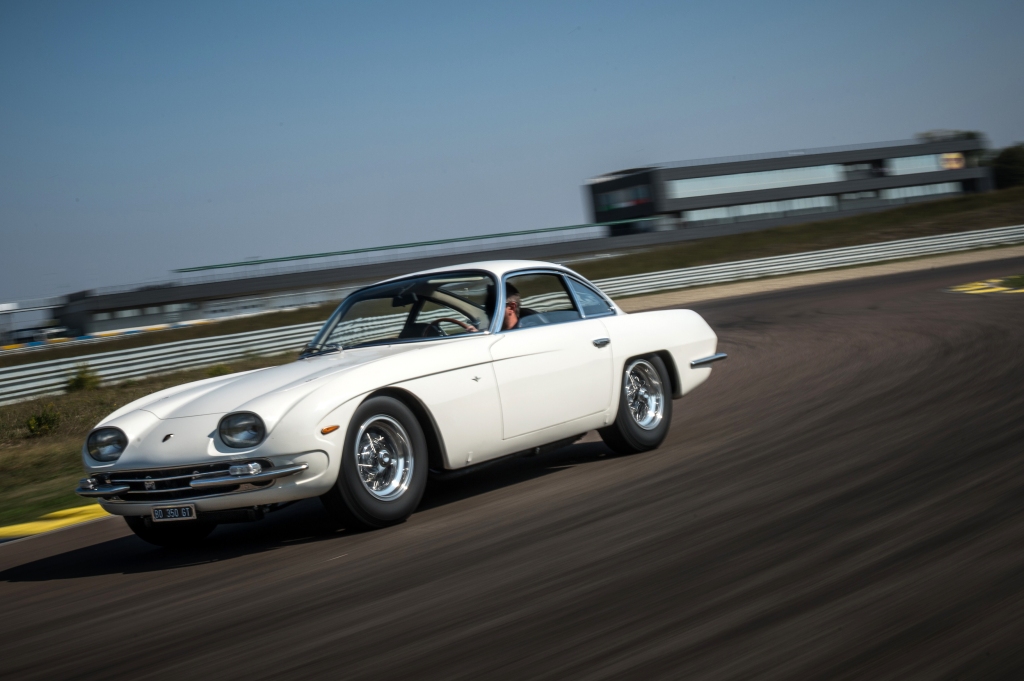
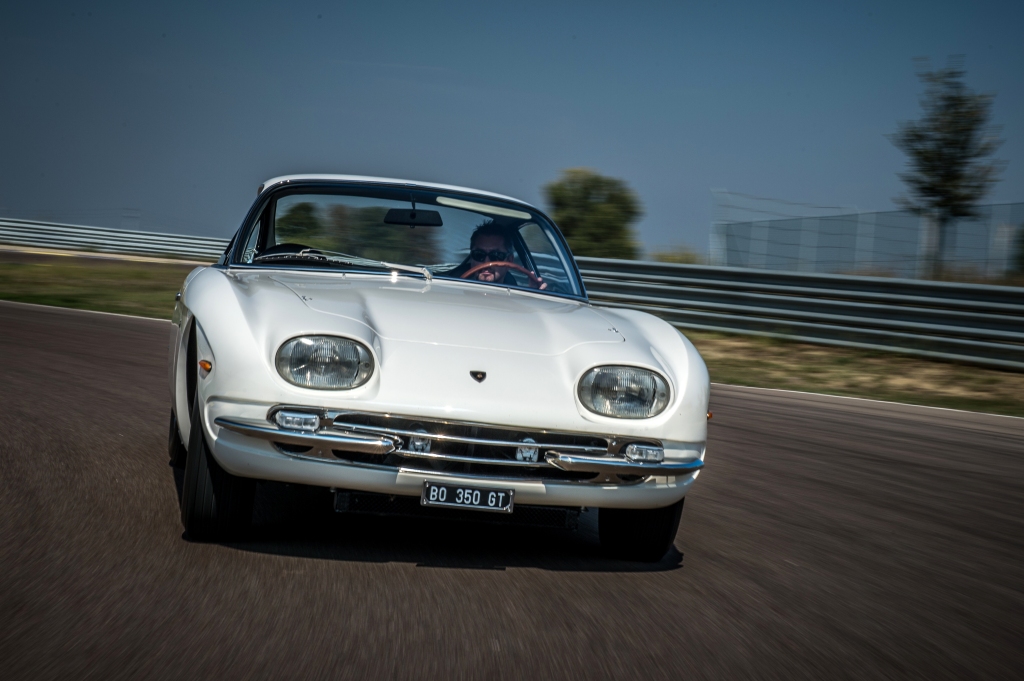
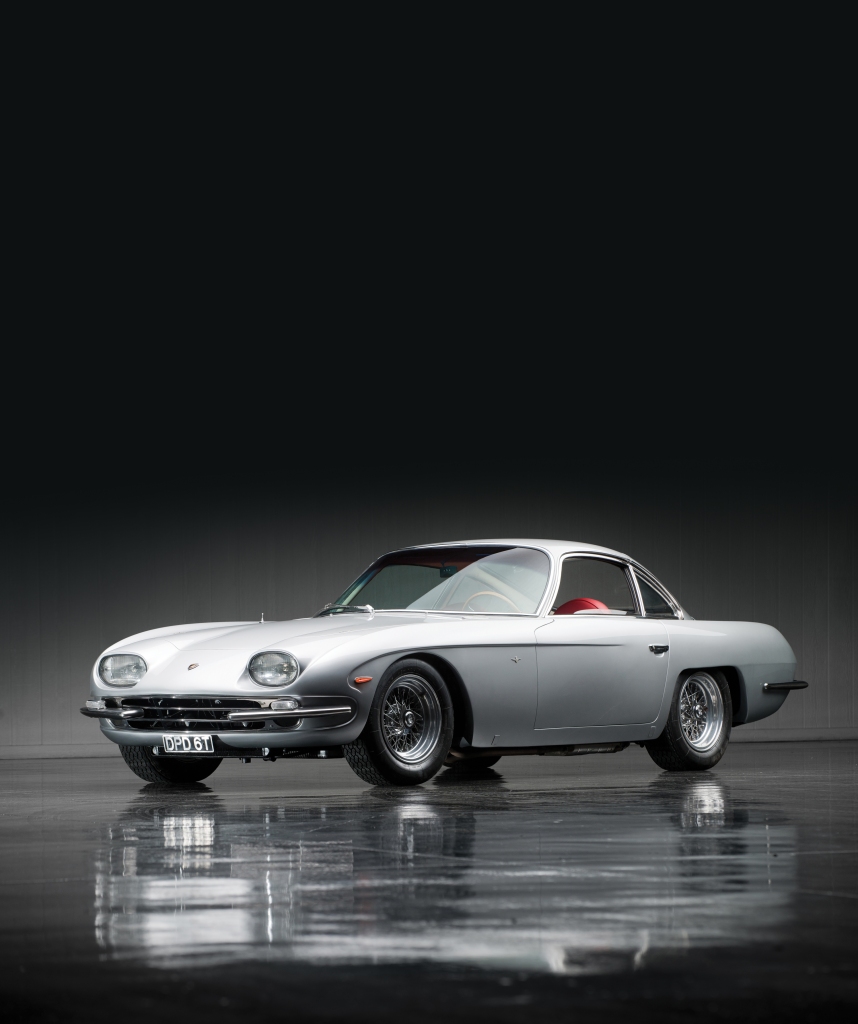
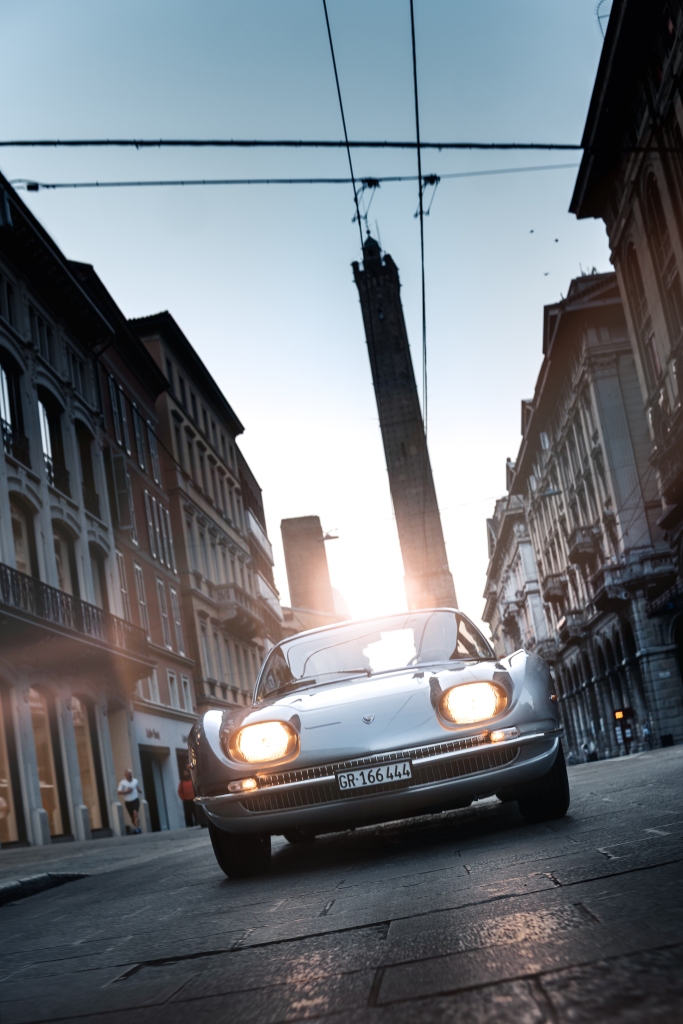
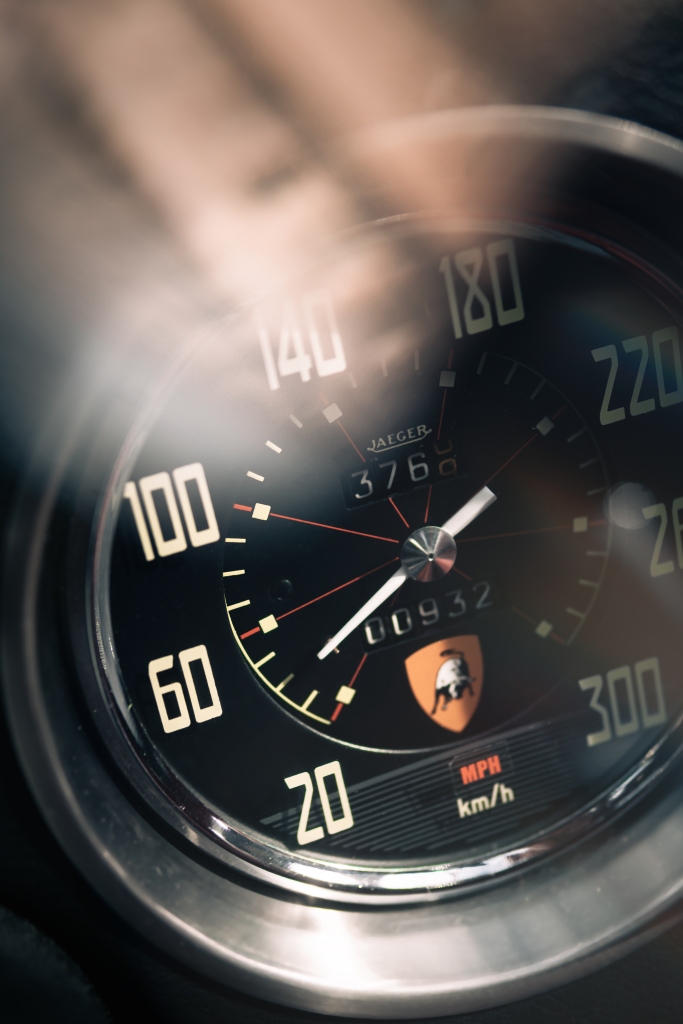
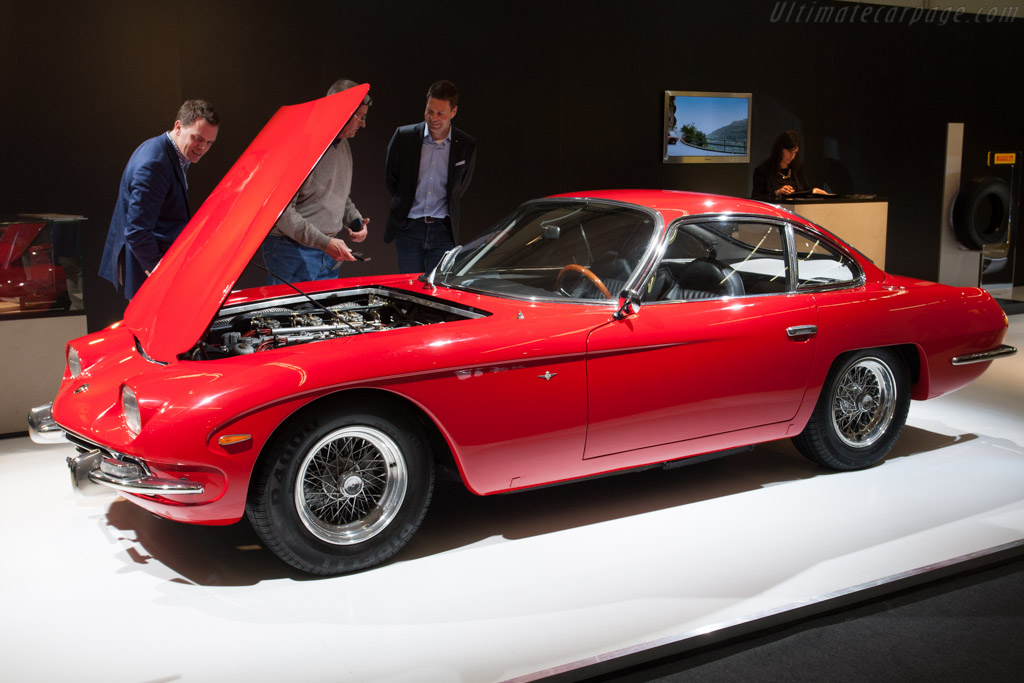
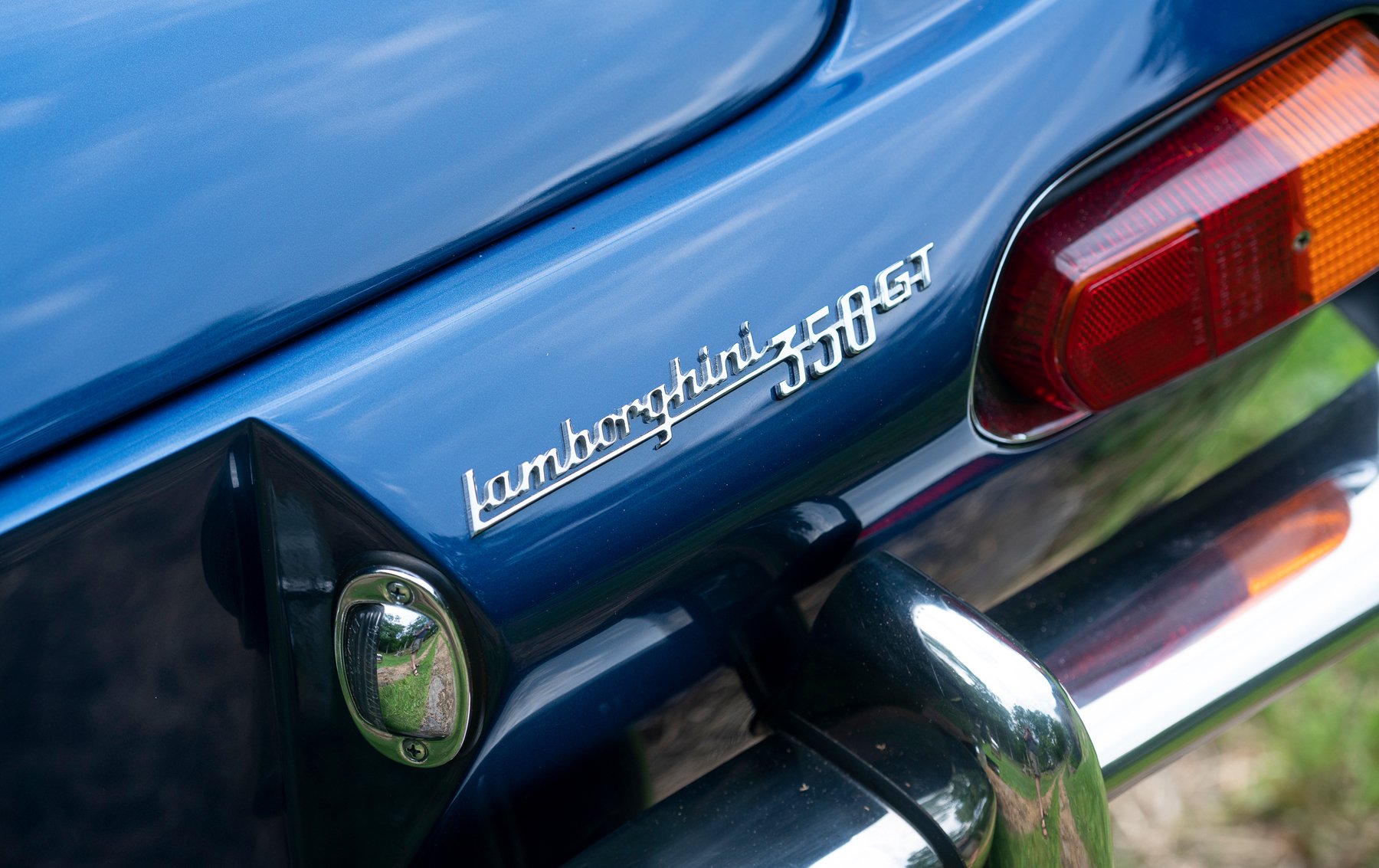
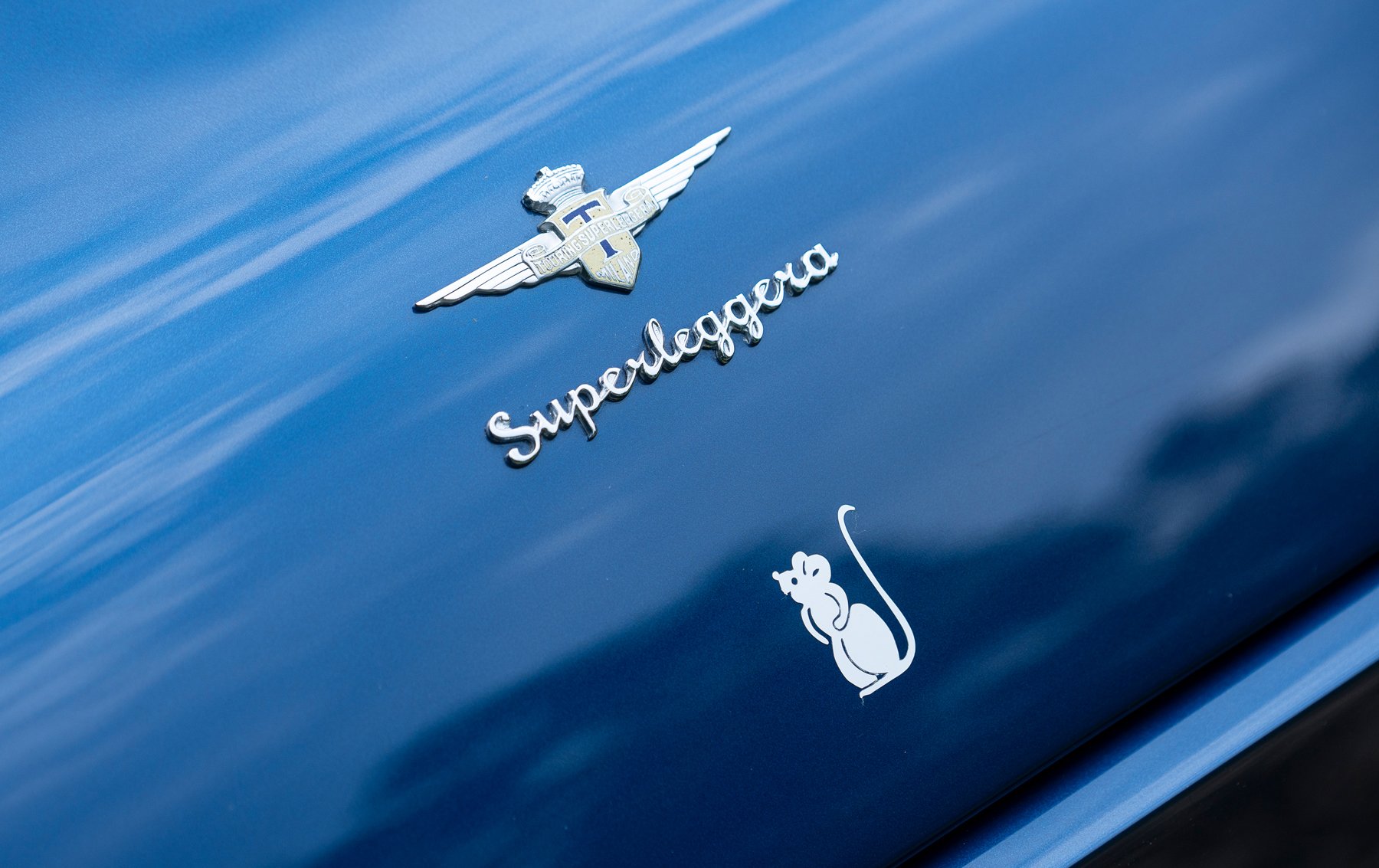
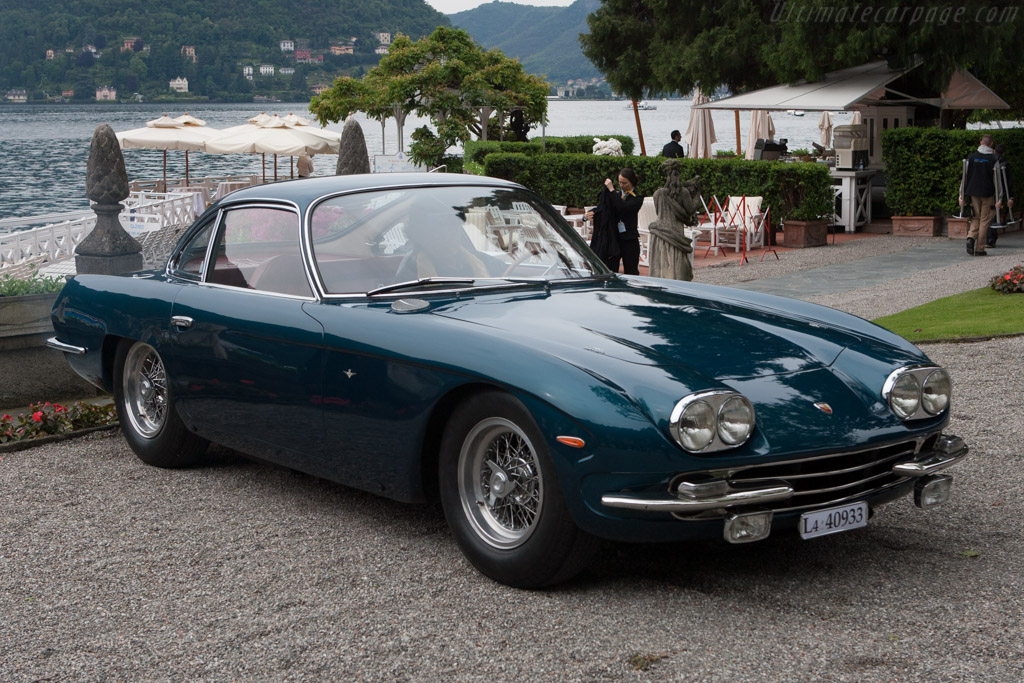
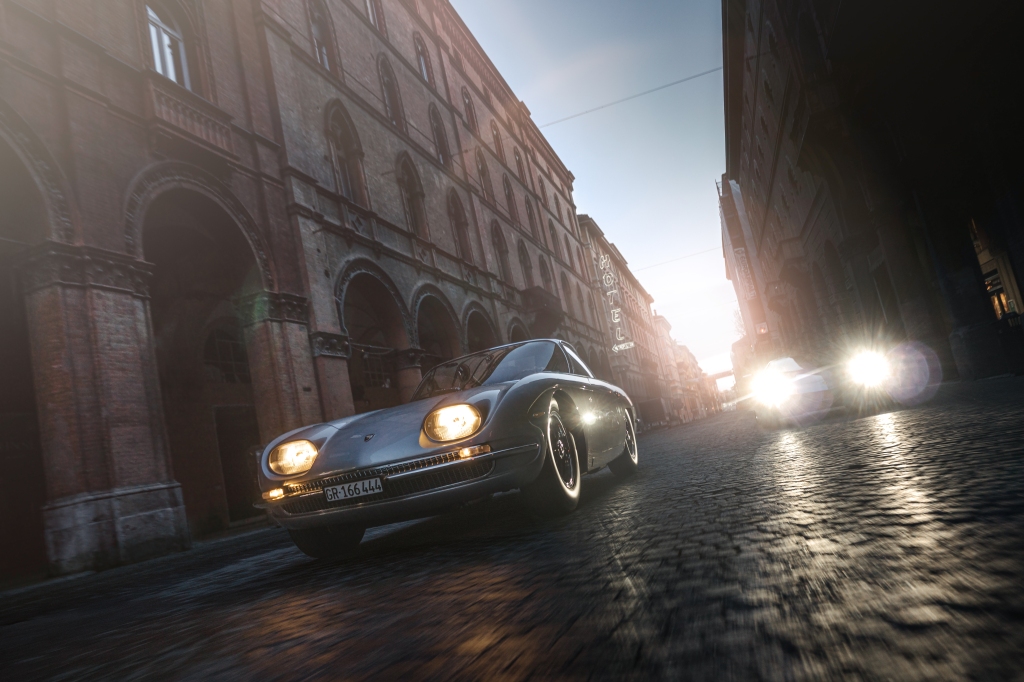
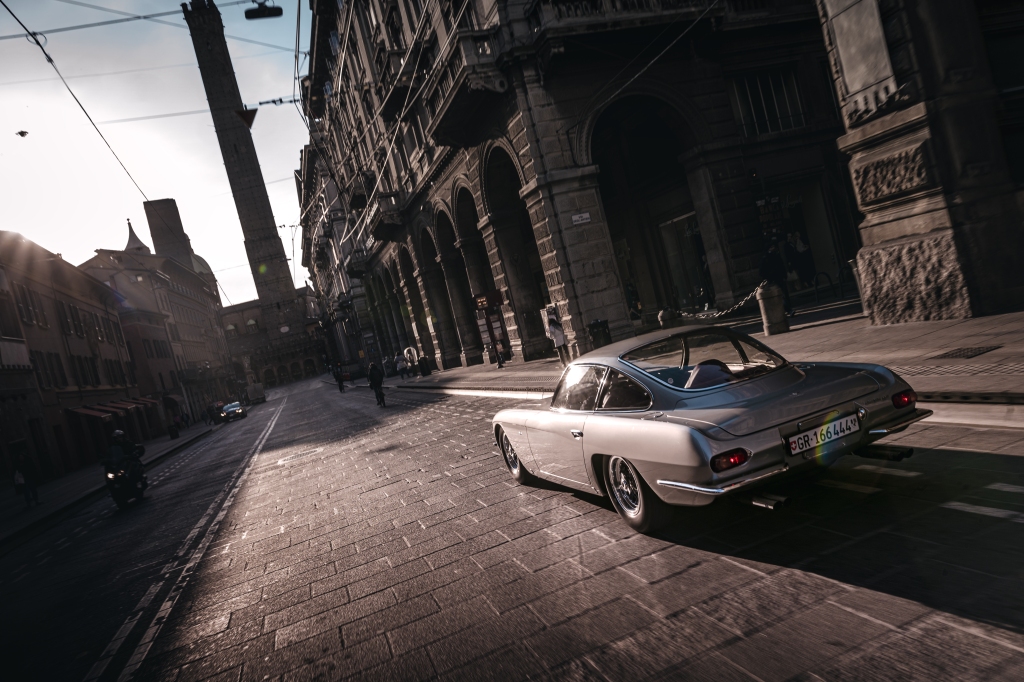
Lamborghini went into production March 1964 and the car had 350GTV body redesigned for road use – aluminum panels over steel frame – classic Superleggera. Its heart – a V12 capable of enormous performance, with a crank made of one solid block of metal, detuned to 280 bhp for reliability. The 5-speed ZF transmission sent power to the Salisbury rear Limited Slip Differential – a Dallara/Bizzarrini design. Their imaginative work will shape the Lamborghini brand for years to come. 350 GT had all suspension independent, double wishbones all sides and disc brakes for every wheel. None of this shit was in offer at Ferrari’s and practically everything, save the gearbox, was made in Sant’Agata.

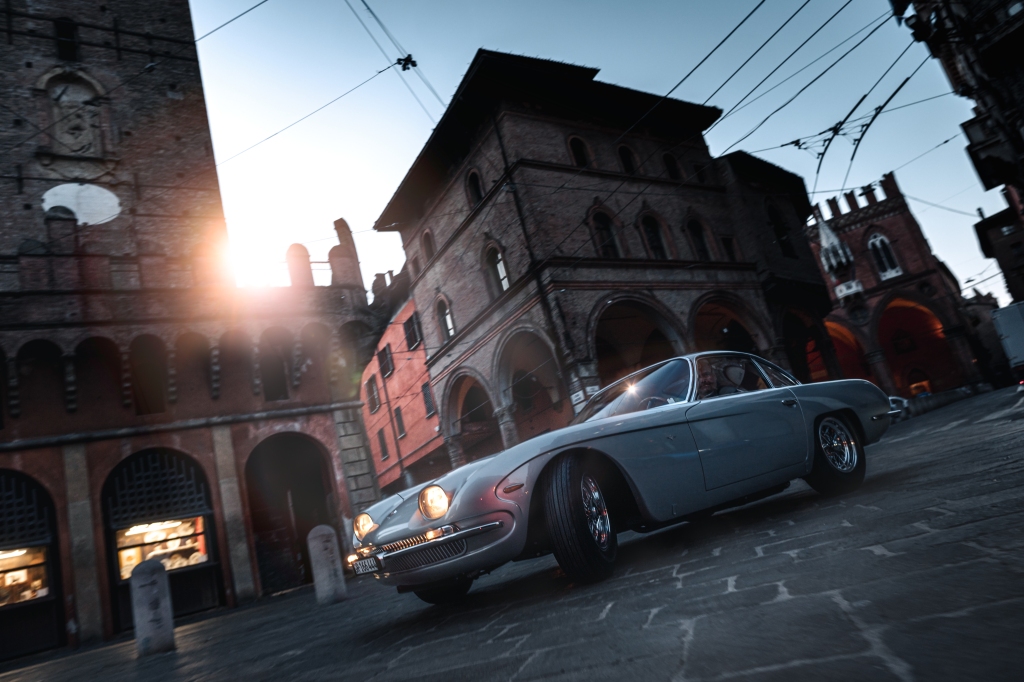
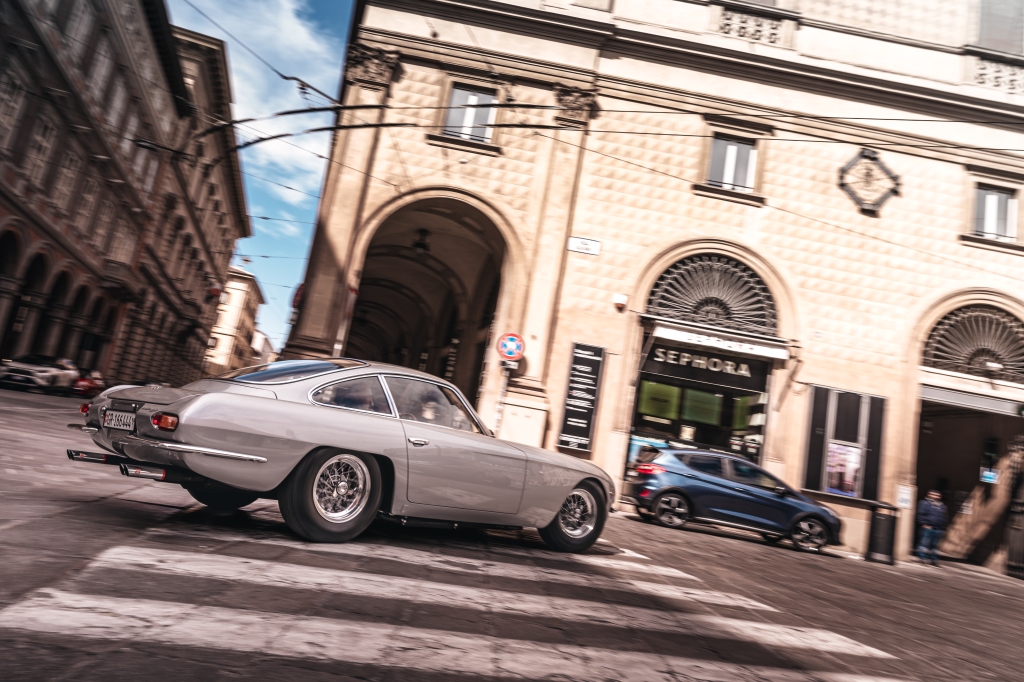
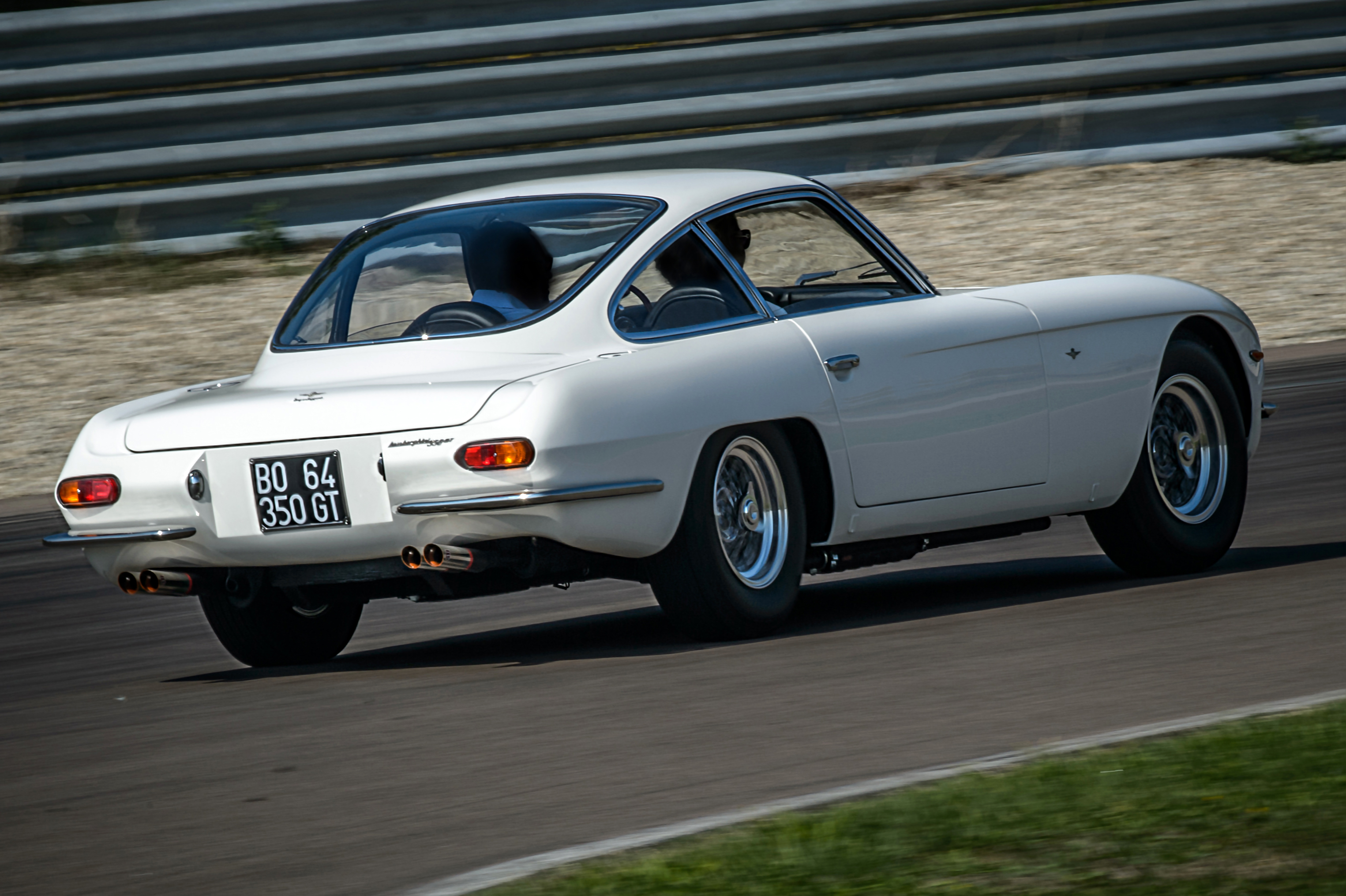
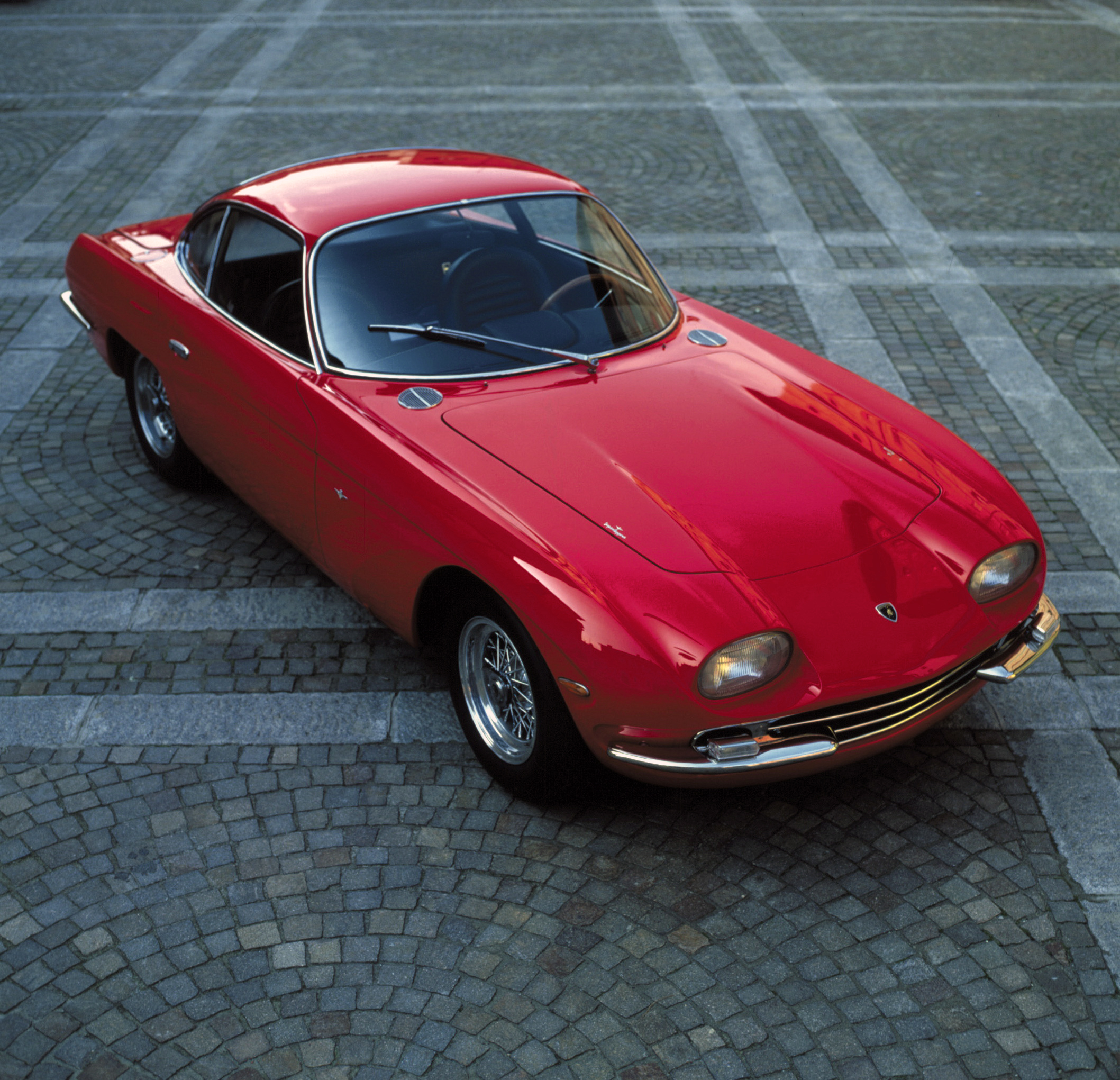
350 GT had great performance: it had the speed, the smooth power delivery, the agility. It was fast, and I mean it was FAST. It’s design though… less dramatic compared to the prototypes. Still aesthetic, but not overdone. The reason for changes was adapting the prototype for road use and giving more space in the cabin. The Lamborghinis had space for luggage – fuck you Ferrari! Ferrari was no match. You buy a Lamborghini – anything: tractor or a car – and you know you made a good purchase. His products were reliable – with performance – and Enzo had trouble connecting both.

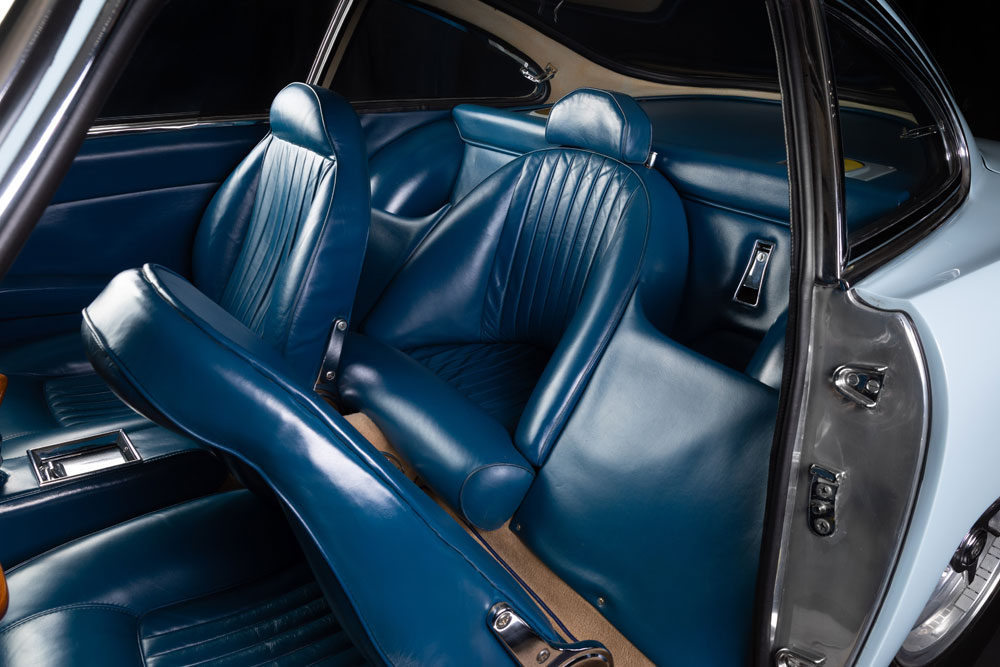
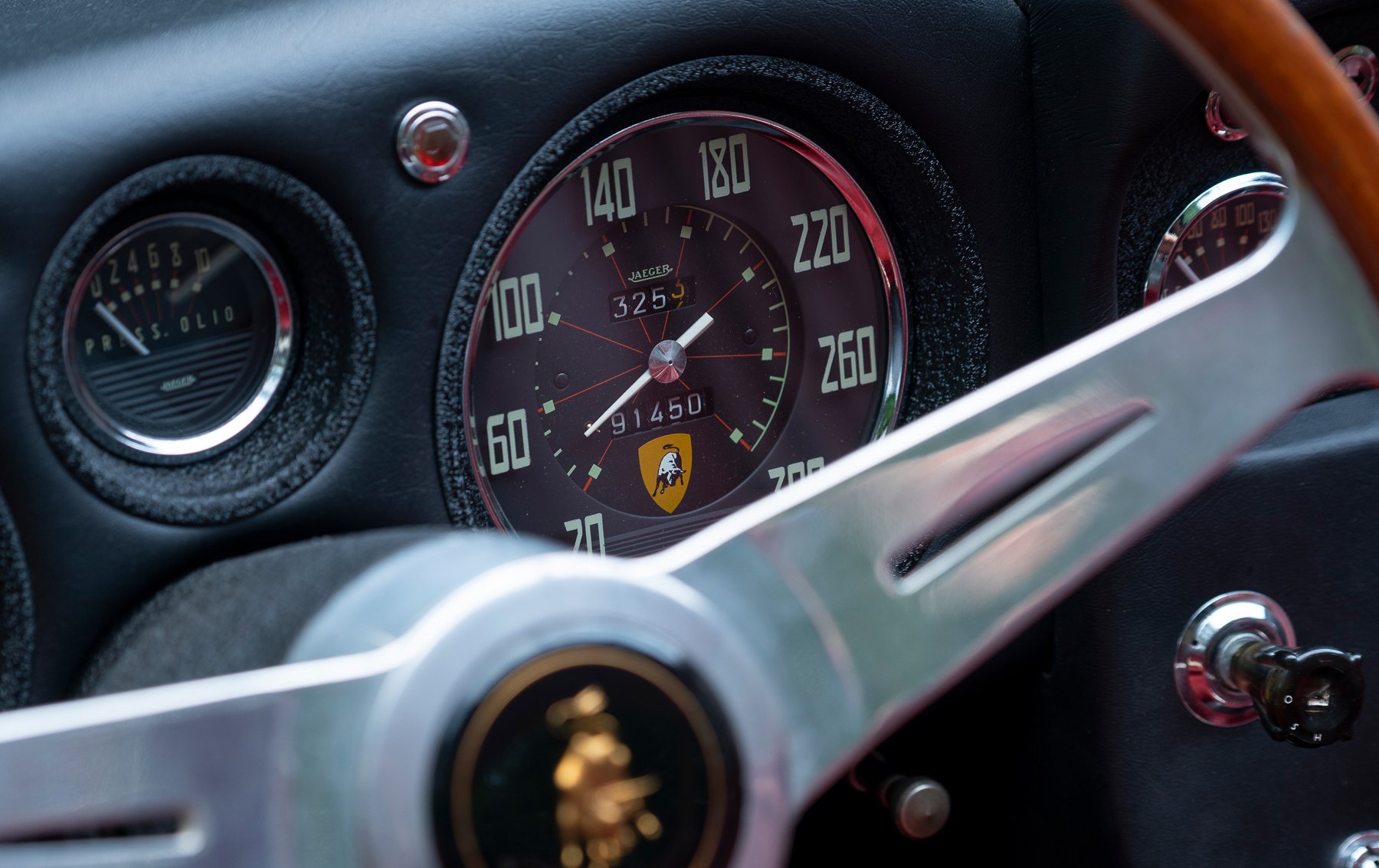
All that made the first Lamborghini the most lightweight and the fastest front-engine car of that era. Depending on transmission and axle setup, it accelerated to 162mph (260 km/h), reaching first 60 miles-per in 6.0 – 6.4 seconds. In time it evolved into 400GT and 2+2s with steel body. More weight was compensated with additional power. The bigger engine was devised with the new model in mind, but it was available in 400 GT up till 1967, though only 23 were ever sold before Miura took the mantle of the Sith Lord. All 350 GTs were built with great care and the interiors were filled with top quality leather. Note: early examples of 350s were in 2+1 layout, with a center back seat. That was later dropped in favor of an additional bench for your shit – with straps as well, why not…

Even the Lamborghini test drivers say 350 GT was the best car ever to leave Sant’Agata factory. Their first attempt into car industry, get it? Ferruccio claimed his completely new brand, with the sole 350 model in offer alone, was a viable alternative to Aston Martin, Ferrari or Maserati… but in fact Lamborghini had a team of engineers that were the best of the best – and they made a car defeating Ferrari in technology and architecture. And cheaper at that. It accelerated, handled and stopped like any Ferrari – or better – and it was relaxing, fun to drive and comfortable. That was the second hook right into Enzo’s face – the foundation for the Lamborghini brand, that ensured them place on the top of the top – forever.

Krzysztof Wilk
All sources: favcars.com | wheelsage.org | wikipedia.org | supercarnostalgia.com | autozine.org | wikipedia.org | classicdriver.com | lamborghini.com | lambocars.com | supercars.net | rmsothebys.com | Top Gear: The Cool 500 – The Coolest Cars Ever Made | M Buckley – The Complete Illustrated Encyclopedia of Classic Cars | N Balwdin – The World Guide to Automobiles, the Makers and their Marques

1964 – Lamborghini 350 GT

W 1960 roku Enzo Ferrari popełnił jeden z największych błędów swego życia i stracił najważniejszego klienta w historii swojej marki. Omawiane dzisiaj auto jest bezpośrednim rezultatem jego sporu i rozpoczęło rywalizację, która trwa już grubo 60 lat – nawet gdy obaj panowie już od conajmniej 3 dekad leżą w grobie – i strzelam, że ten bój się nie zakończy nigdy, aż do momentu, gdy któraś ze stron nie upadnie i sobie głupiego ryja nie rozwali.

Pierwszy szybki sierpowy poszedł w 1963 roku – Ferruccio Lamborghini do tego celu wybudował nową fabrykę w Sant’Agata, koło Modeny, która miała zajmować się tylko i wyłącznie samochodami. Lamborghini miał pieniądz i najlepszych inżynierów, jacy wtedy po ziemi chodzili – niektórzy z doświadczeniem w warsztatach Enzo… ale jego wizja była odwrotna od tej, którą reprezentował stary Ferrari. Osiągi tak, jak najbardziej, ale nie kosztem komfortu – a do tego jakość wykonania. To było motto Lamborghini. Dlatego Bizzarrini wykonał dla niego przepotężne V12, któremu potem uciął jajca, żeby robiło stabilne nie-do-końca 300 koni, ale żeby odpalało w każdych warunkach, żeby wpierdalało wszystko co ma „Ferrari” w nazwie – w każdych warunkach – i nie wymagało remontu po pierwszym sprincie do setki – w 6 sekund BTW. Ten silnik był projektem do F1, ale miał ledwie 1.5-litra pojemności – mój czajnik ma więcej – więc Bizzarrini powiedział „CO JEST?! JEDZIEMY Z KURWĄ!” i zwiększył kaliber do 3.5-litra, dał mu 4 paski rozrządu, 6 olbrzymich gaźników Webera i takie coś mogło w conajmniej 400 koni mechanicznych i to bez VAT… tylko, że po co? Cel został osiągnięty: wszystkiego było więcej niż u Ferrari. Enzo niedomagał w mocy, ładował tam tylko 3 gaźniki, był krótszy w pojemności i nie potrafił w rozrząd. Na dodatek jego Ferrari miało tylko 4 biegi i się rozpierdalało – no z czym do ludzi?

Lamborghini trafiło do salonów w marcu 1964. Miało dopracowaną karoserię w porównaniu do prototypu 350GTV – aluminiowe panele nałożone na stalową ramę. Typowa Superleggera. Jego sercem 12-cylindrowa jednostka, zdolna do ogromnych wysiłków, z wałem korbowym wykonanym z jednego kawałka metalu – której moc obniżono do zaledwie 280 koni mechanicznych. Miała 5-stopniową przekładnię ZF podłączoną do tylnej osi za pomocą dyferencjału Salisbury ze szperą. To był design Dallary i Bizzarriniego, i ich rozwiązania będą kształtować tę markę na lata do przodu. Do tego zawieszenie było w pełni niezależne a wszystkie koła zatrzymywały tarczowe hamulce. Nic z tych rzeczy nie można było dostać w Ferrari a praktycznie wszystko, poza samą skrzynią, było robione w Sant’Agata.

350 GT było prze-szybkie, arcy-stabilne i nader elastyczne. Było chybkie, gibkie, rącze. Lekkie, zwinne, żwawe, zwrotne, porywające, nieociężałe i ogniste… ale dalej było MIAŁKIE. Podnoszone lampy zastąpiono bardziej konwencjonalnymi a zamiast klasycznych wyeksponowanych linii, Touring narysował zaokrąglone nadwozie – co prawda estetyczne – ale bez przesady, ani kontrowersji. To dlatego, żeby udostępnić większą przestrzeń pasażerom. Do tego w Lamborghini mogłeś przewieźć bagaż – kolejny fakolec w stronę Ferrari. W porównaniu do Ferrari, to nie było porównania. Na produktach Ferruccio – czy to ciągnikach, czy samochodach – można było polegać. Jego rywal miał z tym problem.

Pierwsze egzemplarze ze znaczkiem Lamborghini były najlżejszymi i najszybszymi pojazdami z silnikiem z przodu – z tamtych lat. W zależności od ustawień skrzyni i dyferencjału, rozpędzały się do 260 km/h a pierwsza setka strzelała w 6.0 – 6.4 sekundy. Potem auto wyewoluowało w 400GT oraz 2+2 ze stalową karoserią (choć maska dalej była z aluminium). Te warianty były cięższe, co kompensowano dodatkową mocą. Dodatkowy litraż powstał z myślą o nowym modelu, ale był dostępny w 400 GT aż do 1967 roku, chociaż sprzedały się ich tylko 23 sztuki przed nadejściem Miury. Wszystkie 350 GT wykonano z największą pieczołowitością, a do ich wnętrza użyto najlepszej jakości skóry. Co warto zauważyć – pierwsze 350 GT to auta w układzie 2+1, z centralnie umiejscowonym miejscem dla pasażera z tyłu. To rozwiązanie w późniejszych modelach porzucono na rzecz dodatkowego miejsca na niewielkie przedmioty.

Nawet kierowcy testowi Lamborghini mówią, że 350 GT było najlepszą maszyną jaka wyjechała z Sant’Agata. Pierwsze auto, rozumiecie? Sam Ferruccio twierdził, że jego kompletnie nowa marka, z jedynym w katalogu 350 GT – że była prawdziwą alternatywą dla Aston Martina, Ferrari czy Maserati… Ale prawda była taka, że Lamborghini miał zespół najlepszych inżynierów i stworzył pojazd technologicznie bijący Ferrari na łeb – i dużo od nich tańszy. Przyspieszał, skręcał i się zatrzymywał jak każde inne Ferrari albo lepiej – i do tego był komfortowy, przyjemny w prowadzeniu i naprawdę relaksujący. To był drugi sierp na mordę Enzo Ferrariego – fundament marki Lamborghini, który ustawił ją już na stałe w ekstraklasie.

Krzysztof Wilk
Na podstawie: favcars.com | wheelsage.org | wikipedia.org | supercarnostalgia.com | autozine.org | wikipedia.org | classicdriver.com | lamborghini.com | lambocars.com | supercars.net | rmsothebys.com | Top Gear: The Cool 500 – The Coolest Cars Ever Made | M Buckley – The Complete Illustrated Encyclopedia of Classic Cars | N Balwdin – The World Guide to Automobiles, the Makers and their Marques

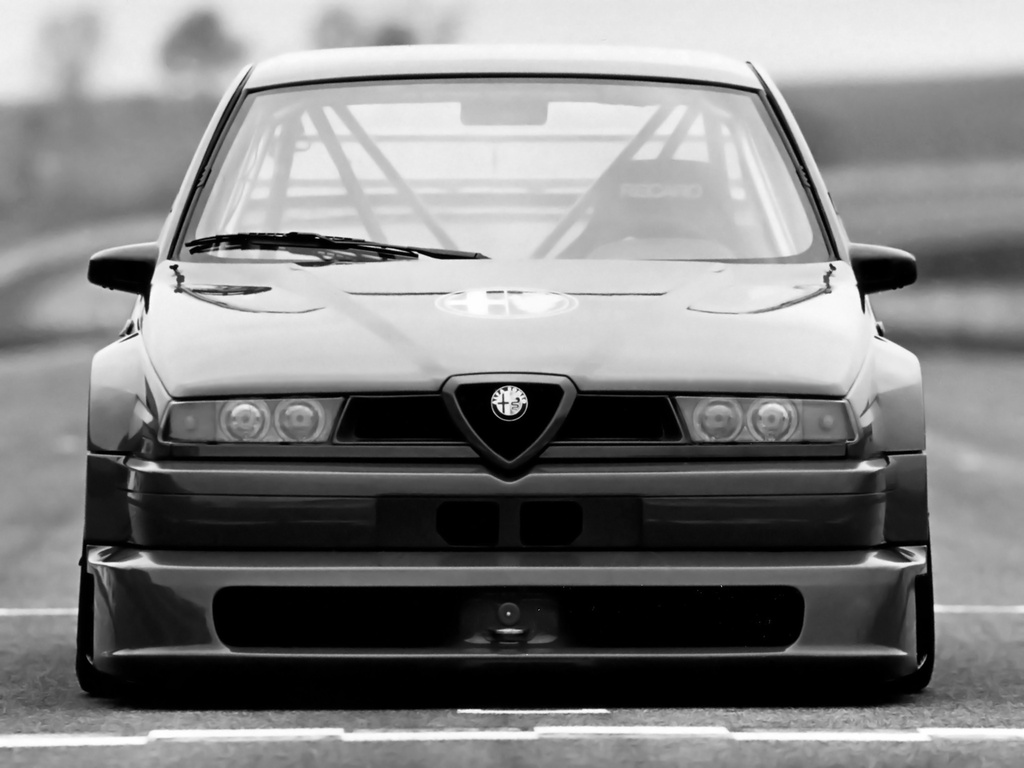
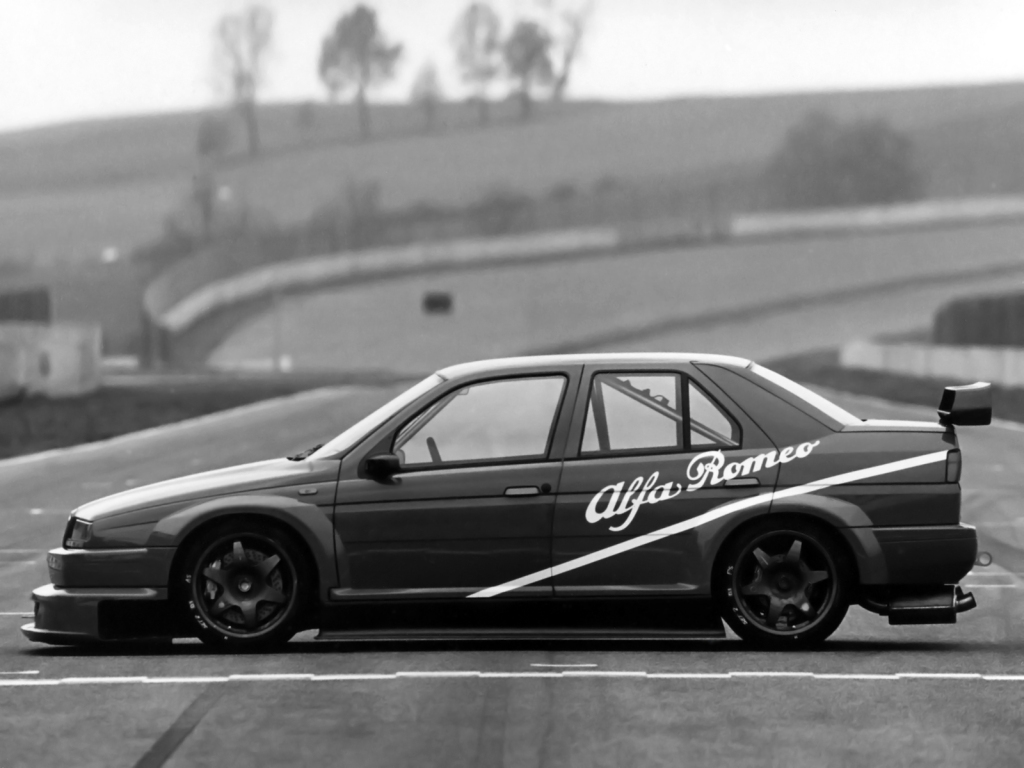
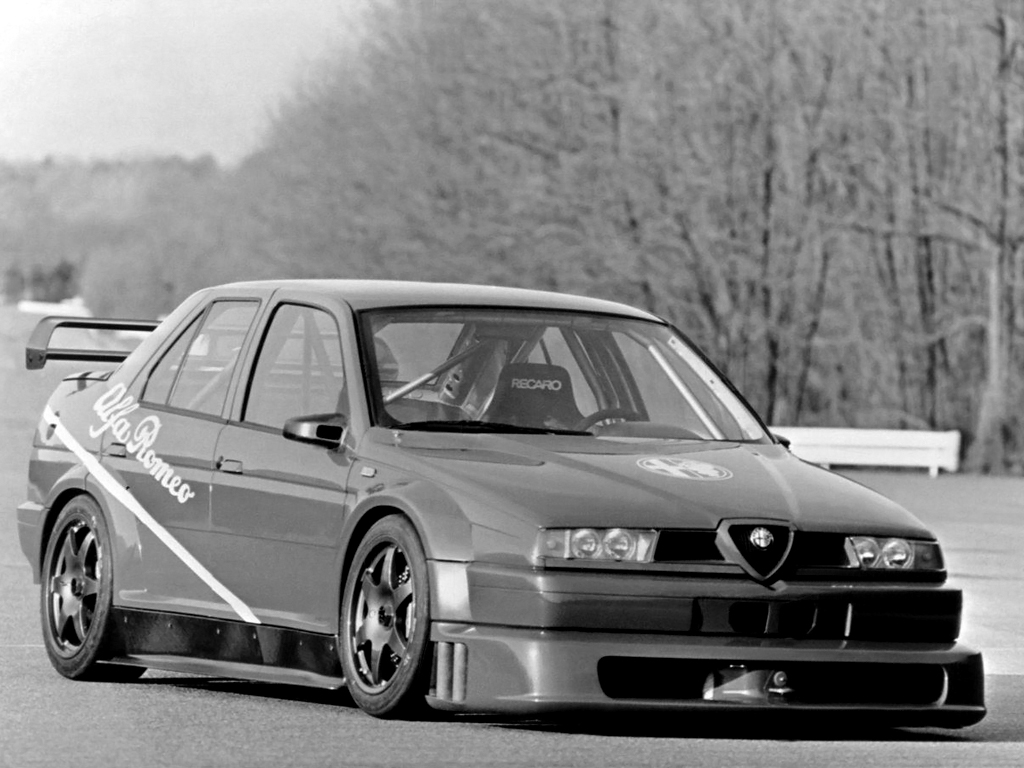
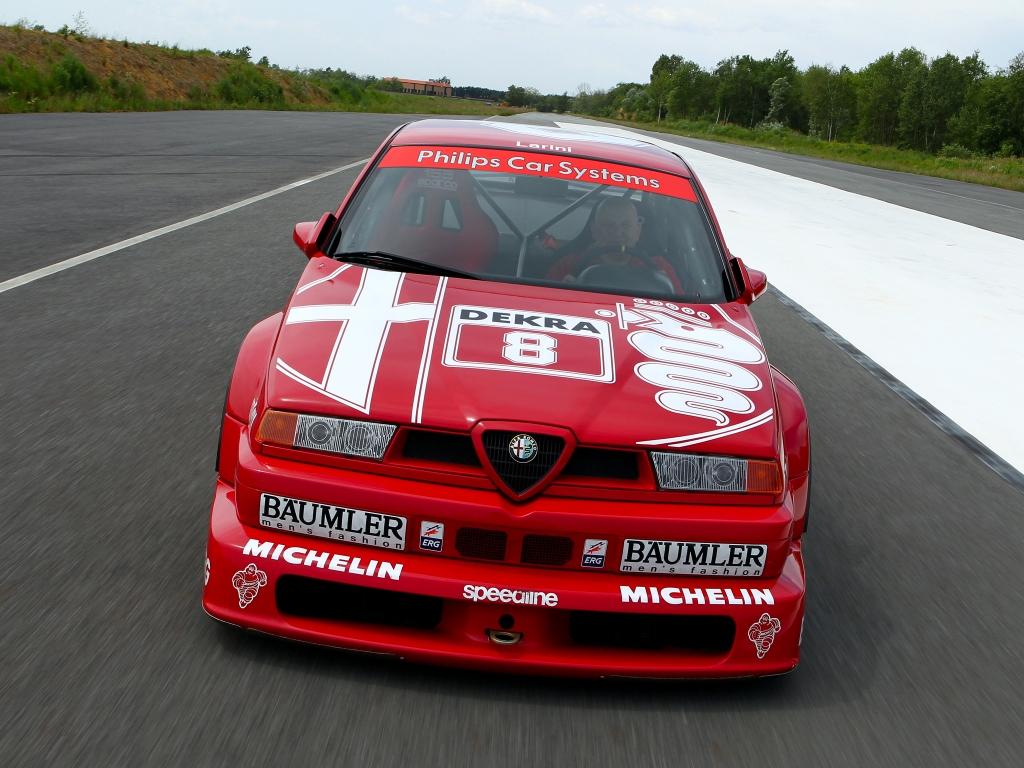
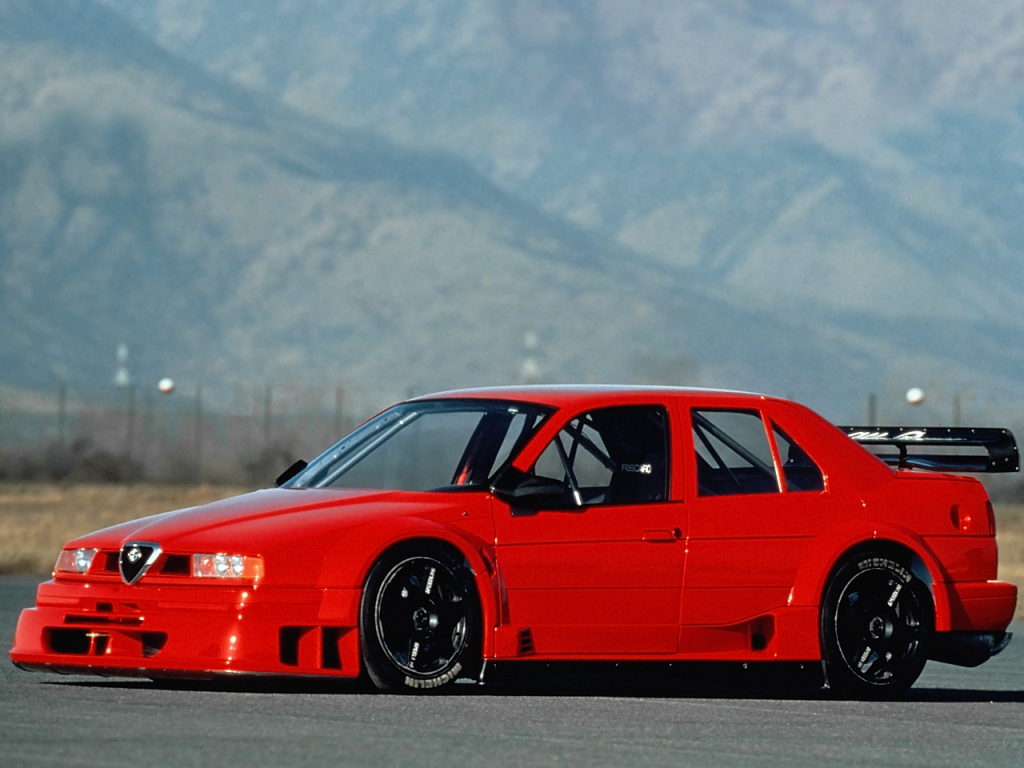
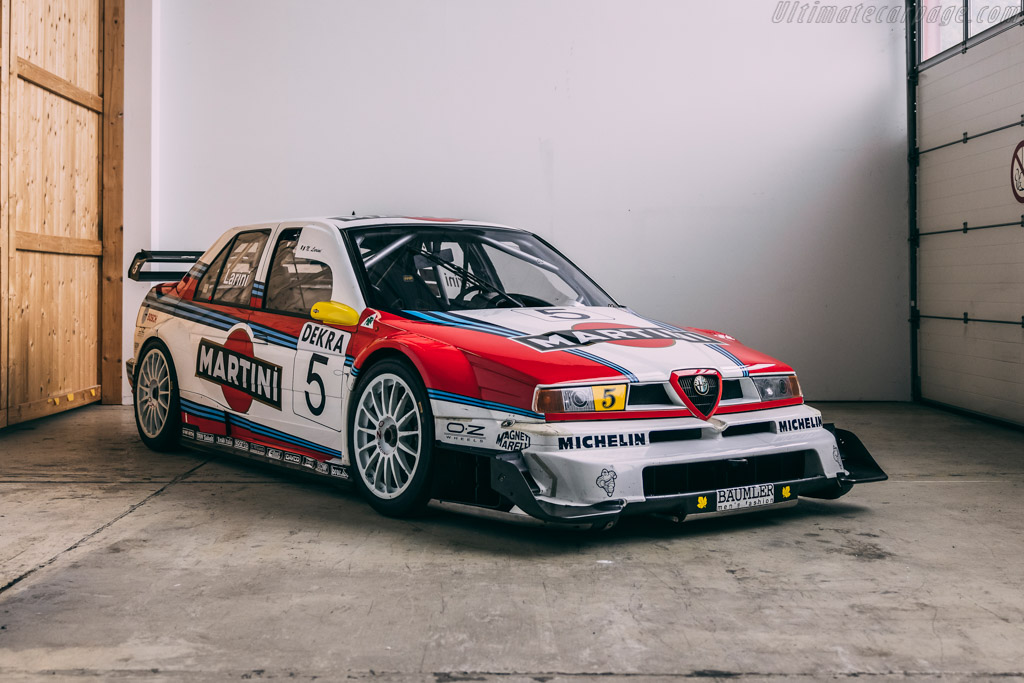
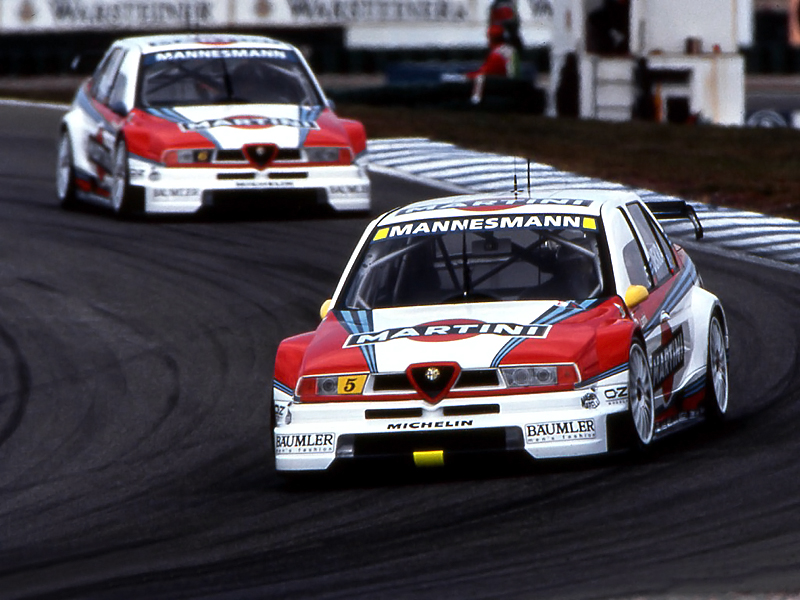
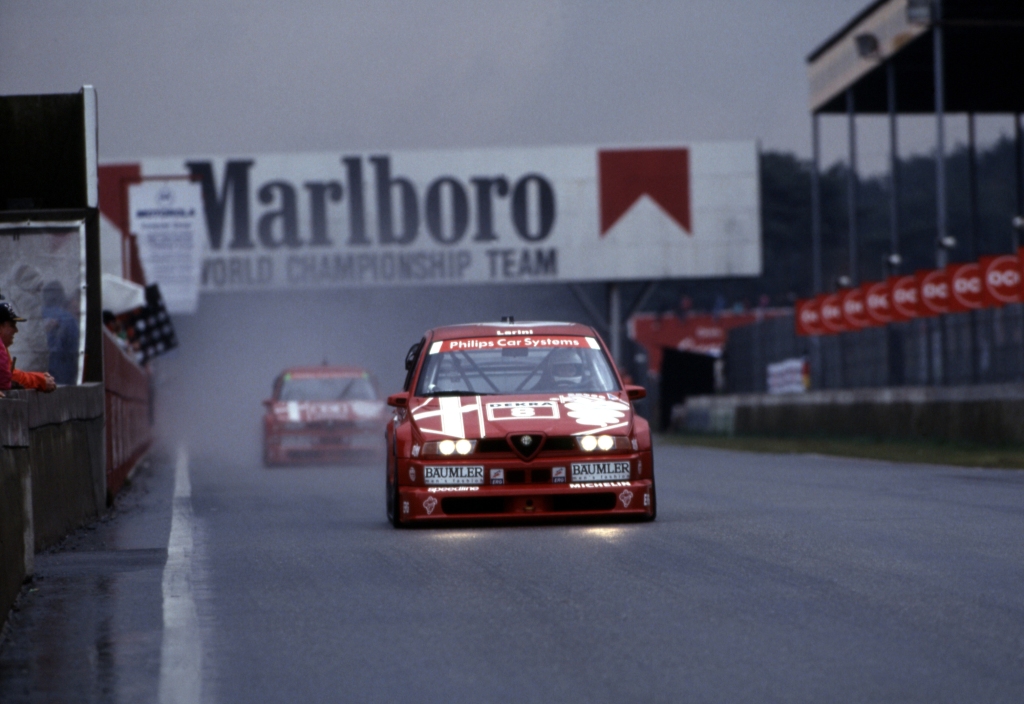
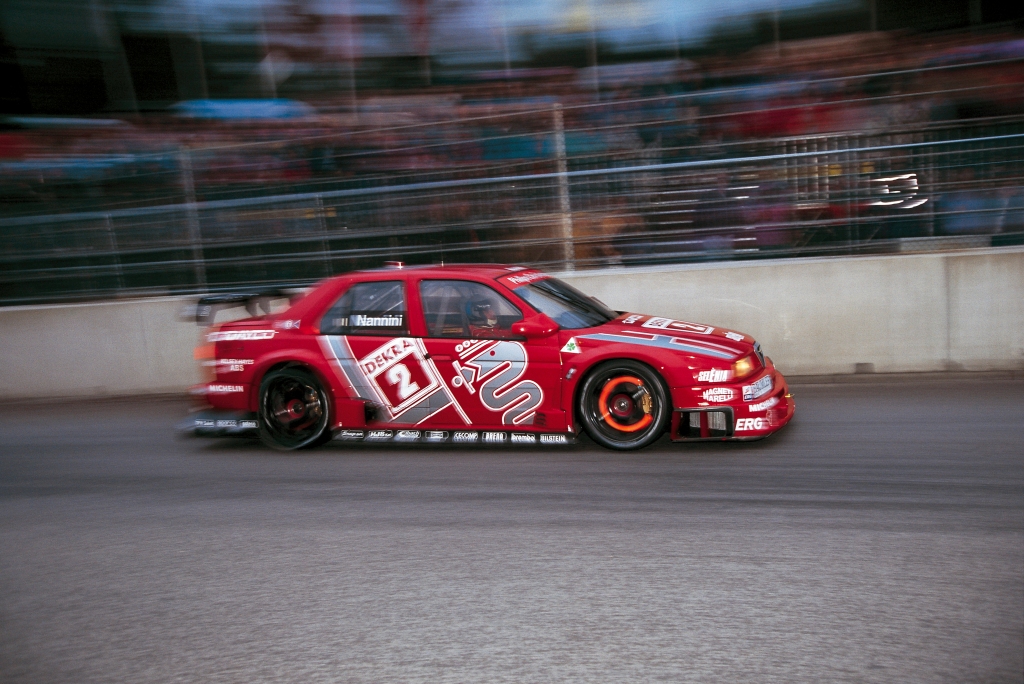
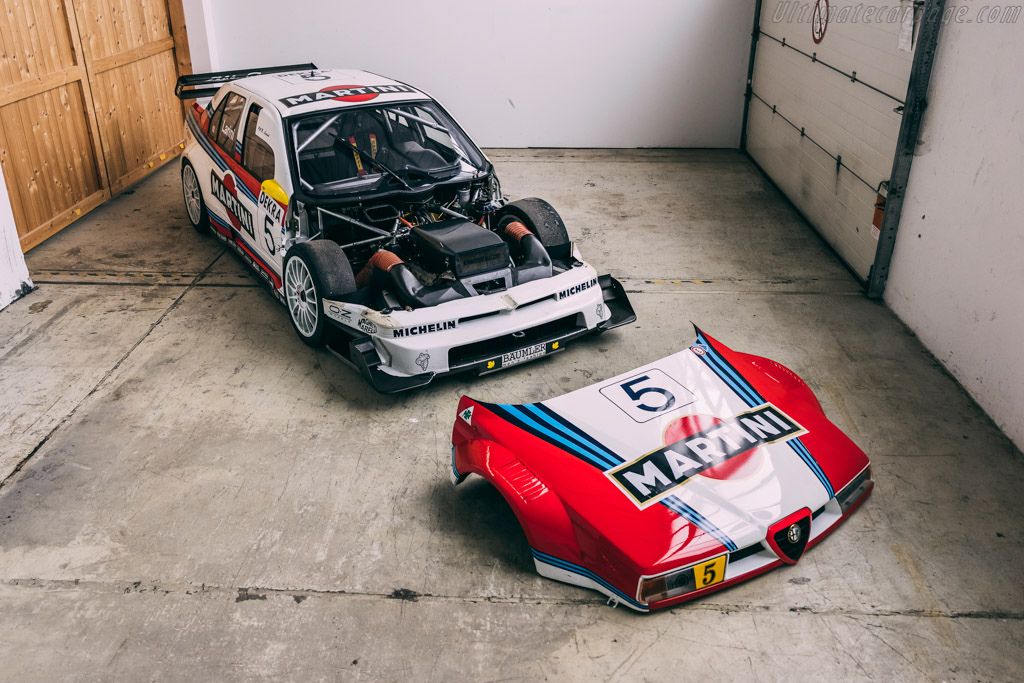
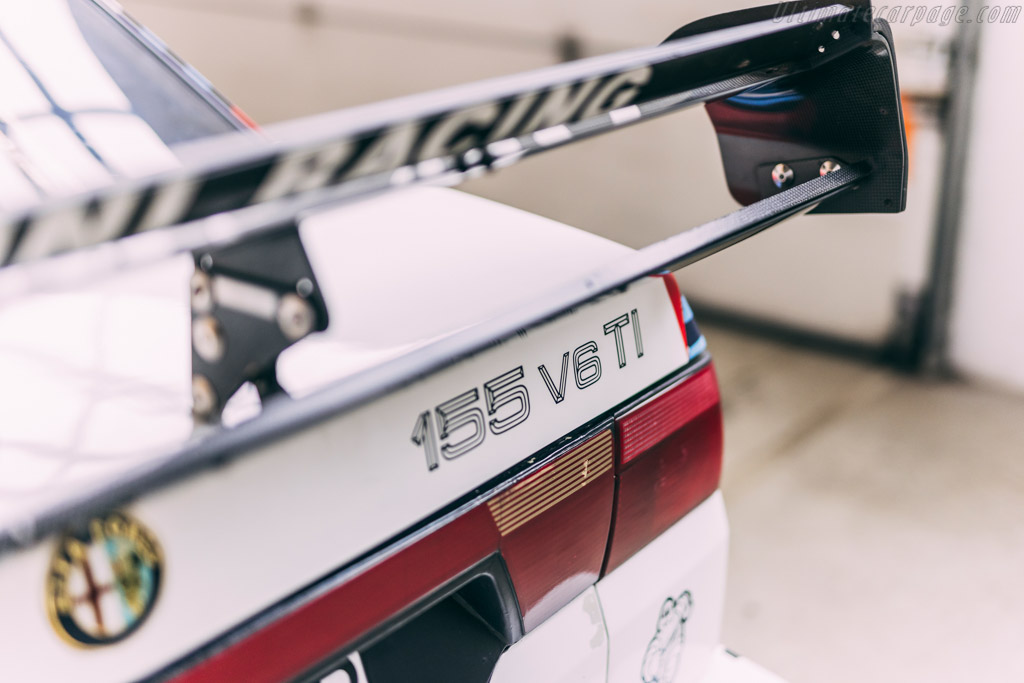
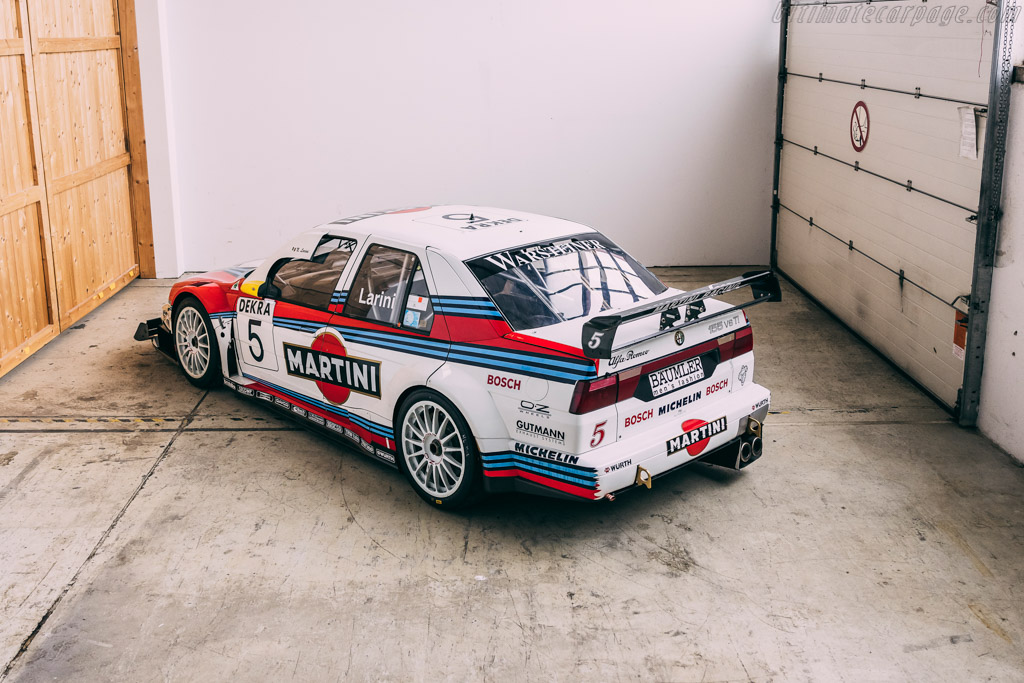
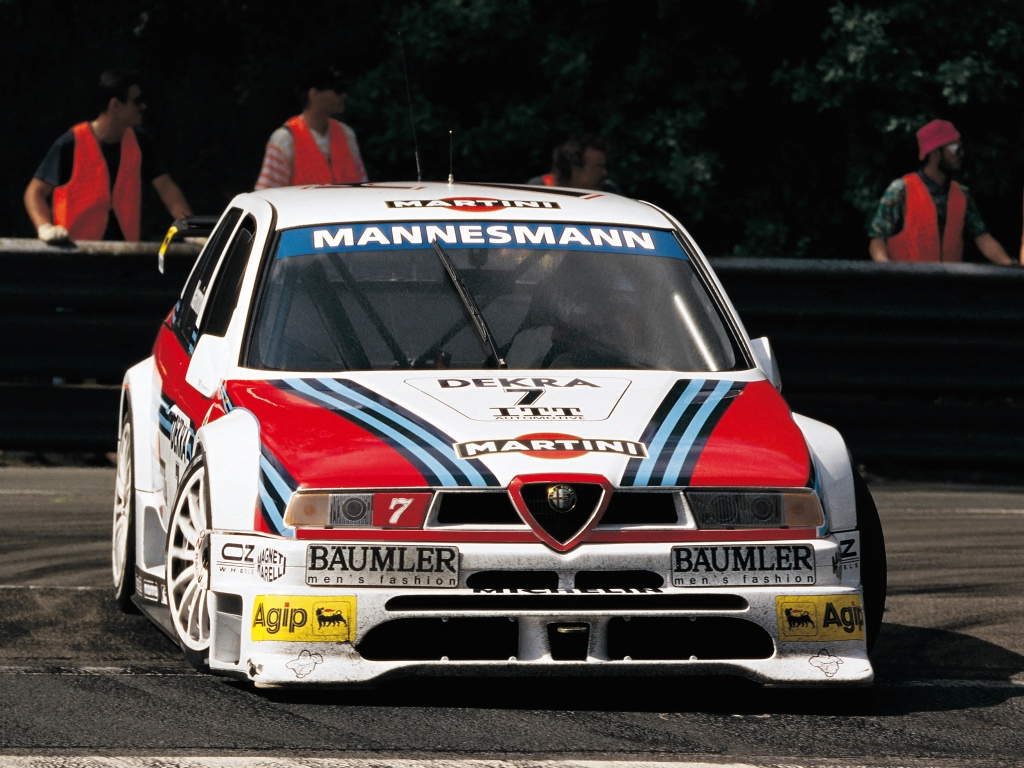
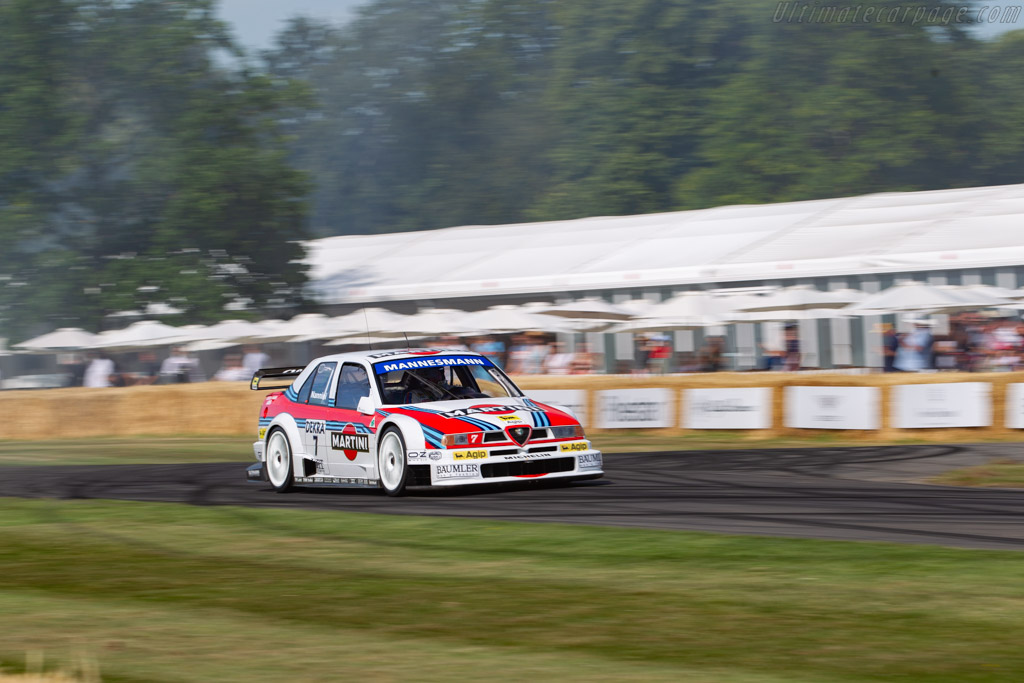
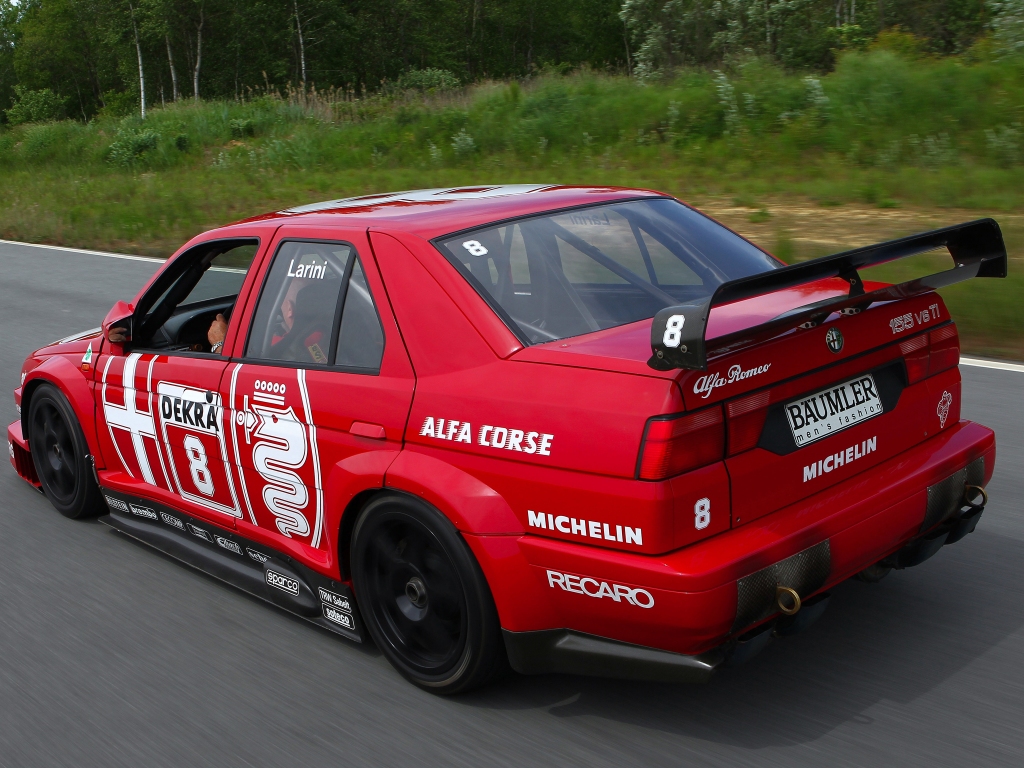
1993 – Alfa Romeo 155 2.5 V6 TI DTM

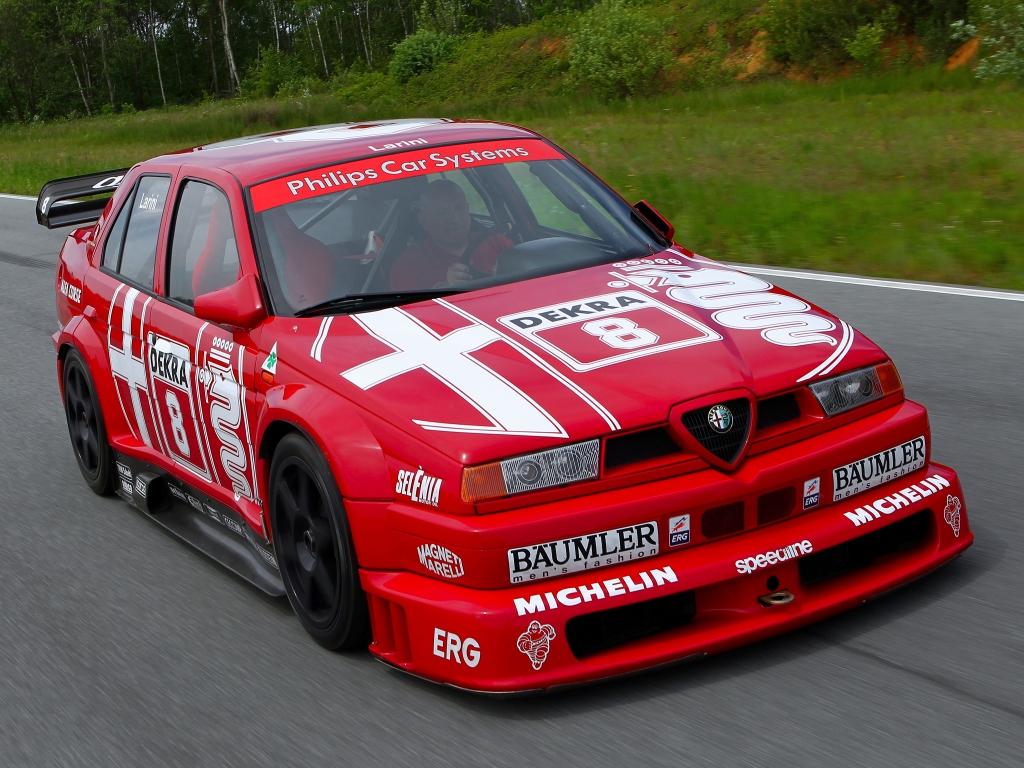
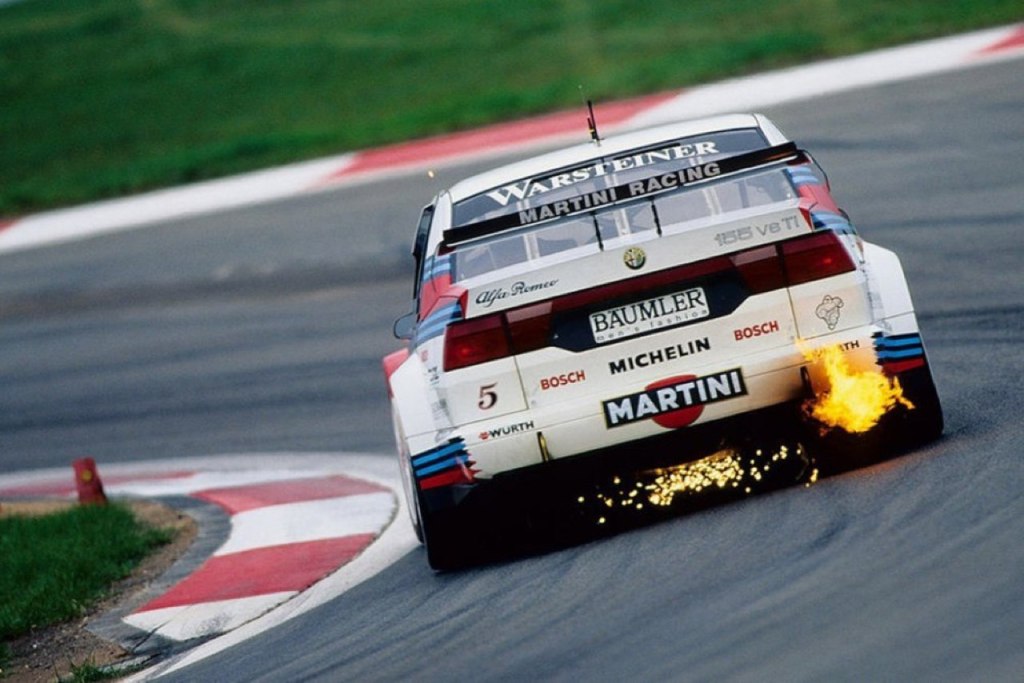
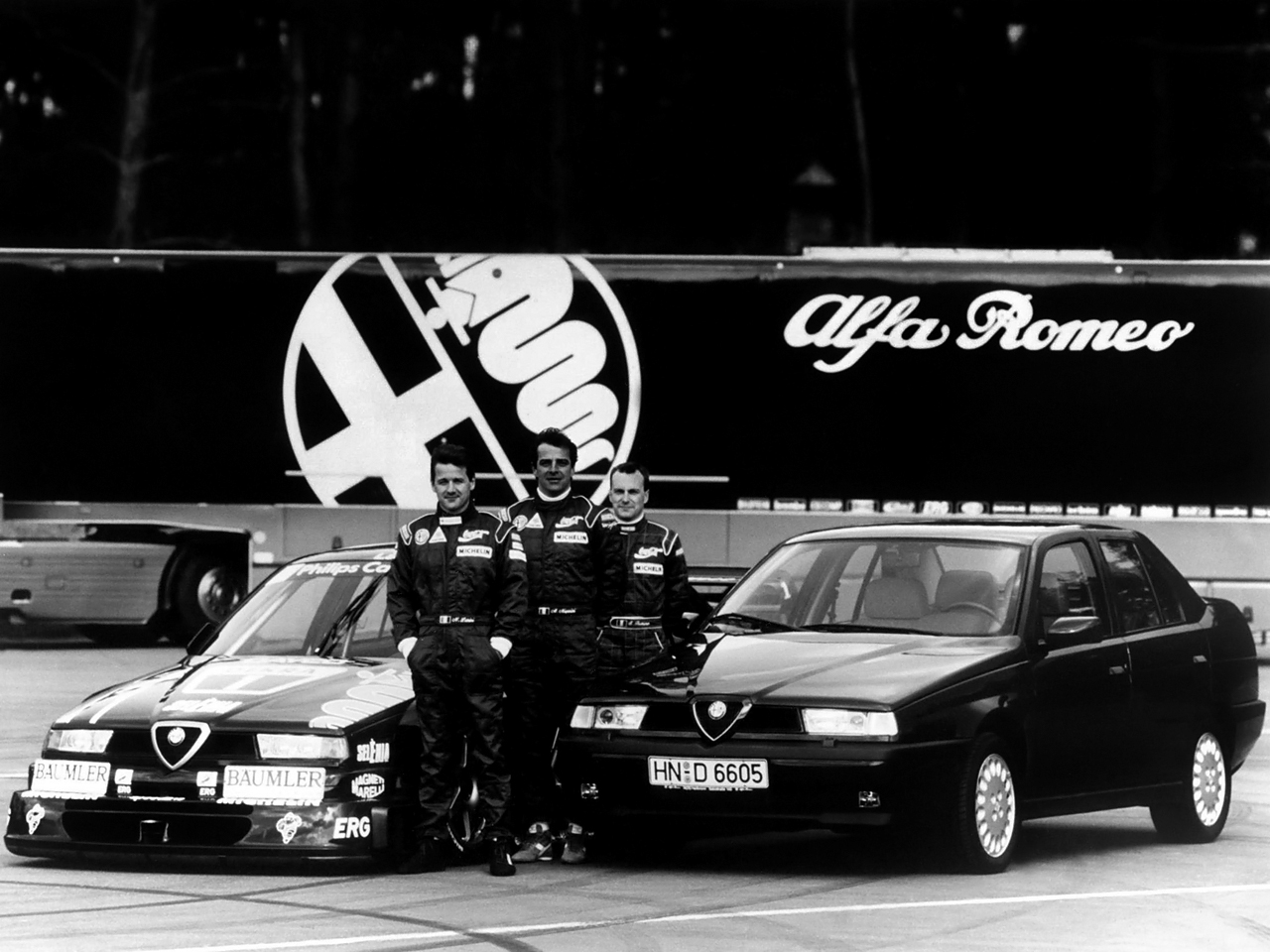
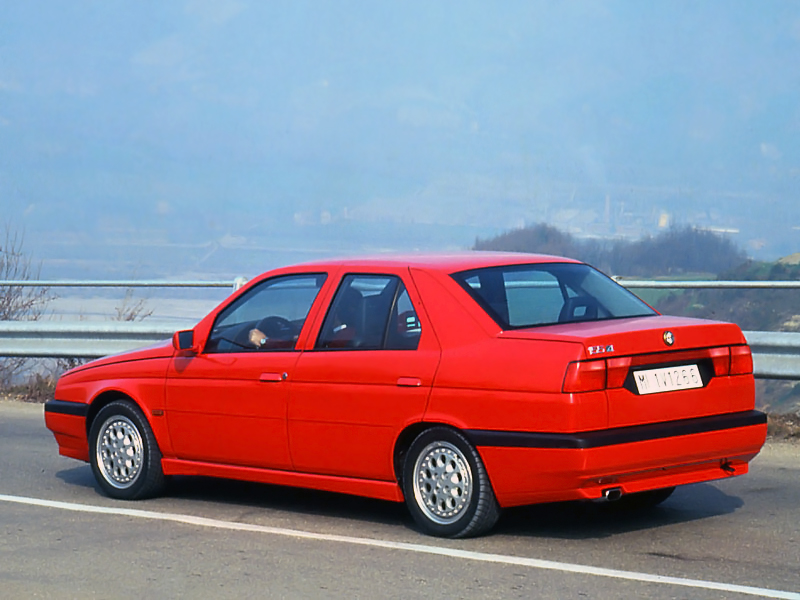
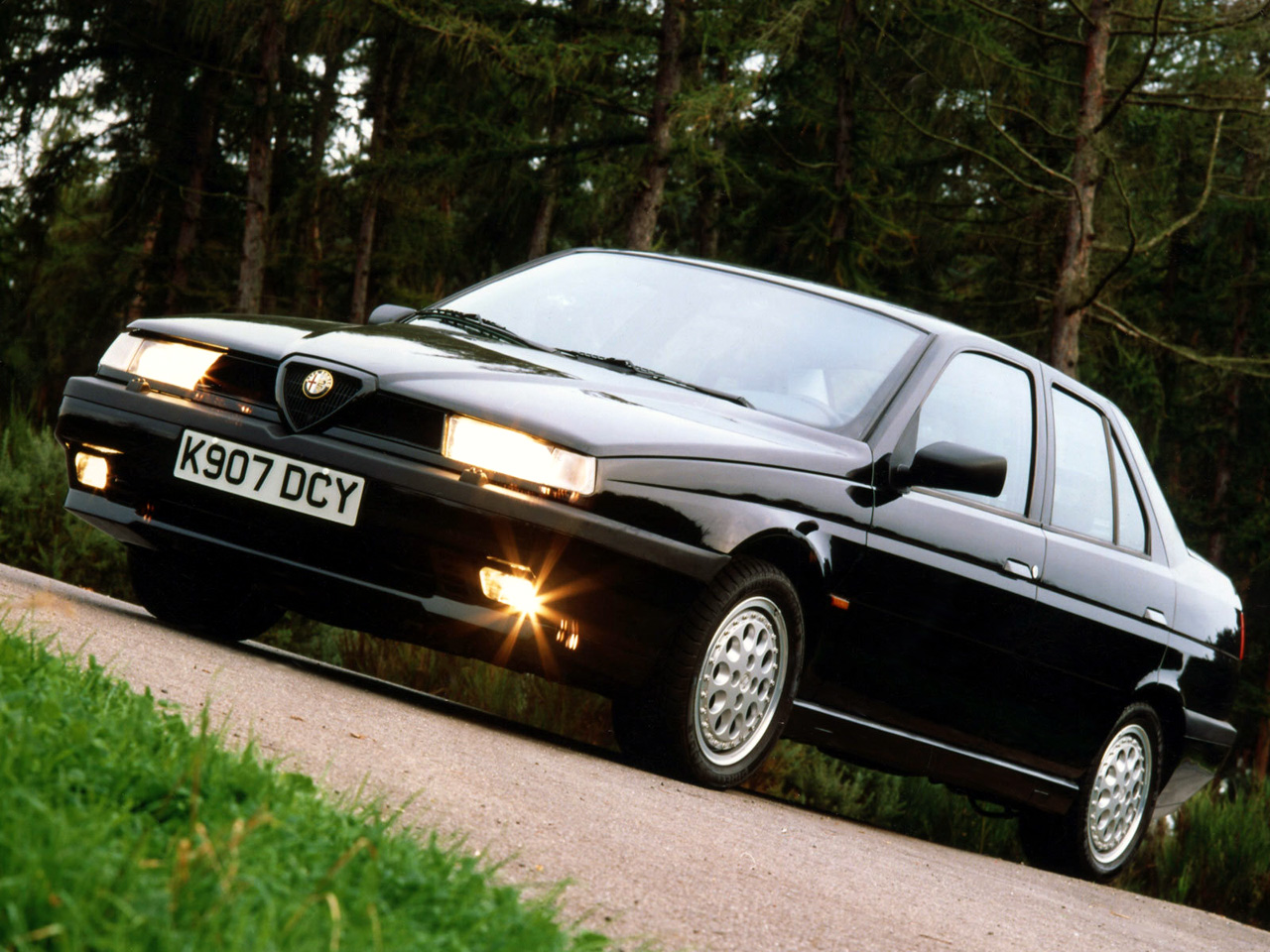
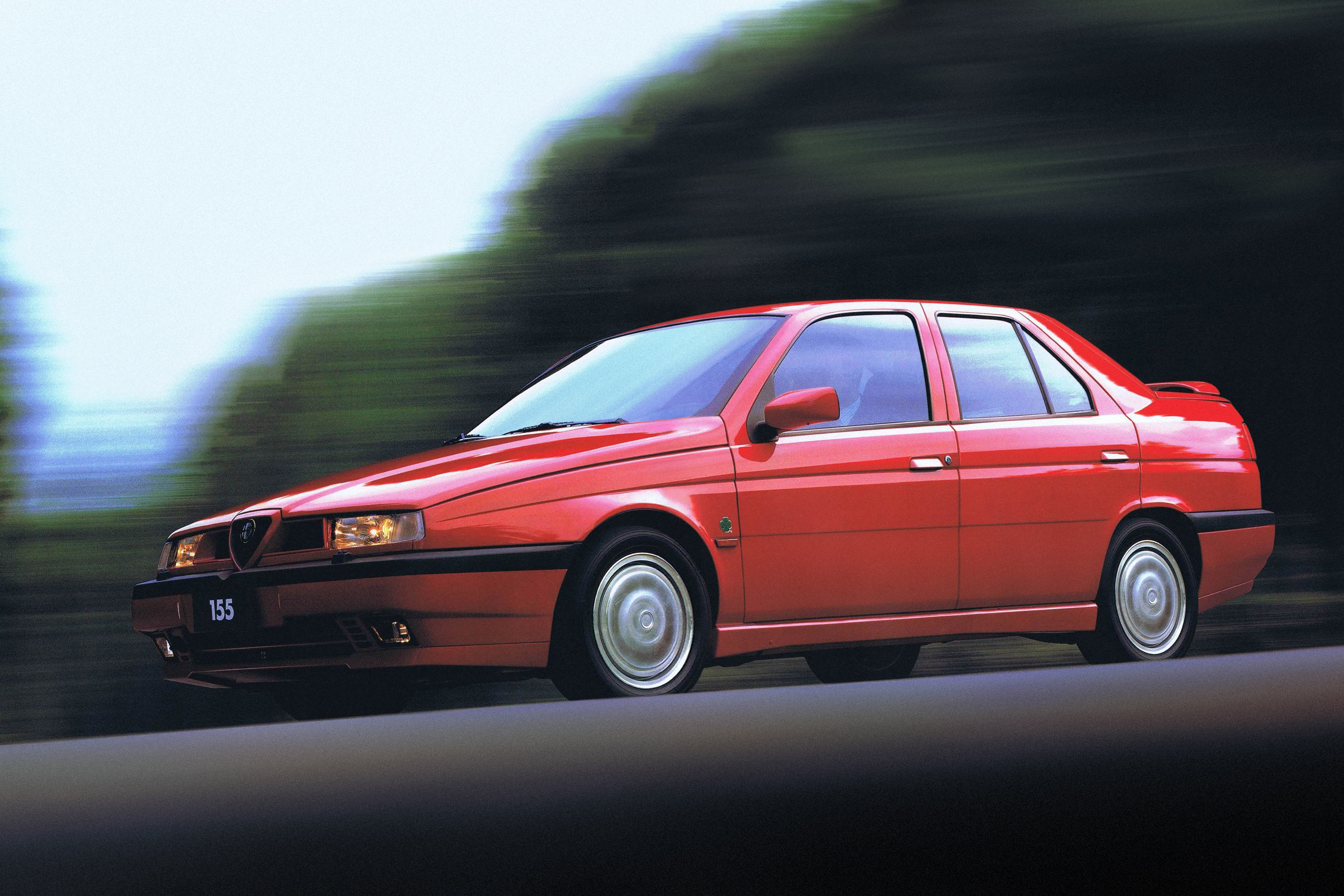
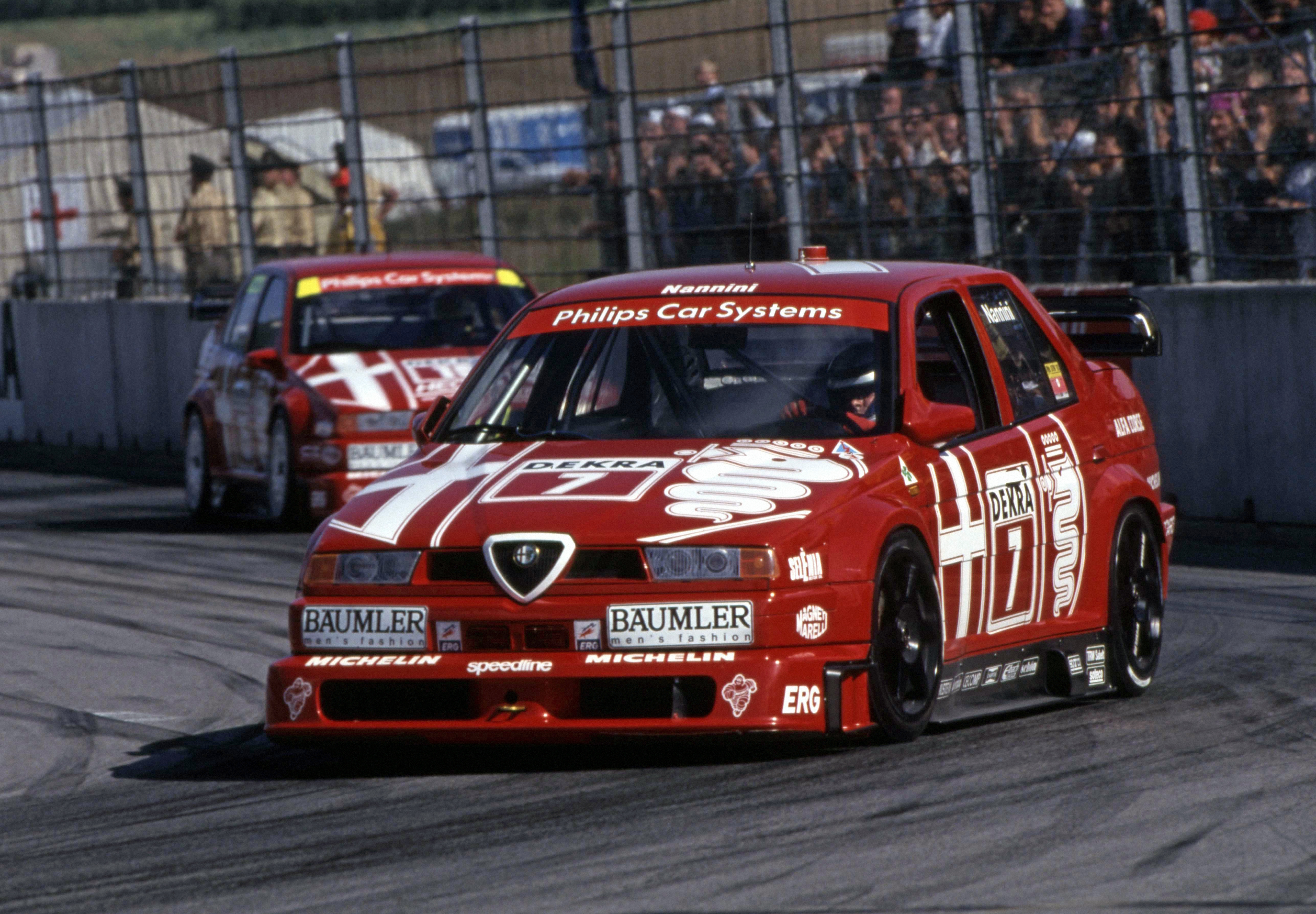
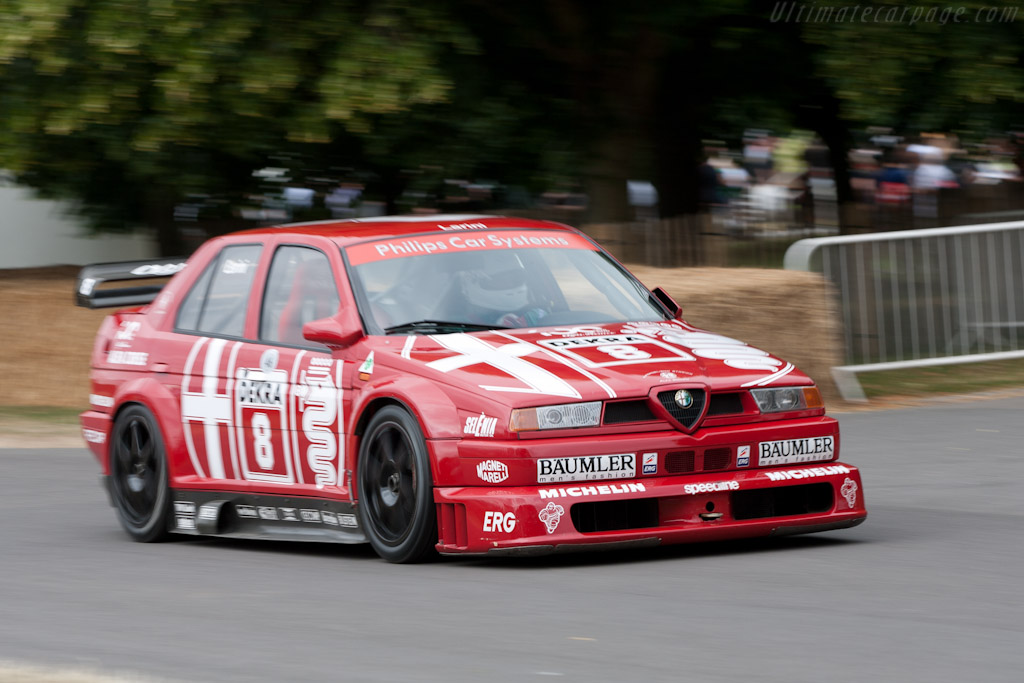
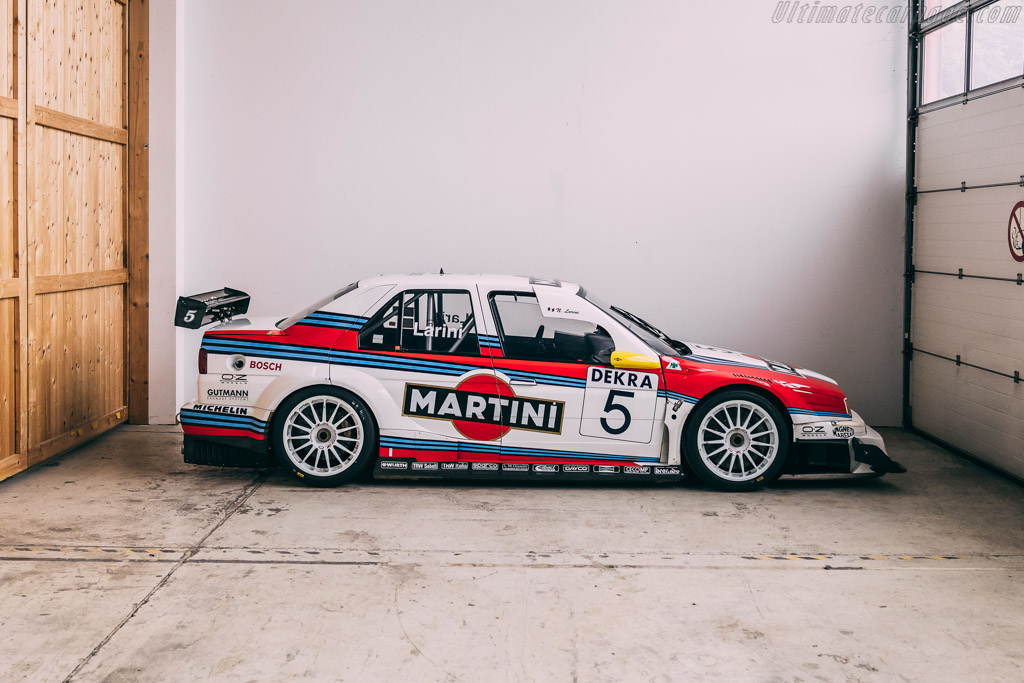
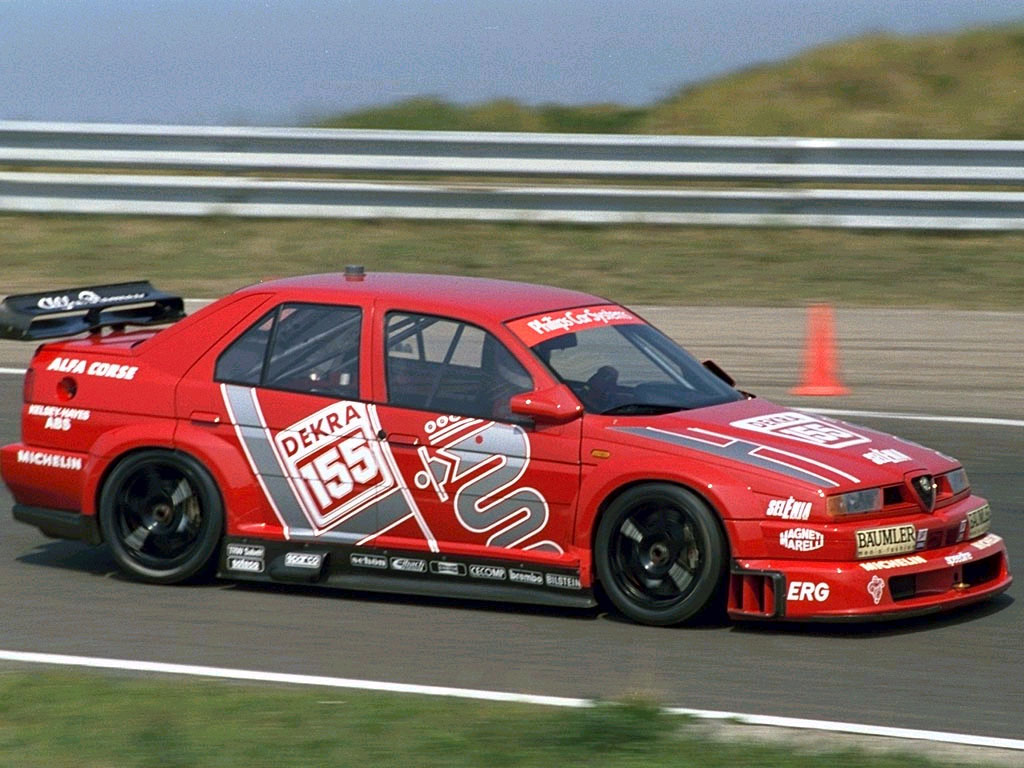
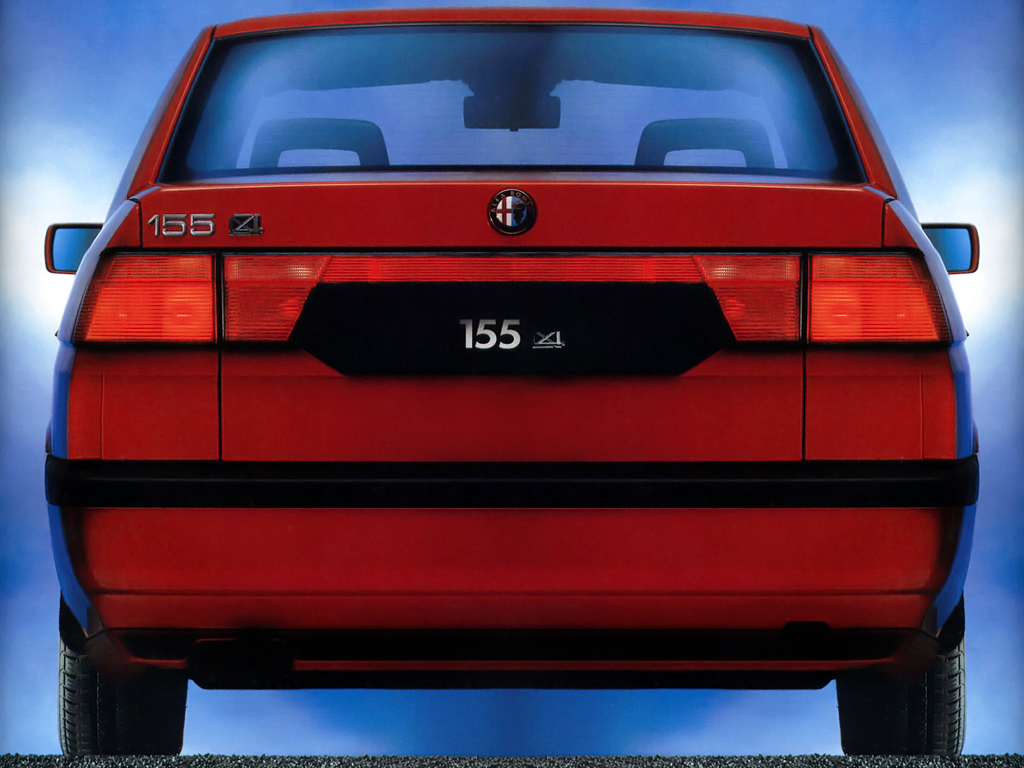
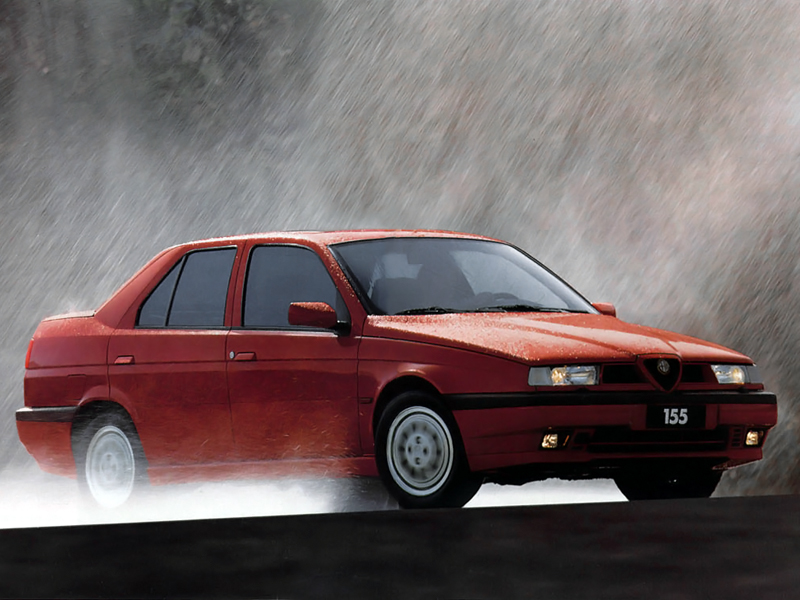
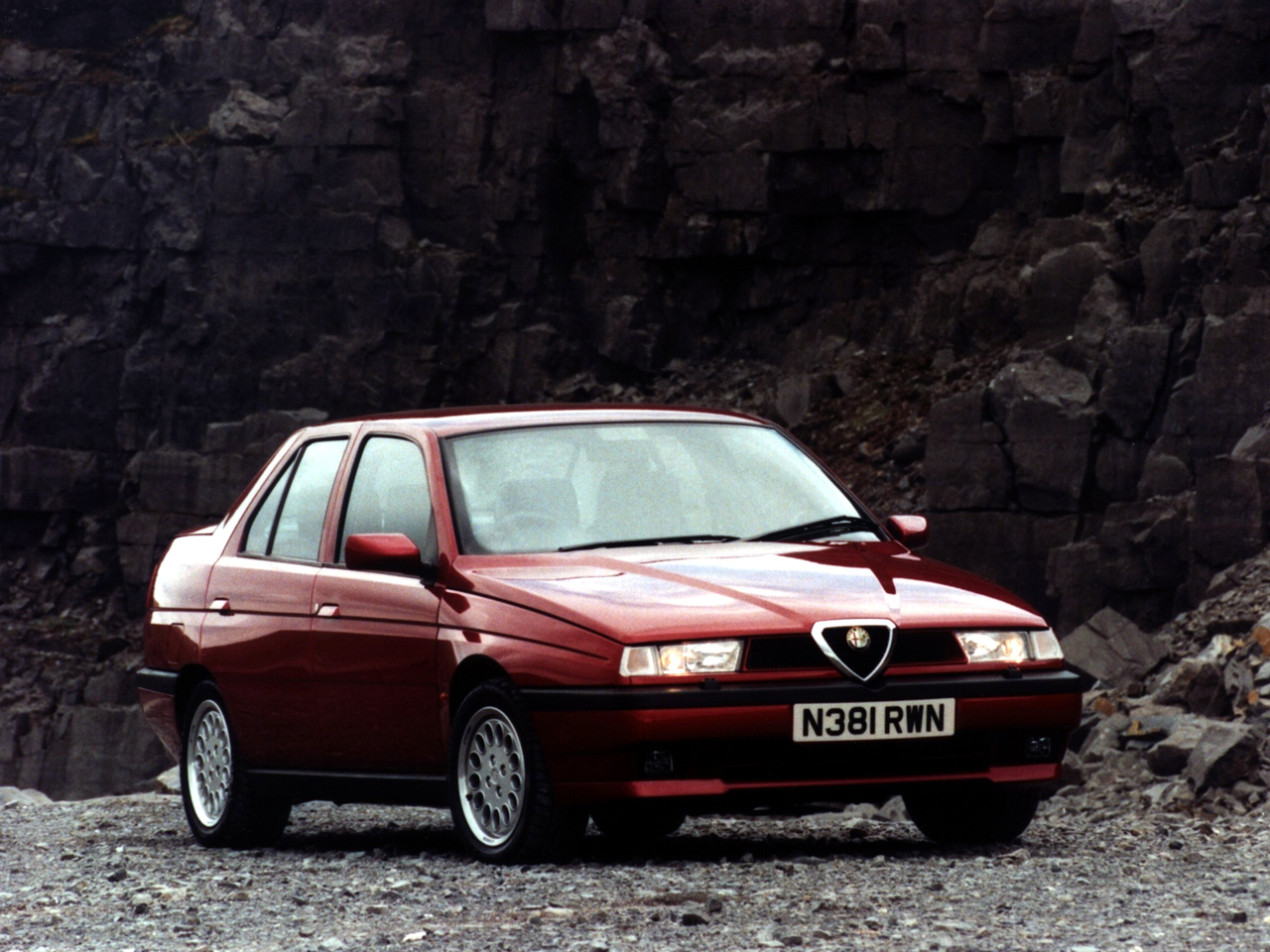
Alfa Romeo had their racing campaign in the American Indy series, but let’s face it… it wasn’t the best they could do, so they returned to touring racing in search for podiums. Amazing move, because their new variant of the Alfa 155 literally dominated 17 out of 20 possible events in their domestic – Italian championships. They had to look for a true rival abroad – none of the locals would be a match for them at that point. Germans – they already had a format there, alright. German manufacturers could compare their dicks in Deutsche Tourenwagen Meisterschaft, but they fiddled with the regulations, so starting from 1993: they could slap the pasta eaters as well, if they’re looking for it that bad.

DTM had a long tradition of racing on Group A rules, but from now on they were starting in two segments: FIA Class 1 and FIA Class 2. The only difference was how advanced manipulations they could perform on their constructions. Class Two was closer to their road examples – and those were more popular, as the entry threshold was lower. Class One had less limits to their upgrades and allowed for serious changes. Alfa Romeo prepared their cars for both divisions.

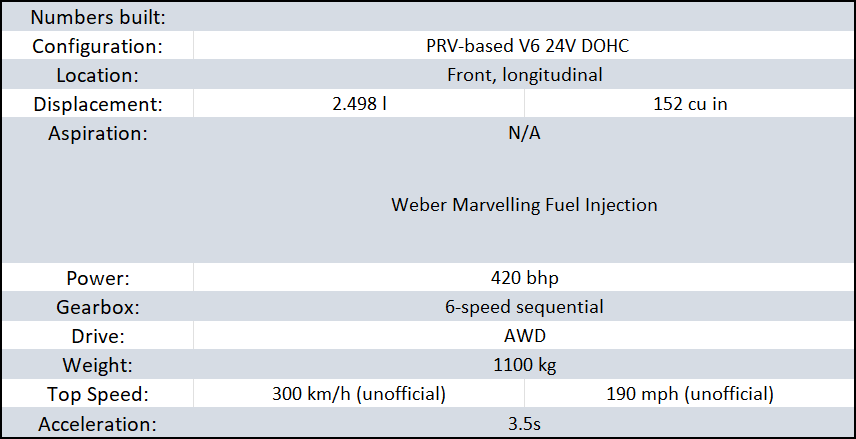
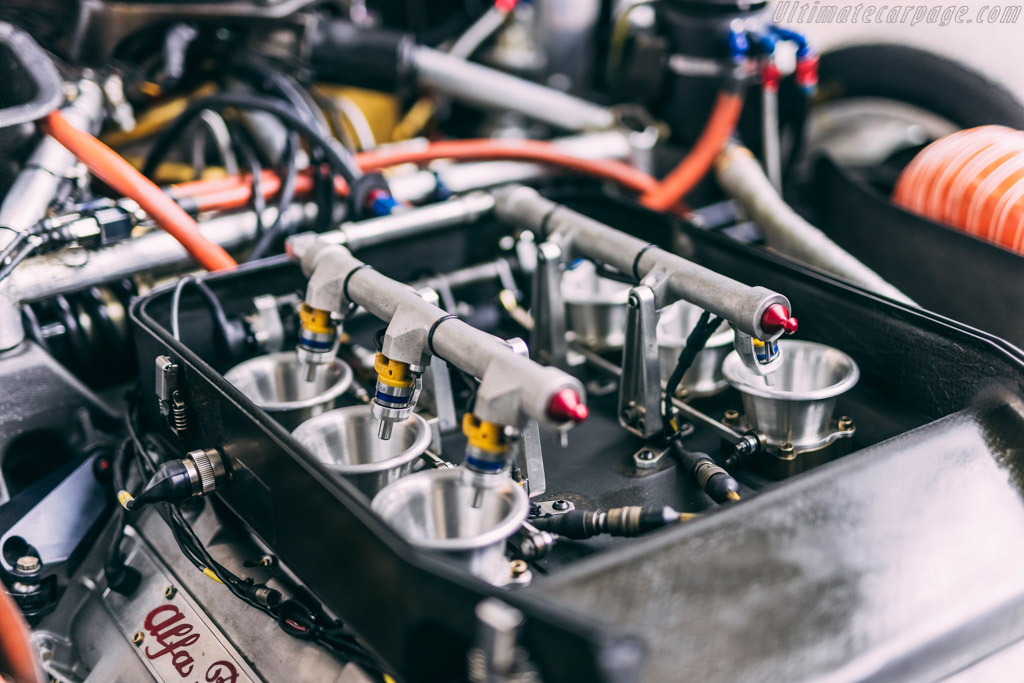
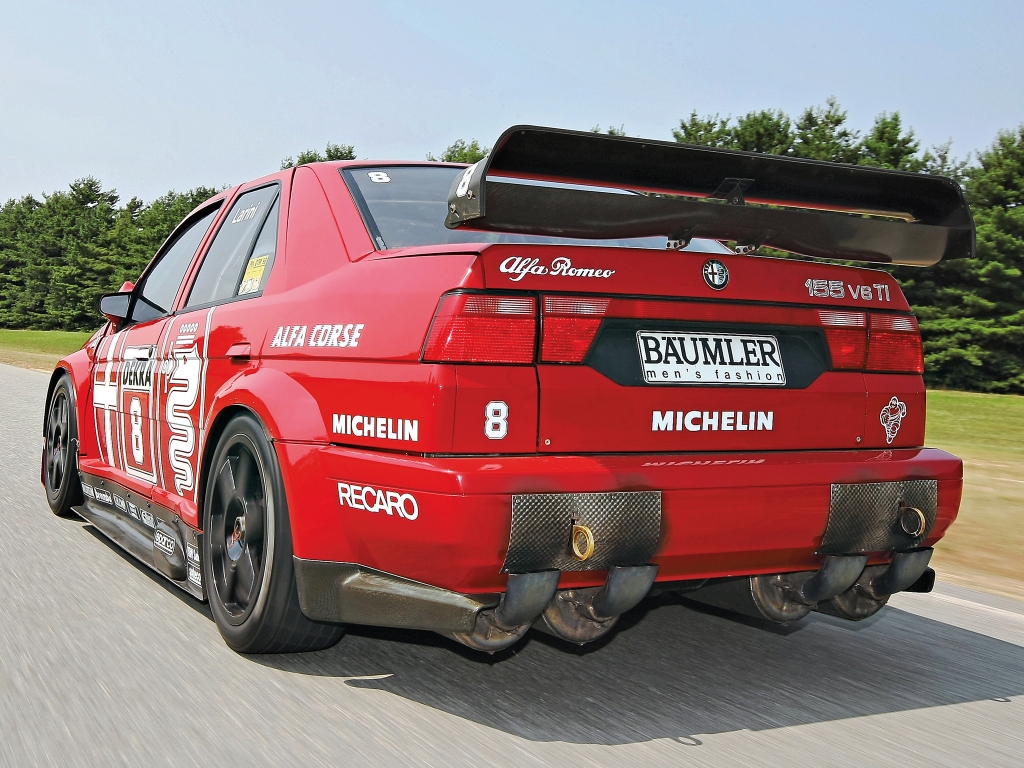
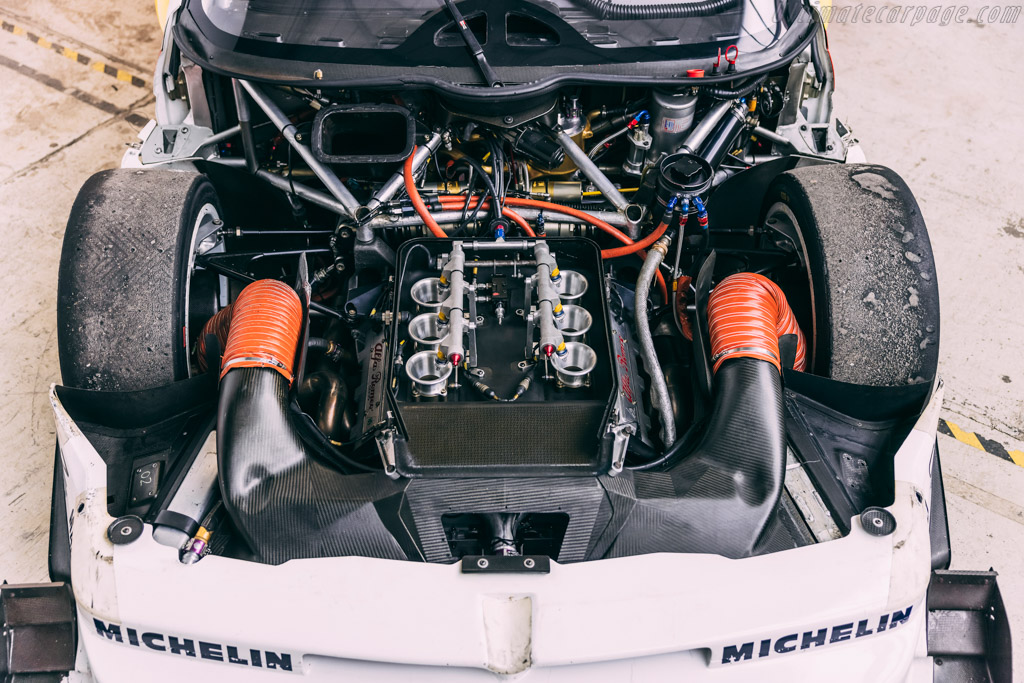
Alfa was still to resemble their road vehicle, but apart from that – their engineers were limited practically only by their imagination. The drivetrain was the bomb – a high-rev V6 that stopped at 11,5k RPM, and a Q4 AWD. The engine was a loose interpretation of a PRV motor – all aluminum – and was generating over 400 bhp from 2.5-litre capacity. Fucking amazing – and you could say, that Superturismo which destroyed all the competition a year before had similar power level – yeah, but it had a forced induction and TI DTM gave such power from a naturally aspirated 2.5-litre. The engine was sending power to the 6-speed sequential gearbox – for better balance – placed in the middle. Some 1/3 the power stayed on front wheels – and the rear tires were handling all the rest.

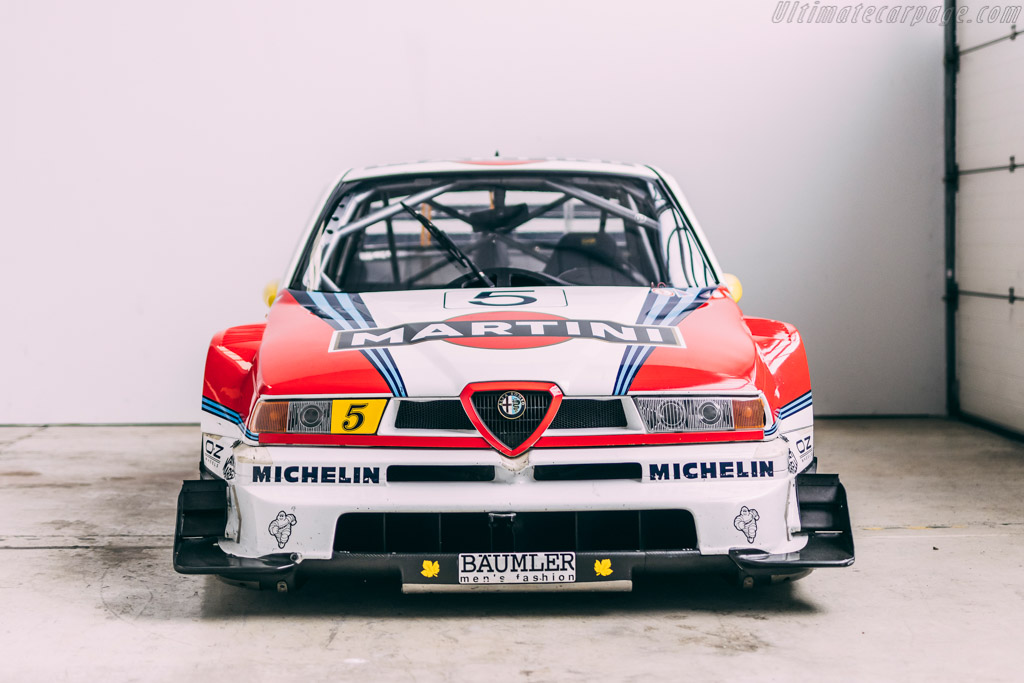
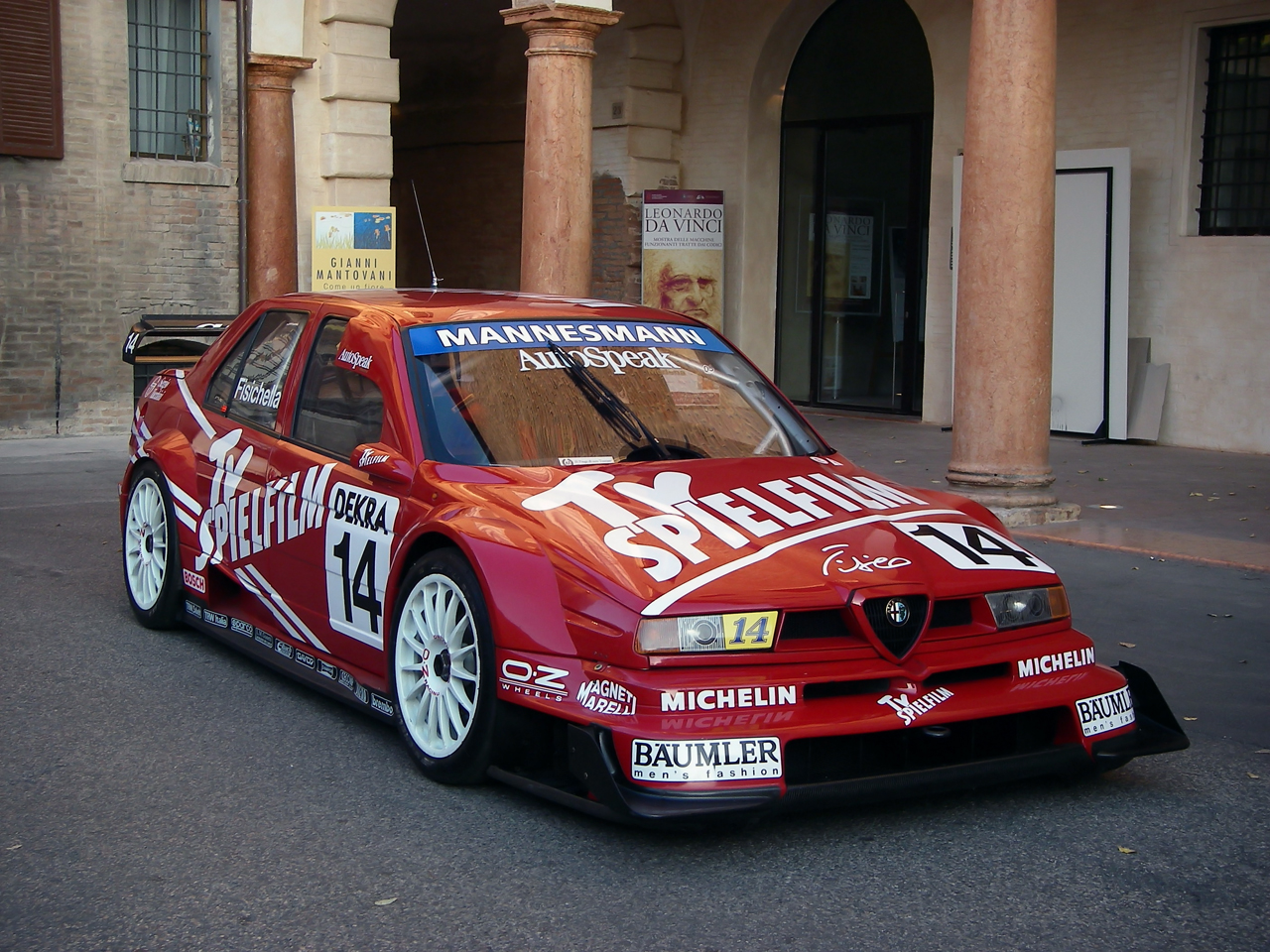
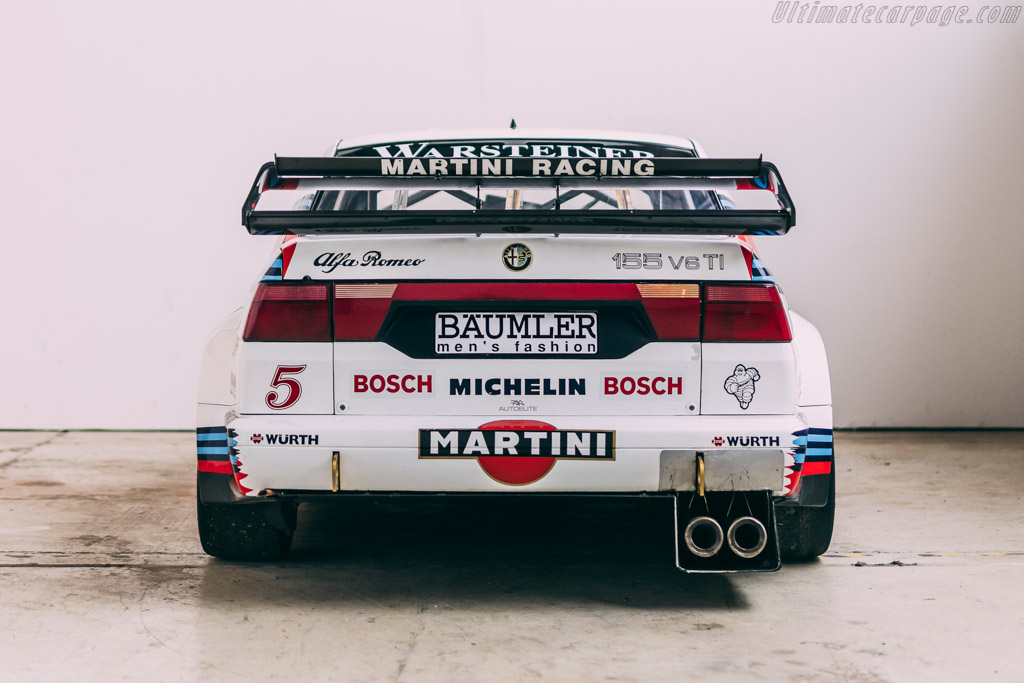
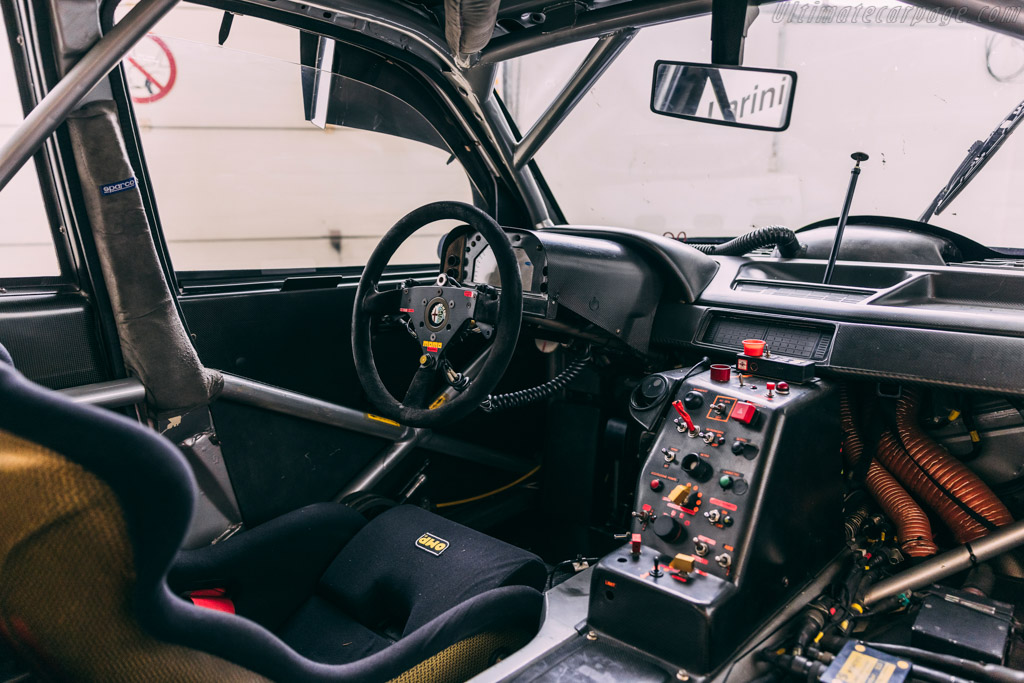
The engineers kept the stock steel frame from the road car – due to regulations – but the body panels… well, they looked like factory originals, ok – but, in fact, those were lightweight fibers. All elements of the aero design, apart from the rear spoiler, had to be not higher then the center wheel locks. That’s why all DTM cars have such low side skirts and those ingenious front spoilers. They hide a complex maze of air tunnels for better cooling and additional downforce. Yeah… downforce is always good. There was nothing left of the road-going Alfa inside – most of the interior was stripped down and the driver’s seat placed practically in the center – right next to the transmission.

Two examples of such went to Alessandro Nannini and Nicola Larini – both ex-F1 drivers and it was them, who demolished their Italian Championship rivals. And now, they were to represent Alfa Corse in the DTM. The Germans knew that shit hit the fan – before the season even started. They tried to counter with a few teams of Mercedes 190 E, that was a further development of their existing car. Well… Alfa Romeo dominated 12 of 20 events overall. 10 times Larini was the best – 10 times! – and so he was the new champion.

The Germans were so butthurt, that they begun developing a completely new variant of a Mercedes AMG based on a fresh C-Klasse. Opel joined with a Calibra DTM 4×4. And Alfa? Alfa was still fiddling with their 155s. The old transmission went to trash – replaced by a new sequential, and in time, an F1-devised semiautomatic. The engine, that used to be a 60º Vee, now was to have its cylinders wider – to 90º – allowing 490 bhp at 12k revolutions. Th-… they needed to change the aero ¯\_(ツ)_/¯.

2.5 V6 TI DTM was in the competition up to 1996, when the DTM changed format to ITC. 1994 could seem like a German AMG had an upper hand, but Alfa managed to win another 11 events. Still, solid and consistent results of the Mercedes drivers, allowed them to come back on top and claim the title back. 1995 variant of Alfa Romeo had one big problem – too much electronics… and we all know how they go with electronics. Those memes don’t come out of nowhere. But hey – their cars were already 4 years old, but they grew so much in power – while less heavy compared to their early examples – and that way Italians came back to good shape. Second half of the season they crushed more up-to-date machines and actually won 6 times in a row.

End of the 1996 and both Alfa and Opel announce their retirement – which effectively meant the end of the series. That is how DTM/ITC became history – and Alfa Romeo passed away victorious. 38 wins behind the wheel of Alfa 155 is the record that would never be matched. Combine that with the Class 2 successes like winning the championships in Great Britain and Spain – and a second place in Italy. Great achievement.

Krzysztof Wilk
All sources: favcars.com | wheelsage.org | ultimatecarpage.com

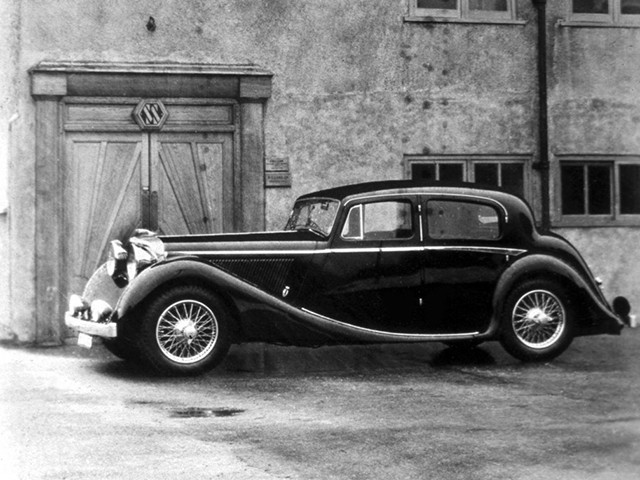
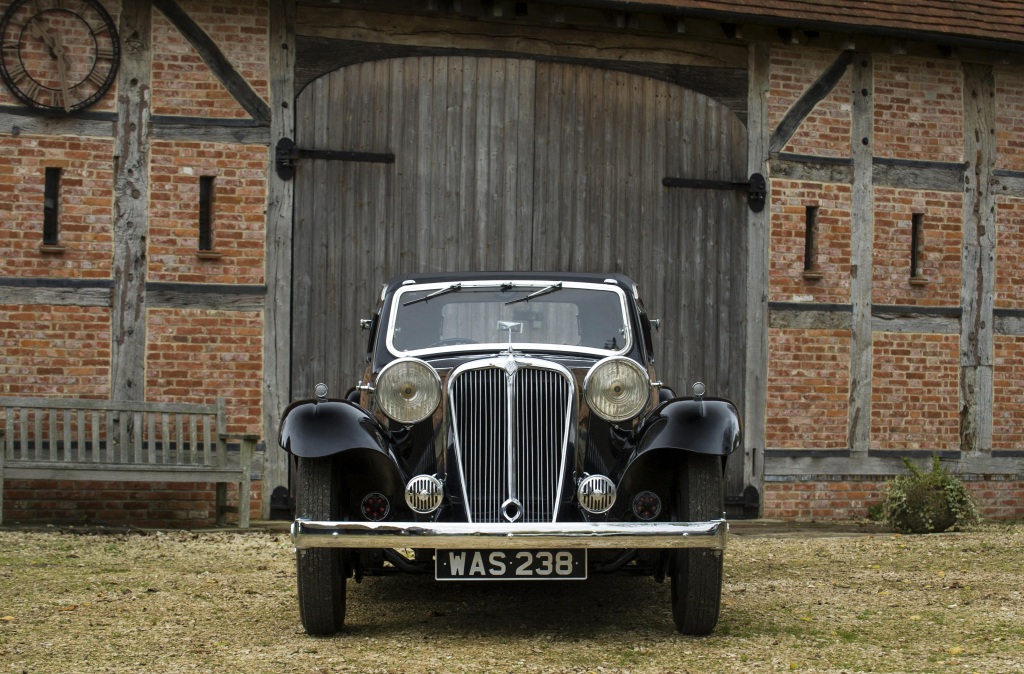
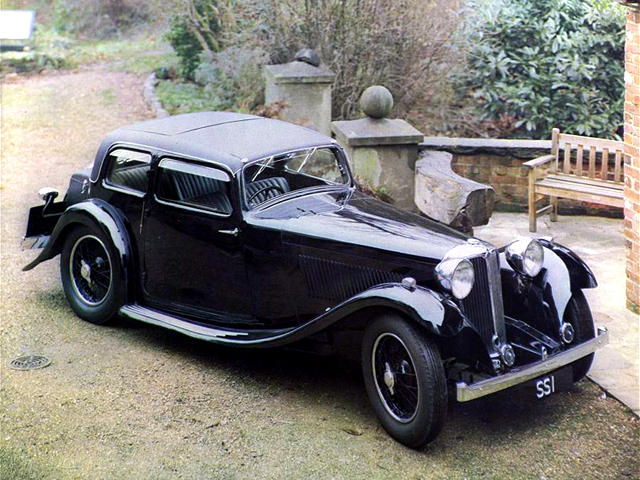
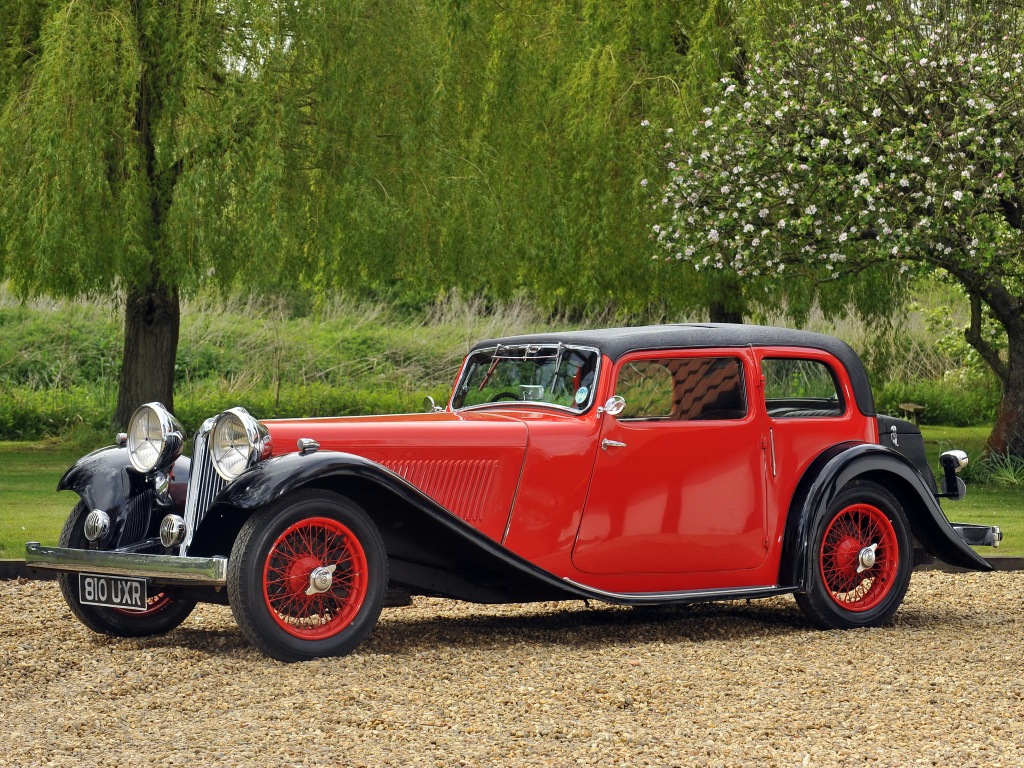
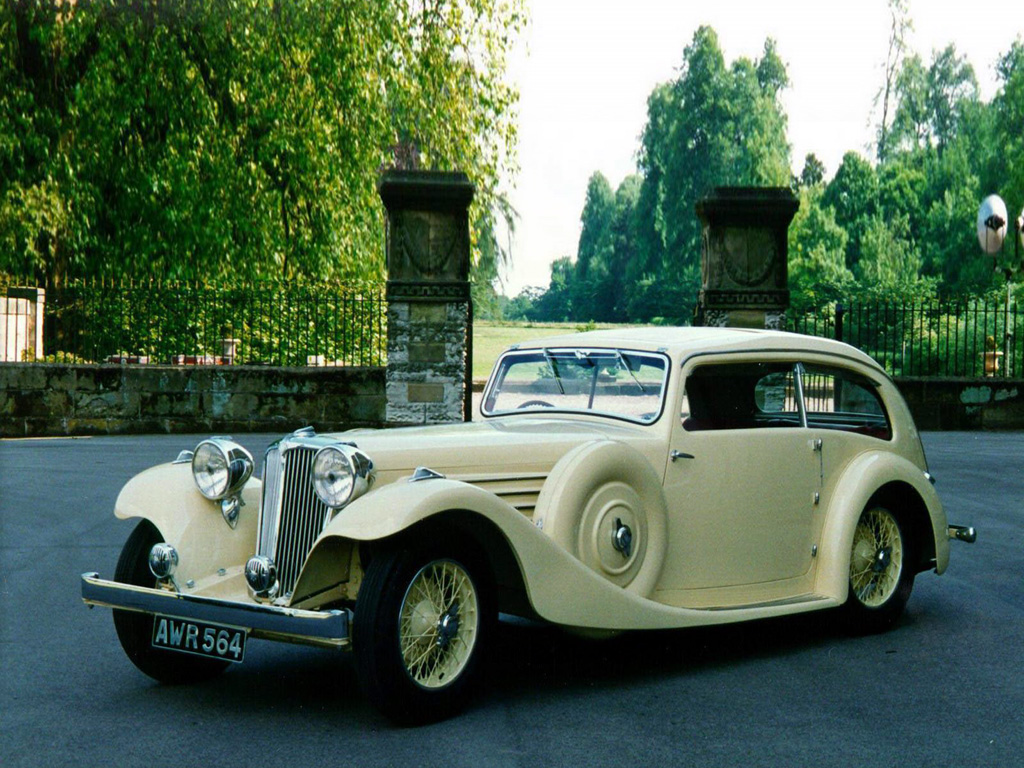
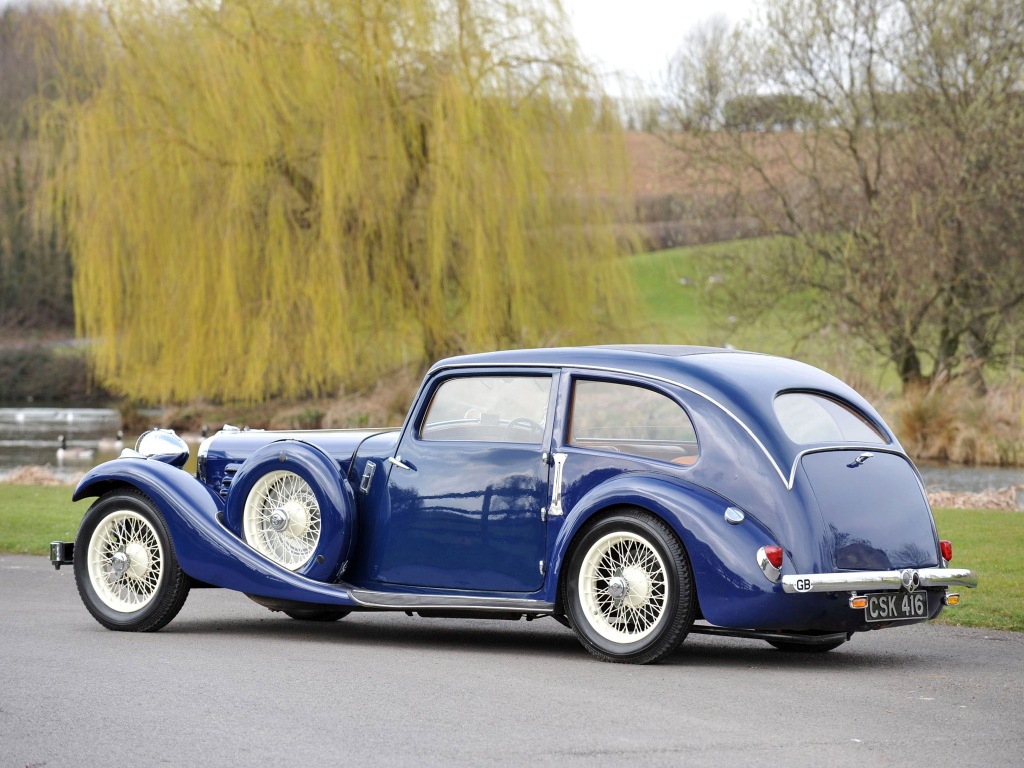
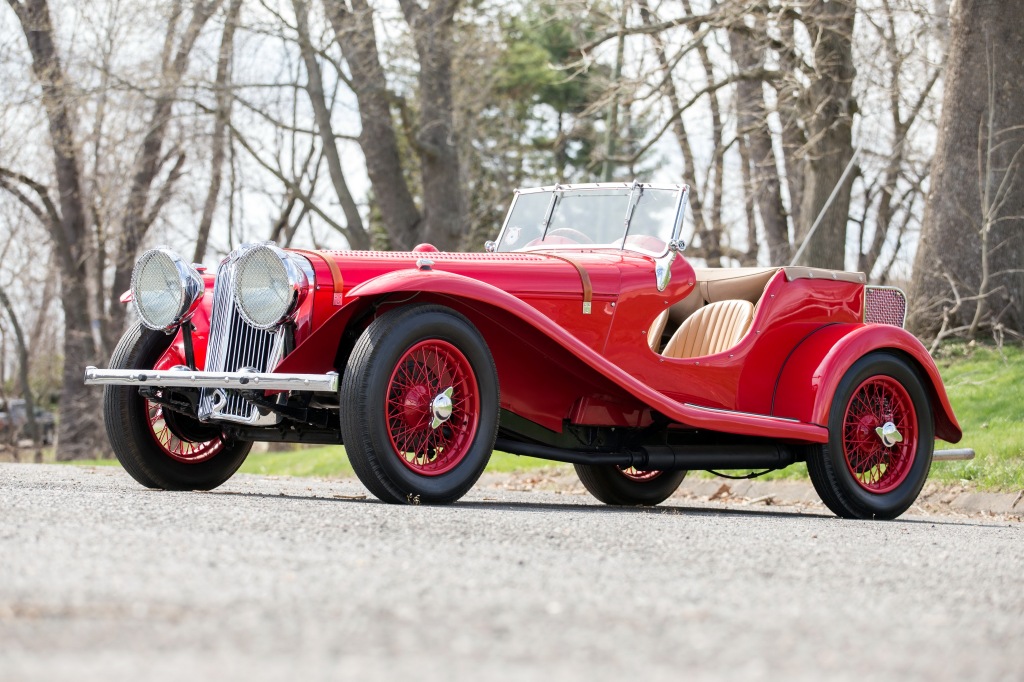
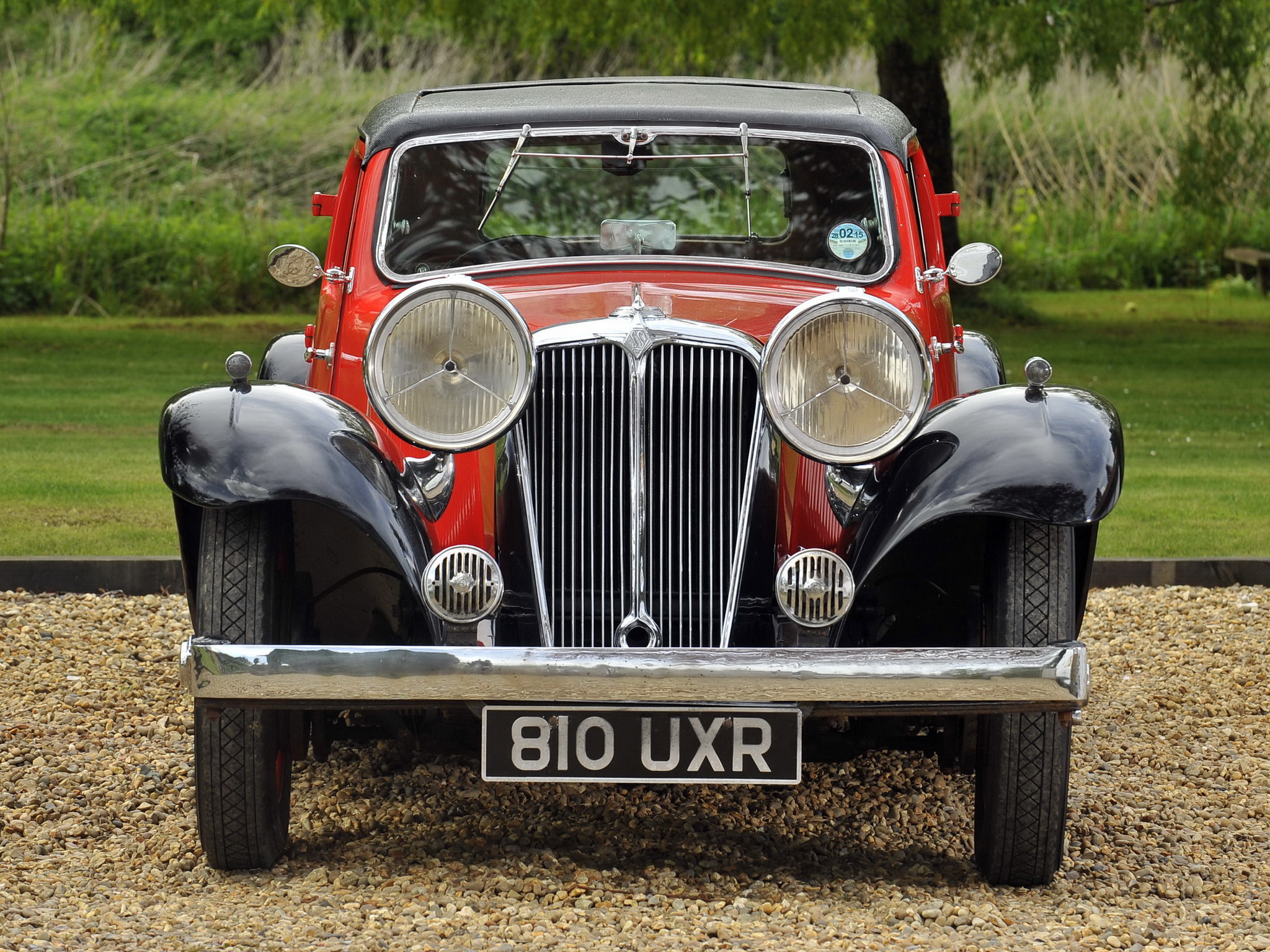
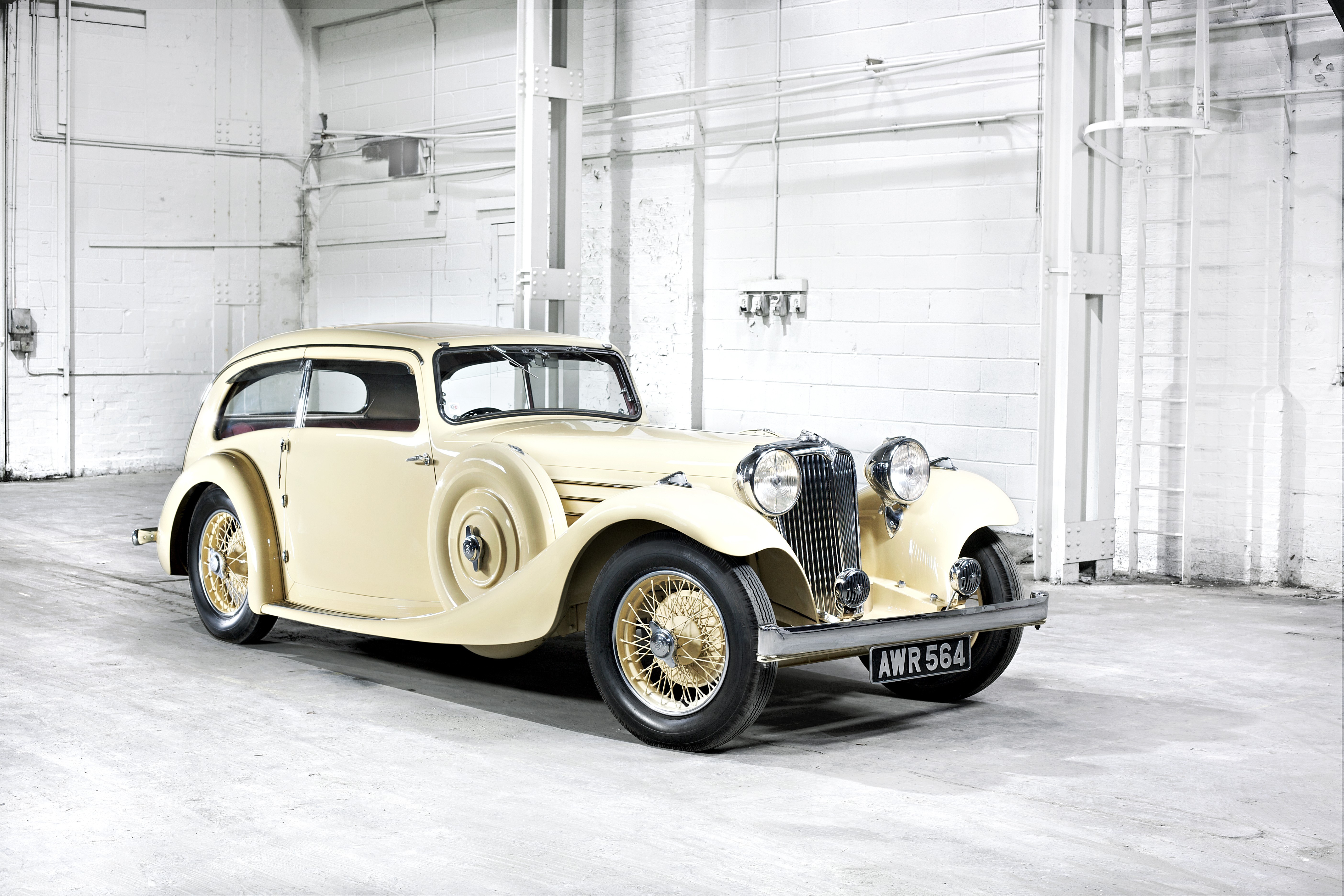
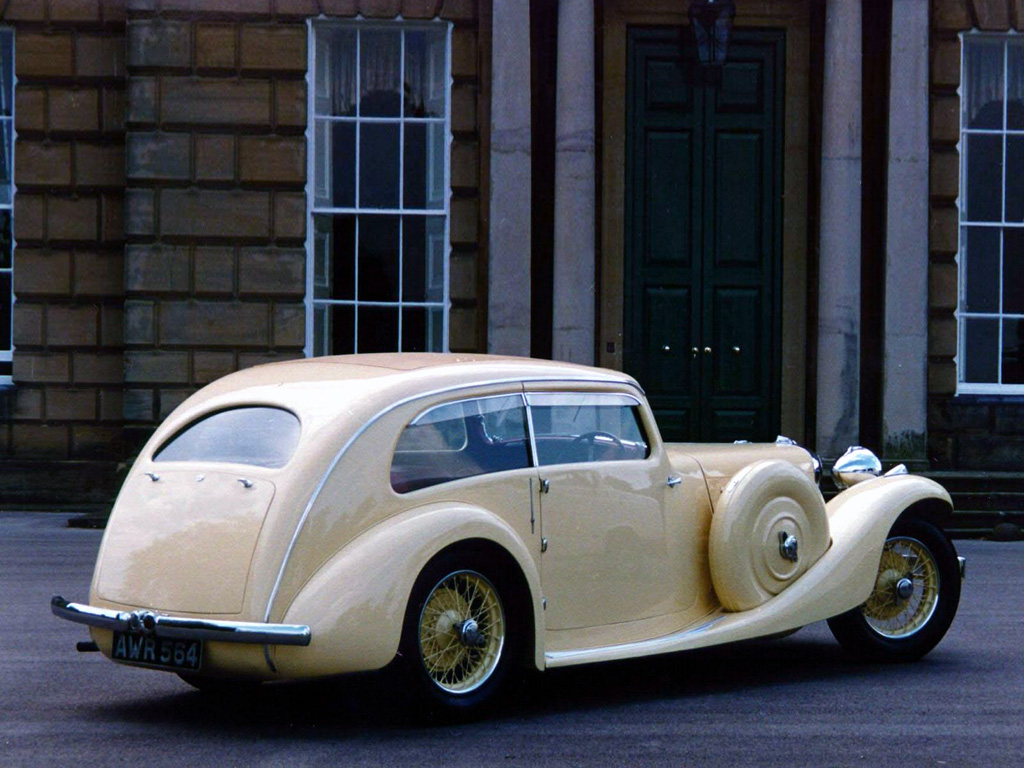
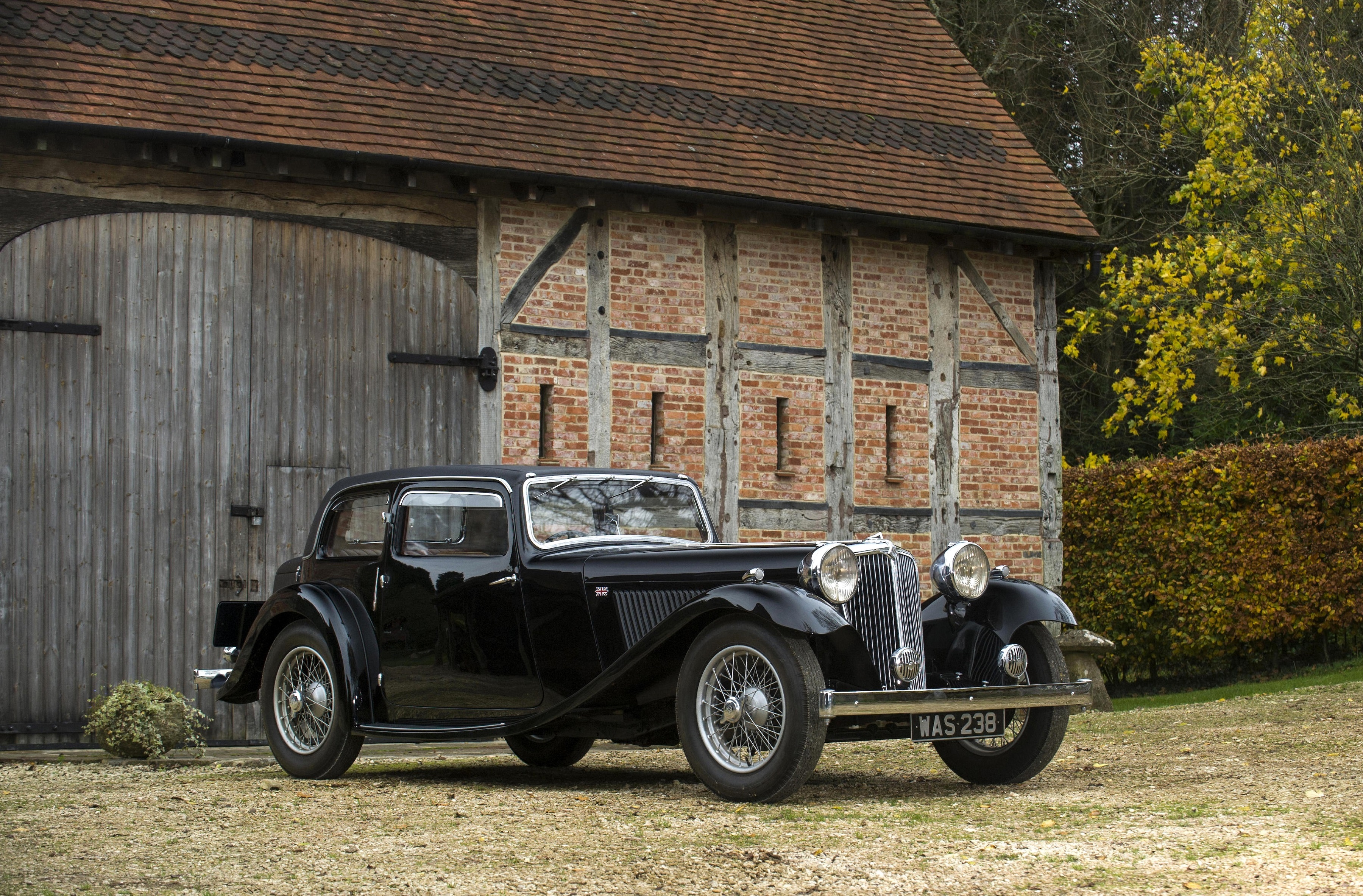
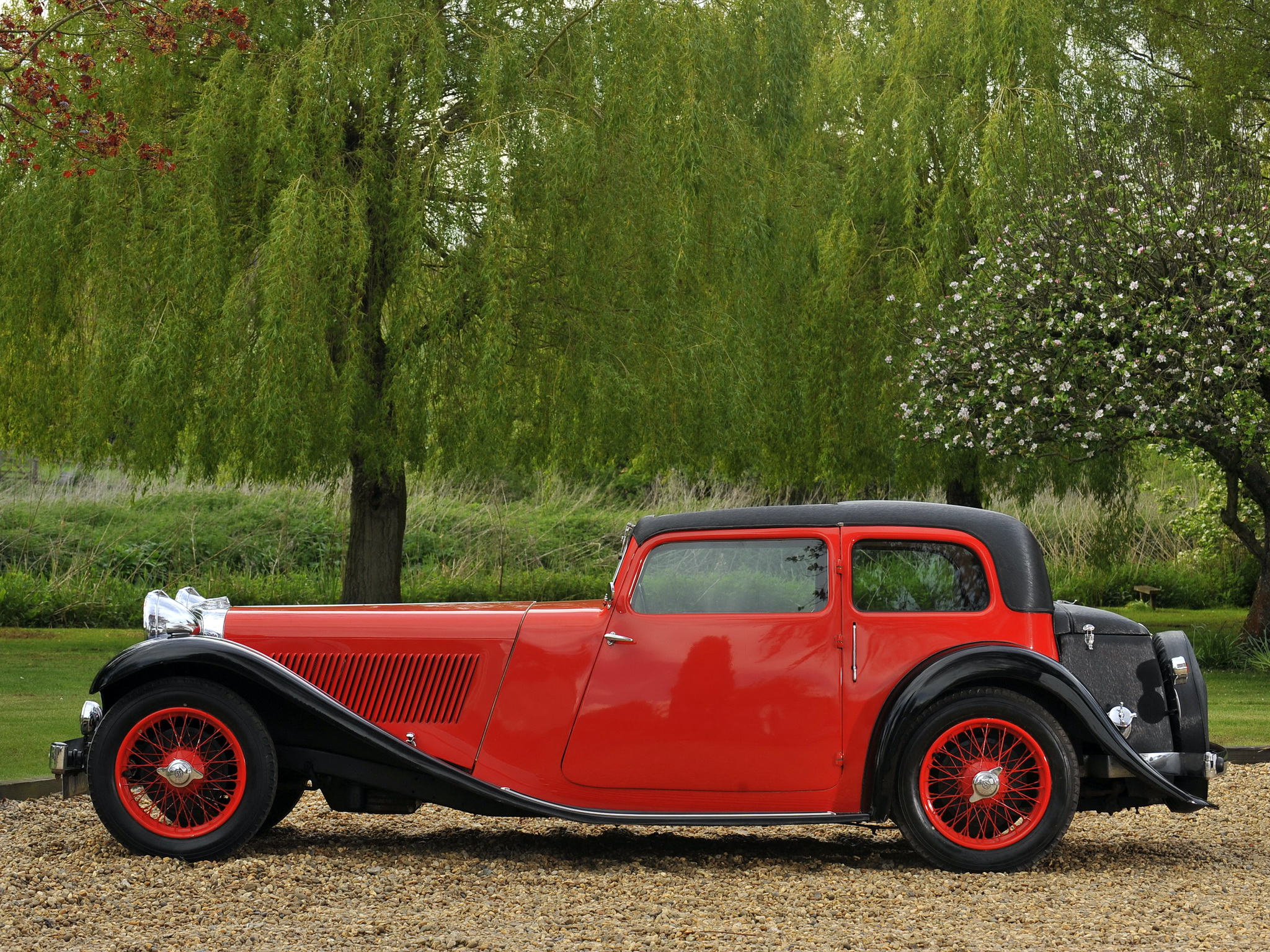
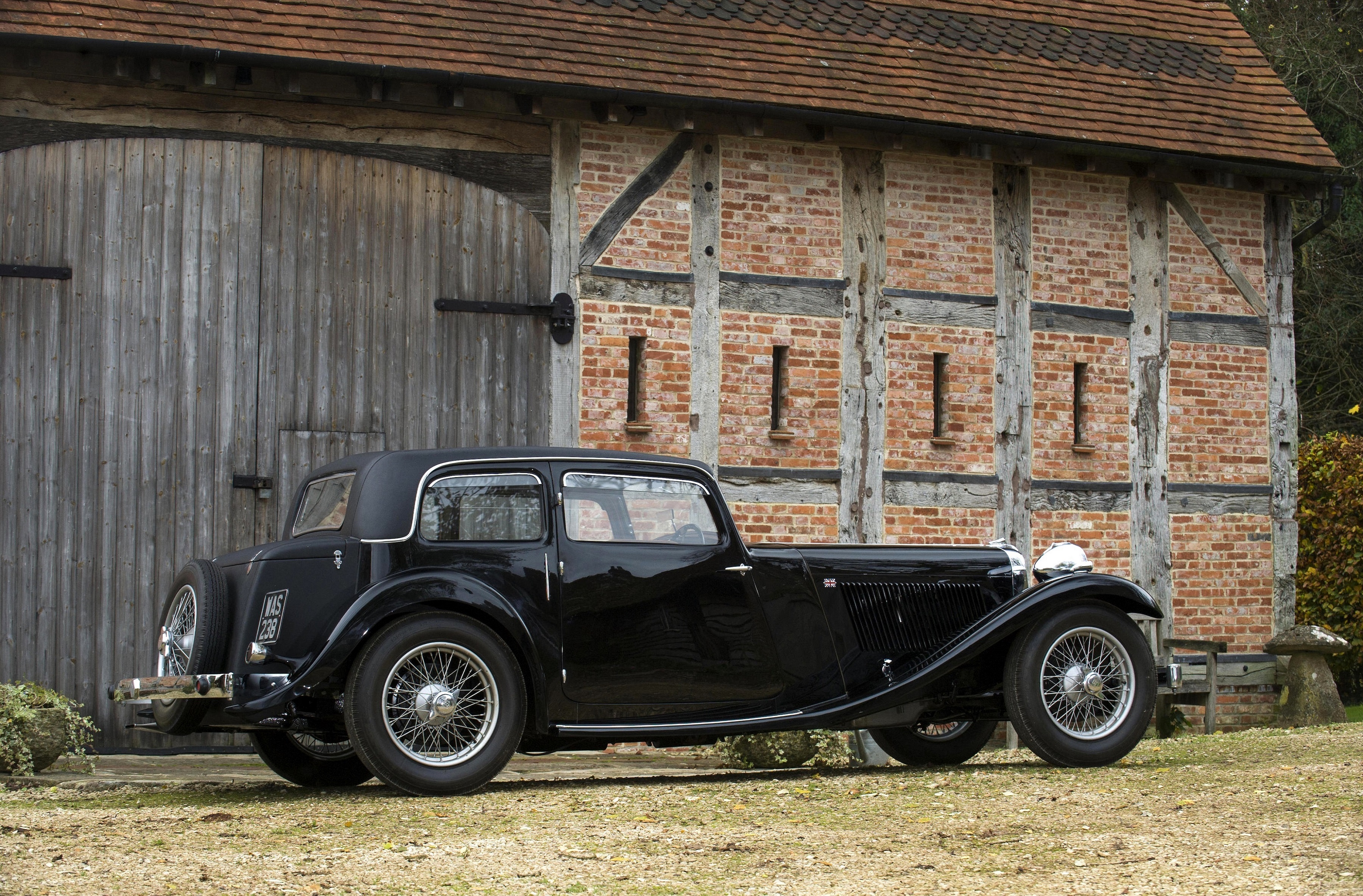
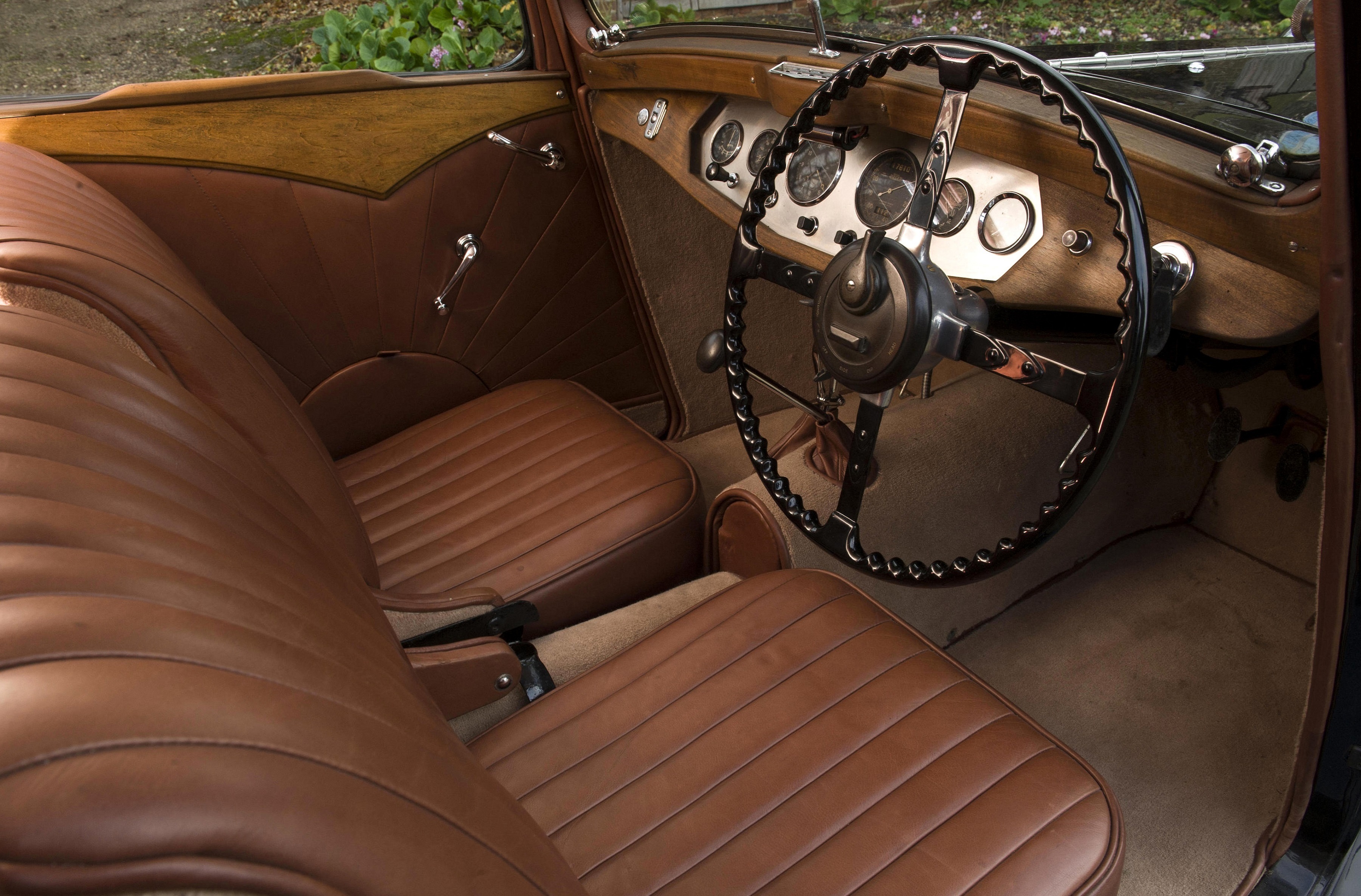
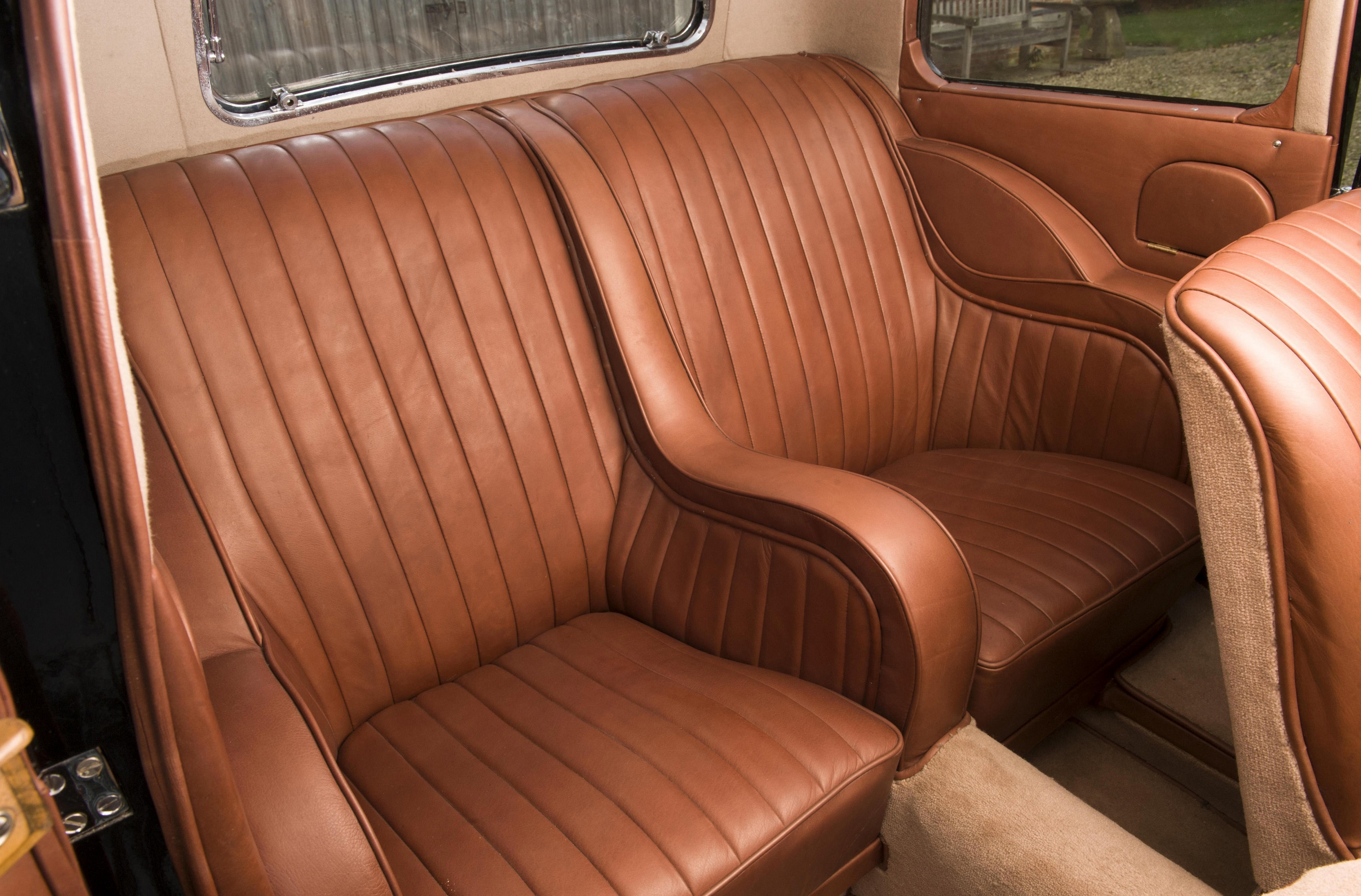
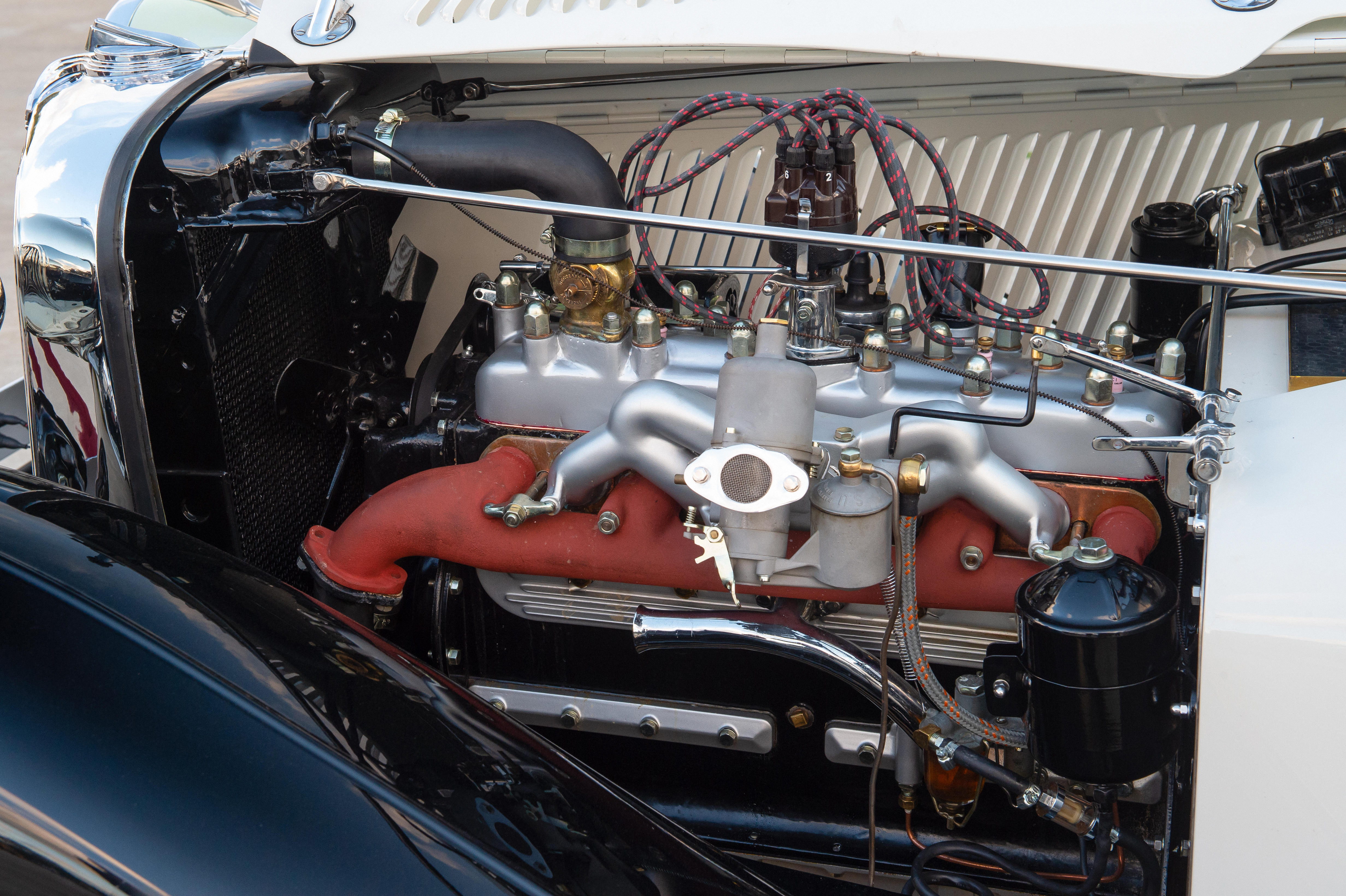
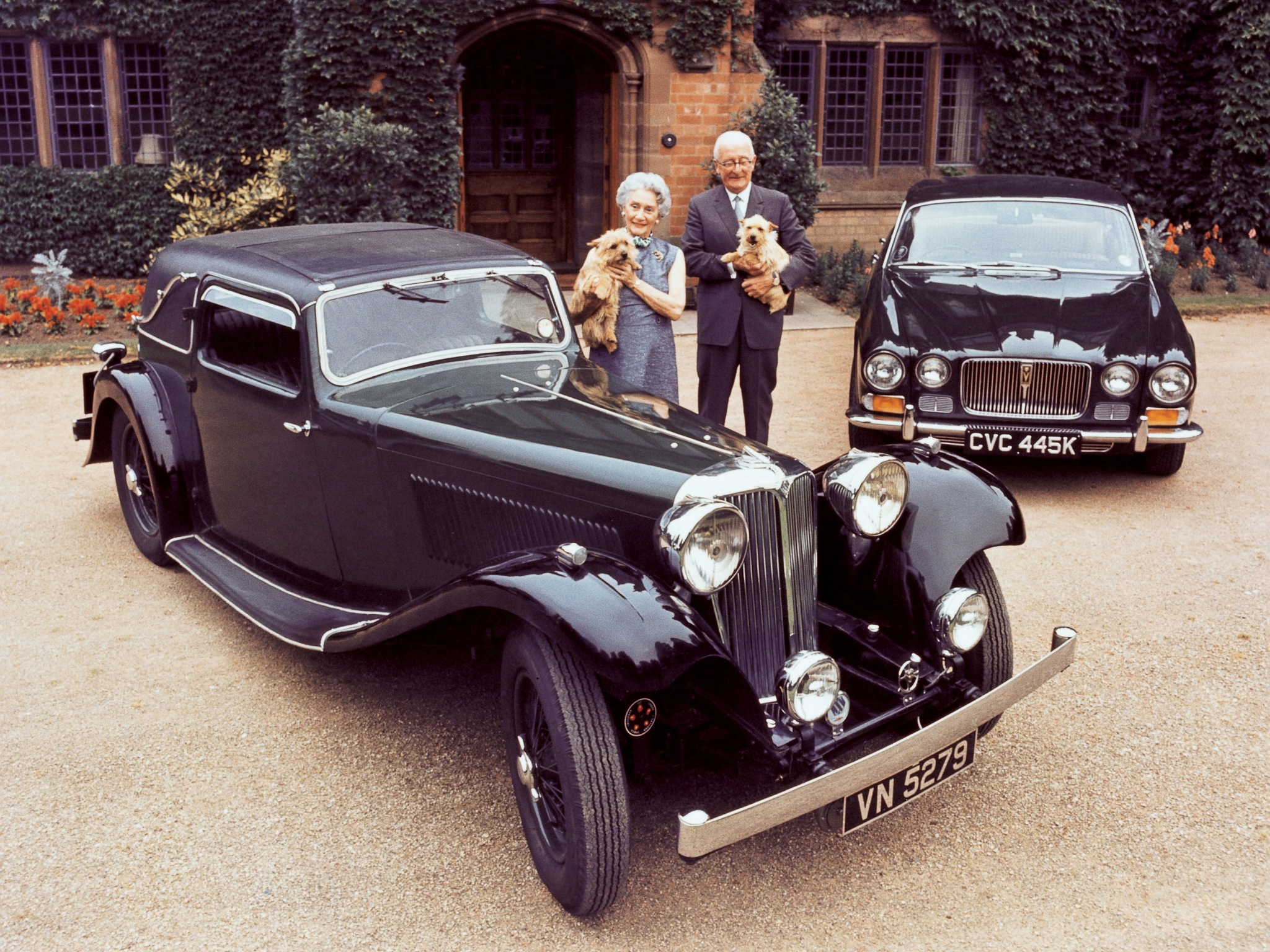
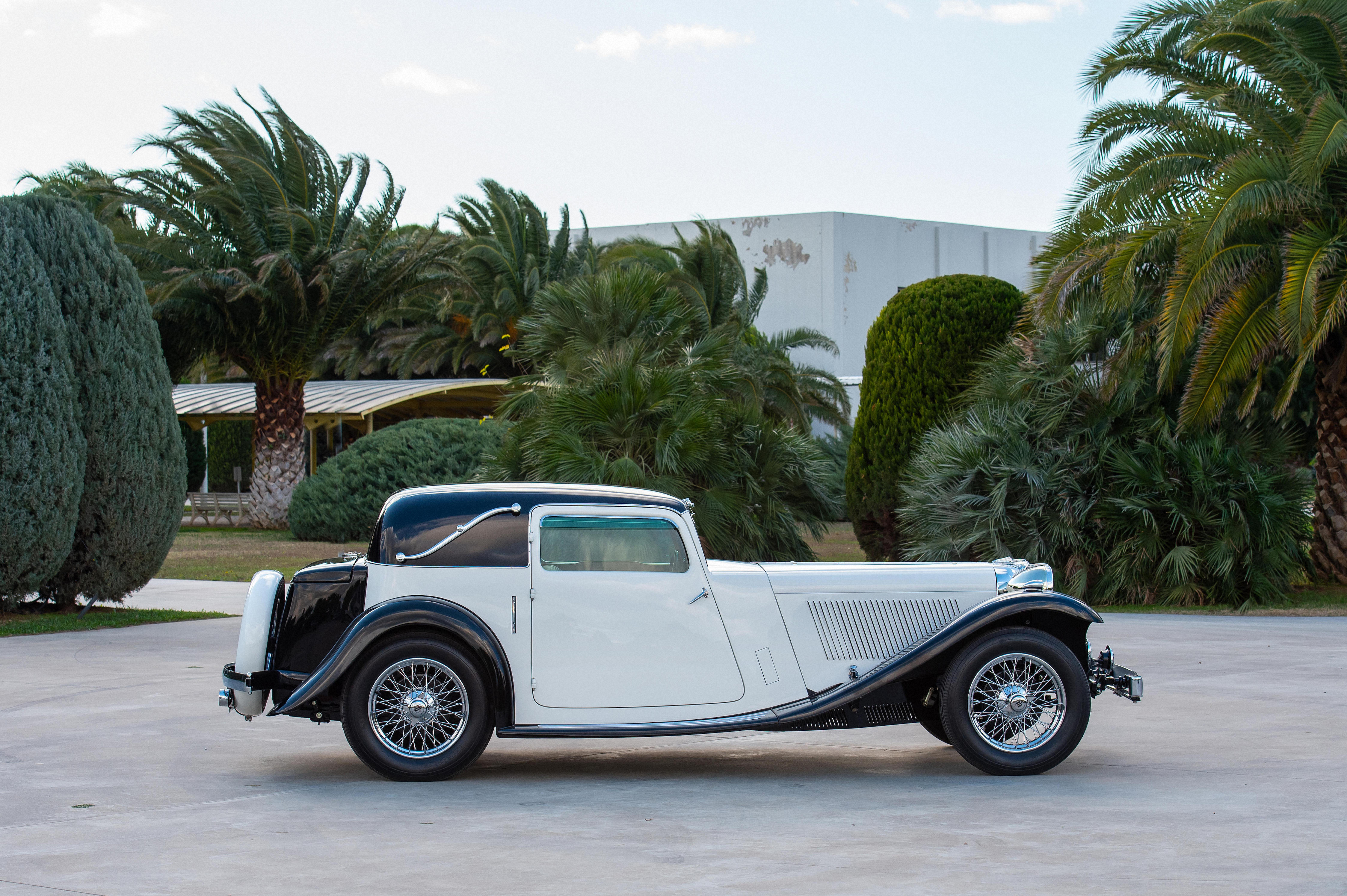
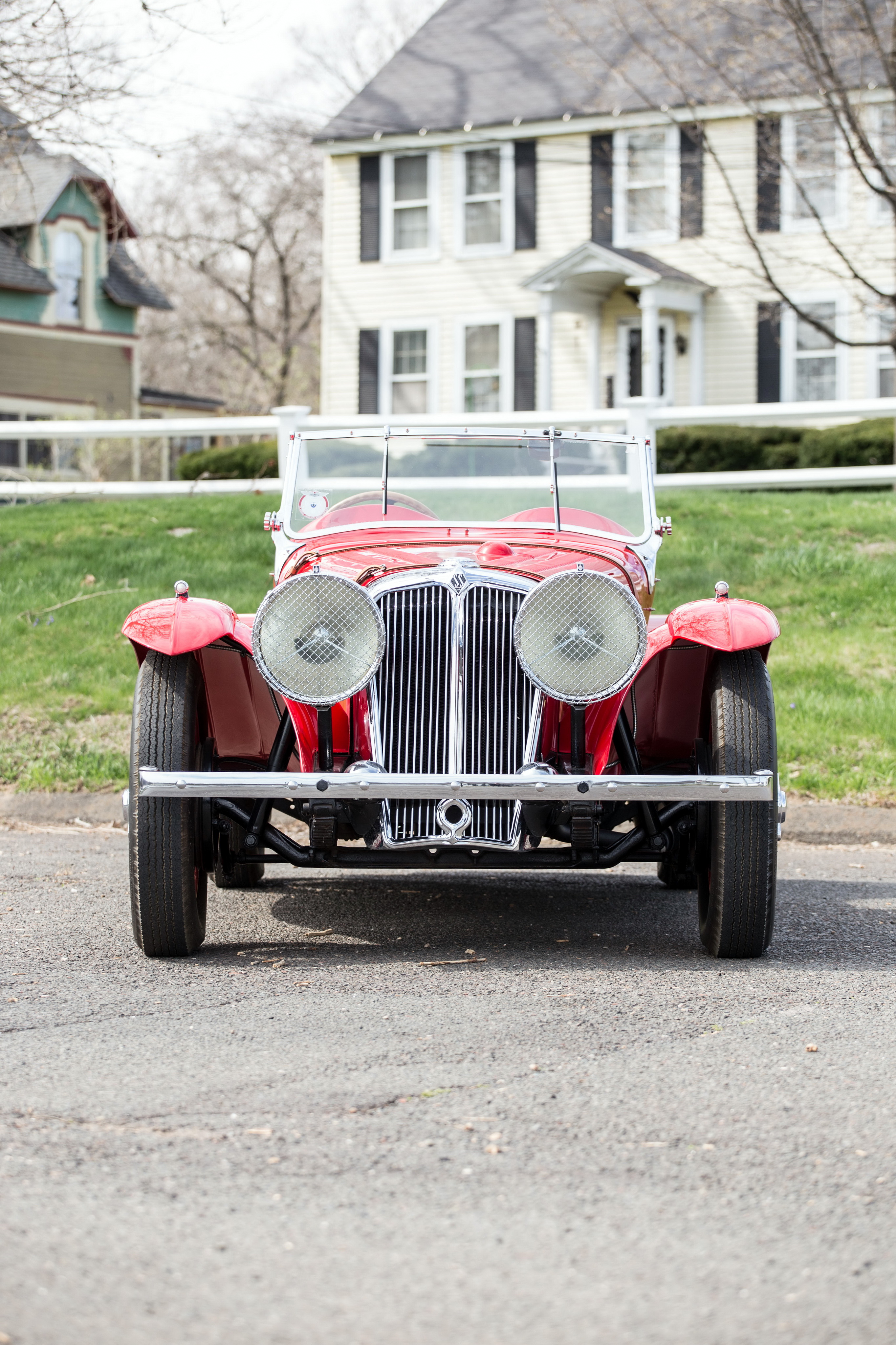
1932 – SS1 Coupe

Jaguar was established as a brand in 1945, but its roots go deeper than that. William Lyons starts his small business in the early ’20s. The company – Swallow Sidecar Co. – was fixed on manufacturing aluminum motorcycle side cars. Lyons was a moto enthusiast himself, owned a few machines and even entered a few sports events. He worked as a dealer at the time, buying and selling motorcycles – he put his hands on a lot of technology… until he met another William – William Walmsley – who just moved right next to Lyons. Both Williams were neighbours and lived on the very same street. Lyons was dealing motorcycles, and Walmsley was making sidecars in his garage – one per week. What a coincidence!

Lyons ordered such sidecar from Walmsley and, impressed when he got it, he suggested both start a business together. Walmsley didn’t want to go that far at first, but he was pressed right and with their parents’ blessing, in year 1922 – on William Lyons’ 21’st birthday BTW – Swallow Sidecars was born. Walmsley was doing the sidecars and Lyons was responsible for sales, accountance and administration. Their business grew enough to move their workshop from the second floor of the electrical equipment factory, to a more suitable and larger building. They also changed their name to Swallow Sidecar and Coachbuilding – to accommodate their range expansion.

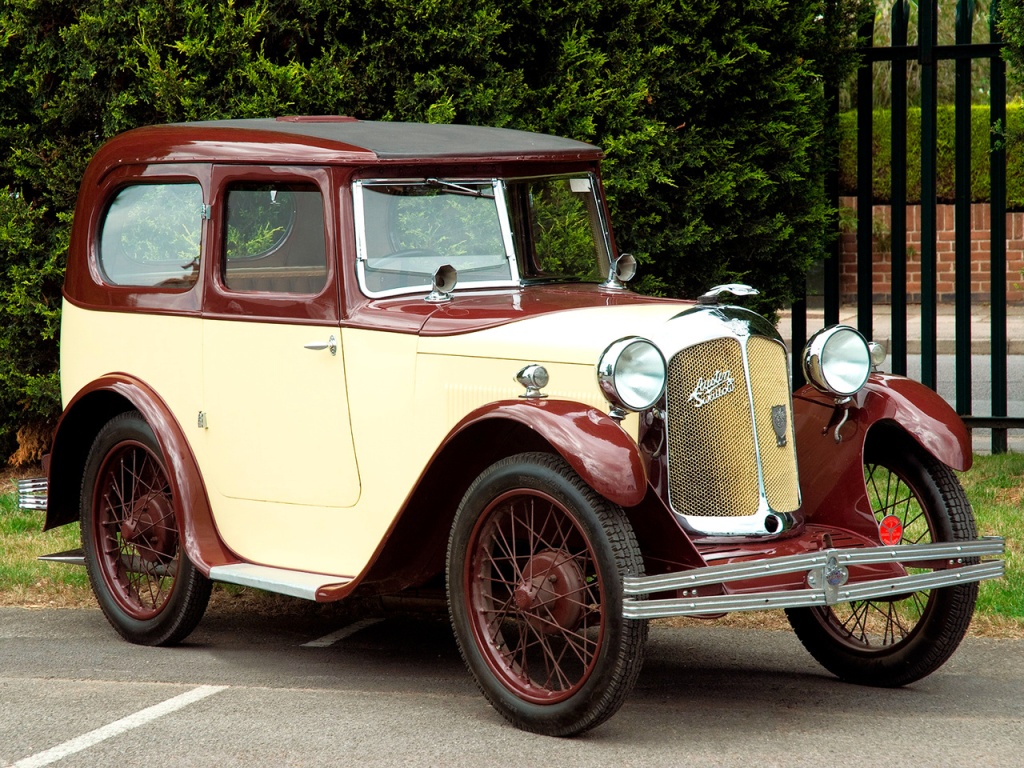
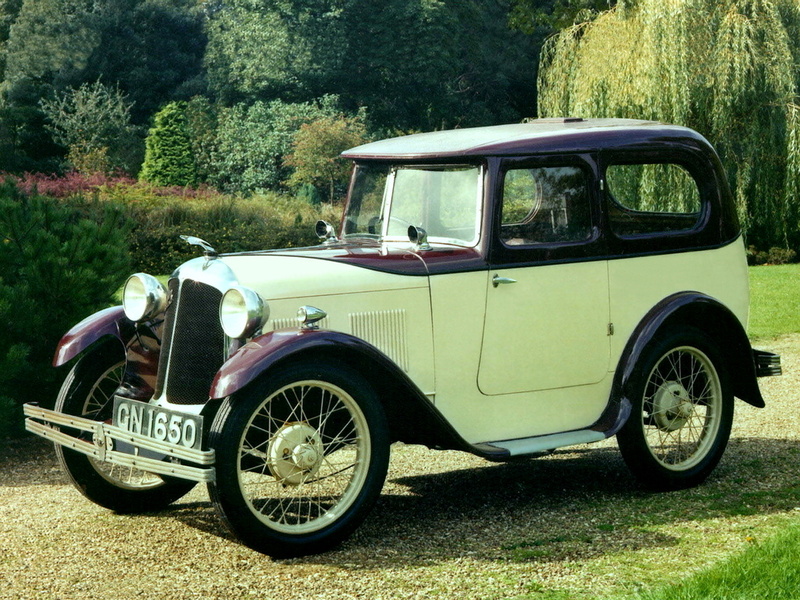
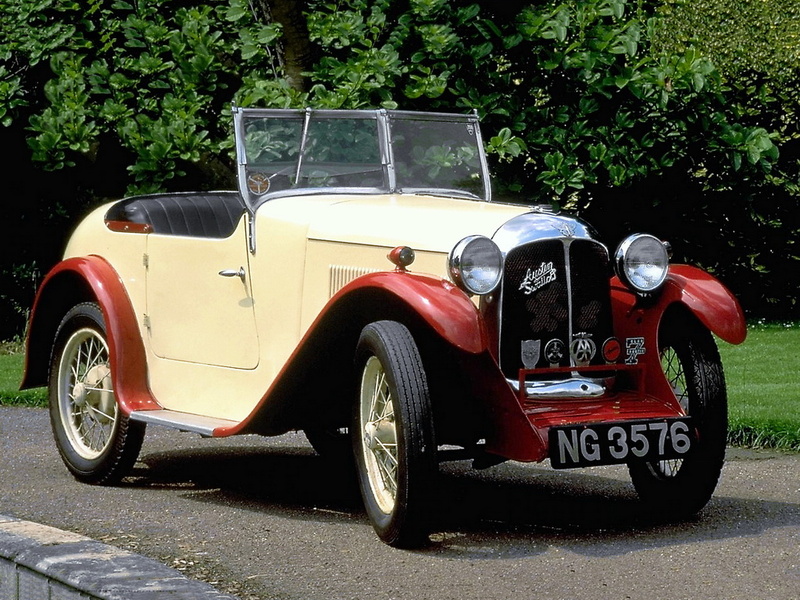
In the early Coachbiulding stage they were just fixing local Austin 7s, but Lyons quickly put 2 and 2 together… he could make much more money executing original and elegant bodies for those cars. At some point he did buy one of these and Swallow made a bespoke body for that model. The car had 2 seats and hinged hood – and quickly went into production as an Austin Swallow. Austin themselves sent their chassis to Swallow workshop, so they could officially finish the car on their own – that’s how good their bodies were – and they had a plethora of options: from roadsters, to sedans and coupes. The company put their bodies on Clyno and Alvis cars, they employed over 50 workers, couldn’t handle the demand and constantly grew bigger. At that point they already made 100 sidecars weekly plus 2 cars a day, but when Shell left their manufacture in Coventry, Lyons put his hands on it instantly – that allowed him easier access to resources and helped increase the output to 50 cars every week. Last years of the ’20s and the early ’30s was a good time for Swallow Sidecars. The brand appeared on a motorshow, got contracts for Fiat bodies, ones for Morris, Wolseley and – what’s most important – for Standard Motor Company (while the production rocketed to 30 automobiles per day). They also decided to construct their own complete vehicle.

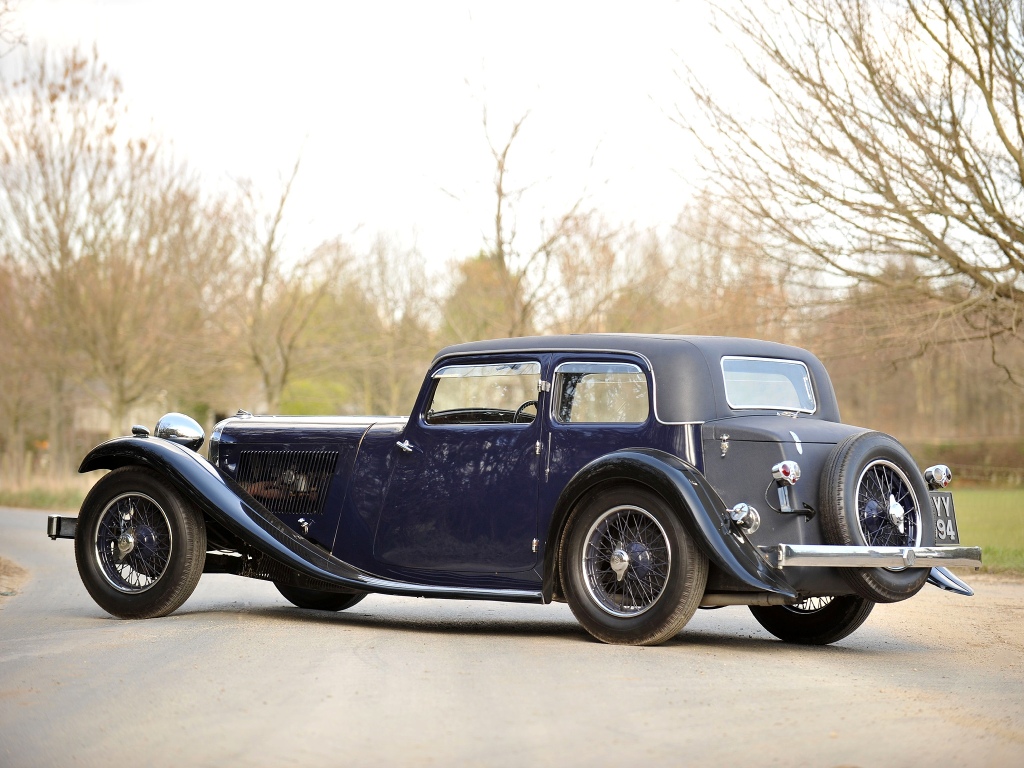
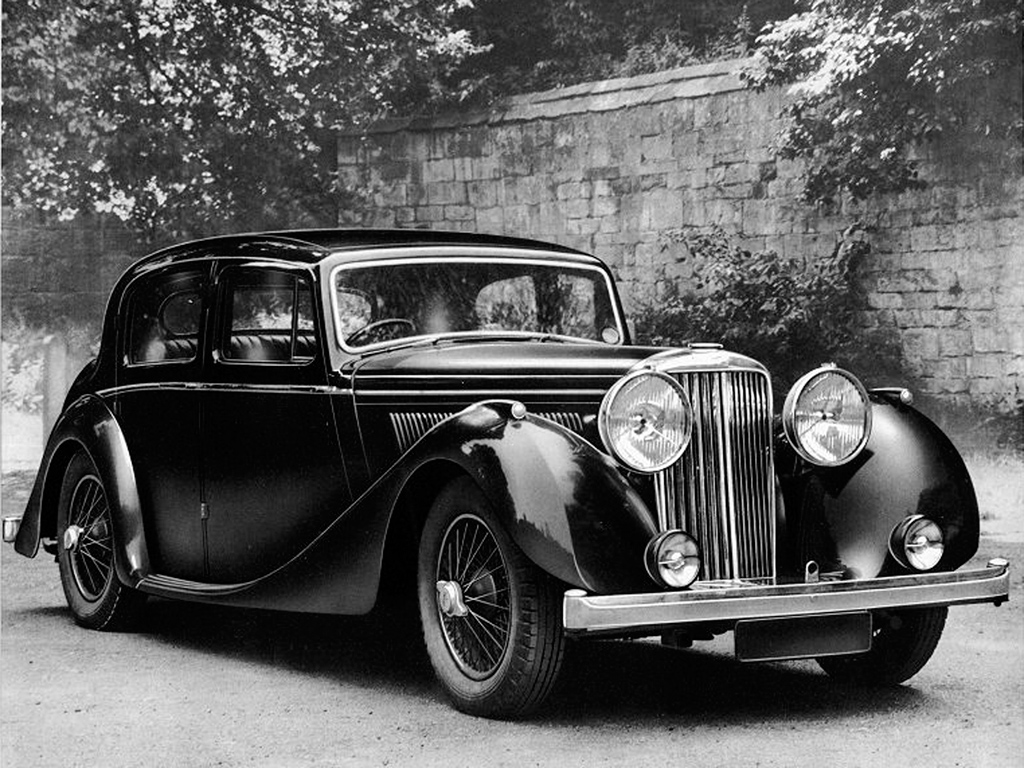
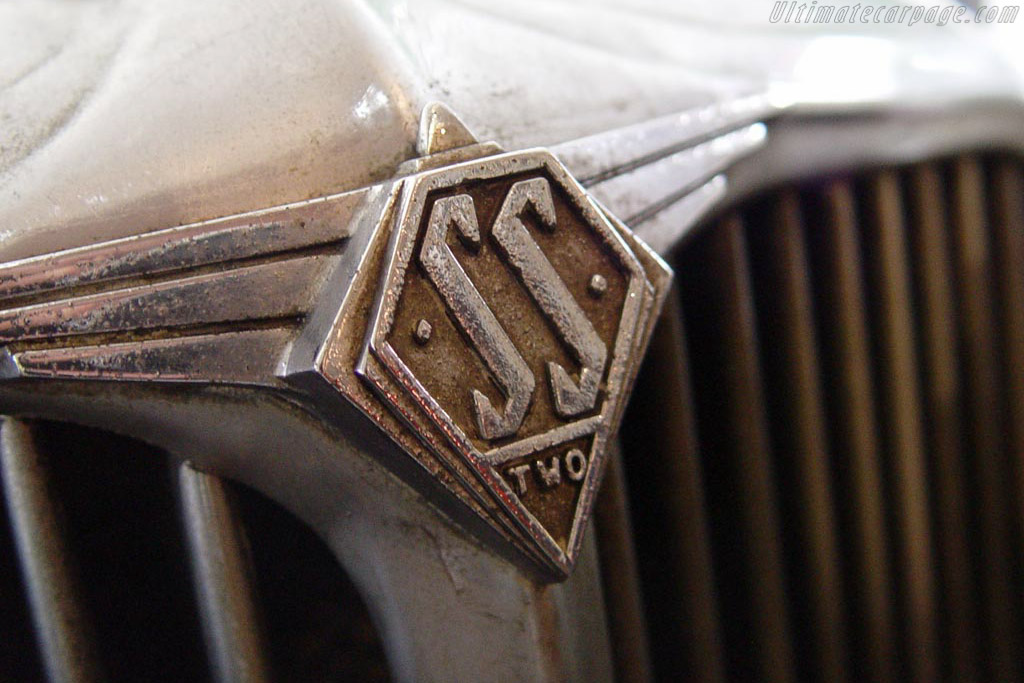
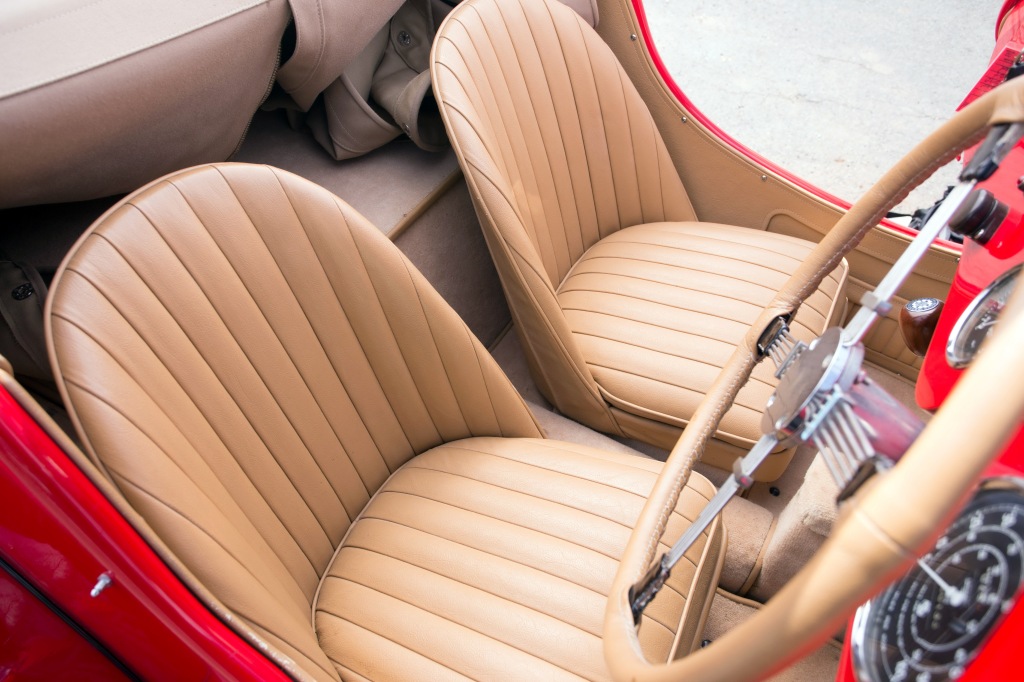
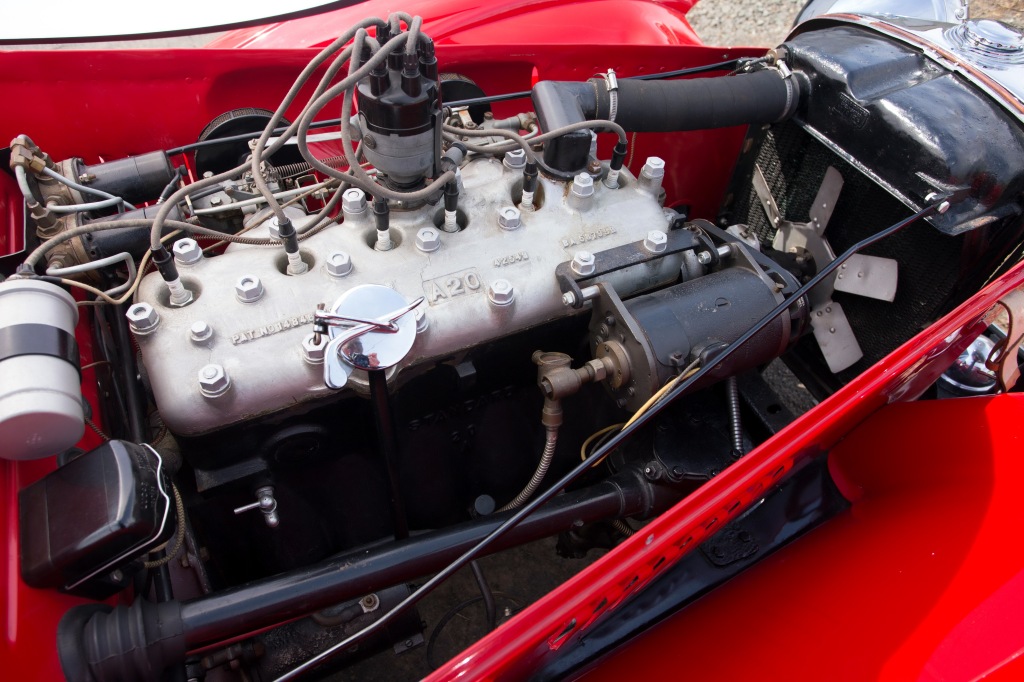
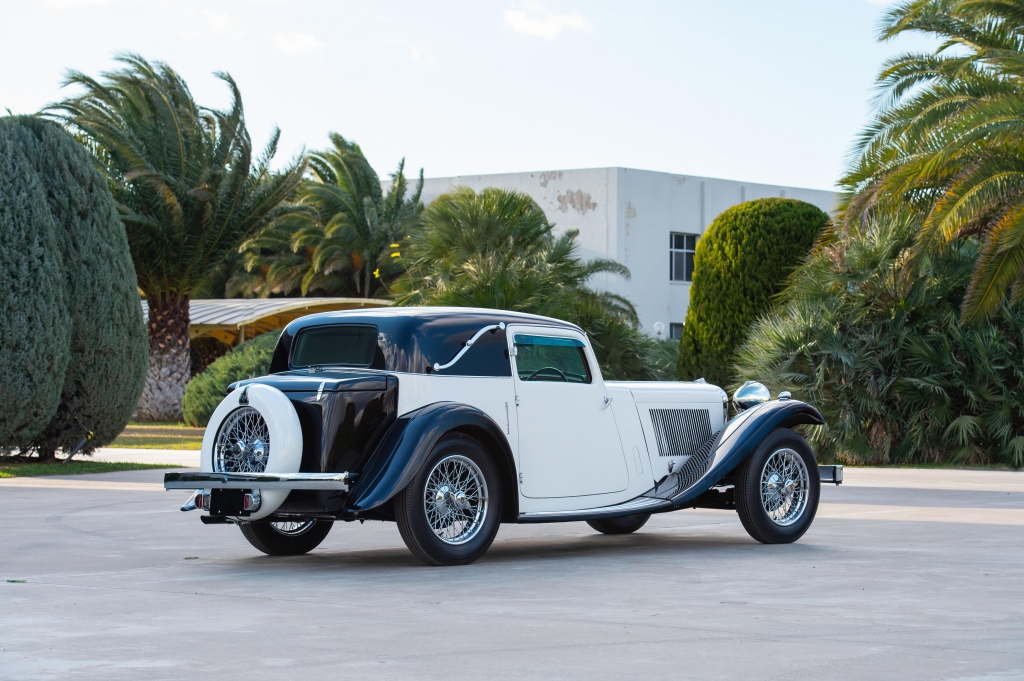
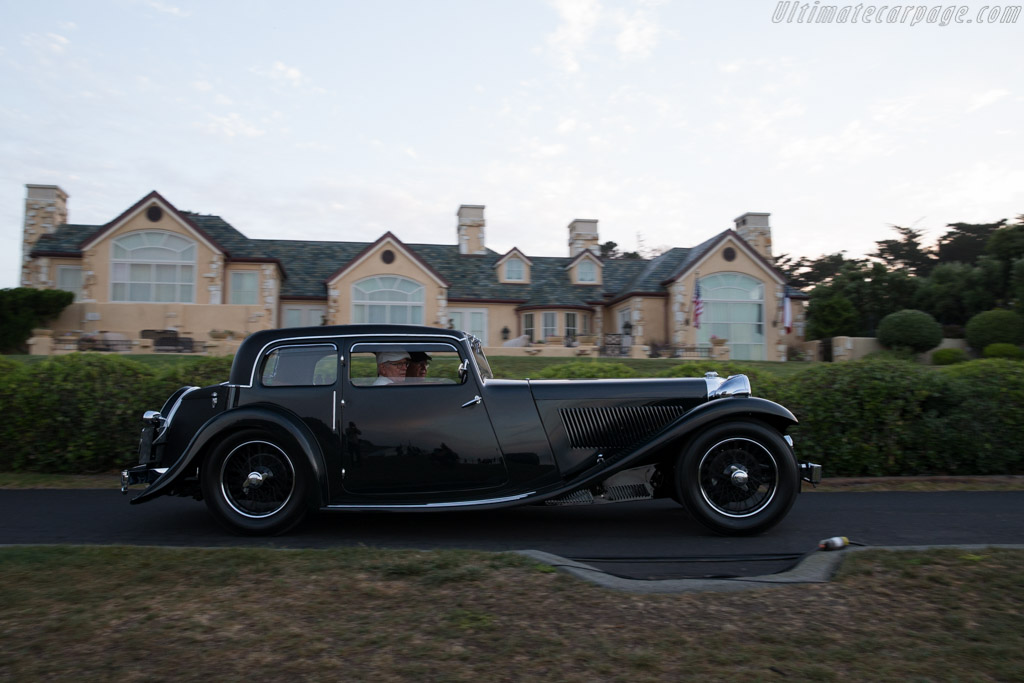
A new company – SS Cars – was established for that purpose. Its name is often translated to ‚Standard Swallow’ – wrong. Nick Thorley in his book of Jaguar explains its meaning: and that was ‚Swallow Sports’ – used initially only for the sportier Standard-based models. Lyons showed two of such in 1932: a 6-cylinder SS1 along with its 4-cylinder variant – the SS2. SSI was a 2-door coupe on a specially modified Standard frame. The body and engine were ‚home made’ – and the car offered 50 horsepower for 310 pounds. At that time it was nothing. The SS was a hit – and it sold in 776 examples that year only.

New, bigger bodies were offered from 1933 – in many variants, with synchronized transmission and more powerful engines. And the model was still popular – even though the technology was very similar to the original 1932 SS1 model. The sidecar manufacture business was a good source of money, but compared to the car production – it was small fish. Both had to split and SS Cars Limited began focusing on cars only, with Lyons alone steering the business from now on. In time he bought the whole sidecar plant anyway, so both industies went back to him eventually. And he had a great ambition: to rival the best of the best – Lagonda, Alvis… even Bentley. His SS brand was reputable, but it was quickly forced to change its name…

Standard-based SS models hit the jackpot and they turned people’s heads to the car factory in Coventry. Those vehicles were great design and quality – for a reasonably small price. The plan now was to underline the brand’s position on the market with a car to be synonymous with might and ferocity. They took a name of a cat predator – a Jaguar – and adapted it to the new model. Those cars with a leaping feline as hood ornament were another success – and important part of both English and world automotive history.

Krzysztof Wilk
All sources: favcars.com | wheelsage.org | ultimatecarpage.com | wikipedia.org | Top Gear: The Cool 500 – The Coolest Cars Ever Made | The Kingfisher Motorsports Encyclopedia | M Buckley – The Complete Illustrated Encyclopedia of Classic Cars | N Balwdin – The World Guide to Automobiles, the Makers and their Marques | N Thorley – The Complete Book of Jaguar | Publications International – Classic Cars: 60 Years of Driving Excellence