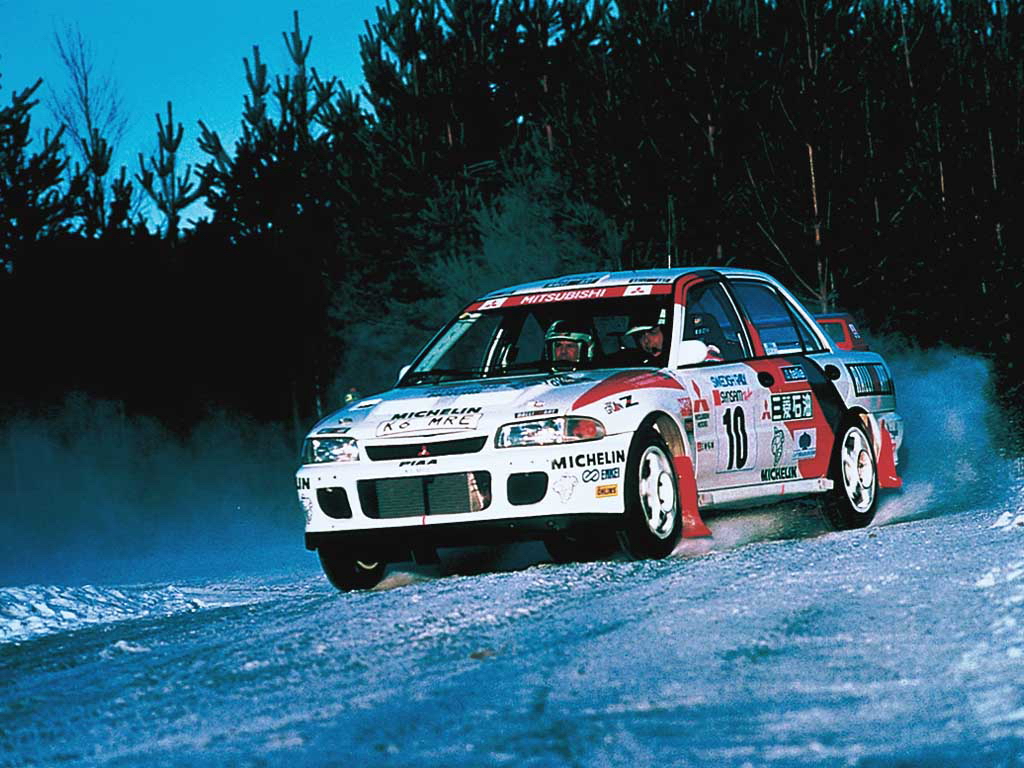
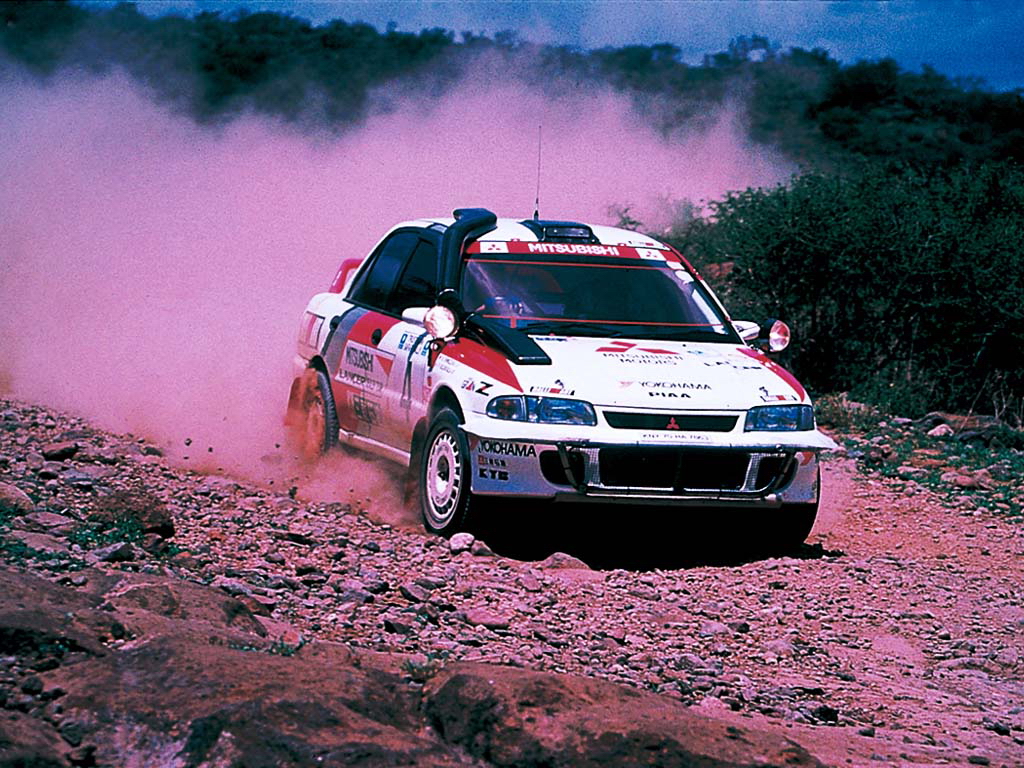
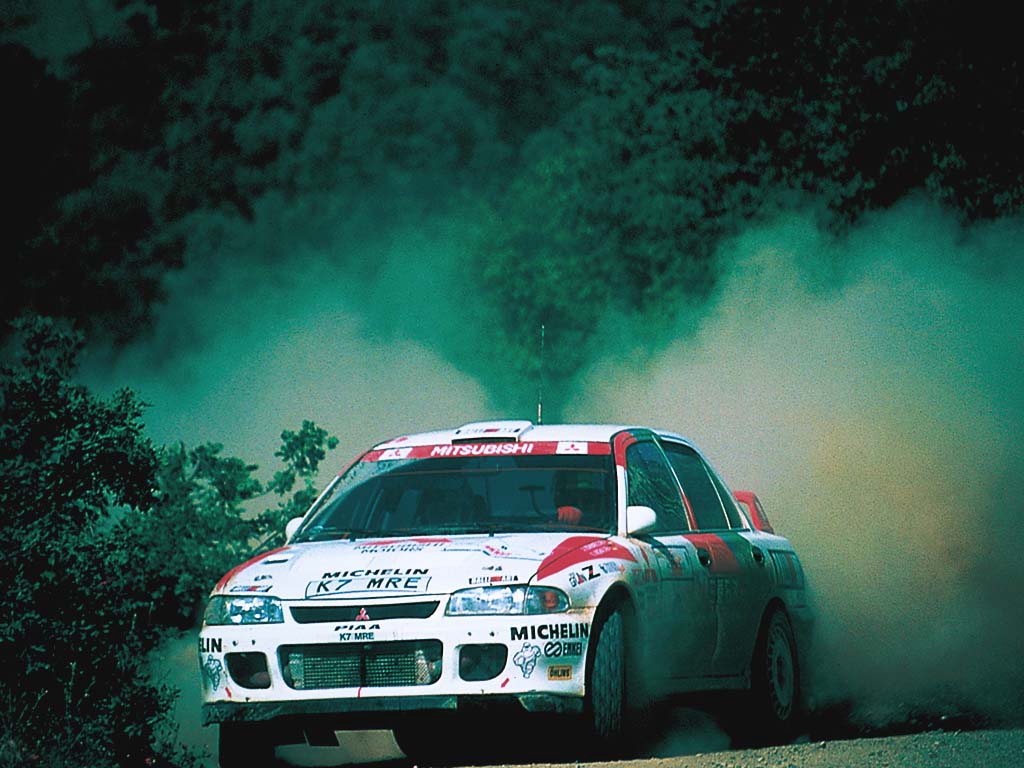
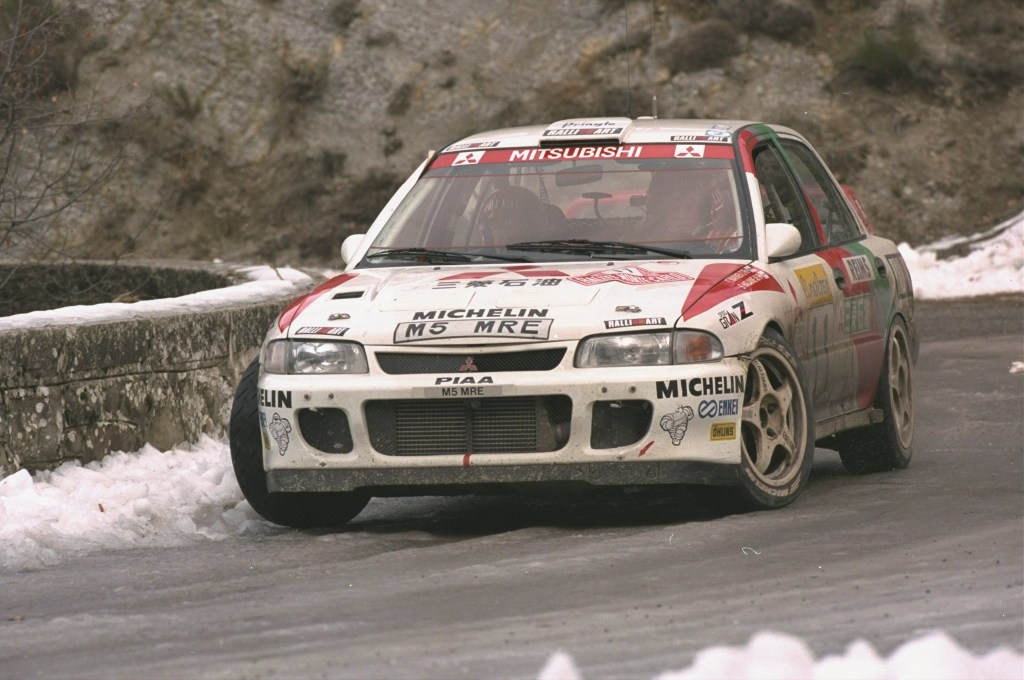
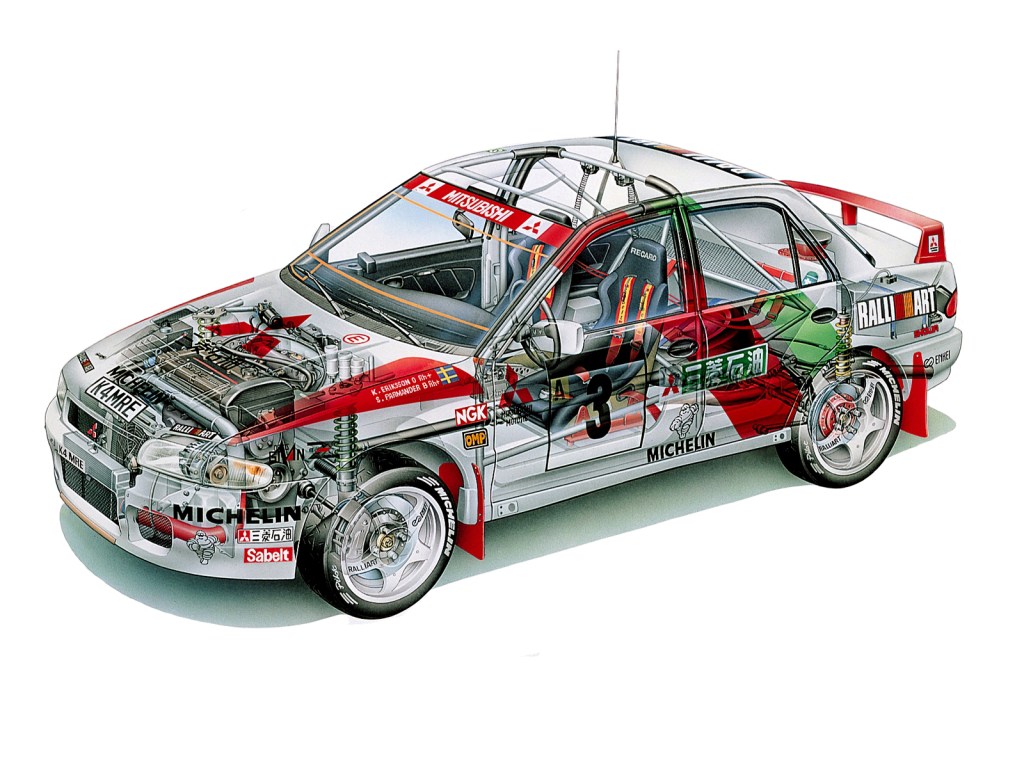
The Lancer was essentially a practical family sedan, designed with comfort and fuel efficiency in mind. The Lancer Evolution model shared only the shell with the regular Lancer – inside, everything was different from the ground up. It carried technology rooted in Group B rallying and the Starion prototype. That’s why the Evo is not just a sporty version of the Lancer – it’s treated as an entirely separate model. The Evo RS was a successful project, packed with advanced technology specifically engineered to take on Subaru. But one year in, time had come to do first revisions.
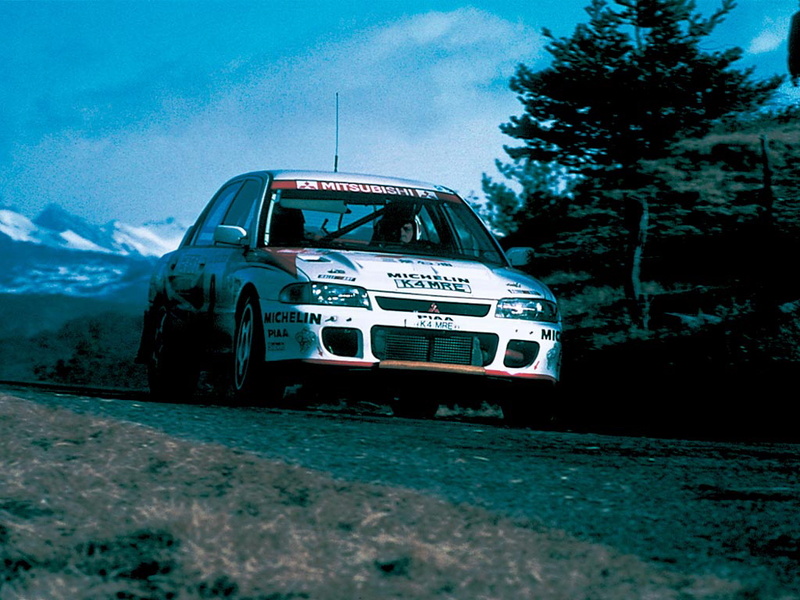
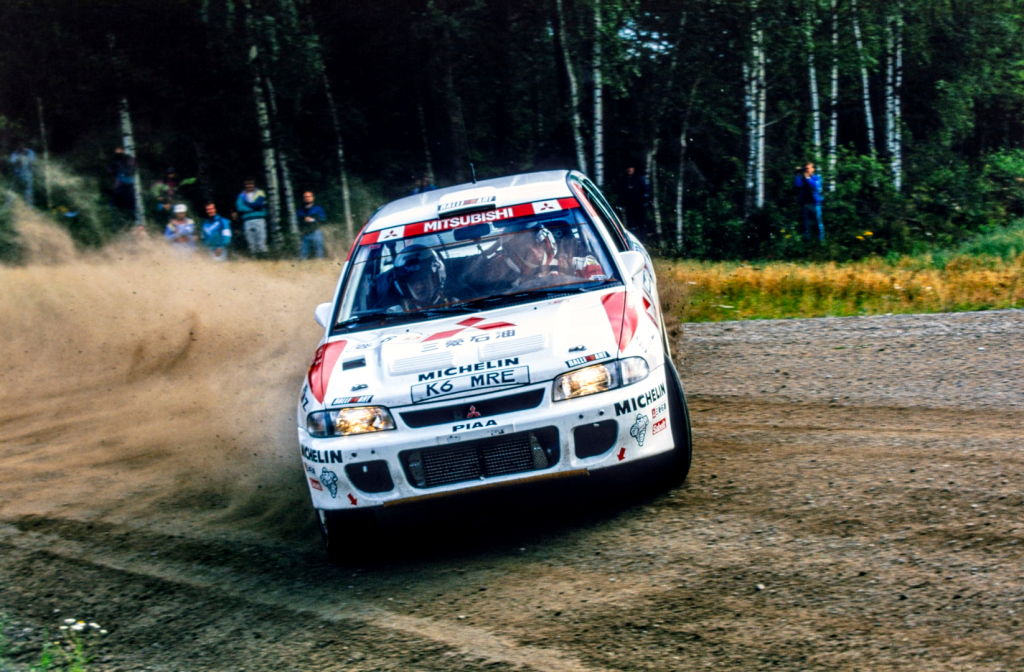
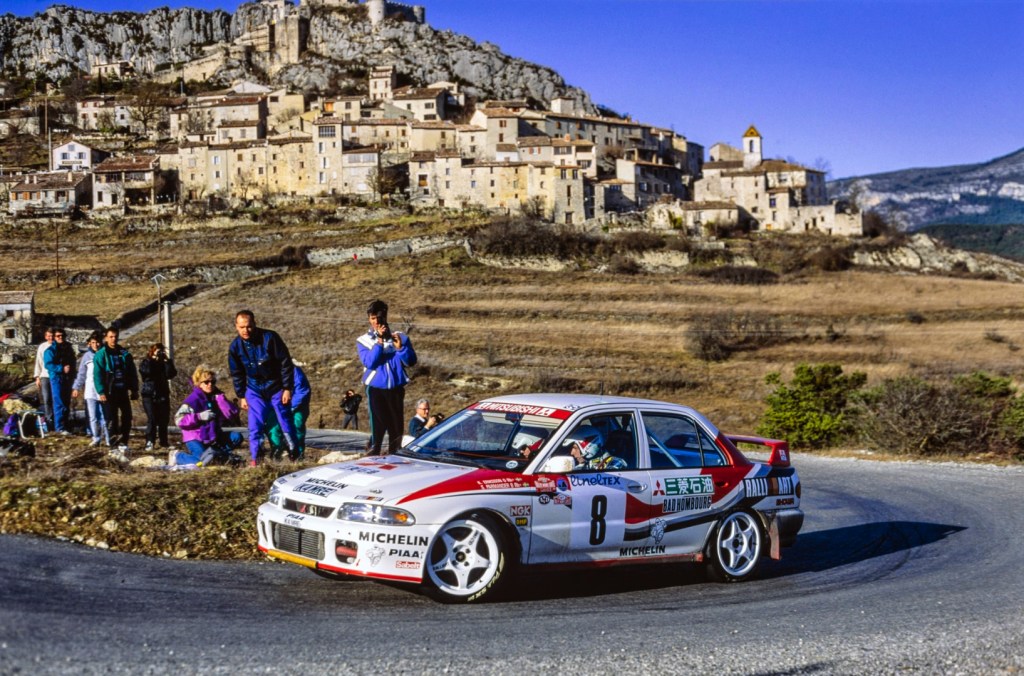
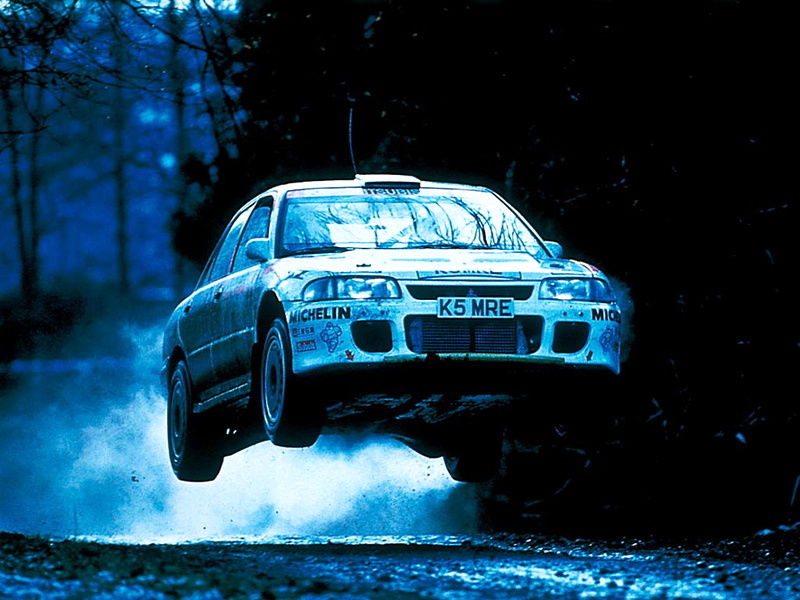
Evolution II – it sounds proud, but the car was essentially the same, so does „II” signify a new generation? Not really. It’s more like a facelift – an evolution, to use rally terminology. However, the car did get wider tires, a wheel track that was 1.5-2.2 cm broader, and a wheelbase stretched by 1 cm, which required new homologation. Just like the Evo I, it sold in double the amount required, and the car was also exclusively intended for the Japanese market. The new model featured better stabilizers and 9 more horsepower. It was 10 kilos heavier, but here’s the thing: steering characteristics improved by a solid 30%. The aerodynamics saw a slight boost with adjusted front intakes and a support to the rear spoiler. From this point onward, every subsequent Evo would become more powerful. The Evolution II had increased boost pressure and upgraded cam lift – with a longer range of movement, which gave the car that extra punch. Minor changes were also made to the exhaust system. The car sat on a slightly altered chassis – technically another variation of the same one. That’s why this „generation” is called Lancer CE compared to the Evo I’s CD9A designation.
Visually, the Evo I and Evo II were almost identical, but you could tell them apart by the front spoiler – Evo II featured rubber accents on the bumper. The rear spoiler also got subtle reinforcements for added stability. Another small update was the option to replace front reflectors with fog lights. As for the Evolution RS, unlike the GSR version, it came in only one color: white.
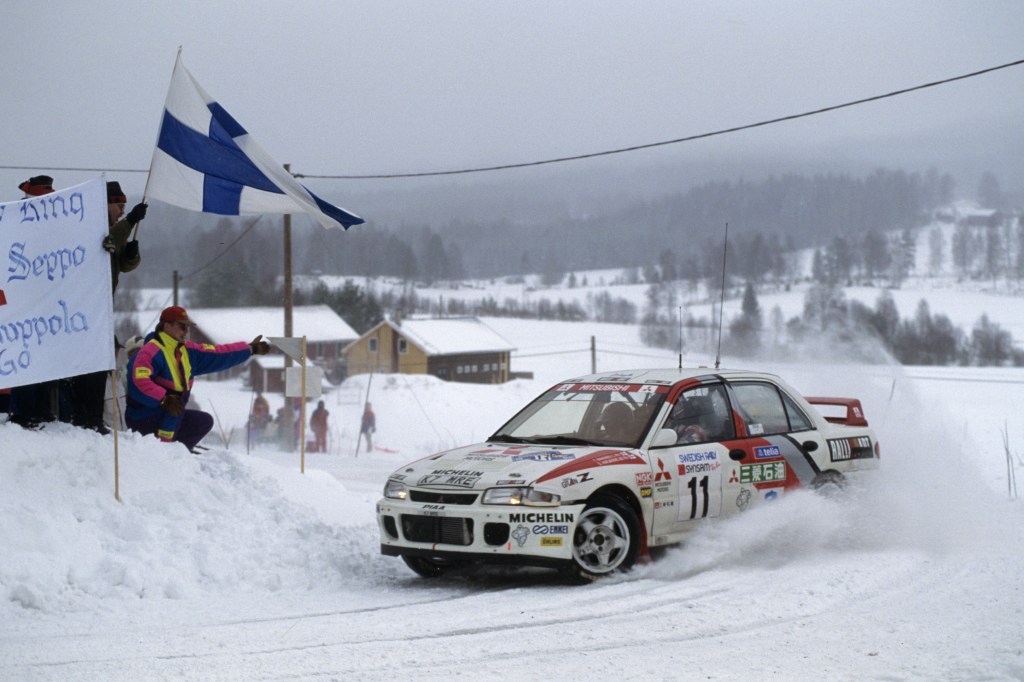
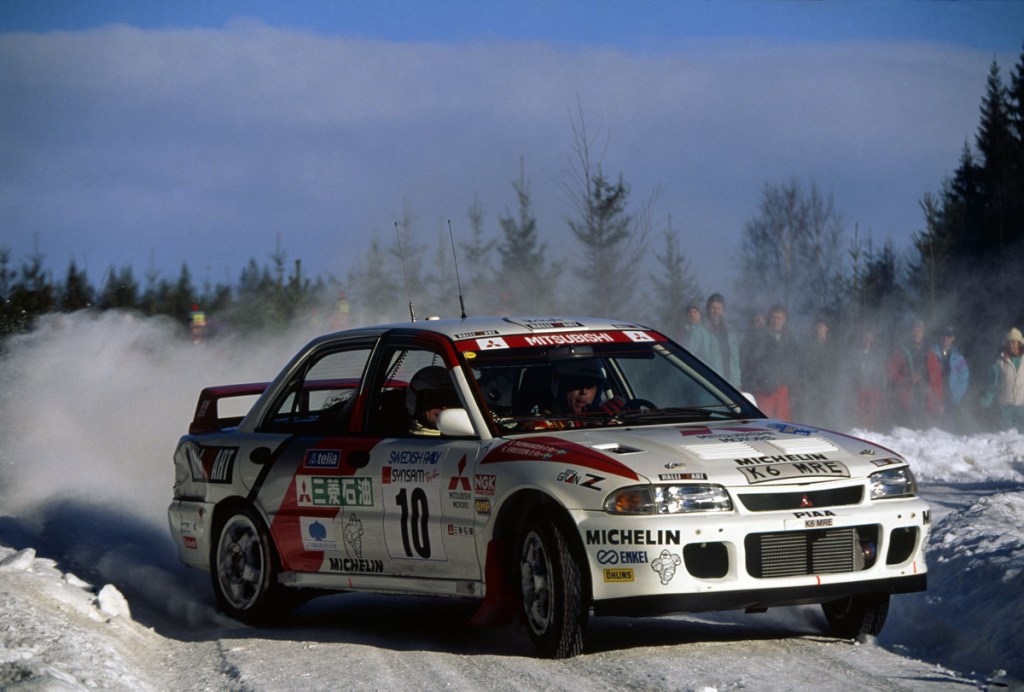
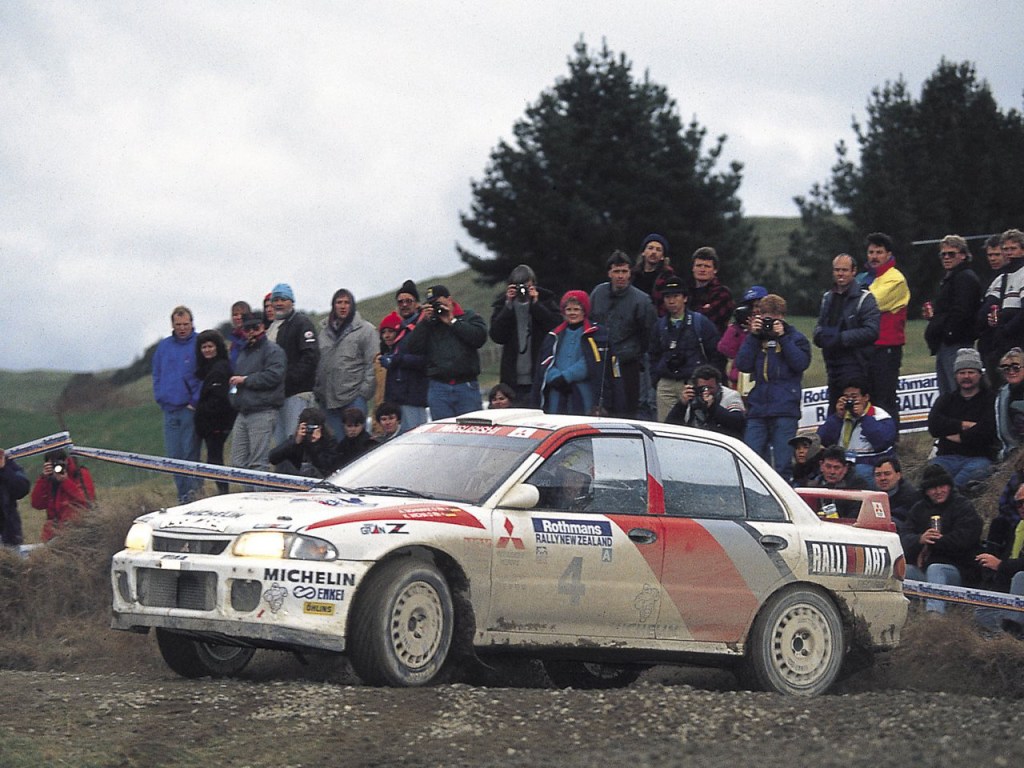
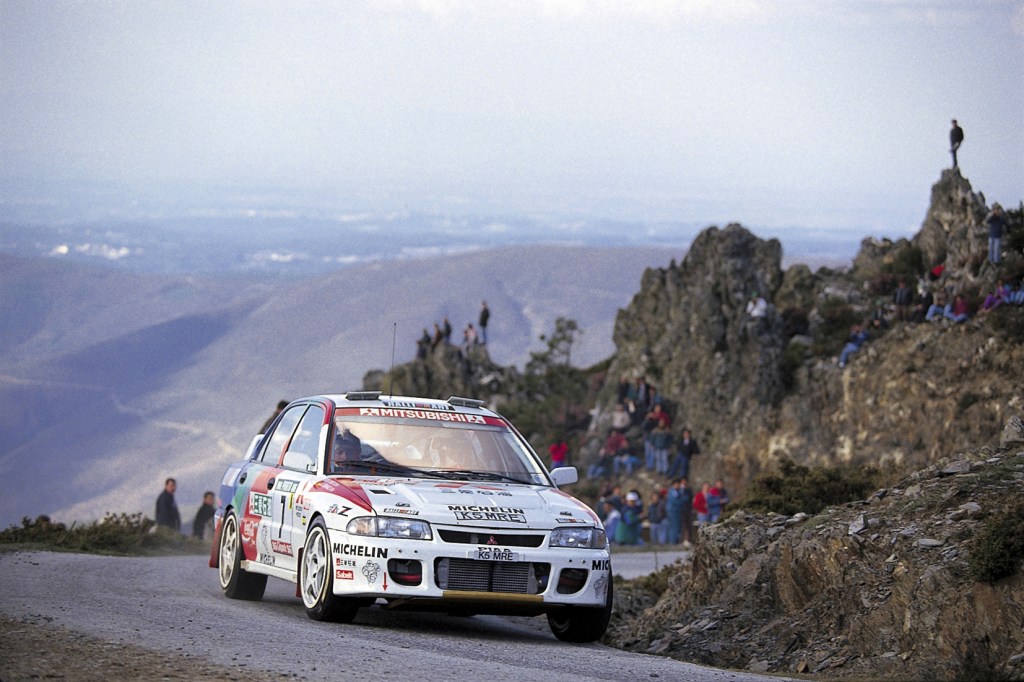
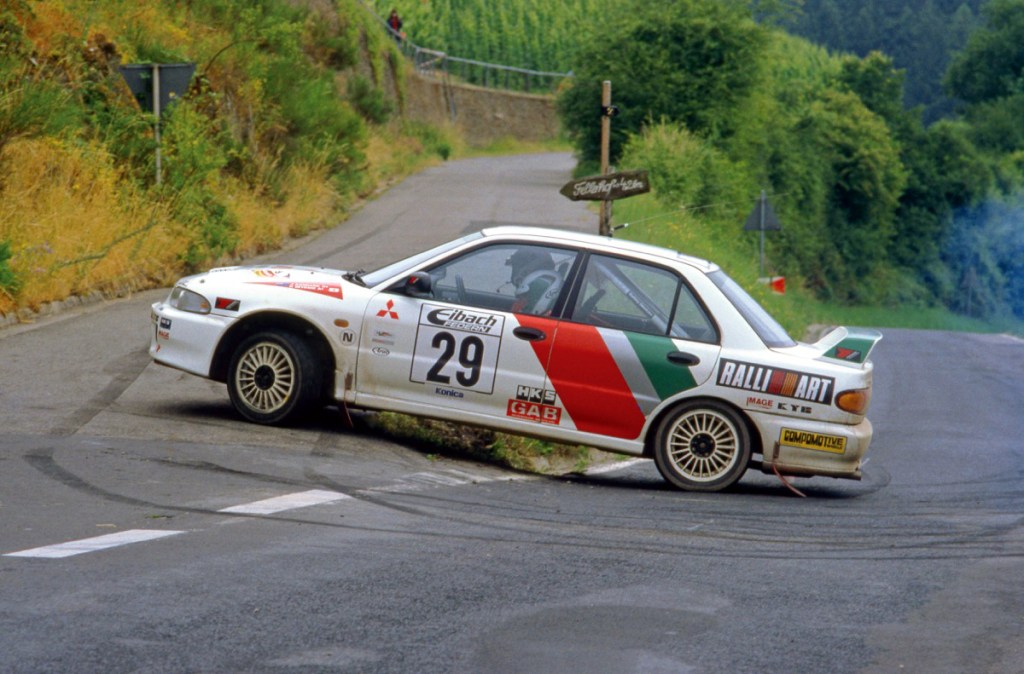
The Evo I competed during the twilight years of the Integrale, but the Evo II faced no less of a challenge. By then, Subaru had stepped up with the 555, and legends like Colin McRae and Carlos Sainz were handing out beatdowns left and right. In 1994 alone, Subaru clinched 4 event wins and added another 5 podium finishes to their tally. Things didn’t get any easier in 1995. The 555 was a force to be reckoned with – if it wasn’t winning, it was landing on the podium. That kind of consistency was their trademark all the way through to 1997, when a new version of the Impreza debuted. Mitsubishi’s roster included Kenneth Eriksson, Armin Schwarz, and Tommi Mäkinen. The trio managed to secure 3 podiums across 4 events in 1994 (they burnt the car in the fourth, Sanremo). In the 1995 season, Mitsubishi built on that performance, and – most importantly – secured their first win. Before unveiling further upgrades at Safari, Eriksson and Mäkinen dominated in Sweden, claiming 1st and 2nd place, respectively, behind the wheel of the Evo II.
Krzysztof Wilk All sources: lancerregister.com | wikipedia.org | autoweek.com | YT: Donut Media | topspeed.com | autocar.co.uk | caranddriver.com | wheelsage.org
John DeLorean was the man. After a successful career at General Motors – where he served as a chief engineer and was largely responsible for legendary cars like the Pontiac GTO, which kicked off the muscle car craze and the entire American Muscle culture – he conceived the idea of a groundbreaking sports car that would also be accessible to the masses. He told GM management that he was going to make it happen and didn’t care about their approval. If they disagreed, he’d walk away. They called him on it, but DeLorean wasn’t bluffing. He had already set up a company under his own name and was determined to pursue his dream car, with or without GM’s blessing. All he needed was a sponsor for such an ambitious project. Enter the British government, which fell for the pitch and handed over £80 million. The only catch? He had to set up a factory in Northern Ireland, a region struggling economically almost as badly as Poland after the government Covid plan.
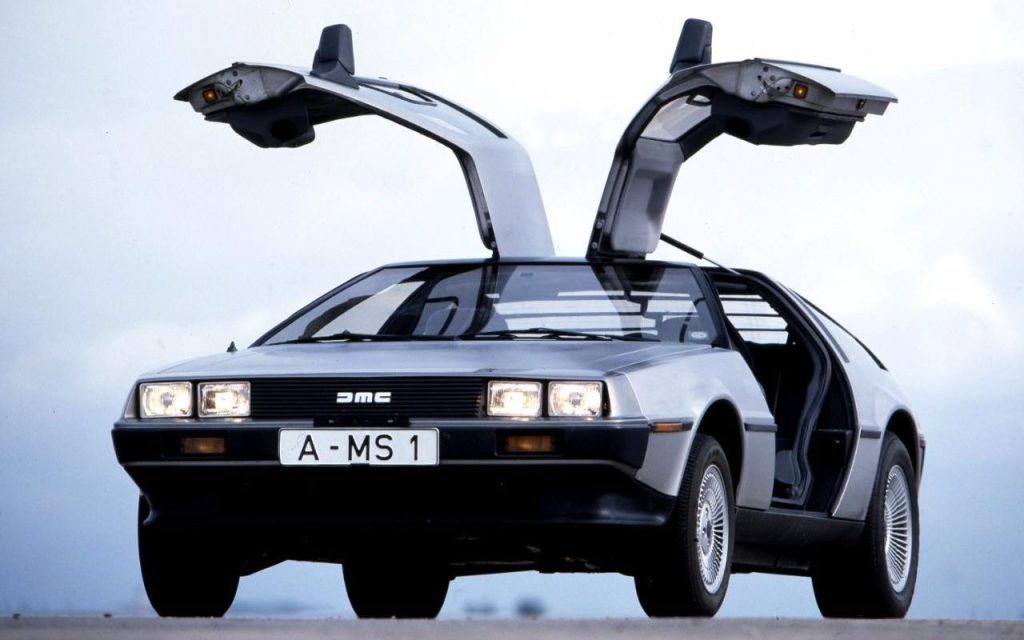
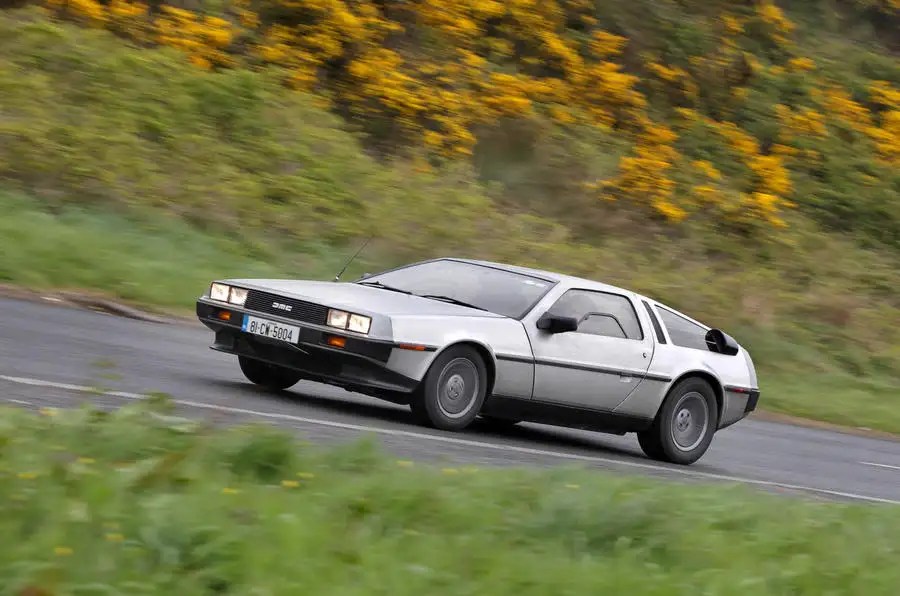
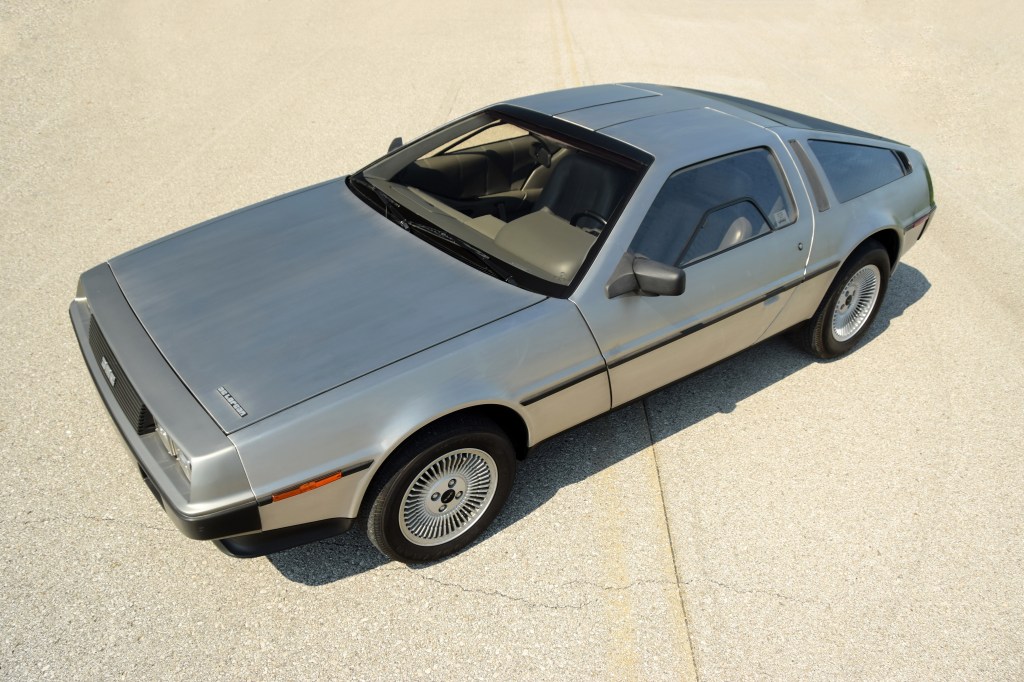
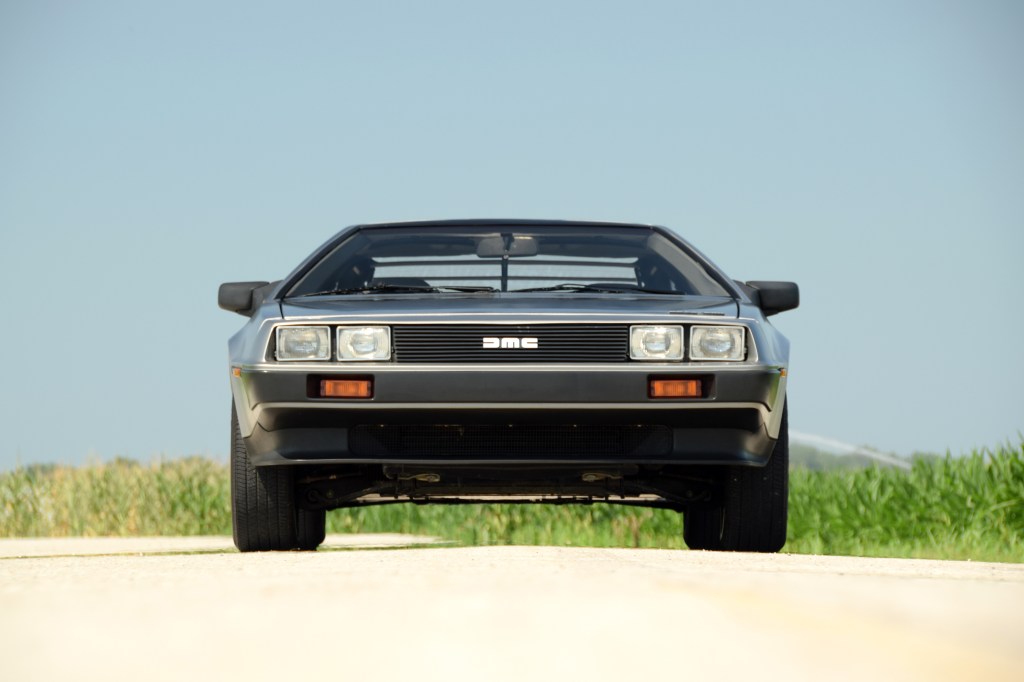
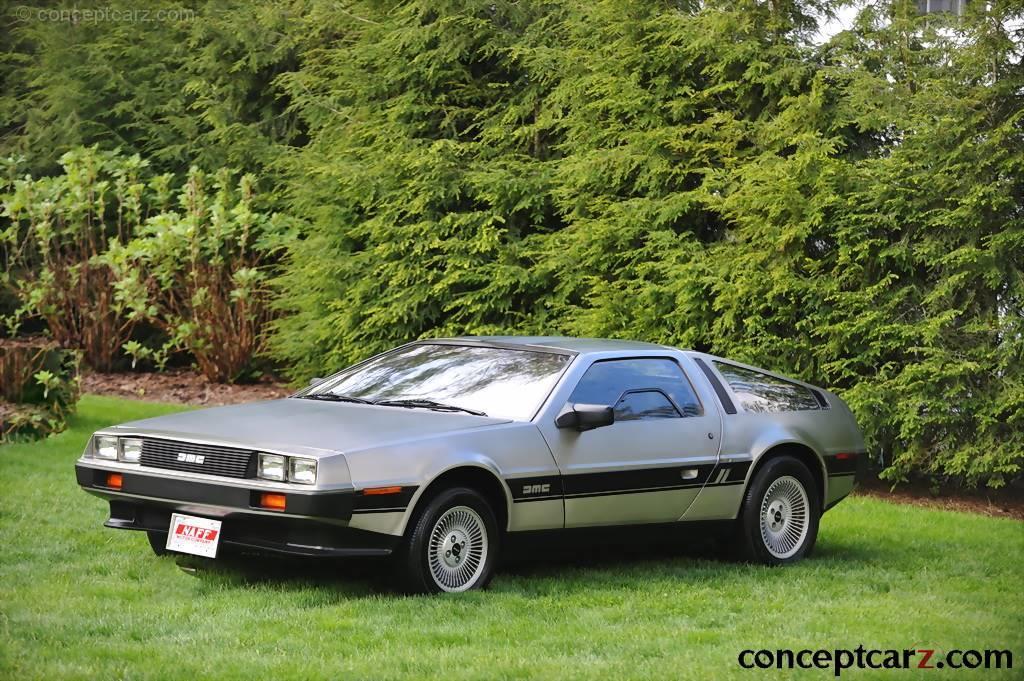
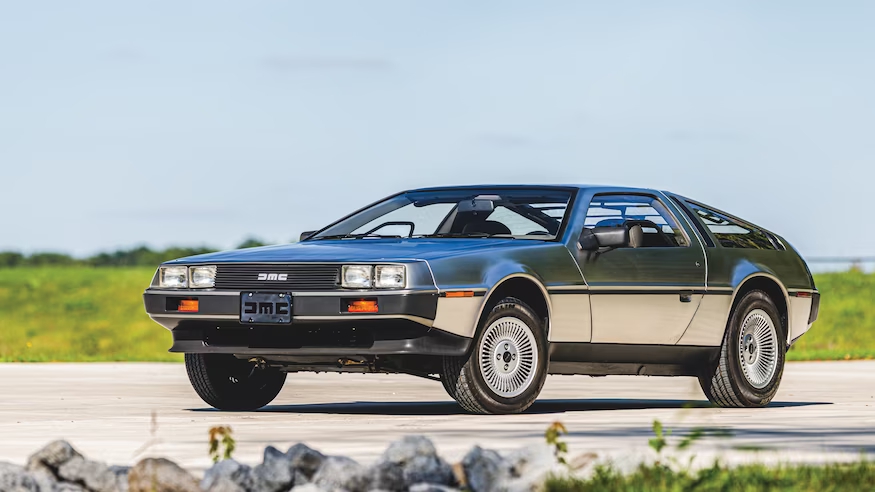
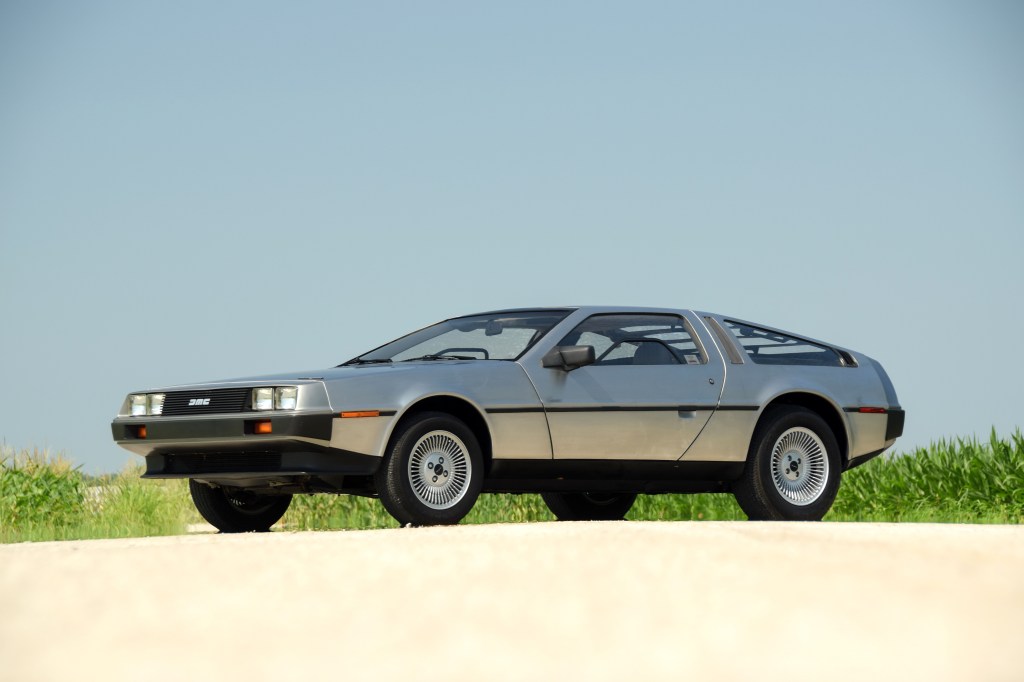
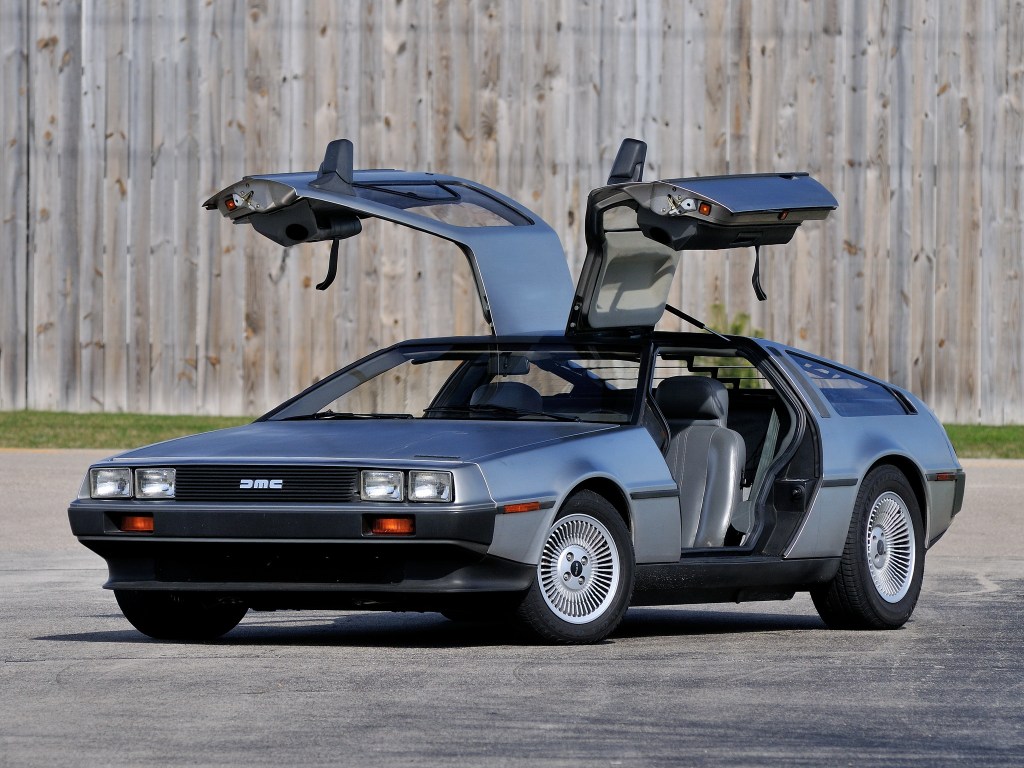
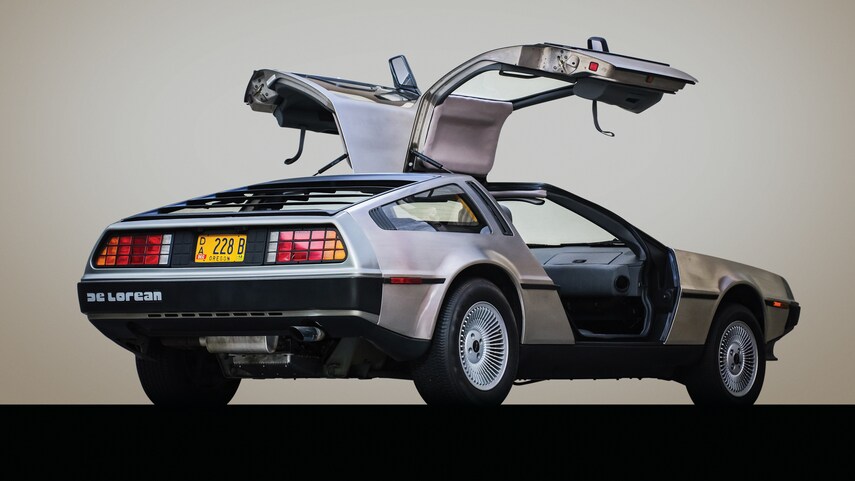
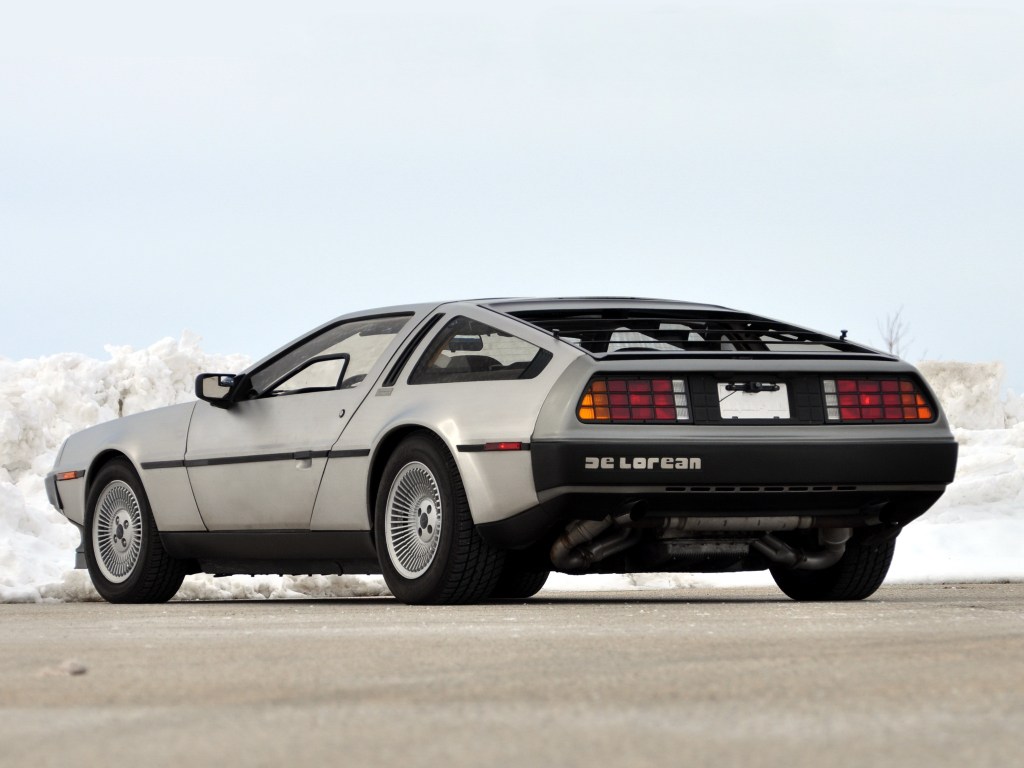
The DeLorean shares quite a bit with the Lotus Esprit. Both projects originated from the Italdesign Giugiaro car design studio and featured steel construction. While many refer to it as the DMC-12, this was just its internal development code. When it hit the market, it was officially branded simply as the DMC DeLorean. DeLorean was not alone in crafting this car. Even the head of Pontiac’s design team got involved, and initially, they wanted to equip the vehicle with a mid-mounted rotary engine. That plan didn’t pan out, though. Over time, other engine options were considered, including powerplants from Ford and Citroën. The DMC-12 had everything it needed for success. Lotus handled the chassis, Giugiaro provided the iconic lines for the body, and its V6 powerplant was a PRV (Peugeot-Renault-Volvo) unit equipped with fuel injection. While it wasn’t originally designed for high performance, the same engine later found its way into motorsport glory under the hoods of the Renault Alpine A310 and A610 Turbo. The PRV V6 appeared in both supercars and motorsport machines, showing up in rallying and circuit racing, demonstrating its potential when tuned. More so, DeLorean didn’t ask for much – $25,000 at the time – though Chevrolet had faster and cheaper alternatives for performance enthusiasts.
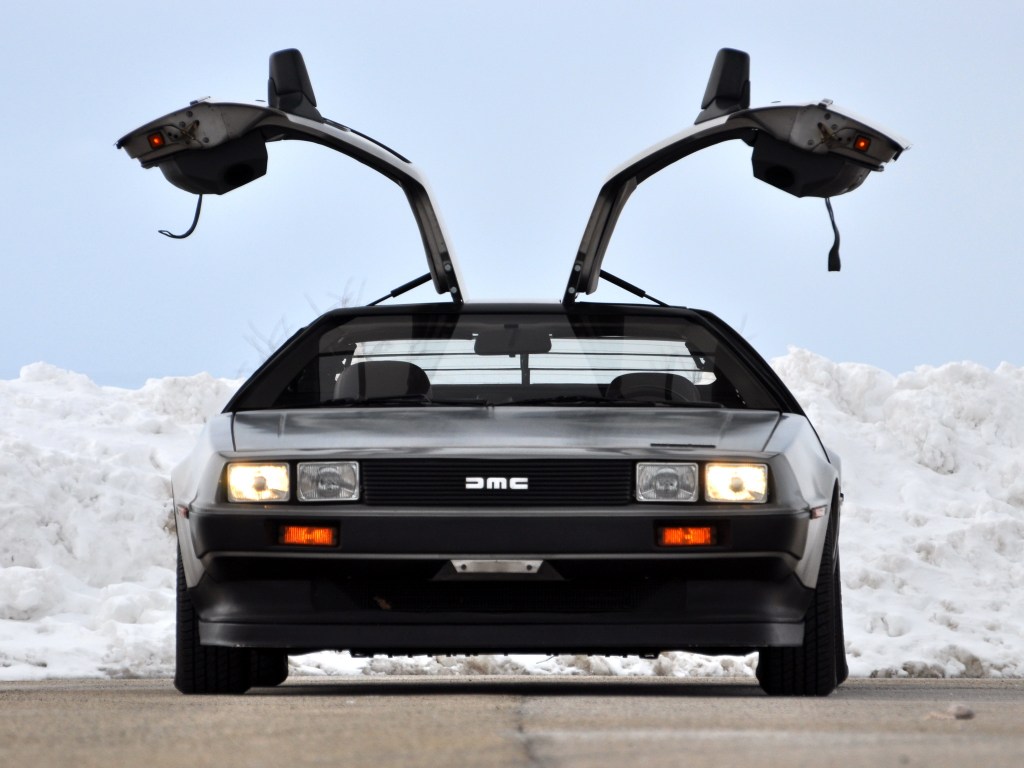
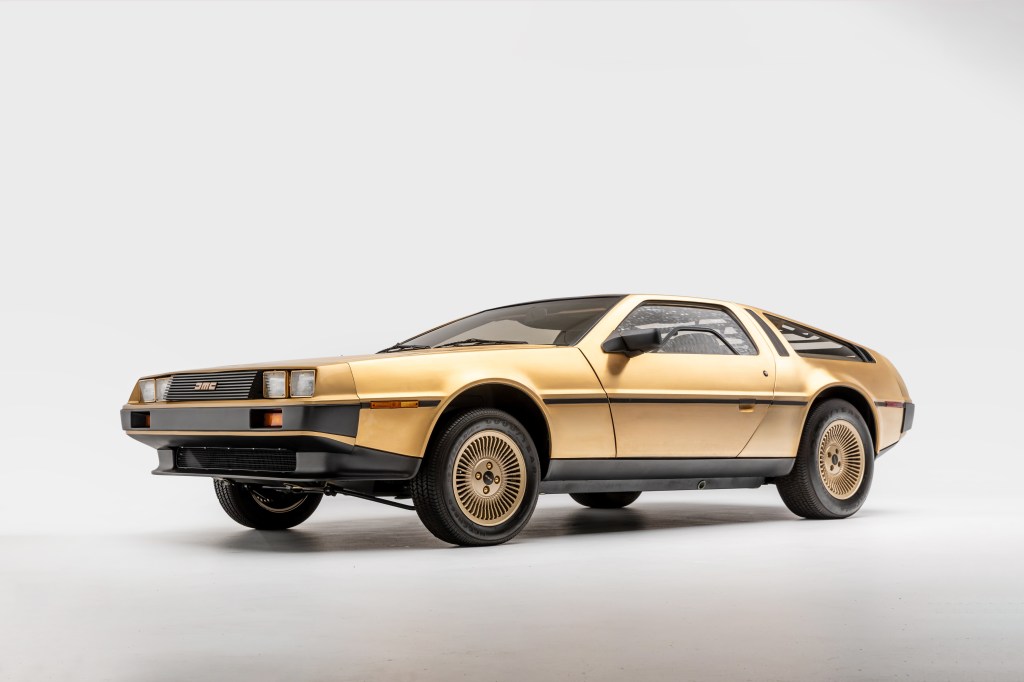
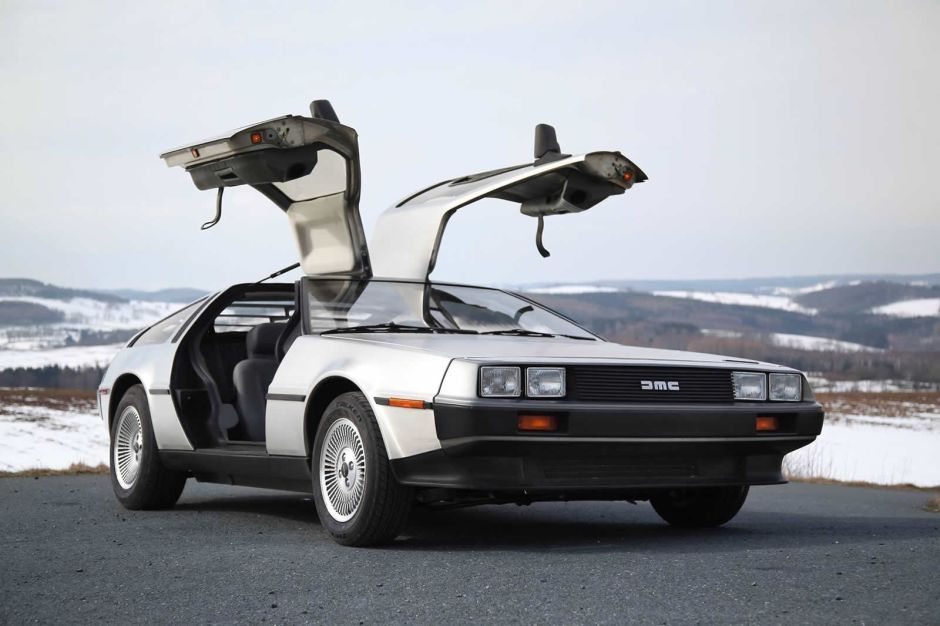
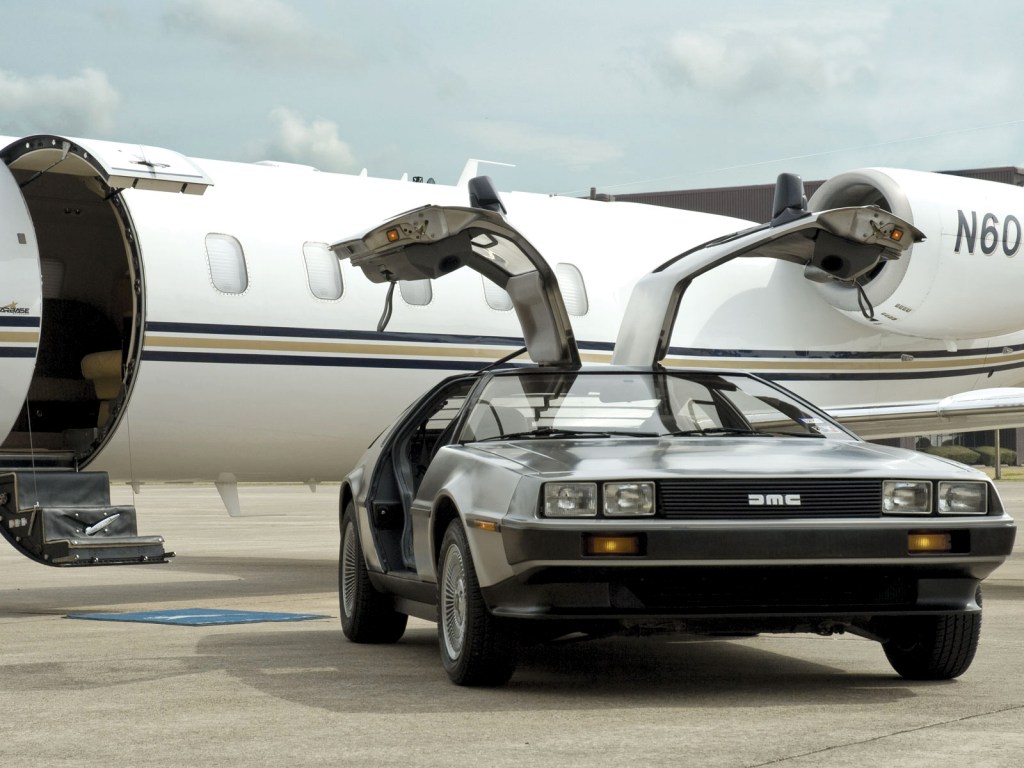
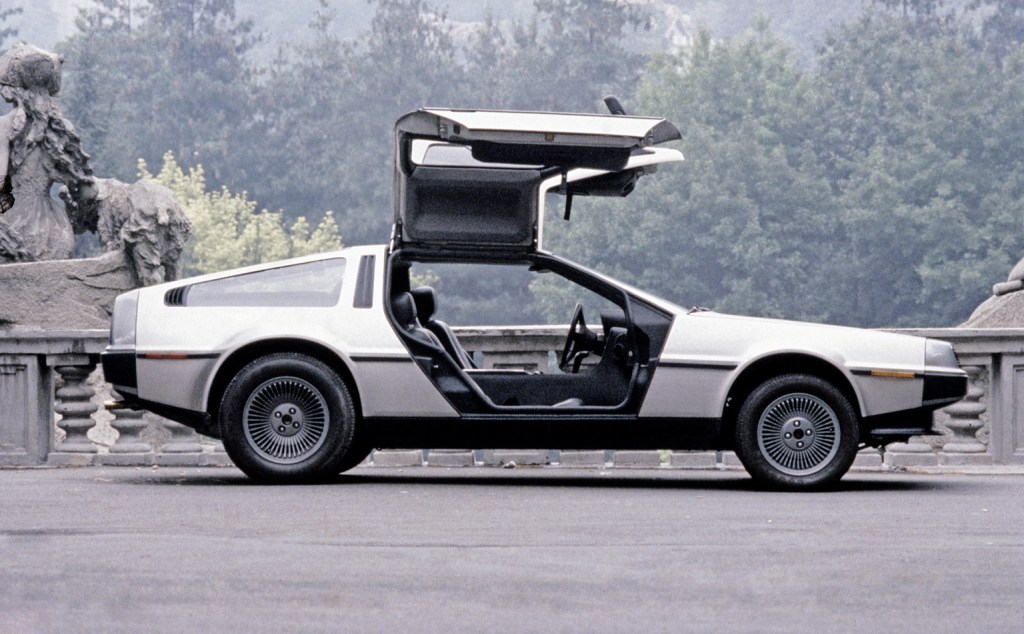
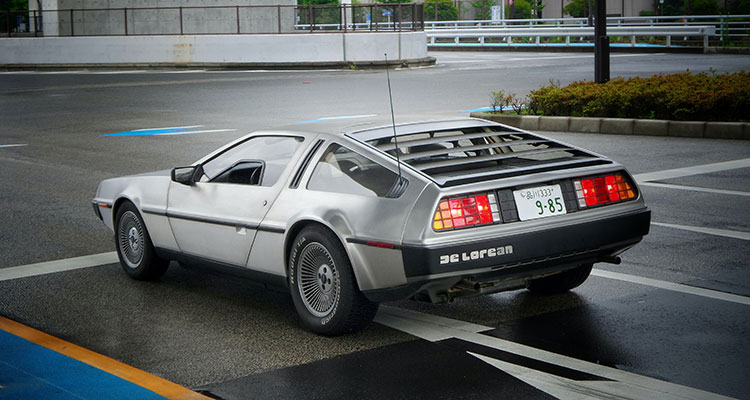
Reality is often disappointing, and so was the DeLorean. Its body panels, made from stainless steel layered over fiberglass, might have looked sleek in the showroom, but in practice, they were scratch-prone and dirt magnets. Restoring one today? Good luck. Conventional methods like body filler don’t work on the unpainted stainless steel surfaces. John DeLorean didn’t envision repairs – damaged panels were meant to be replaced entirely. Aside from three special models coated in 24-karat gold, all DeLoreans left the factory in their raw, unpainted stainless steel finish. Any you see in bright or unusual colors were modified by their owners. The good news? Replacement panels are still available today. The problems with the iconic gullwing doors… Sure, they looked incredible, but they were a headache in practice. They leaked in the rain and could trap you inside the car in the event of a collision. Their design was visually arresting but a nightmare to manufacture. The whole car was riddled with issues. Early production units were so poorly assembled that a second facility in Los Angeles had to be established just to fix the cars botched in Europe. The rear-engine layout did no favors to the handling either, forcing Lotus engineers to perform engineering acrobatics to make it somewhat drivable. DeLorean aimed to conquer the market but fell spectacularly short. With only 8,583 units sold, the dream crumbled, and the whole endeavor went down in flames. Despite its flaws, though, the DeLorean remains an icon – a proof that sometimes, ambition is just as memorable as success.
The DeLorean DMC was dramatically underpowered – especially in its U.S. iteration, which lost about 15 horsepower to emissions regulations – but their entire sportscars market was retarded that way. America at the time was bogged down with regulations that killed performance. Even the heavier Corvette didn’t offer significantly more power, and while the DMC’s PRV engine wasn’t a speed demon, it was designed for durability, capable of running smoothly even decades later. This mechanical reliability, combined with its stainless steel over fiberglass construction, means DeLoreans often resist rust and age gracefully – mechanically, at least. The real issue wasn’t the engine or design concept but how the car was produced. John DeLorean aimed to innovate manufacturing with groundbreaking techniques that promised to lower weight and production costs. However, these untested methods backfired spectacularly, forcing the company to hand the project over to Lotus. Lotus essentially rebuilt the car from scratch in two years, borrowing heavily from their own expertise. The DMC ended up with a steel chassis similar to the Esprit’s and a fiberglass body akin to the Lotus Elite’s. Half of DeLorean’s original ideas were scrapped under the guidance of Lotus’s Colin Chapman, simplifying the design and making it feasible to manufacture. Though Lotus succeeded in turning the DMC into a functional vehicle, this process drained time and money. The rushed changes and reliance on Lotus’s tried-and-tested methods left John DeLorean’s vision compromised. While the end result had its merits, the delays and compromises spelled disaster for the company, tarnishing what might have been a revolutionary project.
The fully independent suspension was a notable feature, combining coil springs with telescopic dampers. The front employed double wishbones, while the rear used a multi-link setup – closely resembling configuration found in the Lotus Esprit. While the prototype demonstrated impressive drivability, production changes altered the dynamics significantly. The most impactful change was moving the engine to the rear, resulting in 65% of the car’s weight sitting at the back, a factor that influenced handling characteristics. Additionally, the front end of the production model was raised to meet U.S. headlight height regulations, which disrupted the original sleek look and balance envisioned in the prototype. Many owners later modified the suspension to restore the lower, sportier stance of the early design. The steering system, featuring a rack-and-pinion setup, was another Lotus contribution and performed reliably, ensuring a responsive driving experience despite the compromises made during the production phase. These efforts underscored Lotus’s role in salvaging the project, even if the final product couldn’t entirely escape its design challenges.
The DeLorean DMC was capable of going from 0 to 60 in 8.2 seconds – if you were lucky enough to own a European model with the manual gearbox. For the American market, stricter emissions standards robbed the car of power, stretching its acceleration time closer to 10 seconds. With the optional 3-speed automatic transmission, it wasn’t just slower – it was downright leisurely. Combined with the rear-engine layout, the car suffered from pronounced oversteer, making it tricky to handle at the limit. This wasn’t a car for racing but rather for cruising stylishly within legal speed limits. Despite its shortcomings in performance, the DeLorean had its perks as a daily driver. Its interior was surprisingly roomy; John DeLorean himself, standing 195 cm tall, ensured that the car would accommodate taller drivers. He famously declared that if he couldn’t sit comfortably in the car, he wouldn’t sell it. The seats were adjustable in multiple directions, and the overall ride comfort was commendable. While it didn’t excel as a performance car, the DMC offered a level of practicality and comfort that made it enjoyable for everyday use—without leaving your back aching or your spirit crushed. It’s a car built more for making an impression at the curb than for setting lap records.
The biggest problem for the DeLorean wasn’t the car itself, because truth be told, it didn’t take much for it to run – we’ll go there in a moment. The real issue was the marketing. DMC never broke into the mainstream, and the brand only got a major image boost after the fact – when the whole company had already gone bankrupt. After the release of the Back to the Future series, with the time machine based on the DeLorean, the DMC-12 became a cult classic. Despite its flaws, despite its lack of polish, it turned into an icon of the ‘80s. Even today, it can still be a dream car for people in their 30s. But the first movie came out two years too late, when the model had already flatlined, and there was no chance of a comeback.
A year after production began, the entire company was already folding. There was a prototype, the DMC Twin-Turbo, that actually delivered the goods – VIN 530, to be exact, could smoke the latest Ferraris and Porsches easily. DeLorean nearly lost it when he saw it in action. The car hit 0-60 mph in 5.8 seconds, and DeLorean was ready to order 5,000 Twin-Turbo units on the spot. VIN 530 was allegedly going to be the fastest production car in the world… but the regular model wasn’t selling, and the Twin-Turbo never made it to the production line. It’s not just weak sales – it was worse. The factory completed 2,000 cars that were ready to roll, sitting in showrooms, and they never reached customers. Out of 8,000 units total, a full quarter physically existed but did not ever find their owners, get it? Of course, over the years, that changed. The DMC-12 became a prime target for collectors and other enthusiasts, and honestly? It’s not even that expensive for a classic car these days.
The company was shut down, and DeLorean faced criminal charges – though he was later acquitted. Allegedly, he was involved in drug trafficking… but let’s not go there. Controversies also existed about some „creative accounting” within his company. Long story short: $23 million – nearly half of the government funds loaned by the British – was funneled to a shell company in Panama. The master plan? To buy out Lotus… with their own money, right? I mean, seriously – talk about bold moves. It’s almost like a political scheme, except the Brits aren’t as gullible as some, and eventually, they realized they were being played. But here’s the kicker: they never got their money back. DeLorean bolted back across the Atlantic, leaving them high and dry.
And that’s the story… The DMC-12 turned out to be a flop, although thanks to its starring role in Zemeckis’ trilogy, it earned itself a place in legend. Its career was short-lived, as the car suffered from poor build quality, and the American versions were hampered by weak performance. A shame, really, because the European PRV engine was actually doing quite well. This was something America didn’t truly have – a proper GT car. It was exploring a niche unknown across the ocean. It aimed to compete with both the American Corvette and European BMWs. No, its career didn’t last long – but its legend is eternal. The design? Bold and quite successful. The mechanics? Really one of the project’s strengths. It’s just a pity it didn’t pan out. The DMC DeLorean was a fusion of American ingenuity, British architecture, Italian design, French drivetrain, and Irish craftsmanship. Interesting? You tell me. Could it have worked? Well, you tell me…
Krzysztof Wilk All sources: R Nicholls – Supercars | ultimatecarpage.com | gaukmotors.co.uk | mecum.com | classiccarweekly.net | sinsheim.technik-museum.de | wikipedia.org | britannica.com | autozine.org | conceptcarz.com | supercars.net | aronline.co.uk | autocar.co.uk | motortrend.com | wheelsage.org | M Buckley – The Complete Illustrated Encyclopedia of Classic Cars
This model hit the market in 1992, featuring a two-liter engine and permanent all-wheel drive. Awesome stuff, but it was easy to get duped because the Lan-Evo was built with the same body as regular Lancers. Plenty of folks parted with their cash, thinking they’d snagged a beast with rally heritage, only to find out they’d been sold a family-friendly Mitsubishi with a 1.8 under the hood. Well, at least they got the four-wheel drive. The bodies also found use in Malaysia, where the Proton Wira shared bodywork with the first Evo. Some Protons were even sold as legit RS Evolutions. If that’s your dream car to buy – watch out for scams.
We will focus on two versions: the GSR and the RS. What’s the difference? Well, the GSR is the fully road-ready version with all the comforts: power windows, air conditioning, Recaro seats, and alloy wheels. In short – it’s packed. The Lancer RS, on the other hand, was designed as a base for Group A rally variants. It had nothing fancy inside: no frills, no air conditioning – even were steel and the seats were basic shit to be the first thing swapped out for rally equipment anyway. Standard as it gets, the car came a whole 70 kilograms lighter than the sporty GSR. Both versions were part of the homologation process, but the GSR was outfitted for civilian customers. They shared the same short-ratio gearbox. GSRs came in five different color options, while the Evo RS was only available in white or silver. The easiest way to tell an RS from a GSR is to look inside. No RS ever came with ABS – ever – so, if someone claims to have a Lancer RS „but this one has ABS” – it’s not an RS. The GSR also came with air conditioning and a rear wiper. If someone tries to tell you it broke off, or the rear glass was replaced #truestorybro… the buttons for controlling those features should still be there. If they’re not – it’s not a GSR. Just a heads-up if you’re in the market or have a buddy bragging about their Evo Lancer!
But if someone for real owns a Lan-Evo, hats off to them. That’s not just a car – it’s a goddamn demonic monstrosity! During the ’80s and ’90s, rallying became a much tougher sport – grueling and demanding. A heavyweight like the Galant VR-4 quickly hit a wall, limited by its sheer size. So, it passed the torch, along with all its experience and tech, to the smaller, more agile Lancer. And that’s how the Lancer Evolution was born.
Its engine delivered 247 horsepower – the legendary Sirius 4G63T paired with a 5-speed manual transmission. This setup powered all four wheels. Homologation required 2,500 units, which sold out within three days of launch. In less than two years, more than twice that number were produced. Every single one came equipped with limited-slip differentials at the front, rear, and center. The engine, shared with models like Galant and the Eclipse, had an increased compression ratio… and every car was right-hand drive. All of them were exclusively sold to the Japanese market.
The model entered the rally scene in 1993, competing for two years. Unfortunately, this was during the reign of the Lancia Delta Integrale, so despite its potential, it couldn’t make a significant impact. It was always a threat, though never quite the best. In the 1993 season, it secured podium finishes in Greece and Great Britain, while Monte Carlo, Finland, Portugal, and Australia ended with positions just off the podium. The following year saw only four entries, with a notable second place at the Safari Rally. However, the season was cut short as Mitsubishi Ralliart shifted focus to the upgraded Evo II.
Krzysztof Wilk All sources: rallygroupbshrine.org | lancerregister.com | wikipedia.org | wheelsage.org
Rinaldo Piaggio jeszcze w XIX wieku pracował na statku kompanii należącej do jego ojca, ale po ukończeniu 20 roku życia wolał zajmować się tworzeniem mebli. Jego biznes stale rósł i od wykończenia statków, przez pociągi, w końcu (od 1901 r.) zaczęli wykonywać karoserie wczesnych automobili. Pierwsza Wojna oczywiście pochłonęła ich do prac nad wojenną awiacją, robili silniki i kompletne maszyny dla lotnictwa bitewnego, ale dział motoryzacyjny stale istniał – przez całe dekady dostarczał pojazdów – i po drugiej już wojnie się mocno rozbudził. Znaczki Piaggio można było zobaczyć na autobusach oraz, gdy samoloty już nie były potrzebne, w końcu również i na skuterach.
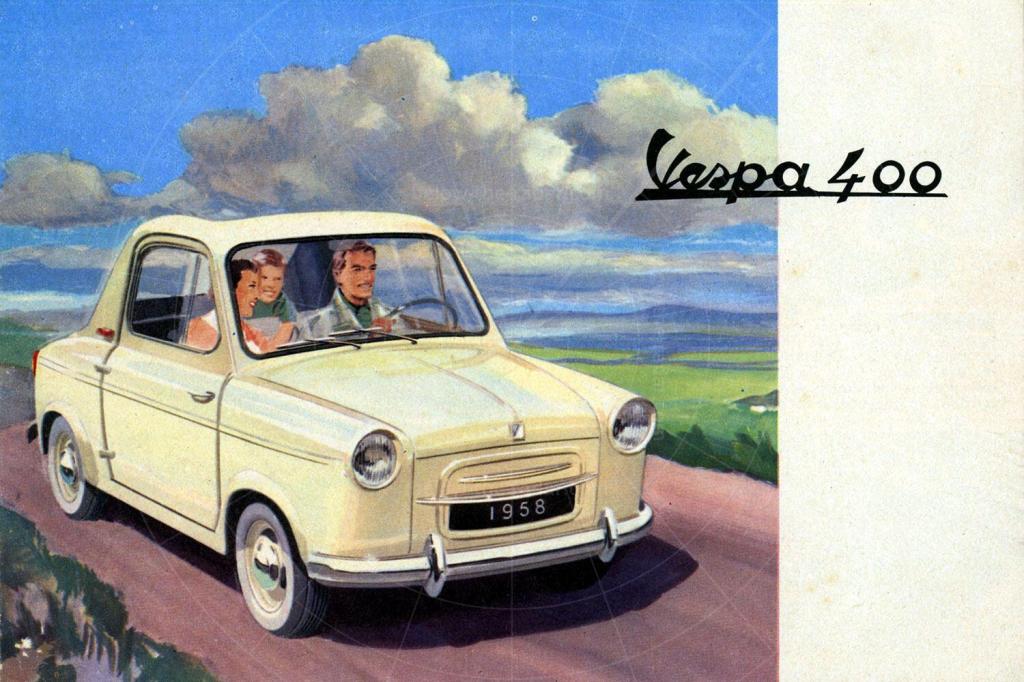
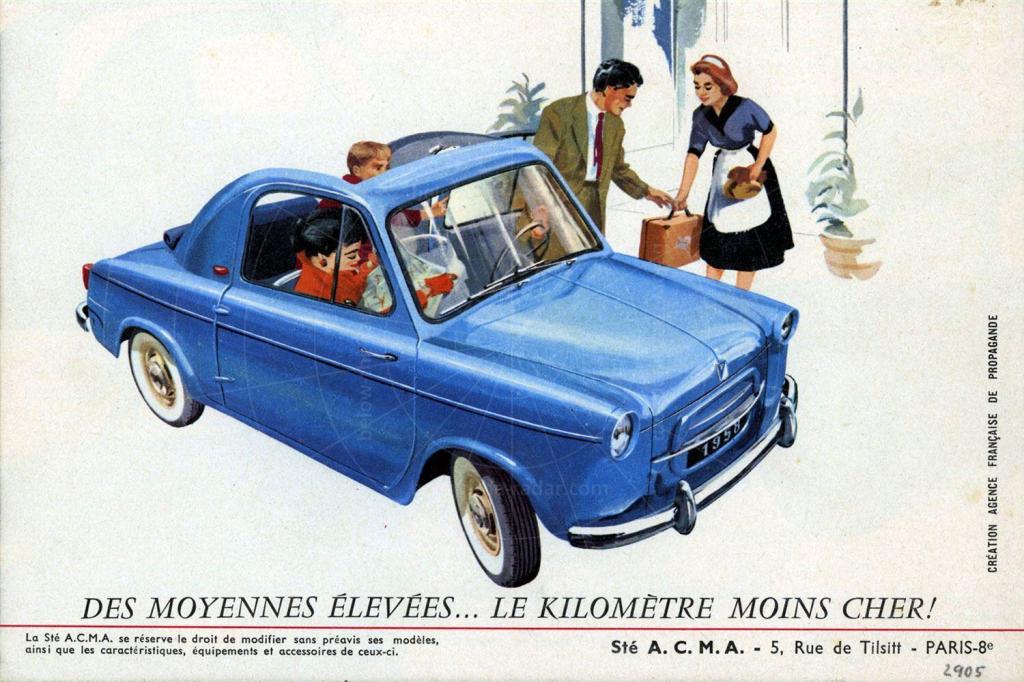
Lata ’40-ste to początek dwóch ważnych modeli. Jednym był Ape (z włoskiego „Pszczoła” – nie z angielskiego), oferowany zresztą do dziś, który był trzykołowym wariantem ich najpopularniejszego dzieła, które weszło na rynek tylko rok wcześniej. Piaggio udostępniło legendarny już dzisiaj model skutera Vespa (wł. „Osa”) w 1946 roku – i zalał on wszystkie światowe rynki ilością sztuk liczoną w milionach. Z tego też powodu Vespa znana jest jako włoska marka skuterów, ale mieli na swoim koncie również dwuślady – co więcej: z francuskim rodowodem. Obowiązywała ich wtedy umowa mówiąca, że żaden producent motocykli nie będzie nachodził na włoski rynek samochodowy, aby nie zagrozić pozycji Fiata. Żaden rodzimy – ale zagraniczny już był ok. Dlatego Vespy 400 wyjeżdżały z fabryki we Francji.
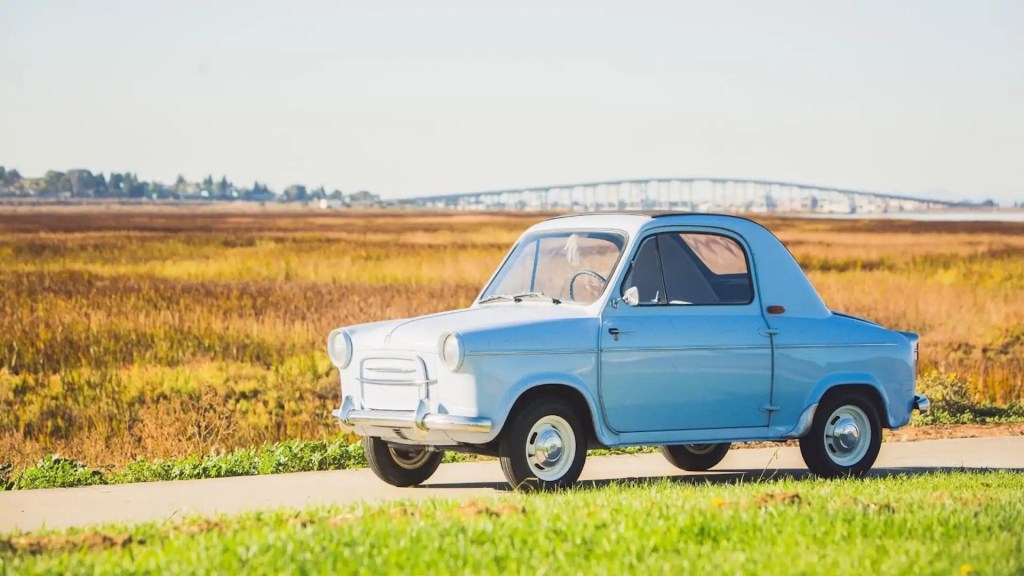
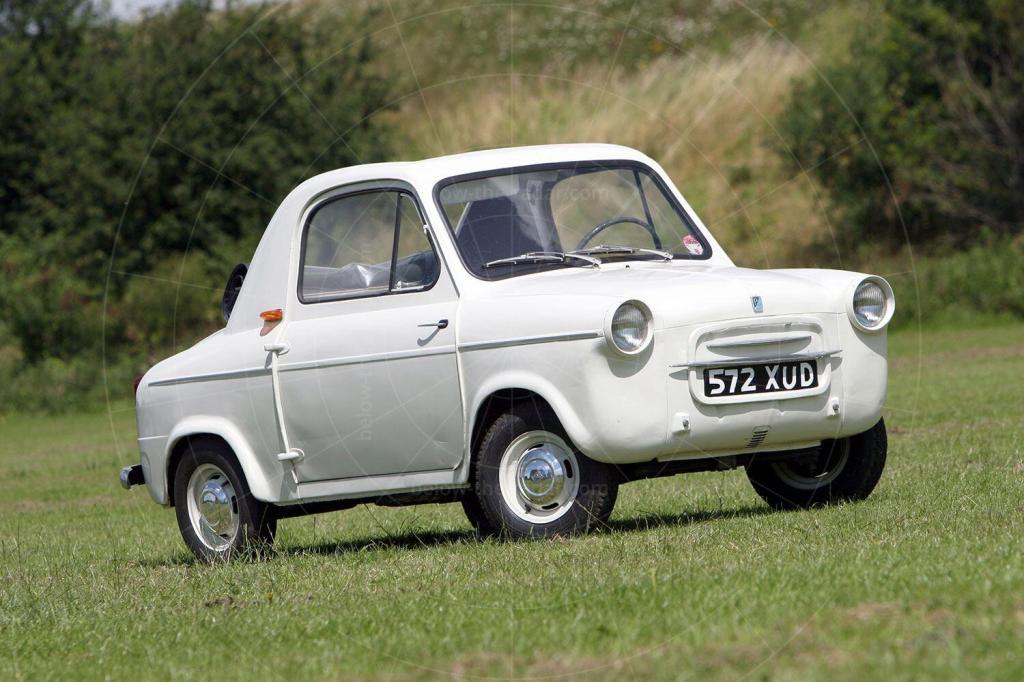
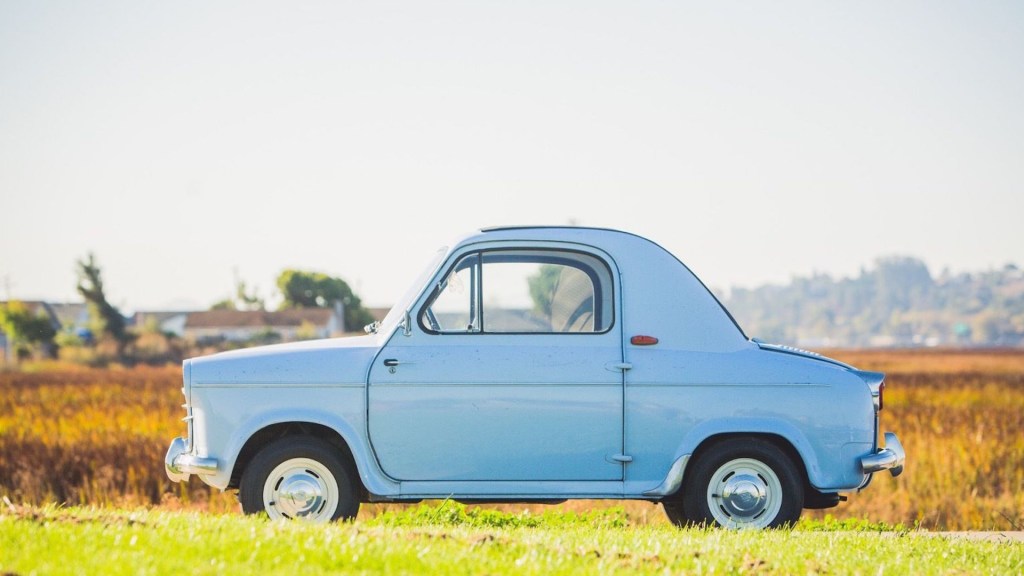
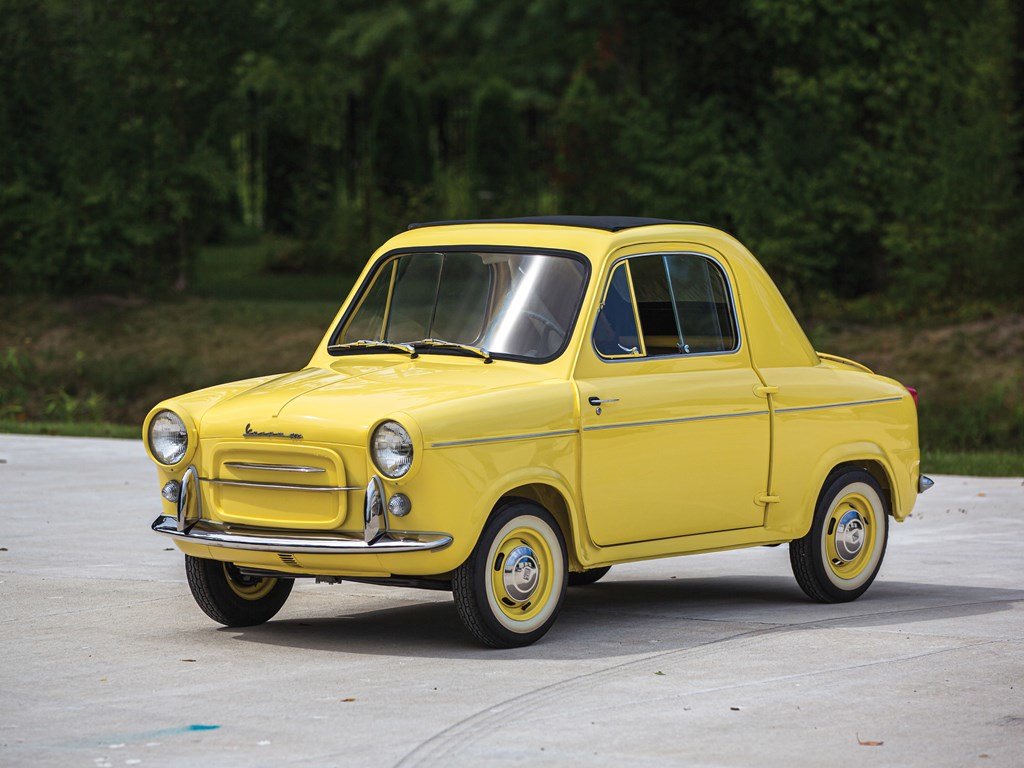
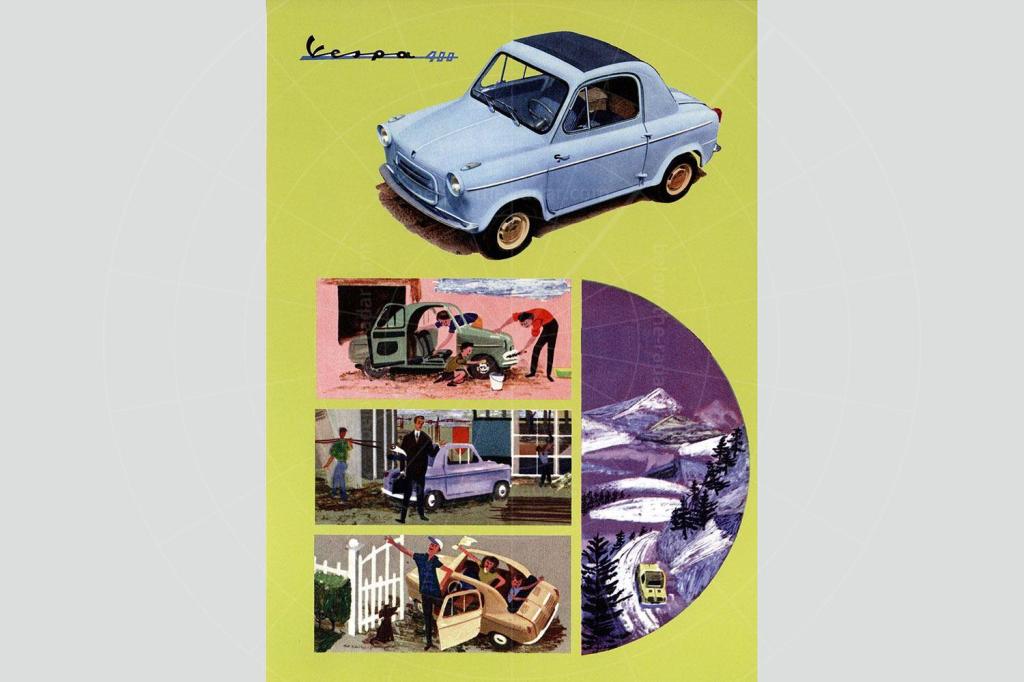
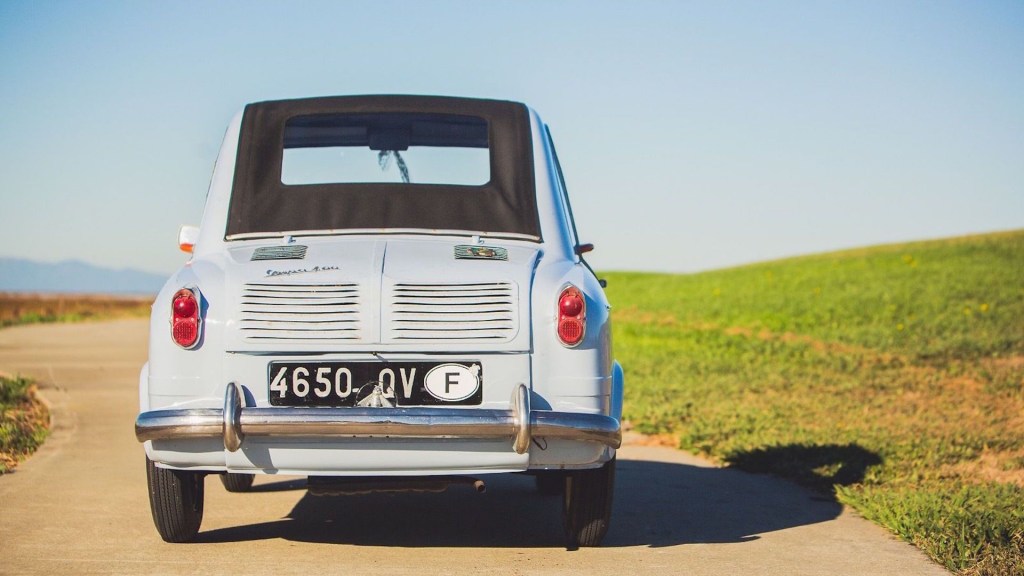
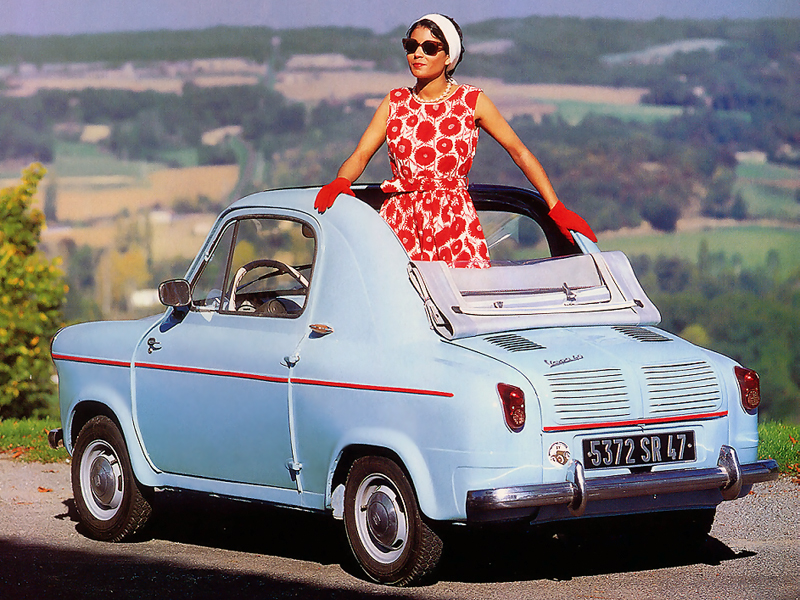
I był to okres wzrastającego trendu na małe auta dla mniej zamożnych – a jak się okazało, Vespa to był tak naprawdę jeden z lepszych mikrocarów jakie były do kupienia. Miał samonośną konstrukcję i zdejmowaną plandekę na dachu. Serio – super sprawa. Technicznie rzecz biorąc było to coupe 2+2, ale faktycznie tylko 2 osoby mogły podróżować w wygodzie. W sensie… pojazd był dwuosobowy, ale można było go wyposażyć w oryginalne poduchy, na których dzieci mogły siedzieć w przedziale za rodzicami. Zawias drzwi montowany był na zewnątrz kabiny, przez co nie zabierał miejsca w środku i ta była bardziej przestronna w porównaniu do konkurencji. Z początku szyby były stałe – z tylko uchylanym fragmentem – ale późniejsze egzemplarze miały je już przesuwne.
Fiat 500 wszedł na rynek w tym samym czasie, ale Vespa była od niego mniejsza (a że od Mini to już nawet nie wspominam) – a mimo swoich rozmiarów, stanowiła całkiem wygodny i praktyczny środek lokomocji. Mimo również braku przestrzeni bagażowej. Silnik zajmował tylny przedział, ale z przodu miejsca wystarczyło ledwie na nogi kierowcy / pasażera i akumulator – ten się wysuwał z „grilla” jak z szuflady. Za siedzeniami było jednak dość przestronnie – co w praktyce służyło za bagażnik. Otwierany materiałowy dach można było całkiem odkryć, co sprawiało wrażenie dodatkowej swobody (której tak naprawdę defacto nie było).
Silnik umieszczony był z tyłu – i napędzał koła tylne. Vespa była napędzana motocyklową technologią w postaci 2-cylindrowego dwusuwu o pojemności 0.393-litra, zdolnego do 15 koni mechanicznych. Starczało to do 80 km/h. Chyba, że pod górkę – wtedy nie. Prędkości rzędu 65 km/h przychodziły jednak bez problemu. W pojedynkę podróżowało się tym nawet żwawo, bo auto nie przekracza 350 kg. 400 km zasięgu to również całkiem dobry wynik jak na tanie auto używane do dojazdów do pracy i podróży w weekendy. Vespy doskonale spełniały zadanie drugiego auta w rodzinie.
Autko było naprawdę fajne. Żaden garażowy ulep na trytki. Tam było w pełni niezależne zawieszenie, hydrauliczne hamulce i 3-biegowa przekładnia. Prasa była zaskoczona jak takim padłem bez mocy może się jeździć przyjemnie. Siedzenia chwalono za wygodę, przyspieszenie za jego płynność i silnik za dużo mniejszy hałas w porównaniu do obecnych na innych rynkach modeli. Oczom nie mogli uwierzyć, że cena była tak niska. Rywale z jej segmentu praktycznie nie mieli czym zagrozić. Taki (dziś bardziej znany) 2CV był większy, droższy i miał mniej mocy – a Vespa miała nawet automat mieszający każdą ilość paliwa do dwusuwu w odpowiednich proporcjach.
Produkcja trwała do 1961 roku i w tym czasie powstało 34 tysiące egzemplarzy. Vespa była jednym z lepszych miejskich mikroautek – i rynek zweryfikował ją korzystnie. Do dziś niewiele się ich uchowało, bo skrzynie biegów miały nieprzyjemny zwyczaj zdychać i często pluć olejem – i mało kto się tym na bieżąco zajmował. Nie chciało się naprawiać, a teraz taki pojazd jest wart dobry hajs. Wariant GT miał 4-biegowe skrzynie, przez co najlepiej nadawał się do jazdy, ale Ameryka takich luksusów nigdy nie doświadczyła.
Krzysztof Wilk Na podstawie: D Lillywhite – The Encyclopedia of Classic Cars | below-the-radar.com | wikipedia.org | motor1.com | carandclassic.com | enso – microcars | classic-trader.com | bringatrailer.com | conceptcarz.com | N Balwdin – The World Guide to Automobiles, the Makers and their Marques | YT: Old Cars
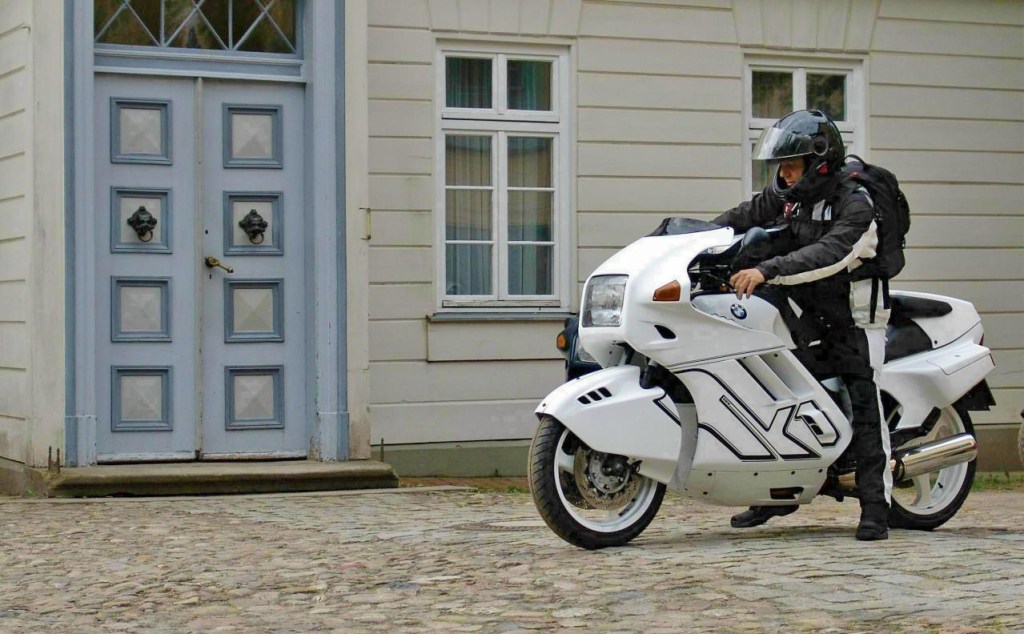
Sport – Touring | Straight 4 – 1.0L – 100 BHP | 3.9s | 240 km/h 149 mph
W latach ’80-tych BMW było największym europejskim producentem a ich motocykle uchodziły za solidne i dobrze wykonane. Problem polegał na tym, że raczej też za zdziadziałe. No spójrzmy prawdzie w oczy. Mieli w ofercie gamę dwucylindrowych modeli turystycznych, ale ze sportowo-turystycznych opcji były właściwie tylko K100 i K75 – a one wyglądały jak wyglądały, no nie. No, mało imponujące. Szczególnie w kontekście japońskiej inwazji na rynki światowe. A Japonia wydalała rasowe, czysto sportowe motóry o dużych pojemnościach i to była zdecydowana agresja. Niemcy zostali daleko w tyle. Właściwie nie mieli czym konkurować. Do czasu…
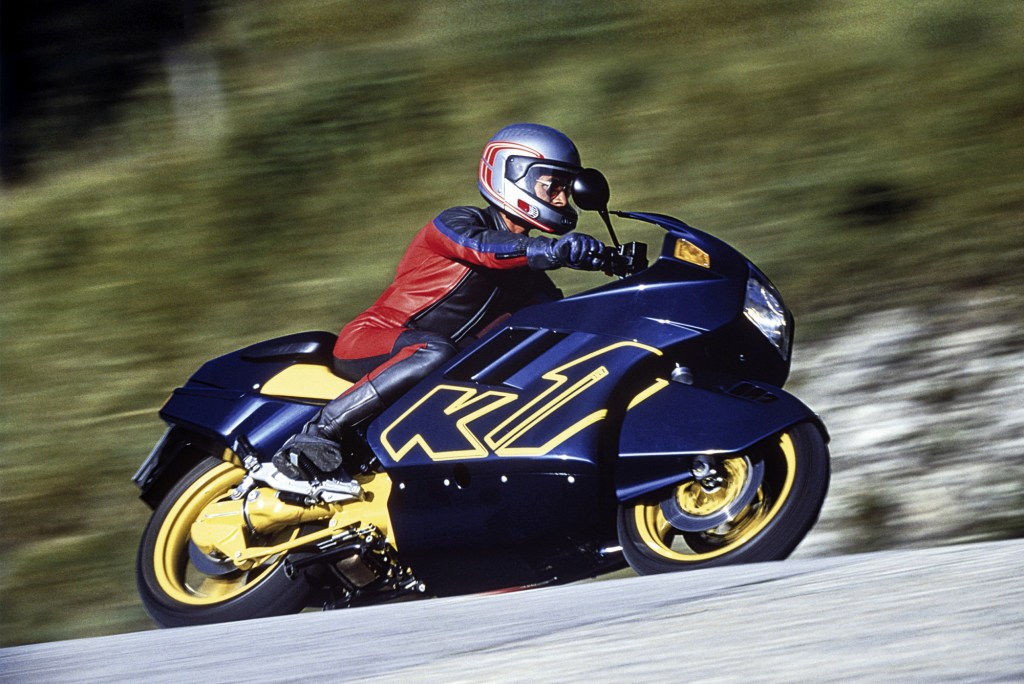
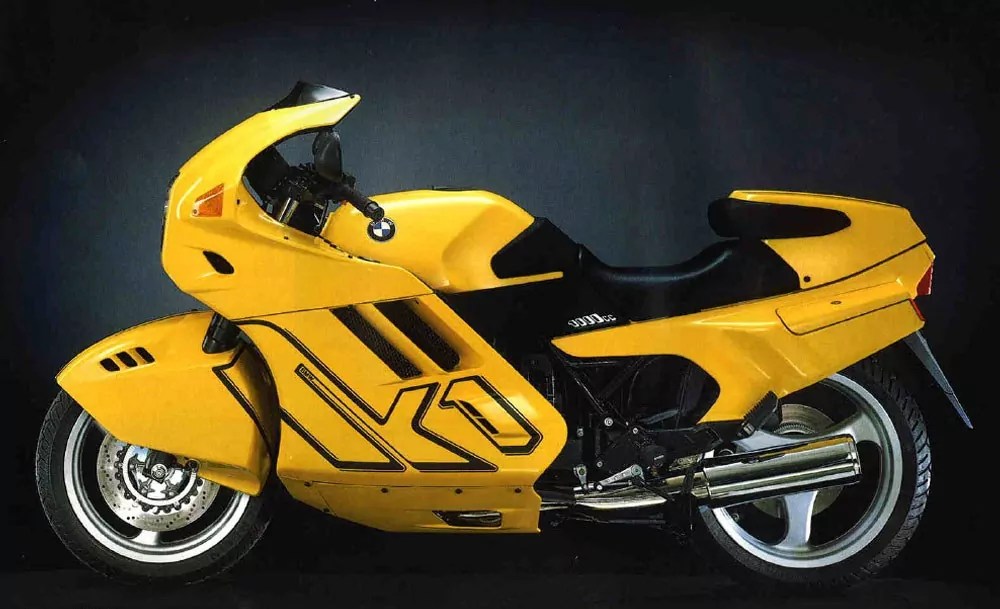
Postanowiono ubić dwie pieczenie za jednym zamachem: odświeżyć linię modelową (poprawiając tym samym image marki), oraz rzucić wyzwanie na agresywnym rynku zbytu z monumentalnie rosnącym zapotrzebowaniem – i albo się uda, albo się nie uda. I czy im się udało? Ło panie… „Udało” to mało powiedziane. BMW nie miało żadnego pojazdu, który mógł w ogóle aspirować do miana sportowego. Dlatego image był tak rozjebany. Nie było totalnie nic. Aż na targach w Kolonii pojawił się on – cały na czerwono-rzułto.
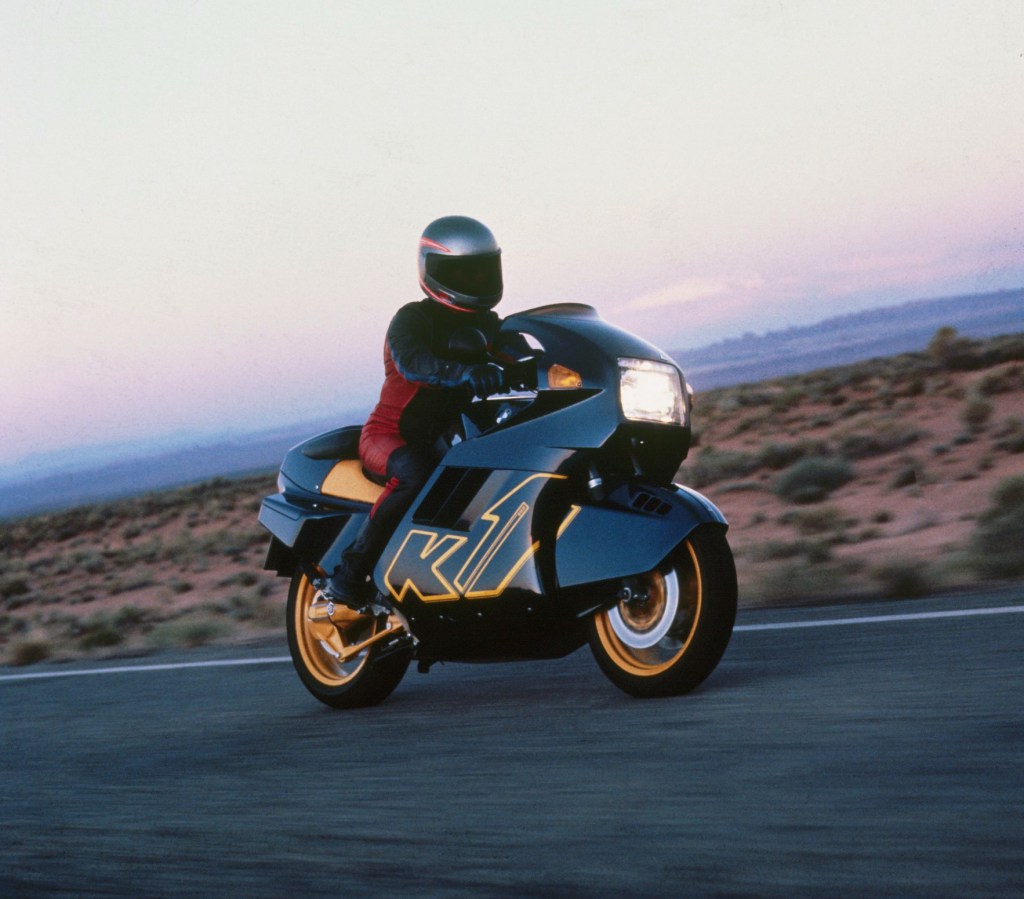
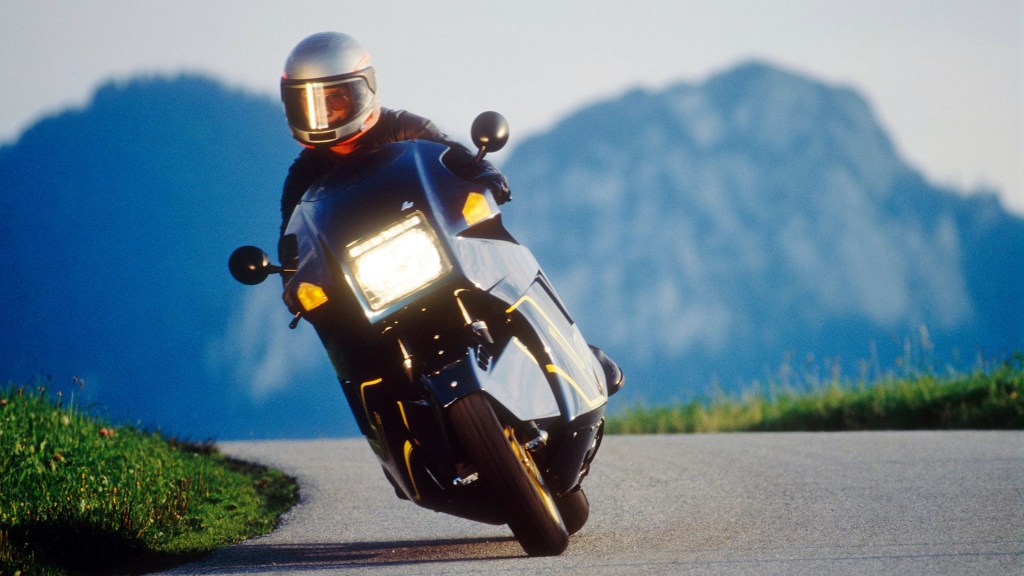
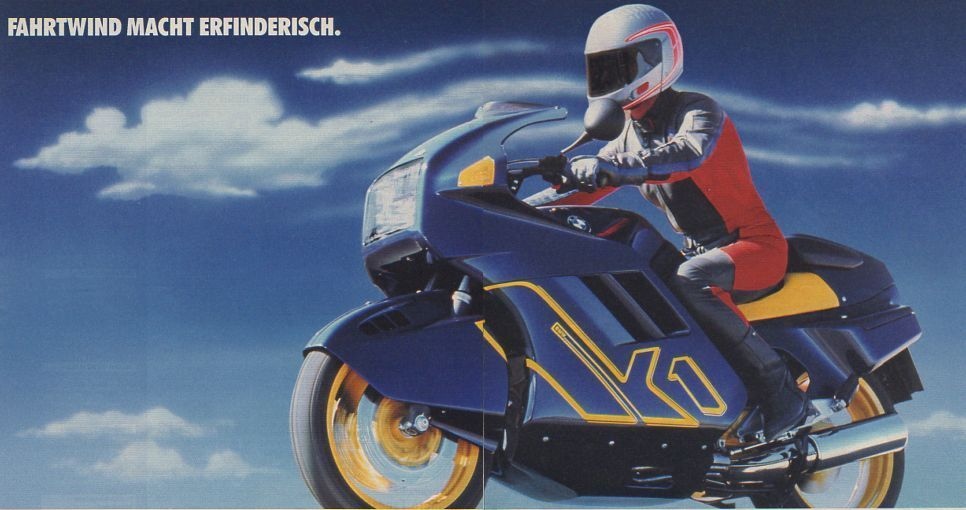
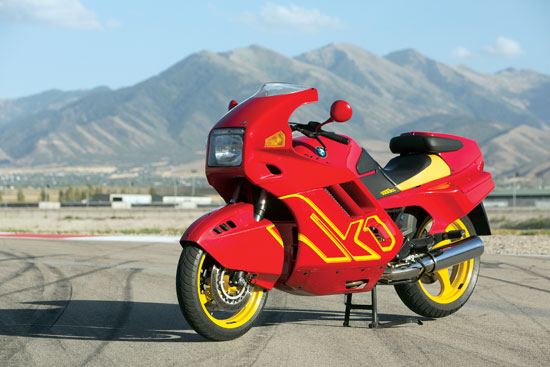
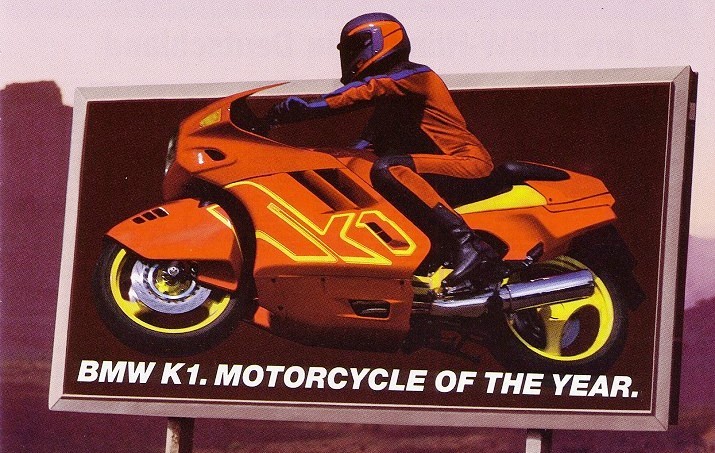
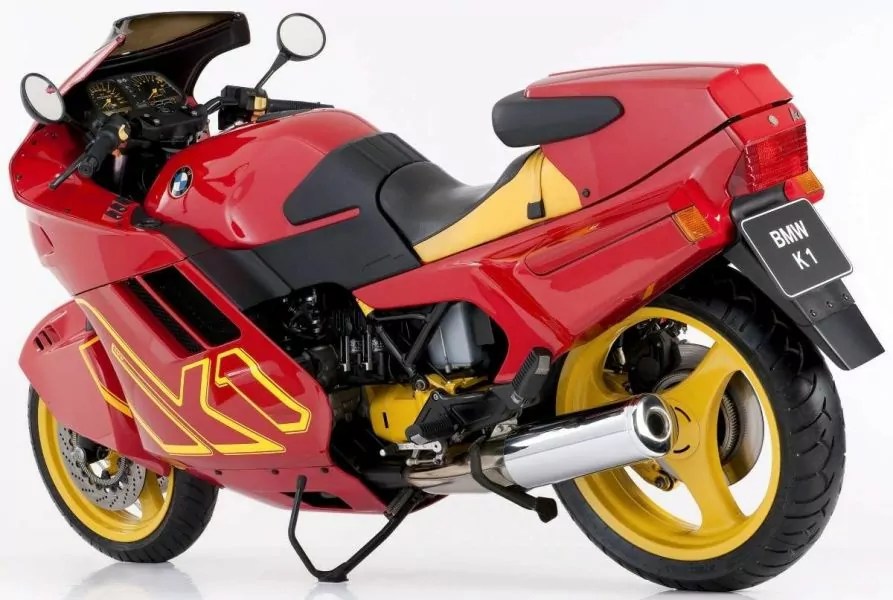
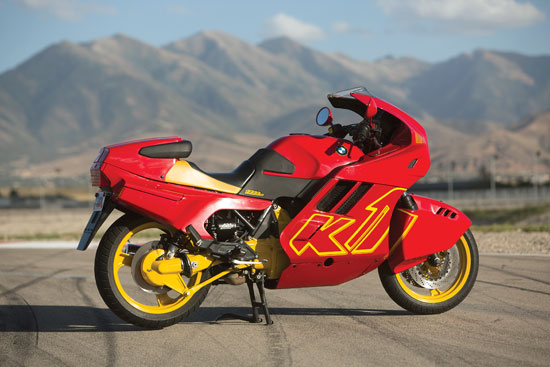
No właśnie! Model wyglądał totalnie nienormalny. Nic się nie zgadzało. „To w ogóle BMW?” – ludzie myśleli. „Taki zajebisty?!” Wcale nie przypominał niemieckiej marki znanej z niebiesko-białego malowania. Ten był w agresywnych oczojebnych kolorach. Czerwony z żółtymi wstawkami. Miał kompletnie pojebaną aerodynamikę – nawet Japońce nie były tak odważnie futurystyczne. Ogromna dupa z nakładką aerodynamiczną na siedzenie pasażera, i wąski przód zakończony kołem schowanym pod owiewką. Niemcy zrobili doskonałą robotę z tym designem, bo to był ich główny atut w kwestii osiągów. Prawo ograniczało moc do maksymalnie 100 koni mechanicznych, więc trzeba było czynić szybkość w inny sposób. BMW miało aero z najlepszym współczynnikiem oporu powietrza w 1988 roku – a i dzisiaj producenci muszą niezłe akrobacje stosować, żeby zbliżyć się pod tym względem do K1.
K1 to dla świata motocykli była niezła terapia szokowa już z daleka, a jeśli się przyjrzeć z bliska, to czekało nas wiele więcej. Już K100 dostał technologię z aut BMW w postaci systemów Bosch Motronic, czyli komputerów sterujących silnika, które kontrolowały wtrysk paliwa i układ zapłonu – zwiększały tym samym reakcję, polepszając zarazem moc takiego pojazdu i jego spalanie. Czterocylindrowy motor z czterema zaworami na cylinder – a więcej zaworów to mniejsza i bardziej kompaktowa jednostka z wysoką kompresją. Pochodził tak naprawdę od Peugeota i był umieszczony wzdłużnie poziomo. 5 przełożeń i wał kardana w napędzie. Do K1 odświeżono platformę, która dalej pochodzi od poprzednich modeli, ale jest dużo lepsza i ze wzmocnioną ramą. Zawieszenie to był bardzo drogi układ z solidnych włoskich podzespołów. Jednostronny wahacz z tyłu i widelec na przód. K1 miał duże hamulce Brembo (dwie tarcze z przodu) i ABSy na obu kołach. To był game-changer, a przecież nawet dziś BMW jest jednym z niewielu, którzy pakują ABS do wszystkich motocykli (dopiero w 2016 weszło prawo, które tego wymaga) – i robili to już w 1988 roku! A i nawet teraz Chińczycy zamiast RiGCzu montują CBS w tańszych moto: czyli zamiast ABSów masz dodatkowy drut na kiju. Super partia, kurwo – Chińczyk płakał jak to robił. Nie to co u Niemców.
ABS to jedna sprawa, ale już sam kształt motocykla chronił jeźdźca przed bezpośrednim kontaktem w razie wypadku. Jego pozycja w siodle i kąty zastosowane przy projektowaniu pojazdu umożliwiły wyrzucenie człowieka ponad samochodem, czy innym obiektem z którym doszło do zderzenia – dając mu tym samym szansę na przeżycie. To był naprawdę bezpieczny jednoślad i robi wrażenie nawet dziś. Co prawda takie BMW kosztowały fortunę jak na lata ’80-te, ale nawet dzisiaj wyglądają dobrze i podróżuje się nimi wygodnie, bo one się właściwie nie starzeją – a mają już ładnych parę dekad na karku.
Motocykl przyspieszał do setki w 3.9s i zdolny był do prędkości rzędu 230-240 km/h. Czy K1 mógł rywalizować z Japończykami? I tak, i nie. Był dynamiczny – ale zarówno przyspieszenie, jak i prędkość maksymalna były ograniczone, bo przecież nie miał mocy – i był relatywnie ciężki. Yamaha spokojnie pakowała do swoich 140 koni. BMW miało długi rozstaw kół, co owocowało większym promieniem skrętu. Było jednak komfortowe i kupowało się je raczej dla przewagi w technologii, a nie ze względu na osiągi. Jest też bardzo bezpieczny i dobrze chroni kierowcę przed wiatrem. Kufrów może nie było, ale BMW miało schowki pod kluczem. Dlatego z czysto sportowymi modelami raczej się nie spisze, ale jako sportowo-turystyczny – jest motocyklem niemal idealnym.
Każdy pojazd ma swoje wady. W BMW aero słabo odprowadzało temperaturę i ciepło się zbierało przy jeździe poniżej 80 km/h, przypalając kierowców od czasu do czasu. Późniejsze egzemplarze miały koc termiczny pod owiewką – i było lepiej, ale to dalej był problem. Zmieniono panele na cieńsze, ale się z kolei rozpierdalały. No zawsze był jakiś kompromis. Silnik to solidna maszyna, nisko umieszczona z korzyścią dla właściwości jezdnych, ale była przymocowana bezpośrednio do ramy, przez co strasznie cierpiała na wibracje nawet mimo wygłuszenia.
Dużo się ich nie sprzedało, bo w 5 lat prawie 7k sztuk, ale to była totalna przemiana rynku jednośladów. Niemcy sporo zyskali na charakterze. Od teraz potrafili szokować i zachwycać – a przede wszystkim: liderować. K1 był jednym z najważniejszych motocykli końca lat ’80-tych, ale w 1993 do produkcji weszła Honda Fireblade i pozamiatała. To Japończycy w głównej mierze zabili ten model. Trendy się zmieniły. BMW K1 był dostępny na rynku dosyć krótko, ale był praktyczny i wygodny – a przy tym solidny i niezawodny – i w tym czasie zdołał trwale zmienić oblicze niemieckiej marki. Zrywał z wizerunkiem na każdym kroku. Jego nadejście to początek nowej epoki. Prawdziwy kamień milowy motoryzacji.
Krzysztof Wilk Na podstawie: auto-swiat.pl | motorcyclespecs.co.za | bmw-k1.com | motogen.pl | gieldaklasykow.pl | thebikespecialists.com | motorcycleclassics.com | bikez.com | autoevolution.com | wikipedia.org | wielka pomoc od użytkowników jbzd: Rumpelstilskin, kakak7

 SRT
SRT 