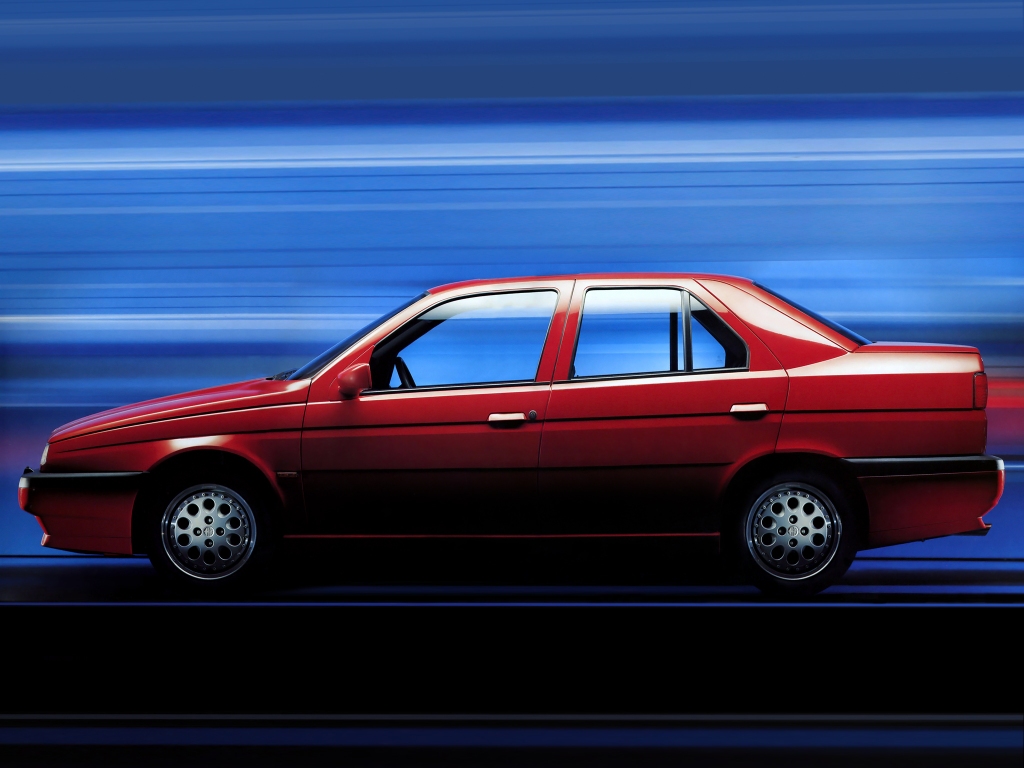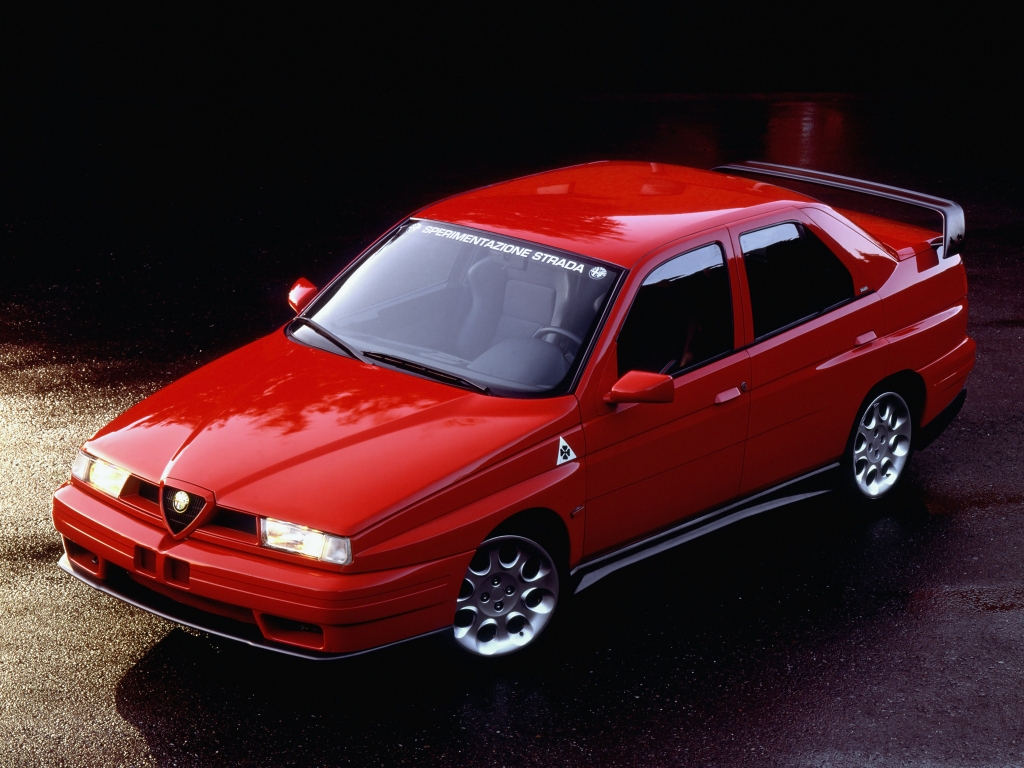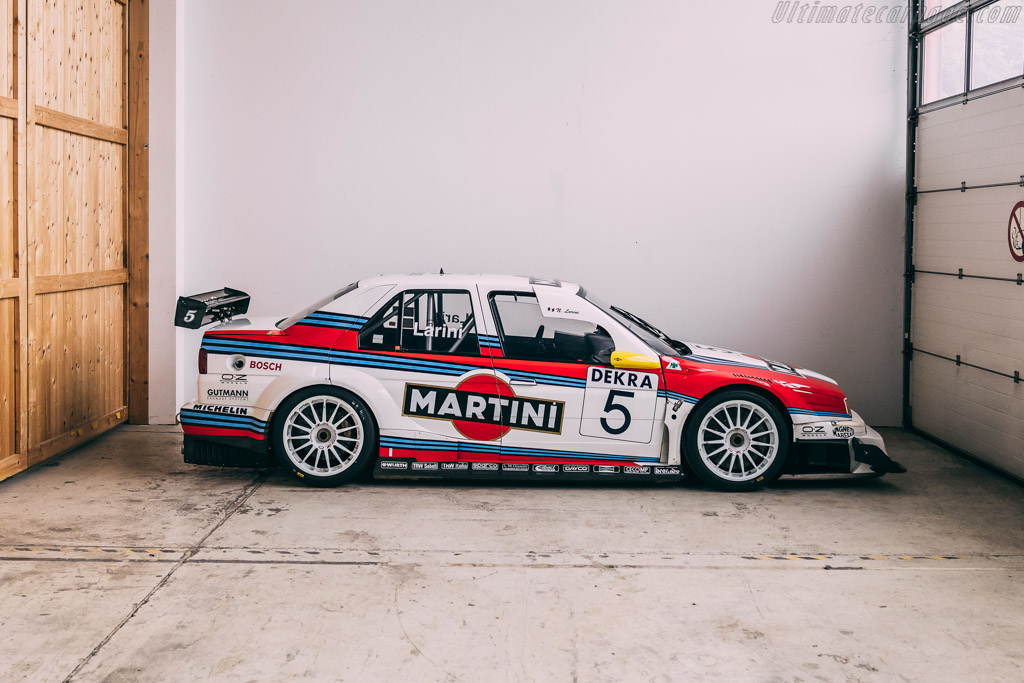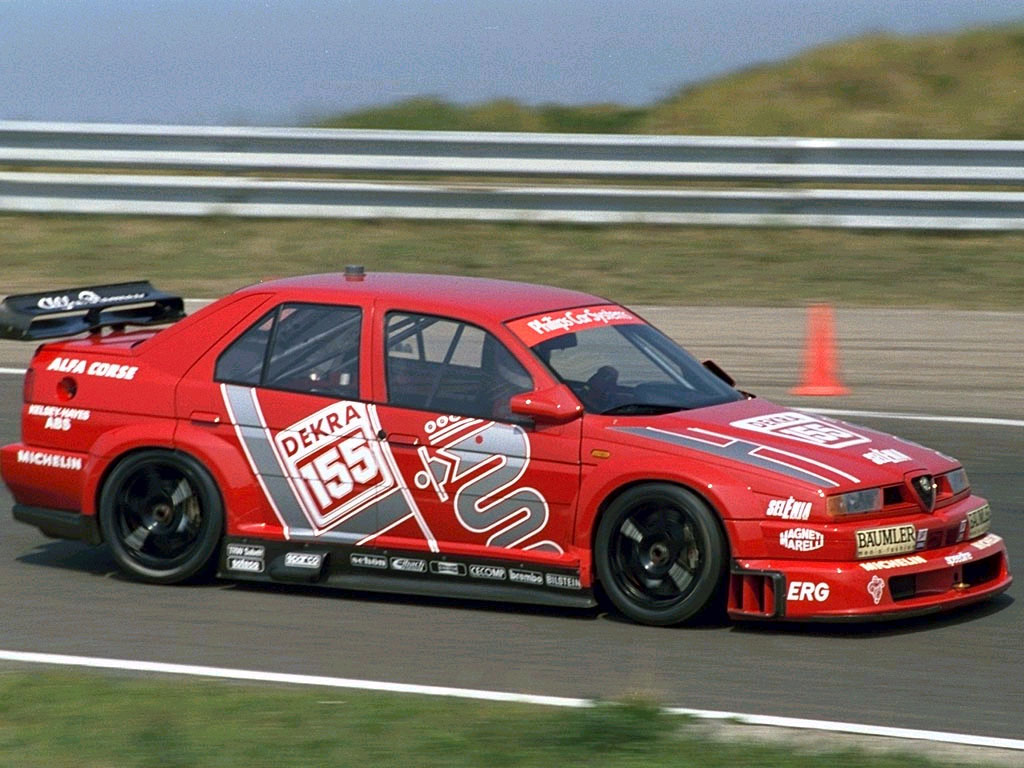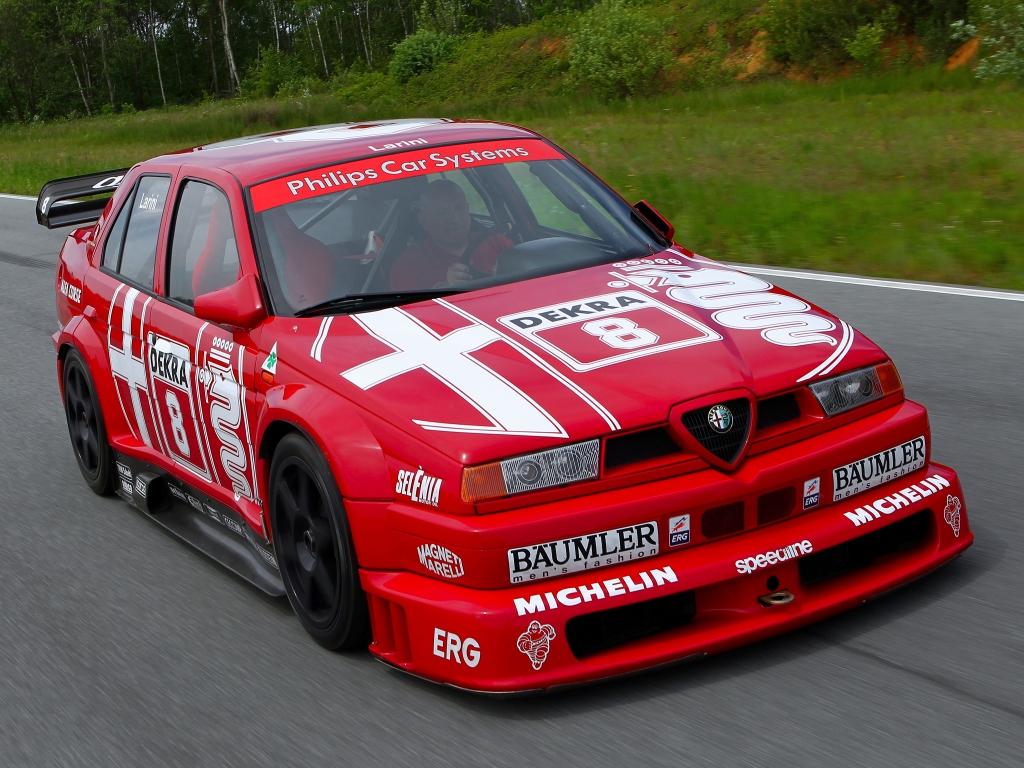
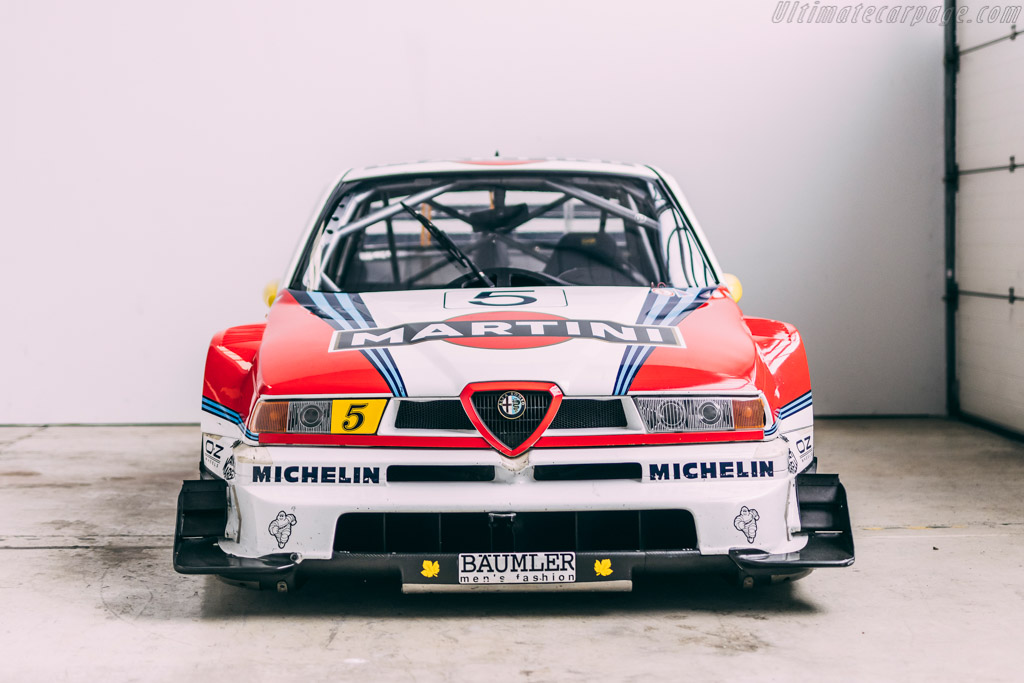
1993 – Alfa Romeo 155 2.5 V6 TI DTM

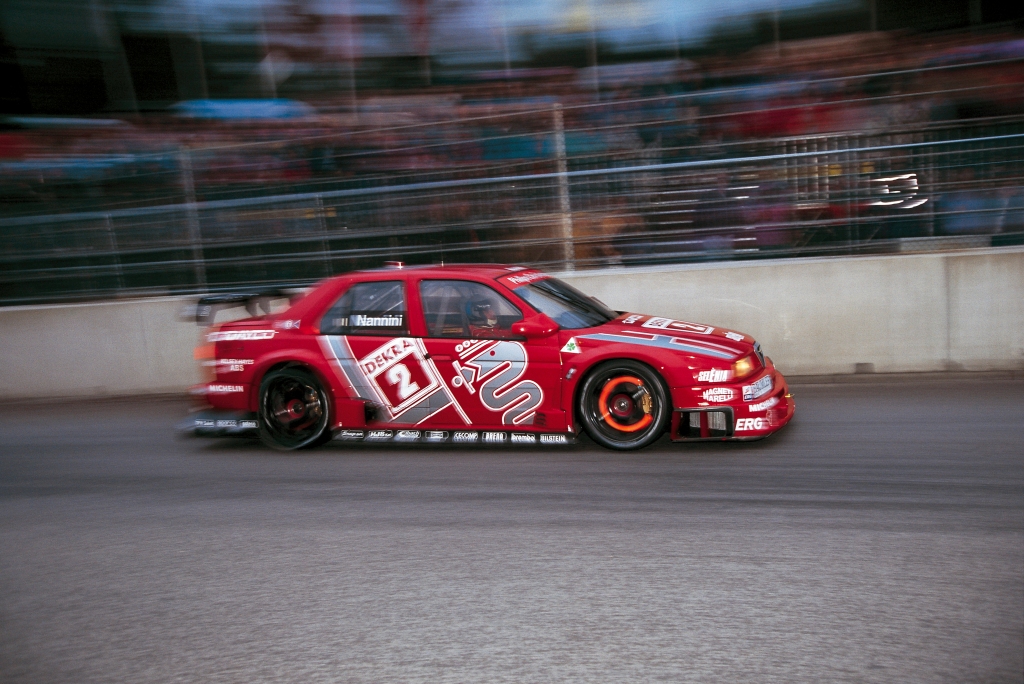
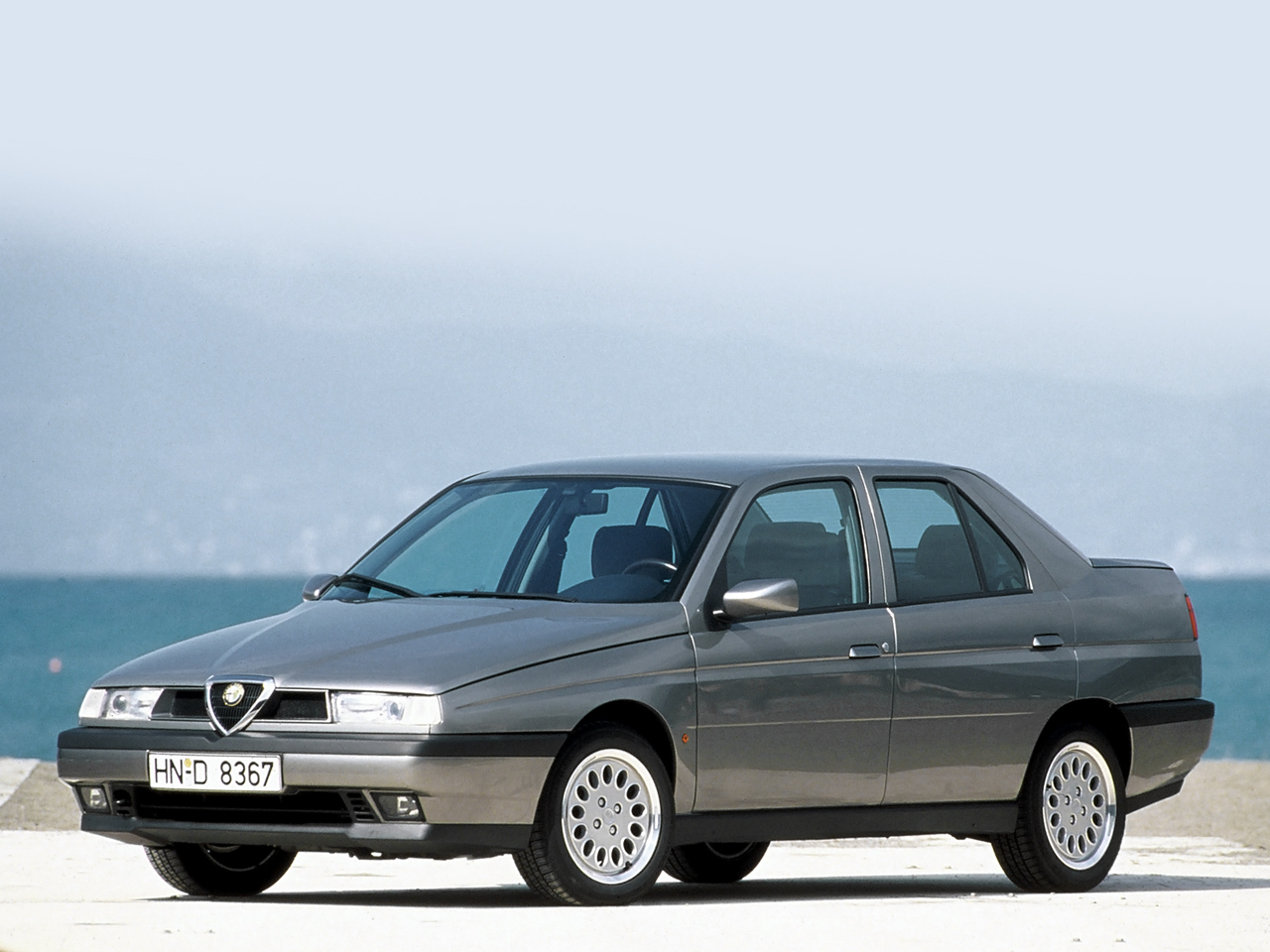
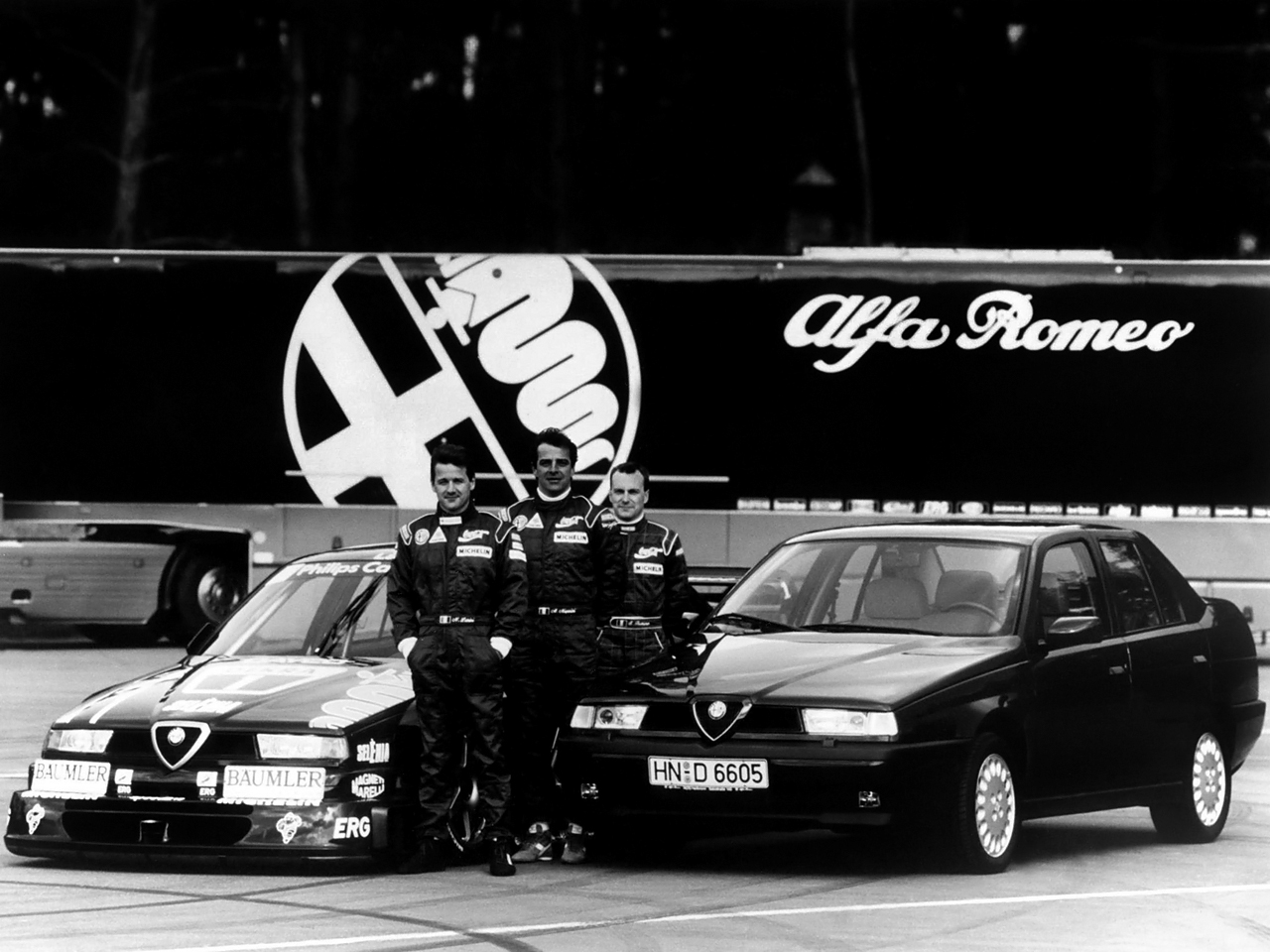
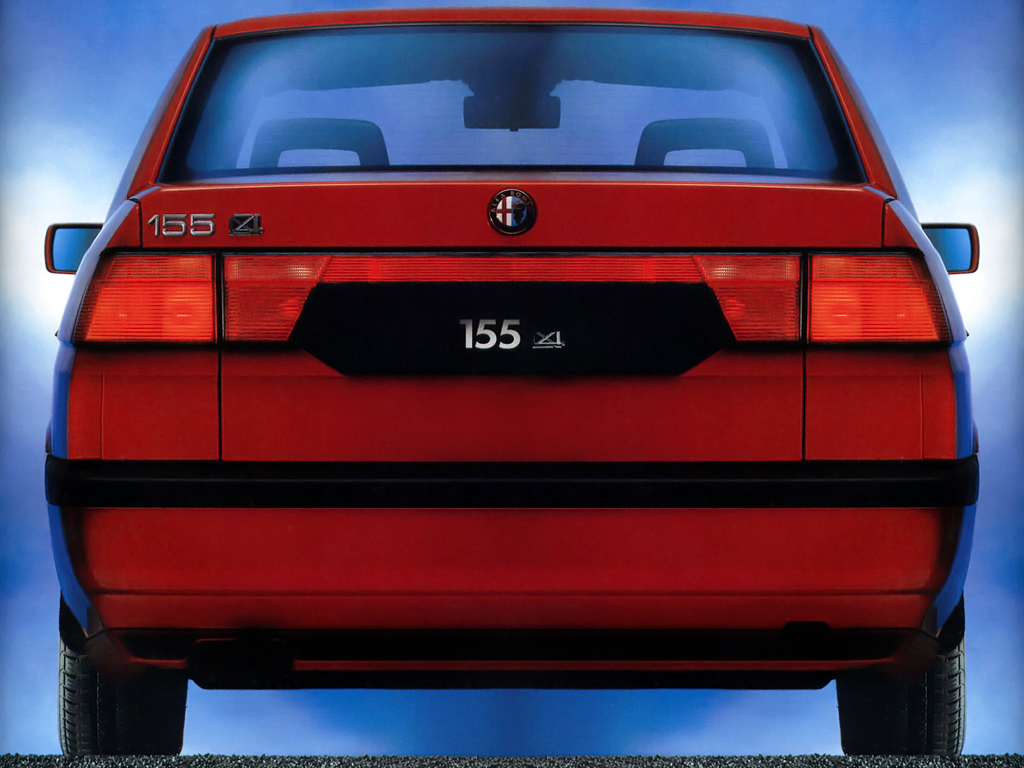
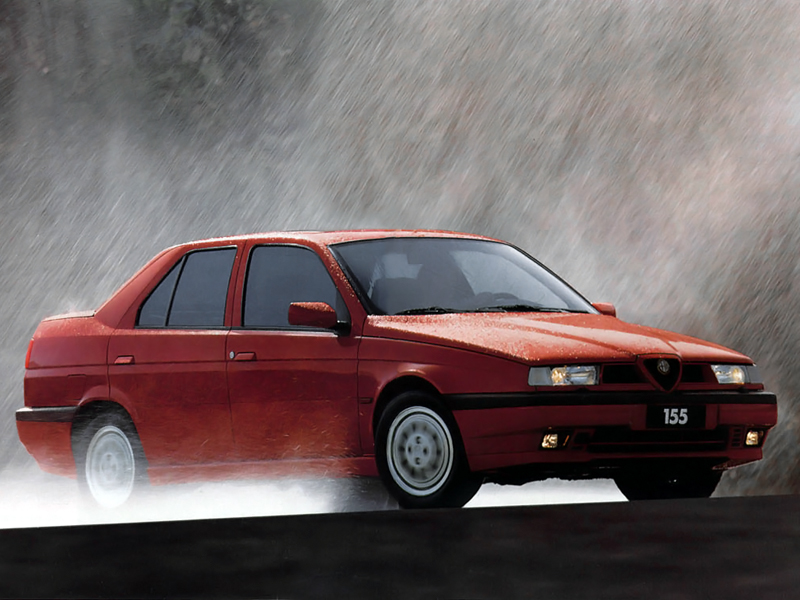
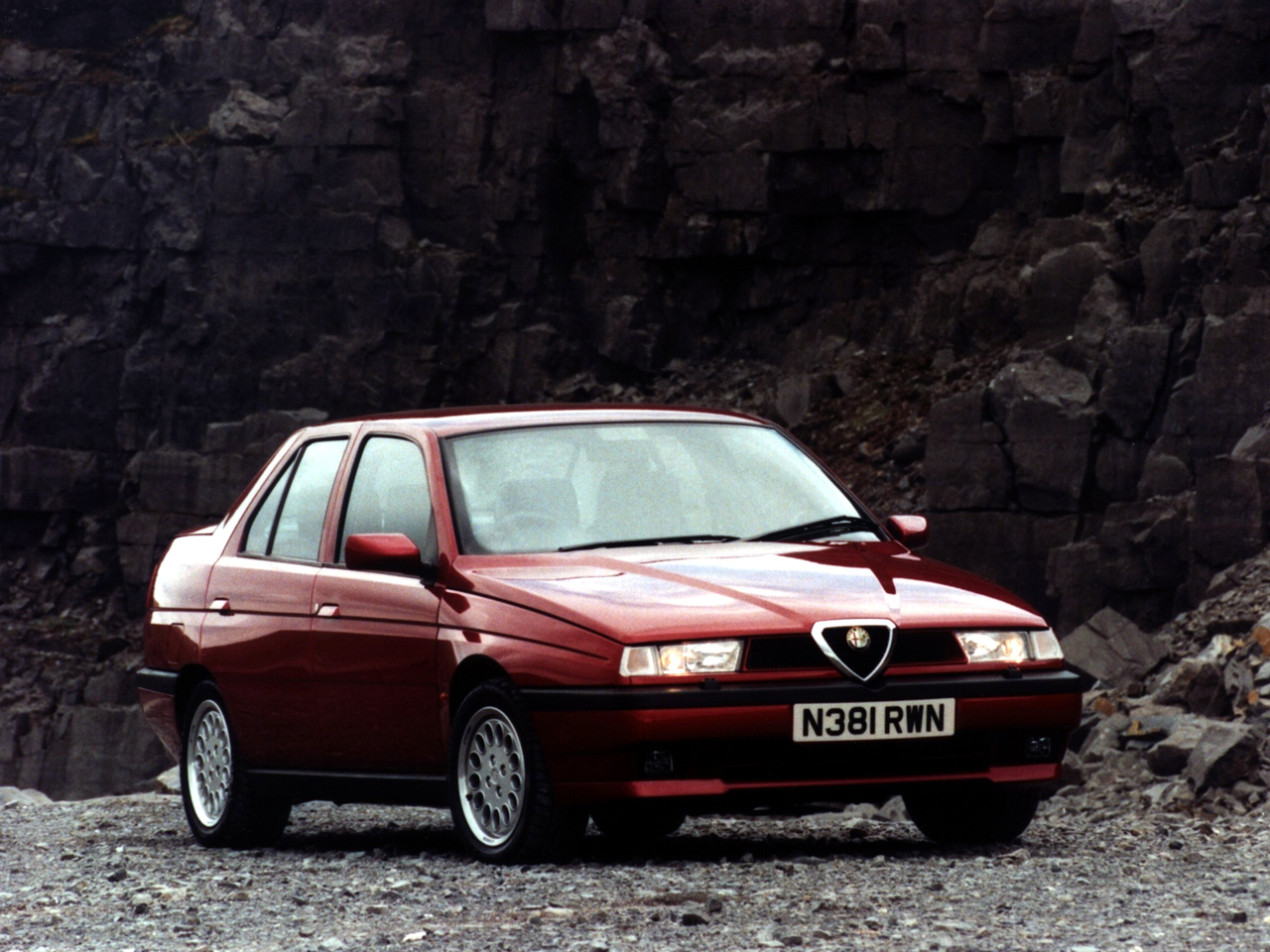
Alfa Romeo had their racing campaign in the American Indy series, but let’s face it… it wasn’t the best they could do, so they returned to touring racing in search for podiums. Amazing move, because their new variant of the Alfa 155 literally dominated 17 out of 20 possible events in their domestic – Italian championships. They had to look for a true rival abroad – none of the locals would be a match for them at that point. Germans – they already had a format there, alright. German manufacturers could compare their dicks in Deutsche Tourenwagen Meisterschaft, but they fiddled with the regulations, so starting from 1993: they could slap the pasta eaters as well, if they’re looking for it that bad.
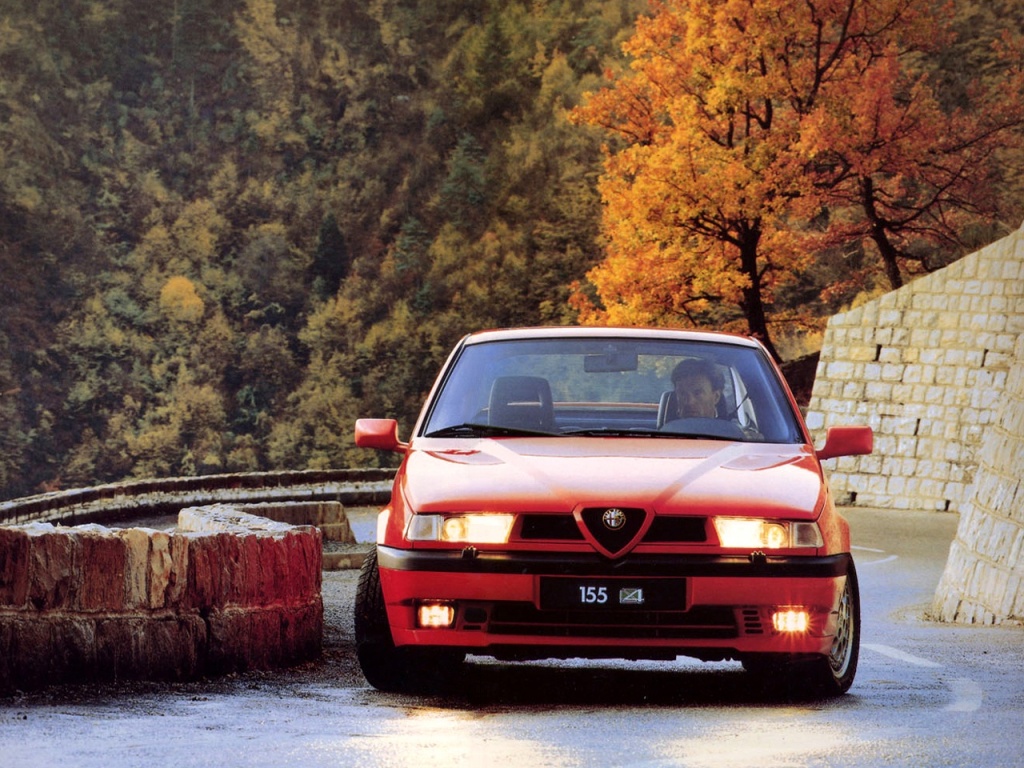
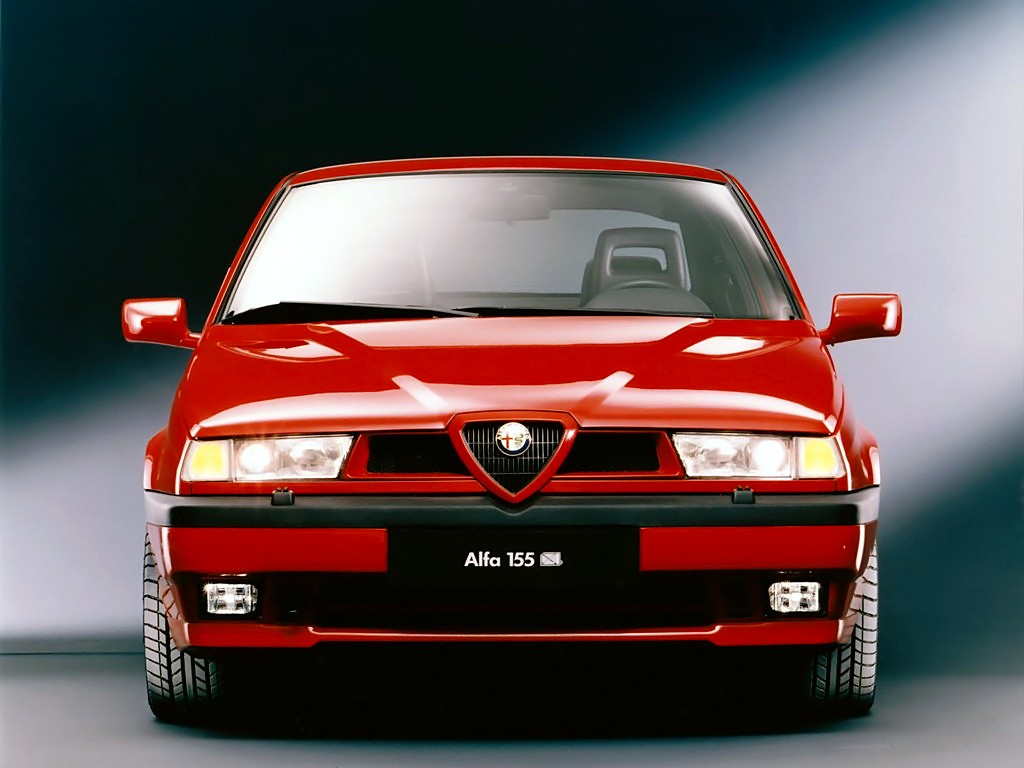
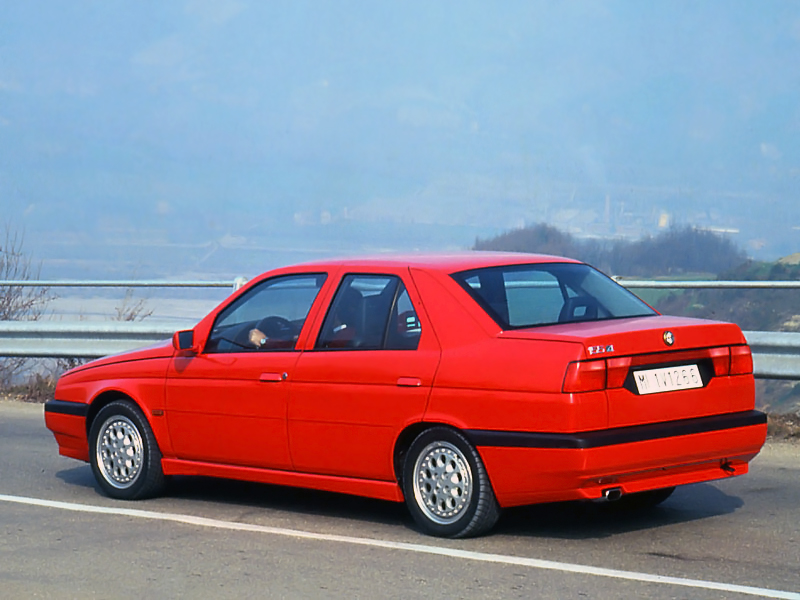
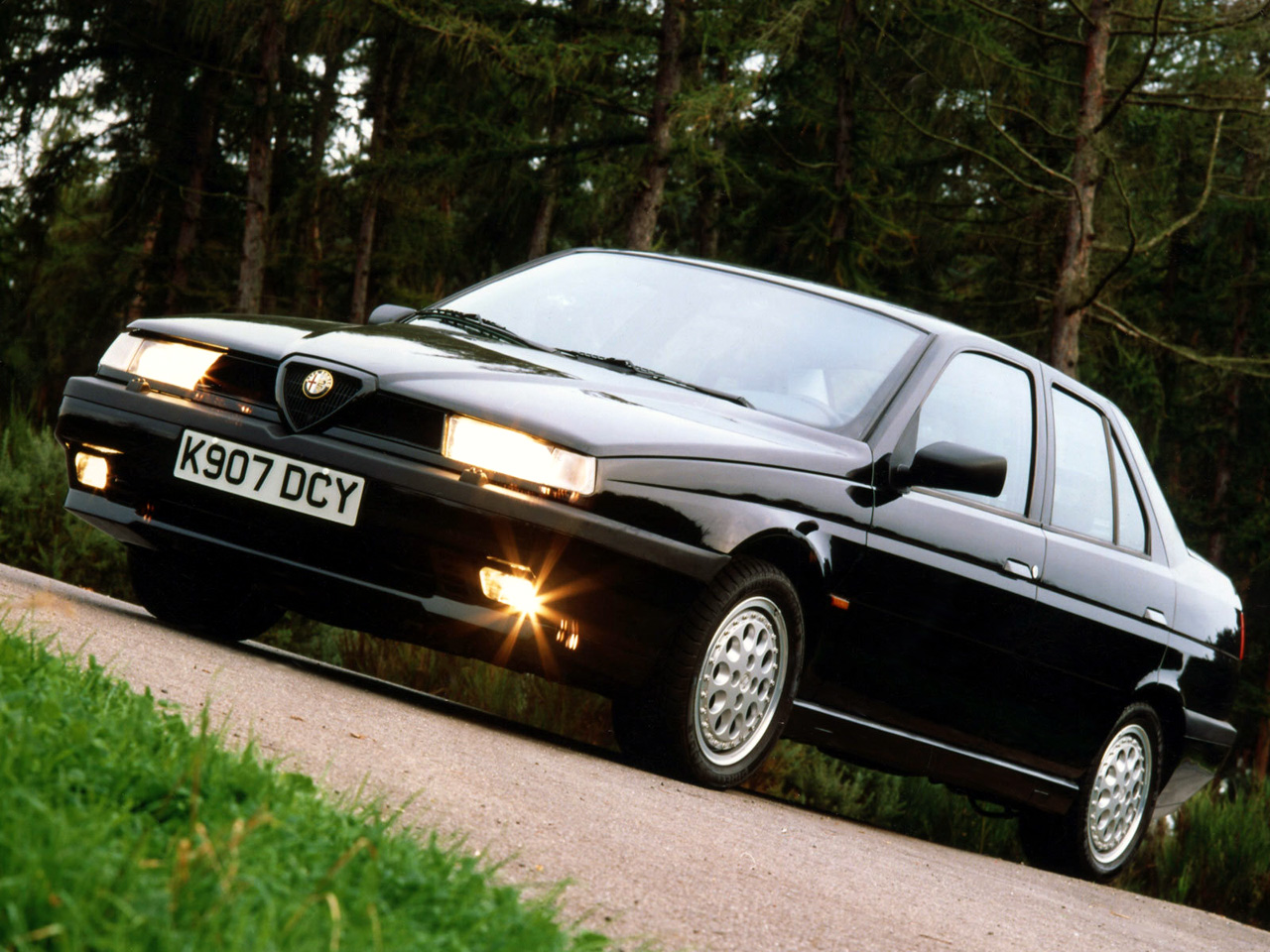
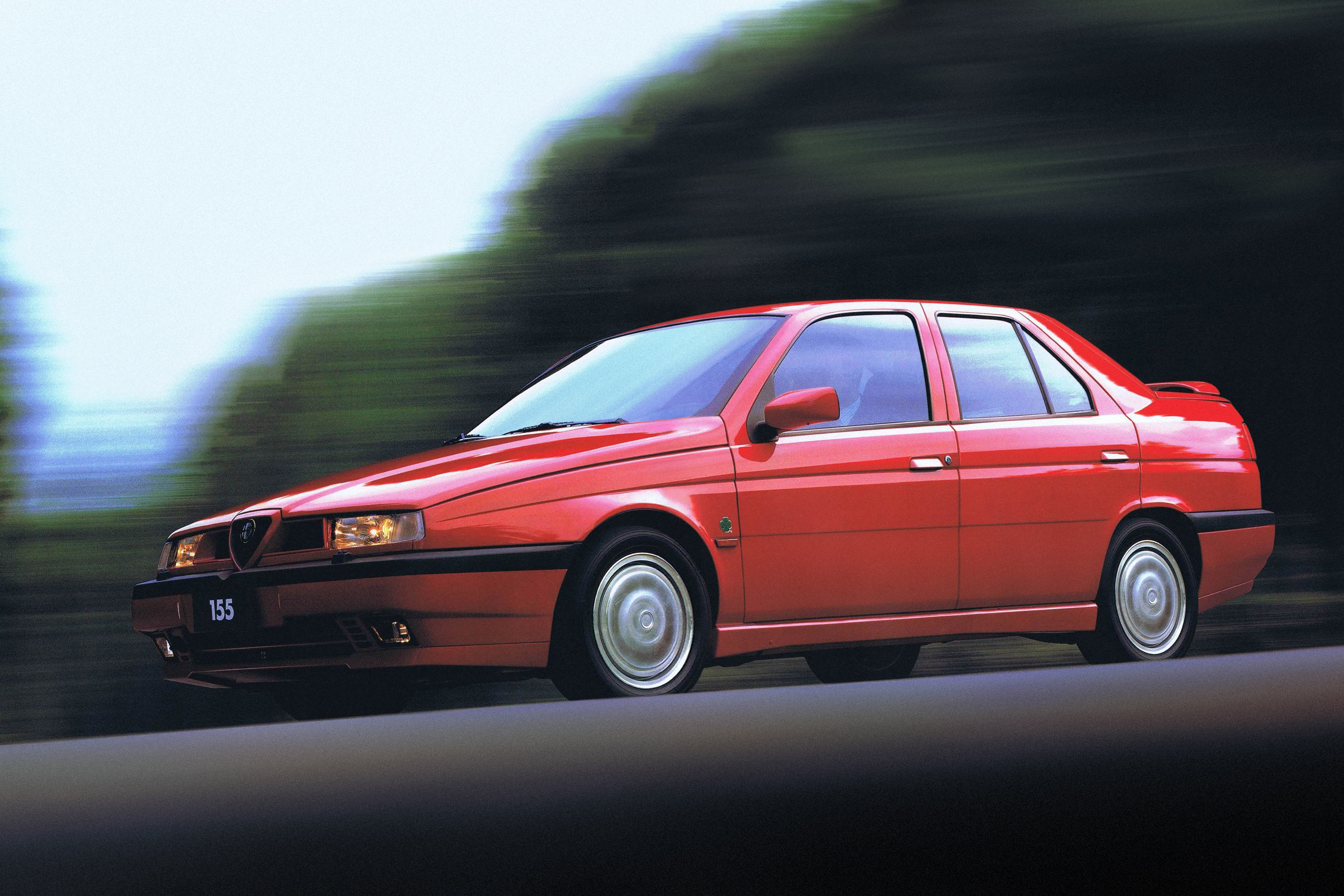
DTM had a long tradition of racing on Group A rules, but from now on they were starting in two segments: FIA Class 1 and FIA Class 2. The only difference was how advanced manipulations they could perform on their constructions. Class Two was closer to their road examples – and those were more popular, as the entry threshold was lower. Class One had less limits to their upgrades and allowed for serious changes. Alfa Romeo prepared their cars for both divisions.
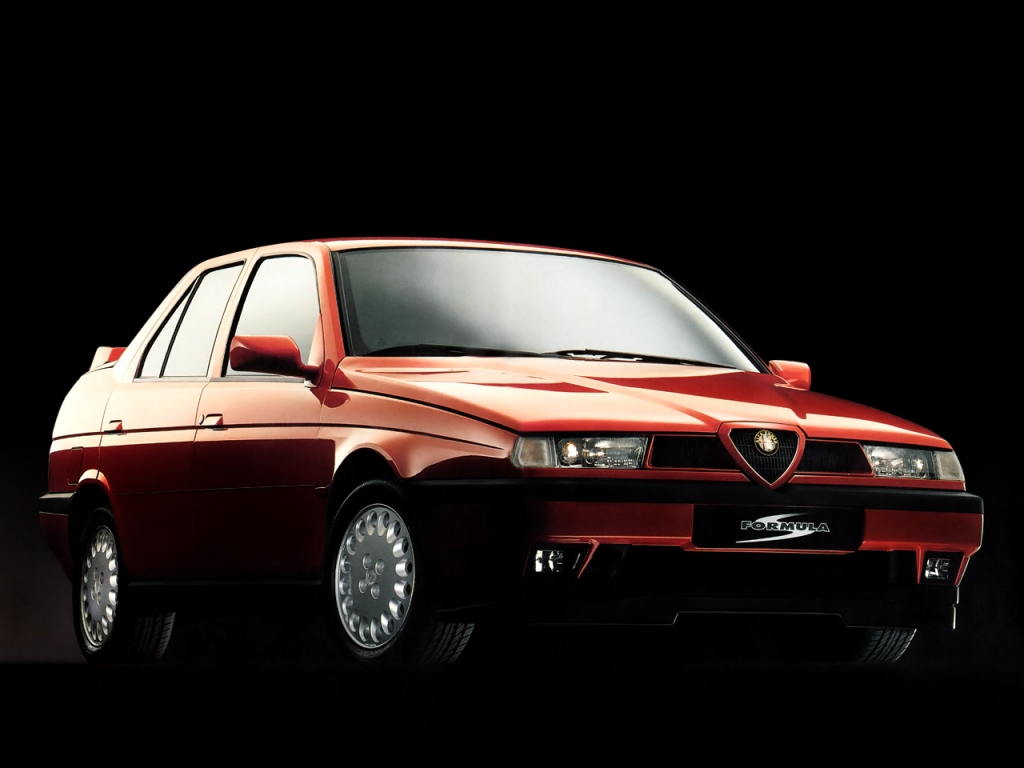
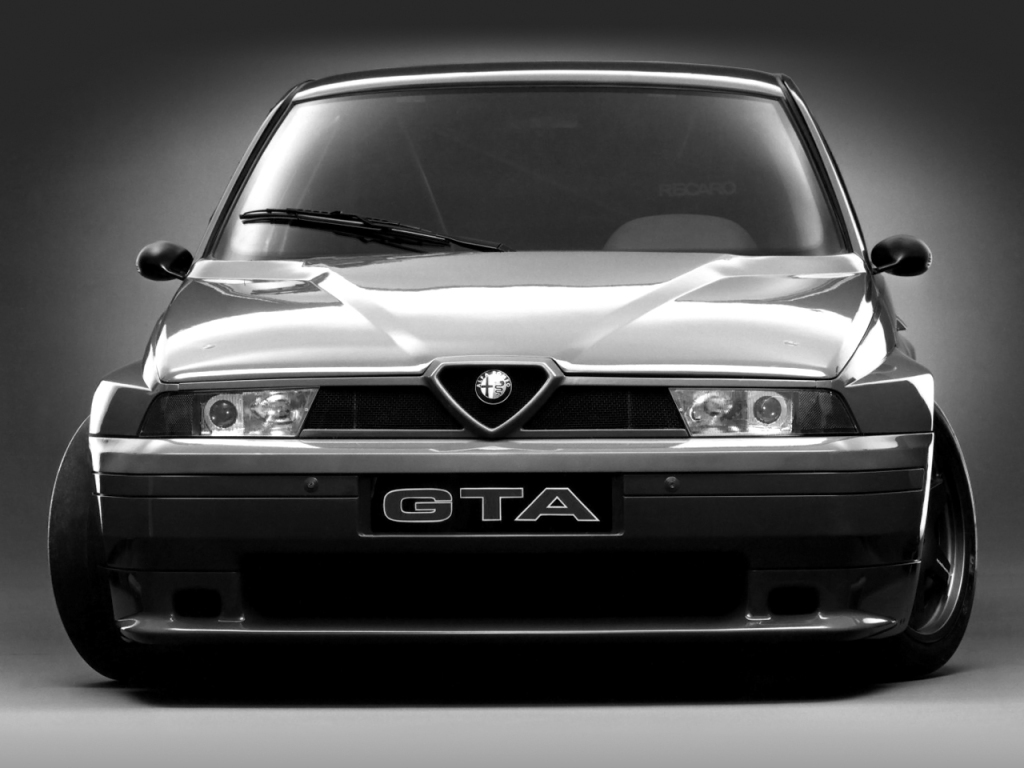
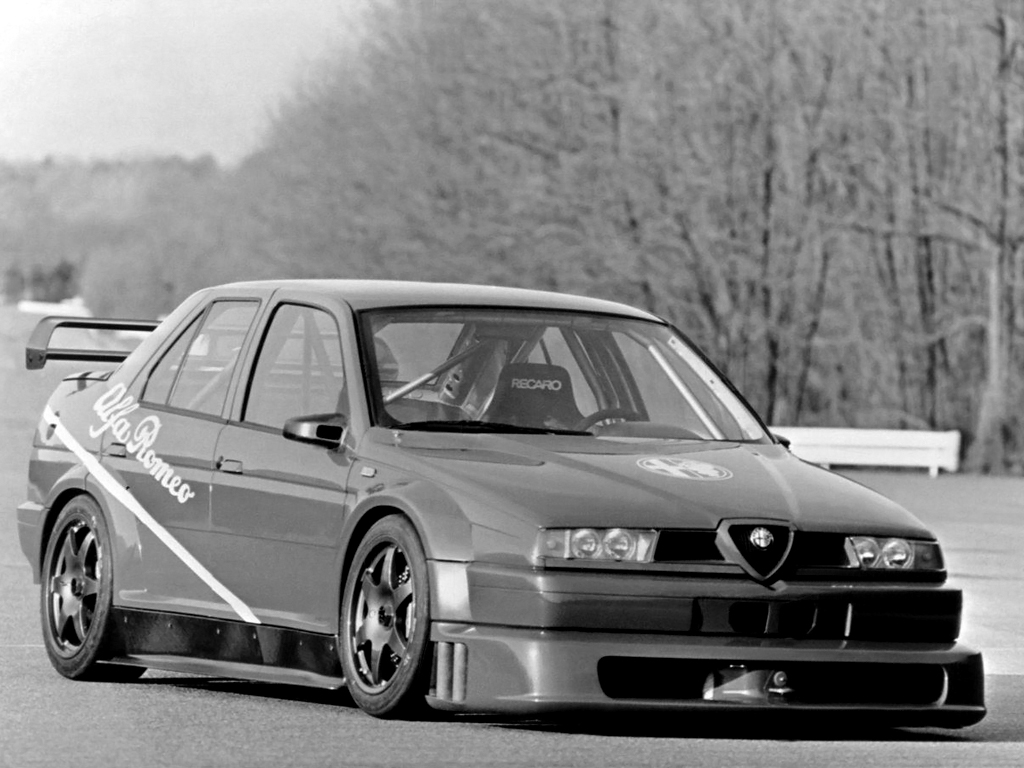
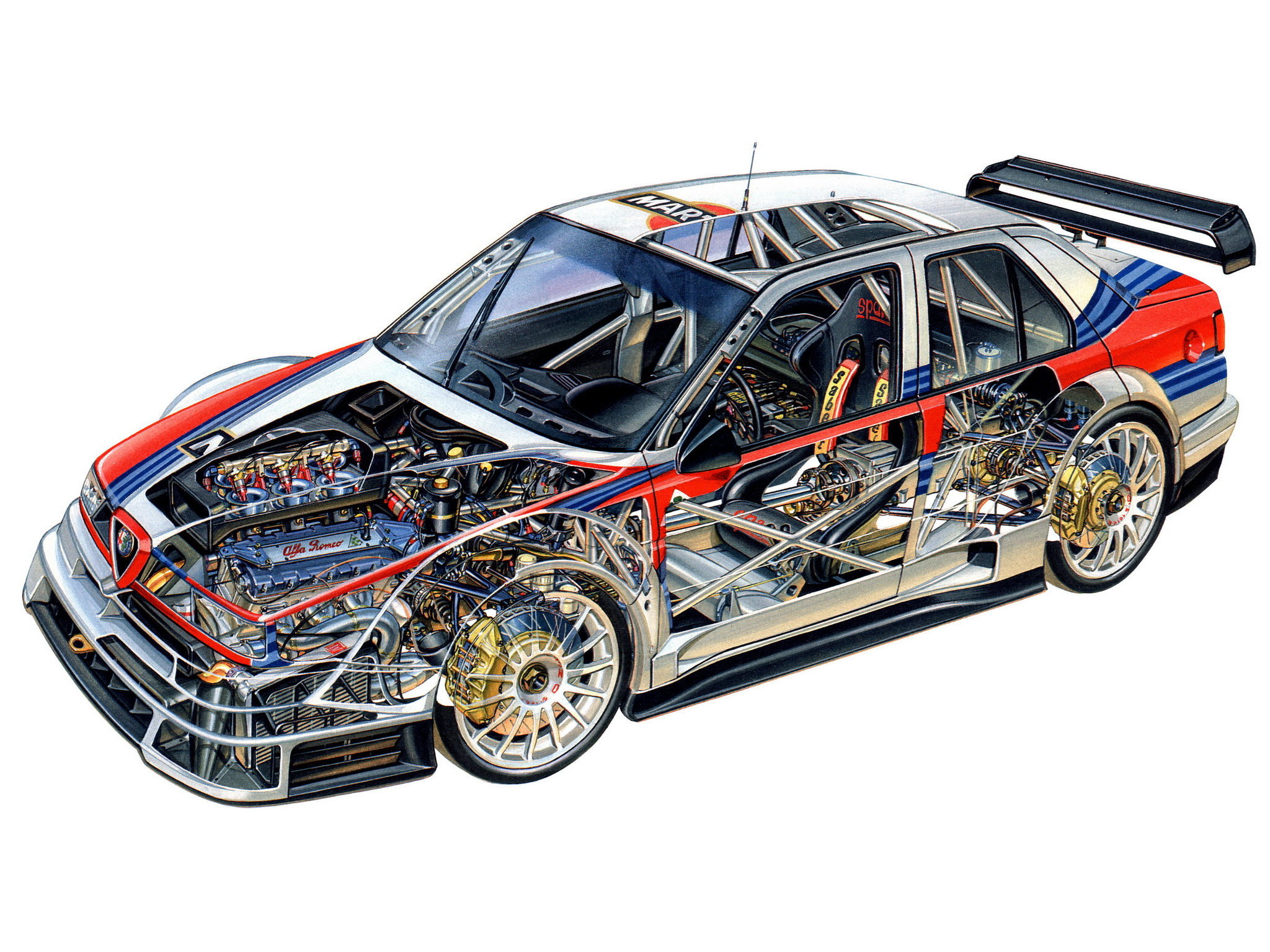
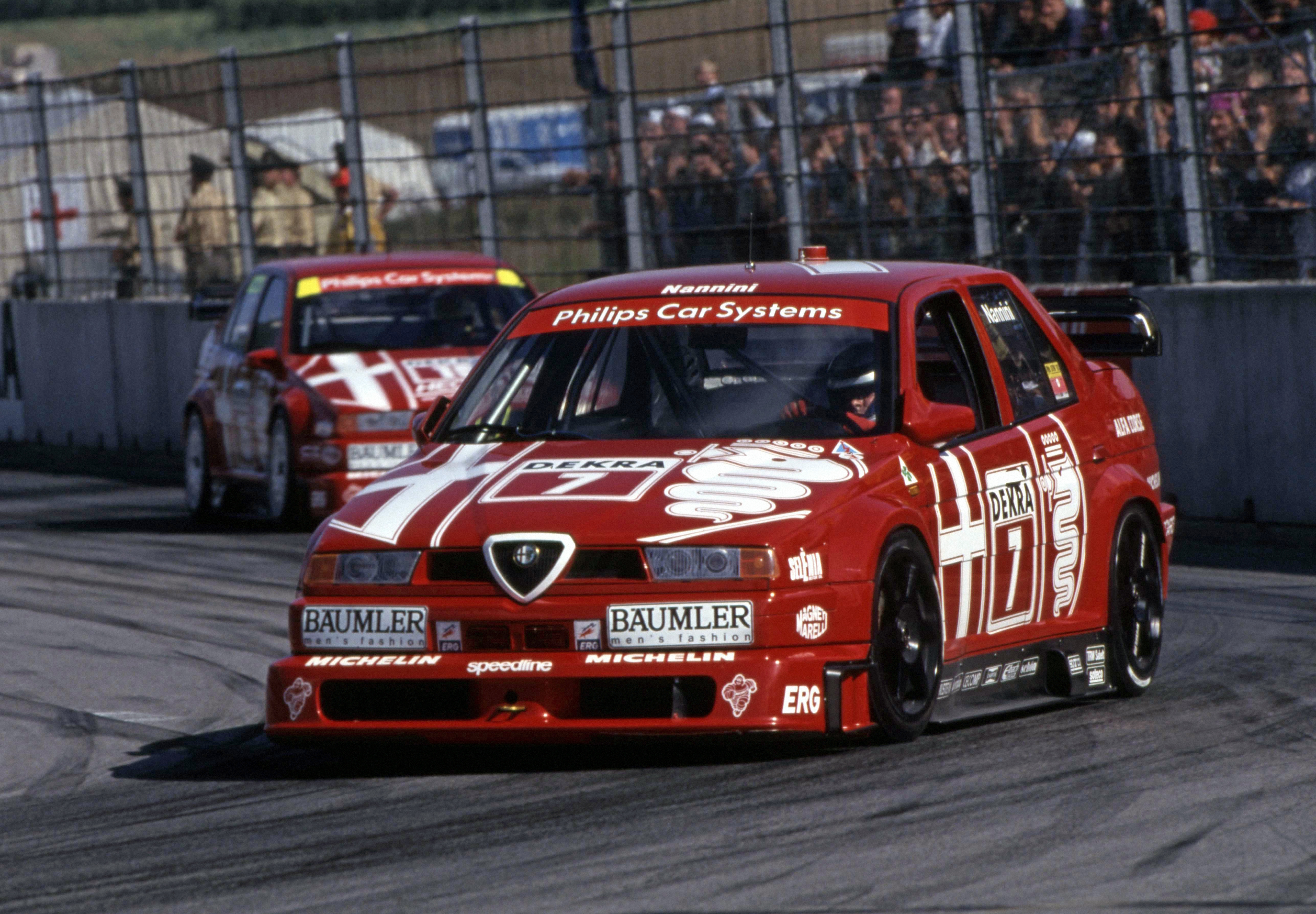
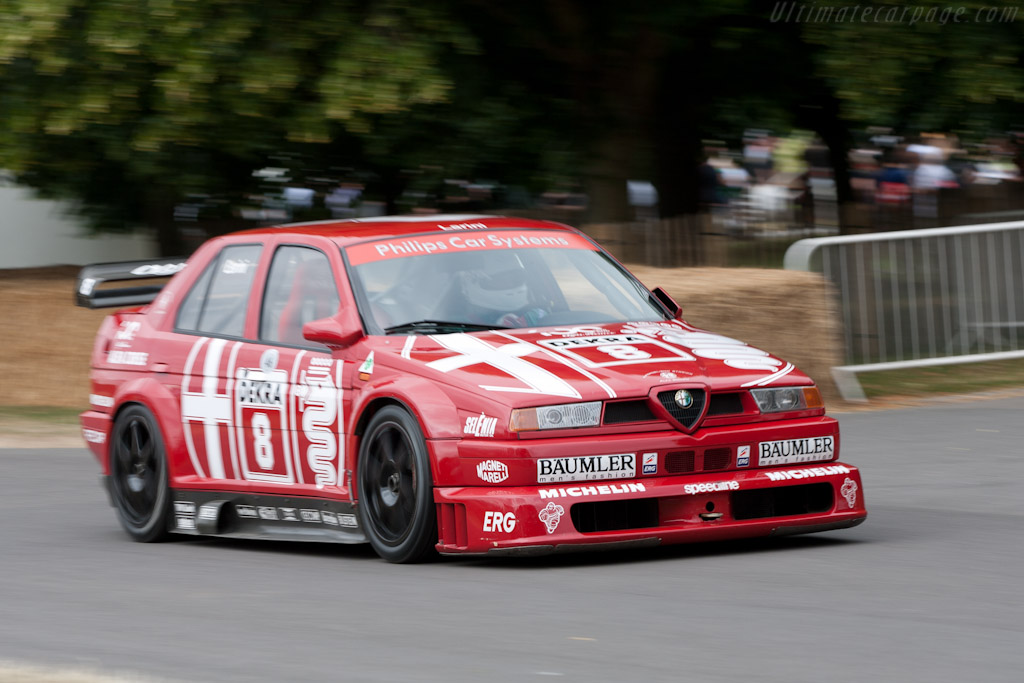
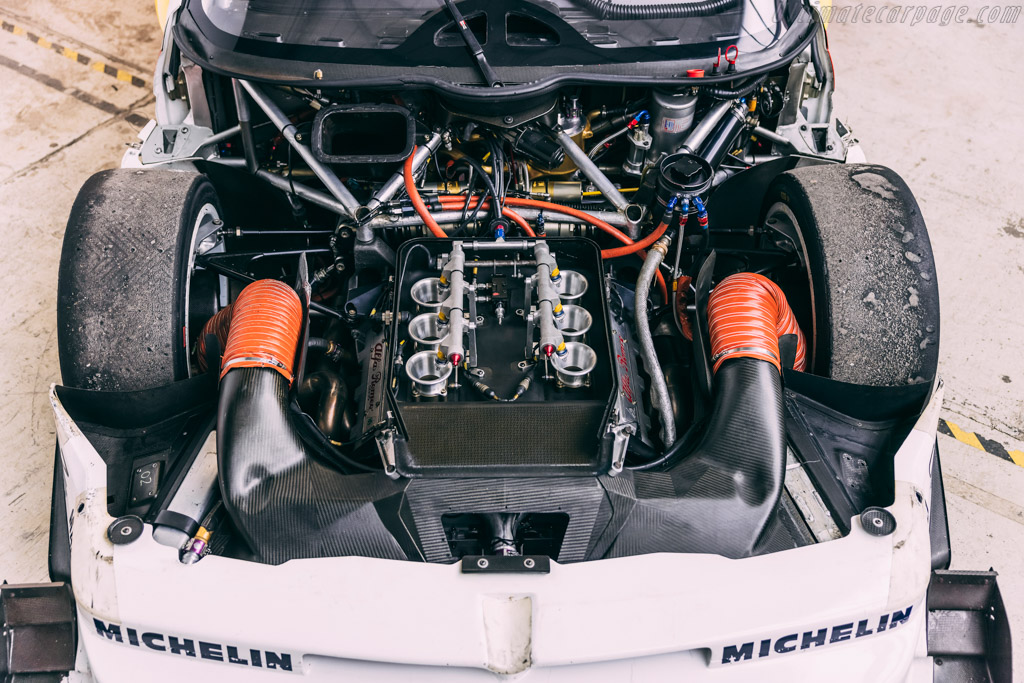
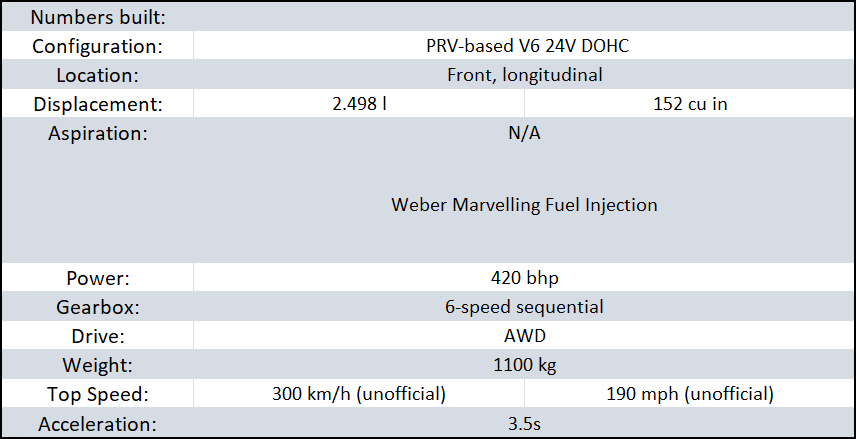
Alfa was still to resemble their road vehicle, but apart from that – their engineers were limited practically only by their imagination. The drivetrain was the bomb – a high-rev V6 that stopped at 11,5k RPM, and a Q4 AWD. The engine was a loose interpretation of a PRV motor – all aluminum – and was generating over 400 bhp from 2.5-litre capacity. Fucking amazing – and you could say, that Superturismo which destroyed all the competition a year before had similar power level – yeah, but it had a forced induction and TI DTM gave such power from a naturally aspirated 2.5-litre. The engine was sending power to the 6-speed sequential gearbox – for better balance – placed in the middle. Some 1/3 the power stayed on front wheels – and the rear tires were handling all the rest.
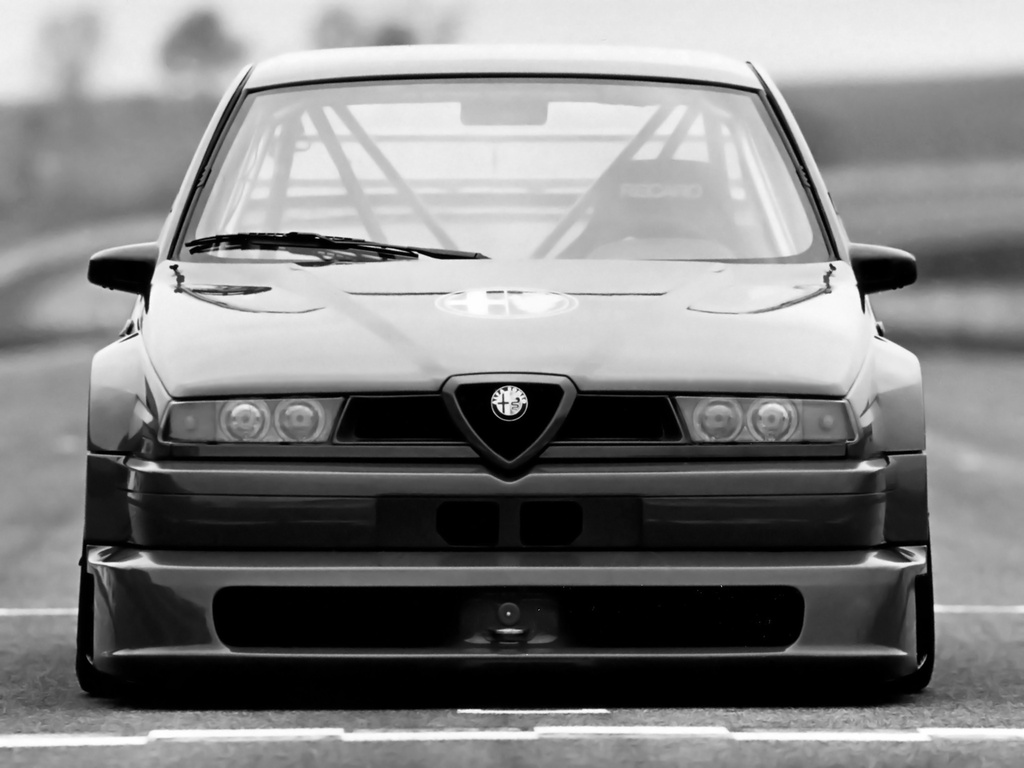
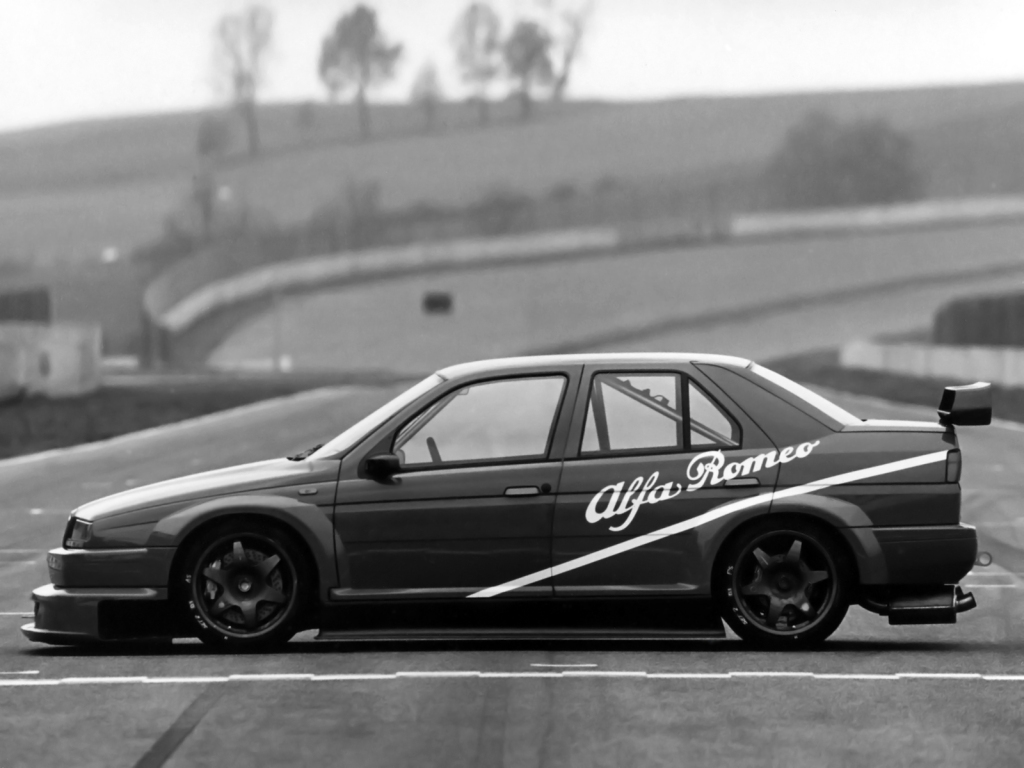
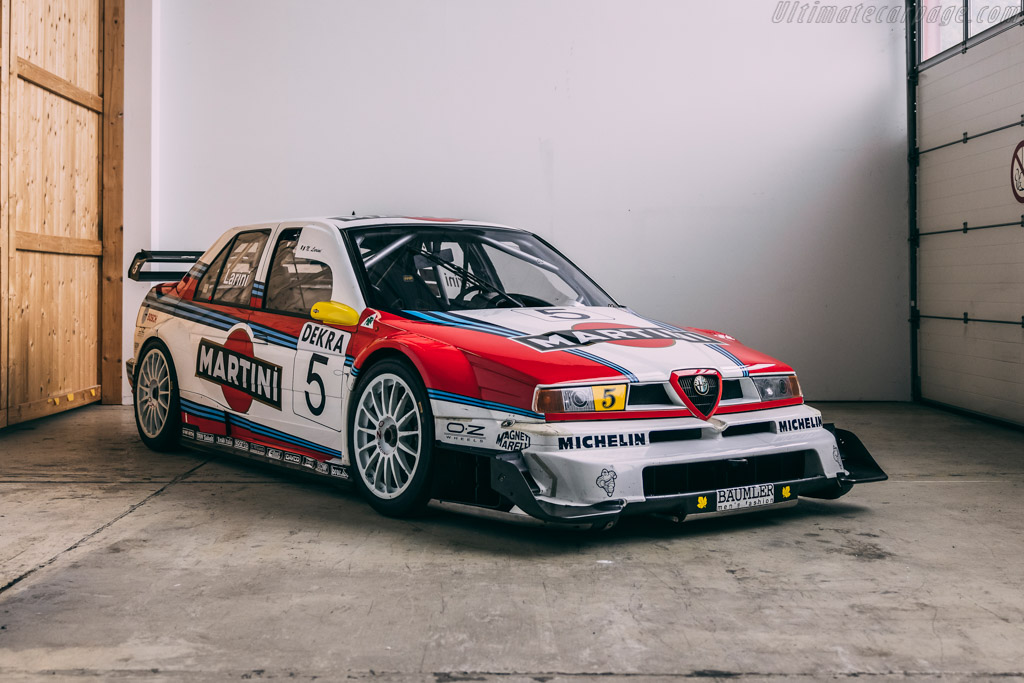
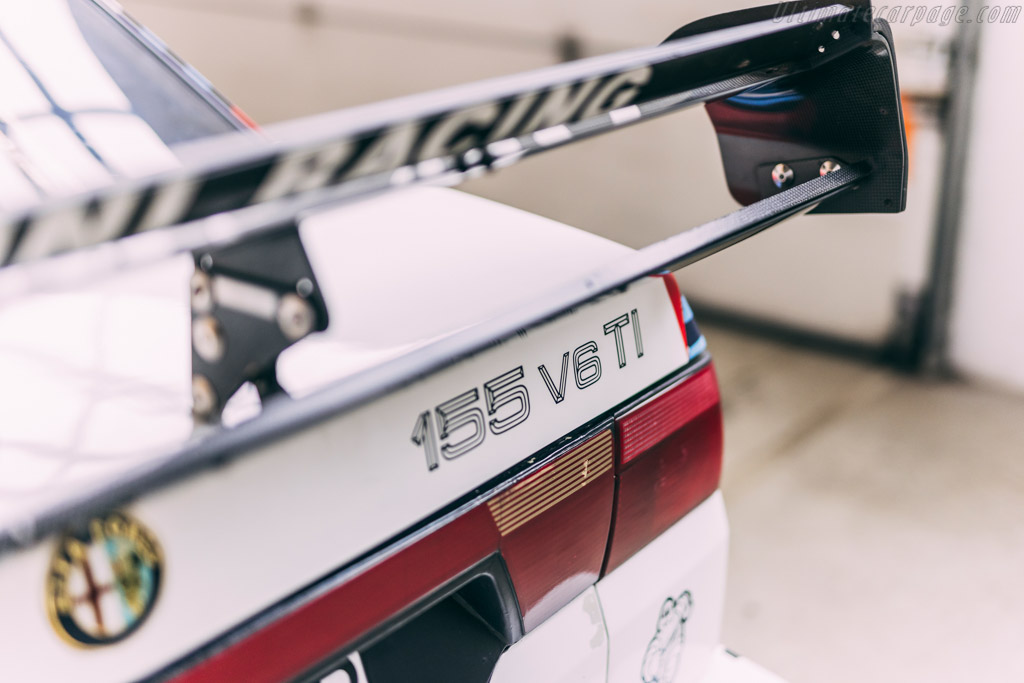
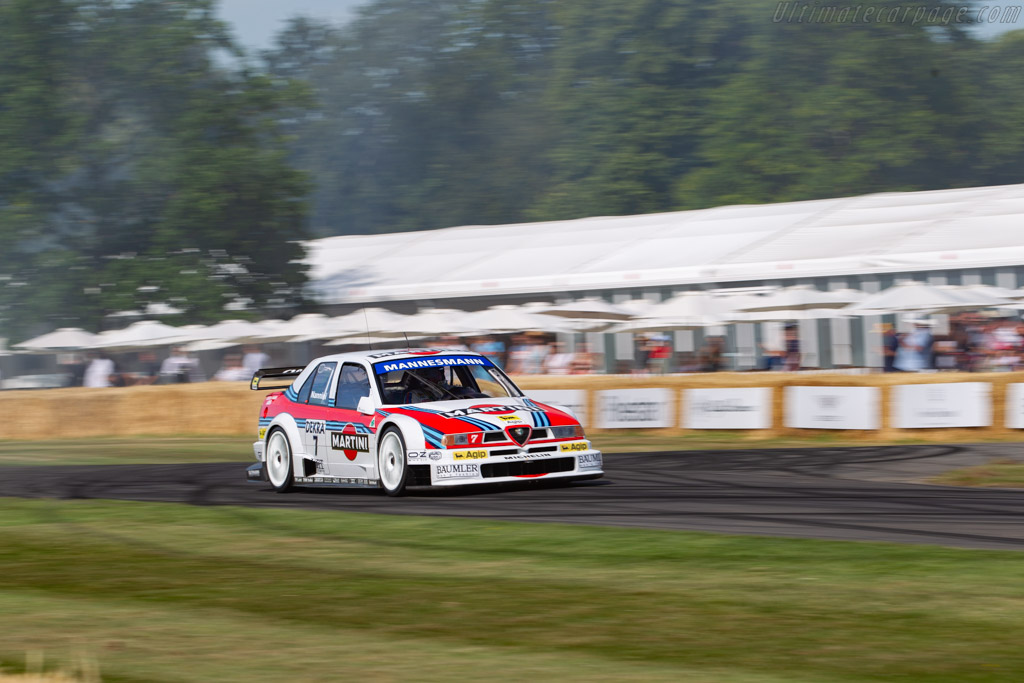
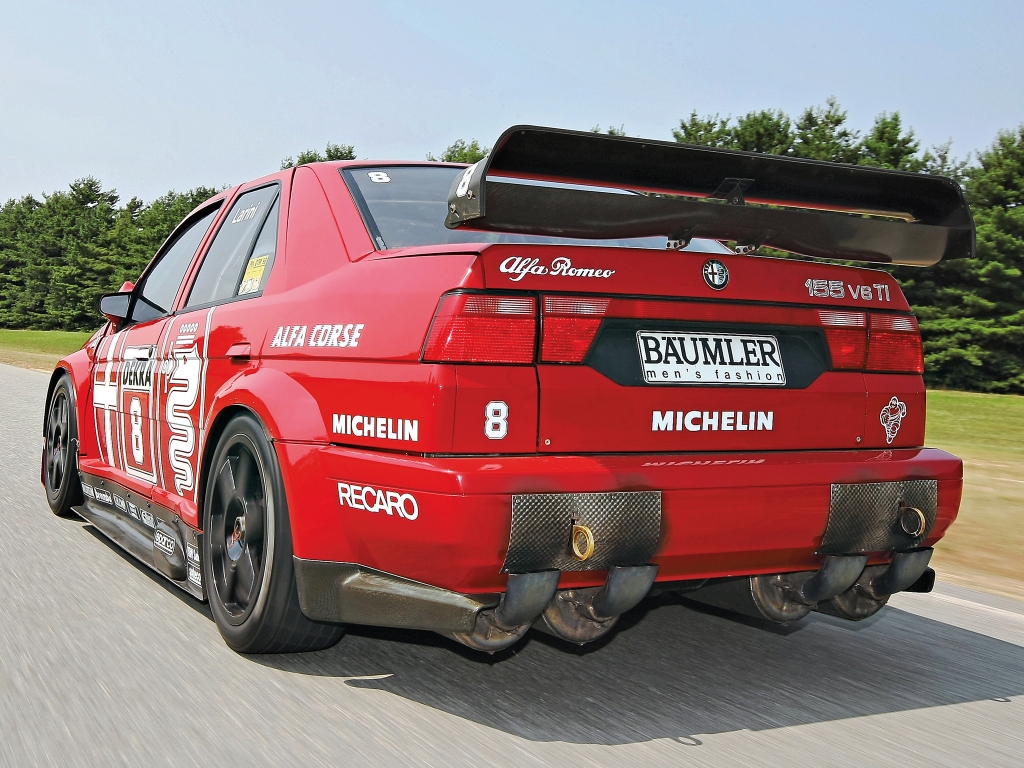
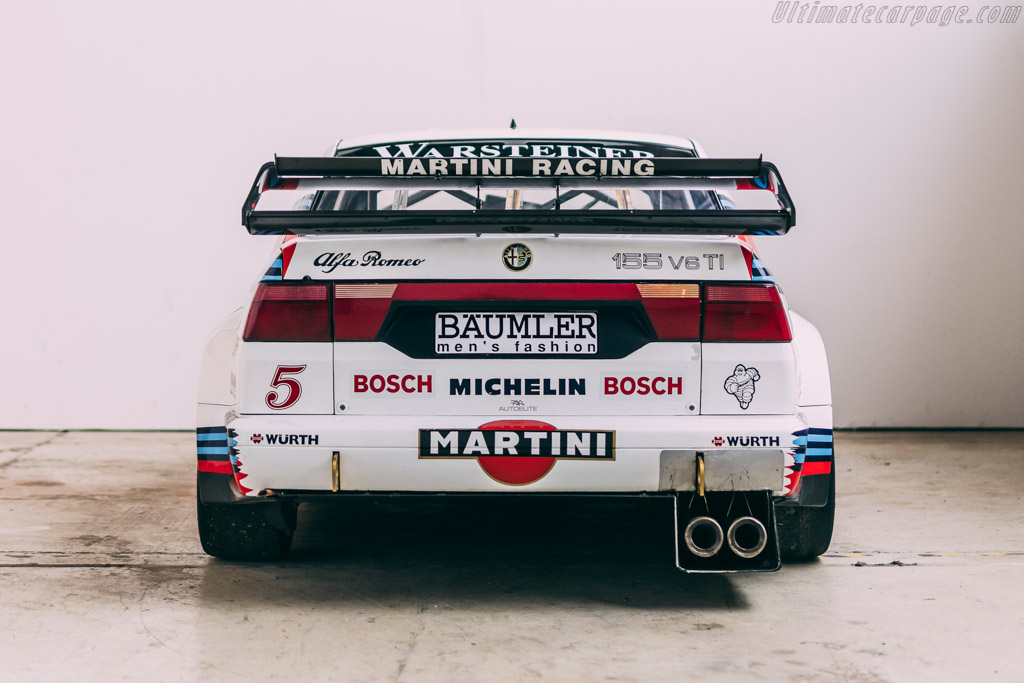
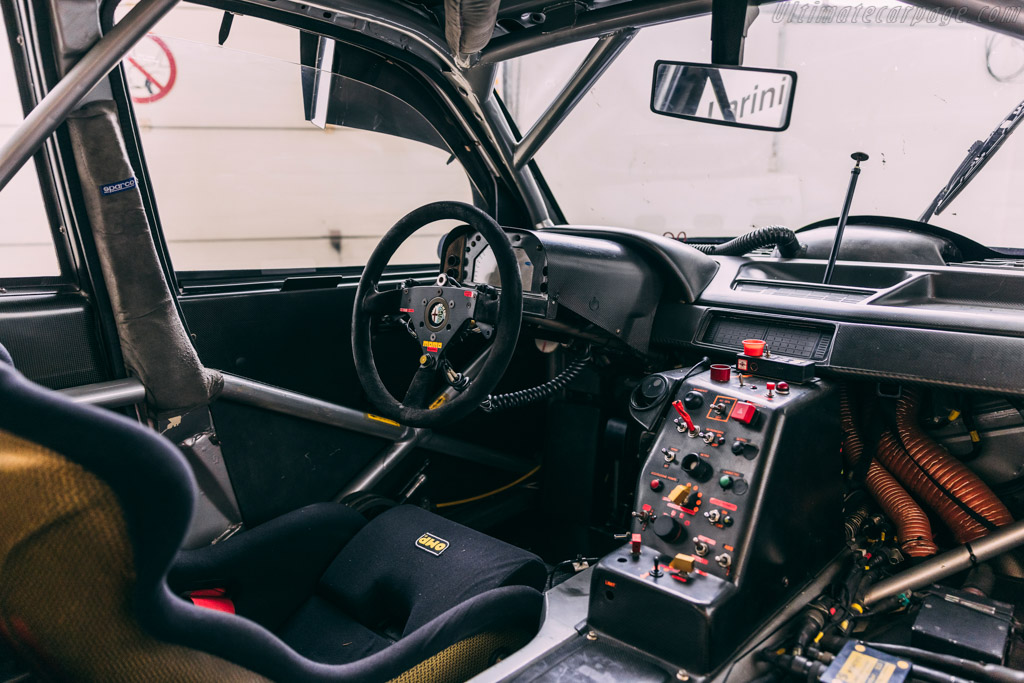
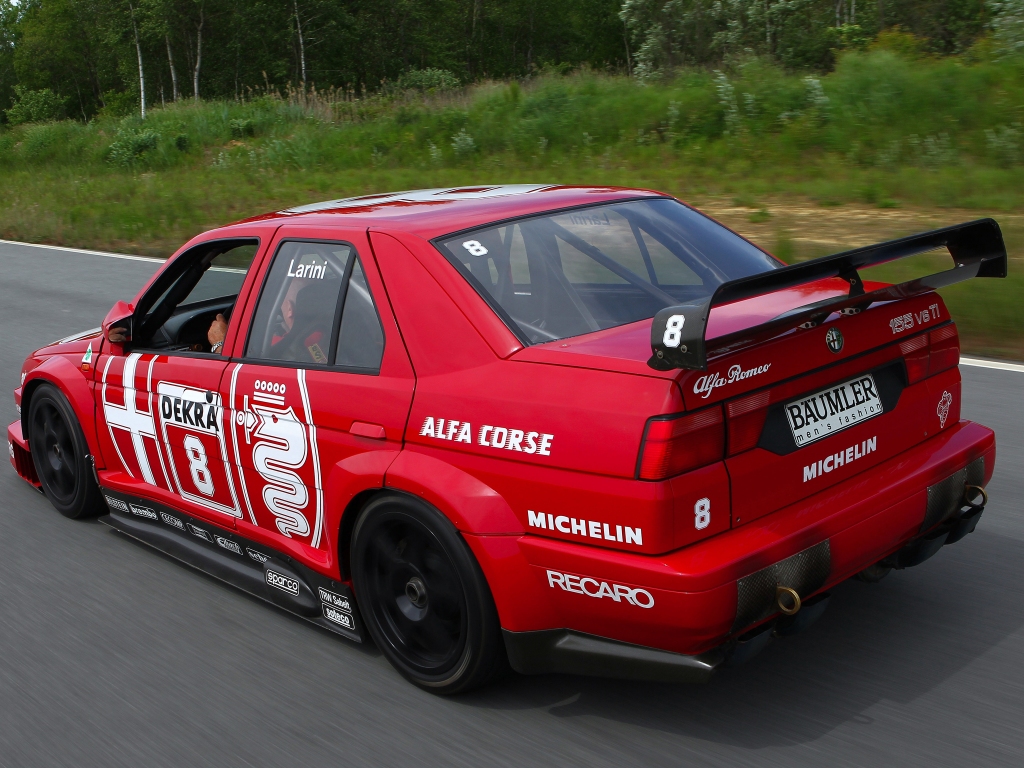
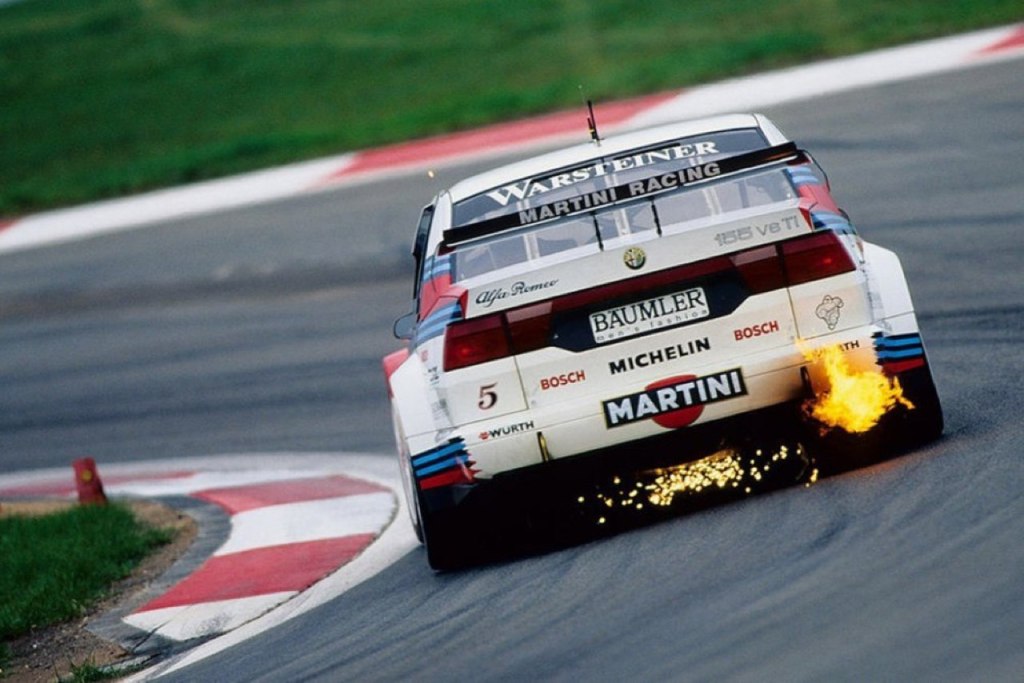
The engineers kept the stock steel frame from the road car – due to regulations – but the body panels… well, they looked like factory originals, ok – but, in fact, those were lightweight fibers. All elements of the aero design, apart from the rear spoiler, had to be not higher then the center wheel locks. That’s why all DTM cars have such low side skirts and those ingenious front spoilers. They hide a complex maze of air tunnels for better cooling and additional downforce. Yeah… downforce is always good. There was nothing left of the road-going Alfa inside – most of the interior was stripped down and the driver’s seat placed practically in the center – right next to the transmission.
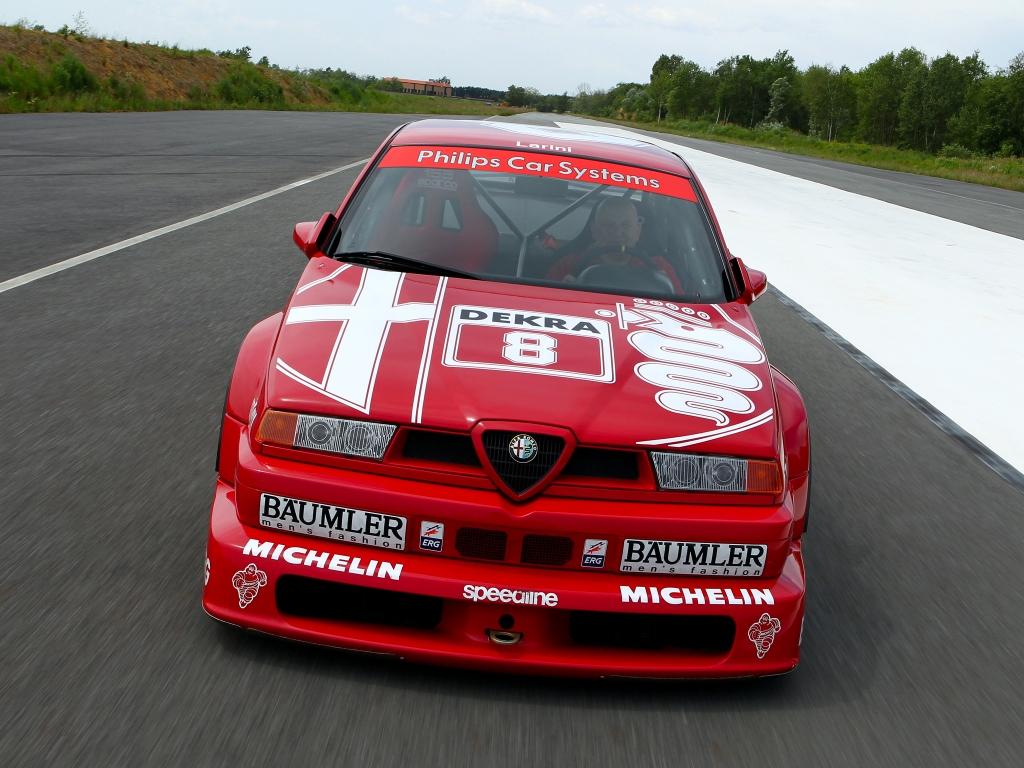
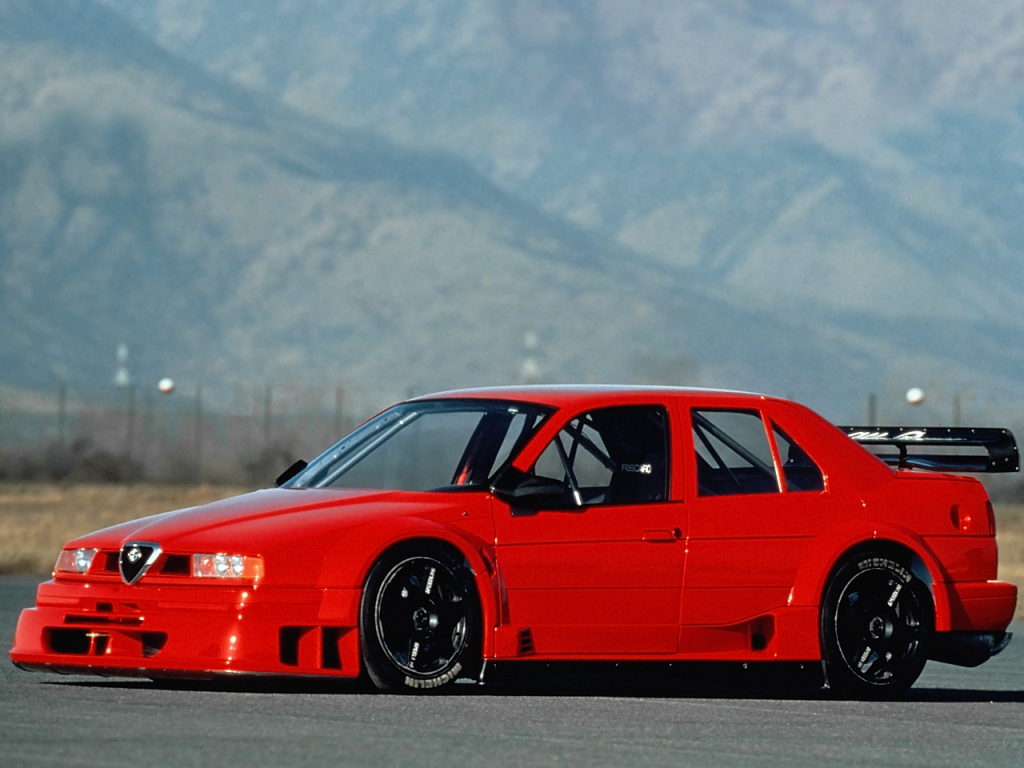
Two examples of such went to Alessandro Nannini and Nicola Larini – both ex-F1 drivers and it was them, who demolished their Italian Championship rivals. And now, they were to represent Alfa Corse in the DTM. The Germans knew that shit hit the fan – before the season even started. They tried to counter with a few teams of Mercedes 190 E, that was a further development of their existing car. Well… Alfa Romeo dominated 12 of 20 events overall. 10 times Larini was the best – 10 times! – and so he was the new champion.
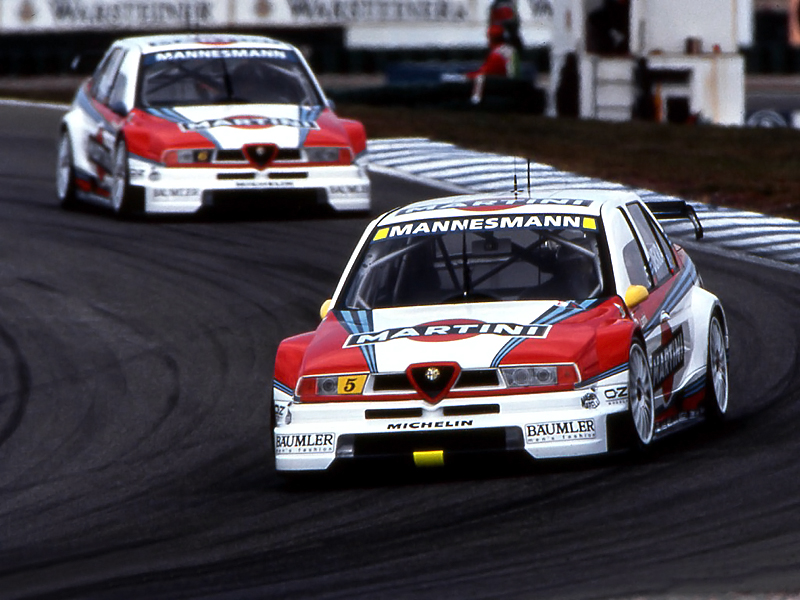
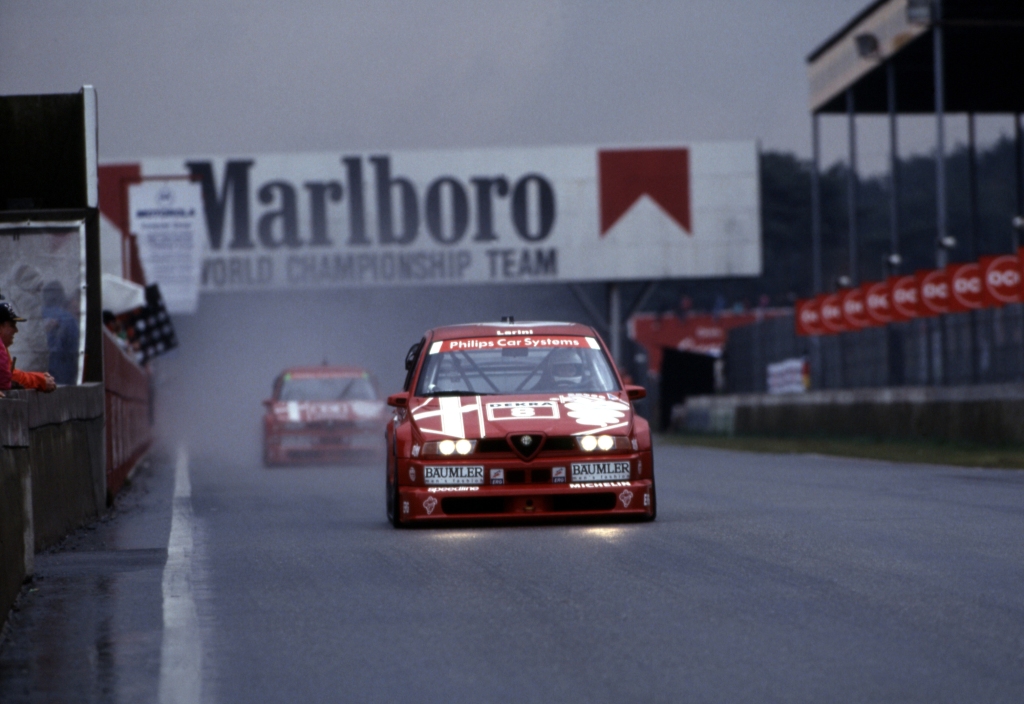
The Germans were so butthurt, that they begun developing a completely new variant of a Mercedes AMG based on a fresh C-Klasse. Opel joined with a Calibra DTM 4×4. And Alfa? Alfa was still fiddling with their 155s. The old transmission went to trash – replaced by a new sequential, and in time, an F1-devised semiautomatic. The engine, that used to be a 60º Vee, now was to have its cylinders wider – to 90º – allowing 490 bhp at 12k revolutions. Th-… they needed to change the aero ¯\_(ツ)_/¯.
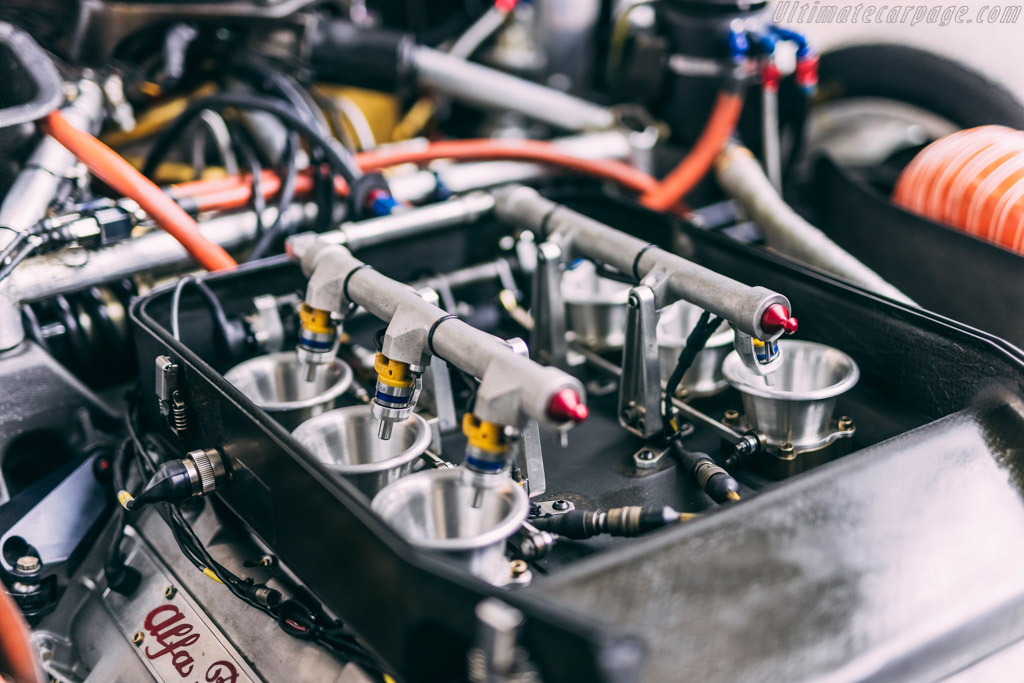
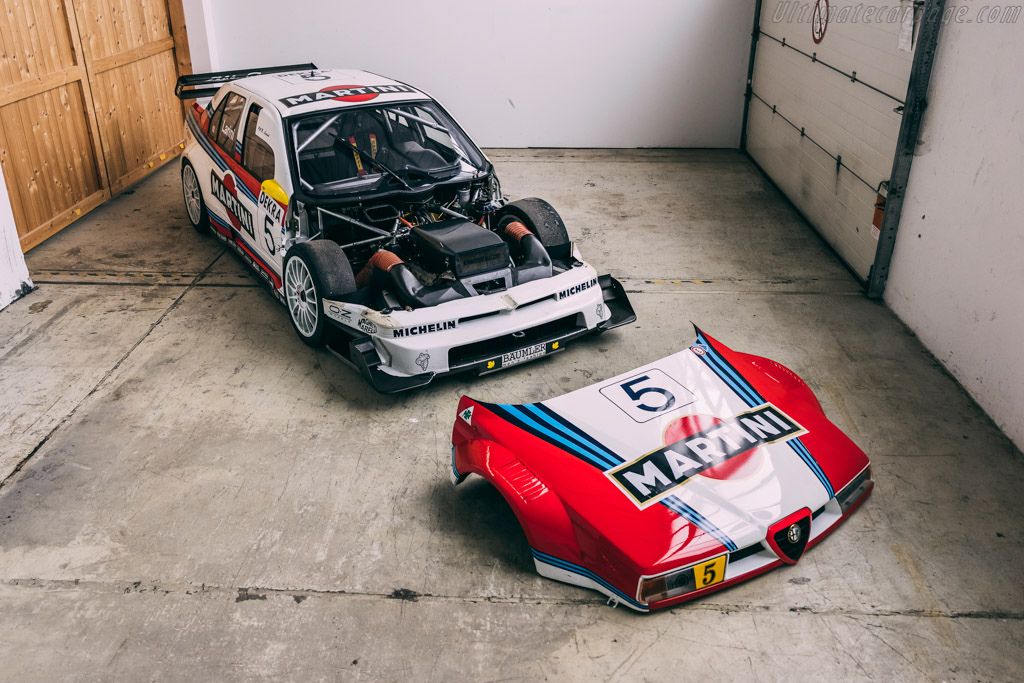
2.5 V6 TI DTM was in the competition up to 1996, when the DTM changed format to ITC. 1994 could seem like a German AMG had an upper hand, but Alfa managed to win another 11 events. Still, solid and consistent results of the Mercedes drivers, allowed them to come back on top and claim the title back. 1995 variant of Alfa Romeo had one big problem – too much electronics… and we all know how they go with electronics. Those memes don’t come out of nowhere. But hey – their cars were already 4 years old, but they grew so much in power – while less heavy compared to their early examples – and that way Italians came back to good shape. Second half of the season they crushed more up-to-date machines and actually won 6 times in a row.
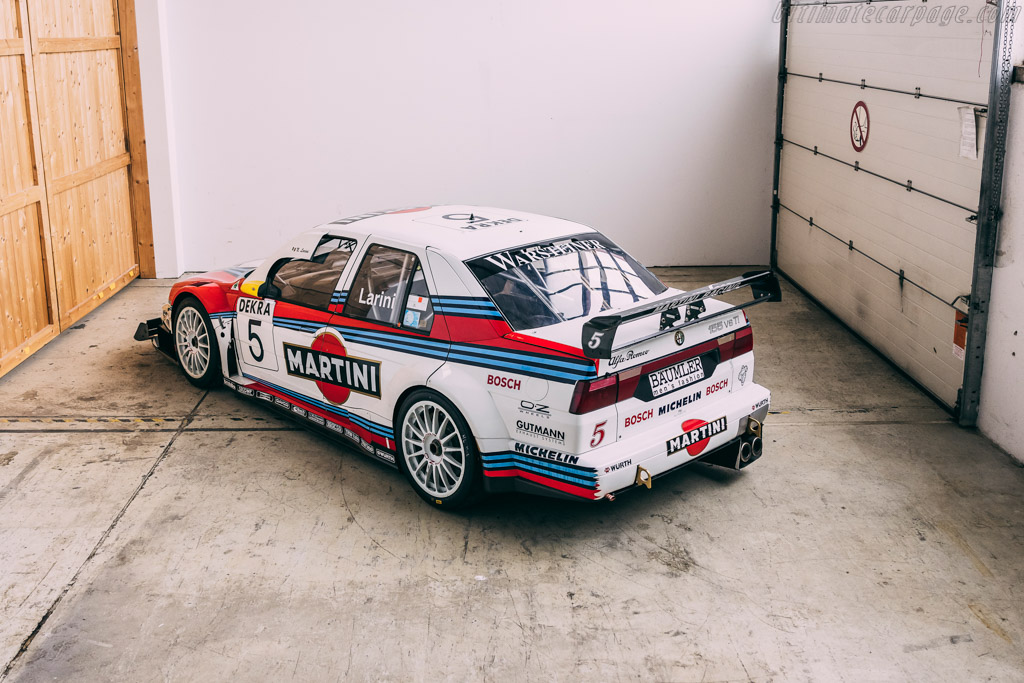
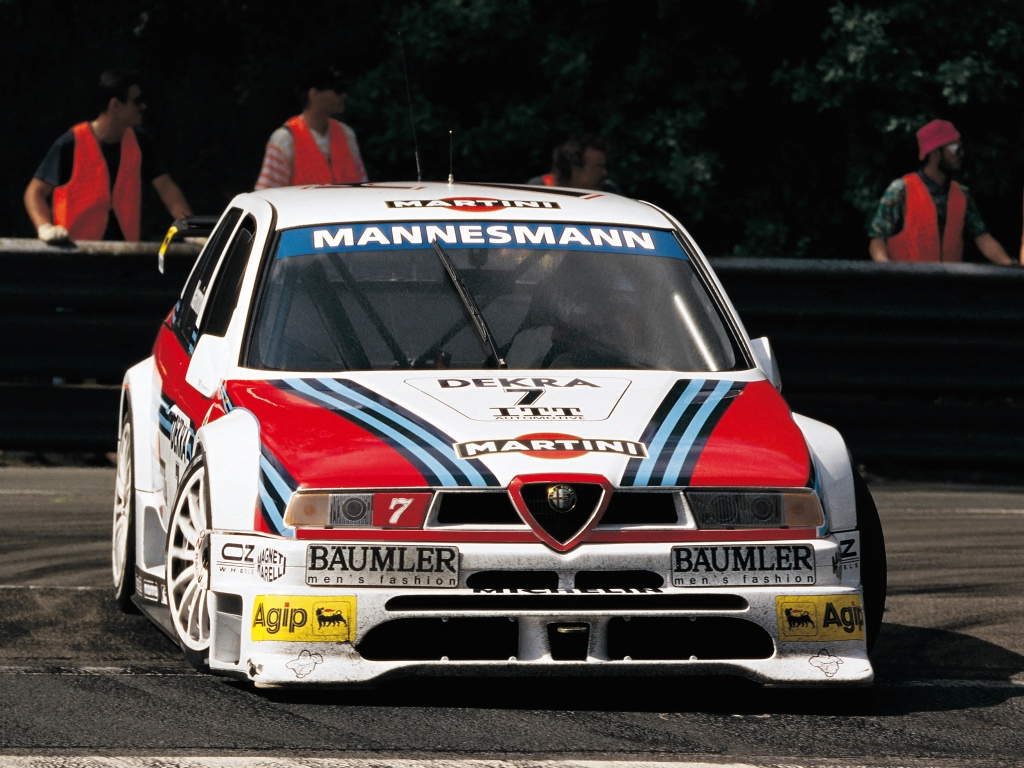
End of the 1996 and both Alfa and Opel announce their retirement – which effectively meant the end of the series. That is how DTM/ITC became history – and Alfa Romeo passed away victorious. 38 wins behind the wheel of Alfa 155 is the record that would never be matched. Combine that with the Class 2 successes like winning the championships in Great Britain and Spain – and a second place in Italy. Great achievement.
Krzysztof Wilk
All sources: favcars.com | wheelsage.org | ultimatecarpage.com
1982 – Alfa Romeo Alfasud Sprint 6C 902

One of the best city cars you could get in the ’70s was the Alfa Romeo. It could easily rival the Golf GTI in terms of driveability and the Volkswagen is considered by many the first hot-hatch… but when it came to be – Alfa was already 6 years on the market. Its name came from Alfa Sud, which stands for Alfa South – and it originates from the new Alfa factory in the south Italy. It brought a lot of hope that the brand would climb to the top and stay competitive for years to come…

The smallest Alfa in the catalogue, it was intended as a cheap and reliable vehicle. It contained a front suspension based on MacPherson struts and a rigid rear axle – and a front wheel drive. That way the production was very easy and it had a lot of space in the interior… but that wasn’t even the best thing. It had an amazing boxer under the hood – single cam, yes – but very swift and smooth at that! For a good decade we couldn’t find anything like that – in a car like that. Not until the new Alfa was sent to the dealerships. And maybe that engine did generate mere 60 bhp from 1.2-litre capacity, but it had the center of gravity going very low, and that was the trick.

Later came several Ti versions of a larger caliber and those crushed any opposition – only the Golf GTI could go head-to-head against it, as Alfasud was already closing to 10s acceleration. Unfortunately, Alfa had one major problem: the use of Soviet steel that would rot their cars even new in the factory. That’s why, though the car was truly amazing, it could never win the hearts of people. The whole brand took a gigantic hit because of that – one they would not recover from for almost two decades… Meanwhile, new versions were introduced, for example: ‚Sprint’ coupe.

Giugiaro’s design looked similar to the larger GTV in the family, and compared to a basic Alfasud, indeed the new Sprint coupe had much more interior space for the rear passengers. It was also better crafted – while still inheriting the thrilling handling and exceptional powertrain. Its end came after good 13 years of production and the final versions were capable of 120 horsepower… but they tried more than that. Year 1980 and the Group B is officially approved. That means you could start from 1982 – with the leash off – and Alfa wanted to with the Alfasud Sprint 6C that was to enter the season ’83, but it never came to be.

They took a normal Alfa and replaced front and rear. They gave it bigger spoilers and fenders. People say two cars were made – a rally prototype and a road concept. They had a GTV6 powertrain and where backseats would normally be – was the 220 horsepower engine known for its successful career in ETCC – an obvious choice for the rally project. The layout looked much like the Renault R5 Turbo – an ordinary FF transformed into a Mid-engined RWD. The early jobs were finished in 1982, when you could see the prototype at the Paris Motor Show and at Monza, but the car – get this – like most Alfas… IT WASN’T RUNNING. The odometers were stuck on ‚0’ during the presentation, which speaks for itself.

The cars were not identical. The one with black grille had small round side mirrors, black louvres in the back and a spoiler with Sprint 6C decals on it. It was ‚the road car’ and it also had the muffler tip in the middle. The other example was left with a single rectangular side mirror, it had a chrome grille and additional lights in the bumper. Its louvres were painted and spoiler was saying just ‚Alfa Romeo’. The back was also redesigned. It had additional stoplights and dual exhaust. The number plates were also moved to a different position. Nonetheless, both cars got their louvres in place of a rear screen – to help the engine breathe better – and the driver was separated from it with a thermo-acoustic glass. The rally car was more simple in the interior. It was equipped with sport racing seats with all the harnesses required for proper rallying. It was an early attempt on a rally car though, and much more work was still in front of them. The engine and crankshaft – both exposed and uncovered. Just like the double wishbone suspension elements of the car.

Alfa used 2.480-litre engines, but they wanted to lift that capacity to at least 2.503-litre, so they could start in the higher class (2.5-3 litre). One could say it’s not the best plan to put yourself right at the bottom of the displacement ladder, but their reasoning was that Alfa weighed only 2200 lbs (990 kg) and the faster class offered wider tires while allowing for rally evolutions with more powerful engines up to 3 litres. And a road homologation 2.5-litre motors were capable of 160 bhp, but 3.0 Evo was already in plans and those could easily spit 240 and up to 300 bhp on public roads in their naturally aspirated versions. Both Sprint 6C protorypes were most likely 2.492-litre cars though – not the capacity they really wanted to get homologation for.

The board cancelled the project and revived Group 4 rally Alfetta GTV Turbodelta that already raced in 1980. They had some financial problems and manufacturing 200 homologation specials for the roads was not an easy task. Alfasud could sell well and it could achieve successes in motorsport, but all dreams of rallying shoulder-to-shoulder with 037 perished. We cannot be sure how many prototype examples were made. Ones say there were two, but there are voices claiming it was all one car – just reworked. You could also hear stories about more than two. The whole work was binned before it could ever get to a rally stage. There was one guy in Australia – fun fact – he purchased a few Sprint 6C cars and tried to revive the mid-engined sport prototypes on his own. Shipping the GTV6 engines was too much, so he used Holden V8 – a 5-litre powertrain, cheap and local – domestic to him. The cars were called ‚Group B’ and 15 vehicles were created until his company, Giocattolo Motori, kicked the bucket.

Krzysztof Wilk
All sources: favcars.com | wheelsage.org | rallygroupbshrine.org | autozine.org

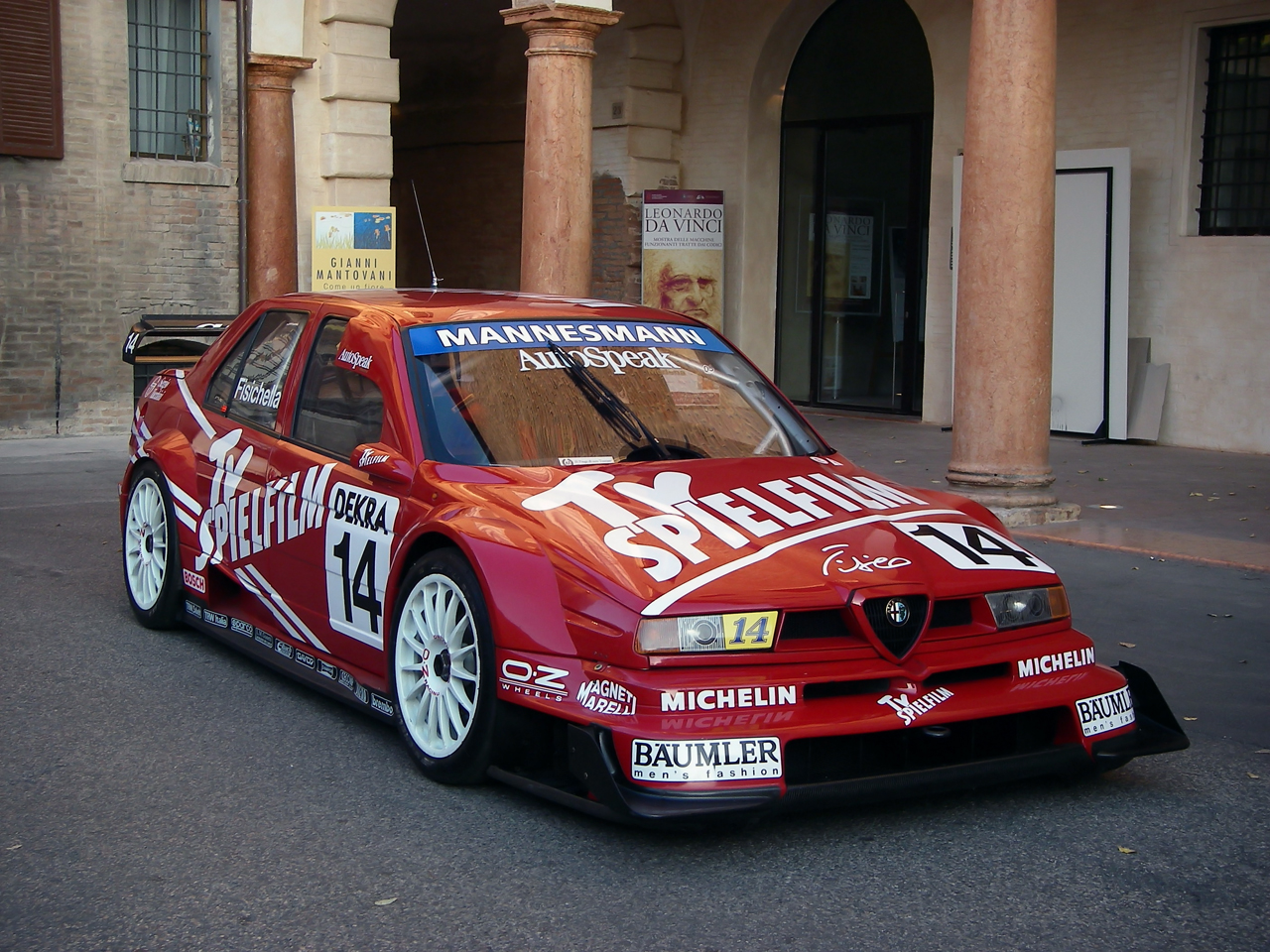
1993 – Alfa Romeo 155 2.5 V6 TI DTM

Alfa Romeo prowadziła kampanię w USA rywalizując w serii Indy, ale to „no tak średnio bym powiedział, tak średnio”, więc już w latach ’90-tych zwrócono się w stronę aut turystycznych. Słusznie, bo nowa konstrukcja modelu 155 zdominowała 17 z 20 możliwych eventów Mistrzostw Italii. Godnych rywali trzeba było szukać aż w zagranicy. W Germanii był prowadzony taki format, w którym lokalsi mierzyli długość wacków – ale jak Włosi ogłosili gotowość, to Niemieckie Mistrzostwa Aut Turystycznych (Deutsche Tourenwagen Meisterschaft) pogrzebało w regulacjach, aby ich dopuścić i od 1993 móc łoić dupska makaronom.

Od teraz w DTM miały uczestniczyć 2 klasy pojazdów – FIA Class 1 i FIA Class 2. Różniły się tym ile miały w środku namieszane. 2 segment był bliżej drogowych konfiguracji – i tych było więcej, bo próg był niższy – a Class 1 miał większą dowolność ulepszeń i pozwalał na srogie machinacje. Alfa Romeo postanowiła opracować auta do obu klas rozgrywkowych.

Alfa miała w dalszym ciągu przypominać model 155 a poza tym, to mechanicy mieli właściwie wolną rękę. Przeniesienie napędu, to była petarda – wysokoobrotowe V6, które jebało do 11,5 tysiąca obrotów i napęd 4×4 z wersji Q4. Silnik był cały z amelinum i bez żadnych turbin potrafił łoić ponad 400 koni z 2.5 litra pojemności. Tyle mocy wyciskało Superturismo, które miażdżyło we Włoszech rok wcześniej – tylko, że ono dmuchało to wszystko z turbiny. Silnik był z przodu i dawał power do 6-biegowej sekwencyji, którą – dla lepszego balansu – położono między osiami. Jakaś 1/3 mocy szła na przód, a reszta napędzała tylne koła.

Regulacje wymusiły zachowanie stalowej ramy z drogowej 155 i panele… niby wyglądały całkiem fabrycznie – ale tak naprawdę były z włókna. Całe aero oprócz tylnego spojlera musiało być poniżej śrub mocujących koła. Dlatego auto ma tak nisko idące linie progów oraz tego typu zmyślny przedni zderzak. Pełno w nim kanałów prowadzących powietrze do chłodnic oraz zapewniających docisk – tak, docisk jest dobry. Tego nigdy za wiele. We wnętrzu niewiele było z fabrycznej Alfy a fotel kierowcy był praktycznie na środku obok skrzyni biegów.

Alfa Corse dało dwie sztuki 155 2.5 V6 TI dwóm panom. Alessandro Nannini i Nicola Larini – obaj to byli kierowcy F1 i to oni zmietli konkurencję we Włoskich Mistrzostwach Superturismo. Jeszcze nie zaczęto jeździć w Niemczech a już było wiadomo, że z nimi to nie pogada. Niemry stawiali opór głównie w postaci kilku zespołów Mercedesów 190 E, które były wersją rozwojową pojazdów z poprzedniego sezonu. Alfa była najszybsza w 12 z 20 możliwych eventów. 10 razy wygrał Larini i został tym samym nowym mistrzem.

Niemcy mieli o to taki ból dupy, że rozpoczęto rozwój Mercedesa AMG na bazie nowo przedstawionej C Klasy. Opel również się przyłączył z Calibrą DTM 4×4. A Alfa Corse dalej sobie dłubało w modelu 155. Starą skrzynię wyjebano i trafiła w jej miejsce nowa sekwencja – a w końcu i automat. Silnik o dotychczasowym rozchyleniu cylindrów 60º od teraz miał mieć 90º i pozwalał na osiąganie mocy rzędu 490 koni mechanicznych przy 12k obrotów. Trzeba było zmienić aero.

2.5 V6 TI DTM jeździło aż do 1996 – kiedy to seria DTM została zastąpiona przez ITC. W 1994 mogłoby się wydawać, że nowy Mercedes miał przewagę, ale Alfa Romeo wygrała kolejne 11 wyścigów. Niemcy jednak dzięki solidnej i równej jeździe odbili tytuł mistrza. Konfiguracja Alfy z 1995 roku miała jedną dużą wadę – diagnoza: nadmiar elektroniki. A wiadomo jak u nich z elektroniką… Ale auto, mimo że miało już cztery lata na karku, było dużo lżejsze i mocniejsze, co pozwoliło Włochom wrócić na szczyt. W drugiej połowie sezonu Alfa Romeo niszczyła nowsze maszyny i potrafiła wygrać 6 razy z rzędu.

Na koniec sezonu 1996 zarówno Alfa jak i Opel ogłosiły koniec rywalizacji, przez co cała seria zdechła i już nie wstała. Tak DTM/ITC przeszło do historii – Alfa Romeo odniosła sukces. 38 zwycięstw na koncie modelu 155 – rekord nigdy nie pobity. Parę wspaniałych lat za kierownicą 155 z Klasy 2 skutkowało tytułem Mistrza Wielkiej Brytanii, czy Hiszpanii – a we Włoszech wicemistrza.

Krzysztof Wilk
Na podstawie: favcars.com | wheelsage.org | ultimatecarpage.com
1982 – Alfa Romeo Alfasud Sprint 6C 902

Jednym z lepszych miejskich aut lat ’70-tych była napewno Alfa Romeo. W kwestii frajdy z jazdy może ona bezproblemowo rywalizować z Golfem GTI – autem przez wielu uważanym za pierwszego hot-hatcha… z tym, że Alfa powstała dobre 6 lat przed Volkswagenem. Nazwa tego modelu pochodziła od nowej fabryki na południu Italii – stąd Alfa Sud (Alfa South). Niosła ze sobę wielkie nadzieje na przyszłość marki. Chciano wejść do pierwszej ligi i utrzymać się na dogodnej pozycji.

Mała Alfa miała być tania i solida, więc rozplanowano dla niej napęd na przód z kolumnami MacPhersona a z tyłu zostawiono sztywny most. W ten sposób auto było łatwe w produkcji a miało sporo miejsca w środku – a do tego: doskonały silnik typu boxer – co prawda na pojedynczym pasku, ale zrywny i bardzo przy tym płynny. Przez dobrą dekadę nie było czegoś takiego w obiegu – aż właśnie do nadejścia nowej Alfy Romeo. I może generował marne 60 koni mechanicznych z 1.2-litra pojemności, ale środek ciężkości miał bardzo nisko i to robiło całą robotę.

Potem dochodziły wersje Ti większego kalibru i te zamiatały pod dywan wszelką konkurencję. Tylko Golf GTI mógł się z tym równać, bo Alfa przyspieszała już do setki w blisko 10 sekund. Problemem były blachy… Włochom dostarczano materiałów z ZSRR i gniło to gówno straszliwie, przez co – choć auto wspaniałe – to tłumów nie porwało. Cała marka mocno zaryła mordą o glebę i przez prawie 20 lat nie mogła się z tego podnieść. W międzyczasie Alfasud dostawał nowe wersje – w tym coupe „Sprint”.

Design Giugiaro przypominał większą GTV i faktycznie miał sporo miejsca dla pasażerów na tylnej kanapie. Był do tego dużo lepiej wykonany od zwykłego Alfasuda, i odziedziczył od niego wspaniałe właściwości jezdne, plus perfecto silnik. Model Alfy Sprint zakończył się po 13 latach produkcji a ostateczne wersje wyciągały dobre 120 koni mechanicznych… ale można było i więcej. W 1980 oficjalnie zatwierdzono Grupę B i można było startować już w ’82. Konstruktorom obniżono ograniczenia i wielu z nich przygotowało nowe auta. Alfa postawiła na Alfasud Sprint 6C, które miało jeździć od sezonu ’83, ale niestety nie pykło.

W normalnej Alfie wymieniono przód i tył, dodano większe spojlery i szersze nadkola. Ponoć zbudwano 2 sztuki – jeden bardziej drogowy a drugi bliżej rajdówki. Napęd pochodził z GTV6 i jego komponenty znajdowały się za przednim rzędem siedzeń – jak w Renault R5 Turbo, FF przerobionego na RWD z silnikiem centralnie. 220 konny silnik GTV6 odnosił już sukcesy w ETCC, więc nad wyborem jednostki nawet się nie zastanawiano. W 1982 zaprezentowano pierwszy prototyp. Można go było zobaczyć na Paris Motor Show oraz na torze Monza, ale samochód, jak to Alfa – uwaga – NIE JEŹDZIŁ. Nawet, podczas prezentacji licznik wskazywał wymowne 0. Trochę lipa.

Oba pojazdy trochę się różniły od siebie. Pierwszy miał czarny grill, małe okrągłe lusterka, czarne rolety w miejscu tylnej szyby, spojler z oznakowaniem Sprint 6C i dużą okrągłą końcówkę wydechu na środku. Drugi miał chromowany grill i dodatkowe lampy w zderzakach, tylko jedno prostokątne lusterko, roletę w kolorze nadwozia, i spojler z wlotami powietrza i oznakowaniem Alfa Romeo. Miał też tablice w innym miejscu i w ogóle przeprojektowany tył – m.in. dodatkowe światła stopu i podwójne końcówki wydechu. Obie wersje dostawały więcej powietrza do silnika przez rolety zamiast tylnych szyb, a przedział kierowcy oddzielało od silnika specjalne termoakustyczne szkło. Drugi pojazd miał bardziej spartańskie warunki w środku, jak również rajdowe siedzenia z wszystkimi uprzężami. To był ten ścigant i ponoć nawet jeździł, ale nadal był w bardzo wczesnej formie rozwojowej. Silnik i wał korbowy były mocno wyeksponowane, to samo się tyczy zawieszenia z podwójnymi wahaczami i amortyzatorami – jak w prawdziwej rajdówce.

Silniki miały pojemność 2.480 litra, ale chciano dobić do 2.503, aby móc startować w kategorii dla 2.5-3 litra. Średnio bystry manewr, żeby się znajdować na dole widełek pojemnościowych i od razu zbierać oklep od większych jednostek, ale ale – Alfa ważyła tylko 990kg (minimum wynosiło 960) a start w wyższej klasie pozwalał na użycie szerszych opon i rozwój wersji evo z pojemnością do 2.999 litra, większą mocą i większym pierdolnięciem. I teoretycznie silnik 2.5 z homologacji osiągał 160 koni, ale już planowano wersje evolution 3.0 o mocach 240 i 300 bez żadnych turbin. Nie mniej jednak, oba prototypy Alfy Sprint 6C z silnikami GTV6 najpewniej miały pojemność 2.492 – a nie tę, którą chciano zahomologować.

Zarząd z niewiadomych przyczyn zamknął projekt i odreanimował Alfettę GTV Turbodeltę z Grupy 4, która startowała w 1980 roku. No mieli Włosi jakąś tam lipę z finansami a przerobienie 200 sztuk do homologacji, to nie takie hop-siup. Alfasud mógł przynieść sukces komercyjny, jak również mógł się okazać ‚włoskim R5 Turbo’, ale marzenia o ściganiu się u boku 037 zostały rozwiane bezpowrotnie. Nie wiadomo też do końca ile ich zrobiono, bo jedni mówią, że powstały 2 prototypy a inni, że po prostu przerobiono pierwszy projekt, ale samochód był tylko jeden. Były też głosy, że aut było więcej niż 2, ale cały koncept zdechł zanim wyjechano na tor. W ’86 jakiś pacjent z Australii kupił kilka Alf Sprint 6C i próbował odtworzyć skasowane prototypy z silnikiem centralnie. Silniki GTV6 były jednak zbyt drogie do sprowadzenia, więc użyto V8-ek Holden 5.0, tańszych i składanych na miejscu. Samochód nazwano Group B i zbudowano 15 sztuk aż jego firma, Giocattolo Motori, złożyła się w 1989.

Krzysztof Wilk
Na podstawie: favcars.com | wheelsage.org | rallygroupbshrine.org | autozine.org