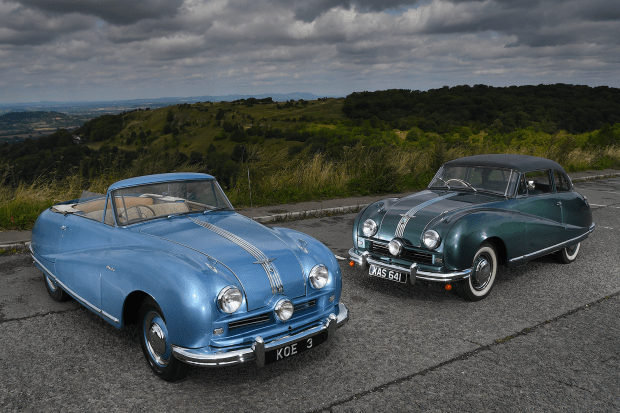
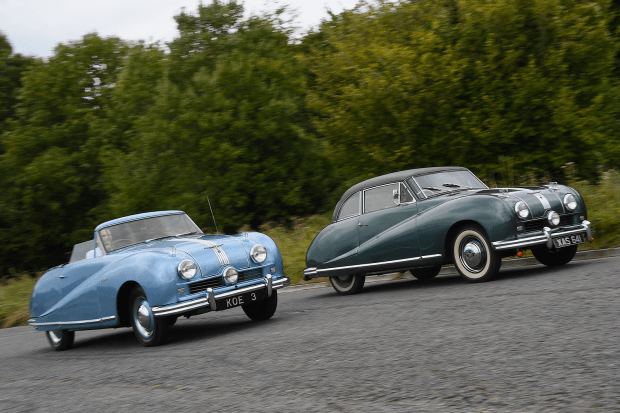
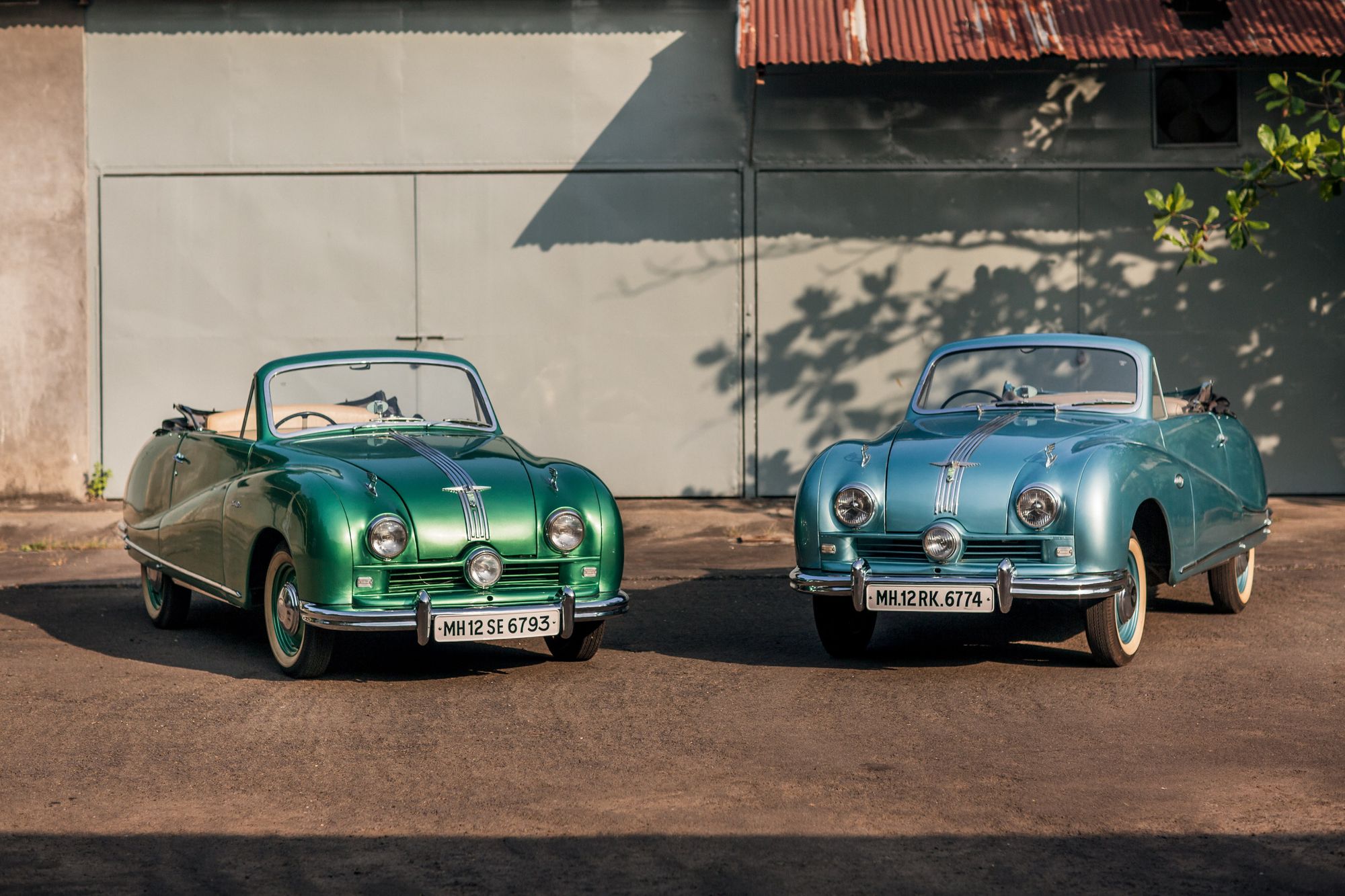
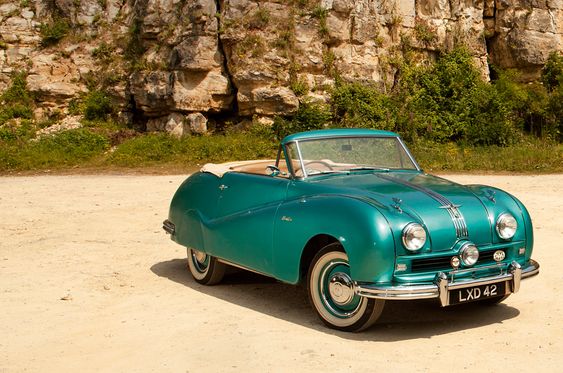
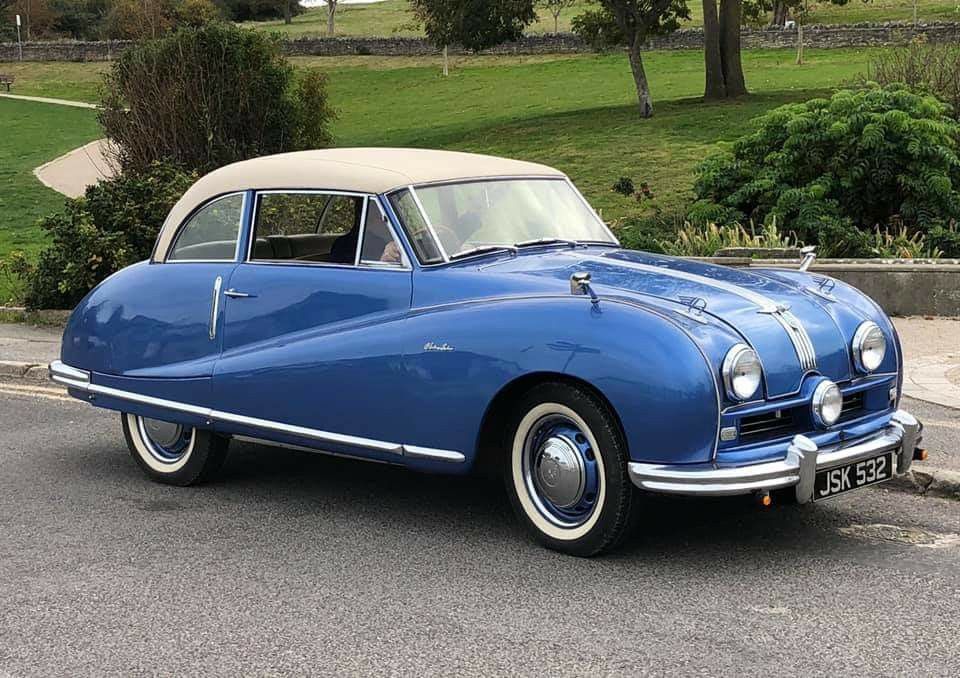
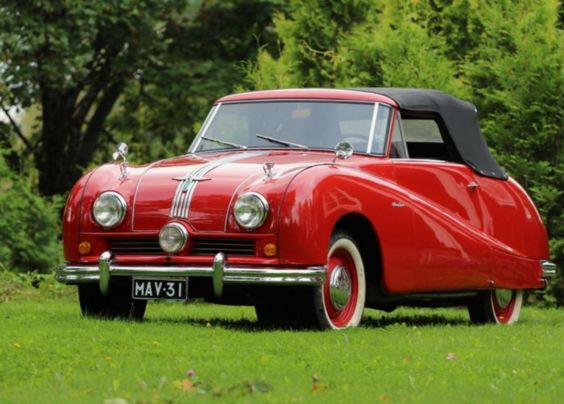
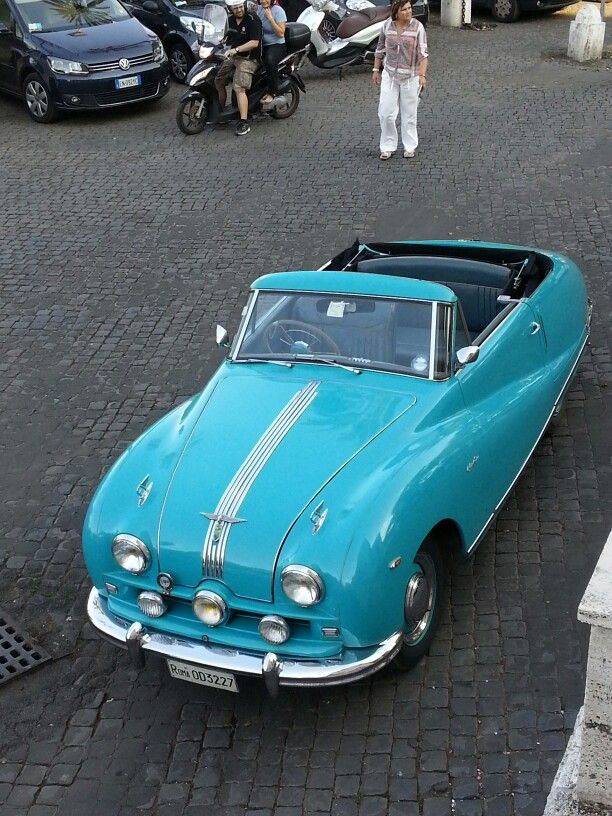
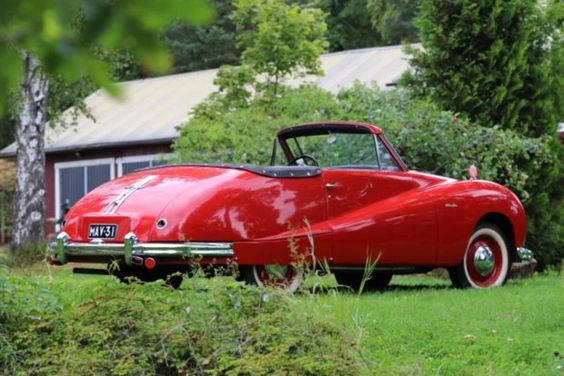
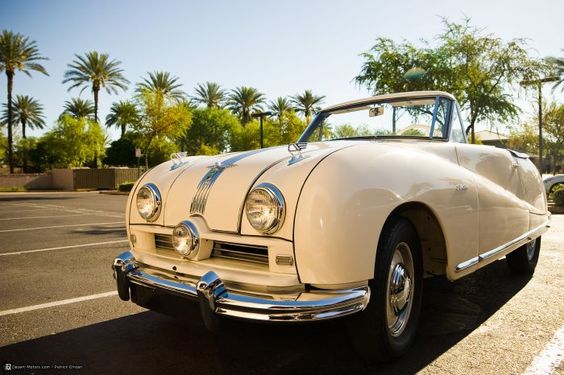
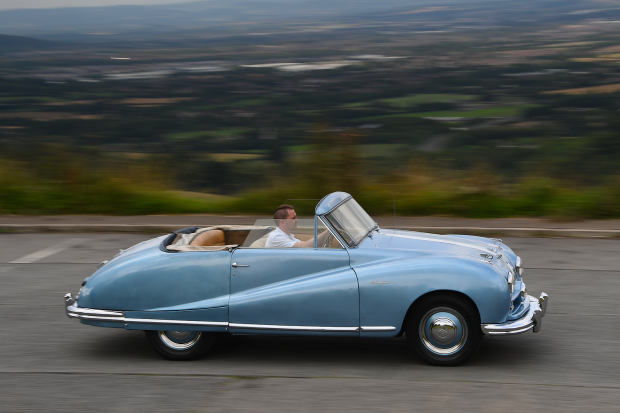
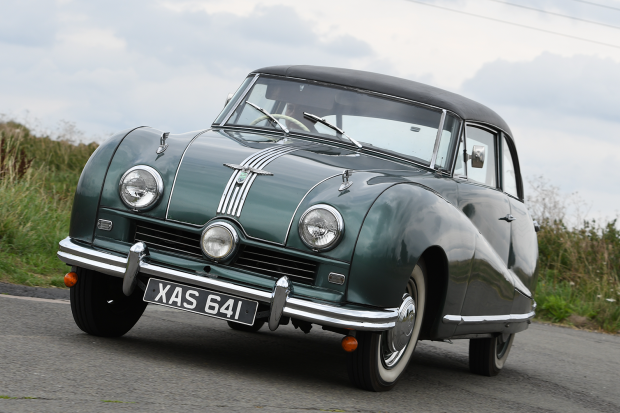
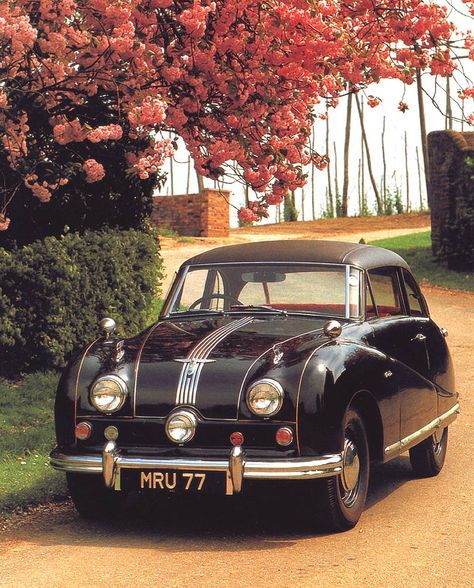
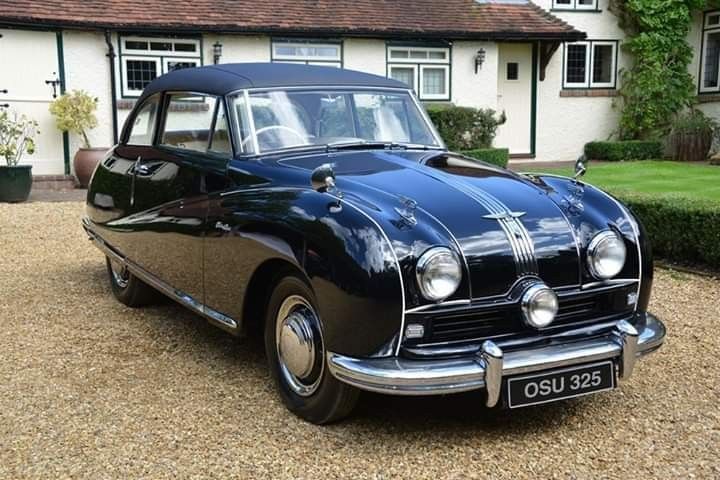
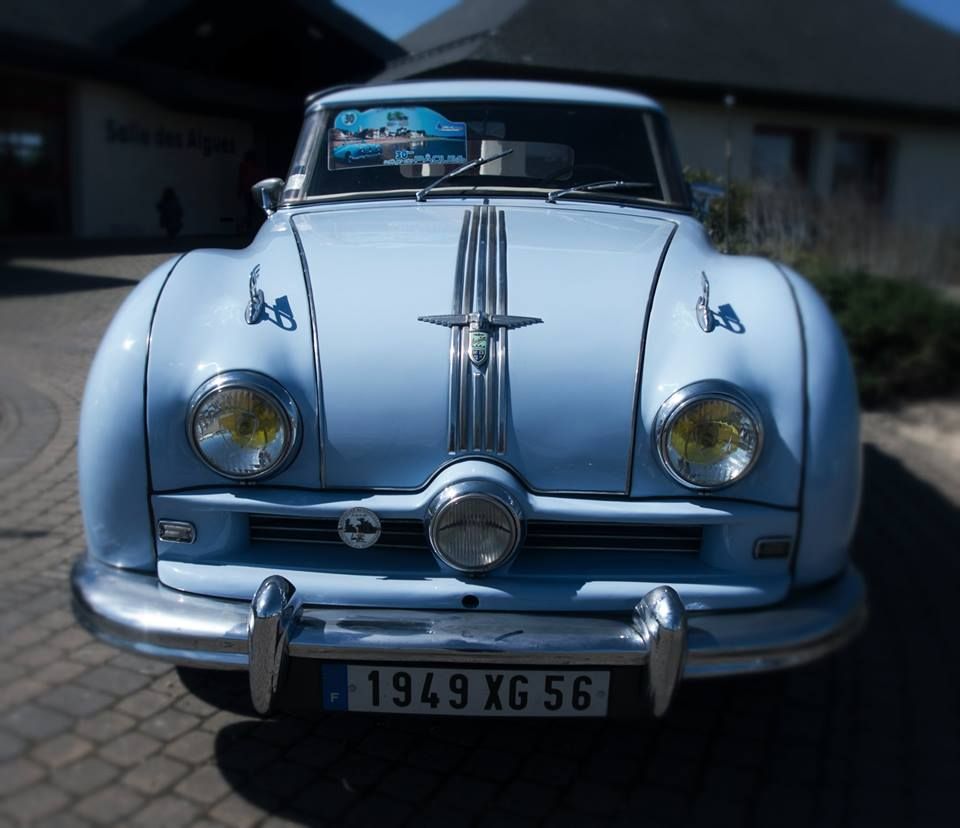
One of the first post war cars – and certainly a pioneering British automobile designed and built to cash on the American market. It was a sensational find when presented in 1948 Earls Court Motor Show, even though it always stayed in the shawod of the Jaguar XK120 introduced the same year.
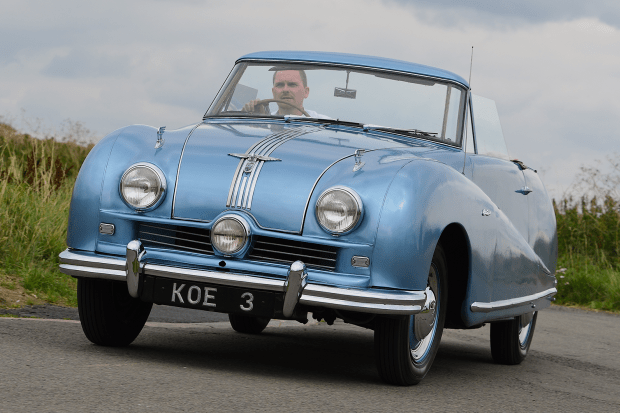
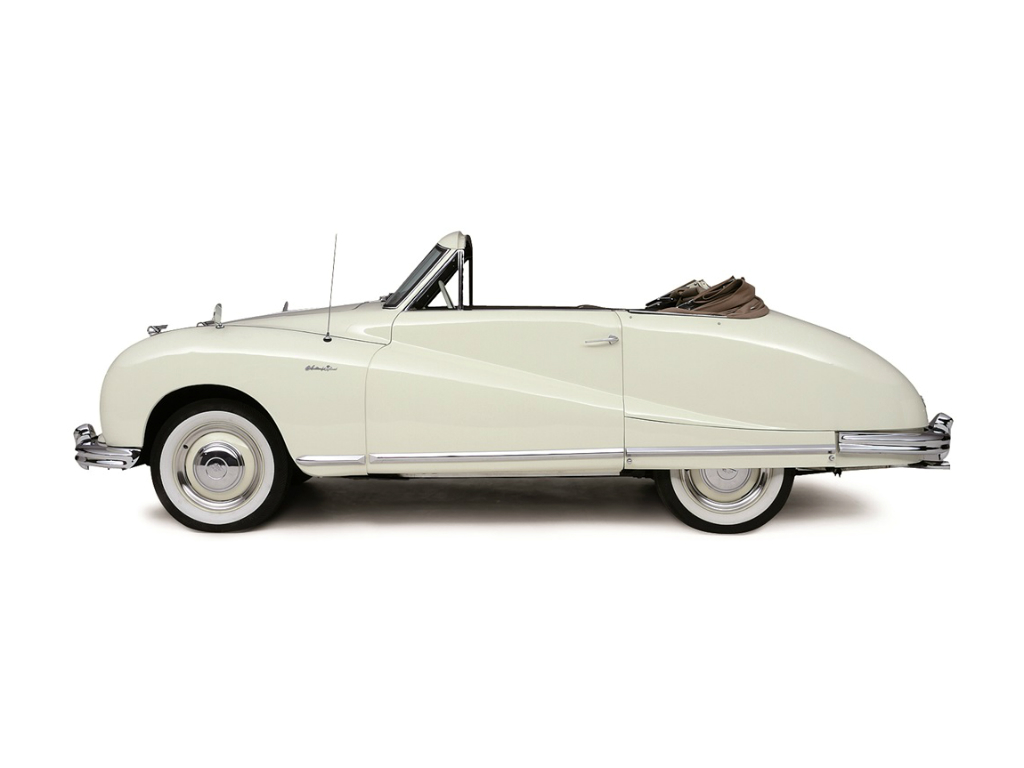
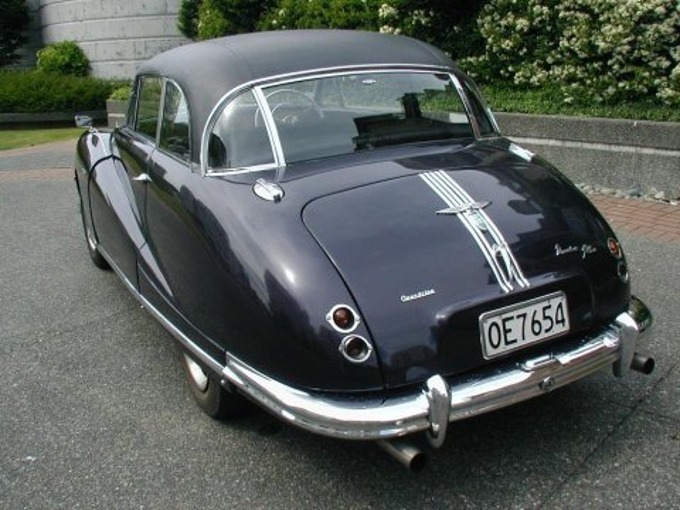
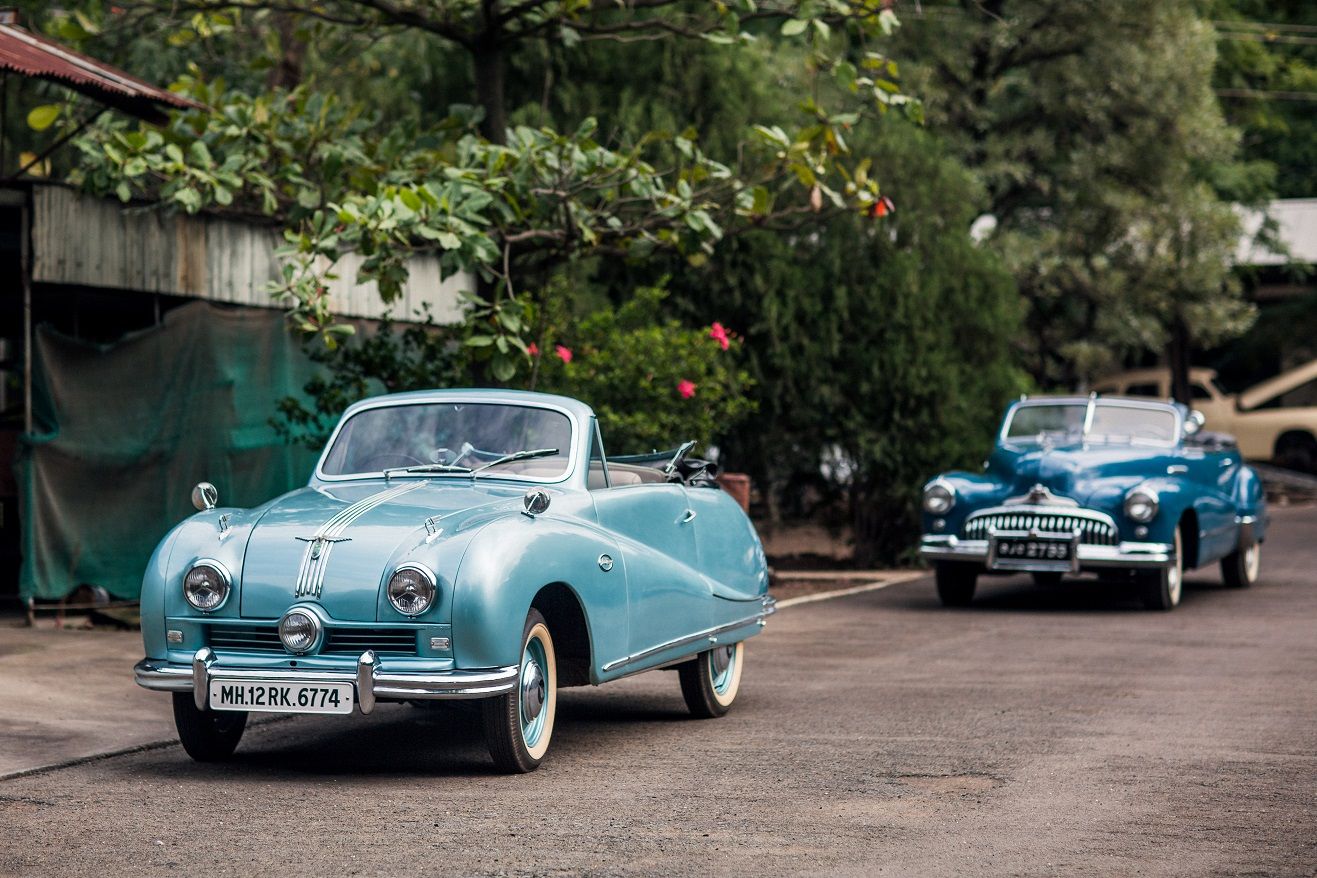
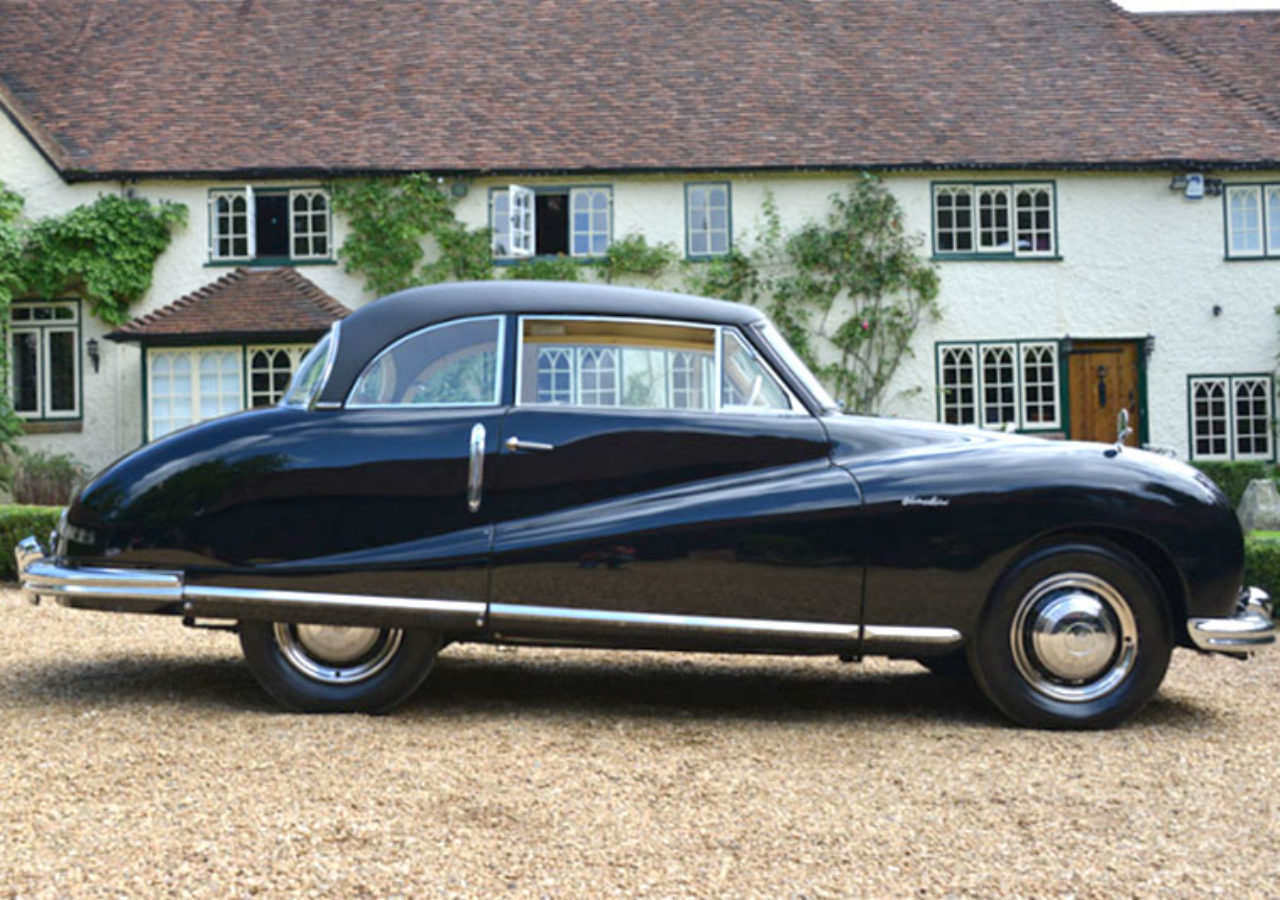
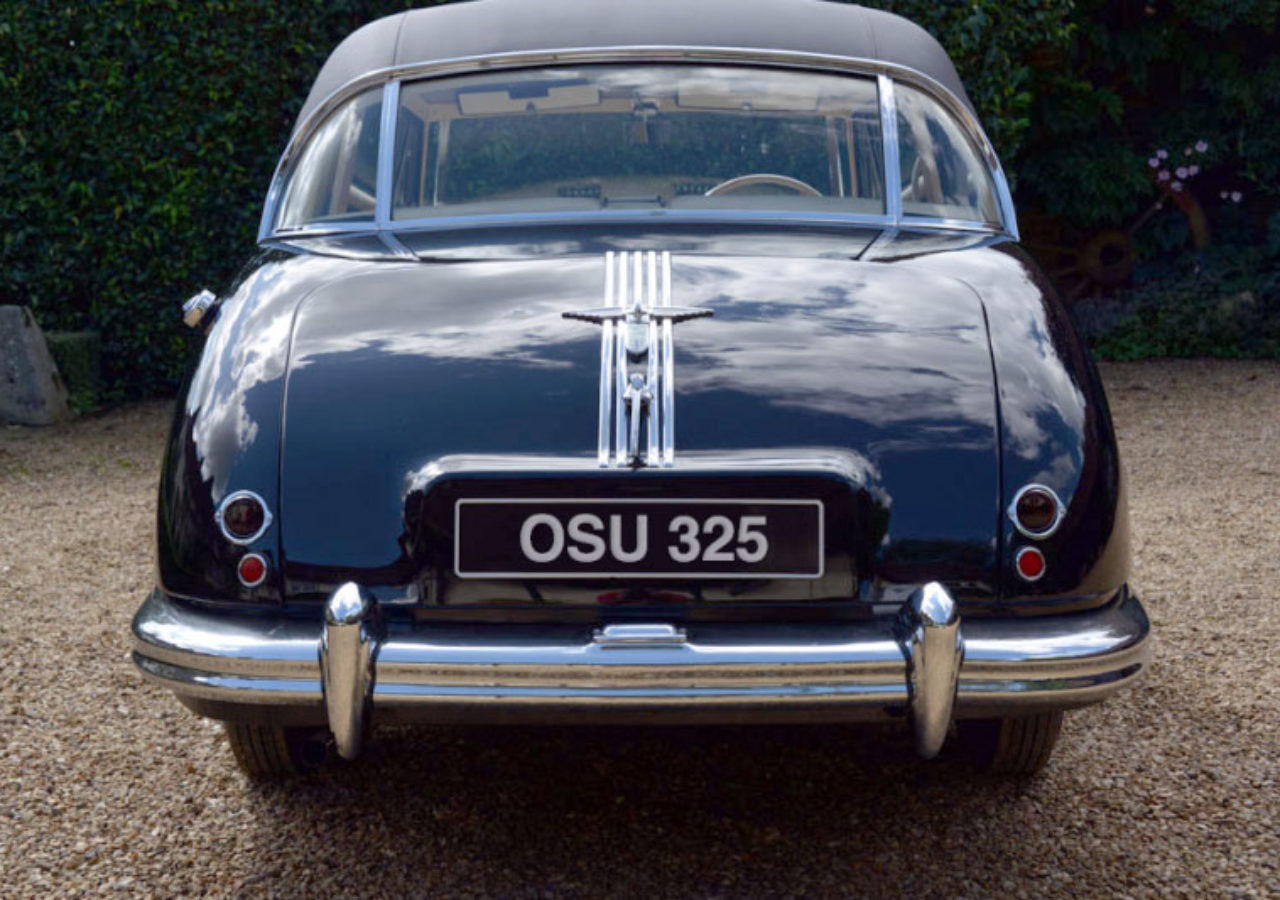
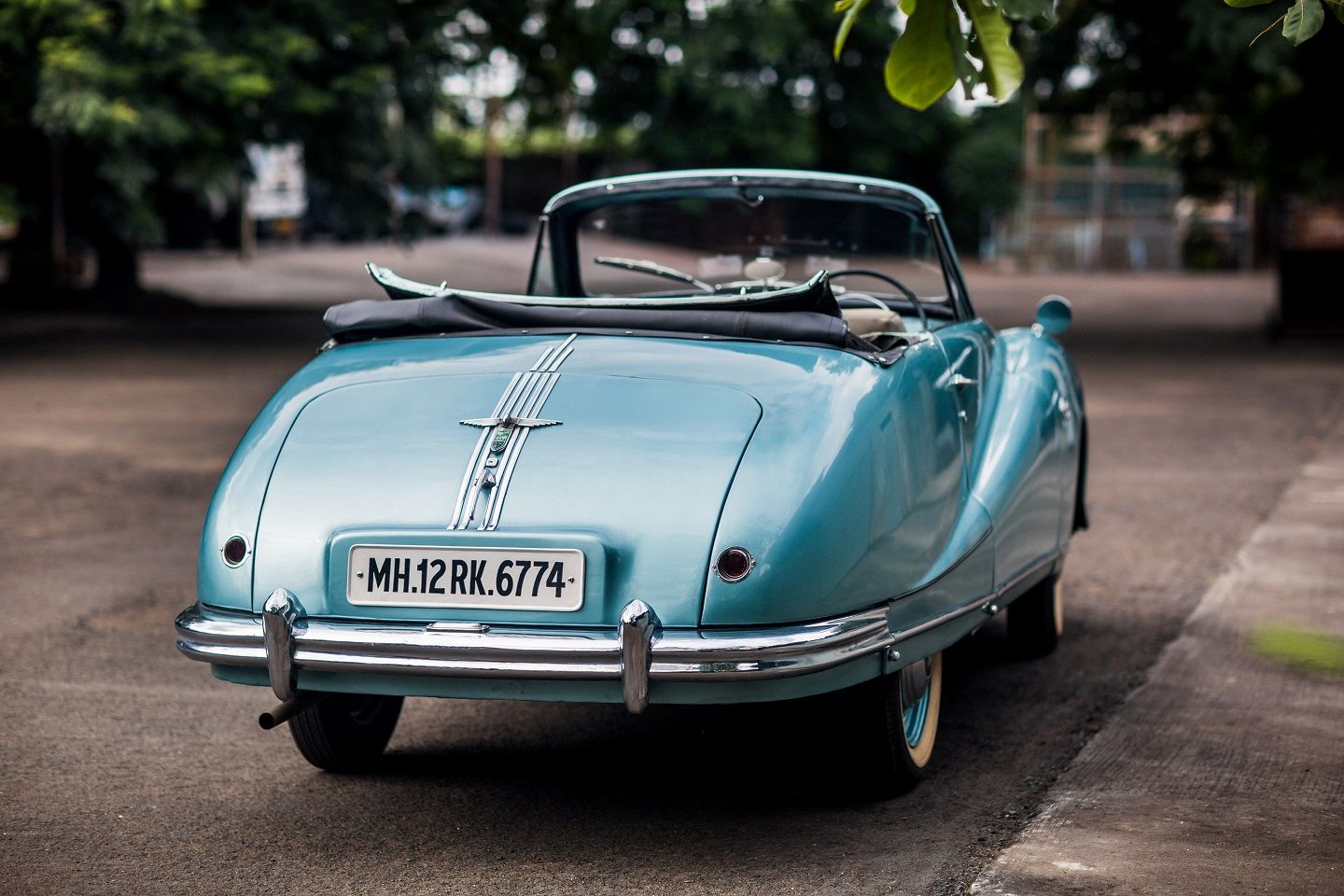
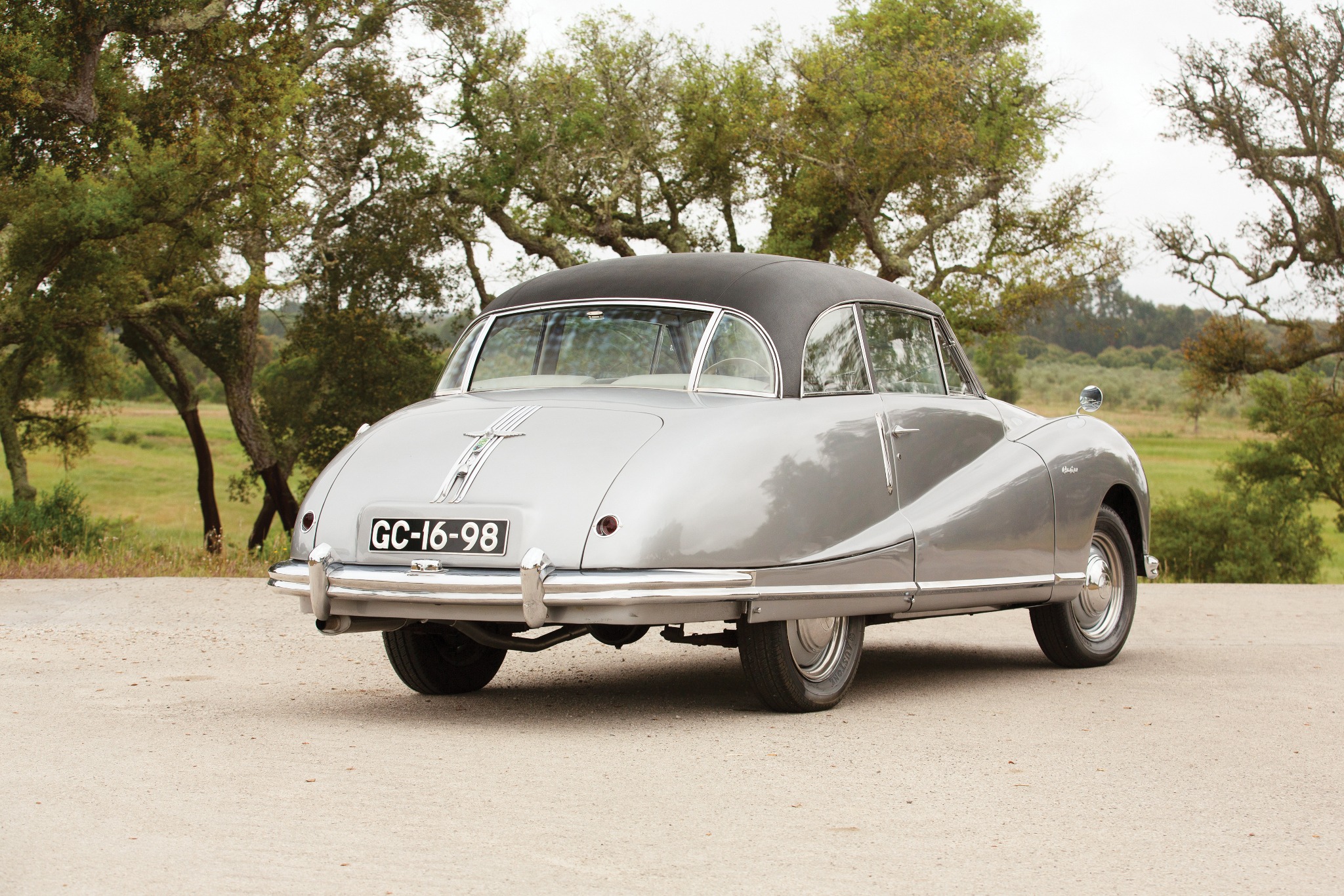
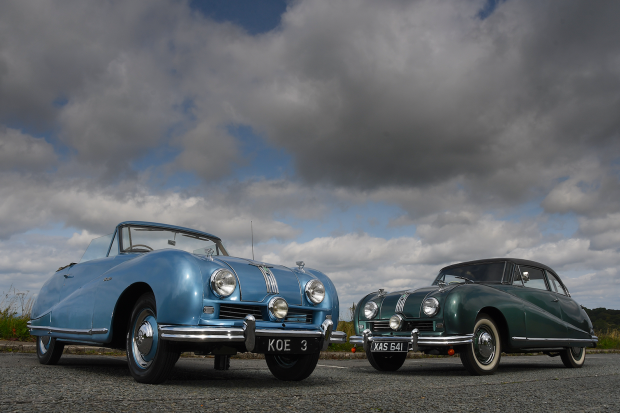
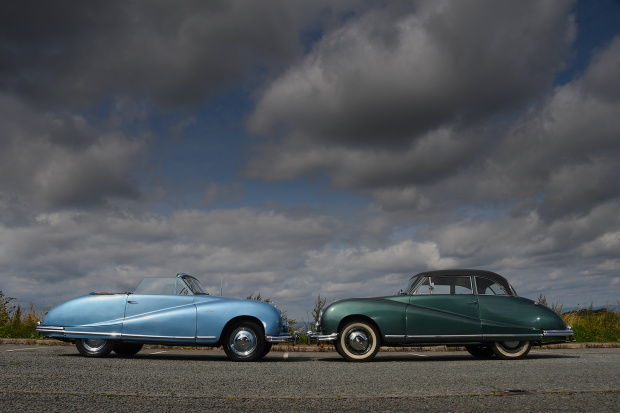
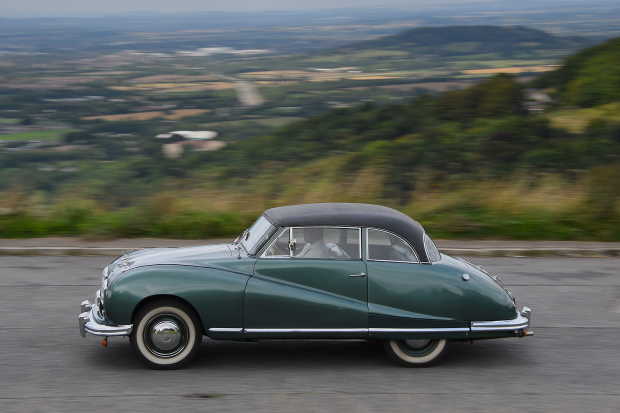
Design-wise, large number of the manufacturers of the time cultivated old motoring traditions. Pre-war designs and technology. And here come the British – with something like that! Front wheel arches end their lines far behind the doors, reach the rear of the vehicle and smoothly go into fenders. The Atlantic had a soft top operated electrically, just like it’s electric windows. Again – in 1948 which was amazing! It was very modern for its time. It had a heater, a steering column with adjustment, and good quality stereo. It had the indicator lights. The lights – instead of trafficator signalling arms. The hard top variant had its rear window lowered – just as everything else – electrically. Not the small side openings – the glass in the center of the rear was opening with a push of a button!
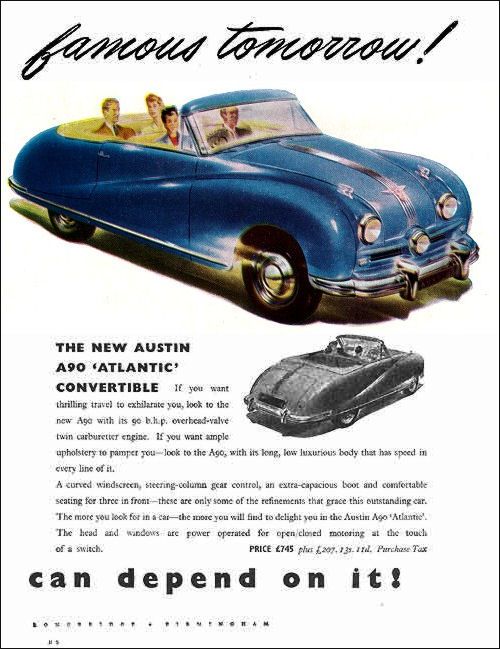
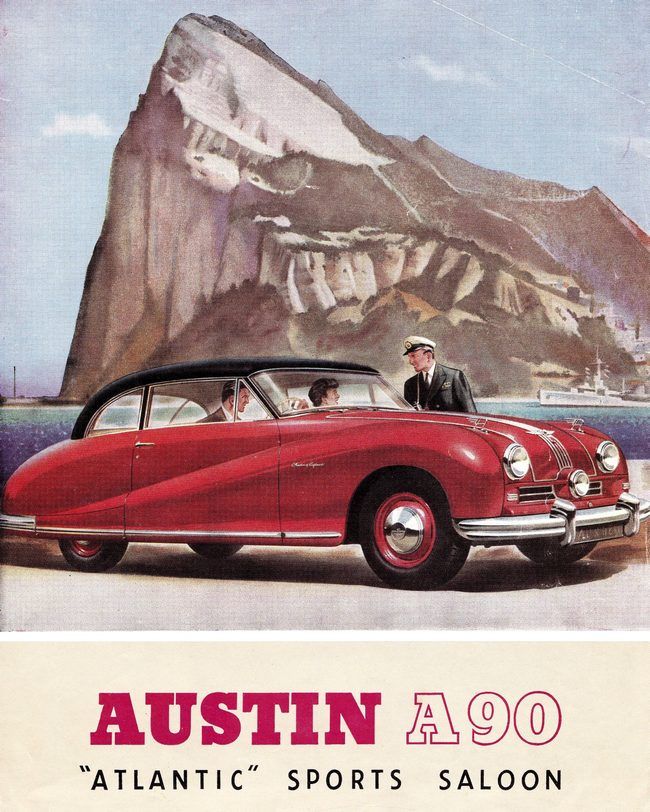
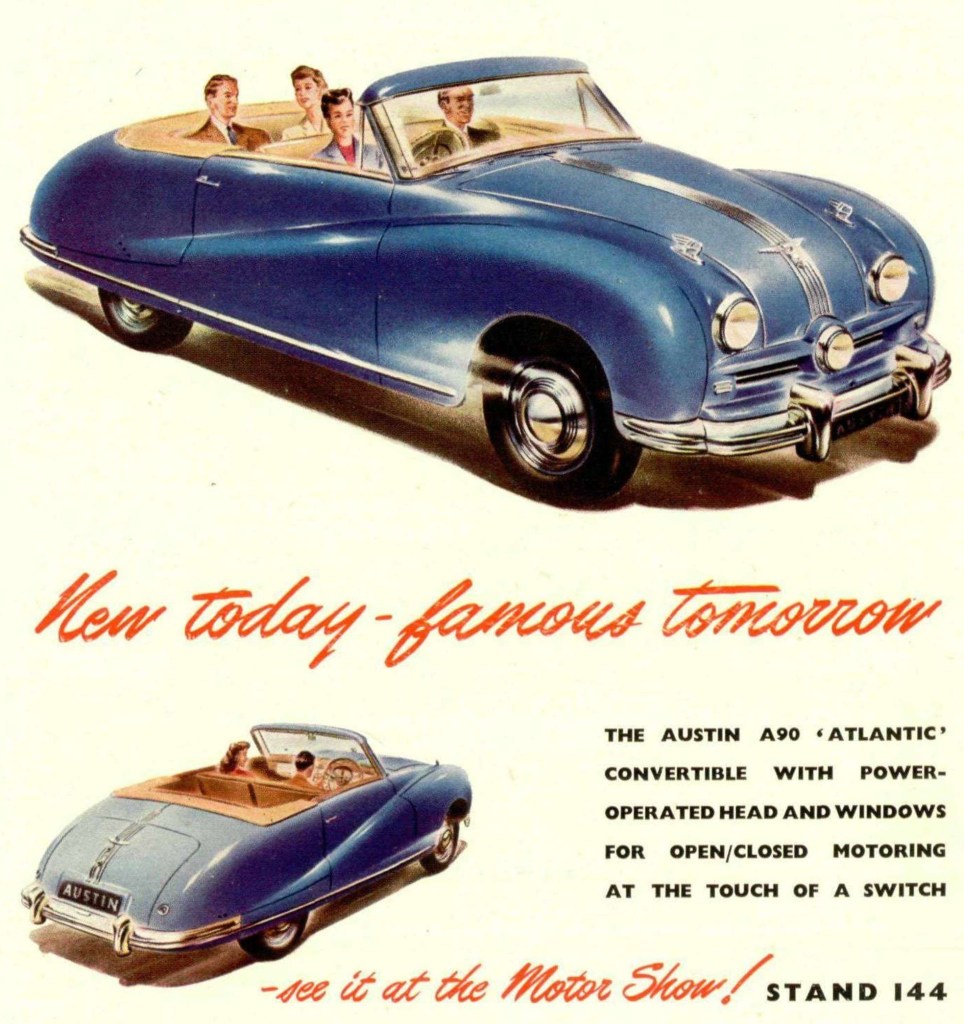
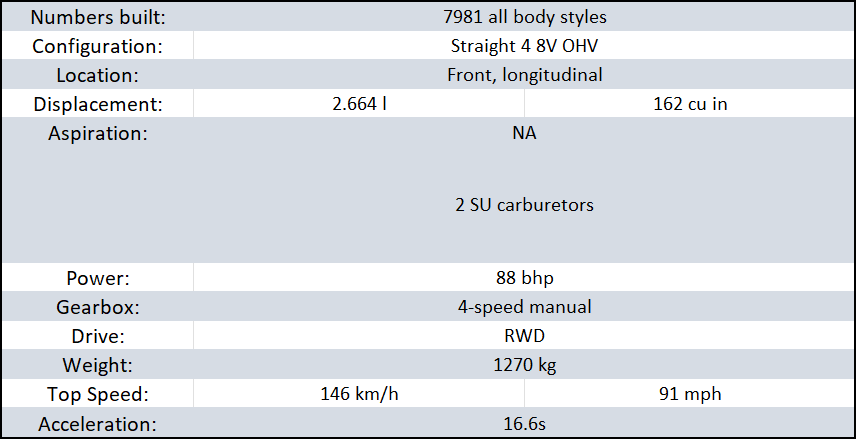
There was a 2.7-litre motor at its heart. A long stroke inline powertrain, enlarged to make 88 brake horses of the power assisted by twin SU carburetors. That’s why A90 – because of its output. It was enough for 90 mph, which was a good result. That used that same motor to power the Austin-Healey sportscars, so it couldn’t be bad. Here, with a 4-speed manual – but the lever was placed in American style: at the steering column.
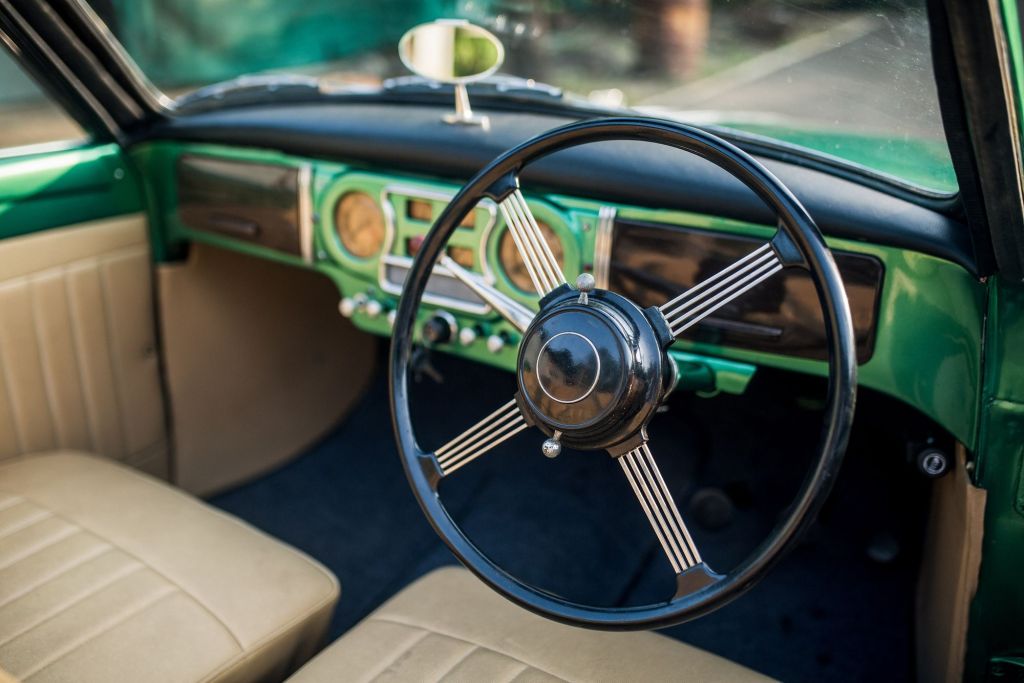
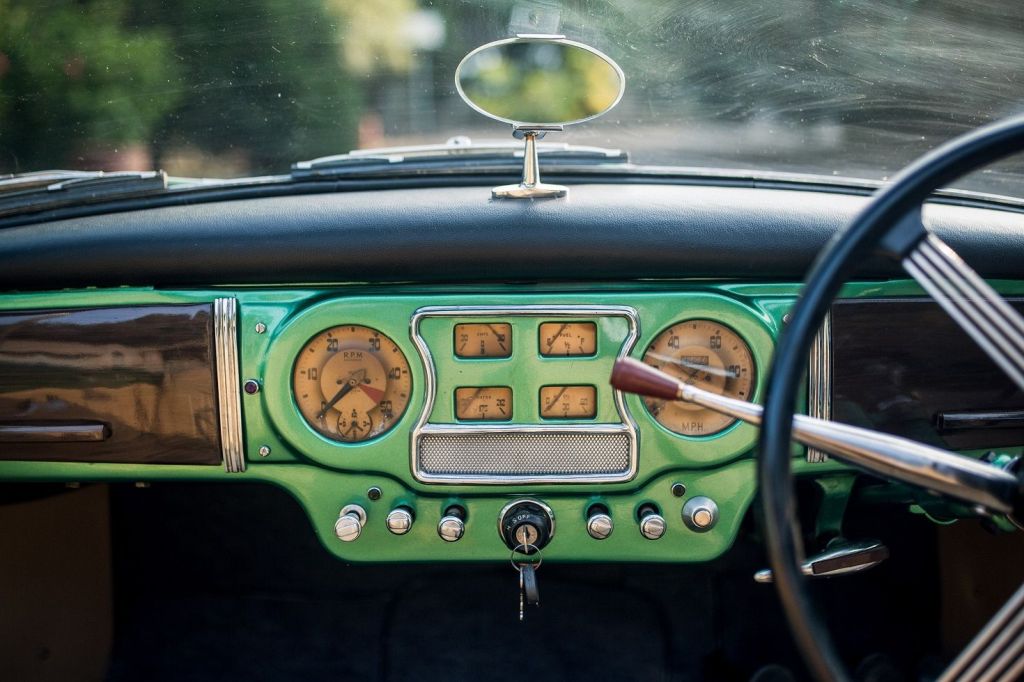
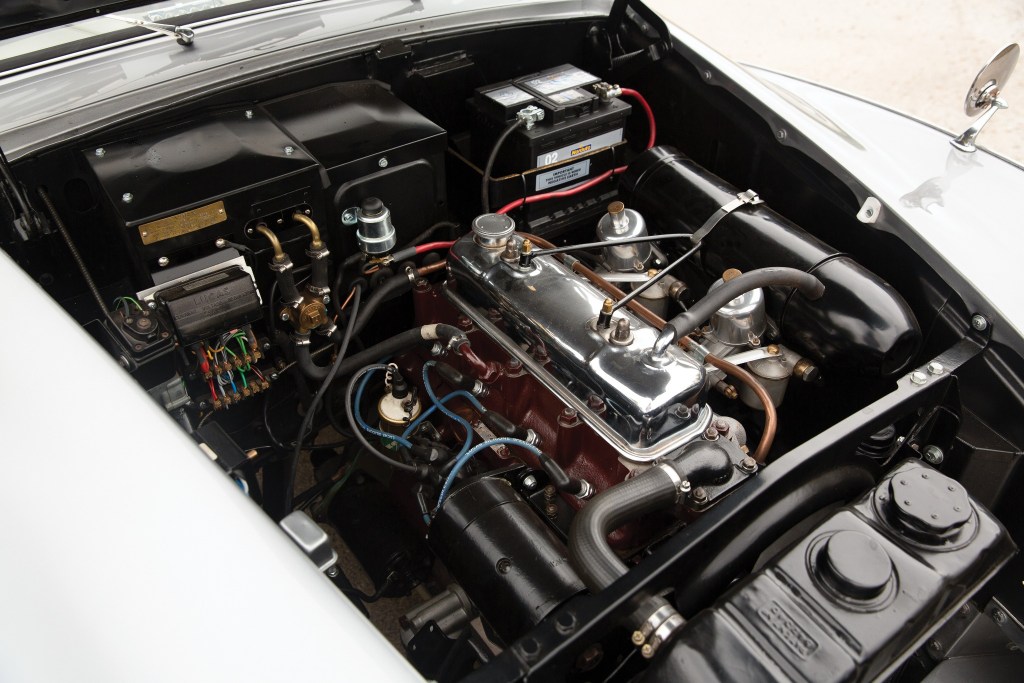
The strong side of the new Austin was its performance, for sure. Not mane post-war cars could get close to 90 mph, and Atlantic was the cheapest of them all. It could sprint making 0-60 within 16.6, which was decent as well. All this in a car easy to use daily in a way you won’t go bankrupt at the first gas station. But Americans were stupid, and anything short of 8 cylinders was a no-no for them. It was as if it never existed. In less than a week it beat 63 American records at the Indianapolis racetrack – and it still didn’t sell.
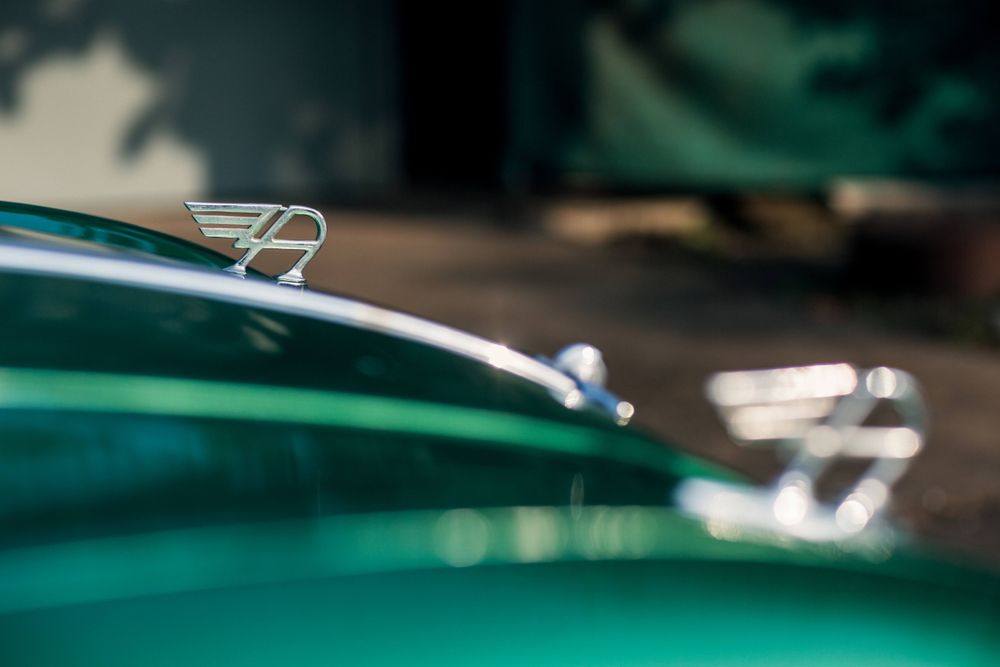
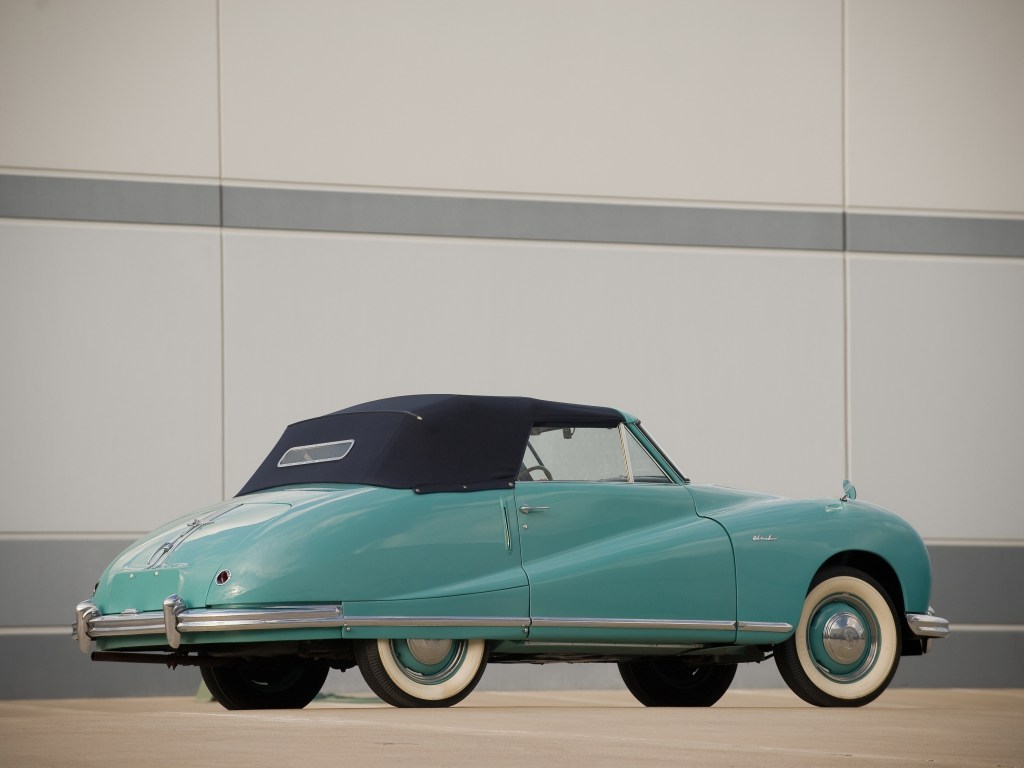
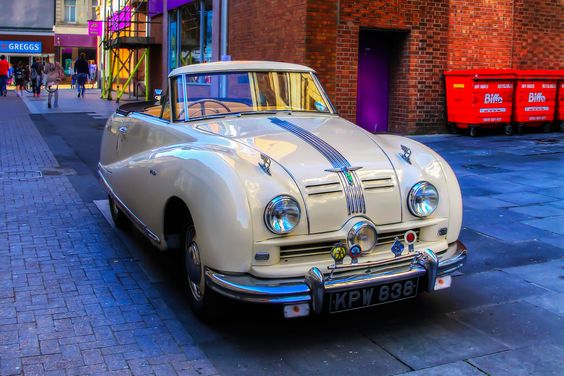
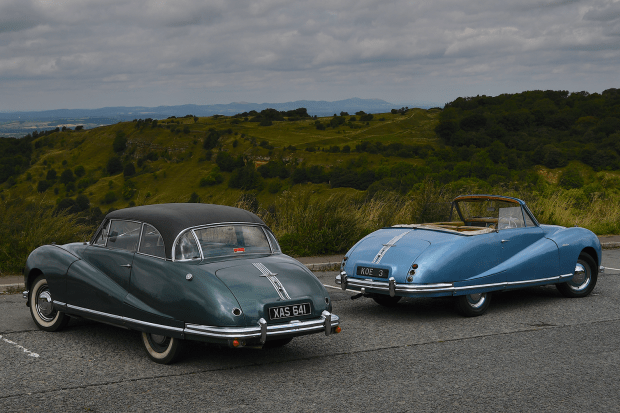
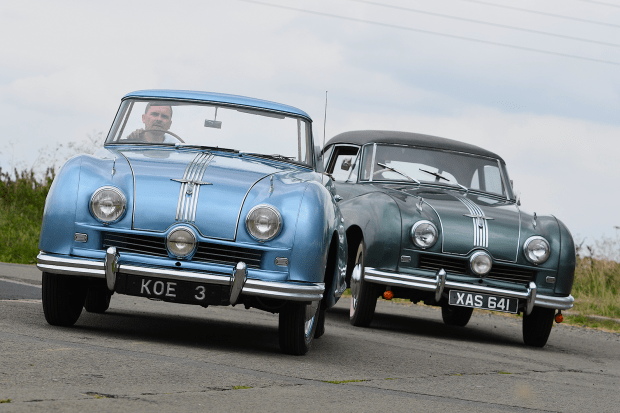
Austin’s story was short like my manhood. The Brits tried to keep it afloat – the car I mean – introduced the hardtop, and fresh transmission. They offered discounts for their models – to no effect. 1951 when production stops. A yeah after when hardtop dies, too. From 7981 examples, only 350 found buyers in America. Not many of them alive today – as per usual if we’re talking about post-war era cars build in UK. Corrosion protection was inexistent and here’s the effect. About 60 Atlantic examples in Great Britain – most likely not roadworthy. A lot of rusty models gave new lives to Austin Healeys. It’s a sad story of an interesting vehicle, but the philosophy behind it was: it rocks the American market or it dies. And so it did.
Krzysztof Wilk
All sources: M Buckley – The Complete Illustrated Encyclopedia of Classic Cars | wikipedia.org | classicandsportscar.com | magazine.derivaz-ives.com | gbclassiccars.co.uk | studio434.co.uk | revivaler.com | wheelsage.org
 SRT
SRT 