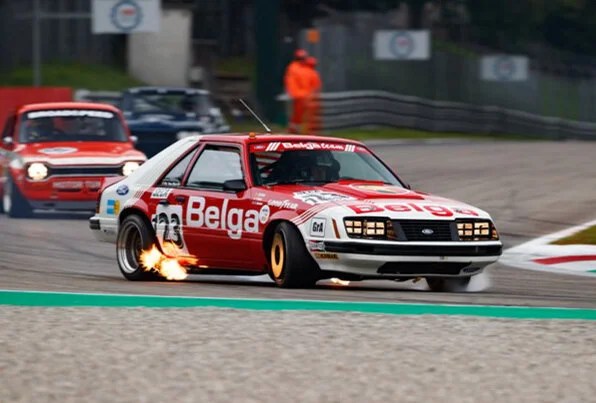
| Engine | Displacement | Power | Acceleration | Top Speed |
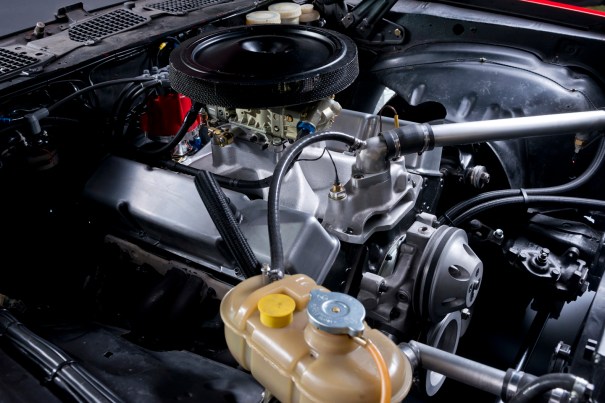
| V8 | 5.0 L | 310-530 BHP |
Mustang trzyma rekord, który ciężko będzie pobić. Trwał w rywalizacji właściwie przez cały okres funkcjonowania DTMu. Jedenaście lat wyścigów – formuła zdążyła zmienić się w ITC. Mustang pożegnał się z niemiecką serią na dwa lata zanim całe mistrzostwa zdążyły już w pizdu klęknąć.

Gdy miejsce miała rewolucja w regulaminach i przedstawiono zasady Grupy A, Ford zaczął szukać następcy Capri 3.0, które jeszcze się zahomologuje, ale już nie będzie sobie radzić z konkurencją. Prawda jest taka, że zarząd szybko się przyklei do Sierry i będzie ją wspierał od samego początku, bo to im się opłacało marketingowo. Sierra miała ogromy potencjał, ale też zbyt długi okres bezwładności.
Bo to był nowy model i musiał przecierpieć bolączki okresu niemowlęcego. Na sukcesy trza będzie czekać aż do nadejścia XR4 oraz RS Cosworth – a Capri nie dawał rady już w tamtym momencie i czas naglił. Ktoś wpadł na pomysł, że rozwiązaniem przejściowym mógł być Ford Mustang. Ogromny kompromis, bo musiał jeździć całą kampanię bez wsparcia ze strony Forda.


Już na torach pierwszego sezonu DPM zawitały Mustangi. Jeden z dealerów Forda na Butzbach wystawił dwa egzemplarze Foxbody GT. Ale auta do Grupy A funkcjonowały już wcześniej. Klaus Niedzwiedz w Foxbody teamu Zakspeed miał szansę podjąć rywalizację jeszcze w 1983.
Touring Car Grand Prix to był taki przedsmak DTMu. Tam ludzie mogli zobaczyć jak miała wyglądać nowa formuła wyścigów turystycznych, i jak spisują się nowej generacji auta tego typu. Wtedy już klamka zapadła: wiadomo było, że Grupa C to nie pomaluje. Koszta operacyjne takich zawodów były nie do przyjęcia. Grupa A to była przyszłość. Auta były mniej widowiskowe, ale bardziej realistyczne – a zawody przyjazne kibicom. Historia pisała się dosłownie na ich oczach.
Zasady Grupy A są lepsze właściwie pod każdym względem. Na takie auto można było sobie pozwolić – zacznijmy może od tego. Dział BMW Motorsport śpiewał wtedy 150k niemieckiego pieniądza za maszynę do wyścigów. To było zwykłe 635 CSi, które potem jechało na tor i klepało angielskie maszyny na szczeblu międzynarodowym. Auta BMW były też groźne na Nurburgringu. XJS Walkinshawa pyknął tam ichni rekord w lekko ponad 8 minuten, ale zagrzał V12 i to BMW spijało frukty na koniec.
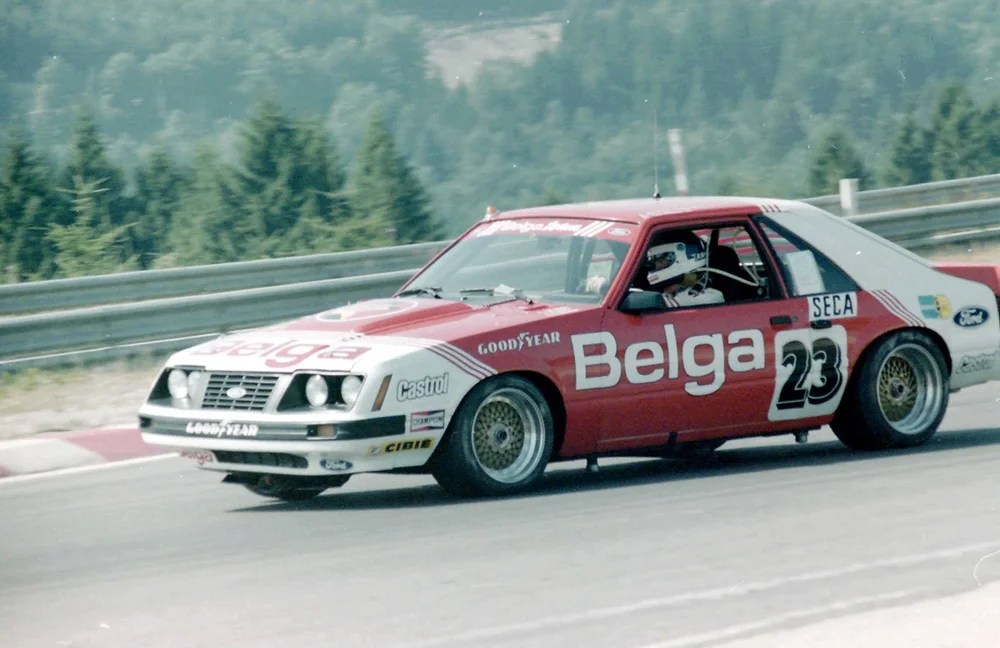

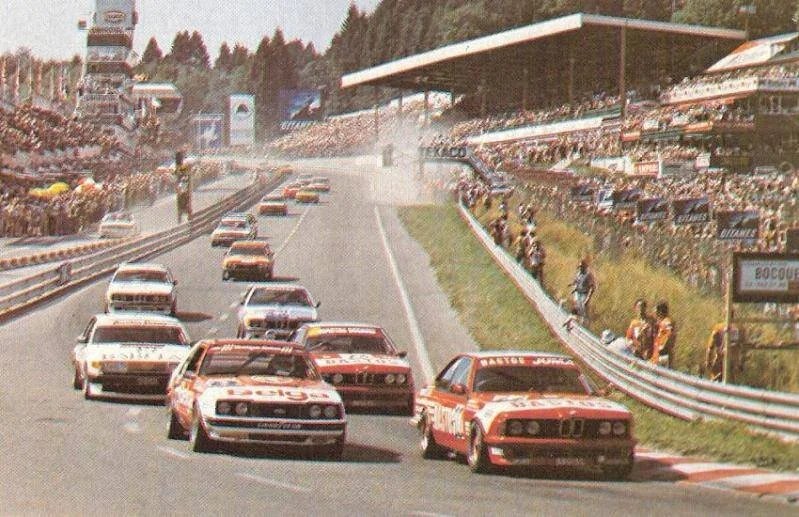
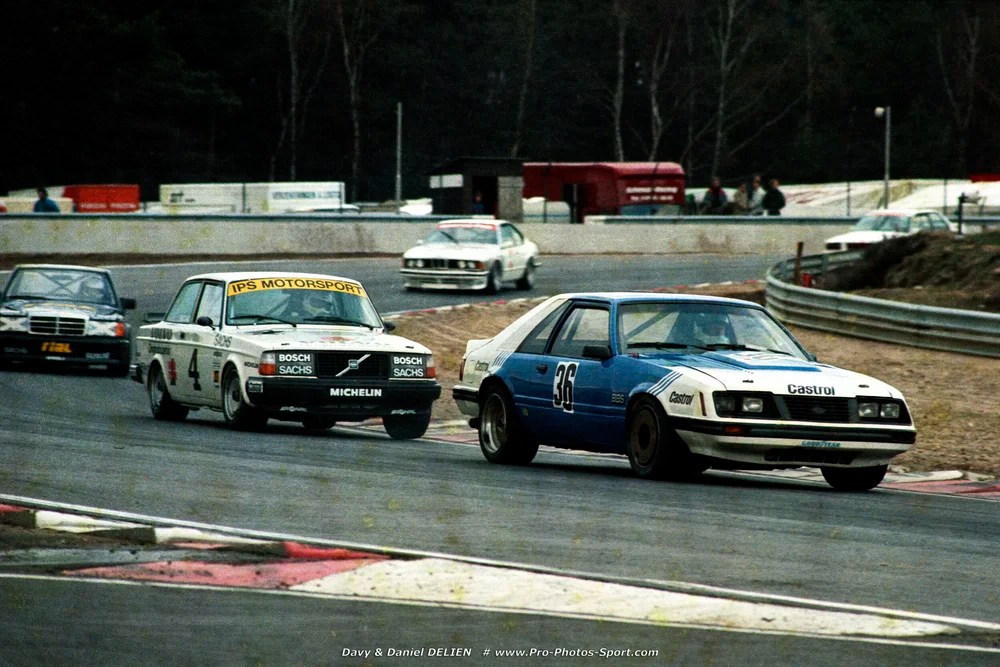
W dwa dni po wyścigu na Nordschleife, Ford oddaje trzem kierowcom maszynę do testów. Wśród nich: Jorg Van Ommen, Klaus Ludwig i Klaus Niedzwiedz. Mustang po poprawkach u Rousha przyjmował na klatę 320 koni lekko. No i tak to się zaczęło. Zawodnicy zaczęli szukać następcy dla Capri i Escortów z silnikem BDA – i Erich Zakowski jako pierwszy zmienił kluczyki na te do Mustanga.
Sam Ford nie oferował swego mandatu zaufania z taką łatwością. Te pedały z działu motorsportu pchali nową Sierrę XR4ti. To angielski Ford. Mustang musiał być przywożony zza oceanu – biznesowo/marketingowo to się tłumaczy, ale ja ich i tak będę wyzywał od gejów, bo prawdziwa i jedyna prawilna Sierra to tylko RS Cosworth i swojego zdania nie zmienię.
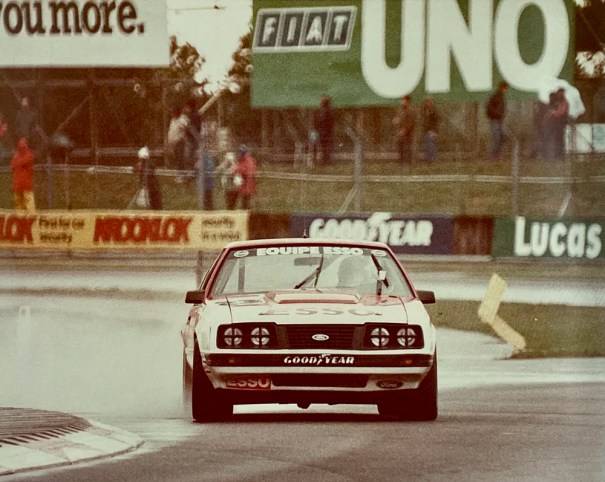
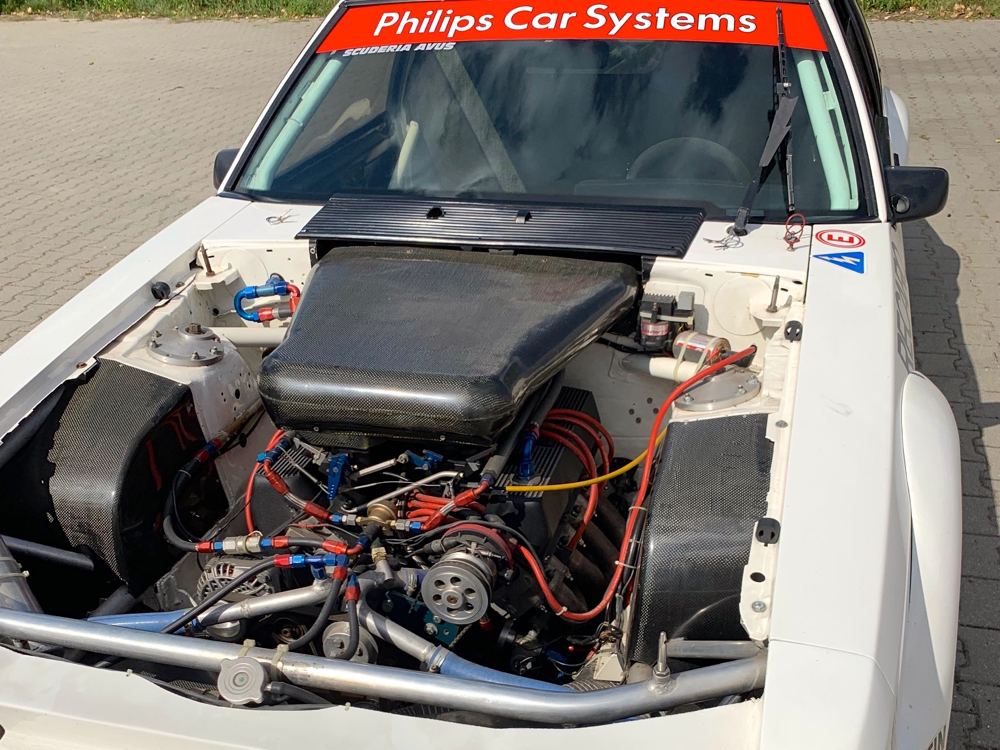
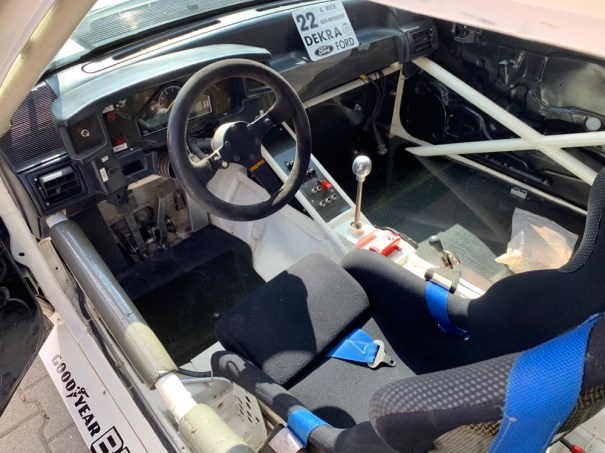
Zakowski myślał podobnie, a że miał znajomości we Fordzie, to był w stanie dopiąć gotowe do wyścigów auto. W tamtym momencie pod znakiem zapytania pozostawało już wyłącznie to, czy pojazd będzie się spisywał na torze. Klaus Niedzwiedz był za kierownicą Foxbody podczas wyścigu na Hockenheimie. Tam jest sekcja szybkich łuków, gdzie na moment odpuszczasz gaz aby zaraz pierdolnąć max petardę. Taki Mustang 5.0 w akompaniamencie niesamowitego ryku gardłowej amerykańskiej V8 dociskanej pod limit, wyprzedzał rywali tuż przed oczyma widzów (i reporterów Auto, Motor und Sport). Maszyna o mało nie odleciała – była trzymana przy ziemi tylko przez malutki spojler i właściwie brak innego aero. Niesamowite widowisko – lepszej reklamy im nie trzeba było. Zajęli wtedy 4 miejsce.
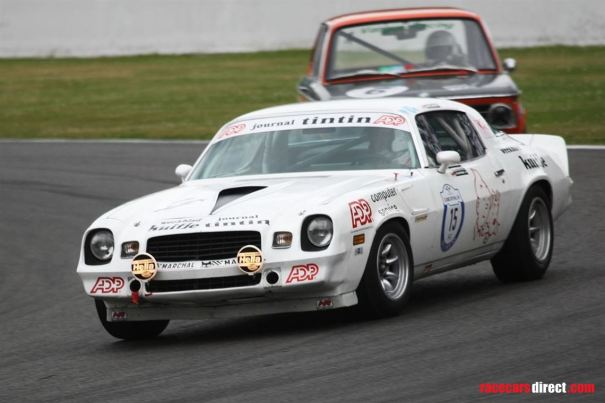
Później odbywają się Mistrzostwa Wyścigowe Niemiec – na tym samym obiekcie. Gościnnie pokazują się zawodnicy z francuskich formatów w ich turystycznych autach. Hans Heyer był widziany za kierownicą Chevroleta Camaro, Walkinshaw przyprowadził dwa Jaguary z Grupy A. Van Ommen zasiadał w 635 CSi. Niedzwiedz miał Mustanga. To był chrzest bojowy dla Forda. Foxbody miało najlepszy czas w sesji kwalifikacyjnej – tuż przed Jaguarami. Podczas wyścigu Niedzwiedz zachwyca formą, ale V12 Jaguara ma więcej mocy pod maską i potrafi dobrze uciec. Mustang ma problemy i spada na czwarte miejsce. Cylindry mu nie palą i przez to traci jakieś 500 obrotów z pełnego zakresu – ale maszyna i tak zdoła odbić drugą pozycję.
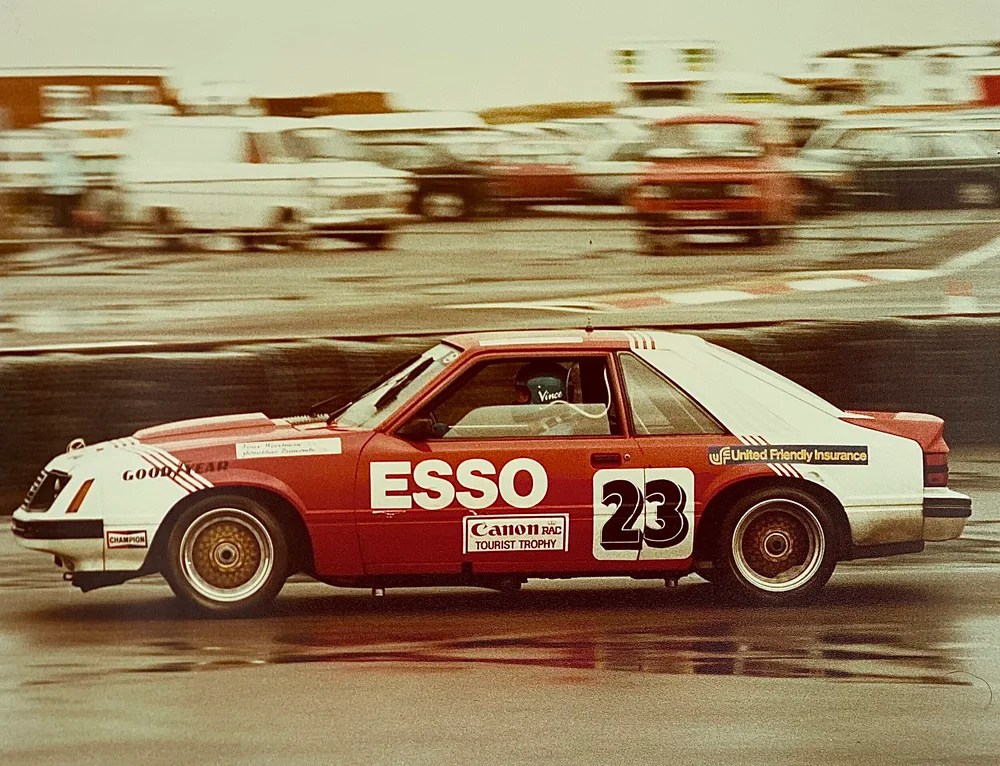
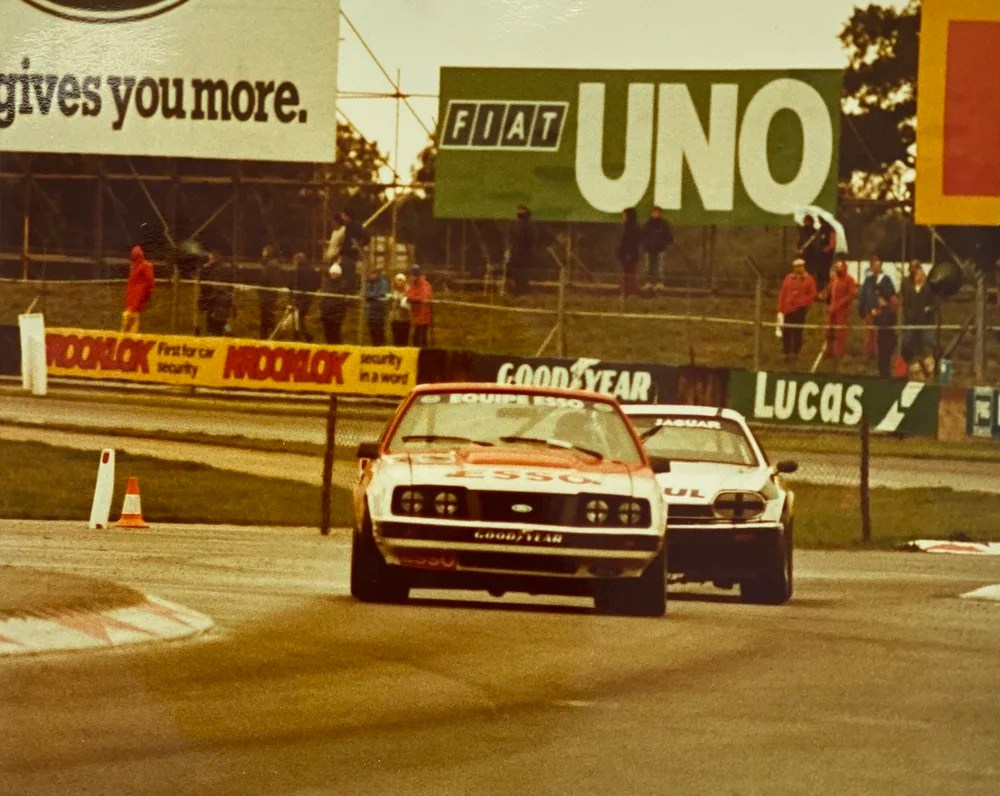
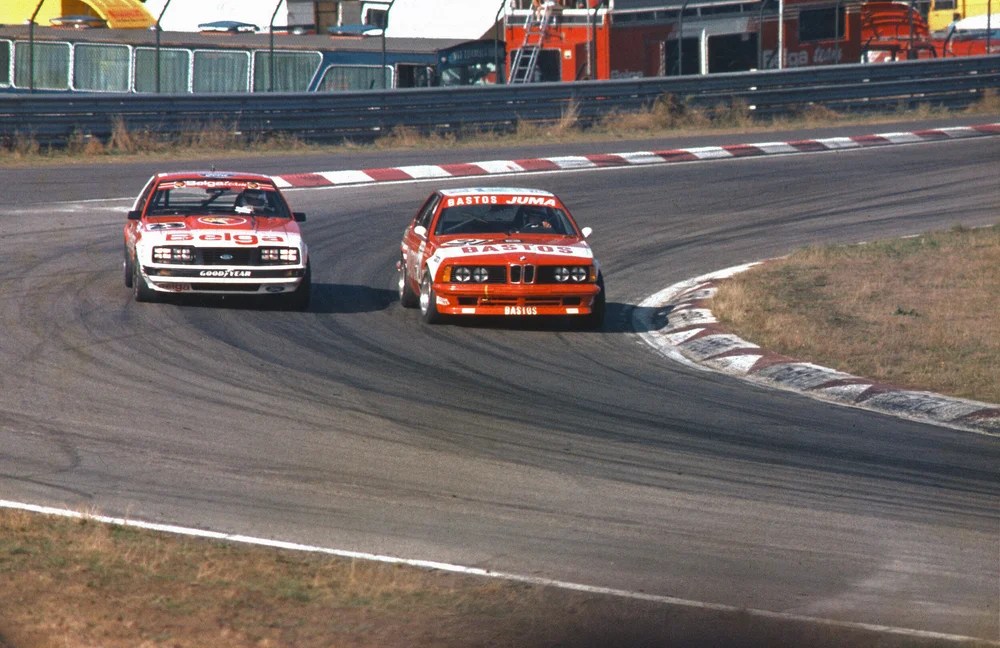
DTM ma swój początek w 1984 roku. Na start pierwszego wyścigu (na torze Zolder) przyjeżdża Foxbody od dealera Forda, który właśnie wymienił Escorta na Mustanga. Silnik – tak jak w przypadku auta teamu Zakspeed – dostarczony był przez amerykańskiego tunera Jacka Rousha. Manfred Trint za kierownicą – miał chłop szansę, ale elektryka zawiodła i długo se nie pojeździł. Na lotnisku Wunstorf za to zdominował totalnie. Jedynie CSi Grohsa było w stanie dotrzymać tempa – chłopy mieli ze dwie sekundy przewagi nad trzecim miejscem. Właściwie to Grohs był szybszy i miał dobre szanse na komplet punktów, ale elektronika to kurwa niemyta – i nie miała litości dla jego BMW.
Następny w kalendarzu był nowy Nurburgring – i wyścig w formule dwóch biegów. Mustang zajmuje pierwsze i czwarte miejsce – i kasuje największe punkty za ten event (0.5 punktu więcej od Mantheya za 2 i 3 pozycję). Rywalizacja na torze Norisring nie kończy się dobrze – Ford bez punktów. To była szybka maszyna, ale bardzo obrażalska. Na 12 wyścigów w sezonie przed czasem odpadała 5-krotnie. Za kolejne 3 wyścigi za to (Nurburgring, Diepholtz, Hockenheim) wygrywała dobre punkty. Trint 5 razy stawał na podium w pierwszy rok zmagań (2-krotnie na najwyższym jego stopniu) – choć zakończył go 6 pozycją w generalce… Śmieszna sprawa… Mistrzem został Strycek, który nie wygrał ani razu.
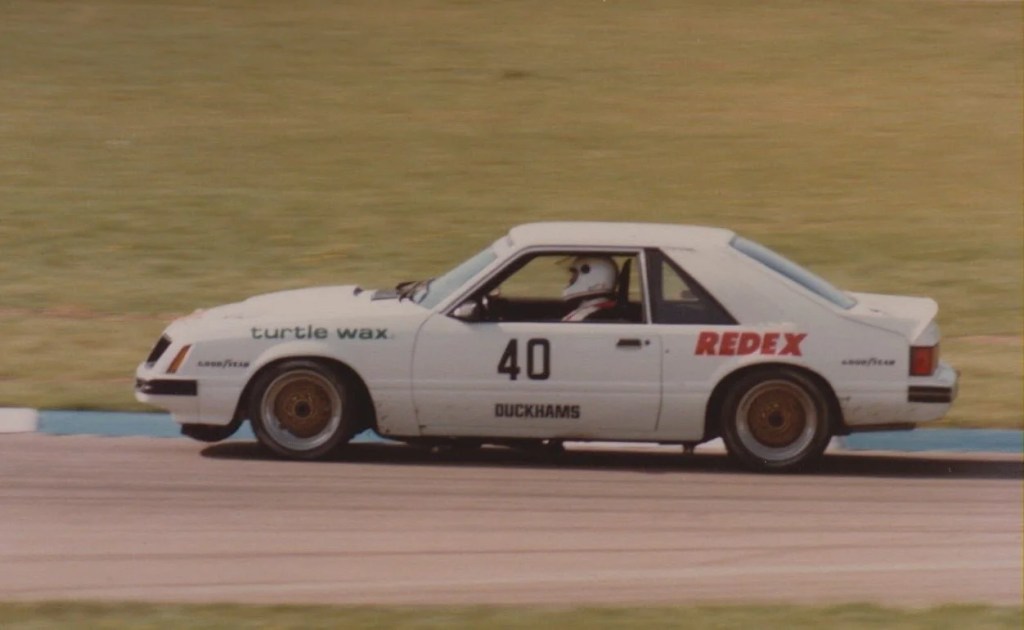
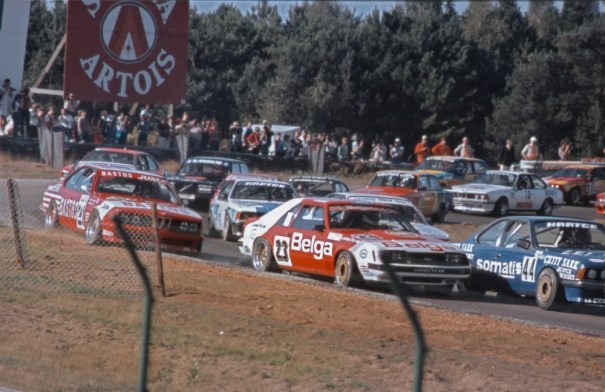

W sezonie 1985 za kierownicą Mustanga zasiądzie Roland Asch i doprowadzi maszynę do trzeciego miejsca na szybkim torze AVUS oraz drugiej pozycji podczas wyścigu na płycie lotniska Siegerland. W jego rękach Mustang dużo częściej kończył – i zawsze punktował. Tylko pierwszy wyścig zakończył się wypadkiem we wczesnej fazie, co wyłączyło go z rywalizacji. Asch zdołał podskoczyć na 4 miejsce w końcowej klasyfikacji.
W 1985 roku do Forda przekonał się również Helmut Döring. Przez co najmniej 5 wyścigów towarzyszył on w drugim Foxbody. Jeździł parę eventów również za kierownicą Forda Capri. Roland Asch trafił na podium dwukrotnie tego roku. Później te spektakle w wykonaniu takich maszyn były wyciszane. Mustangi uczestniczyły w zawodach coraz rzadziej.

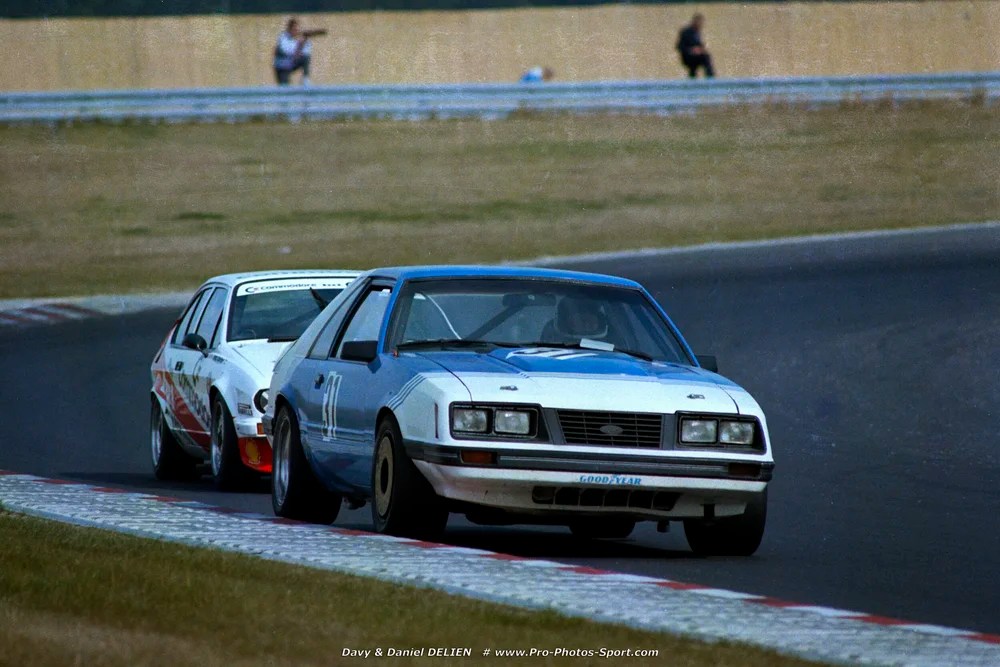

Ford mocno cisnął kampanię Sierry XR4Ti. Przedstawili ją światu w 1985 roku i chcieli wyprzeć Mustanga kompletnie. To się udało, ale tylko częściowo. Wszystko poszłoby zgodnie z planem, gdyby nie ci przeklęci prywaciarze, którzy zabierali własne auta do wyścigów. Volker Schneider bardzo chciał – ale maszyna nie chciała i sobie nie pojeździł. Gerd Ruch również miał problemy ze swoim. W sumie żaden kierowca Mustanga nie ukończył ani jednego wyścigu. Ford jeździł już wtedy na Sierrach RS500, więc wsparcia od producenta to nie było co szukać. No dramat.
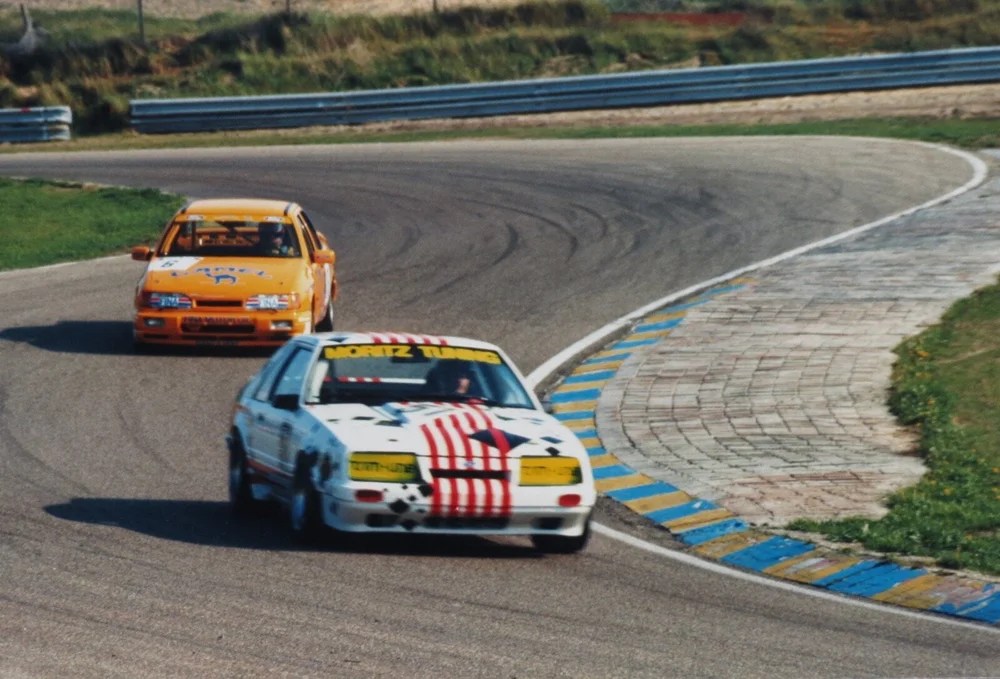
Ruch się jednak nie poddaje. Dokonuje kolejnych zmian w pojeździe i ogarnia drugą maszynę. Tak kontynuuje kampanię aż do 1994 roku. NIKT tyle nie jeździł w tym sporcie. W ostatnich 3 latach ścigały się nawet 3 maszyny tego typu – choć w tak nowoczesnej stawce już nie mogły liczyć na wielkie sukcesy.
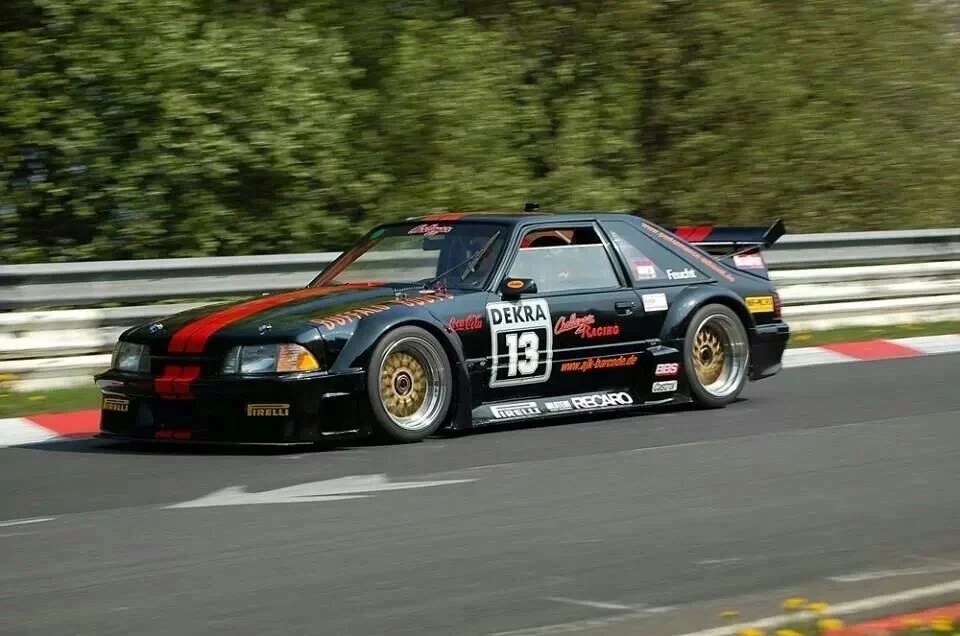
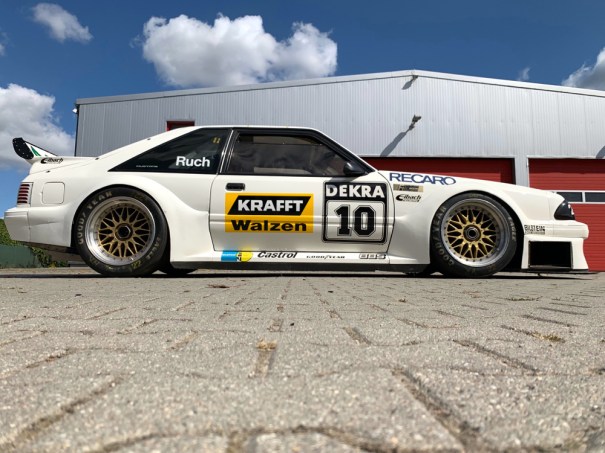

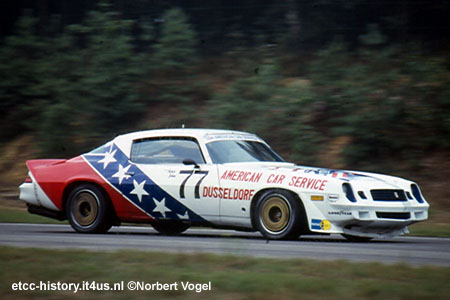
W Niemczech rywalizowało kilka takich maszyn równocześnie, ale zanim to – Mustang ścigał się na wyspach. W barwach doświadczonych teamów, i z tym samym silnikiem od Rousha. Co prawda w ETCC V8 wywaliło uszczelkę już w treningu do pierwszego eventu, ale architektura Foxbody jest tak prosta, że jeszcze przed końcem kwalifikacji poskładano ten silnik do kupy aby osiągnąć 14-sty czas przed wyścigiem. To był wyścig na torze Spa – nieudany. Przez długi okres Ford trzymał się w okolicach 13-16 pozycji, aż zepchnięty z trasy uderzył w krawężnik i coś tam wygiął – chyba drążek kierowniczy. No, nie pojeździł.
W kolejnym wyścigu – na torze Silverstone – Ford zaczął dobrze i utrzymywał się na 6-stej pozycji, ale nie na długo. Wiecznie trapiony przez problemy techniczne, również ten wyścig zakończył przed czasem. Ostatniej rundy w tym sezonie Ford również nie ukończył z powodzeniem. Na torze Zolder wymienili tyle rzeczy, że nawet te okrągłe lampy zastąpiono prostokątnymi. Nie wiem na co to miało pomóc – ale nie pomogło. Auto potrafiło zajmować 7-me pozycje, ale zdechło przed końcem.
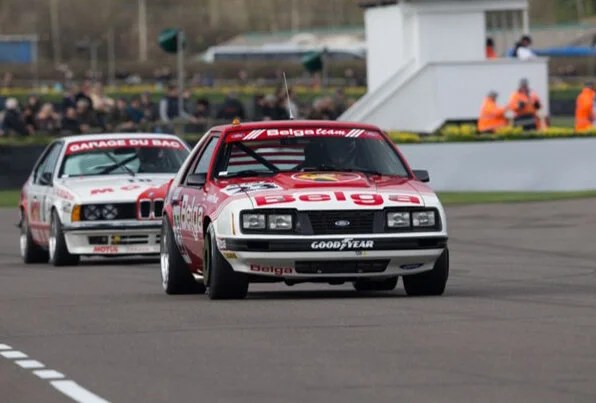
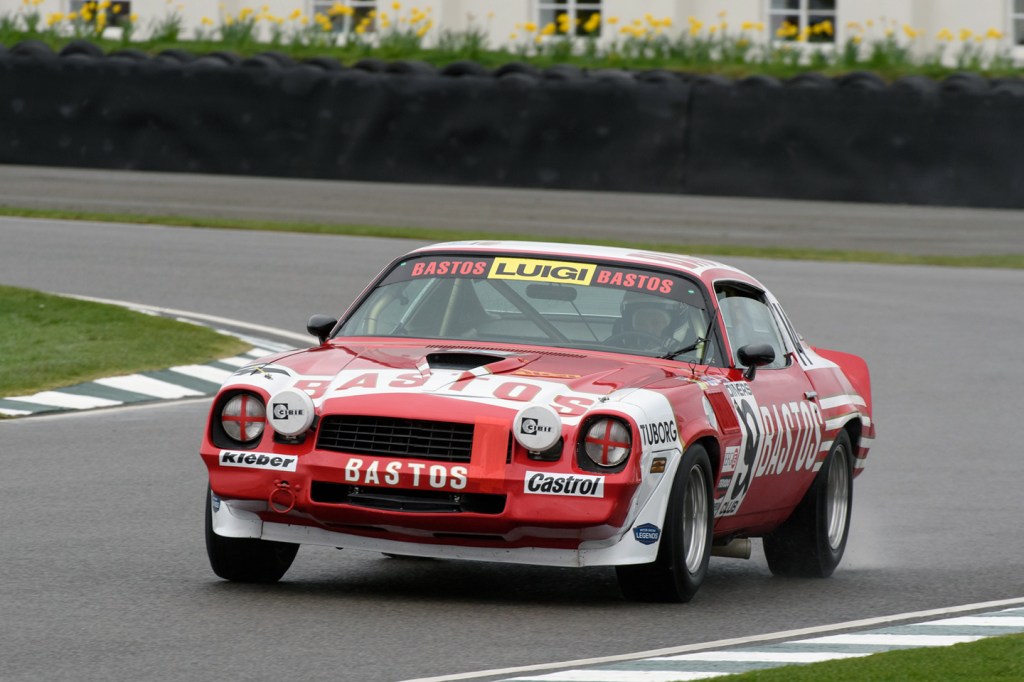
ETCC było dla Forda problematyczne, ale mniejsze formaty – jak np. holenderskie mistrzostwa – przynosiły sukcesy. Auto było naprawdę szybkie i nawet dzisiaj sprawdza się w historycznych eventach w Goodwood czy na torze Monza.
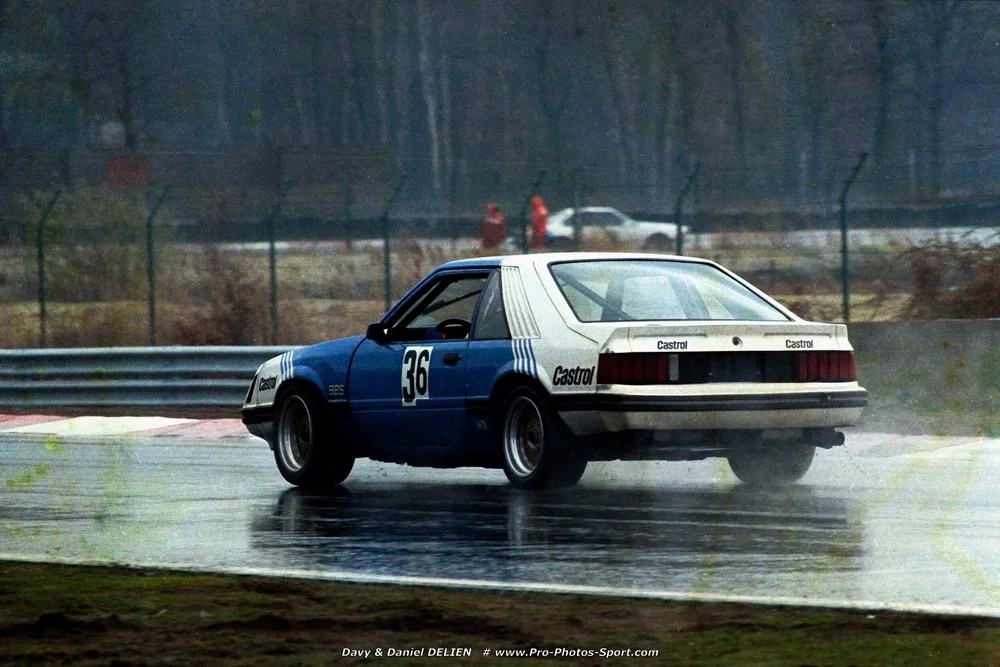
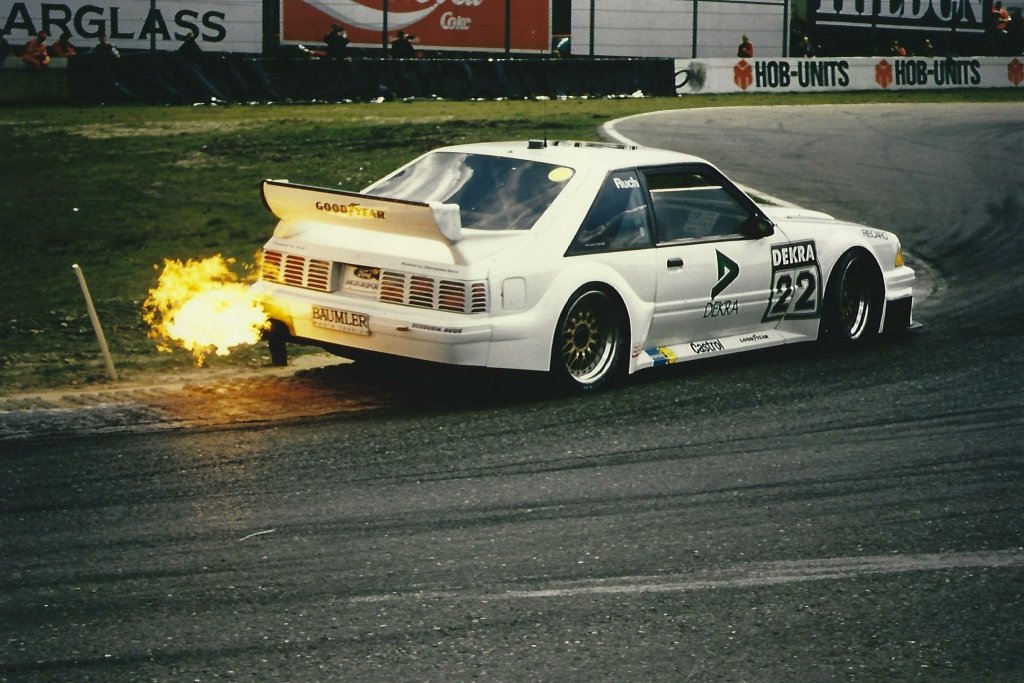

Amerykańskie Muscle Cary wydają się nie pasować do serii wyścigów takich jak DTM, ale miały pewną przewagę nad europejskimi modelami. Były banalnie proste w budowie i dzięki temu oferowały monstrualne osiągi za tanie pieniądze. Taki osprzęt silnika do Sierry pchanej przez Forda potrafił kosztować 60-ktorność tego, co flaki do Foxbody. A Mustang potrafił wydać do 530 koni netto. Dlatego był doskonałą opcją dla prywaciarzy – i dlatego utrzymał się w DTMie tyle czasu.
Krzysztof Wilk
Żródła: netzwerkeins.com | Carsten Krome Networks | muecke-motorsport-classic.de | jalopnik.com | ck-modelcars.de | racecarsdirect.com | historicracingservices.com | wheelsage.org











 SRT
SRT 