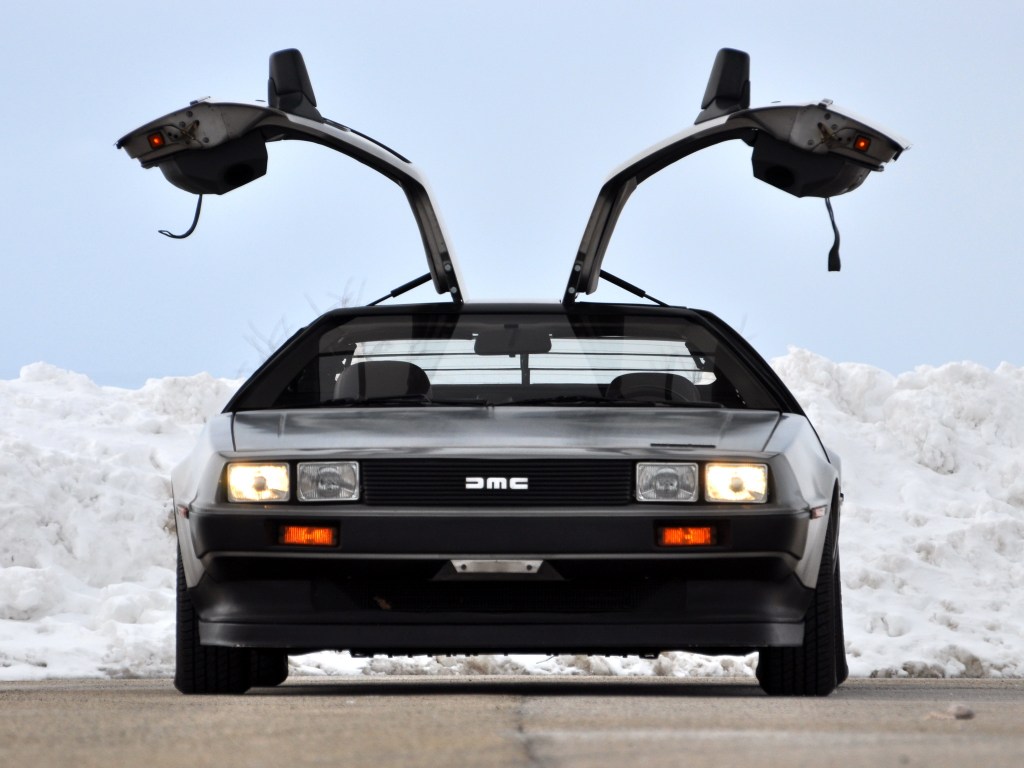
| Engine | Displacement | Power | Acceleration | Top Speed |
| PRV V6 | 2.8 L | 130-145 BHP | 8.3-10.5s | 200-210 km/h 126-131 mph |
John DeLorean was the man. After a successful career at General Motors – where he served as a chief engineer and was largely responsible for legendary cars like the Pontiac GTO, which kicked off the muscle car craze and the entire American Muscle culture – he conceived the idea of a groundbreaking sports car that would also be accessible to the masses. He told GM management that he was going to make it happen and didn’t care about their approval. If they disagreed, he’d walk away. They called him on it, but DeLorean wasn’t bluffing. He had already set up a company under his own name and was determined to pursue his dream car, with or without GM’s blessing. All he needed was a sponsor for such an ambitious project. Enter the British government, which fell for the pitch and handed over £80 million. The only catch? He had to set up a factory in Northern Ireland, a region struggling economically almost as badly as Poland after the government Covid plan.
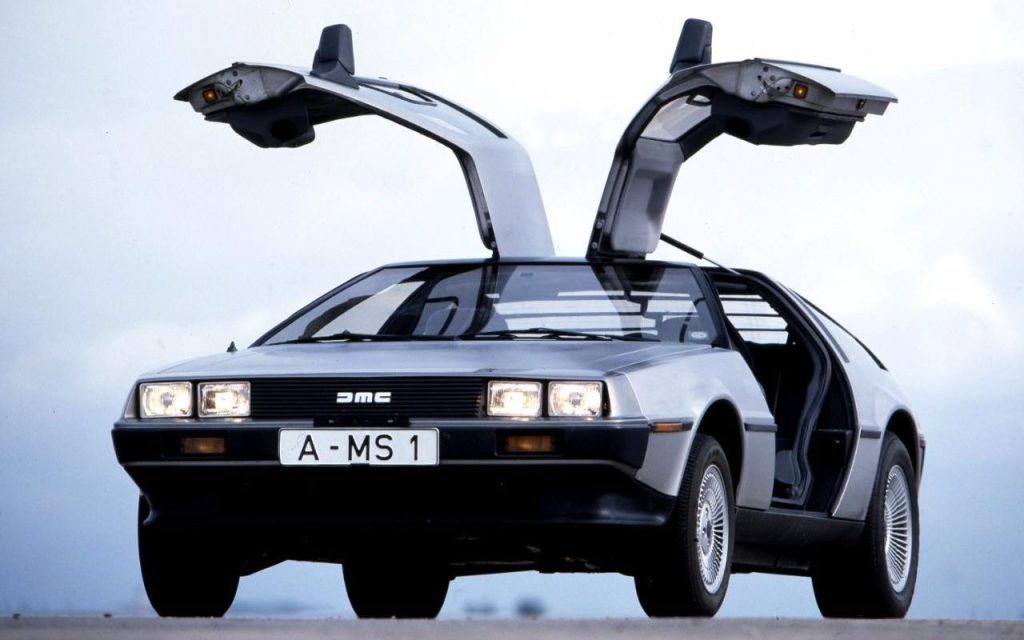
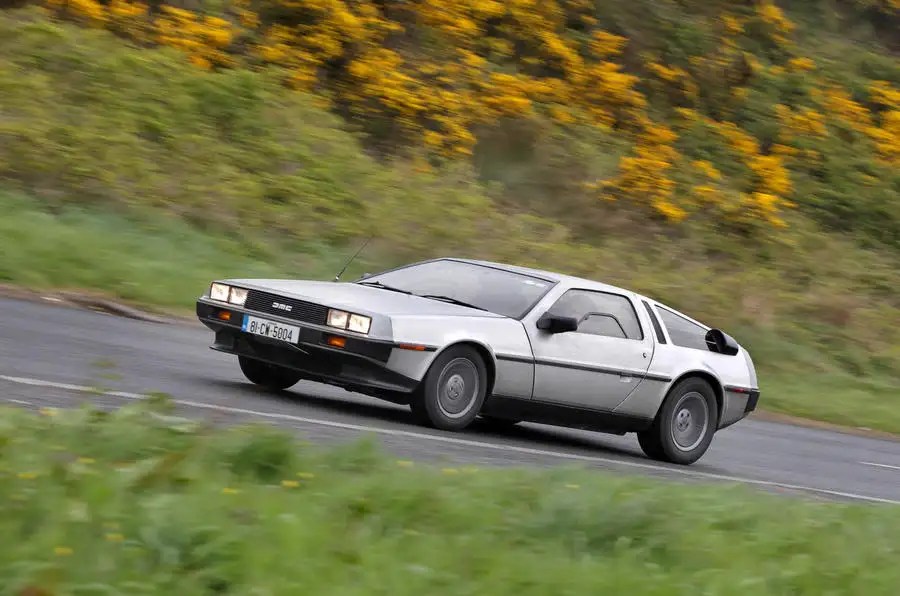
The DeLorean shares quite a bit with the Lotus Esprit. Both projects originated from the Italdesign Giugiaro car design studio and featured steel construction. While many refer to it as the DMC-12, this was just its internal development code. When it hit the market, it was officially branded simply as the DMC DeLorean. DeLorean was not alone in crafting this car. Even the head of Pontiac’s design team got involved, and initially, they wanted to equip the vehicle with a mid-mounted rotary engine. That plan didn’t pan out, though. Over time, other engine options were considered, including powerplants from Ford and Citroën. The DMC-12 had everything it needed for success. Lotus handled the chassis, Giugiaro provided the iconic lines for the body, and its V6 powerplant was a PRV (Peugeot-Renault-Volvo) unit equipped with fuel injection. While it wasn’t originally designed for high performance, the same engine later found its way into motorsport glory under the hoods of the Renault Alpine A310 and A610 Turbo. The PRV V6 appeared in both supercars and motorsport machines, showing up in rallying and circuit racing, demonstrating its potential when tuned. More so, DeLorean didn’t ask for much – $25,000 at the time – though Chevrolet had faster and cheaper alternatives for performance enthusiasts.
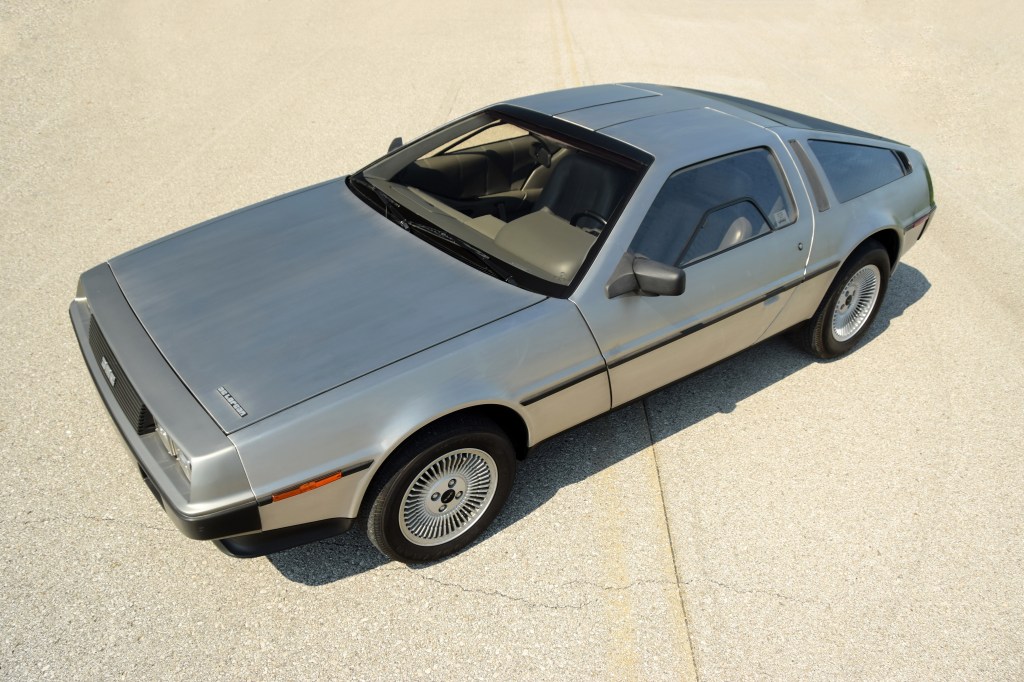
Reality is often disappointing, and so was the DeLorean. Its body panels, made from stainless steel layered over fiberglass, might have looked sleek in the showroom, but in practice, they were scratch-prone and dirt magnets. Restoring one today? Good luck. Conventional methods like body filler don’t work on the unpainted stainless steel surfaces. John DeLorean didn’t envision repairs – damaged panels were meant to be replaced entirely. Aside from three special models coated in 24-karat gold, all DeLoreans left the factory in their raw, unpainted stainless steel finish. Any you see in bright or unusual colors were modified by their owners. The good news? Replacement panels are still available today. The problems with the iconic gullwing doors… Sure, they looked incredible, but they were a headache in practice. They leaked in the rain and could trap you inside the car in the event of a collision. Their design was visually arresting but a nightmare to manufacture. The whole car was riddled with issues. Early production units were so poorly assembled that a second facility in Los Angeles had to be established just to fix the cars botched in Europe. The rear-engine layout did no favors to the handling either, forcing Lotus engineers to perform engineering acrobatics to make it somewhat drivable. DeLorean aimed to conquer the market but fell spectacularly short. With only 8,583 units sold, the dream crumbled, and the whole endeavor went down in flames. Despite its flaws, though, the DeLorean remains an icon – a proof that sometimes, ambition is just as memorable as success.
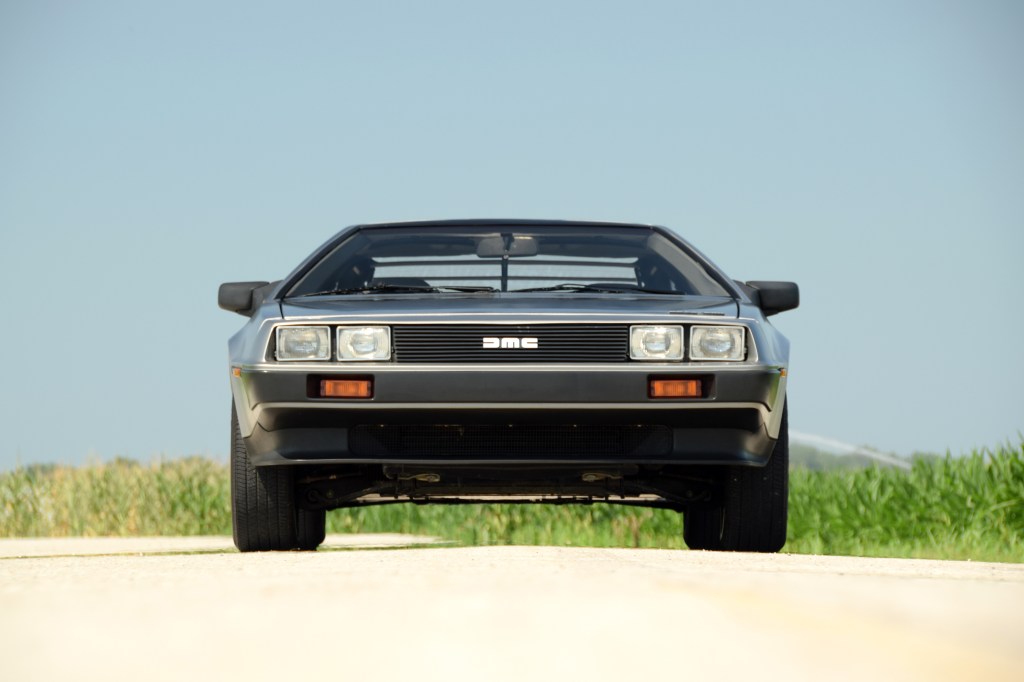
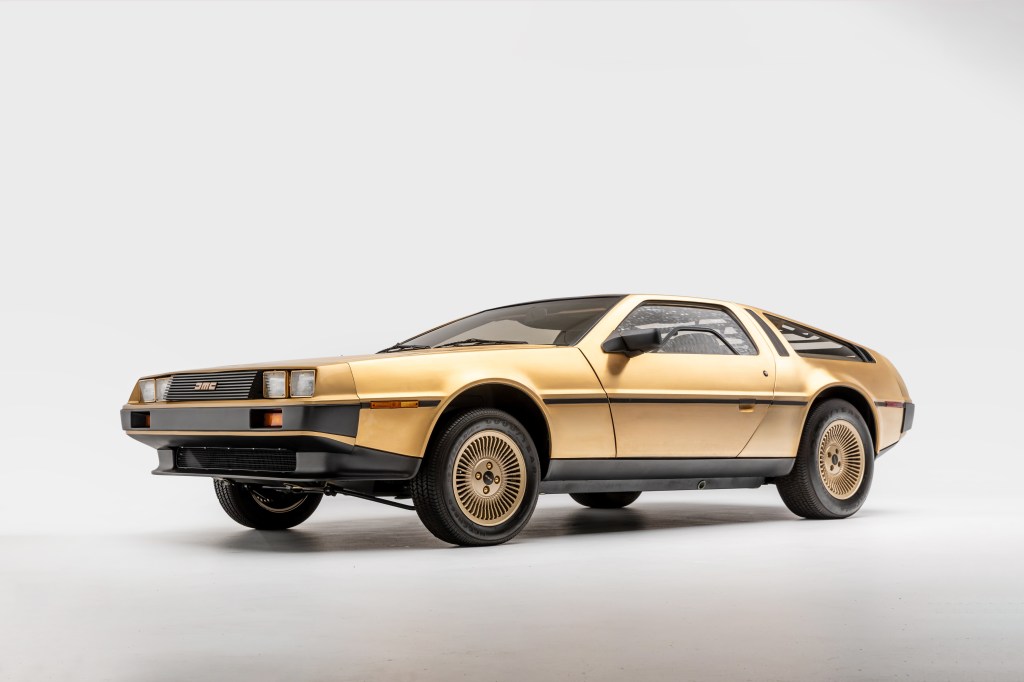
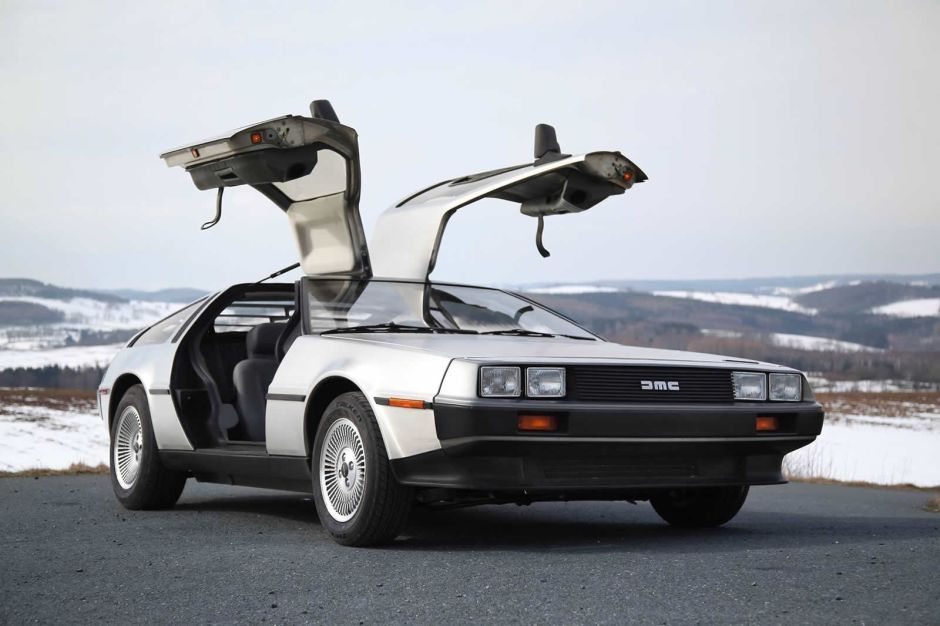
The DeLorean DMC was dramatically underpowered – especially in its U.S. iteration, which lost about 15 horsepower to emissions regulations – but their entire sportscars market was retarded that way. America at the time was bogged down with regulations that killed performance. Even the heavier Corvette didn’t offer significantly more power, and while the DMC’s PRV engine wasn’t a speed demon, it was designed for durability, capable of running smoothly even decades later. This mechanical reliability, combined with its stainless steel over fiberglass construction, means DeLoreans often resist rust and age gracefully – mechanically, at least. The real issue wasn’t the engine or design concept but how the car was produced. John DeLorean aimed to innovate manufacturing with groundbreaking techniques that promised to lower weight and production costs. However, these untested methods backfired spectacularly, forcing the company to hand the project over to Lotus. Lotus essentially rebuilt the car from scratch in two years, borrowing heavily from their own expertise. The DMC ended up with a steel chassis similar to the Esprit’s and a fiberglass body akin to the Lotus Elite’s. Half of DeLorean’s original ideas were scrapped under the guidance of Lotus’s Colin Chapman, simplifying the design and making it feasible to manufacture. Though Lotus succeeded in turning the DMC into a functional vehicle, this process drained time and money. The rushed changes and reliance on Lotus’s tried-and-tested methods left John DeLorean’s vision compromised. While the end result had its merits, the delays and compromises spelled disaster for the company, tarnishing what might have been a revolutionary project.
The fully independent suspension was a notable feature, combining coil springs with telescopic dampers. The front employed double wishbones, while the rear used a multi-link setup – closely resembling configuration found in the Lotus Esprit. While the prototype demonstrated impressive drivability, production changes altered the dynamics significantly. The most impactful change was moving the engine to the rear, resulting in 65% of the car’s weight sitting at the back, a factor that influenced handling characteristics. Additionally, the front end of the production model was raised to meet U.S. headlight height regulations, which disrupted the original sleek look and balance envisioned in the prototype. Many owners later modified the suspension to restore the lower, sportier stance of the early design. The steering system, featuring a rack-and-pinion setup, was another Lotus contribution and performed reliably, ensuring a responsive driving experience despite the compromises made during the production phase. These efforts underscored Lotus’s role in salvaging the project, even if the final product couldn’t entirely escape its design challenges.
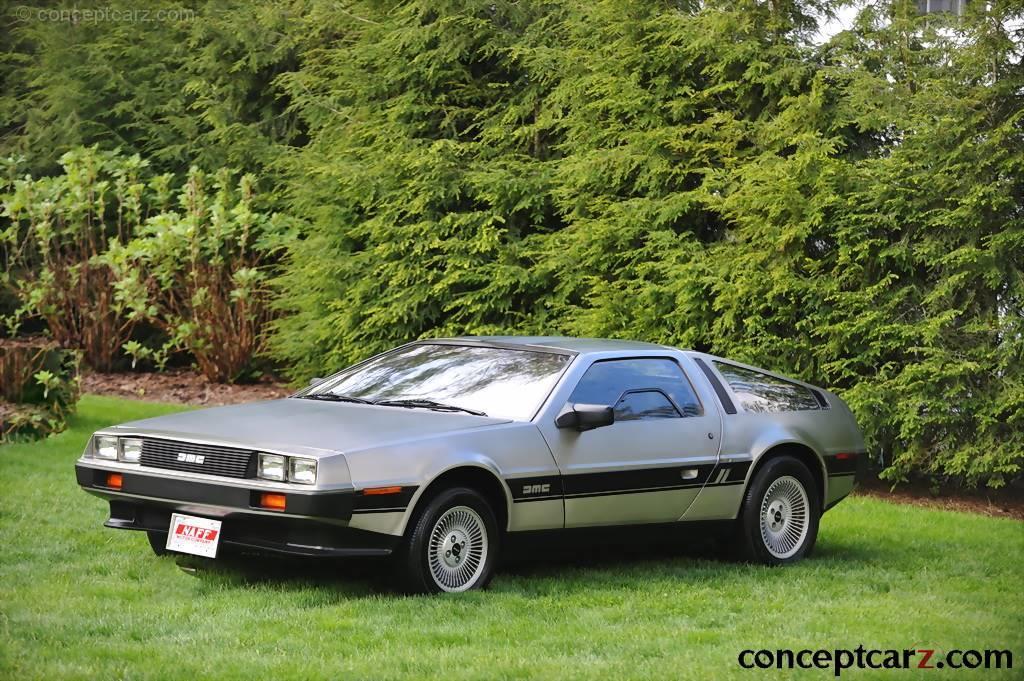
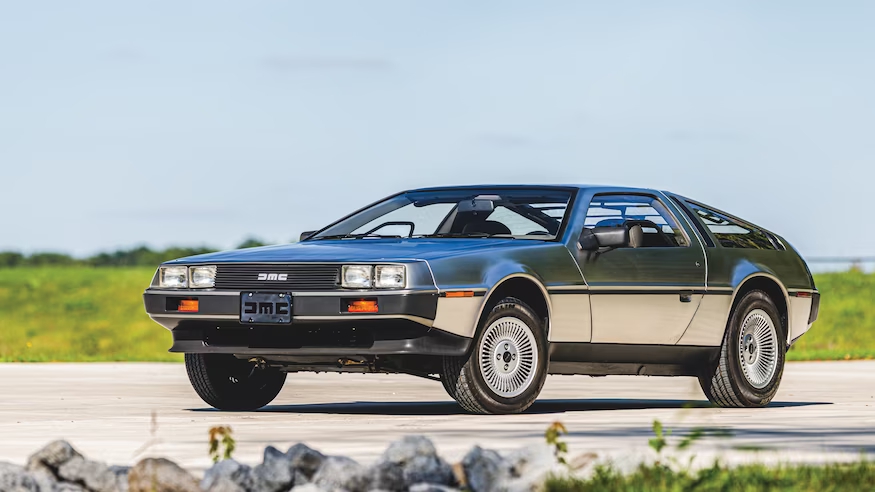
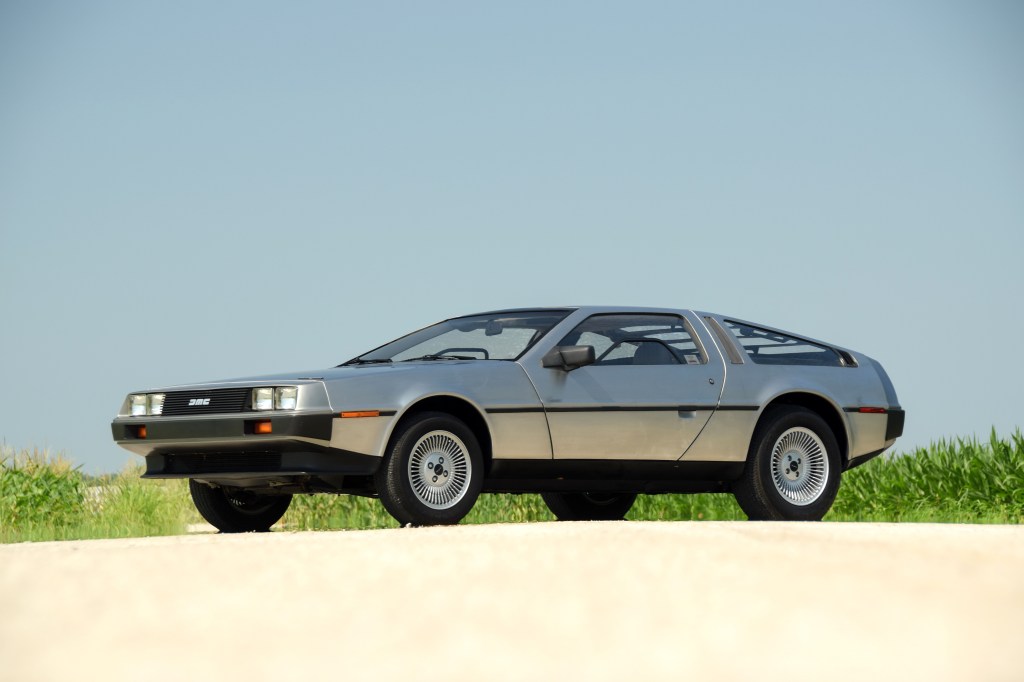
The DeLorean DMC was capable of going from 0 to 60 in 8.2 seconds – if you were lucky enough to own a European model with the manual gearbox. For the American market, stricter emissions standards robbed the car of power, stretching its acceleration time closer to 10 seconds. With the optional 3-speed automatic transmission, it wasn’t just slower – it was downright leisurely. Combined with the rear-engine layout, the car suffered from pronounced oversteer, making it tricky to handle at the limit. This wasn’t a car for racing but rather for cruising stylishly within legal speed limits. Despite its shortcomings in performance, the DeLorean had its perks as a daily driver. Its interior was surprisingly roomy; John DeLorean himself, standing 195 cm tall, ensured that the car would accommodate taller drivers. He famously declared that if he couldn’t sit comfortably in the car, he wouldn’t sell it. The seats were adjustable in multiple directions, and the overall ride comfort was commendable. While it didn’t excel as a performance car, the DMC offered a level of practicality and comfort that made it enjoyable for everyday use—without leaving your back aching or your spirit crushed. It’s a car built more for making an impression at the curb than for setting lap records.
The biggest problem for the DeLorean wasn’t the car itself, because truth be told, it didn’t take much for it to run – we’ll go there in a moment. The real issue was the marketing. DMC never broke into the mainstream, and the brand only got a major image boost after the fact – when the whole company had already gone bankrupt. After the release of the Back to the Future series, with the time machine based on the DeLorean, the DMC-12 became a cult classic. Despite its flaws, despite its lack of polish, it turned into an icon of the ‘80s. Even today, it can still be a dream car for people in their 30s. But the first movie came out two years too late, when the model had already flatlined, and there was no chance of a comeback.
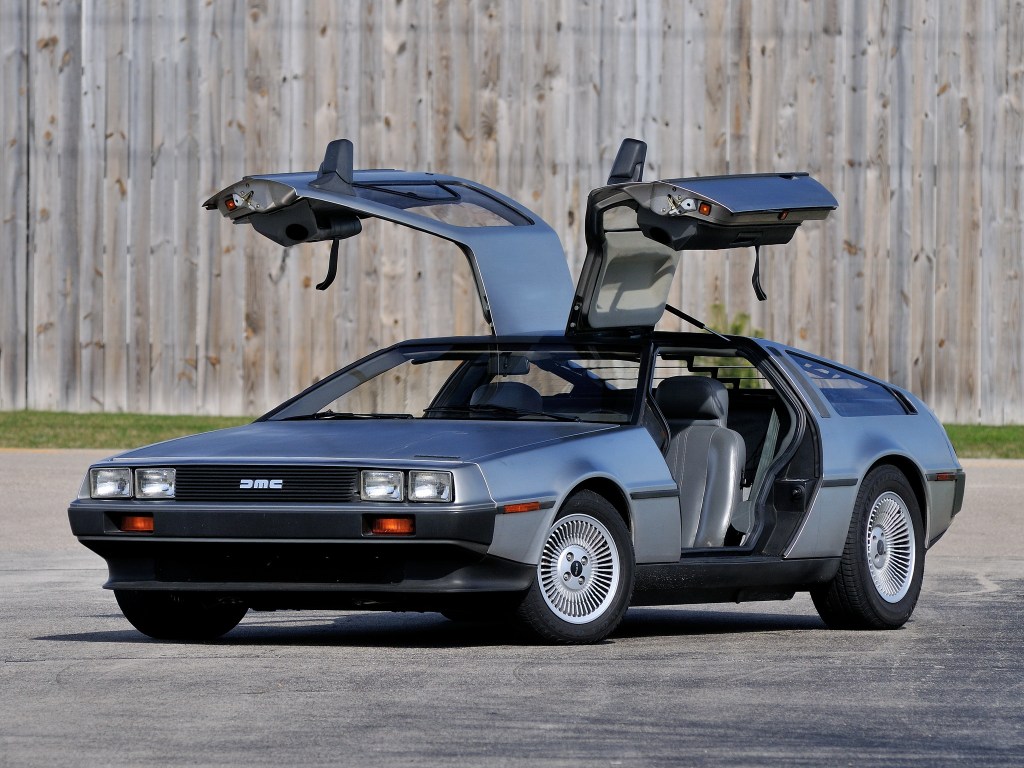
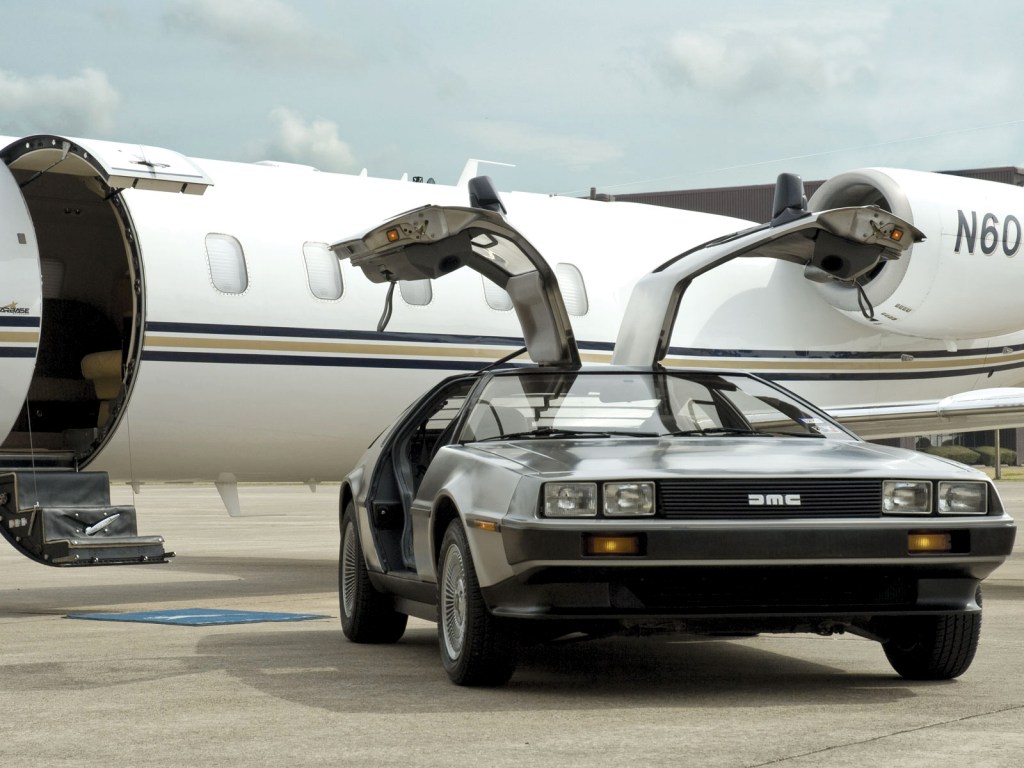
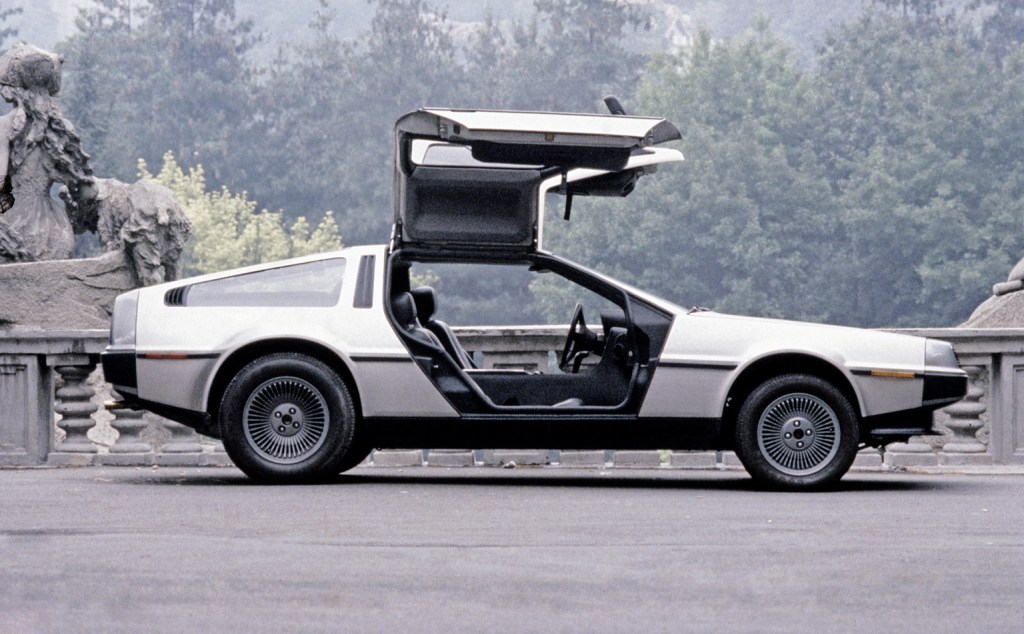
A year after production began, the entire company was already folding. There was a prototype, the DMC Twin-Turbo, that actually delivered the goods – VIN 530, to be exact, could smoke the latest Ferraris and Porsches easily. DeLorean nearly lost it when he saw it in action. The car hit 0-60 mph in 5.8 seconds, and DeLorean was ready to order 5,000 Twin-Turbo units on the spot. VIN 530 was allegedly going to be the fastest production car in the world… but the regular model wasn’t selling, and the Twin-Turbo never made it to the production line. It’s not just weak sales – it was worse. The factory completed 2,000 cars that were ready to roll, sitting in showrooms, and they never reached customers. Out of 8,000 units total, a full quarter physically existed but did not ever find their owners, get it? Of course, over the years, that changed. The DMC-12 became a prime target for collectors and other enthusiasts, and honestly? It’s not even that expensive for a classic car these days.
The company was shut down, and DeLorean faced criminal charges – though he was later acquitted. Allegedly, he was involved in drug trafficking… but let’s not go there. Controversies also existed about some „creative accounting” within his company. Long story short: $23 million – nearly half of the government funds loaned by the British – was funneled to a shell company in Panama. The master plan? To buy out Lotus… with their own money, right? I mean, seriously – talk about bold moves. It’s almost like a political scheme, except the Brits aren’t as gullible as some, and eventually, they realized they were being played. But here’s the kicker: they never got their money back. DeLorean bolted back across the Atlantic, leaving them high and dry.
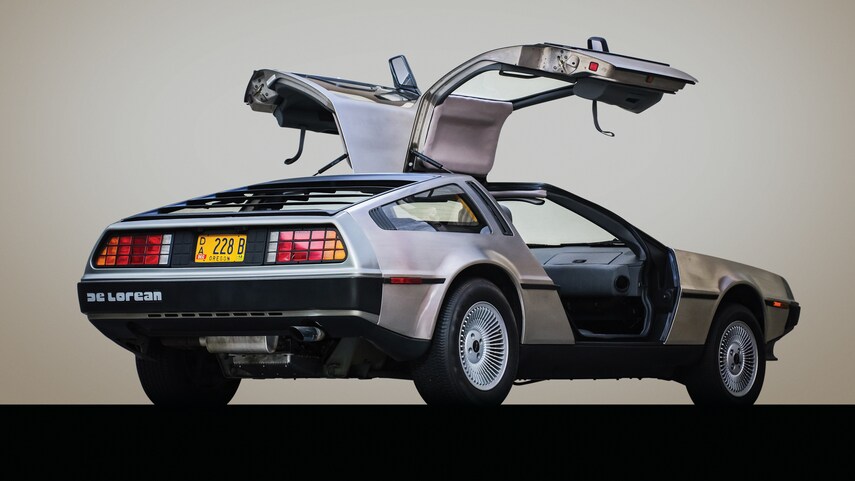
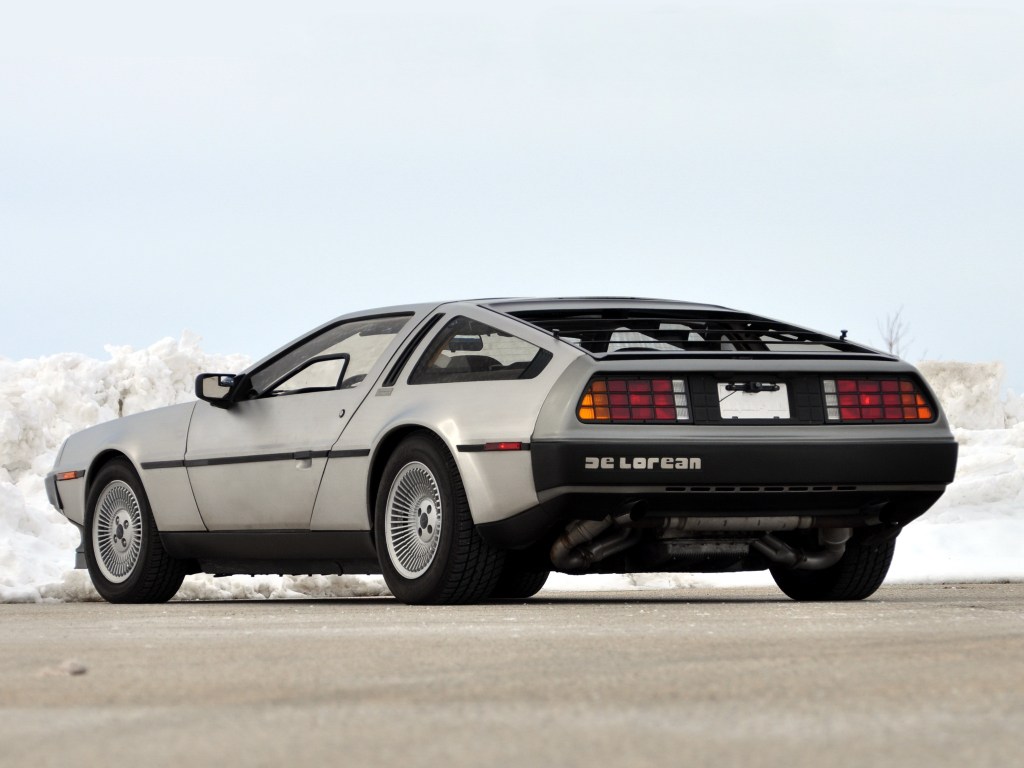
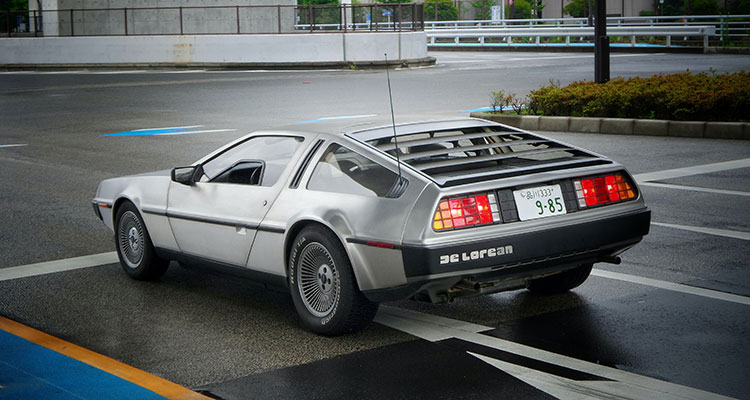
And that’s the story… The DMC-12 turned out to be a flop, although thanks to its starring role in Zemeckis’ trilogy, it earned itself a place in legend. Its career was short-lived, as the car suffered from poor build quality, and the American versions were hampered by weak performance. A shame, really, because the European PRV engine was actually doing quite well. This was something America didn’t truly have – a proper GT car. It was exploring a niche unknown across the ocean. It aimed to compete with both the American Corvette and European BMWs. No, its career didn’t last long – but its legend is eternal. The design? Bold and quite successful. The mechanics? Really one of the project’s strengths. It’s just a pity it didn’t pan out. The DMC DeLorean was a fusion of American ingenuity, British architecture, Italian design, French drivetrain, and Irish craftsmanship. Interesting? You tell me. Could it have worked? Well, you tell me…
Krzysztof Wilk
All sources: R Nicholls – Supercars | ultimatecarpage.com | gaukmotors.co.uk | mecum.com | classiccarweekly.net | sinsheim.technik-museum.de | wikipedia.org | britannica.com | autozine.org | conceptcarz.com | supercars.net | aronline.co.uk | autocar.co.uk | motortrend.com | wheelsage.org | M Buckley – The Complete Illustrated Encyclopedia of Classic Cars
 SRT
SRT 