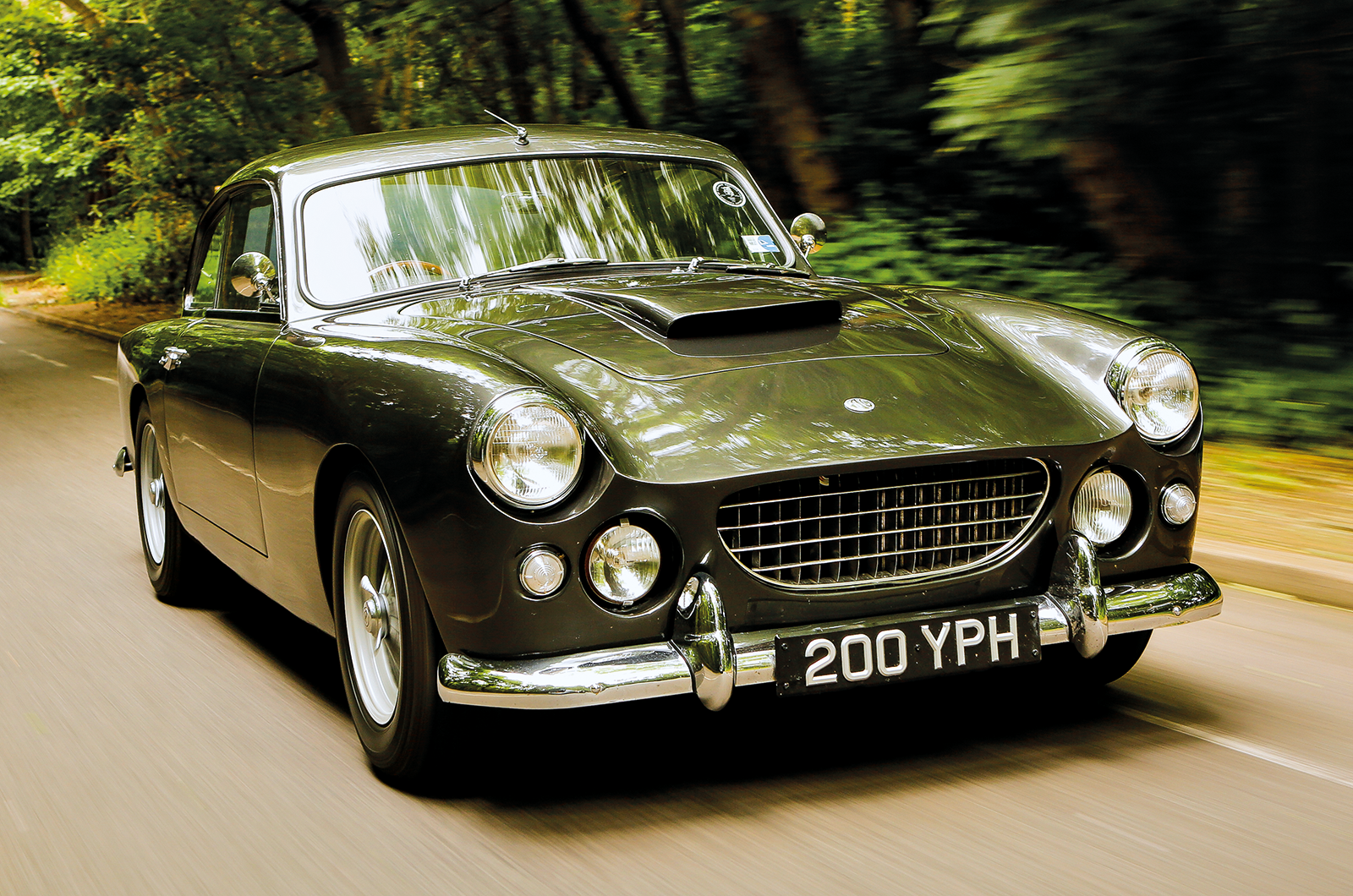
| Engine | Displacement | Power | Acceleration | Top Speed |
| Straight 6 | 2.0-2.6 L | 75-170 BHP | 9.0-11.4 s | 110-120 mph 180-190 km/h |
Even before Carroll Shelby cemented the Cobra’s place in the pantheon of automotive legends, the British marque AC already had some genuinely interesting machines in its lineup. The Aceca proved to be a success, and the Ace itself was a popular roadster worldwide – so the British decided to go for something more refined. That was meant to be the new Greyhound.

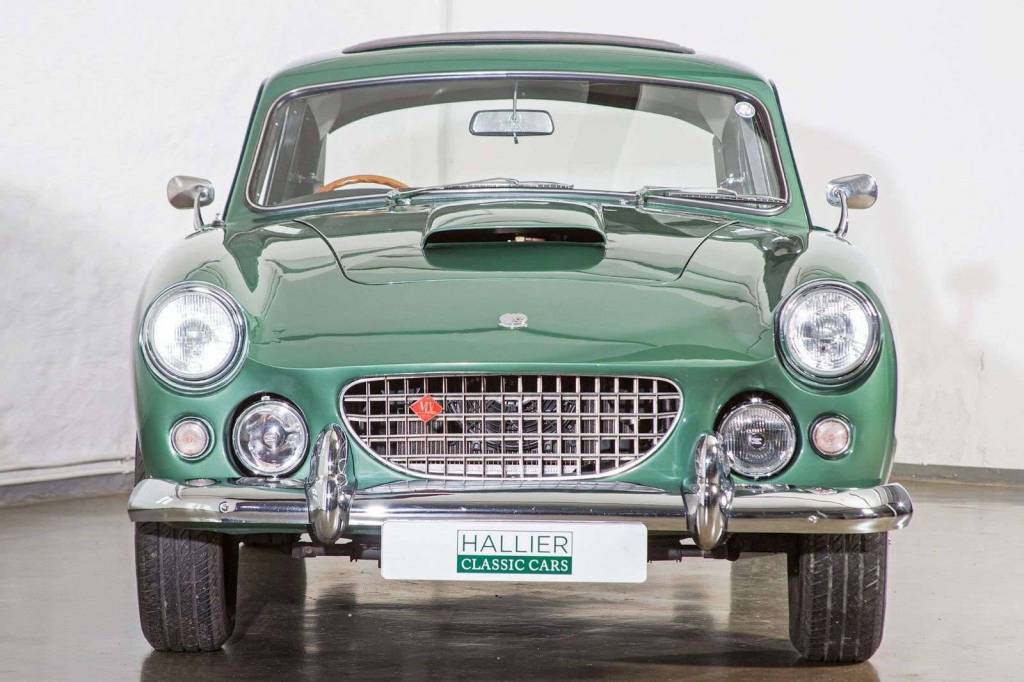
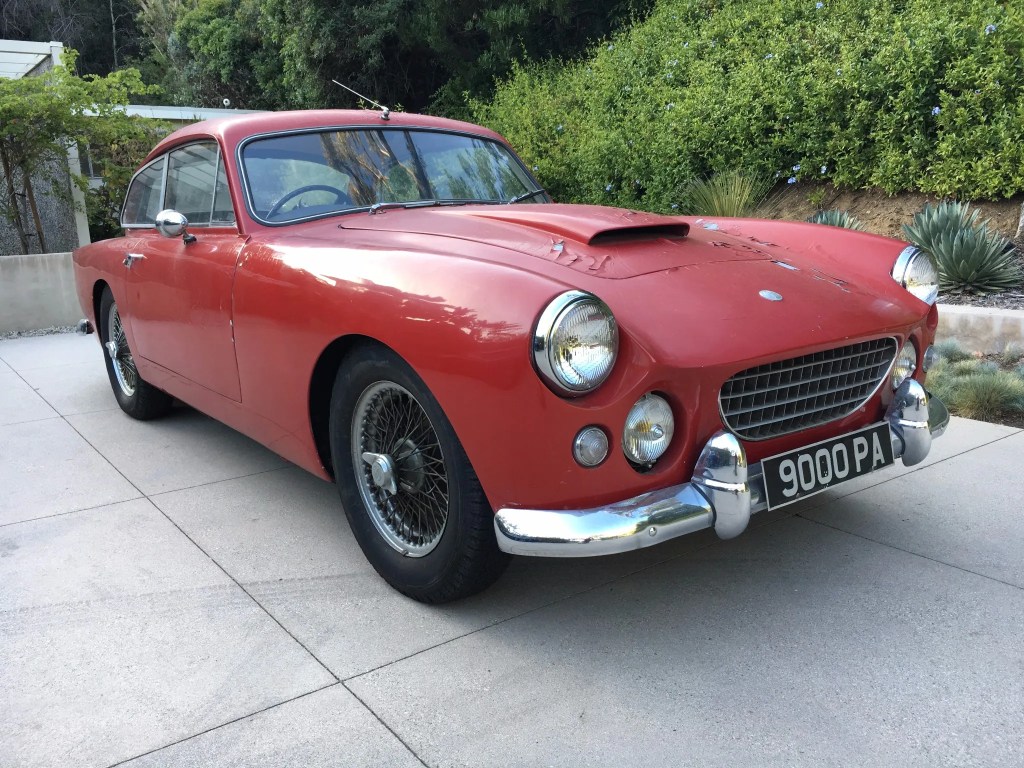
Not entirely new, though – the British had already built a 2+2 before. A decade earlier, they had the 2-Litre, and in theory, the Greyhound was meant to be its successor – but in practice, the new car had nothing in common with it.
The 2-Litre was an old design inspired by pre-war Jaguars. The engine technology dated all the way back to 1919, and the car used a solid axle both front and rear, while the new model was based on the AC’s sportscar platform. And I’ll tell you what – the Aceca was a huge departure from those carbon-dated designs.
The goal was to comfortably carry four people, so instead of cramming a rear bench into the Aceca, they chose to extend the wheelbase. Getting rid of the transverse leaf springs freed up a lot of space – both for a proper engine up front and for passengers in the rear. The switch to coil springs and a now independent suspension setup also brought handling benefits – well, compared to the 2-Litre, that’s for sure.


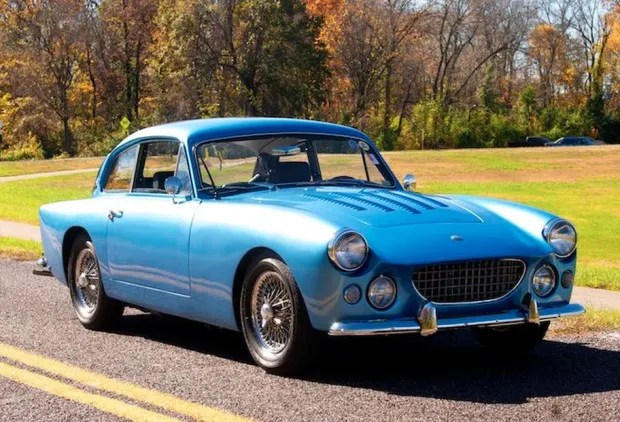
On top of that, the chassis itself needed upgrades. The frame was reinforced, as the new model had to handle greater loads. It was also significantly longer than its predecessor. Because of that, it couldn’t match AC’s purely sporting lineup – and the added weight effectively crippled the performance across the board, whether it was powered by Bristol, Ford, or AC’s own engines. All of them suffered for it.
Overall, the competition had a clear advantage – mainly thanks to superior power outputs. The rivals didn’t just look more aggressive, they had the speed to back it. The AC looked decent enough, but a 2.0-liter under the hood killed any dreams of greatness. It was simply too little for a car that looked this good – especially since AC wasn’t offering anything beyond that.
That’s why only around 83 units were built in total – give or take. There was also a 2.2-liter Bristol variant, but output never exceeded 125 horsepower, so it didn’t really matter anyways
Bristol stopped producing those engines, so the British had to find a new supplier – and only the 2.55-liter Ford Zephyr unit managed to deliver around 170 horsepower. Even then, it still wasn’t enough to classify the car as a true sports machine.
That was never its role – it was meant to be comfortable and more approachable than the brand’s extreme models. It was never meant to have true sporting ambitions.
Handling was never its strong suit. Despite the larger engine, there was practically no difference in acceleration — the extra power only slightly increased the top speed to around 120 mph (190 km/h). It is often said that the Bristol engines, based on BMW designs, could manage 0-60 in as little as 9 seconds (depending on the gearbox), but those are very generous estimates. Most examples were probably closer to 11–12 seconds, and hard data on the subject is difficult to come by.


The development of this model consumed a huge portion of the company’s funds, and in reality, the project still needed a lot of refinement. There was a prototype with a boxer engine, as well as plans to use a Daimler V8 (or Rover/Buick). The boxer would have handled better – and the Daimler would have been much faster… So why did none of that happen?
Well, we all know what happened. The Cobra happened. Cobra stormed in and tore the head off every other project. Even the Ace and Aceca died off around the same time. Some owners swapped in V8s on their own – and the platform takes the extra power without much trouble.
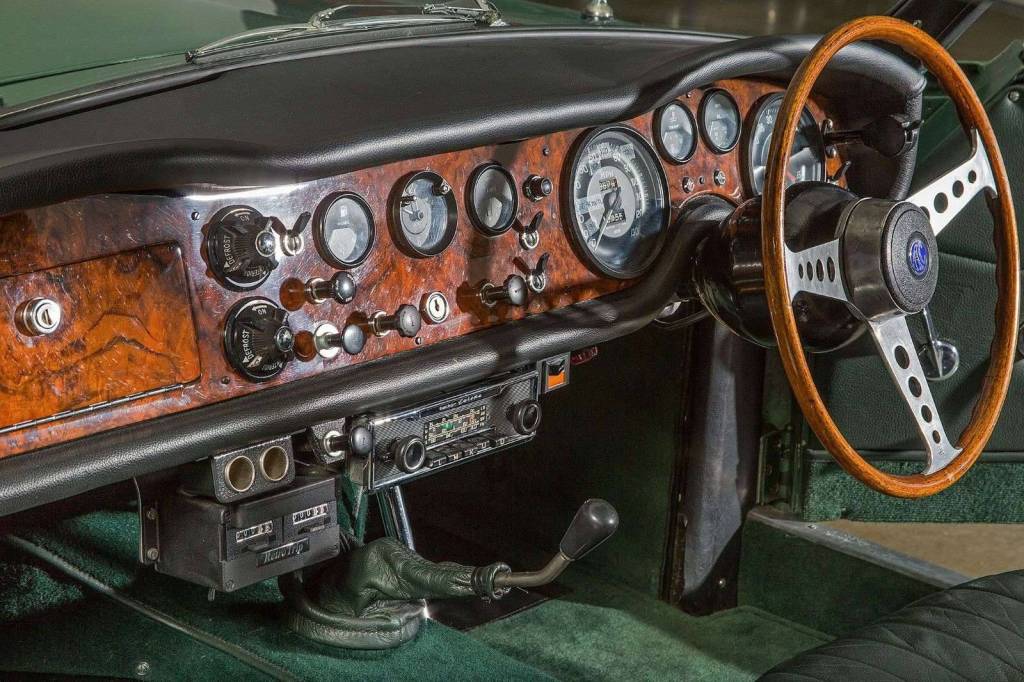

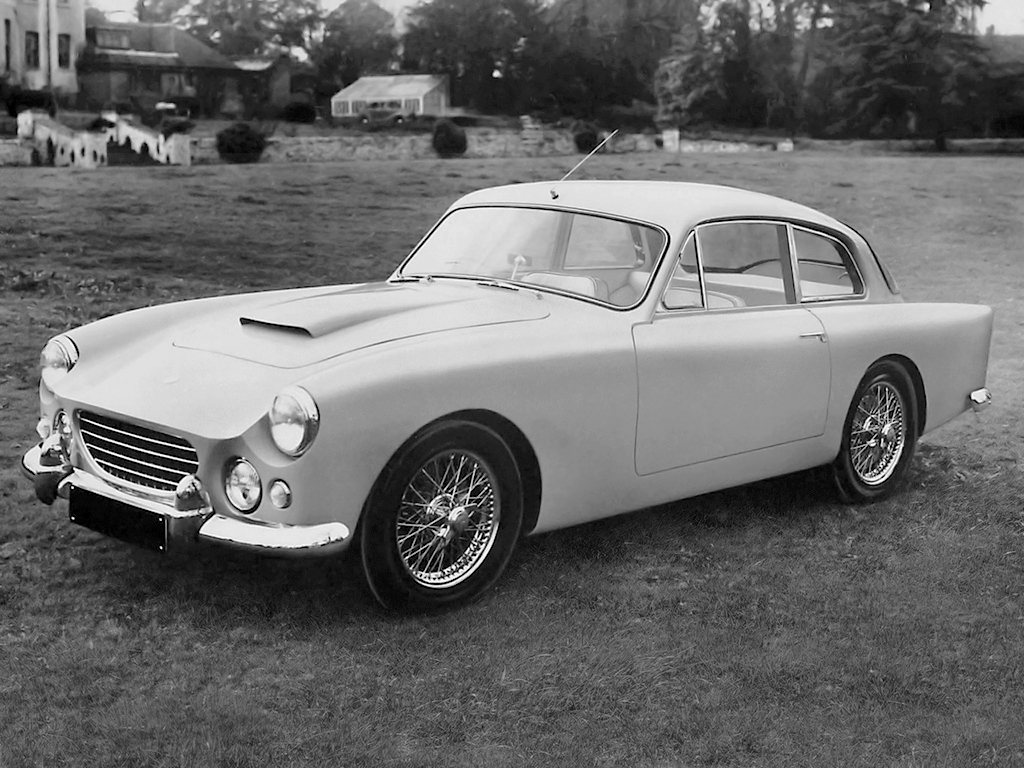
A short life Greyhound had. It was on the market for just four years, but let’s be honest, it was doomed from the start. The Bristol engine – a respected unit and considered reliable – simply wasn’t enough and was quickly phased out. The body design may have aged well today, but it was not received best at launch. On the road, the car only really held its own in a straight.
The Greyhound had modern suspension and was comfortable, but it was too big on the outside and too small on the inside for a proper family car. The biggest advantage of owning one in the ’60s was probably just those engines… which is exactly why many of them fell victim to car thieves – stripped down to become donors for other Ace models.
Krzysztof Wilk
All sources: it was a text retrieved from my lost webpage – sources will need to be filled later














 SRT
SRT 