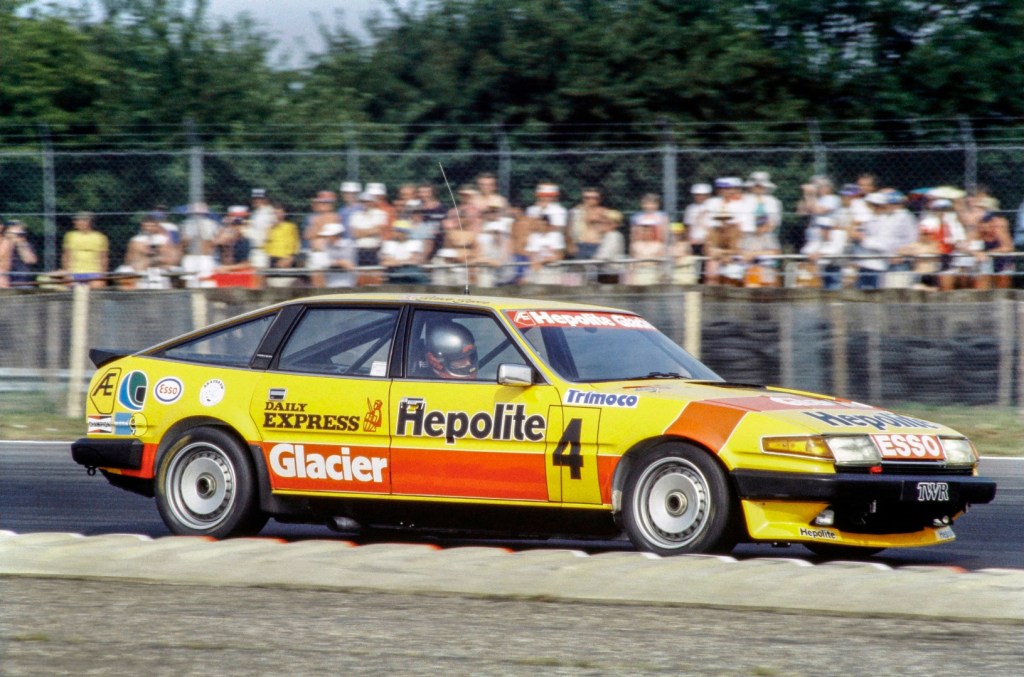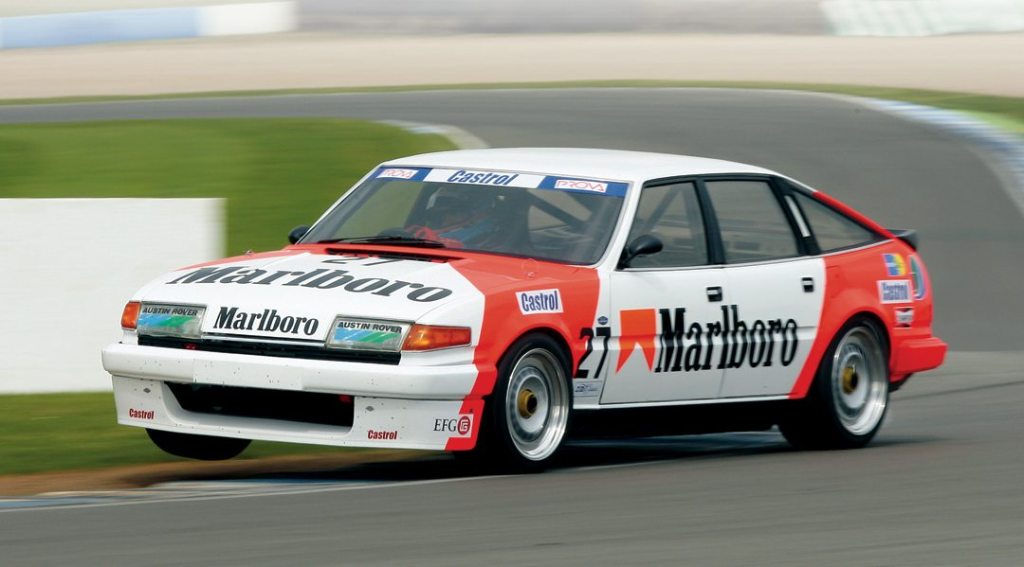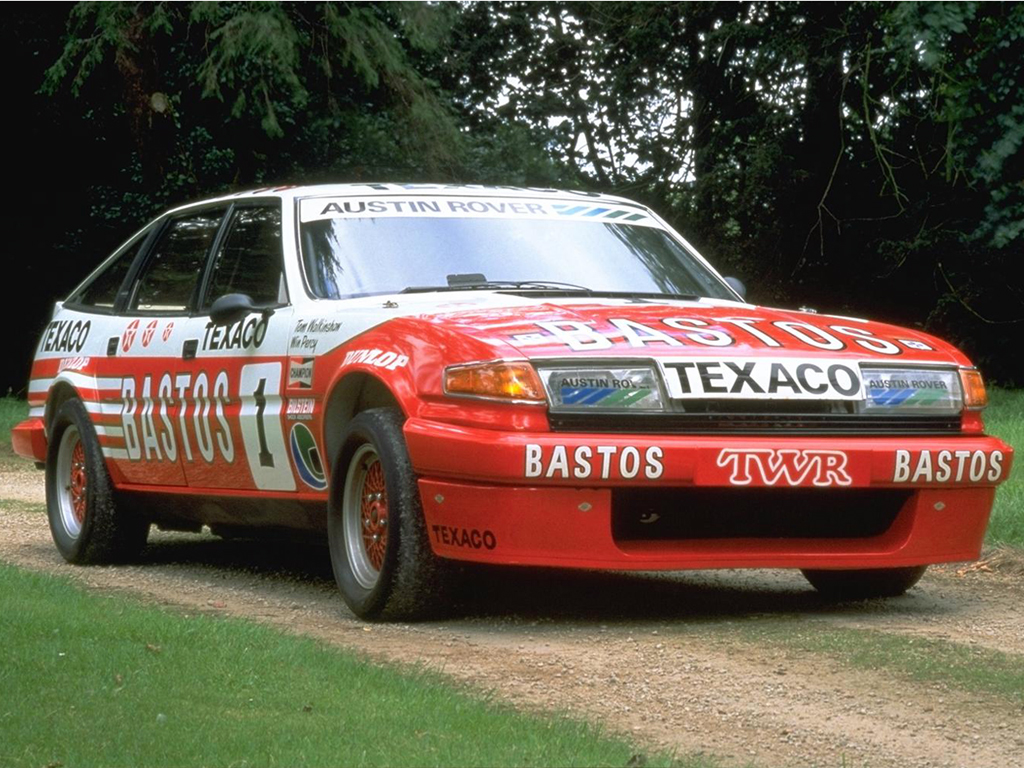
1981 – Rover SD1 Group A

EngineDisplacementPowerAccelerationTop Speed
V83.5 L250-340 BHP250-257 km/h
155-160 mph

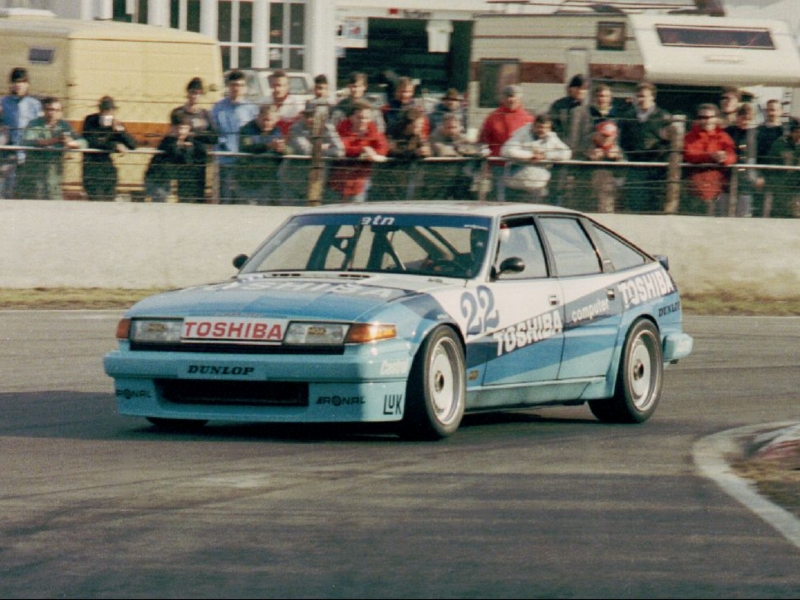
Motorsport was the obvious driving force behind sales. That’s how it was, is, and always will be. Every serious player knew that. The British Motor Corporation had success with that strategy through its Austin Rover and British Leyland brands. In British racing, there were still old Triumph Dolomites going around — so, come on… And just then, the engine size limit was raised to 3.5 liters.

British Leyland tried to cash on racing, and in the ’70s, the obvious choice was the Rover SD1 for touring car competitions. The problem was that folks in the BTCC started whining, talking crap when the car exceeded their beloved 3-liter limit. They were afraid of American competition, but in the end, they allowed the Rover 3500 in under Group 1 rules.
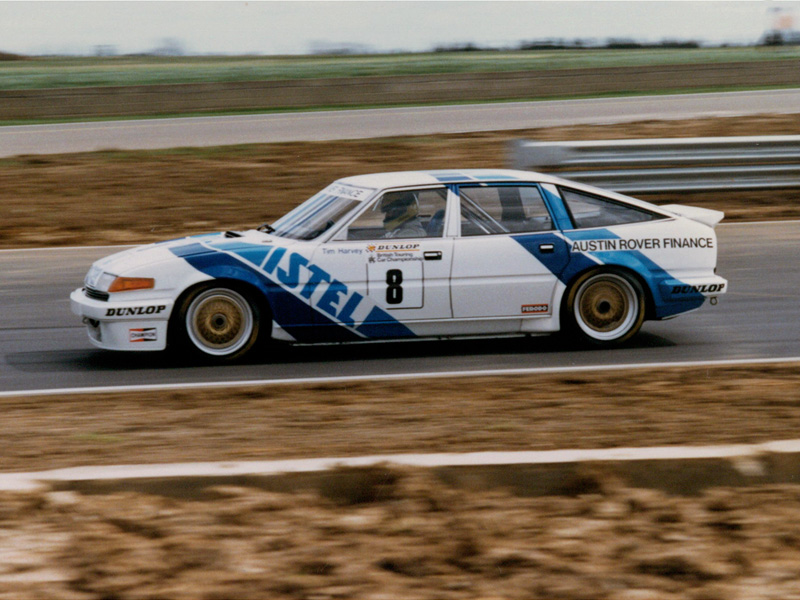
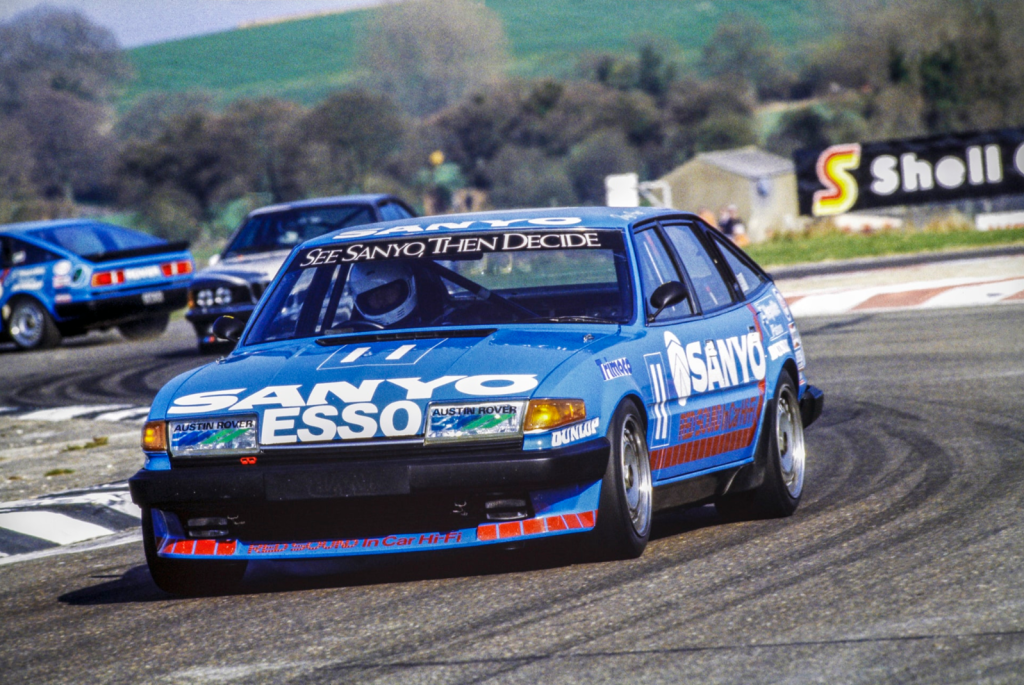
Might have seemed like a shining days then — but that was just the beginning of their misery and torment. The reason was plain and simple: money. I mean, if you want to go racing, it helps to actually have some, right? And that was always a problem for them. So British Leyland wanted to race… but with no program, no engineering support, and a car built on a shoestring. Work on the car began both within the company and with private teams modifying their own vehicles alongside Rover’s efforts. Group 1 was a relatively strict category, so the resulting machines were fairly similar technologically.

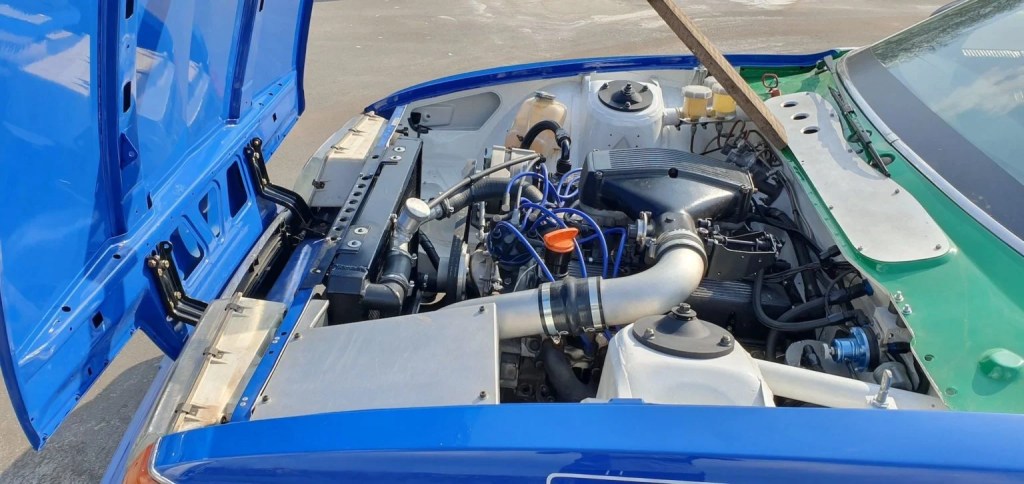
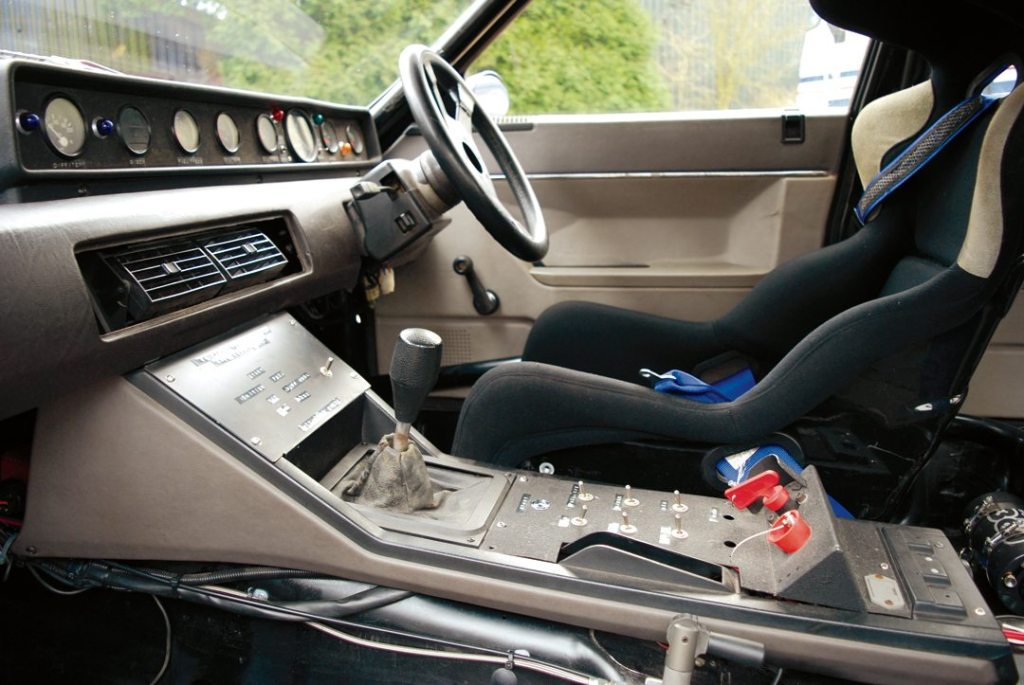
Race modifications focused mainly on upgrading the suspension and brakes. The motorsport-spec Rovers also got shorter gear ratios. They went on a diet to drop as much weight as possible. The V8 had a light-alloy block and still breathed through a pair of carbs, but Rover’s engine was good for a minimum of 250 horsepower. Didn’t matter if it was a privateer car or one from British Leyland — they were very much alike.
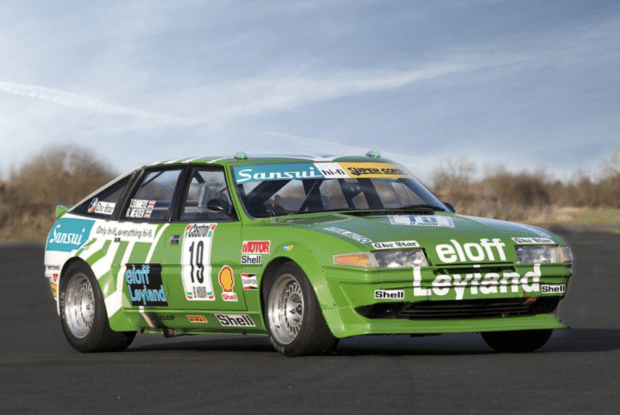
The road SD1 was never seen as a motorsport contender, but truth be told, it was a perfect fit. It had great aerodynamics and a simple enough undercarriage that it would be such a waste not to take advantage of it. Most of the race prep happened in the BL Motorsport garages with Dave Price Motorsport help. These were guys with F3 experience, working with drivers like Nigel Mansell. Later on, they would even play a part in the 1989 Le Mans victory. McLaren F1 GTR won that one for the Sauber-Mercedes team, bagging both the drivers’ and constructors’ titles. They were winning in Italy too… well, you get the story. These guys knew racing — that’s the point. And they had to, because they were up against beasts like the Ford Capri and the Mazda RX-7 TWR.

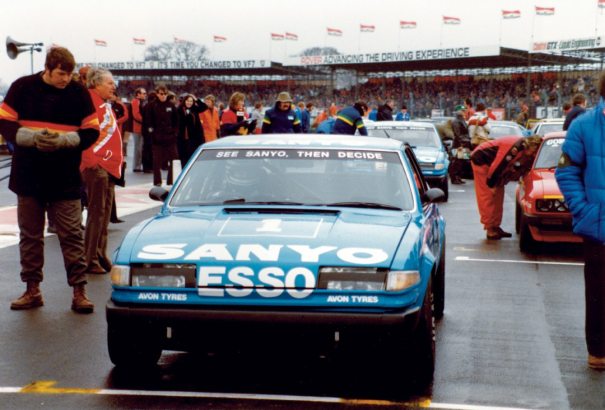
And a good car it was — but not as good as the Capri. The first events ran with a 250-horsepower Rover 3500 S. Not good – not terrible, I’d say. Brands Hatch ended with a solid first place after a strong race in the rain — and the car showed promise. They managed a similar success at Donington, this time with F1 world champion Alan Jones behind the wheel.

The Rover was finishing high up, just not quite at the very top. And of course, that wasn’t enough. The problem was in constant mechanical failures, especially in the drivetrain. So they called in a second opinion — Tom Walkinshaw. Not just a talented driver, but a brilliant team manager. Walkinshaw quickly launched his program, Tom Walkinshaw Racing, and his Rovers hit the top five times that season.
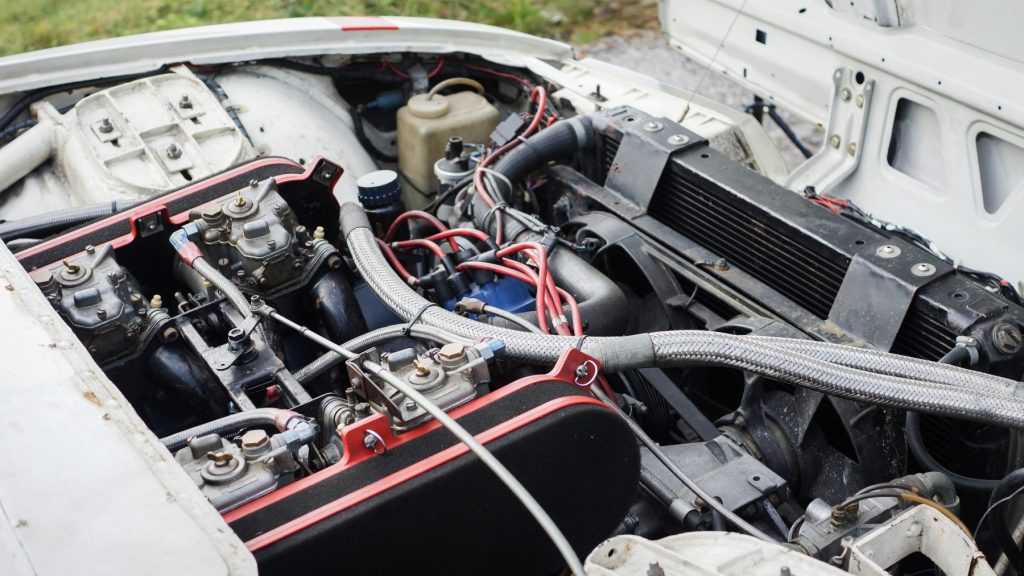
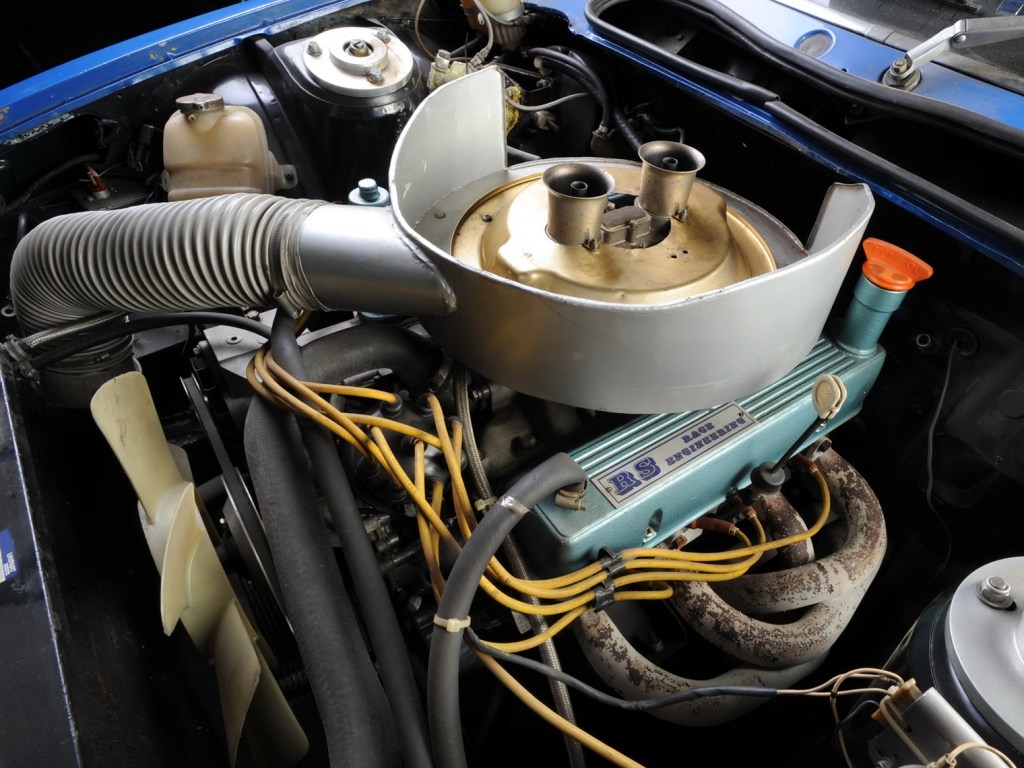
His verdict? “The Rovers are too slow and the engine keeps shitting itself.” He wasn’t wrong, alright. He’d been through the same thing with the Mazdas — and he sorted that out. He told them he’d fix the Rover, but he’d charge £1,000 for every tenth of a second shaved off per lap after his upgrades. They swapped the cats, worked on the suspension, said their prayers… And got pole position for Silverstone race. Rover had to pay up the full £20k — the car was nearly three seconds faster. Even Walkinshaw’s own Mazda had trouble keeping up — and he done good shit on that too.

They also developed a Group 2 version before their contract with British Leyland expired. Group 2 allowed more freedom, so they ditched the carbs for a set of quad-barrel units, gaining a clean 100 horses. That required wider tires and fatter fenders. These cars even entered some endurance races. The TWR collaboration was a game-changer. Walkinshaw breathed new life into the SD1.
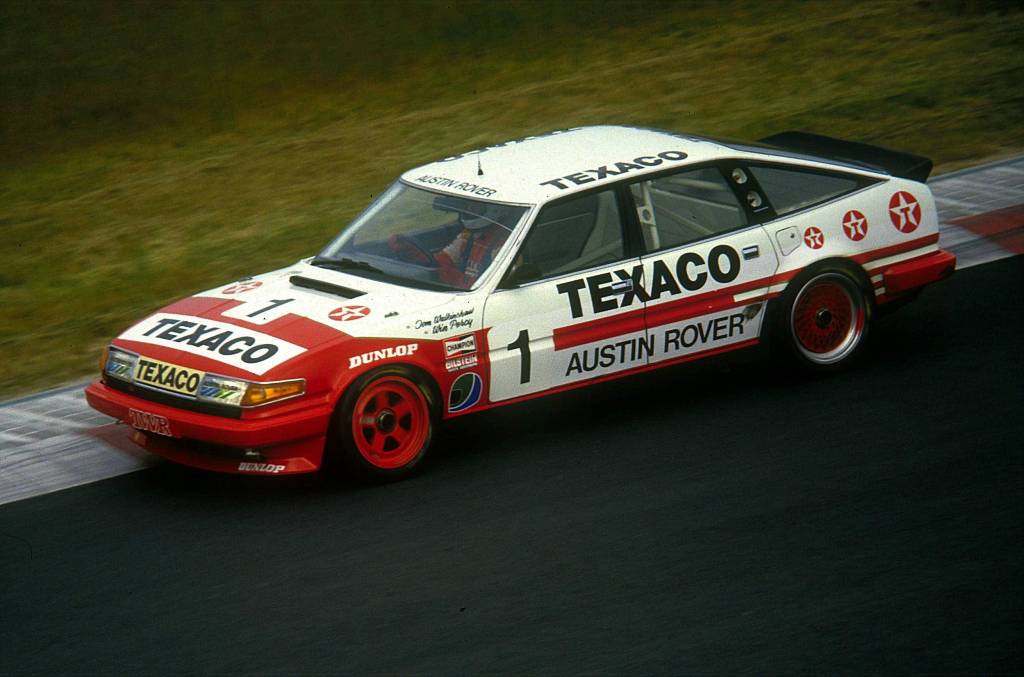
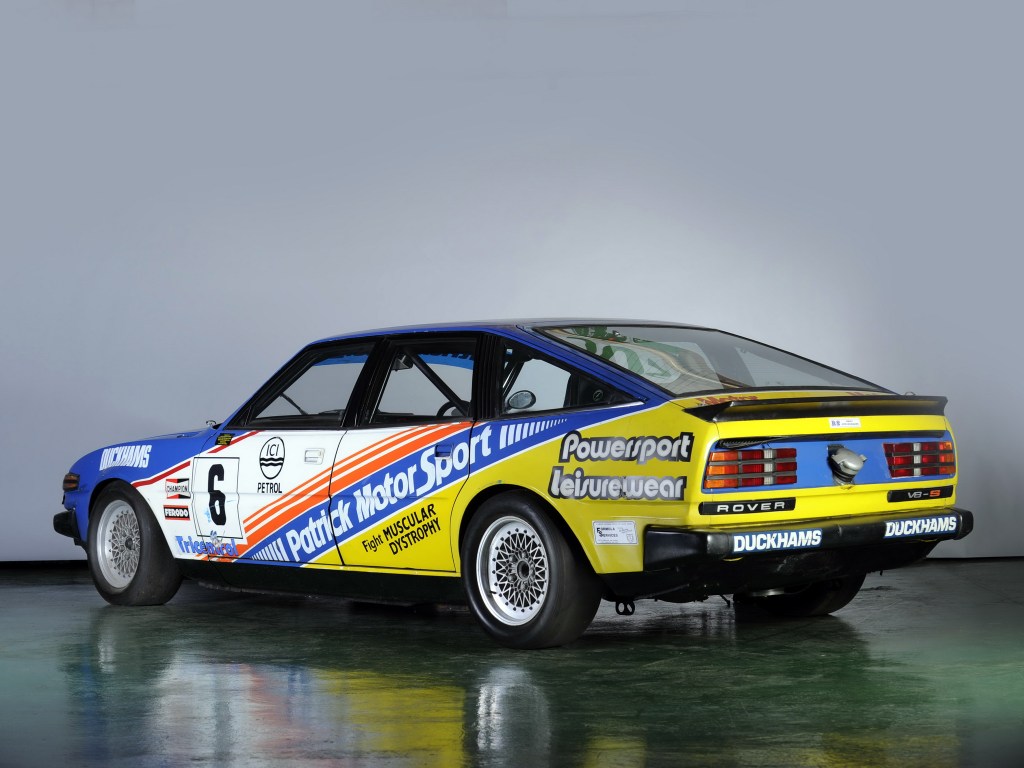
Next season, the Rovers ran in full TWR colors. Walkinshaw’s team had a stacked deck — they ran both Mazdas and Rovers side by side, and even fielded an Audi 80 GLE with none other than Stirling Moss behind the wheel. It was his first real comeback after his 1962 crash at Goodwood, where he wrecked his Lotus and spent a month in a coma. And the TWR Rovers? They started winning — regularly. Double podiums, clean sweeps — both 1981 and 1982 were great seasons for SD1 drivers. TWR also prepped rally versions, but those never matched the performance of their track-spec counterparts.

1982 was especially big, with the debut of the Vitesse road car — new suspension, fuel-injected V8. In 1983, the new Group A regulations came into effect, so TWR had to build a fresh machine based on the Vitesse. That was the real shit — and eligible for everything from touring car races to 24-hour marathons and rally events.

It wasn’t just the engine that got an upgrade — the whole platform did. That excuse for spoiler from the road version was binned, and the race car got active aero that actually produced downforce instead of just the looks. That helped — because stock SD1s liked to launch into orbit under hard acceleration. The new version stuck to the road. Group A allowed more flexibility in brakes, suspension, driveline, and rear-end design.

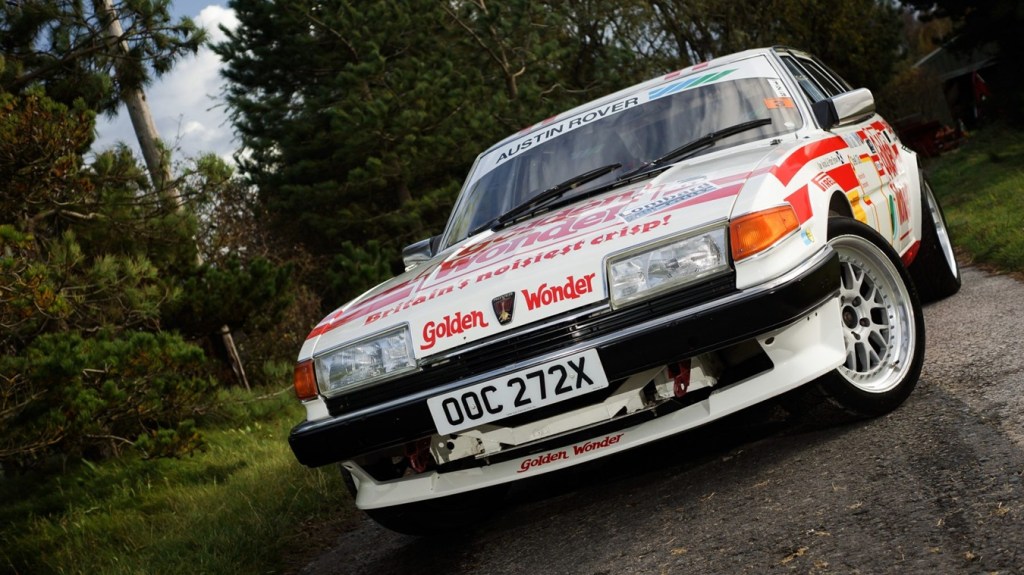
Walkinshaw couldn’t build the cars alone, but he had help from Austin Rover Group Motorsport — they divided the work just to make the season in time. Of course there were problems. The plan was to break 250 horsepower with the new injection, but the rules clamped down on engine mods, exhaust manifolds, and intake design. It was hard to even match the power the old carb-fed engines made — let alone surpass it. So they threw those injectors in the bin and swapped in something totally different — and better. The injectors were key to performance, and early on, they did the job.

The season opened at Silverstone — and the three SD1s swept the podium. They dominated the whole BSCC format. Won all 11 races. BMW started whining about “illegal fenders” that didn’t match the road car. Well… yeah, they didn’t XD And Group A said bodywork had to match homologation. So the organizers erased all of TWR’s results that season. They would’ve won the title, but instead it went to Andy Rouse in the Alfa Romeo GTV6.
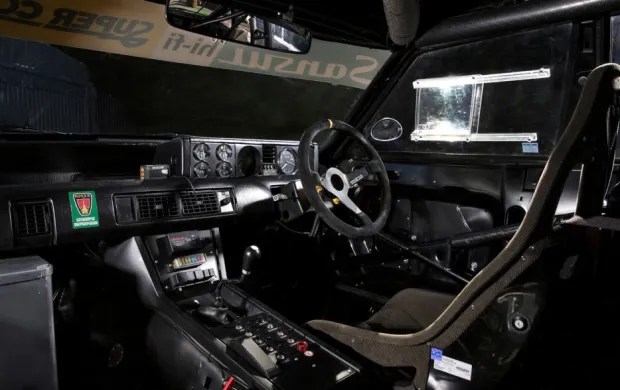
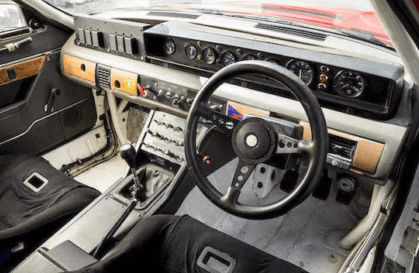
Rover also did well in France — but that turned into a circus with extra ballast penalties. Technically they followed Group A rules too, but if you won a race, you had to add weight for the next one — which opened the door to all kinds of games. You could throw a race on purpose to get a better shot at the one after. You never knew who was driving at 100%, and who was just coasting. One day you’d win — next day, you’re last.

Don’t even get me started. At one event, Rover got disqualified because they had to push-start the car. Nope. I’m done – not talking about that anymore. Just know they ended the season with 209 points and fourth in the standings. Next year, the project kept going, and honestly, the biggest improvement was in the driver’s seat — they swapped out René Metge for Jean-Louis Schlesser for some great performances. He could totally dominate certain events, but that year, Peugeot was just stronger.
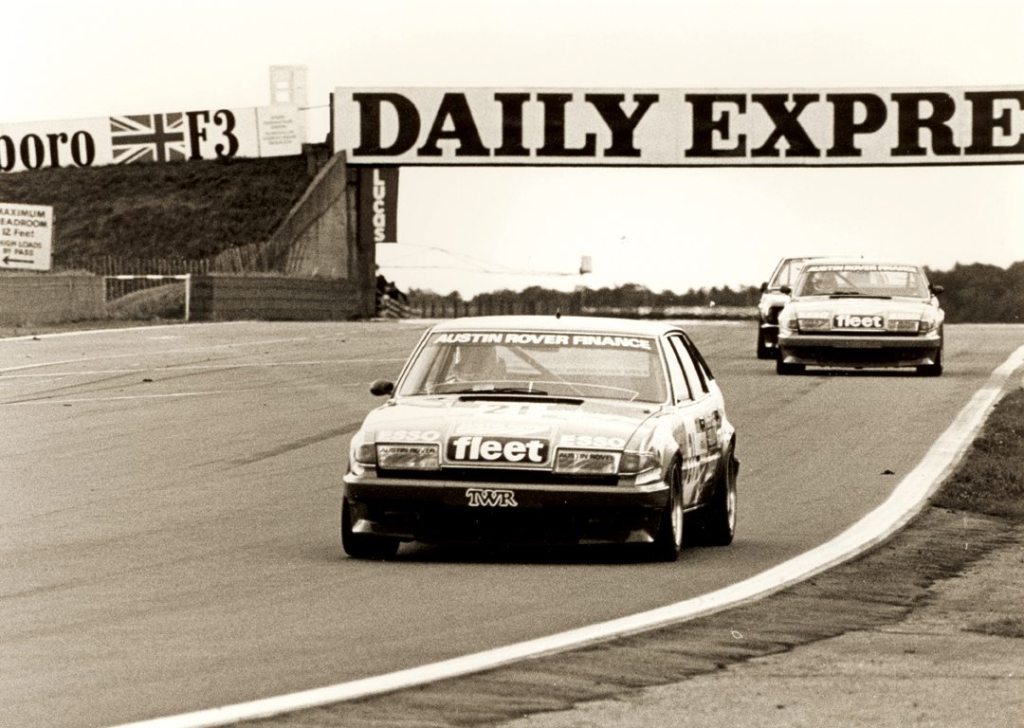
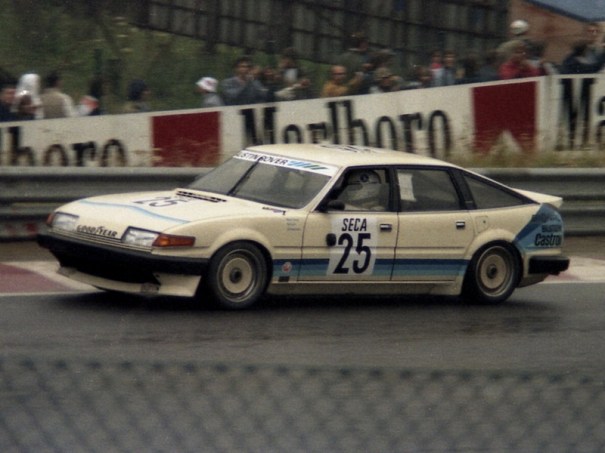
As for rallying — the first SD1 was built for the Peking to Paris Rally, and it would’ve raced, had the event not been cancelled. Rover was pissed — the car was ready. It passed through a few hands until it ended up with Ken Wood. He entered it in the Scottish Rally Championship, but didn’t know the car well, so instead of pushing, he went for safe points…

… and the man finished second in that event. Sure, it was 1983 and the car was old — just a standard SD1 3500. But when it turned out to be a surprise hit, they upgraded it to Vitesse spec. It had 320 horses at least. In 1984, he won the championship — maybe with an overpowered lump the size of a wardrobe, but at least with no 4×4 (even though it got into mainstream by then).
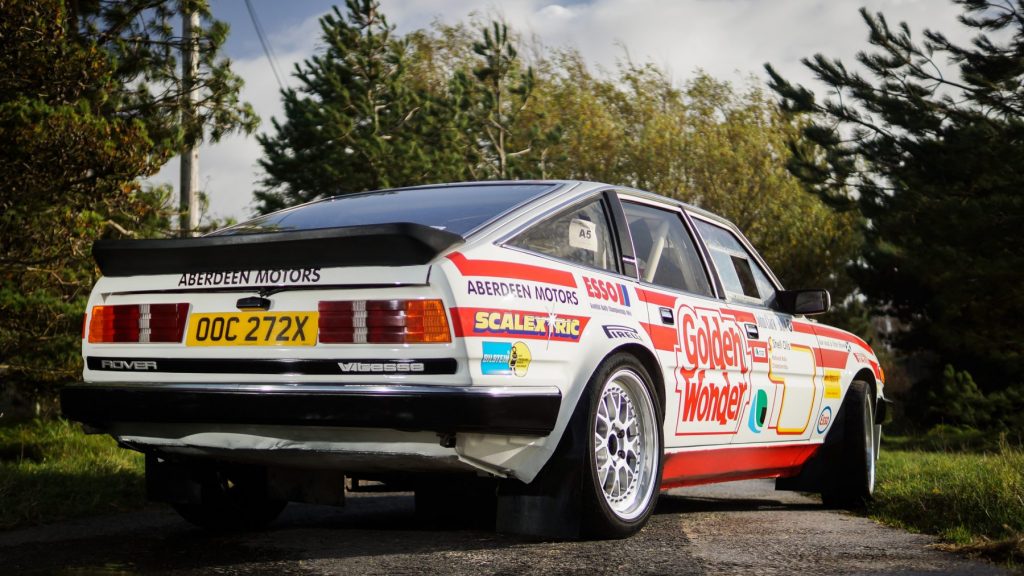
Maybe it never truly dominated any one series for long, but the Rover SD1 became a motorsport legend — in both British and French racing. And there was a time when, after their circuit careers ended, retired SD1 race cars in private hands kept rallying. It was one of the best performance cars — not because it was the fastest, but because it was so versatile. You could turn a Rover into anything. A personal luxury car, a sports car, a street racer, a muscle, a rally monster, a touring racer… anything you need.

Tony Pond won the 1985 World Rally Championship Group A title in the SD1 — just before Rover switched to competing in Group B with the Austin MG Metro. Thanks to these models, Rover bagged titles in DTM, BSCC, and the RAC Tourist Trophy. The SD1 won in ETCC, FIA TCC, and was fastest in class at Bathurst 1000. It still has a fanbase today, and you can catch it at historic events.

Krzysztof Wilk
All credits to: ultimatecapage.com | supercars.net | touringcarracing.net | carandcassic.com | bringatrailer.com | silodrome.com | wikipedia.org
1981 – Rover SD1 Group A

EngineDisplacementPowerAccelerationTop Speed
V83.5 L250-340 BHP250-257 km/h
155-160 mph

Sport to był oczywisty motor napędowy sprzedaży. Tak było, jest i będzie. Każdy poważny gracz o tym wiedział. British Motor Corporation odnosiło w ten sposób sukcesy ze swoimi markami Austin Rover i British Leyland. Z tym, że w brytyjskich zawodch jeździły jeszcze stare Triumphy Dolomite – to no bądźmy poważni… A akurat zgodzono się podnieść limit do 3.5 litra.

British Leyland próbował uszczknąć coś z wyścigów i w latach ’70-tych oczywistym wyborem był model Rover SD1 do zawodów aut turystycznych. Problem był taki, że ludzie w BTCC zaczynali miałczeć, no coś tam pierdolić, kiedy auto przekraczało ten ich limit 3 litrów. Bali się amerykańskiej konkurencji, ale końcu dopuścili Rovera 3500 na zasadach Grupy 1.

Można więc powiedzieć, że udało się – ale to był dopiero początek ich męki i katorgi. Powód był jasny i oczywisty: pieniądze. To znaczy, jeśli chcesz się ścigać, to generalnie warto je mieć, no nie – a u nich to zawsze był problem. Tak więc British Leyland chciał w wyścigi… ale bez programu, bez wsparcia konstrukcyjnego i samochodem zbudowanym bez pieniędzy. Rozpoczęto więc prace nad autem we firmie, jak i prywatne teamy dokonywały zmian w pojazdach równocześnie do starań Rovera. Grupa 1 to z grubsza rygorystyczna kategoria, dlatego powstałe maszyny były zbliżone pod względem technologii.

Zmiany do wyścigów polegały głównie na poprawie zawieszenia i hamulców. Rovery z motorsportu miały też skrzynie biegów z krótszymi przełożeniami. Auta przeszły terapię odchudzającą, aby zbić wagę pojazdu do minimum. V8 miało blok z lekkich stopów i dalej oddychały przez parę gaźników, ale jednostka Rovera została tak przetasowana, że robiła 250 koni minimum. Nie ma znaczenia: prywatny model czy dostarczony przez British Leyland. One były bardzo podobne.

Model SD1 nigdy nie był postrzegany w kontekście motorsportu, ale tak naprawdę nadawał się idealnie. Miał świetny współczynnik oporu powietrza i dość prostą konstrukcję pod spodem, że to grzech nie skorzystać. Większość prac nad modelem na tor przeprowadzano w garażach BL Motorsport przy współpracy z Dave Price Motorsport. To byli ludzie z doświadczeniem w F3 i pracujący z takimi kierowcami jak Nigel Mansell. Później tam będą też mieli wpływ na zwycięstwo podczas wyścigu Le Mans w 1989. McLaren F1 GTR wygrał wtedy dla teamu Sauber-Mercedes zarówno mistrzostwo wśród kierowców, jak i tytuł dla konstruktorów. Wygrywali tam również we Włoszech… no nie ważne. Chłopy umieli w wyścigi, no nie – o to mi chodzi. A musieli umić, bo walka była z takimi maszynami jak Ford Capri, czy Mazda RX-7 TWR.

No i to było dobre auto, ale nie tak dobre jak Ford Capri. Pierwsze eventy odbywały się za kierownicą 250-konnego Rovera 3500 S. Może sukcesów nie było, ale tragedii też nie. Brands Hatch zakończył się solidnym pierwszym miejscem po dobrym wyścigu i batalii w deszczu – a model wydawał się rokować na przyszłość. Zdołano osiągnąć podobny sukces na torze w Donington. Wtedy za kierownicą zasiadał mistrz świata F1 Alan Jones.

Rover kończył na wysokich pozycjach, ale raczej nie tych topowych. To oczywiście nie wystarczało. Problemem były ciągłe usterki. Głównie w temacie zespołu napędowego. Dlatego poproszono o opinię drugiego eksperta i do Rovera sprowadzono Toma Walkinshawa – nie dość, że utalentowanego kierowcę, to jeszcze uzdolnionego managera. Walkinshaw szybko odpalił własny program Tom Walkinshaw Racing i jego Rovery 5 razy znajdowały się na szczycie podium w tym sezonie.

Diagnoza Toma Walkinshawa brzmiała jak wyrok: „Rovery są za wolne a silnik wykrzacza.” No mądrego to zawsze dobrze posłuchać. On znał temat, bo miał dosłownie to samo z Mazdą – i jakoś to ogarnął. Powiedział, że porobi im tego Rovera, ale bierze 1k do portfela za każde 0.1s ucięte na okrążeniu, jakie zrobi autem po poprawkach. Powymieniano katalizatory, popracowano nad zawieszeniem. Odmówiono jakieś tam modlitwy… Już na Silverstone auto robiło pole position. Rover musiał wypłacić 20k sztuk pieniądza – maksymalną kwotę na jaką się umówili, bo maszyna była prawie 3s szybsza. Mazda z garażu Walkinshawa miała problemy z utrzymaniem tempa, no nie – a on ją porobił tam dobrze też.

Opracowali wtedy też model do Grupy 2 – jeszcze zanim im umowy z British Leyland powygasały. Grupa 2 pozwala na trochę więcej, więc wymienili gaźniki na poczwórne. Już samo to dodało ze 100 koni. Potrzeba było szerszych opon, a do tego większych nadkoli. Takie auto kilkukrotnie startowało w wyścigach długodystansowych. Współpraca z TWR była game-changerem. Walkinshaw tchnął w model Rovera drugie życie.

W następnym sezonie Rovery jeździły już w barwach TWR. Team Walkinshawa miał szeroką talię kart – wystawiał Mazdy i Rovery wspólnie obok siebie, a także Audi 80 GLE z samym Stirlingiem Mossem za kierownicą, który wrócił do sportu tak na serio po raz pierwszy od wypadku w 1962 roku. Rozbił wtedy swojego Lotusa na torze w Goodwood, po czym spędził miesiąc w śpiączce. No i Rovery TWRu to już zaczęły wygrywać regularnie. Potrafiły kończyć wyścigi na dwóch pierwszych pozycjach. Tak 1981, jak i 1982 były sukcesami dla kierowców SD1. Garaż TWR przygotował też rajdowe egzemplarze, ale nigdy nie pokazały takiej formy jak te walczące na torze zamkniętym.

Szczególnie 1982 był ważny, bo to była premiera drogowego wariantu Vitesse. Nowe zawieszenie i V8 na wtryskach. W 1983 regulaminy przyjęły zasady Grupy A, więc TWR musiał przygotować nową maszynę, już na bazie Vitesse. Takie auto wymiatało po całości, a mogło konkurować w pełnej palecie wyścigów aut turystycznych, maratonów 24-godzinnych i innych rajdów samochodowych.

Nie tylko silnik podlegał poprawkom, ale i cała platforma. W ogóle ten gówno spojler dla picu, z drogowej wersji pojazdu, poleciał do kosza a auto do wyścigów miało aktywne aero, które już faktycznie zwiększało docisk zamiast tylko wyglądać. A to dobra jest, bo zwykłe SD1 za bardzo chciały odlatywać w kosmos podczas twardego przyspieszania. Nowy model lepiej kleił się do drogi. Grupa A pozwalała na większe manipulacje w temacie hamulców, zawieszenia, przekładni napędowej i samej tylnej osi.

Walkinshaw sam nie dałby rady przygotować maszyn, ale mieli pomoc od Austin Rover Group Motorsport i trochę dzielili się pracą, żeby zdążyć na sezon. Były problemy, a jakże! W ogóle planowano przekroczyć 250 koni mocy z nowym wtryskiem, ale regulaminy nałożyły restrykcje na silnik, projekt kolektora wydechowego, oraz układu dolotu i to ciężko było sięgnąć ten poziom mocy co stare pojazdy robiły na gaźnikach – a co dopiero przekroczyć. To wyjebano te wtryski całkowicie i wymieniono na kompletnie inne, lepsze. W ogóle te wtryski były kluczowe do osiągania dobrych wyników na torze. I to na początku robiło robotę.

Pierwszym eventem był wyścig na torze Silverstone i trzy sztuki SD1 wzięły wtedy całe podium dla siebie. Generalnie zdominowali cały format BSCC. Wygrali wszystkie 11 wyścigów. W BMW coś tam miauczeli, że „tak nie wolno”, że „nielegalne nadkola”. W sumie mieli rację, bo musiały się zgadzać z drogowym odpowiednikiem – a tak nie było. Organizator więc wykreślił wszystkie wyniki TWR z tego sezonu. Oczywiście mieliby mistrzostwo, ale ich zdyskwalifikowano i wygrał Andy Rouse w Alfie Romeo GTV6.

Rover odnosił też sukcesy we Francji, ale tam to już totalnie odchodziły cyrki z dodatkowym balastem. Bo niby oni też jeździli na zasadach Grupy A, ale jak wygrywałeś to dostawałeś karę do masy pojazdu – i musiałeś wystartować cięższy w następnym wyścigu no nie… Chyba widzicie do jakich machinacji może to prowadzić? Zawsze można specjalnie poddać wyścig, aby mieć większe szanse w innym evencie. Nigdy nie wiesz kto jedzie na 100% a kto daje z siebie tylko 30%. Tam to każdy jednego dnia wygrywał, a drugiego dnia był ostatni.

Szkoda strzępić ryja. W ogóle w pierwszej rundzie Rover został zdyskwalifikowany, bo musiał odpalać na pych. Nie… nie będę więcej o tym gadał. Zostawię was tylko z tą myślą, że na koniec uzbierali 209 punkty i 4 miejsce w tabeli. W następnym sezonie dalej rozwijali projekt a największą moim zdaniem poprawkę wnieśli w systemie między fotelem a kierownicą: wymienili Rene Metge na Jean-Louis Schlessera i ten zaliczał solidne występy. Potrafił totalnie dominować niektóre wyścigi, ale Peugeot był lepszy tego roku.

Jeżeli chodzi o rajdy, to pierwszy SD1 powstał do rajdu Pekin – Paryż, i by wystartował, gdyby eventu nie odwołano. Rover się wkurwił, bo auto było gotowe. Potem trafiało z rąk do rąk, aż wpadło w ręce Kena Wooda. Chciał tym uczestniczyć w Rajdowych Mistrzostwach Szkocji, ale nie znał dobrze maszyny, więc zamiast dawać z siebie wszystko, wolał polować na bezpieczne punkty…

… i chłop zajął drugie miejsce w tym evencie. To był co prawda sezon 1983, ale maszyna była już stara i w standardzie SD1 3500. Dopiero po tym jak niespodziewanie okazało się, że wymiata – wtedy postanowili ją podnieść do standardu Vitesse. 320 koni to tam było spokojnie. W 1984 roku wygrał te mistrzostwa – może i autem z przerostem mocy, i może i z gabarytem kredensu, ale za to bez 4×4 (w czasie kiedy mieli go już wszyscy).

Może nigdzie nie dominował przez dłuższy okres, ale Rover SD1 stał się legendą motorsportu zarówno brytyjskiego, jak i francuskiego. A i był czas, że po zakończonej kampanii wyścigowej, emerytowane torowe egzemplarze w prywatnych rękach uczestniczyły w rajdach samochodowych. To była jedna z lepszych maszyn sportowych nie dlatego, że najszybsza – ale właśnie dlatego, że taka wszechstronna. No wszystko z tego Rovera można było zrobić. Auto klasy premium, auto sportowe, street racer, muscle, rajdówka czy wyścigówka… Mów czego ci trzeba, wariacie!

Tony Pond w SD1 wygrał Rajdowe Mistrzostwa Świata w Grupie A dla sezonu 1985 zanim Rover przestawił się na rywalizację w Grupie B za pomocą Austina MG Metro. Dzięki tym modelom Rover miał na koncie mistrzostwa DTM, BSCC oraz RAC Tourist Trophy. SD1 wygrywał w ETCC, FIA TCC, oraz był najszybszy w swojej klasie podczas Bathurst 1000. Auto do dziś ma swój fanklub i można je spotkać na eventach historycznych.

Krzysztof Wilk
Żródła: ultimatecapage.com | supercars.net | touringcarracing.net | carandcassic.com | bringatrailer.com | silodrome.com | wikipedia.org
1992 – Mitsubishi Lancer Evolution Group A

EngineDisplacementPowerAccelerationTop Speed
Straight 4
Turbocharged
2.0 L300 BHP5.1s230 km/h
143 mph

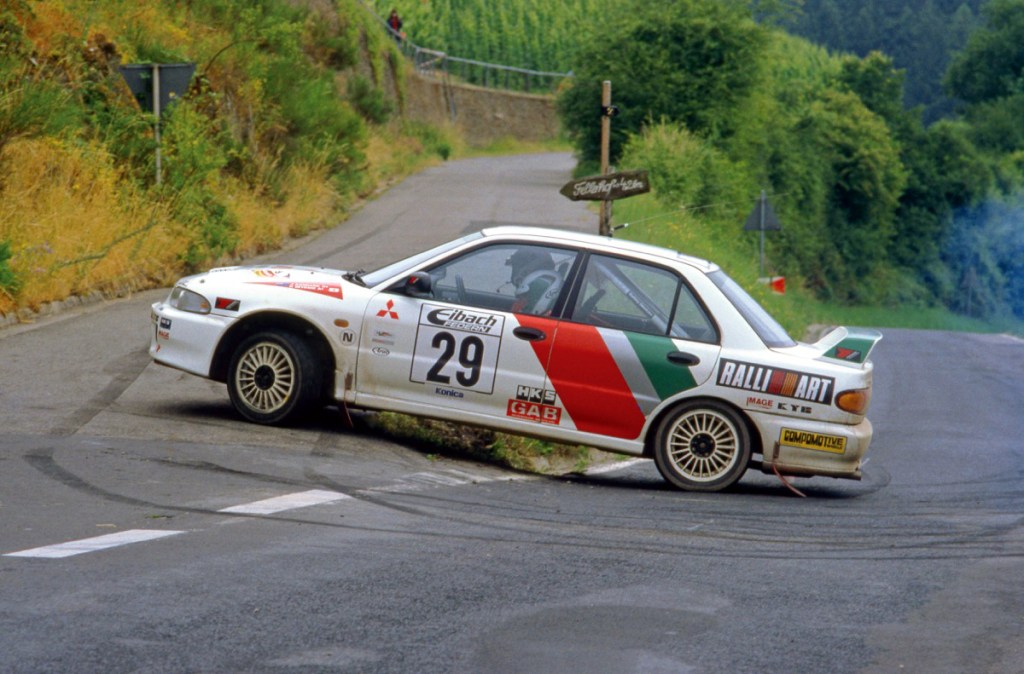
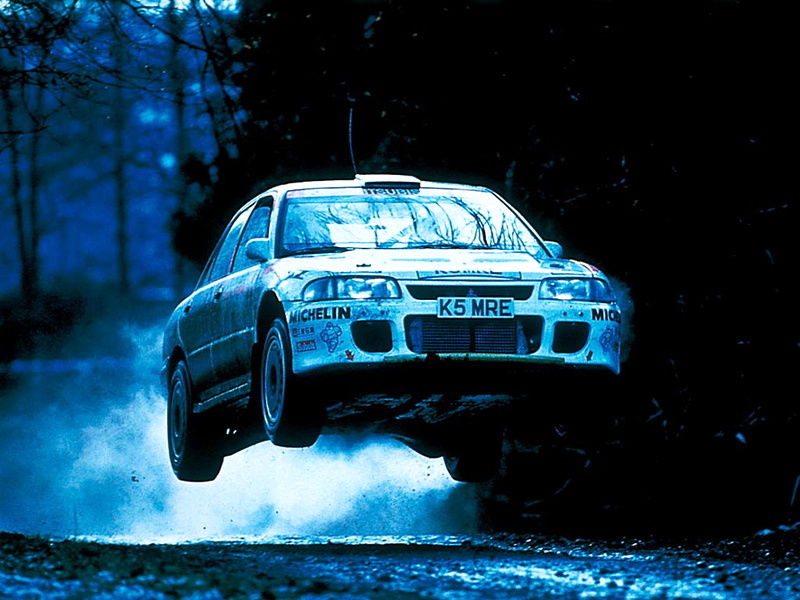
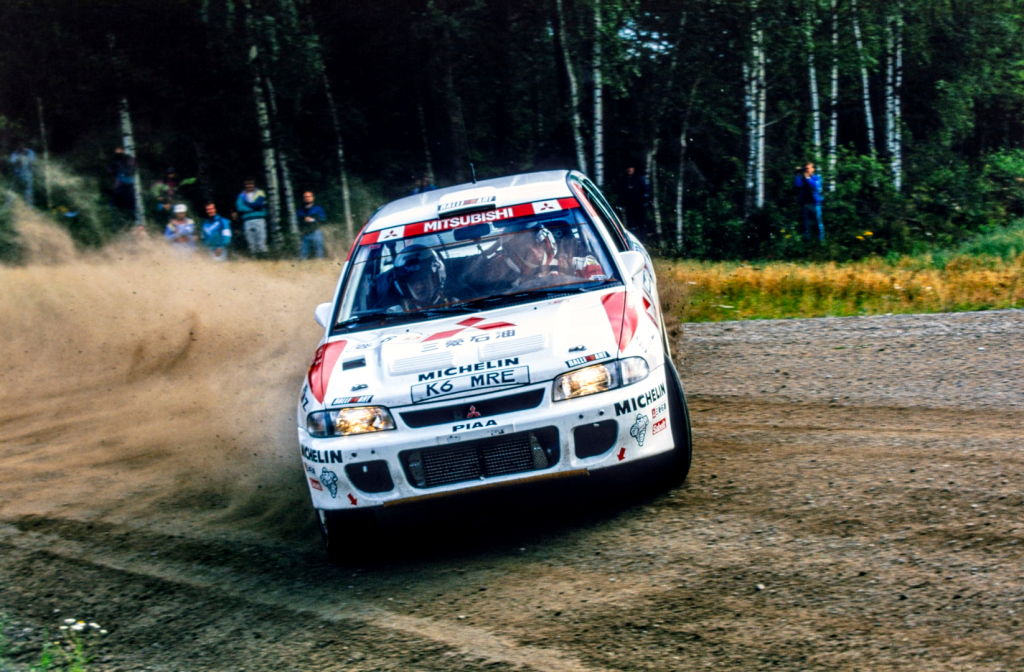
This model hit the market in 1992, featuring a two-liter engine and permanent all-wheel drive. Awesome stuff, but it was easy to get duped because the Lan-Evo was built with the same body as regular Lancers. Plenty of folks parted with their cash, thinking they’d snagged a beast with rally heritage, only to find out they’d been sold a family-friendly Mitsubishi with a 1.8 under the hood. Well, at least they got the four-wheel drive. The bodies also found use in Malaysia, where the Proton Wira shared bodywork with the first Evo. Some Protons were even sold as legit RS Evolutions. If that’s your dream car to buy – watch out for scams.

We will focus on two versions: the GSR and the RS. What’s the difference? Well, the GSR is the fully road-ready version with all the comforts: power windows, air conditioning, Recaro seats, and alloy wheels. In short – it’s packed. The Lancer RS, on the other hand, was designed as a base for Group A rally variants. It had nothing fancy inside: no frills, no air conditioning – even were steel and the seats were basic shit to be the first thing swapped out for rally equipment anyway. Standard as it gets, the car came a whole 70 kilograms lighter than the sporty GSR. Both versions were part of the homologation process, but the GSR was outfitted for civilian customers. They shared the same short-ratio gearbox. GSRs came in five different color options, while the Evo RS was only available in white or silver. The easiest way to tell an RS from a GSR is to look inside. No RS ever came with ABS – ever – so, if someone claims to have a Lancer RS „but this one has ABS” – it’s not an RS. The GSR also came with air conditioning and a rear wiper. If someone tries to tell you it broke off, or the rear glass was replaced #truestorybro… the buttons for controlling those features should still be there. If they’re not – it’s not a GSR. Just a heads-up if you’re in the market or have a buddy bragging about their Evo Lancer!

But if someone for real owns a Lan-Evo, hats off to them. That’s not just a car – it’s a goddamn demonic monstrosity! During the ’80s and ’90s, rallying became a much tougher sport – grueling and demanding. A heavyweight like the Galant VR-4 quickly hit a wall, limited by its sheer size. So, it passed the torch, along with all its experience and tech, to the smaller, more agile Lancer. And that’s how the Lancer Evolution was born.

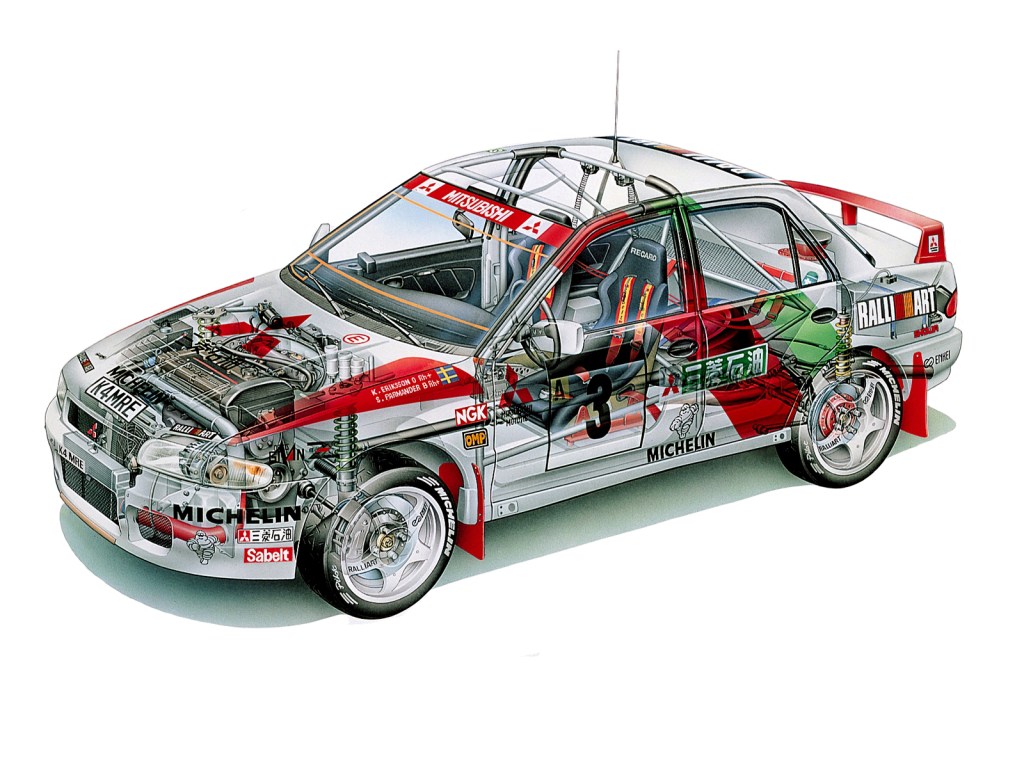
Its engine delivered 247 horsepower – the legendary Sirius 4G63T paired with a 5-speed manual transmission. This setup powered all four wheels. Homologation required 2,500 units, which sold out within three days of launch. In less than two years, more than twice that number were produced. Every single one came equipped with limited-slip differentials at the front, rear, and center. The engine, shared with models like Galant and the Eclipse, had an increased compression ratio… and every car was right-hand drive. All of them were exclusively sold to the Japanese market.

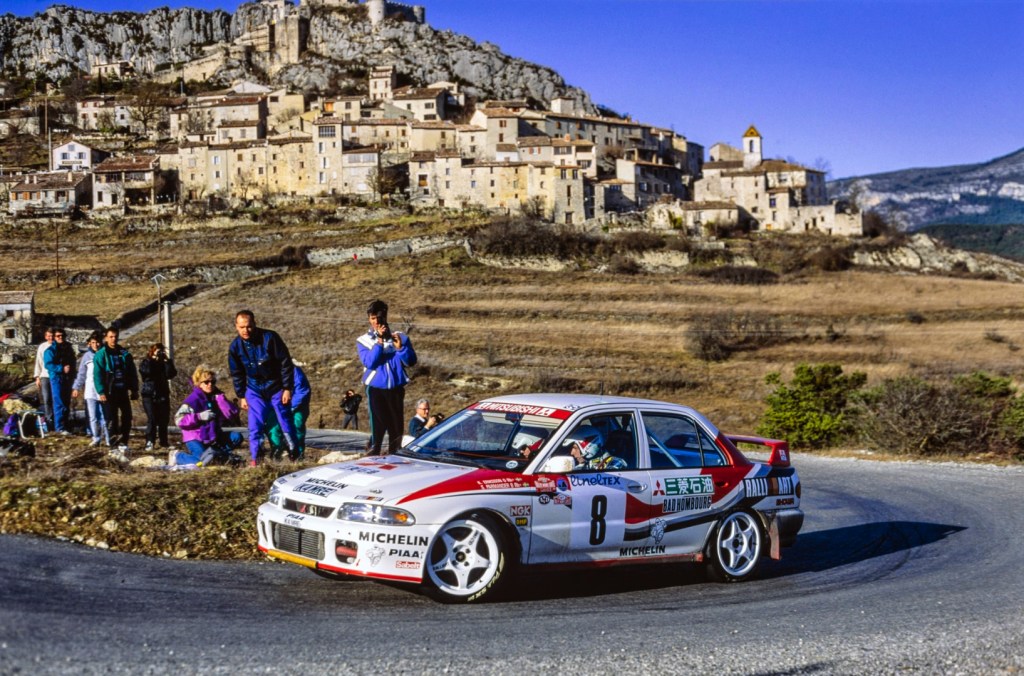
The model entered the rally scene in 1993, competing for two years. Unfortunately, this was during the reign of the Lancia Delta Integrale, so despite its potential, it couldn’t make a significant impact. It was always a threat, though never quite the best. In the 1993 season, it secured podium finishes in Greece and Great Britain, while Monte Carlo, Finland, Portugal, and Australia ended with positions just off the podium. The following year saw only four entries, with a notable second place at the Safari Rally. However, the season was cut short as Mitsubishi Ralliart shifted focus to the upgraded Evo II.

Krzysztof Wilk
All sources: rallygroupbshrine.org | lancerregister.com | wikipedia.org | wheelsage.org

1992 – Mitsubishi Lancer Evolution Group A

EngineDisplacementPowerAccelerationTop Speed
Straight 4
Turbocharged
2.0 L300 BHP5.1s230 km/h
143 mph

Ten model trafił do sprzedaży w 1992 i wyposażony był w dwulitrowy silnik oraz stały napęd na wszystkie koła. Zajebista sprawa, ale łatwo można było się naciąć, bo Lan-Evo robiono na tej samej budzie co zwykłe Lancery i niejeden pożegnał się z pieniądzem w nadziei, że nabył bestię z rajdowym rodowodem a okazało się, że puszczono mu rodzinne Mitsubishi z 1.8 pod maską. Na pocieszenie został mu tylko napęd na cztery buty. A buda też znalazła zastosowanie w Malezji – gdzie Proton Wira również korzystał z karoserii pierwszego Evo. I Proton też był opychany jako autentyczne RS Evolution. Jak ktoś chce takowy nabyć – uważajcie na scamy.

Nas interesują dwie wersje GSR i RS. Czym się różnią? Ano GSR to w pełni drogowa wersja z wygodami: elektryka na szybach, klimatyzacja, fotele Recaro i aluminiowe felgi. Słowem – jest moc. Lancer RS to z kolei baza do rajdowych wariantów z Grupy A. Wyjebane miał wszystko w środku: zero bajerów, zero klimatyzacji – nawet fotele były tanie a fegli stalowe. Myśl za tym szła taka, że cały ten szajz i tak do zawodów zastąpi się rajdowym osprzętem, a auto już z fabryki mogło być lżejsze od sportowego GSRa o całe 70 kilogramów. Znaczy obie wersje liczyły się do homologacji, ale GSR był doposażony dla cywilnych klientów. Obie miały tę samą skrzynię zestrojoną na krótko. GSRy występowały w 5 wariantach kolorystycznych, ale Evo RS był tylko biały lub srebrny. Evo RS od GSRa najłatwiej odróżnić po wejściu do środka. Żaden RS nie miał ABSu. Nigdy. A więc jeśli ktoś mówi wam, że ma Lancera RS, ale „ten ma ABS” – to nie jest RS. GSR wyposażony był też w klimę oraz tylną wycieraczkę – i ktoś może ściemniać, że się ułamała albo, że szyba była wymieniana, Niemiec płakał jak sprzedawał… – w dalszym ciągu powinny być w środku przyciski od włączania takiego mechanizmu. Jeśli nie ma – to nie GSR. To tak tylko, jakby ktoś chciał nabyć – albo miał znajomego, co się chwali Lancerem Evo.

Ale jak ktoś naprawdę ma Lan-Evo, to chylę czoła. To nie jest auto – to pierdolone bydle! Przez lata ’80-’90 rajdy stawały się dużo trudniejszym sportem – ciężkim i wymagającym a taki kobylin jak Galant VR-4 musiał szybko uderzyć w ścianę, bo był srogo ograniczony ze względu na swoje rozmiary. Oddał zatem pałeczkę, z całym swym doświadczeniem i technologią, mniejszemu Lancerowi. Tak powstał Lancer Evolution.

Jego silnik robił 247 koni – była to kultowa seria Sirius 4G63T połączona z 5-biegową ręczną skrzynią biegów. Taki zestaw napędzał wszystkie koła. Do homologacji potrzeba było 2500 sztuk – te sprzedano w 3 dni od premiery, a w niecałe dwa lata powstało ponad dwa razy tyle: wszystkie miały szpery z przodu, z tyłu i centralnie, jednostka napędowa (dzielona również przez modele Galant i Eclipse) miała podniesiony stopień sprężania… i w każdym kierownica była z prawej strony. Wszystkie trafiły na rynek japoński.

Do rajdów model trafił w 1993 roku i jeździł w teamie przez 2 lata – niestety był to okres Delty Integrale, więc mimo swego potencjału, to nie mógł poważnie zaszkodzić. Zawsze był groźny – choć nigdy nie najlepszy. Sezon 1993 to podia w Grecji i Wielkiej Brytanii a Monte Carlo, Finlandia, Portugalia i Australia skończyły się miejscami tuż za podium. Kolejny rok to były tylko 4 starty i drugie miejsce w Safari. Przejeżdżono tylko połowę sezonu, bo w tym roku weszły poprawki i Mitsubishi Ralliart mógł przerzucić się na Evo II.

Krzysztof Wilk
Na podstawie: rallygroupbshrine.org | lancerregister.com | wikipedia.org | wheelsage.org