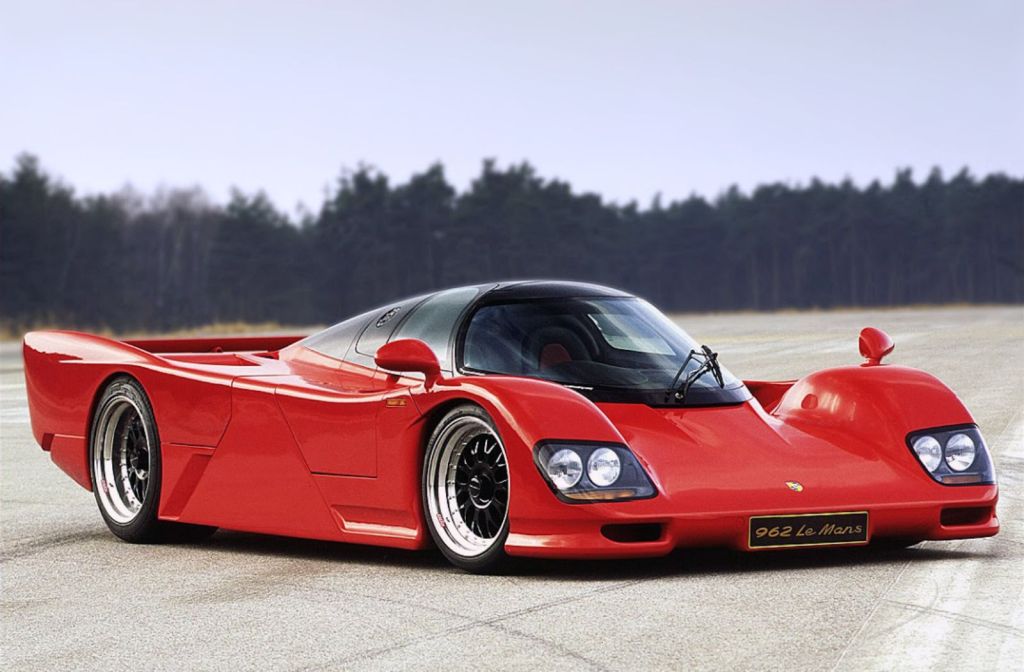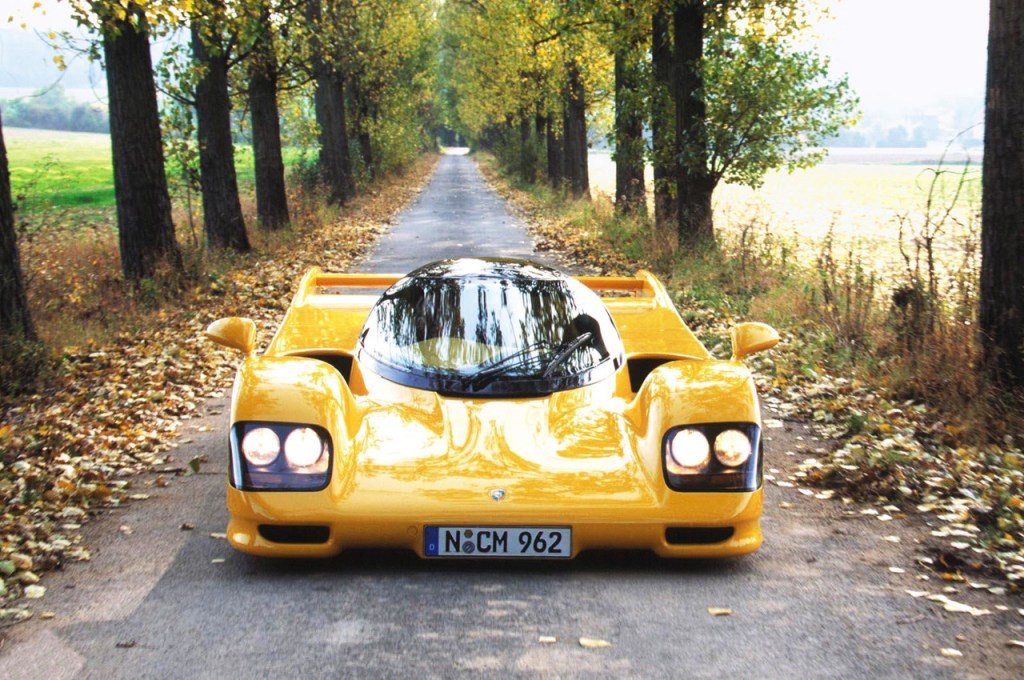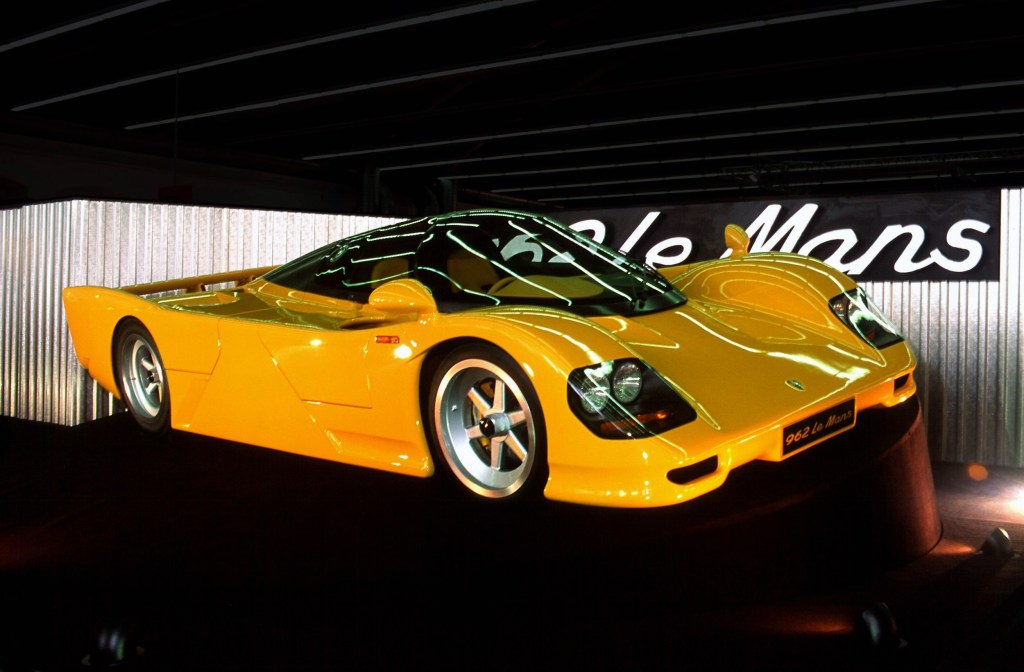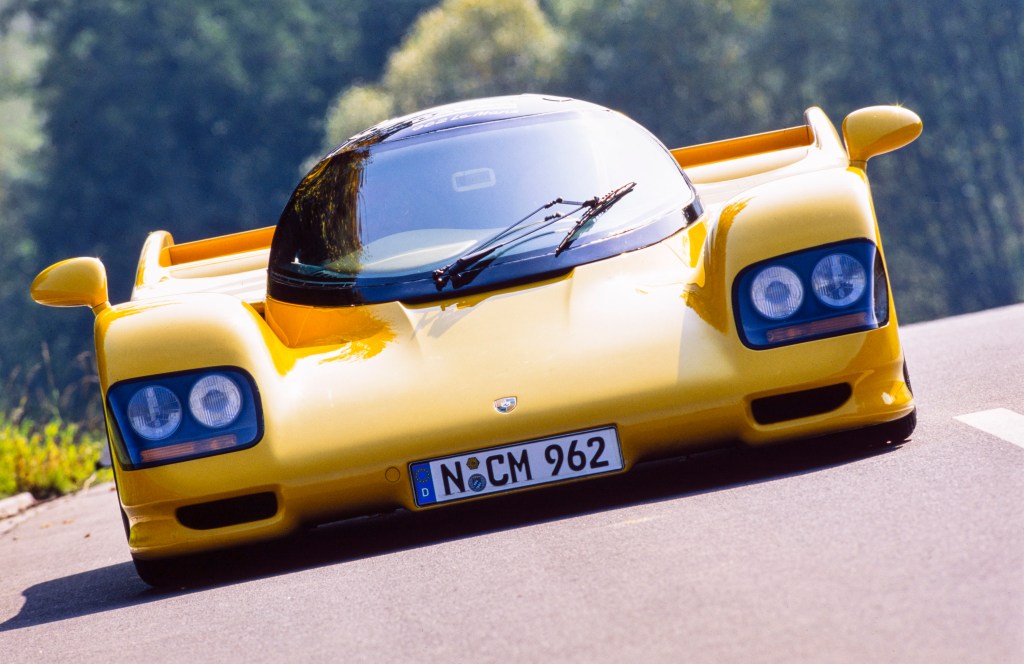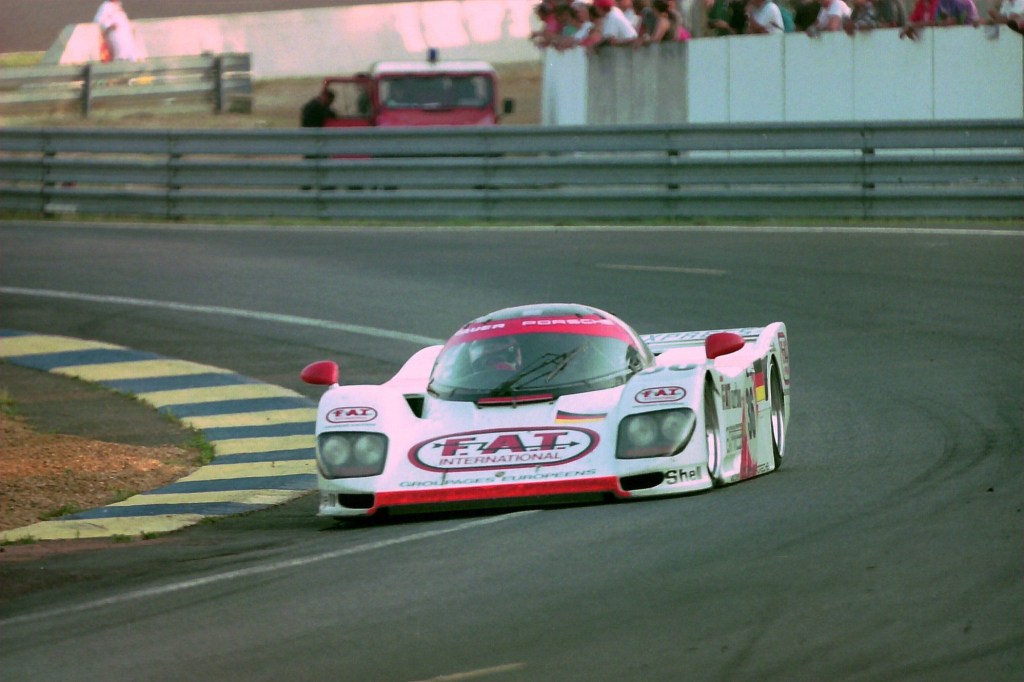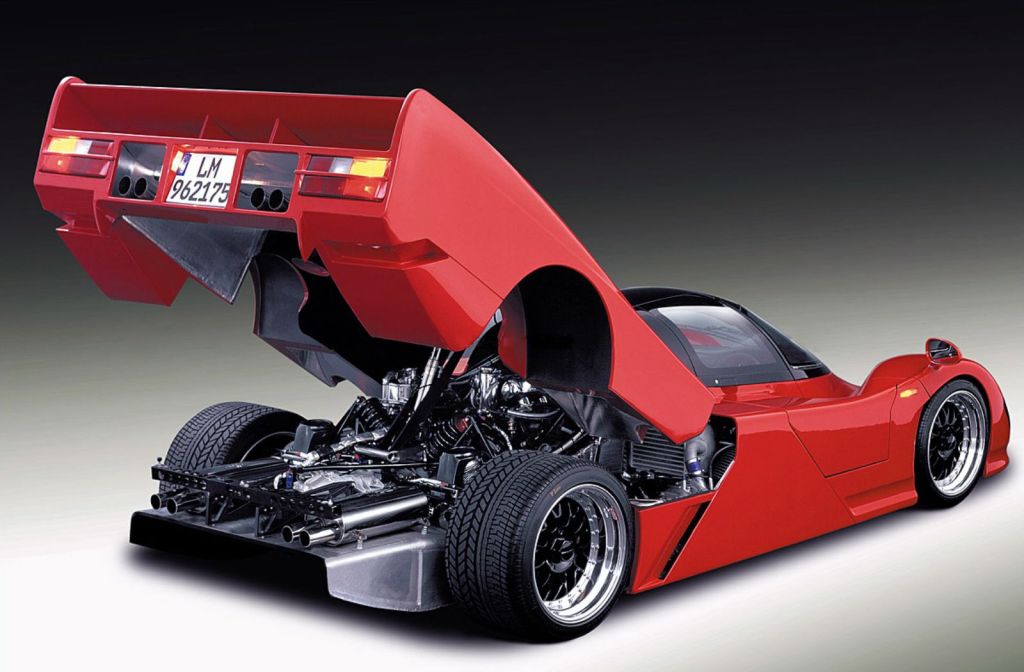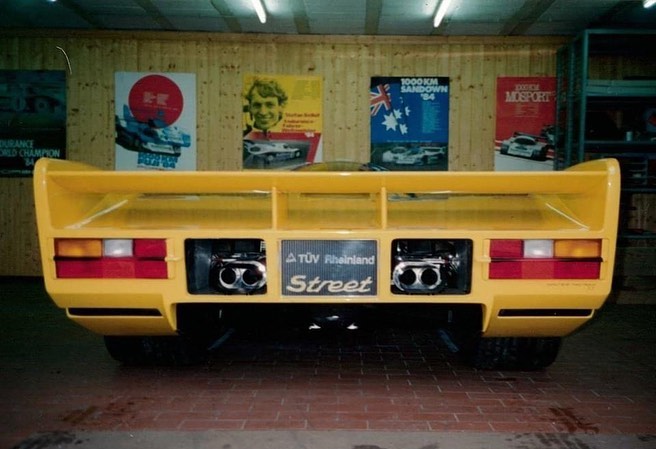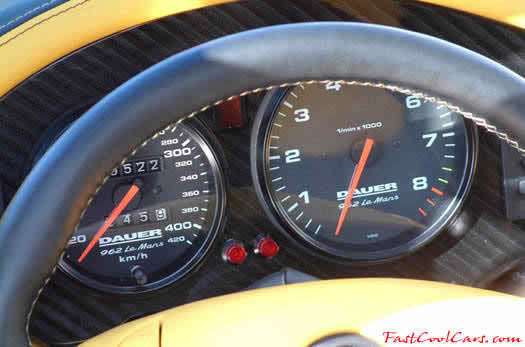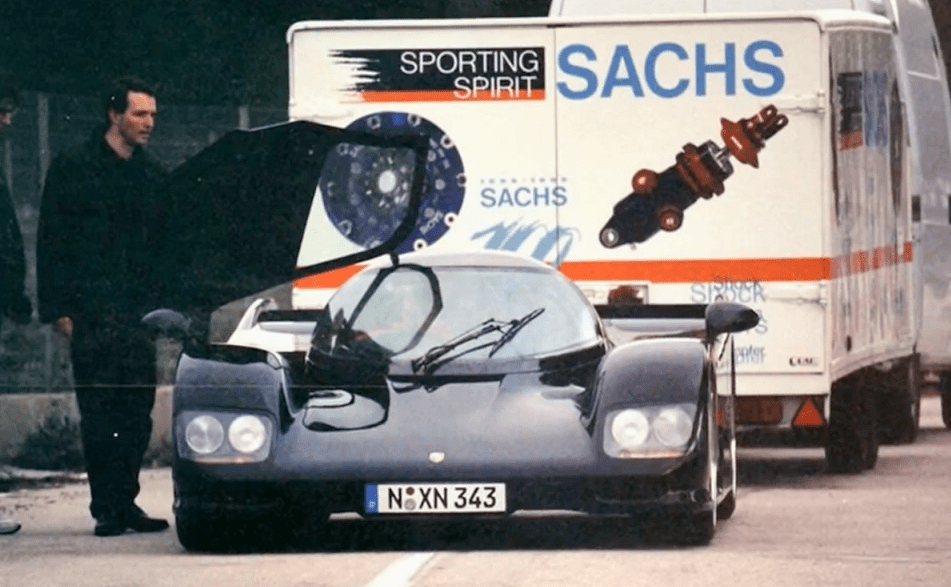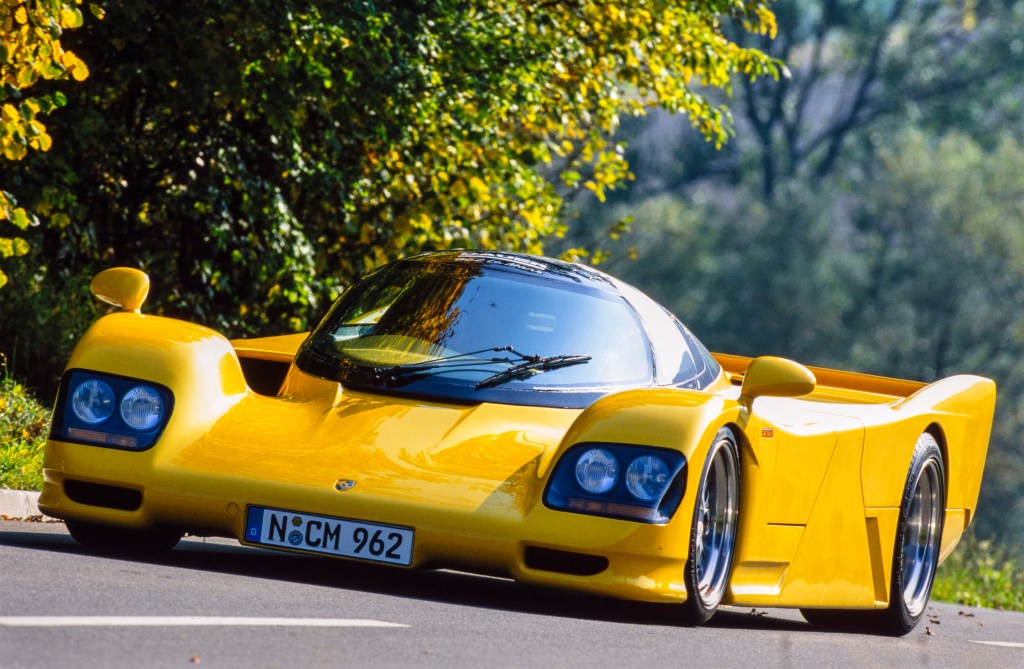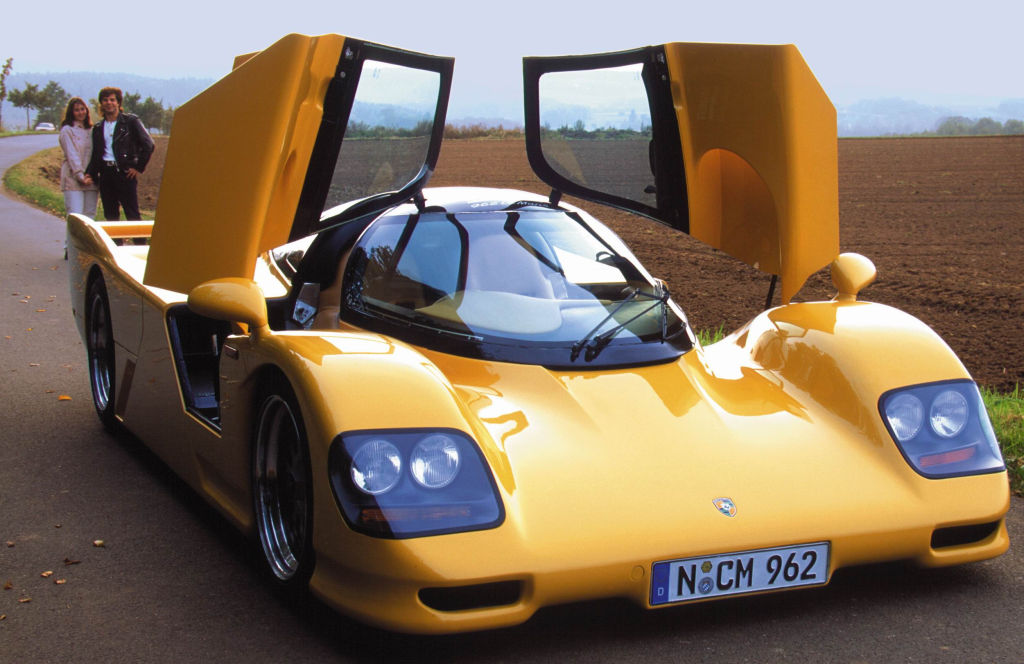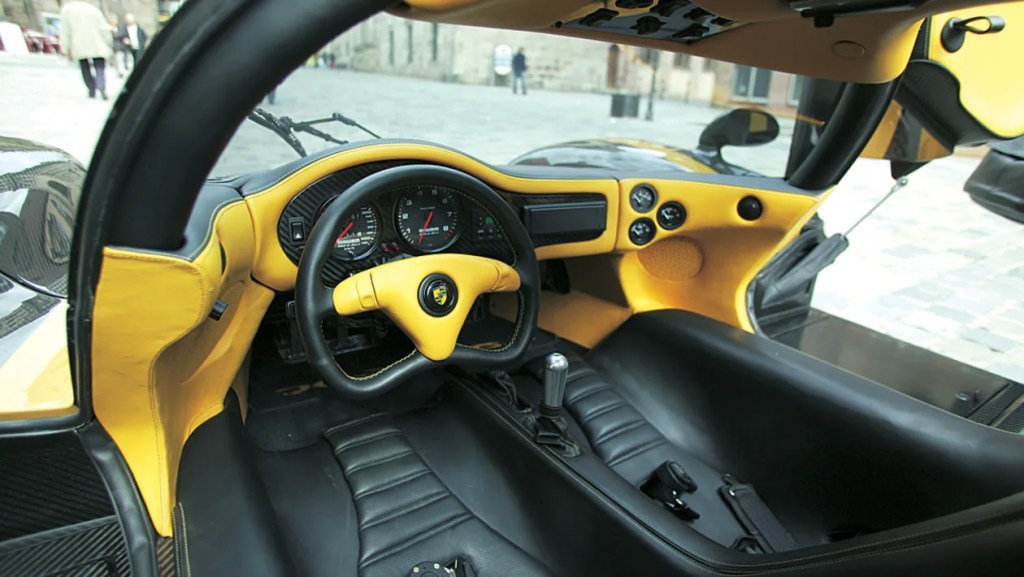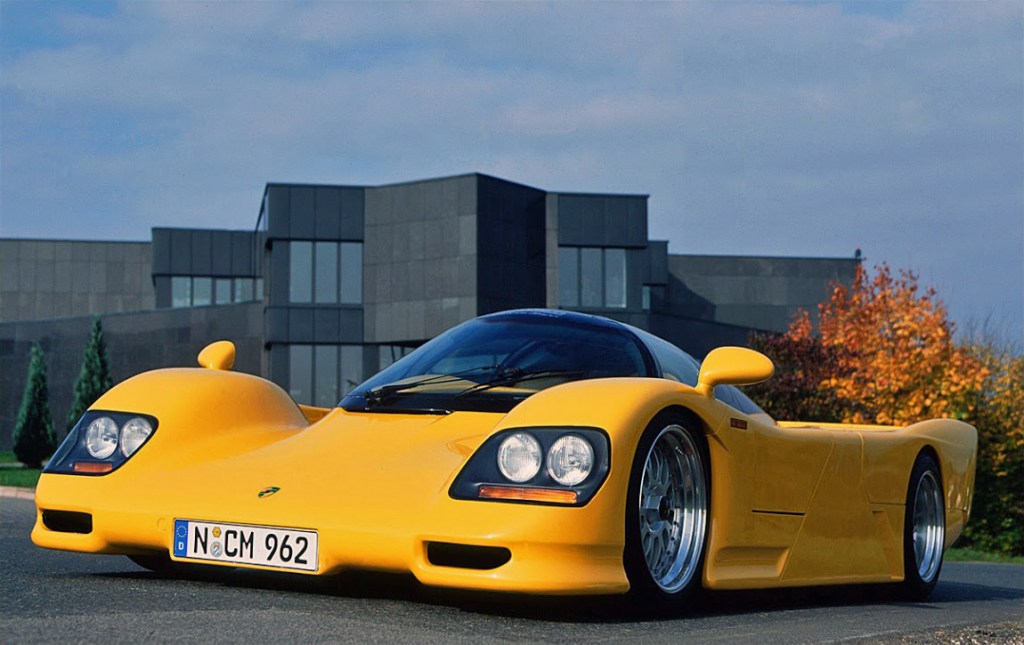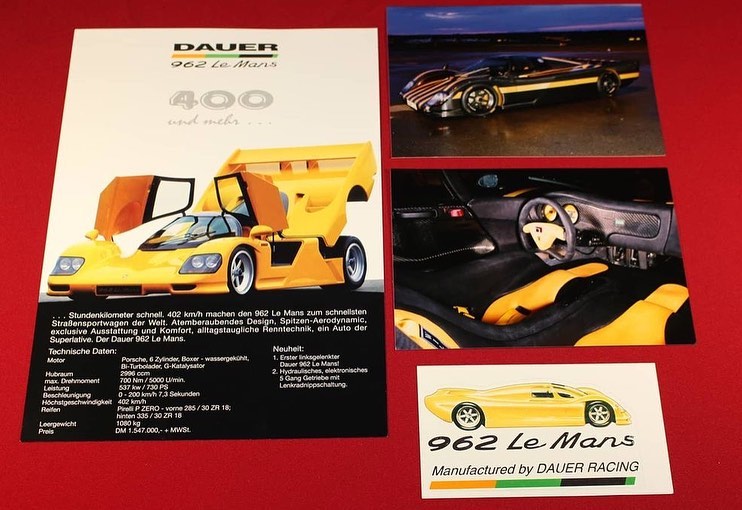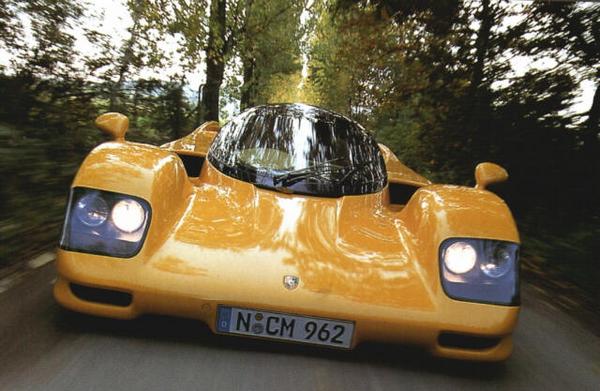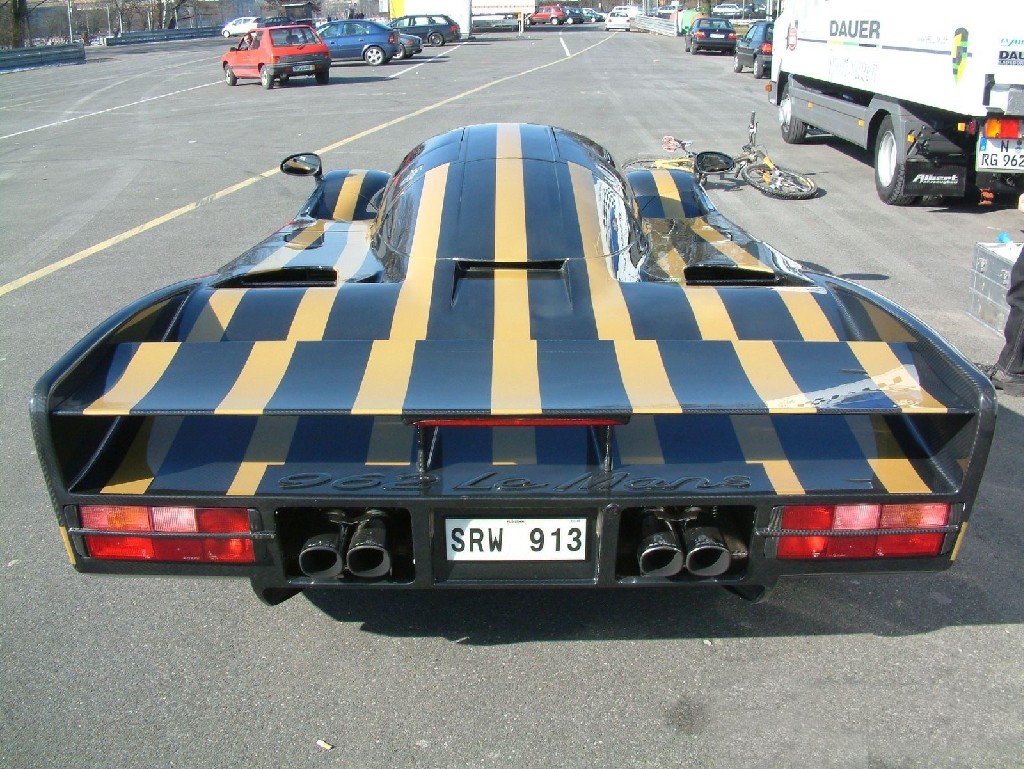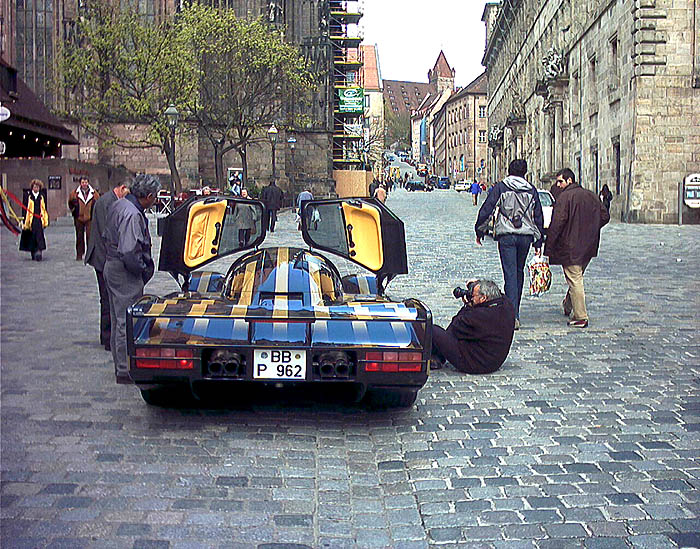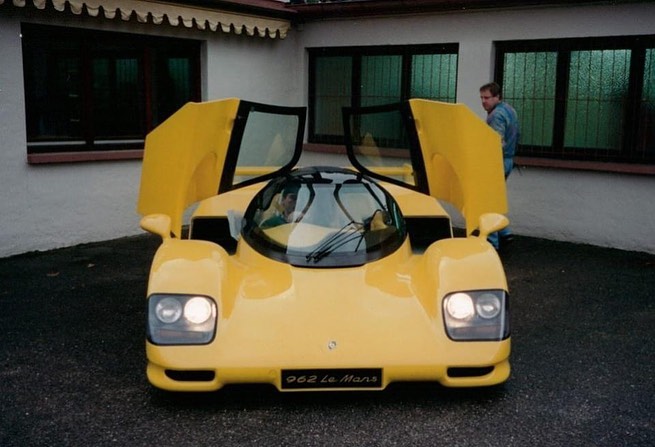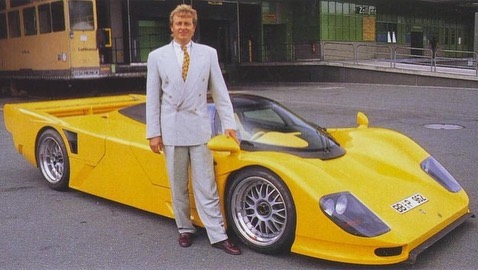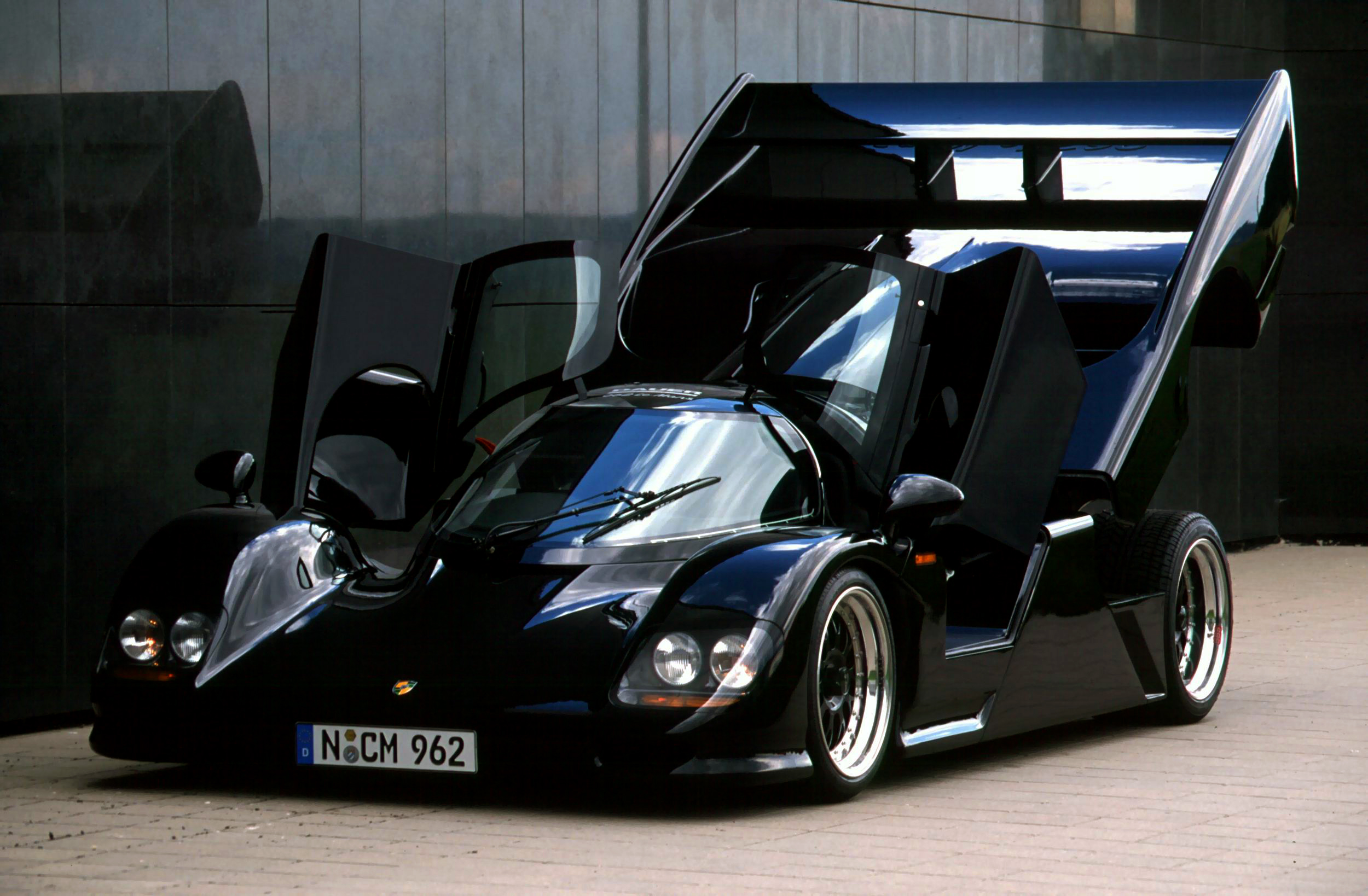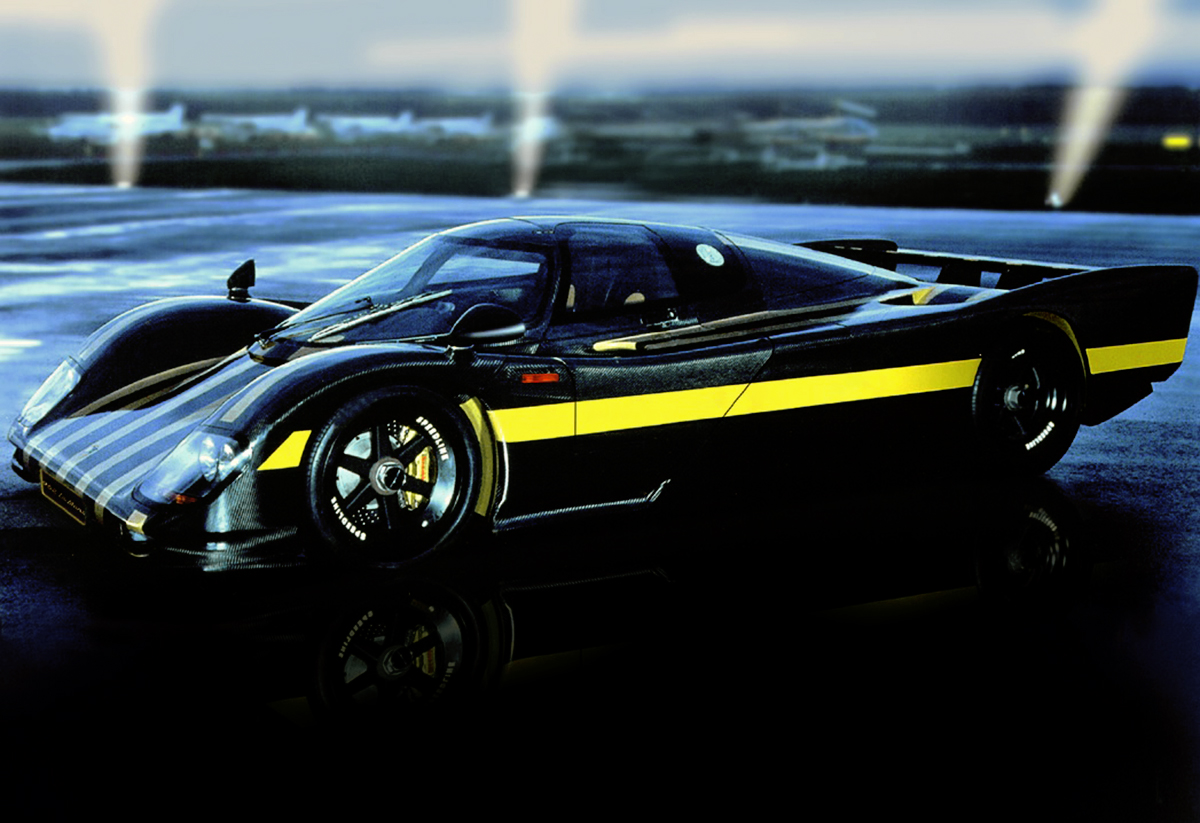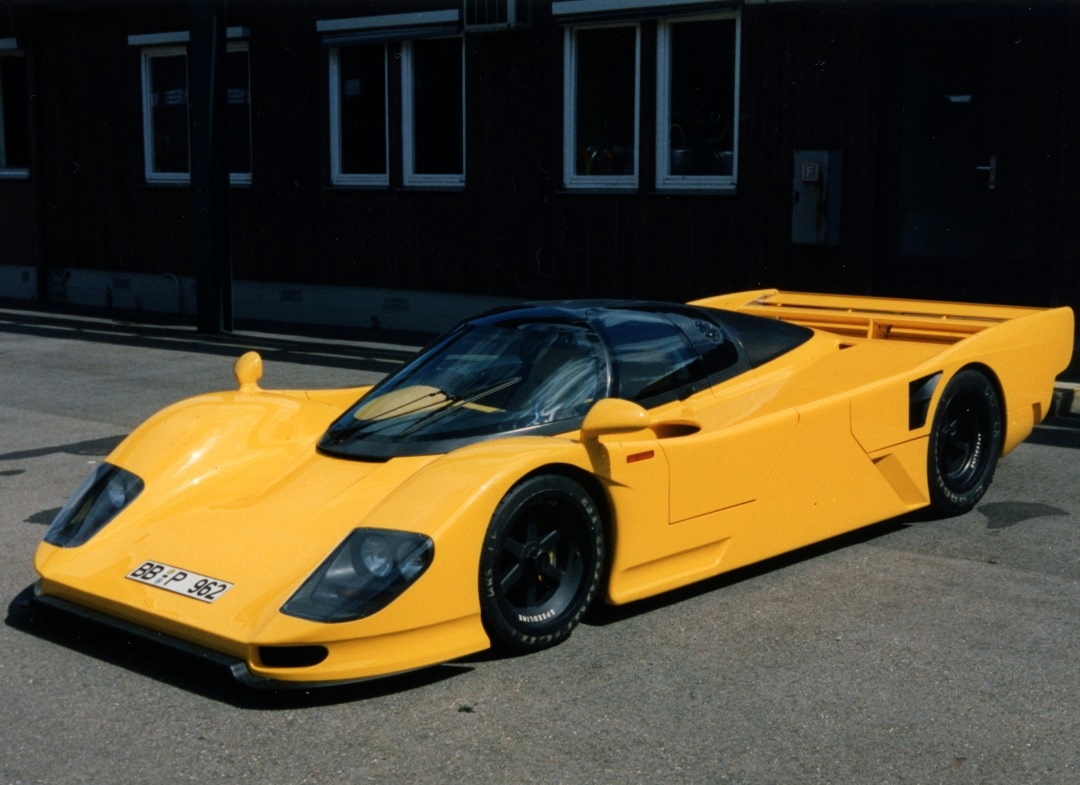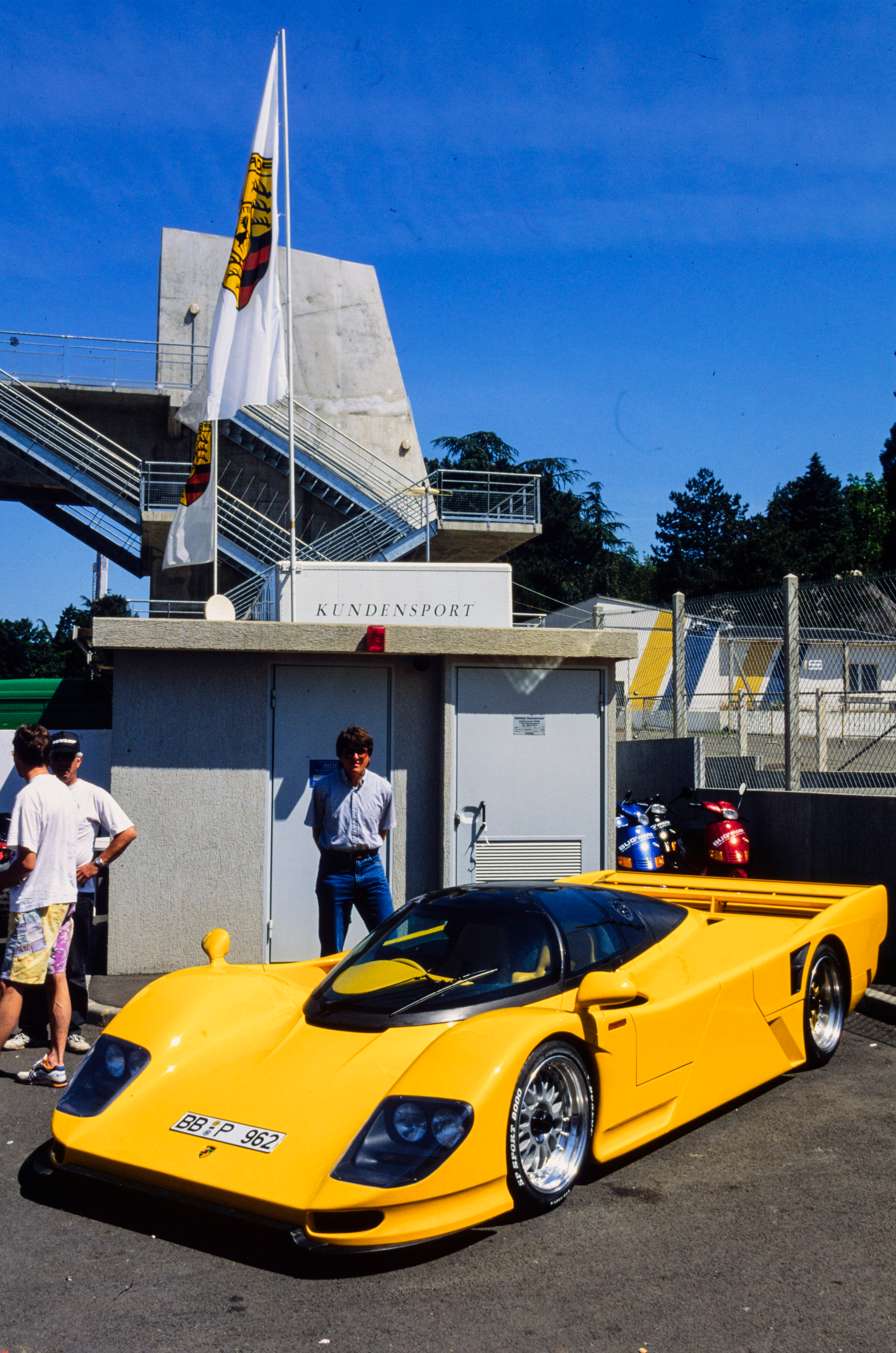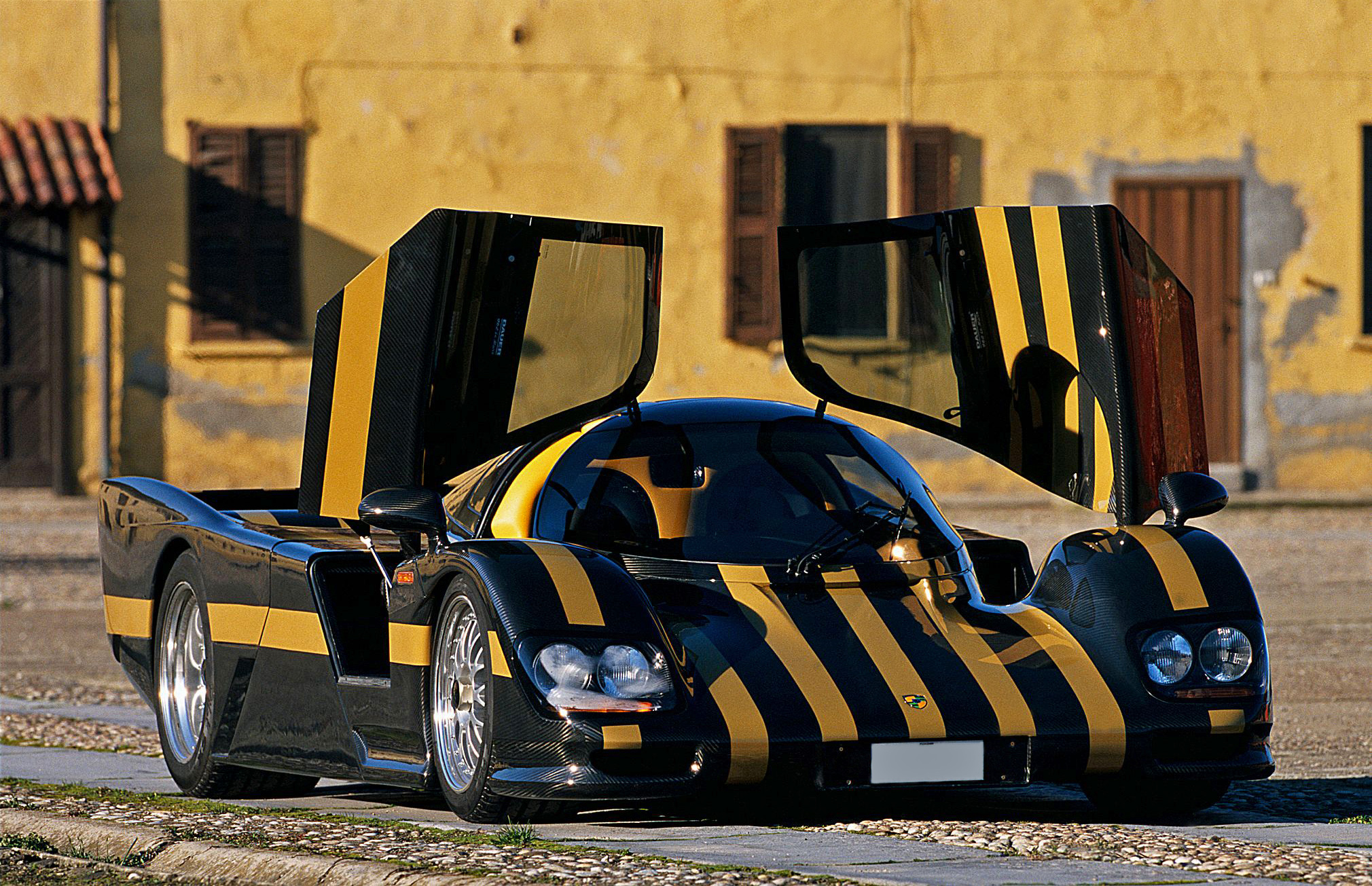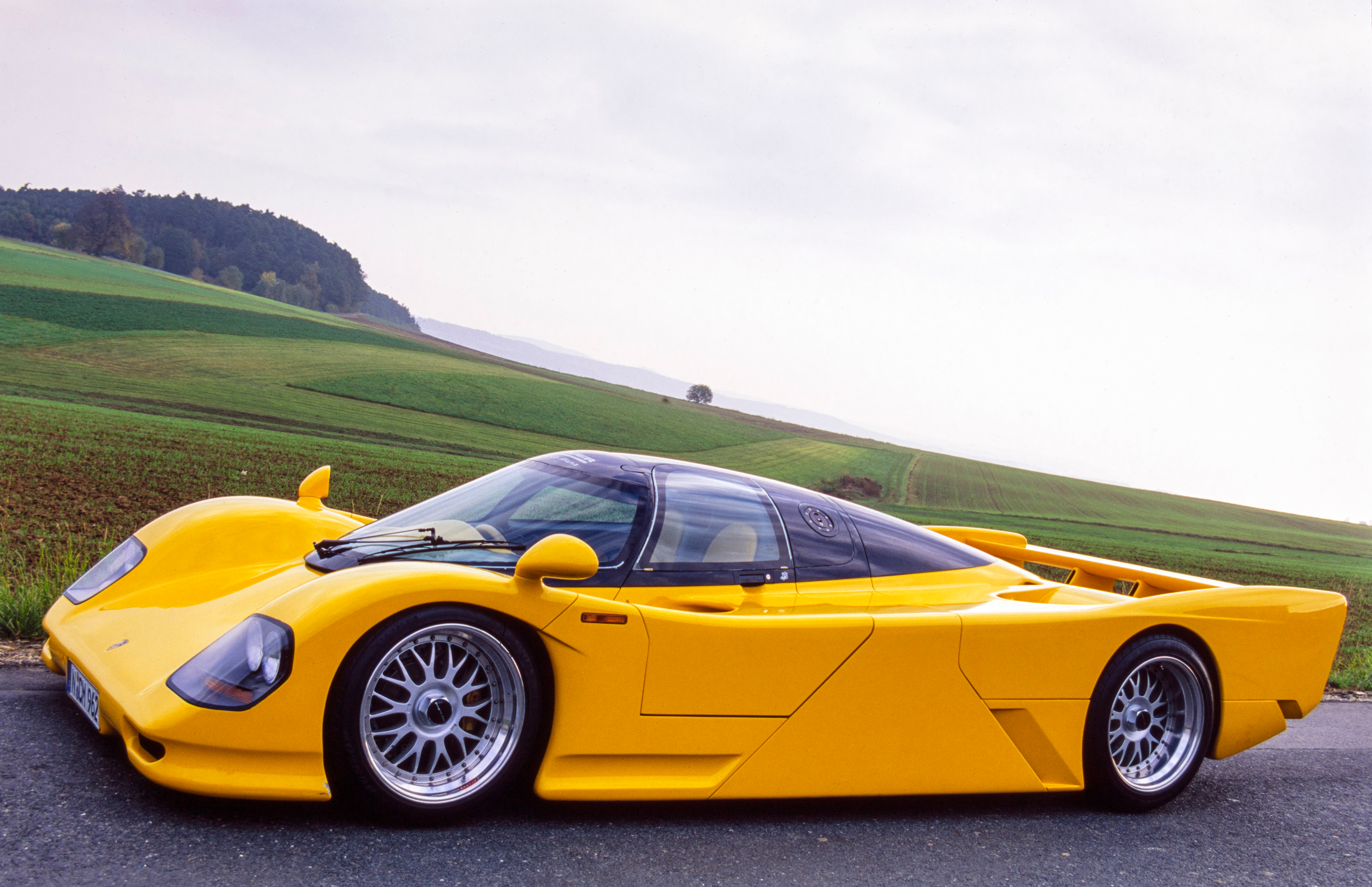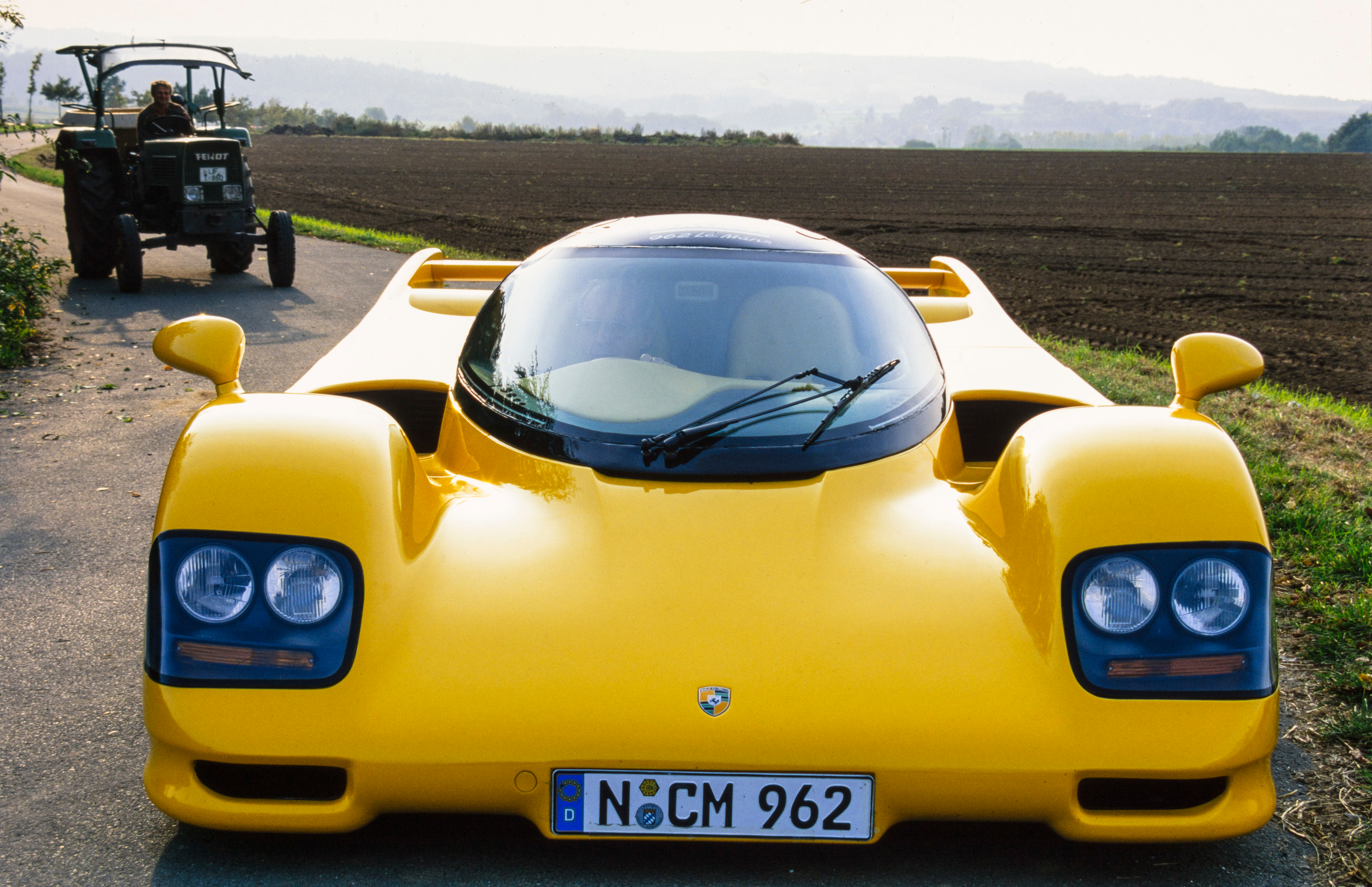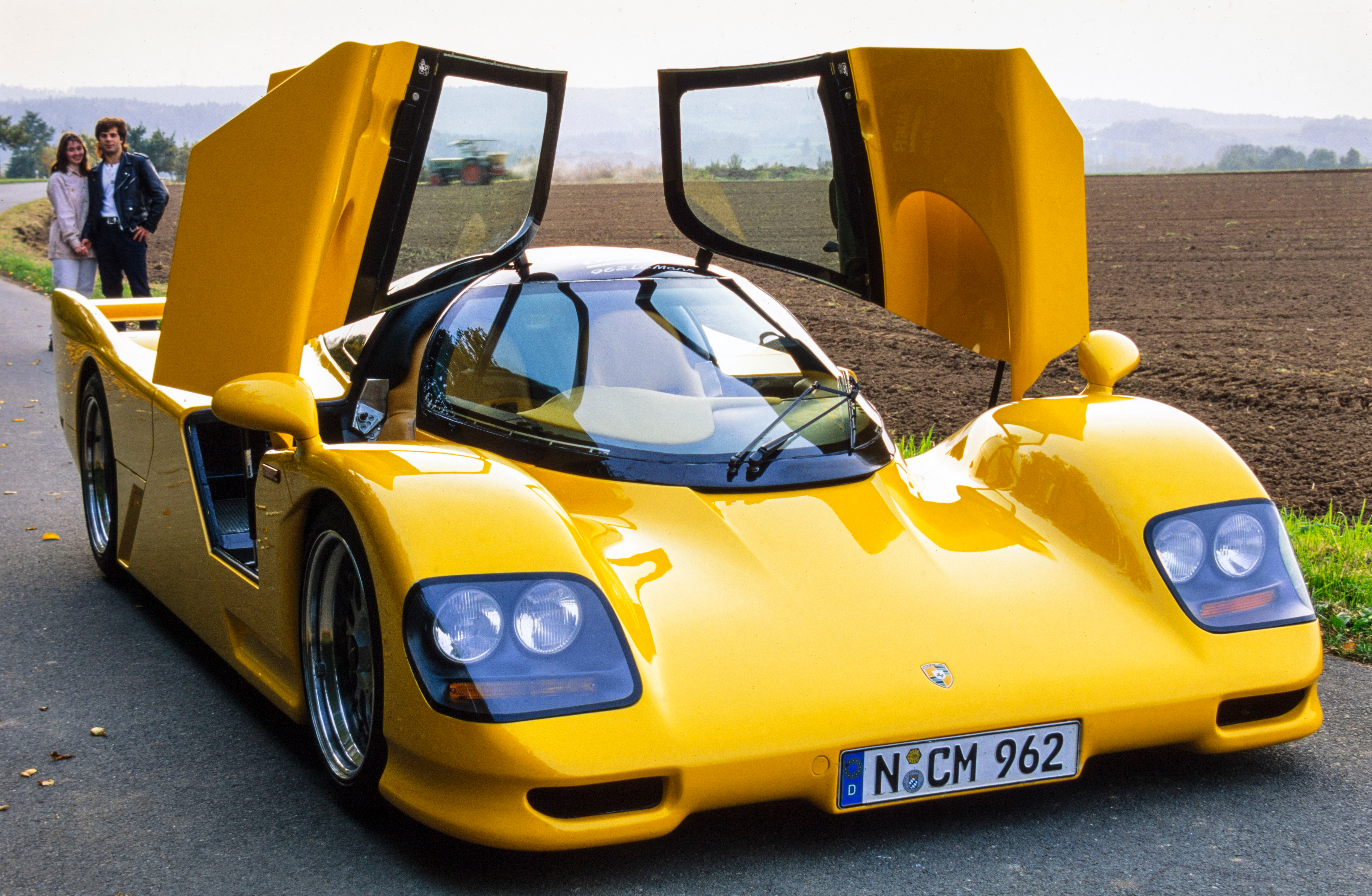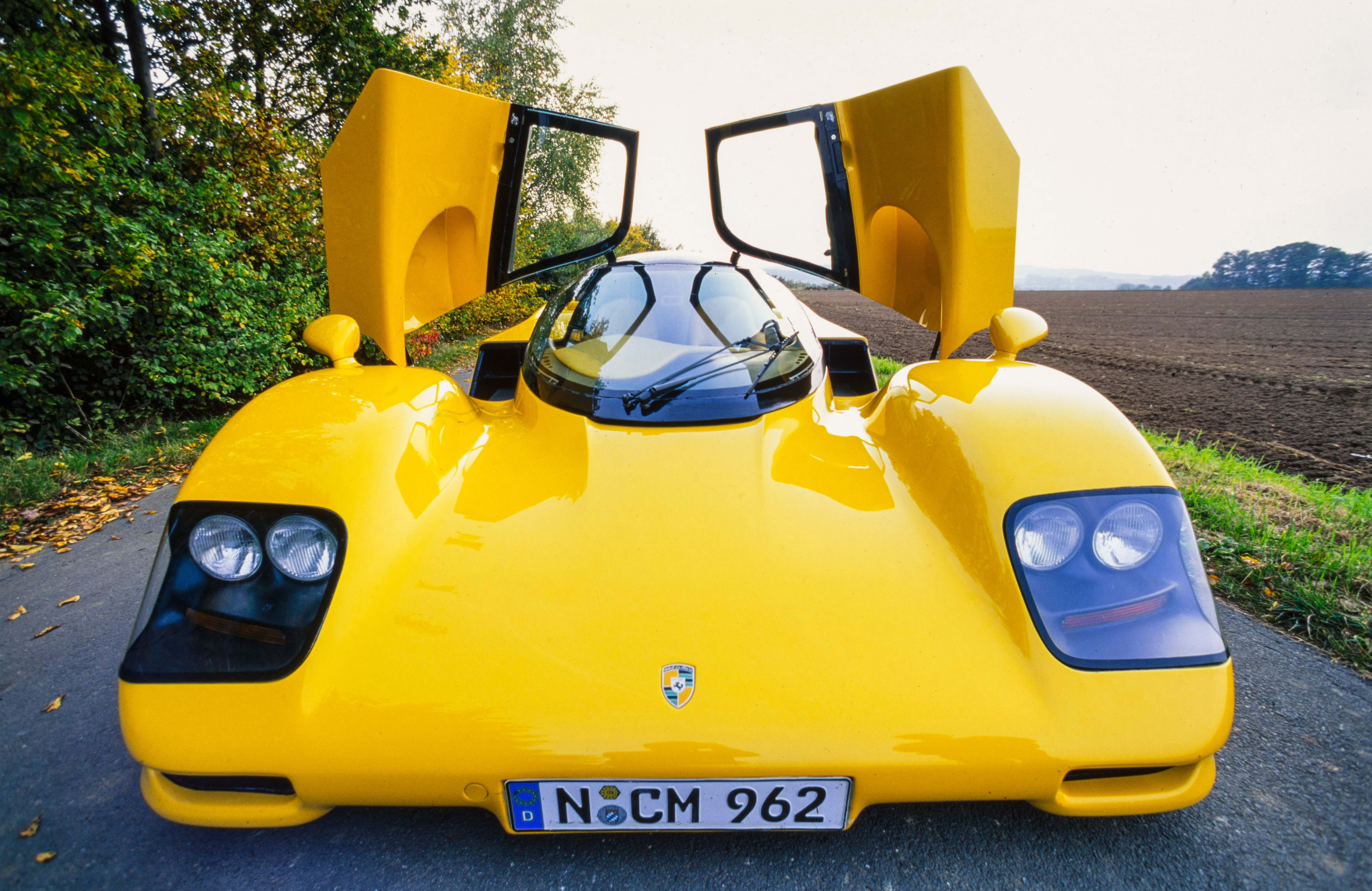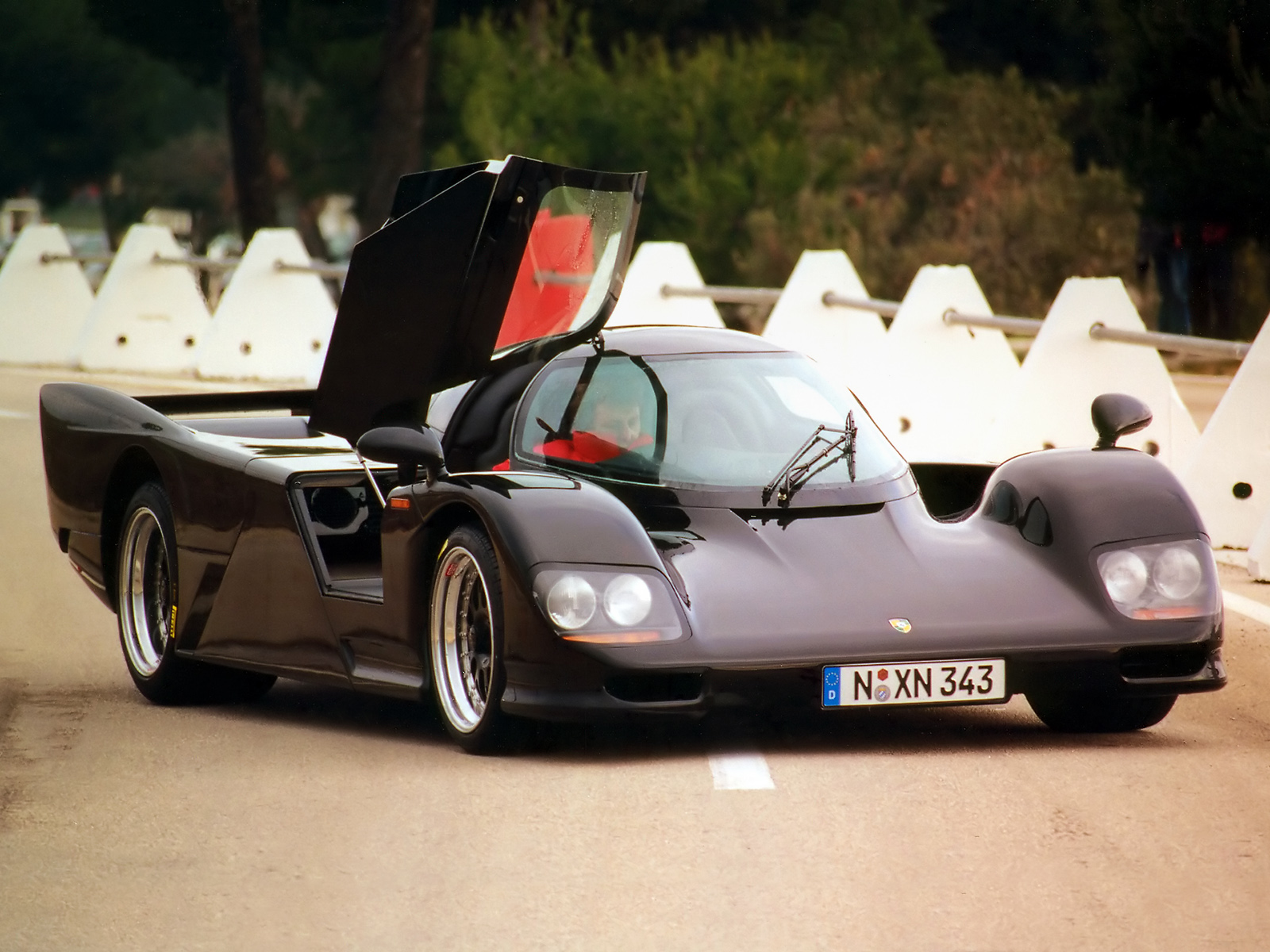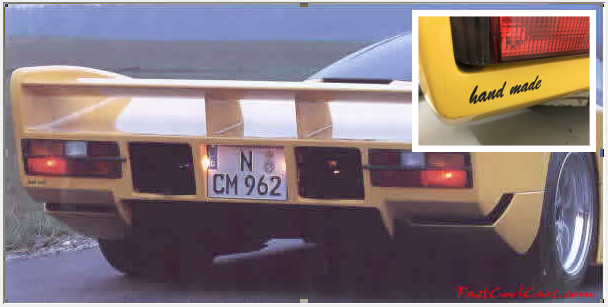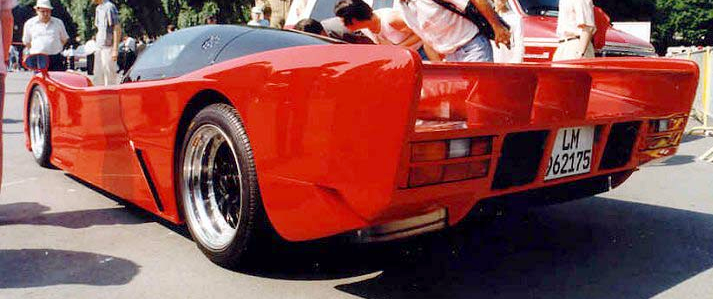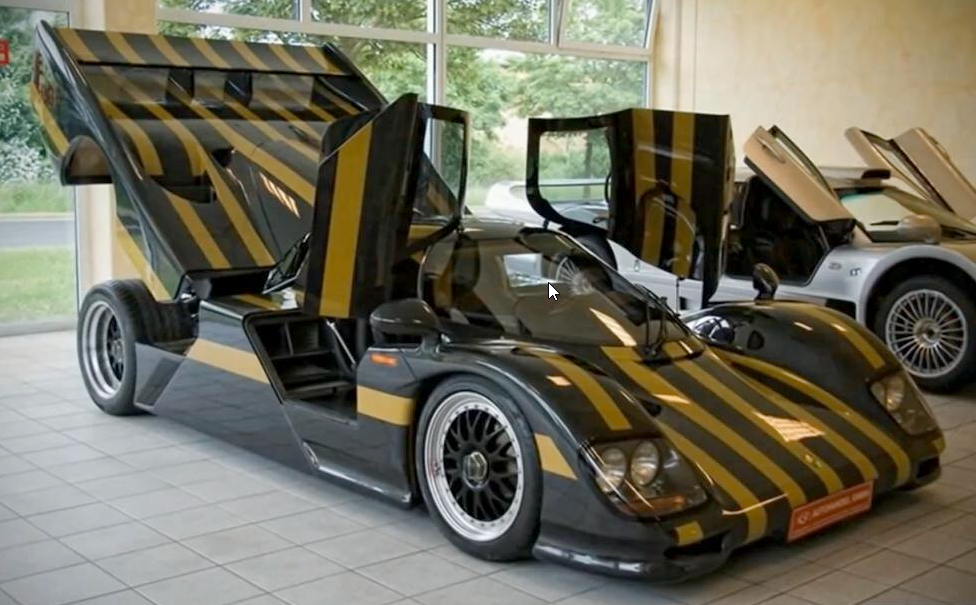
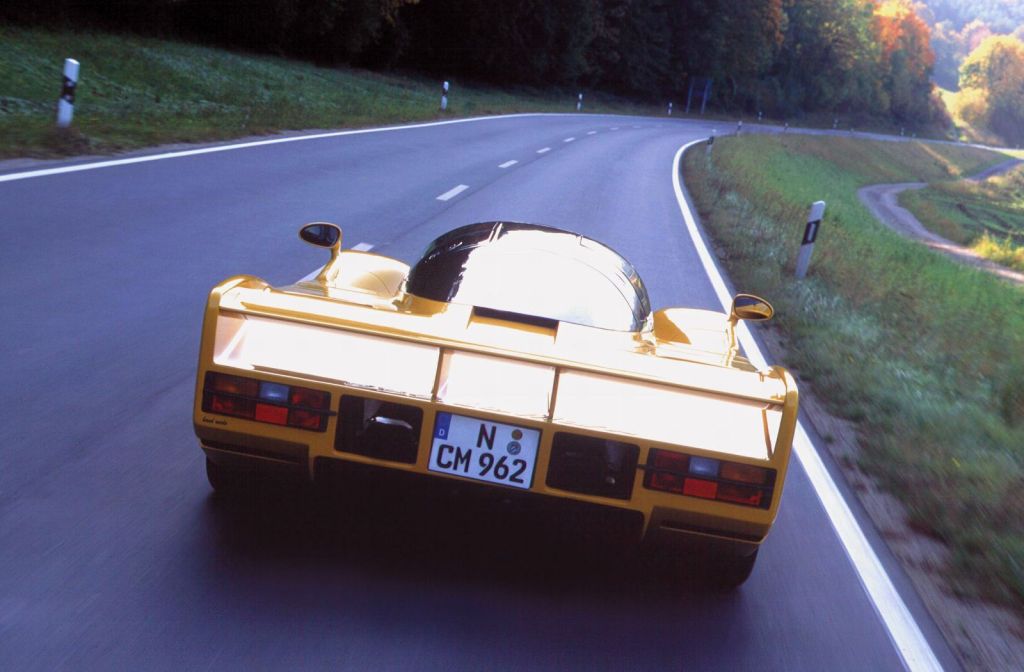
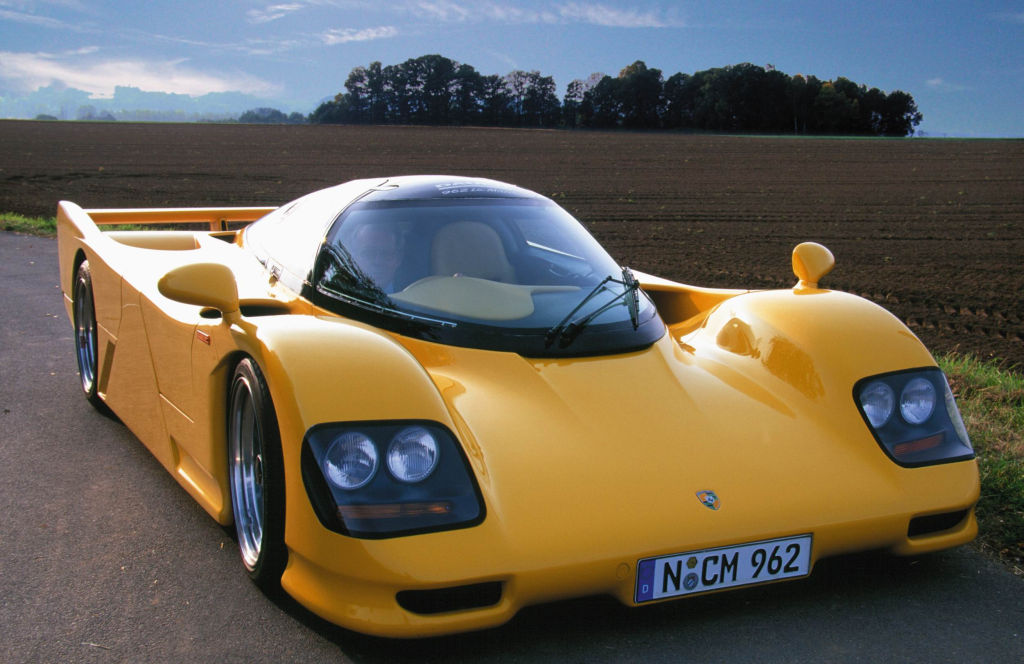
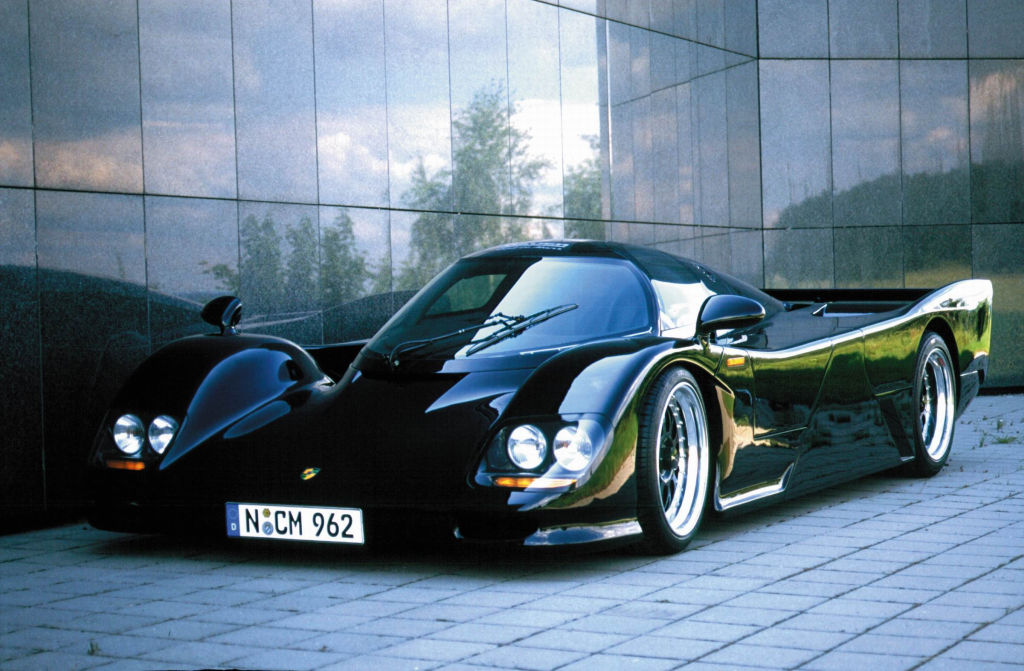
1993 – Dauer 962 LM

To jest jeden z bardziej radykalnych supersamochodów jakie powstały, a to dlatego, że jest zrobiony z zupełnie innym podejściem. Zwykle projektanci zajmują się superszybkim autem na drogi, i na jego podstawie budują maszynę do motorsportu. Porsche nie dość, że zrodziło się na torze wyścigowym, ale cykl jego życia wyglądał w ten sposób, że z wyścigówki poskręcano auto drogowe, które potem zamieniło się w wyścigówkę, która potem wracała na drogę… i tak do zajebania.
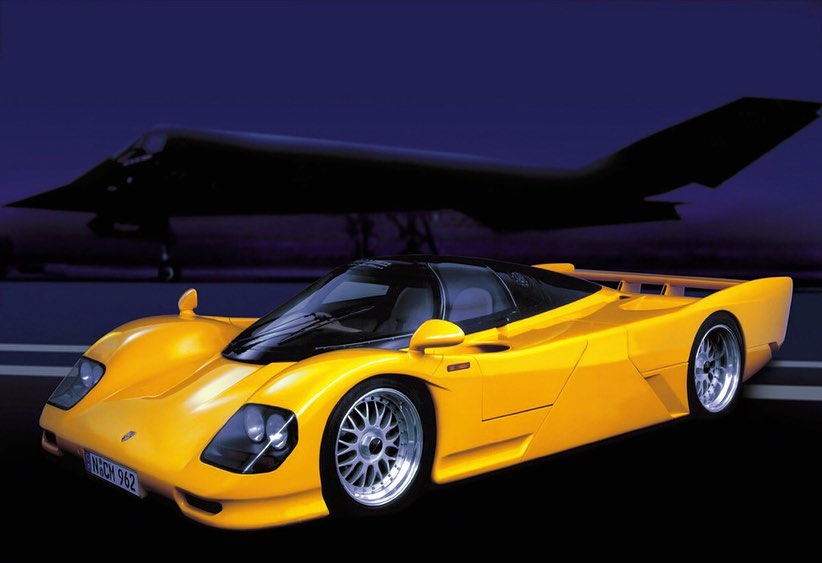
Zaczęło się od modelu 956 wyścigowego Porsche – pojazdu stworzonego z myślą o Le Mans. Te auta – wraz z 962, który je zastąpił – robiły wszystkich w Grupie C, kurwa, na haxach. Maszyny Porsche dominowały przez dobrą dekadę – wygrały mistrzostwa 5 razy, a 24-godzinny wyścig na torze Sarthe: 6 razy. 10 razy z rzędu zwyciężyły w Mortal Kombat. Oni tam rywalami pozamiatali podłogę, zniszczyli ich totalnie. Oba modele były też jednymi z najpopularniejszych aut wyścigowych – 150 ich powstało tylko do wyścigów, i wiele trafiło potem też w obieg. Porsche nawet bez problemu udostępniało klientom części zamienne do nich. To była woda na młyn… i supersamochody stały się nową modą, a na bazie samego tylko 962 powstało kilka różnych samochodów na drogi publiczne.
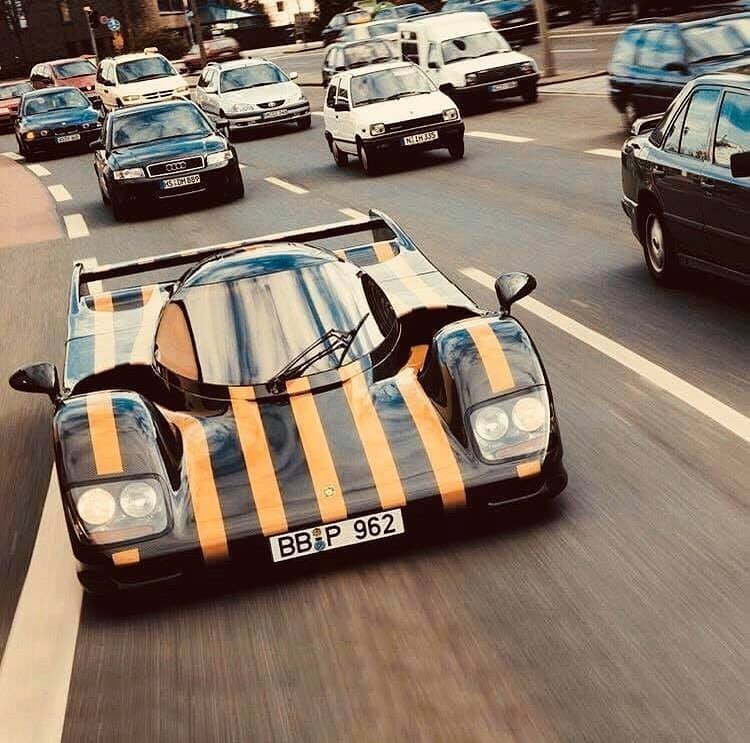
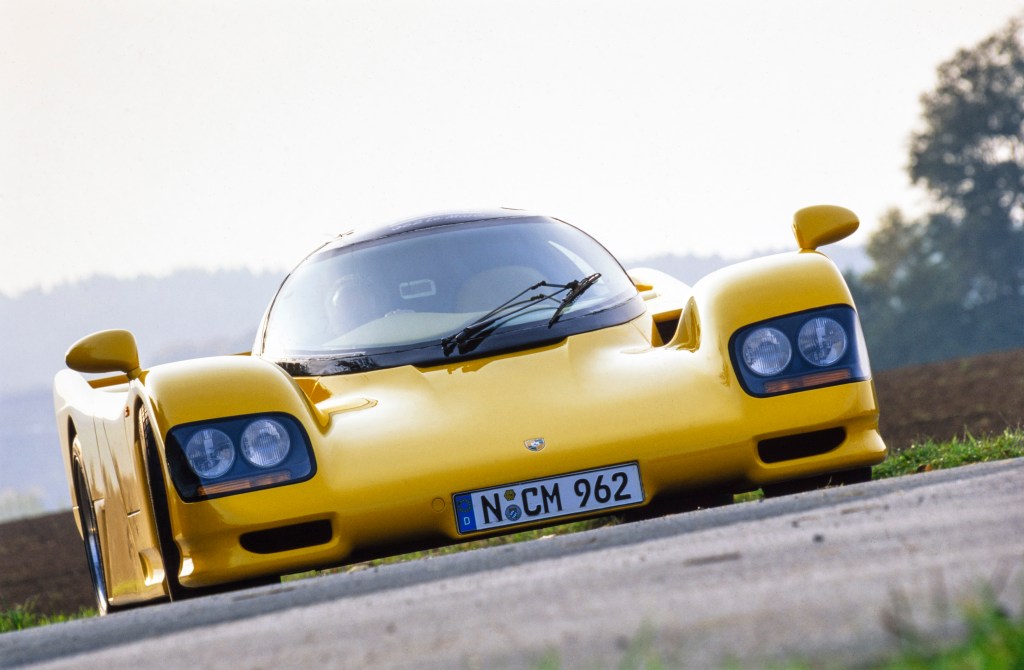
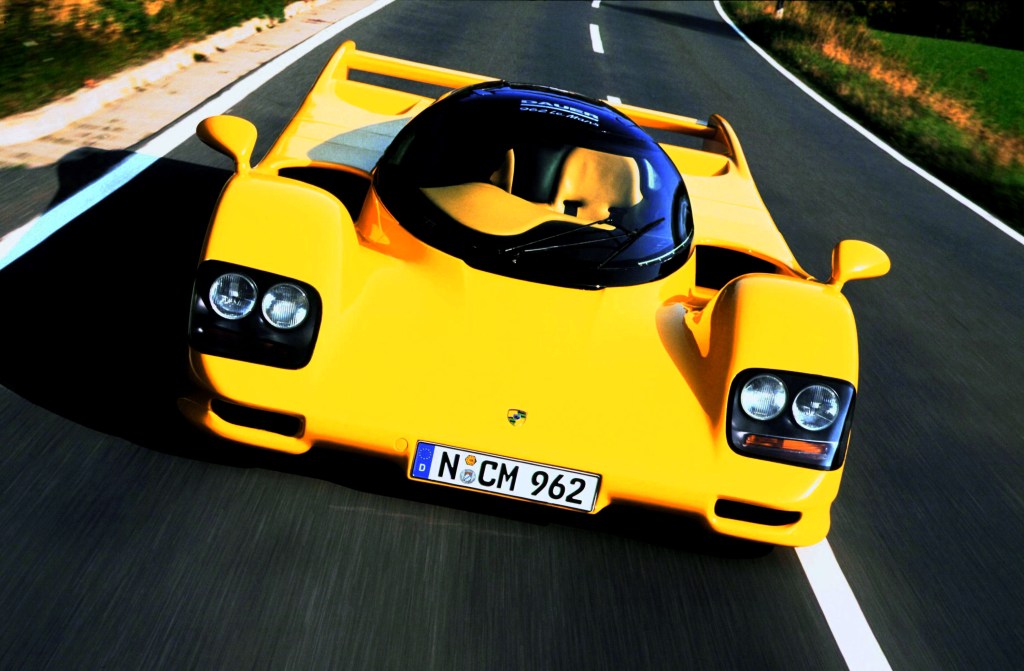
Jochen Dauer był bardzo szybki za kierownicą Porsche 962C, którym zwyciężał w legendarnej już Grupie C. Format jednak dobiegał końca (zakazano turbów), a Dauer widział w wyczynowym aucie potencjał na drogi. Jeszcze w 1991 uzyskał 5 nieużywanych nadwozi, i rozpoczął pracę nad czymś, co miało się stać Dauerem 962 LM. Plan był prosty: zostawić jak najwięcej, i jak najmniej spierdolić. Stalowa rama przestrzenna to właściwie 100% auto wyczynowe, bydlacki układ hamowania też praktycznie w niezmienionej formie, Twin-Turbo również pochodziło z torowych egzemplarzy. Pierwsze auto pokazano w 1993 we Frankfurcie.
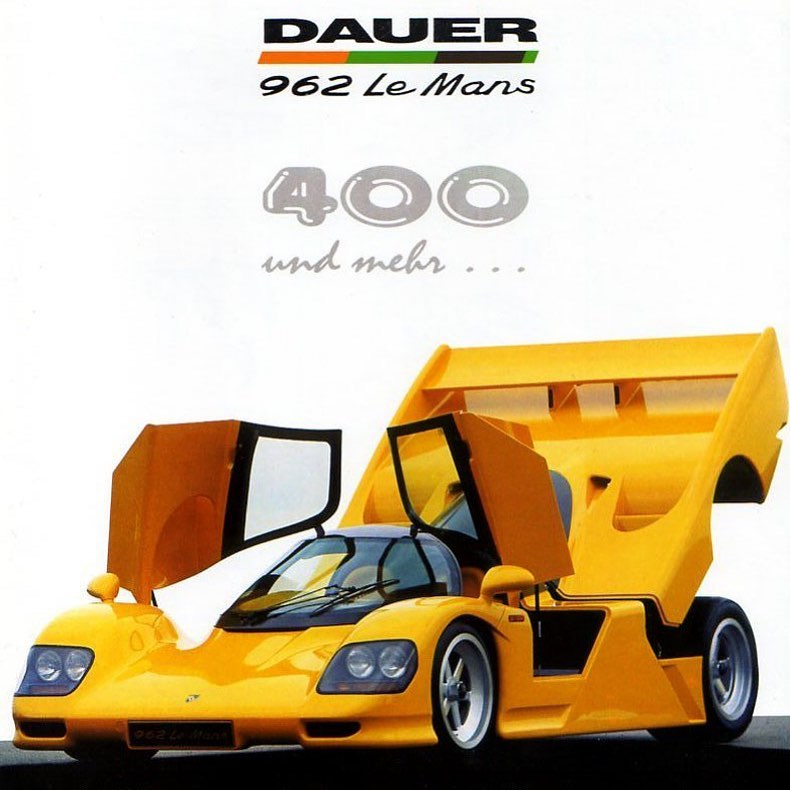
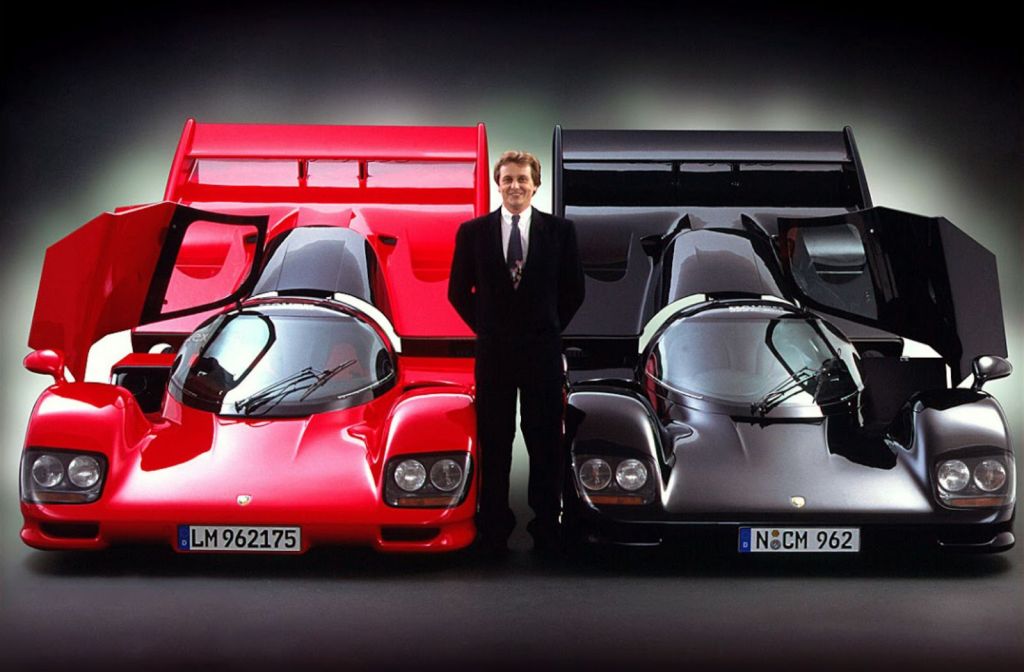
Dauer stale otrzymywał wsparcie Porsche. Nie dość, że dawali mu części, których potrzebował, to zawsze mógł liczyć na dobrą radę doświadczonych inżynierów. Gdy kształtu nabrał egzemplarz z auto show we Frankfurcie – został on poddany gruntownemu przeglądowi wykonanemu przez Norberta Singera z działu technologii motorsportu Porsche. No… zachodzi podejrzenie, że chłop mógł znać się na rzeczy. Co stwierdził: że jego zdaniem auto się nadaje na wymiatacza w klasie GT1 już w takiej formie, jakie było – jakie tam stało. Aby zostało dopuszczone, należało wykonać drogowe odpowiedniki w ilości sztuk 1. GT1 to była fajna zabawa, bo – w odróżnieniu od Grupy C – zachęcała do eksperymentowania z technologią na drogi publiczne, efektem czego powstawały “odważne” supersamochody lat dziewięćdziesiątych.
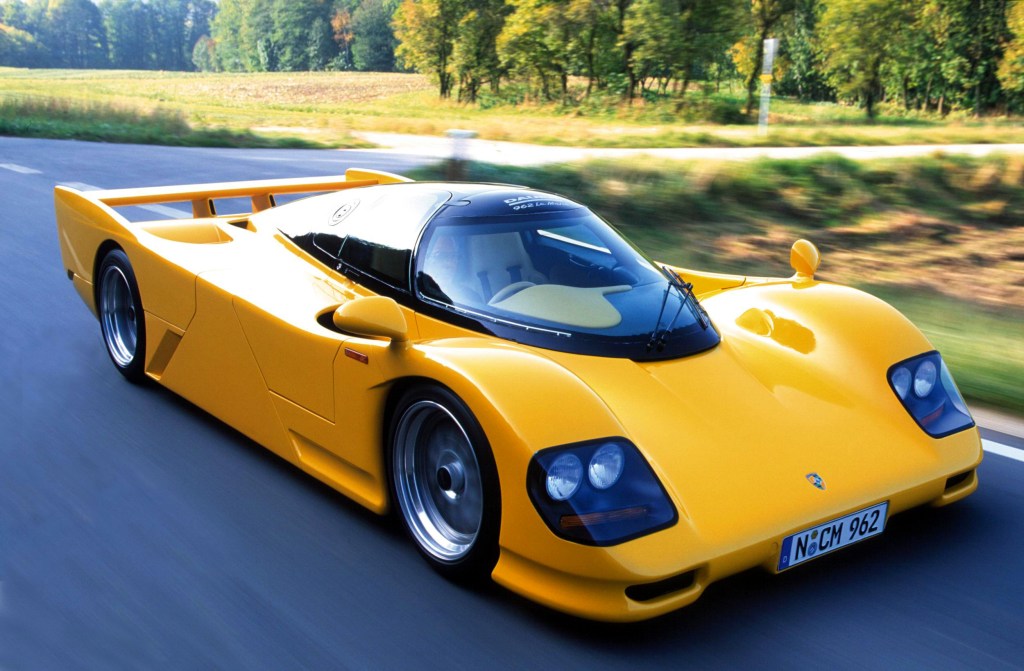
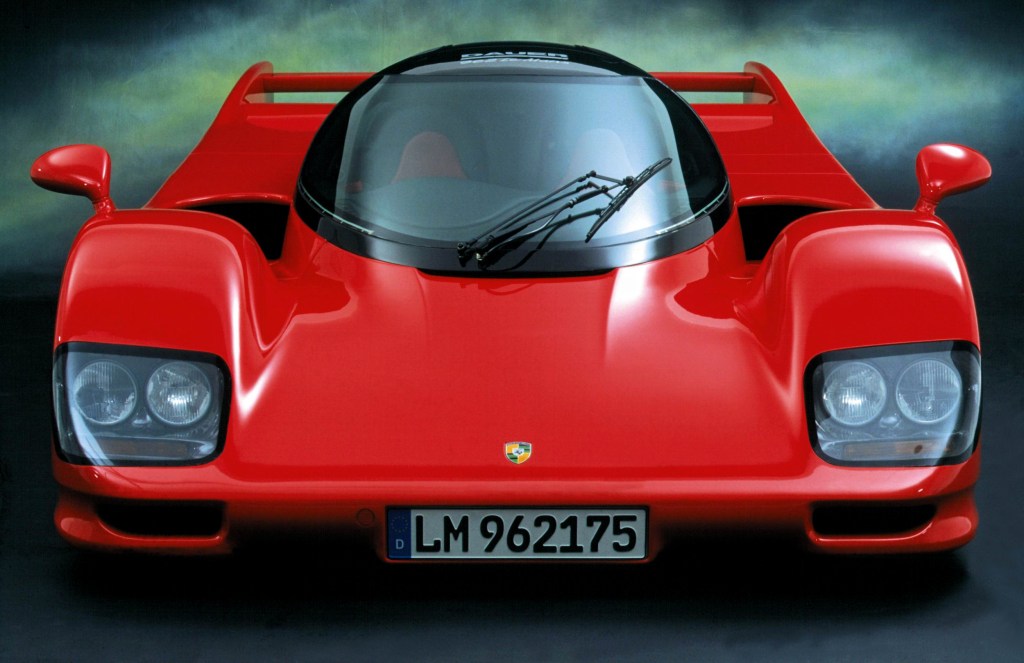
Z Singerem u steru, Porsche zaangażowało się w projekt jeszcze bardziej. Chcieli zobaczyć pojazd Dauera na torze, i dali mu pełne błogosławieństwo. Można było się tego spodziewać, bo przecież to właściwie było Porsche. Najwięcej prac ludzie mieli z dostosowaniem aerodynamiki. 962C większość docisku uzyskiwało za pośrednictwem tuneli kierujących powietrze pod pojazdem (i model 962LM też je miał, ale do wyścigu już nie mógł). Zasady GT1 wymagały kompletnie płaskiego spodu auta, więc tym razem by to nie przeszło. Odpowiedzi należało szukać w zmianach w karoserii.
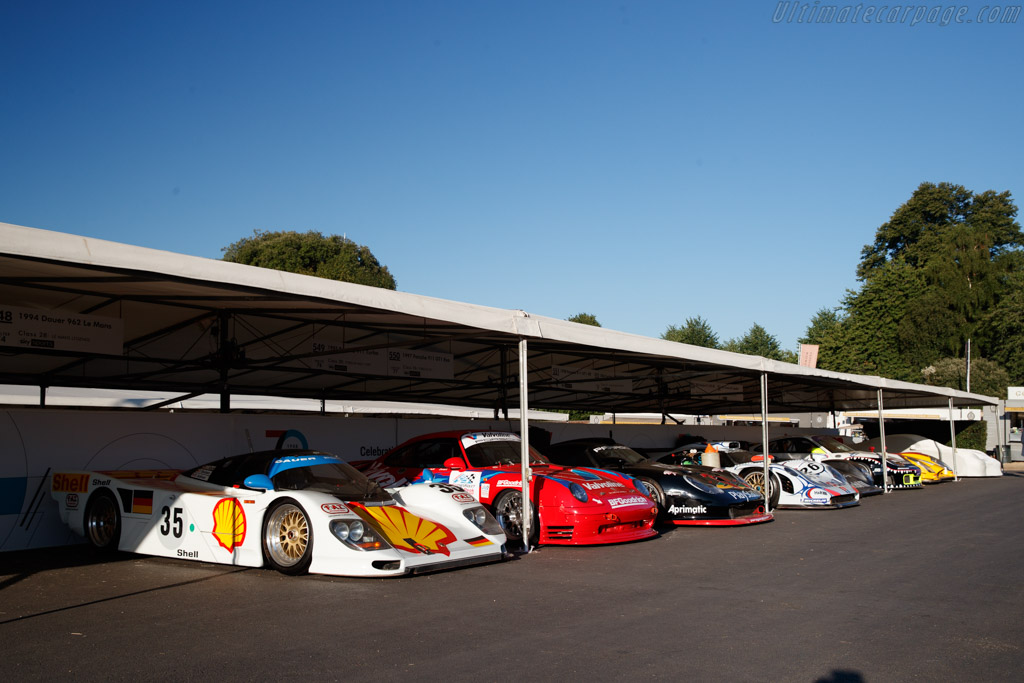
Pod skorupą z kevlaru Dauer niewiele się od 962 różnił, tak naprawdę. To był aluminiowy monokok rozpędzany za pośrednictwem solidnych 3 litrów ułożonych na płasko. To był ten sam silnik, co w drogowym aucie. Bardzo podobny. Wyścigowy wariant musiał być wyposażony w odpowiednie zwężki dolotu, przez co moc zamykała się w 600 kucach. To i tak więcej niż auta w byłej Grupie C. Tym też Dauer przyciągnął zainteresowanie Singera. Auta mogły być raz, że mocniejsze – a dwa, że lżejszejsze – więc Singer miał czym się pobawić.

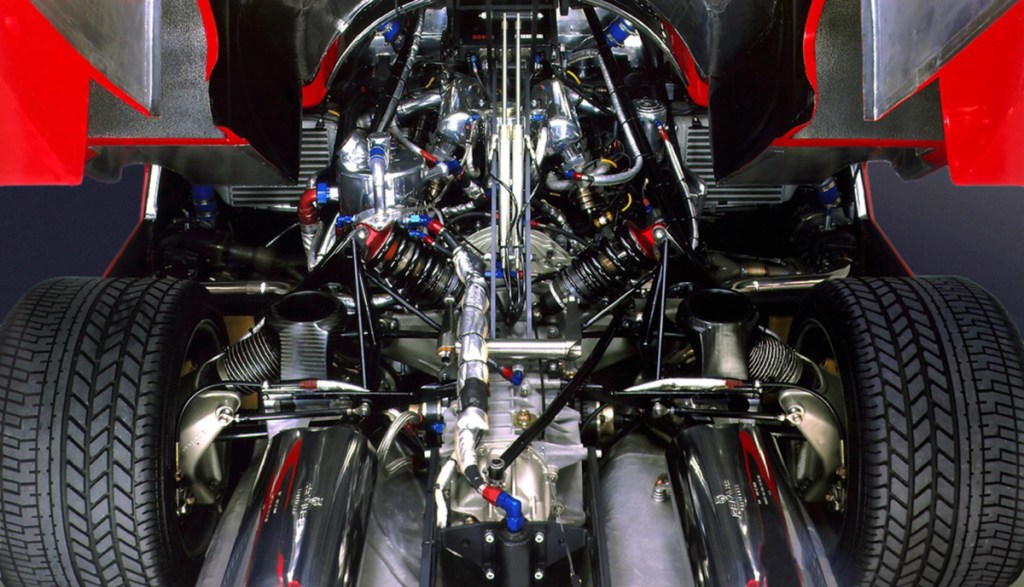
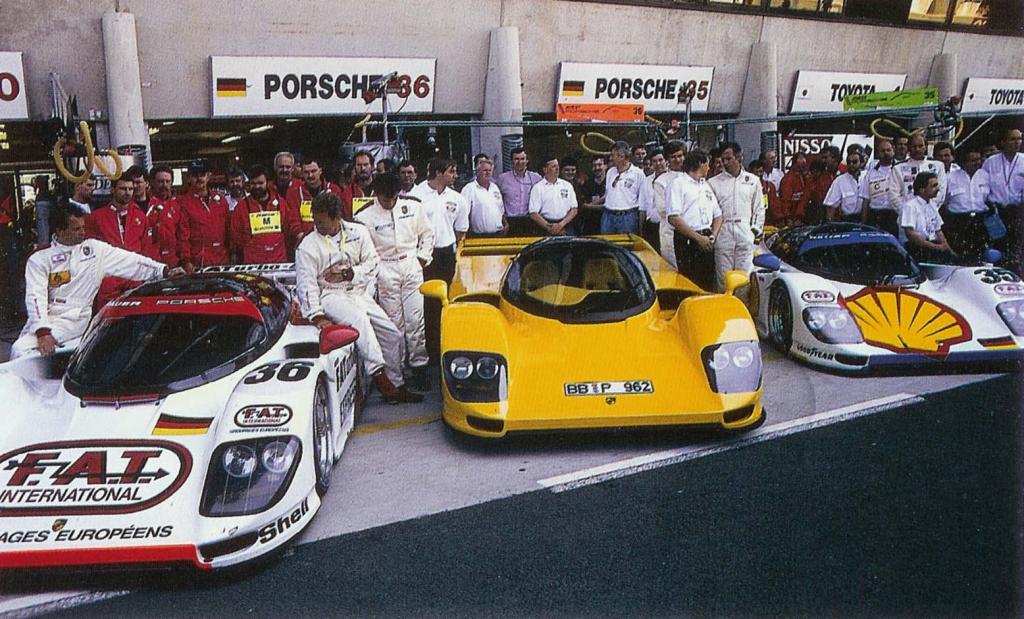
Chciał wysłać to cudo na 24-godzinny wyścig Le Mans, i ostatecznie dwie sztuki podjęły wyzwanie. Porsche zajęło się obsługą pojazdów i jeden z nich wyciągnął trzeci czas w przygotowaniach do eventu. Do zawodów stawały konstrukcje z nieistniejącej już Grupy C, jak i nowoczesne prototypy LMP1. W takim gronie Dauery zakwalifikowały się na 5-tej i 7-ej pozycji. Auta traciły pola w wyścigu, starając się dogonić Toyotę Grupy C, ale Japończycy mieli problem z przeniesieniem napędu – coś tam w ich skrzyni nie tentegowało. Porsche ten moment wykorzystało, i Dauer wrócił na prowadzenie. Pierwszy egzemplarz dokończył wyścig na pierwszej pozycji, a drugi dojechał na trzecim miejscu (drugim w swojej kategorii).
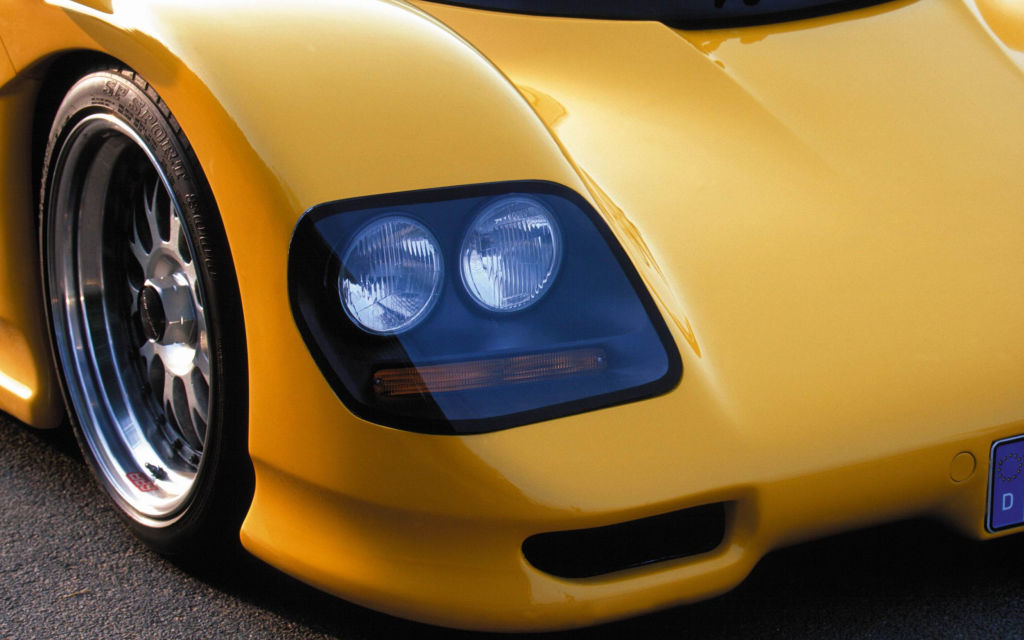
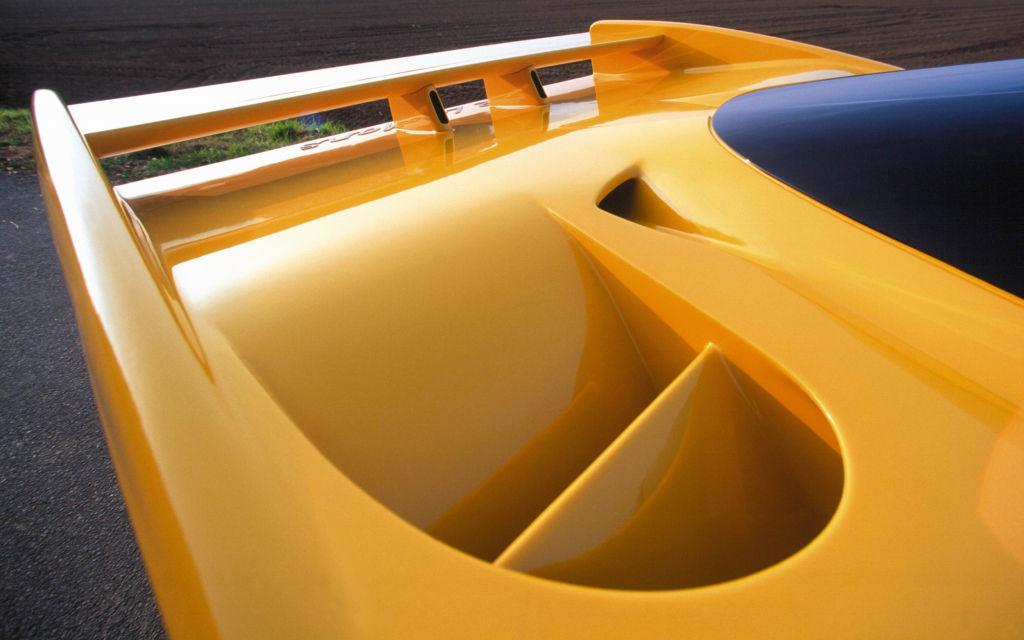
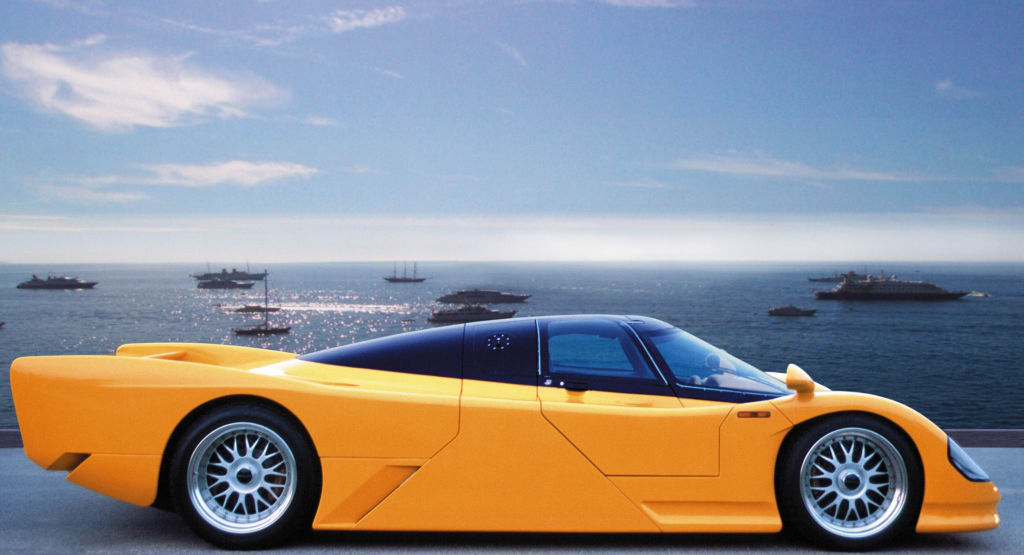
I z początku sportowych wariantów miało nie być, bo po co brać wyścigowe auto, przerabiać je na drogowe, aby potem znów modyfikować do wyścigów? No kretyńskie w chuj – ale Singer naciskał. Cały team Porsche wieszczył zwycięstwo w Le Mans. Takie zwycięstwo, oczywiście wleciałoby również i na ich konto, a auto było dobre. Do kategorii GT1 wystarczał jeden egzemplarz, i ten homologacyjny nazywał się Dauer 962LM Sport. Nie różnił się się od zwykłego 962LM właściwie Nietzschem oprócz tego płaskiego spodu auta, który był narzucony przez regulaminy. Miał też aero dostosowane do Le Mans: dłuższy nos i podwójny spojler w obniżonej tylnej sekcji miały nadrabiać oddany w fazie projektowania docisk. Opony i hamulce również były większe, ale mechanicznie to było to samo auto.
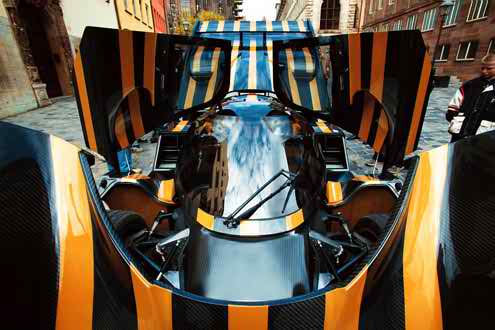
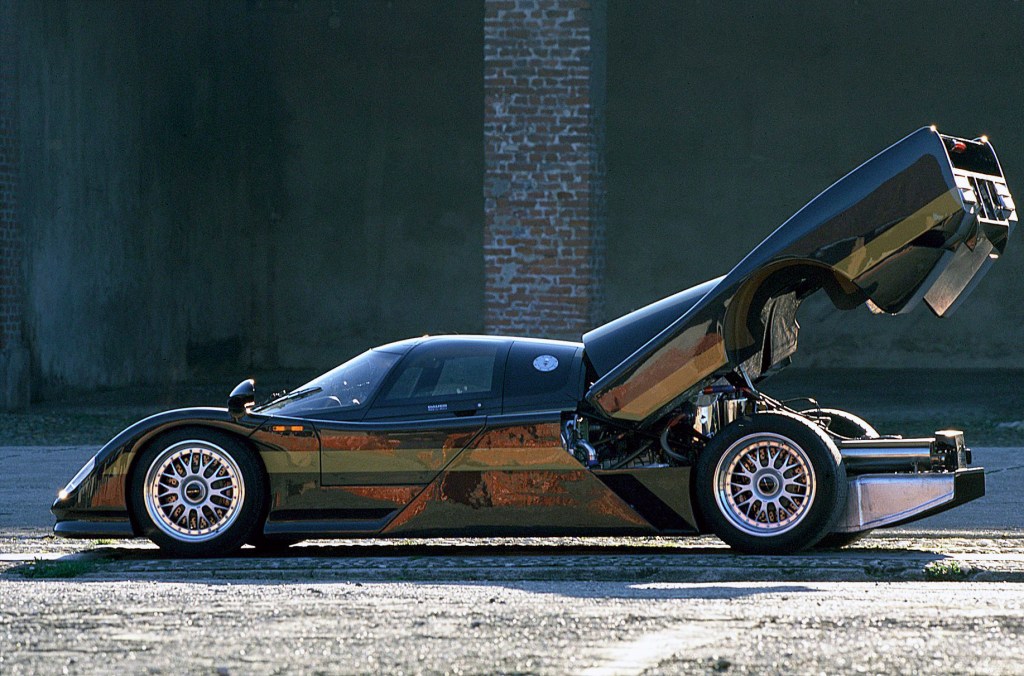
GT1 miało to do siebie, że pozwalało na większą moc o dobre sto koni w porównaniu do Grupy C – a i zbiorniki paliwa mogły być bardziej pojemne. Gdy Dauer pojawił się w stawce, wielu wniosło protest. Auto nie było w zasadzie pojazdem GT1, tylko przebierańcem z Grupy C. No ale się kwalifikował. I wygrał ten wyścig. Nie tylko w swojej klasie, ale i ogólnie. Dauer był 15 sekund szybszy na okrążeniu od każdego innego uczestnika w swojej kategorii. Wielu widziało w tym wypaczenie całej idei GT1 i organizatorzy zbanowali to auto w następnym sezonie.
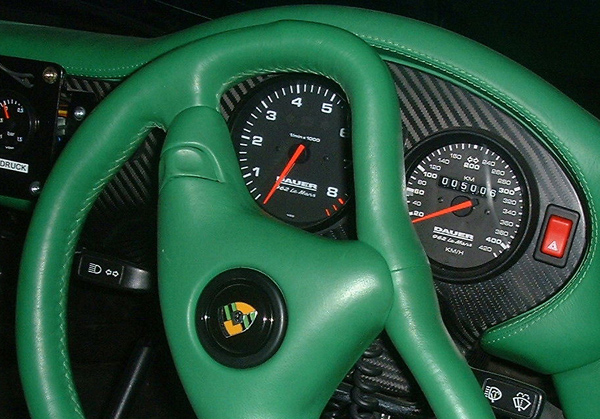
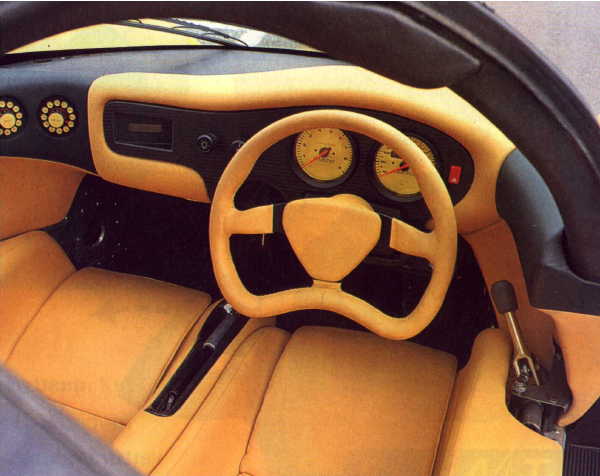
Dzięki swym wyczynowym genom i sportowemu doświadczeniu Porsche – a w szczególności technicznemu talentowi Singera – Dauer miażdżył wszystko w tamtym okresie. Jaguary, to on brał na lajcie jeszcze przed śniadaniem, a McLarenem do tego zakąszał. Nawet McLaren, którego wielu (całkiem z resztą niebezpodstawnie) uważa za szczyt szczytów, mógł nie wystarczać na to Porsche. Osiągi Dauera zostały zduszone dla użytku cywilnego – dodano katalizatory, przeroprojektowano linie nadwozia, aby trochę zmniejszyć docisk i opory powietrza – a i tak robił setkę w 2.5 sekundy i rozpędzał się do 400 km/h. Drogowy odpowiednik. To było najszybsze auto na drogi publiczne – dużo szybsze od McLarena.
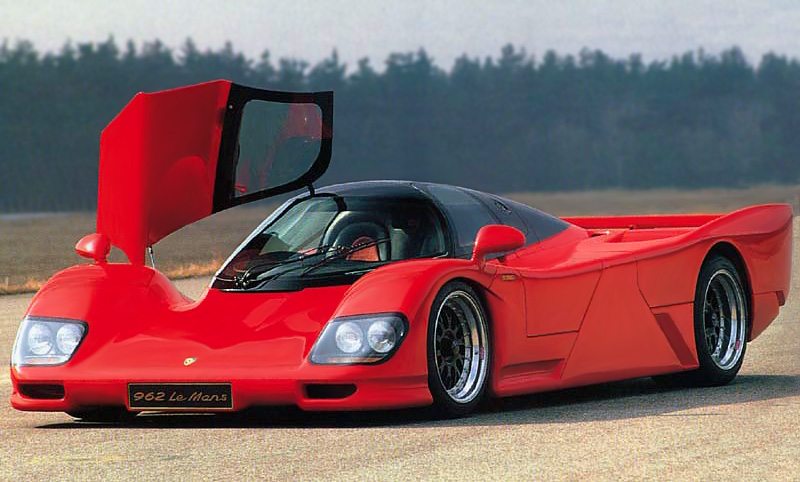
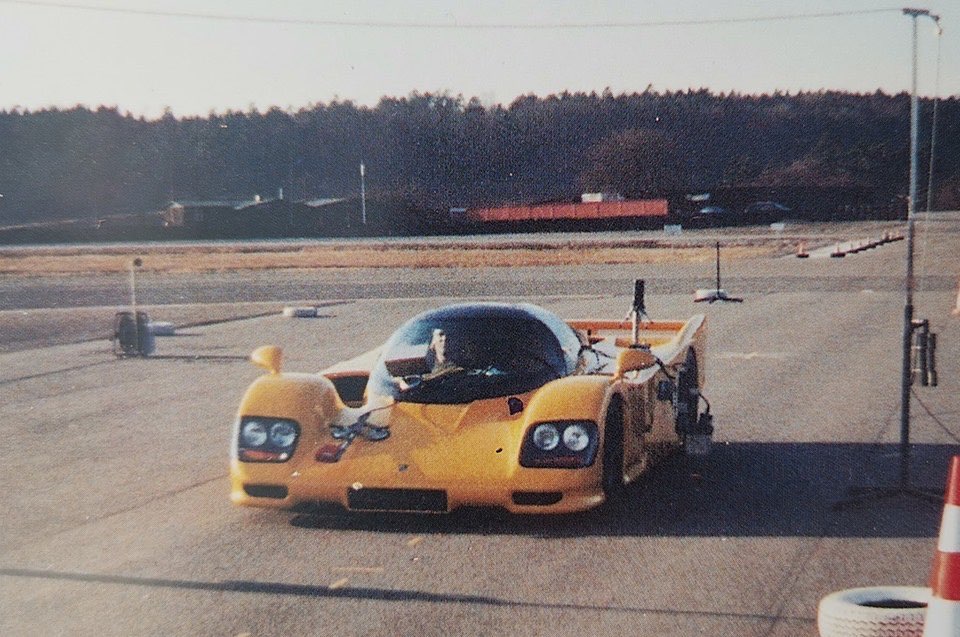
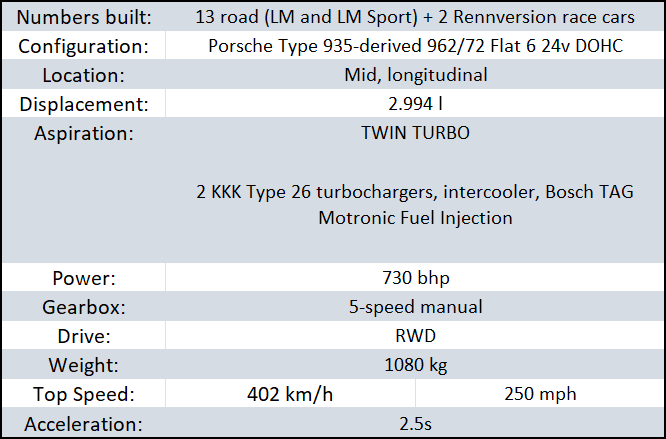
Moc czerpało z 3-litrowej jednostki Type 935 Porsche, chłodzonej wodą, na podwójnym wałku. 24-zaworowy boxer z dwiema turbinami, i po jednym intercoolerze dla każdej. Za zarządzanie pracą silnika odpowiadał system wtrysków Boscha, a współczynnik kompresji wynosił 9.0:1. Taki układ zdolny był wydać 730 koni bez VAT, czyli dobre 240 na litrze. To jest ilość, która urywa odbyt z korzeniami – i wynik lepszy nawet od techników Porsche, którzy użyli tej samej jednostki w 911 GT1 – z dużo gorszym rezultatem. Ludzie myśleli sobie “nie… to niemożliwe”. Tym bardziej, gdy Dauer twierdził, że jest szybszy od modelu F1. W listopadzie 1998 na testowym obiekcie Volkswagena, torze Ehra Lessien, Dauer wykonuje manewr, który będzie kosztował Anglików całą ich pierdoloną karierę – i przekracza prędkość 404 km/h.
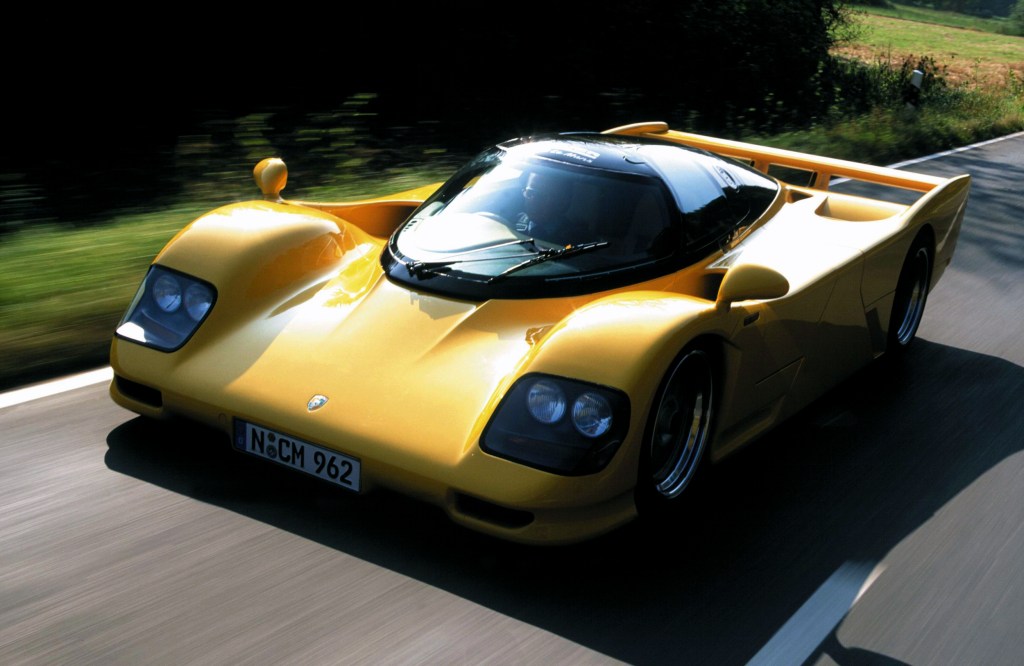
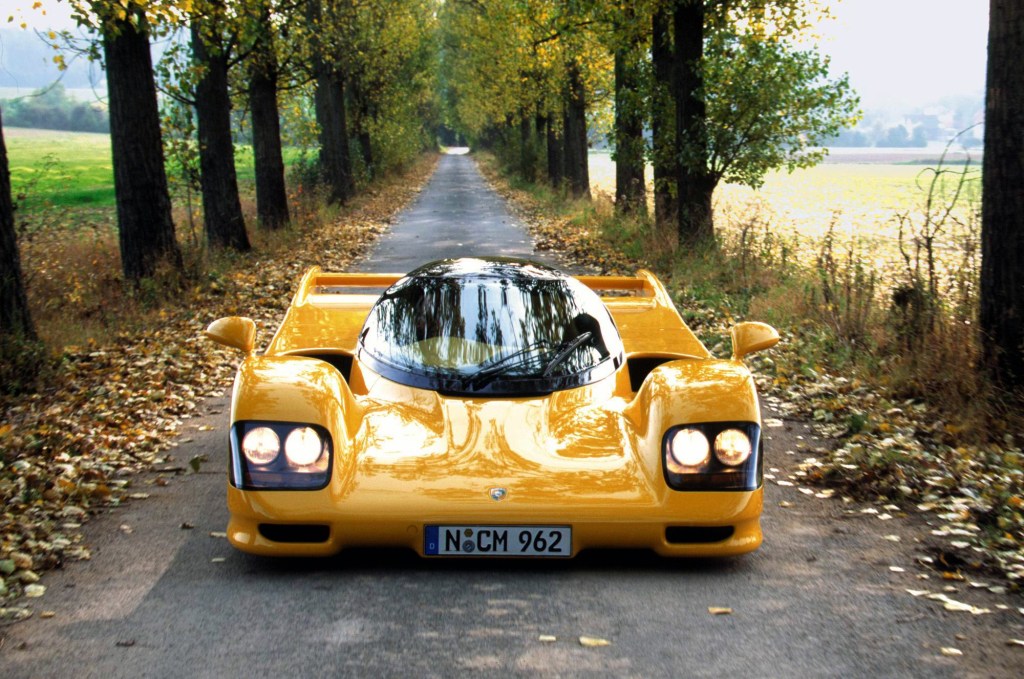
Auto miało wystarczającą moc, aby zniszczyć McLarena. Cały pakiet ważył niewiele więcej jak tonę i miał idealny do tego współczynnik oporu powietrza – dużo lepszy od wyścigowych wariantów z nadmiarem docisku. Więcej jak połowę z niego zdjęto dla wykonania tego auta, przez co nie było w stanie pokonywać zakrętów na tak dużych prędkościach, ale mogło się rozpędzać do prawdziwie pojebanych wyników. Moc była przerzucana za pomocą 5-stopniowej przekładni, i trafiała na ogromnej średnicy koła. Zawieszenie, to oczywiście podwójne wahacze i sprężyny z tytanu. Amortyzatory można było regulować jak w 959. Auto się podnosiło za przestawieniem przełącznika w kabinie, i pozwalało pokonywać przeszkody na drodze – albo obniżało zapewniając dodatkową stabilność. 4-tłoczkowe hamulce Brembo zatrzymywały to cudo – tarcze o średnicy 33cm, nawiercane i wentylowane.
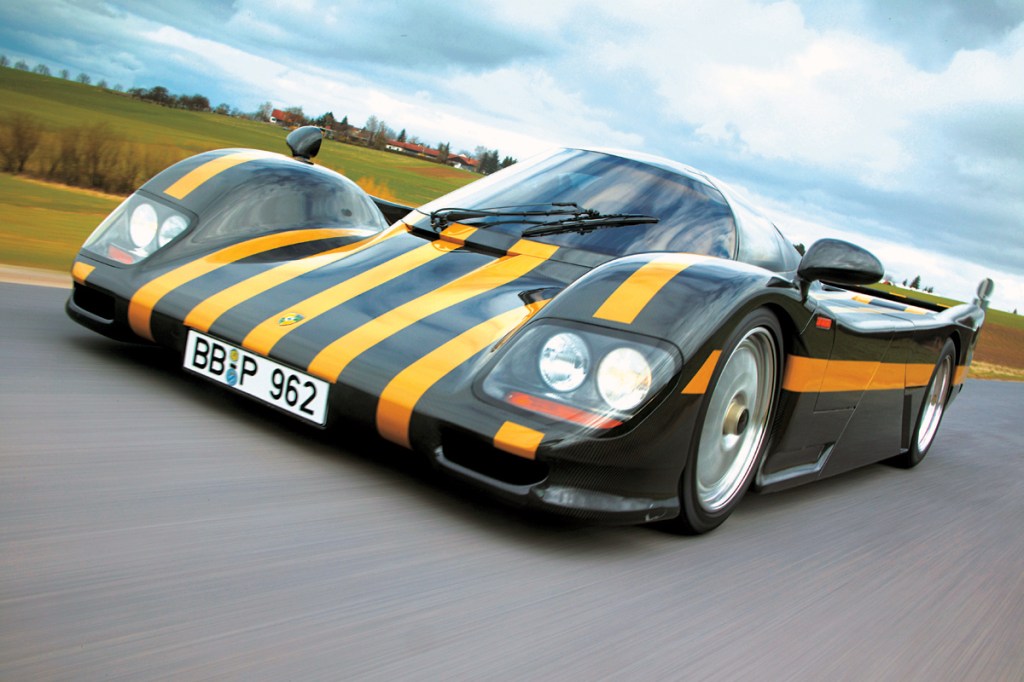
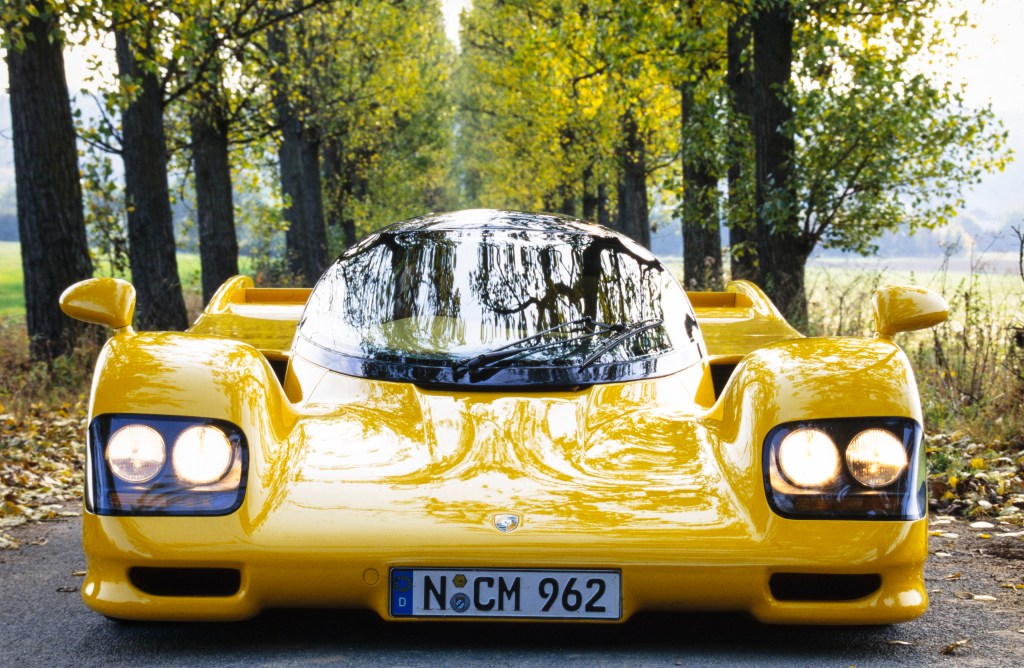
Auto prowadziło się wspaniale. Było stabilne i mimo, że sztywne zawieszenie o skróconym suwie zapewniało czysto wyścigowe wrażenia, to sprzęgło i układ kierowniczy nie chodziły tak topornie jak możnaby się tego spodziewać po torowych odpowiednikach. Nie dość, że Niemcy zainstalowali tam klimatyzację, to jeszcze taką, która naprawdę działa! Auto wyposażono w ABS, ale… jego natury nie oszukasz. Mimo wszystko, jest to jednak pojazd przeznaczony właściwie wyłącznie na niemieckie autostrady i w takim środowisku czuje się najlepiej. Na innych drogach może mieć problemy nieprzewidziane dla użytkowników tego modelu. Kabina była ciasna – wyścigowe Porsche miało tylko jeden fotel przeznaczony dla kierowcy. Dauer znalazł tam miejsce i dla pasażera, tak blisko ściśnięte, że obaj mogą smyrać się po nogach. Aby wejść do środka, kierowca musi odłączyć kierownicę, a gdy już się tam znajdzie, to może się zdarzyć, że będzie uderzał głową w szybę.
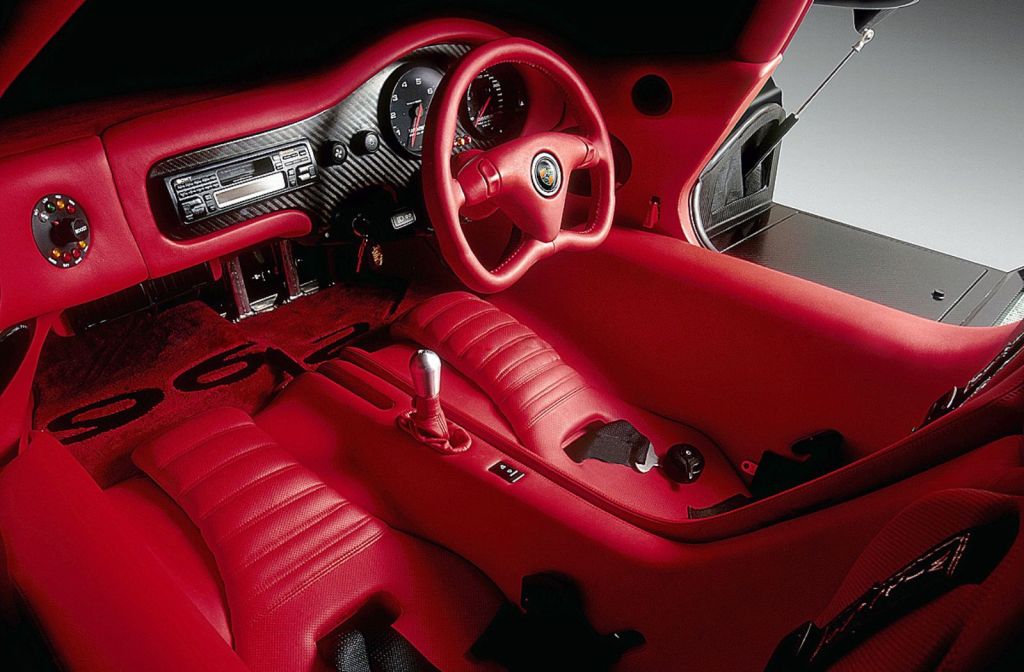
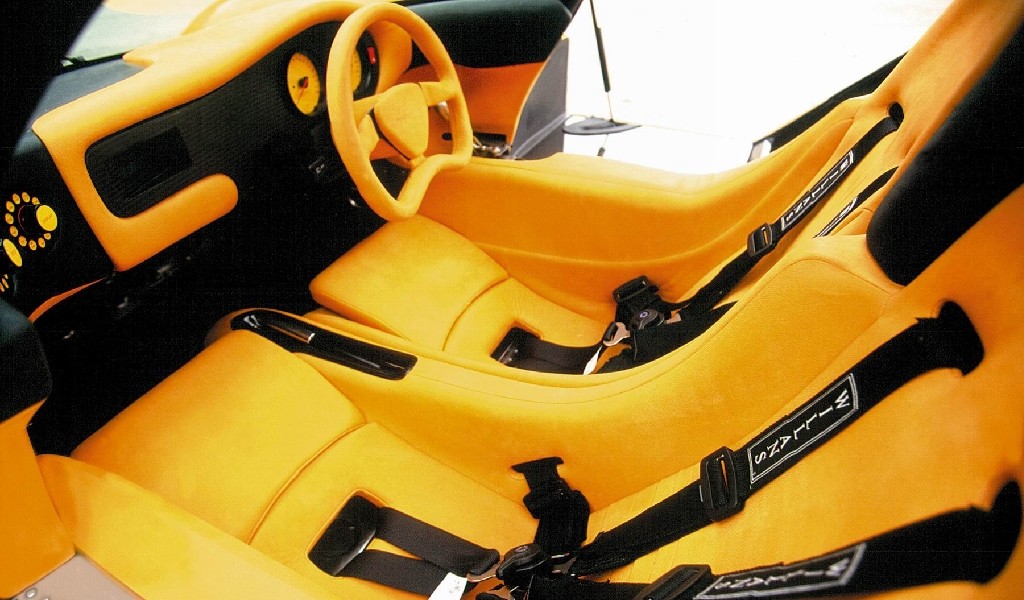
To dlatego, że siedzenie wyścigowego modelu było na środku, a w Dauerze kierowca musiał przesunąć się na bok. A kształt kabiny został niezmieniony. Dauer wolał nie ingerować w strukturę pojazdu. Jest ona otoczona ogromnymi progami, które trzeba w jakiś sposób przeskoczyć aby jakoś się do środka dostać. Progi z prawej strony skrywają niewielką przestrzeń na bagaże, ale praktyczne to to nie jest. Za tym przedziałem, jak również przy progach z lewej strony, znajdują się wiatraki jak w aucie wyścigowym. Najgorzej jednak jest z widocznością. Jedyną pomocą – choć niewielką, bo były bardzo oddalone od kierowcy – były lusterka boczne. Tylnej szyby nie było wcale. Za to do przodu kierowca widział wszystko.
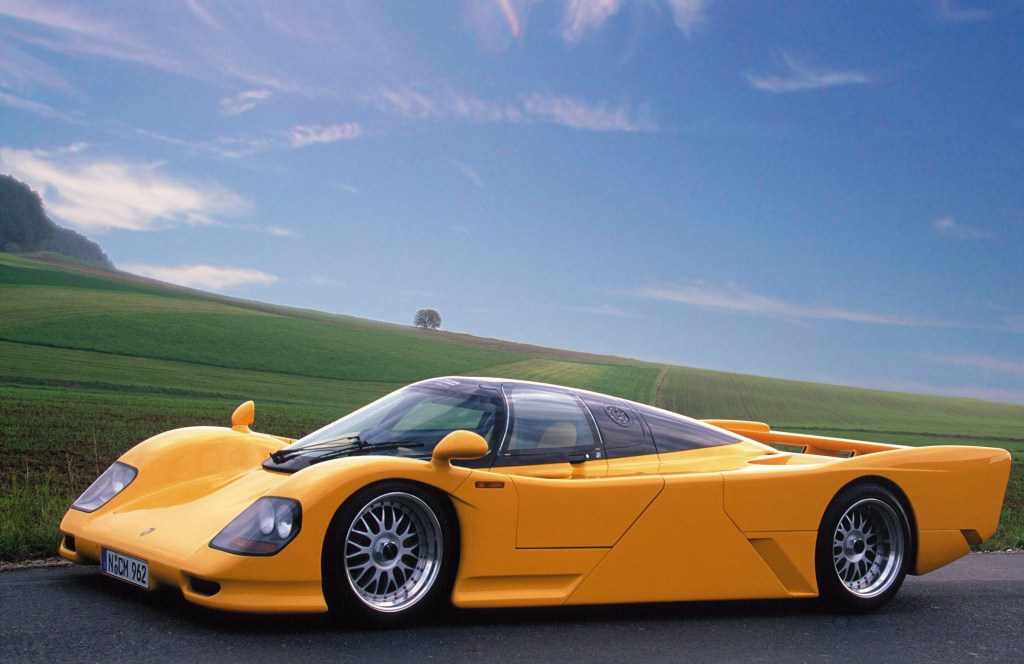
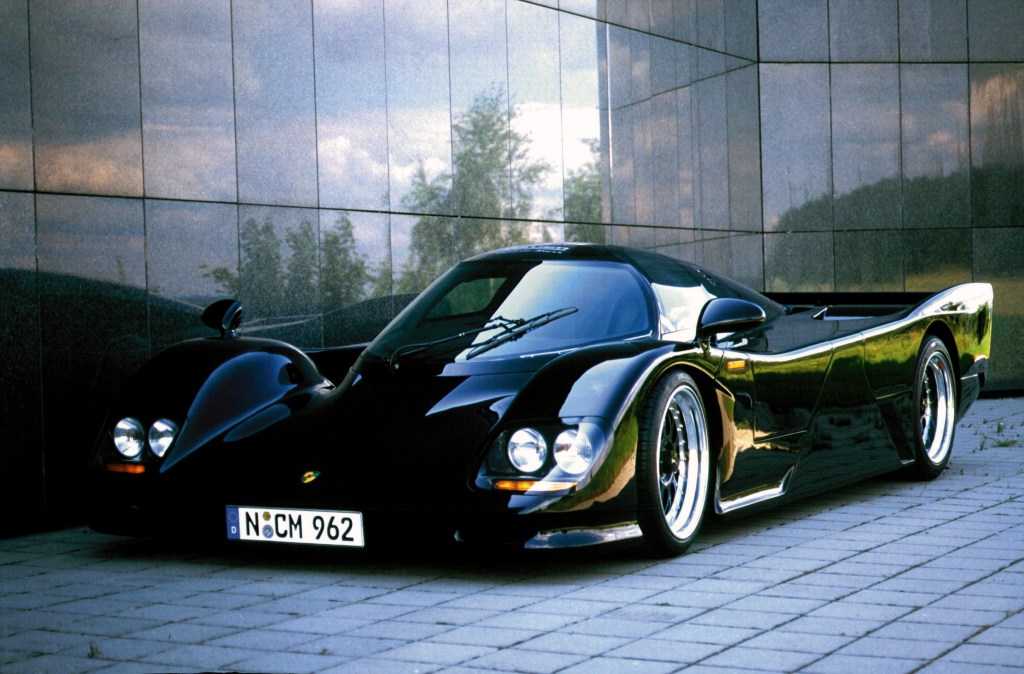
Ciekawym jest fakt, że – podobnie jak z Cizetą V16T – Dauer był autem, które można było sobie kupić nowe nawet do całkiem niedawna. Nowe, nie nowe – program Cizety nigdy nie został oficjalnie zamknięty i, gdyby ktoś sobie życzył, powstałaby całkowicie nowa maszyna. Z Dauerem było jednak trochę inaczej, bo firma ciągle przyjmowała zamówienia, ale wszystkie egzemplarze 962 LM – tak pierwsze, jak i te z końca produkcji – powstały na podstawie wyścigowych modeli Porsche 962. Ciężko więc tu mówić o całkowicie nowym aucie. Dauer twierdził, że miał moc przerobową, aby wykonać nie więcej jak 50 sztuk ogólnie. Oficjalnie chyba nigdy nie podano w ile egzemplarzy tchnięto życie – są pewne estymacje – ale z pewnością jest to jeden z najrzadszych supersamochodów – a swego czasu najszybsze auto świata.
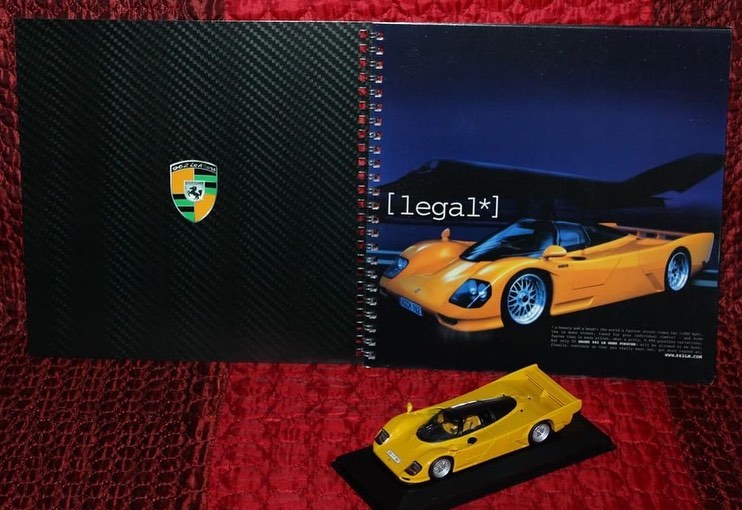
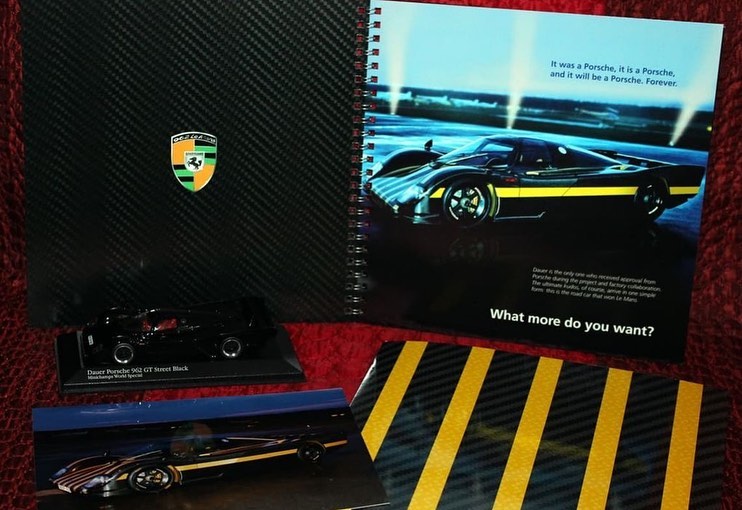
Ciekawie przebiegał żywot tego modelu. Zaczęło się od wyścigowego pojazdu Porsche, z którego zrobiono drogowy supersamochód – aby przekształcić go spowrotem w wyścigowy bolid. To Singer wykrył te kruczki w regulaminach, które pozwalały na – w efekcie wykonanie właściwie pojedynczego pojazdu i spełnienie wszystkich warunków homologacji. Organizatorzy po czasie ukrócili te manipulacje i wprowadzili wymóg 25 sztuk modelu. Dauer nigdy już nie wrócił na tor. Postawił tym sposobem “kropkę nad i” – zwieńczając karierę sportową modelu 962 tamtym zwycięstwem na torze Sarthe. Zakończyła się pewna epoka dla Porsche, bo samo 962 długo wygrywało, a przed nim 956 praktycznie tej samej konstrukcji. Dauer dla cywili powstawał aż do 2002 roku, w tempie 1-2 egzemplarzy rocznie. Ich liczbę obecnie szacuje się na ok. 13 sztuk. 6 z nich w posiadaniu Sułtana Brunei.
Krzysztof Wilk
Na podstawie: ultimatecarpage.com | autozine.org | wheelsage.org | ultimatecarpage.com | autoevolution.com | dailysportscar.com | dempseymotorsports.com | evo.co.uk | autogen.pl | goodwood.com | supercarworld.com | supercarnostalgia.com | porschecarshistory.com | supercars.net | IG: gt3point2 | joyofmachine | gt1history | raphcars | evo__master | trustfundmotorsports | apex_dreamcars | katana_ltd | deividman94 | jurassik79 | gtommy02 | abdielnfs | benymarjanac
1954 – Jaguar D-Type

Over two decades did the Brits have to wait for another triumph at Le Mans. They got their comeback with the appearance of the new Jaguar. Their first post-war sports car was designed by the old Bentley Boy – Walter Hassan. He led a successful campaign behind the wheel of the lightweight alloy body XK120 model. It was a promising car, yes – but if you want to start racing Le Mans, you better be real deal. That is why the XK120 got its competition variant.

The Jaguar C-Type was unveiled – or the XK120 C, if you will – running tests before ’51 Le Mans. It was a proper war machine. Powered by the same old, road-legal XK120 6-cylinder engine, but the car was built around a much lighter, far superior tubular frame. The powertrain was brutal, and with 3 Weber carburetors it could give 220 bhp. Ok, two examples never completed the race, but the final car not only raced full 24 hours, but it outclassed its rivals quite spectacularly. Ahhhh… good old times.

1952 Le Mans was raced on C-Type in test configuration – the Long Tail with improved drag coefficient. It did suffer from dramatic overheating, and retired in early phase of the race. That is why Jag had to rely on proven solutions. The new bodies were more conventional, but the cars were not left without any weapon. Each was equipped with disc brakes – and it was a real game-changer. The very reason there was no equal to a C-Type then. They came up on top, of course they did. Succeeded, while also completing works on a next racer to keep them in the lead.

Spring 1954 – the running examples are ready. There was a debate on how to call them: C-Type Mk II? D-Type? The latter stayed and by this name we know the first Jaguar car with a monocoque chassis, with subframes first welded in, but later they were connected using screws, so that they could be taken off and put back in at wish. They of course had the disc brakes system such as the C-Types. It was obvious – no discussion there.

XK120 engine required a set of mods to save space in front of the platform. Sump was shortened by half and Jaguar used dry sump in those cars. The motor was tilted 8 degrees – that’s why the hump on the hood was off-center. All in all, it was almost identical to C-Type – mechanically. The valves were increased. That’s actually why it needed most of that space under the hood. The engine architecture actually made it easier as – curious – it was the first Jaguar with the asymmetric 35/40 heads, where the intake valves are set at 35 degree angle, and the exhaust valves at 40 degrees.

Jaguar managed to save a lot of space – which allowed narrower front – which in turn allowed higher speeds at the Mulsanne straight. The significant fin behind the driver’s head – gave more stability at speed. Race examples for ’55 season were also equipped with elongated hoods, so they were reaching even higher top speeds. Jag strategy was: full attack at Le Mans – nothing else mattered. D-Types were best at being fast but quite useless at slower, twisty tracks. They had no downforce – a pronounced weakness.

Three cars entered ’54 edition of the race, and even though they had a good pace, they were no match for Gonzales/Trintignant in the – almost 5-litre – Ferrari. Another approach the year after and the Long Nose claimed third victory for the brand. After a ruthless race against the technologically superior SLRs – well… all Mercedes run away after one of their cars – in pieces – flew into the crowd on the stands. 200 victims – 80 people killed. Those Germans, right? Right? The race was continued…

At the point when Mercedes was to get back to the pits – Mike Hawthorn’s Jag was trying to close the gap to Moss and Fangio in the leading SLR two laps ahead. The Mercedes retired and Jaguar was left with no true rival. Ferraris stayed in play, but their cars were having some mechanical problems and – ones that managed not to crash – they could never keep the pace. In such circumstances did the British secure their third trophy. In the next two editions of the race, Jaguar D-Type will defend the title in team Ecurie Ecosse colors, as Jaguar closes their racing program in 1957 after their cars crash in the early stage.

The racing changes in 1958, when the new rules are introduced and the engine displacement gets limited to 3 litres. That meant the end for the D-Type. Jaguar did have some 3.0 for the XK, but that was no racer. Long story short: 20 Short Nose D-Types are sold to private buyers and actually raced – and actually: to success! Both in Europe as well as overseas. Some chassis were laying around in Jag garages, so they constructed road examples – the XKss in the number of 16 cars total (with some additional fairly recently), but they could build no more as their factory was taken by flames. In the end: they did achieve triple win at Le Mans with this model, and this model solidified their name on top of racing. In fact – with this achievement – it is one of the most successful race cars of all time, and both: racing D-Type or road XKss – are the most looked for Jaguar cars in existence. One was auctioned not too long ago – reached the price of 13.5M American presidents.

Krzysztof Wilk
All sources: favcars.com | wheelsage.org | ultimatecarpage.com | broadarrowauctions.com | rmsothebys.com | bonhams.com

1951 – Jaguar C-Type

The year 1950 was hugely successful for the Jaguar brand. XK120 model was storming the racetracks all over the world and – what’s important – it was very competitive. So much so, the mastermind behind Jaguar, Sir William Lyons, managed to see it to a beautiful sports campaign. Inspired by the winning machines, he had a dream of a Le Mans victory. 24h run was a huge deal already. The biggest auto sport celebration of the year. More than just sport, a capable fast racecar would inevitably boost sales. In fact, it would open a global market for their model range, and the US of A was a market not to be ignored. A Jaguar XK120 entered 1950 edition of the Le Mans race and it held on 4th for a magnificent part of the race. The Brits could not let this end just like that. They felt the need to support the car in its sports career.

A secret group of engineers formed an unofficial sports division within the Jag – dedicated to make sure the car decimates any possible rivals. William Heynes was appointed the head of this section, and their first vehicle: the XK120 C project. The name indicated the XK120 roots of the new model, and the ‚C’ secretly meant it was a proper competition variant. That moniker was largely abandoned and a new name was adopted: the C-Type. Its motor was a solid 3.4 Straight 6 DOHC from the XK120 – a great piece of engineering, but now with the new pistons, new cams, and a pair of new carburetors. 200 bhp it made – when XK120 was capable of 160 bhp before the changes.

Engine apart – the car was much more lightweight for racing. It had a bespoke tubular frame, with a subframe for the engine and front suspensions. Double wishbones – and a rear live axle. Each side was fitted with torsion bars, and each wheel was stopped by hydraulic drum brakes. It was a complex machine – hidden underneath an aluminum body inspired by the XK120’s sleek lines. The XK120 was much heavier though – over 350 kilos in fact – even though its body was also made of light aluminum.

The cars were finally ready for the race, but two entered examples had to retire early due to mechanical failure. Only one machine was left in the race – and he did it, the son-of-a-bitch did it! The Le Mans trophy – after over two decades – goes back to England. The C-Type was a bang – the closest rivals were 9 laps behind. Stirling Moss put his hands on the Touring Trophy later that year – and twice the Goodwood – all in Jag. He was victorious at Silverstone when in 1952 the International Trophy was raced.

The rules required production examples for homologation. Without it – it would be but a prototype. That was the plan anyway, as cars for sale always generate some income for the company. Engineers started preparing the model for the roads. The lack of good steel needed for its chassis, resulted in series of delays, but the clients could drive the first cars in spring of 1952. A bit more than 40 were made total, often sold to private racers. An F1 driver here and there. Giuseppe Farina had one, Juan Manuel Fangio bought it too – I don’t know how true that is – but story says, Farina got his car in order to reverse-engineer it in Ferrari’s workshop. It was such a threat to Italians, that once it was on the road, it became their direct rival for the upcoming season immediately.

Road version was largely unchanged compared to the sportscar. To the Le Mans ’51 exact models. Race program involved further changes in aerodynamics to counter German Mercedes machinations. Stirling Moss had a chance to test the new brake technology at Mille Miglia, but none of the Le Mans cars had such brakes in the race. As a result… drums were overheating very rapidly and all three finished early. The initial diagnosis was the new bodies were problematic, but they later learnt cooling cables were too thin for the job as well. Ah, one way or another – that race was no success. Disc brakes were far superior – Moss was best at Reims later that year – the first victor with a disc brakes car in history.

The 1952 edition of Le Mans was a failure, so the English had nothing to lose the year after. They prepared the C-Type Lightweight variants with triple Weber carburetors, 220 bhp, Dunlop disc brakes on all four wheels – AND 60 kilograms lighter than the previous cars. Not only they had more stopping power, but the brakes lasted for much longer. For longer time of braking much later, much harder. They must have learnt their lesson. Jags took the first spot, as long as the second and fourth positions. Duncan Hamilton / Tony Rolt car was the first vehicle in history to win that race with over 100 mph average speed. They did exactly 105.841 mph.

The Jaguar replaces their models with the year 1954, but the new car is still an XK120 derivative. The upcoming D-Type is just as competitive, but it was the C-Type that is to be remembered for reaching the motorsport’s top of the top. It placed their brand right next to the best racing automakers. C-Type came victorious as a works entrant or a private racer. And it made Jags more popular on public roads all over the world. It gave us new technologies – brakes we now see as standard on every car of today – first raced on the Jaguar sports cars.

Krzysztof Wilk
All sources: favcars.com | ultimatecarpage.com | wheelsage.org | classic-trader.com | historics.co.uk | rmsothebys.com | classicandsportscar.com

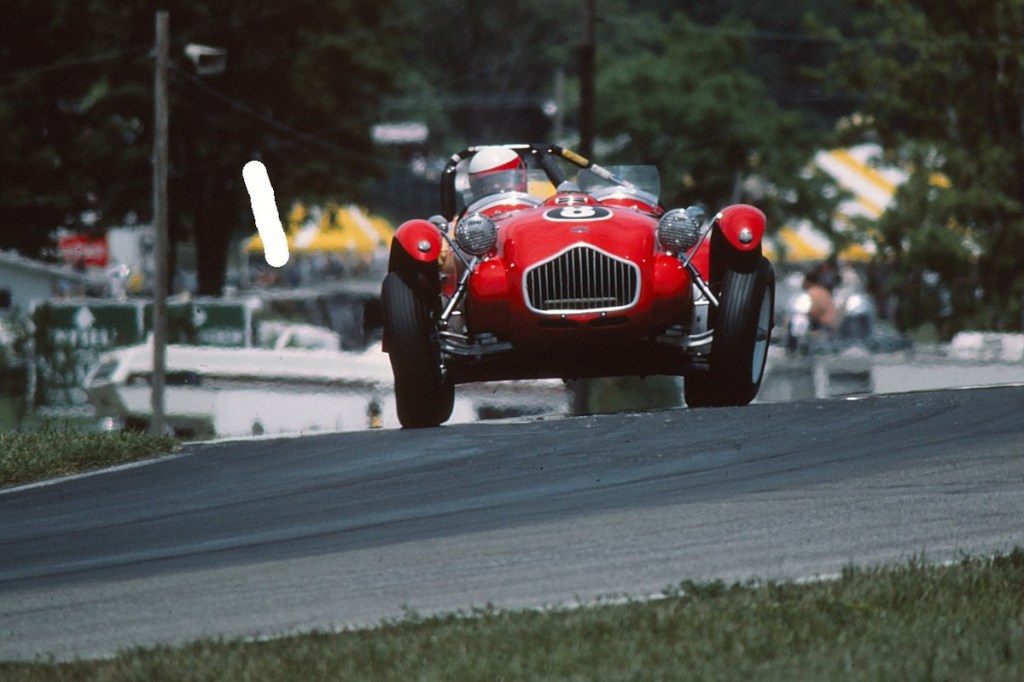
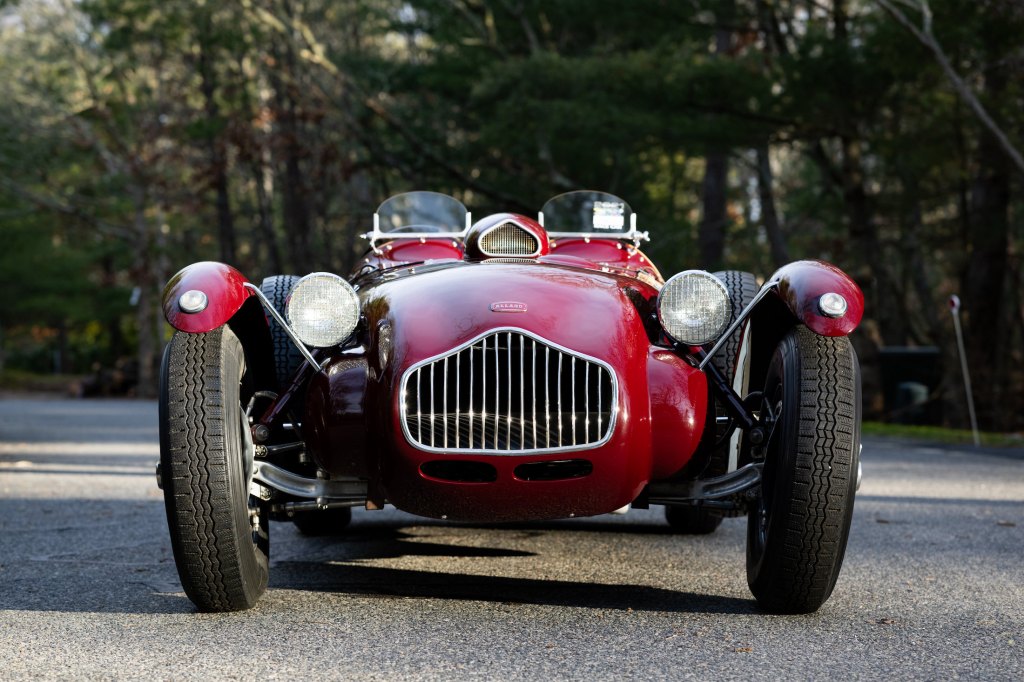
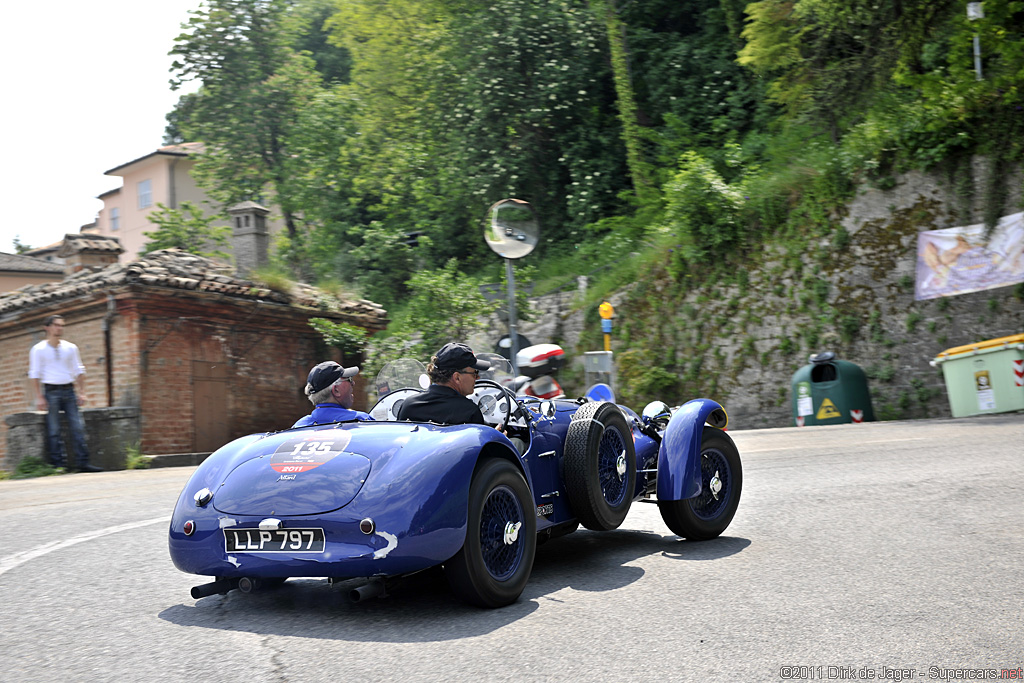
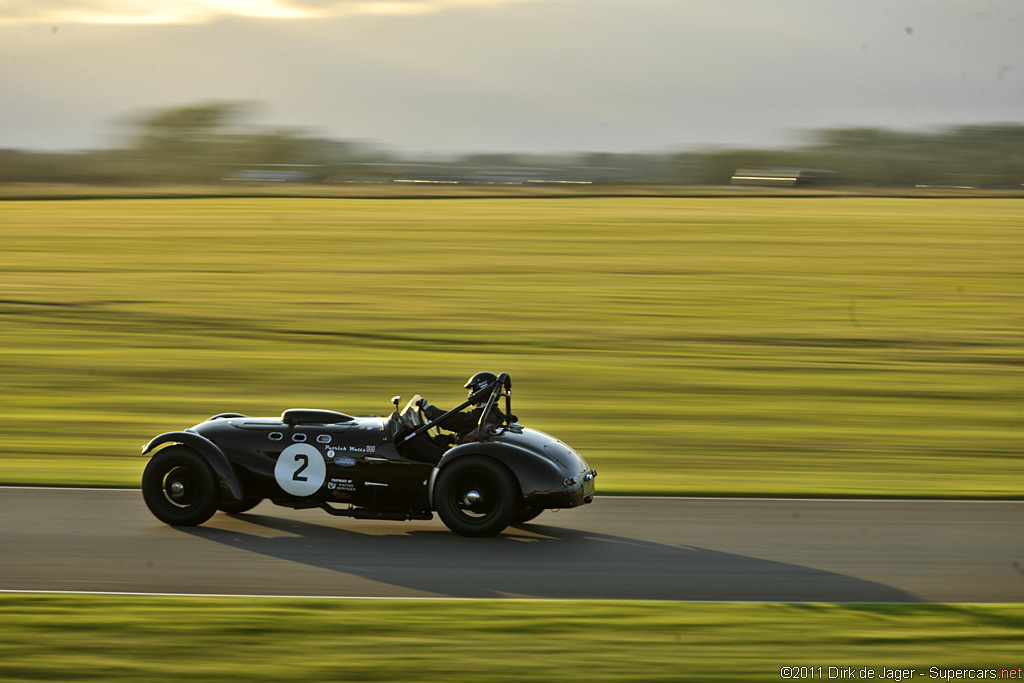
1949 – Allard J2

EngineDisplacementPowerAccelerationTop Speed
Cadillac V8 16v5.4 L160-200 BHP5.9s209 km/h
130 mph

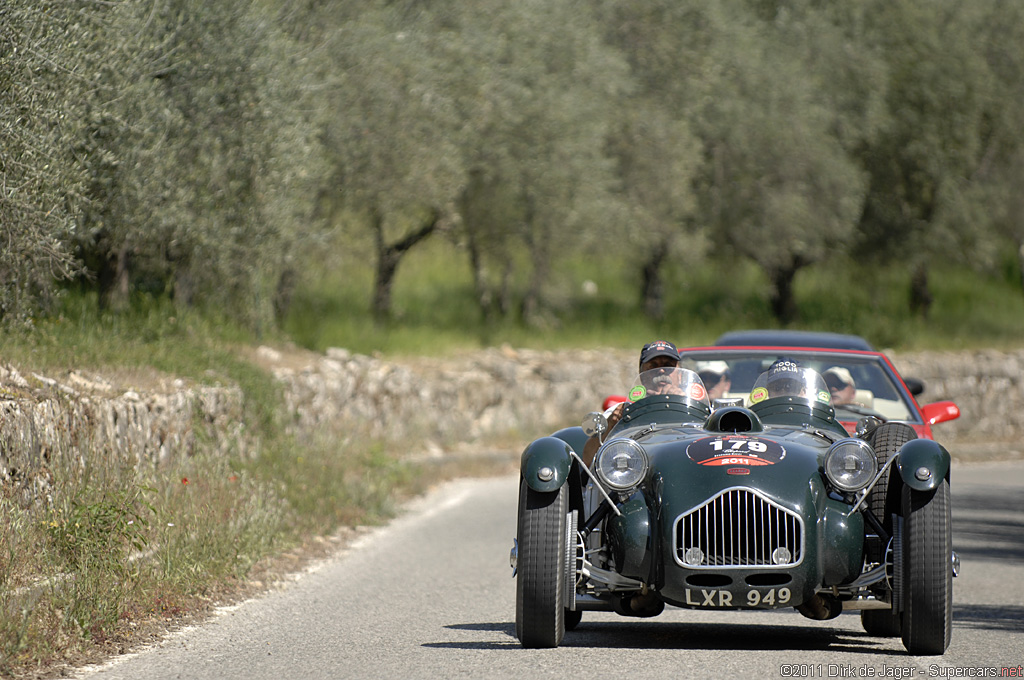
Sydney Herbert Allard was a car dealer in London. He was selling cars in Ford dealership and thanks to that he gained access to their V8 motors. Those engines helped him create a motorsport machine. The car decimated British competition before the war and it had no equal in the ’30s. It raced Le Mans and Mille Miglia. The model Special was good on the track, but Allard himself offered road vehicles only after the Second World War. I was based on Ford platform – Model 40 with its drivetrain and power delivery, but hidden underneath Bugatti Type 51 bodies. It was light and fast – made of aluminum. Very formidable if we’re talking about any hillclimb or handling, power-to-weight oriented type of racing. All of his models were made with this philosophy in mind. The post-war Special variants could also have a Lincoln V12 under the hood, though such examples were rarely seen. They had shitloads of torque, which gave them many victories. It was a good car, alright – though having overheating problems when pushed too far… That was because of the poor manifold design – but the car itself was good.

Allard focused on fixing military vehicles during the war, but when the conflict was over he could finally refresh his catalogue and start working on road examples. He managed to construct a few new projects equipped with Ford powertrains mated to a 3-speed of the same manufacture. It was suspended on a front split axle with a live axle at back – transverse leaf springs both. K1 and J1 models were pretty simple – if not crude – in their design. But they were damn fast. With a 3.9-litre V8 – for sure. M1s and L Type 4-seaters introduced later were more sophisticated. On top of that, P1 sedan was made – such a car (with a 4.4-litre power BTW.) won a Monte Carlo Rally AND was third at Le Mans. With only 3rd gear of their 3-speed gearbox actually working.

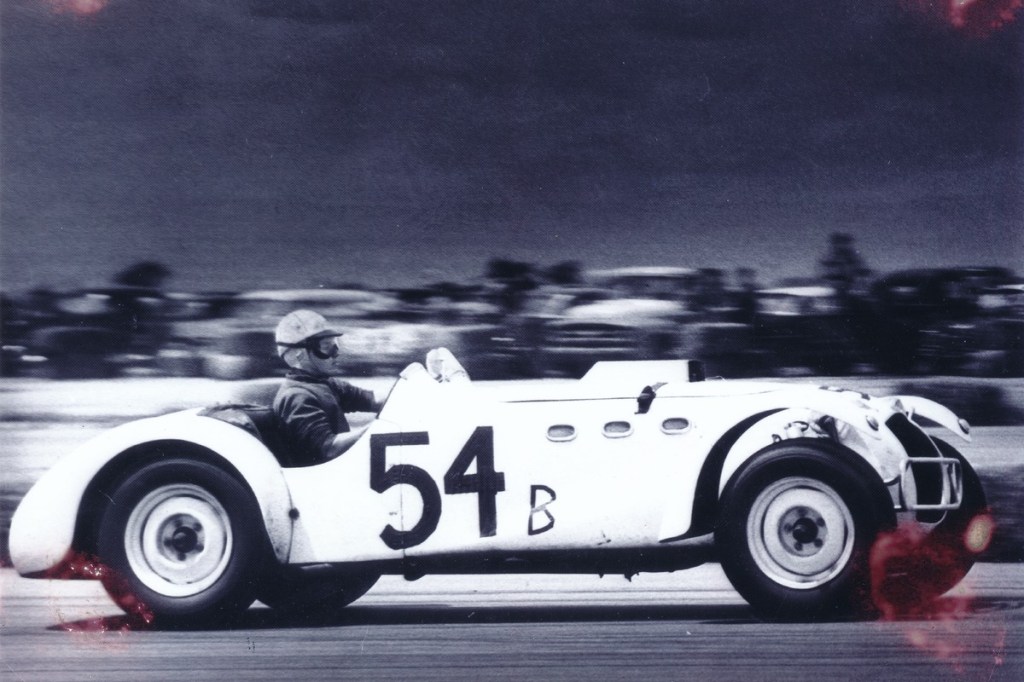
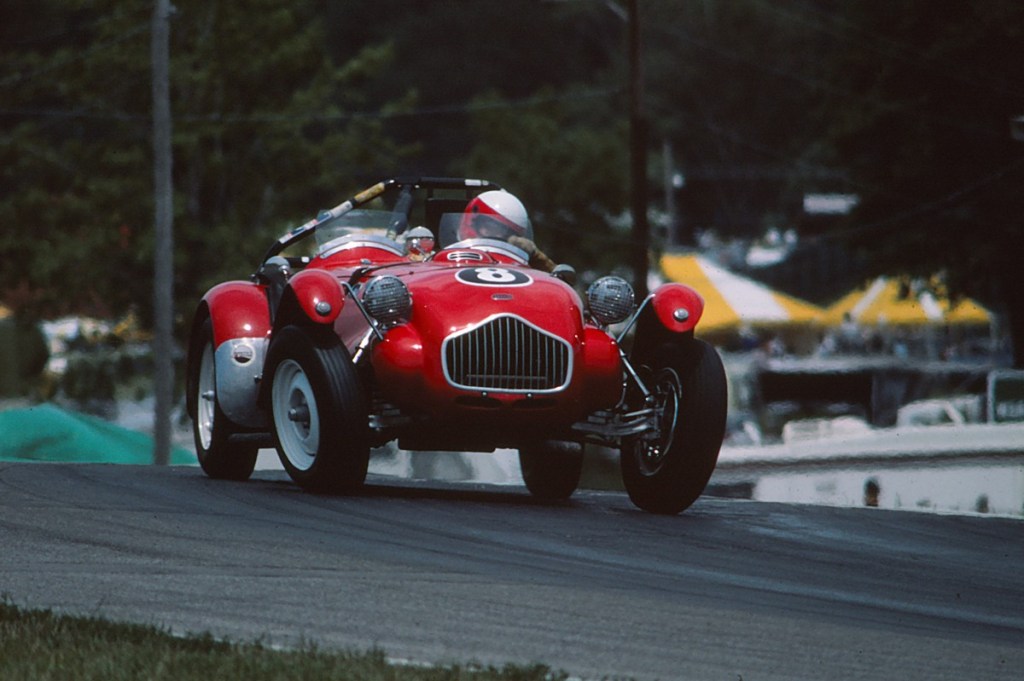
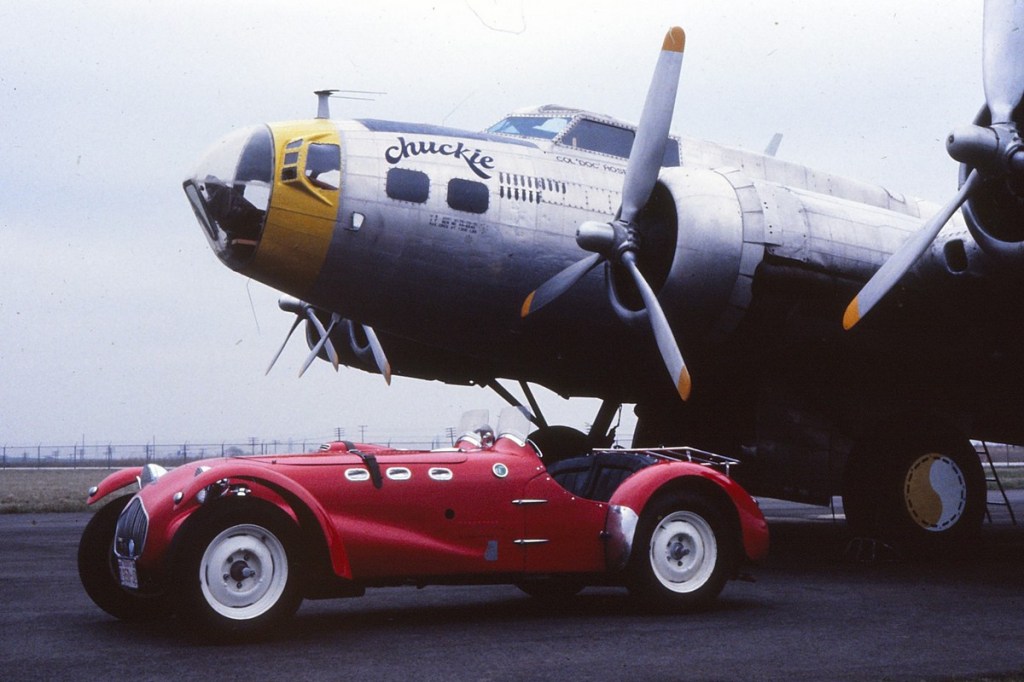
It was a good car, alright. Best of them was J2 – a model in production from 1949. This machine was a four wheel motorcycle in the essence. It had a modern V8 straight from Cadillac, which left in the dust even XK120s. Even the Jag turned out to be too slow for this shit – that’s how capable it was on the road. J2s accelerated from 0 to 60 in less then 6 seconds, and could reach 100 mph. It was a huge step forward from a J1. Did it mean the beginning of the Golden Era of Allard?

It exactly meant the beginning of the end for that company. But… but why? – you ask. Well, Jaguar was released in thousands. It had its market, on which they played a major role. Allard kept making small series of his road cars and could not possibly compete without mass production technology. No matter the performance, regardless of their build quality. That was when Jaguar offered their cars below their real value, and could flood the British roads with their vehicles if need be. Yes, sad… Anyway.

One more word about the J2 – last sentence. I promise. Well, the front suspension was closely related to its predecessor’s, but the leaves were replaced with coil springs. With DeDion, and upgrades in terms of the drum brakes design in the back – the unsprung weight was reduced. The whole V8 was pushed deep back under the hood, so the center of gravity would move closer to the middle. The sidevalve Ford V8 came as a standard, but there were also Cadillac-powered examples with a pushrod V8 motor. All in all – you could not compete against Allards of those times. There was no match. Even the best could not offer a good competition. 5.4-litre J2 with a Cadillac was best of its class at Le Mans. It landed a podium overall! Then Allard introduced updates to his J2s in the early ’50s – and those racers dominated the whole American scene. Cadillac V8 J2X and those with 331 Chrysler HEMI Firepower under the hood – you wouldn’t believe what madness it caused on the track. You wouldn’t believe. 313 starts – they won 40 times and at least on 62 occasions managed other podiums. They were raced professionally by such as Caroll Shelby (you know from the Mustangs, GT40s and Shelby Cobra I plan to soon introduce to you BTW.) or Zora Arkus-Duntov (him you recognize as a father of the Corvette).

Maybe now you have a better understanding why Shelby Cobra looked the way it looked. It was a small, lightweight roadster with a big strong V8 under. This machine deserves more attention than it gets. It was an important step in the history of motor car. Allard was the role model – inspiration for the best. Corvette was copying its philosophy, Cobra was born in exact Allard racer spirit. Vastness of the British sports cars followed similar design. It was simple, it was solid, it brought power to the table. The recipe for total domination of everyone and everything – everywhere. Even the models of more advanced technology. None could compete. Sadly, it posed threat to Jaguar’s business, and with 1958 Allard ended. They struggled with sales for almost 5 years, but they were – in the end – defeated.

I DON’T FUCKING THINK SO! After half a century of nothingness – since 2006 up until today, you can buy a brand new car from the factory, manufactured true to the original blueprints of the golden era sportscar. Even though it is a fun fact rather than a promise of mass production. We cannot really say any of the Allards – from any era – was ‚mass produced’. That would be untrue. To think about it… nothing really changed since the ’50s.

Krzysztof Wilk
All sources: M Buckley – The Complete Illustrated Encyclopedia of Classic Cars | ultimatecarpage.com | classiccarweekly.net | conceptcarz.com | supercars.net | silodrome.com | allardregister.org | wheelsage.org

1921 – Bentley 3-Litre

Ettore Bugatti himself dubbed this model ‚the fastest lorry of the world’. A 2-tonne monstrosity, crafted by the Bentley brothers, 5 times triumphs the Le Mans endurance racing. 5 TIMES! It was battle proven – gave evidence of its value in spite of its towering dimensions.

The name is Walter Owen Bentley. He was already experienced at the time – worked on some French engines. Potent racers. He claimed a few trophies with those motors himself. But what really excited him was endurance racing. His experience helped him devise a vehicle other than any other. It was big. It was heavy. Nothing like any sportscar in whole Europe – but it was indestructible. Let’s visualize it: Bugatti of the time was an 8-cylinder powertrain. A 2-litre. Often supercharged, ROOTS-type most likely. Bentley was its opposite. Powered by a naturally aspirated motor with reduced cylinder count, but significantly enlarged. Twice the displacement of the Bugatti! Yes – later examples grew to 4.5 and even 8-litres, because ‚why not?’ It was so dumb simple, that it could not fail. The architecture so trivial, that it left nothing that could possibly go wrong. The engine displaced enough to secure great power, without putting unwanted stress, which resulted in reliability never seen before. In fact, they gave 5 year guarantee for those motors. Figure that out – 5 years guarantee – in the early ’20s! Fucking crazy!

That is why – supposedly – Ettore compared the Bentley to the lorry, but… truth be told – he was mostly butthurt. Bentleys stole the Le Mans victories from Bugattis, and they were direct rivals on the Circuit de la Sarthe. English motors based their design on the pre-war Daimler-Mercedes. It was simple tech, but at the same time – their most important inspiration. Aluminum pistons, dry sump lubrication, twin-choke carburetors, overhead cam with 4v per cyl. Serious shit. One of the first penta heads – very similar to HEMI design. Both have spark in the center and the valves at an angle. The mixture ignites and it has the shortest way possible to travel, so it burns more efficiently, while giving more power from a smaller displacement. Simple HEMI though is limited to 2 valves per cylinder. Penta can have them 4 no problem – and that’s the most popular design in the 4v/cyl today.

What is more – Bentley had a long stroke, so that it could generate gigantic amounts of torque – from the very bottom and without much stress. The engine block was crafted of a single piece of metal. It saved the problems with seals and gaskets, and 70 bhp power output allowed speeds of 80 mph. The motor was placed in a steel frame, and sent power via a 4-speed manual with no synchromesh. Did I mention Bentley drew inspiration from Mercedes race technology? Yeah… about that… The English stole that engine. That’s essentially what happened, ok? Mercedes celebrated win after win before the First World War – and after the war, as they lost, the English took their shit as they always do. I’m not gonna point fingers (it was W.O. Bentley in person), but they sent the German motors to Rolls-Royce and reverse engineered their whole design.

It had a solid axle suspension with semi-elliptic leaf spring and friction damper. Early examples had brakes on the rear only, but the later models made full stopping power from drums at each wheel. The cars were created in the way that Bentley gave the mechanical part, and that was send to the people who did the bodies. It was normal at the day. And you could buy 3 types of the 3-Litre: the Red Label Speed with high compression ratio, Blue Label, and the Green Label that had a highly tuned engine and a short wheel-base. The difference between race cars and road-going versions: almost none. And Bentleys competed at Indy 500 or TT Isle of Man – where they claimed good 2nd, 4th and 5th positions. A single 3-Litre also raced the inauguration of the legendary 24-hour Le Mans. They were 4th – a great success at the first edition of that race. The Bentley claimed the fastest lap that time and it wasn’t even their best. The next year they came back victorious.

It was the vehicle that started English domination at the pinnacle of motorsport. The private road-going examples were winning sports events all over the world. The first victory at Le Mans came in 1924, with the next one in 1927 – with other 3-Litre derivatives winning 3 more times. The Bentley was a top player in that game – dominated endurance racing. The Grand Prix racing was different. It was oriented around light weight and small dimensions – the two things that Bentley lacked. That is why the 4.5-litre variants could only end on the 2nd at the French GP – and that as their best result. The 3-litre monster was the Bentley’s vision of the pure-blood race car. ‚Fast, reliable and towering’. And one that would leave the beautiful sports legacy to the entire Britain.

Krzysztof Wilk
All sources: autozine.org | ultimatecarpage.com | carandclassic.com | classic-trader.com | classicdriver.com | classicmotorhub.com | vintagebentley.com | wikipedia.org | bentleymotors.com | bonhams.com | handh.co.uk |