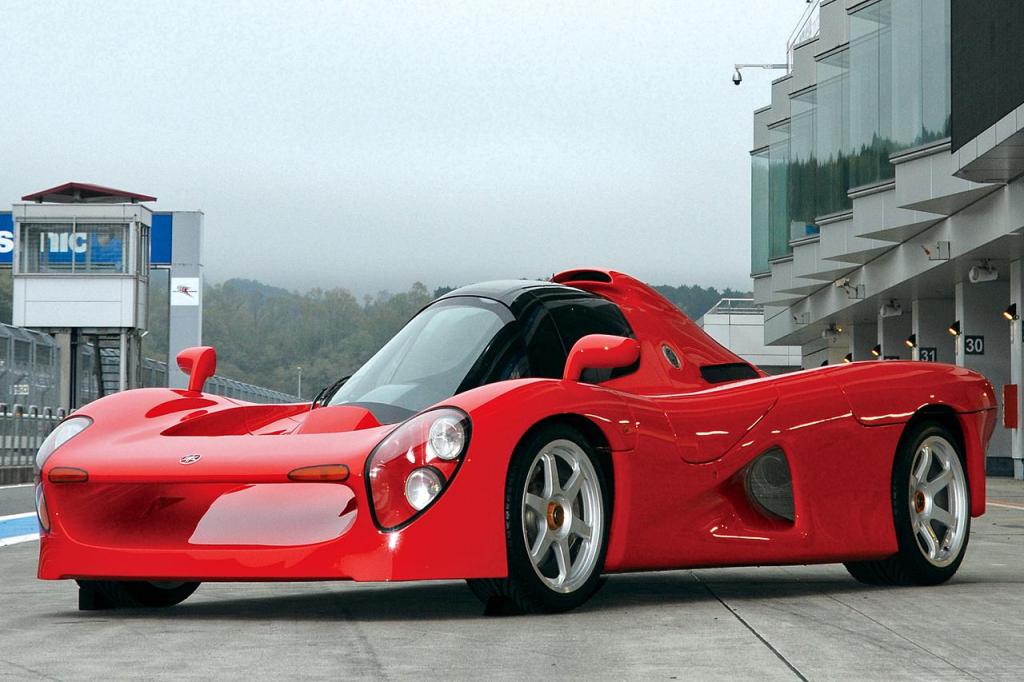
| Engine | Displacement | Power | Acceleration | Top Speed |
| 70° V12 | 3.5 L | 400-420 BHP | 3.1s | 352 km/h 219 mph |
When it comes to F1 technology for the public roads, the McLaren F1 is often considered very alike motorsport machines. Ferraris have the opinion of those „true Formula 1 cars made available to the customer.” Most of the time, though, that’s just a catchy marketing slogan. But no one went as far as the Japanese. They shoved a legit detuned engine – one that was actively powering race cars in the pinnacle of motorsport – into a supercar meant for civilians. Well, they were going to, but Yamaha ended up in the oblivion. Still, it’s a concept worth knowing about.
The early ’90s could be called the golden age of the supercar craze – a time when fast cars were not only stunningly designed but also packed with cutting-edge technology. The revival of Bugatti, the McLaren F1 raising the bar, and the epic rivalry between the Ferrari F40 and Porsche 959… A market was emerging that couldn’t simply be ignored. Even Jaguar, which had never ventured into this territory before, threw its hat into the ring. Many followed suit, and Yamaha was among them.
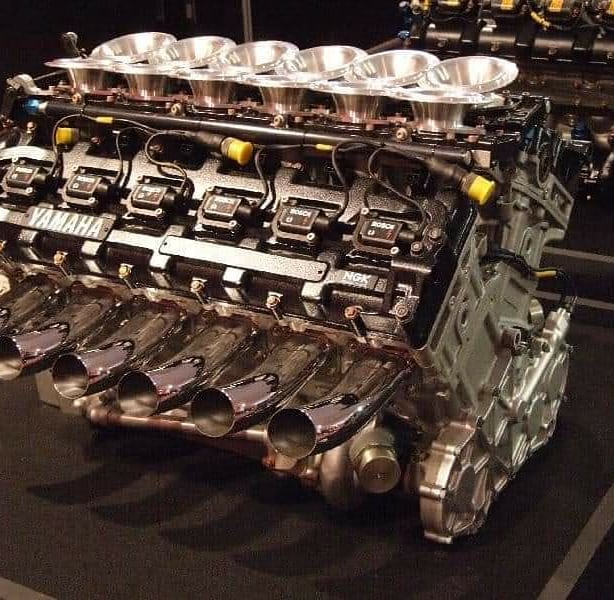
At first glance, Yamaha might seem like just a motorcycle brand, but back then, they were making waves with their engines in F1 racing. Drivers from teams like Zakspeed and Jordan were relying on Yamaha’s technology. In 1991, Yamaha developed a new engine, codenamed OX99, designed to give team Brabham a competitive edge. It was a 3.5-liter, 60-valve V12 with cylinders arranged at a 70-degree angle – an architecture reminiscent of Ferrari’s handiwork. Capable of delivering 660 horsepower at around 13,000 RPM, it was impressive on paper, but it fell short compared to the Italians.
It broke down more often, struggled with reliability, was a bit too heavy, slightly underpowered, and produced vibrations so intense that it could self-destruct without warning – which, unsurprisingly, happened a few times. While it didn’t make a mark on the racetrack, Yamaha thought it might find a second life on the showroom floor.
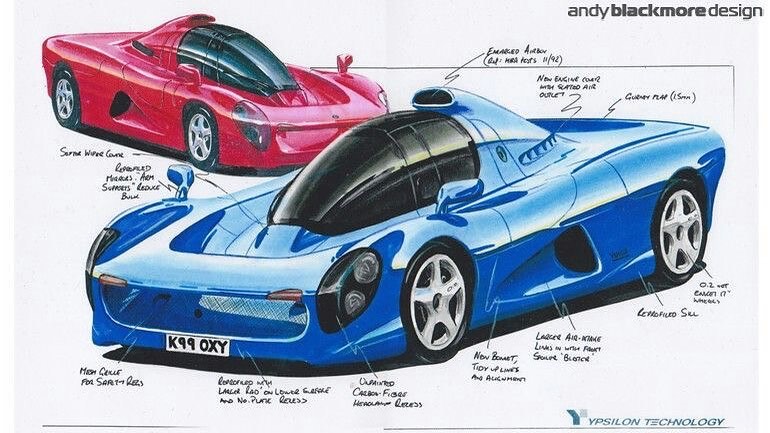
When it came to building cars, Yamaha could be described as vegetarians in a room full of carnivores – more into tuning motorcycles than designing full-blown cars. Sure, they had a hand in the Toyota 2000GT, but that was ancient history by this point. Here, we’re talking supercar, so the project was handed over to Yamaha’s British subsidiary, Ypsilon Technology. This division existed solely to keep their F1 engines alive, so they had some expertise under their belt.
To help develop the car, Yamaha enlisted the design studio IAD and consulted with engineers who had F1 experience. Initially, the project was handed to some German design office, but the car they presented was… well, let’s just say it wasn’t exactly groundbreaking. After that lukewarm effort, the prototype development was handed back to the specialists at Ypsilon and IAD. At the helm of the project was Robin Herd from March Engineering, an F1 car expert, which was promising for the car’s motorsport pedigree.
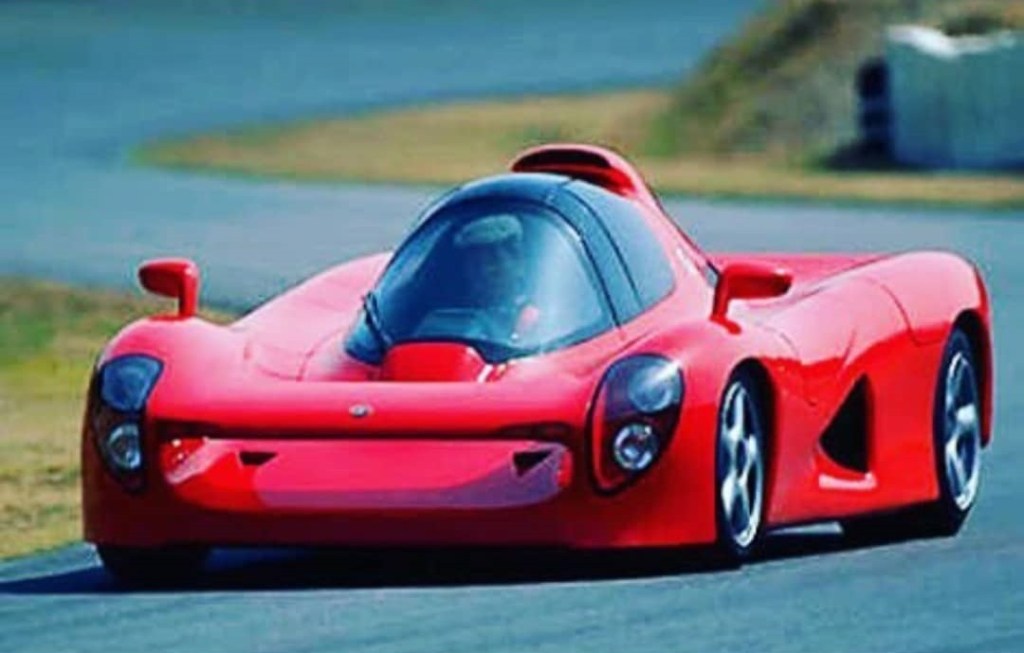
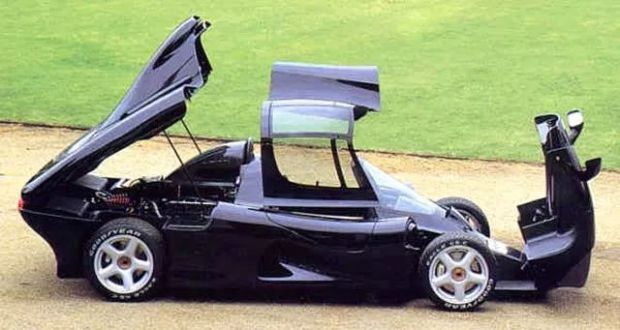
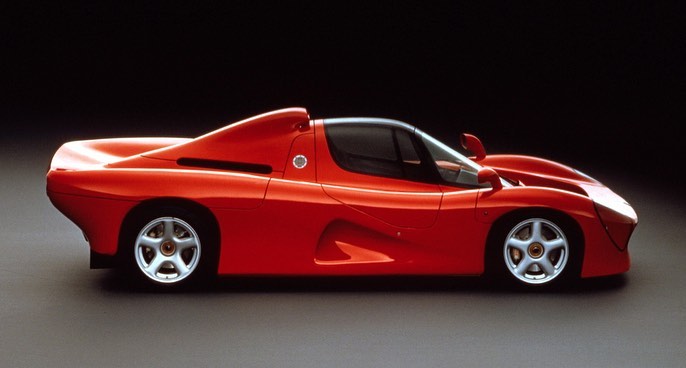
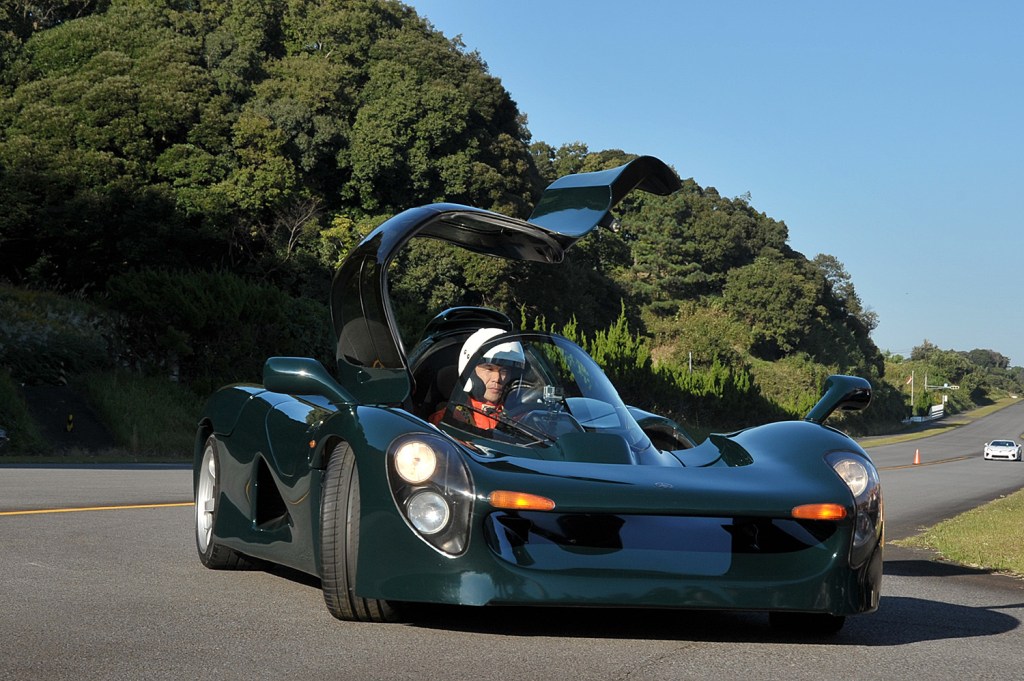
The rolling platform they came up with was nothing short of radical – dare I say, completely insane. It was a two-seater, but not in the way you’d imagine. The seats were arranged in a tandem layout, with the passenger sitting directly behind the driver, so close that their legs wrapped around the driver, much like you’d see on a motorcycle. The aerodynamic cabin strongly resembled a fighter jet cockpit.
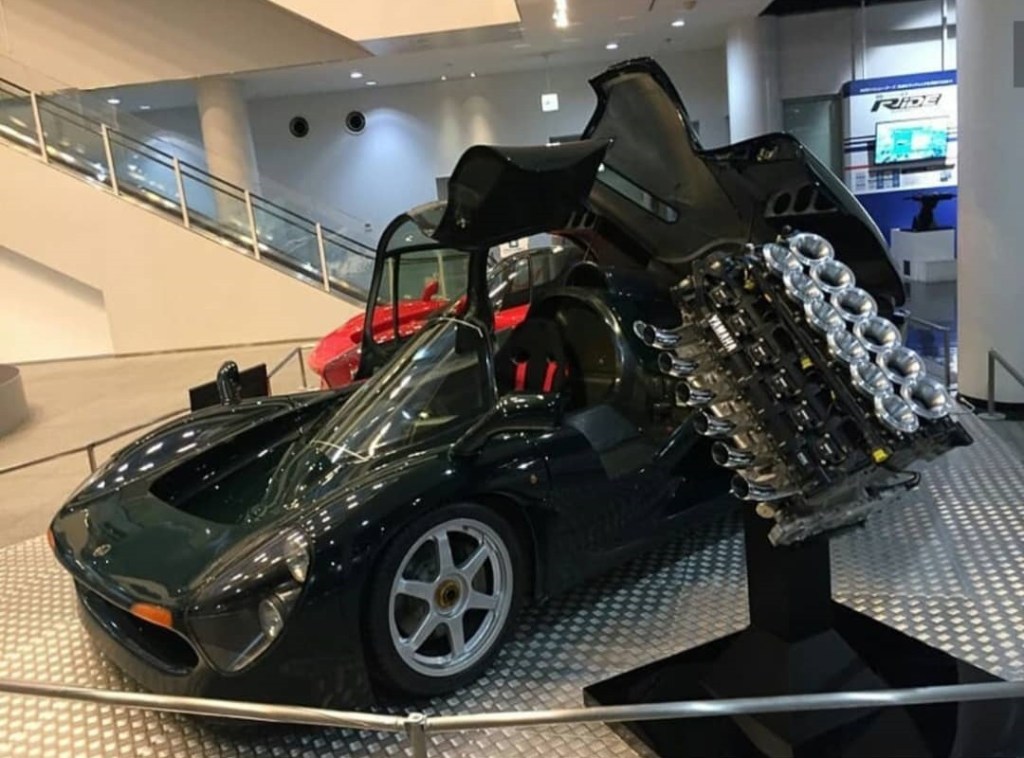
As for the doors – well, calling them „doors” doesn’t really do them justice. They were more like a roof, or maybe a hatch? Whatever you’d call it, it was an integral piece of the car that opened wide to give access to both the driver and the passenger. The chassis and engine were deeply rooted in Formula 1 technology, making this machine a blend of motorsport and madness.
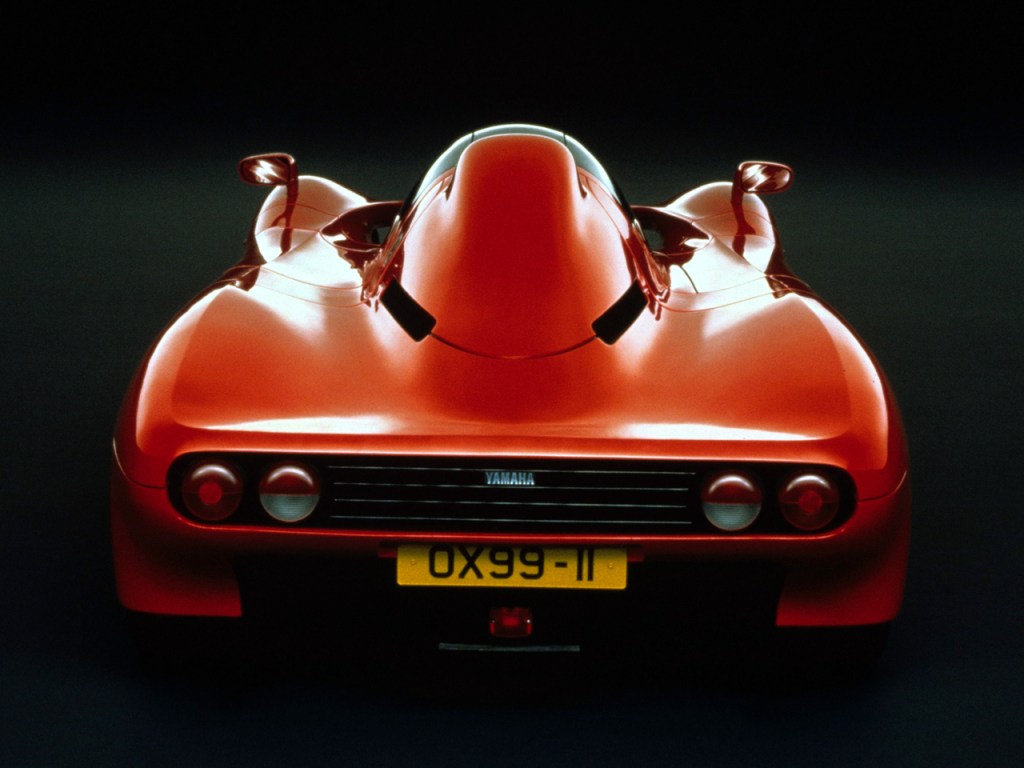
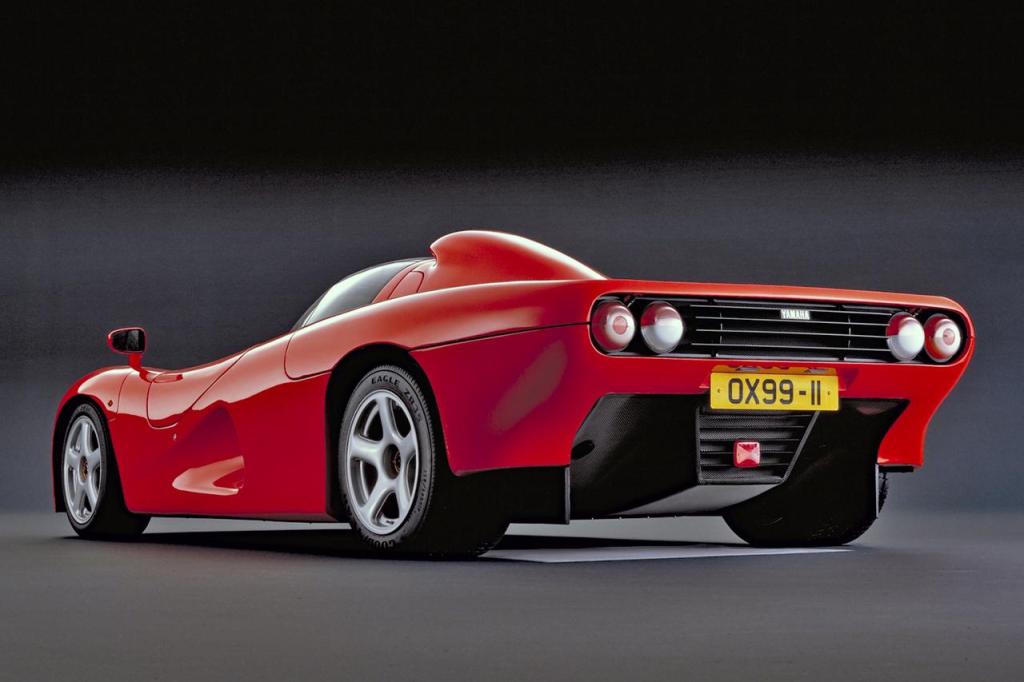
This was one of the most radical projects ever undertaken, both technologically and visually. It drew heavily from Group C racing, hence the centrally positioned seats within a cockpit surrounded by polycarbonate, akin to a fighter jet’s canopy. The wheelbase was incredibly short, and there was a front splitter integrated between the headlights. Interestingly, apart from a diffuser, the rear of the car was completely devoid of spoilers – a bold choice.
In true Formula 1 fashion, the engine was mounted directly to the platform, which was a carbon-fiber honeycomb monocoque. This setup was closer to F1 engineering than anything McLaren or Bugatti could even dream of at the time. Power was delivered through a transaxle system developed by FF Developments, featuring a 6-speed manual gearbox integrated with a multi-plate clutch and a limited-slip differential.
Braking was handled by ventilated cast-iron discs with six-piston calipers up front and four-piston calipers at the rear. Suspension setup consisted of double wishbones on all four corners, with inboard springs and pushrod-actuated dampers – a setup straight out of Formula 1.
The bodywork? Hand-pressed aluminum, crafted with the same care and precision as Aston Martin’s racing cars – and, in fact, the very same Aston Martin team did the thing for Yamaha. While many supercars of the era were notorious for questionable build quality, Yamaha stood out for its impeccable craftsmanship. This wasn’t just radical; it was a masterclass in engineering and execution.
The V12, which in Formula 1 could easily generate well over 600 horsepower – closer to 700, really – was tuned here to produce 400. Still, that’s impressive: a solid 114 horsepower per liter, and it revved up to 10,000 RPM. Not many engines at the time could come close to such figures.
They aimed for a curb weight under a ton, but let’s be honest… that was a tough ask. At 1,100 kg with 400 horsepower, the power-to-weight ratio wasn’t bad at all. However, to be fair, that kind of power output doesn’t exactly set the world on fire today – and even in the ’90s, it wasn’t groundbreaking. Especially with McLaren just around the corner. Within a year, they would unleash the F1, sitting in the same weight category but boasting over 600 horsepower. That was game over for everyone else.
As for the interior, well, there wasn’t much – though the presence of functioning air conditioning was a saving grace. There was no sound insulation, so the scream of the V12 revving up to 10k RPM drilled straight into your ears. This wasn’t a car for comfortable road trips – it was never meant to be. Instead, it focused entirely on delivering an unparalleled driving experience and emotions that no “street go-kart” like a Lotus or Morgan could match – thrills reserved exclusively for F1 cars.
And you have to admit, if this model had hit the market, it wouldn’t have had any real competition. Supposedly, you could drive it “normally” up to 6,000 RPM. But cross that threshold, and it was all-out chaos – either you became the fastest person in town, or you met your end trying.
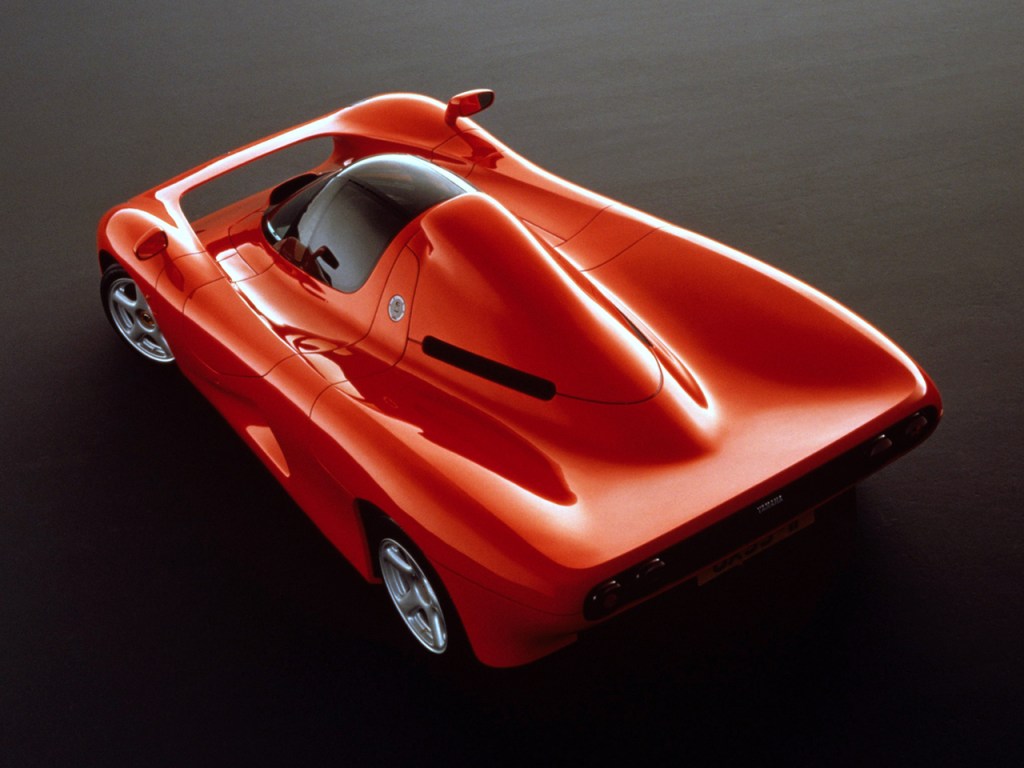
The Japanese set out to create a hardcore supercar built around a purebred racing engine… Unfortunately, Yamaha couldn’t come to financial terms with IAD, so they pulled the project and handed it entirely to their Ypsilon bureau – but even they were given an ultimatum. The car had to be ready in six months, or the whole thing would be scrapped. With every passing moment, the chances of finding buyers for such a car were getting dangerously close to zero. Delays piled up, and eventually, the project was officially shut down.
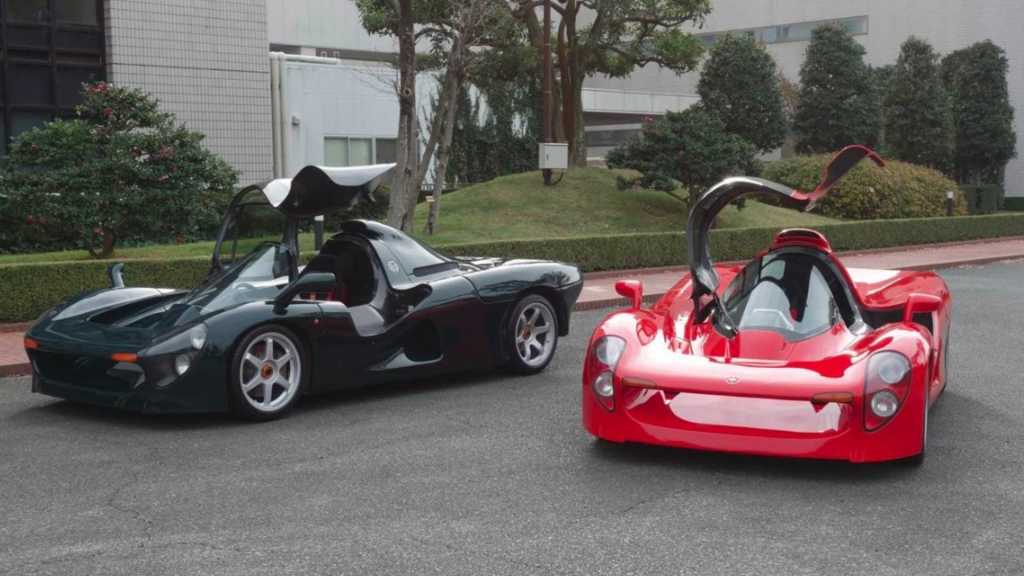
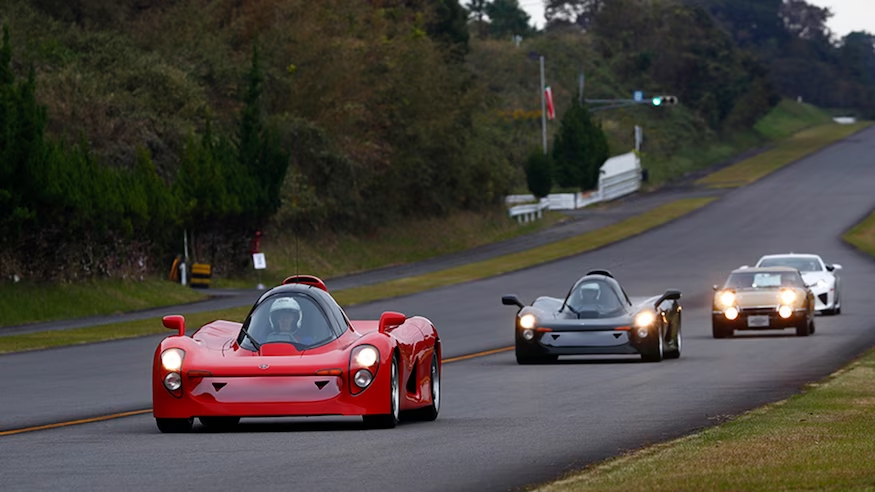
Only three prototypes were built: one red, one green, and one black. One of them even went up for sale not long ago, valued at $1.3M. When the car was initially supposed to hit the market, its price tag was set at $800k – around $1.5M in today’s money. For that price, you could’ve bought three Lamborghini Diablos with Lamborghini V12 power. Selling it was always going to be an uphill battle. And that’s a shame. The price was steep, but realistically… nothing else like it was available, not anywhere, not at any price. If you added air conditioning and a few extras (like, say, a body shell) to an F1 car, this is exactly what you’d end up with: the Yamaha.
Then again, maybe it’s for the best that it never went into production – depends on how you look at it. The world soon faced a financial crisis, and the supercar craze fizzled out. Many smaller manufacturers that tried to ride that wave sank without a trace. Meanwhile, Yamaha stuck to motorcycles and eventually got the chance to contribute to the Lexus LFA project.
Usually, manufacturers don’t like to talk about their old failed projects. Not the Yamaha. They’re still proud of this model to this day. The prototype in their Japanese museum is often driven at various events, a rolling reminder of what could’ve been.
Krzysztof Wilk
All sources: TO BE ADDED
 SRT
SRT 