2006 – Weineck Cobra 780 Limited Edition

There is a place in Germany – a middle of nowhere, let’s face it – Bad Gandersheim, where nothing really happens. One might think so, at least. Church bells wake the village up, inviting those few houses they have there – for Sunday mass. Not many know, but there is something else that dwells in the village – that with its terrible roar, wakes people up in the morning.

The Shelby original – the American V8 Cobra – was a 10/10. People were paying real money for the thing that didn’t even have a green light for production. The idea of it spoke to them. A small roadster with a powerful big block. And I totally get it. That’s why it doesn’t surprise me what the Germans did to it. Shelby Cobra was so simple, yet so successful it became a legend. The model is still in production with plenty of highly advanced replicas on the market. They were offered as complete running vehicles, as well as kit-cars for your own assembly. Weineck – a company based in the aforementioned German village – had such a thing in their offer, but their car had a TINY LITTLE DETAIL that made it different from anything else. A minute – totally insignificant nuance – you could miss it when not told where to look for it…

The windows in the village escaped from their frames when the car was started. Their Cobra draws power from a V8 of – WARNING: THIS IS NOT A JOKE – 12.9-litre displacement, and 1100 bhp! I shit you not. A 13-litre V8. Almost. In a car weighing less than a ton. It’s a naturally aspirated motor as well – so you get all the power without delay. And it decimates any supercar rivalry. It knows no mercy. 1313 ft lbs (1780 Nm) of torque is enough to reach 186 mph (300 km/h) in 10 seconds. 0-60 sprint ends after 2.8s. It’s faster than me in bed, and way faster than any modern supercar – or most hypercars and fully electric sportscars. But instead of the ‚green energy’ (which is never green, but hey!), you have a close to 13-litre powertrain.

The car is ready to burn any size of tire in an instant. Just imagine what that level of torque might do to your wheels. The revs go up to 8000, but the manufacturer suggests early upshift, as the engine revs so fast, the indicator just can’t follow its pace. You always have more RPMs than on display. All this in a very noisy environment, nowhere else in the world to witness. The roar it creates, the growl – it takes your ability to hear away. It’s worse than Bagdad, it’s worse than Mordor. The exhaust pipes – large as your fists – run on both sides, just by your head. You can start learning sign language, because after driving this car you will easily qualify for your own parking spot next to Lidl. What, is there a radio in the car? Why bother? You wouldn’t hear it anyway…

With great power comes no safety systems. You have no traction control here, not even ABS. Who needs such stuff, right? It is not the car for stopping, but for accelerating – it’s only logical right? Right? And it fails not – even the slightest touch on the gas pedal sends you to the orbit. The V8 under the hood is a Ford Donovan unit with custom-made Weineck pistons, heads and crank. Top class bespoke elements. No wonder they can handle such torque.

And it wouldn’t shy from even more. NASCAR-derived drivetrain could easily transfer 1475 ft lbs (2000 Nm) if it had to. High performance transmission sends enormous power to limited-slip differential at the rear. 100 mph is nothing for that car – you don’t even have to switch to second gear for that speed. And to be frank – I did lie to you a bit. It’s not like the car doesn’t stop. The wheels are equipped with a bespoke Brembo system. Such brakes together with the adjustable suspension not only give you perfect feel of the car, but allow a full spectrum of setups for any driver’s preference… but… you still need the balls of steel to drive this monster.

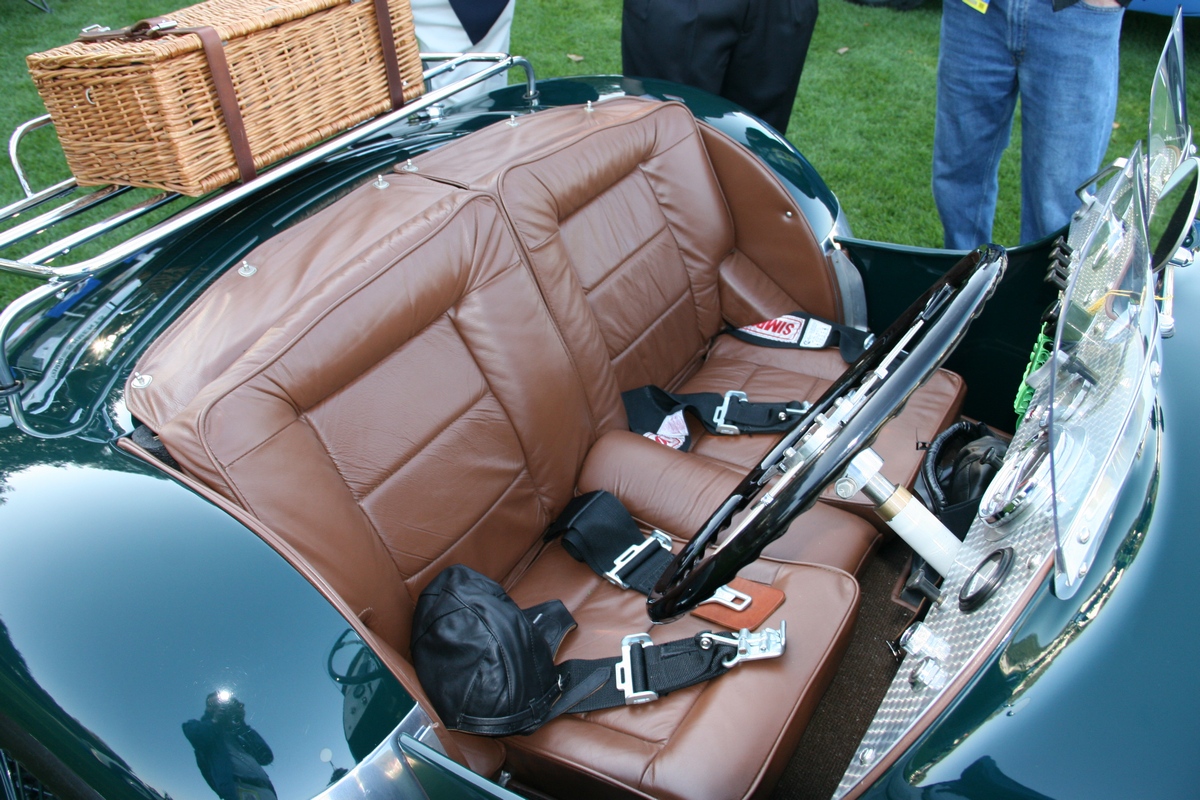
The chassis had to be reinforced, so that the torque doesn’t break it in half. A steel frame was made of MIG-welded 4-inch rods. The body: carbon composites for maximum rigidity. Interior could be different for each car, but you had options of best quality British leather upholstery and seats of many colors or finishing styles. You could have velour carpets in your car. The gauges were rather classic and traditional, and 12.9-litre Weineck roadster was available with a soft top, or a hard top.

Greta Thunberg must be delighted by the fact this 2.35 mpg range car (burns 100l per 100km) can also be driven economically. The range grows greatly in such case, to whole 5 – maybe 5.8 mpg (40 l per 100 km). I bet all the eco-activists are ecstatic about it. You forget yourself for one second, just once you touch the gas at the car park in front of the shop or at your driveway – one liter of fuel disappears from your tank JUST LIKE THAT.

It was a limited edition – only fifteen of them were made. All hand-built. As opposed to the modern supercars of similar performance – Weineck Cobra can be a practical daily car. If you don’t touch the gas, that is… This sort of Cobra is one most powerful and the fastest cars allowed for the roads. A half million Euro car… Built in a shed, in a place you won’t even find on the map.

Krzysztof Wilk
All sources: mototarget.pl | supercars.net | rmsothebys.com | redlinemotoblog.blogspot.com | wheelsage.org | auto-salon-singen.de | volker-rost.de | 0-100.it

2006 – Weineck Cobra 780 Limited Edition

Jest w Niemczech miejsce – wiocha, powiedzmy sobie szczerze, zabita dechami dziura – Bad Gandersheim, gdzie nie dzieje się nic, mogło by się wydawać. Gdzie co niedziela dzwony kościelne budzą tych kilka domków, które tam jest – zapraszając wszystkich, jak Pan Bóg przykazał, prawda… Deus Vult na mszę. Ale ja wam powiem co jeszcze budzi tę wioskę – bo mało kto wie, ale ludzie tam naprawdę pokurwione rzeczy odstawiają.

Pierwsza Cobra z amerykańskim V8, to był hit za oceanem. Ludziska płacili za to prawdziwy hajs mimo, że auto jeszcze nie było pewne – w sensie klepnięte do produkcji. Idea do nich przemawiała: mały roadster z dużym, mocnym silnikiem. I ja doskonale ich rozumiem. Dlatego też się nie dziwię temu, co się odpierdala w Niemczech. Shelby Cobra była jakże prosta, a tak udana, że stała się kultowa. Model dalej jest w produkcji, a wiele firm oferuje zaawansowane repliki tego pojazdu – w różnej formie: gotowych aut, bądź zestawów do samodzielnego montażu. Weineck, który ma siedzibę na wyżej wspomnianym niemieckim odludziu, oferuje takie pojazdy… ale wyróżniają się one na tle wszystkich innych pewnym… NIEISTOTNYM SZCZEGÓLIKIEM… Detalem – można rzec.

Gdy auto odpala, to wszystkie okna we wiosce wypadają. Ich Cobra skrywa pod maską V8 o pojemności – uwaga: leci bomba – 12.9 litra pojemności, i mocy 1100 koni mocy. Serio. 13 litrów V8 – prawie. We wózku ważącym mniej jak tonę. To jest wolnossąca jednostka, więc całą moc dostajemy od razu. Auto miażdży wszystkie supersamochody. Gniecie je na miazgę. Moment obrotowy na poziomie 1780 Nm pozwala w 10 sekund przyspieszyć do 300. Pierwsza setka strzela w 2.8 sekundy. To jest terytorium już nawet nie supersamochodów, ale hipersamochodów i najszybszych elektryków. Tylko, że zamiast “zielonej” (że tak zażartuję) energii – mamy prawie 13 litrów pod maską!

Auto jest gotowe spalić każdy rozmiar opon na momencie. Wyobraźcie sobie co to robi z ogumieniem. Obrotomierz niby wędruje do 8kRPM, ale producent zaleca wcześniejszą zmianę biegów, bo silnik w takim tempie nabiera obrotów, że zegary zwyczajnie nie nadążają. Zawsze masz więcej niż ci pokazuje na blacie. Wszystko odbywa się w niespotykanej nigdzie indziej symfonii niesamowitego ryku, który niszczy wszystkie organy słuchowe. Wrzask się dzieje, Bagdad. Mordor. Rury wydechowe mają średnicę pięści i biegną po bokach – zaraz obok uszu biedaka za sterami. Można się od razu zapisywać na lekcje migowego, bo po takim koncercie kwalifikujesz się na kartę inwalidy i zyskujesz własne miejsce na parkingu przed Lidlem. Radio w takim aucie? I tak nie usłyszysz…

Z wielką mocą nie wiążą się żadne systemy bezpieczeństwa. Nie ma kontroli trakcji, nie ma nawet ABSu – bo na co to komu? To nie jest auto do zatrzymywania się, tylko do przyspieszania – to chyba logiczne, nie? I nawet najbardziej delikatne drgnięcie pedału gazu, wysyła nas na orbitę – więc silnik nigdy nie zawodzi. To Ford Donovan z nowymi flakami. Tłoki, głowice i korbowód – to specjalnie przez Weineck wykonane elementy. Klasa sama w sobie. Nie dziwne, że taki moment obsługują.

A mogą i więcej. NASCARowe przeniesienie napędu jest w stanie udźwignąć nawet i 2000 Nm. Sportowa skrzynia przenosi całą moc na tył ze szperą. Dla 160 km/h, to nawet nie trzeba wrzucać dwójki. Trochę też skłamałem – to nie jest tak, że auto nie hamuje. Koła są zatrzymywane dzięki specjalnemu dla tego auta zestawowi Brembo, a zawieszenie jest skonstruowane w oparciu o sprężyny śrubowe z płynną regulacją, co skutkuje wspaniałym czuciem pojazdu i pozwala na mnogość indywidualnych ustawień i dopasowanie do każdego kierowcy. Ale i tak trzeba mieć jajca ze stali, żeby czymś takim kierować.

Podwozie również musiało zostać wzmocnione, żeby moment obrotowy z silnika nie złamał go wpół. Dlatego rama z 4-calowych rur jest mocno zespawana migomatem. Karoserię wykonano z kompozytów węglowych – również mając sztywność konstrukcji na uwadze. Wnętrze jest zależne od egzemplarza. Dostępna w ofercie była najlepszej jakości brytyjska skóra, którą obito siedzenia – w różnych kolorach i stylach. We wnętrzu możemy zobaczyć welurowe dywaniki. Zegary: w raczej klasycznym tonie. Roadster dostępny był w wersji z brezentem, albo hardtopem.

Gretę Thunberg pewnie ucieszy fakt, że auto, które pali 100/100 daje się prowadzić też w oszczędny sposób. Wtedy spalanie spada do jakichś 50… no – może 40 litrów na 100 kilometrów. Eko-aktywiści muszą być wniebowzięci. Raz nam się noga omsknie na postoju, nieuważnie nacisniemy na pedał gazu – z baku znika nam liter, ot tak.

Powstało 15 egzemplarzy tej wersji, i wszystkie ręcznie wykonane. W odróżnieniu od supersamochodów o podobnych osiągach – Weineck Cobra jest wcale praktyczna jako auto na codzień. O ile nie wciskasz pedału gazu, rzecz jasna. Ta Cobra, to jedno z namocniejszych i najszybszych aut dopuszczonych do ruchu. Za pół miliona euro. Zbudowane w jakiejś budzie – w dziurze, której nawet nie ma na mapie.

Krzysztof Wilk
Na podstawie: mototarget.pl | supercars.net | rmsothebys.com | redlinemotoblog.blogspot.com | wheelsage.org | auto-salon-singen.de | volker-rost.de | 0-100.it

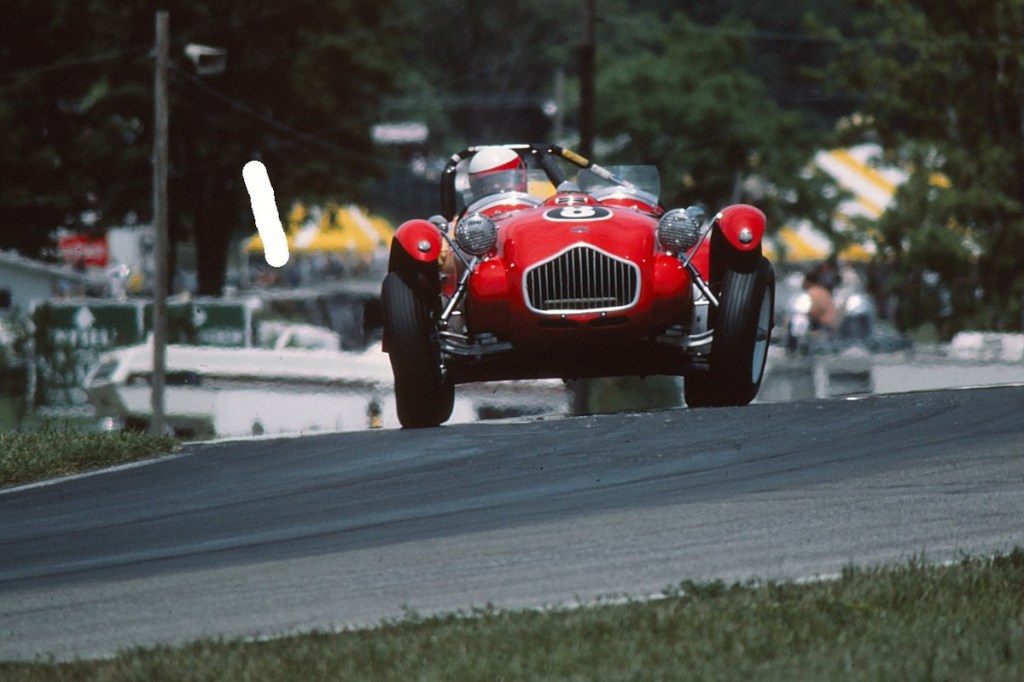
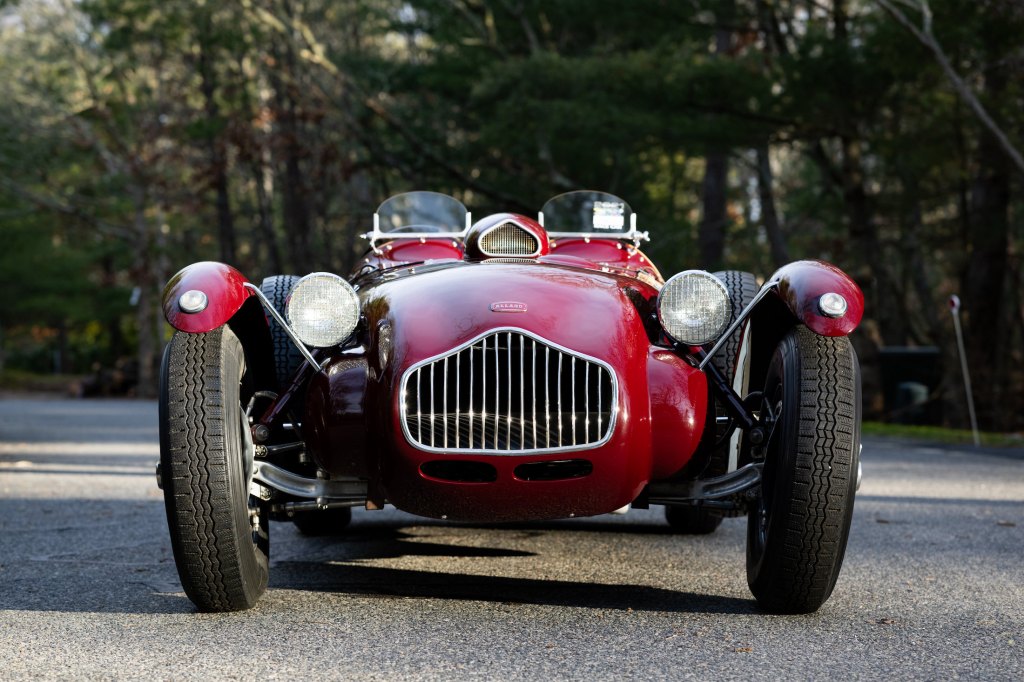
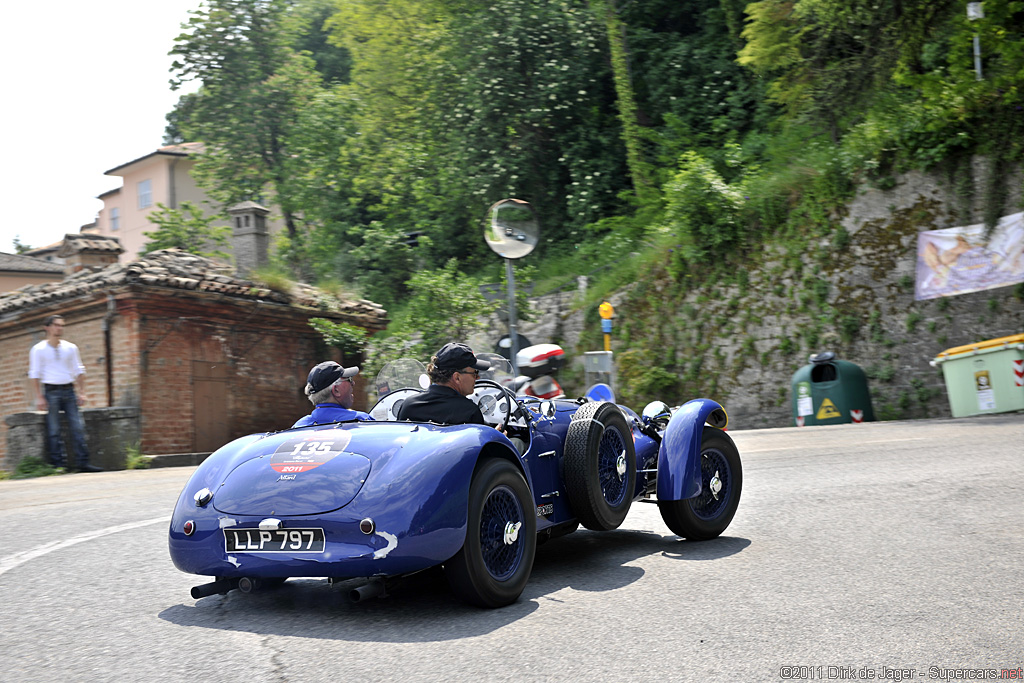
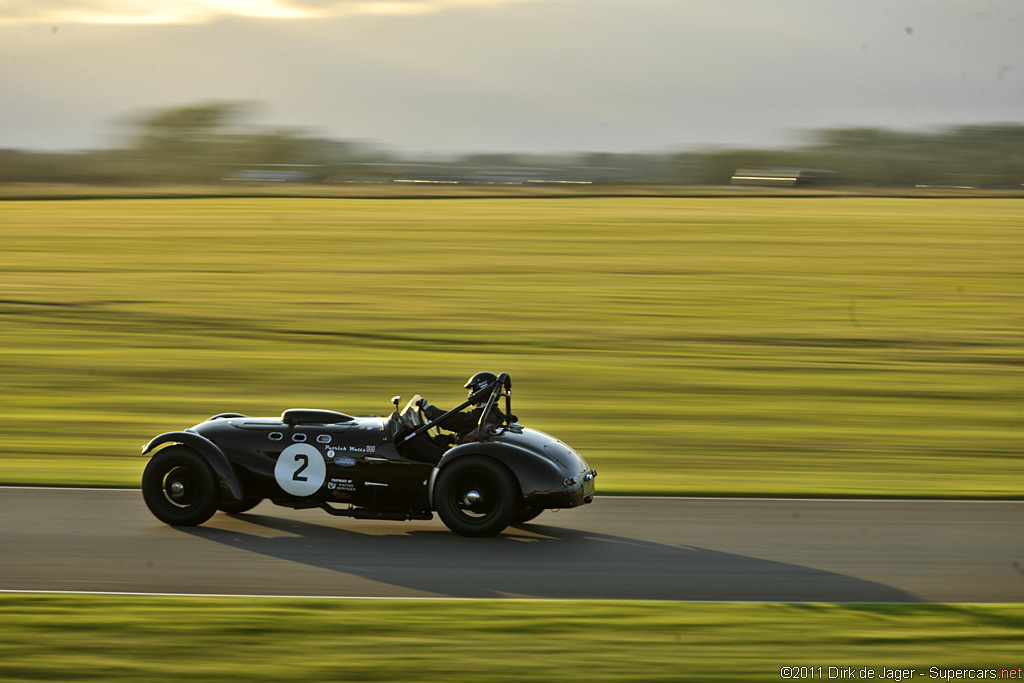
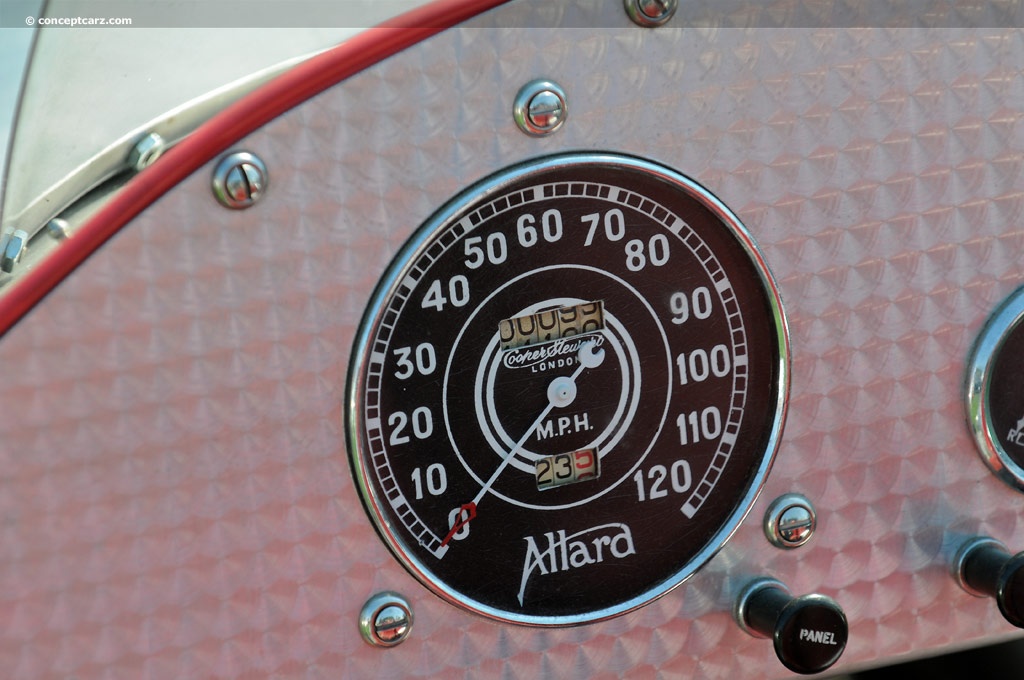
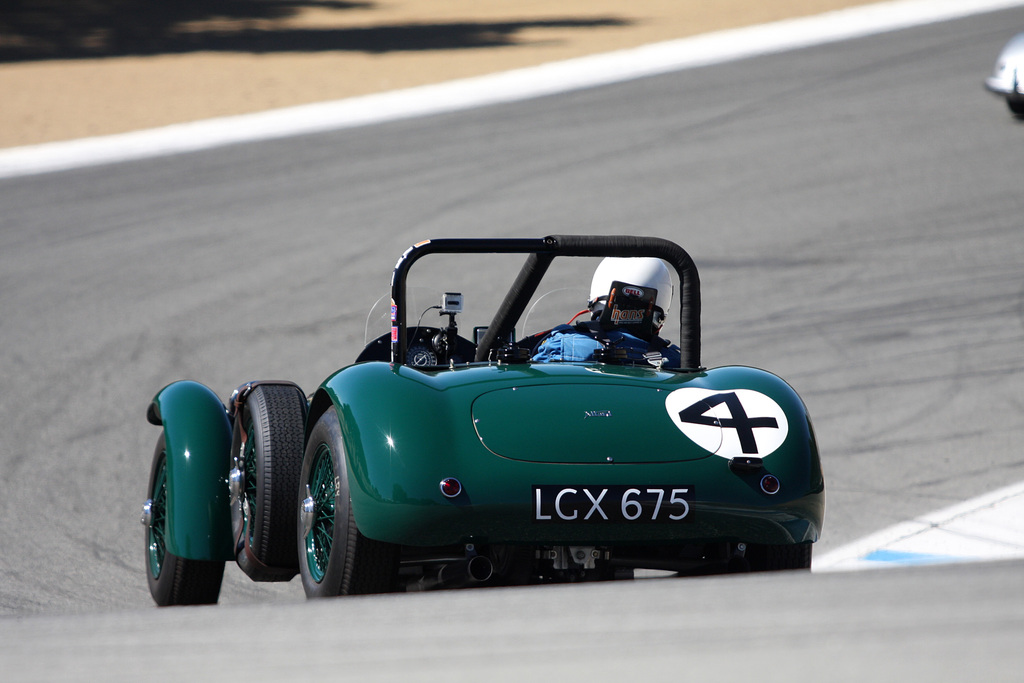
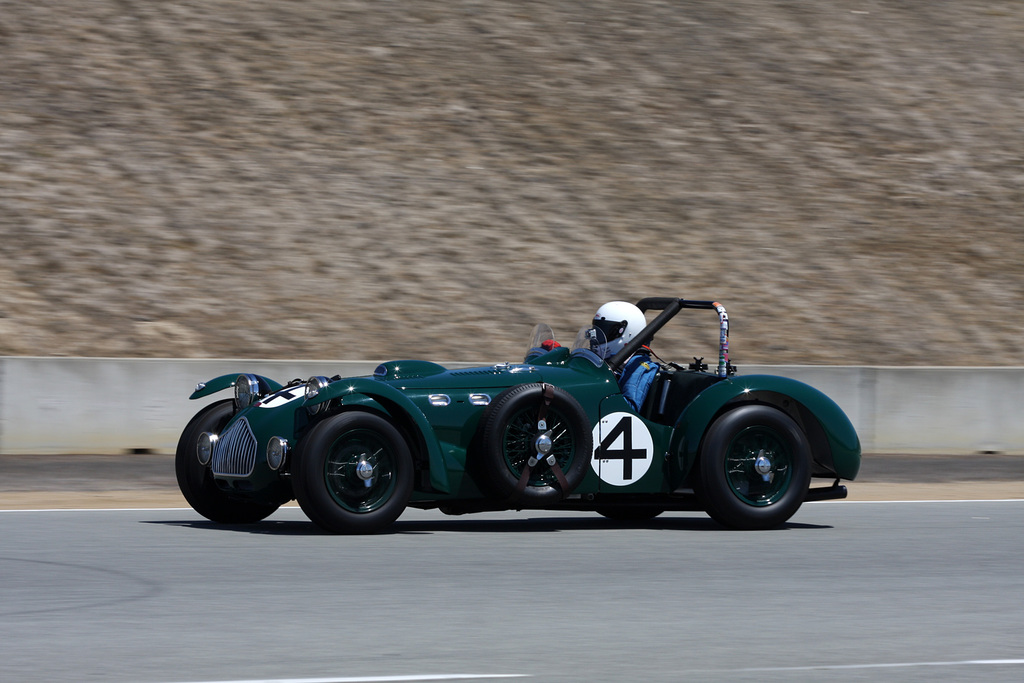
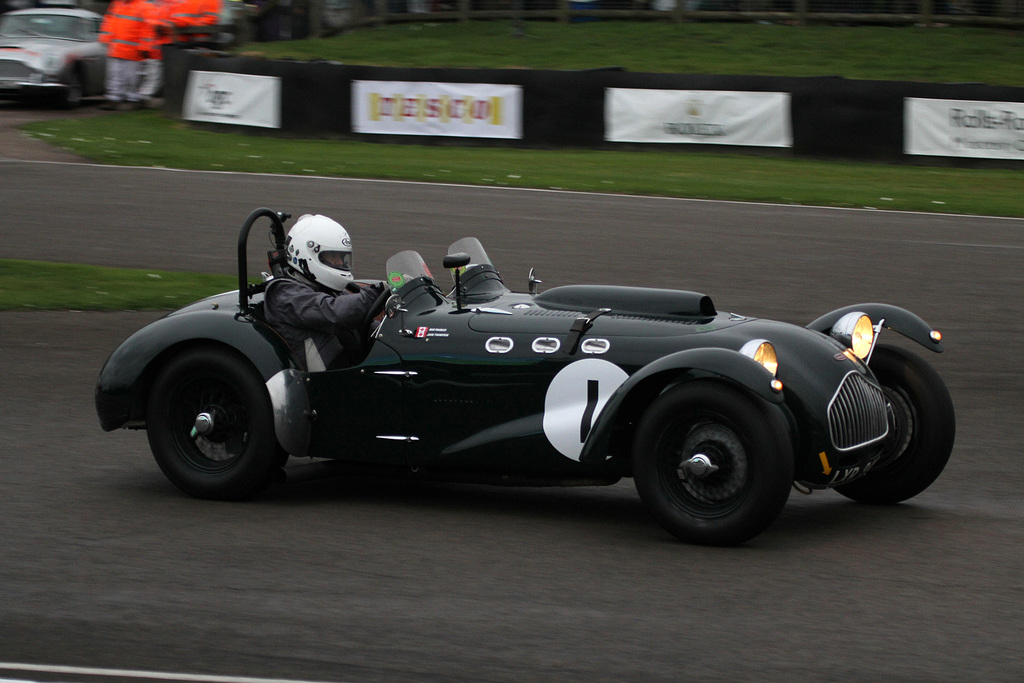
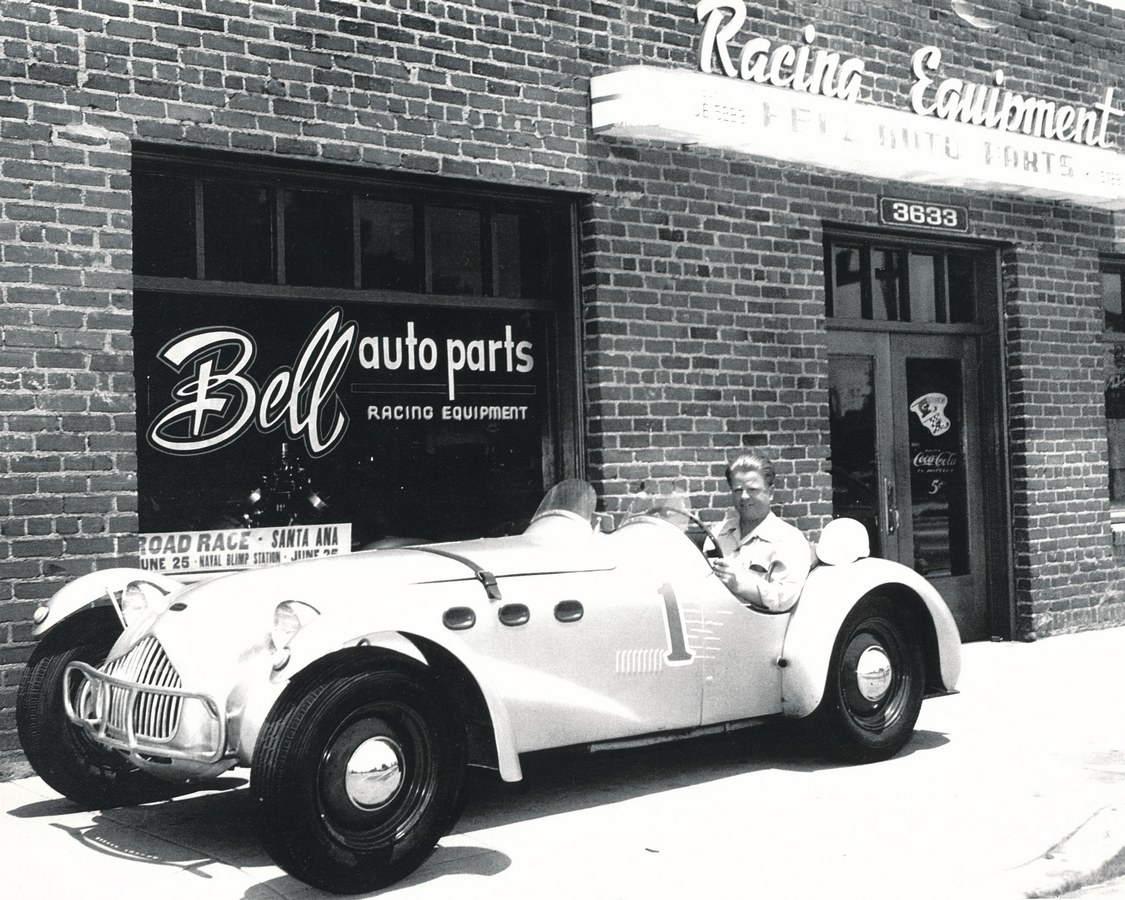
1949 – Allard J2

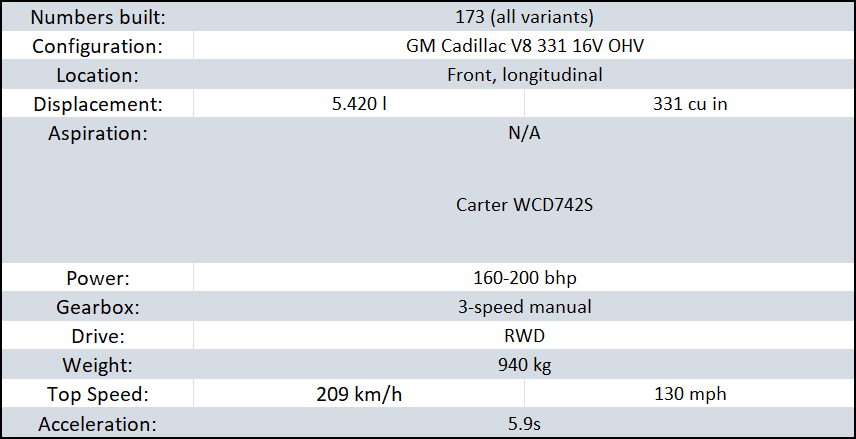
EngineDisplacementPowerAccelerationTop Speed
Cadillac V8 16v5.4 L160-200 BHP5.9s209 km/h
130 mph

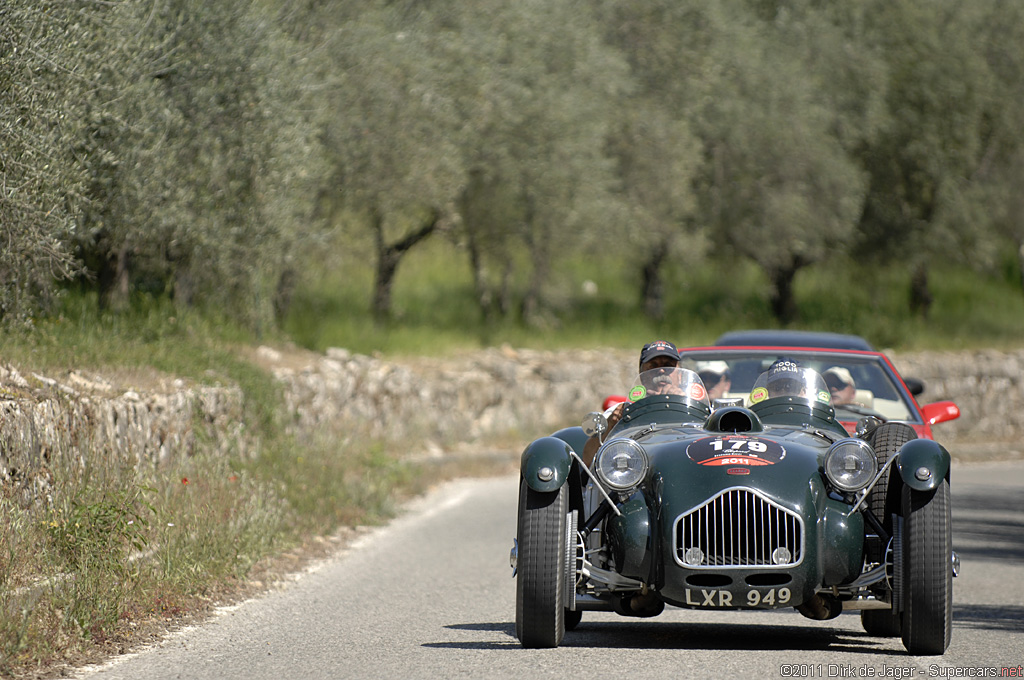
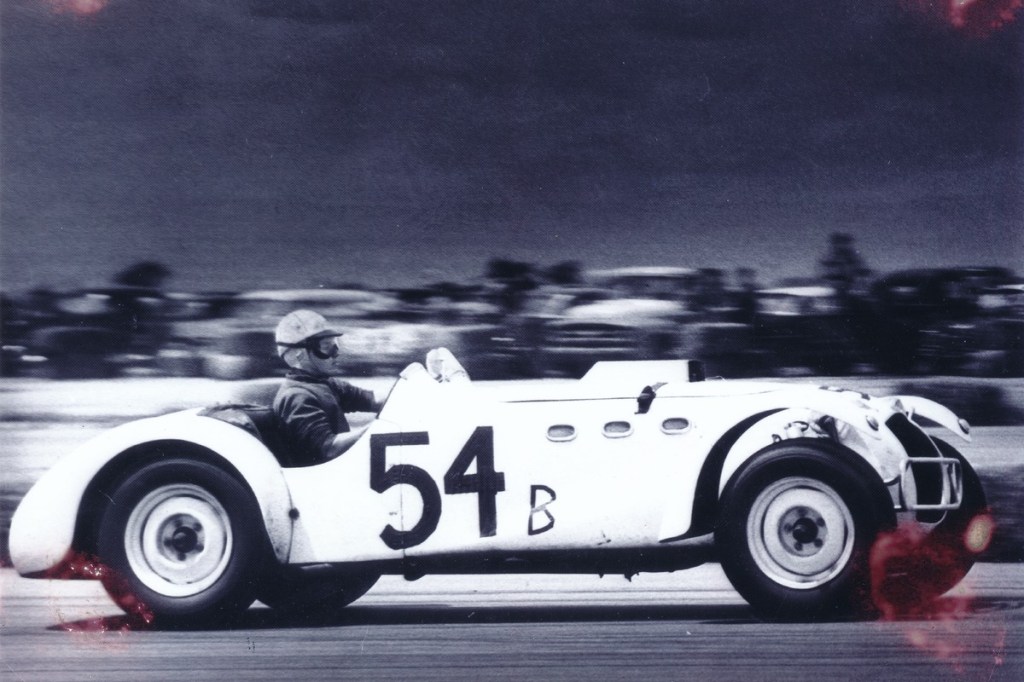
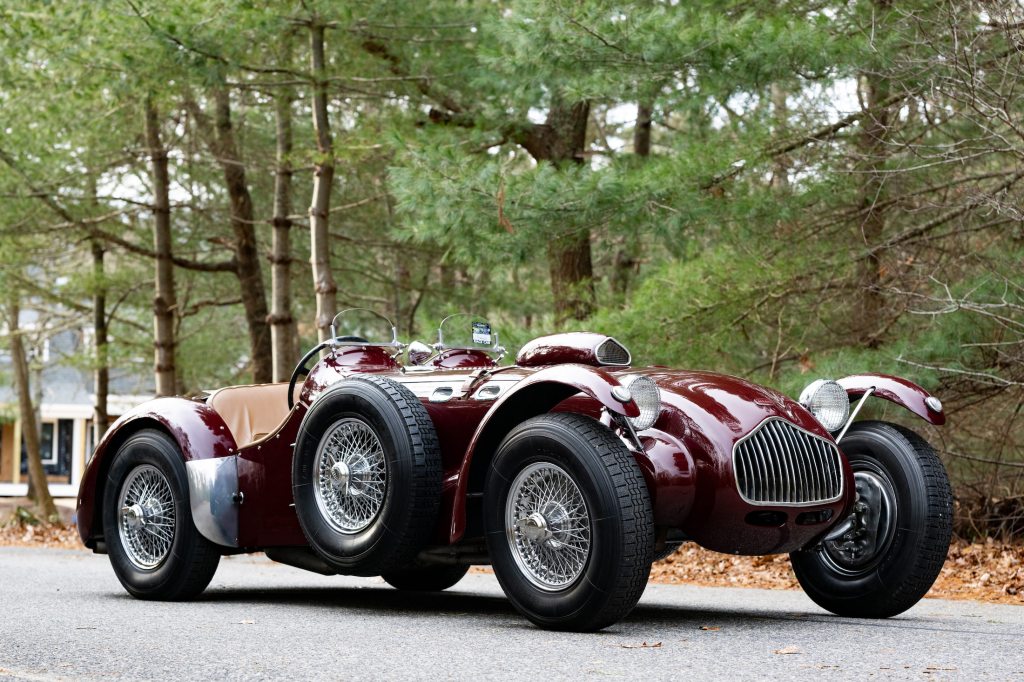
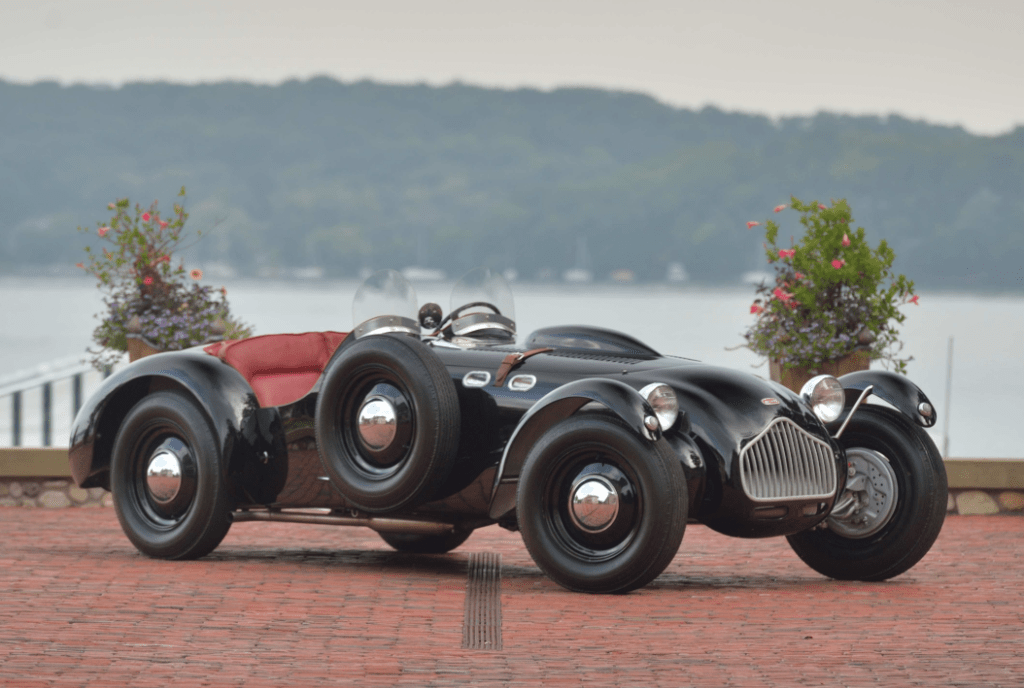
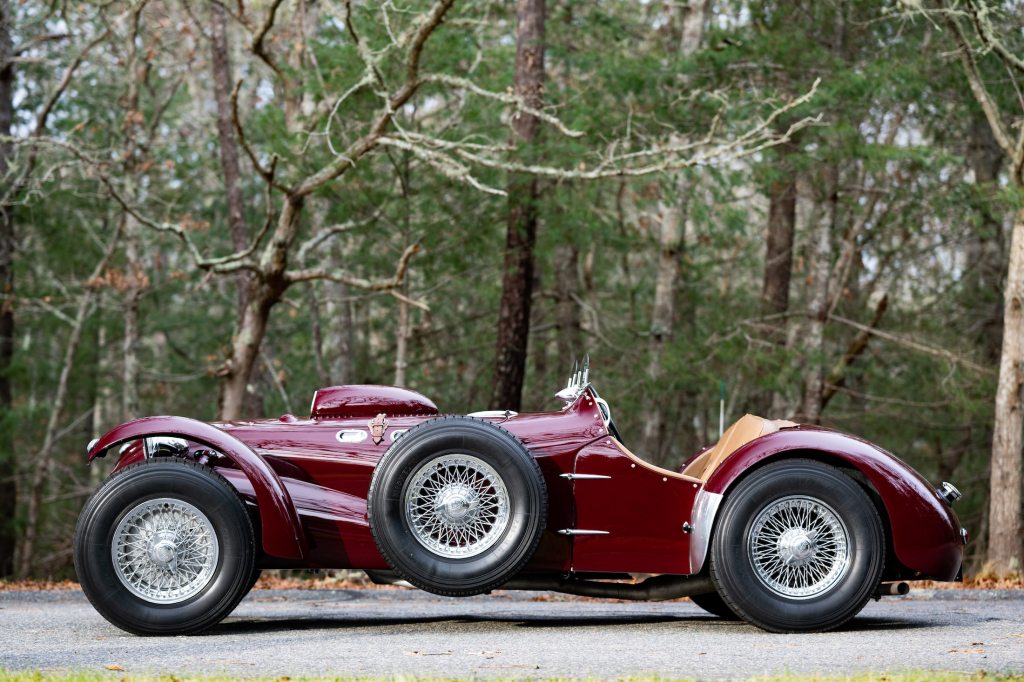
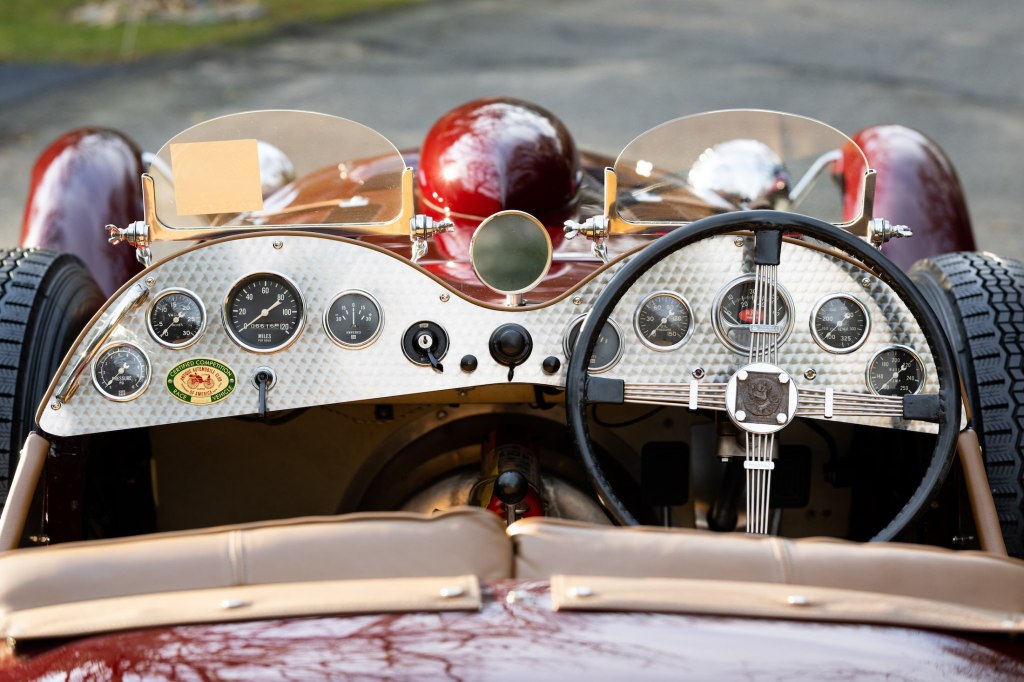
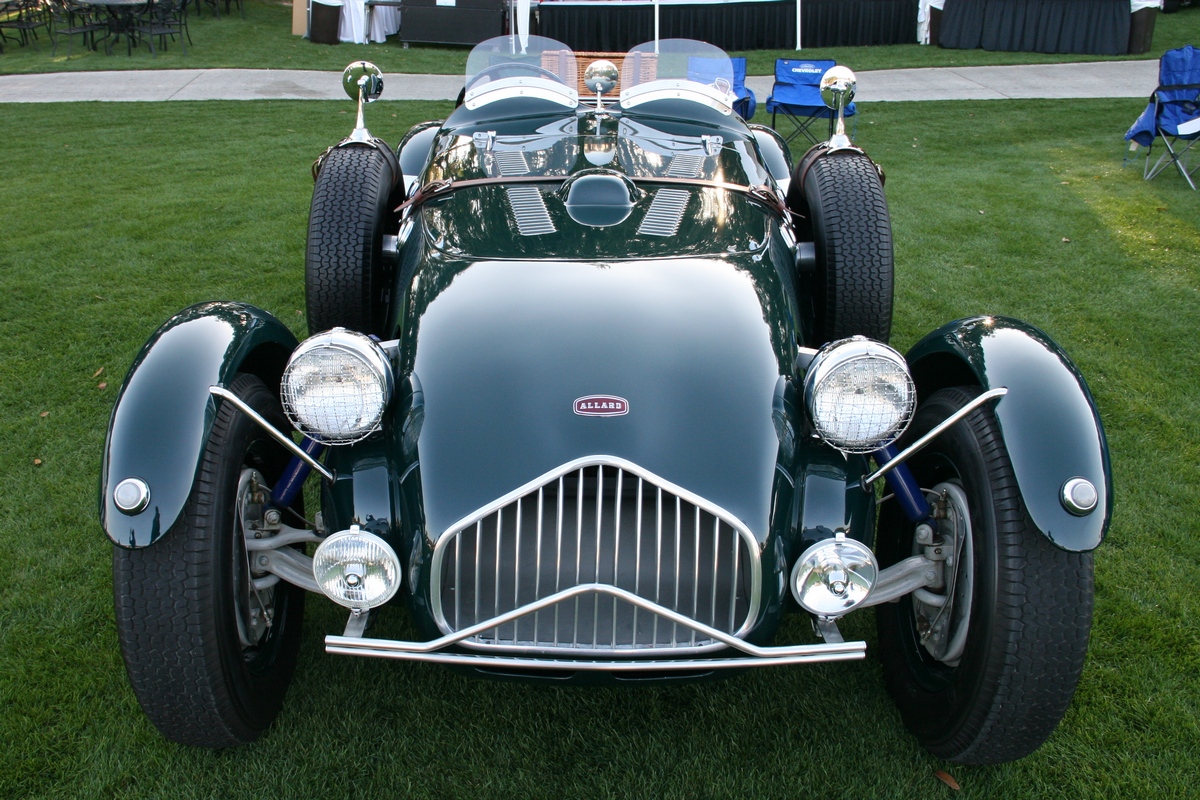
Sydney Herbert Allard was a car dealer in London. He was selling cars in Ford dealership and thanks to that he gained access to their V8 motors. Those engines helped him create a motorsport machine. The car decimated British competition before the war and it had no equal in the ’30s. It raced Le Mans and Mille Miglia. The model Special was good on the track, but Allard himself offered road vehicles only after the Second World War. I was based on Ford platform – Model 40 with its drivetrain and power delivery, but hidden underneath Bugatti Type 51 bodies. It was light and fast – made of aluminum. Very formidable if we’re talking about any hillclimb or handling, power-to-weight oriented type of racing. All of his models were made with this philosophy in mind. The post-war Special variants could also have a Lincoln V12 under the hood, though such examples were rarely seen. They had shitloads of torque, which gave them many victories. It was a good car, alright – though having overheating problems when pushed too far… That was because of the poor manifold design – but the car itself was good.
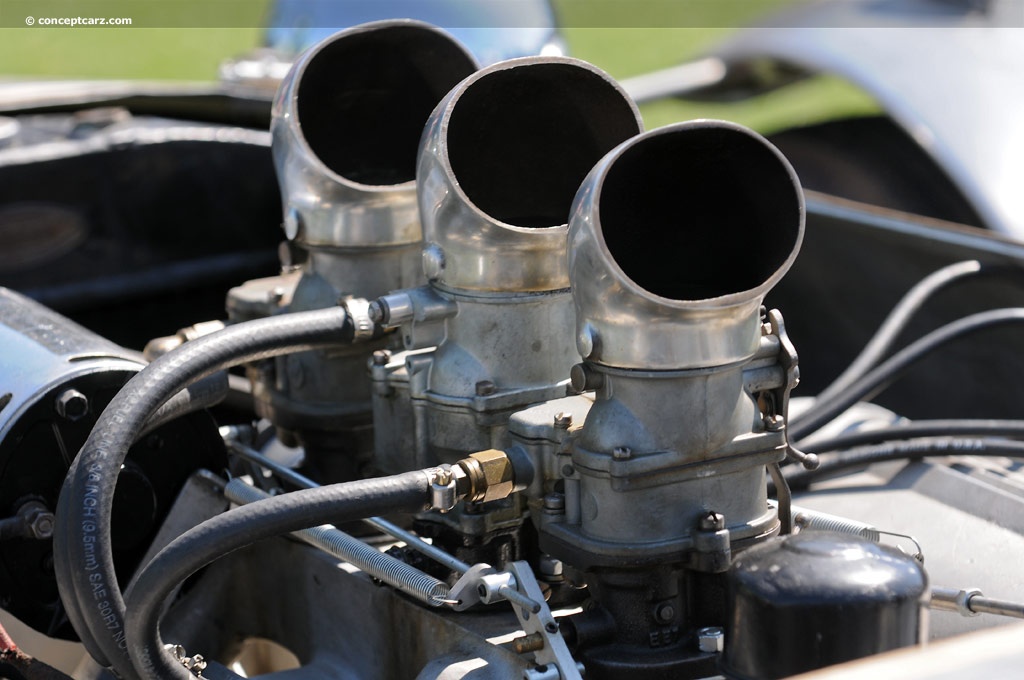
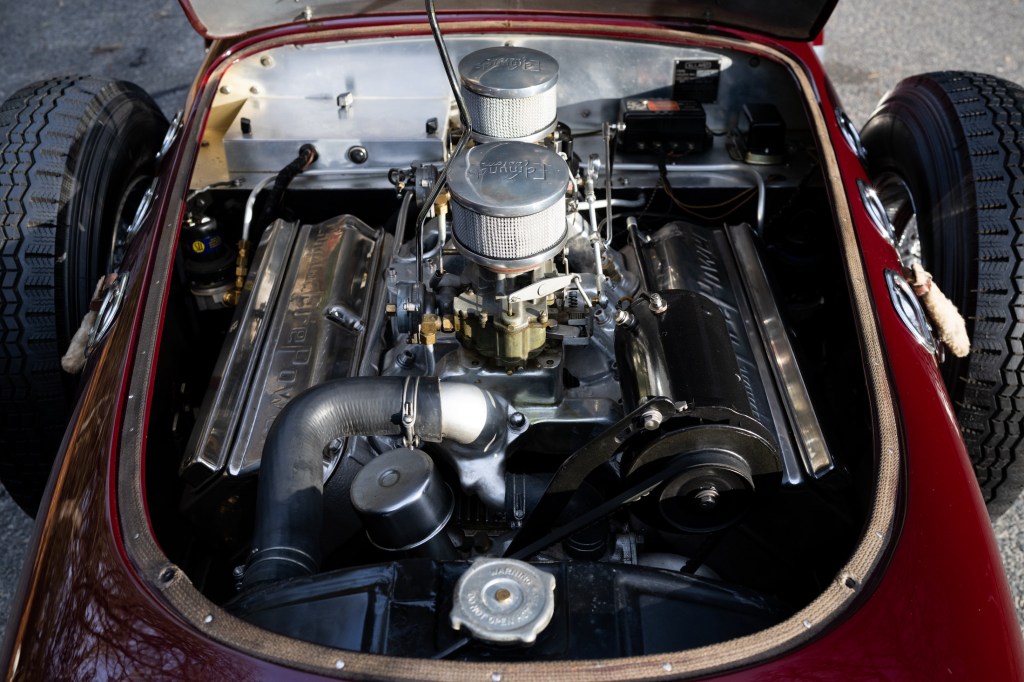
Allard focused on fixing military vehicles during the war, but when the conflict was over he could finally refresh his catalogue and start working on road examples. He managed to construct a few new projects equipped with Ford powertrains mated to a 3-speed of the same manufacture. It was suspended on a front split axle with a live axle at back – transverse leaf springs both. K1 and J1 models were pretty simple – if not crude – in their design. But they were damn fast. With a 3.9-litre V8 – for sure. M1s and L Type 4-seaters introduced later were more sophisticated. On top of that, P1 sedan was made – such a car (with a 4.4-litre power BTW.) won a Monte Carlo Rally AND was third at Le Mans. With only 3rd gear of their 3-speed gearbox actually working.

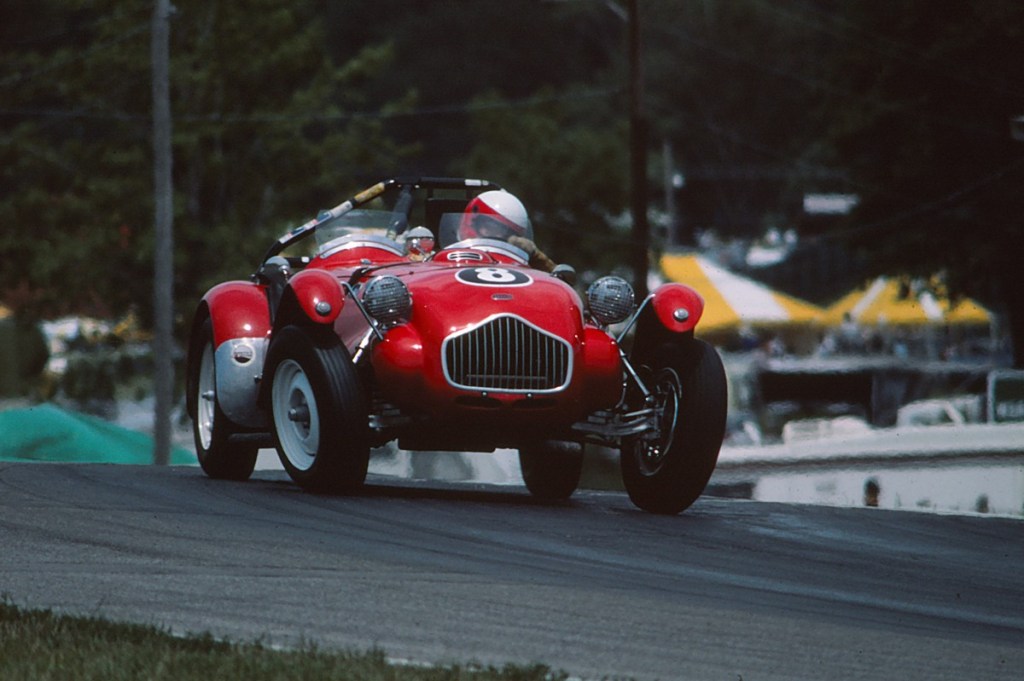
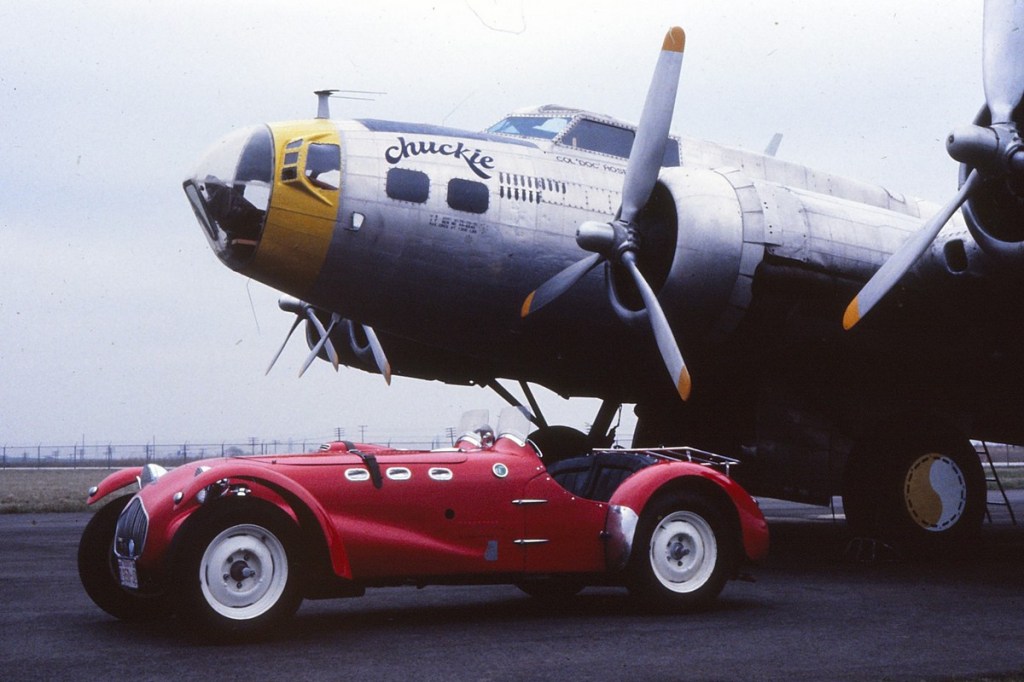
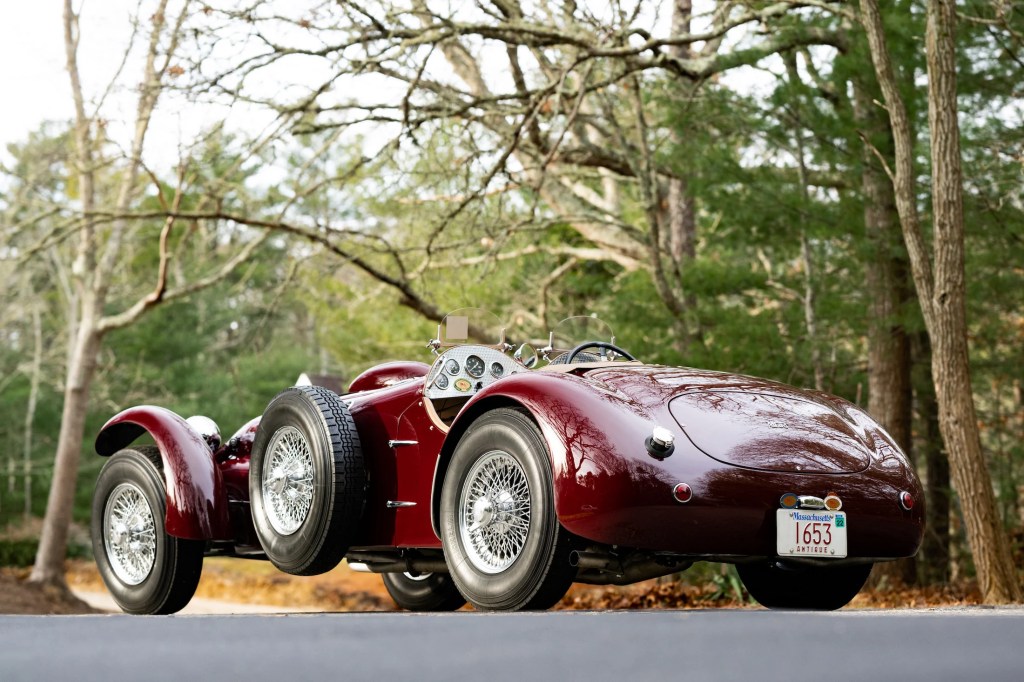
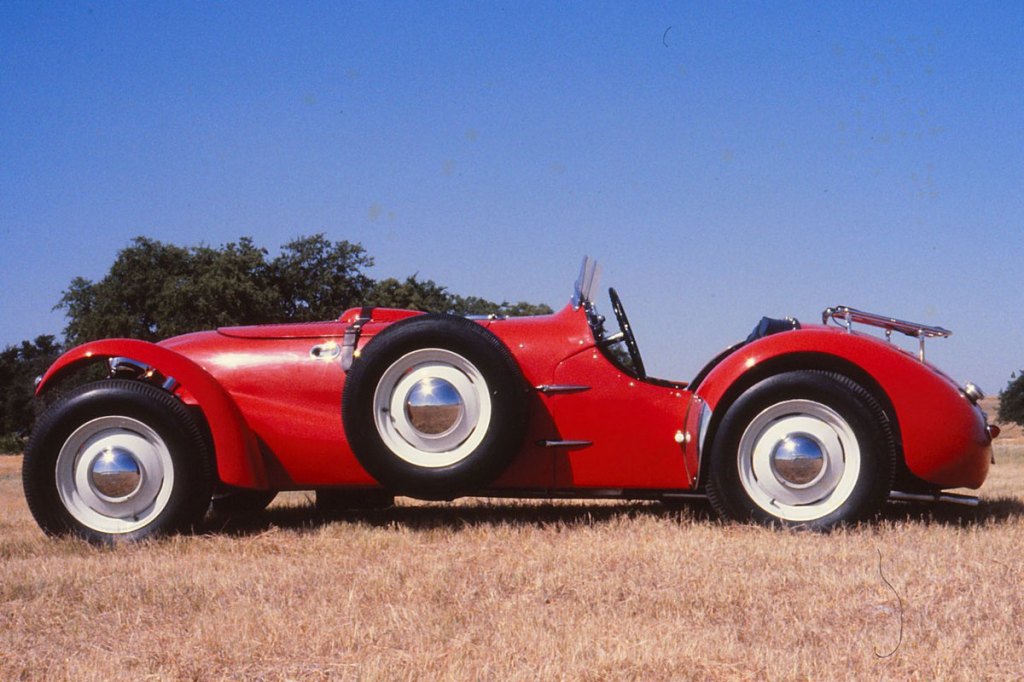
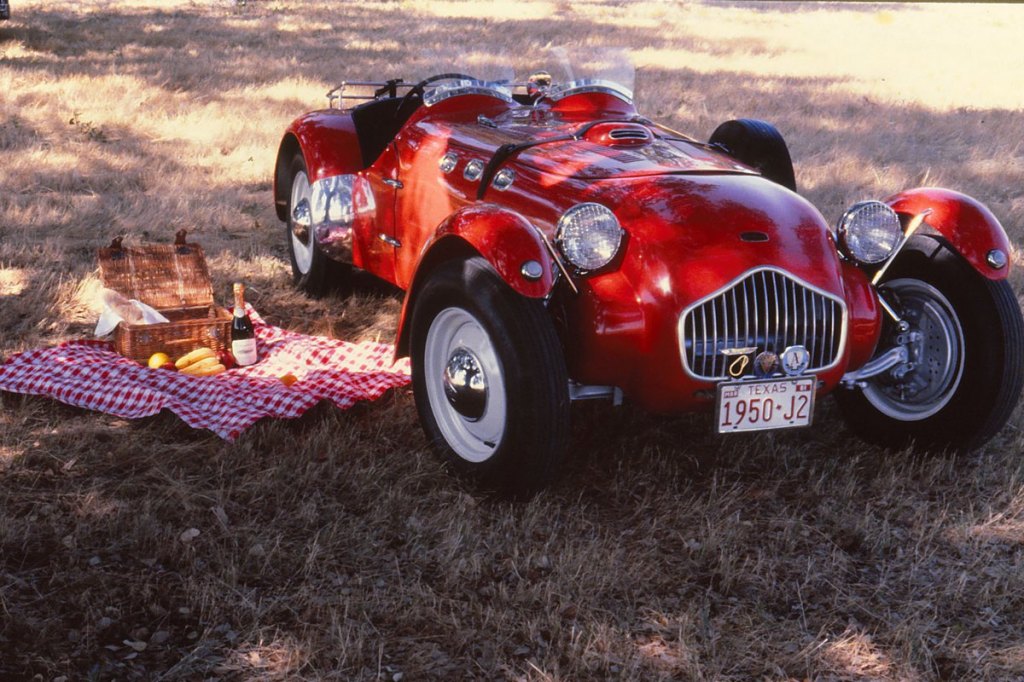
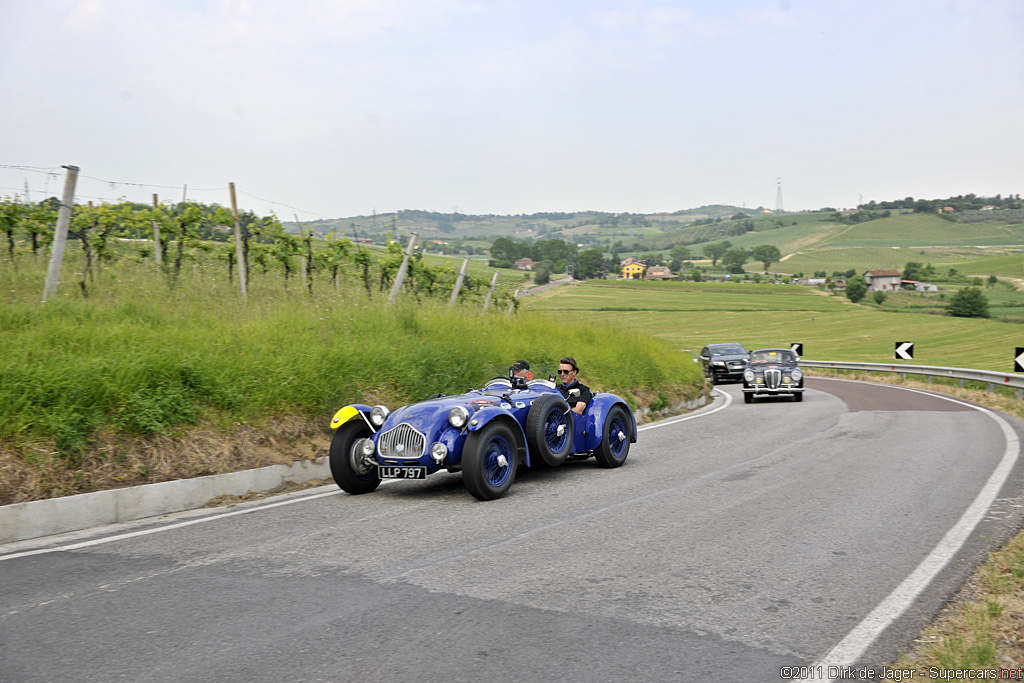
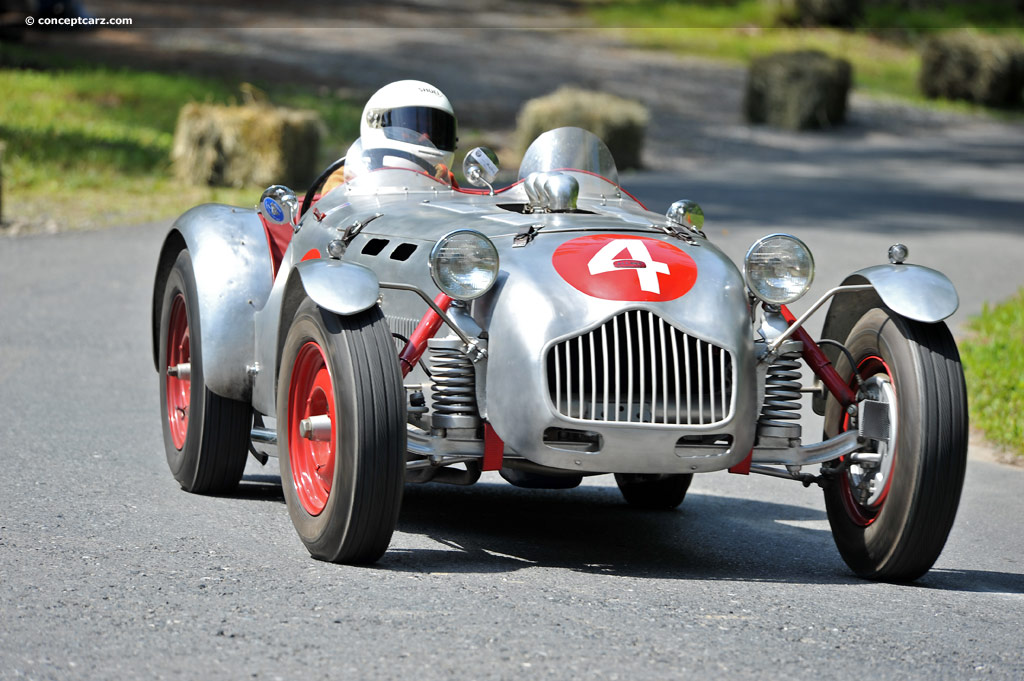
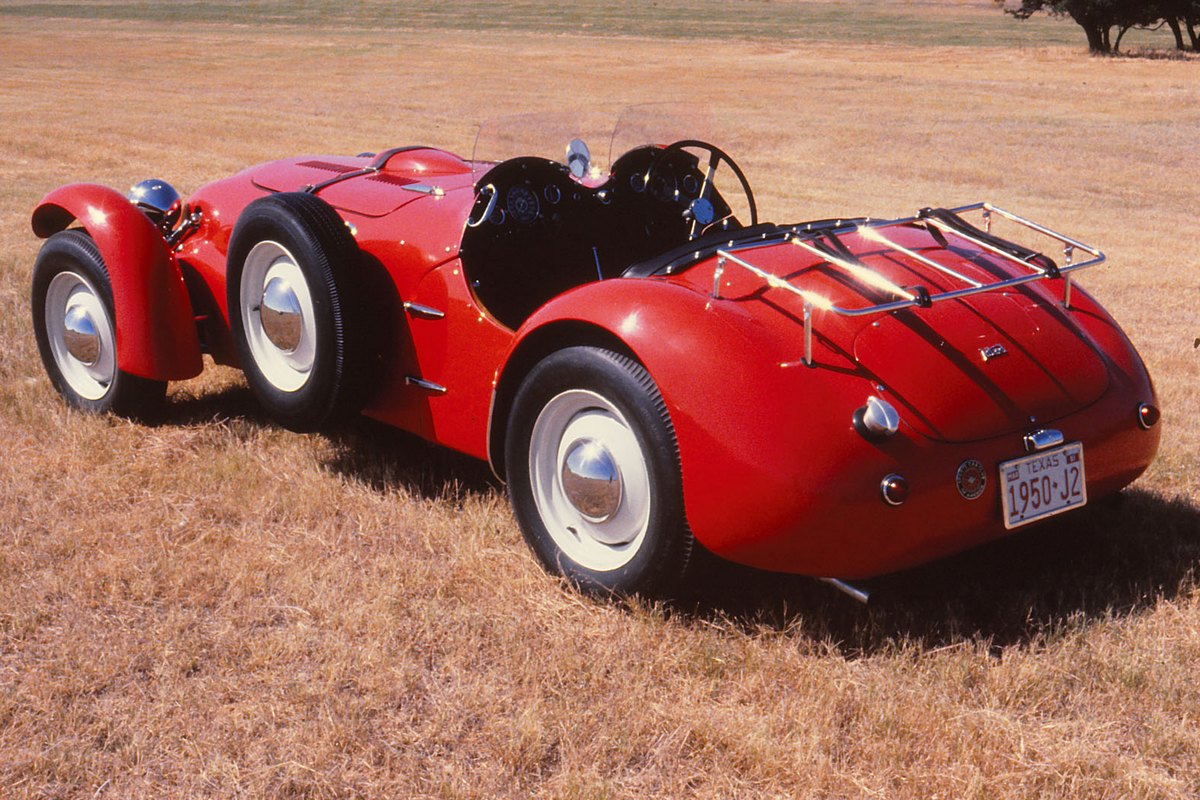
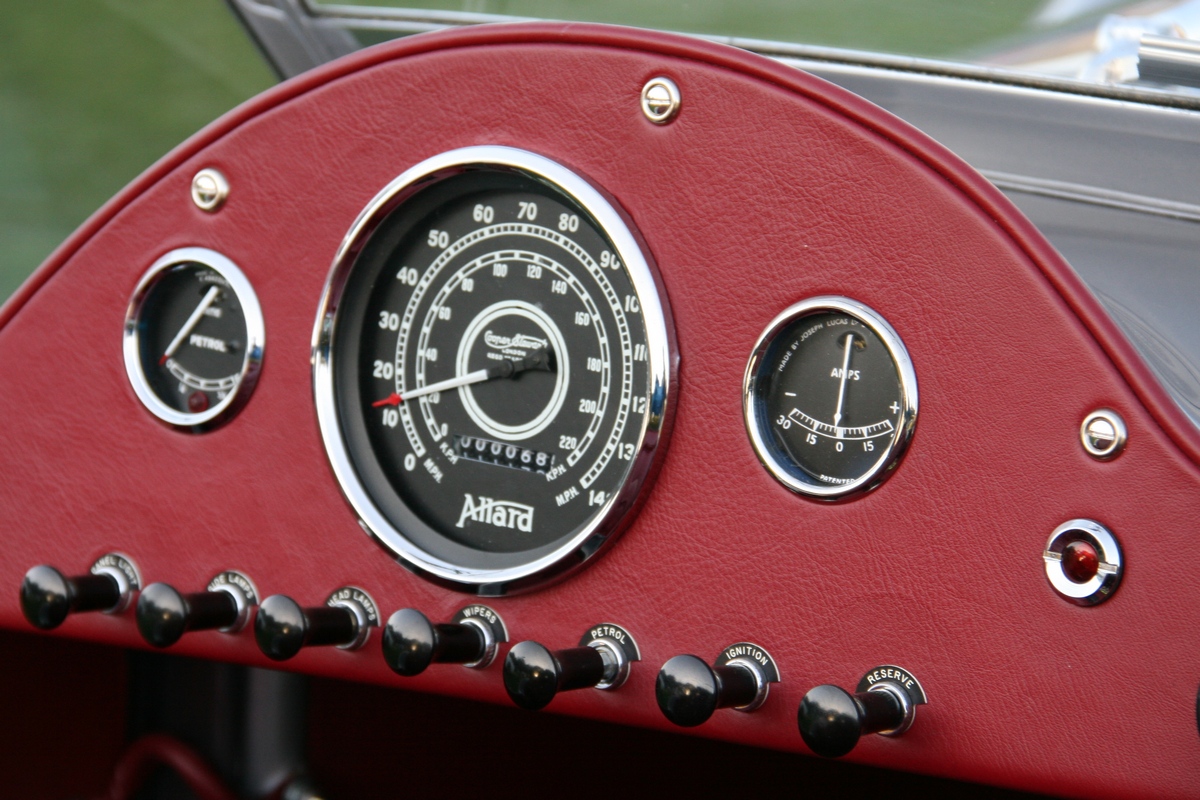
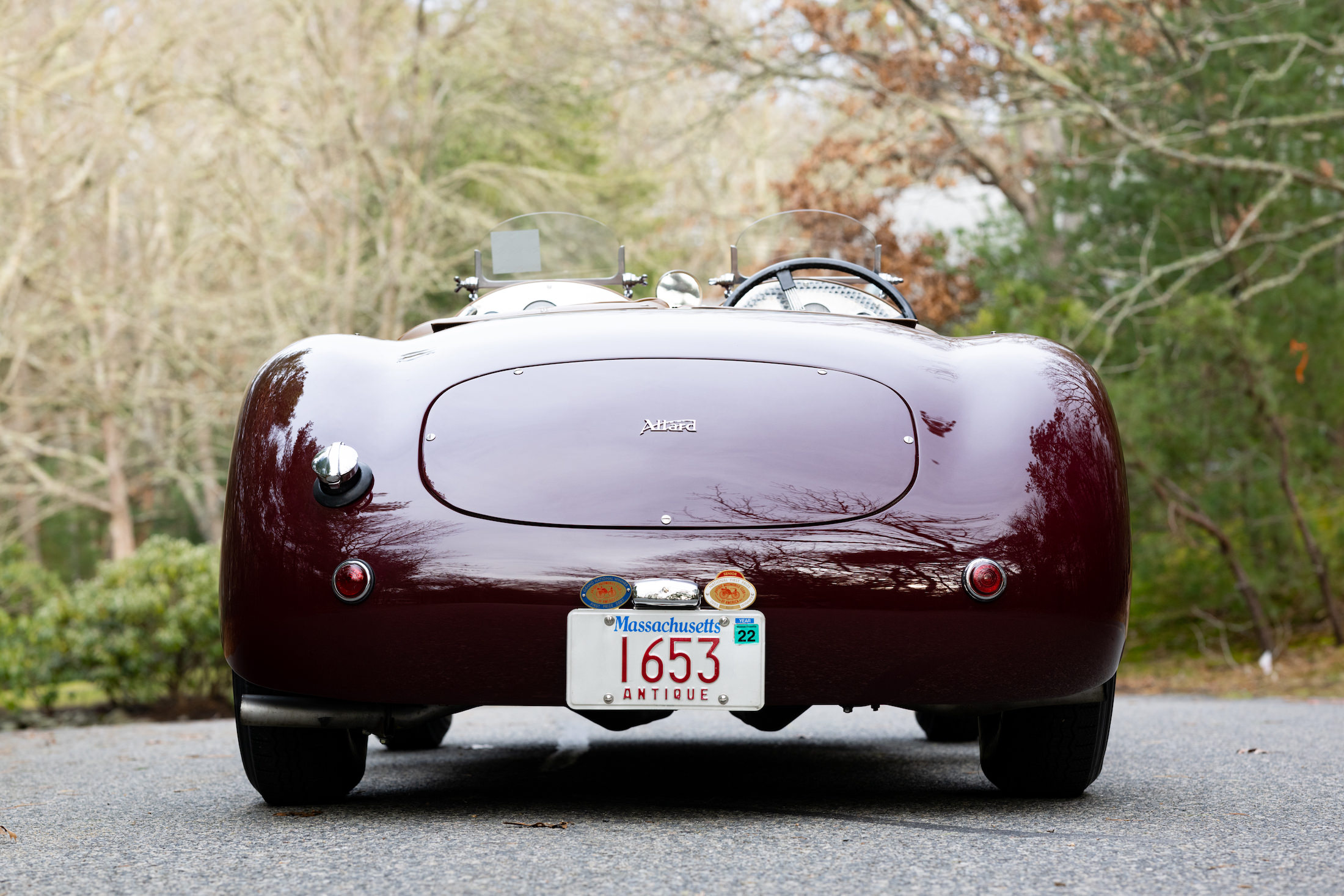
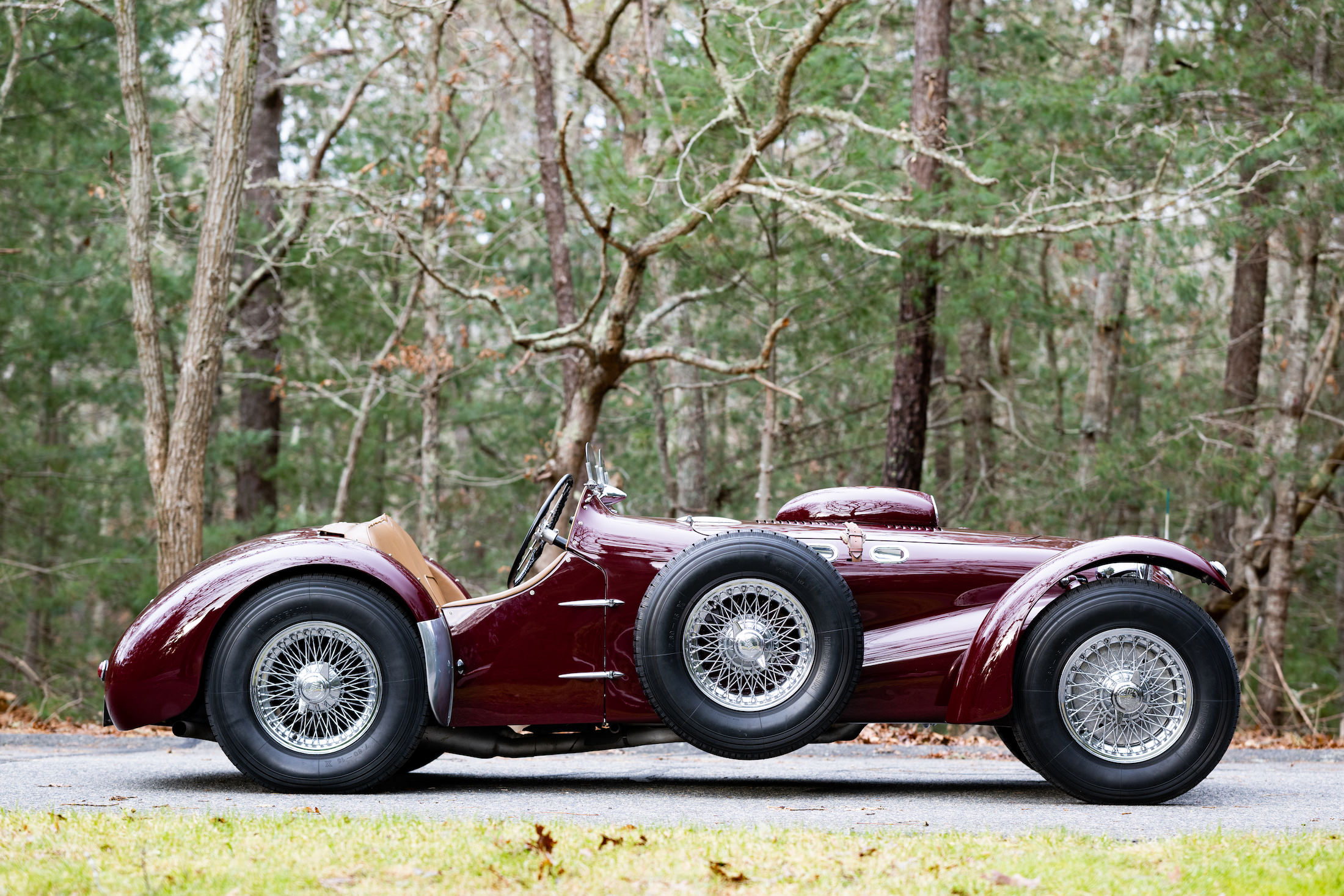
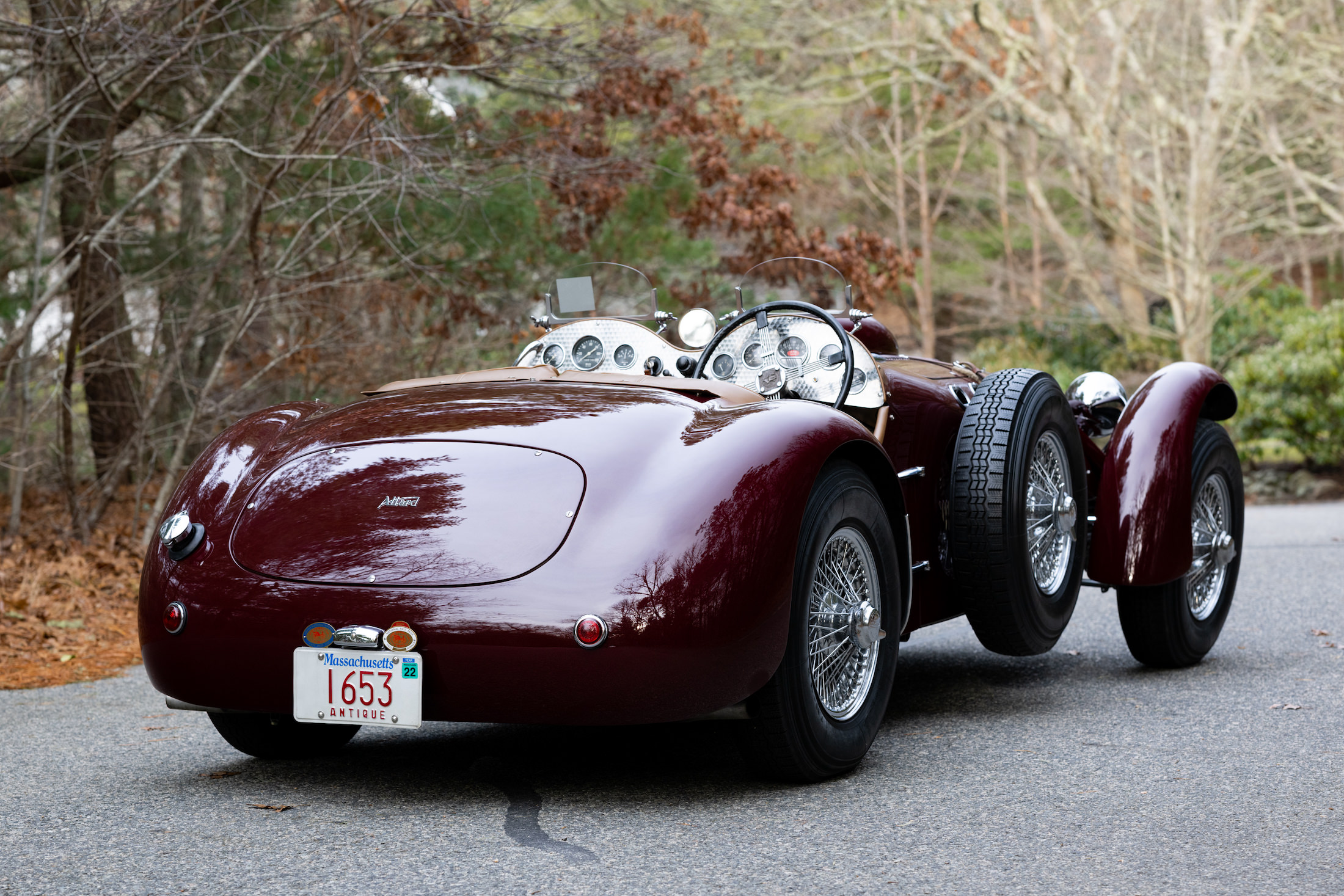
It was a good car, alright. Best of them was J2 – a model in production from 1949. This machine was a four wheel motorcycle in the essence. It had a modern V8 straight from Cadillac, which left in the dust even XK120s. Even the Jag turned out to be too slow for this shit – that’s how capable it was on the road. J2s accelerated from 0 to 60 in less then 6 seconds, and could reach 100 mph. It was a huge step forward from a J1. Did it mean the beginning of the Golden Era of Allard?

It exactly meant the beginning of the end for that company. But… but why? – you ask. Well, Jaguar was released in thousands. It had its market, on which they played a major role. Allard kept making small series of his road cars and could not possibly compete without mass production technology. No matter the performance, regardless of their build quality. That was when Jaguar offered their cars below their real value, and could flood the British roads with their vehicles if need be. Yes, sad… Anyway.

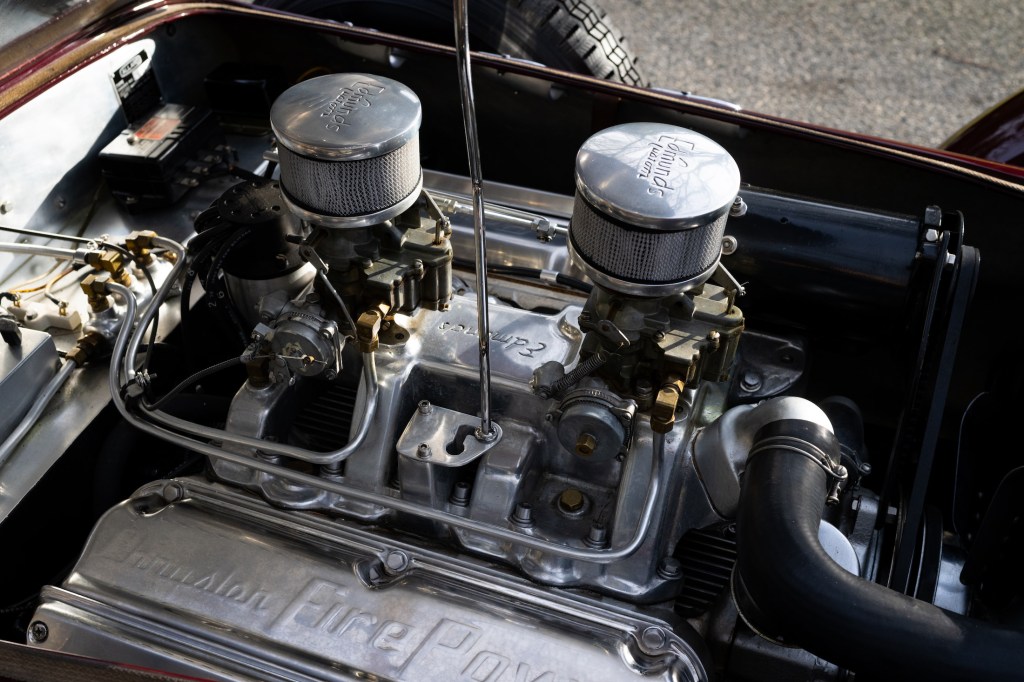
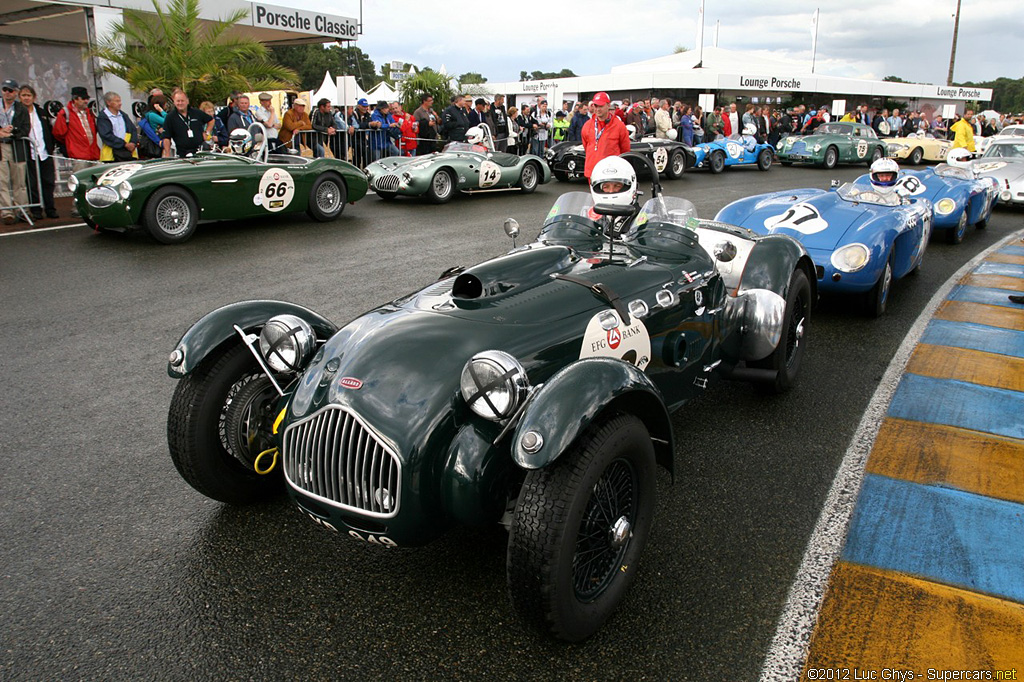
One more word about the J2 – last sentence. I promise. Well, the front suspension was closely related to its predecessor’s, but the leaves were replaced with coil springs. With DeDion, and upgrades in terms of the drum brakes design in the back – the unsprung weight was reduced. The whole V8 was pushed deep back under the hood, so the center of gravity would move closer to the middle. The sidevalve Ford V8 came as a standard, but there were also Cadillac-powered examples with a pushrod V8 motor. All in all – you could not compete against Allards of those times. There was no match. Even the best could not offer a good competition. 5.4-litre J2 with a Cadillac was best of its class at Le Mans. It landed a podium overall! Then Allard introduced updates to his J2s in the early ’50s – and those racers dominated the whole American scene. Cadillac V8 J2X and those with 331 Chrysler HEMI Firepower under the hood – you wouldn’t believe what madness it caused on the track. You wouldn’t believe. 313 starts – they won 40 times and at least on 62 occasions managed other podiums. They were raced professionally by such as Caroll Shelby (you know from the Mustangs, GT40s and Shelby Cobra I plan to soon introduce to you BTW.) or Zora Arkus-Duntov (him you recognize as a father of the Corvette).

Maybe now you have a better understanding why Shelby Cobra looked the way it looked. It was a small, lightweight roadster with a big strong V8 under. This machine deserves more attention than it gets. It was an important step in the history of motor car. Allard was the role model – inspiration for the best. Corvette was copying its philosophy, Cobra was born in exact Allard racer spirit. Vastness of the British sports cars followed similar design. It was simple, it was solid, it brought power to the table. The recipe for total domination of everyone and everything – everywhere. Even the models of more advanced technology. None could compete. Sadly, it posed threat to Jaguar’s business, and with 1958 Allard ended. They struggled with sales for almost 5 years, but they were – in the end – defeated.

I DON’T FUCKING THINK SO! After half a century of nothingness – since 2006 up until today, you can buy a brand new car from the factory, manufactured true to the original blueprints of the golden era sportscar. Even though it is a fun fact rather than a promise of mass production. We cannot really say any of the Allards – from any era – was ‚mass produced’. That would be untrue. To think about it… nothing really changed since the ’50s.

Krzysztof Wilk
All sources: M Buckley – The Complete Illustrated Encyclopedia of Classic Cars | ultimatecarpage.com | classiccarweekly.net | conceptcarz.com | supercars.net | silodrome.com | allardregister.org | wheelsage.org

1949 – Allard J2

Sydney Herbert Allard był handlarzem z Londynu – opychał Fordy w ich salonie – i miał dostęp do solidnych fordowskich widlastych ósemek. Już przed wojną opracował – z użyciem tego motoru – auto do wyścigów. W drugiej połowie lat ’30-tych, niszczył rywali podczas brytyjskich zawodów, uczestniczył w Le Mans, brał udział w Mille Miglia. Model Special potrafił w autosport, ale Allard postanowił o jego seryjnej produkcji dopiero po wojnie. Auto bazowało na platformie Forda Modelu 40, z jego przeniesieniem napędu, ale obleczonym w karoserie Bugatti Type 51. Było z lekkiego aluminium, przez co miało przewagę we wszelkiego rodzaju hillclimbach. Allard wszystkie swoje modele robił w tej filozofii. Po wojnie powstawały warianty Speciali również z V12 Lincolna, choć w niewielu egzemplarzach. Taki motor dawał od kurwy momentu obrotowego, przez co tego typu auta zaczęły odnosić serie zwycięstw. To było dobre auto – choć potrafiło się mocno grzać przy odcinie… To przez nienajlepszy design kolektorów – ale auto było dobre.

Podczas wojny Allard zajmował się naprawą uszkodzonych ciężarówek na potrzeby wojska – ale gdy konflikt dobiegł końca, można było odświeżyć ofertę, aby rozpocząć sprzedaż aut. W 1946, przy użyciu fordowskich układów napędowych w połączeniu z ich 3-biegowymi przekładniami, powstały nowe konstrukcje. Przód zawieszenia to oś dzielona, z tylnym mostem napędowym – oba na poprzecznych piórach. Modele K1 i J1 były bardzo proste, żeby nie powiedzieć “prymitywne” w swej architekturze – ale za to szybkie. A już z 3.9-litra V8 pod maską, to na pewno. Do oferty wprowadzono bardziej ogarnięte wersje M1 i L Type z 4 fotelami. Do tego P1 w sedanie. Było w czym wybierać. Takie P1 nota bene, z 4.4 już litra pod maską, wygrało takie Monte Carlo na przykład – a chłop zajął również 3-cie miejsce w 24-godzinnym wyścigu Le Mans – z niesprawnym 1 oraz 2 przełożeniem ich 3-biegowej skrzyni!

To było dobre auto, ale najlepsze ze wszystkich były modele J2, produkowane od 1949 roku. No to takie coś, to był właściwie czterokołowy motocykl. Miał nowoczesne widlaste serce Cadillaka, dzięki czemu nawet XK120 zostawał w tyle. Nawet Jaguar był po prostu za wolny – taki to chlew robiło na drodze. J2 przyspieszał do setki w mniej niż 6 sekund i potrafił osiągać 160 km/h. To był olbrzymi krok naprzód w porównaniu do J1. Czy oznaczało to dominację Allarda?

Otóż, oznaczało to koniec dla tej marki… Ale, ale dlaczego? Jaguar był klepany w tysiącach sztuk. Miał określoną niszę, w której grał pierwsze skrzypce. Allard wykonywał malutkie serie swych pojazdów i nie mógł nijak konkurować bez technologii masowej produkcji – niezależnie od osiągów, czy jakości wykonania ich aut. A Jaguar, przecież oferował modele po mocno zaniżonej cenie w stosunku do jakości, jaką oferowały – i jeśli zaszłaby taka potrzeba, mogliby zalać rynek swoim produktem. Smutne… Anyway.

Jeszcze słowo o modelu J2… Obiecuję – tylko jedno zdanie: Przednie zawieszenie było zbliżone do poprzenika, ale pióra zastąpiono sprężynami śrubowymi. Tył potraktowano DeDionem i zmieniono architekturę hamulców bębnowych, zmniejszając tym samym masę nieresorowaną auta. Całe V8 mocno cofnięto w ramie, dla przeniesienia środka ciężkości do tyłu. Dolnozaworowe V8 od Forda było standardem, ale robiono i wersje z Cadillakiem pod maską, w postaci V8 na popychaczach. Generalnie – na Allarda nie było mocnych. Kim jesteś? Jesteś zwycięzcą. To był schemat nie do podejścia i nawet najlepsi wymiękali. J2 z Cadillakiem o pojemności 5.4-litra wygrało w swojej kategorii w wyścigu Le Mans – i trafiło na podium w klasyfikacji ogólnej! Z początkiem lat ’50-tych przedstawiono pakiet modyfikacji do J2, które zdominowały całą amerykańską scenę wyścigową. J2X były zasilane V8 Cadillaka i silnikami 331 Chrysler HEMI Firepower. No wyobraźcie sobie co to musiało robić za gnój. W 313 udokumentowanych startach, pojazdy te wygrywały 40 razy, przy co najmniej 62 okazjach zajmując inne podia. Dość powiedzieć, że Allardami ścigały się profesjonalnie takie osobistości jak Carroll Shelby (którego znacie z Mustangów, Fordów GT40 i Shelby Cobry – której temat, swoją drogą, niedługo poruszę), oraz Zora Arkus-Duntov (jego to z kolei znacie jako ojca-założyciela projektu Chevroleta Corvette).

Teraz może lepiej rozumiecie dlaczego Shelby Cobra wyglądała tak, jak wyglądała. Mały lekki roadster z dużym amerykańskim V8 pod maską. To auto zasługuje na większą uwagę za swój wkład w historię motoryzacji. Allard stanowił wzór, do którego zawsze dążyła Corvetta, Cobra – jak i spore grono aut sportowych produkcji angielskiej. Prostej konstrukcji, solidne i mocarne auto – rozwalało na torze pojazdy o dużo bardziej zaawansowanych rozwiązaniach. Niestety kariera tego modelu nie mogła trwać długo. Allard zaatakował segment Jaguara i w 1958 roku musiał się zawinąć. Ponad 5 lat walczyli, bo już w 1953 sprzedaż spadła, się swój ryj rozbiła, i już nie wstała.

A GÓWNO TAM – WSTAŁA! Po pół wieku, od 2006 roku do dziś, można kupić J2X w zgodzie z oryginalnymi projektami z czasów świetności. Choć to raczej taka oto ciekawostka, aniżeli pełnoseryjna produkcja… Chociaż mowa o produkcji seryjnej w przypadku tej marki, to jakieś nieporozumienie – niezależnie czy teraz, czy nawet za czasów ich świetności. W sumie nic się nie zmieniło.

Krzysztof Wilk
Na podstawie: M Buckley – The Complete Illustrated Encyclopedia of Classic Cars | ultimatecarpage.com | classiccarweekly.net | conceptcarz.com | supercars.net | silodrome.com | allardregister.org | wheelsage.org