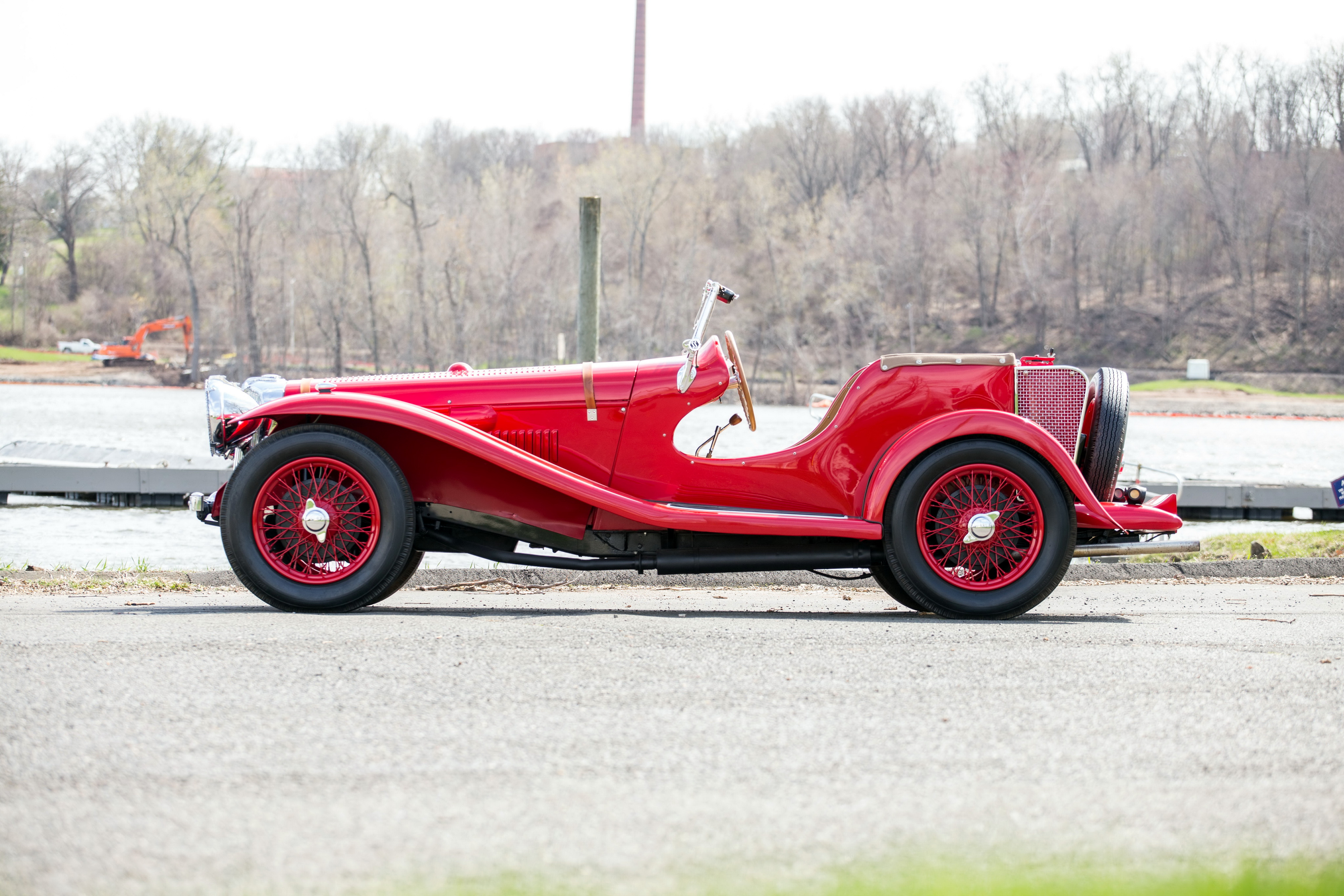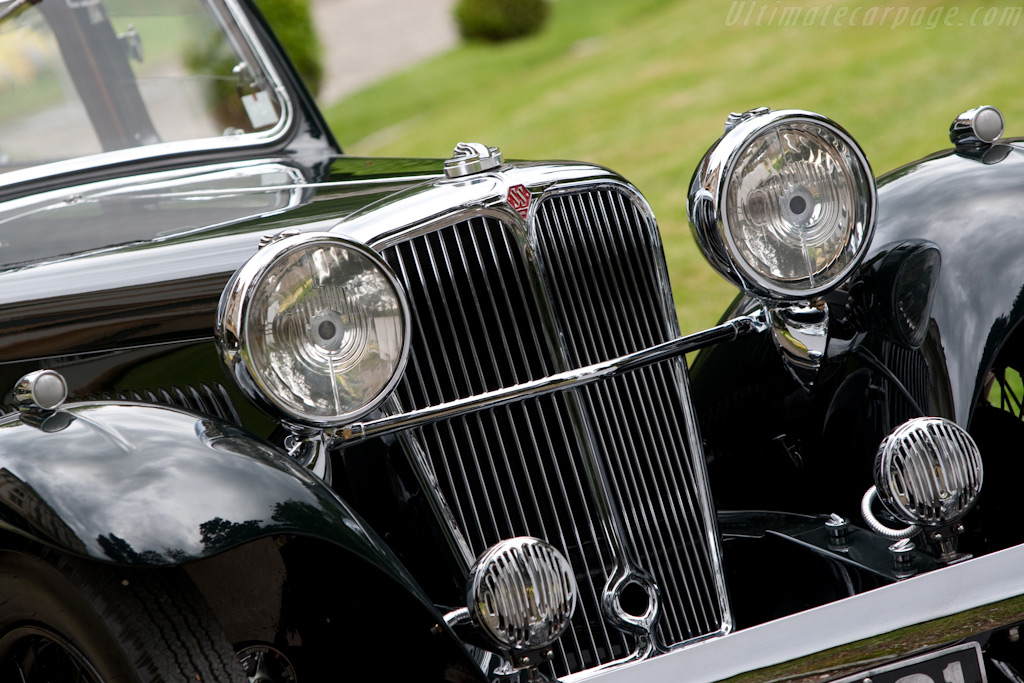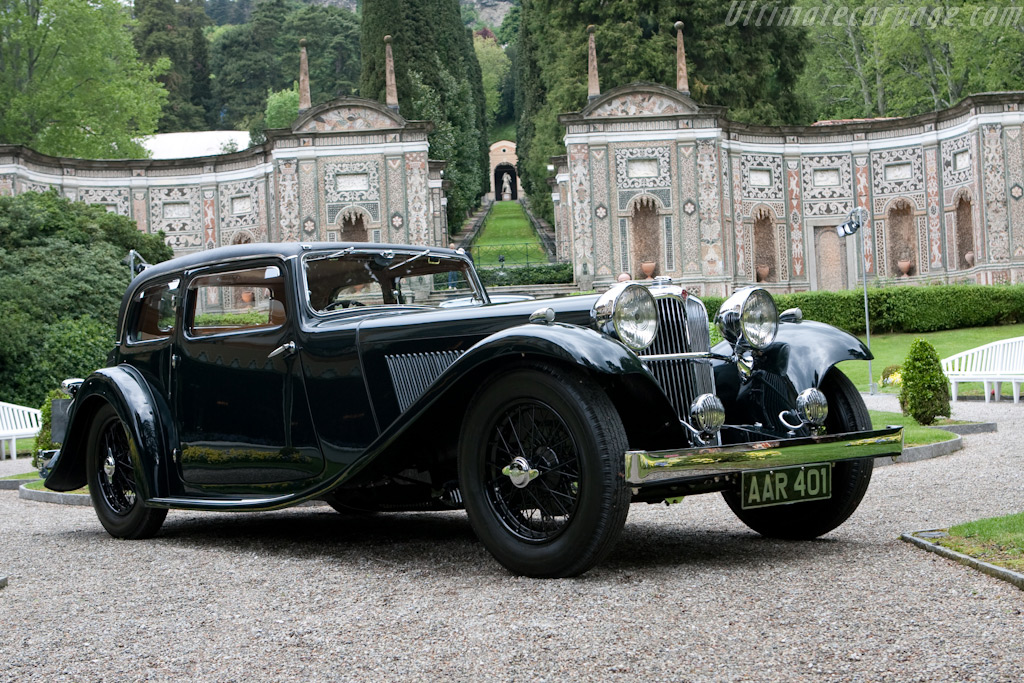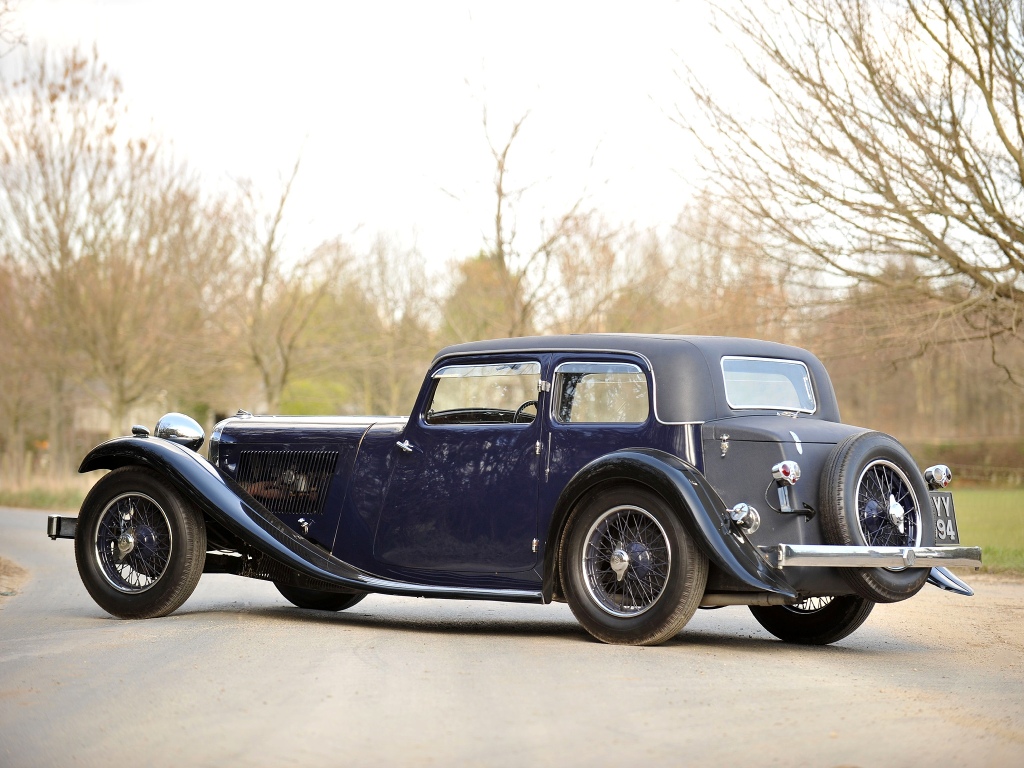
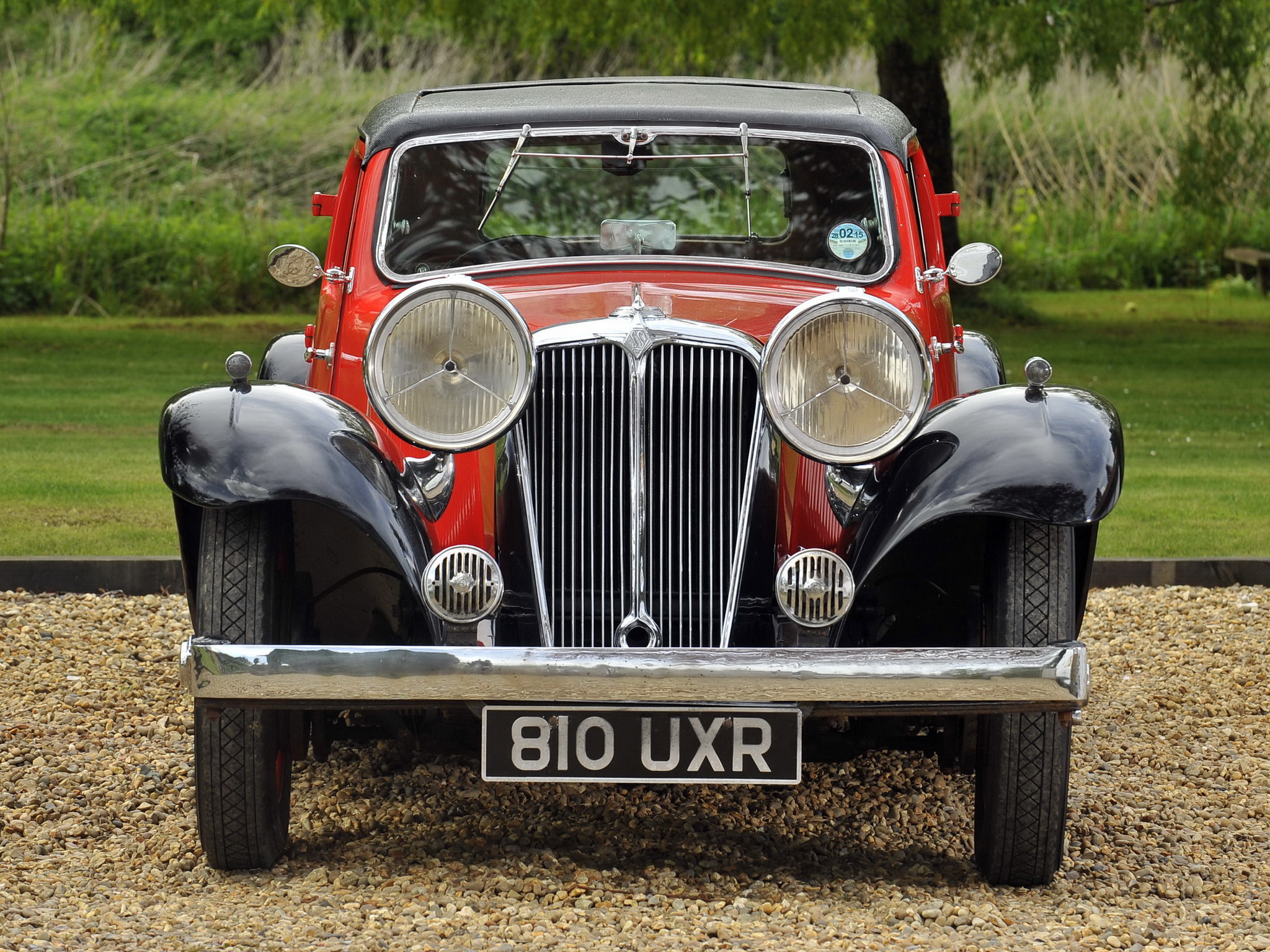
1932 – SS1 Coupe

Jaguar was established as a brand in 1945, but its roots go deeper than that. William Lyons starts his small business in the early ’20s. The company – Swallow Sidecar Co. – was fixed on manufacturing aluminum motorcycle side cars. Lyons was a moto enthusiast himself, owned a few machines and even entered a few sports events. He worked as a dealer at the time, buying and selling motorcycles – he put his hands on a lot of technology… until he met another William – William Walmsley – who just moved right next to Lyons. Both Williams were neighbours and lived on the very same street. Lyons was dealing motorcycles, and Walmsley was making sidecars in his garage – one per week. What a coincidence!
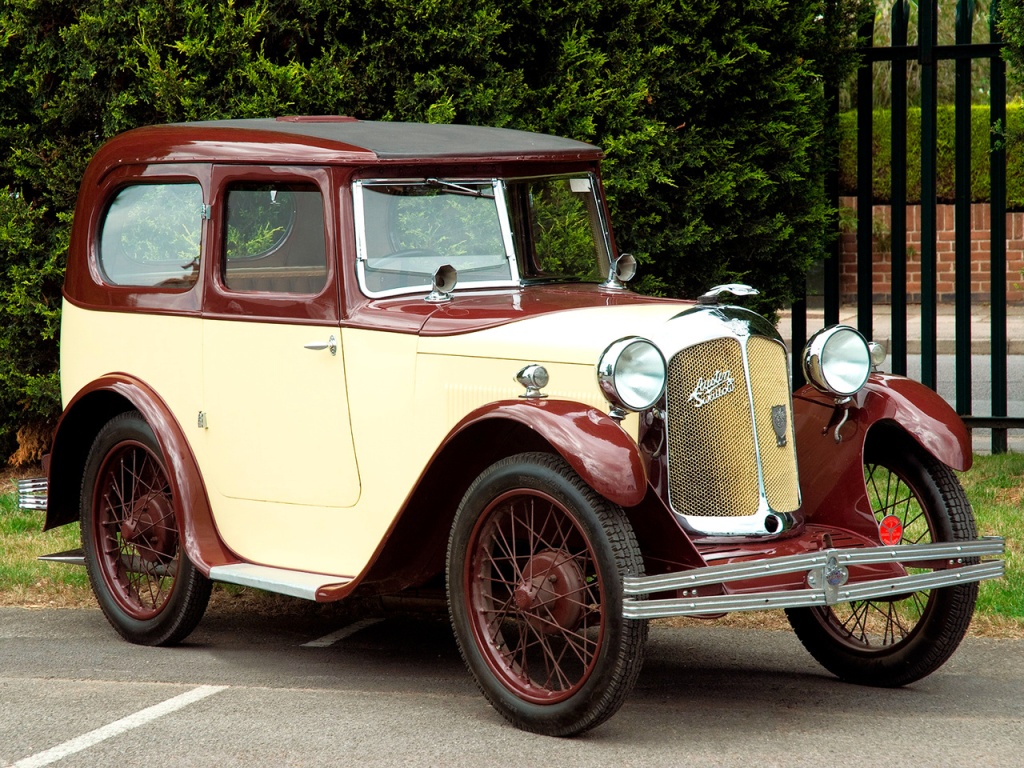
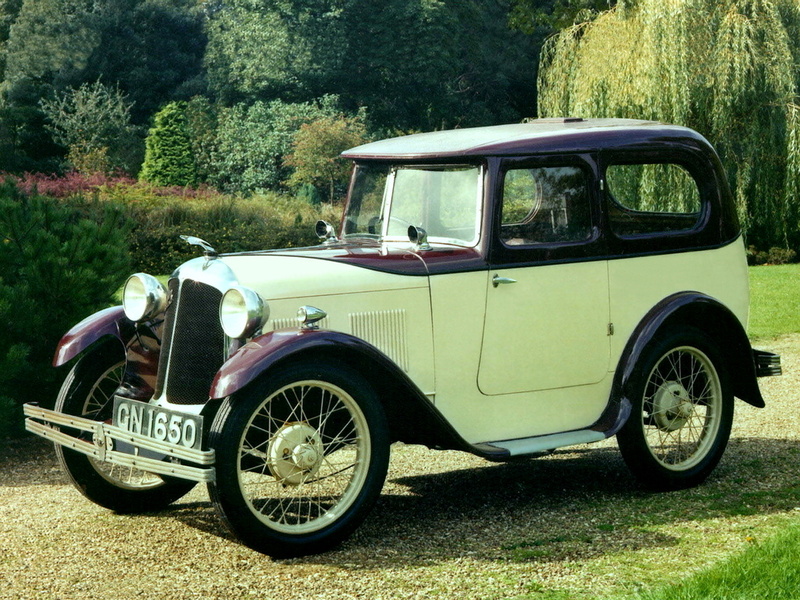
Lyons ordered such sidecar from Walmsley and, impressed when he got it, he suggested both start a business together. Walmsley didn’t want to go that far at first, but he was pressed right and with their parents’ blessing, in year 1922 – on William Lyons’ 21’st birthday BTW – Swallow Sidecars was born. Walmsley was doing the sidecars and Lyons was responsible for sales, accountance and administration. Their business grew enough to move their workshop from the second floor of the electrical equipment factory, to a more suitable and larger building. They also changed their name to Swallow Sidecar and Coachbuilding – to accommodate their range expansion.
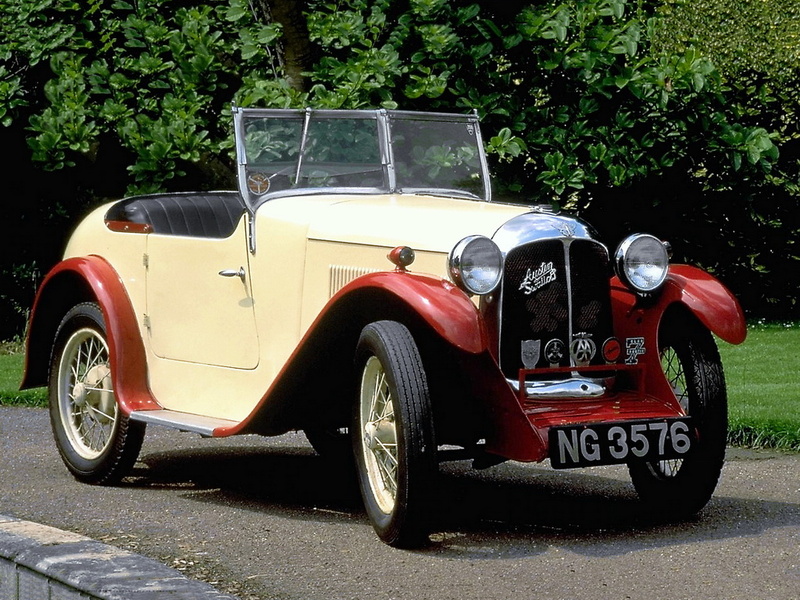
In the early Coachbiulding stage they were just fixing local Austin 7s, but Lyons quickly put 2 and 2 together… he could make much more money executing original and elegant bodies for those cars. At some point he did buy one of these and Swallow made a bespoke body for that model. The car had 2 seats and hinged hood – and quickly went into production as an Austin Swallow. Austin themselves sent their chassis to Swallow workshop, so they could officially finish the car on their own – that’s how good their bodies were – and they had a plethora of options: from roadsters, to sedans and coupes. The company put their bodies on Clyno and Alvis cars, they employed over 50 workers, couldn’t handle the demand and constantly grew bigger. At that point they already made 100 sidecars weekly plus 2 cars a day, but when Shell left their manufacture in Coventry, Lyons put his hands on it instantly – that allowed him easier access to resources and helped increase the output to 50 cars every week. Last years of the ’20s and the early ’30s was a good time for Swallow Sidecars. The brand appeared on a motorshow, got contracts for Fiat bodies, ones for Morris, Wolseley and – what’s most important – for Standard Motor Company (while the production rocketed to 30 automobiles per day). They also decided to construct their own complete vehicle.
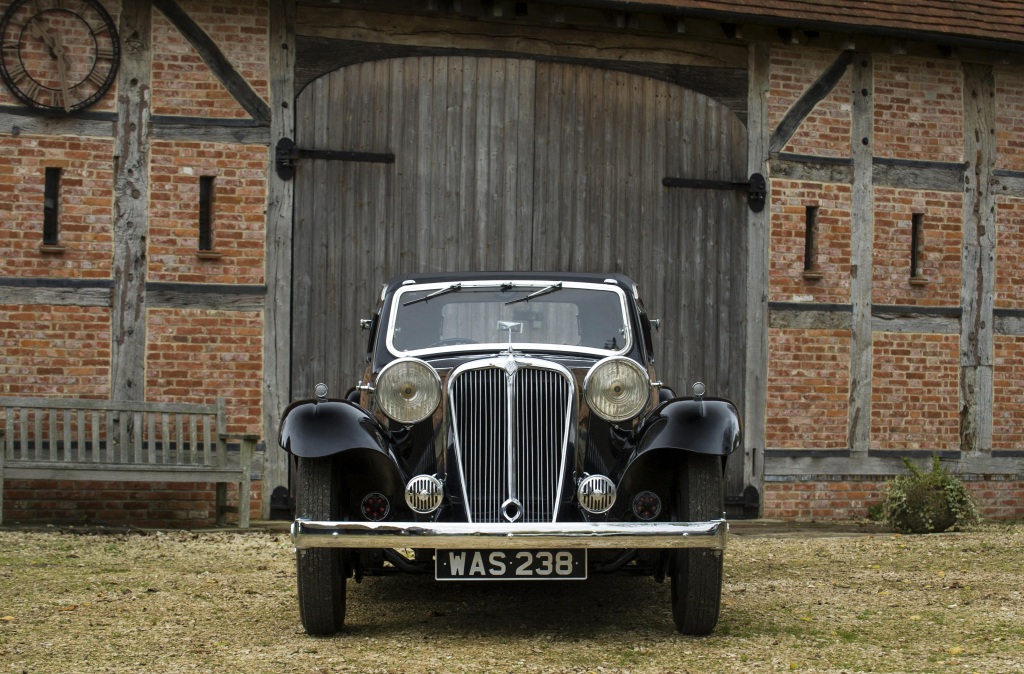
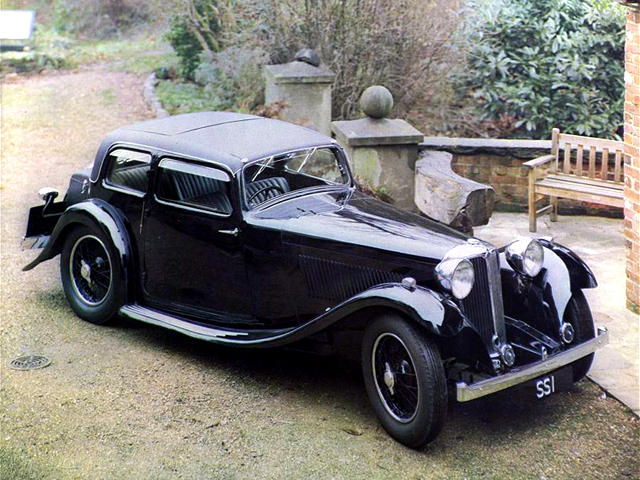
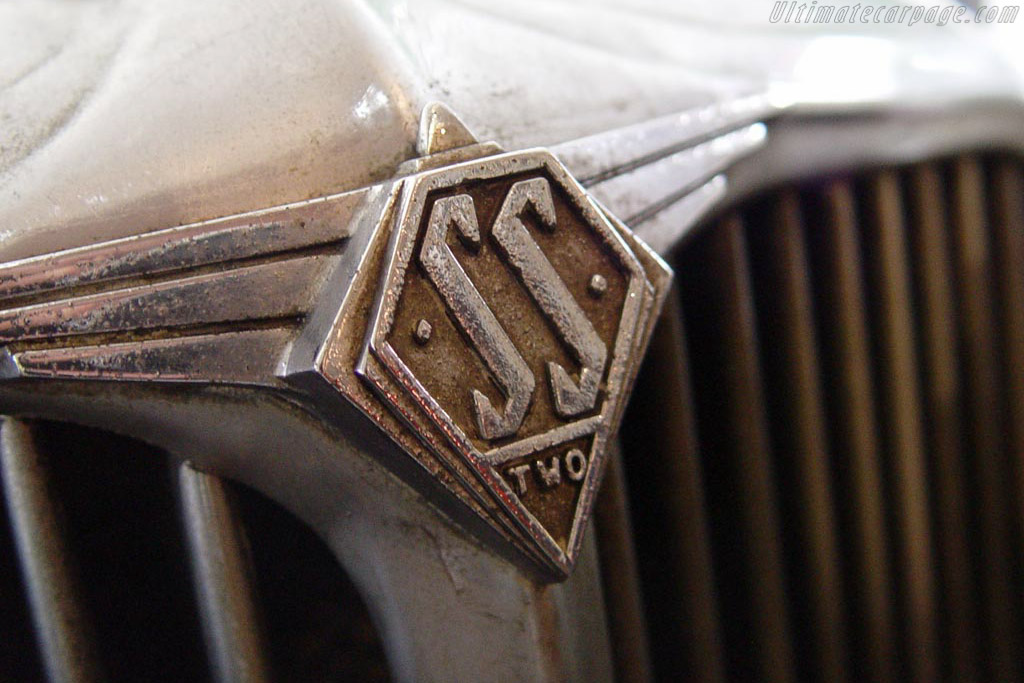
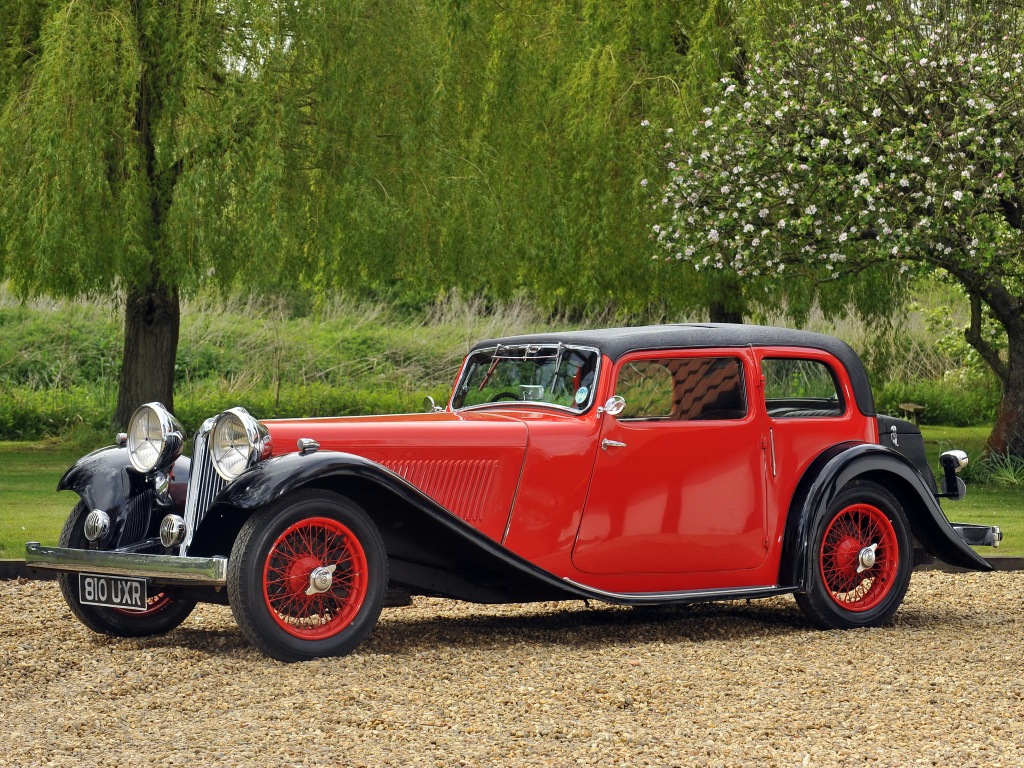
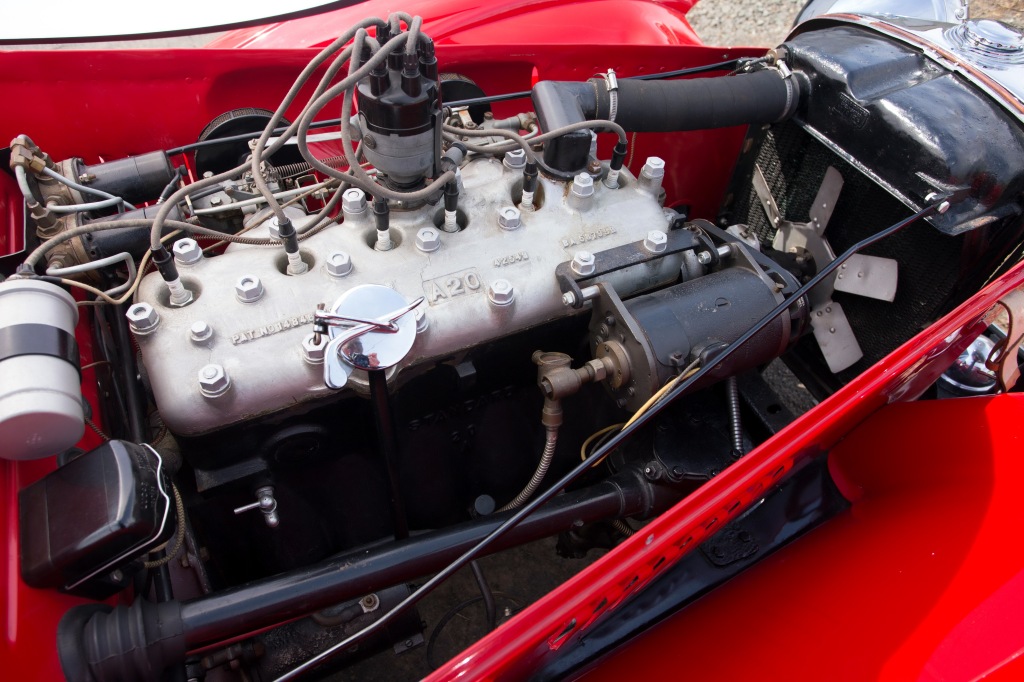
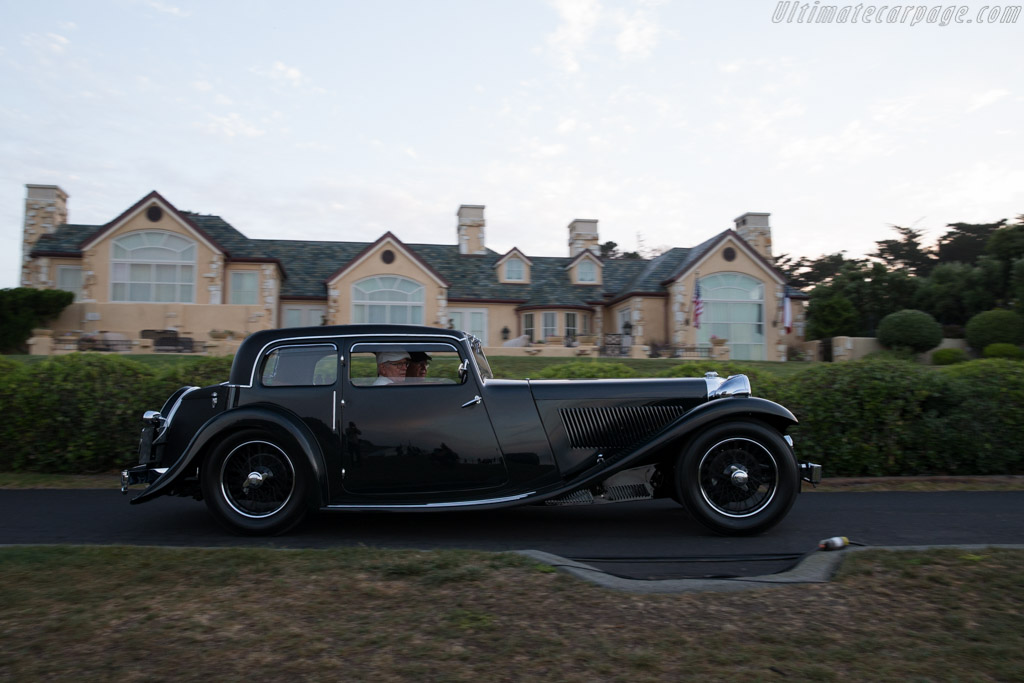
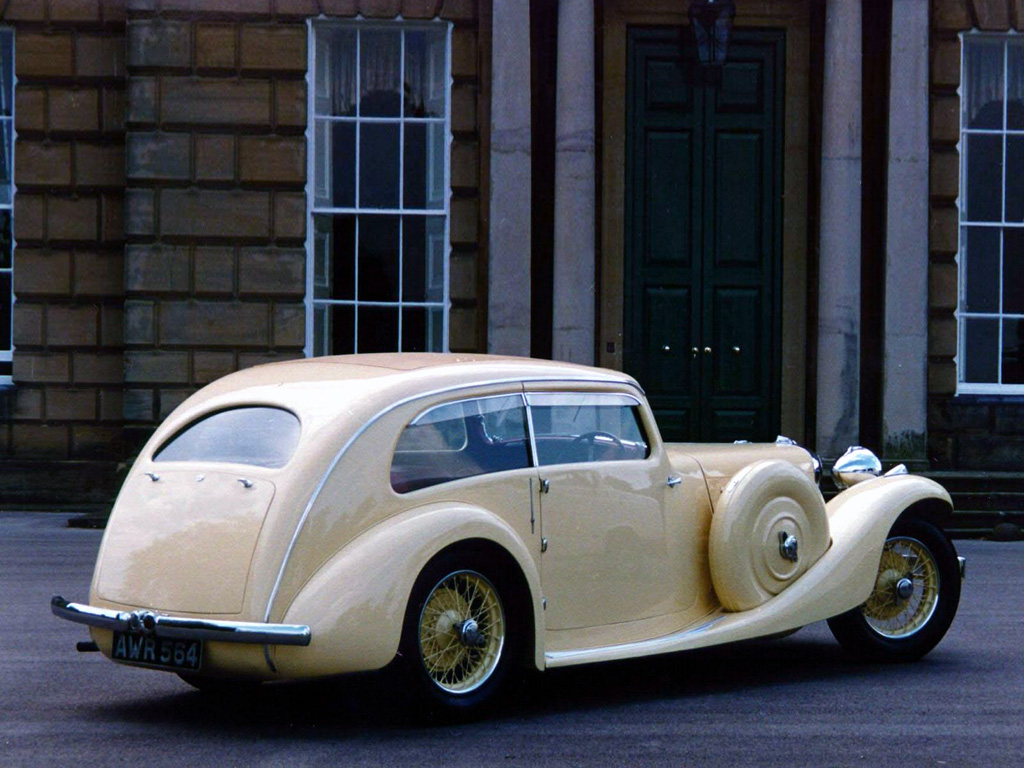
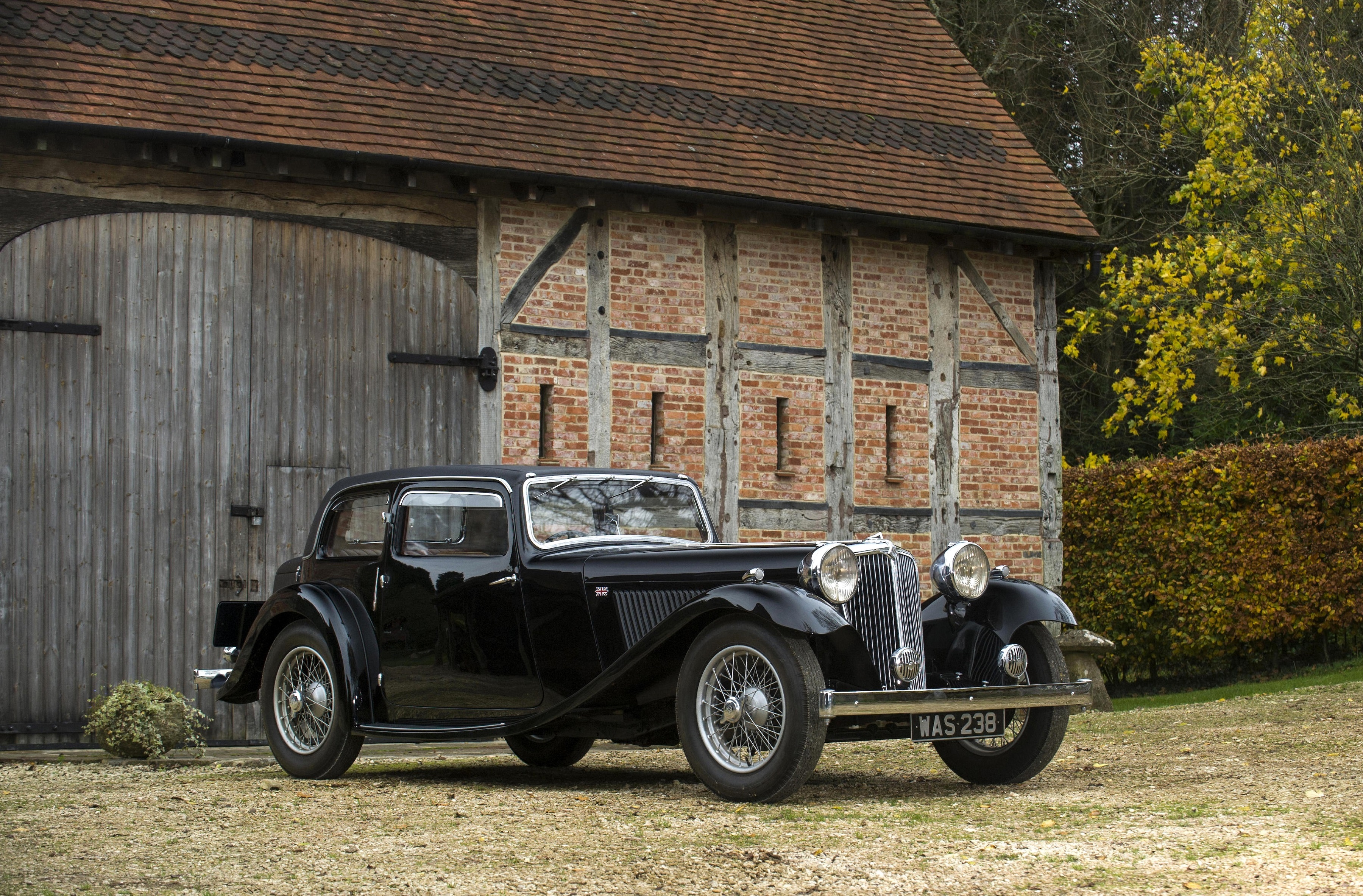
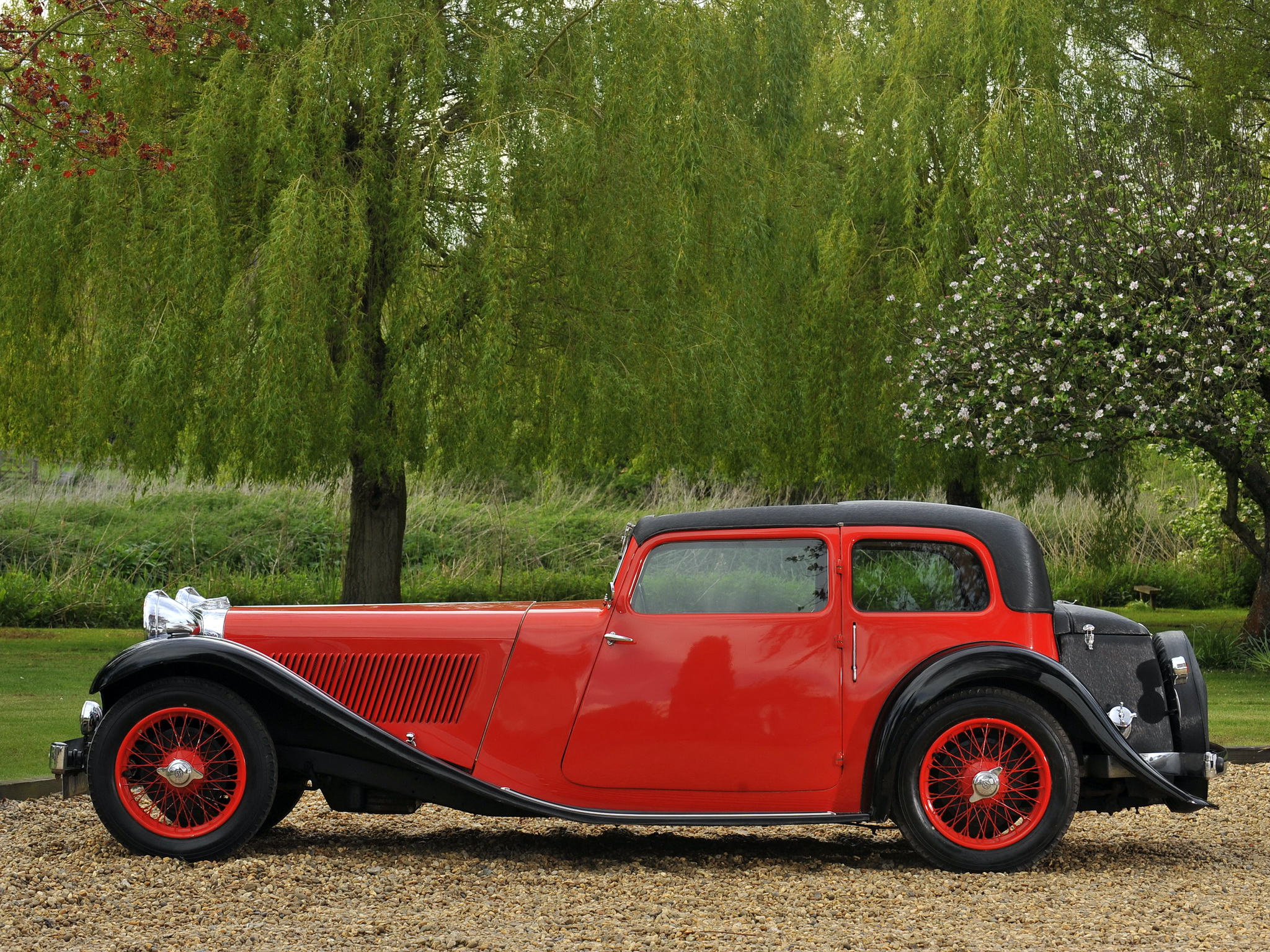
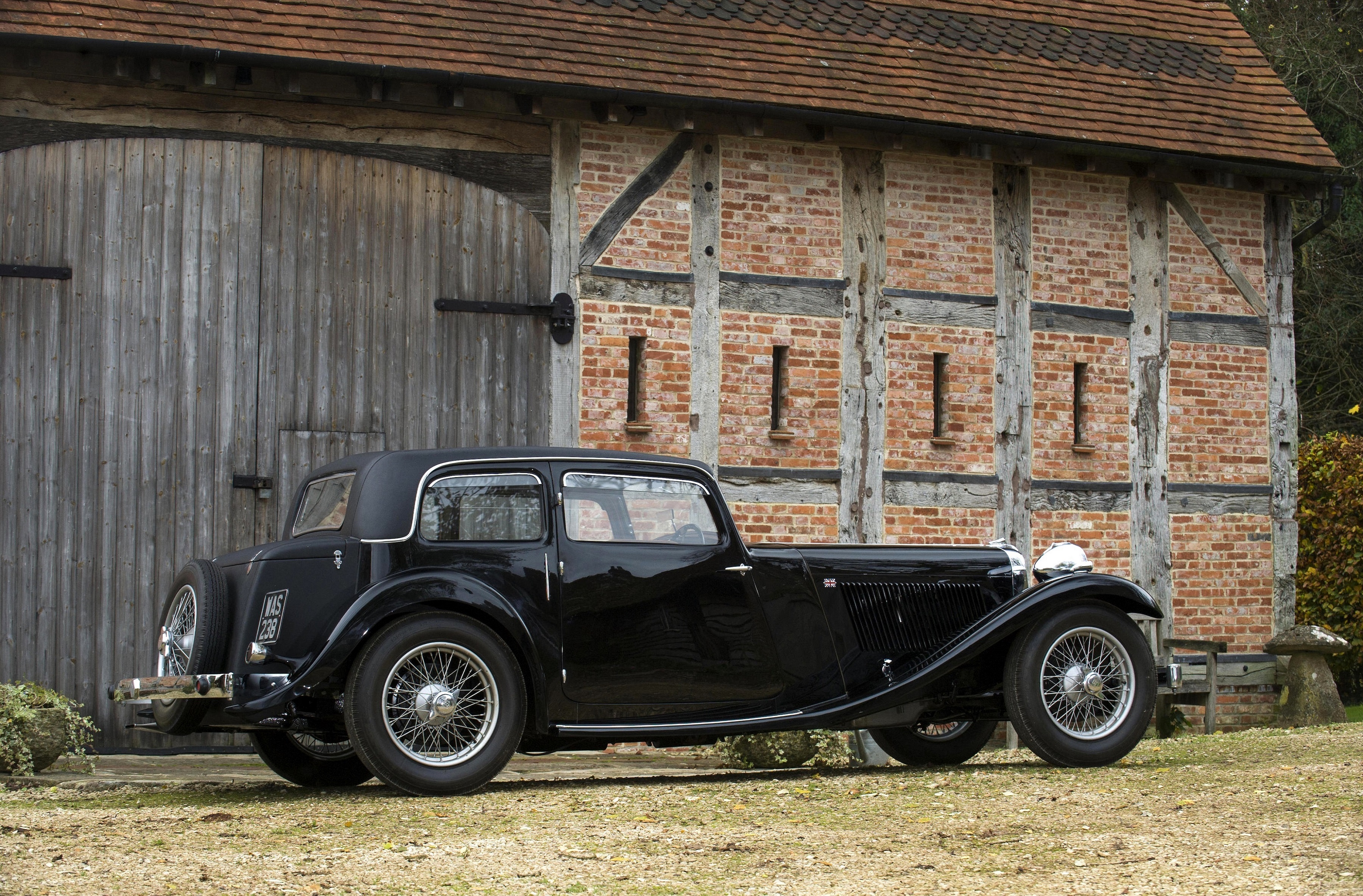
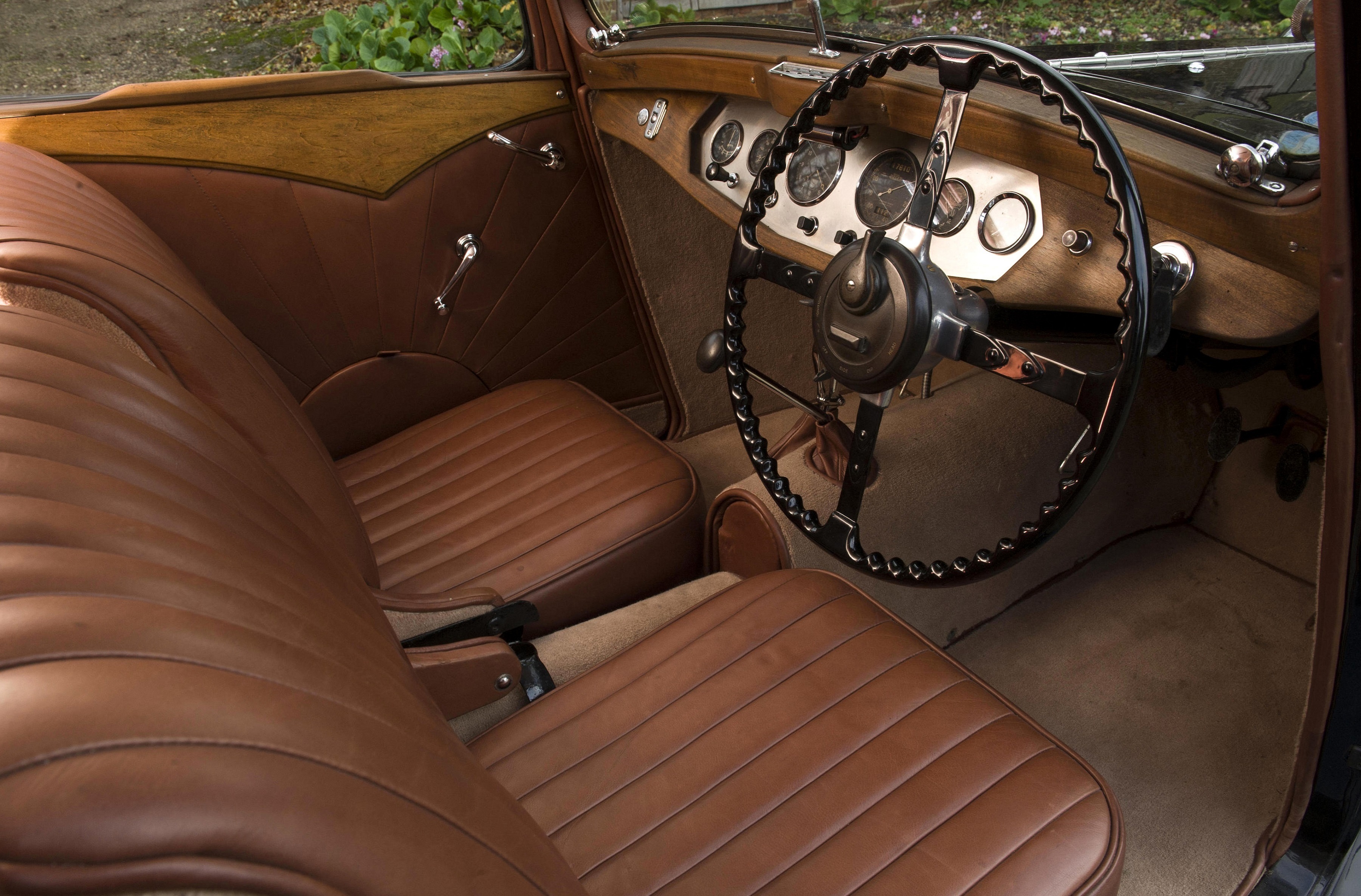
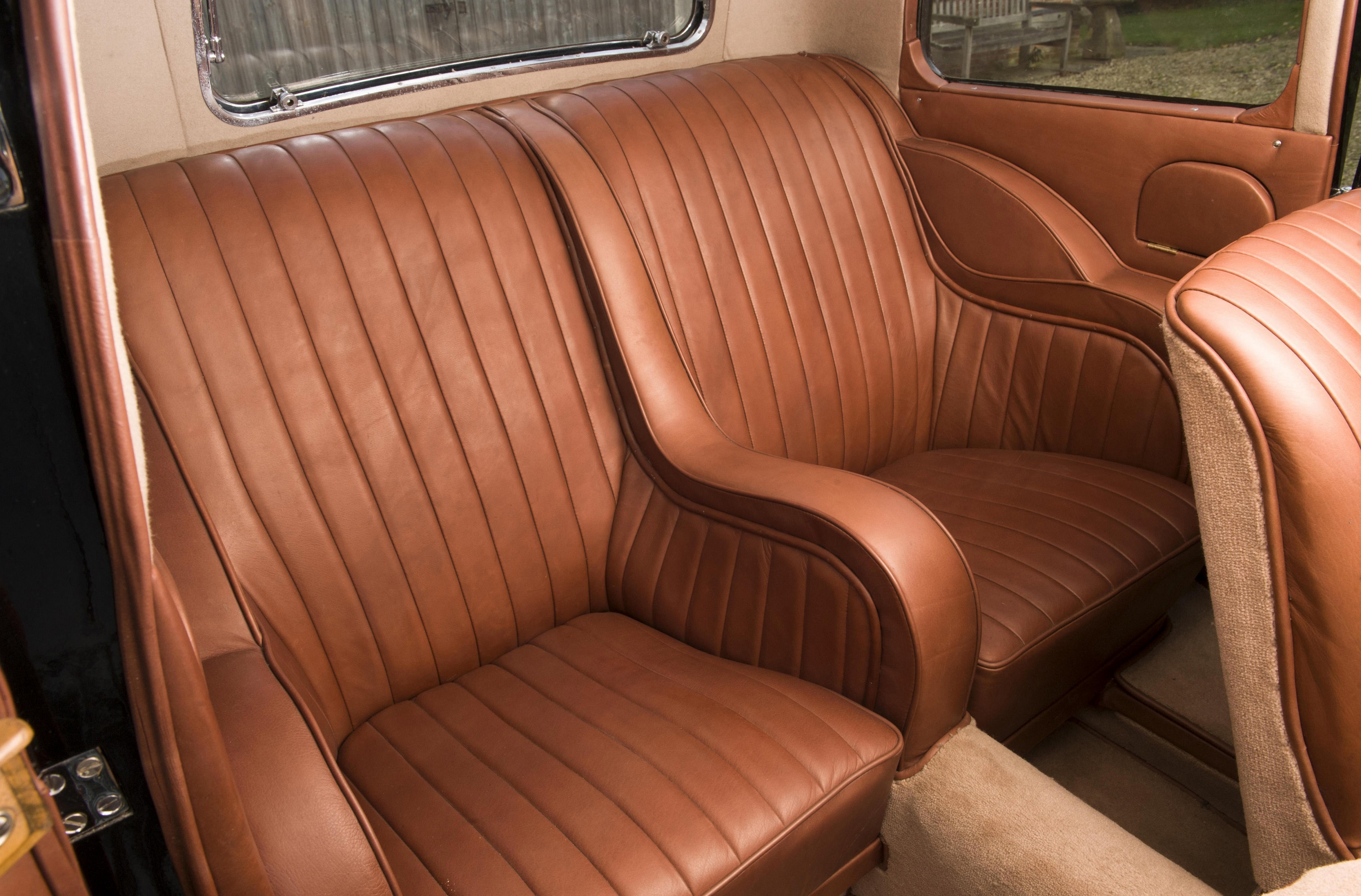
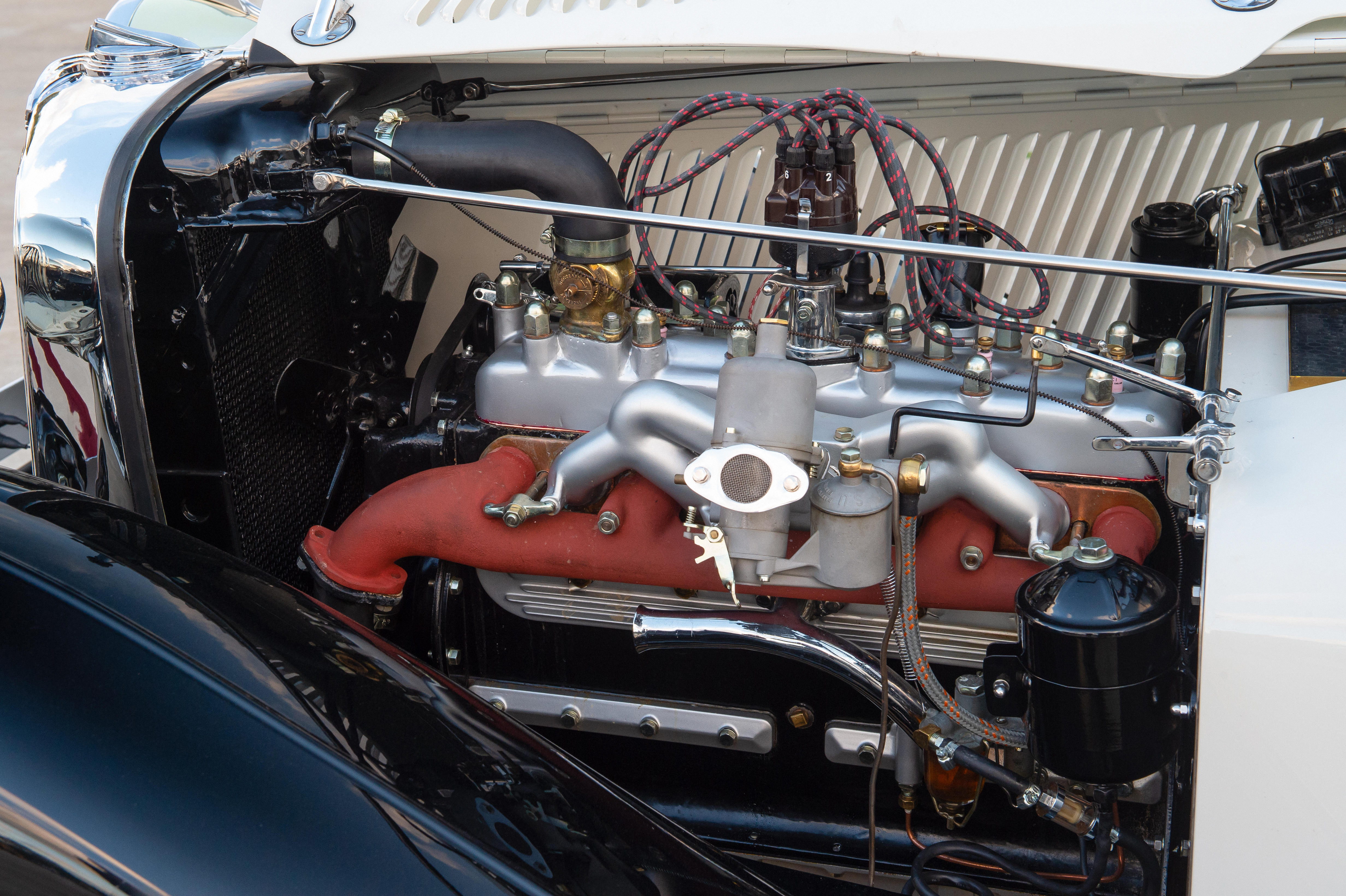
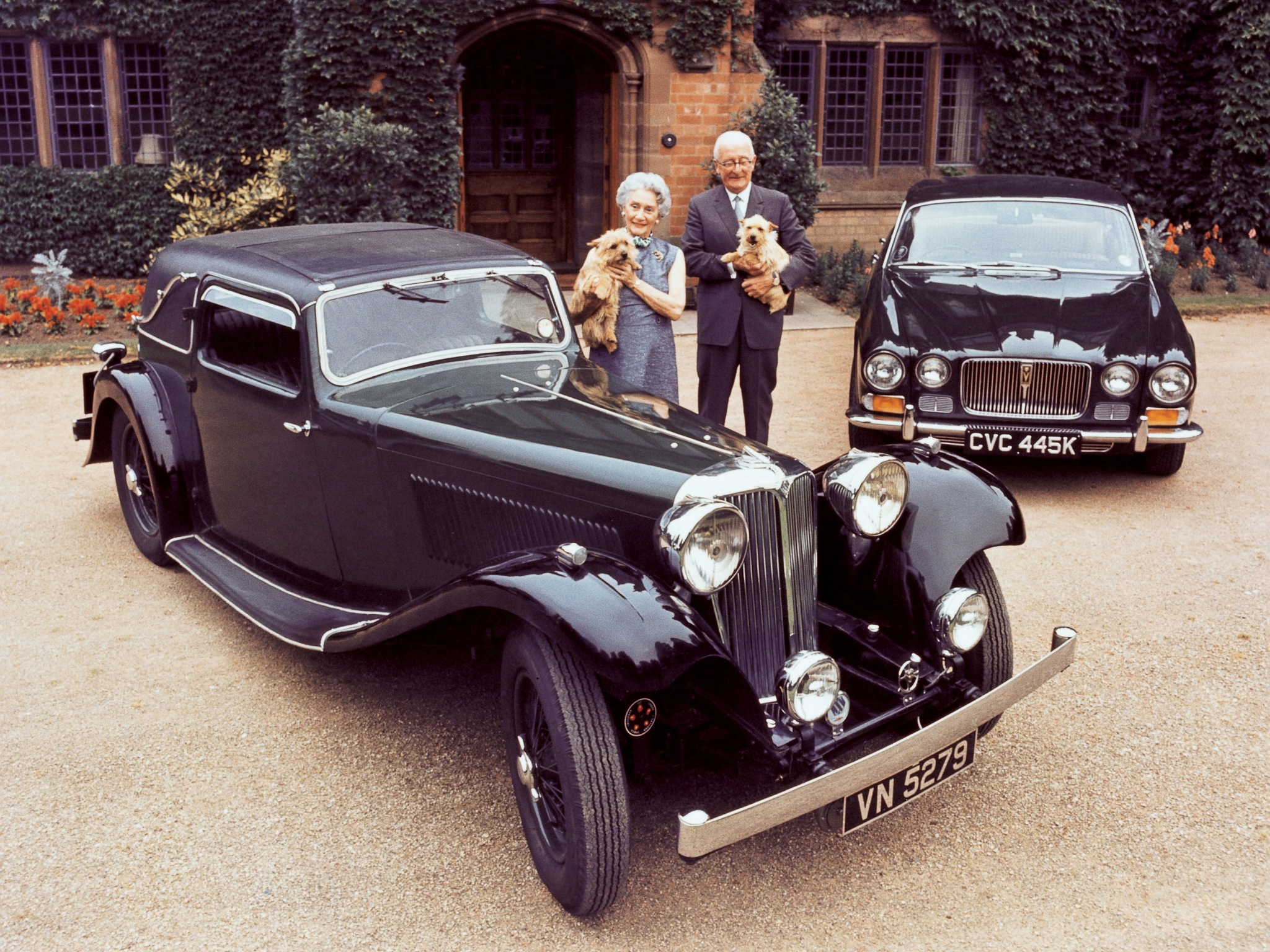
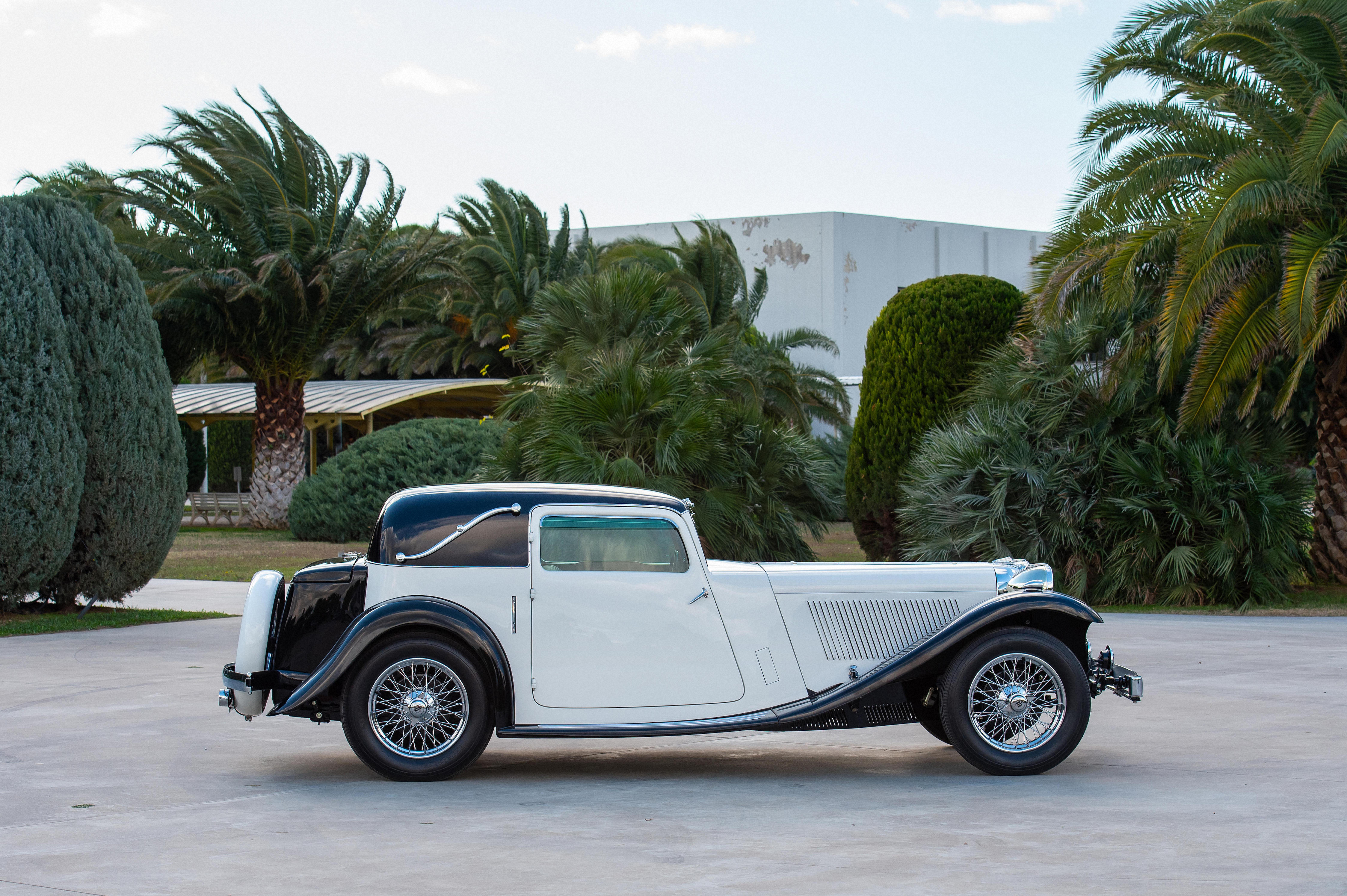
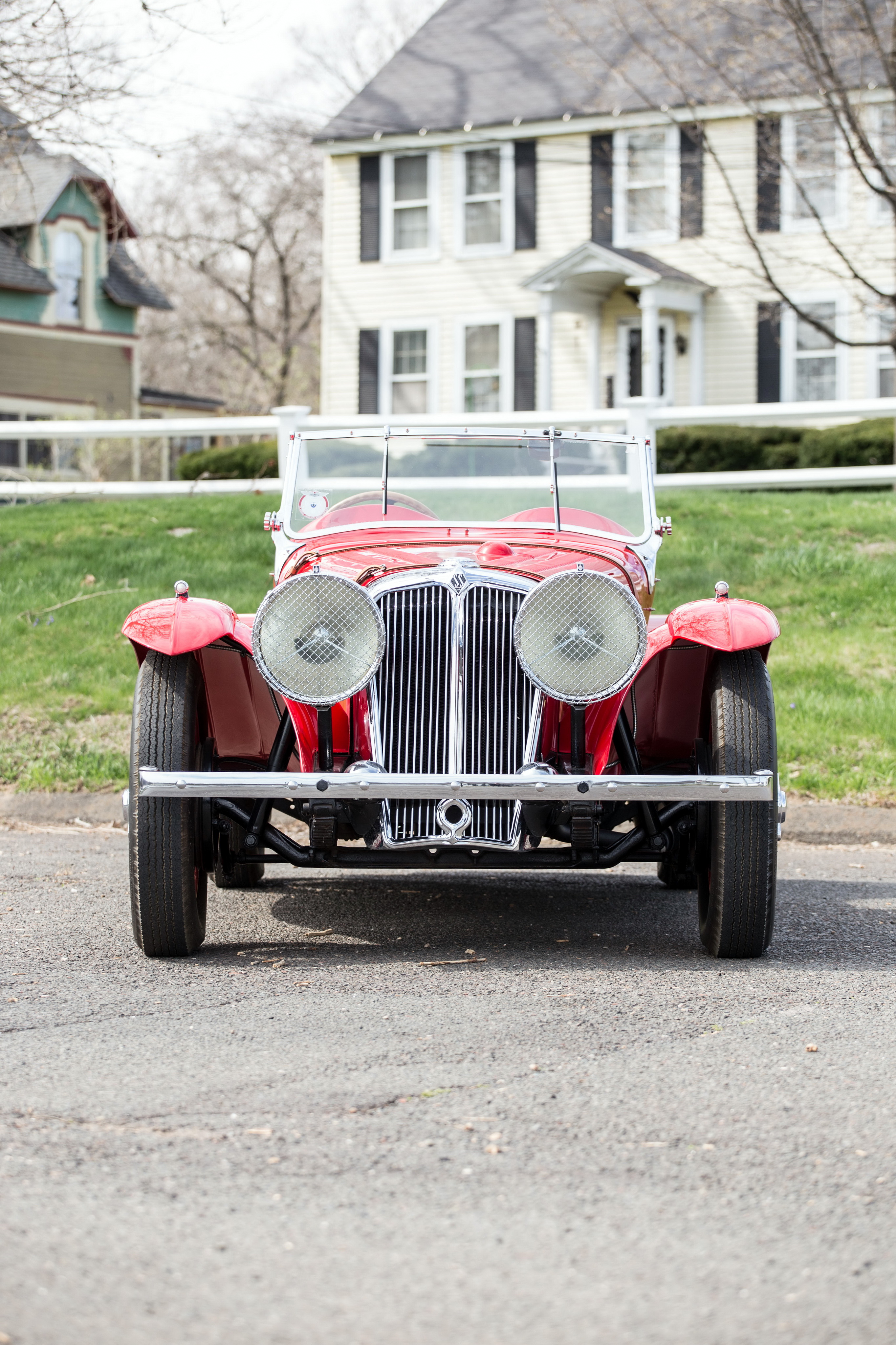
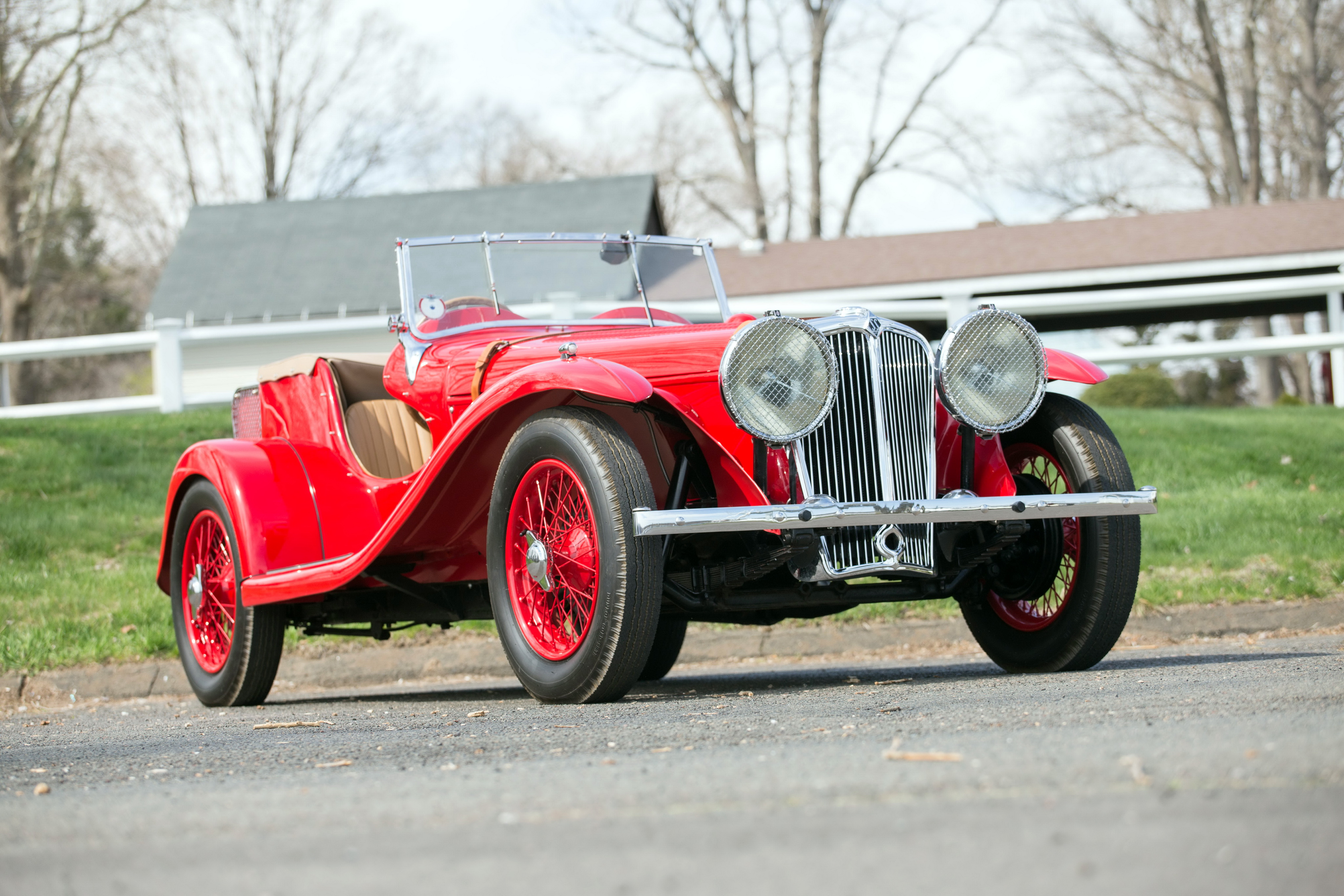
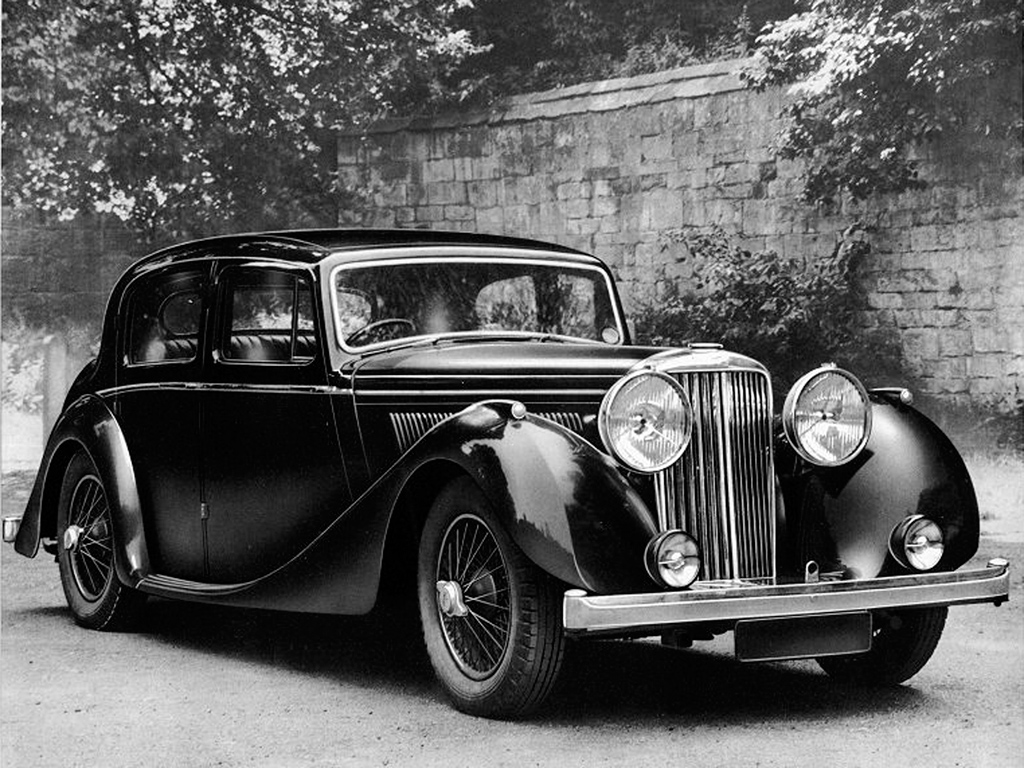
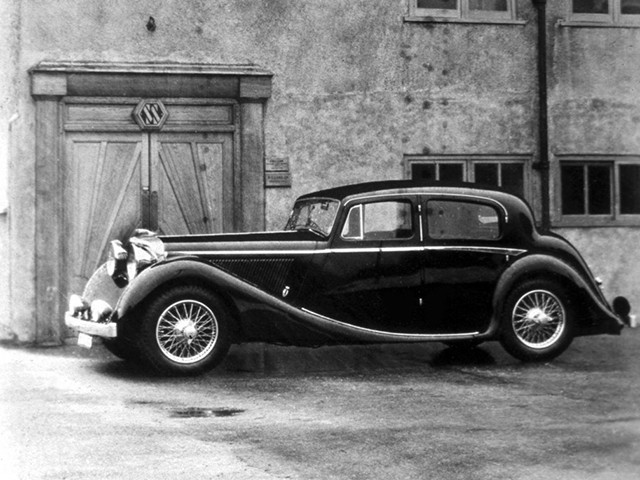
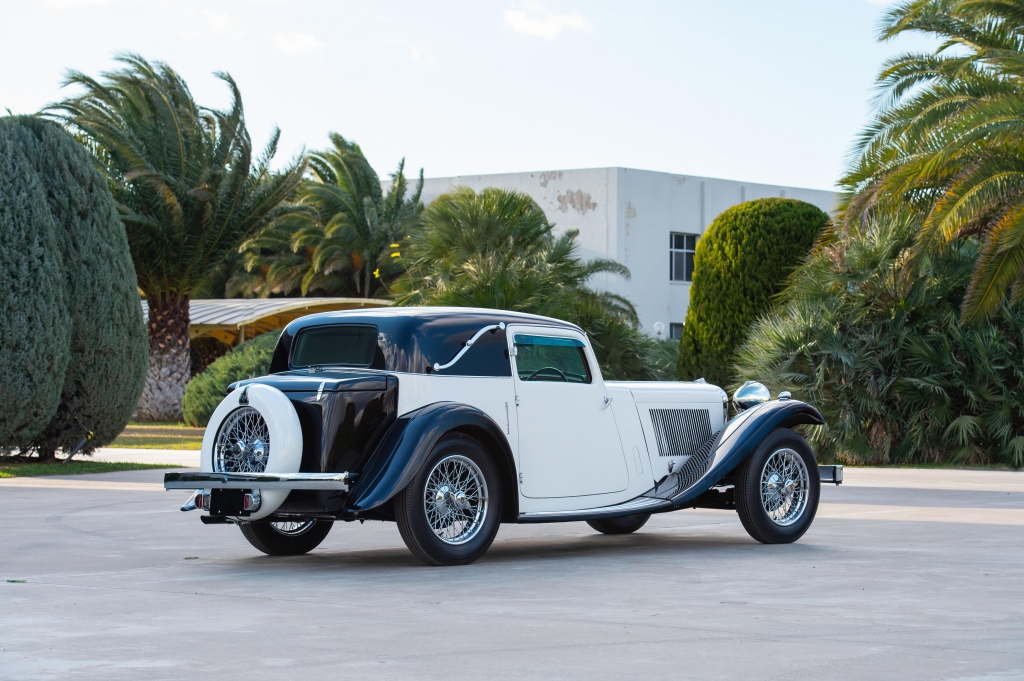
A new company – SS Cars – was established for that purpose. Its name is often translated to ‚Standard Swallow’ – wrong. Nick Thorley in his book of Jaguar explains its meaning: and that was ‚Swallow Sports’ – used initially only for the sportier Standard-based models. Lyons showed two of such in 1932: a 6-cylinder SS1 along with its 4-cylinder variant – the SS2. SSI was a 2-door coupe on a specially modified Standard frame. The body and engine were ‚home made’ – and the car offered 50 horsepower for 310 pounds. At that time it was nothing. The SS was a hit – and it sold in 776 examples that year only.
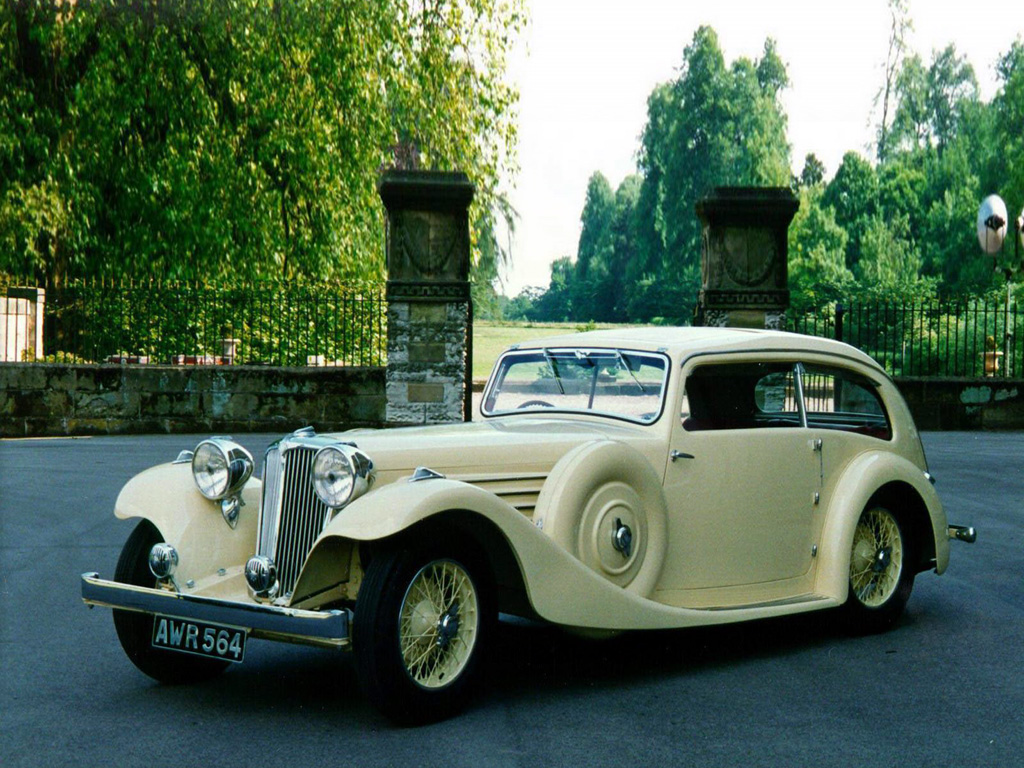
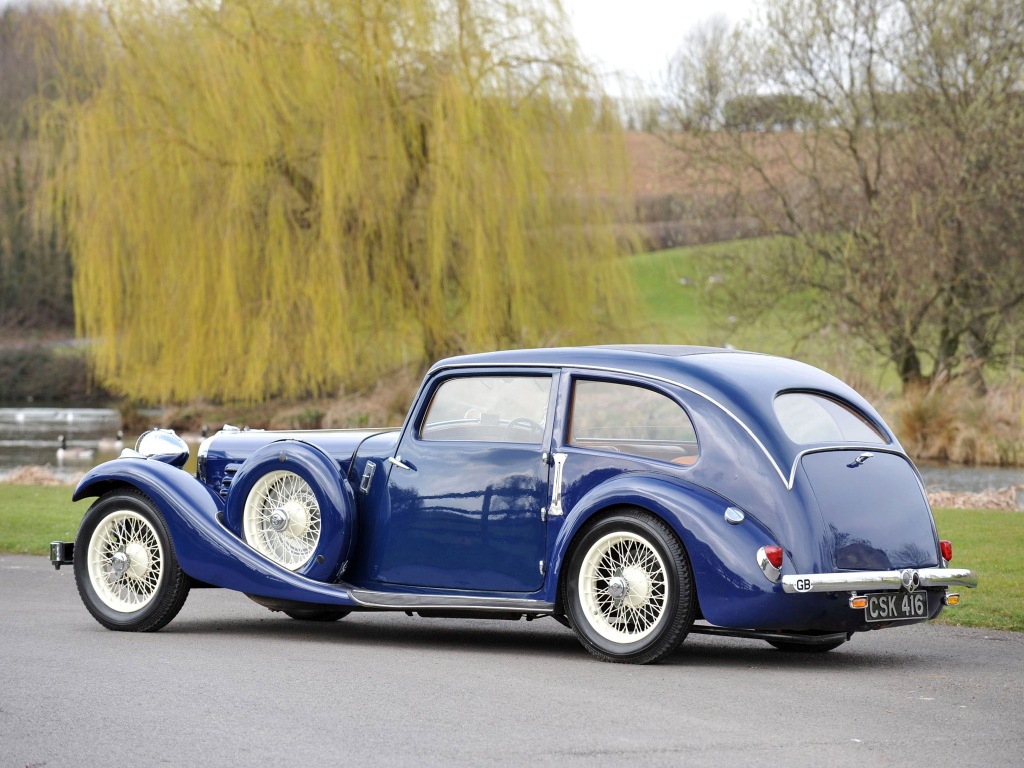
New, bigger bodies were offered from 1933 – in many variants, with synchronized transmission and more powerful engines. And the model was still popular – even though the technology was very similar to the original 1932 SS1 model. The sidecar manufacture business was a good source of money, but compared to the car production – it was small fish. Both had to split and SS Cars Limited began focusing on cars only, with Lyons alone steering the business from now on. In time he bought the whole sidecar plant anyway, so both industies went back to him eventually. And he had a great ambition: to rival the best of the best – Lagonda, Alvis… even Bentley. His SS brand was reputable, but it was quickly forced to change its name…
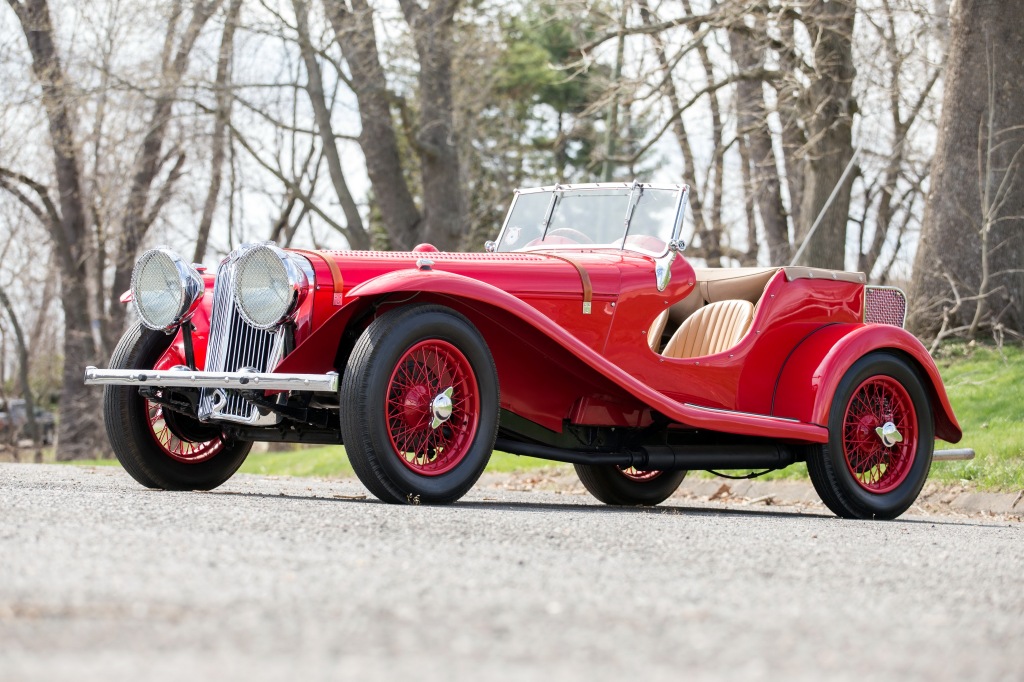
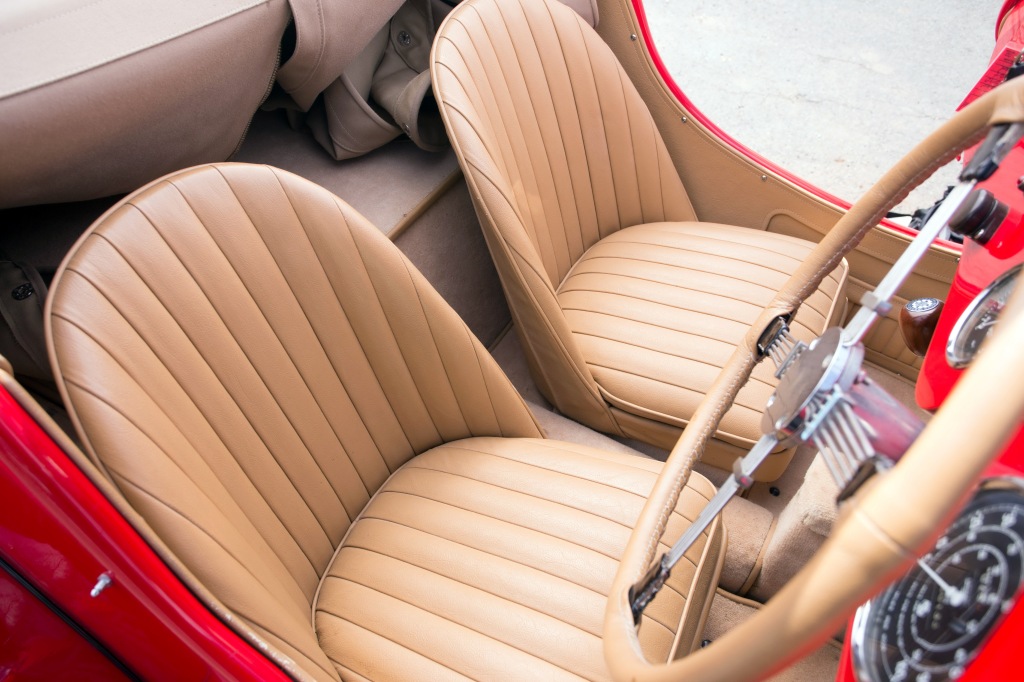
Standard-based SS models hit the jackpot and they turned people’s heads to the car factory in Coventry. Those vehicles were great design and quality – for a reasonably small price. The plan now was to underline the brand’s position on the market with a car to be synonymous with might and ferocity. They took a name of a cat predator – a Jaguar – and adapted it to the new model. Those cars with a leaping feline as hood ornament were another success – and important part of both English and world automotive history.
Krzysztof Wilk
All sources: favcars.com | wheelsage.org | ultimatecarpage.com | wikipedia.org | Top Gear: The Cool 500 – The Coolest Cars Ever Made | The Kingfisher Motorsports Encyclopedia | M Buckley – The Complete Illustrated Encyclopedia of Classic Cars | N Balwdin – The World Guide to Automobiles, the Makers and their Marques | N Thorley – The Complete Book of Jaguar | Publications International – Classic Cars: 60 Years of Driving Excellence
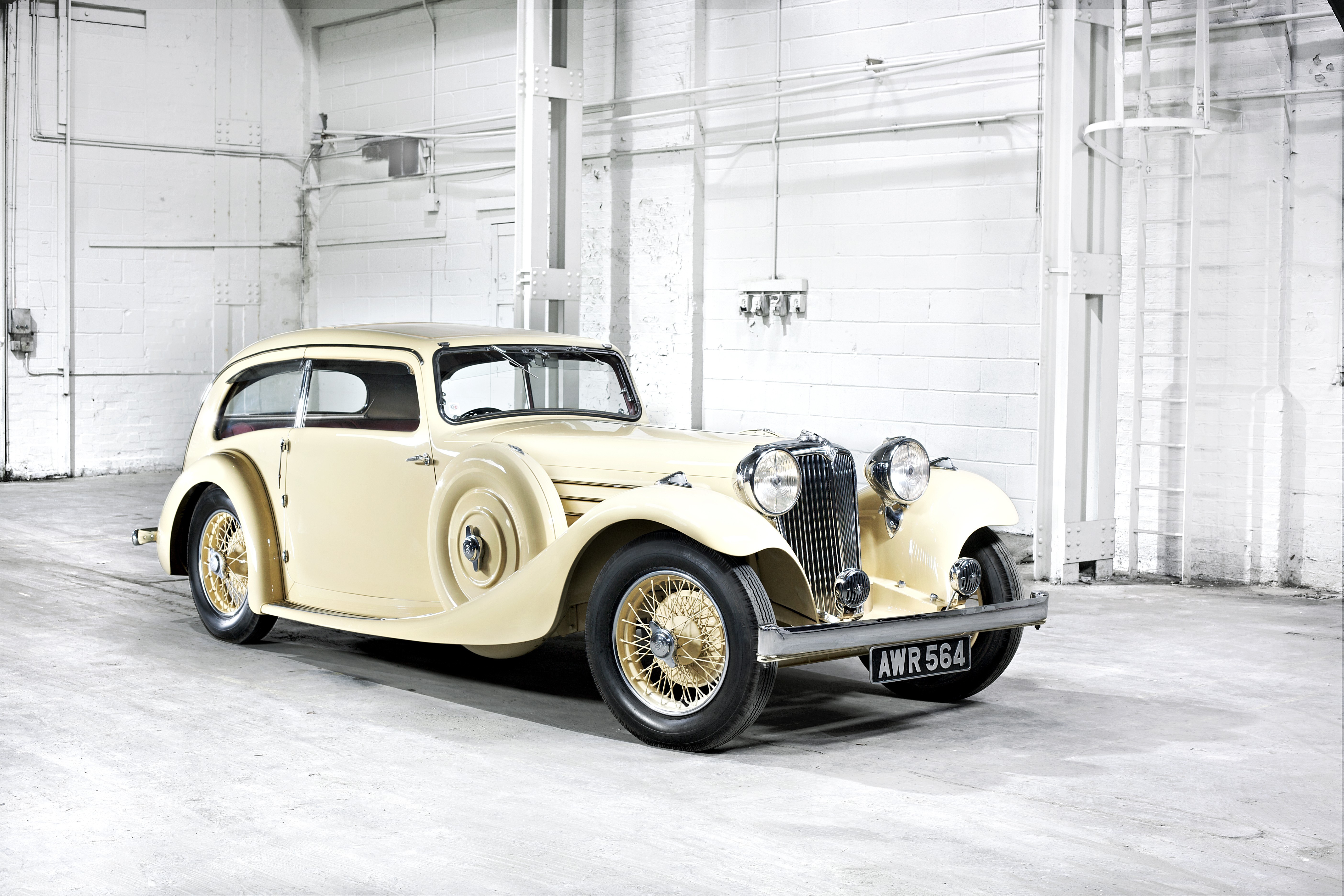
1932 – SS1 Coupe

Jaguar jako marka powstał dopiero w 1945 roku, ale jej korzenie mają swój początek dużo wcześniej. Już na początku lat ’20-stych William Lyons zakłada swoją firemkę. Jest to Swallow Sidecar Co. – podmiot zajmujący się produkcją koszów do motocykli. Lyons był entuzjastą jednośladów i w posiadaniu kilku sztuk – startował też w niejednym evencie sportowym. Pracował u handlarza i miał kontakt z przeróżnymi maszynami. Jedne kupował, inne sprzedawał – sporo technologii przeszło przez jego ręce… aż w pewnym momencie poznał drugiego Williama – Williama Walmsley – który przeprowadził się do domu na tej samej ulicy, co mieszkał Lyons. Panowie byli sąsiadami – a Walmsley w garażu nowego domu klepał jeden kosz do motocykla tygodniowo i puszczał w obieg.

Lyons kupił taki kosz z aluminimum od Walmsleya i stwierdził, że dobre to to. Powiedział mu „panie, dawaj pan – zakładamy biznes we dwóch i rozszerzamy interes”. Walmsley na początku się wahał, ale presja otoczenia, błogosławieństwo rodziców i ogólne wsparcie pomysłu… Tak właśnie w 1922 roku, w dzień 21-szych urodzin Williama Lyonsa, powstała marka Swallow Sidecar. Walmsley zajmował się produkcją a Lyons odpowiadał za sprzedaż, księgowość i administrację – i Walmsley pierwsze kroki stawiał niepewnie, ale biznes szybko się rozrósł a warsztat, z pięterka fabryki sprzętu elektrycznego, trzeba było przenieść do większego budynku. Zmieniono też nazwę na Swallow Sidecar and Coachbuilding – bo asortyment również miał się poszerzyć.

Początkowo dokonywano napraw na modelach Austina 7, ale Lyons szybko połączył kropki… na oryginalnych, eleganckich karoseriach można zarobić dużo więcej. Wziął w posiadanie sztukę tego modelu i firma wykonała specjalne nadwozie do tego pojazdu. Auto miało dwa siedzenia i opuszczany dach – i szybko weszło do produkcji jako Austin Swallow. Austin sam wysyłał do nich podwozia, żeby Swallow oficjalnie kończył auto u siebie – tak dobre te budy robili – a oferowali przeróżności: kabriolety, sedany i wersje coupe. Firma zajęła się również karoserią do pojazdów marki Alvis oraz Clyno, zatrudniała ponad 50 pracowników, nie wyrabiała z zamówieniami i stale się rozrastała. W tym momencie dawali już radę ogarniać 100 koszów tygodniowo i 2 auta dziennie, ale gdy Shell opuścił swoje faktorie w Coventry, Lyons szybko je zaklepał, co umożliwiło łatwiejszy dostęp do surowca i pozwoliło wypluwać 50 aut na tydzień. Koniec lat ’20-tych i początek ’30-tych, to był bardzo udany czas. Marka pojawiła się na targach motoryzacyjnych, przyjęto zamówienia na blachy dla Fiata, Morrisa, Wolseley oraz – co najważniejsze – dla Standard Motor Company a produkcja wzrosła już do 30 sztuk dziennie. Pojawiło się też pierwsze kompletne auto.

Do tego celu powstała nowa marka: SS Cars, której nazwa jest często tłumaczona jako „Standard Swallow” – błędnie. Nick Thorley, w swej historii Jaguara wyjaśnia, że skrót oznacza „Swallow Sports” i stosowany był początkowo tylko do usportowionych modeli na bazie Standarda. W roku 1932 Lyons zaprezentował takie dwa: 6-cylindrowy SS1, oraz jego 4-cylindrowy wariant – SS2. SSI, to było dwudrzwiowe coupe, które stało na, specjalnie zmodyfikowanym dla Lyonsa, podwoziu Standarda. Karoserię i silnik wykonano własnoręcznie – kompletne auto wyciągało 50 koni mechanicznych za koszt 310 funtów, czyli tyle co nic. To był hit – 776 sztuk tego poszło w jeden rok.

W 1933 doszły nowe, większe nadwozia – w przeróżnych wariantach, ze zsynchronizowaną skrzynią i z mocniejszymi silnikami. A model stale się sprzedawał – mimo, że wszystkie były technologicznie bardzo zbliżone do oryginału z 1932. Produkcja akcesoriów motocyklowych wciąż kwitła, ale w porównaniu do manufaktury samochodowej, to nie było porównania – przez co oba warsztaty musiały się rozdzielić. SS Cars Limited, którą Lyons dowodził teraz samodzielnie, od tej pory zajmowała się wyłącznie samochodami. Lyons po czasie jednak wykupił również i markę Walmsleya, więc oba biznesy finalnie wróciły w jego ręce. A ambicje miał niemałe, bo chciał równać się z najlepszymi. Myślał grać w jednej lidze z Lagondą, Alvisem, czy nawet Bentleyem. Jego marka – SS – zyskała rozgłos… ale szybko musiała zmienić nazwę.

Bazujące na pojazdach Standarda modele SS były strzałem w dziesiątkę i zwróciły uwagę motoryzacyjnego świata na Coventry. Reprezentowały doskonały standard wykonania połączony ze świetnym designem – za niewielką cenę. Lyons zapragnął przypieczętować swoją pozycję autem, które utożsamiane miało być z potęgą i dzikością. Do nowego auta zastosował nową drapieżną nazwę: Jaguar, a maszyna z kotem na masce była kolejnym sukcesem – i stanowiła ważny punkt w historii angielskiej, jak i światowej motoryzacji.

Krzysztof Wilk
Na podstawie: favcars.com | wheelsage.org | ultimatecarpage.com | wikipedia.org | Top Gear: The Cool 500 – The Coolest Cars Ever Made | The Kingfisher Motorsports Encyclopedia | M Buckley – The Complete Illustrated Encyclopedia of Classic Cars | N Balwdin – The World Guide to Automobiles, the Makers and their Marques | N Thorley – The Complete Book of Jaguar | Publications International – Classic Cars: 60 Years of Driving Excellence