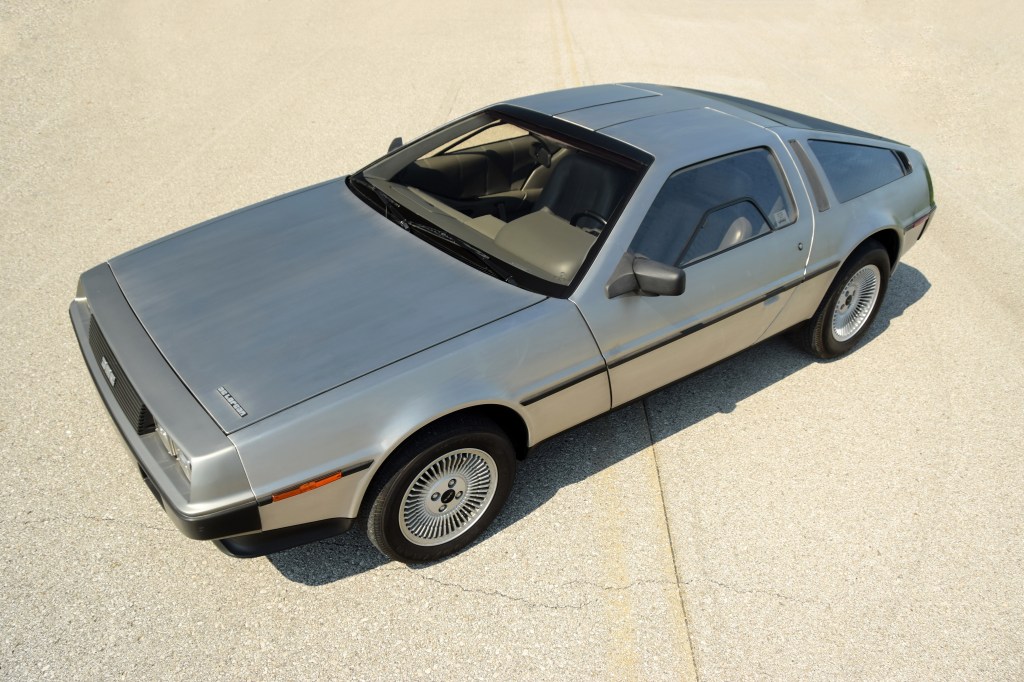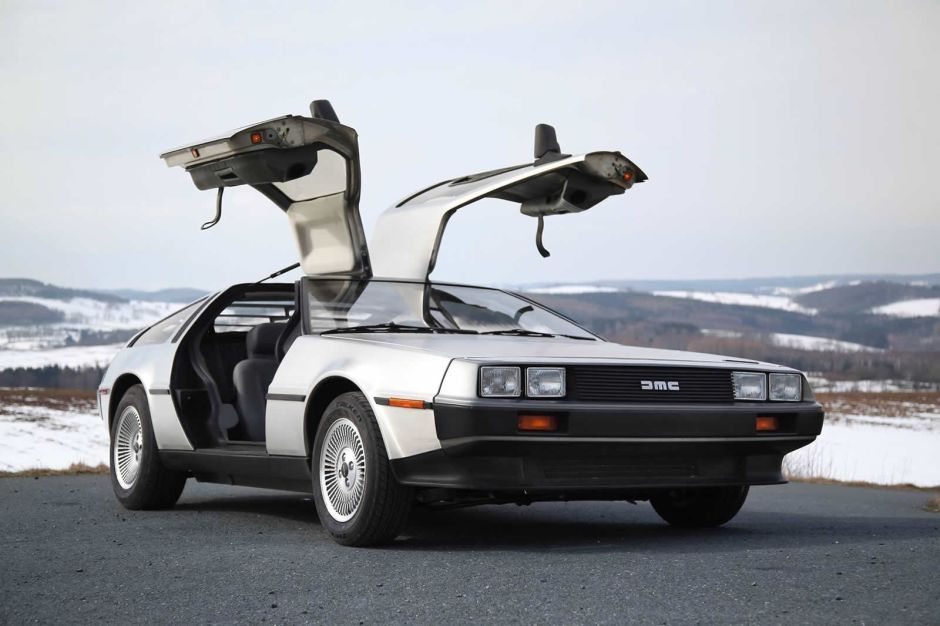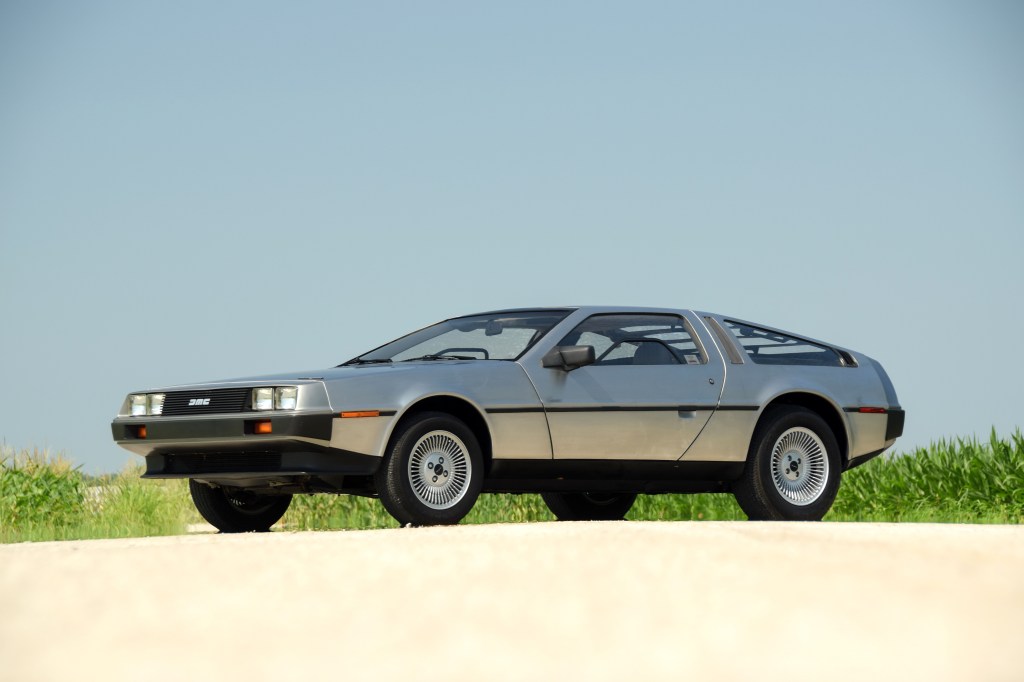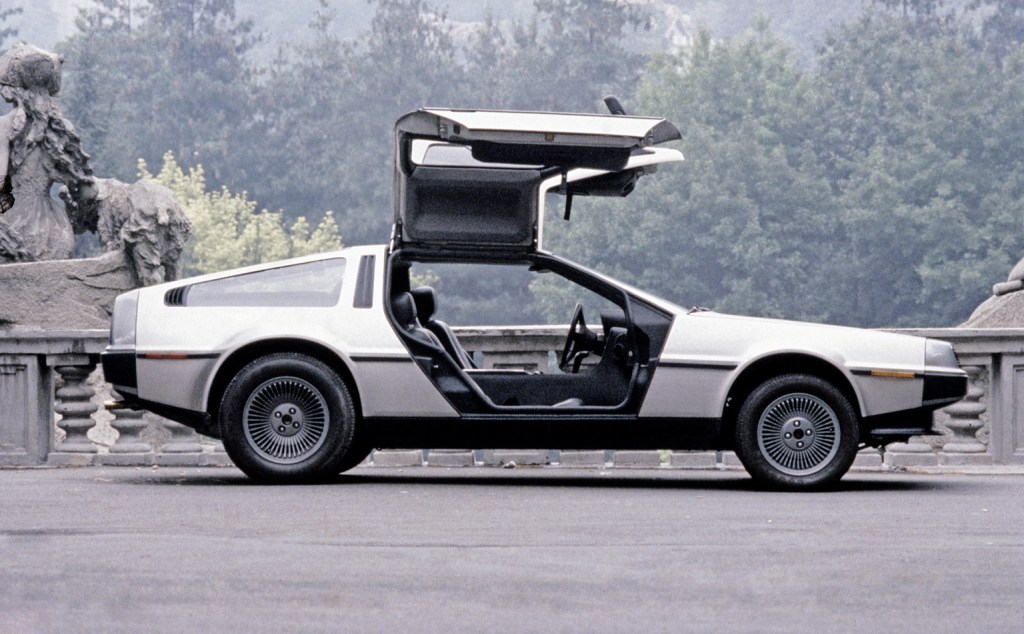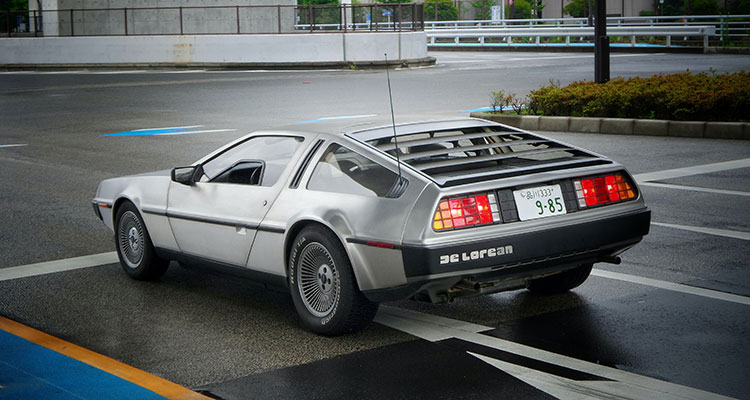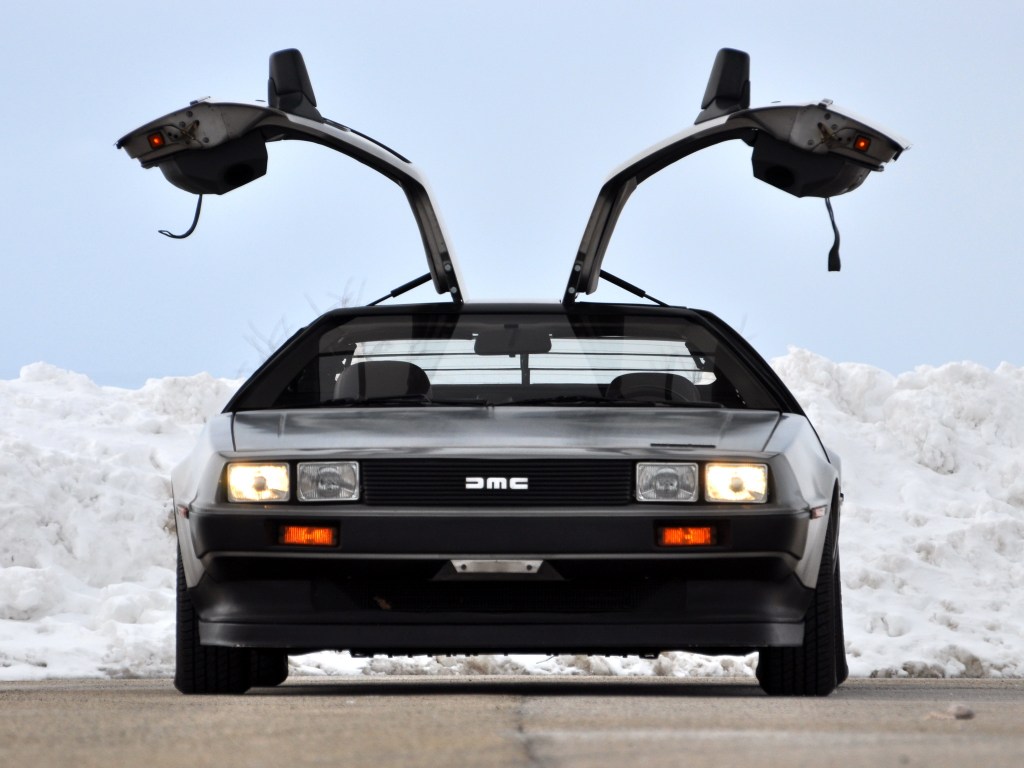
1981 – DeLorean DMC-12

EngineDisplacementPowerAccelerationTop Speed
PRV V62.8 L130-145 BHP8.3-10.5s200-210 km/h
126-131 mph

John DeLorean was the man. After a successful career at General Motors – where he served as a chief engineer and was largely responsible for legendary cars like the Pontiac GTO, which kicked off the muscle car craze and the entire American Muscle culture – he conceived the idea of a groundbreaking sports car that would also be accessible to the masses. He told GM management that he was going to make it happen and didn’t care about their approval. If they disagreed, he’d walk away. They called him on it, but DeLorean wasn’t bluffing. He had already set up a company under his own name and was determined to pursue his dream car, with or without GM’s blessing. All he needed was a sponsor for such an ambitious project. Enter the British government, which fell for the pitch and handed over £80 million. The only catch? He had to set up a factory in Northern Ireland, a region struggling economically almost as badly as Poland after the government Covid plan.
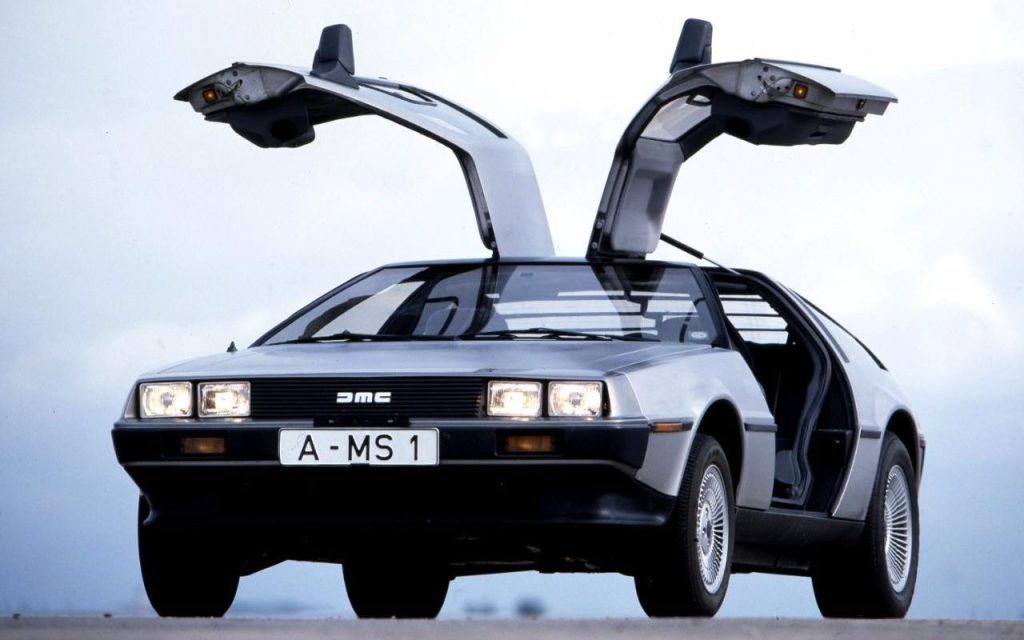
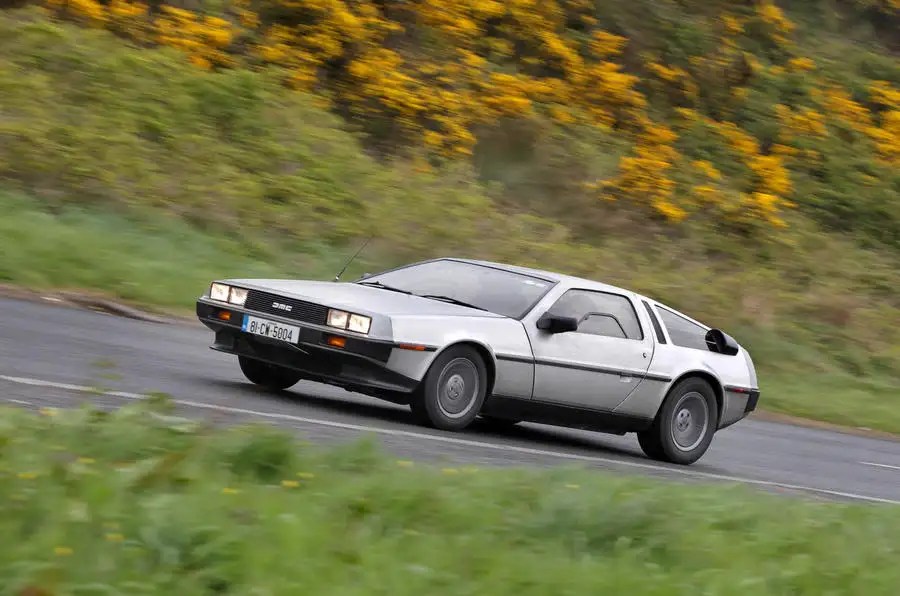
The DeLorean shares quite a bit with the Lotus Esprit. Both projects originated from the Italdesign Giugiaro car design studio and featured steel construction. While many refer to it as the DMC-12, this was just its internal development code. When it hit the market, it was officially branded simply as the DMC DeLorean. DeLorean was not alone in crafting this car. Even the head of Pontiac’s design team got involved, and initially, they wanted to equip the vehicle with a mid-mounted rotary engine. That plan didn’t pan out, though. Over time, other engine options were considered, including powerplants from Ford and Citroën. The DMC-12 had everything it needed for success. Lotus handled the chassis, Giugiaro provided the iconic lines for the body, and its V6 powerplant was a PRV (Peugeot-Renault-Volvo) unit equipped with fuel injection. While it wasn’t originally designed for high performance, the same engine later found its way into motorsport glory under the hoods of the Renault Alpine A310 and A610 Turbo. The PRV V6 appeared in both supercars and motorsport machines, showing up in rallying and circuit racing, demonstrating its potential when tuned. More so, DeLorean didn’t ask for much – $25,000 at the time – though Chevrolet had faster and cheaper alternatives for performance enthusiasts.

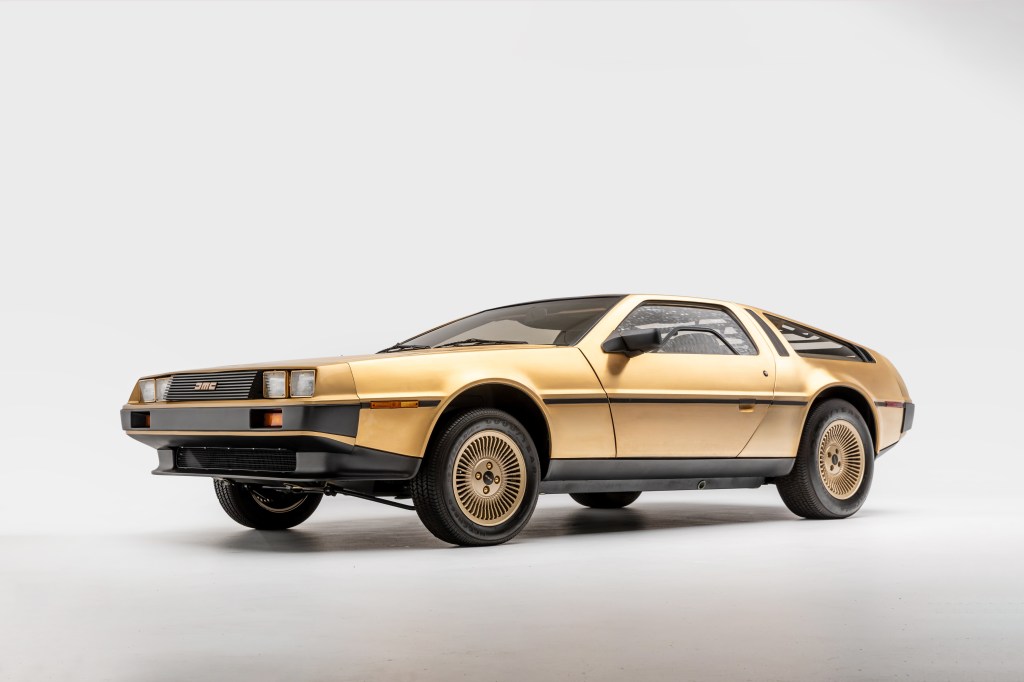
Reality is often disappointing, and so was the DeLorean. Its body panels, made from stainless steel layered over fiberglass, might have looked sleek in the showroom, but in practice, they were scratch-prone and dirt magnets. Restoring one today? Good luck. Conventional methods like body filler don’t work on the unpainted stainless steel surfaces. John DeLorean didn’t envision repairs – damaged panels were meant to be replaced entirely. Aside from three special models coated in 24-karat gold, all DeLoreans left the factory in their raw, unpainted stainless steel finish. Any you see in bright or unusual colors were modified by their owners. The good news? Replacement panels are still available today. The problems with the iconic gullwing doors… Sure, they looked incredible, but they were a headache in practice. They leaked in the rain and could trap you inside the car in the event of a collision. Their design was visually arresting but a nightmare to manufacture. The whole car was riddled with issues. Early production units were so poorly assembled that a second facility in Los Angeles had to be established just to fix the cars botched in Europe. The rear-engine layout did no favors to the handling either, forcing Lotus engineers to perform engineering acrobatics to make it somewhat drivable. DeLorean aimed to conquer the market but fell spectacularly short. With only 8,583 units sold, the dream crumbled, and the whole endeavor went down in flames. Despite its flaws, though, the DeLorean remains an icon – a proof that sometimes, ambition is just as memorable as success.
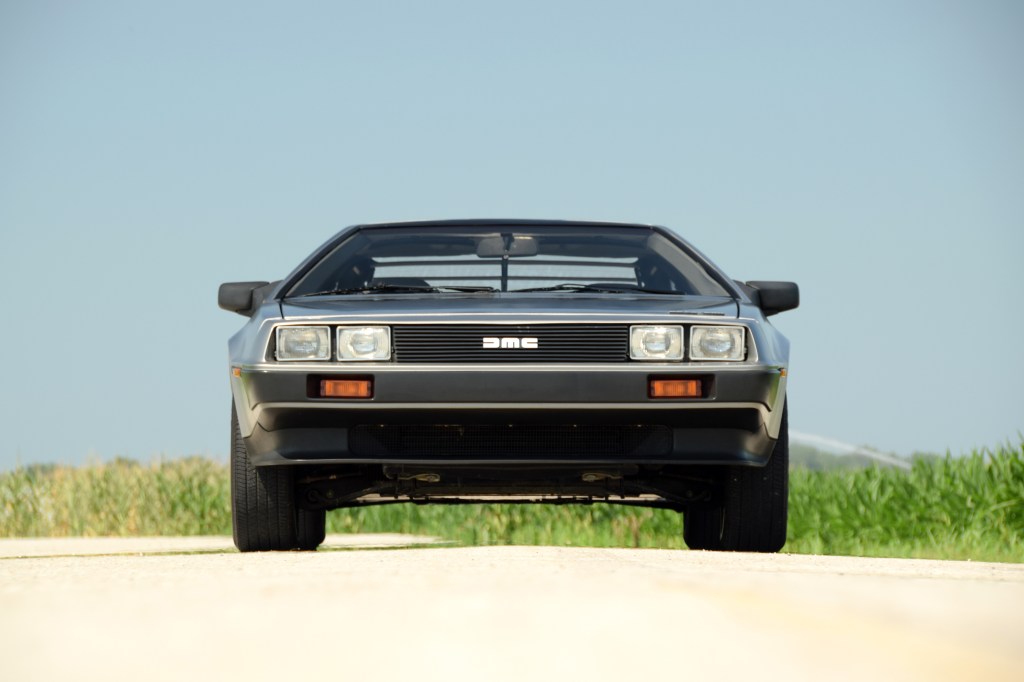
The DeLorean DMC was dramatically underpowered – especially in its U.S. iteration, which lost about 15 horsepower to emissions regulations – but their entire sportscars market was retarded that way. America at the time was bogged down with regulations that killed performance. Even the heavier Corvette didn’t offer significantly more power, and while the DMC’s PRV engine wasn’t a speed demon, it was designed for durability, capable of running smoothly even decades later. This mechanical reliability, combined with its stainless steel over fiberglass construction, means DeLoreans often resist rust and age gracefully – mechanically, at least. The real issue wasn’t the engine or design concept but how the car was produced. John DeLorean aimed to innovate manufacturing with groundbreaking techniques that promised to lower weight and production costs. However, these untested methods backfired spectacularly, forcing the company to hand the project over to Lotus. Lotus essentially rebuilt the car from scratch in two years, borrowing heavily from their own expertise. The DMC ended up with a steel chassis similar to the Esprit’s and a fiberglass body akin to the Lotus Elite’s. Half of DeLorean’s original ideas were scrapped under the guidance of Lotus’s Colin Chapman, simplifying the design and making it feasible to manufacture. Though Lotus succeeded in turning the DMC into a functional vehicle, this process drained time and money. The rushed changes and reliance on Lotus’s tried-and-tested methods left John DeLorean’s vision compromised. While the end result had its merits, the delays and compromises spelled disaster for the company, tarnishing what might have been a revolutionary project.

The fully independent suspension was a notable feature, combining coil springs with telescopic dampers. The front employed double wishbones, while the rear used a multi-link setup – closely resembling configuration found in the Lotus Esprit. While the prototype demonstrated impressive drivability, production changes altered the dynamics significantly. The most impactful change was moving the engine to the rear, resulting in 65% of the car’s weight sitting at the back, a factor that influenced handling characteristics. Additionally, the front end of the production model was raised to meet U.S. headlight height regulations, which disrupted the original sleek look and balance envisioned in the prototype. Many owners later modified the suspension to restore the lower, sportier stance of the early design. The steering system, featuring a rack-and-pinion setup, was another Lotus contribution and performed reliably, ensuring a responsive driving experience despite the compromises made during the production phase. These efforts underscored Lotus’s role in salvaging the project, even if the final product couldn’t entirely escape its design challenges.
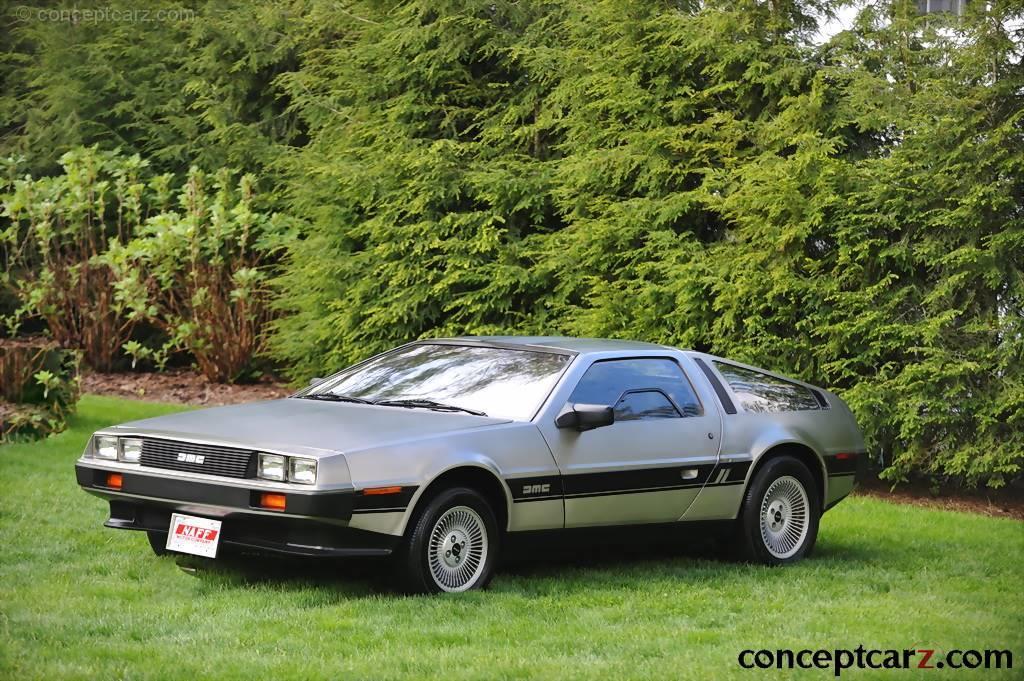
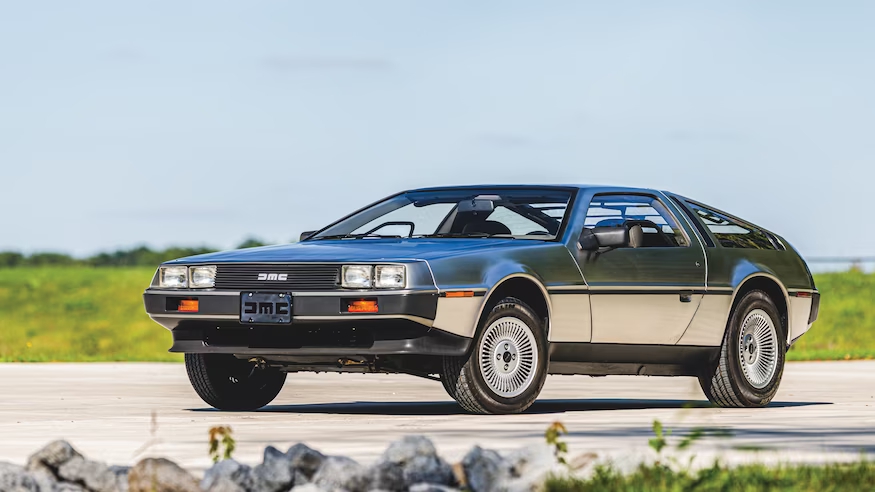
The DeLorean DMC was capable of going from 0 to 60 in 8.2 seconds – if you were lucky enough to own a European model with the manual gearbox. For the American market, stricter emissions standards robbed the car of power, stretching its acceleration time closer to 10 seconds. With the optional 3-speed automatic transmission, it wasn’t just slower – it was downright leisurely. Combined with the rear-engine layout, the car suffered from pronounced oversteer, making it tricky to handle at the limit. This wasn’t a car for racing but rather for cruising stylishly within legal speed limits. Despite its shortcomings in performance, the DeLorean had its perks as a daily driver. Its interior was surprisingly roomy; John DeLorean himself, standing 195 cm tall, ensured that the car would accommodate taller drivers. He famously declared that if he couldn’t sit comfortably in the car, he wouldn’t sell it. The seats were adjustable in multiple directions, and the overall ride comfort was commendable. While it didn’t excel as a performance car, the DMC offered a level of practicality and comfort that made it enjoyable for everyday use—without leaving your back aching or your spirit crushed. It’s a car built more for making an impression at the curb than for setting lap records.

The biggest problem for the DeLorean wasn’t the car itself, because truth be told, it didn’t take much for it to run – we’ll go there in a moment. The real issue was the marketing. DMC never broke into the mainstream, and the brand only got a major image boost after the fact – when the whole company had already gone bankrupt. After the release of the Back to the Future series, with the time machine based on the DeLorean, the DMC-12 became a cult classic. Despite its flaws, despite its lack of polish, it turned into an icon of the ‘80s. Even today, it can still be a dream car for people in their 30s. But the first movie came out two years too late, when the model had already flatlined, and there was no chance of a comeback.
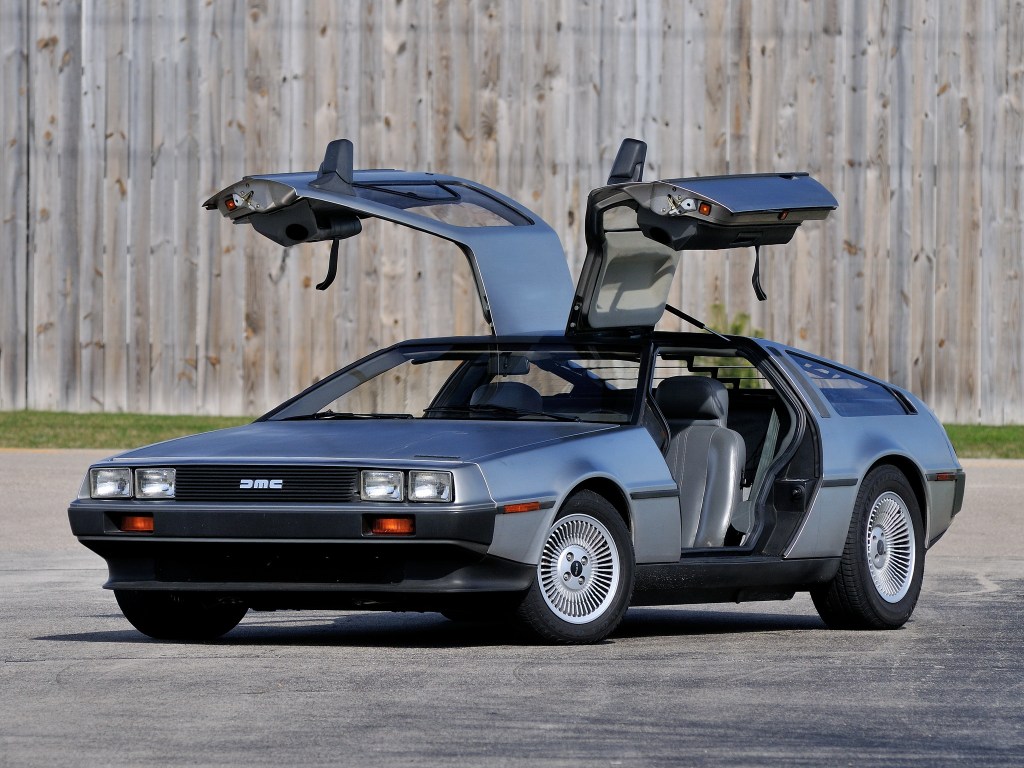
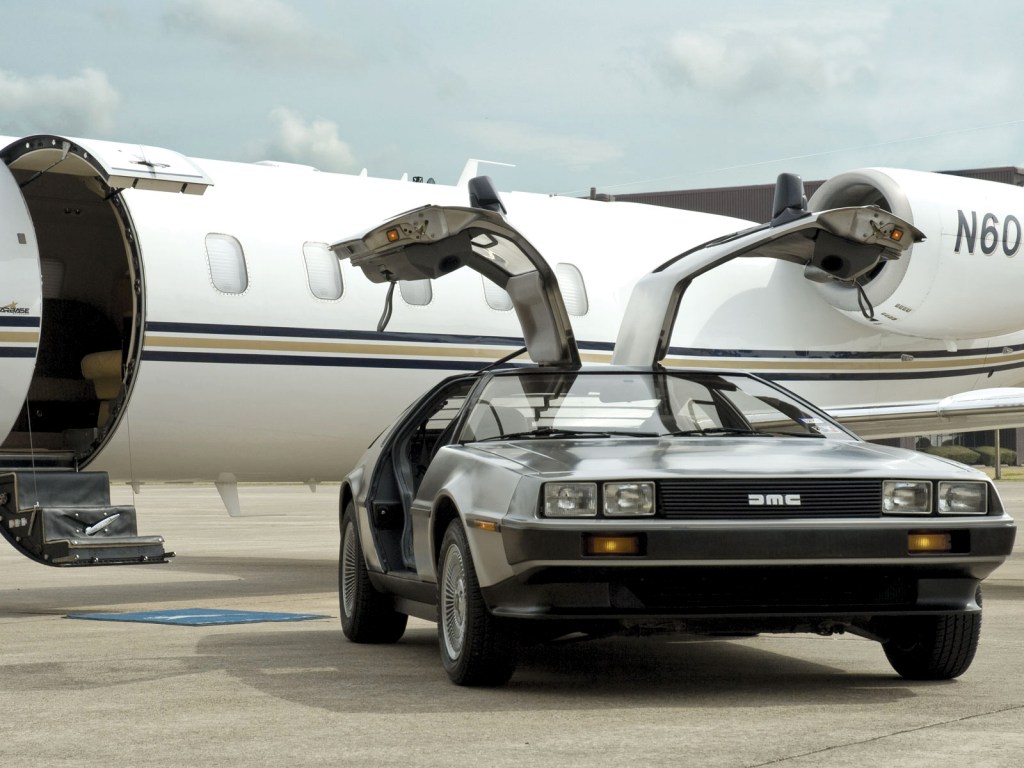
A year after production began, the entire company was already folding. There was a prototype, the DMC Twin-Turbo, that actually delivered the goods – VIN 530, to be exact, could smoke the latest Ferraris and Porsches easily. DeLorean nearly lost it when he saw it in action. The car hit 0-60 mph in 5.8 seconds, and DeLorean was ready to order 5,000 Twin-Turbo units on the spot. VIN 530 was allegedly going to be the fastest production car in the world… but the regular model wasn’t selling, and the Twin-Turbo never made it to the production line. It’s not just weak sales – it was worse. The factory completed 2,000 cars that were ready to roll, sitting in showrooms, and they never reached customers. Out of 8,000 units total, a full quarter physically existed but did not ever find their owners, get it? Of course, over the years, that changed. The DMC-12 became a prime target for collectors and other enthusiasts, and honestly? It’s not even that expensive for a classic car these days.

The company was shut down, and DeLorean faced criminal charges – though he was later acquitted. Allegedly, he was involved in drug trafficking… but let’s not go there. Controversies also existed about some „creative accounting” within his company. Long story short: $23 million – nearly half of the government funds loaned by the British – was funneled to a shell company in Panama. The master plan? To buy out Lotus… with their own money, right? I mean, seriously – talk about bold moves. It’s almost like a political scheme, except the Brits aren’t as gullible as some, and eventually, they realized they were being played. But here’s the kicker: they never got their money back. DeLorean bolted back across the Atlantic, leaving them high and dry.
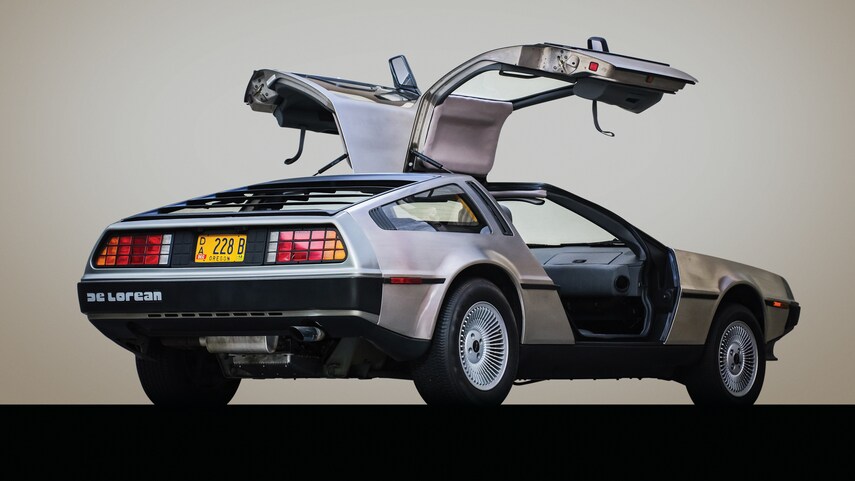
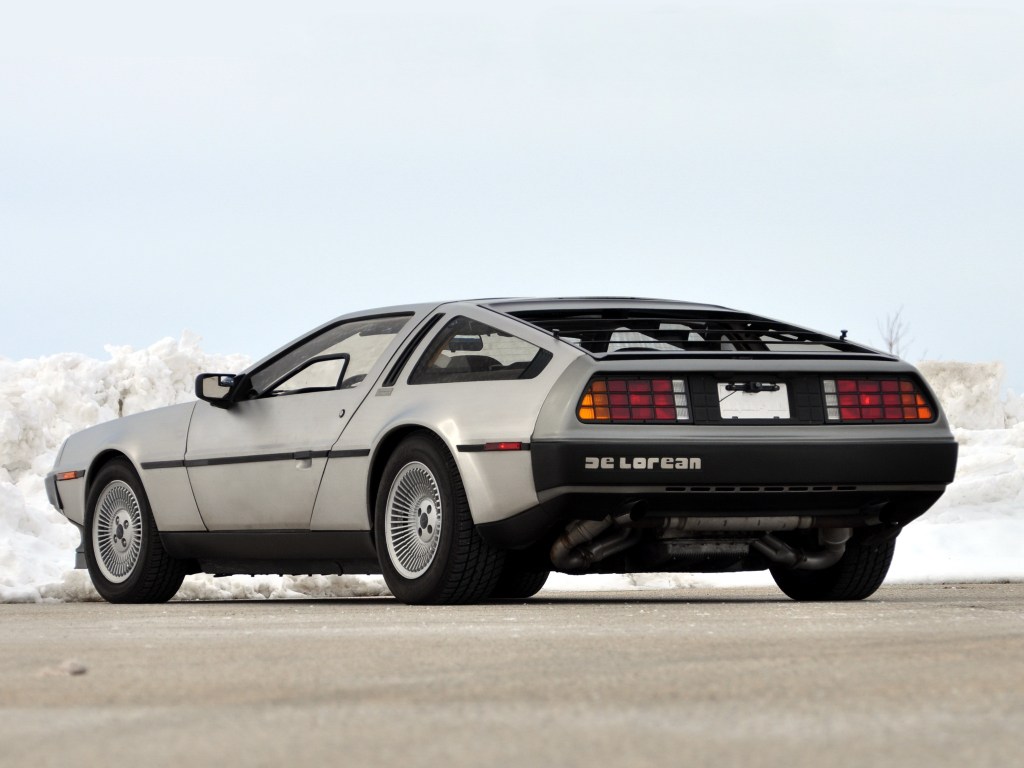
And that’s the story… The DMC-12 turned out to be a flop, although thanks to its starring role in Zemeckis’ trilogy, it earned itself a place in legend. Its career was short-lived, as the car suffered from poor build quality, and the American versions were hampered by weak performance. A shame, really, because the European PRV engine was actually doing quite well. This was something America didn’t truly have – a proper GT car. It was exploring a niche unknown across the ocean. It aimed to compete with both the American Corvette and European BMWs. No, its career didn’t last long – but its legend is eternal. The design? Bold and quite successful. The mechanics? Really one of the project’s strengths. It’s just a pity it didn’t pan out. The DMC DeLorean was a fusion of American ingenuity, British architecture, Italian design, French drivetrain, and Irish craftsmanship. Interesting? You tell me. Could it have worked? Well, you tell me…

Krzysztof Wilk
All sources: R Nicholls – Supercars | ultimatecarpage.com | gaukmotors.co.uk | mecum.com | classiccarweekly.net | sinsheim.technik-museum.de | wikipedia.org | britannica.com | autozine.org | conceptcarz.com | supercars.net | aronline.co.uk | autocar.co.uk | motortrend.com | wheelsage.org | M Buckley – The Complete Illustrated Encyclopedia of Classic Cars
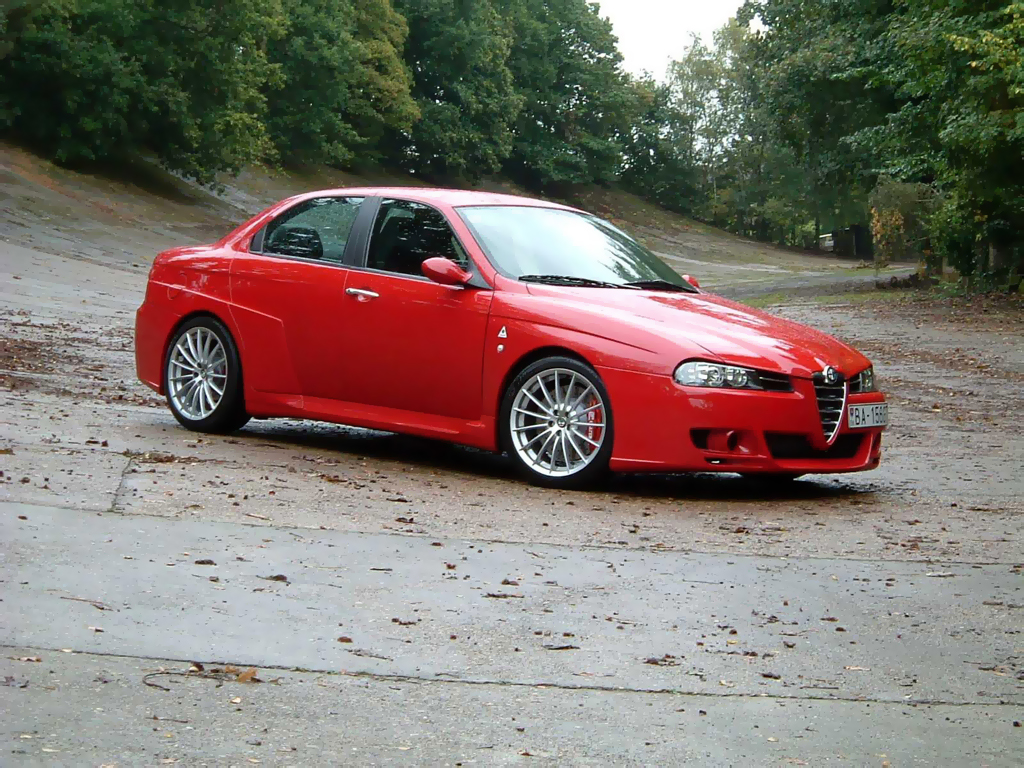
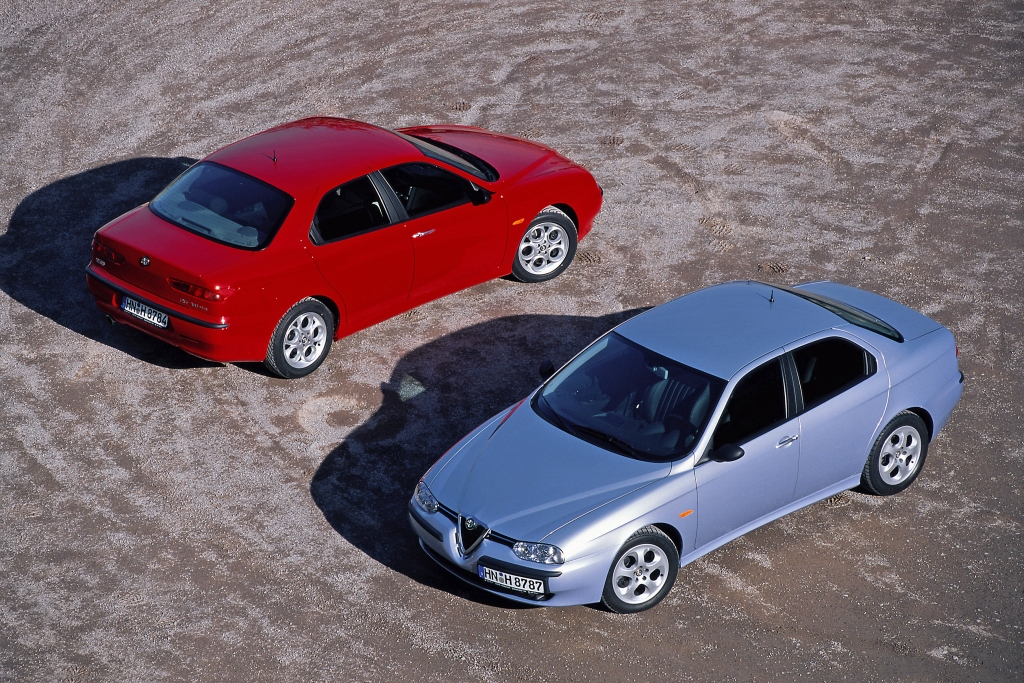
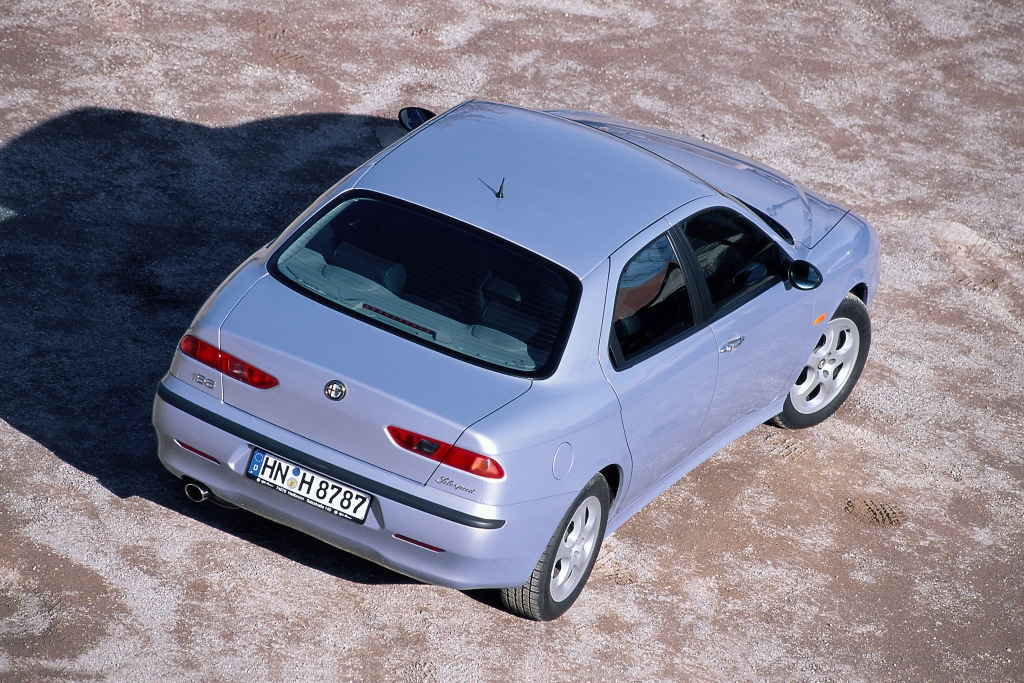
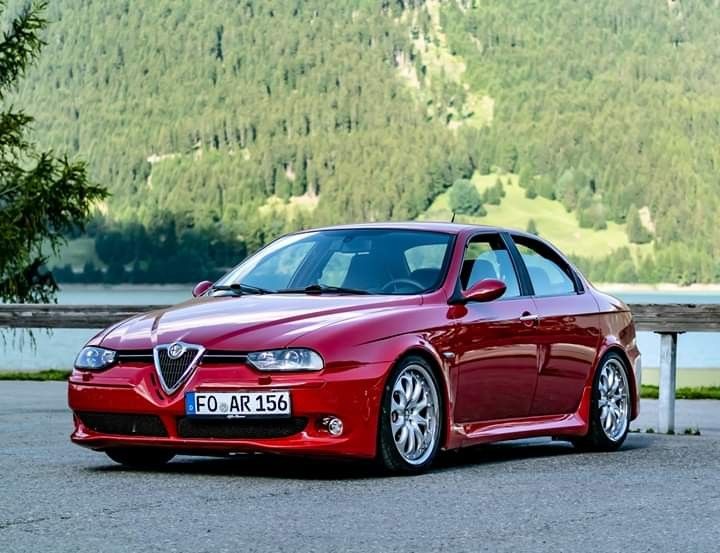
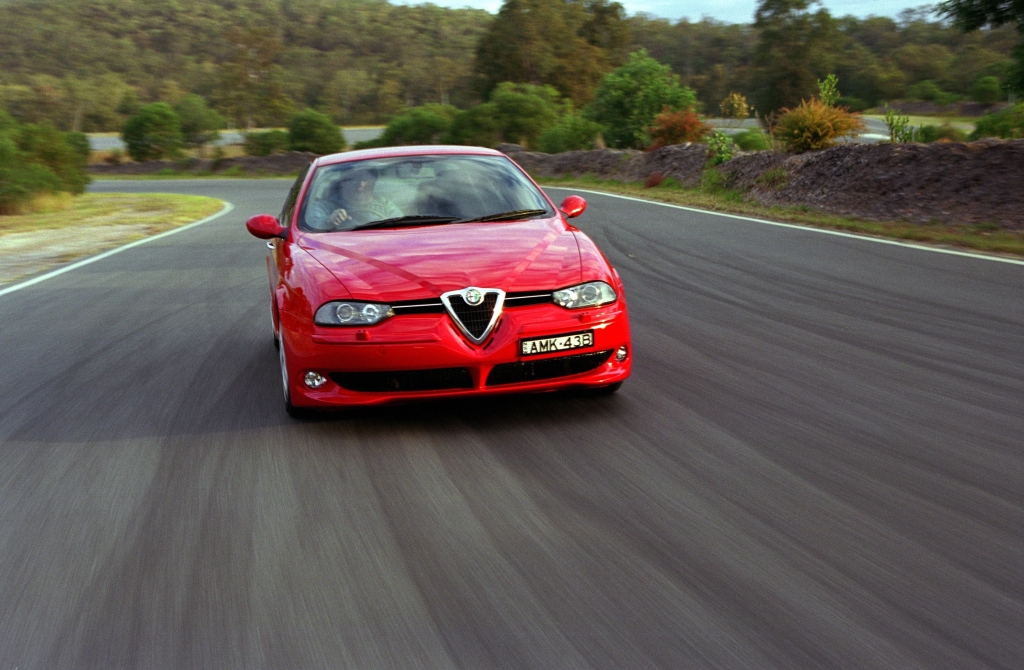
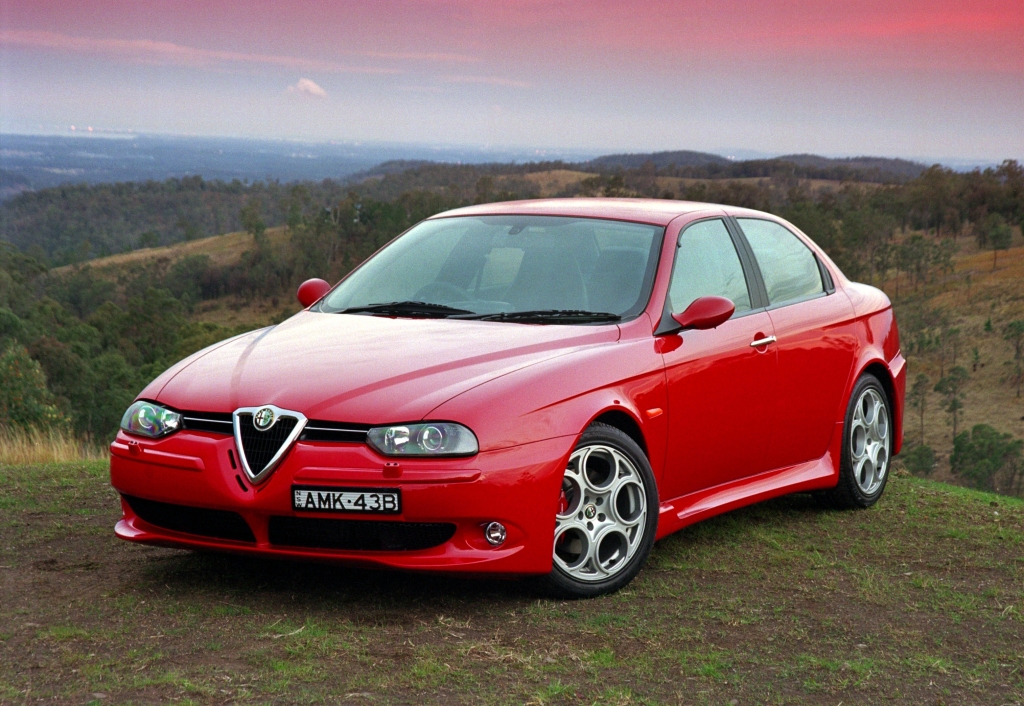
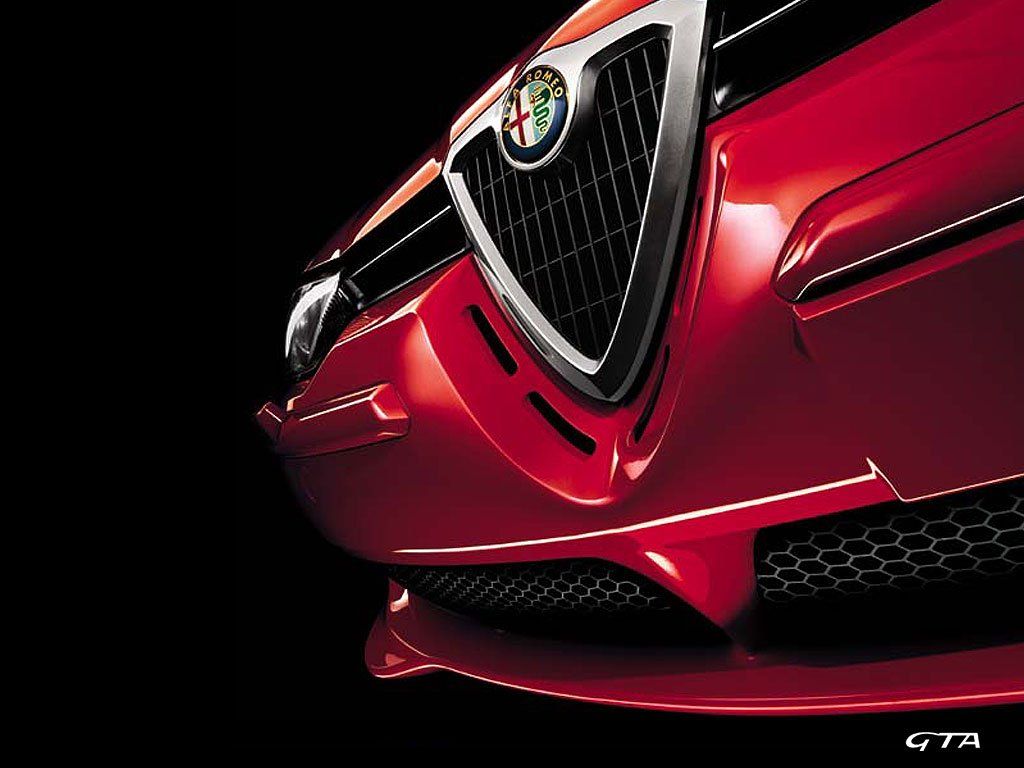
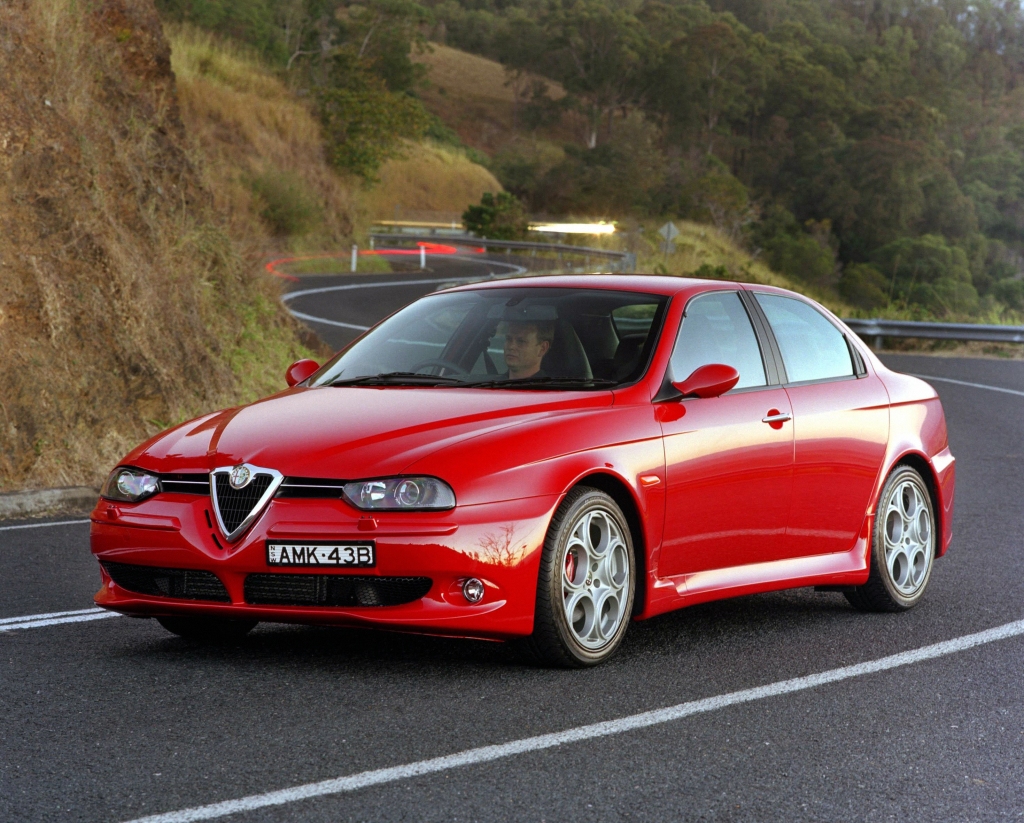
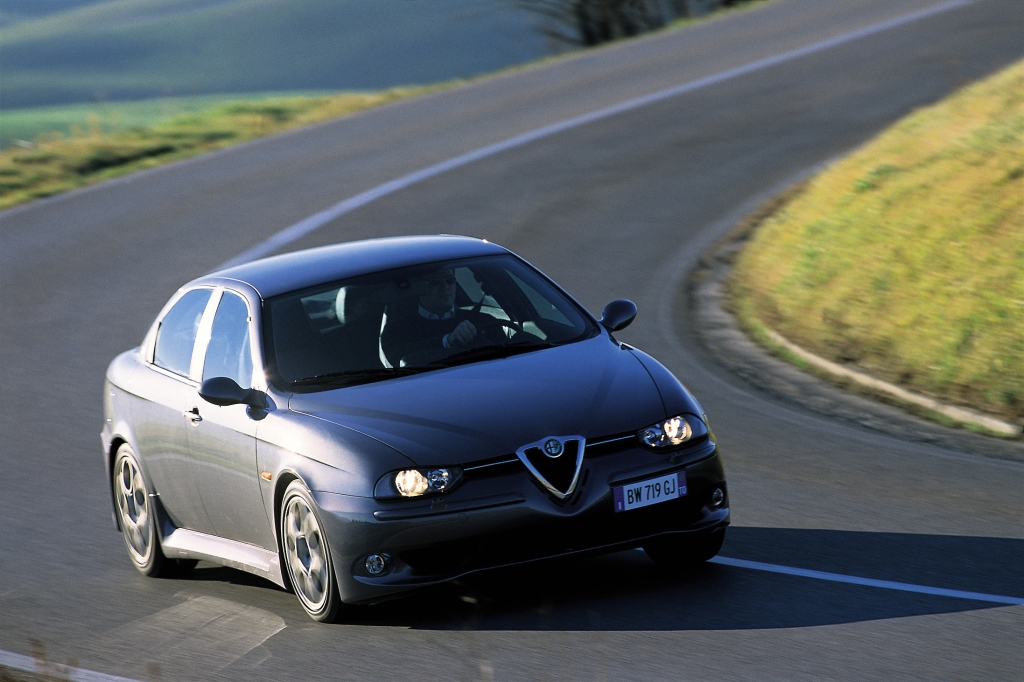
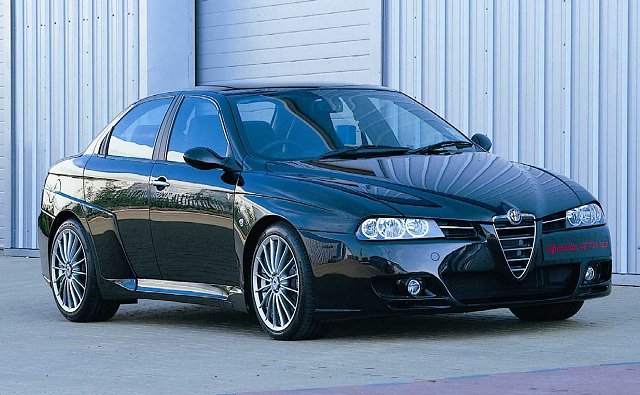
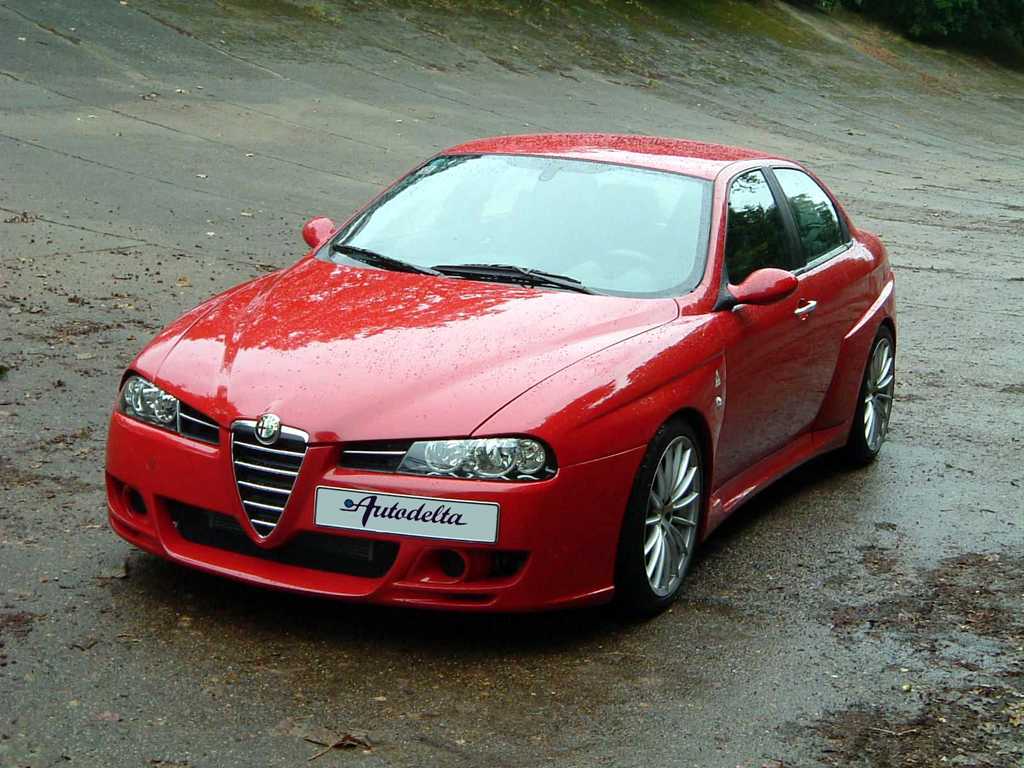
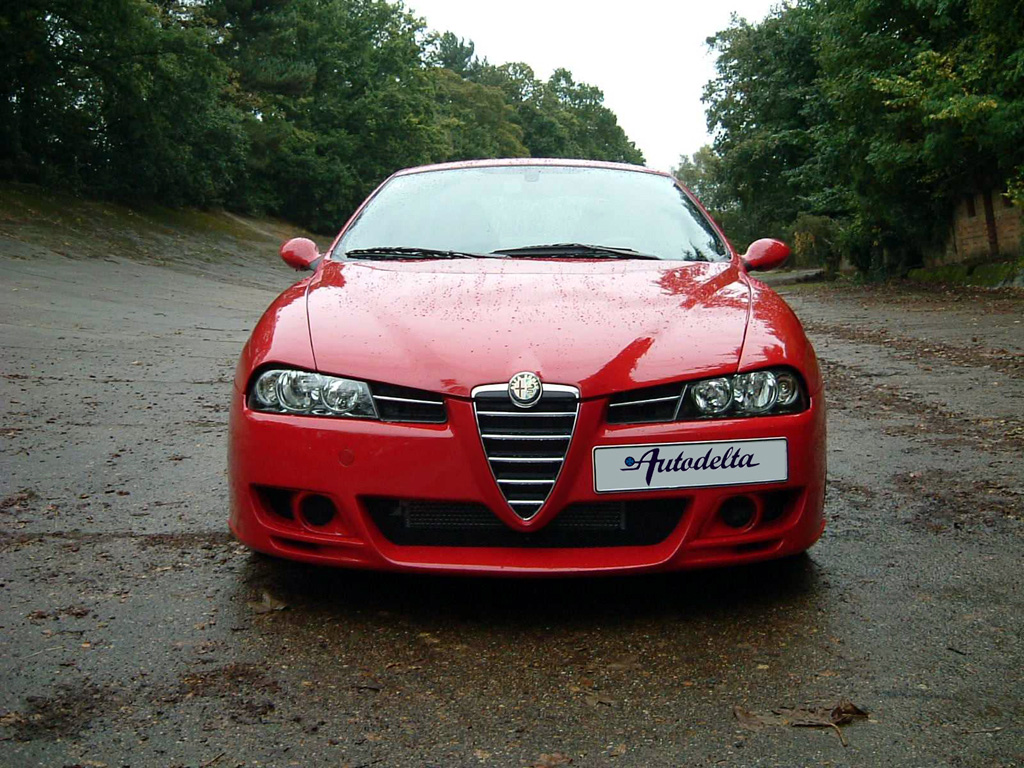
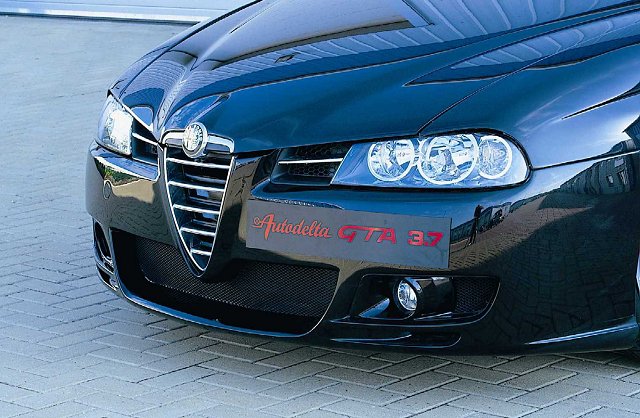
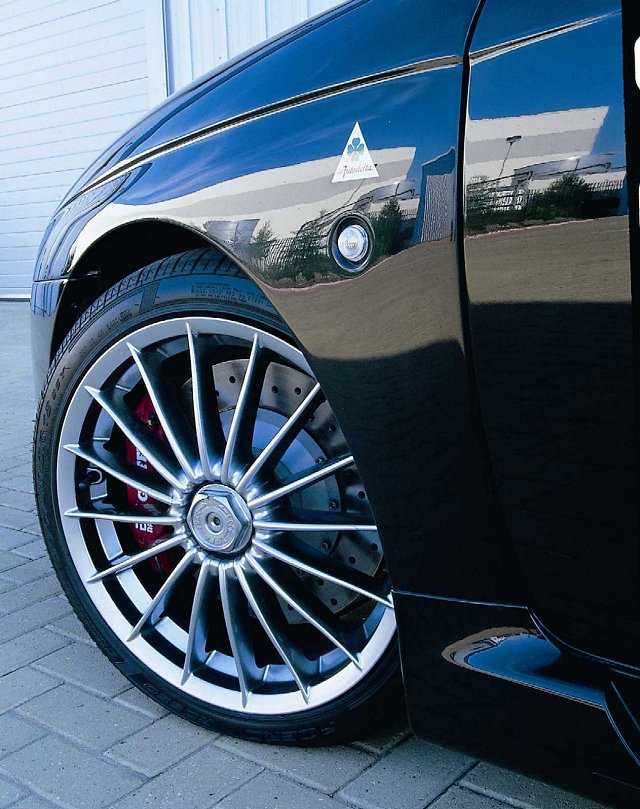
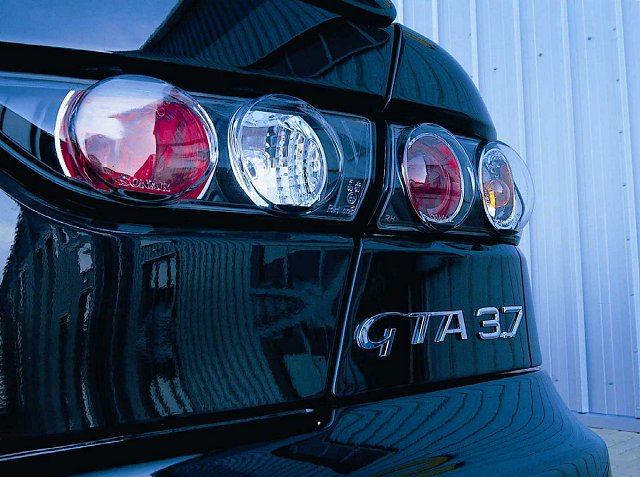
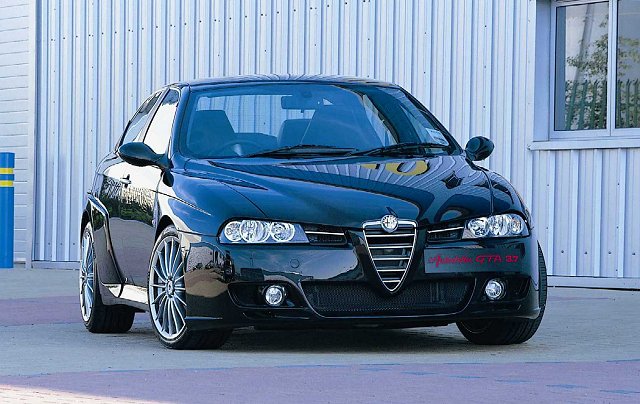
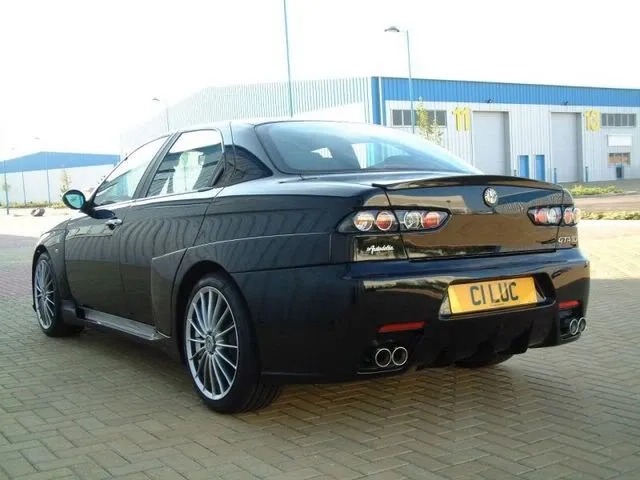
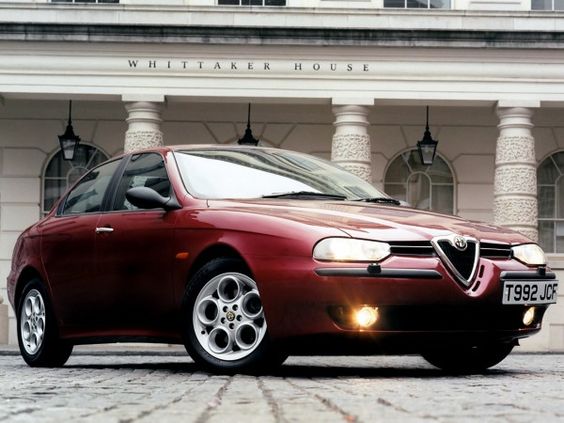
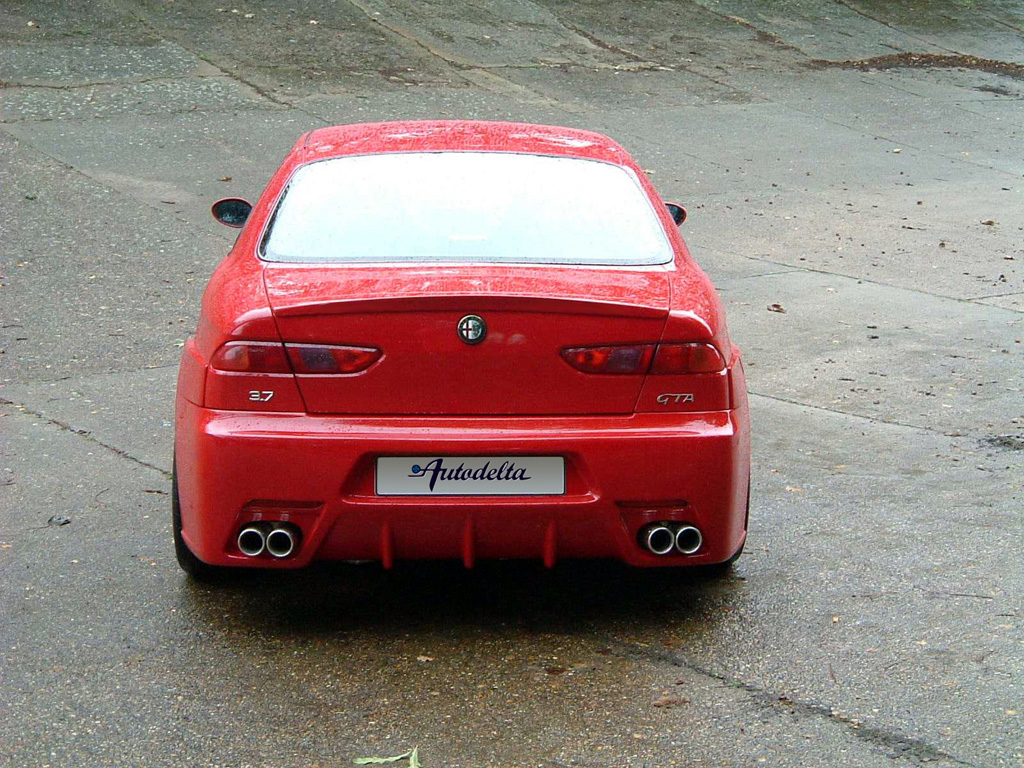
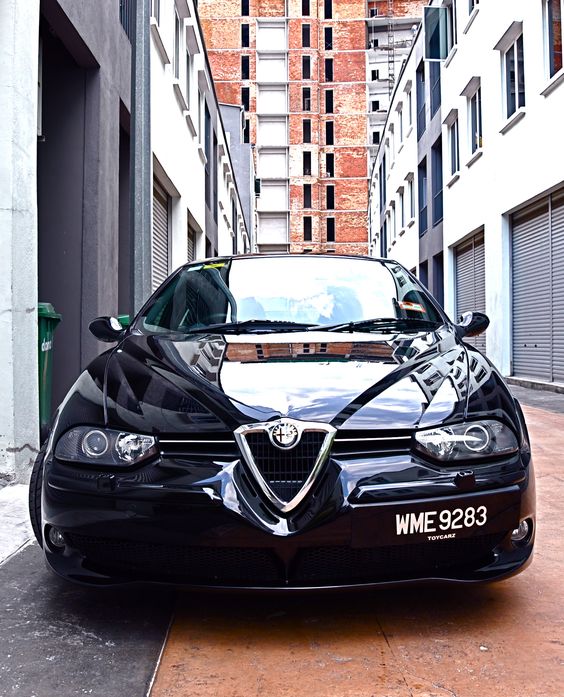
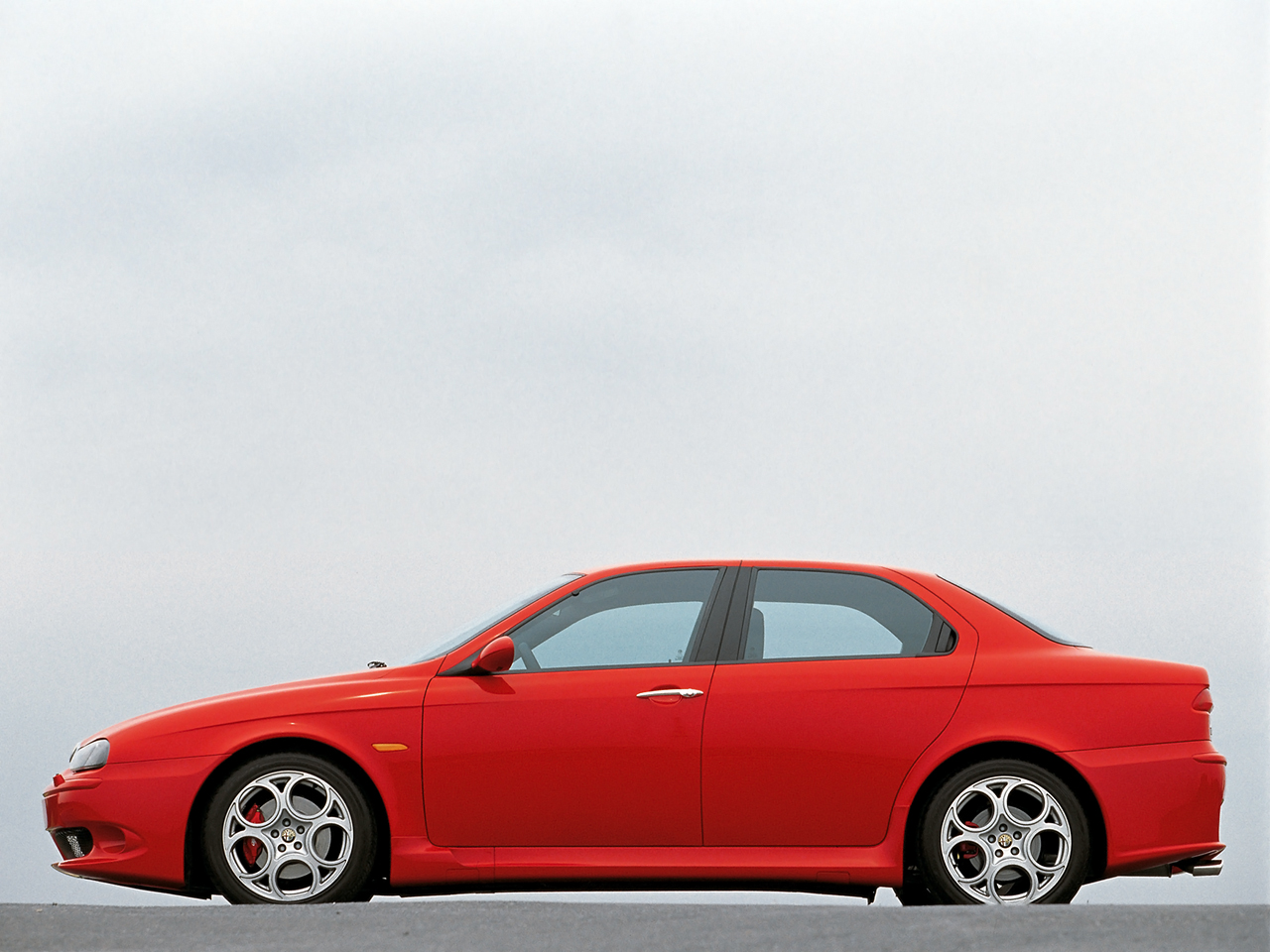
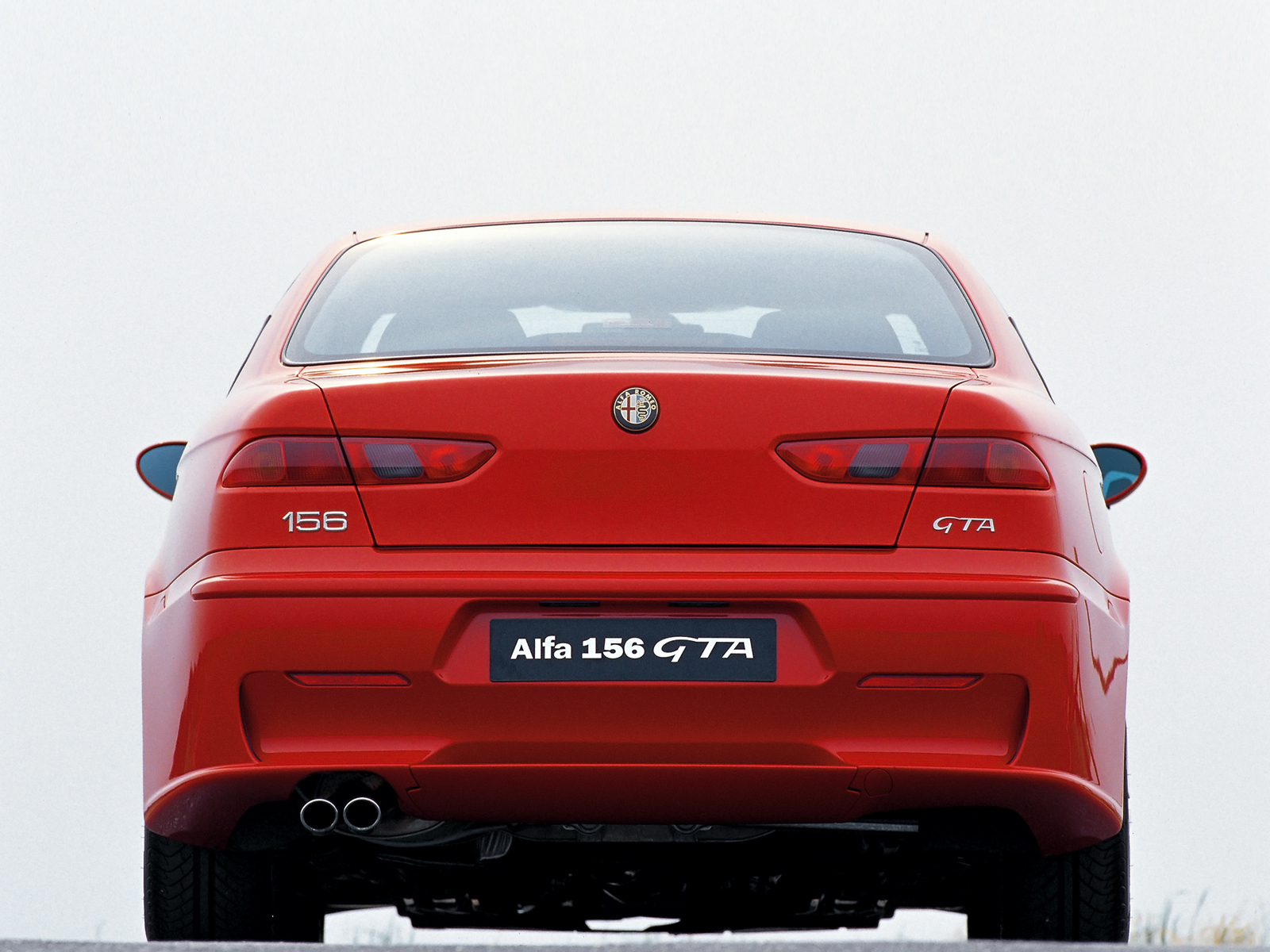
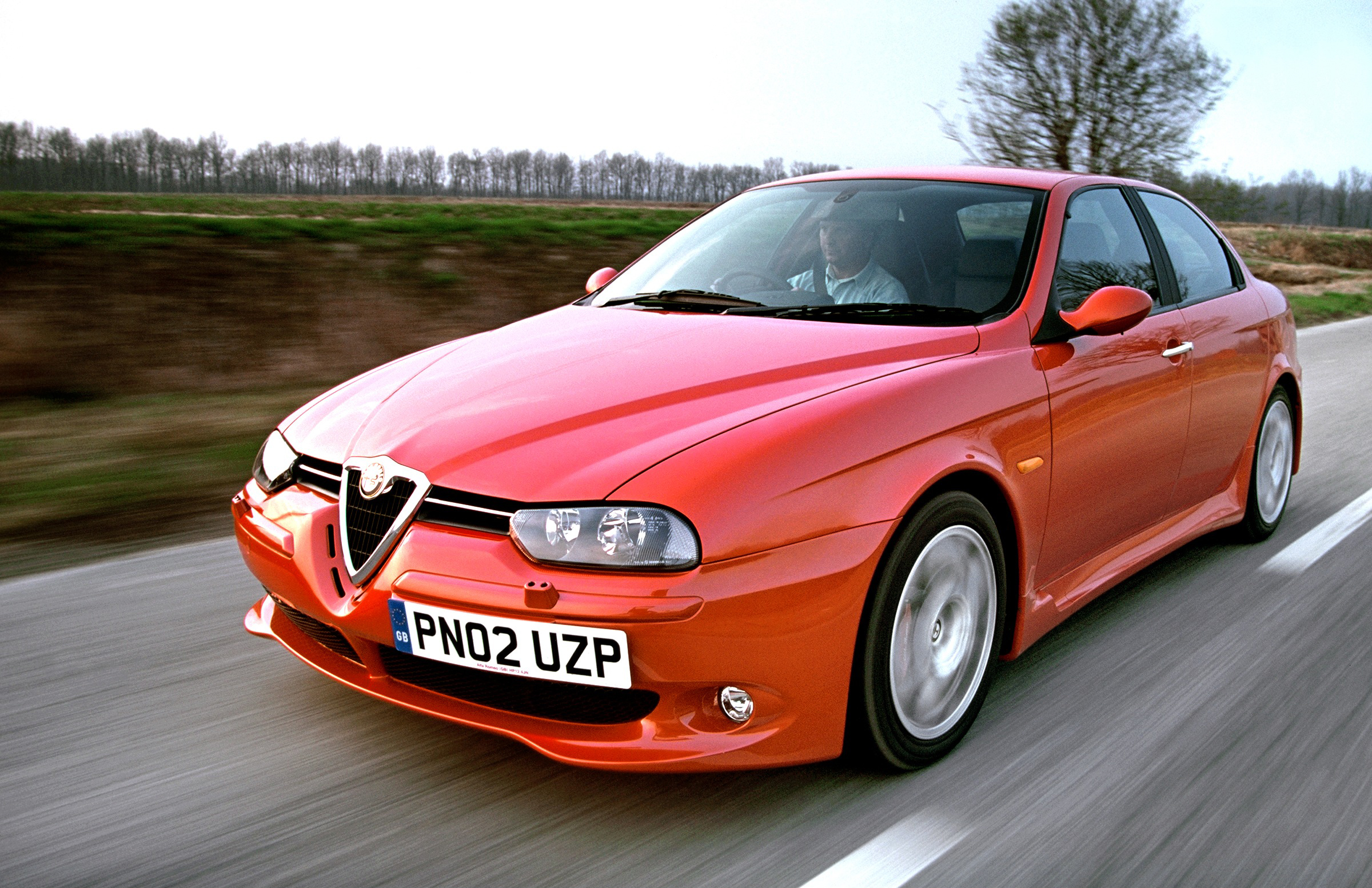
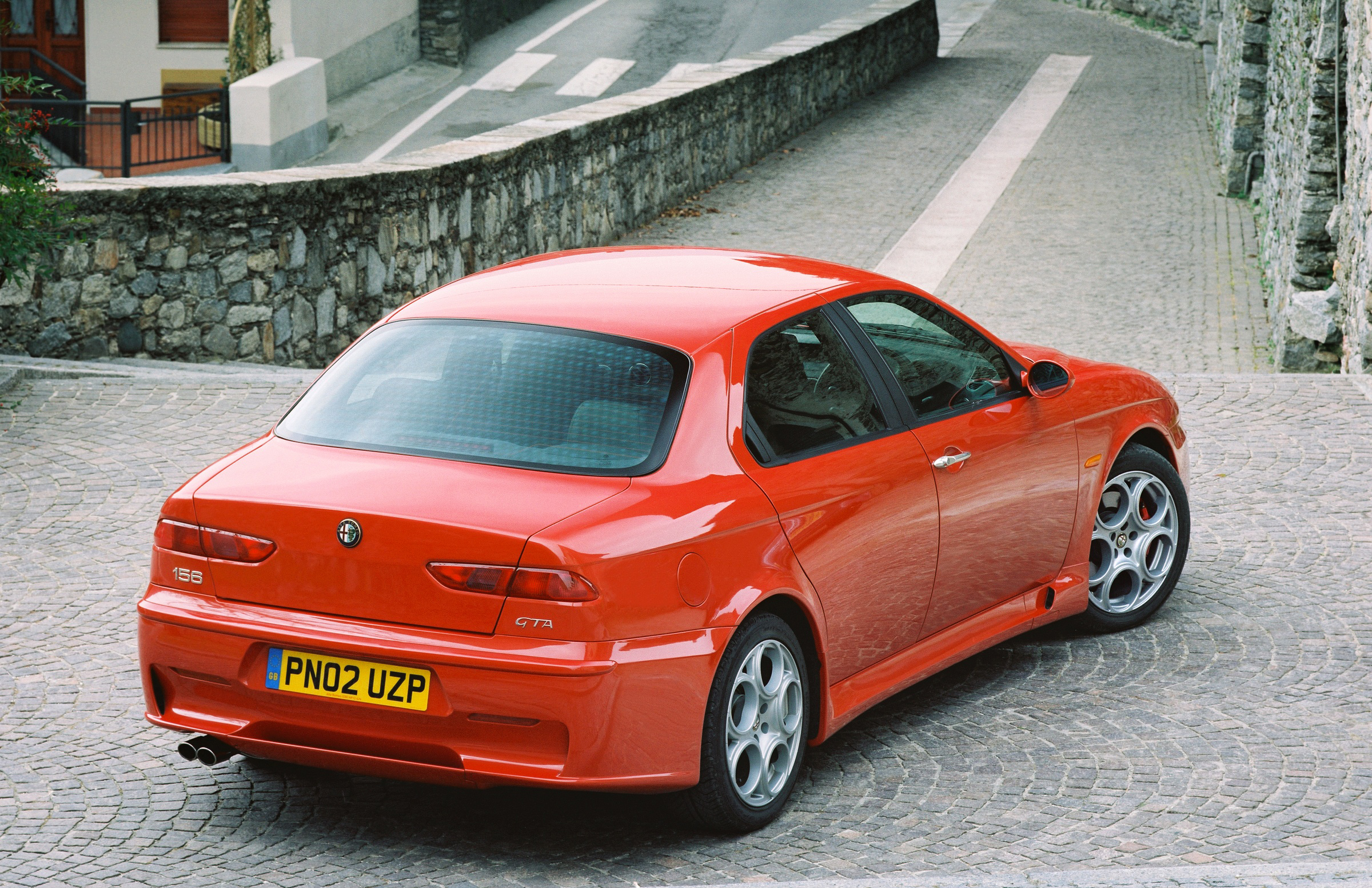
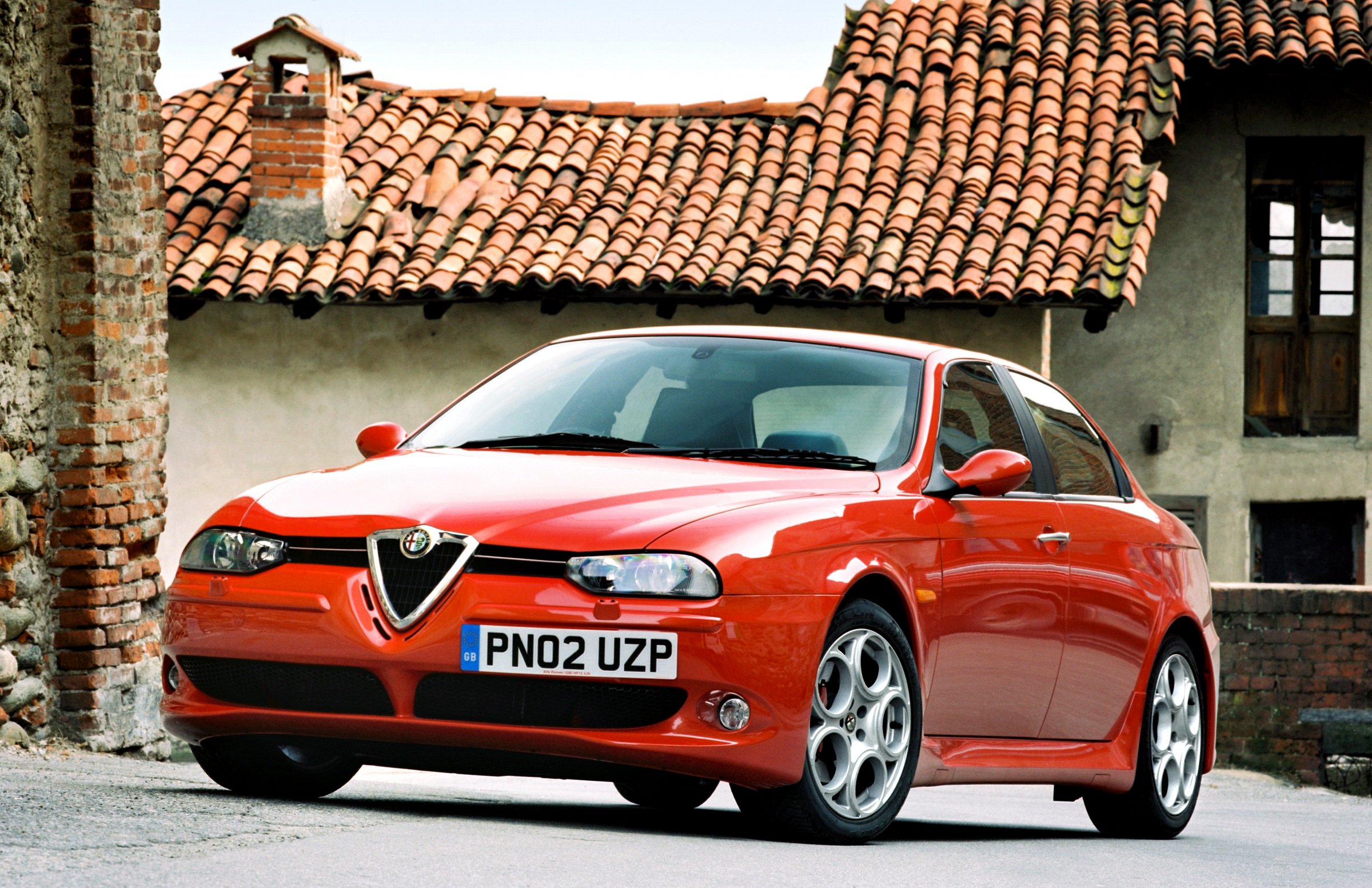
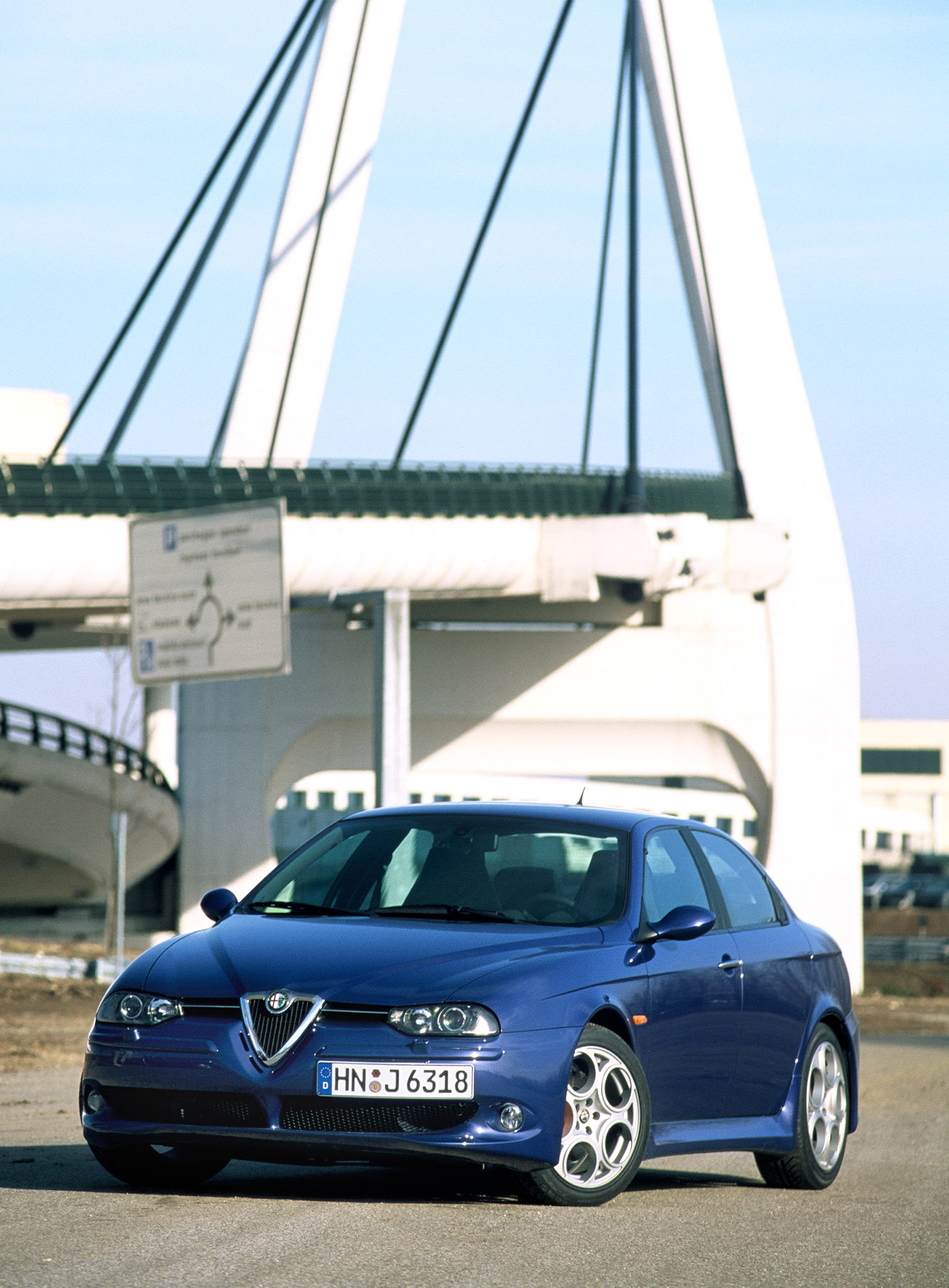
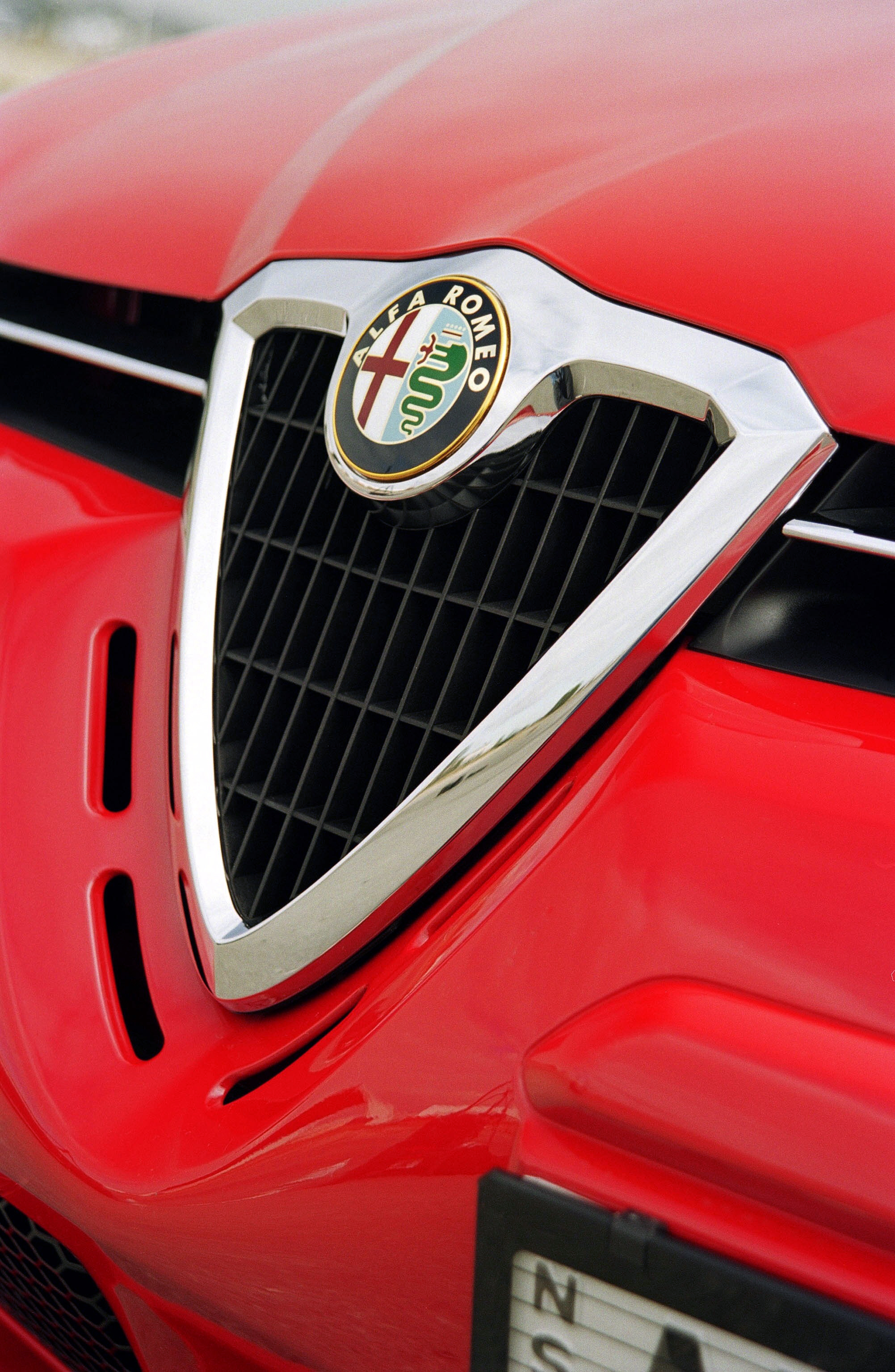
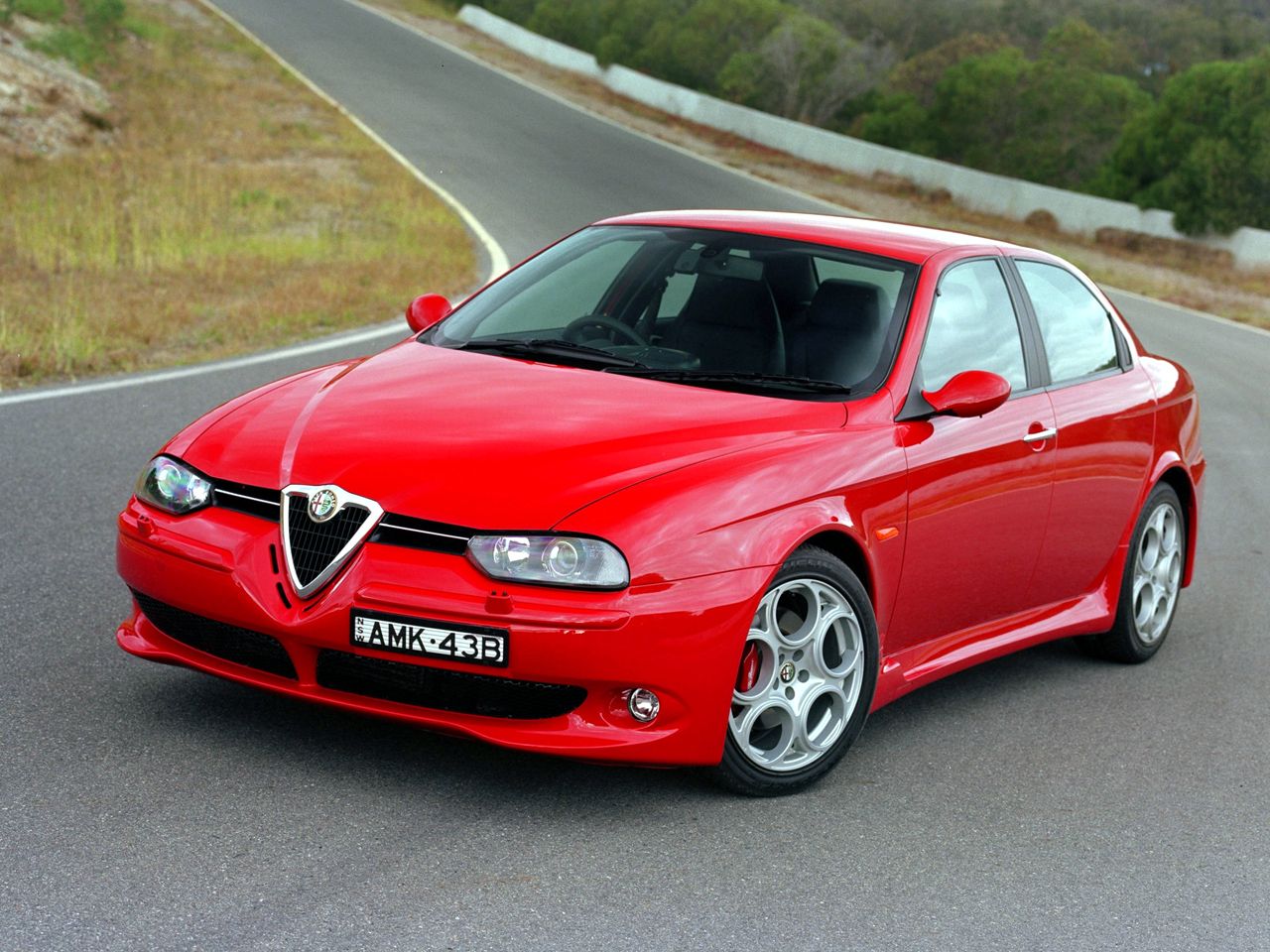
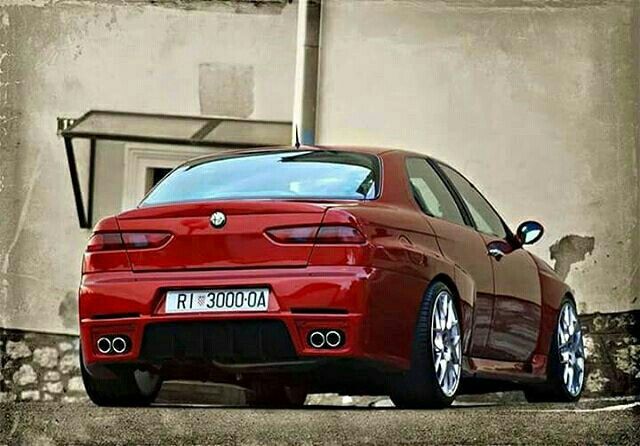
2004 – Alfa Romeo 156 Autodelta GTA 3.7 V6

In the ’70s, Alfa was sold to Fiat and ever since, it couldn’t really define itself. They did try to return to their roots with the horizontally opposed engines, twin sparks, and transaxle V6s, but it was always a struggle. No matter what they did, they could never escape the crisis. It was like a metaphor of the Polish history. They even made effort to put some fresh thought into their Tipo platform, since 1988 in production in hundreds of thousands of units – numbers far greater even than the Golf itself. A desperate attempt to elevate it beyond the realm of Fiat’s basic offerings, giving it that hint of prestige in the form of the model 155. But it was all in vain. It never sold in quantities that could be considered a success. Quite the opposite. It was a very bumpy road for Alfa Romeo – but the problem was the brand was going in a totally wrong direction. As a brand built on sportiness, it should have taken up the challenge posed by the Germans in the form of BMW M3 and Audi’s RS models. It should have demonstrated that Italians can still stand out, stir the pot, fire emotions. Outperform the leading players.

Glory to the Lord (praise His noodly appendage), someone stepped in at the right moment. The first examples of the 156 model emerged – also derived from the Tipo – but so advanced that virtually everything was better and we are essentially talking about an entirely new car. Tipo utilized suspensions based on MacPherson struts with a longitudinal arm, Alfa had double wishbones upfront – designed to match the driving dynamics of German cars’ sports variants (read: BMW M3 directly). At the rear, columns were still in place, yet Alfa subframe platform was far more sturdy than the Tipo. This setup allowed for excellent driving performance AND a superior travel comfort.

In terms of the engines, the 156 was also performing admirably. Alfa enthusiasts had a choice of the familiar 16-valve powerplants, updated with a new variable-length intake. This enhancement allowed for both increased torque and improved power delivery. Best of all, though, was the 24-valve 2.5 V6 unit. Although its architecture could be traced back to the late ’70s, every component was modernized. This engine featured a fresh cylinder head, a new intake system, a revised exhaust, and the twin-cams. All the would result in 190 horsepower, which is an output enough to provide a lot of fun behind the wheel. Even more so, when the torque kicks in at a mere 5,000 rpm. Honestly, this stood as one of the finest V6 engines in its class – distinctive in character and boasting an exhilarating sound signature.

Alfa had the potential to become the best sports sedan on the market, and the Italians were damn serious about it. The 2.5 V6 was offered with a 6-speed manual, but Alfa workshops were finishing working on a real deal. The Selespeed transmission, though labeled as a semi-automatic, was essentially an automated manual gearbox. I was meaning to discuss it in more detail in a Ferrari text, but I can disclose this and that here as well. This mechanism was taken directly from the Ferrari, with its origins lead us to Formula 1. In the Ferrari workshops, this project was named „Selespeed,” and even though it made its way to the Alfa model under a different designation, the name stuck with Alfa Romeo. This type of transmissions entered their lineups for the first time in year 1999.

The Alfa offered more interior space compared to its rivals. Despite lagging behind the 155 model in this aspect, neither the BMW 3-Series nor the Audi A4 could ever compete with it. The interior itself boasted a sporty character, and this wasn’t just an illusion. Steering response is wonderfully quick. The car reacts precisely and communicates effectively. As a FWD, it exhibits a slight tendency towards understeer, yet with a bit of throttle input, oversteer can be easily induced. Again, this thing is with front-wheel drive! A handicap, one might say – yet it doesn’t fall far behind the popular 3-Series in its handling. And it’s significantly more comfortable – at least in comparison to other cars in the catalog. Sure, the 156 does exhibit some body roll in corners, but this doesn’t impact its handling. The engine – particularly the „Busso” – generates sounds that can be highly appreciated. These could available as a 2.5-litre V6 and a 3.2-litre as well. The latter is important specifically, as it powered the most potent examples of the GTA variant.
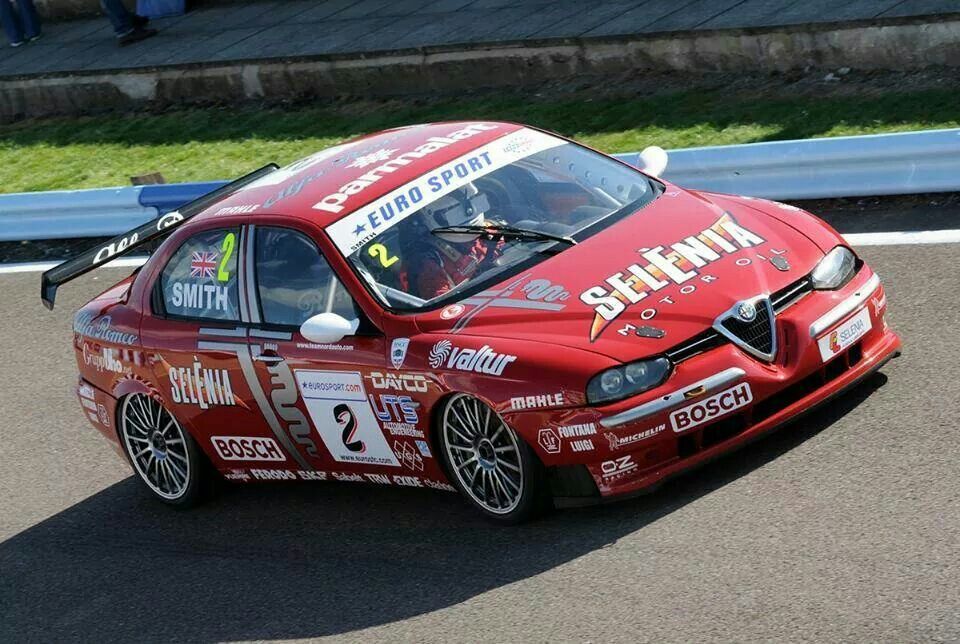
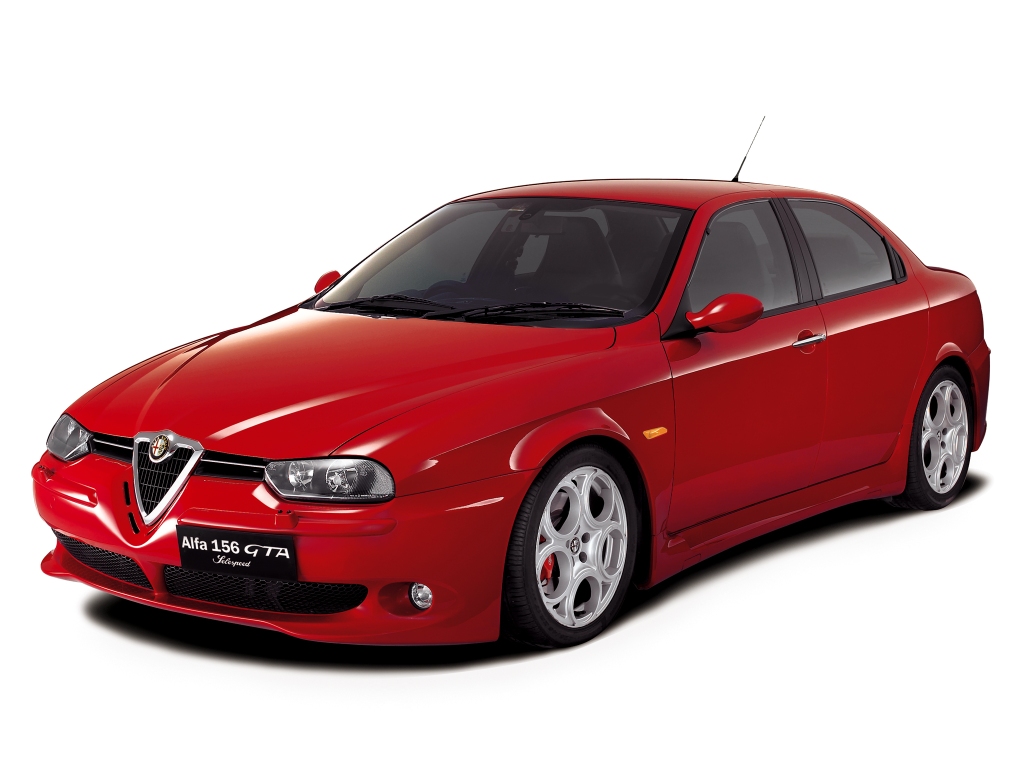
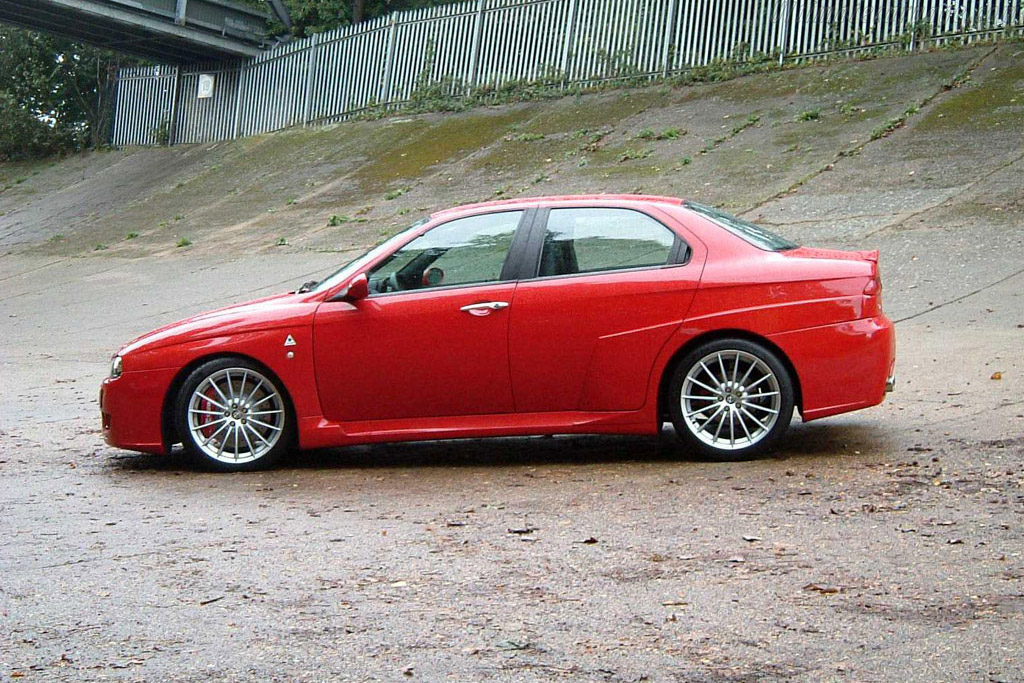
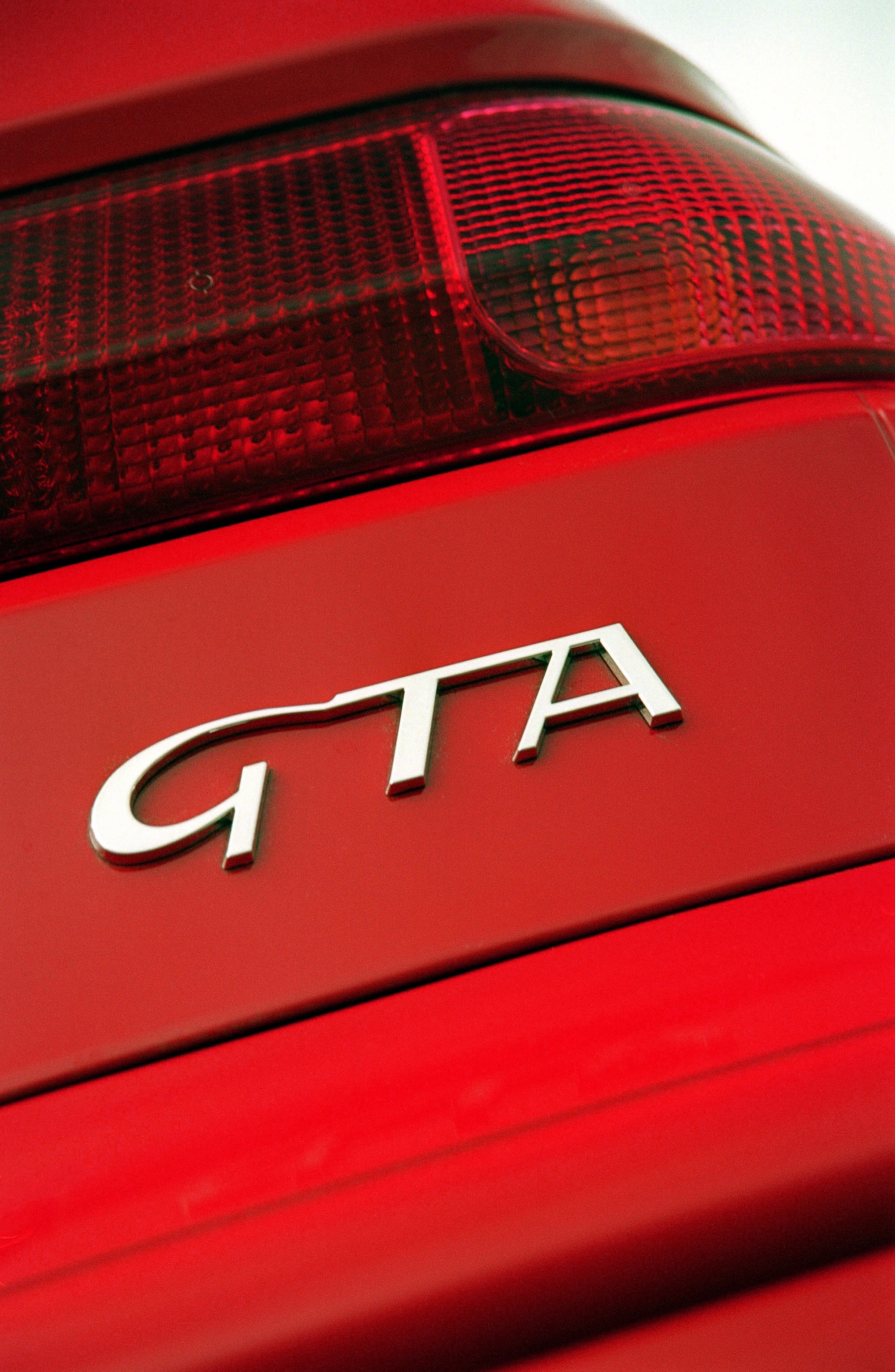
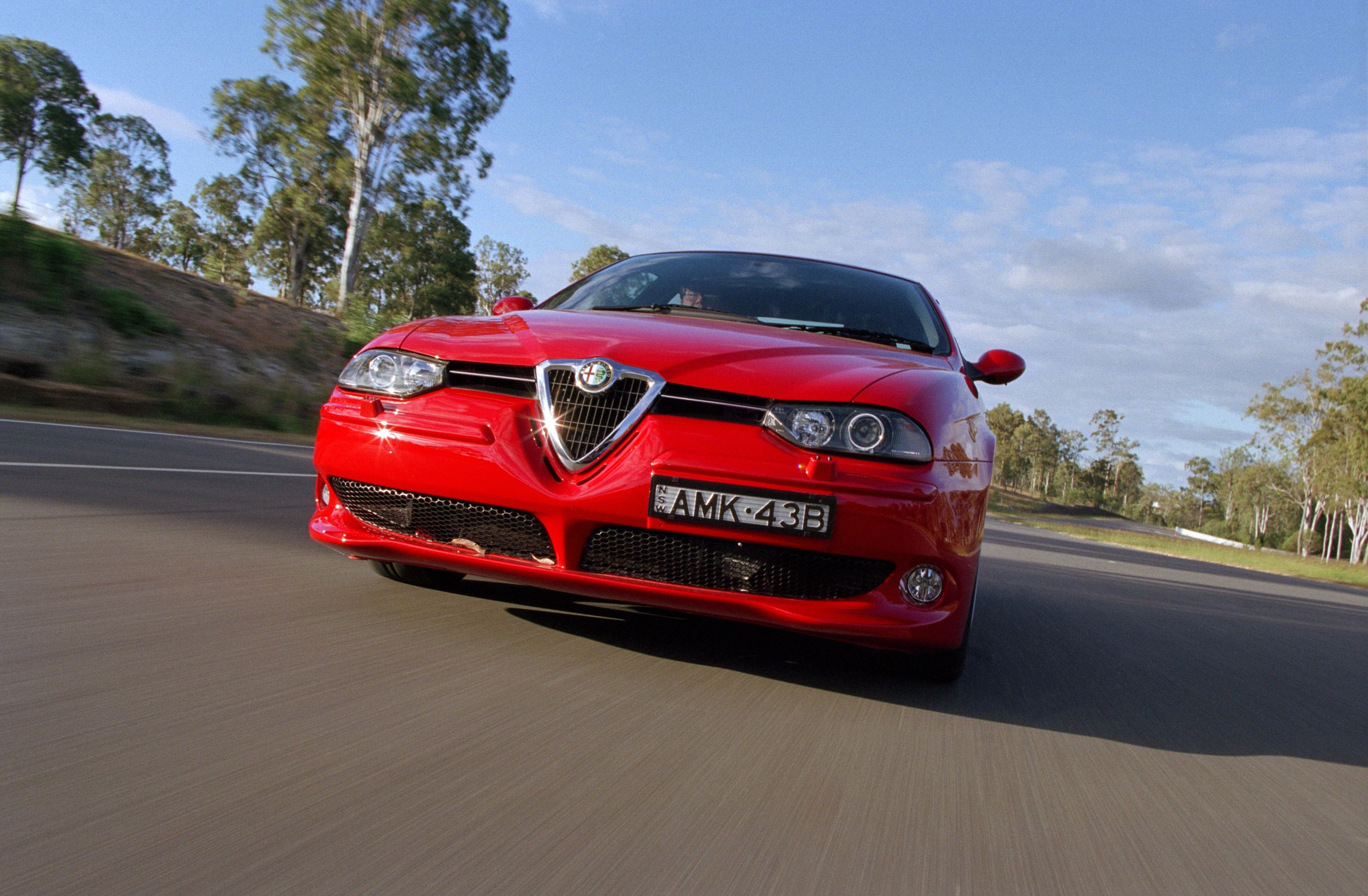
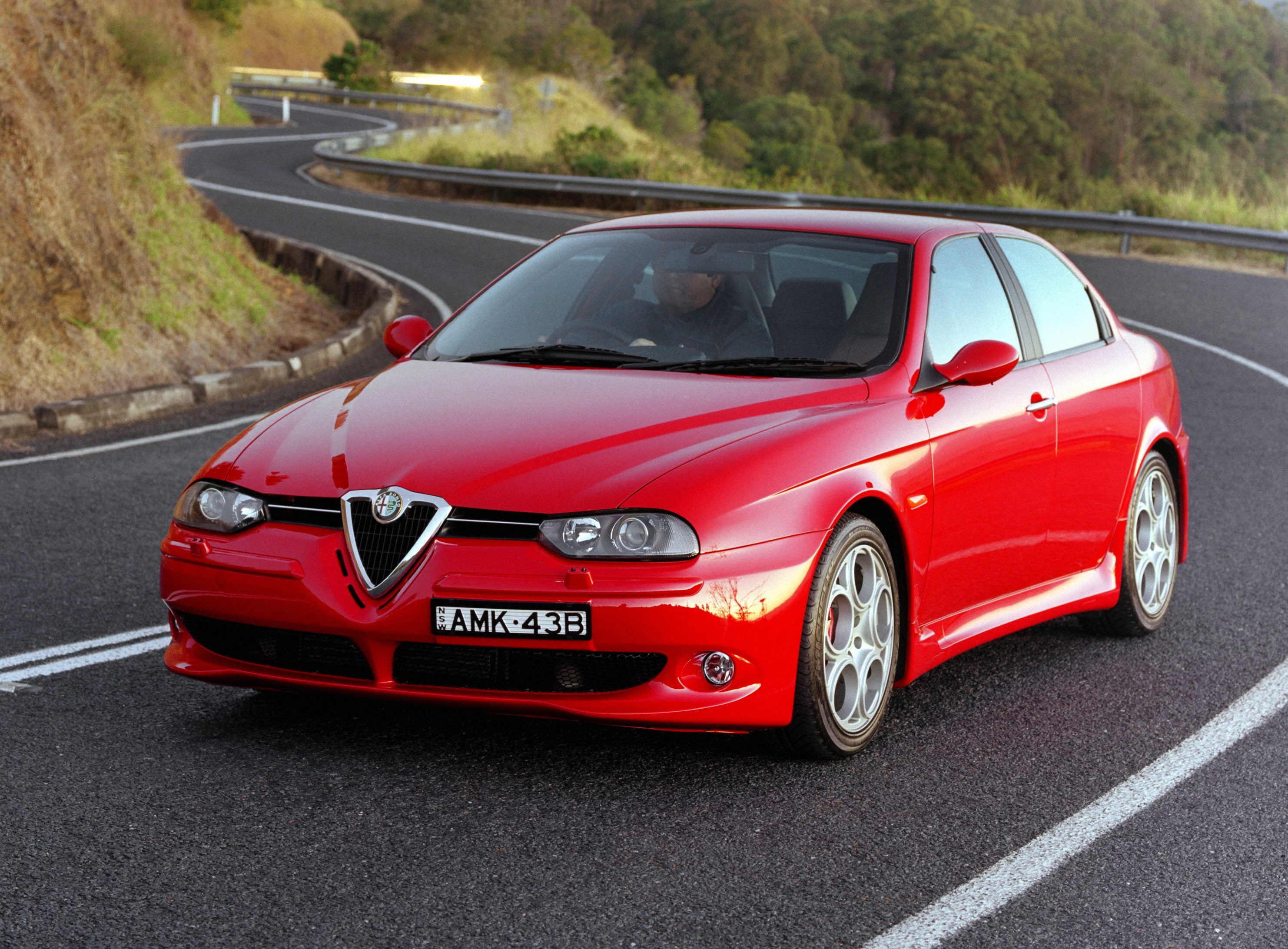
To fully understand what the 156 GTA is, we need to unlearn everything we know about automotive engineering. 250 horsepower at the front wheels, with a front-end weight bias even greater than in the large 2.5-litre – it has to affect the handling. We know this instinctively. The torque steer will be dramatic. It’s due to the excess power. Secondly, the car’s understeer will surely be a problem – tha’s due to weight distribution. Well, yes… but actually no. The Alfa Romeo made a car that handles like a BMW – some even call it the front-wheel-drive M3. There are two explanations for this: either the physics of a black hole – or magic. And this isn’t a slip of the tongue, some mistake – a misunderstanding. No. Alfa gives a similar level of driver engagement, serves you the same set of emotions a BMW can offer. And sometimes, it’s even better than the Germans.

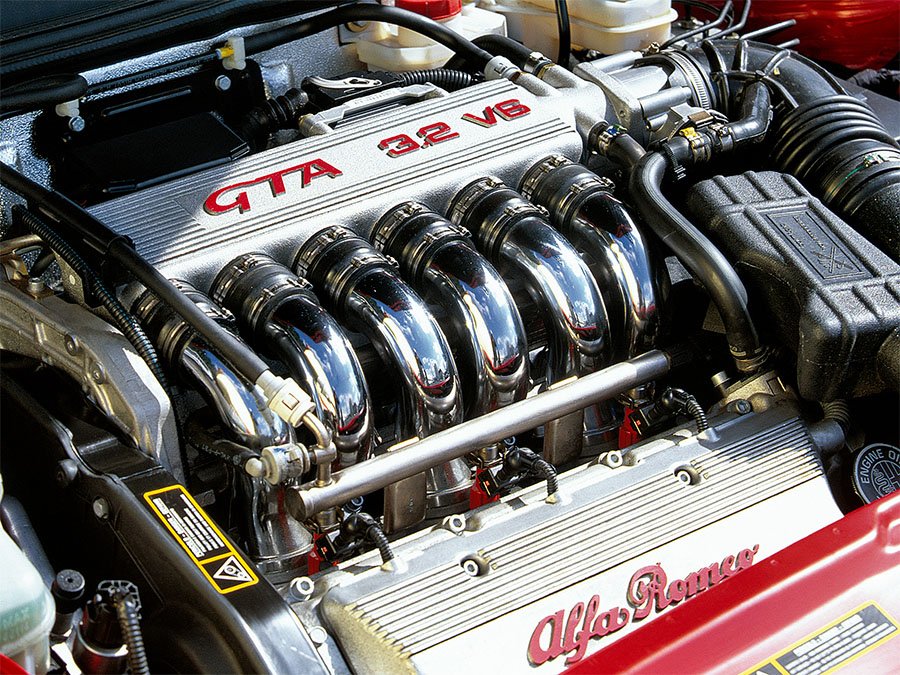
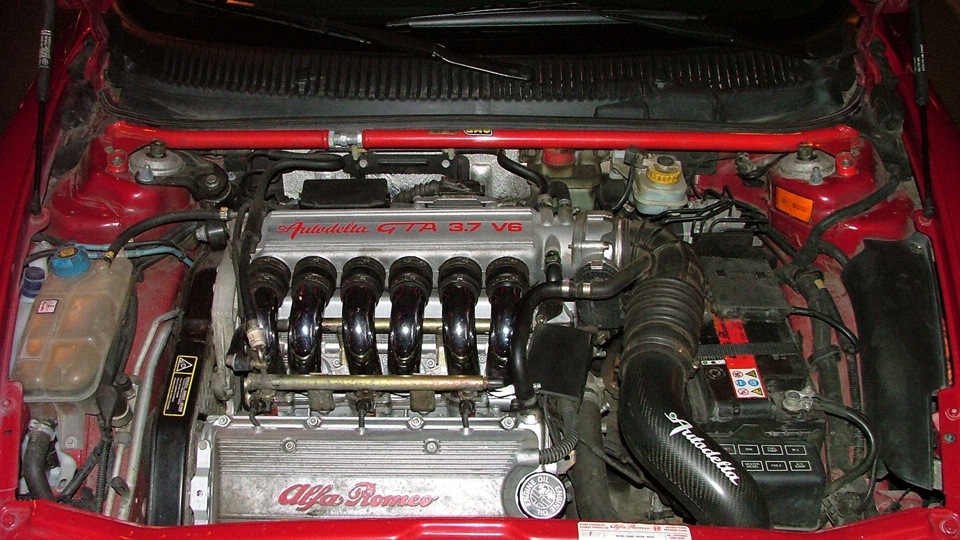
The GTA gets from 0 to 60 in 6.0 seconds – that’s worse than the M3. The German Straight Six revs high and leaves Italians behind… but the sound of the V6 is truly enchanting and its flexibility – top of the top. This defeat isn’t bitter at all. Not a thing to be ashamed of. It draws power from a 3.2-liter engine with a high compression ratio. No plastic covers there – it was a work of art and just as such it was displayed. The camshaft cover was made of light alloy. All chrome intake was phenomenal. It was just perfect. It looks perfect. It sounds perfect – and delivers 250 bhp.
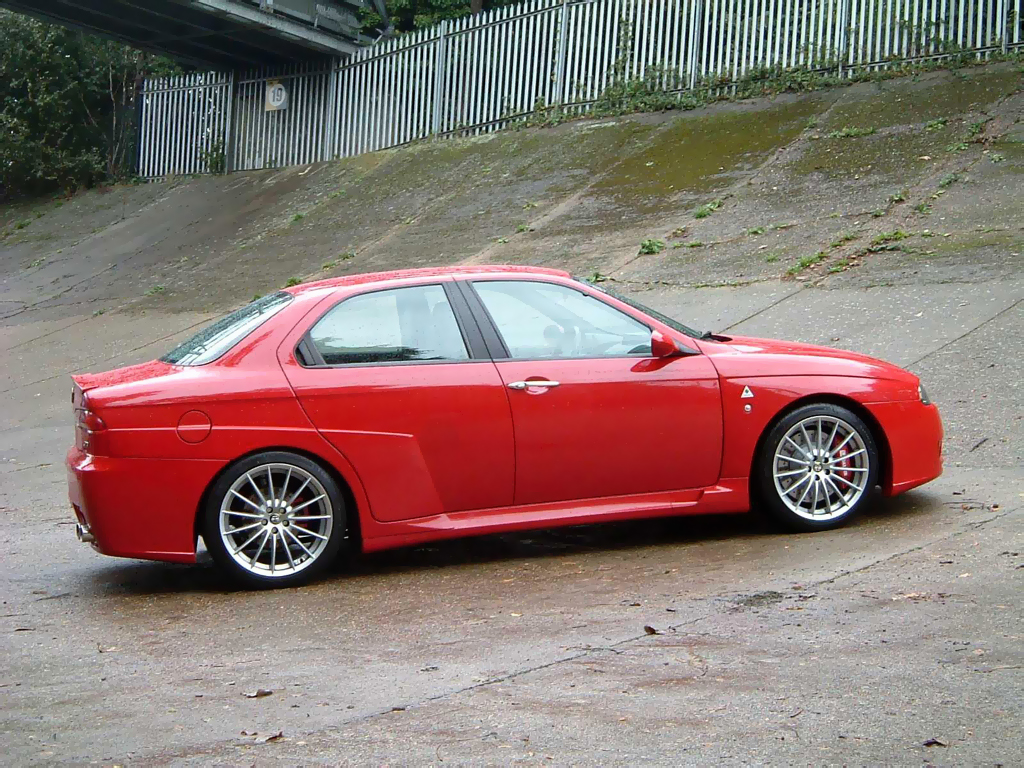
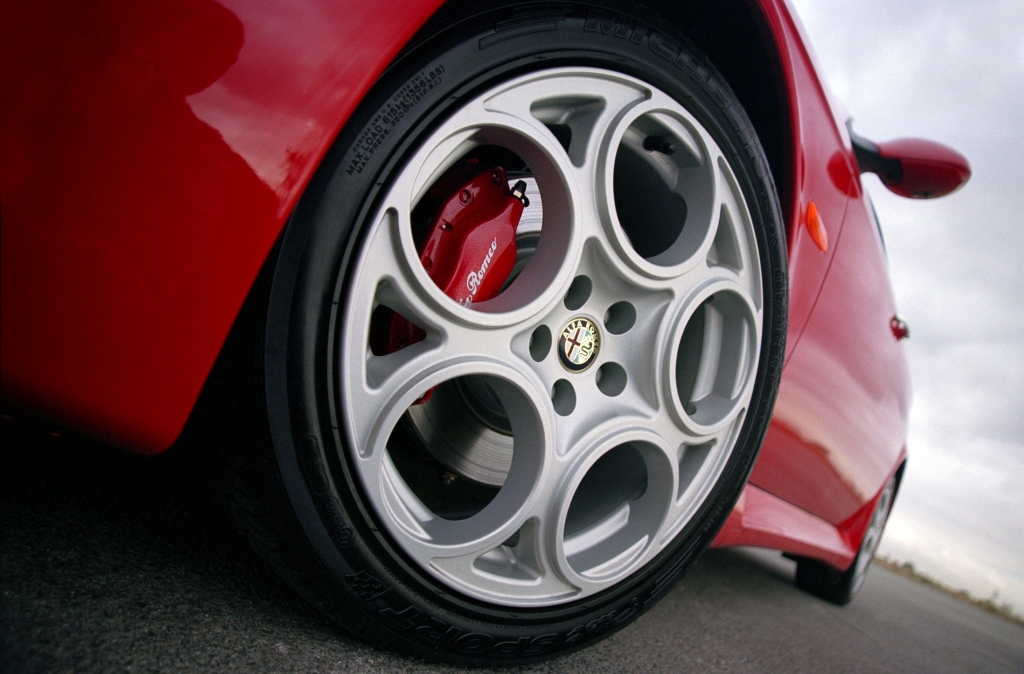
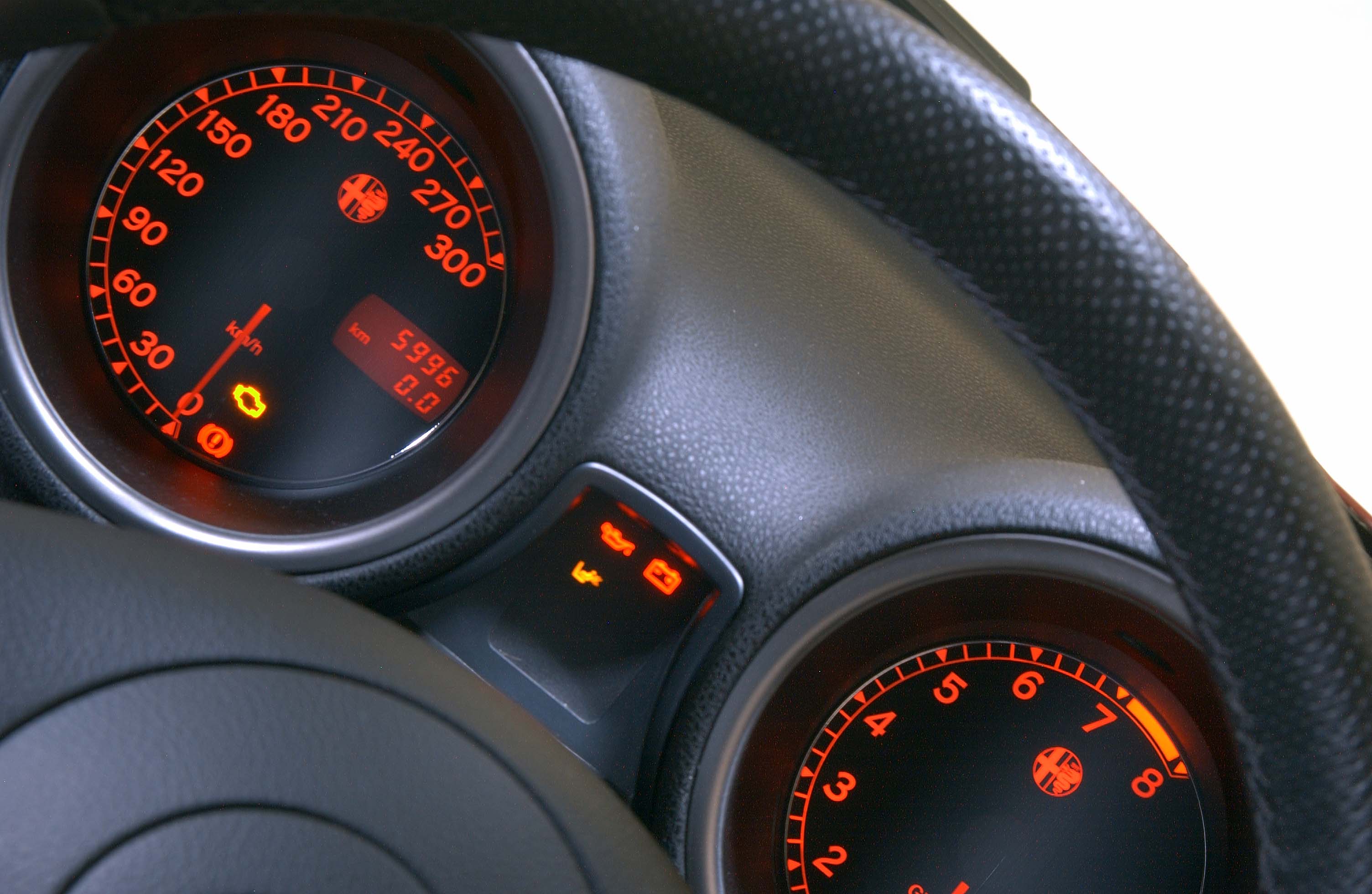
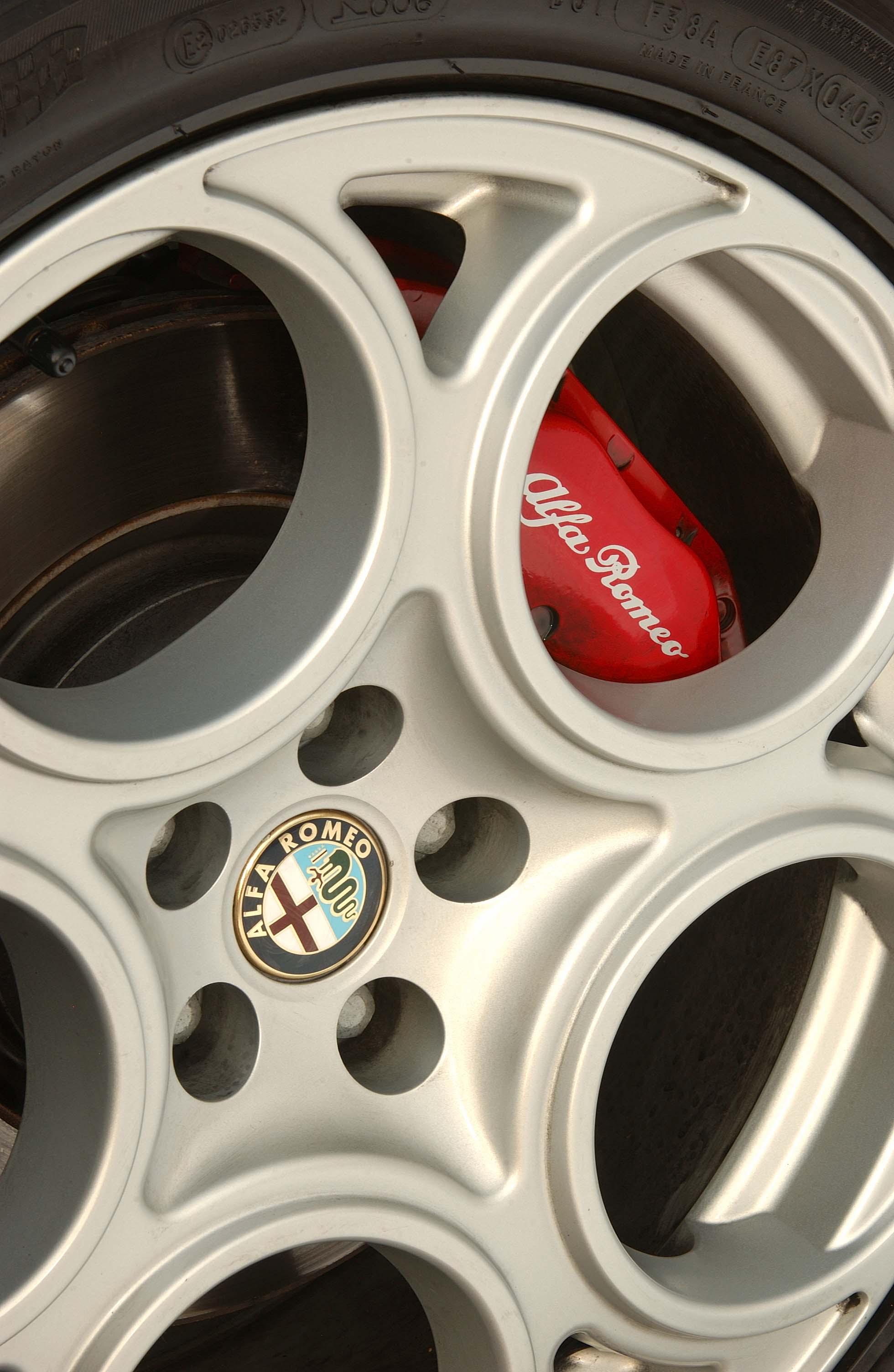
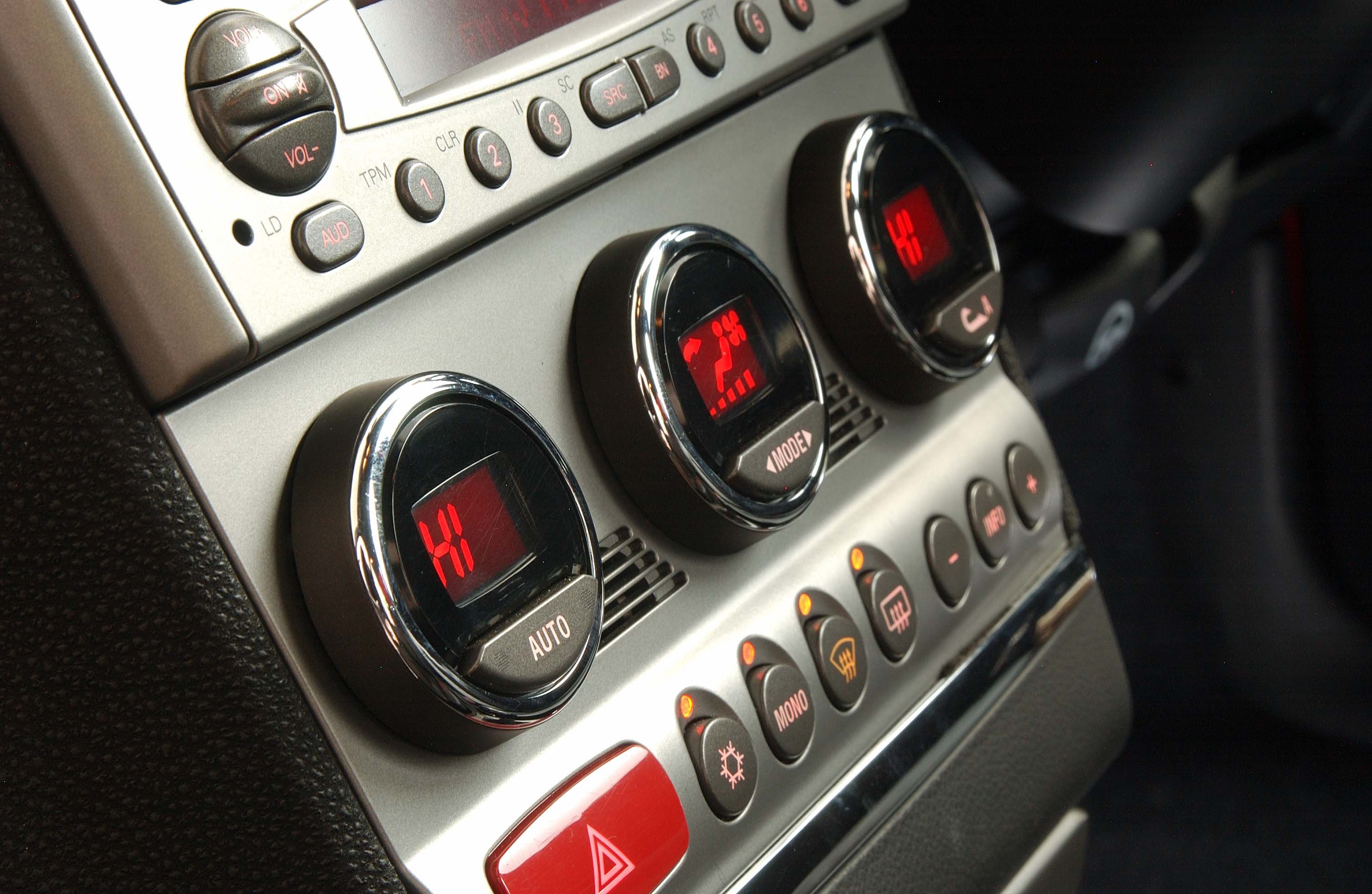
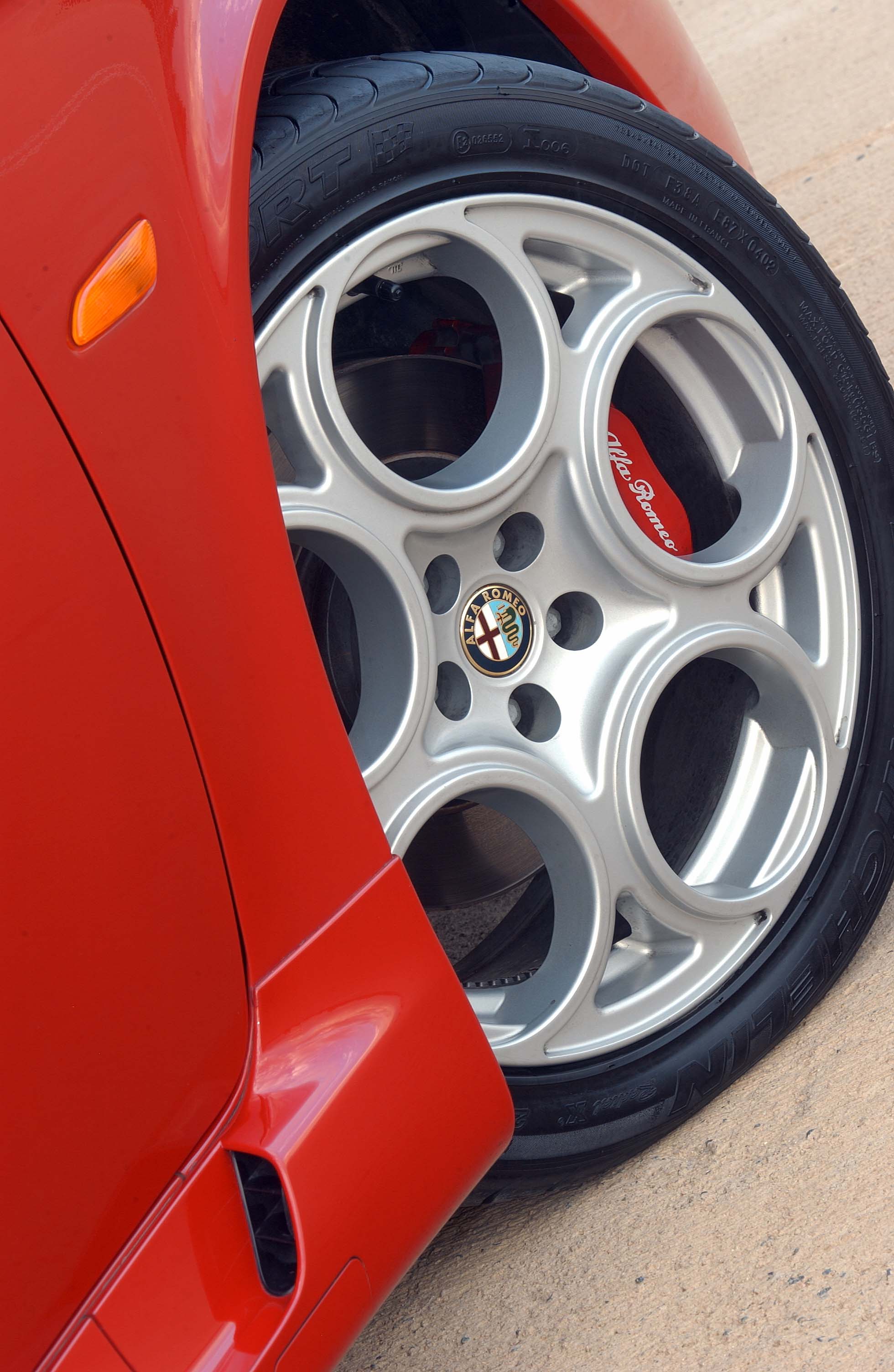
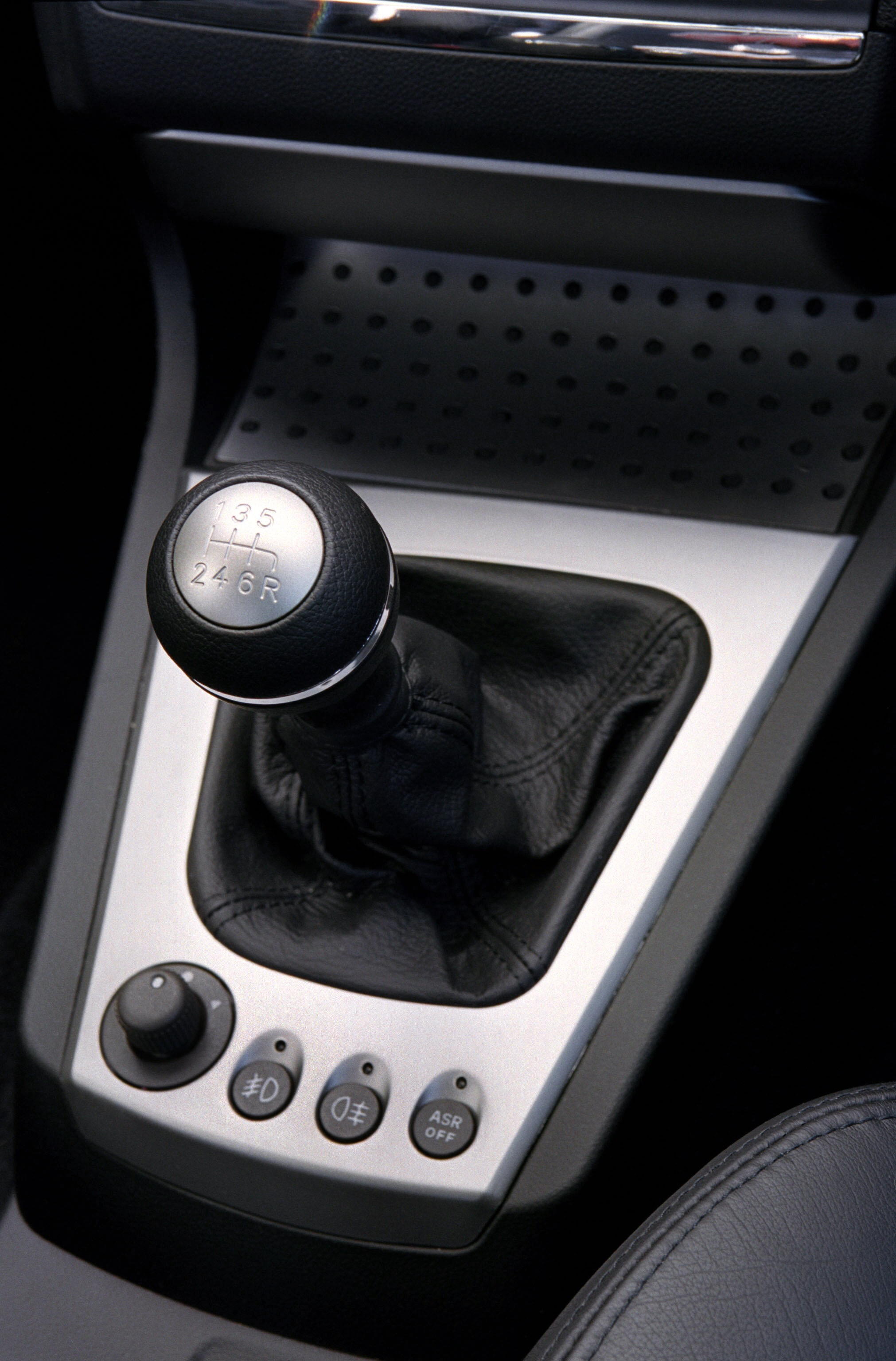
The interior of the Alfa GTA was derived from the base 156 versions, but they added a sense of quality to it. The three-spoke steering wheel, just like one in the 147 model, was finished with soft plastics. It did look attractive. The leather and chrome details added to the sporty character. The seats looked as if they were taken straight from some sort of entry-level Ferrari. Sports buckets – comfortable and with good lateral support. In terms of power delivery, it might not be as aggressive as its German rival, but the Alfa increases power progressively and confidently revs up to the top of the RPMs. It encourages faster driving, especially as the engine feels better with increasing revolutions. The 6-speed performs brilliantly, and even the Selespeed will not disappoint. We could expect as much – it is an Alfa after all… but to make a FWD, push it into the 250+bhp territory and compete on equal terms with the best – well… that’s a first. That is because of the chassis. The 156 is a good platform to work with, with double wishbones at the front, but merely stiffening the suspension might not have been enough for the GTA. The Italians had to think out of the box. The geometry was changed. Improved increasing the tire contact area with the asphalt when taking fast corners. Front suspension links were reinforced to handle greater power. Everything was strengthened, stiffened and lowered for better stability. The braces were now thicker. Traction control – reprogrammed to intervene less aggressively. The car was stopped with a set of Brembo performance brakes and stability control ensured control of its stability.

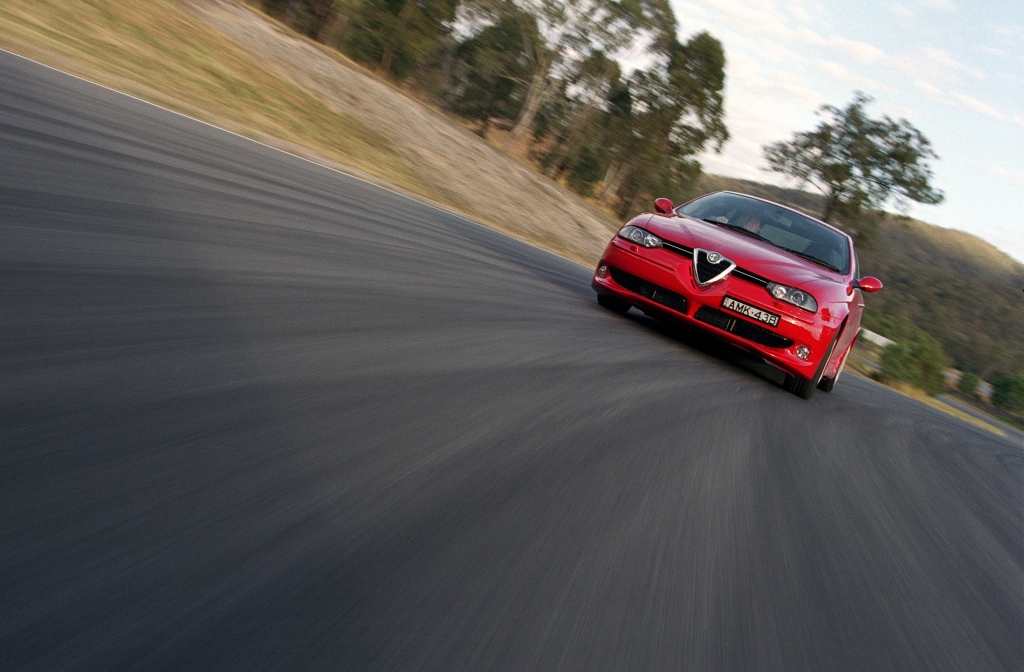
This car delivers. The suspension design consistently provides traction, and the car doesn’t push its front end wide in fast corners like it normally does with this type layout. The GTA is not like all the rest. No horror of understeer. The wheels always stay glued to the road and lead you precisely where you intend. It doesn’t suffer from torque steer. It handles very instinctively, and… even better than the BMW. Here – I said it. The steering response is lightning-fast and precise. More – it’s one of the few cars that can be controlled just by dosing throttle and nothing else. Easing off the gas in the middle of a corner introduces the car to easily manageable oversteer! Oversteer! Front wheel drive! Truth be told, the Alfa handles more like a Lancer Evo, rather than the M3. BMW focuses on performance and track driving, while the GTA works hard to deliver emotions and pure fun. Like every Alfa, you buy it with your heart. And this model hits the heart just right.

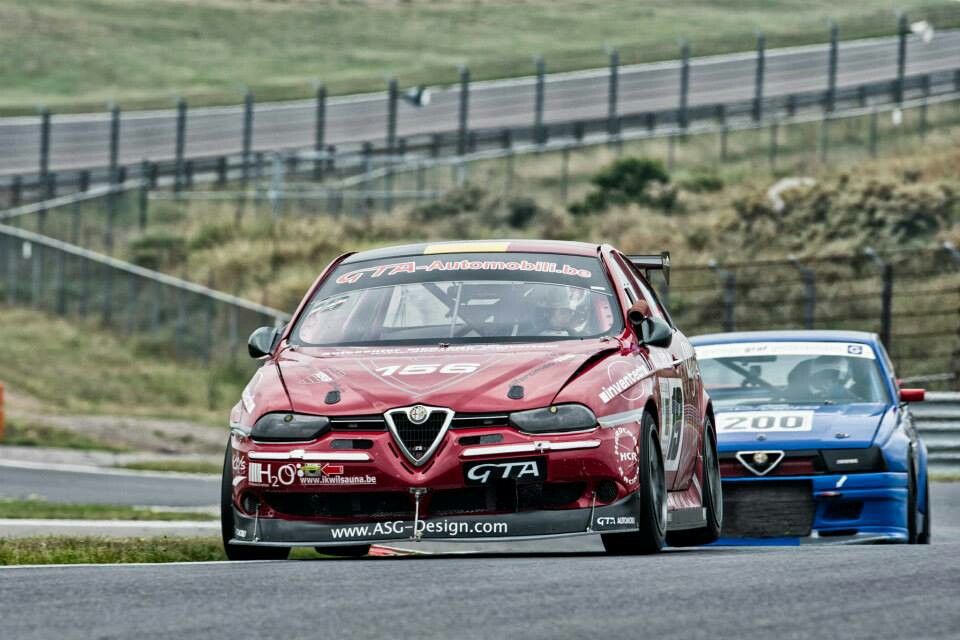
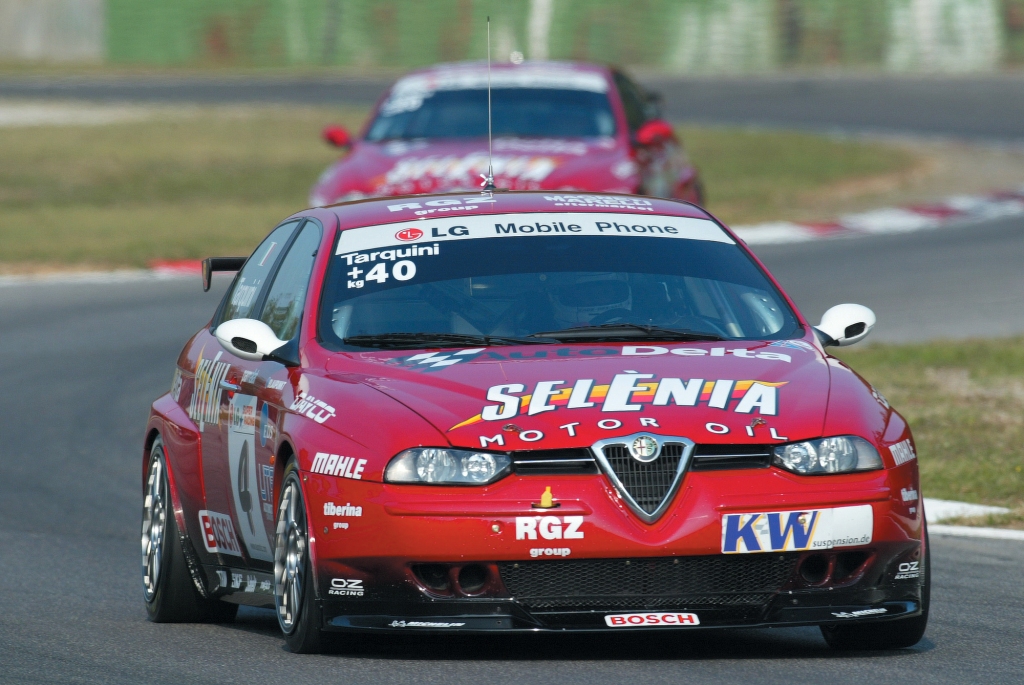
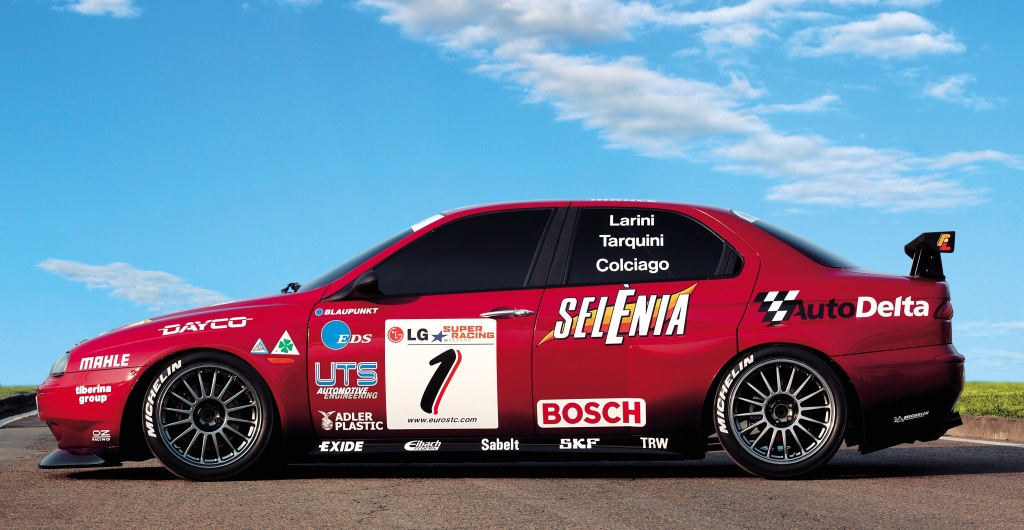
Automotive enthusiasts often consider rear-wheel drive as sacrosanct, something not to be deviated from. Alfa dared to commit such heresy, but they had the right cards up their sleeves to make it work. Their 156 had successful styling, was well-made, offered excellent performance level, and as a result – it was very well received. The Car of the Year 1998. Great Champion of the EETC: first with the D2 variant and later the GTA Super 2000 twice in a row. We have to agree then, BMWs had a worthy opponent – and exactly BMW, as it was their turf!
… and it was just a beginning.

Let’s start with the fact that there are two Autodeltas. My point is not about who was here first, and who copies from whom because, in the end, we all copy from the best – and the whole idea is to continue the great work that someone started, but that has long been forgotten. Alfa Romeo, as a brand, has always had sportiness in its blood. Until the 1930s, it competed the pinnacle of motorsport in Scuderia Ferrari colors. Ferrari was replaced by Alfa Corse in the early 1940s. In the 1960s, Autodelta became Alfa Romeo’s official sports division. A lot was happening there, and many magnificent creations emerged under their banner, which I’ll probably talk about sooner or later – but let’s stay on track… Autodelta was found and, like everything else, its time eventually passed. In London in 1987, a team of engineers led by Jano Djelalian, formed a group – and they adopted the name Autodelta. As a bunch of tuners, they made modifications to Alfa Romeo models in the spirit of the original Italian Autodelta. They also provided complete conversions with a distinctly wild character. Let’s be frank – they were sick to the head. I mean in a good way.

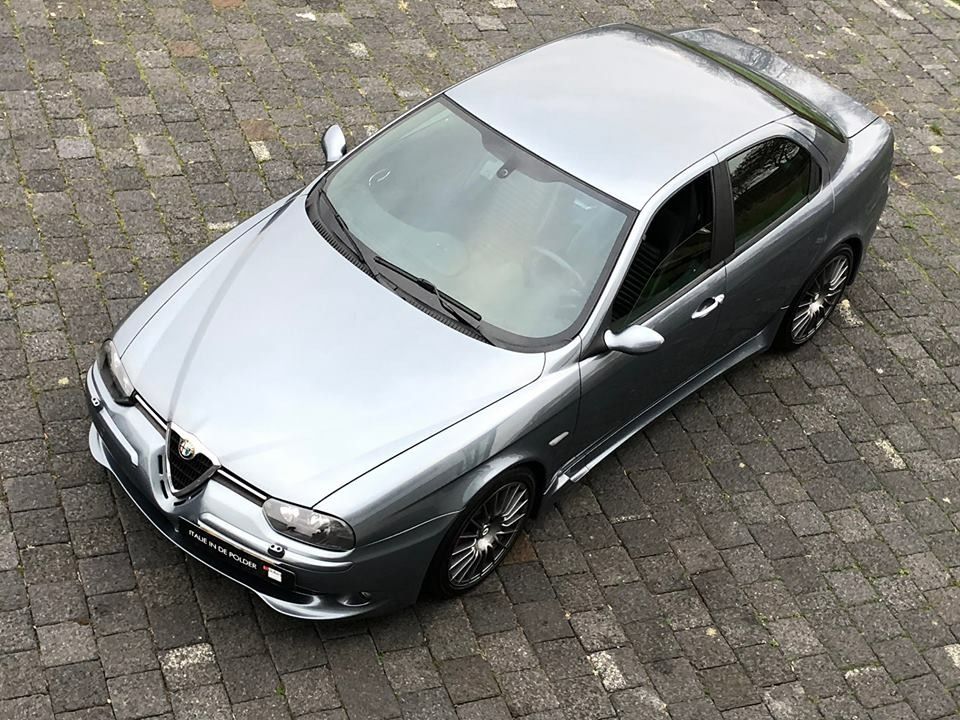
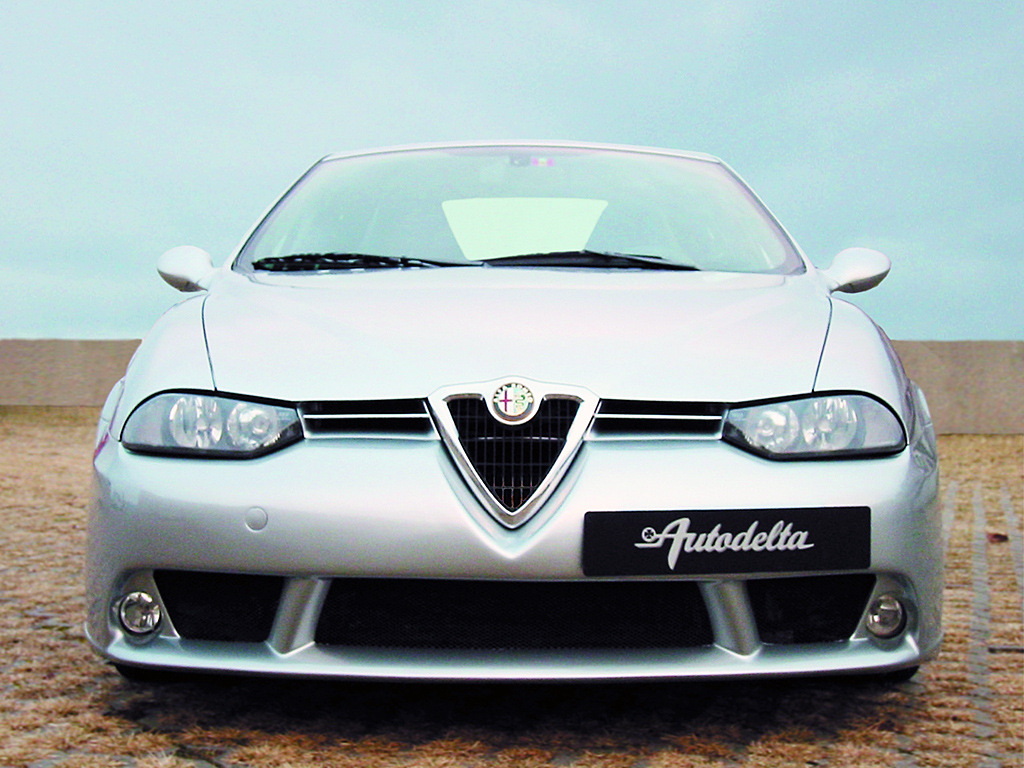
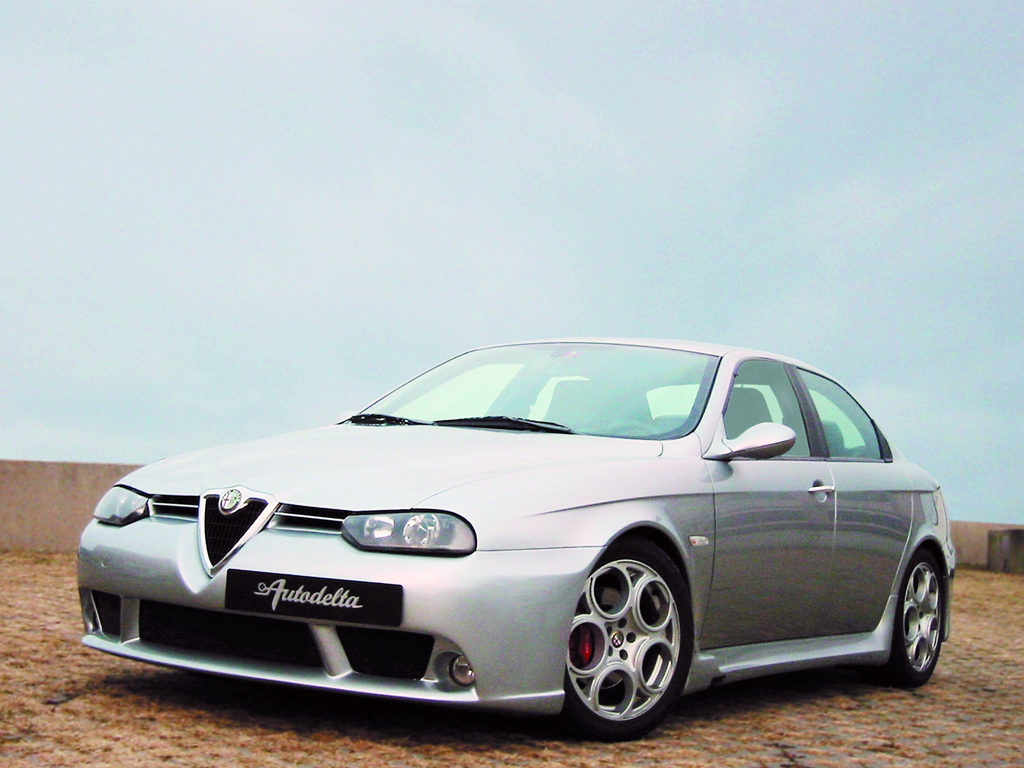
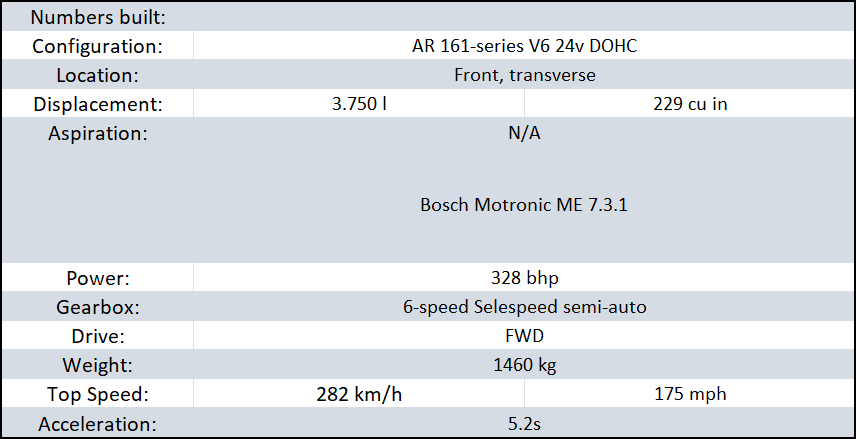
The top of the line Alfa Romeo 156 GTA, was available in their catalogue in the forms of a GTA, GTA AM, and the GTA AM Super. First and foremost, the engine was bored out to make 3.750-litres. Then, the camshaft was replaced for better, and the throttle body was changed to one straight from a Ferrari. Pistons – lightened and balanced. Injection system reprogrammed – along with the entire electronic shit so it would work better with the Selespeed. This allowed for 330 horsepower in the GTA variant, resulting in an acceleration time of around 5.2 seconds, but you could also attach a Rotrex C38 supercharger, replace the injectors, and add an efficient intercooler under the hood of the GTA AM Super generating 400 horsepower and sprinting from 0 to 60 in less than 5 seconds. To handle such power, suspension modifications were necessary. Practically all springs were replaced with bespoke new design. A limited-slip differential was added to the front axle – something a regular Alfa never had. This is probably the ultimate version of the 156. The Brits reached the limit that this platform could possibly offer.

The Autodelta GTA demonstrates just how much can be achieved with the simple Fiat Tipo platform. In homage to the sporty Alfas of the past, an extreme car was made. The Autodelta is a heavily tuned sedan, but it’s still a road car, comfortable and practical, just as the Italians originally intended it to be. The 156 GTA model achieved two remarkable feats. Firstly, it pulled the entire brand out of the slump it had been in for many years. And secondly, it maximized the potential of the old platform and showed that it could even compete with models that, during all those years when Alfa was in the shadows, had been setting the standards. That’s why it’s one of the most important models in the modern Alfa Romeo history.

Krzysztof Wilk
All sources: autozine.org | supercarnostalgia.com | wikipedia.org | autodelta.co.uk | carenthusiast.com | italiaspeed.com | wheelsage.org | historics.co.uk | drive2.ru | autoblog.nl | alfaowner.com | ultimatecarpage.com

2002 – Mitsubishi Lancer Evolution VII GT-A GH-CT9A

FIA zmusiła markę Mitsubishi do przestawienia się na zasady Grupy WRC, więc auto do rajdów nie wymagało homologacji w ten sam sposób jak za czasów Grupy A. Dlatego w 2001 roku zostaje pokazany nowy Lancer Evolution – EVO 7 – i zrywa on z rajdową przeszłością. Czy to źle? I tak, i nie. Model drogowy i egzemplarz do motorspotu co prawda bazują na tej samej platformie – Cedia CT9A – ale mimo, że rozwijane są w tym samym czasie, to rozwijane są od siebie niezależnie. Lancer odcina się od tego, co najbardziej nadawało mu charakteru. Od rajdowych genów. Rajdowego rodowodu. To oczywiście wada takiego rozwoju sytuacji…

A zaleta w tym taka, że nowe auto sportowe Mitsubishi nie jest już upośledzane limitami nakładanymi przez regulaminy Grupy A. Już EVO 6 zrobiło nam smaka na edycje specjalne poza zwykłymi RS i GSR, a teraz to już można było sobie pozwolić na naprawdę niezłą zabawę. Cedia była większa od CP Lancera (a nawet Galanta VR-4), z większym rozstawem osi, a więc i cięższa. Auto przeszło na ścisłą dietę, a i tak mierzyło sobie o 40 kilo więcej od EVO 6, ale straty nadrobiono modyfikacjami w podwoziu. Nowa platforma ze spawami punktowymi była o połowę bardziej sztywna. Trakcja była szersza, a zawieszenie miało dłuższy suw, przez co właściwości jezdne były bardziej korzystne. Do tego, EVO 7 miało aktywny dyferencjał centralnie i dużo lepsze szpere z przodu. Silnik dostawał lepsze powietrze, przez co mógł generować więcej momentu – choć moc niby pozostała bez zmian… ale wiecie… no – no wiecie.

Silnik uległ niewielkim modyfikacjom. Dalej była to jednostka serii Sirius 4G63, do której zaadoptowano lżejszy rozrząd i mniejszą dyszę od turbiny – dla szybszej reakcji. Do tego nowy intercooler i większa chłodnica oleju, a wydech miał regulację ciśnienia. Największą zmianą była kwestia przeniesienia napędu. Rzeczone dyferencjały robiły różnicę, i teraz 4X4 było sterowane elektronicznie przez aktywny dyferencjał centralnie (ACD) w połączeniu z kontrolą odchylenia z EVO4 (AYC). To kombo było nie do zabicia, a ACD był 3 razy lepszy od wiskozy wcześniej tam używanej. Auto było widocznie większe i cięższe, a właściwości jezdne robiły miazgę z rywali. Był wolniejszy na prostej od Evo 6 – ale na łukach szybszy.

GT-A był przedstawiony w rok po premierze i to był kolejny przełom. Pierwszy Lancer Evolution z automatyczną przekładnią. Grand Touring Automatic – z zewnątrz nie różnił się od GSRów, albo RS2 wcale. No, oprócz plakietek. Zboczeńcy mogli go też zamówić bez spoilera, albo z takim krótkim – dla pedałów. Normalni brali wersje z dużym skrzydłem jak na EVO przystało. Przód został lekko zoptymalizowany i pozwalał na lepszy współczynnik oporu powietrza i łatwiejszy jego przepływ do silnika… choć koniec końców, chłodzenie zwykły GSR miał lepsze.

Wnętrze można było dostosować pod siebie. Do wyboru były fotele w pełni skórzane, albo sportowe kubły Recaro. W środku były chromowane wstawki. Do tego dodatkowe wygłuszenie wnętrza – a sam dolot był przeprojektowany dla większego komfortu w kabinie. Zegary były odmienne od innych wersji auta, bo musiały uwzględniać m.in. aktywne przełożenie skrzyni biegów automatu. Ludzie w Mitsubishi nazywali tę przekładnię ‚fuzzy logic’. Uczy się ona stylu jazdy kierowcy. Adaptuje się do osoby za kółkiem, dopasowując swoją reakcję i moment zmiany biegów do jej techniki. Można przejąć od niej pałeczkę i samodzielnie wybierać przełożenia, jak w każdym Tiptroniku za pomocą przycisków na kierownicy, bądź specjalnej sekcji przy dźwigni zmiany biegów. GT-A cechował się niewiele mniejszą mocą w porównaniu do GSRa. Co prawda późniejsze Lancery Evolution będą już używać dwósprzęgłowych automatów dla wariantów z dwusprzęgłowym automatem, ale ta sama przekładnia z GT-A powędróje również do Lancera Evolution IX Wagon w wersji kombi.

Jeżeli mowa o komforcie, to tak – można ten wariant za taki uznać. “Wygodnicka wersja Lancera Evo…” co, swoją drogą, nic wspólnego z wygodą nigdy nie miało. Jest to, co prawda, krok naprzód w stosunku do EVO RSa, czy nawet GSRa – ale to dalej w pewnym sensie auto rajdowe przeznaczone na drogi. GT-A to nadal brutal, jak każde inne Evo – przebrany tylko w pozory przystępności. Dźwignia automatycznej skrzyni biegów usypia naszą czujność. Próbuje nam wmówić, że auto wcale nie jest takie pojebane, jakim go opisują. A prawda jest taka, że to dalej bezwzględny morderca – tylko z automatem. Jak na pierwsze przymiarki do tego typu rozwiązań, to trzeba Japończykom przyznać, że poradzili sobie wzorowo. Potrafili zaadoptować automatyczną przekładnię – zachowując przy tym i osiągi auta sportowego, jak i klimat Evo.

Możnaby pomyśleć, że nie może to dobrze jeździć z automatem – że silnik na pewno okrojono z resztek emocji. No właśnie, że nie. Bardziej niż do brutalnej mocy – zestaw zestrojono w kierunku elastyczności i błyskawicznej reakcji, dzięki czemu można czuć się za jego kierownicą bezpiecznie, a dalej zapewnia kisiel w gaciach. To naprawdę szybkie auto – wariant z automatem również. Układ turbo jest unikalny dla tej wersji. Wiadomo, że nie każdy się do tego modelu przekona – bo nie ma manuala, bo łagodniej zestrojone zawieszenie – ale to prawdziwie wspaniała maszyna. Lancer Evo z automatem może brzmi źle na pierwszy rzut oka, ale jeśli przyjrzeć się temu bliżej – nie jest to takie głupie. Macie pewnie w oczach oszpecone Evo bez pedału sprzęgła – ale pomyślcie o tym w inny sposób. Wyobraźcie sobie dużego sedana z automatyczną skrzynią biegów… który zapierdala jak Lancer Evolution. No, to jest właśnie to. W ten sposób na to patrzcie.

Dziś sportowe automaty nie są niczym nadzwyczajnym, ale u początku XXI wieku? W 2002 roku zrozumiałym było, że takie rozwiązanie – o ile nie będzie miało antyfanów (a będzie) – spotka się z dużą dozą ostrożności. Największym strachem było widmo ukochanej ikony motoryzacyjnego świata pochlastanej przez niewprawny automat – skrzynię zwyczajnie nieodpowiednią do tego typu samochodu. Te uprzedzenia nie są kompletnie bezpodstawne. Tak stało się między innymi z Dodgem. W ich katalogu widniał potężny Ram SRT-10 – pickup z napędem na tył, spore auto a zarazem nowoczesny muscle car z sercem Vipera… wspaniałe. No wręcz wyborne – dopóki nie zostanie sparowane z 4-biegową automatyczną przekładnią pochodzącą z diesla. To oznaczało dla dobrego chrześcijańskiego Dodge’a kalectwo, i większość klientów wolała manualne opcje. Na szczęście Japończycy swój honor mają, a i łeb na karku, i nie pakują do Lancera Evo byle czego. Automat ich skrzyni bazuje na przekładni z modelu Legnum VR-4, która dobra była już na starcie. Jedyne, co należało zrobić, to powymieniać same biegi na bardziej adekwatne do Evo. Oczywiście, że nie będzie tak szybkie na prostej, jak GSR – ale nadal w przedziale poniżej 5 sekund do setki. Przy czym bardziej wygodne, wybaczajace więcej błędów – a równie angażujące. Może nie równie. Porównywalnie – to jest dobre słowo.

Trzecia generacja Lancerów Evolution. Pierwsza z opcją automatu i pierwsza, która trafiła na rynki poza Japonią. Ta wersja produkowana była tylko w roku 2002 – bardziej cywilizowany wariant dla ludzi, którzy chcą rozpocząć swoją przygodę z Lancerem Evo. Dla początkujących, którzy nie mają umiejętności, aby samemu opanować bestię – ale pozwalający w łatwy sposób odczuć emocje z tym związane. Trochę jak pierdolenie kuzynki: zdajemy sobie sprawę, że coś jest tu nie halo, że to nie powinno do końca tak wyglądać… no ale czuje dobrze beniz.

Krzysztof Wilk
Na podstawie: wikipedia.org | autozine.org | supercars.net | mitsubishi-motors.com | colonelmullet.blogspot.com | YT: BEARDS ‚n CARS

2015 – Equus Bass 770

Niewiele jest nowoczesnych muscle carów. Są Mustangi, Challengery, czy Camaro. A niedługo wyprą je elektryczne SUVy już całkowicie. Musimy stanąć w prawdzie – nastąpił zmierzch kultury American Muscle. W latach ‘70-tych prawie każdy producent z USA miał w ofercie tego typu modele, a dziś… Dziś już nie ma takich marek jak Pontiac, Plymouth, czy Mercury – a obecne na rynku modele są powoli zastępowane E- wersjami. Ale jest też auto, które łączy je wszystkie zusammen together.

Sama marka Equus powstała w 2008 roku w amerykańskiej stolicy motoryzacji – Detroit. Początkowo zajmowała się mniejszymi projektami z rodzaju restomodów, czyli odnawianiem klasycznych modeli z ich oryginalnym designem, ale przy użyciu nowoczesnych metod produkcji. Mając to na uwadze nie dziwne, że model Bass 770 wygląda, jak wygląda. Łączy w sobie linie Mustagów Fastback, Plymoutha GTX i Chevroletów Camaro. Każdy fan amerykańskiej motoryzacji dostrzerze w nim inspiracje swoim ulubionym modelem.

Natchnienie takimi legandami jak Mustang, Camaro, Barracuda, czy Dodge – widać gołym okiem. Wnętrze wykończono w stylu retro. Wskazania pokazywane są na oldschoolowych zegarach. Koło kierownicy przypomina te z klasycznych muscle carów… a wciąż jest to nowoczesne auto. Nie musimy pozbywać się technologii. Na pokładzie mamy nawigację, w parkowaniu pomagają nam czujniki a drogę doskonale rozjaśnia nowoczesne oświetlenie. O takich podstawach jak poduszki powietrzne, tempomat, czy czułe na prędkość wspomaganie kierownicy – niby nie trzeba wspominać. A jednak – nie są one dostępne w muscle carach lat minionych.

Poziom wykończenia jest bez zarzutu, i nie jest to luksus z rodzaju współczesnych limuzyn… ale supersamochodów? Jak najbardziej. Kierowca siedzi w kubełkowym fotelu, a design deski rodzielczej tchnie atmosferą stonowanej, ale eleganckiej klasyki. Skóra wymieszana jest metalowymi wstawkami. Za design odpowiada Tom Tjaarda – człowiek, który maczał palce w wyglądzie wielu modeli Ferrari, Aston Martina, Mercedesów, De Tomaso, albo wnętrza Diablo.

Platforma powstała z lekkiego aluminium – tak podwozie, jak i karoseria – a całe auto wykonane jest ręcznie w Detroit. Ponoć zajmuje to 5000 roboczo-godzin dla jednego egzemplarza. Samą budę wykończono wstawkami z włókna węglowego, aby zwiększyć stabilność przy prędkościach. Lekka platforma zapewnia właściwości jezdne na poziomie, a umieszczenie silnika w cofniętej pozycji z przodu – pomaga na korzystny rozkład mas. Auto pozostaje stabilne, dzięki długiemu rozstawowi osi.

Moc zapodaje V8 o pojemności 6.2-litra, spokrewnione z tym z Corvetty ZR1, z kompresorem i zdolne jest do 640 koni mechanicznych. 820 Nm wystarcza na sprint do setki w 3.4s. Jeśli chodzi o prędkość maksymalną: 322 km/h. 6-biegowa dwusprzęgłowa przekładnia dostarcza poweru do tylnej osi ze szperą. Węglowo-ceramiczne zaciski (z przodu 6-tłoczkowe, z tyłu cztero-) zatrzymują auto z doskonałą skutecznością. Za stabilność odpowiadają dwa różne systemy, a za kontrolę trakcji dwa inne. 770 jest tym samym w pewnym sensie stopniem pośrednim między muscle carem a supersamochodem. Osiągami śmiało wkracza w terytorium Ferrari, Porsche i McLarenów. Zachowuje jednak przy tym swój styl i amerykański charakter.

Muscle Cary się zmieniły. Ten segment narodził się z myślą o młodych gniwenych, którzy mogli kupić proste konstrukcje z wielkim sercem. Pierwsze auta tego typu były relatywnie tanie w zakupie, a oferowały dobre osiągi na prostej. To się w latach ‘80-tych zmieniło. Wszystkie amerykańskie auta zostały obrzezane z mocy. Wykończenie wołało o pomstę do nieba. Stylizacja była… dyskusyjna. American Muscle to dziś auta, które swoje kosztują, ale wyciągają 300 km/h i nierzadko implementują najnowsze technologie. Ten segment się bardzo zmienił.

Equus Bass jest auto dla tych, którzy chcą supersamochodu, ale zawsze marzyli o muscle carze. Dla tych, których stać na supersamochód, to po pierwsze. Nowy, kosztuje 250k dolary, ale z dodatkami cena może szybko poszybować w przedział 500 tysięcy. To sporo. Ale to nie jest tylko hołd klasykom amerykańskiej motoryzacji. To bardziej “ostateczna ewolucja American Muscle” – i z osiągami, których nie mógłby się powstydzić nikt – ani Ferrari, ani McLaren.

Krzysztof Wilk
Na podstawie: wikipedia.org | autoevolution.com | carandclassic.com | equus-automotive.com | classicdriver.com | uncrate.com | tractionlife.com | motorious.com | drivingyourdream.com | motoroids.com | motonetworks.com | wheelsage.org

1998 – Subaru Impreza 22B STi

Jednym z kamieni milowych sportów motorowych było pojawienie się Subaru Imprezy. Zmieniła ona oblicze japońskiej marki, podbiła scenę rajdową oraz wywalczyła sobie uznanie fanów. Mnogość jej drogowych wersji dawała klientom szerokie spektrum w zakresie solidnych osiągów za przystępną cenę. Do tego wersje WRX STi, z dwulitrowym boxerem o mocy 250 koni mechanicznych i stałym napędem na wszystkie koła – tanie w porównaniu do konkurencji, pancerne i debilo-odporne. Te egzemplarze zdefiniowały rynek aut sportowych na lata do przodu, i ukształtowały go na ponad dekadę albo i dwie.

Wywodziły się one wprost z motorsportu – z wyczynowych wersji stosowanych do rajdów na najwyższym szczeblu. W tamtym momencie Japończycy sięgali po tytuł Mistrza Świata Konstruktorów po raz trzeci z rzędu. Subaru było marką, która implementowała swoje sportowe rozwiązania prosto do katalogu ich drogowych aut. 22B było ich ostateczną wersją, a dzisiaj – jedną z najrzadszych.

22B wywodzi się z WRX STi na rok 1998. Do zwykłej, już przecież odchudzonej, wersji STi dodano szersze aero przypominające to z rajdowych wariantów, a jej silnik przewiercono do 2.2 litra i zamontowano kute tłoki. Zmian dokonano na tylko 424 sztukach pojazdu i wyłącznie 24 przeznaczono na rynek zagraniczny. Reszta miała trafić tylko w japońskie ręce. Wszystkie miały głębsze kanały doprowadzające powietrze, jak w STi Type R Version IV, oraz regulowane skrzydło spojlera, który generował dodatkowy docisk. Nadkola zostały powiększone, bo cały rozstaw kół jest szerszy. Mimo skoku pojemności, moc silnika została bez zmian, ale moment obrotowy na tym zyskał wyraźnie i wpada teraz już przy 3.2k RPM.

Reakcja na ruch kierownicą jest natychmiastowa, co pozwala na zwinne pokonywanie dramatycznie ostrych zakrętów. Zawieszenie opiera się na odwróconych amortyzatorach Bilstein i sprężynach Eibach. Zwiększona pojemność silnika pomaga na jego elastyczność. Powietrzny intercooler podaje schłodzone i rozrzedzone powietrze do turba, tak jak w zwykłych wariantach STi Type R. Tutaj jednak te wloty na masce są w pełni funkcjonalne a nie tylko estetyczne. Do tego 22B ma większe koła, a w środku dostępna dla kierowcy jest regulacja centralnego dyferencjału. Planetarna przekładnia wysyła 65% momentu na tylną oś. Jeśli jednak dojdzie do jej uślizgu, więcej mocy może zrobić użytek z przednich kół. Nawet do 50%.

Auto jest w stanie przyspieszać do setki w 4.7s. Składa się na to wiele czynników, ale to chyba dobry czas, żeby porozmawiać o mocy. Do 2005 roku w Japonii praktykowano tzw. „umowę dżentelmeńską” i wszelkie auta sportowe miały oficjalnie nie przekraczać 280 koni mechanicznych mocy. Oficjalnie. Mniej oficjalnie, to one miały ponad 300, ale jakby co – jakby ktoś się pytał – to wszystkie miały 280 koni mocy. Dlatego producent podaje, że 22B generuje tyle ile musi, ale różne testy pokazują cyferki wahające się między 300 a 350, a nawet 380.

Model 22B przyszedł na świat z okazji 40-lecia marki Subaru oraz jej 3-krotnego triumfu na rajdowym szczycie. Niektórzy myślą, że 22B powstało w celach homologacji Subaru Imprezy do WRC. Nie jest to bezpodstawne – z wielu powodów – myślenie, ale jednak błędne… z wielu powodów. Błędne, bo po pierwsze: 22B wyszło z fabryki w 424 egzemplarzach i nie ma od długiego czasu żadnej formy rajdów, która akceptowałaby homologację po takiej ilości drogowych odpowiedników. Po drugie: ówczesne zasady wyparły Grupę A i zastąpiły ją regulaminem Grupy WRC, który… nie wymagał homologacji w postaci drogowych odpowiedników auta. Do tego, silniki nie mogły przekraczać 2 litrów, więc i tu 22B nie spełnia warunków. A nie bezpodstawne? 22B, jak to się zwykle dzieje przy WRXach, czerpie garściami ze sportowych technologii i jeśli wersja homologacyjna musiałaby powstać – wyglądałaby najpewniej właśnie tak.

W ten sposób 22B STi był najbardziej dziką wersją Imprezy dostępną dla szary człowiek. Ze zwykłej STi Type R zrobiono legendę motorsportu z homologacją na drogi. Tym samym – święty graal dla kolekcjonerów. Powstały w 400 egzemplarzach na rynku japońskim i 24 przeznaczonych głównie dla Anglii (chłop, co zrobił grę Colin McRae Rally – miał jedną). To auto z łatwością stało się najbardziej pożądanym Subaru ever, i jednym z bardziej wyszukiwanych w historii japońskiej motoryzacji.

Krzysztof Wilk
Na podstawie: roadandtrack.com | autozine.org | wikipedia.org | caranddriver.com | wheelsage.org | carthrottle.com | hotcars.com