A.L.F.A. – since when it came to exist in 1910 as Anonima Lombarda Fabbrica Automobili – had one 4-cylinder project, highly successful before and after the war. Such as Giuseppe Campari drove for A.L.F.A. – and later also Achille Varzi or Tazio Nuvolari. But before that – Nicola Romeo would take over a substantial part of the company’s stakes. It was an agressive takeover, BTW. Alfa guys took it to court, well… anyway. The company name was then changed to ‚Alfa-Romeo’ (hyphenated – later it wasn’t), and the old 4-cyl was swapped for 6-cylinder carburated pushrod motors.
New engines had a longer stroke and displaced well over 6-litres, good for 70 bhp then. Such config dominated Coppa del Garda before it was even properly tested as a prototype. Italians quickly executed 50 examples of this machine in many variants – Spider Corsas, Torpedoes and Limousines. They were somewhat based on the old ALFA models, but they elevated current technology to a higher level. G1 stood on an enlarged platform, much more stiff and offering more stability. In the times when Model T Ford was the car to buy, Alfa could into 86 mph and – the Limousine – rivalled Rolls-Royce directly. Or even Hispano-Suiza. Largely, due to engine displacement.
6.3 litres. 386 cu in – most they had then. Or ever – never before or again would such a beast sit under the hood of an Alfa Romeo (not counting Viper derived TZs – I’m not saying it’s bad, Viper itself is tremendous piece of machinery, but it’s not a true Alfa in the essence). People say ‚you know who’ himself took part in the project development (Enzo F.). It had two blocks – 3 cylinders each – in a sidevalve layout. Good old times… Alfa G1 was a RWD with a 4-speed transmission. Front suspension was of semielliptic springs, with quarter elliptic in the back. It had a system of mechanical brakes for the rear of the car, and an emergency hand operated brake locking its gearbox. All in all – it was a smart, well thought design. An engineer named Merosi was hugely responsible for it, and you can’t say he did a bad job. The man had talent. He refreshed their old blueprints so that they really rocked on the road… but everything has a price…
Alfa had wished for a second generation of their car – a G2 – but the engine such big was bound to be taxed beyond reason. That’s one thing. Secondly: the fuel prices were like WTF. All this resulted in poor sales and the project died like a dog. It was replaced with an Alfa RL of not even close to half the size this engine. G1 was a new generation Alfa Romeo. 52 of these ever existed (inc. proto) and – I’m not 100% sure, but all them went to Australia. And what’s more – ONLY ONE EXISTS THIS DAY. It has its home in New Zealand – the oldest car of this Italian manufacturer, surviving in the lone single example, fully functional and worth at least half a million of American money. That one is interesting also for that it was purchased by a businessman from Australia, and 3 years in his possession. When he died, car was forgotten for 25 years, when discovered by some farmers who used it for chasing kangaroos. True story. At some point the car was damaged – it hit a tree, and it took a role of a power generator for water pump. Only in the year ’64 it caught an eye of an Alfa enthusiast who saw it for what it was, and restored it to the condition it was shown a black flag during the Mille Miglia Memorial race, because the car was too fast.
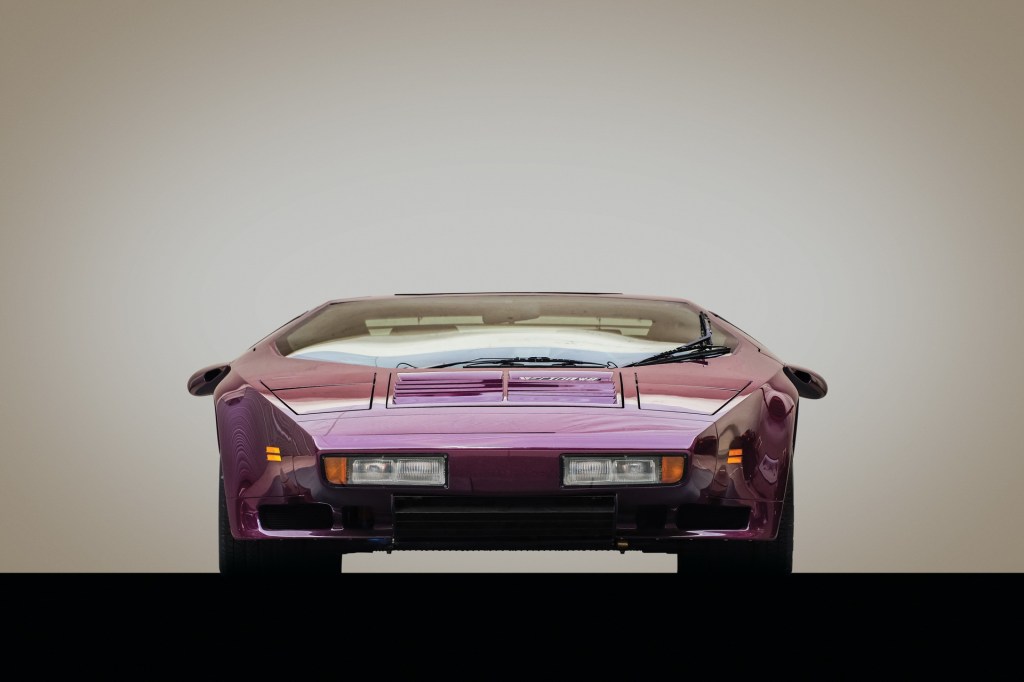
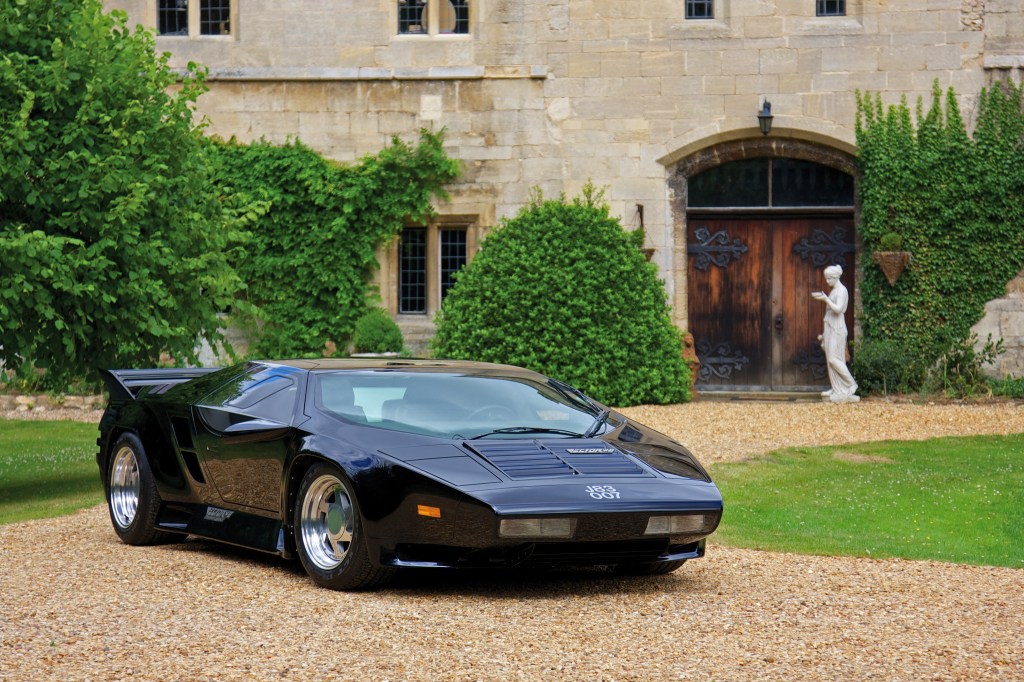
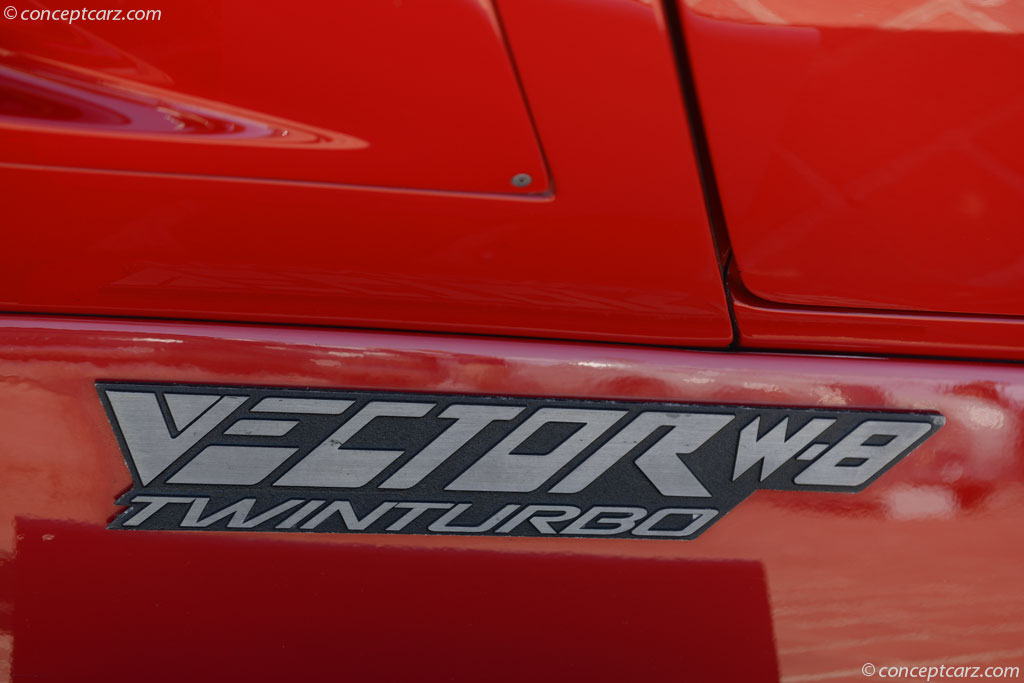
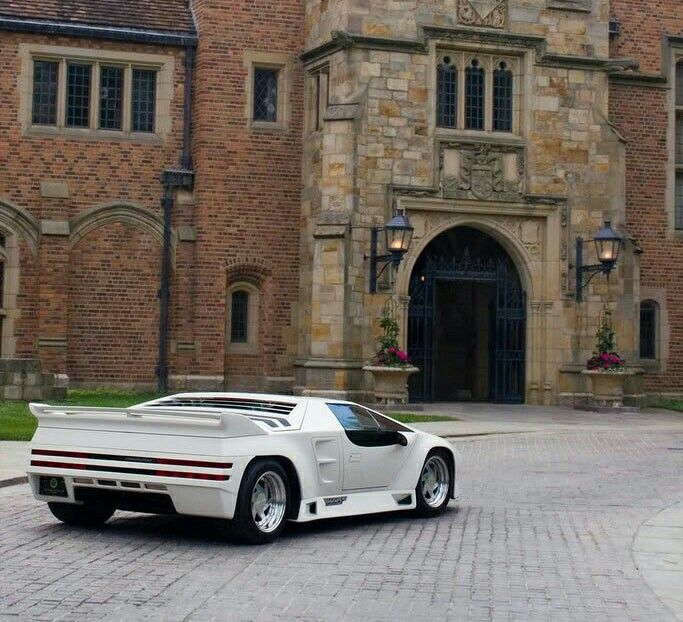
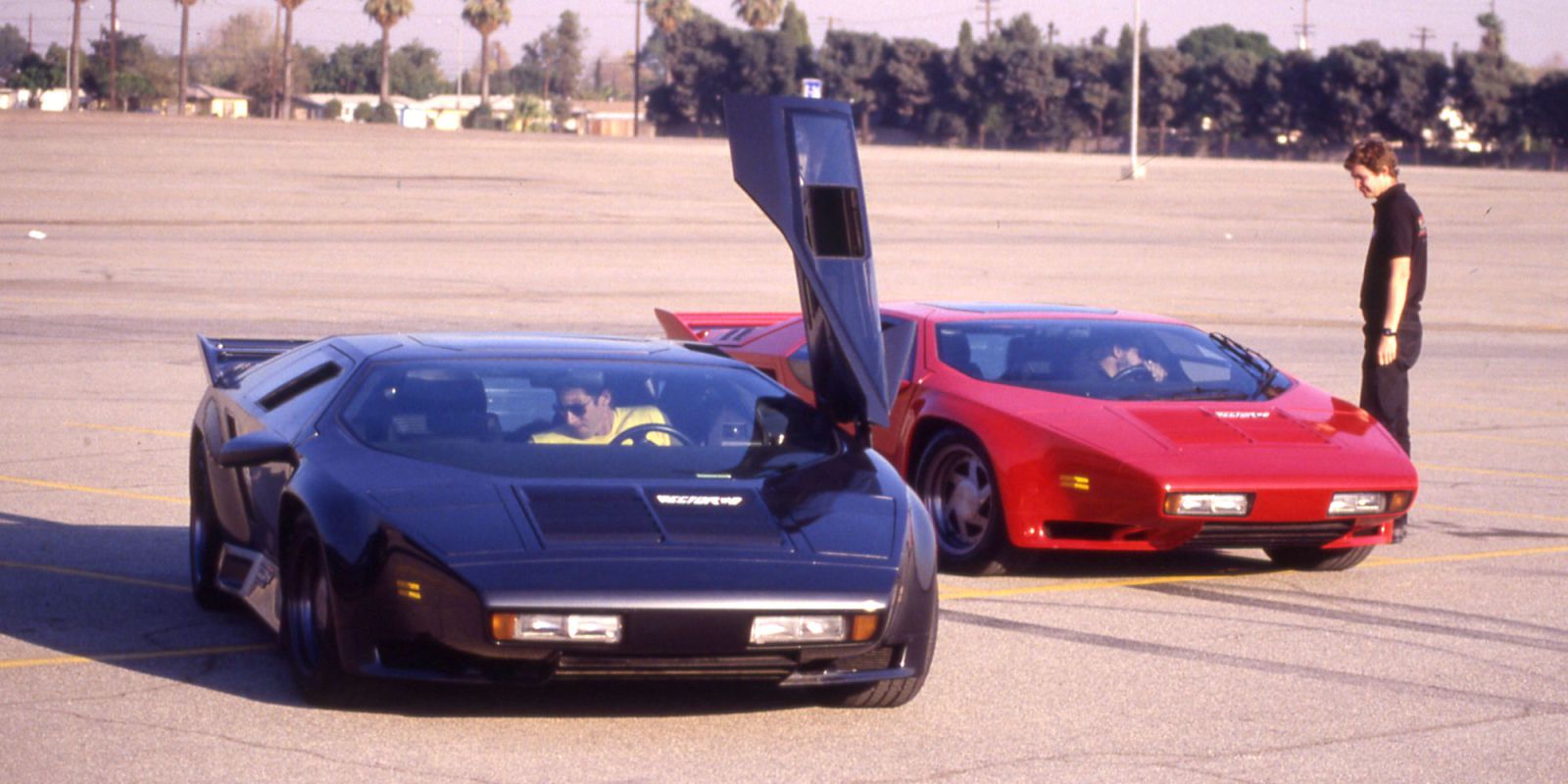
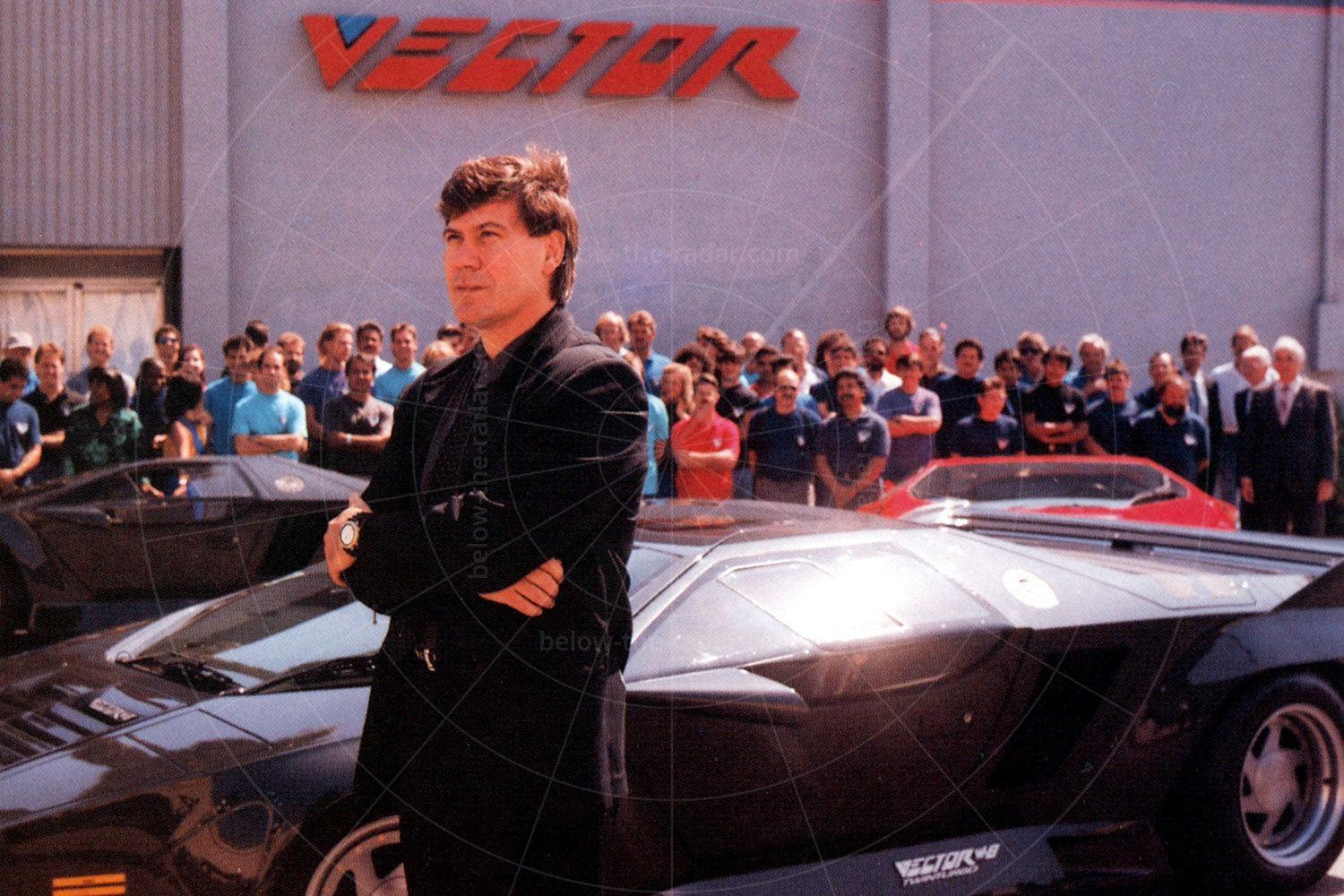
Gdy myślimy o supersamochodach, często mamy na na myśli Ferrari, Porsche albo Lamborghini. Każda z tych marek ma na swoim koncie niedorzeczne pomysły – i nie ma w tym gronie amerykańskich producentów. A jednak… Jednym z najbardziej zrytych projektów w świecie supersamochodów, zdecydowanie był Vector. Stylistyka to jedno, ale wraz z nią szła “śmiała” technologia i obietnice osiągów. Rodziły się pytania o to, czy takie auto może konkurować z włoskimi modelami… albo czy w ogóle istnieć, tak na dobrą sprawę.
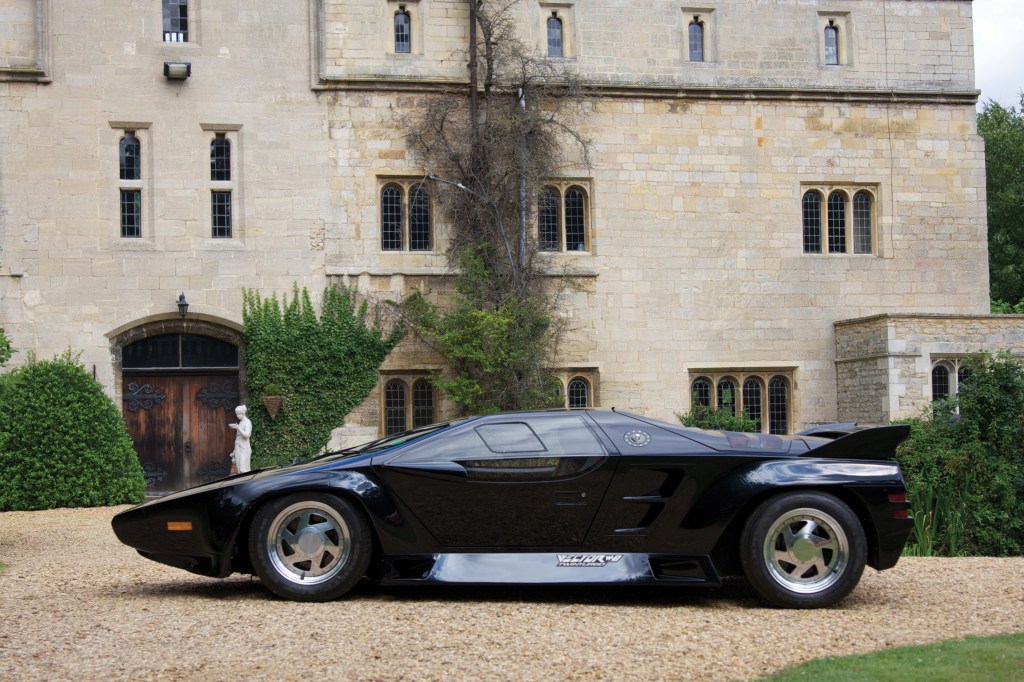
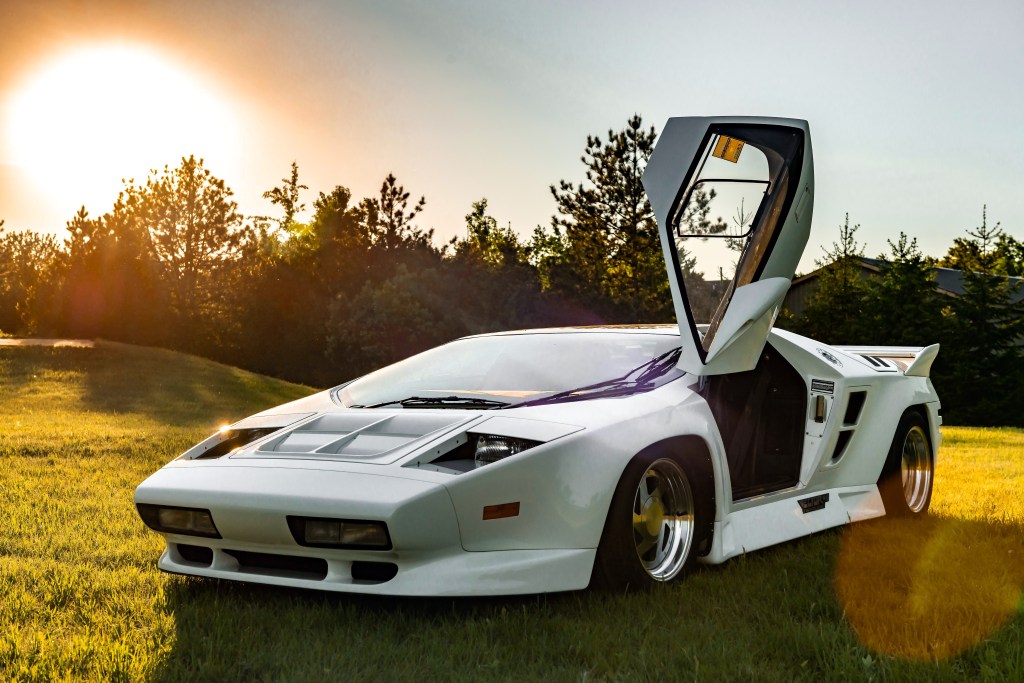
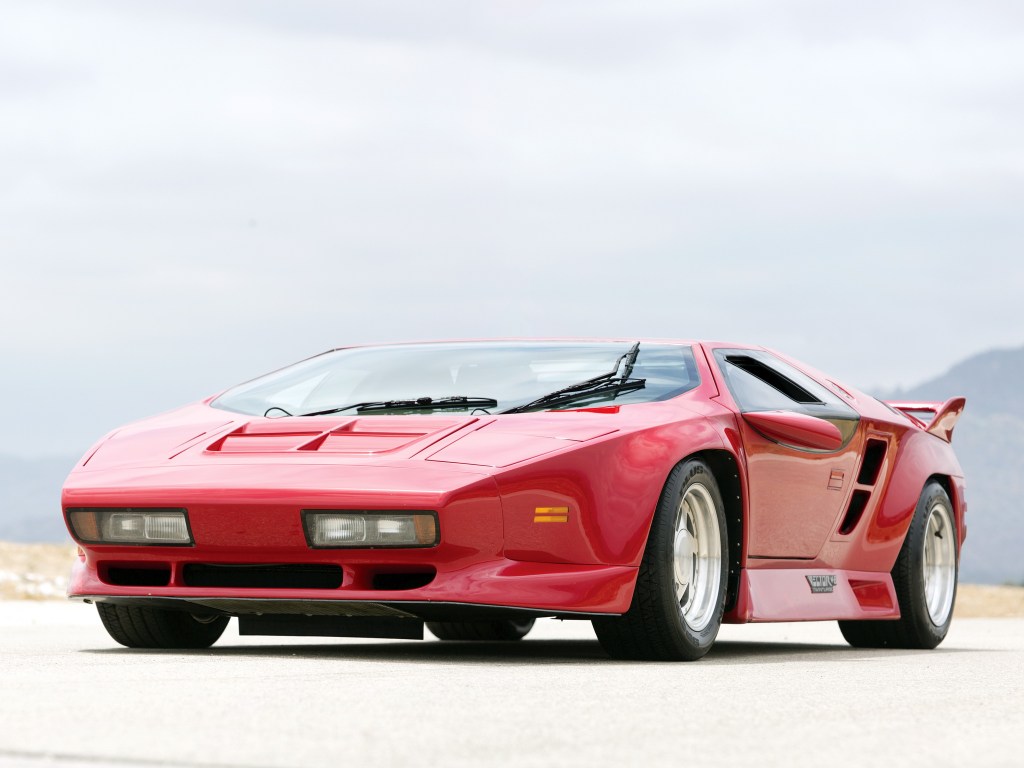
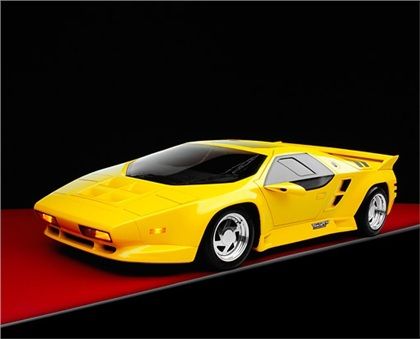
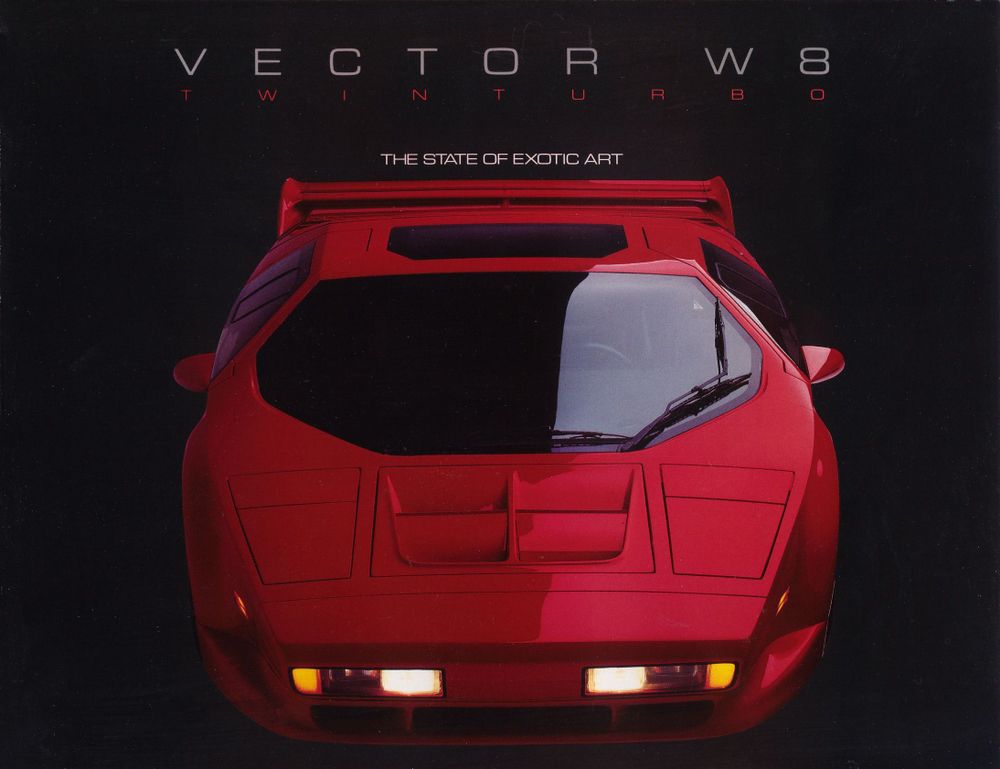
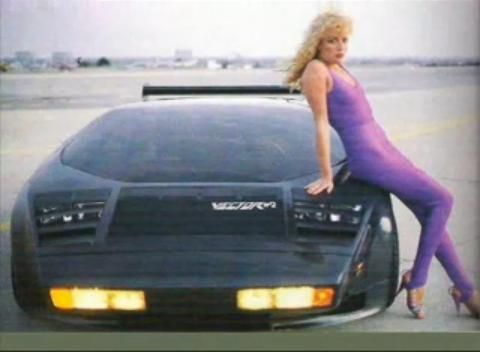
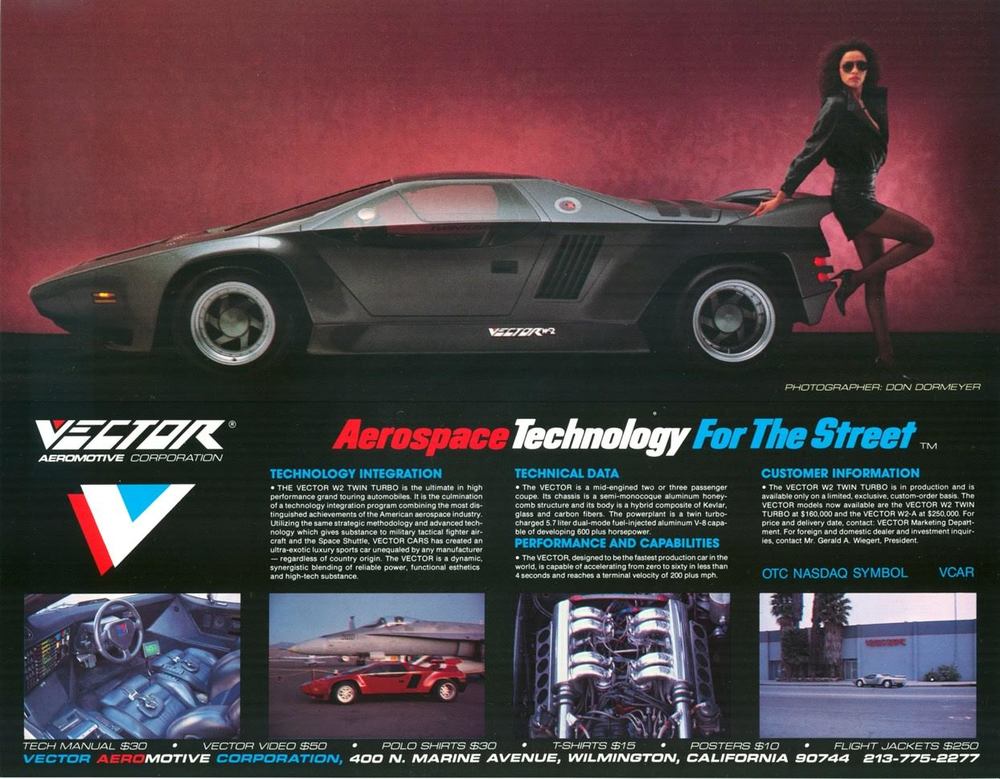
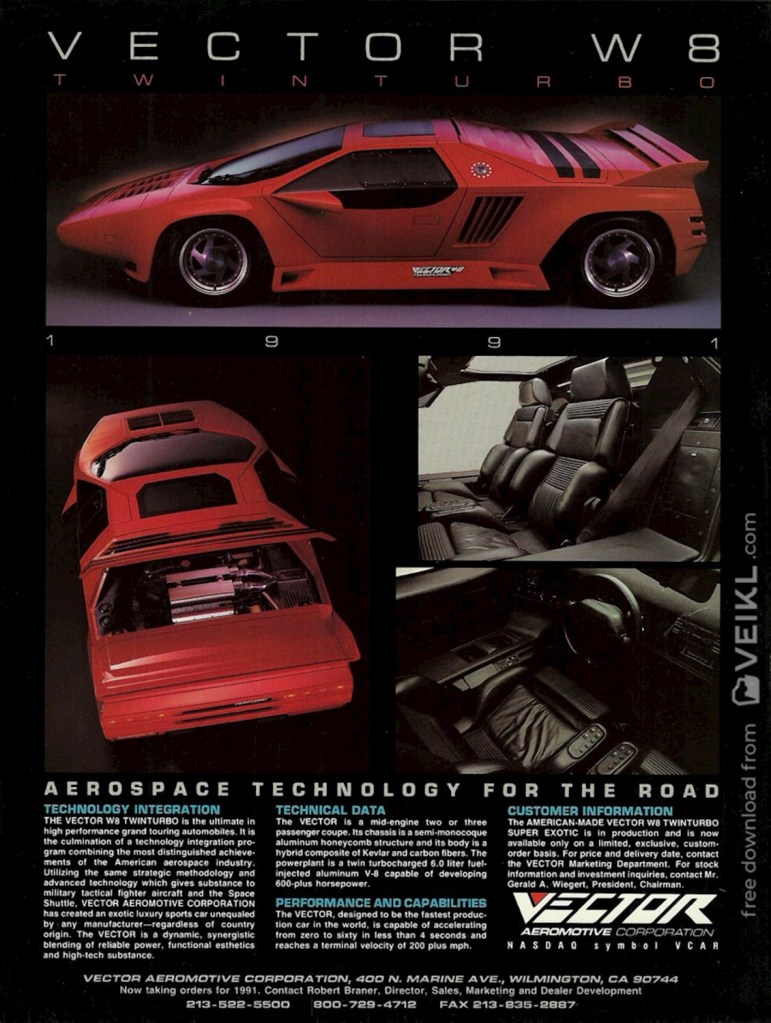
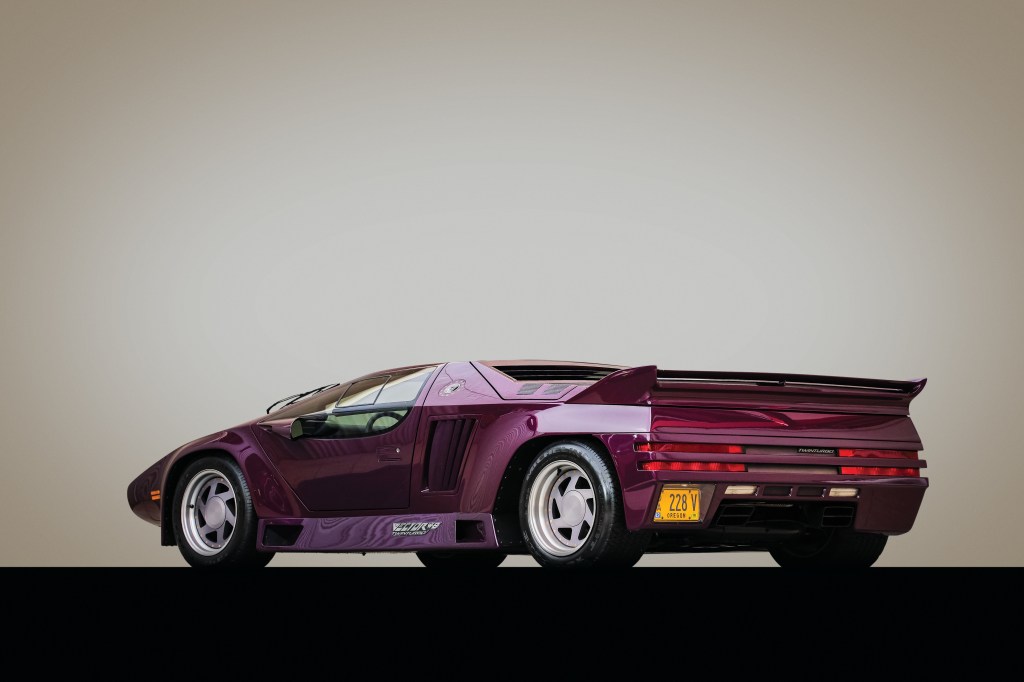
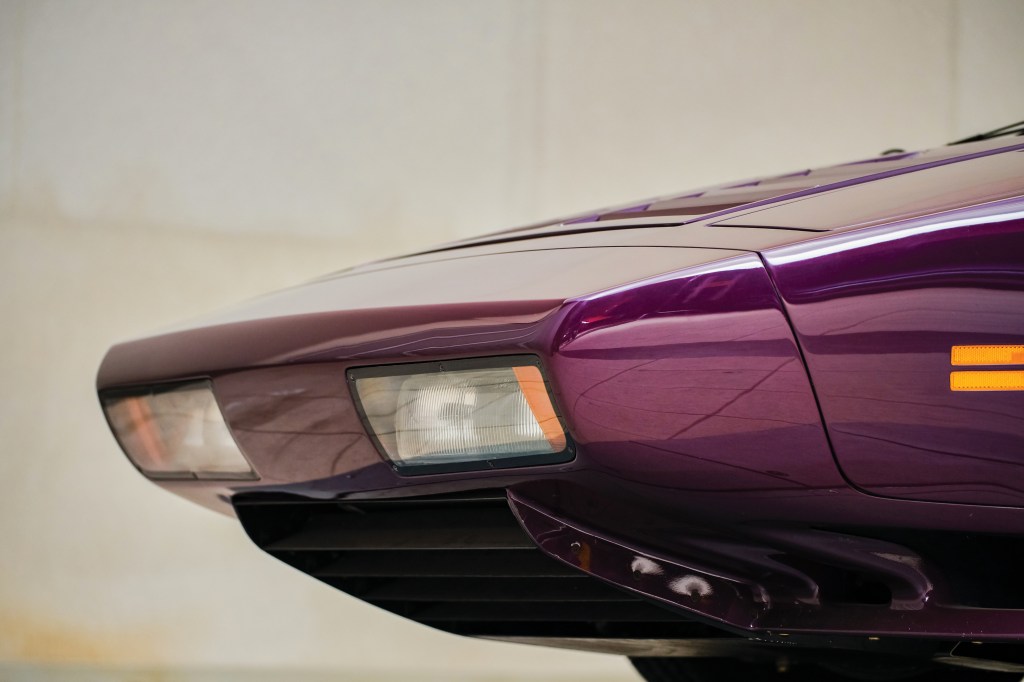
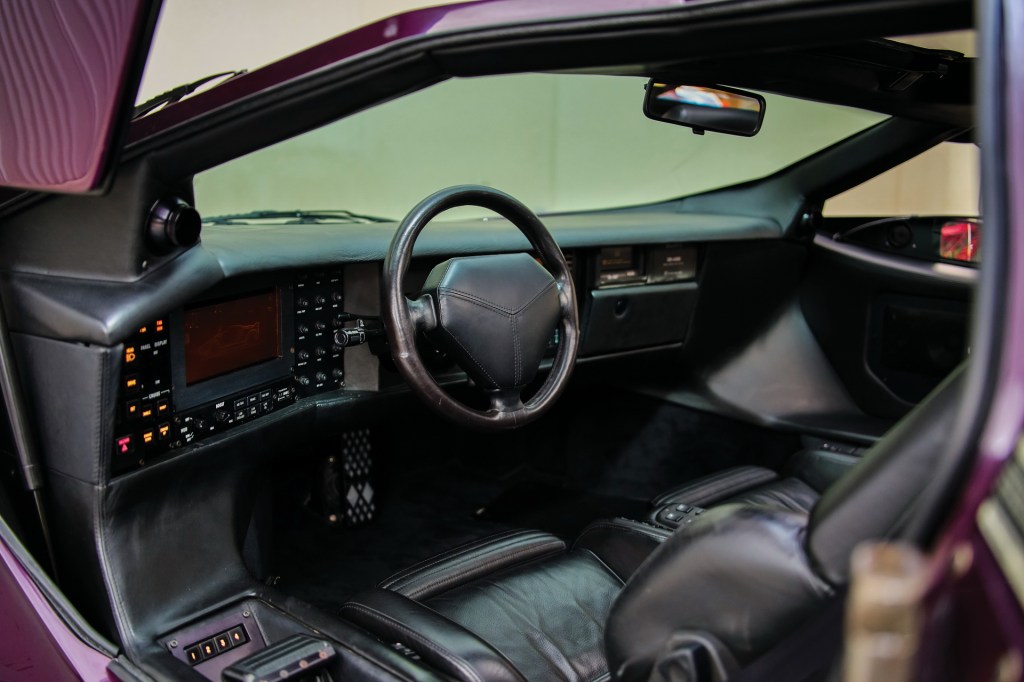
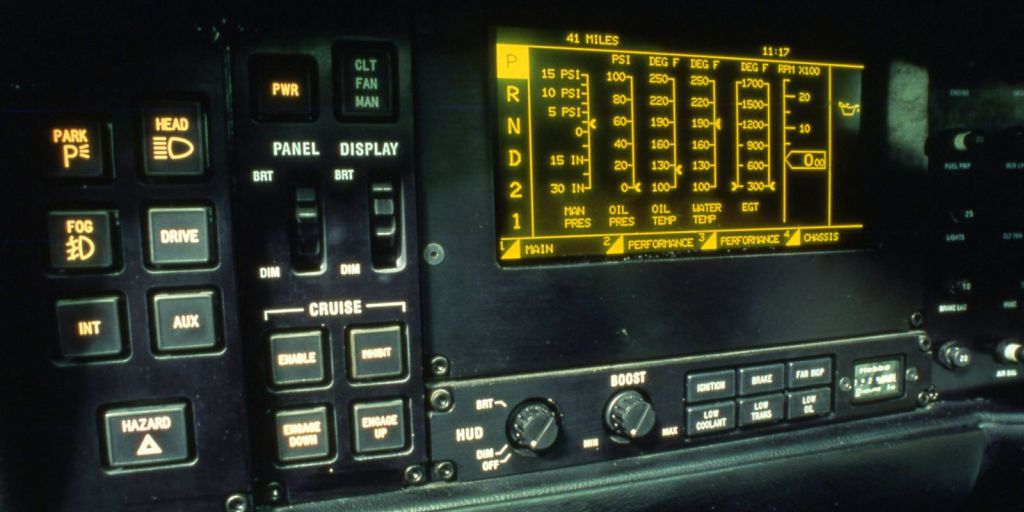
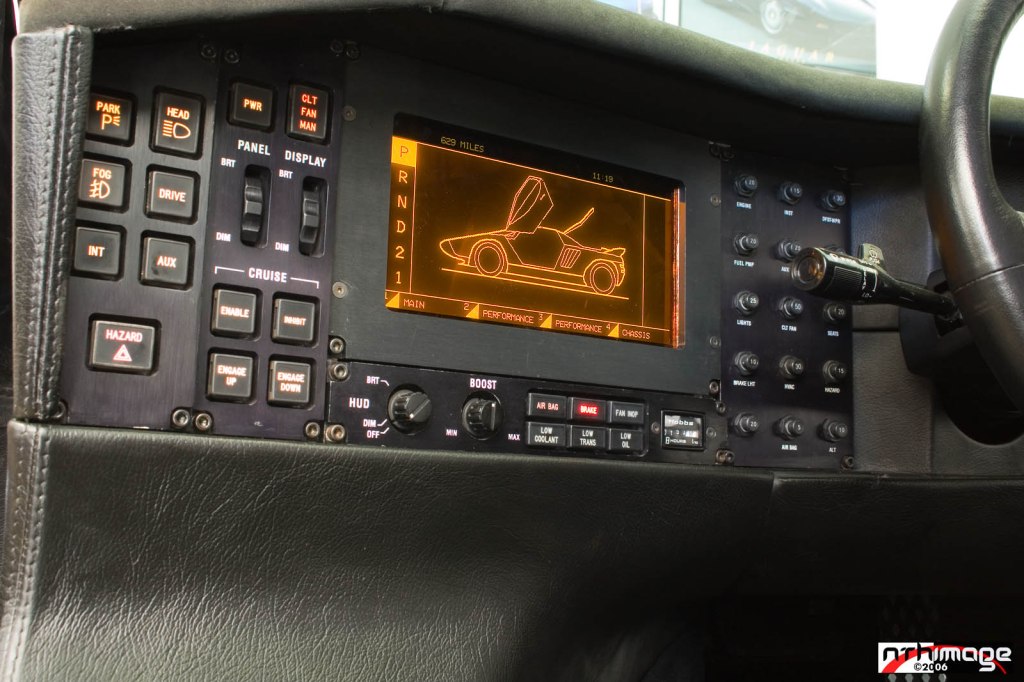
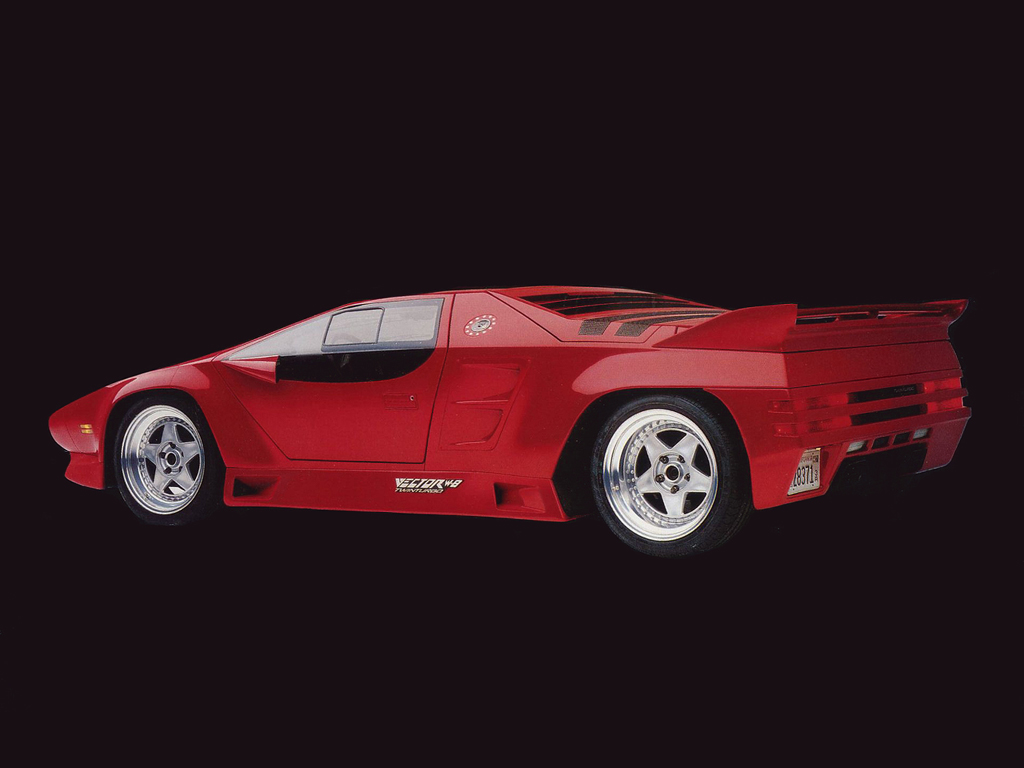
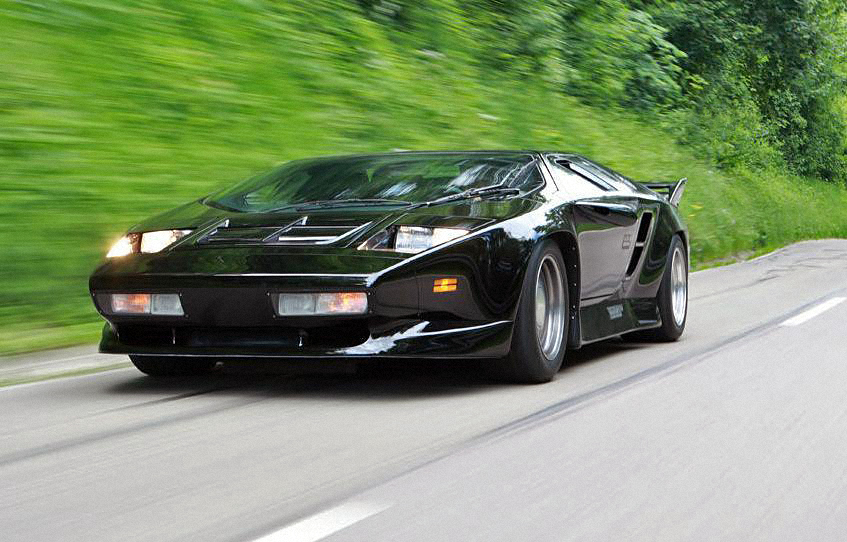
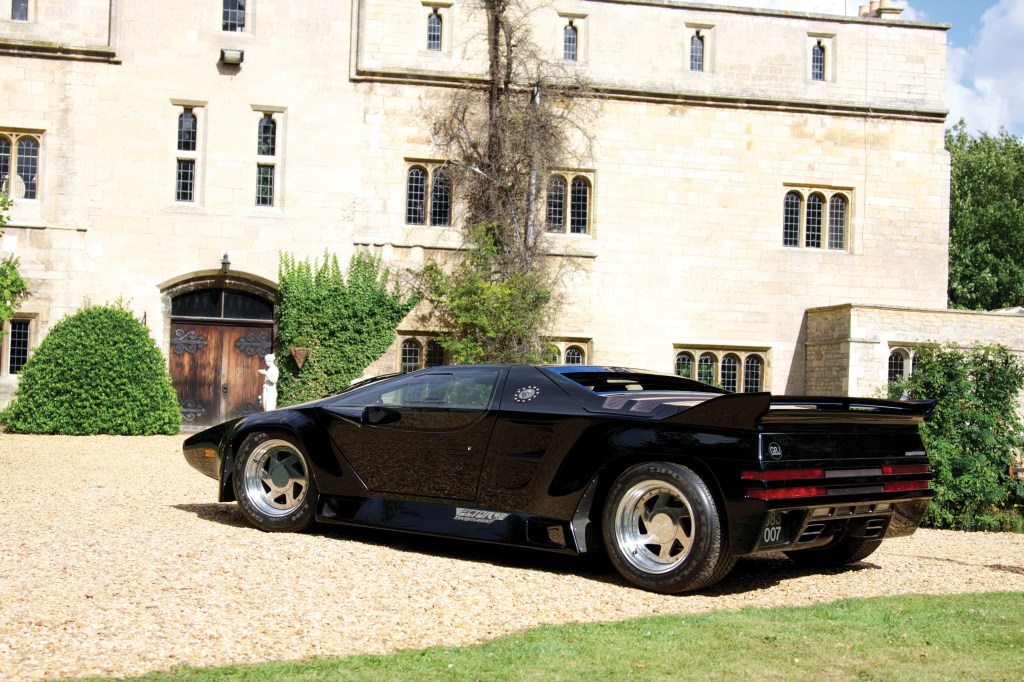
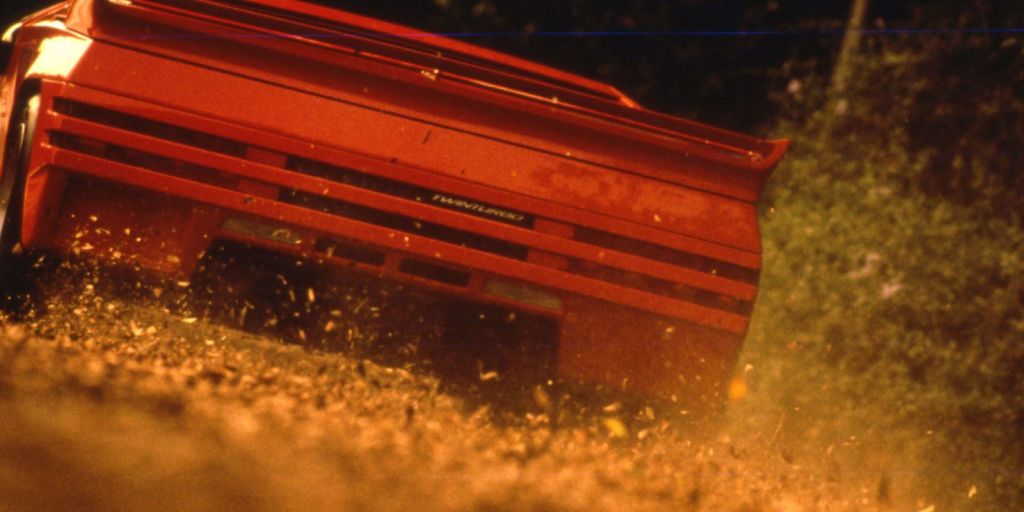
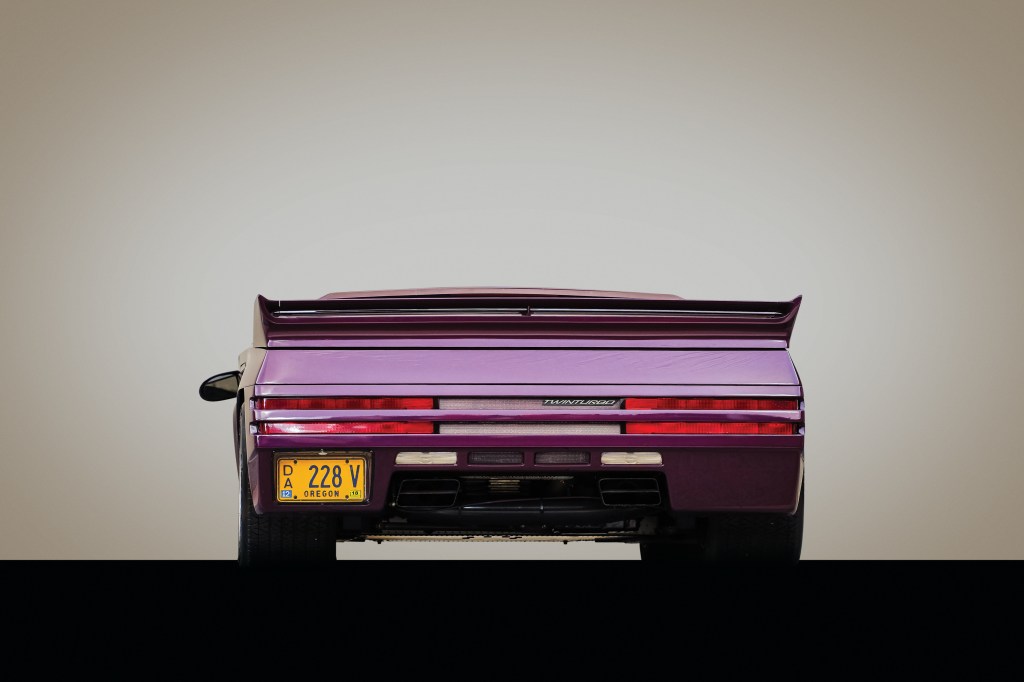
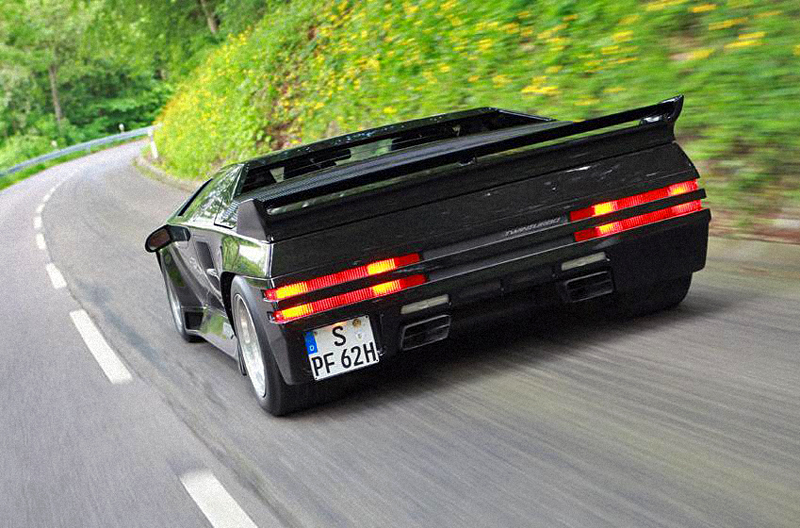
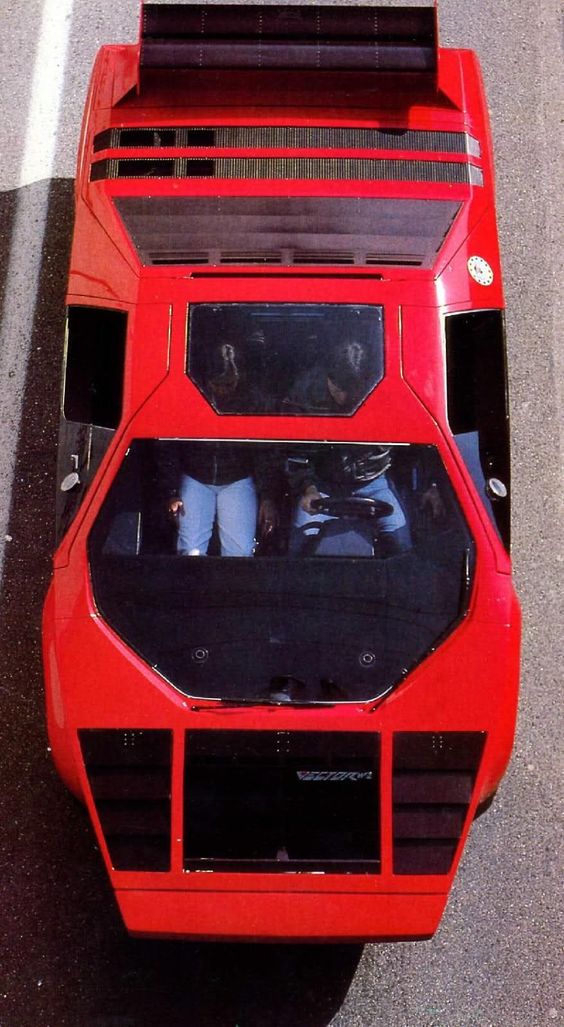
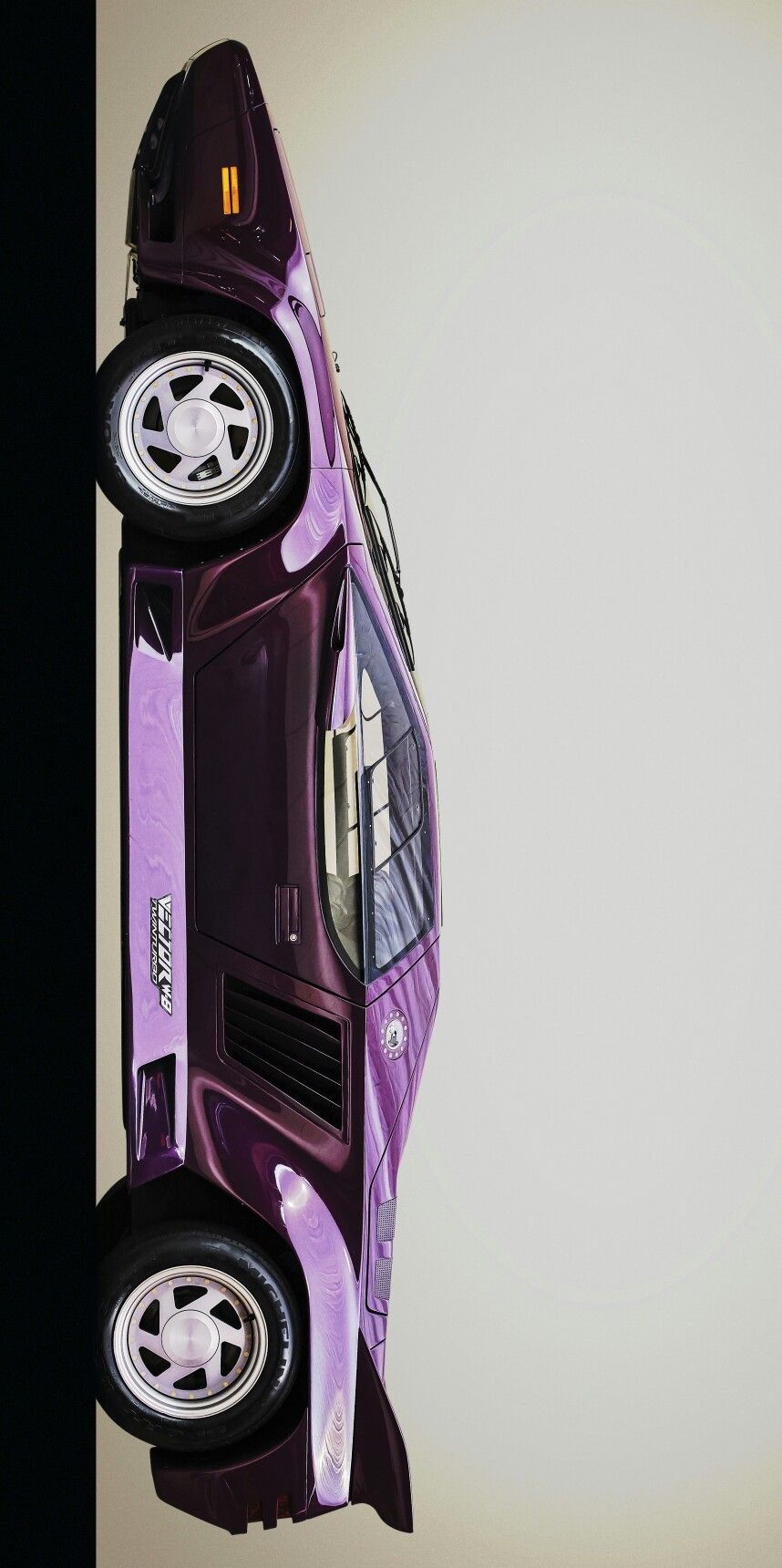
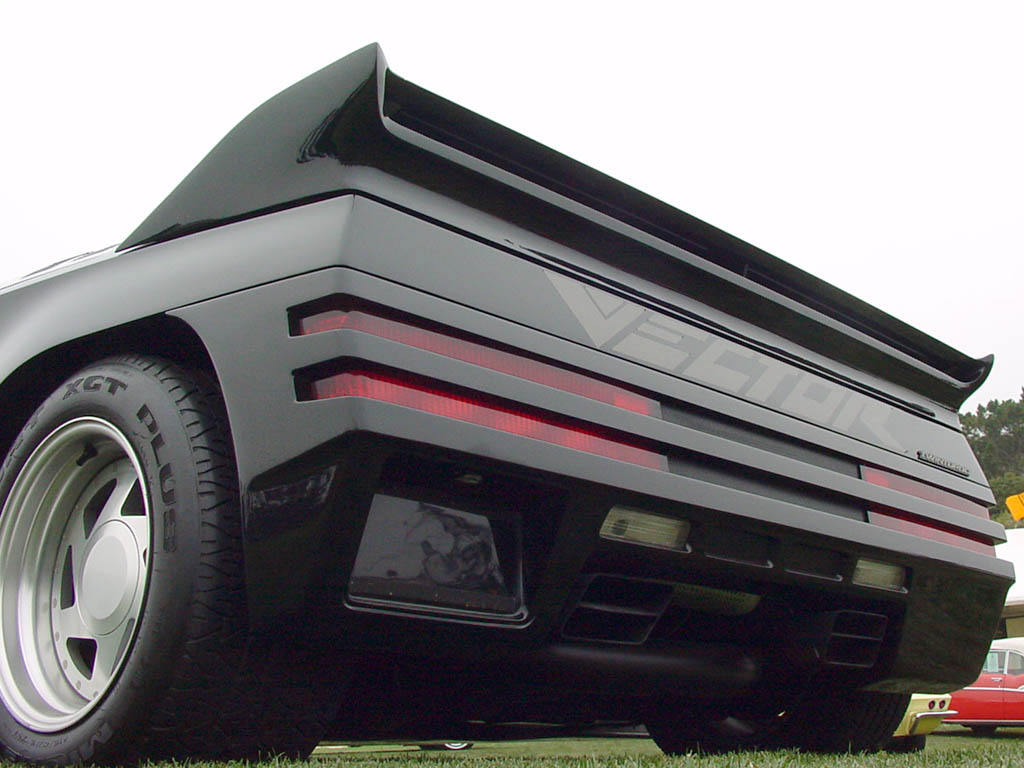
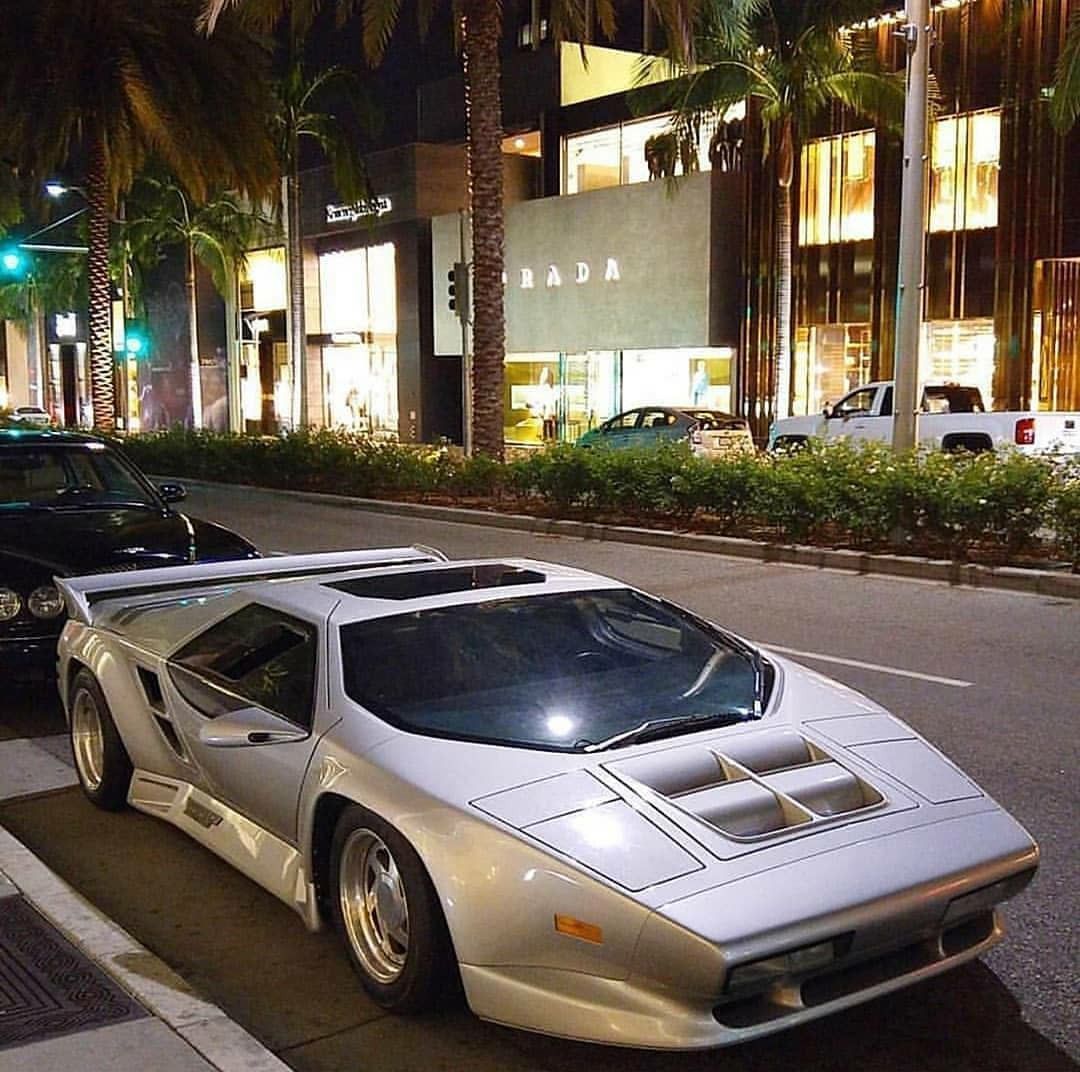
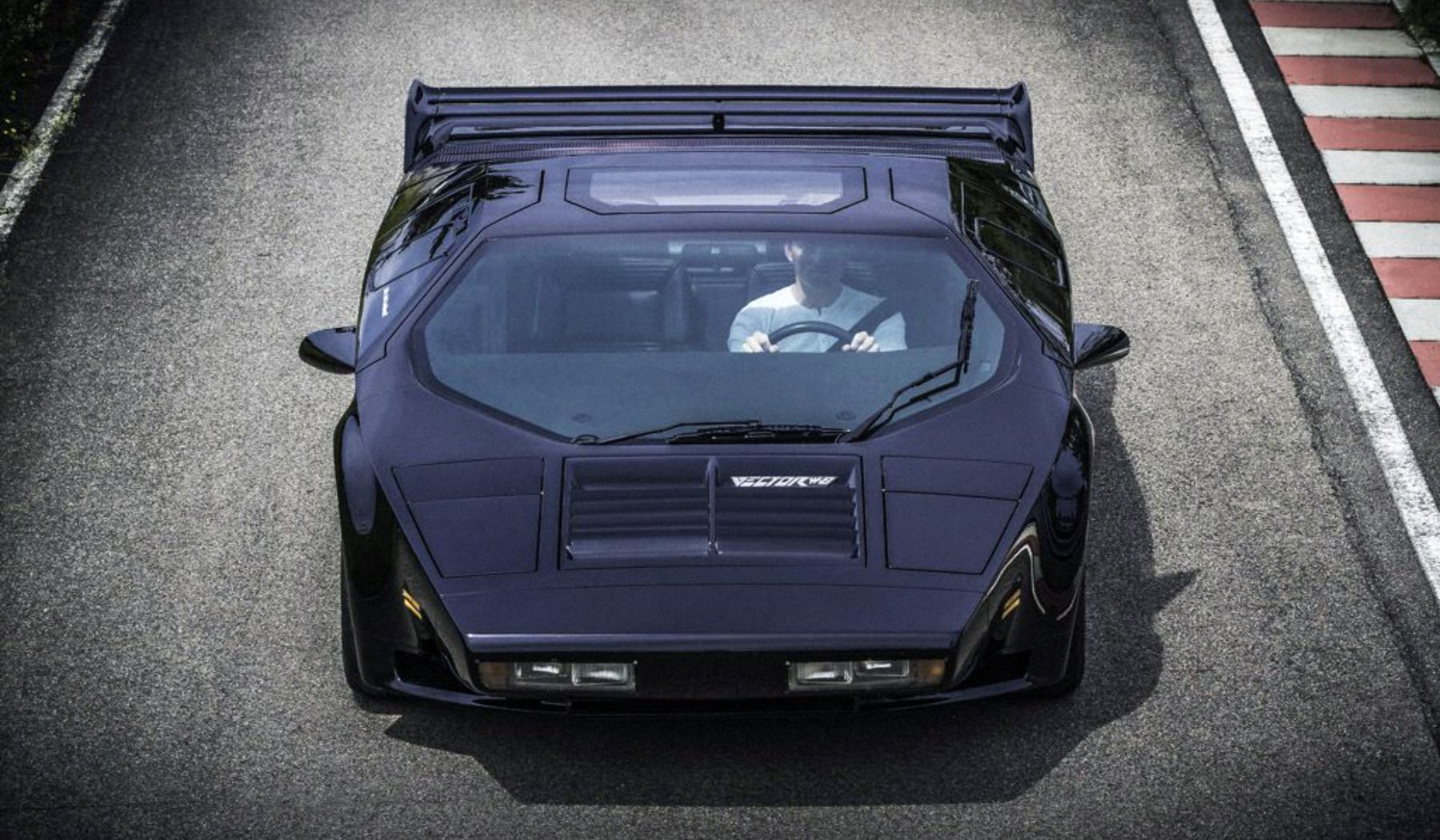
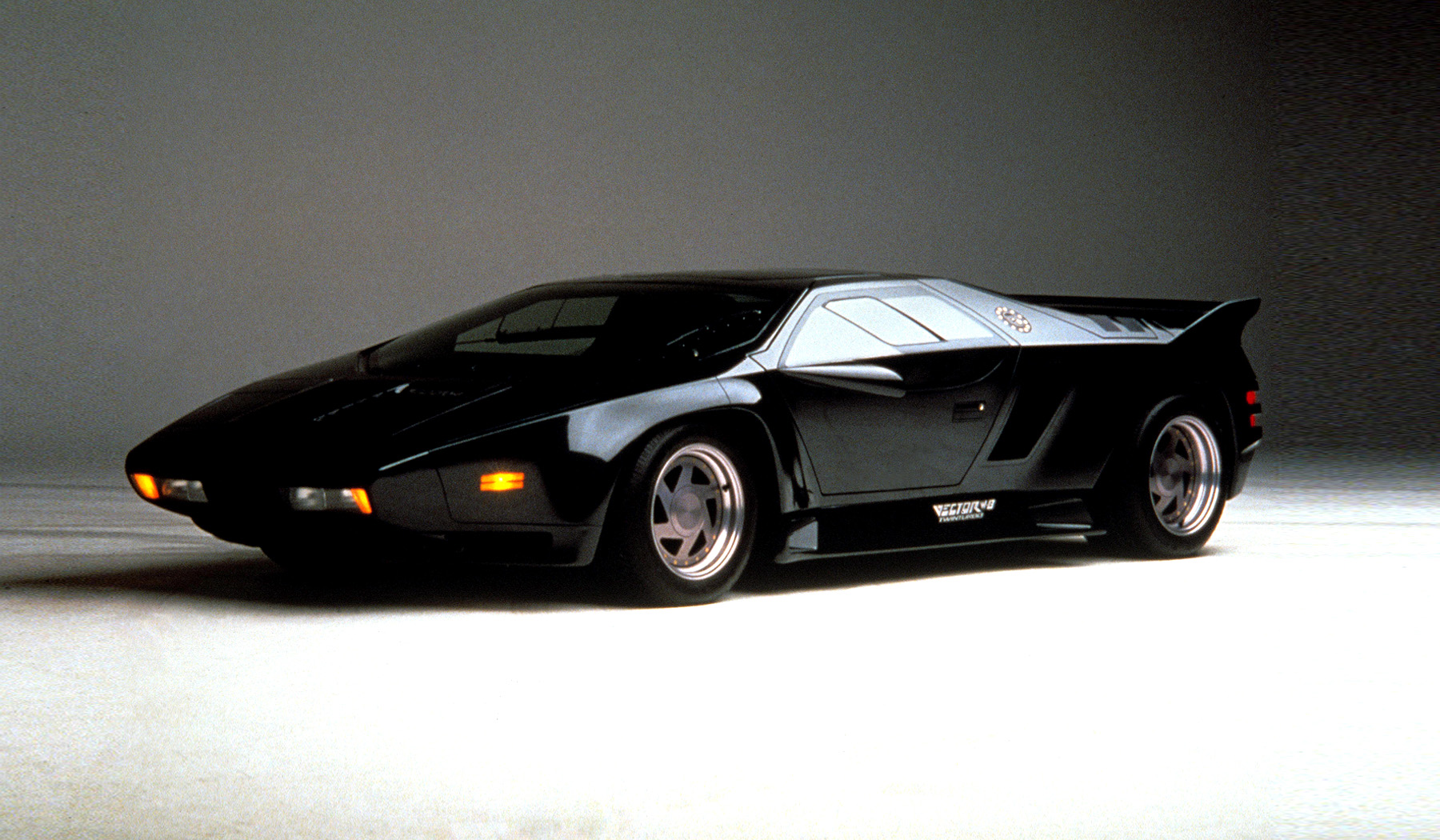
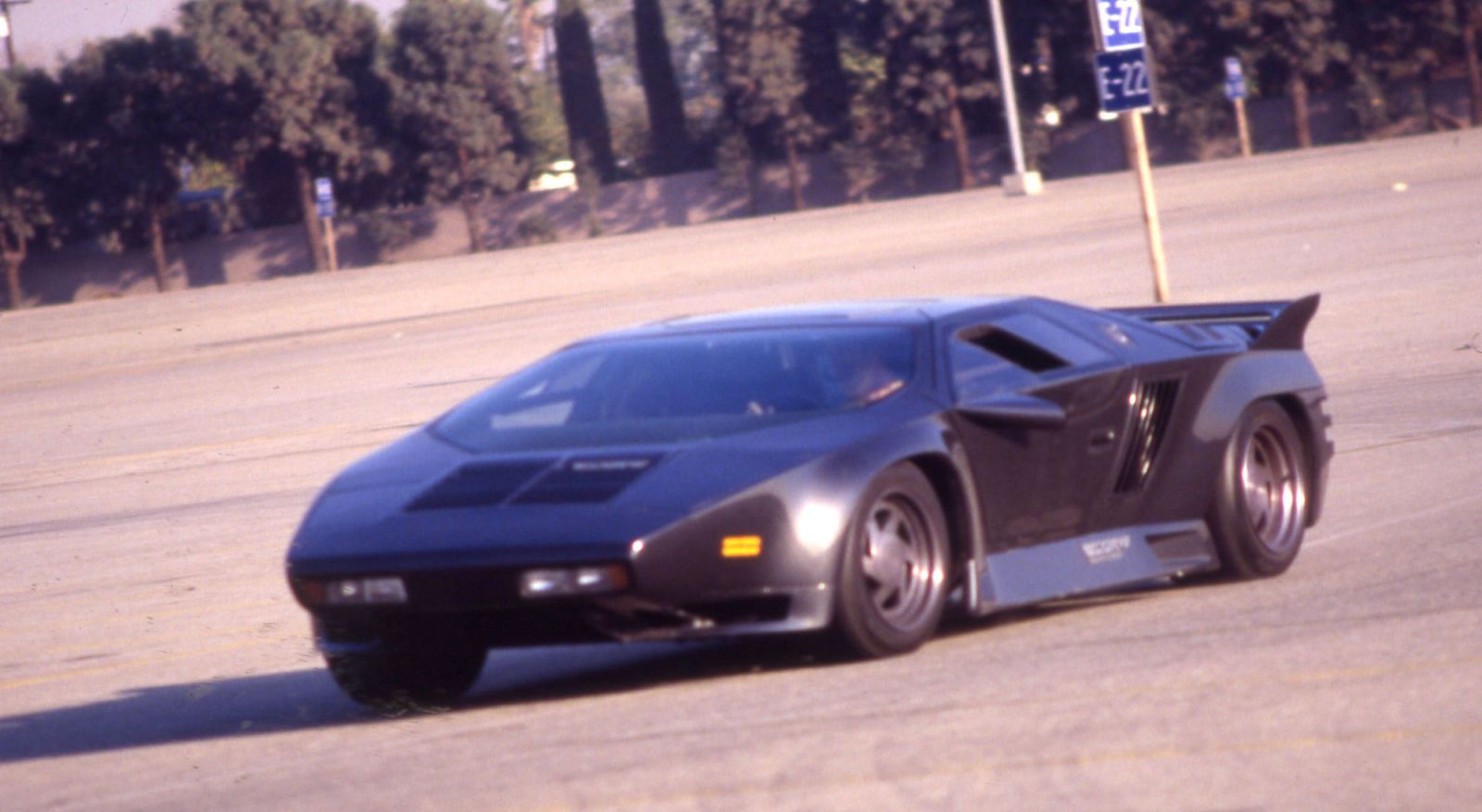
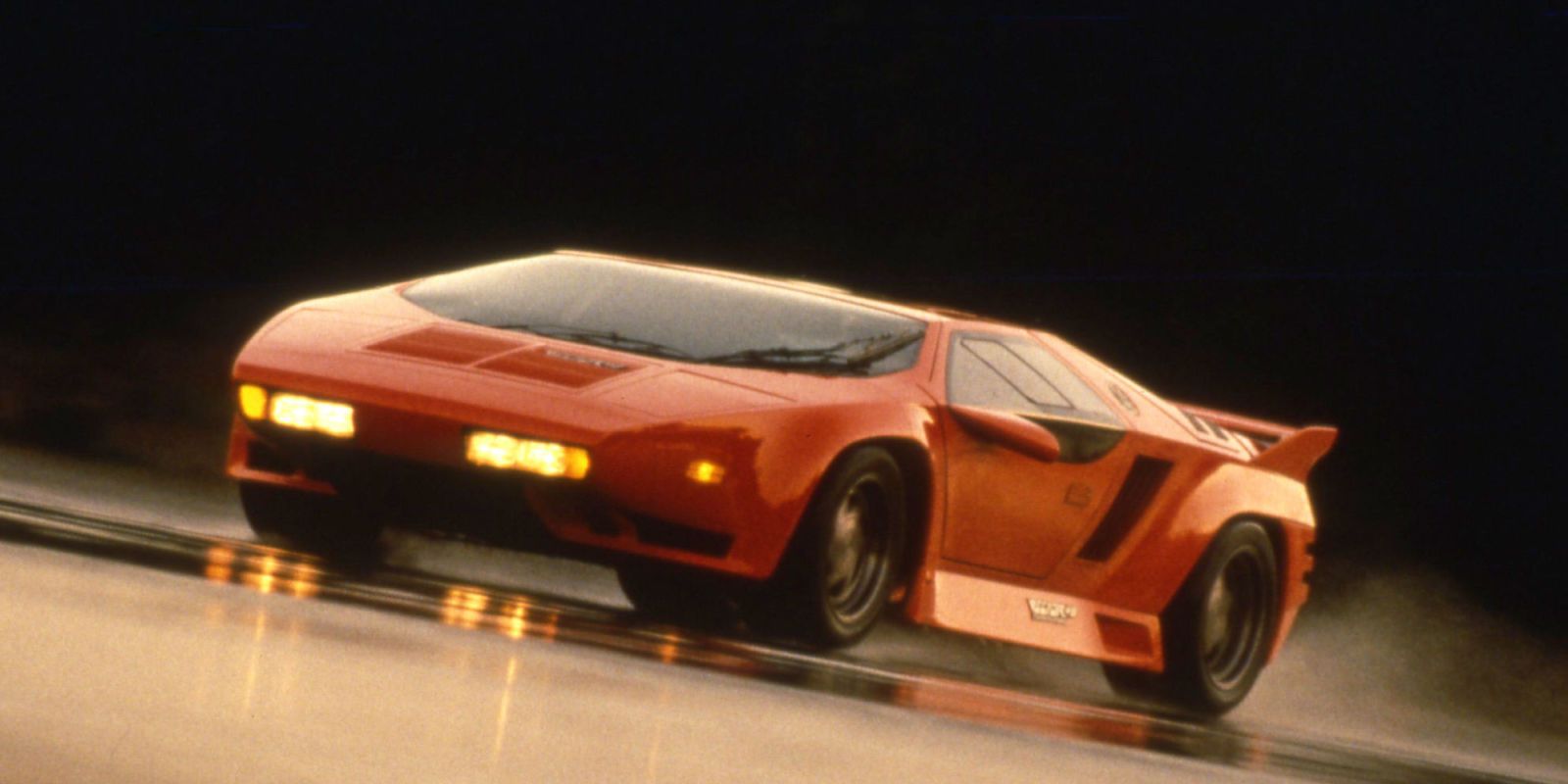
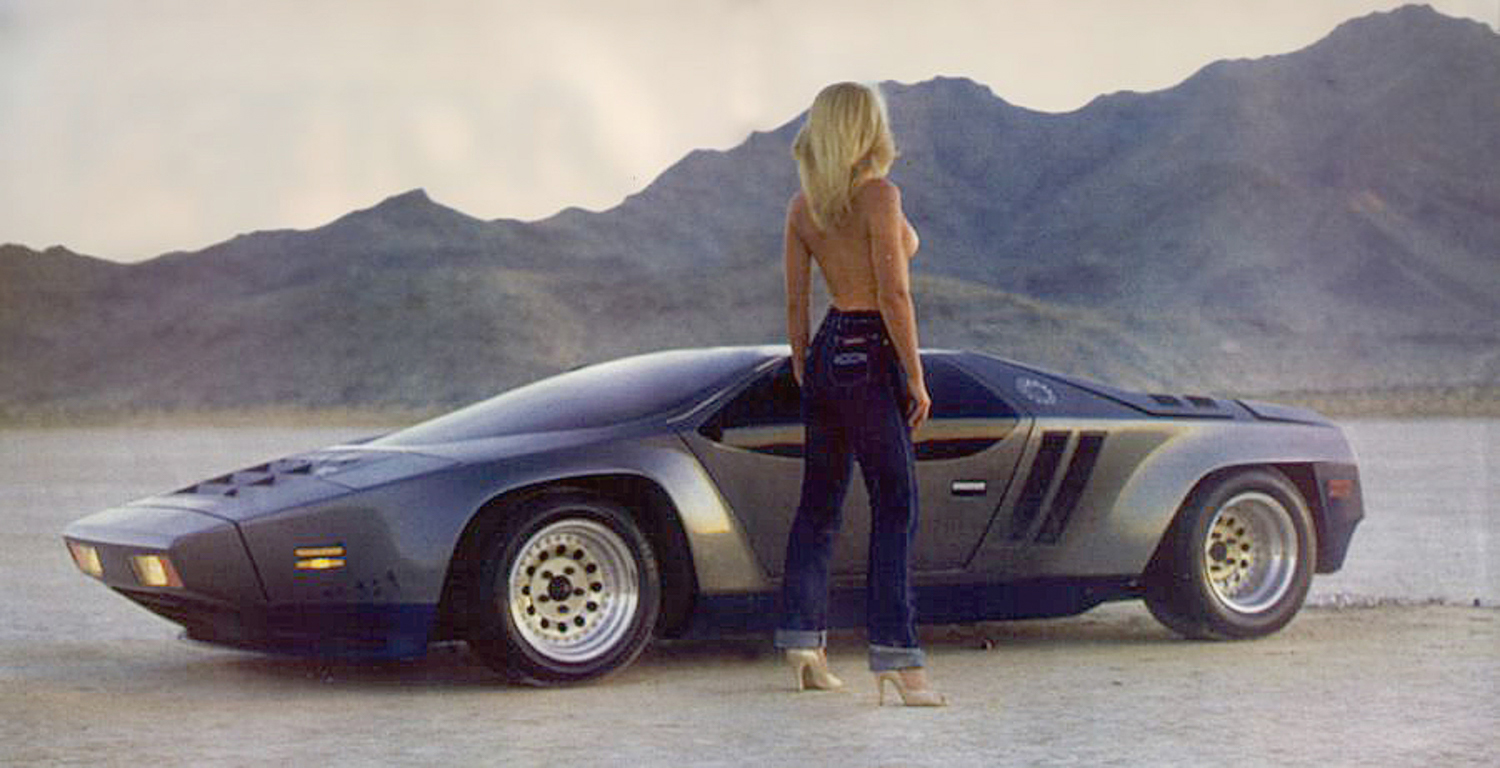
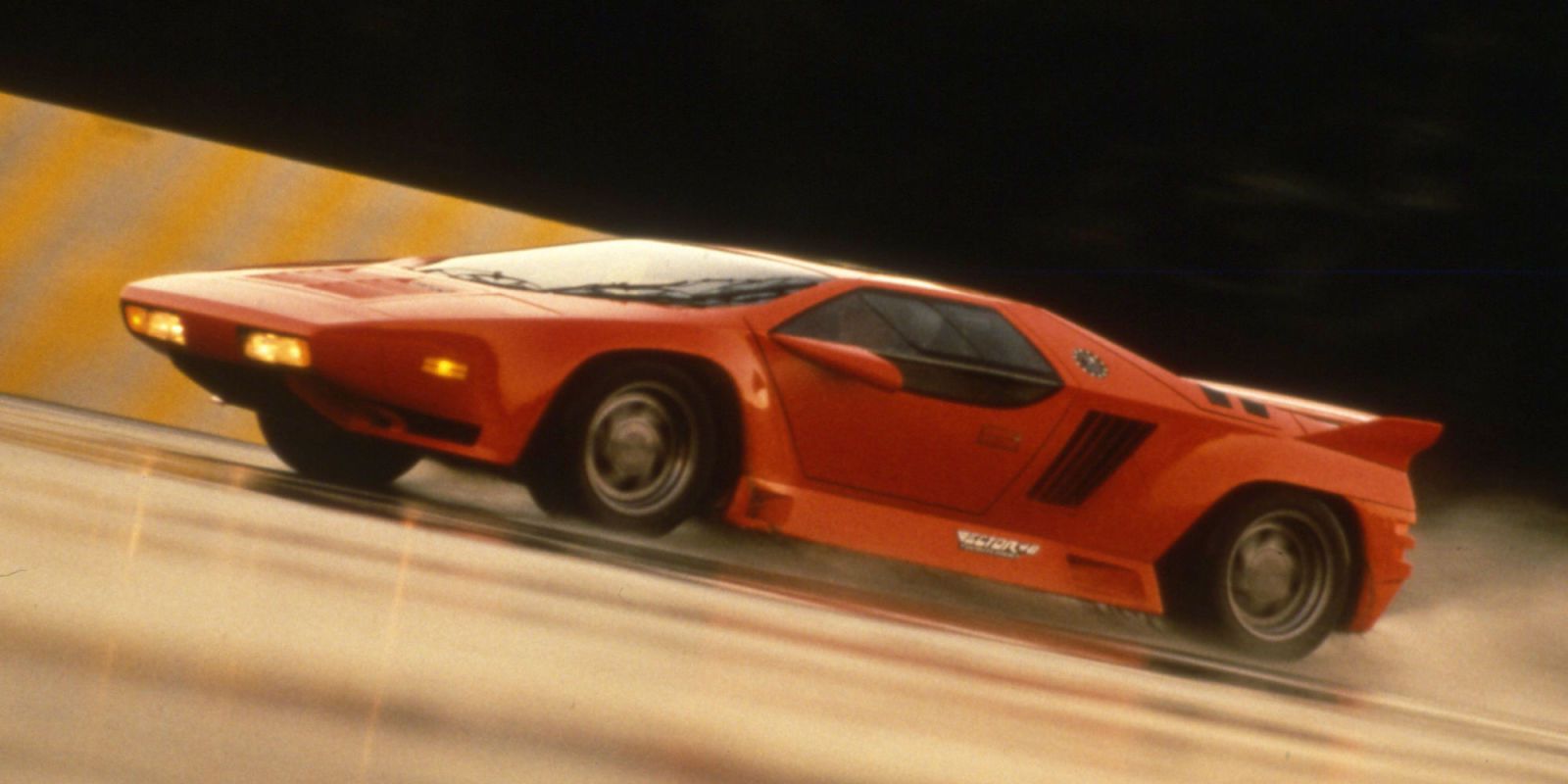
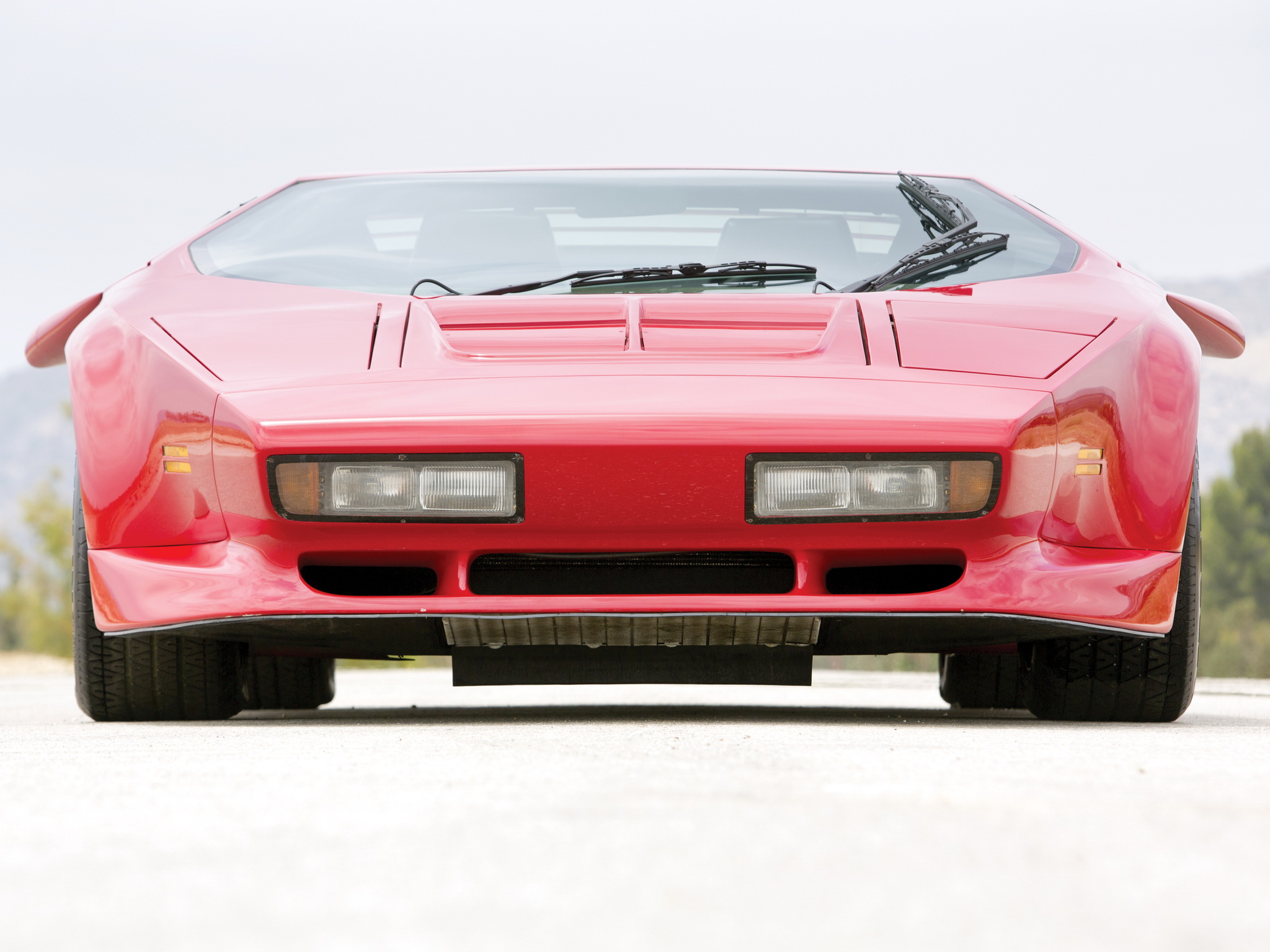
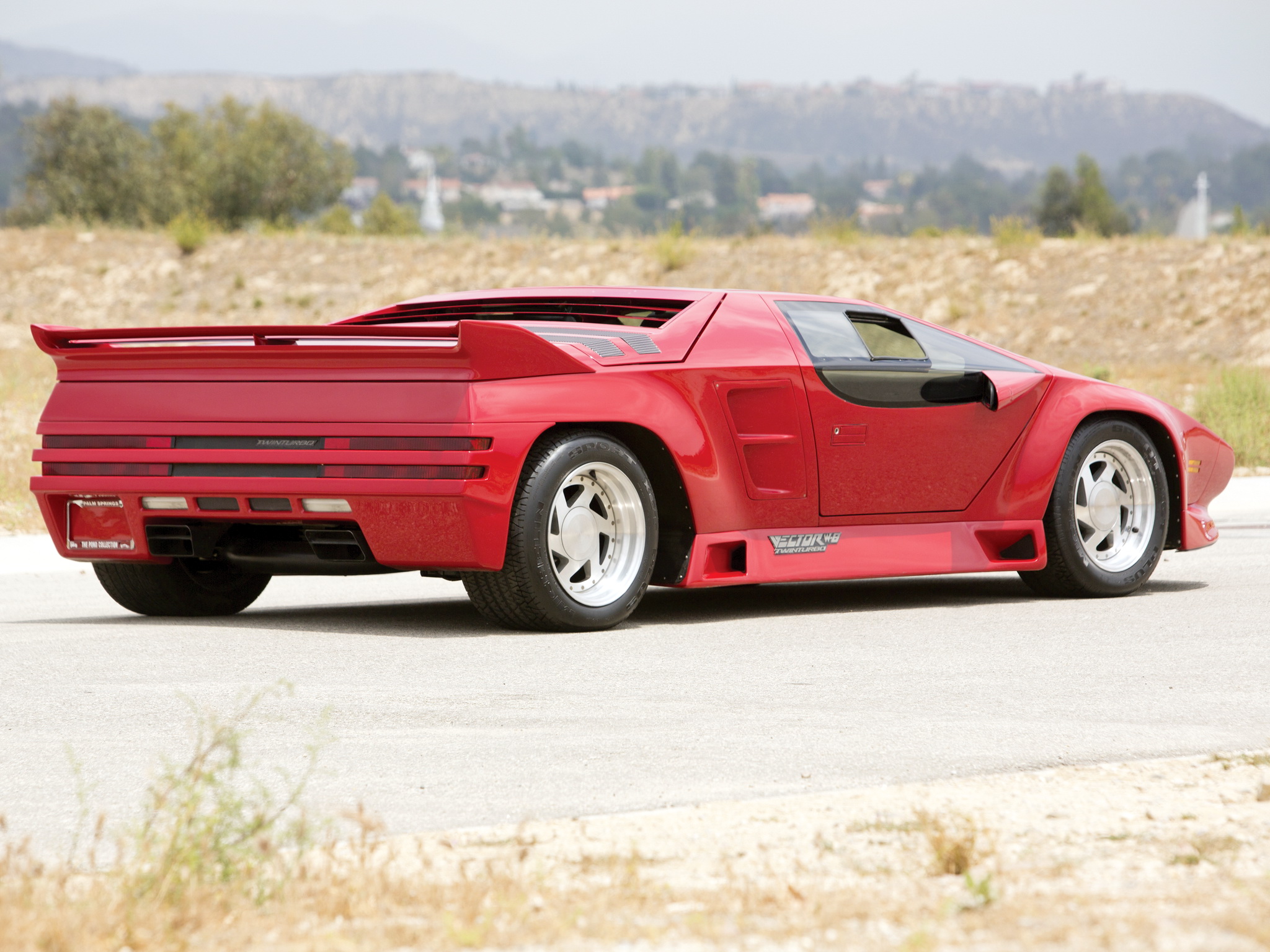
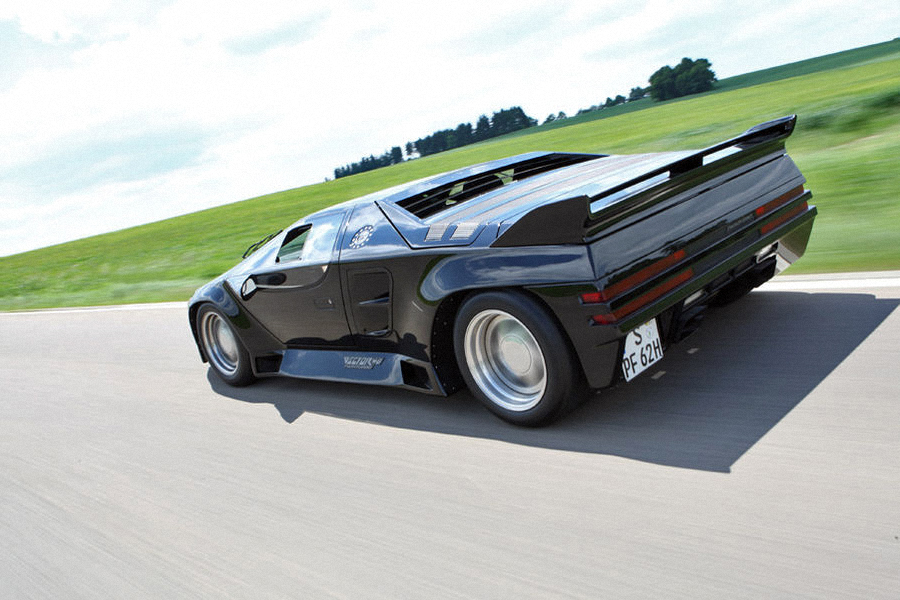
Pierwszy prototyp powstał już pod koniec lat ’70-tych. Popełnił go Gerald Weigert, szef Vector Aeromotive (co było, swoją drogą, całkiem spoko nazwą) a filozofia amerykańskiego inżyniera była taka, żeby stworzyć auto przy użyciu technologii znanej z aeronautyki. Pół rama przestrzenna, a wpół samonośna – powstała z rurek ze stali chromowo-molibdenowej, a aluminiowe panele zostały przymocowane żywicą epoksydową i przynitowane do nadwozia przy użyciu 5000 nitów rodem z przemysłu lotniczego. Sama platforma jest z aluminium o strukturze plastra miodu, stosowanego w aeronautyce. Nie szczędzono carbonu, kevlaru, ani włókna szklanego. Same lekkie i wytrzymałe materiały – nic innego nie wchodziło w grę. Auto zatrzymywały 4-tloczkowe aluminiowe hamulce. We wnętrzu – 4 ekrany elektroluminescencyjne, normalnie jak w samolocie! Ponoć wyciągnięte wprost z myśliwca – jako twierdzi sam twórca tego auta. Obok aktualnego przebiegu w kabinie pilota – bo tak to chyba można nazwać – był licznik godzin oblatywania oraz kompas. Nie jakieś cyfrowa animacja, tylko mechaniczne urządzenie. Zmieniarka do biegów znajduje się z lewej strony, wraz z zakrzywionym od połowy włącznikiem hamulca ręcznego. W czasach, gdy mało kto miał radio z CD, we Vectorzu było dobre audio ze zmieniarką na 10 płyt. Nie schowaną gdzieś w bagażniku – centralnie na desce rozdzielczej. Ale jeżeli już o stylistyce zaczęliśmy, to kształt nadwozia rozkładał na łopatki nawet takie pokurwione zjawiska jak Countach. I też miał niską – a szeroką – sylwetkę w kształcie klina, oraz otwierane do góry drzwi w stylu Lamborghini. Wyglądał jak typowy supercar dla ekscentrycznego milionera.
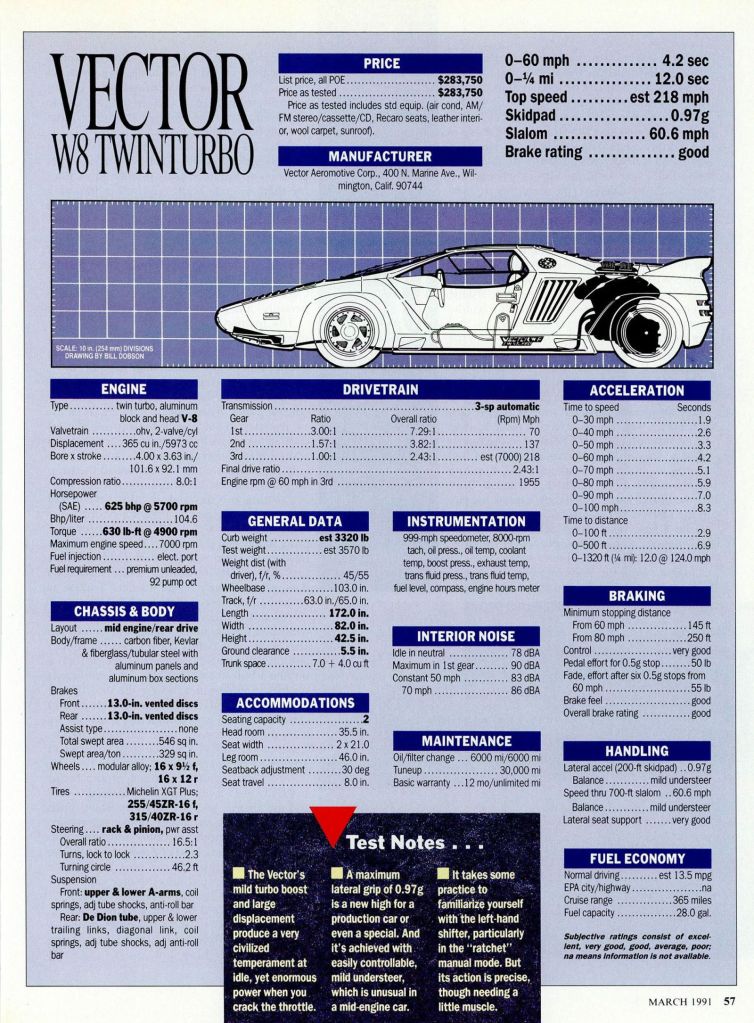
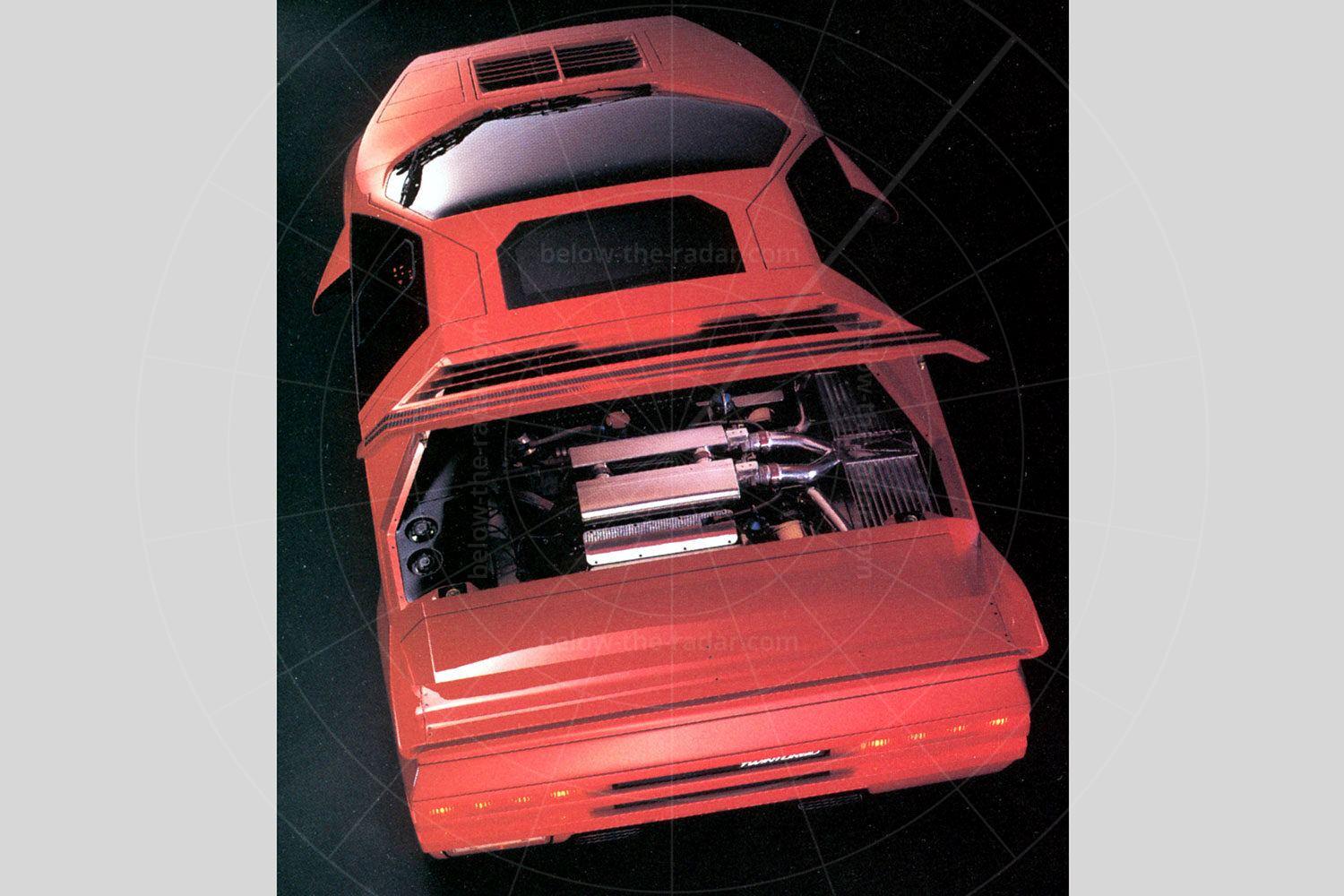
Nazwa pojazdu pochodziła od układu silnika. Najpierw miał tam trafić silnik Wankla produkcji Mercedesa – jeszcze zanim projekt otrzymał kod W2, od dwóch turbin – ale Mercedes tego motoru się pozbył, i cały plan też wylądował w pizdu. Na scenę wkroczyło nowe serce, od którego model nazwano W8, bo to było V8. „W” – od nazwiska Weigerta. Sama nazwa Vector przywodzi na myśl grafikę wektorową, i w ten sposób nawiązuje do ogólnej stylistyki. Skupmy się jednak na silniku – skoro już zaczęliśmy. V8 ułożone centralnie dawało dobry rozkład mas, i jebało do więcej jak 600 koni mechanicznych – to w czasach, gdy Lamborghini mogło zaoferować ledwie 400, a nawet nie. Samo V8 to było u podstaw zmodyfikowane do 6-litrów GM na popychaczach, które już samo w sobie było silnikiem Chevroleta do motorsportu, a do tego mocno wyprute i ubogacone ekstremalnymi komponentami przeznaczonymi do wyścigów. Dostało m.in. cały blok i głowice z alu, kute tłoki i korbowód, popychacze oraz zawory były z nierdzewki, a na koniec sucha misa olejowa. To zrobiono “od spodu”. Na to – dorzucono 2 turbiny Garrett i olbrzymi intercooler z aluminium. Pracę tych turbin kierowca mógł ustawiać z pokrętła na desce rozdzielczej, i przy największym doładowaniu mógł dostać i 1200 koni – bez żadnych zmian w układzie, to był tak dobry system. Dla porównania, takie F40 też miało twin-turbo V8, ale robiło ledwie pół tej pojemności, co była we Vectorze, dzięki czemu jednostka u hamerykanów nie pracowała na tak wielkim obciążeniu. I turby też nie musiały się niepotrzebnie spinać, żeby wydusić 625 koni mocy i 854 Nm momentu. No chłopy nie mieli skrzyni biegów, co mogłaby takie dopierdolenie ogarnąć, więc po prostu użyli 3-stopniowej przekładni automatycznej od GM-u. No tak, nie jest to optymalne wyjście, oczywiście że nie – ale w tamtym momencie po prostu nie było innego. Zaznaczę tylko, że ta skrzynia przerzucała też moc na asfalt w Oldsmobilach Toronado, jak i camperach z katalogu General Motors. Serio. To była dobra przekładnia. I najpierwej Amerykanie mówili, że prędkość maksymalna miała sięgać 390 km/h, ale po prototypowaniu stanęło na 350 – co i tak było wtedy nie do pomyślenia. Nie było jeszcze Jaguara XJ220 ani McLarenów.
Jak to wyglądało w praktyce? No tak średnio, bym powiedział. Auto miało problem dodusić do odciny, a powinno przecież przyspieszać do 7 tysięcy obrotów. Strasznie jednak cierpiało, gdy chciano wędrować w te rejony. Niestety – taka charakterystyka silników na popychaczach. Nigdy też nie odbyła się prawdziwa próba prędkości. Układ aerodynamiczny nie był projektowany z myślą o dużych szybkościach, więc producent po prostu się na taki test nie zgodził. Podobno jedna gazeta wzięła prototyp W2 na solnisko Bonneville i dała radę 390 km/h ze starym niedosilonym blokiem Donovan. Wiadomo też, że auto jest w stanie przyspieszać do setki w 3.8s, a po 8.3 przekraczało 100 mil na godzinę. To właśnie dzięki 3-biegowemu automatu – między innymi. Są jednak tego plusy dodatnie, jak i plusy ujemne. Vector jechał już 110 zanim w ogóle wrzucił dwójkę, a automatu miał nas rozpędzić do 220 na samym drugim biegu. Trójka miała na celu zamykanie szafy. To całkiem fajny układ, z tym że podczas normalnej jazdy w mieście, to przecież jak krew z dupy. Auto prowadziło się niebywale łatwo w porównaniu do wszystkich innych supersamochodów, ale niechęć do zmiany przełożenia w cyklu miejskim woła o pomstę do nieba. W takiej sytuacji trzeba było się posiłkować możliwością ręcznej zmiany biegów.
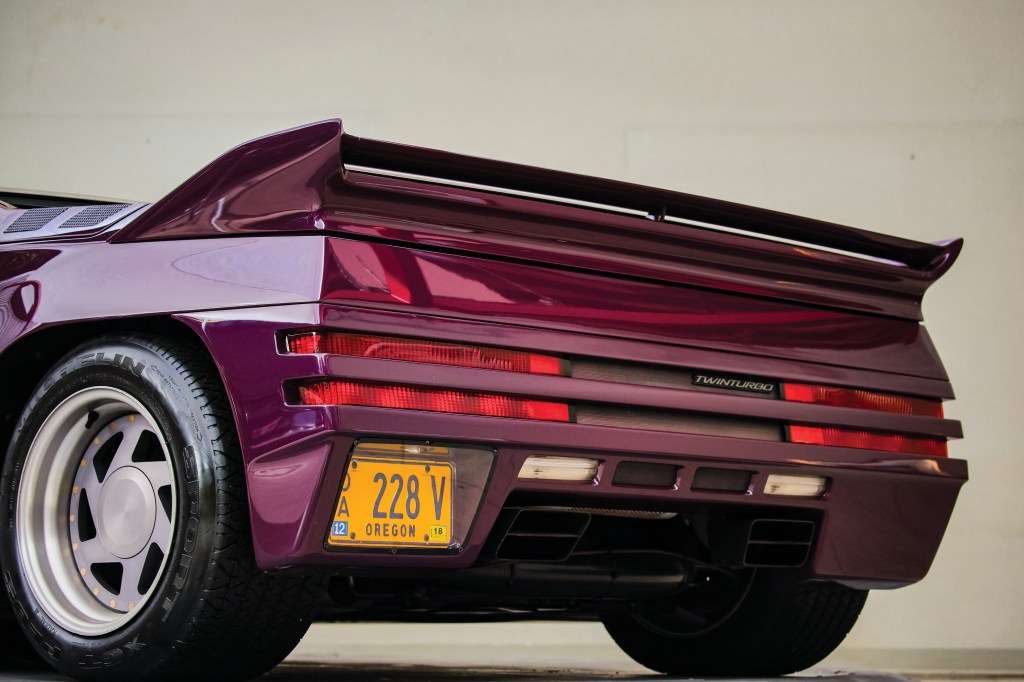
Inna sprawa to rzeczony układ zawieszenia, na który składał się przód z podwójnych wahaczy z – uwaga – z DeDionem z tyłu. Kto to kurwa słyszał… w XX wieku… drugiej połowie – niezależne zawieszenie? A na co to komu? W supersamochodzie? Zdolnym do 350km/h? No co ty?! Myk myk myk, na szybko DeDionem i pora na CSa kurwa.. Nosz kurwa go mać! Jak można coś takiego zamontować w nowoczesnym aucie, to ja tego kurwa nawet nie… a do tego o charakterze sportowym i osiągami na tym poziomie! Co prawda komfort jazdy był całkiem OK na ładnej jezdni, tak jednak trasy z większą liczbą nierówności – to podejrzewam, że nie sądzę. Takie warunki muszą się również zauważalnie odbić na zwinności auta… Bez niezależnego zawieszenia? Na bank. W czasie produkcji dokonywano niewielkich zmian w nadwoziu, gdzieniegdzie pozbywając się paru ventów, w innym miejscu kilka wlotów dodano. Tylny spojler uległ trasformacji, a i przód wzbogacono o dodatkowe elementy aero. Egzemplarze z końca produkcji pozbyły się zdejmowanego szklanego dachu, bo był wadliwy i przysparzał problemów przy wyższych prędkościach.
Vector miał wady konstrukcyjne – nikt z tym nie dyskutuje – ale w neutralnych warunkach, był całkiem solidnym autem. Prasa chwaliła właściwości jezdne i przyczepność na wysokim poziomie. Auto było zbalansowane i nie przechylało się na łukach. Do tego prowadziło się całkiem neutralnie – jeśli nie z delikatną tendencją do podsterowności przy odcinie – przez co było dostępne dla nieumiejętnego kierowcy i nie odstraszało od szybkiej jazdy. Wnętrze było przestronne, pozycja za kierownicą wygodna, samo koło obracało się bardzo lekko, a zmianą biegów zajmował się automat. Co więcej – możnaby pomyśleć, że auto robione na niewielką skalę przez małą firmę, w dodatku amerykańską… to musi być jakaś tania plastikowa chałtura. Otóż nie tym razem. Wnętrze było bardzo nowoczesne, jakość wykonania doskonała, a materiały – najwyższej próby. To auto – w odróżnieniu od innych supersamochodów, które się nadają właściwie tylko do umieszczenia w kolekcji i nigdy nie jeżdżenia – to Vector właśnie był zrobiony tak, żeby wytrzymac lata eksploatacji. Miał w założeniu przeżyć swojego właściciela – i to w dobrym stanie. Do tego był bardzo solidny i łatwy w naprawie, a i tani w utrzymaniu…
A to oznacza, że był drogi w produkcji i zakupie. Rzadki widok na drogach – mimo prawie 2 dekad planowania i rozwoju projektu, tylko 19 egzemplarzy powstało na przestrzeni 3 lat. Cena to pół miliona tysięcy kafli dużych baniek starych erło jeszcze sprzed denominacji – a i tak każda sztuka generowała straty, bo była warta więcej niż za nią kazali płacić. Był na to sposób: do głosu doszła firma Megatech z Indonezji – cała na biało – i skłamała, że oni przejmą projekt i dadzą radę… ale to historia na inną historię. Dość powiedzieć, że dziś Vector wart jest mniej jak 10% ceny od nowości a 30-letnie auta dalej wyglądają na szybkie. To dlatego, że są szybkie. Road & Track (ci od Need for Speeda) określili to auto mianem najszybszego na świecie – i dopiero McLaren F1 miał je zdetronizować. Żadne Ferrari, ani Lamborghini nie mogło się z nim równać. Vector Aeromotive technicznie istnieje w dalszym ciągu, ale mają już dobre 25 lat tradycji w nie-budowaniu żadnych aut, więc nie sądzę, żeby miało się to ot tak zmienić.
Ikona lat ‘80-tych, zaraz obok Testarossy i Countacha. Vector jest jednym z pierwszych – jeśli nie pierwszym nowoczesnym supersamochodem rodem z Ameryki. Nie Ford GT, nawet nie Saleen. Do tego był szybszy od Ferrari, był szybszy od Bugatti, czy od Jaguara. Niestety nie zyskał podobnego uznania. Jaka piękna porażka.
Rok 1939, to jeden z najbardziej znamiennych momentów w historii motoryzacyjnego świata. Alfa Romeo wspiera najpotężniejszy dział wyścigowy ich czasów – można powiedzieć, że w tamtym momencie: niepokonany – Scuderia Ferrari – ale jego dyrektor i założyciel, legendarny Enzo Ferrari, odchodzi. Gloria, jaką było owiane jego nazwisko, gwarantowała sukces kolejnej marki z jaką zdecydowałby się on związać. Wieść, że ma on zajmować się autami samodzielnie, rozeszła się w oka mgnieniu. Odchodząc z Alfy Romeo, Enzo dostał bana na aktywność w motorsporcie. Wiadomo – nie chcieli, aby odpalił Scuderia Ferrari u jakiegoś innego producenta. Umowa zabraniała mu m.in. umieszczać nazwisko Ferrari na karoseriach pojazdów na conajmniej cztery lata… Dlatego Enzo nie założył Ferrari. Dlatego założył Auto Avio Costruzioni. Choć wszyscy wiemy, że to jest Ferrari.
Dlaczego do tego doszło? Scuderia Ferrari było wielkie. Niedosilone Alfy potrafiły miażdżyć przepotężne Mercedesy i Auto Uniony. Ferrari było oficjalnym fabrycznym teamem Alfy Romeo… ale pod koniec lat ‘30-tych Alfie brakowało inicjatywy w kwestii nowych pojazdów, przez co Scuderia nie miała na czym pracować – i Enzo oczywiście się wkurwiał. Oficjalnie – odszedł, aby założyć własny biznes… choć prawda jest taka, że go wyjebano, Scuderia zamknięto a dział sportowy przeszedł w ręce Alfa Corse – do czego Ferrari sam się przyznał, a co spowodowało kilka innych odejść z Alfa Corse. Jego projekt był policzkiem tak w stronę Alfy, jak i Maserati. Był początkiem walki na włoskim terytorium, ale wkrótce i o globalną dominację w świecie aut sportowych. Ferrari sam zawsze twierdził, że nigdy nie był projektantem, ani nawet inżynierem. Był za to liderem. Właśnie dlatego jedni uważali go za boga – a inni za wroga. Potrafił zebrać odpowiednich ludzi, aby stworzyć coś pięknego. W cztery miesiące powstało auto.
Pierwsi klienci AAC to Alberto Ascari, kierowca wyścigowy z pierwszej ligi, syn Antonio Ascariego, który był przecież mentorem pana Enzo; i Lotario Rangoni Machiavelli – Markiz Modeny. Nad projektem ich auta pracowali najlepsi ludzie z działu sportowego Alfy Romeo, tacy jak Alberto Massimino, Vittorio Bellentani i Enrico Nardi. Silnik mocno bazował na czterech cylindrach z Fiata 508. Motor Fiata był oczywiście za mały, więc praktycznie dwie takie jednostki ustawiono w rzędzie, jedna po drugiej, i połączono we wspólnym bloku. To była robota Fonderia Calzoni – na zamówienie. Bardzo lekka i wytrzymała. Miała korbę na pięciu łożyskach i rozrząd AAC, specjalny do rzędowej ósemki. Tłokom skrócono suw, motor odpowiednio zbalansowano, i oczywiście zwiększono współczynnik kompresji. Generalnie – możnaby powiedzieć, że Fiat, no nie… ale po prawdzie, Fiat był tani i nowoczesny, a to była bardzo zaawansowana technologia jak na tamte czasy. Do tego, Turyn płacił hajs ludziom za wyniki osiągane sportowo przy użyciu ich komponentów. Problemem był tylko silnik, ale architektura Fiata została wypruta, i wszystko wstawiono nowe – bo osprzęt do 4 cylindrów nie nadawał się do ośmiu. Pojedynczy rozdząd z zaworami nad głowicą – 2 zawory na cylinder – i pół-suchą misą olejową, zdolny do mocy rzędu 75 koni mechanicznych. Dobre bydło. Szybkie, ale pospieszone i przez to – mało solidne.
Czterobiegowa skrzynia biegów róznież pochodziła od Fiata, ale wyjebano z niej wszystko i wstawiono swoje. Wszystkie biegi były nowe. Zintegrowano ją razem z blokiem silnika i całość osadzono na zawieszeniu ze zintegrowanymi amortyzatorami z przodu (tzw. układ Dubonneta) i tylnym mostem na piórach. Jeśli chodzi o nadwozie, to regulaminy wyścigów zobowiązywały producentów do bazowania ich pojazdów na istniejących drogowych odpowiednikach – więc buda nowego Ferrari była mocną wariacją Fiata 508. Wykonana przez Carrozzeria Touring, przy użyciu lekkiego stopu magnezu z aluminium. Komplet ważył 54 kilo, a jeżdżące auto nie przekraczało w ten sposób 625kg. Dzięki temu można było się rozpędzać do 170 km/h. Auto nosiło oznaczenie Model 815, co odnosiło się do układu silnika z 1,5-litra w 8 cylindrach… i tradycja tego nazewnictwa jest kontynuowana do dziś.
Auta miały być gotowe na Grand Prix Brescia, co było odpowiednikiem Mille Miglia. 1000Miglia tego roku było właśnie zastąpione przez GPB, i Gran Premio Brescia della Mille Miglia była jakby kontynuatorem tej tradycji w duchu wyścigu o dystansie 1000-mil. Trasa przebiegała przez 166 km dróg publicznych, i zmagania trwały całe 9 okrążeń. Oba auta musiały się wycofać po tym, jak ich podzespoły uległy uszkodzeniu. Ascari prowadził na pierwszym okrążeniu, ale uszkodził ramię wahacza, przez co musiał zakończyć zabawę. Inne źródła podają, że Ascari miał problemy z zaworami. Drugie Ferrari objęło po nim prowadzenie i ustanowiło rekord okrążenia dla tej klasy pojazdu, ale po siedmiu kółkach auto zawiodło i jego – prawdopodobnie skrzynia biegów. Przez pewien czas dwa Ferrari prowadziły w swojej kategorii, a auto potrafiło zbudować 30 minut przewagi nad rywalami.
To była wojna, a Enzo potrafił się mścić. Został zwolniony z firmy, którą zbudował. Po 20 latach pracy, zabroniono mu pracować na autach. Zakazano mu się ścigać przeciwko Alfie Romeo. Zabrano prawa do użycia własnego nazwiska. Enzo założył Ferrari – tylko nazwał je inaczej… więc technicznie, nie złamał umowy. Wystawiał auta w największym wyścigu na włoskiej ziemi – tylko, że Alfy były w grupie dla 2,5 litra… więc technicznie – z nimi nie rywalizował. A na koniec – nazwał swój model 815, co było również anagramem Alfy Romeo Tipo 158 – ichniego auta z 1,5-litrowym ośmiocylindrowym silnikiem. Oto pierwszy pojazd skonstruowany w pełni przez pana Enzo, i początek marki Ferrari. Zaczyna się od wyścigu Mille Miglia, który – w jego 30-letniej tradycji – auta Ferrari będą wygrywać nawet 6 razy z rzędu, a gdy z Enzo schodzi ban od Alfy, Auto Avio Costruzione szybko przekształca się w Auto Costruzione Ferrari. AAC 815 powstało w dwóch egzemplarzach: Coda Lunga i Coda Corta, z których jednego nie dało się uratować, ale drugi na szczęście można podziwiać do dziś. Miał powstać również wariant z materiałowym dachem, ale wojna przerwała prace nad projektem.
Krzysztof Wilk Na podstawie: wheelsage.org | drives.today | rossoautomobili.com | classicdriver.com | wikipedia.org | collierautomedia.com | topspeed.com | tcct.com | D Adler – 70 Years of Ferrari
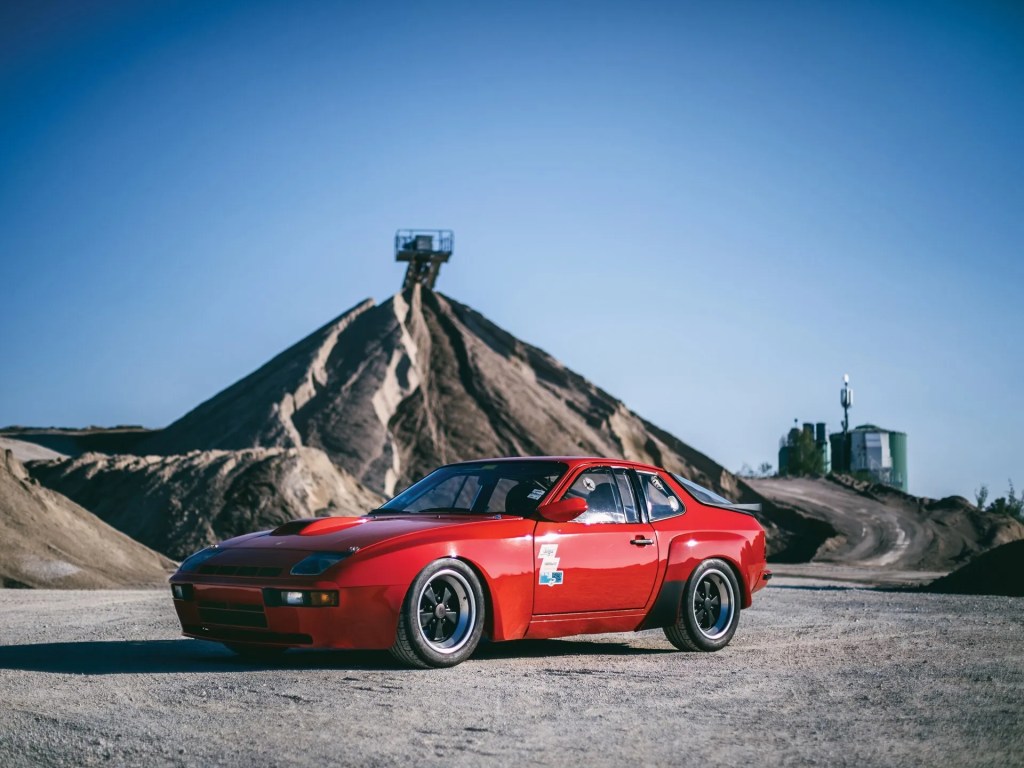
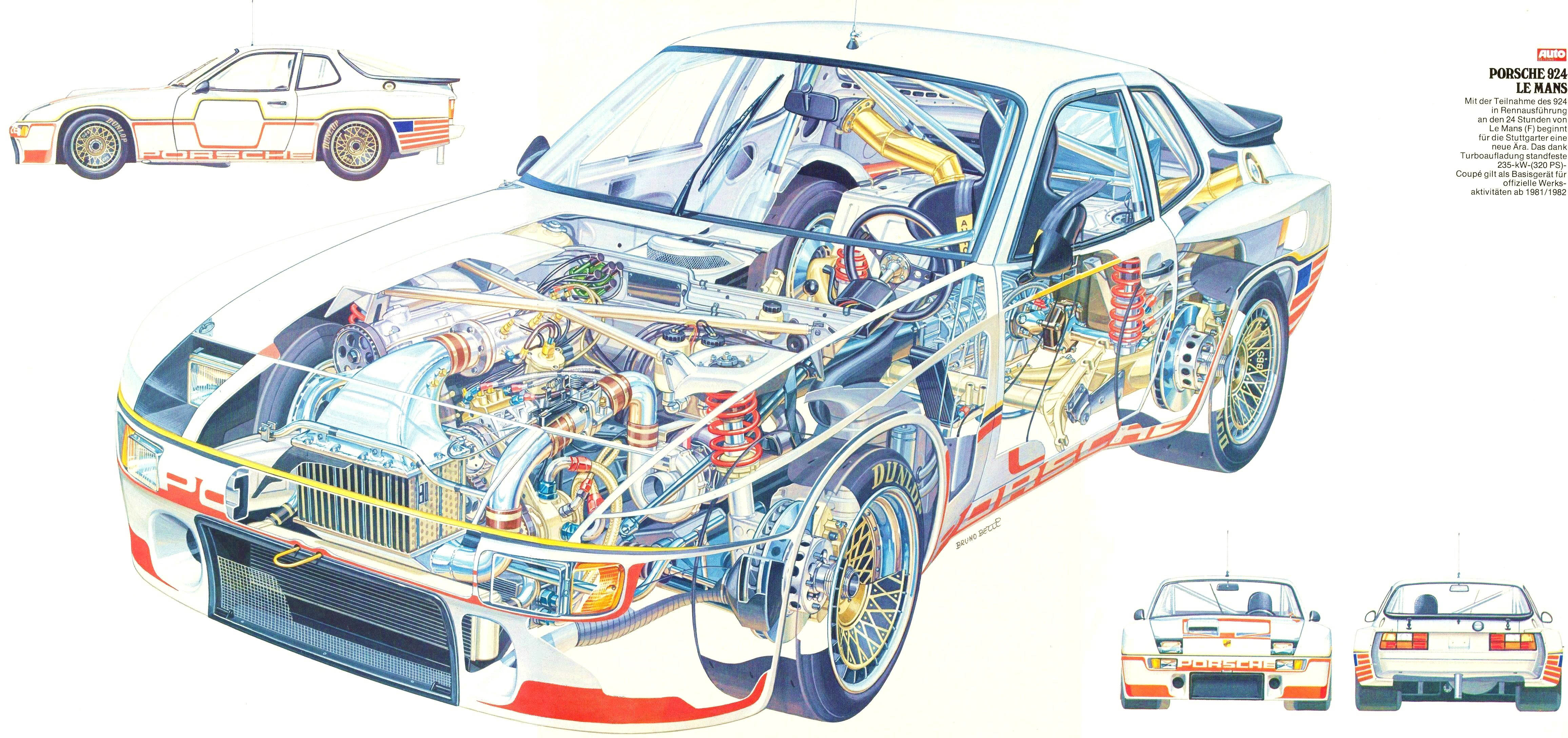
Model 924 już dostał się do rajdów w wariancie GT, ale Porsche szybko ogłosiło prace nad wersją Evo w postaci Carrery GTS. Carrera bez “S” była sportową odmianą zwykłej 924, ale wariant z “S” na końcu – to najdroższy model w gamie Porsche – i był robiony praktycznie od podstaw do motorsportu. Mimo to, nie mógł rywalizować z najlepszymi, bo – spójrzmy prawdzie w oczy – miał silnik z przodu i napęd na tył. W czasach wczesnej Grupy B, to nie pomaluje. Inni już eksperymentowali z 4×4 i układem z silnikiem centralnie, a z takim przeciwnikiem mierzyć się może tylko 911. Dlatego rozpoczęto prace nad 959 Gruppe B, które na 911 przecież bazowało i intencja była taka, żeby je w końcu wyparło… Tak się nie stało, a Porsche odnosiło drobniejsze sukcesy na arenie międzynarodowej z 911-stką, oraz na krajowym szczeblu przy pomocy modeli 924 GTS właśnie.
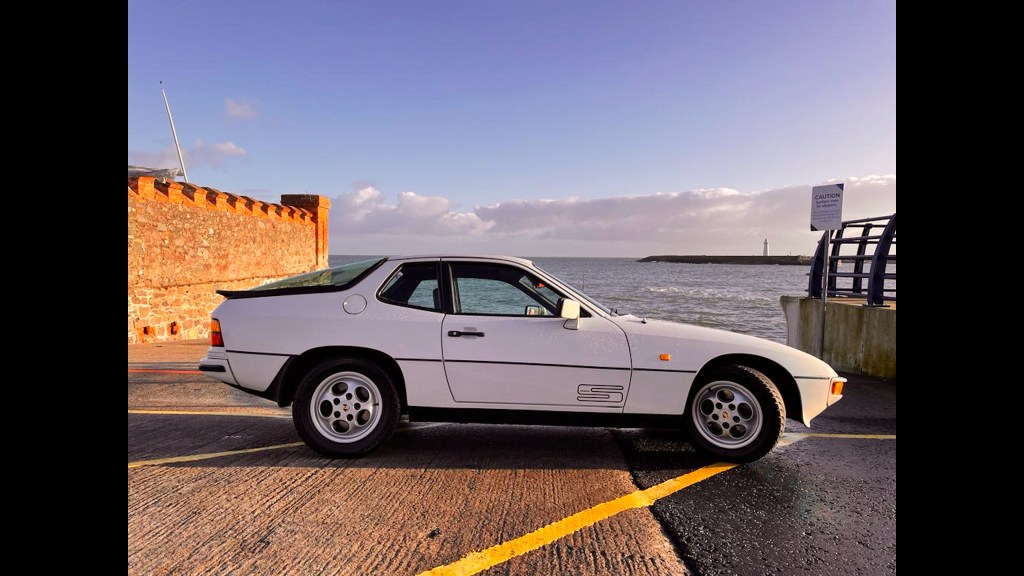
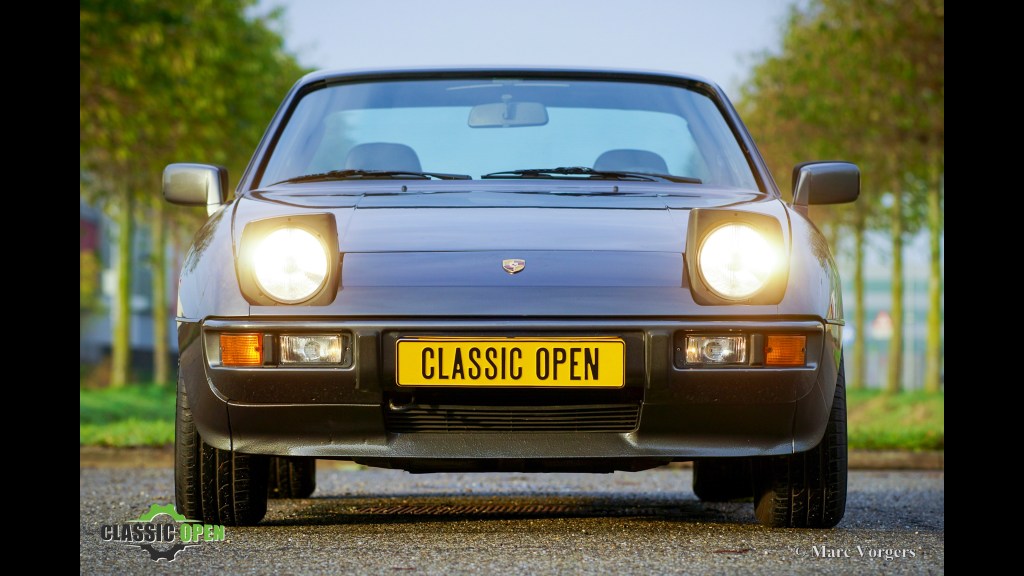
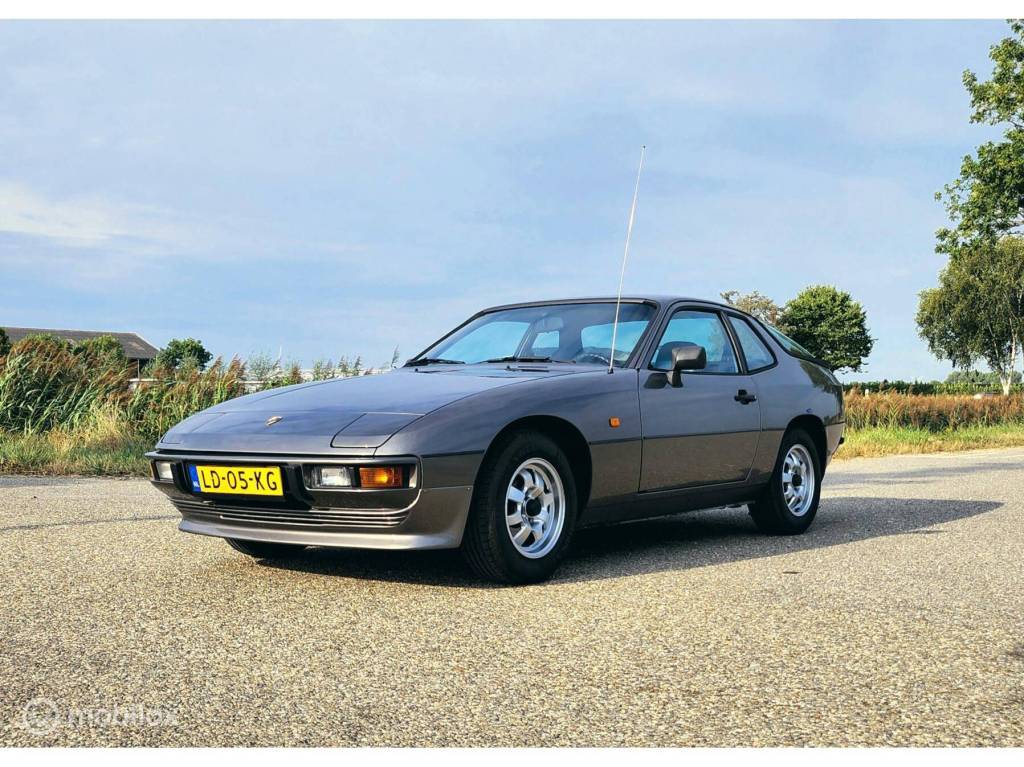
Drogowe egzemplarze Typ 924
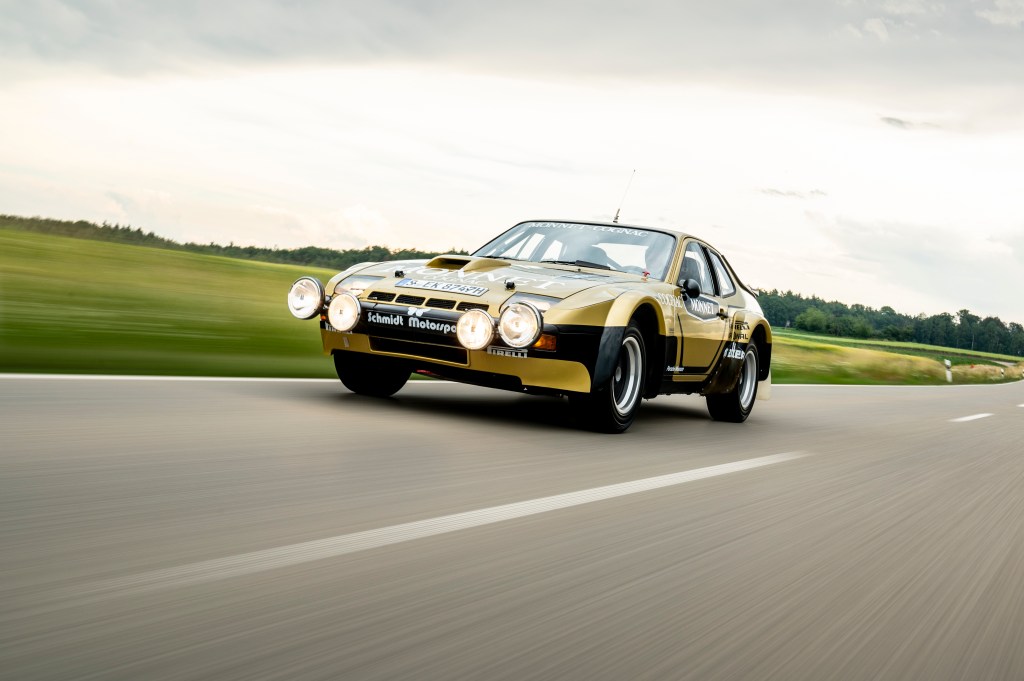
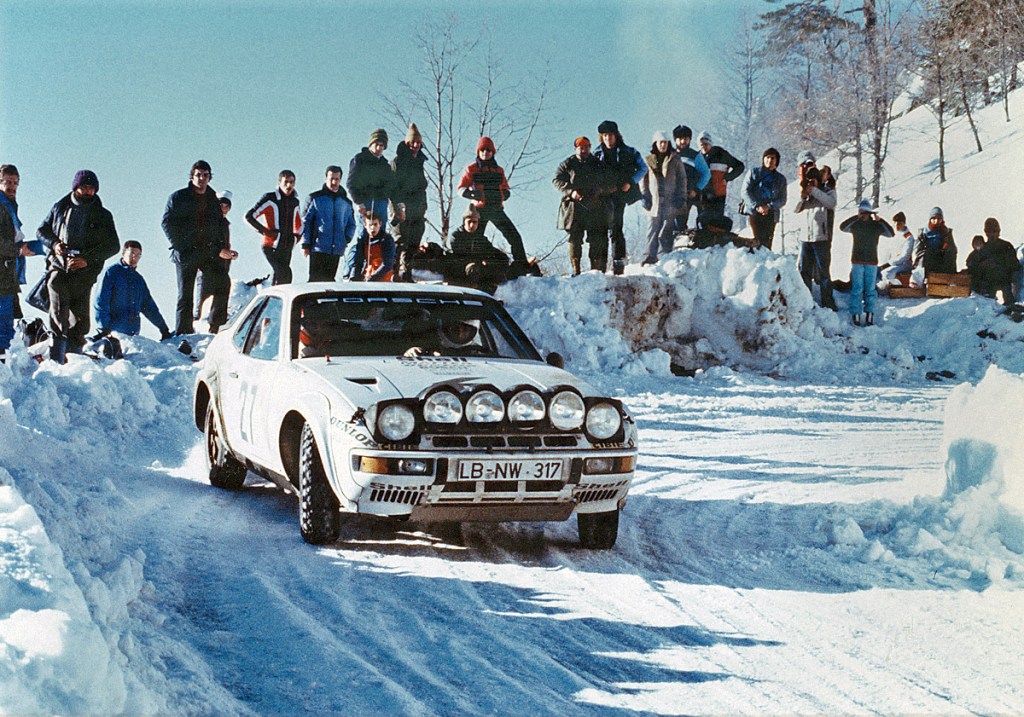
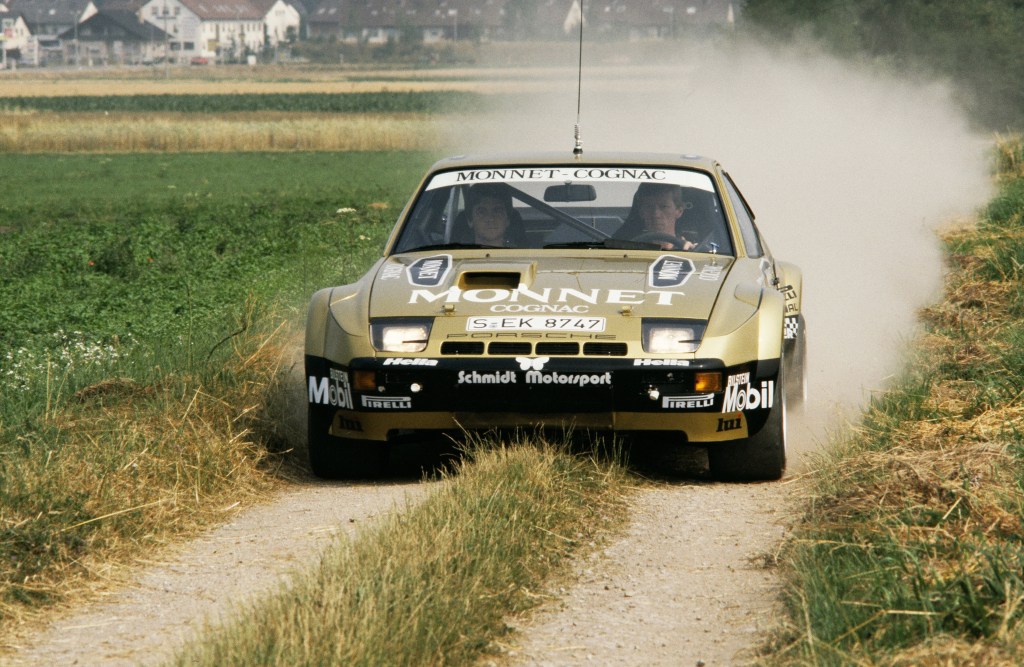
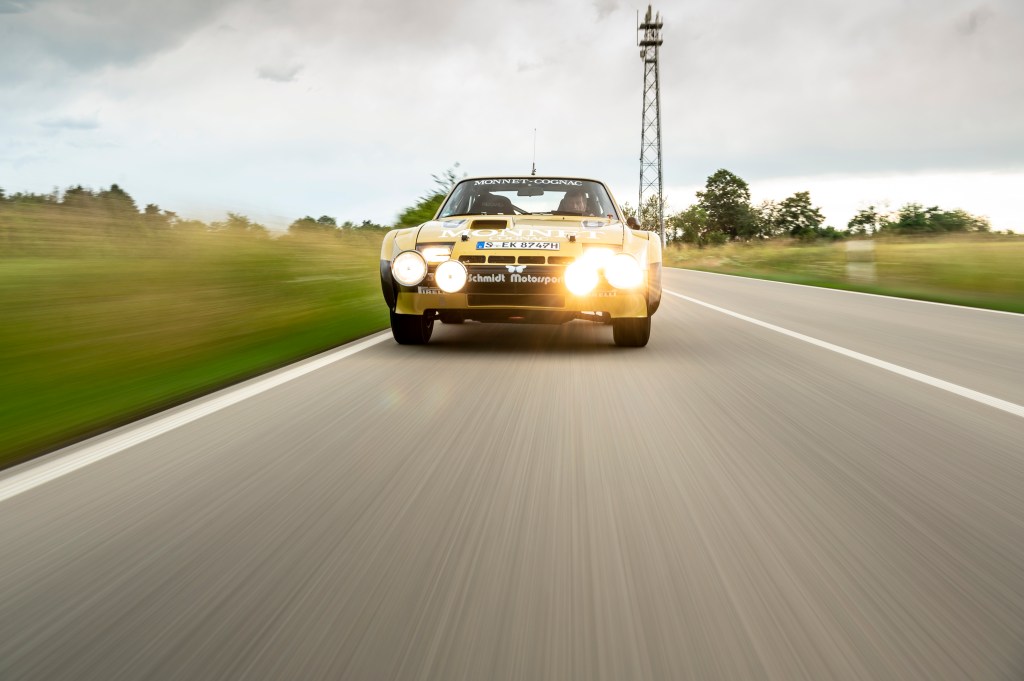
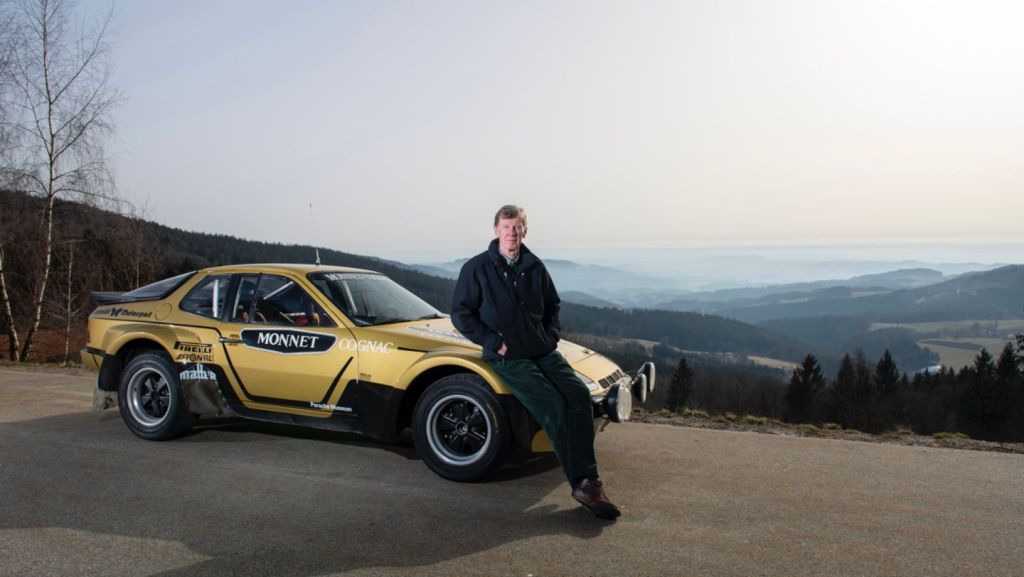
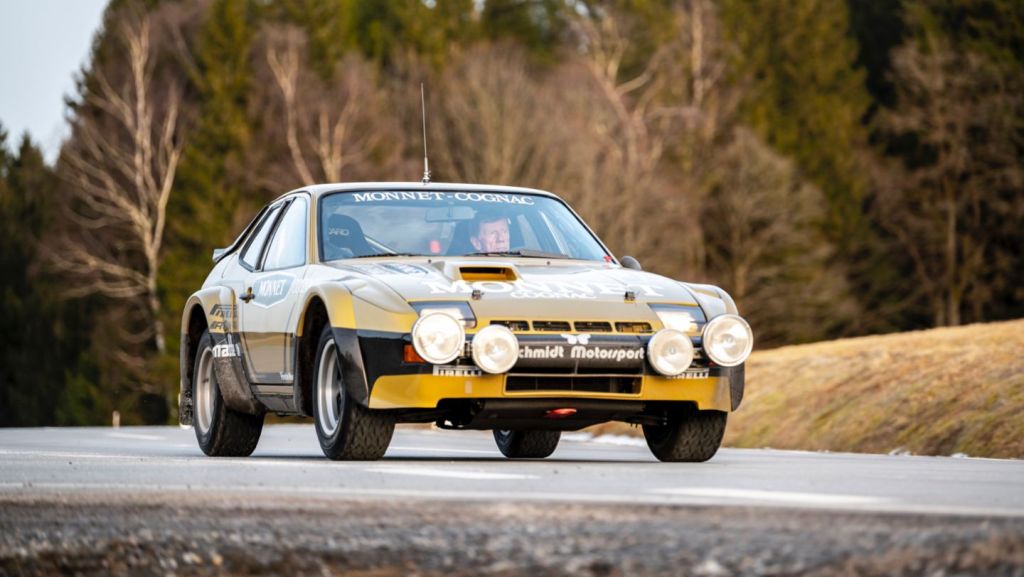
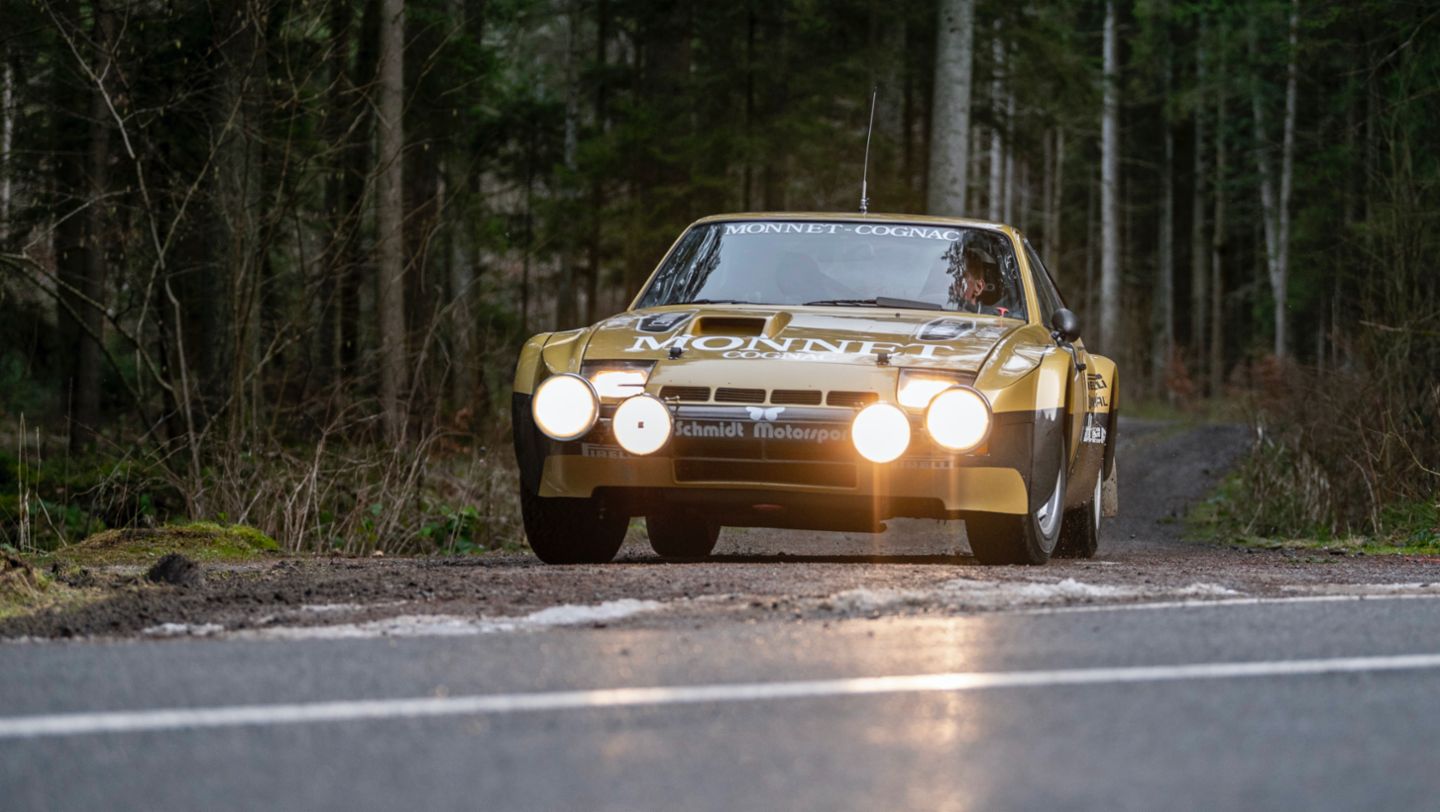
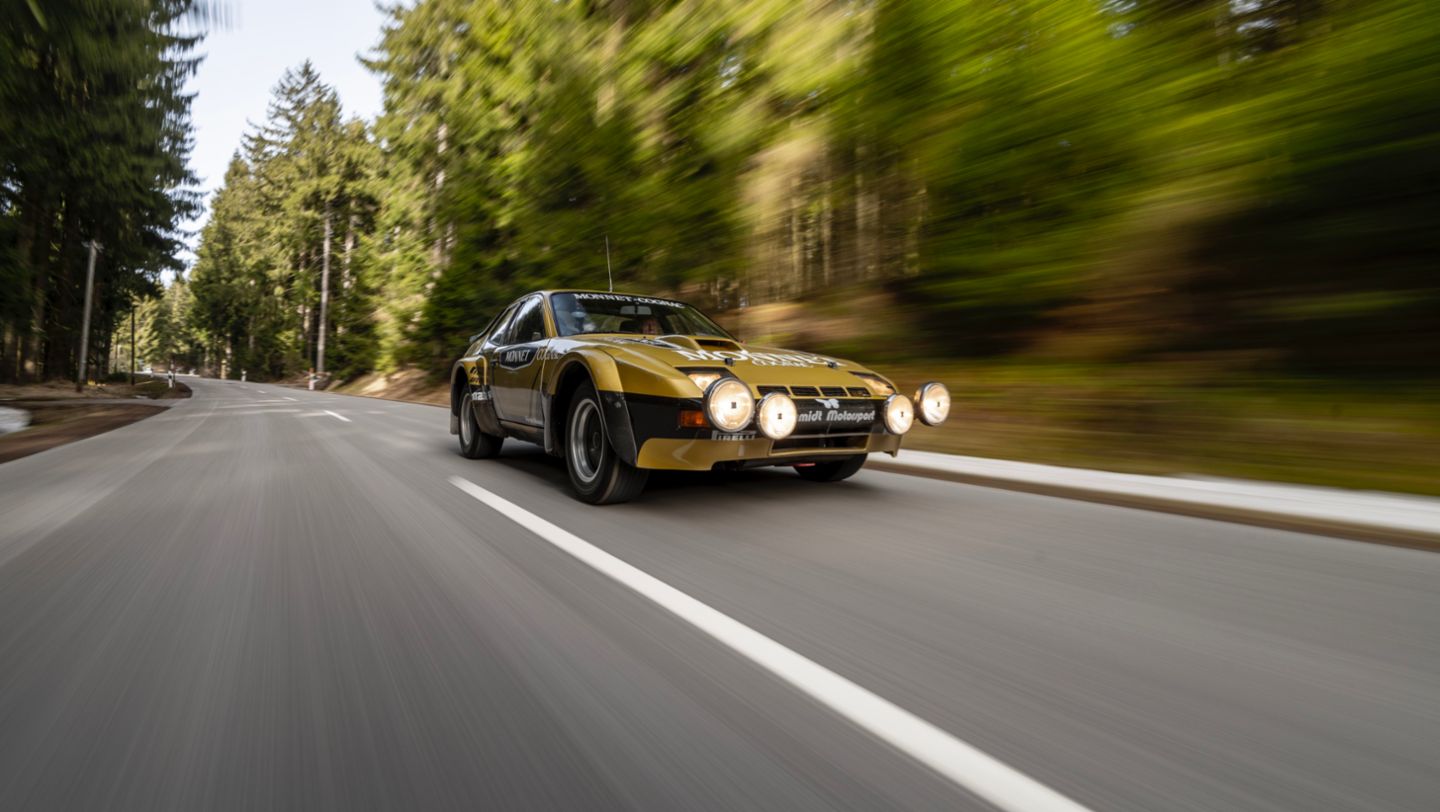
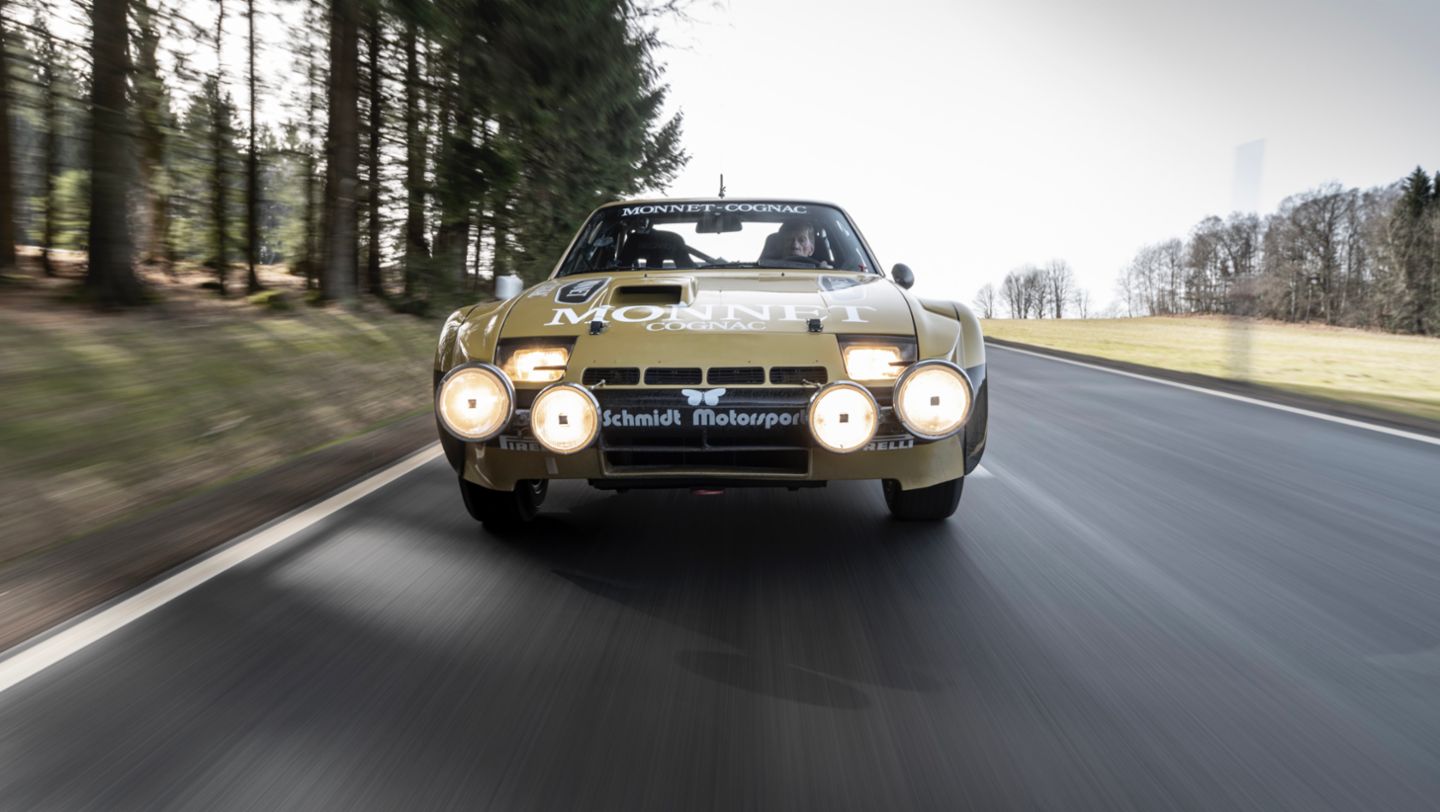
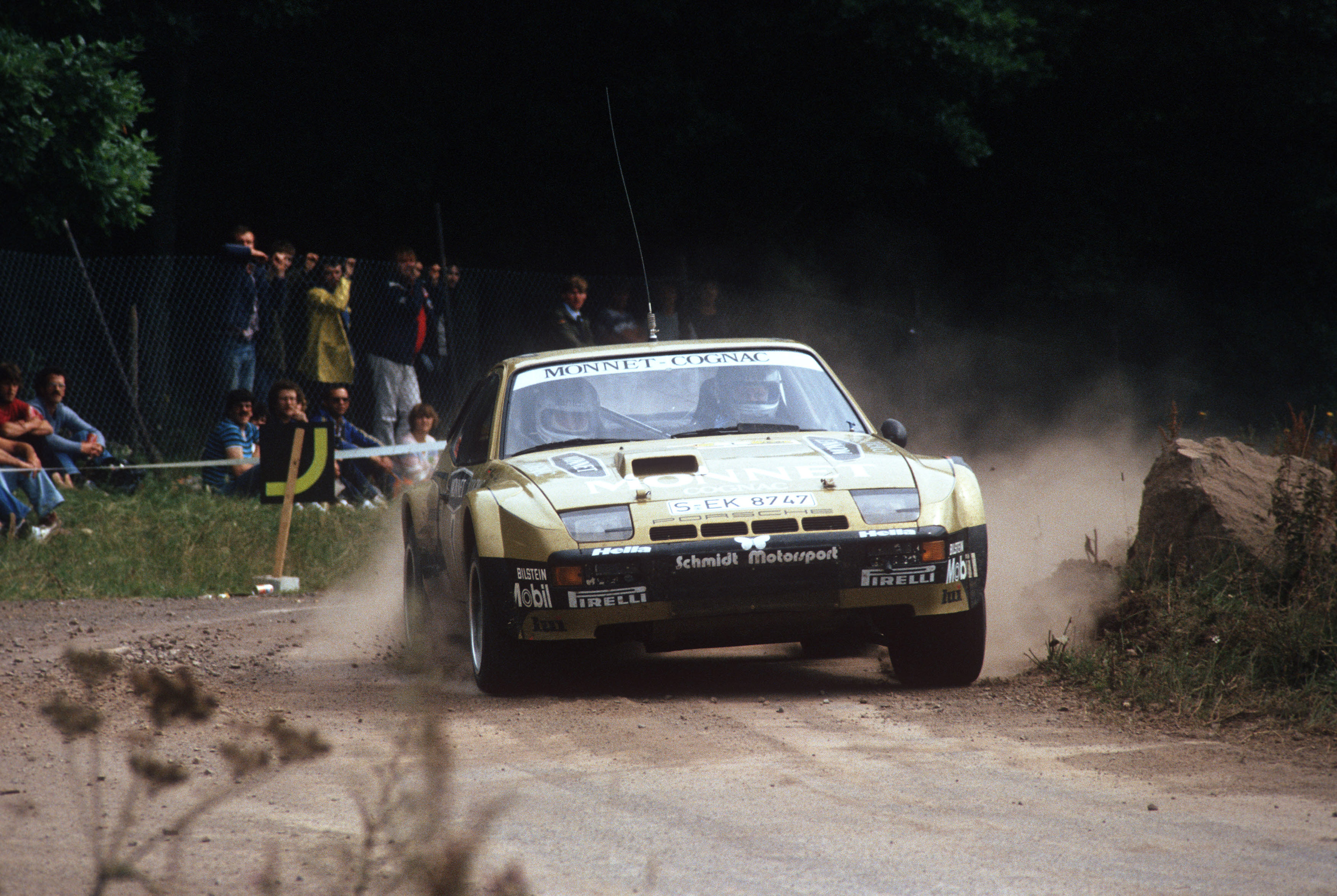
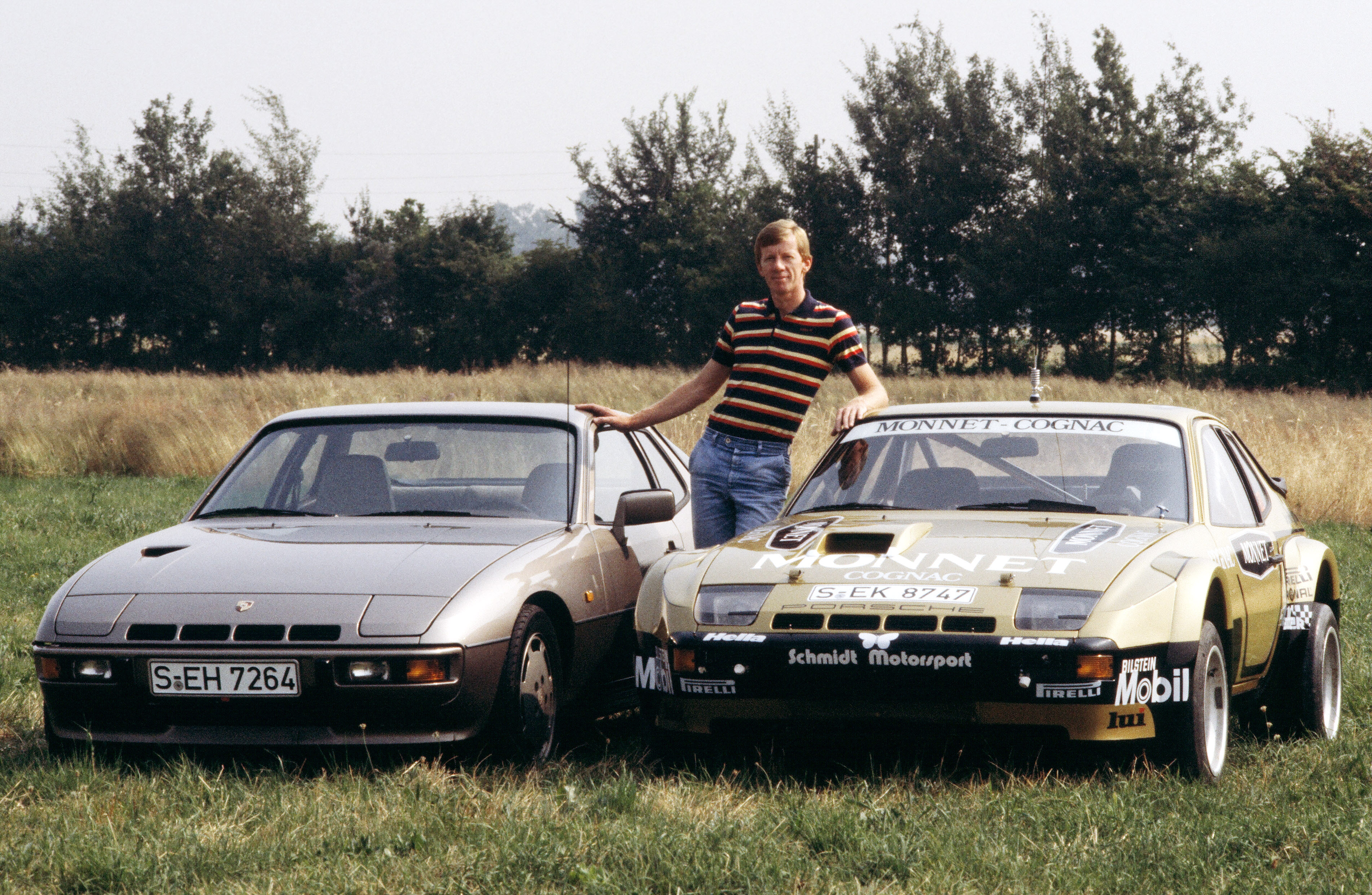
Walter Rohrl – może kojarzycie. Kierowca Mercedesa, bez kontraktu. Nie było w tym kraju pracy dla ludzi z jego wykształceniem – a szukał u innych niemieckich producentów. Pojazd Audi nie przeszedł jeszcze testów, więc raczej odpadał… Oko Saurona zwróciło się w stronę stajni Porsche. Szybko podano sobie ręce i do jego dyspozycji oddano egzemplarz 924 GTS, by atakować sezon 1981 Rajdowych Mistrzostw Niemiec.
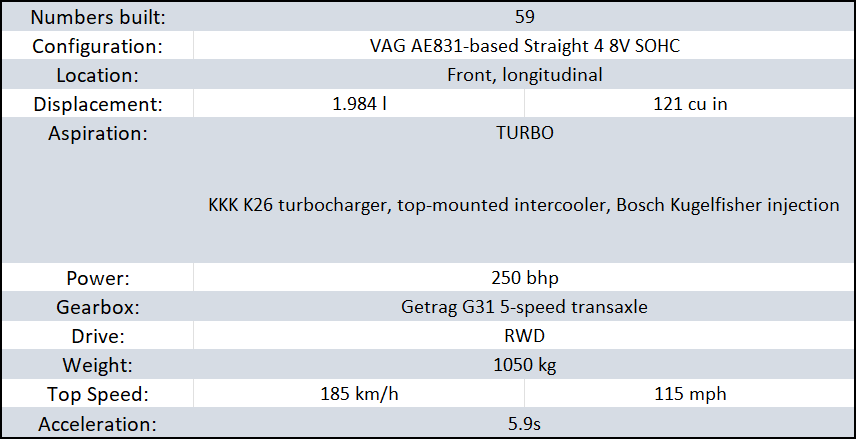
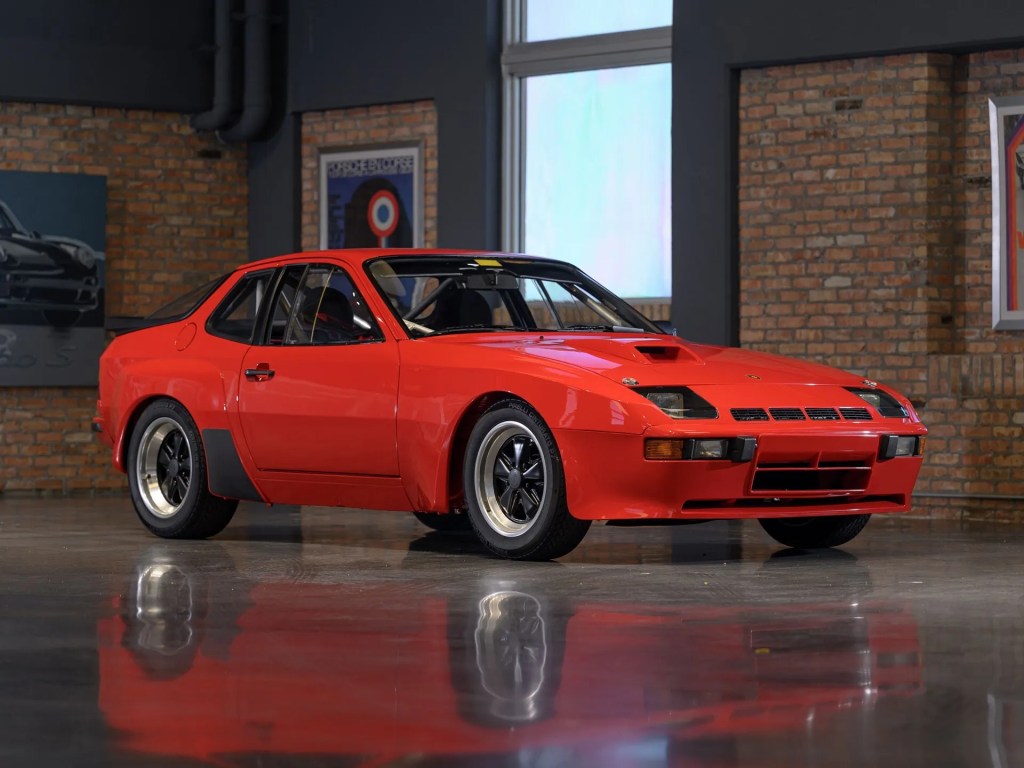
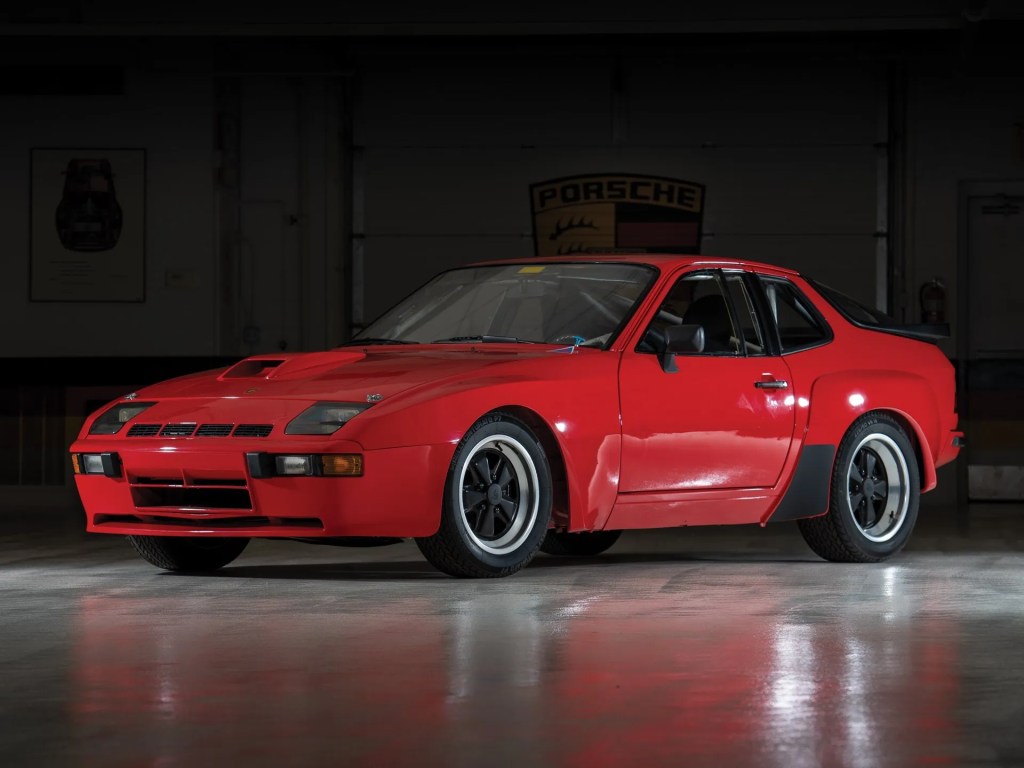
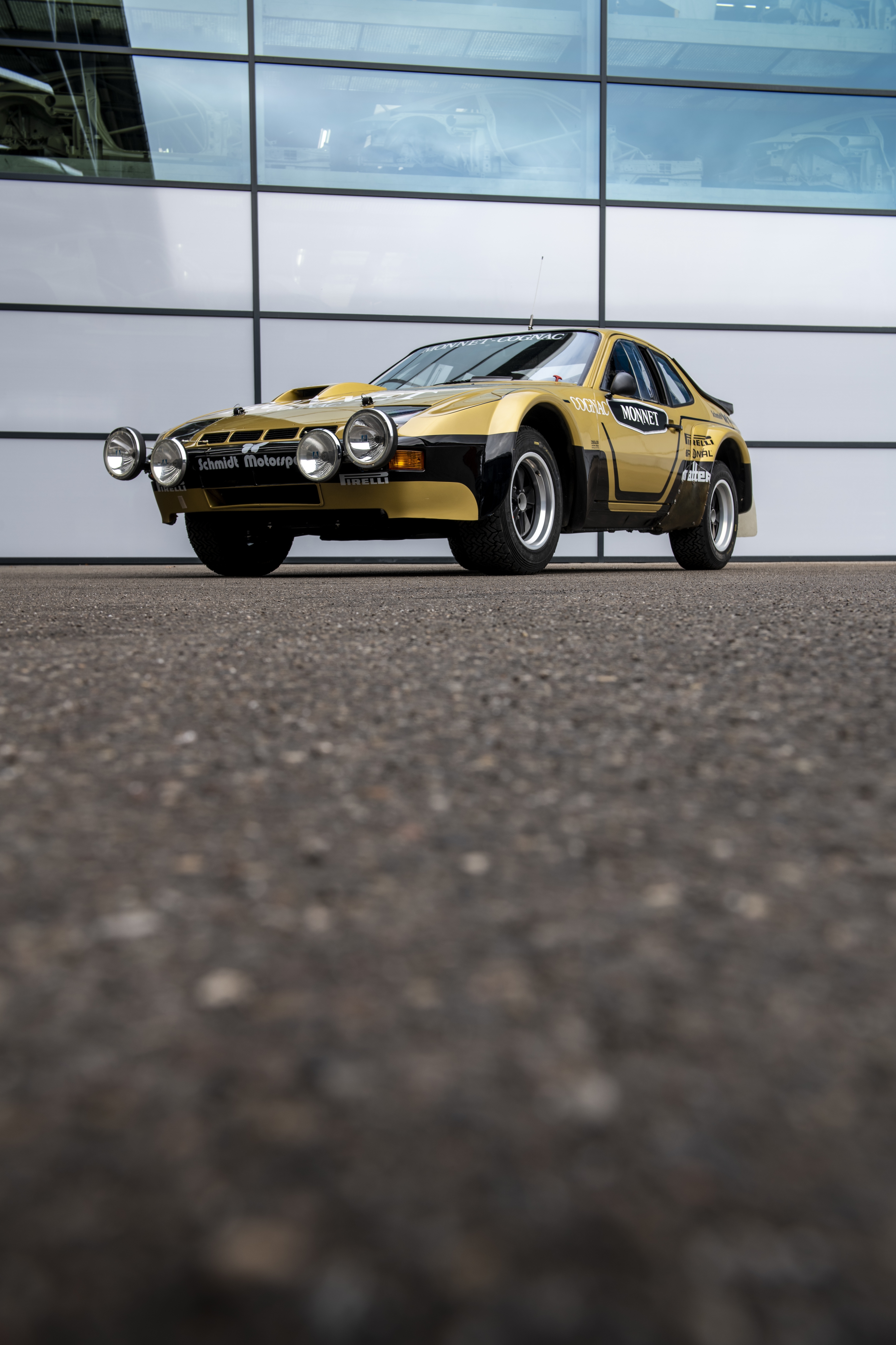
924 Carrera GTS Club Sport z homologacji
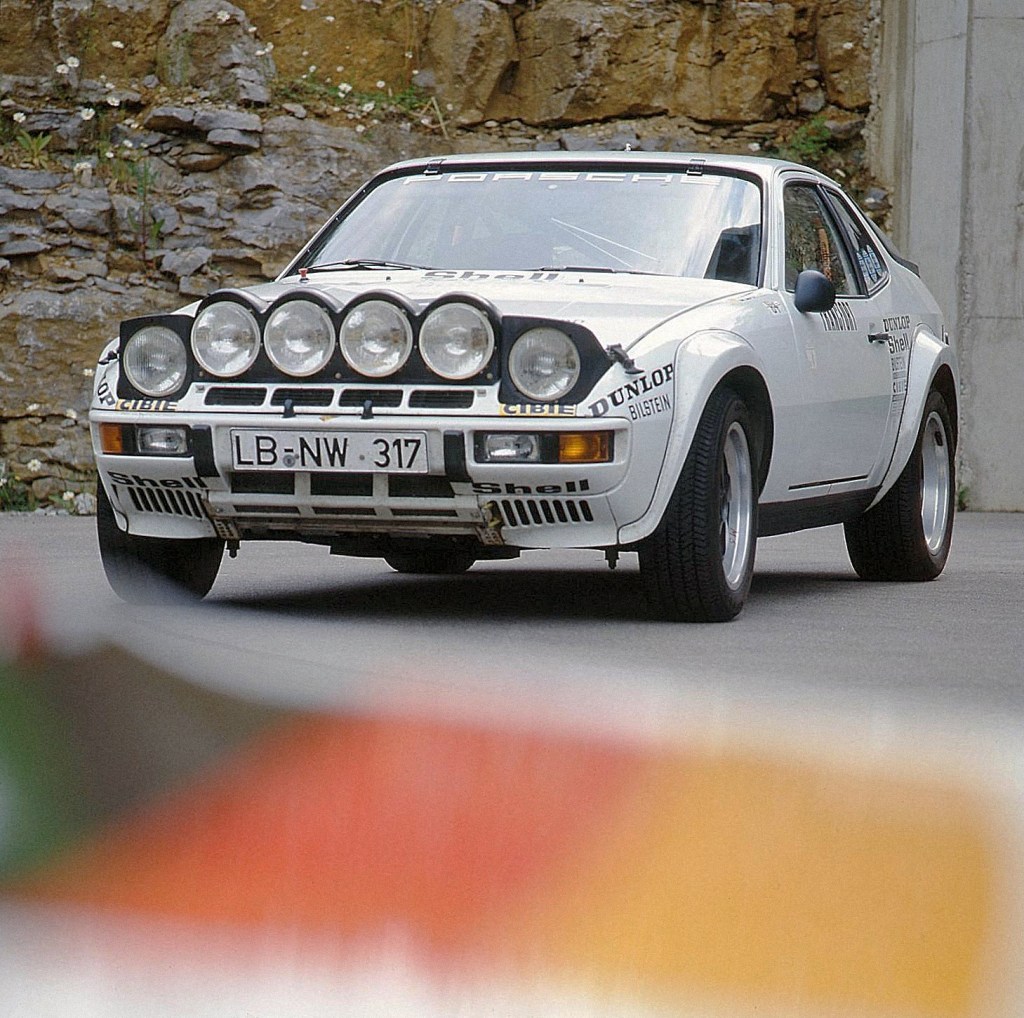
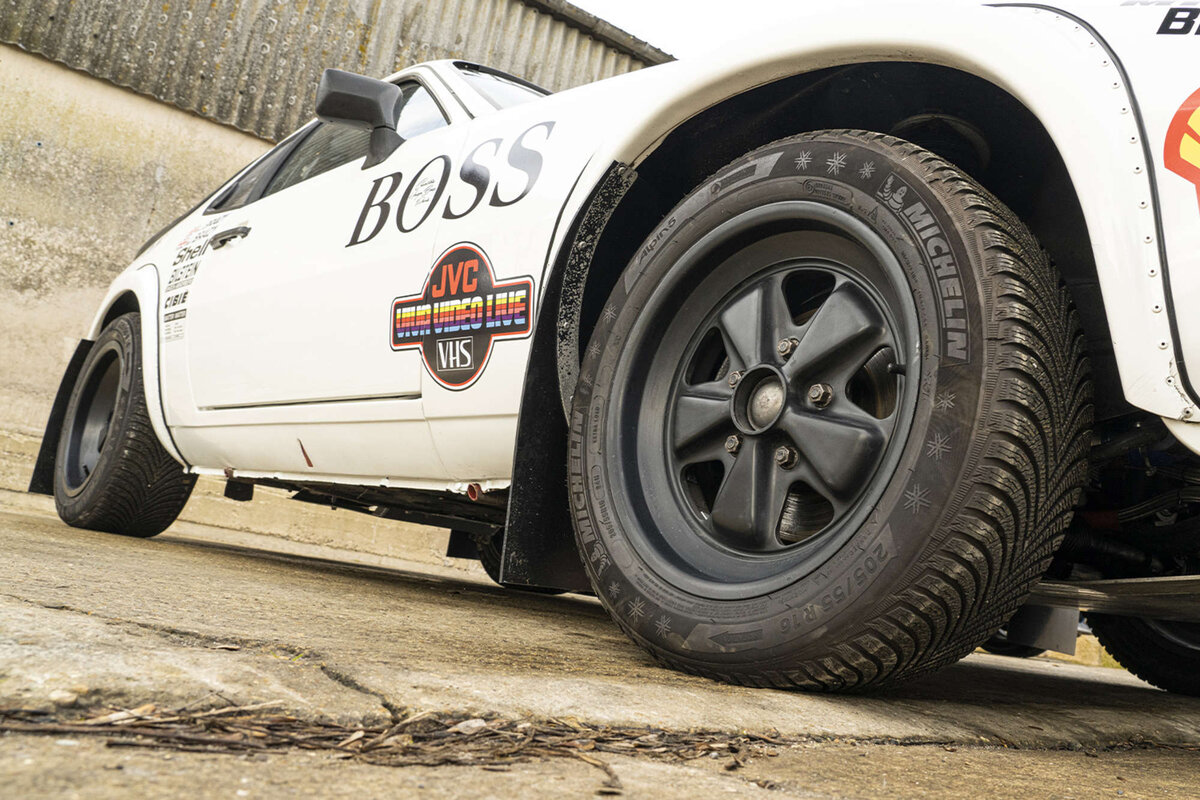
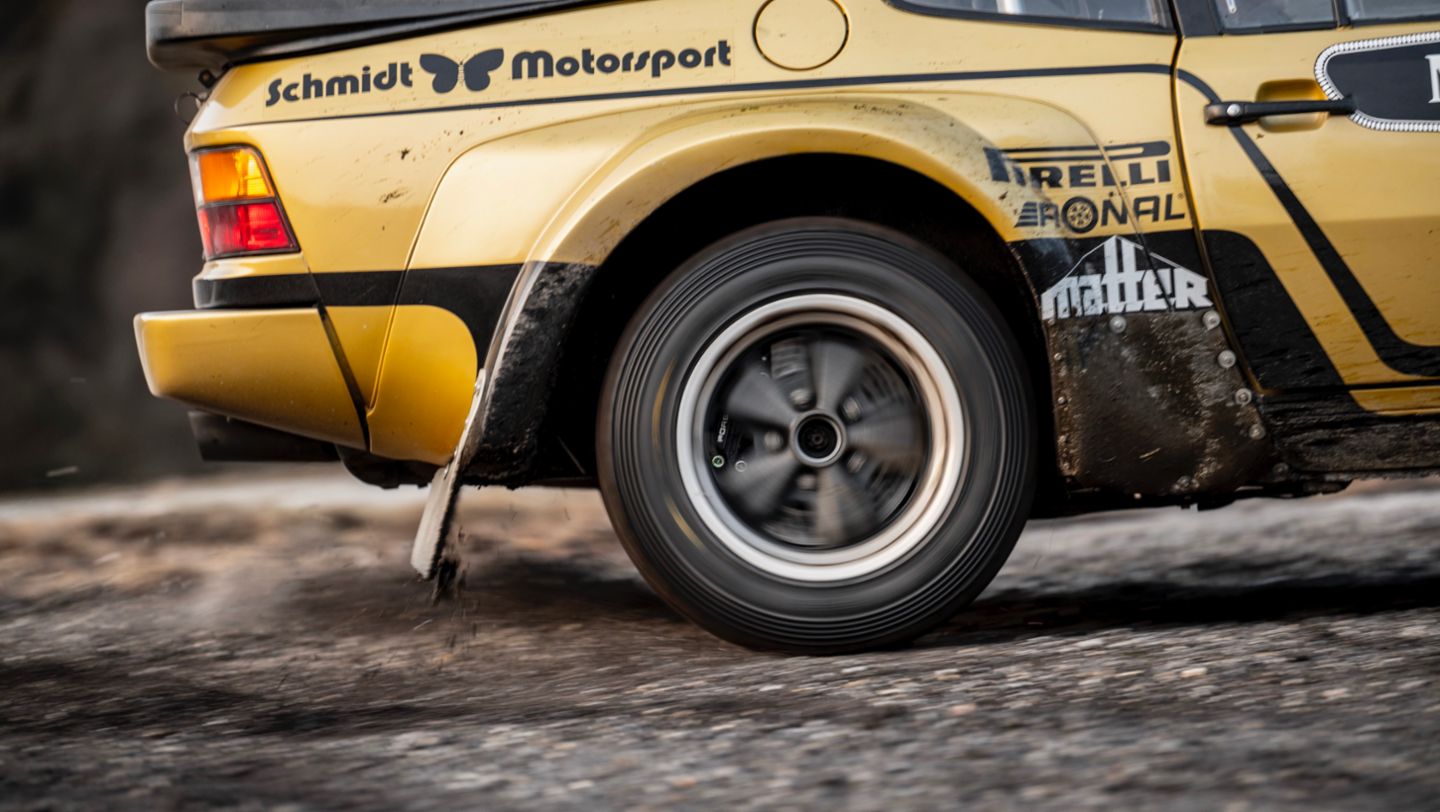
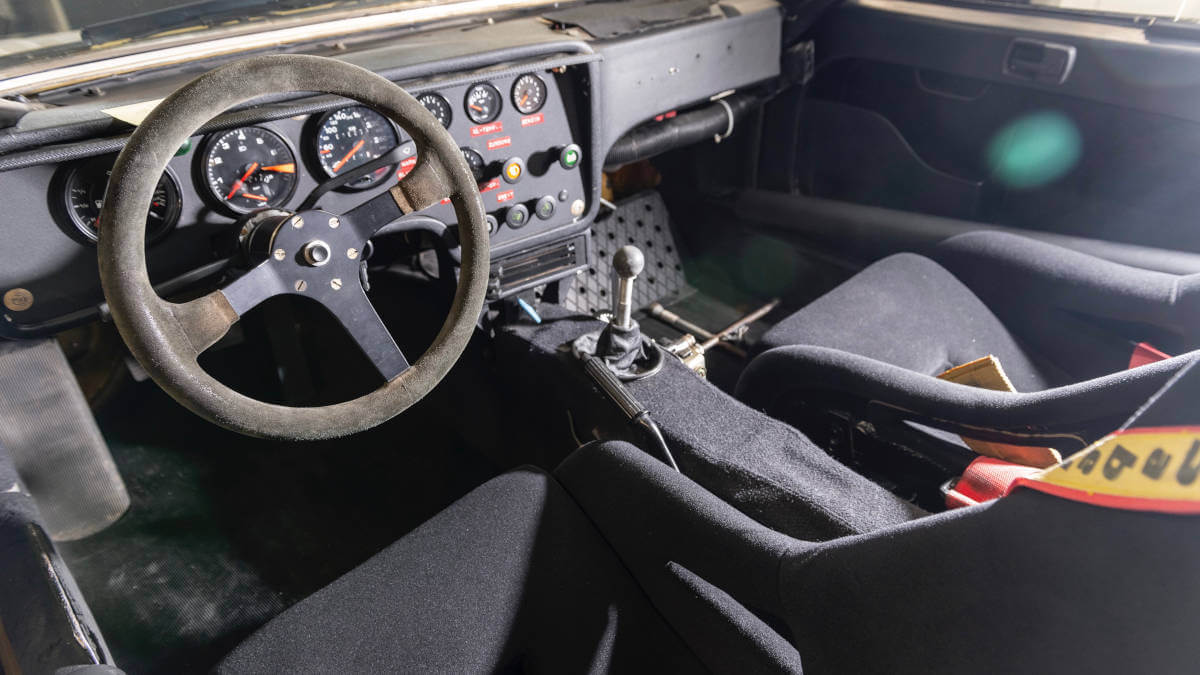
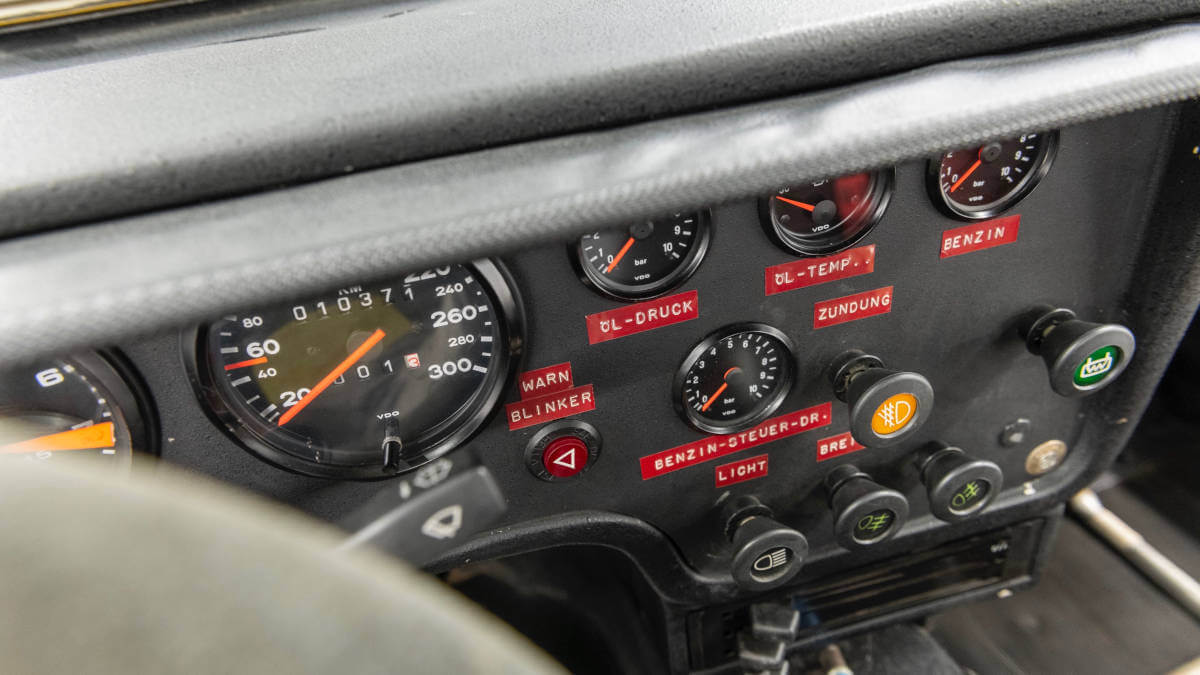
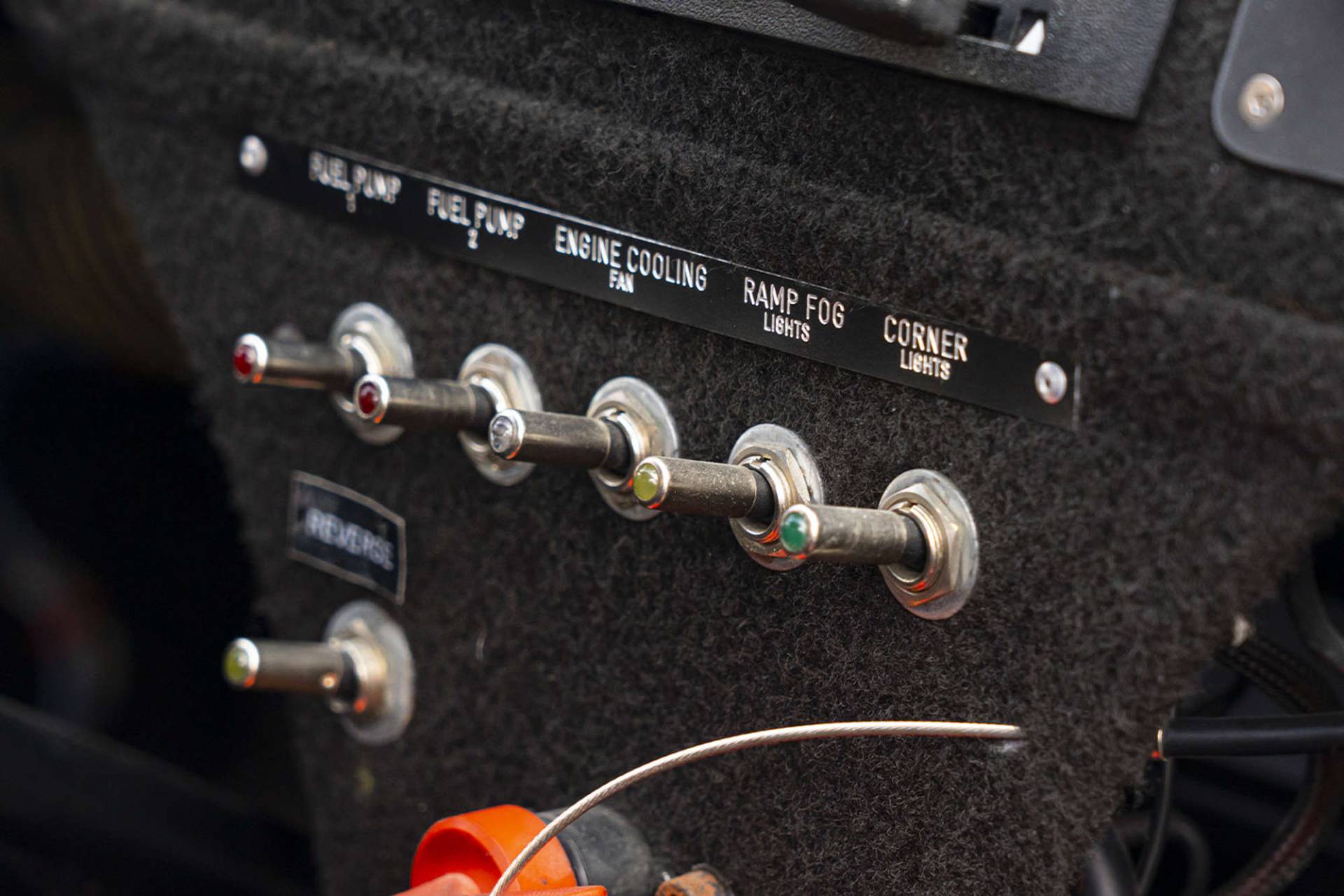
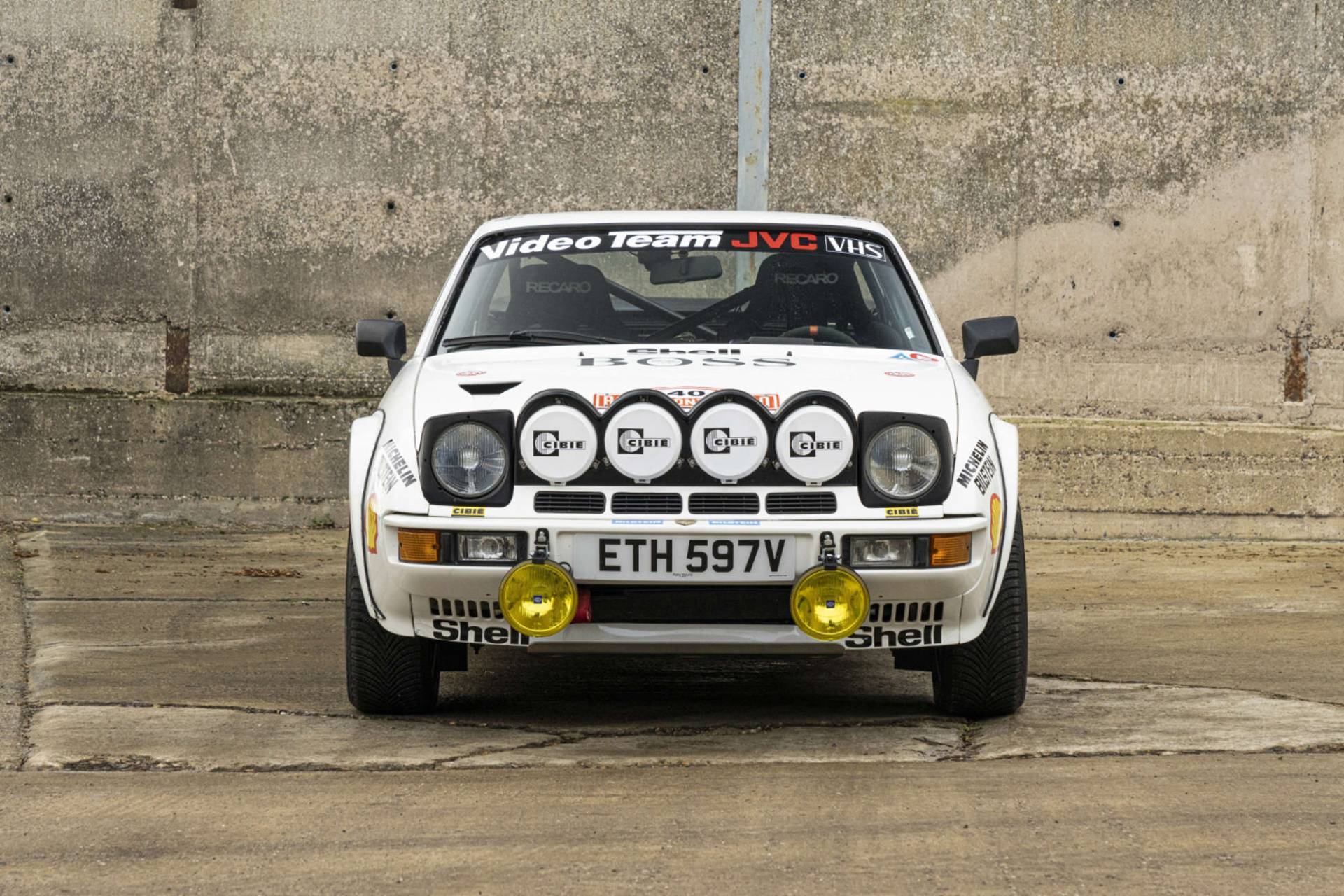
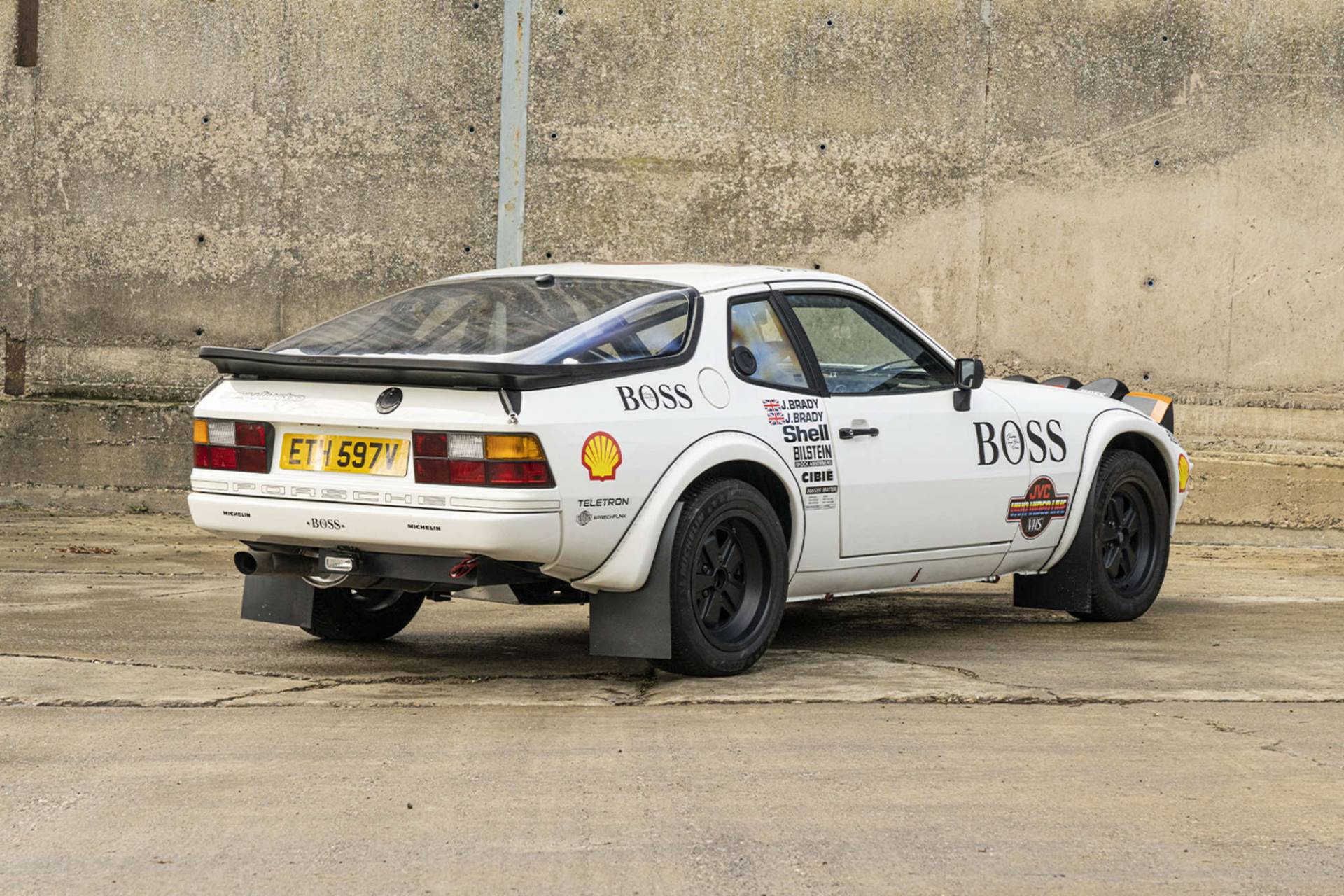
Auto Rohrla miało powiększone nadkola z wariantu GTR – innej wyczynowej wersji tego modelu, przeznaczonej na użytek torowy. Taki zabieg miał oczywiście skrywać większe i szersze ogumienie. Jeżeli chodzi o silnik, to były to rzędowe 4 cylindry od Audi, zdolne do generowania mocy pokroju 245 kucy – co zdaniem samego zainteresowanego “starczało”… a rozkład masy był bliski 50:50, co Rohrl z kolei ocenił jednym słowem: “możebyć”. Problem polegał na tym, że Rohrl to był kierowca przyzwyczajony do wolnossących aut – każdy wtedy był. Rajdówki z turbo to była nowość – do tego wczesne doładowania były mocno niedopracowane, technologia jeszcze raczkowała, turbodziura była przeogromna – i jedyna metoda, aby temu przeciwdziałać, to przy wchodzeniu w zakręty: jeszcze przed łukiem dusić gaz w opór, aby nakarmić turbo. Trzeba się było przyzwyczaić.
Wczesne wersje jeszcze z Grupy 4
Rohrl dostał auto i oczywiście pozamiatał. W pierwszym evencie, takim niby testowym, zajął drugie miejsce, więc Porsche zaklepalo od razu pełny sezon i dali full wsparcie. Złote Porsche Waltera Rohrla było najszybsze 4-krotnie na 10 startów w kalendarzu, i gdyby nie pech, to Rohrl stałby na najwyższym stopniu podium 5 razy pod rząd. W Sanremo jednak startował 911-stką, a to był ostatni event w kalendarzu Mistrzostw Niemiec. Nie ukończył go. Obie 911-srki odpadły, w jego aucie zawiodła przekładnia – a jako, że start wyjątkowo odbywał się w innym modelu, to jego kontraktowy team (ścigający się Carrerą GTS) nie mógł zdobyć pierwszego miejsca w klasyfikacji końcowej – choć miał ostatecznie najwięcej punktów w sezonie. Po zakończeniu sezonu team szybko rozwiązano jak Rohrl go opuścił dla Opla.
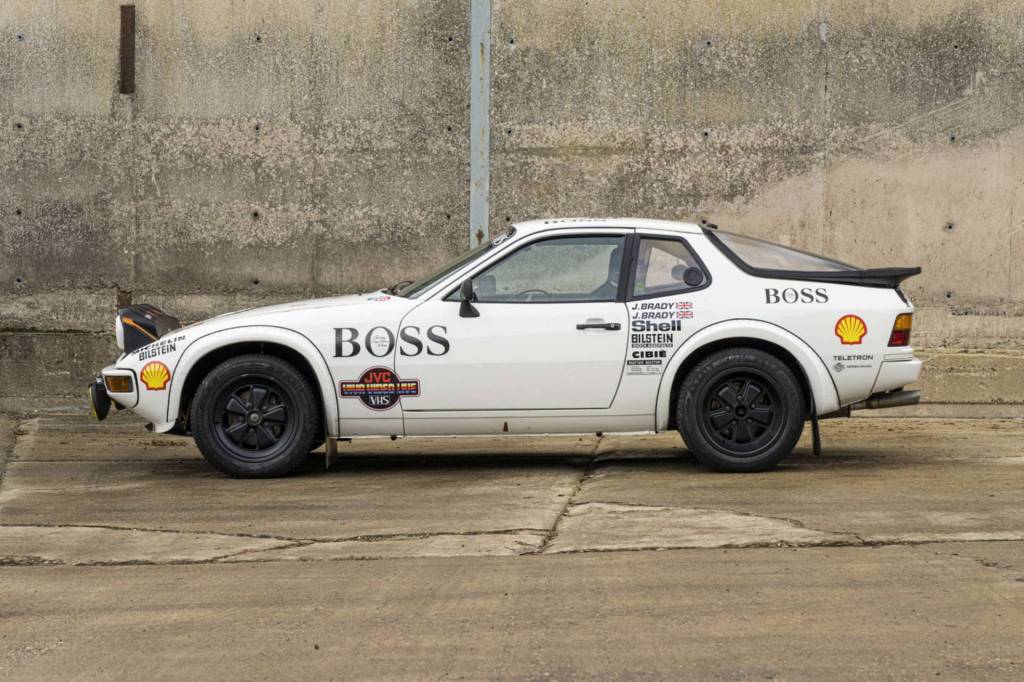
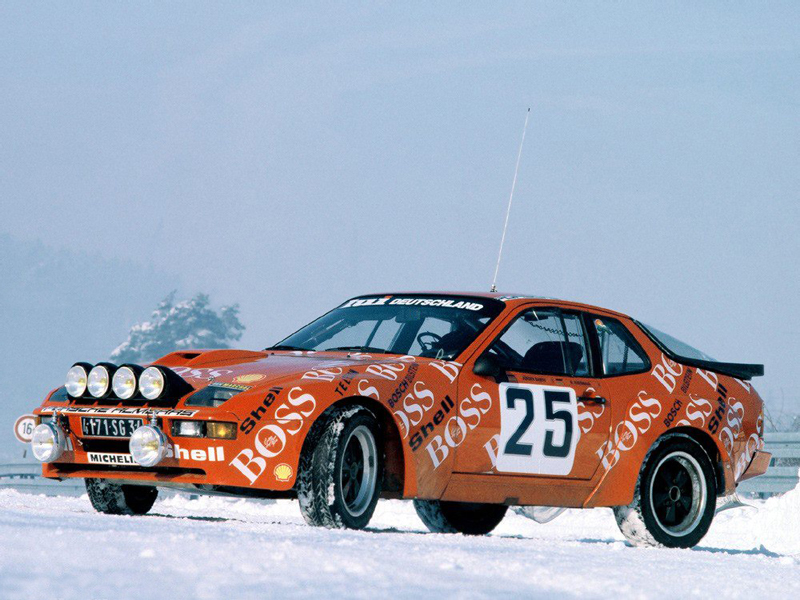
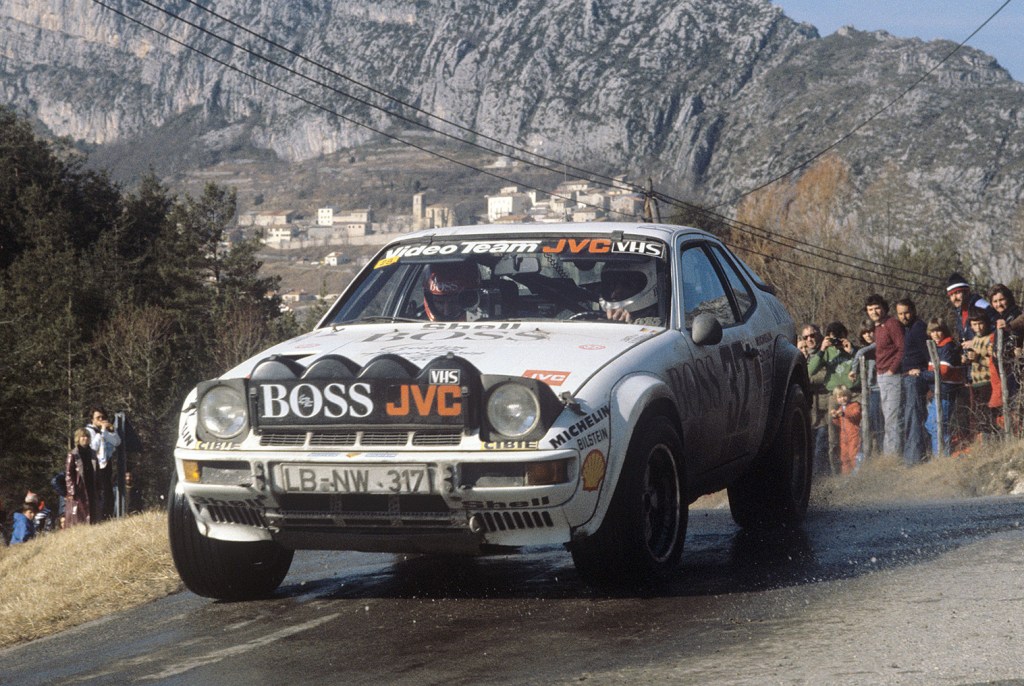
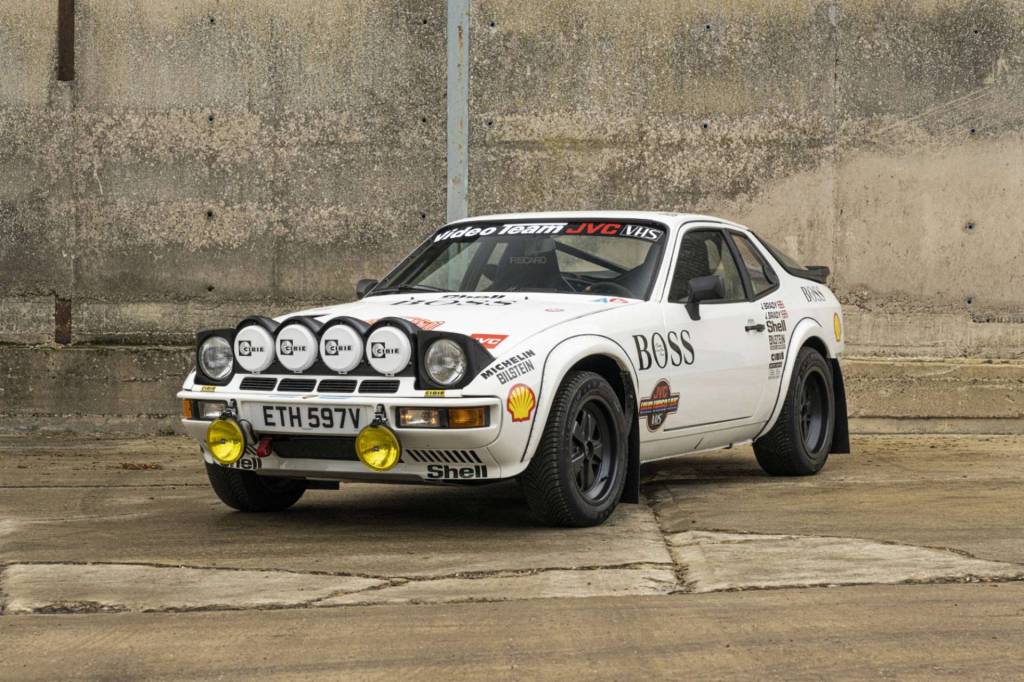
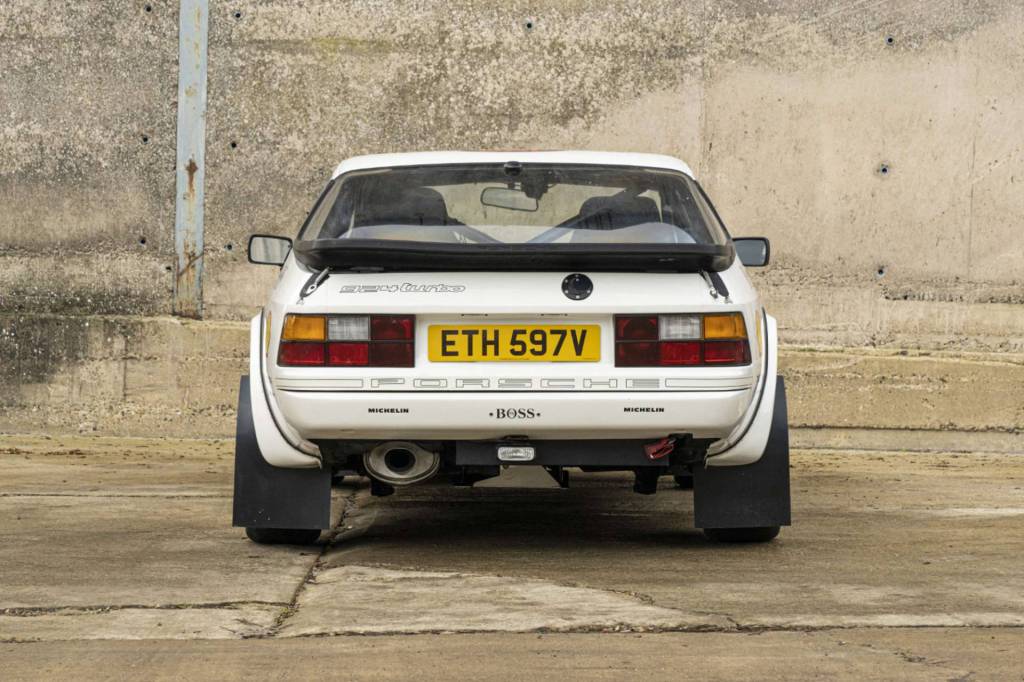
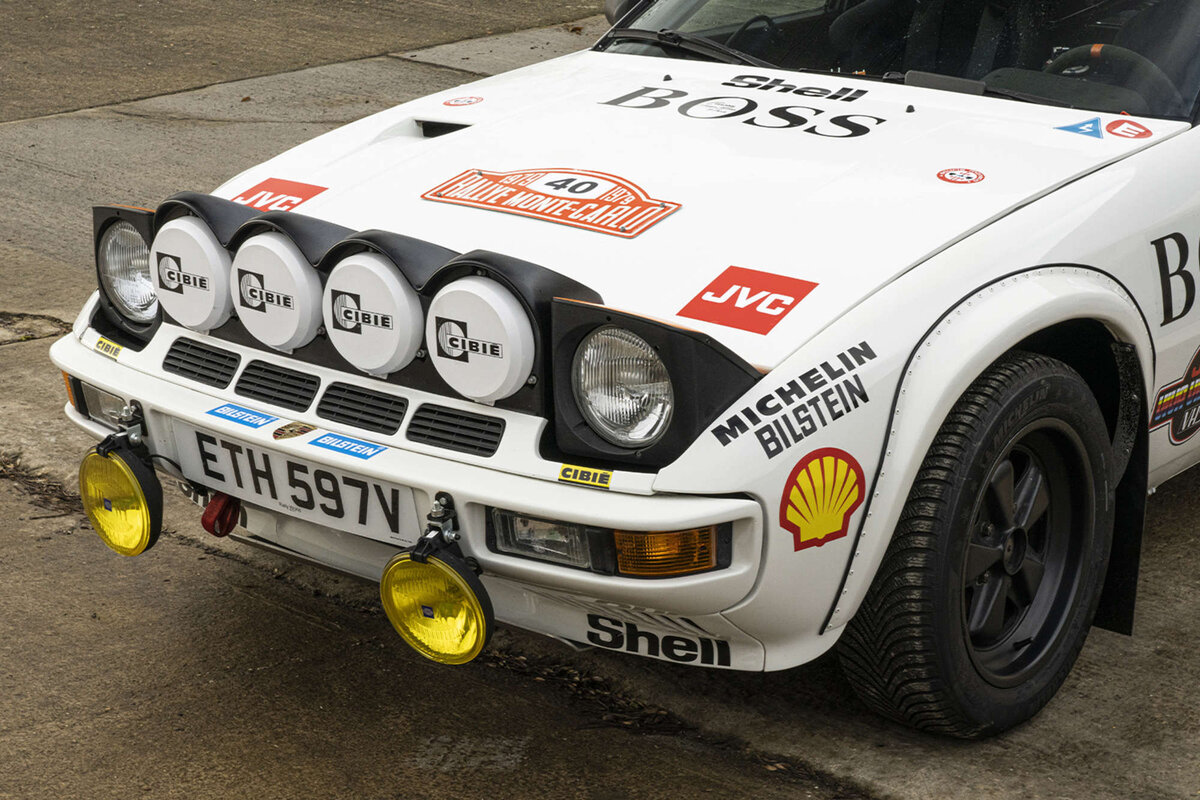
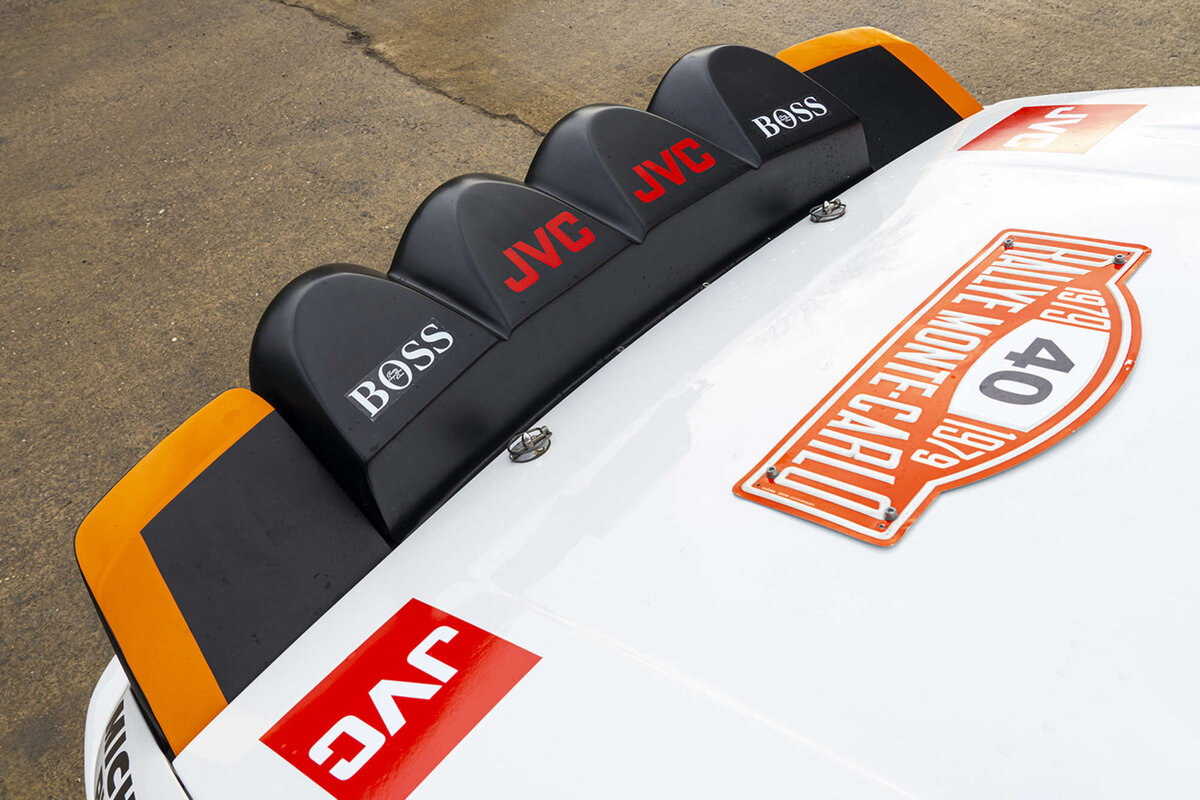
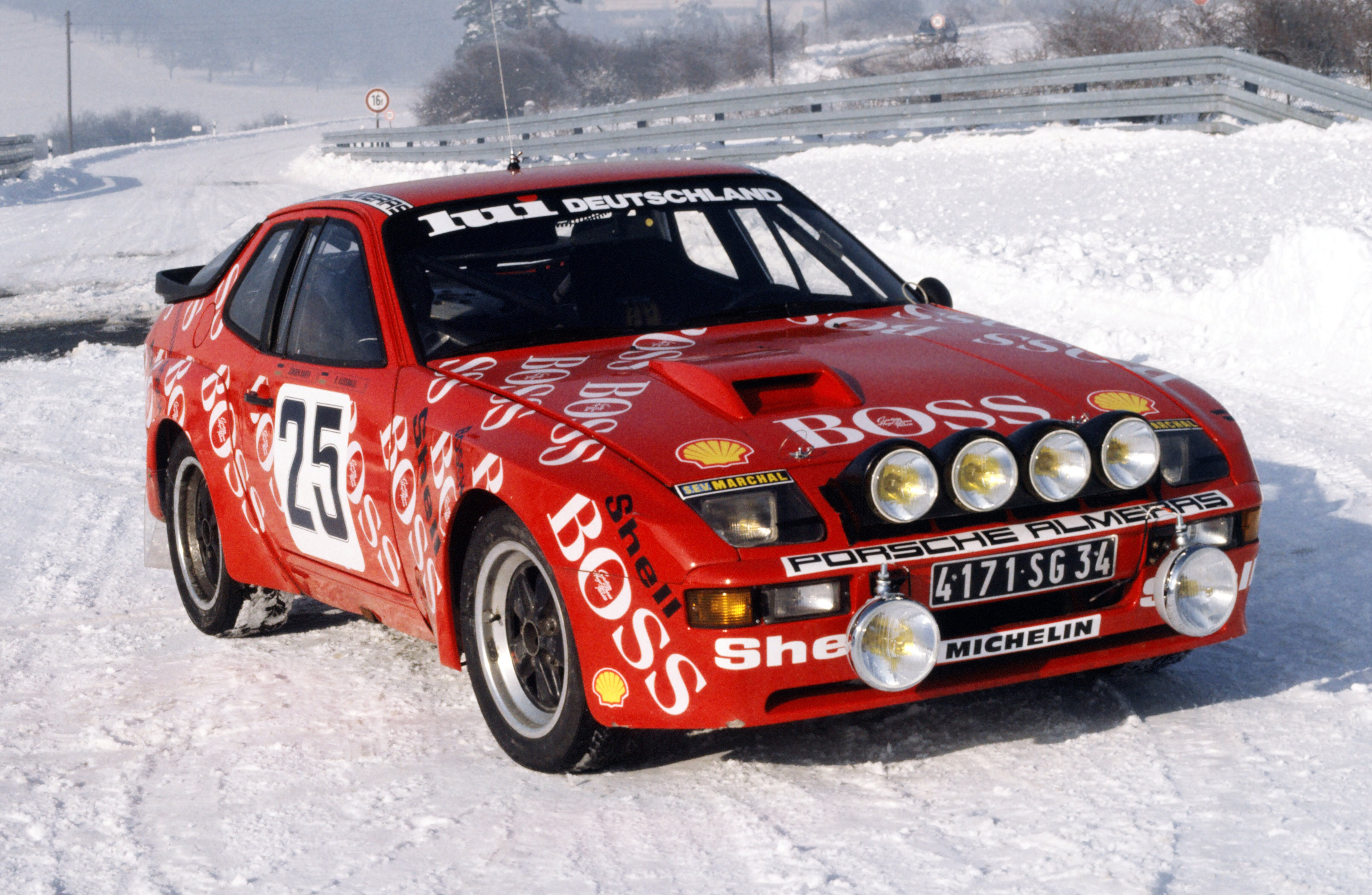
Nadejszły czasy Grupy B. Porsche skupiło się na innym projekcie, i Carrery GTS wojowały rzadko – i to raczej w prywatnych rękach – ale gdy auta z Grupy 4 dostały rehomologacje, postanowiono spróbować jeszcze raz. Porsche – już w tej chwili w B-grupowych czerwonych barwach Boss teamu Almeras – walczyło dzielnie. Monte Carlo ukończyło na drugim miejscu – ustępując jedynie Asconie Rohrla właśnie. W Rajdowych Mistrzostwach Niemiec Rohrl wygrywał za kierownicą 924 czterokrotnie, i nawet Jacky Ickx (kierowca F1) zasiadał za kierownicą – dokładnie tego samego auta po Rohrlu BTW – ale Porsche zostało w tyle. Nie mogło konkurować z maszynami skonstuowanymi w myśl zasad Grupy B… tymi z silnikiem centralnie i z napędem na wszystkie koła. Dlatego też w miarę jak Grupa B się rozkręcała, tak obecność Carrery GTS na rajdowej scenie wygasała.
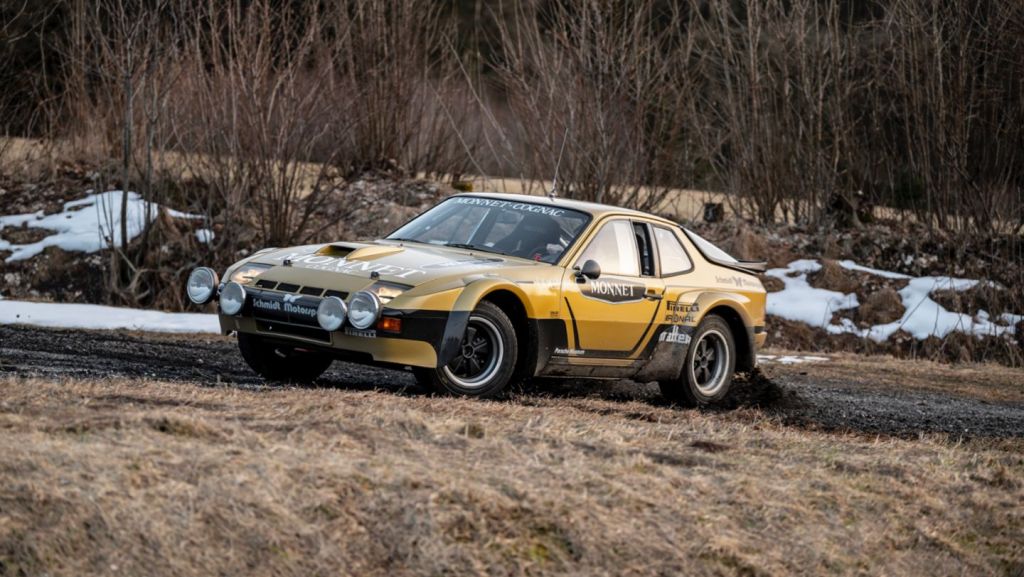
Carrera GT jeździła też w wyścigach torowych, i nawet w Le Mans, ale to historia na inną historię… Jeśli chodzi o rajdowe zmagania: ciekawe jeszcze było to, że w 2021 roku przebiegała 40 rocznica startów tego modelu. Porsche wyciągnęło z muzeum ten stary, historyczny egzemplarz używany do rajdów, odrestaurowano go do oryginalnego stanu, i 7 marca Niemcy podarowali go Walterowi Rohrlowi na własność na jego 74 urodziny. Miły gest.
Krzysztof Wilk Na podstawie: rmsothebys.com | classicandsportscar.com | rallygroupbshrine.org | porsche.com | secret-classics.com | porsche.co.uk | ihle-motorsport.de | carandclassic.com | tech-racingcars.wikidot.com | classic-trader.com | carandclassic.com | glenmarch.com | bonhams.com | classiccarauctions.co.uk | wheelsage.org | The Kingfisher Motorsports Encyclopedia | M Buckley – The Complete Illustrated Encyclopedia of Classic Cars
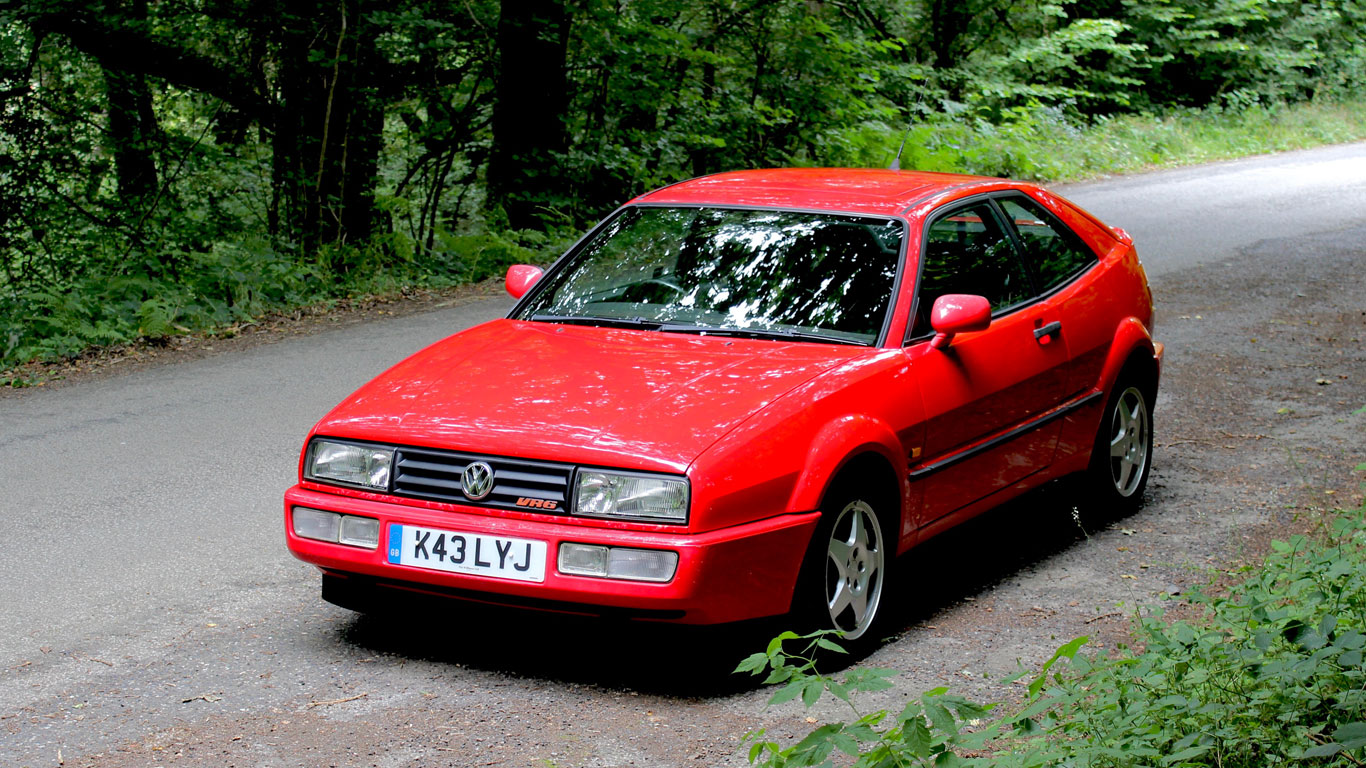
Late ’80s Germany and Volkswagen presents their most expensive project in history – the Corrado. What, what, what?! The Corrado?! Yes. The Corrado. It was intended to replace Italdesign Giugiaro-designed model Scirocco, but the new Volkswagen was to be more modern and far superior in its core design. The bodies were ordered from Karmann, as the cooperation between both companies was long lasting at that point already: with the iconic Karmann Ghia as a perfect example. Half million and more of these cars came from their workshops since 1955. Great success. Karmann took part in Scirocco’s arrival – both 1st and 2nd generation – so one might say they know their business.
New Corrado was a VW Golf sports derivative, using its MK2 platform. It inherited its wheelbase and most of the internals, but the torsion-bar rear suspension was shared with the Passat. Corrado wasn’t the prettiest car on the market, but it’s slant nose and wide ass helped maintaining beneficial drag coefficient at the level of 0.32. Early Golf GTI powertrains – those were 1.8 16V – generated stable 136 bhp, and they were quickly assisted with a G60 motor (an 8-valve supercharged). Both maybe good for boiling water, but not for driving really. You had to step on it for at least 8 seconds to actually reach 60 mph… but the acceleration is not why people love these cars. They handle so great so that Autocar magazine dubbed them one of the best front-wheel drive models of all time. CAR, on the other way, said Corrado is one of the 25 cars everyone should drive at least once before they died.
Its underpowered motor was very detrimental, that’s why the Volkswagen failed to attract the amount of clients that would satisfy their sales department. The real change came with the year 1992, when they revised their powerplants. The whole thing was – they tried to find a way to put enough zylinders in, so that it accelerates – but packed in a way they could all fit the transverse layout. Hence: Vee Reihenmotor. An inline V. Not really a new concept. The 1920s airplanes flew on Lancia’s motors in the VR layout – and the real beginnings could be traced even 40 years further back… yet – till that point nobody experimented on cars, really. Germans made a V6 engine with such a sharp, 15 degree angle, to help cover all rows of cylinders under one head. In size, it was comparable to a Straight 4. The new compact engine made its debut in 1991 Geneva salon, where it sat under the hood of the new VR6 Passats. Such config could make 190 bhp from 2.9-litre which allowed for 6.5 second acceleration. You know what did 6.5 in 1992? Porsche 968. The faster one, that is – the Club Sport. 6.5 seconds. You’re not far from Escort RS Cosworth from here now. It’s the same territory. And mind this: there were no V6es on the market, nor any Turbo Straight 4s, that could match VR6 in its smoothness, mid range power delivery, or the feast-for-the-ears sound experience the VW offered.
The power was sent to a 5-speed. Fast and precise. The suspension was the bomb. It was smooth and handling – perfectly predictable. Instantaneous and accurate response for any steering wheel movement. No torque steer – even though it was a front-wheel drive. You could start feeling some only under hard acceleration. The ride was smooth and refined. Firm and sporty, but the suspension cushioned most bumps of the road. Very Golf-like, you could say. A trait inherited from the GTIs. Honestly – it did share a significant amount of components with the MK3 platform. It had a wide front track, which then led to further changes in aero design. Both front and rear were reinforced, and the spoiler in the back appeared. It was retractable, hidden during slow corners, and erected when in high speeds, giving that tiny bit of extra stability. And yes, you could say that even the likes of Fiesta ST were closing in – in terms of acceleration – but there was no match for Corrado when we speak about pure handling experience. The car is communicative, with a gearbox eager to always push it further, and engine that smoothly allows fun instead of violently pressing you against the driver’s seat.
The Volkswagen, with its Corrado, boldly steps in the market territory of such iconic cars like the Calibra, Celica, Ford Probe or the Prelude. You could argue if the rivals had better cars overall – but they did win the fight in the end. Not 100 thousand of VWs were made – and only a few with the VR engine. The first gen Scirocco alone made such numbers 5 times. Maybe the market situation didn’t reflect its value, but the Corrado was, in fact, better from almost every angle. VW body could fit 2 adults in the back, while being shorter than any of its rivals’! The front seats gave good level of comfort – enough for long distance travel. Well-planned interior design was more than just practical and fuel consumption: reasonable at least. Not to mention its splendid powertrain the amazing driving experience.
In the humdrum nowadays of the inline turbocharged motors – such of despicably tiny displacement – the Corrado is a treat. It’s unique architecture stands out in every manner. The car that is not afraid of wild mileage. Even a 30-year-old example satisfies in terms of performance in full rev range, while comfortably seating a man with his family. Practicability, versatility and reliability – and we’re still talking about the car, that is in a rough fight for the title of king of the FWDs – head to head against such rivals as Integra Type R or Lotus Elan. Sadly… there’s only around 2000 of them left in reasonable condition.
Krzysztof Wilk All sources: favcars.com | wheelsage.org | wikipedia.org | autozine.org | retromotor.co.uk | pistonheads.com | evo.co.uk












 SRT
SRT 