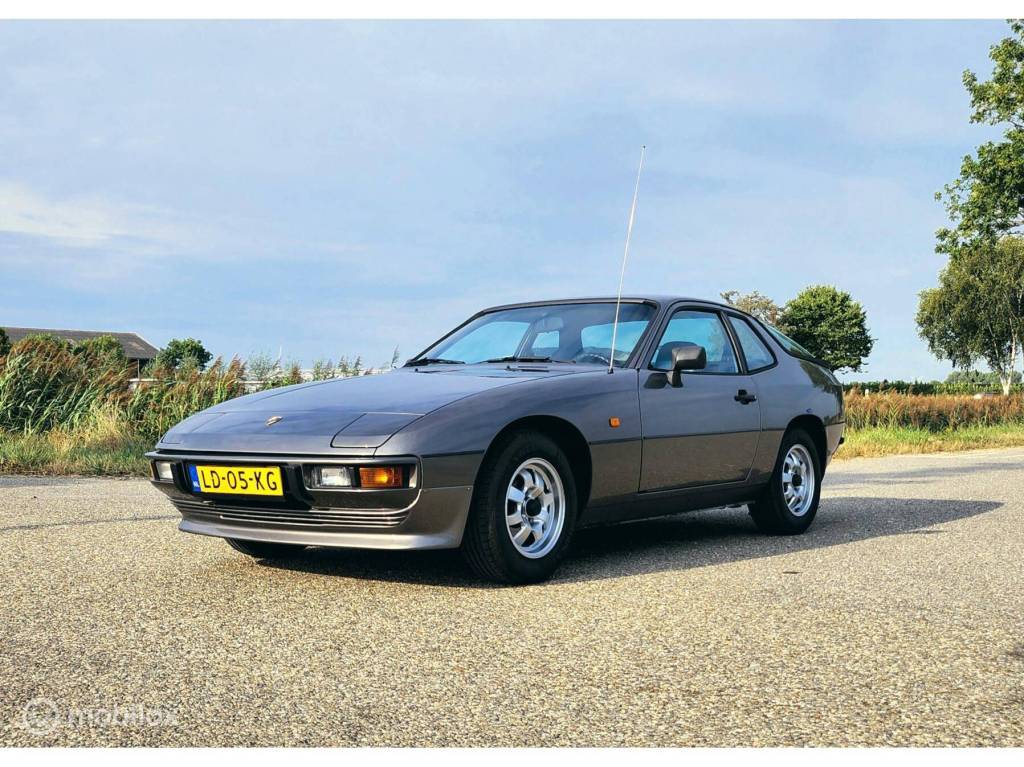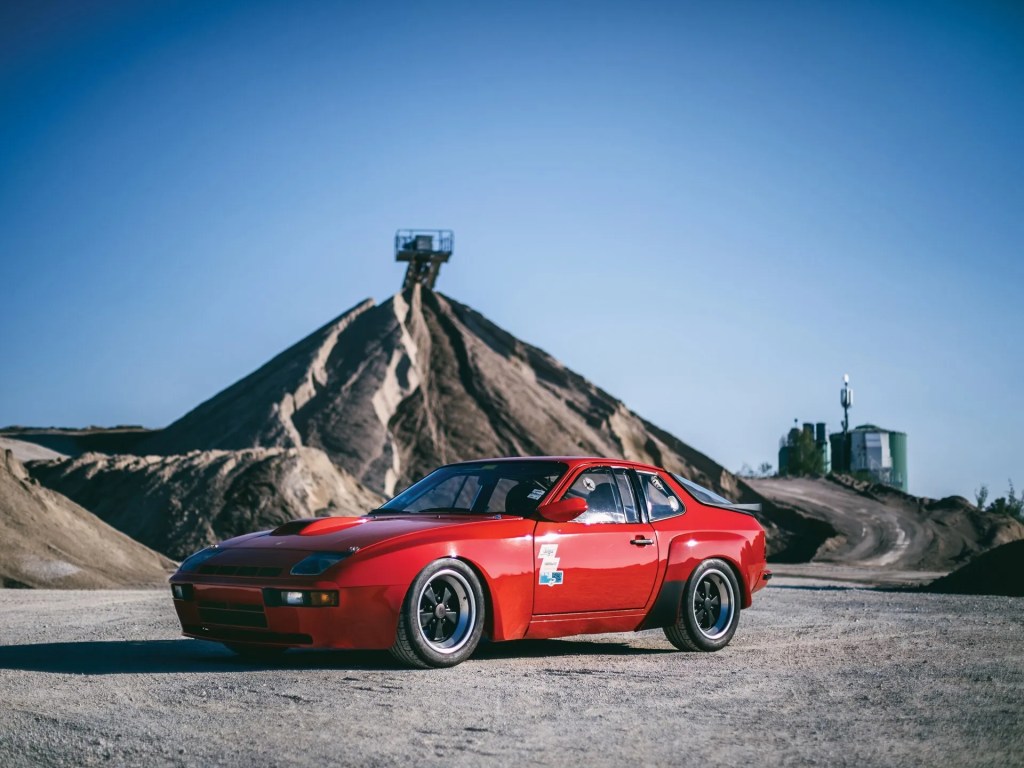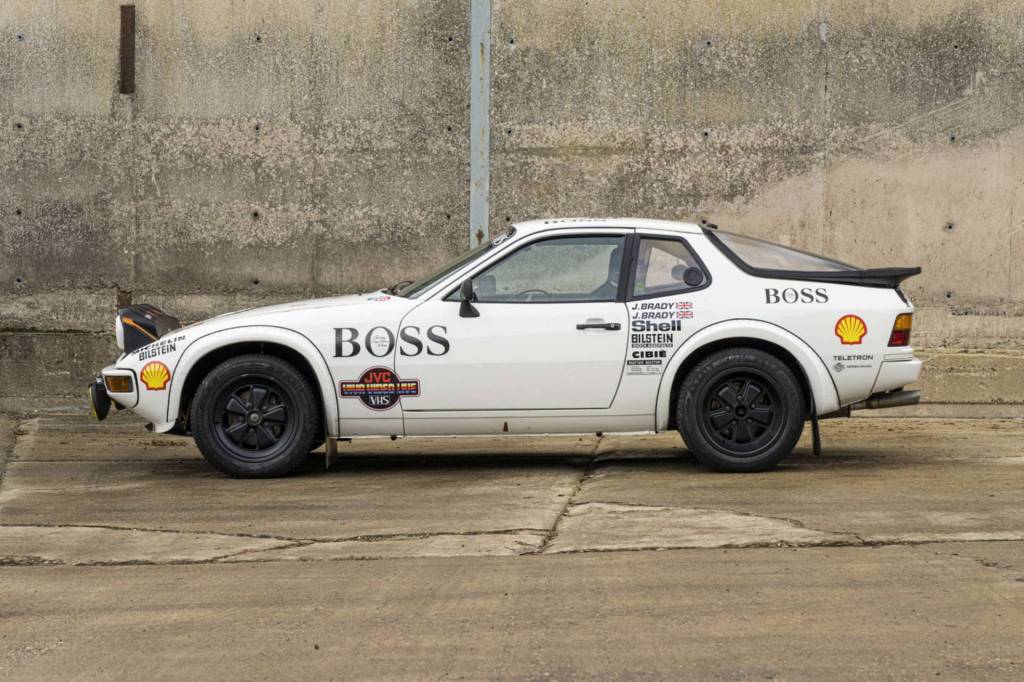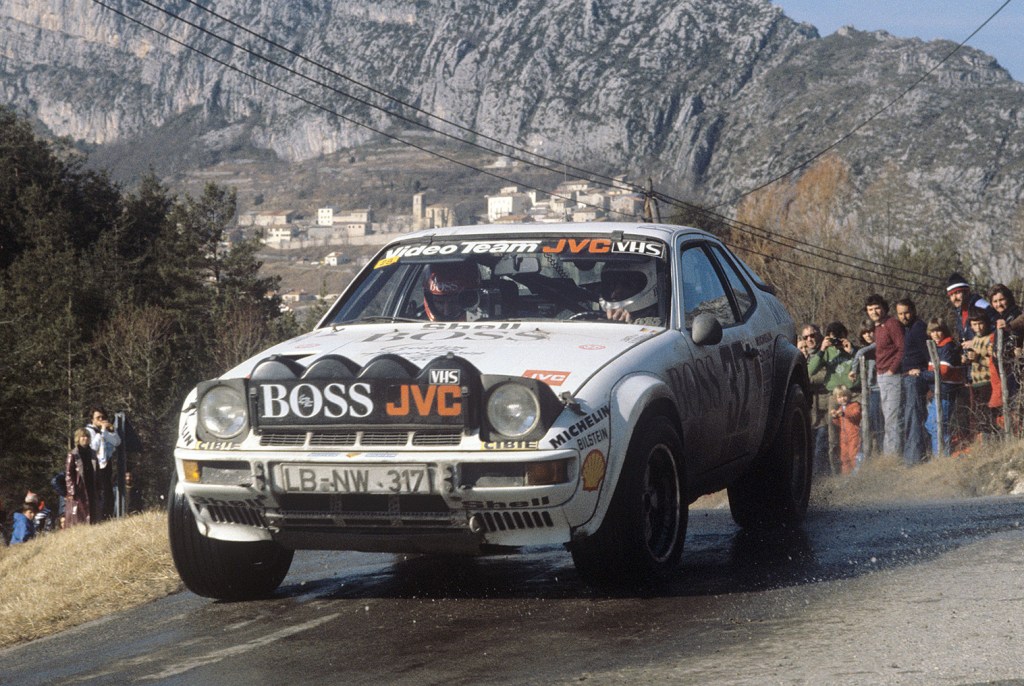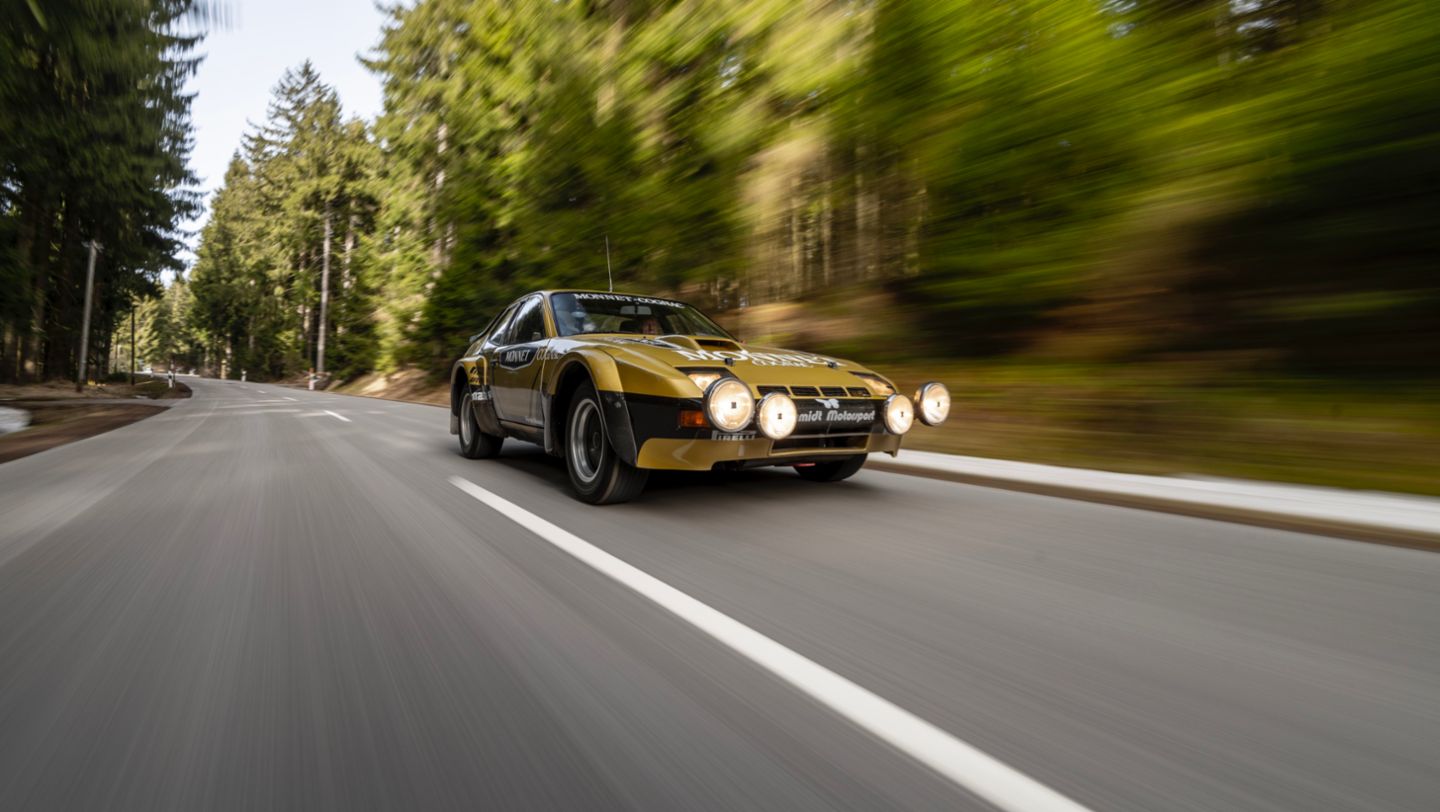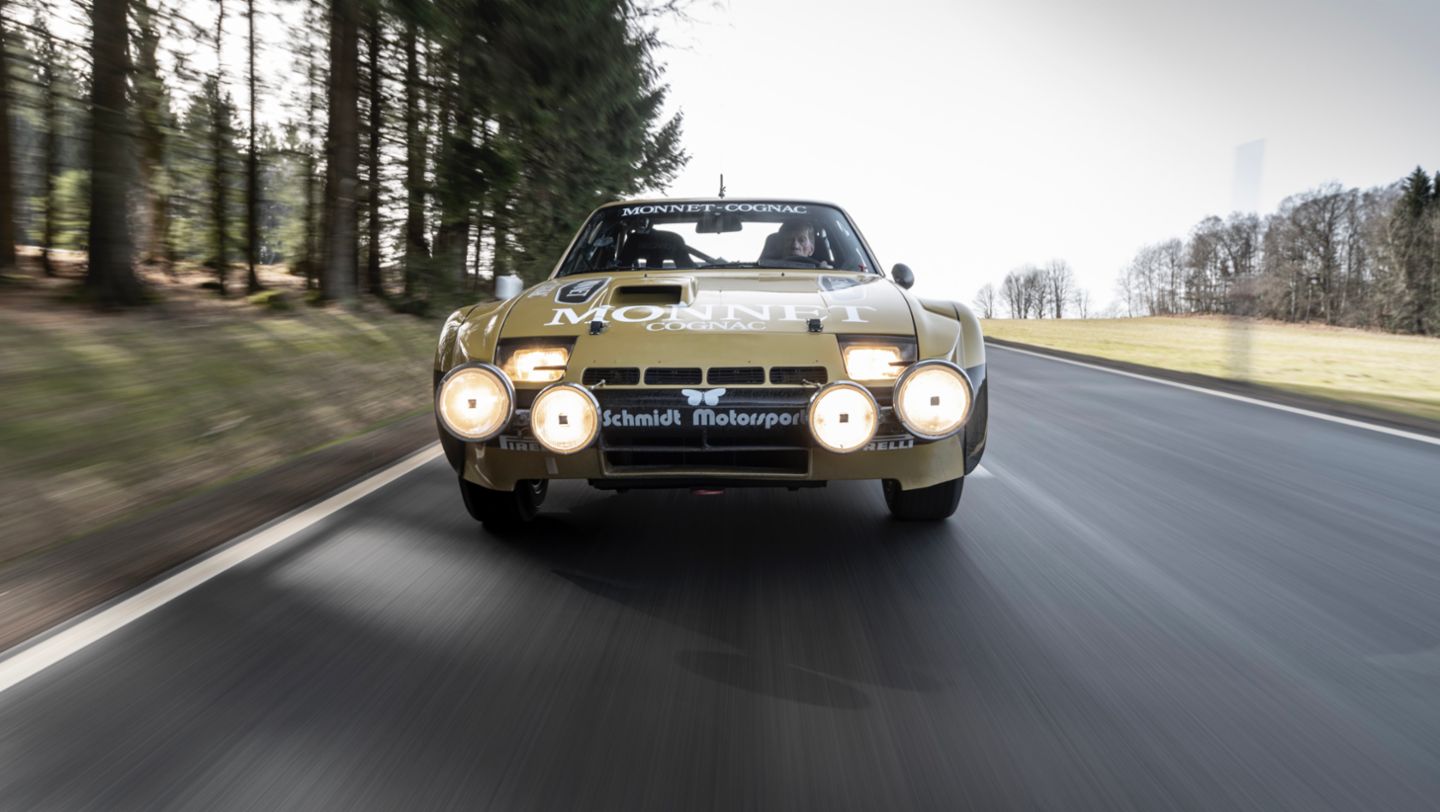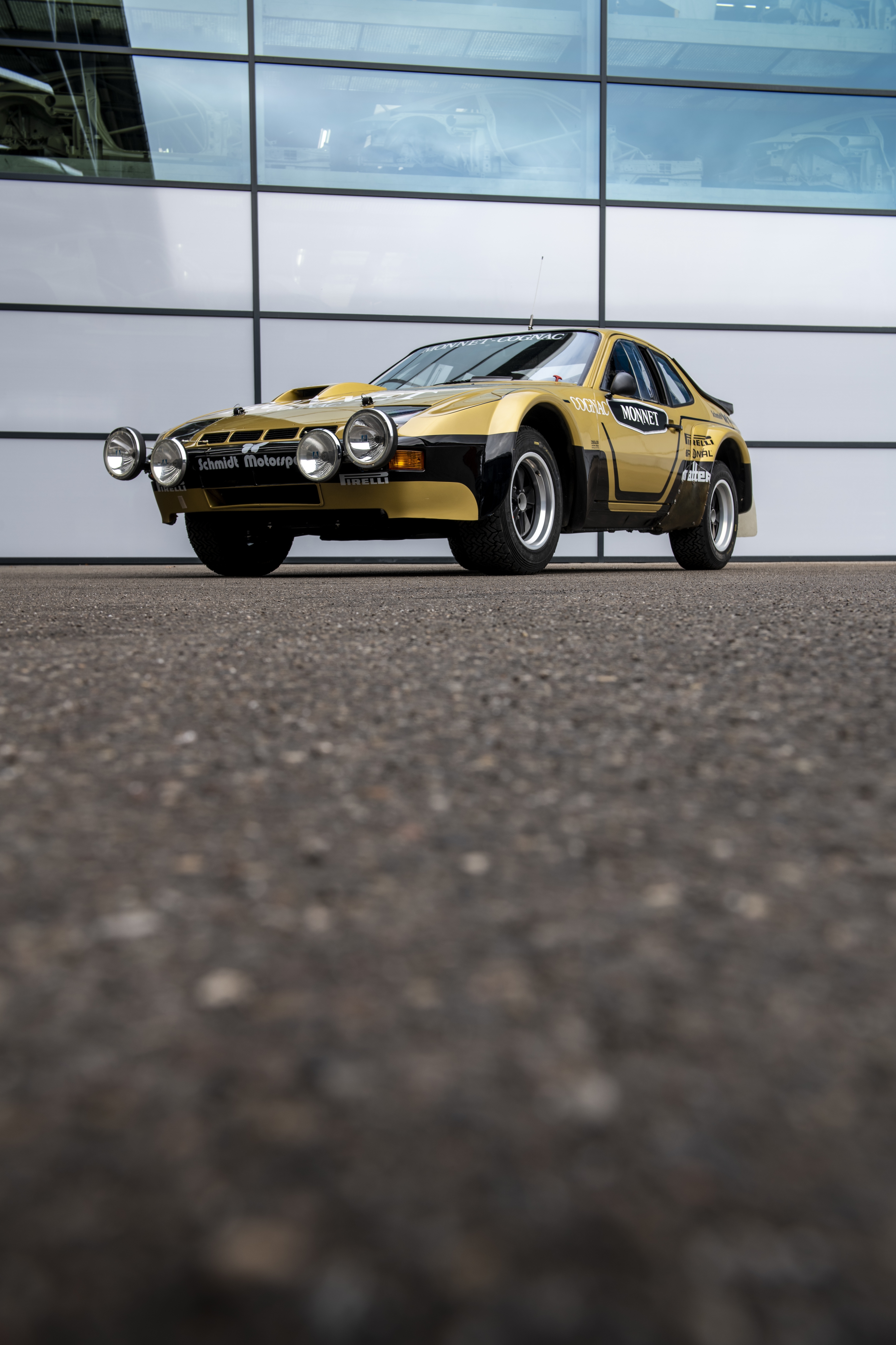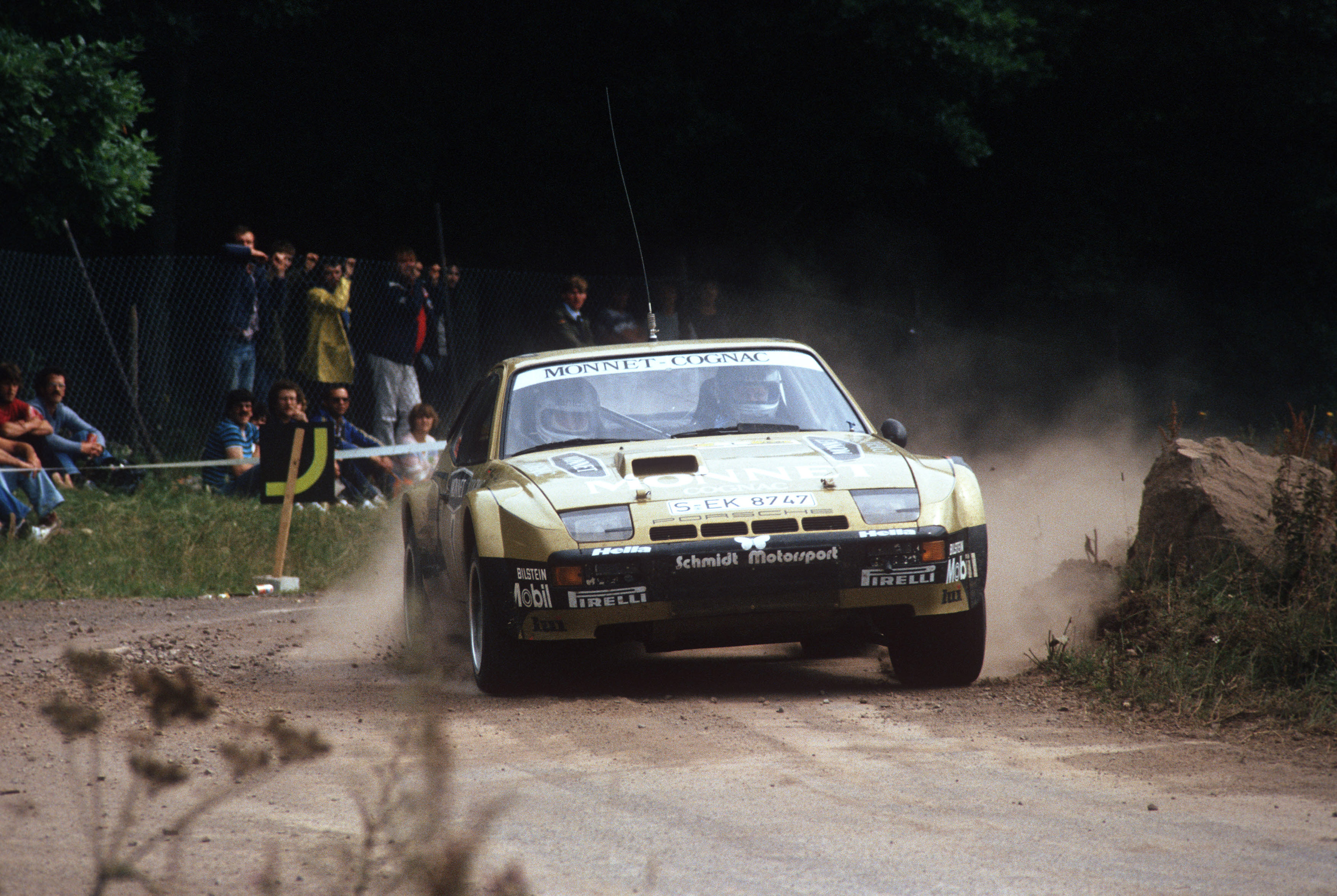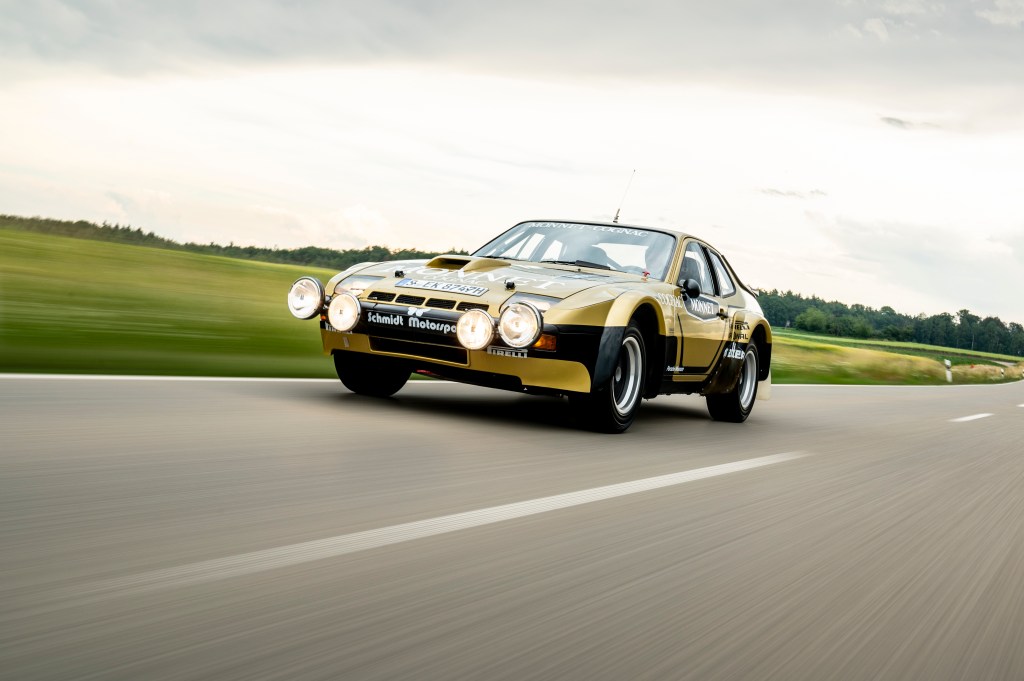
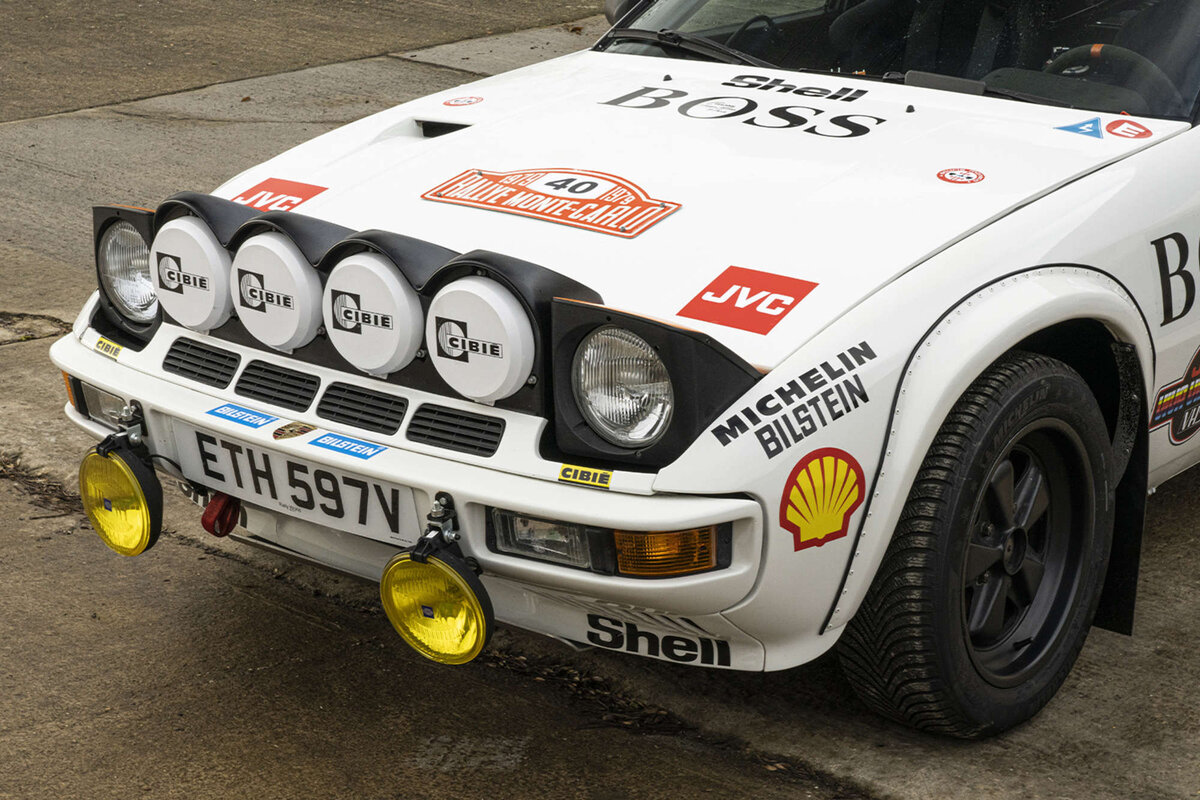
1981 – Porsche 924 Carrera GTS Rallye Group 4

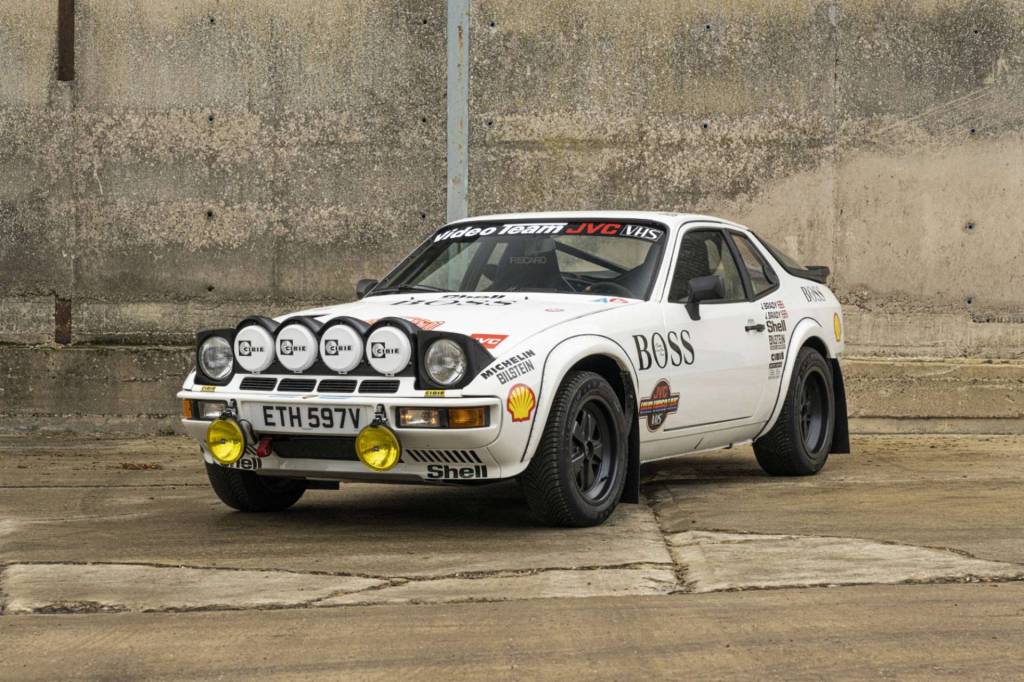
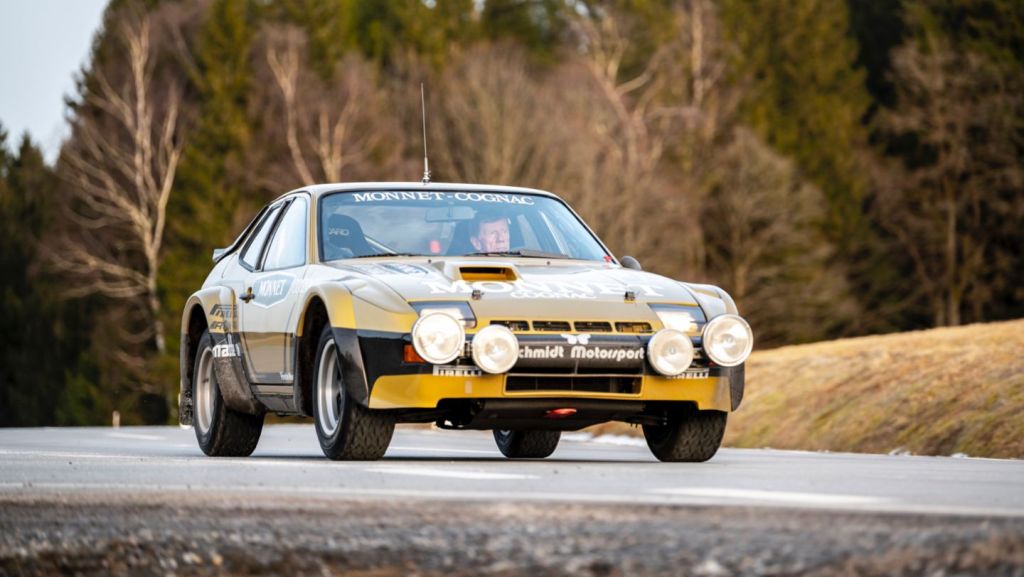
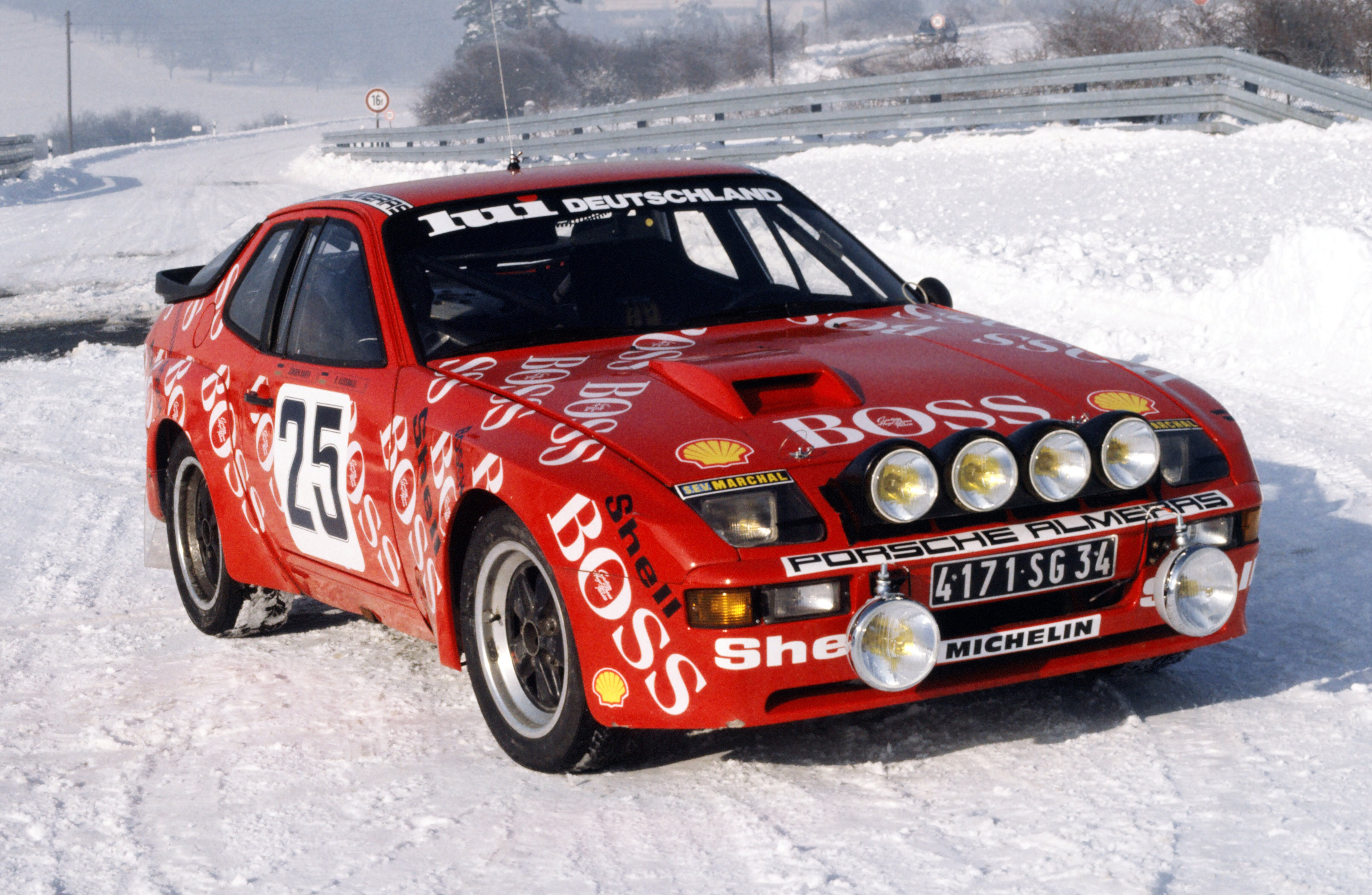
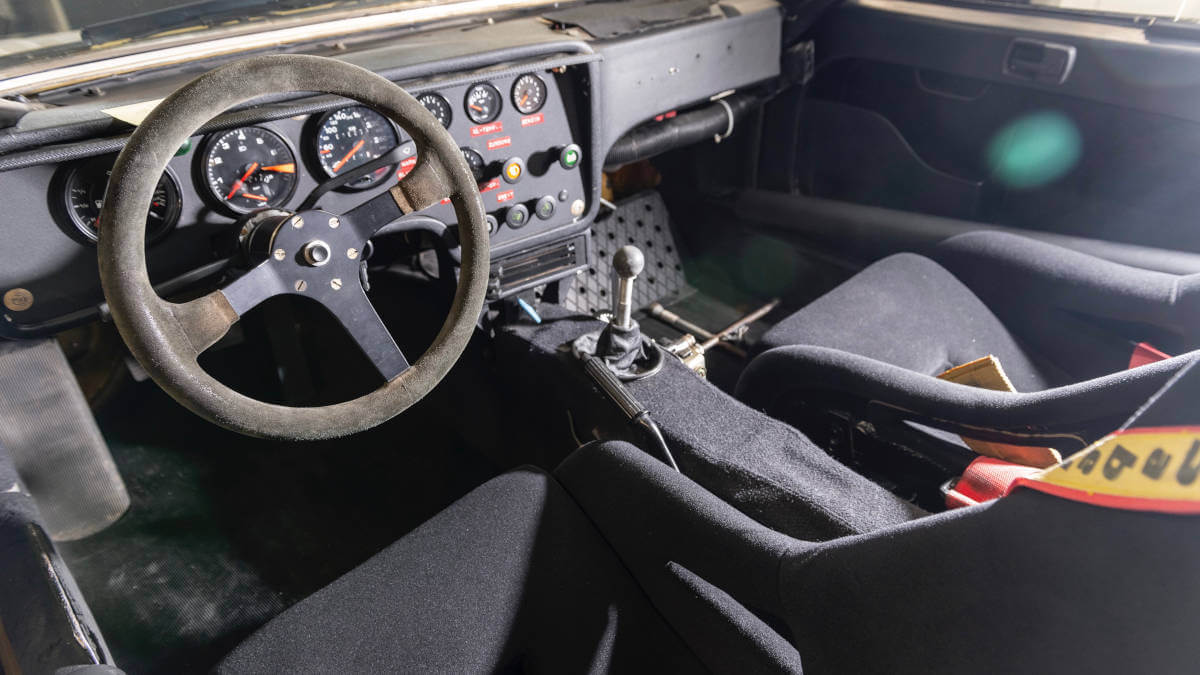
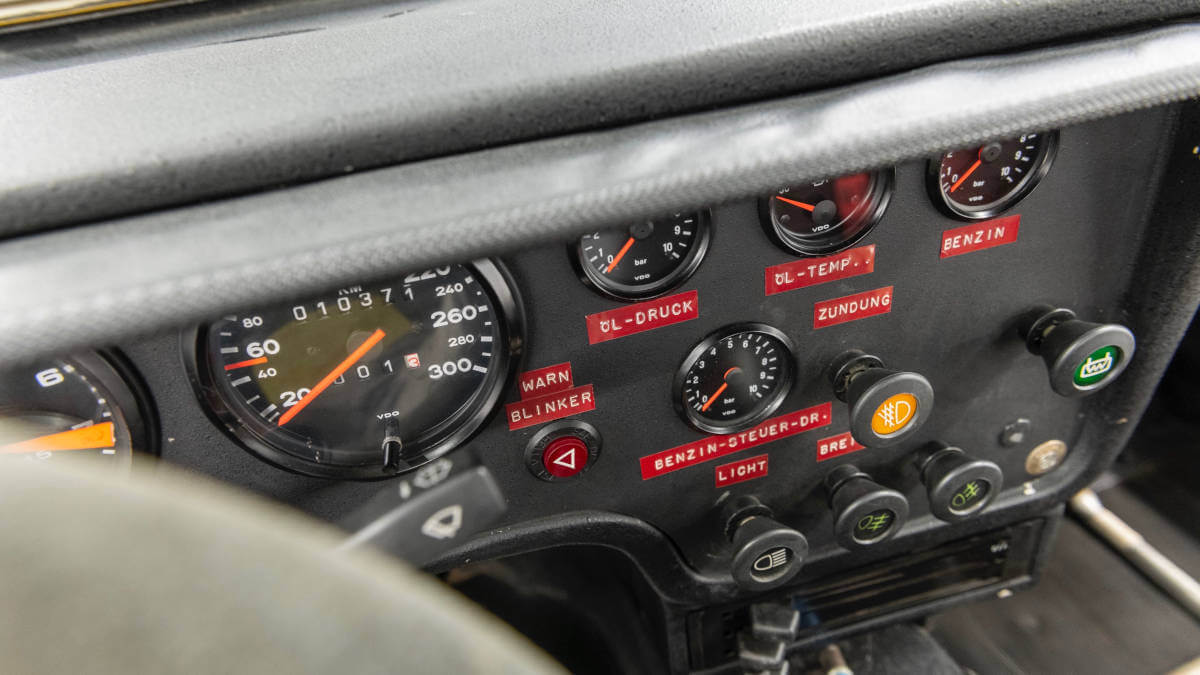
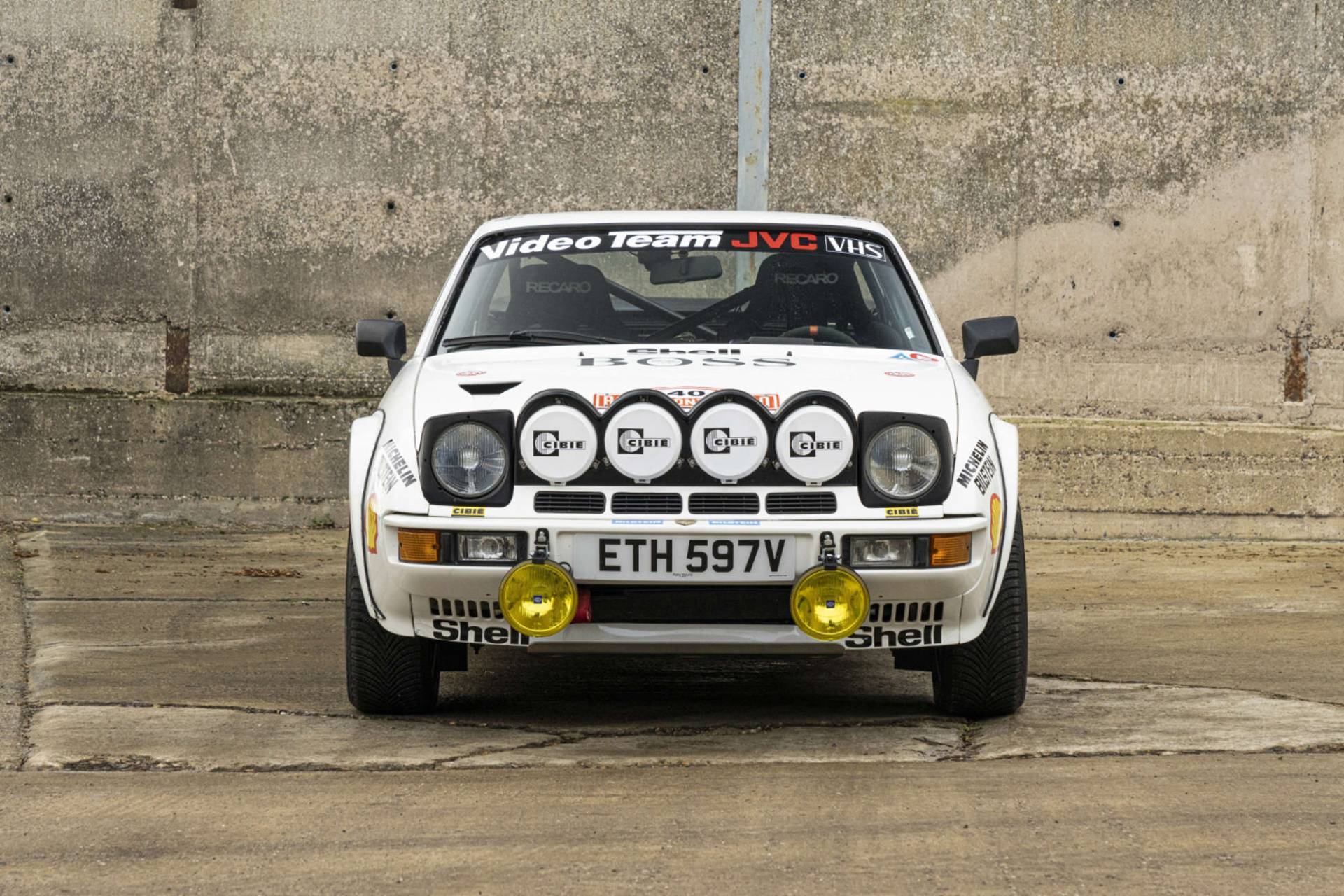
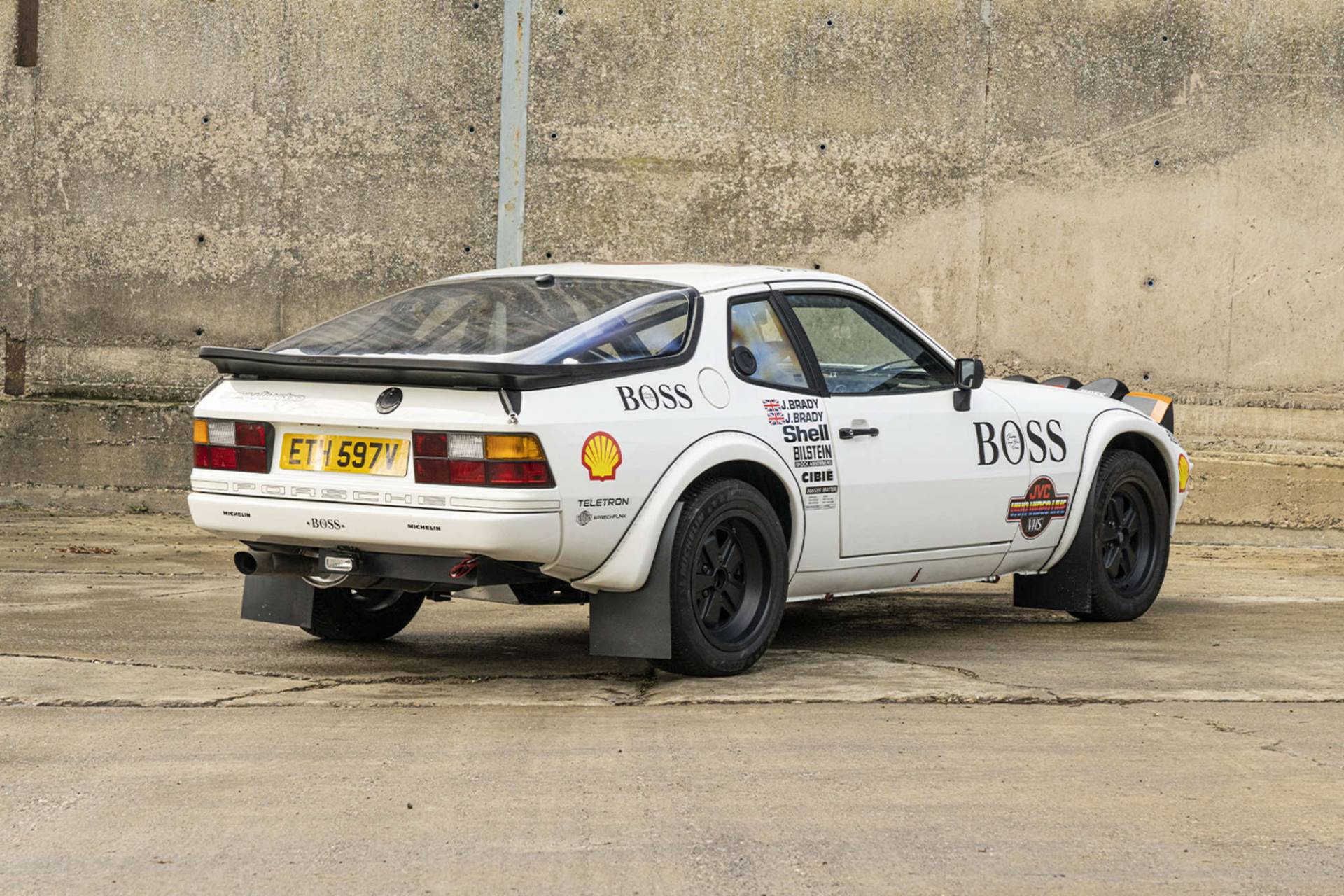
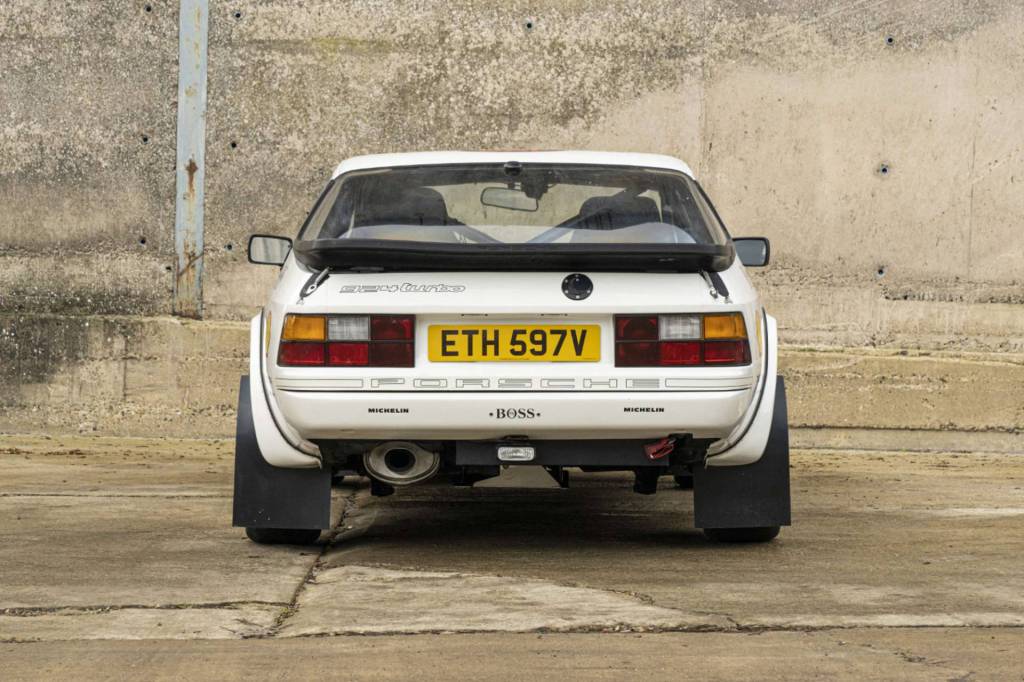
Model 924 już dostał się do rajdów w wariancie GT, ale Porsche szybko ogłosiło prace nad wersją Evo w postaci Carrery GTS. Carrera bez “S” była sportową odmianą zwykłej 924, ale wariant z “S” na końcu – to najdroższy model w gamie Porsche – i był robiony praktycznie od podstaw do motorsportu. Mimo to, nie mógł rywalizować z najlepszymi, bo – spójrzmy prawdzie w oczy – miał silnik z przodu i napęd na tył. W czasach wczesnej Grupy B, to nie pomaluje. Inni już eksperymentowali z 4×4 i układem z silnikiem centralnie, a z takim przeciwnikiem mierzyć się może tylko 911. Dlatego rozpoczęto prace nad 959 Gruppe B, które na 911 przecież bazowało i intencja była taka, żeby je w końcu wyparło… Tak się nie stało, a Porsche odnosiło drobniejsze sukcesy na arenie międzynarodowej z 911-stką, oraz na krajowym szczeblu przy pomocy modeli 924 GTS właśnie.
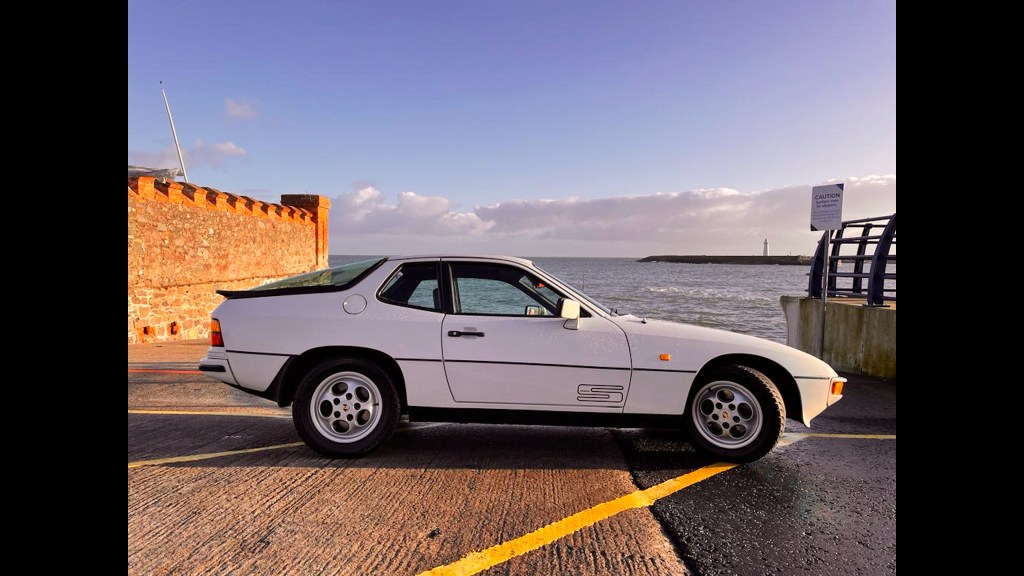
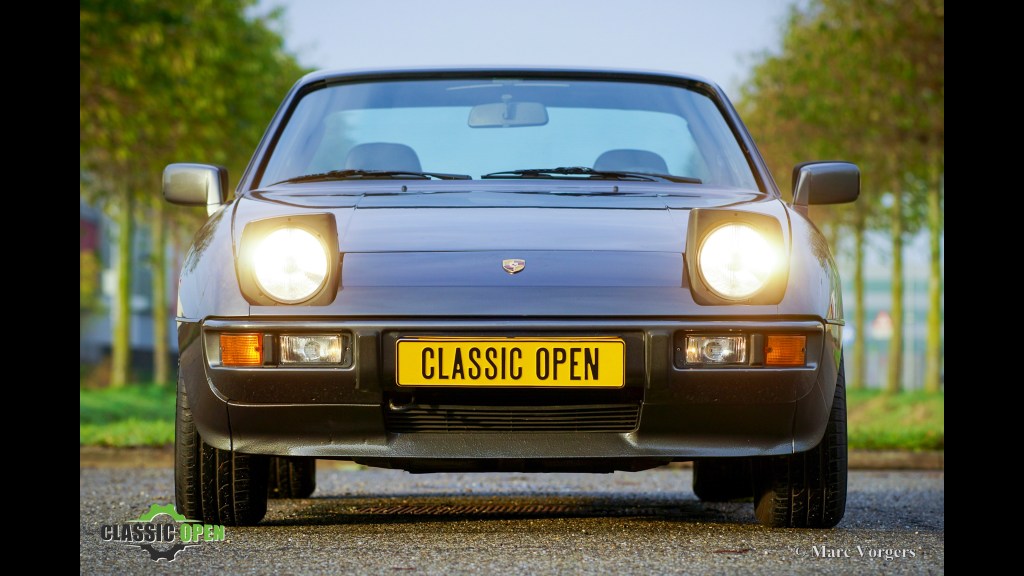
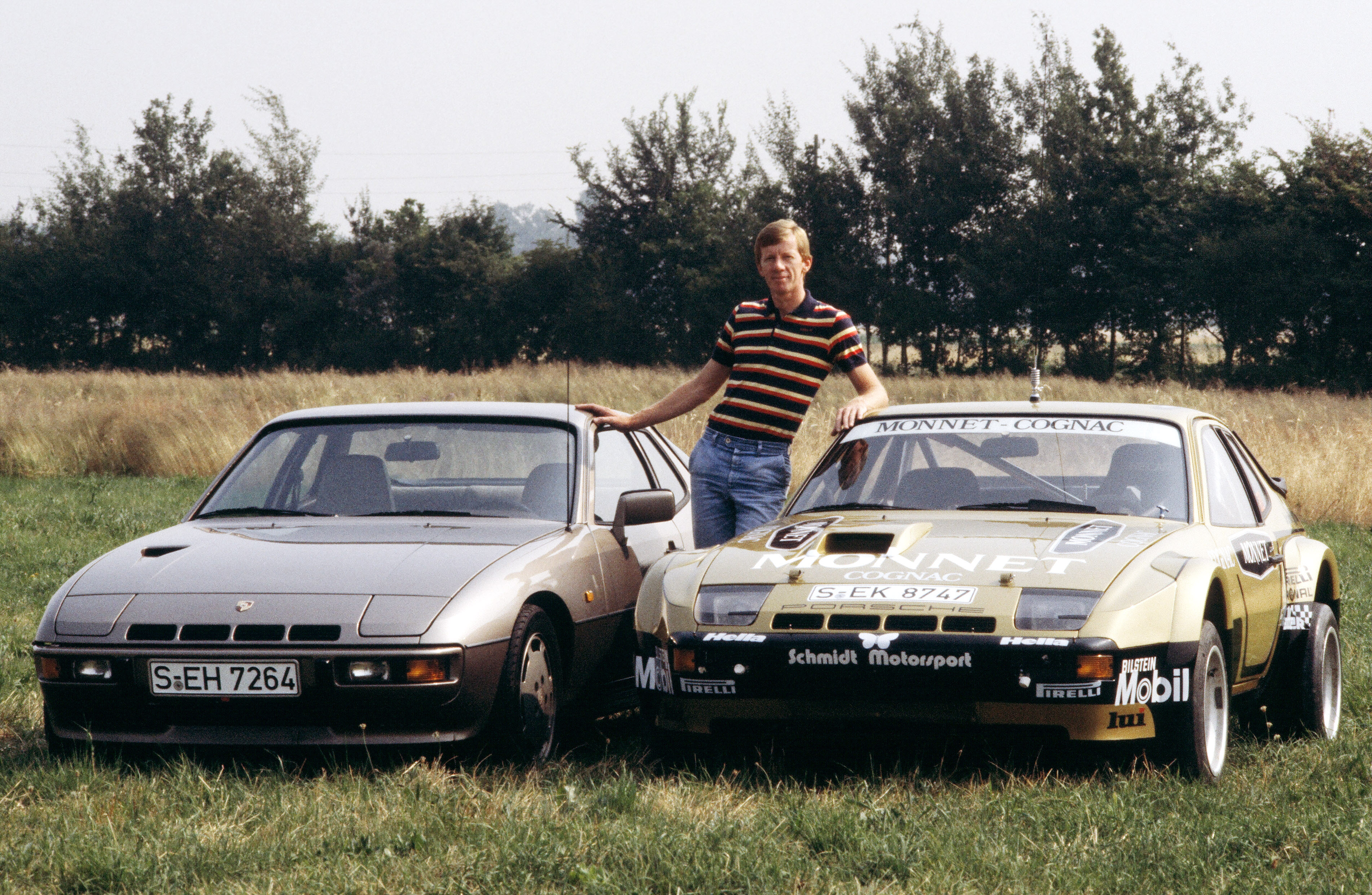
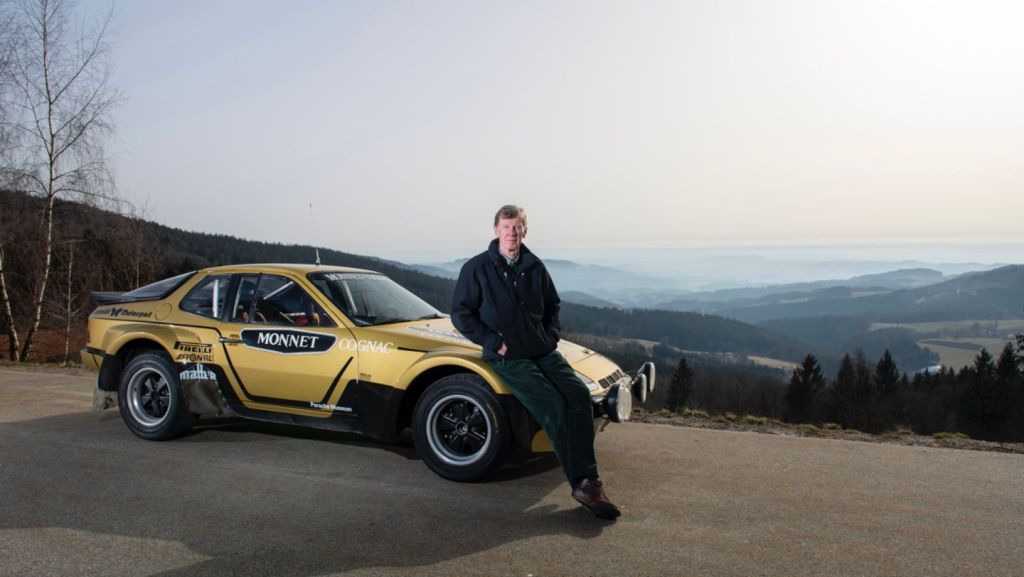
Walter Rohrl – może kojarzycie. Kierowca Mercedesa, bez kontraktu. Nie było w tym kraju pracy dla ludzi z jego wykształceniem – a szukał u innych niemieckich producentów. Pojazd Audi nie przeszedł jeszcze testów, więc raczej odpadał… Oko Saurona zwróciło się w stronę stajni Porsche. Szybko podano sobie ręce i do jego dyspozycji oddano egzemplarz 924 GTS, by atakować sezon 1981 Rajdowych Mistrzostw Niemiec.
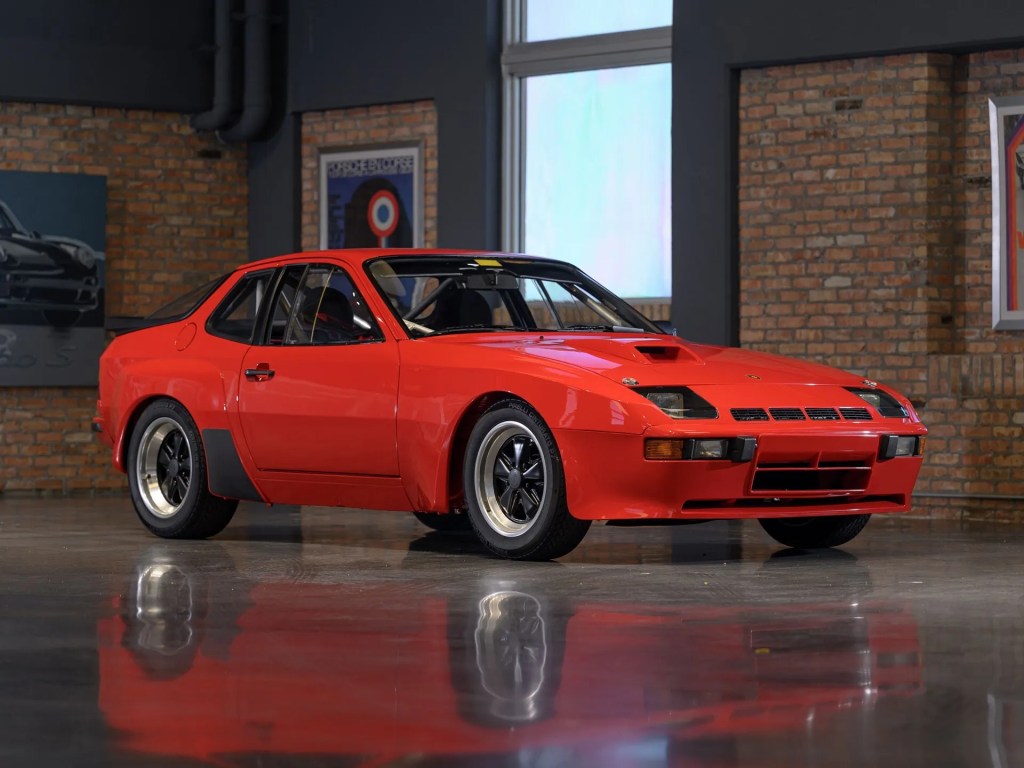
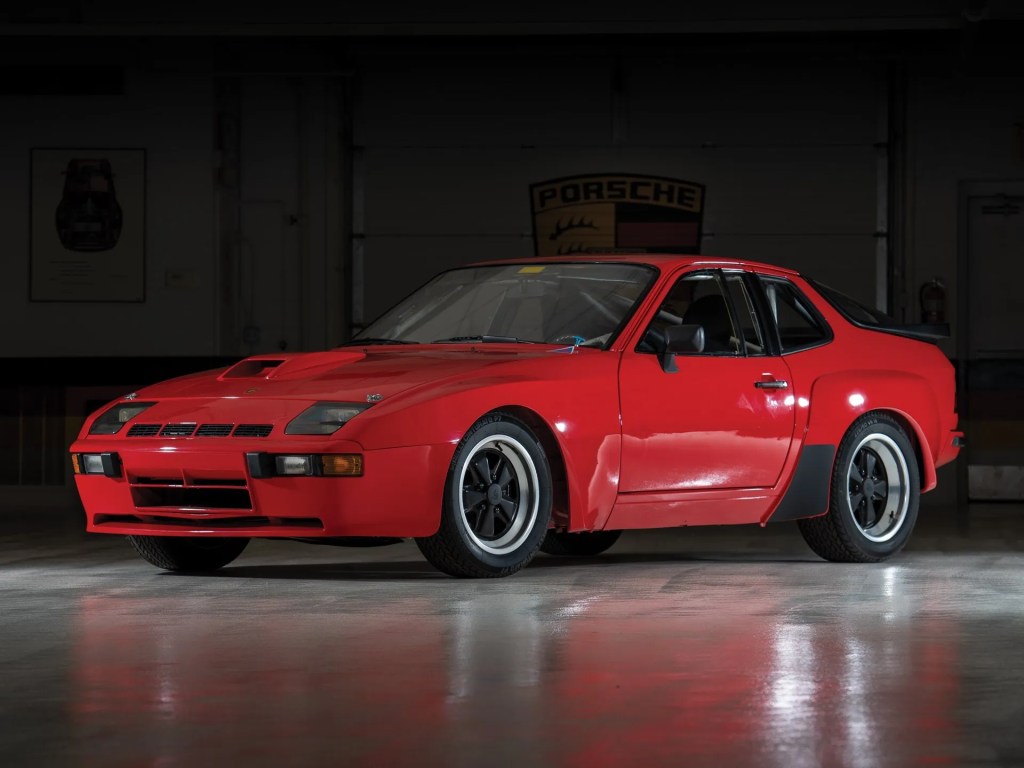
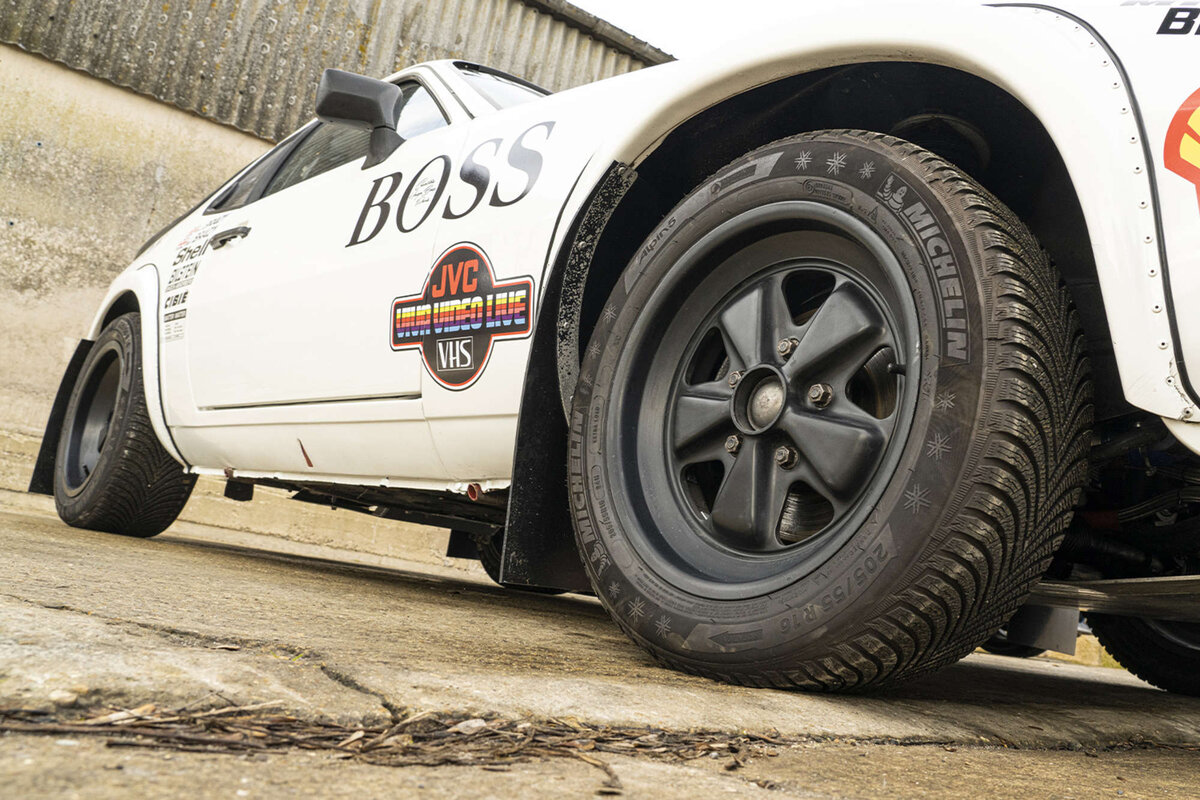
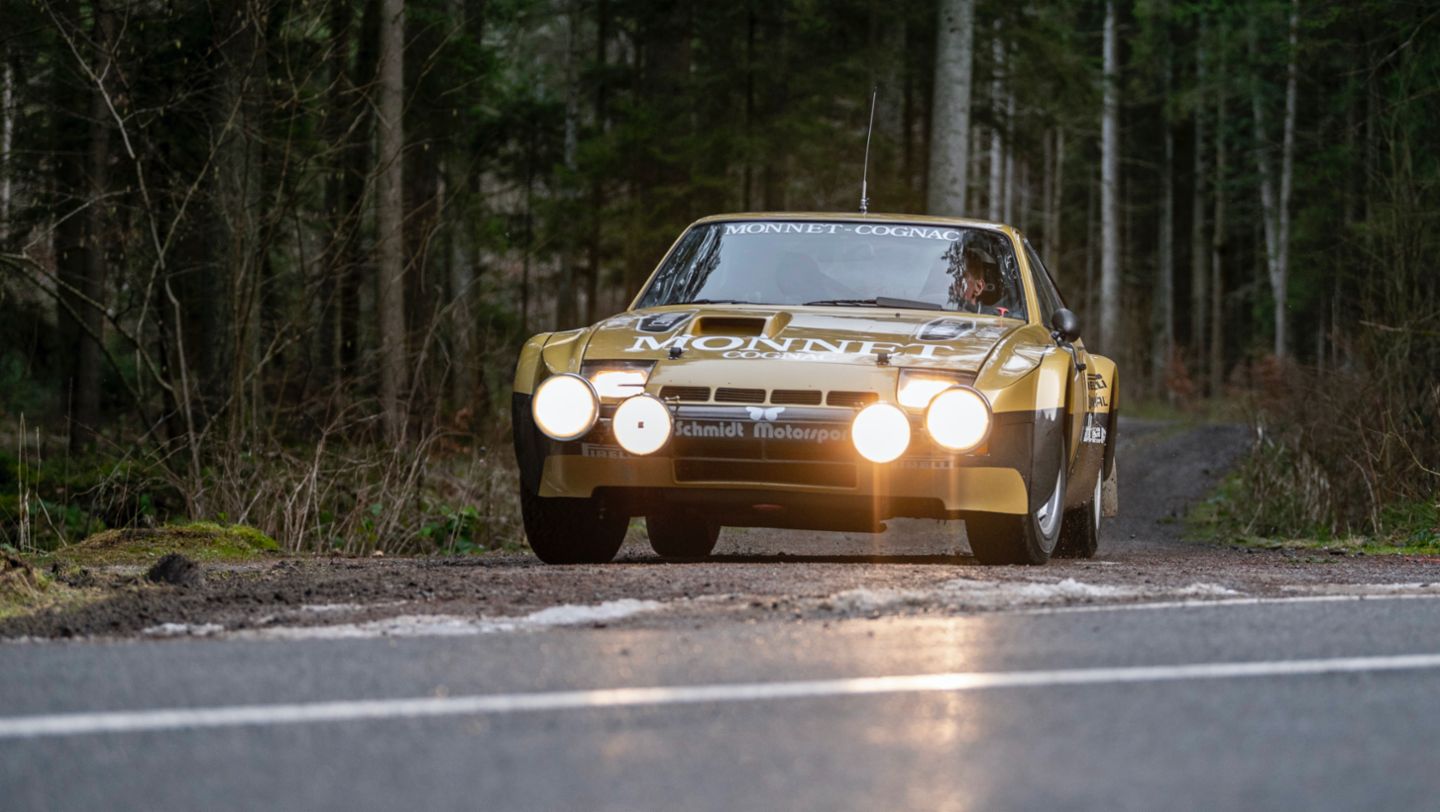
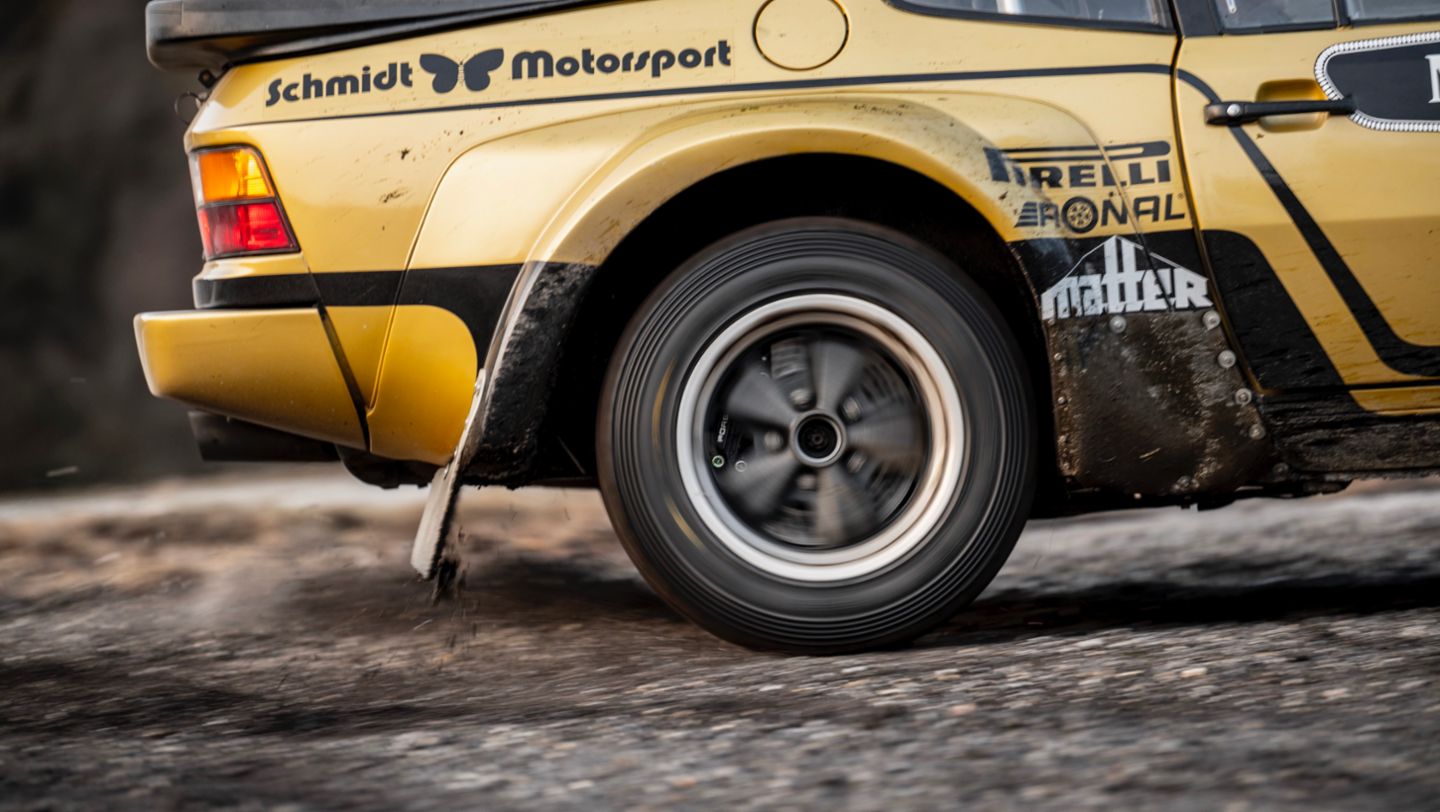
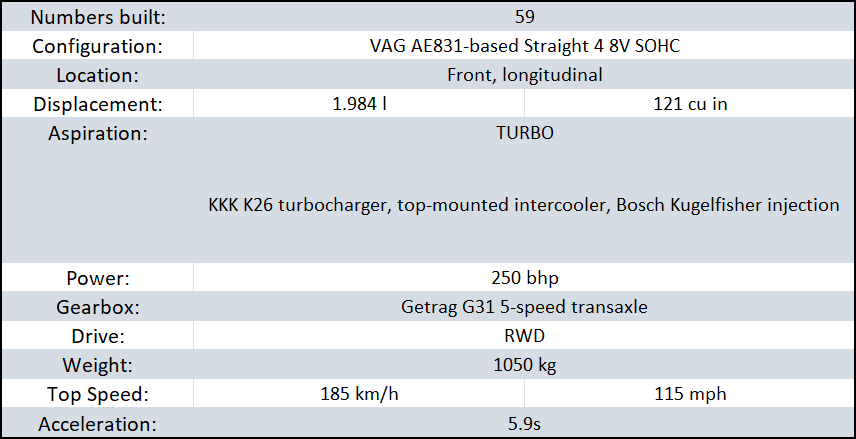
Auto Rohrla miało powiększone nadkola z wariantu GTR – innej wyczynowej wersji tego modelu, przeznaczonej na użytek torowy. Taki zabieg miał oczywiście skrywać większe i szersze ogumienie. Jeżeli chodzi o silnik, to były to rzędowe 4 cylindry od Audi, zdolne do generowania mocy pokroju 245 kucy – co zdaniem samego zainteresowanego “starczało”… a rozkład masy był bliski 50:50, co Rohrl z kolei ocenił jednym słowem: “możebyć”. Problem polegał na tym, że Rohrl to był kierowca przyzwyczajony do wolnossących aut – każdy wtedy był. Rajdówki z turbo to była nowość – do tego wczesne doładowania były mocno niedopracowane, technologia jeszcze raczkowała, turbodziura była przeogromna – i jedyna metoda, aby temu przeciwdziałać, to przy wchodzeniu w zakręty: jeszcze przed łukiem dusić gaz w opór, aby nakarmić turbo. Trzeba się było przyzwyczaić.
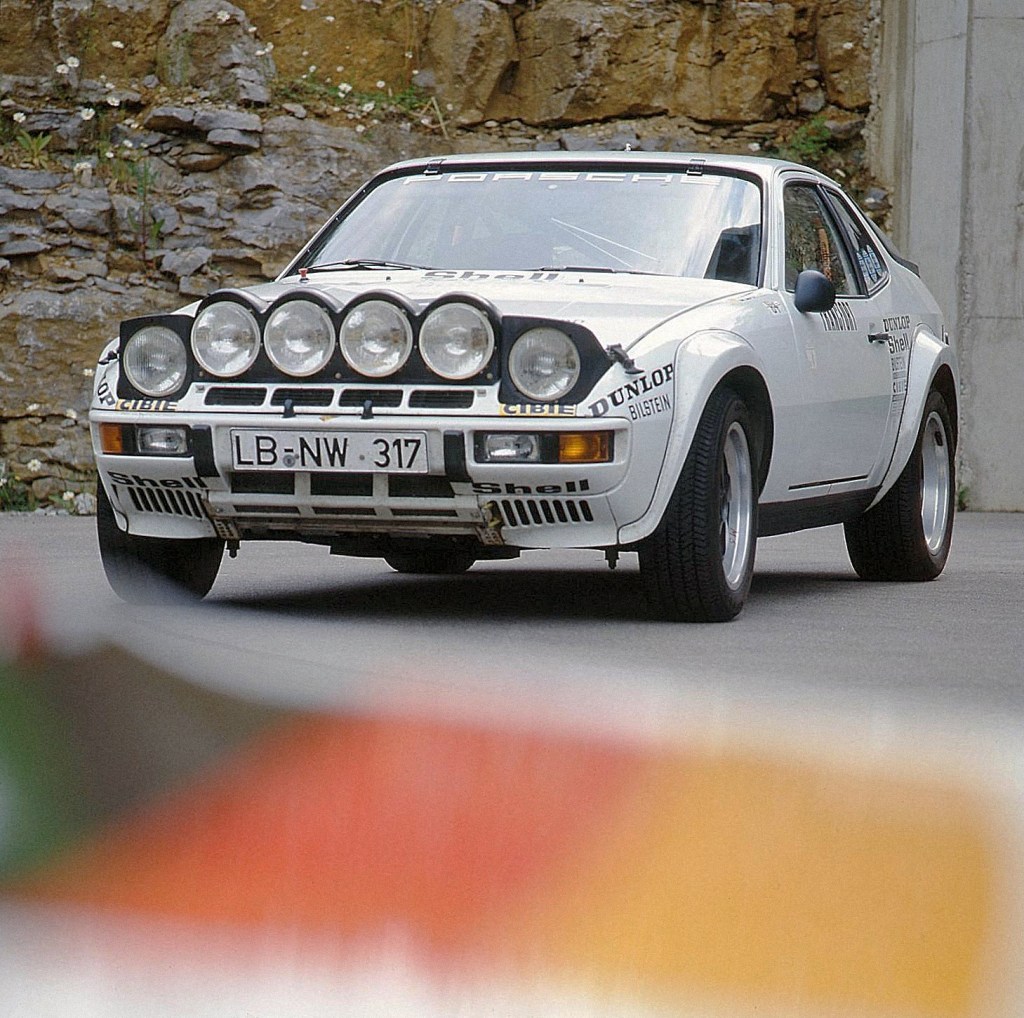
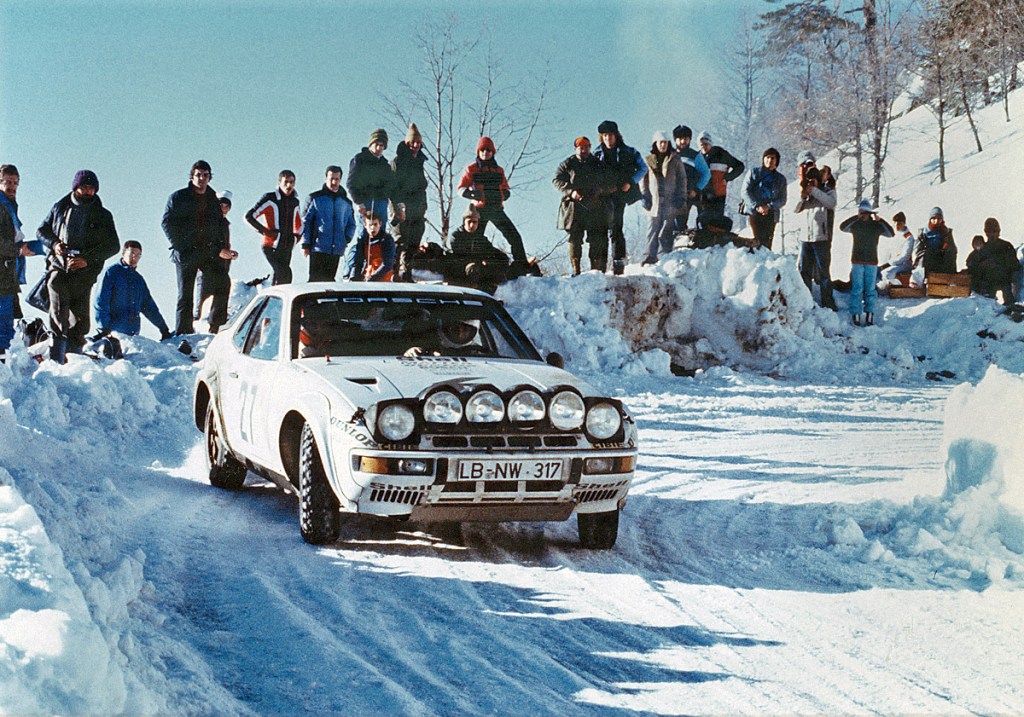
Rohrl dostał auto i oczywiście pozamiatał. W pierwszym evencie, takim niby testowym, zajął drugie miejsce, więc Porsche zaklepalo od razu pełny sezon i dali full wsparcie. Złote Porsche Waltera Rohrla było najszybsze 4-krotnie na 10 startów w kalendarzu, i gdyby nie pech, to Rohrl stałby na najwyższym stopniu podium 5 razy pod rząd. W Sanremo jednak startował 911-stką, a to był ostatni event w kalendarzu Mistrzostw Niemiec. Nie ukończył go. Obie 911-srki odpadły, w jego aucie zawiodła przekładnia – a jako, że start wyjątkowo odbywał się w innym modelu, to jego kontraktowy team (ścigający się Carrerą GTS) nie mógł zdobyć pierwszego miejsca w klasyfikacji końcowej – choć miał ostatecznie najwięcej punktów w sezonie. Po zakończeniu sezonu team szybko rozwiązano jak Rohrl go opuścił dla Opla.
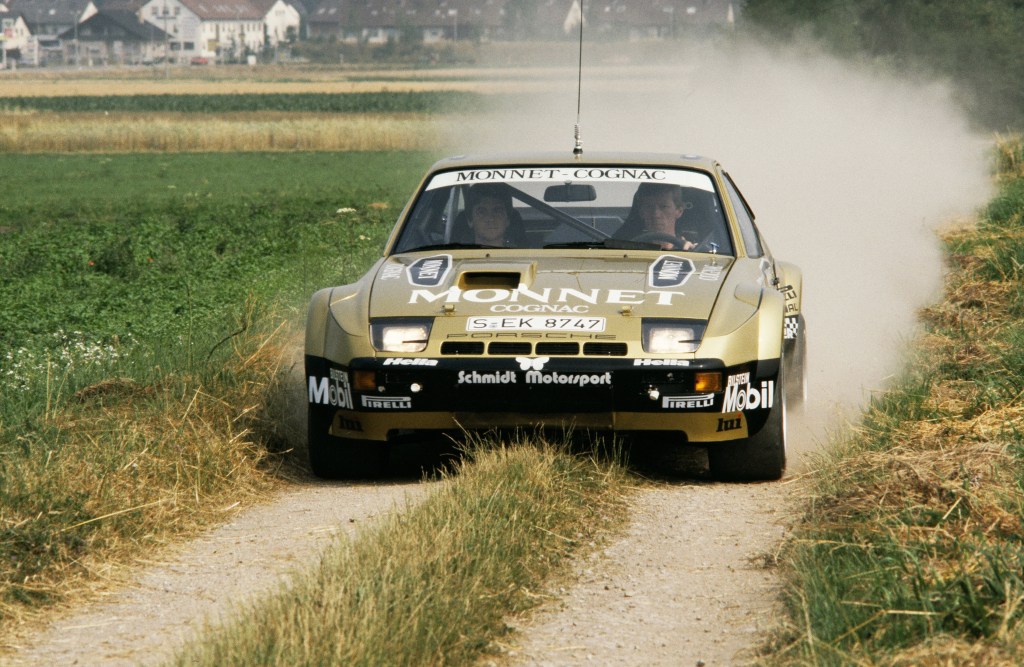
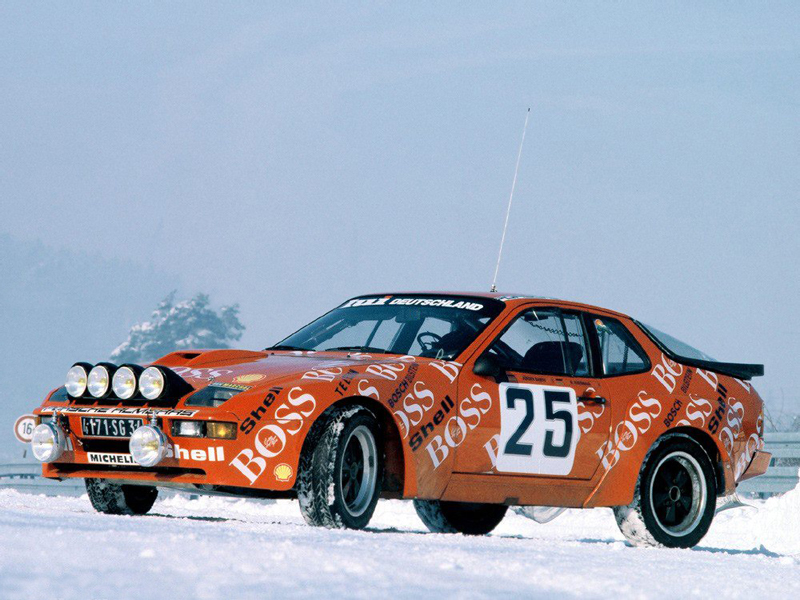
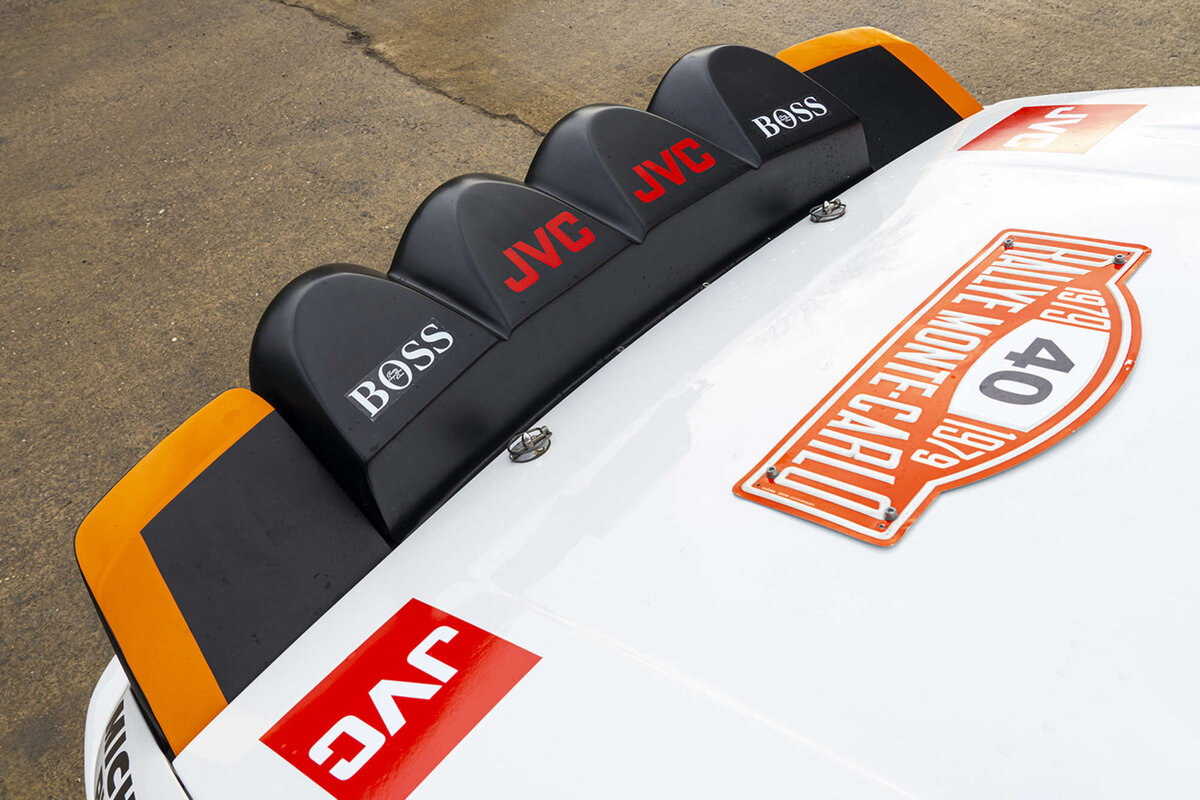
Nadejszły czasy Grupy B. Porsche skupiło się na innym projekcie, i Carrery GTS wojowały rzadko – i to raczej w prywatnych rękach – ale gdy auta z Grupy 4 dostały rehomologacje, postanowiono spróbować jeszcze raz. Porsche – już w tej chwili w B-grupowych czerwonych barwach Boss teamu Almeras – walczyło dzielnie. Monte Carlo ukończyło na drugim miejscu – ustępując jedynie Asconie Rohrla właśnie. W Rajdowych Mistrzostwach Niemiec Rohrl wygrywał za kierownicą 924 czterokrotnie, i nawet Jacky Ickx (kierowca F1) zasiadał za kierownicą – dokładnie tego samego auta po Rohrlu BTW – ale Porsche zostało w tyle. Nie mogło konkurować z maszynami skonstuowanymi w myśl zasad Grupy B… tymi z silnikiem centralnie i z napędem na wszystkie koła. Dlatego też w miarę jak Grupa B się rozkręcała, tak obecność Carrery GTS na rajdowej scenie wygasała.
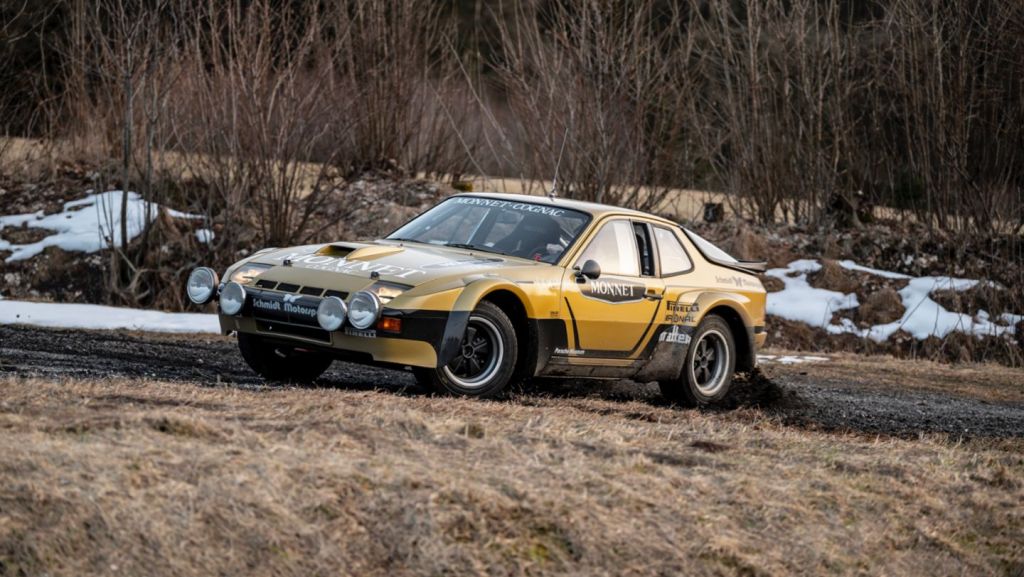
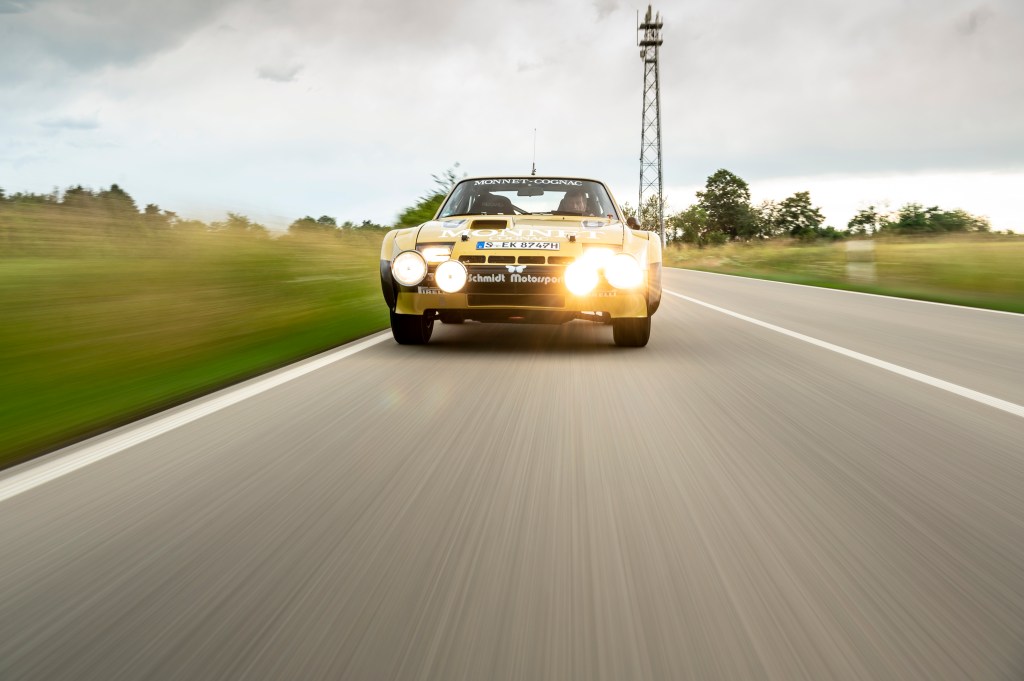
Carrera GT jeździła też w wyścigach torowych, i nawet w Le Mans, ale to historia na inną historię… Jeśli chodzi o rajdowe zmagania: ciekawe jeszcze było to, że w 2021 roku przebiegała 40 rocznica startów tego modelu. Porsche wyciągnęło z muzeum ten stary, historyczny egzemplarz używany do rajdów, odrestaurowano go do oryginalnego stanu, i 7 marca Niemcy podarowali go Walterowi Rohrlowi na własność na jego 74 urodziny. Miły gest.
Krzysztof Wilk
Na podstawie: rmsothebys.com | classicandsportscar.com | rallygroupbshrine.org | porsche.com | secret-classics.com | porsche.co.uk | ihle-motorsport.de | carandclassic.com | tech-racingcars.wikidot.com | classic-trader.com | carandclassic.com | glenmarch.com | bonhams.com | classiccarauctions.co.uk | wheelsage.org | The Kingfisher Motorsports Encyclopedia | M Buckley – The Complete Illustrated Encyclopedia of Classic Cars

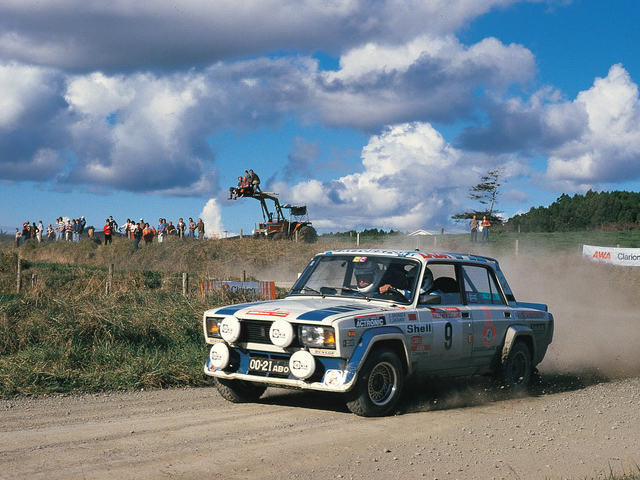
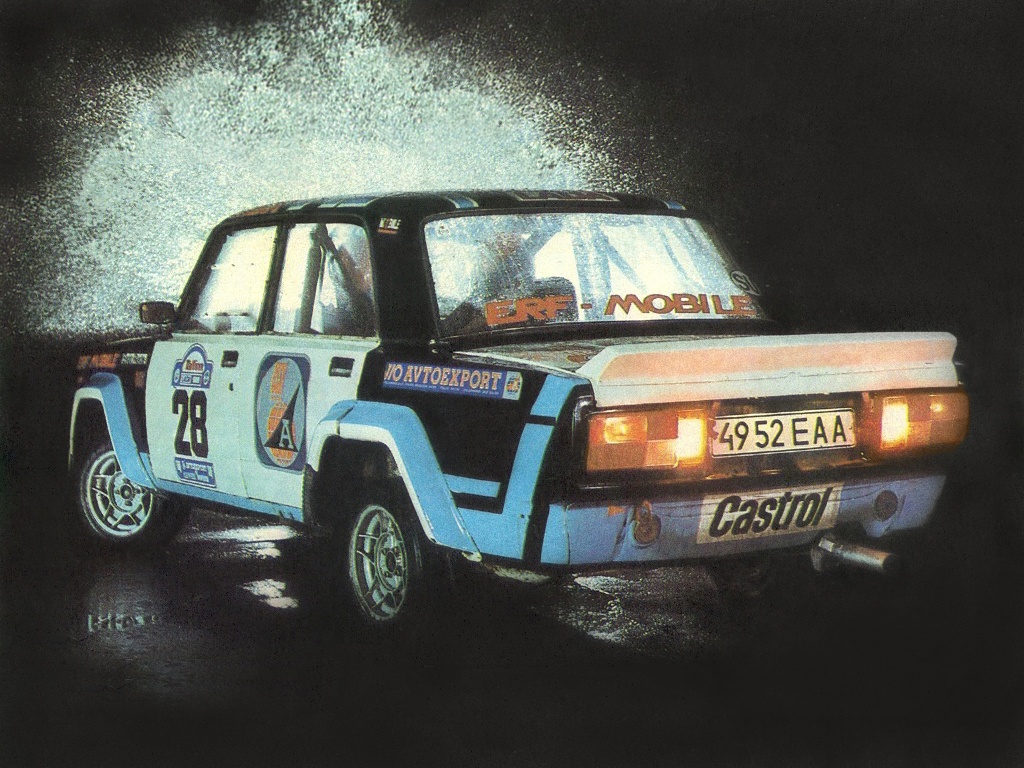
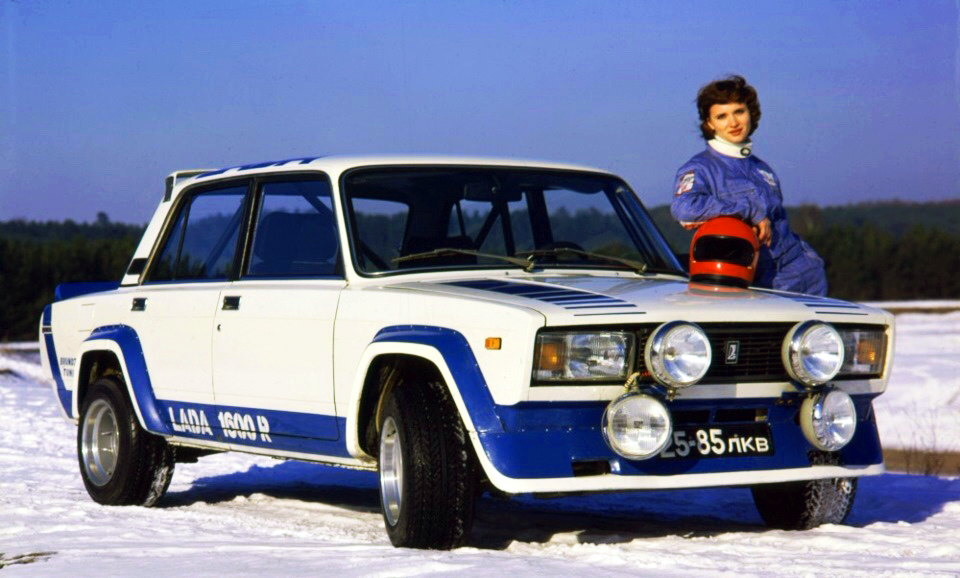
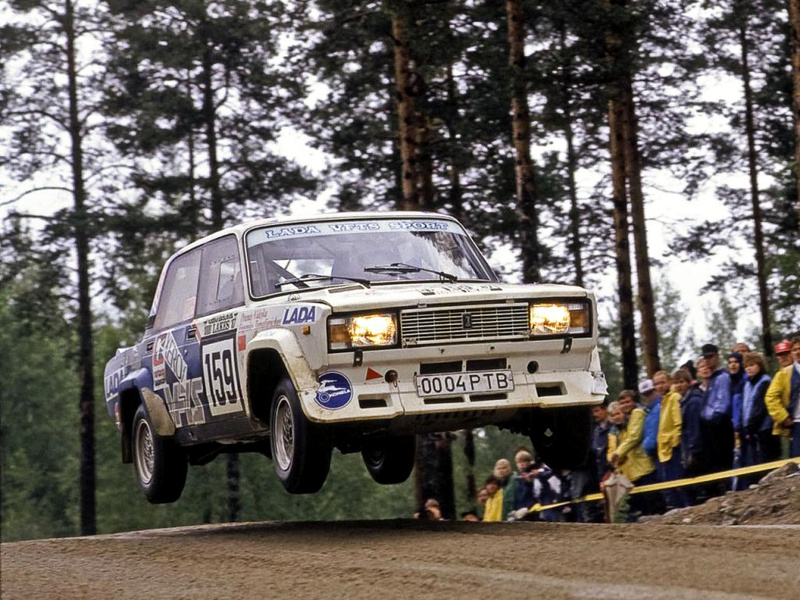
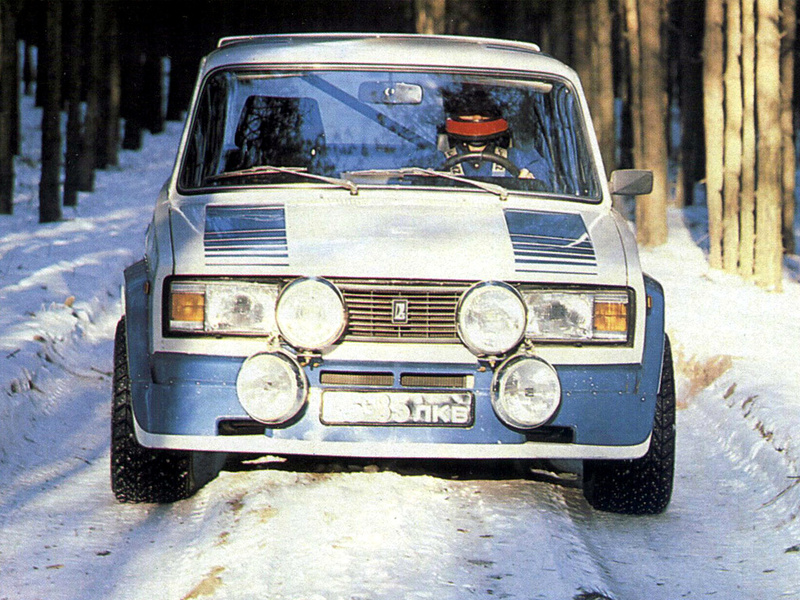
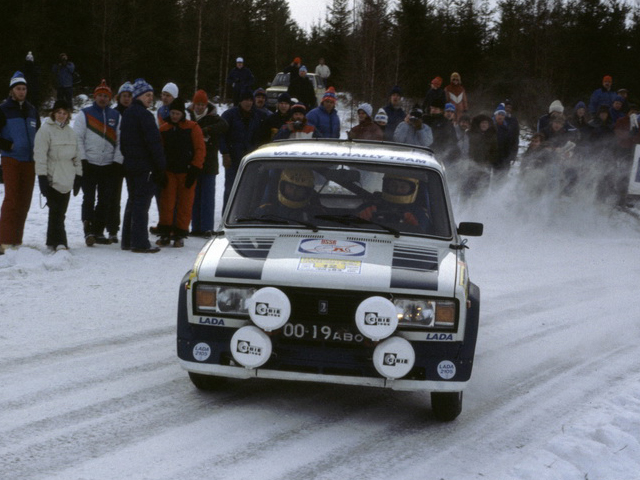
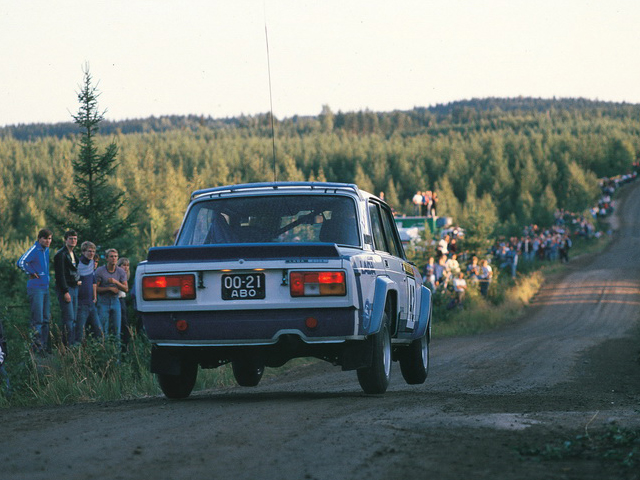
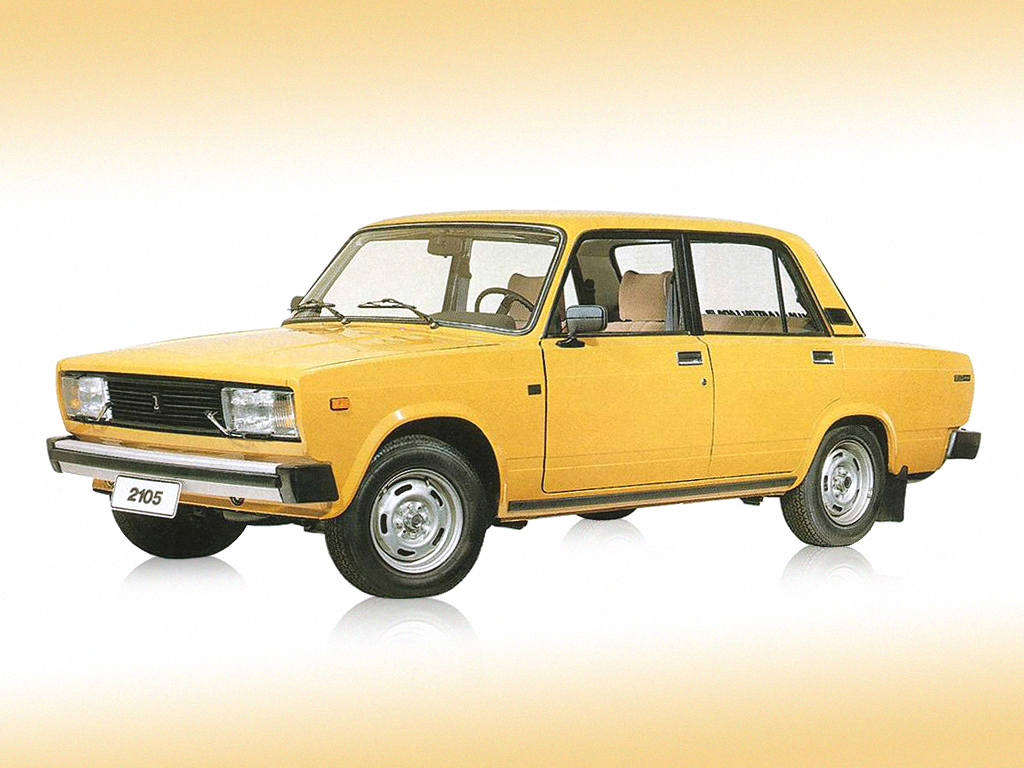
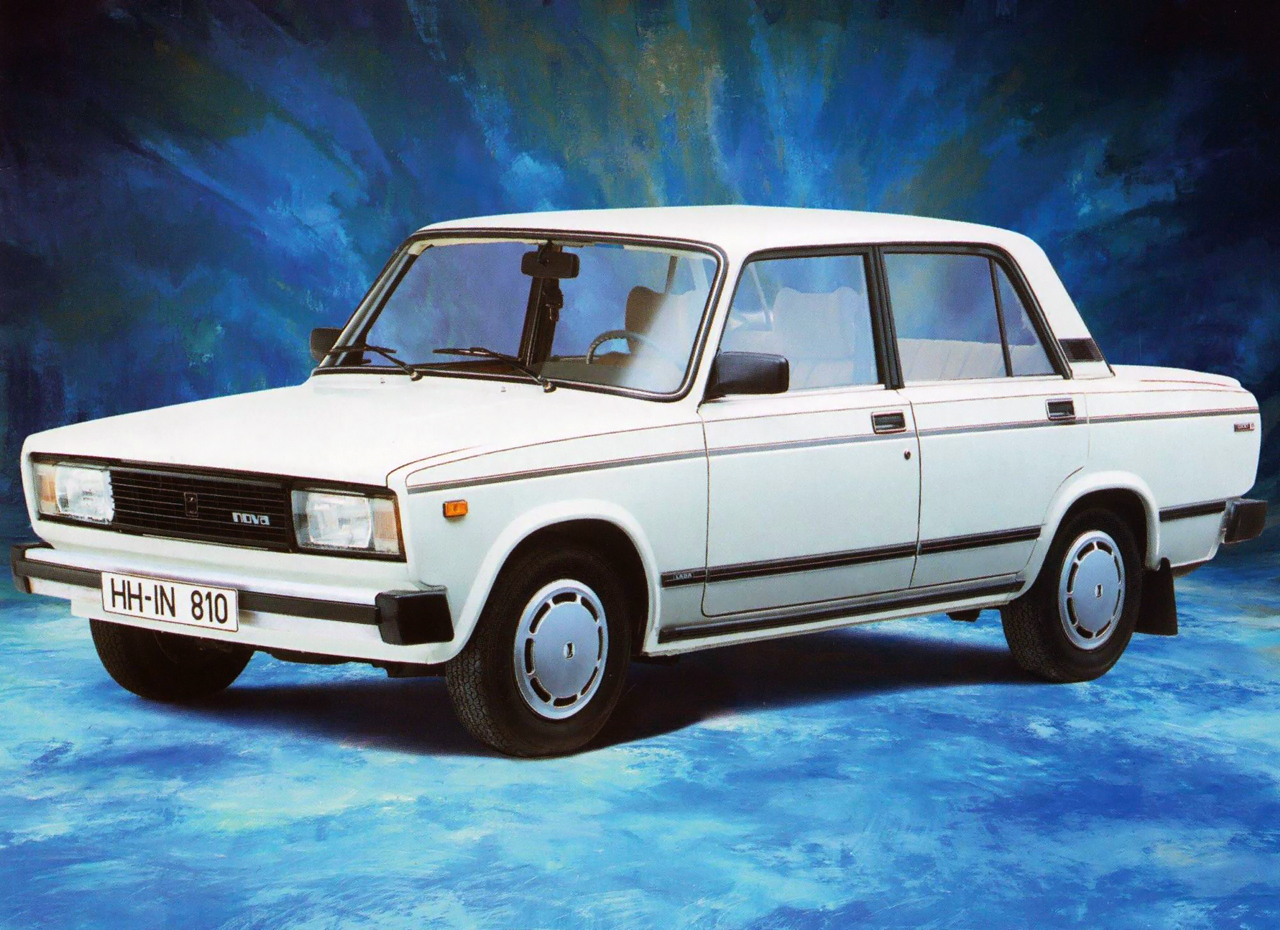
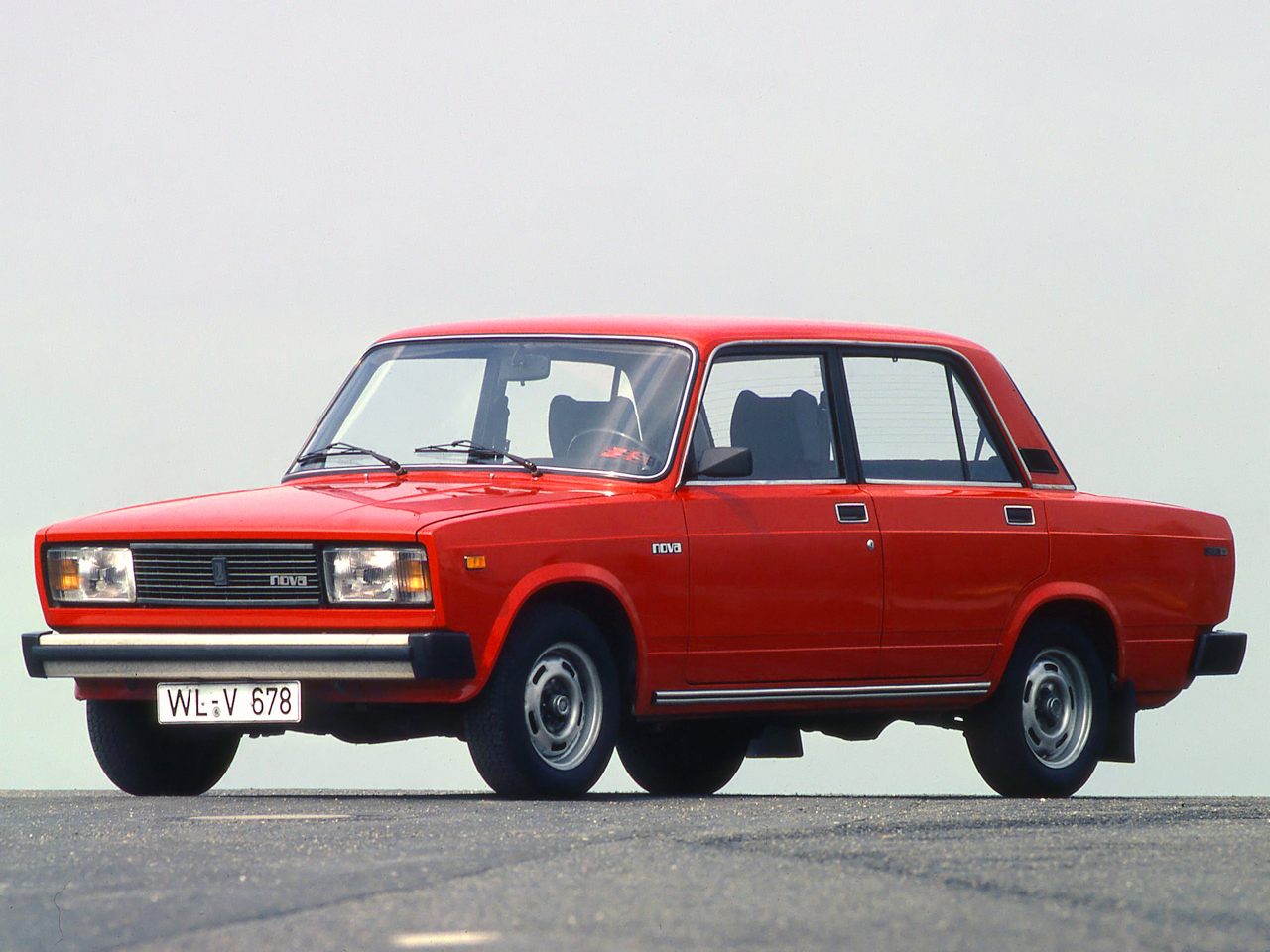
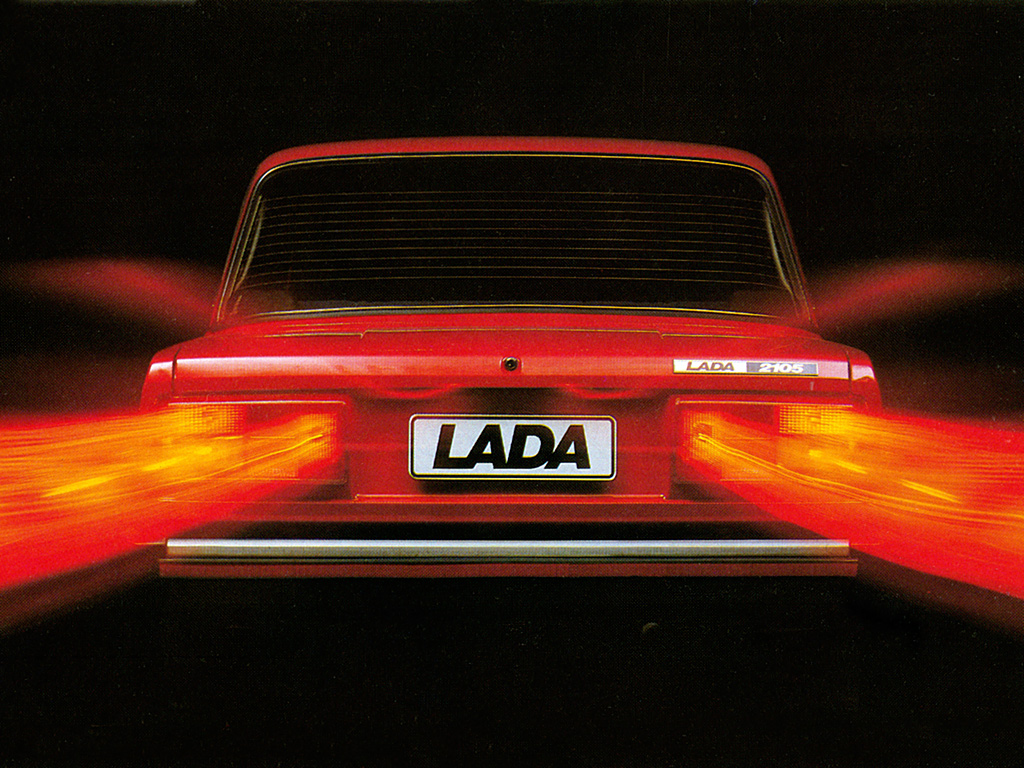
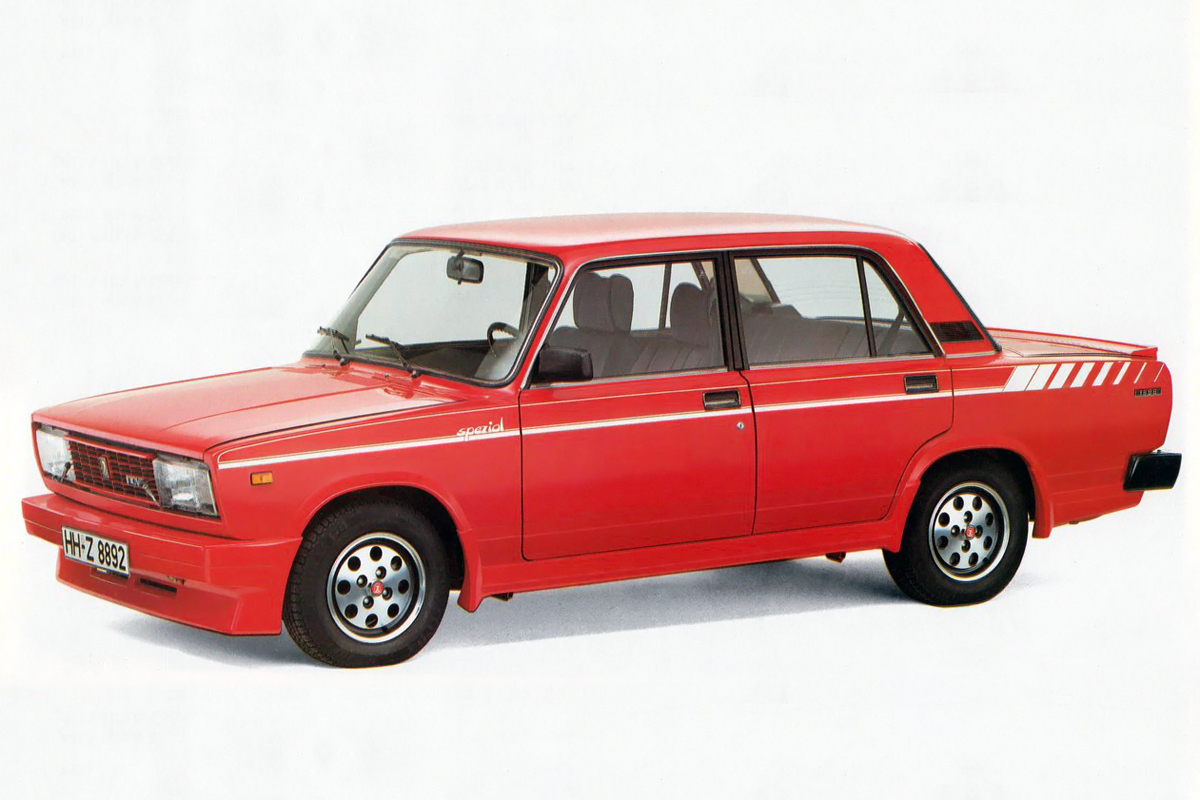
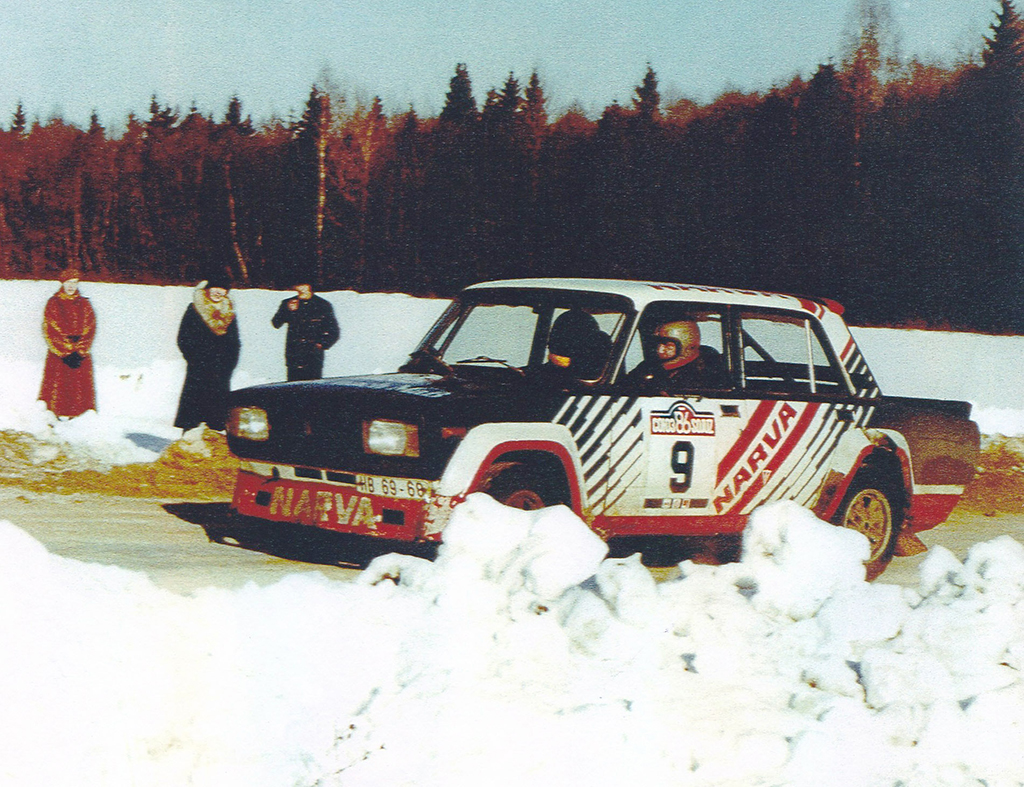
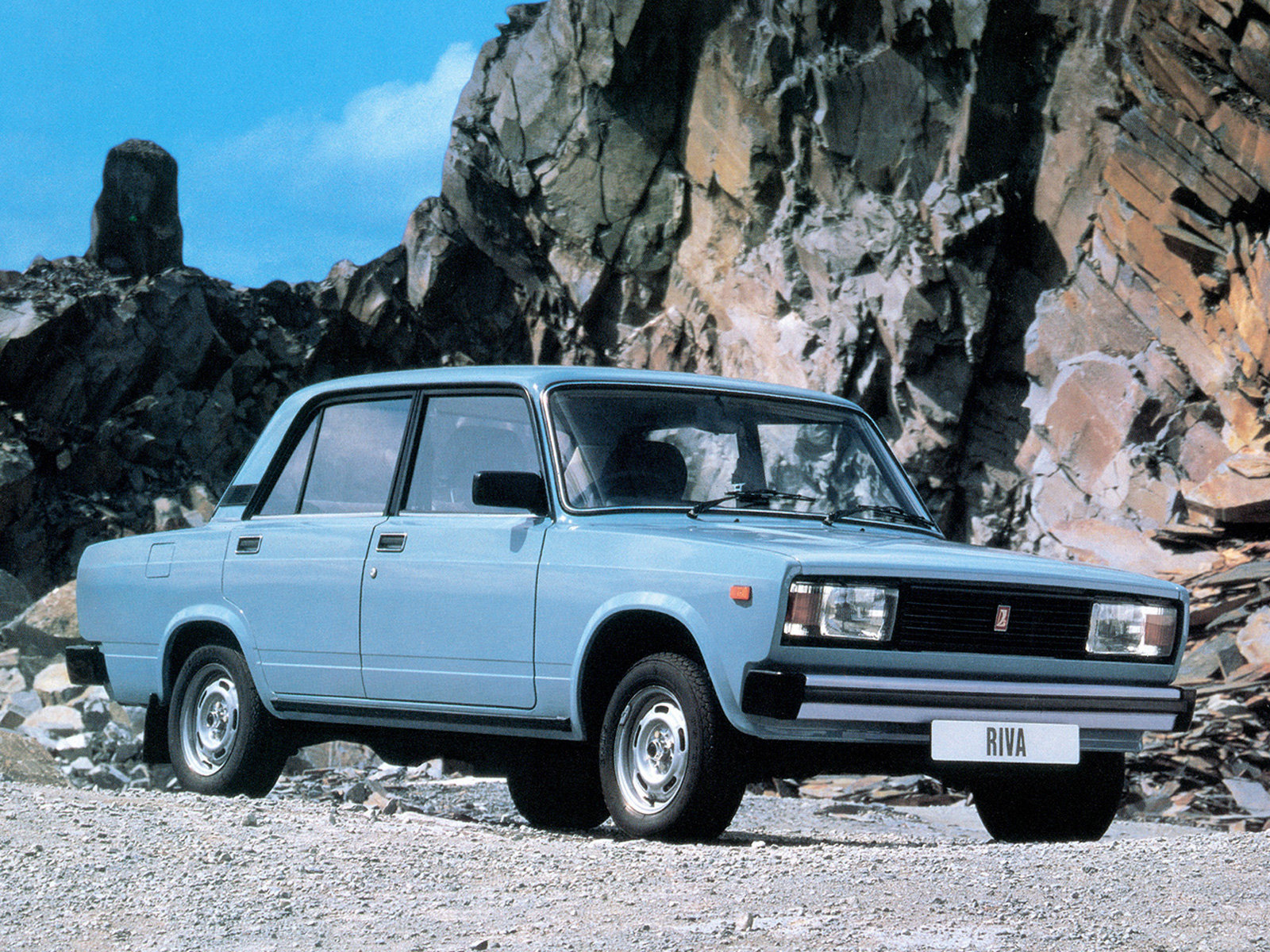
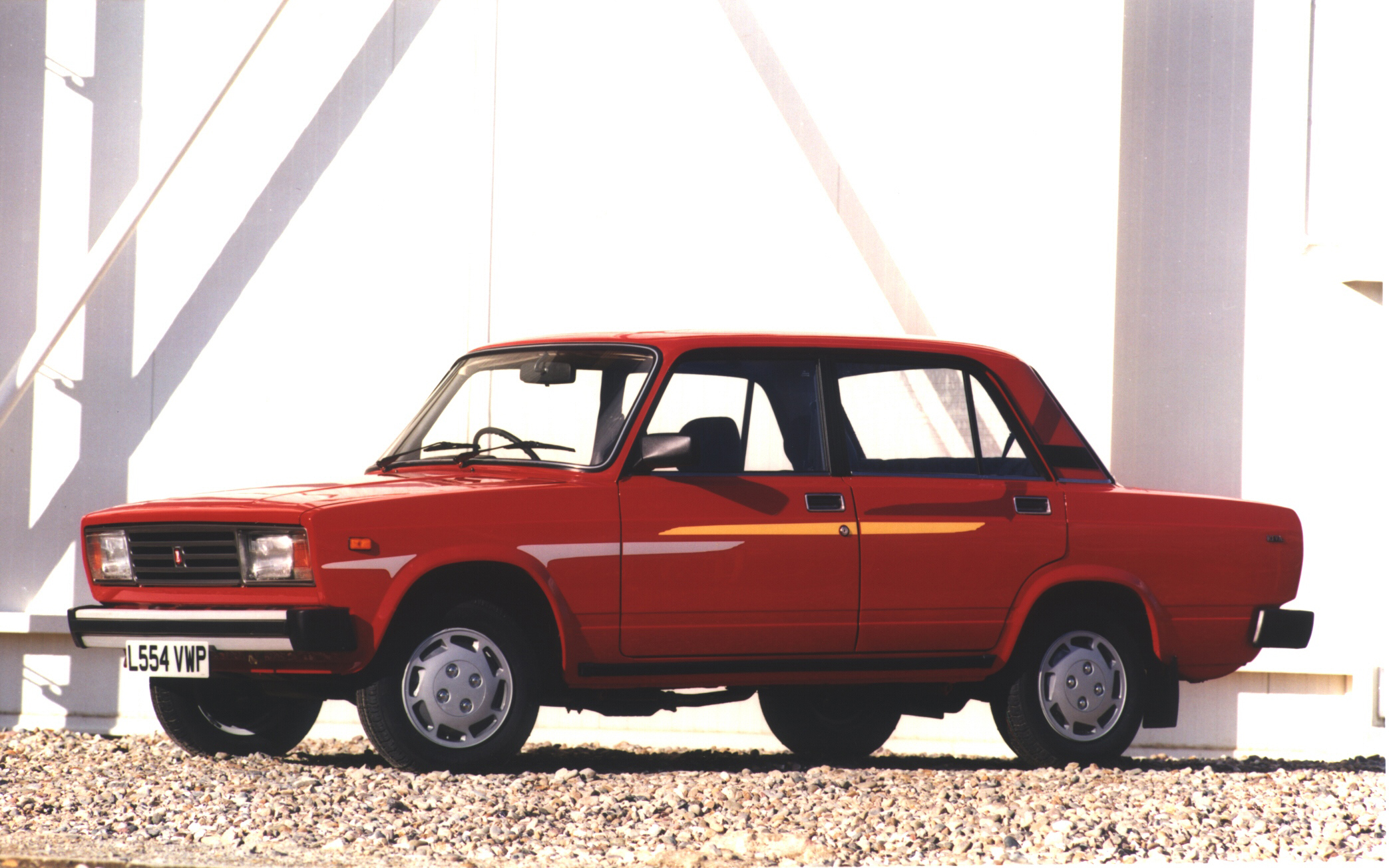
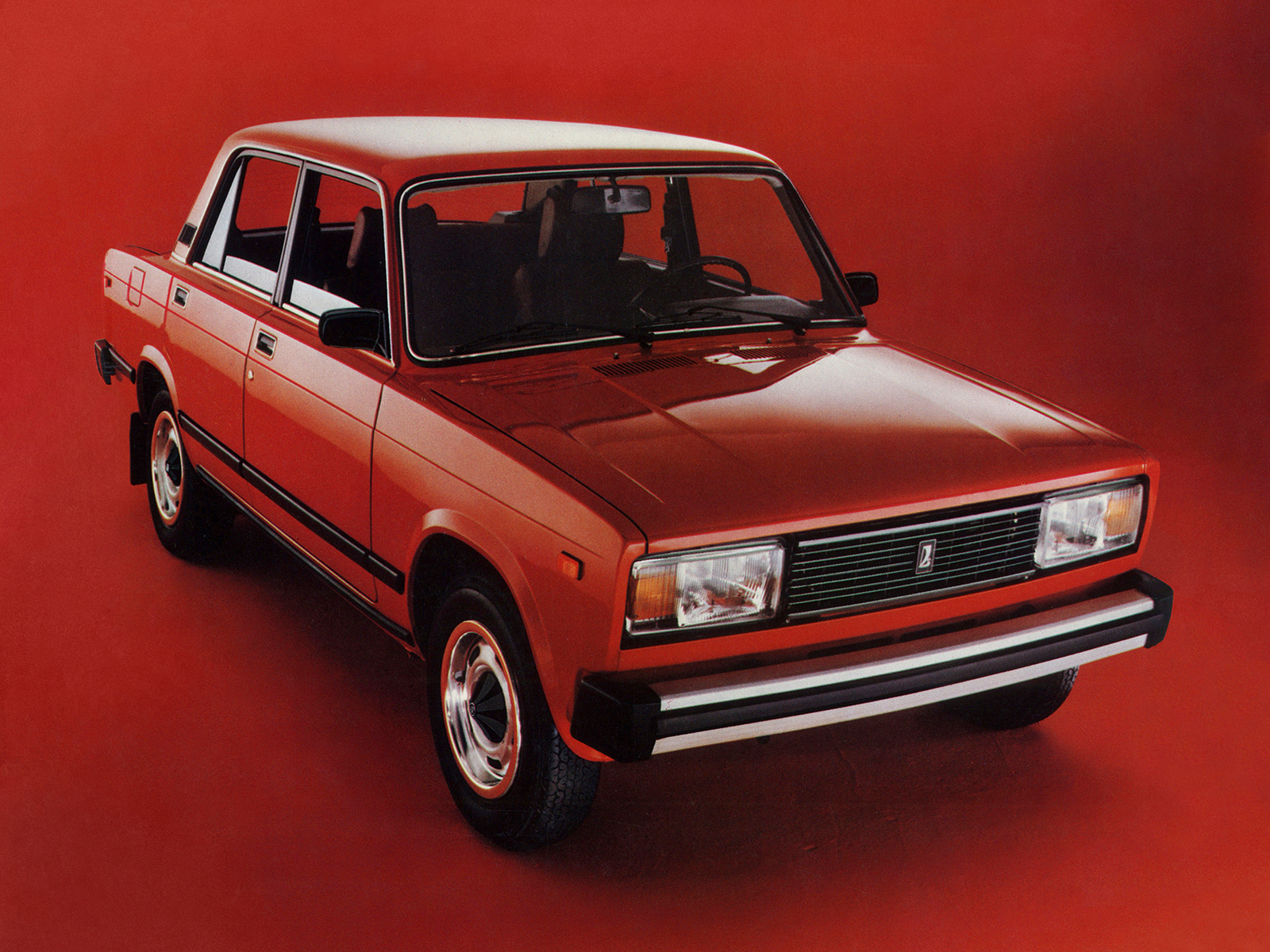
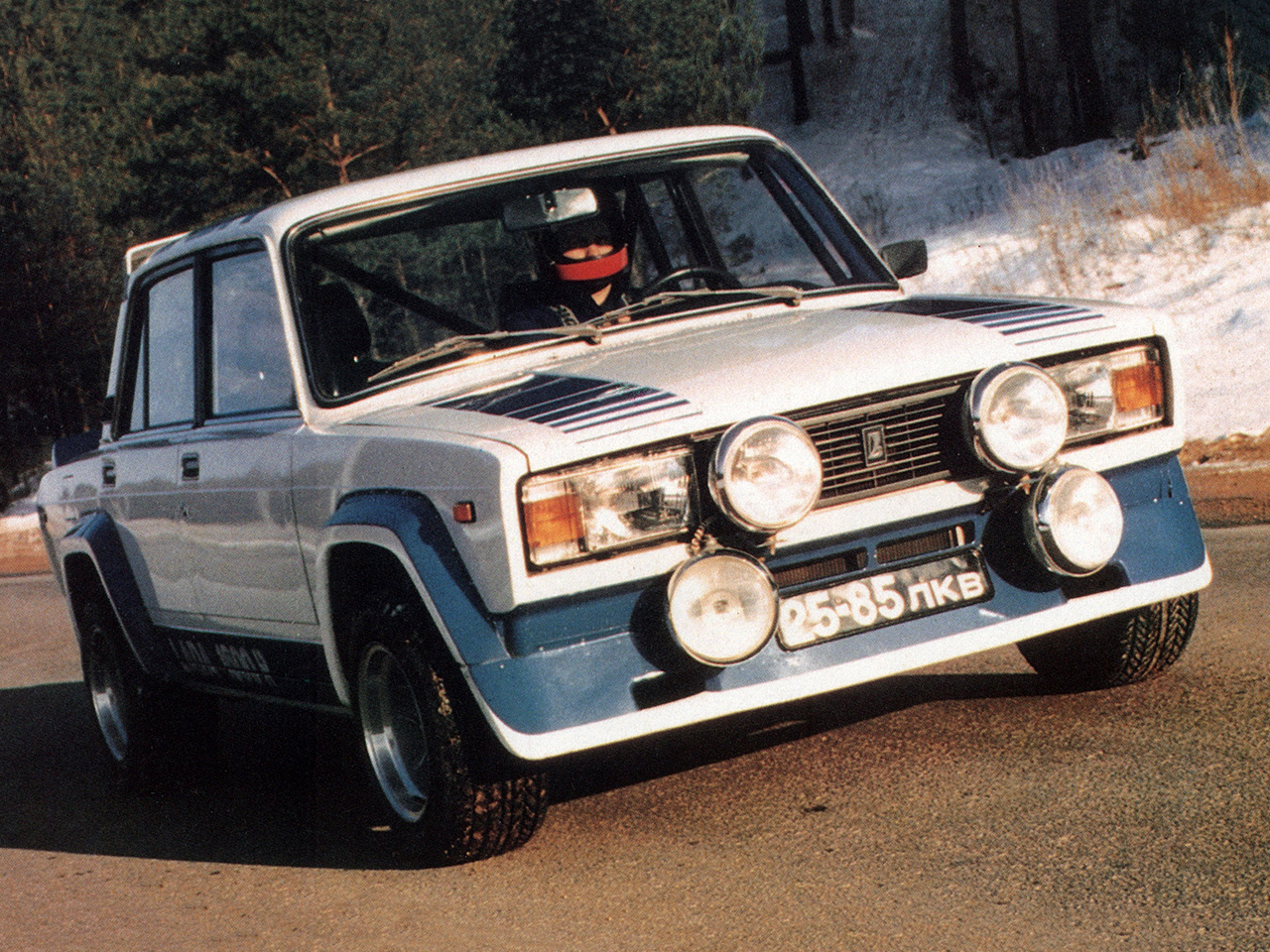
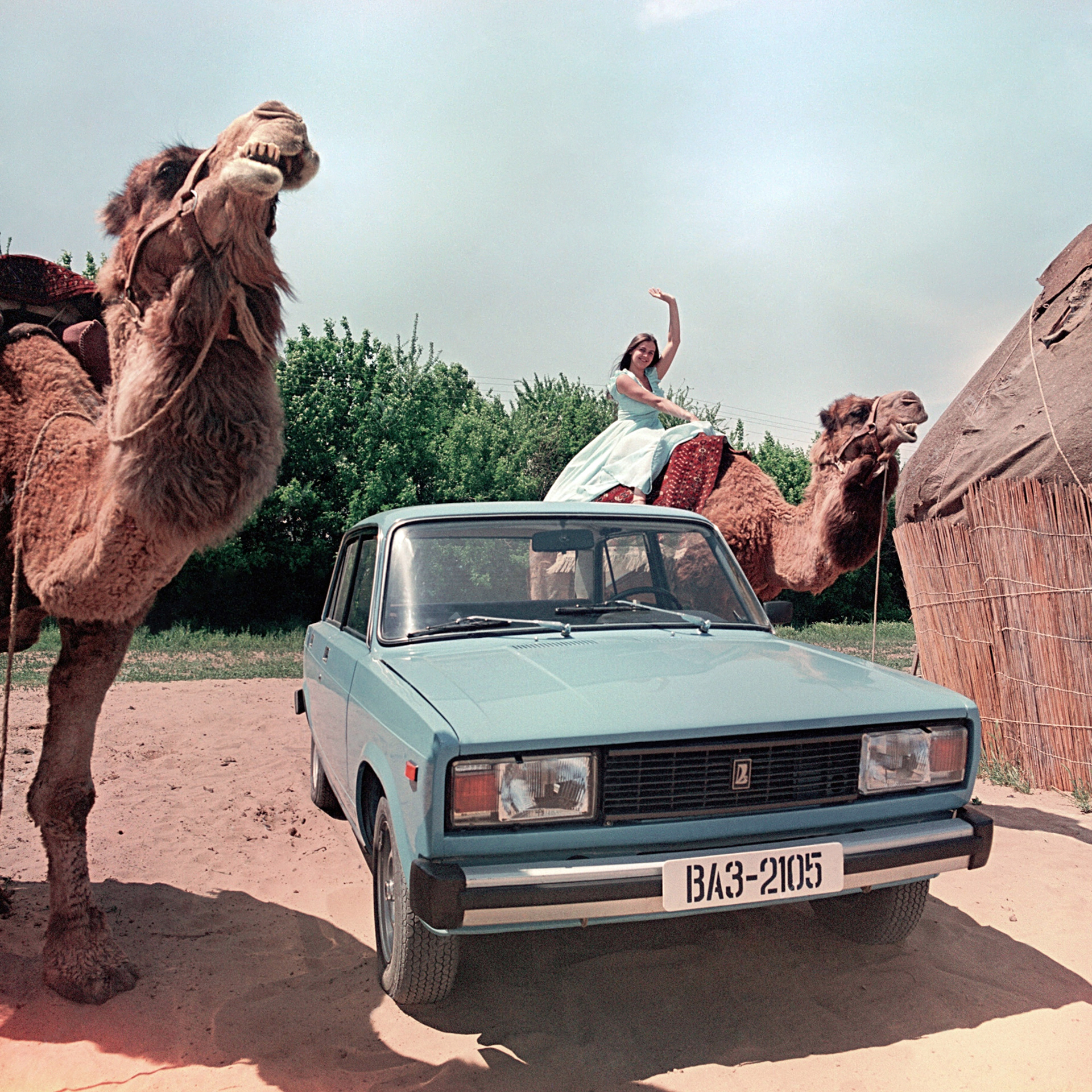
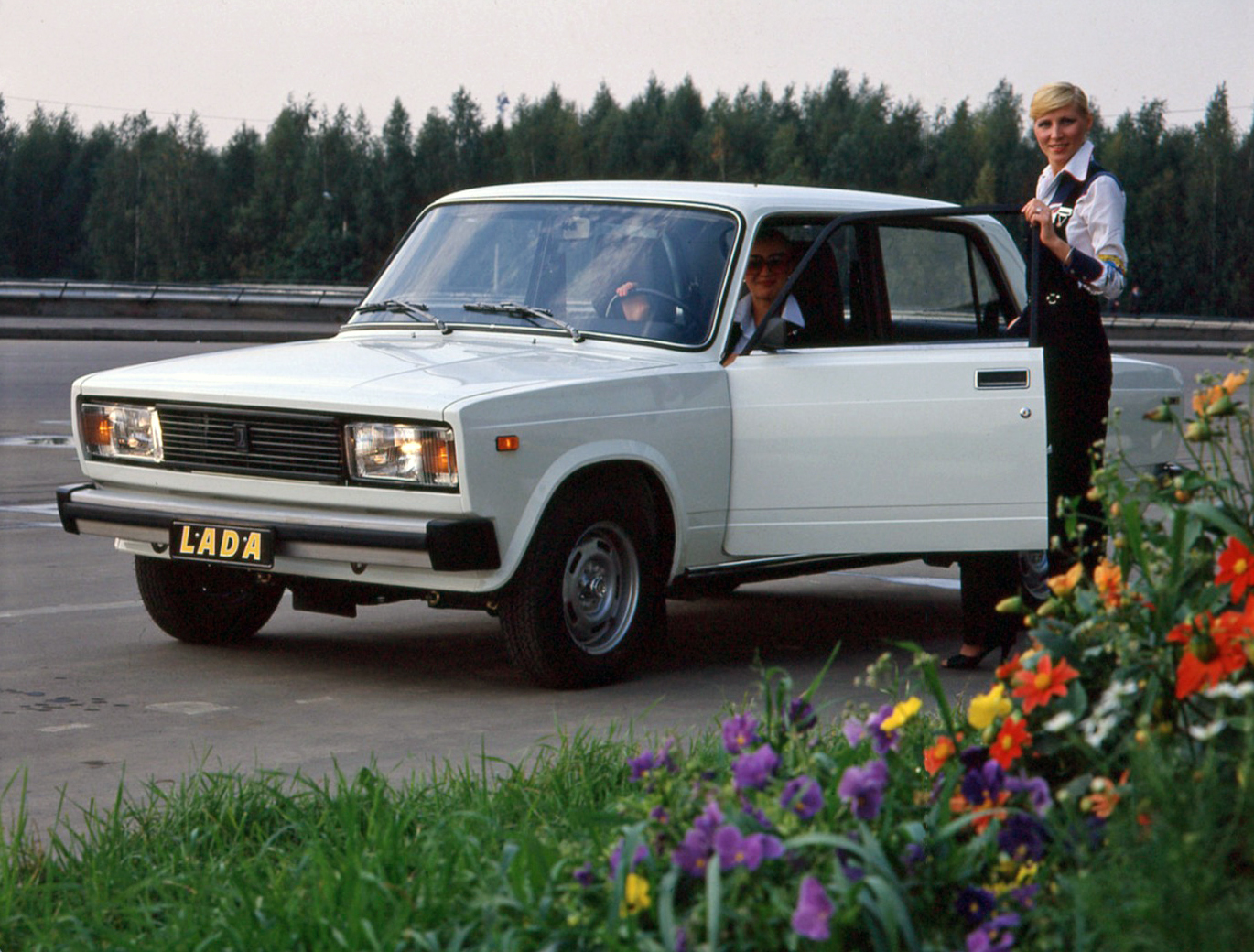
1982 – Lada Sport 2105 VFTS Group B

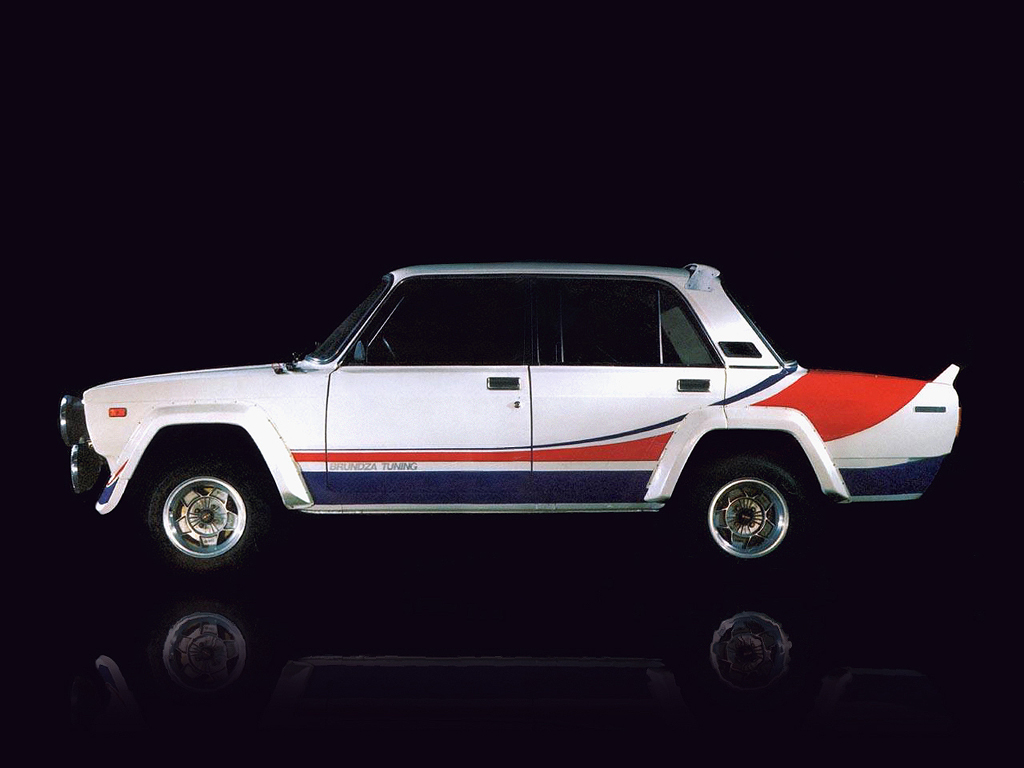
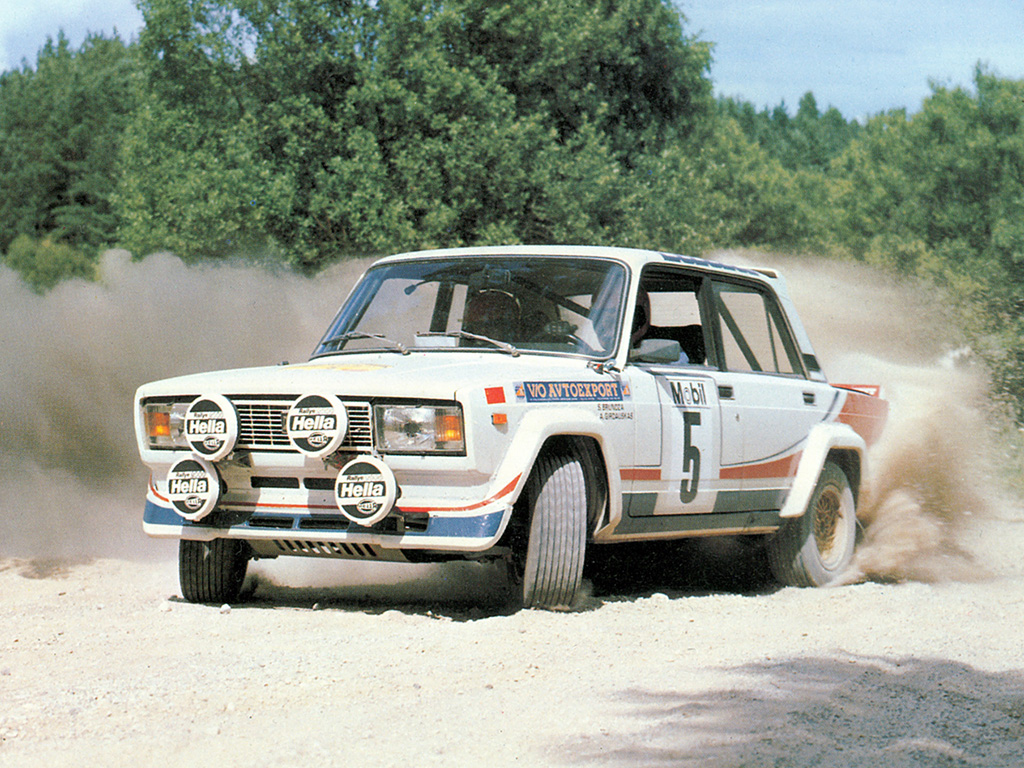
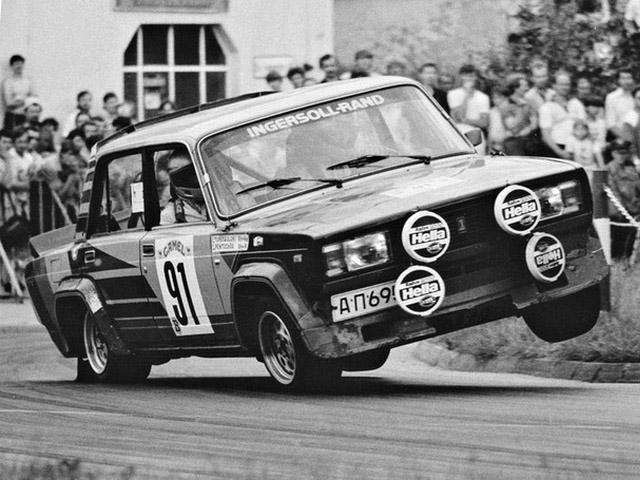
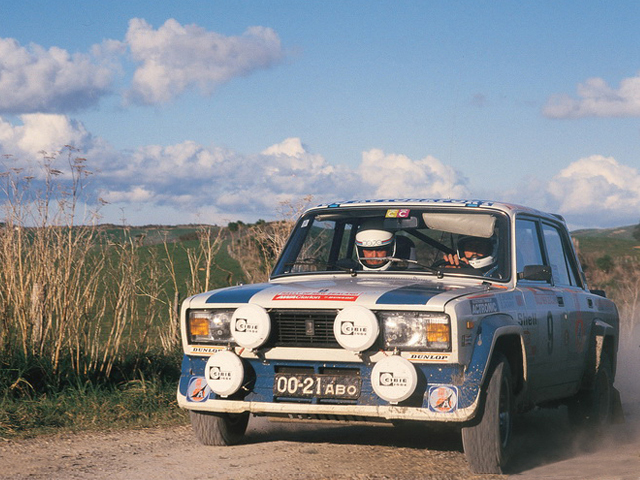
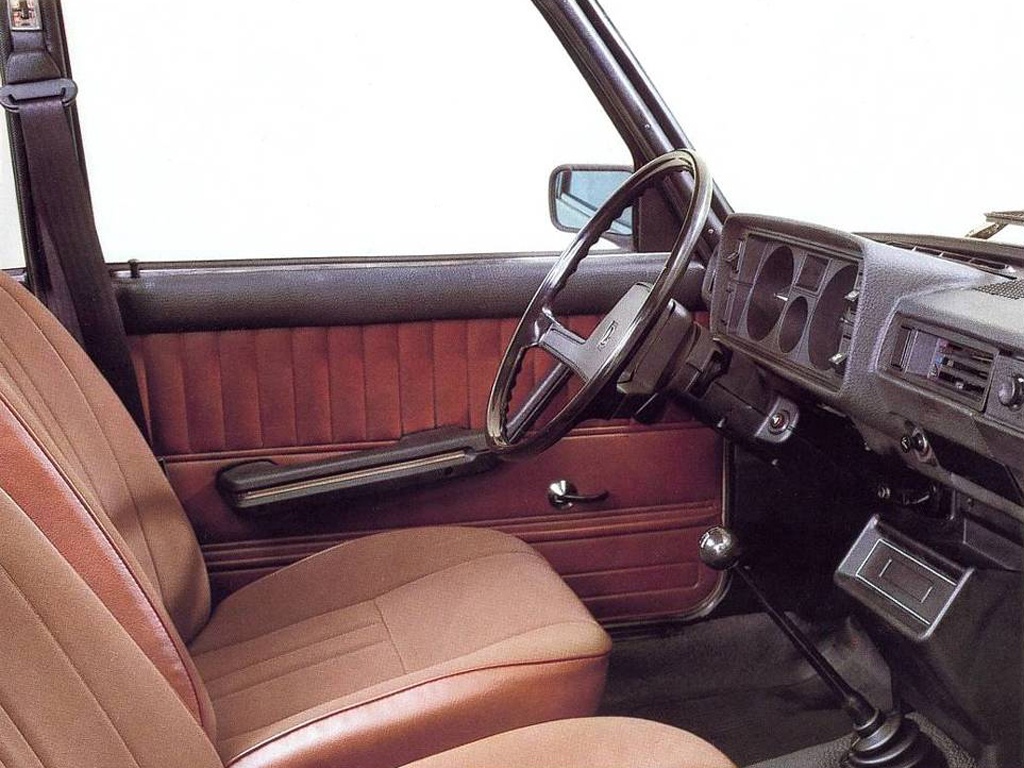
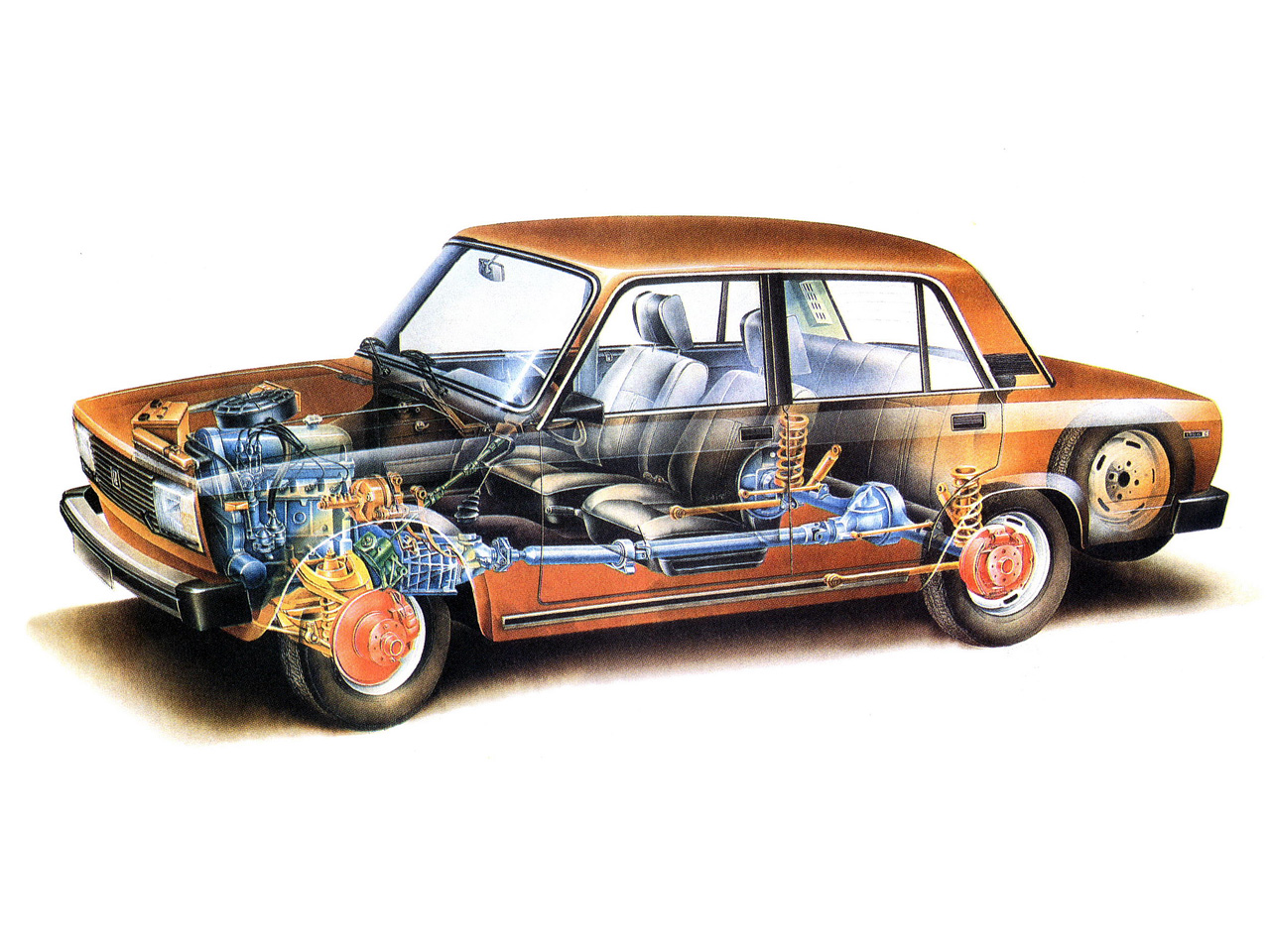
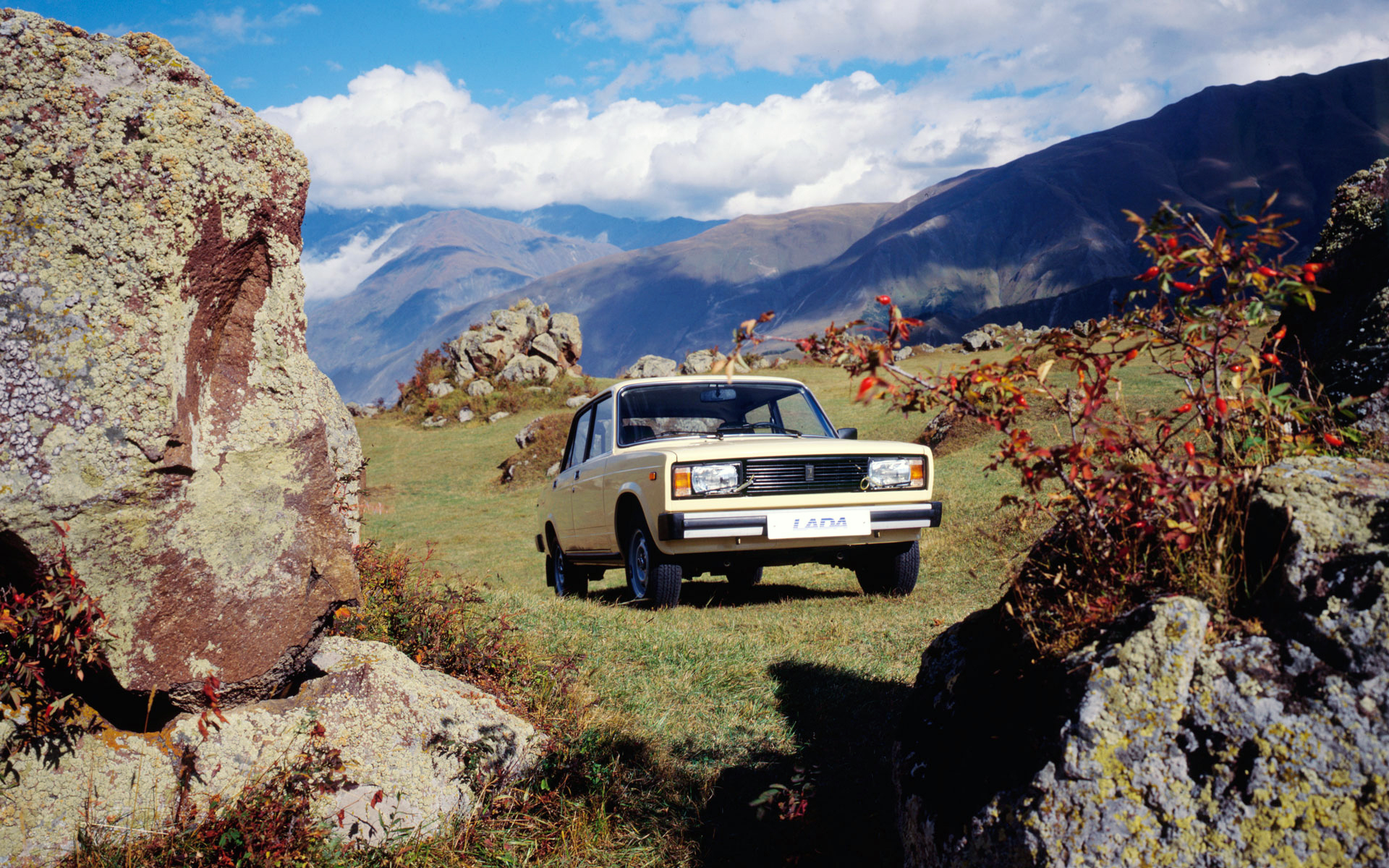
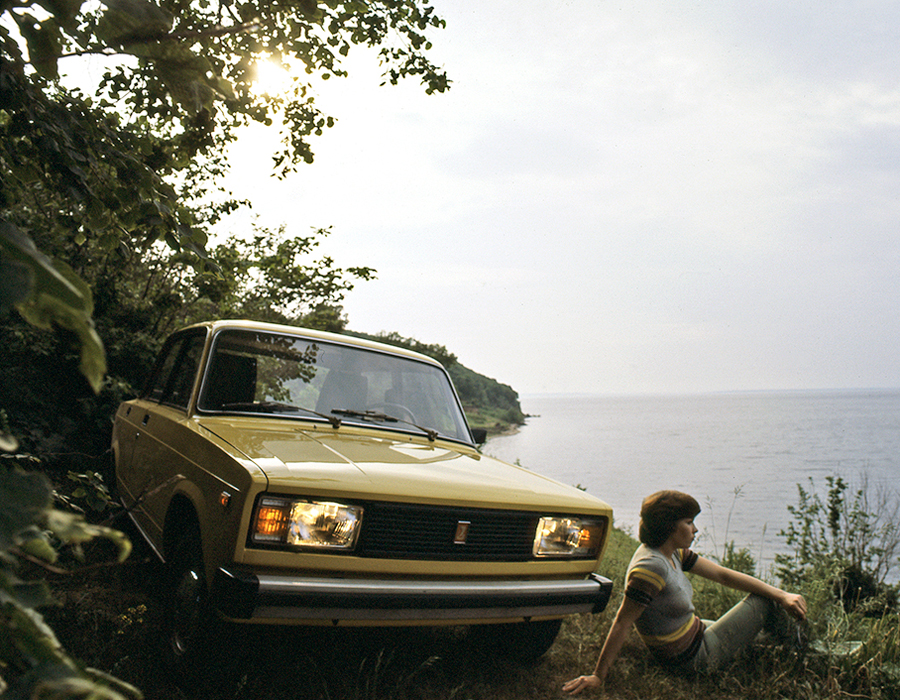
Lada 2105 VFTS was born in Lithuanian factories in 1979 – and 3 years after, it got homologated to the most fucked up rallying format ever devised by mankind. Motorsport Lada examples were viewed as simple and solid. Easy to maintain and repair – offering good power for low price.

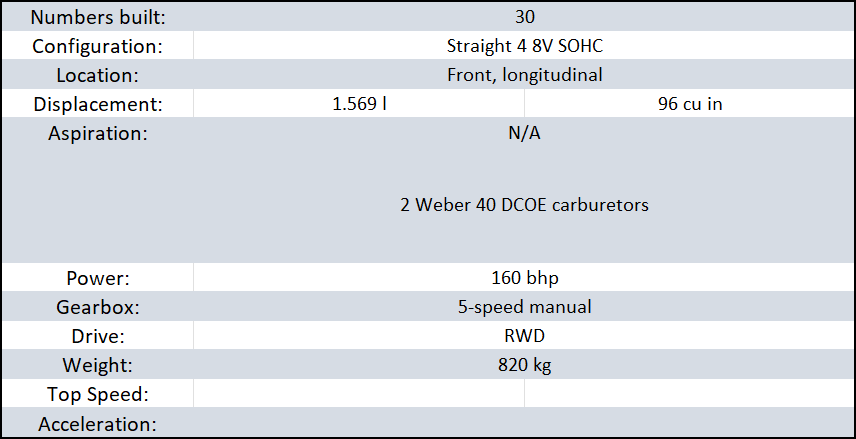
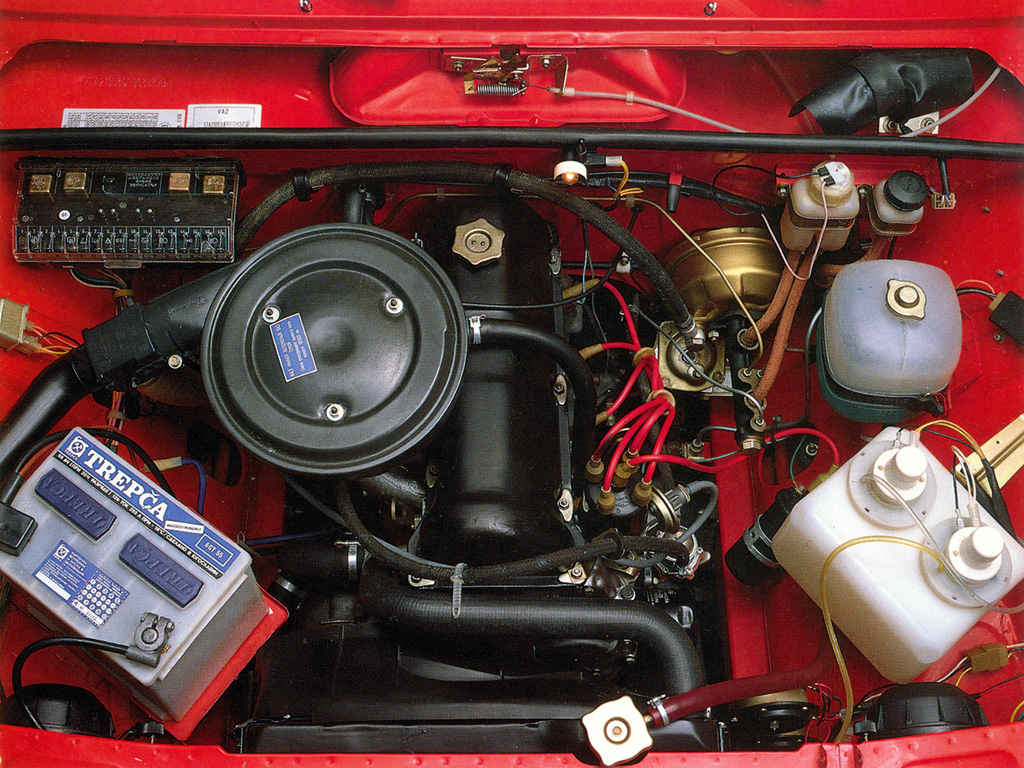
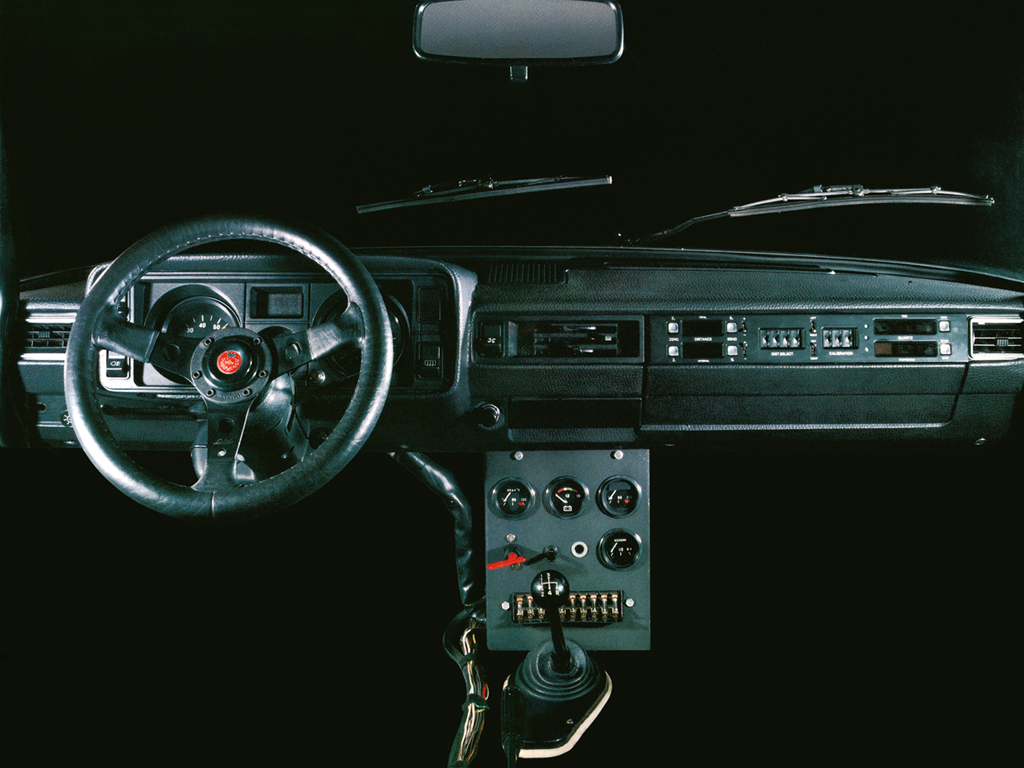
First rally models had 1.6-litre motors, and those powertrains were used as a base for the new cars. Double the power while maintaining its small size, helped it dominate smaller rankings for B/10, which was a Group B class for between 1.3 and 1.6 litres. And the car was still supported with rear suspension upgrades, and transmission a year after. The new gearbox had its 1st on the top right – right above reverse – and the rest look like in normal 4-speed… which did look moronic at first glance, but in fact you don’t really use first gear when rallying, and the rest was right opposite to each other with this layout – you didn’t have to go across to upshift, so it made perfect sense. The engineers also used aluminum and other lightweight materials to finish the car.

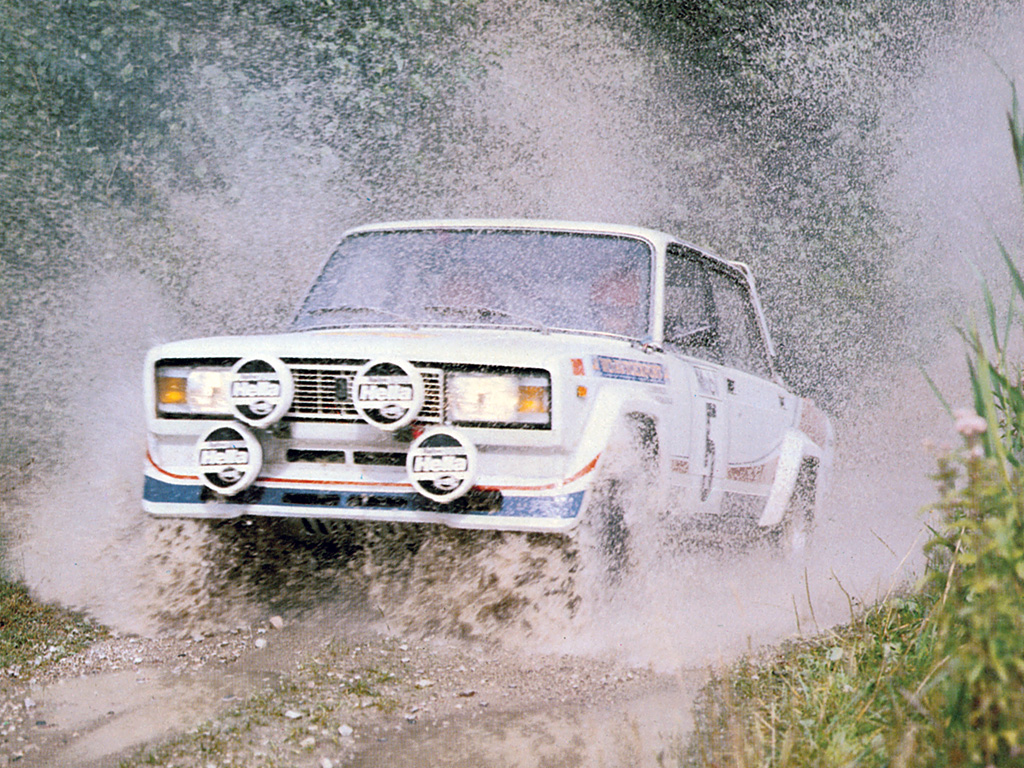
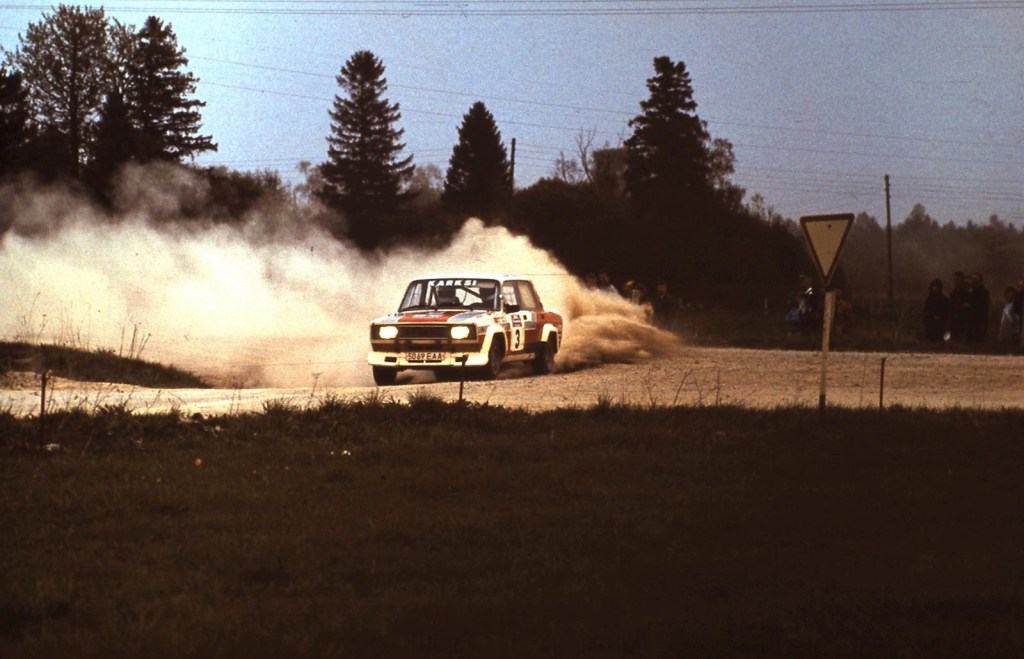
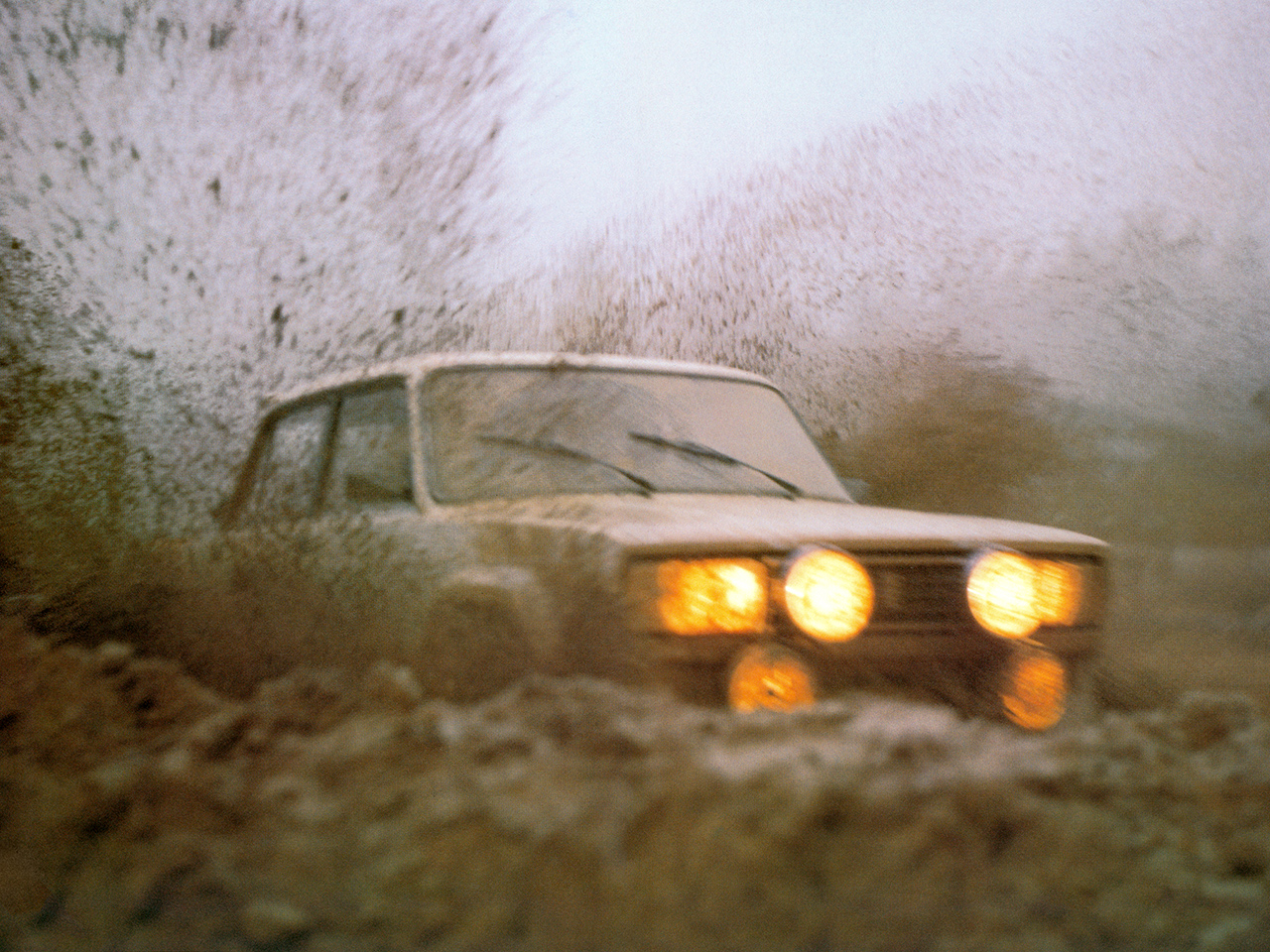
It was not a common participant in the WRC main events, but such as Rally Finland in Group B/10 ended up with 6 Ladas on first 6 positions – 18th place overall. In the age of Audi quattro, Lancia 037, Fords, Toyotas… Most successes were achieved behind the iron curtain, where it had no match, time and time again.

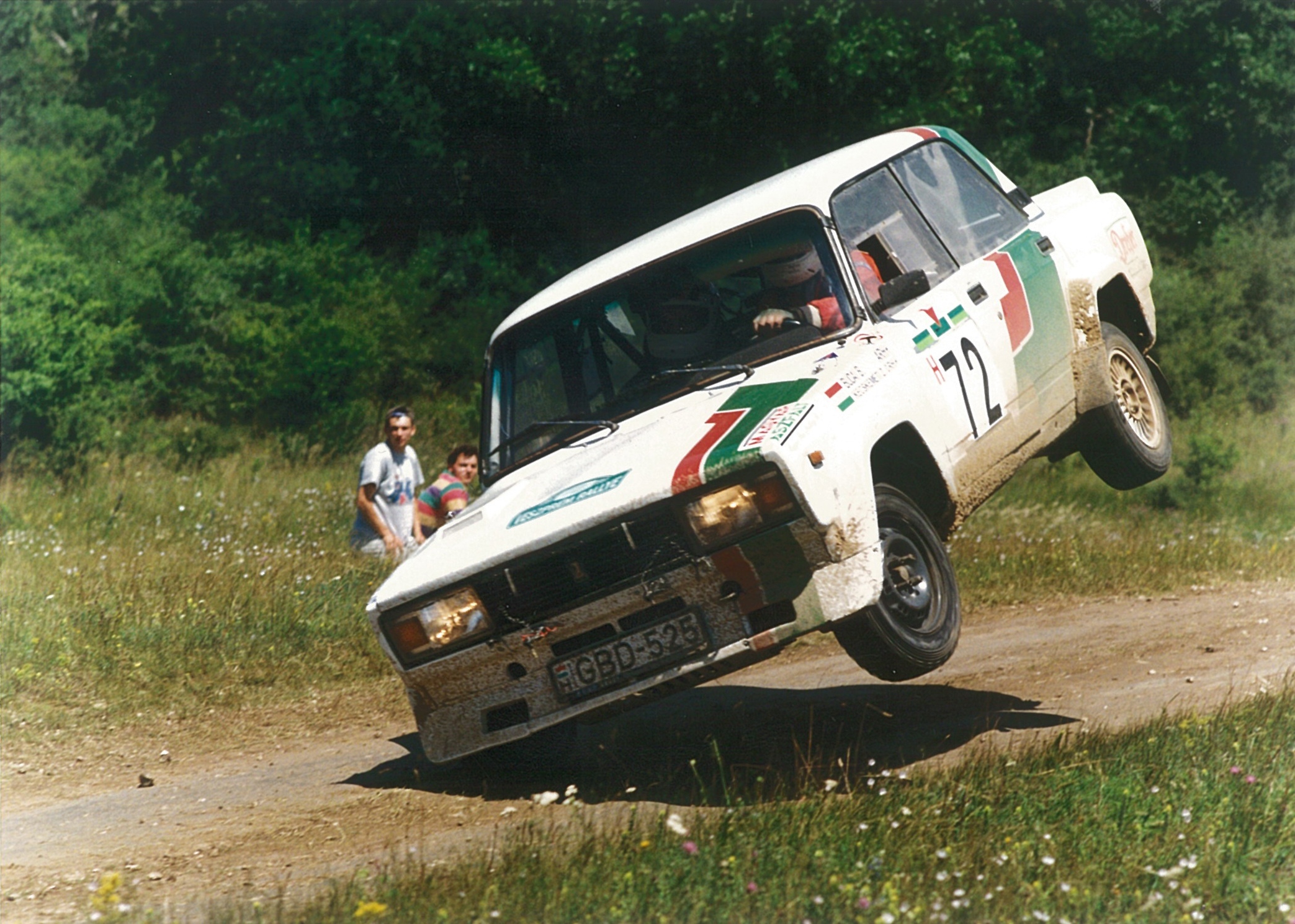
The last 2105 VFTS left the factory in 1990 and the total of 30 rally examples ever existed. They didn’t really suffer the worst of the Group B cancellation, because they rivalled within its lower divisions. That’s why they could end their careers late in 1991, when they stopped being competitive and the homologation papers expired. Eastern racers went mental about that model, so much so you can still see its replicas on various events to this day. Some are still fighting for… idk… Hungarian Championship for example. True story. Lada engineers tried their luck with a Group S project, but it was cancelled when they had around 30 examples of their car built and ready to rally.

Krzysztof Wilk
All sources: favcars.com | wheelsage.org | groupbrally.com | rallygroupbshrine.org

1981 – BMW M1 E26 Rallye

M1 was a BMW’s halo car between 1978-1981, and even though it had some production issues, enough examples were made for Germans never to worry about the Group 4 homologation. BMW then tried to rival the Group 5 Porsches, but the fact was – the M1 was never designed as a Motorsport vehicle, be it race or rally car. Late ’70s though, rally racing got really popular everywhere in Europe – including France – and France housed numerous tarmac events. A local BMW division decided to up their image by launching the brand’s flagship sportscar’s rallying program. Oreca Team was signed and that was the most fruitful privateer cooperation then.

The M1 Group 4 Rallye was a platform for many high-performance systems from the – now defunct – Procar examples. That’s why the two configurations didn’t really differ that much in specification or performance. The road-going M1 was already a big and wide car, but for the rallying it gained additional 10 cm. New were the fiberglass spoilers and wheel-arches. When they had to, BMW sold their actual Procar M1s as road-legal homologation specials. The M88-series Straight 6 generating 277 bhp from factory, now in rally trim was capable of 430 figure. None had such power as the BMW. All of it was sent to the rear via the close-ratio 5-speed. Its brakes had enlarged aluminum calipers. The French started racing this thing in 1981. Bernard Darniche – 5 times the French Champion, twice the European. The man who won every event on the French soil since 1975 – he drove an HF Stratos then – now in a Group 4 M1 he doesn’t finish the race. The car’s suspension doesn’t make it. It’s a bad sign…

Oreca Team got a new sponsor for the year 1982. The cars with Motul stickers are preparing for Tour de Corse and… well, Corsica is known for numerous narrow corners – often tight or very tight. The BMW was big, with huge power and a tiny handbrake that could do fuck all. Darniche tried his best but the oil pump failed this time. And the whole season was like this. ONCE they make it to the finish line – they make 9th place in German ADAC Rallye Vorderpfalz. Fritzinger Klas drove a similar M1 variant then and even managed 2nd.

Darniche had a flawless sports career… until he sat behind the wheel of that M1. At the end of 1982 he said “fuck it – I care not!” – and BMW was forced to find another victim in his place. France had one more motorsport legend – Bernard Beguin – thrice the France Champion and once for the EuroReich. He was also a 911 veteran, for his SC/RS campaign. With the year 1983, all Group 4 cars transferred to Group B and so did the rally M1, but the car itself didn’t suffer any changes. All they did was, they offered the Procar parts as Evo and that was it. The M1 Evo never came to be, cause that would require another 20 examples physically built to the new standard and the Germans said – “why, absolutely!” – and they redirected their funds elsewhere.

Bernard Beguin made his starts in 1983’s edition of Rally Corsica and… what this time? The engine, of course. The car, again, failed to deliver and it could not finish a single event that year. On a plus side: Beguin managed to complete clean runs – never crashed even though the size of car itself was massive. If only it could last till the end – you could clinch some points with that thing. But the 1983 season… Jesus Christ, don’t even make me start… BMW prepared special upgrades for brakes. A new VO system – dedicated for tight handbrake corners. Spoiler alert – didn’t help shit, because the car still kept retiring early from events. In the final – Rallye d’Antibes, M1 got just 33s behind a Lancia 037.

All in all, BMW was too big for rallying – even dry tarmac. Too heavy, unreliable and generally expensive to run. The rally world was quickly flooded with Group B supercars – highly advanced off-road beasts – and the Germans could pack their shit and go home. Oreca Team surrendered without even trying to address the new rivalry and Beguin returned to Porsche, successfully restarting his 911 campaign. He even managed to win some wins for the BMW in a Group A M3 between ‘87-’89. And the M1? Its papers expired in 1986, so till that moment, it still fought in private hands. There was a time when BMW was the most powerful rally car in the world. Too bad – that’s only numbers in the Excel. And in reality? Not as competitive.

Krzysztof Wilk
All sources: favcars.com | wheelsage.org | wikipedia.org | ultimatecarpage.com | Top Gear: The Cool 500 – The Coolest Cars Ever Made | M Buckley – The Complete Illustrated Encyclopedia Of Classic Cars | autozine.org | rallygroupbshrine.org | carthrottle.com |