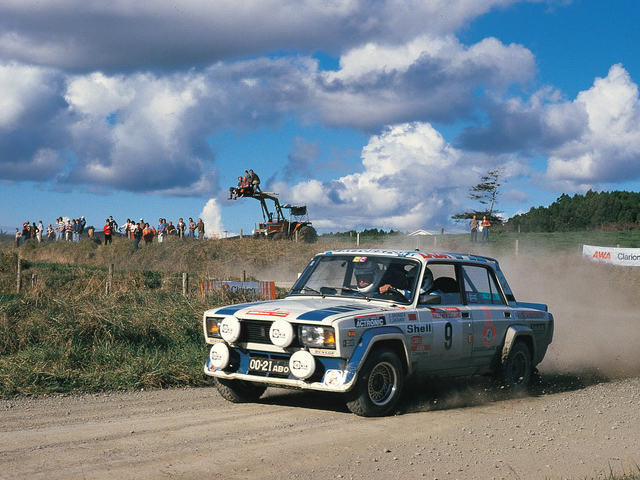
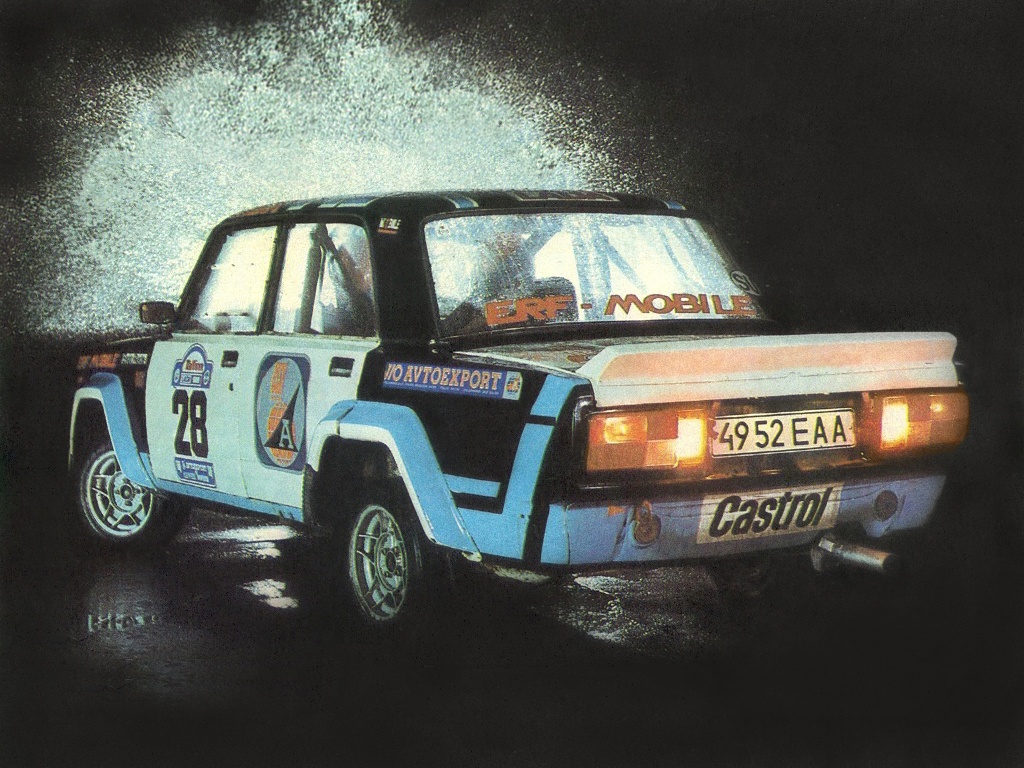
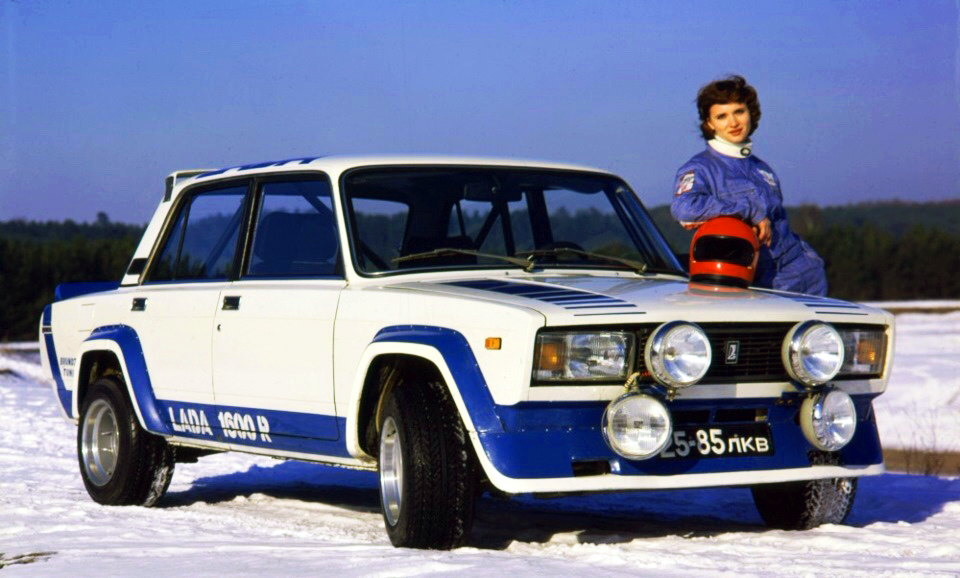
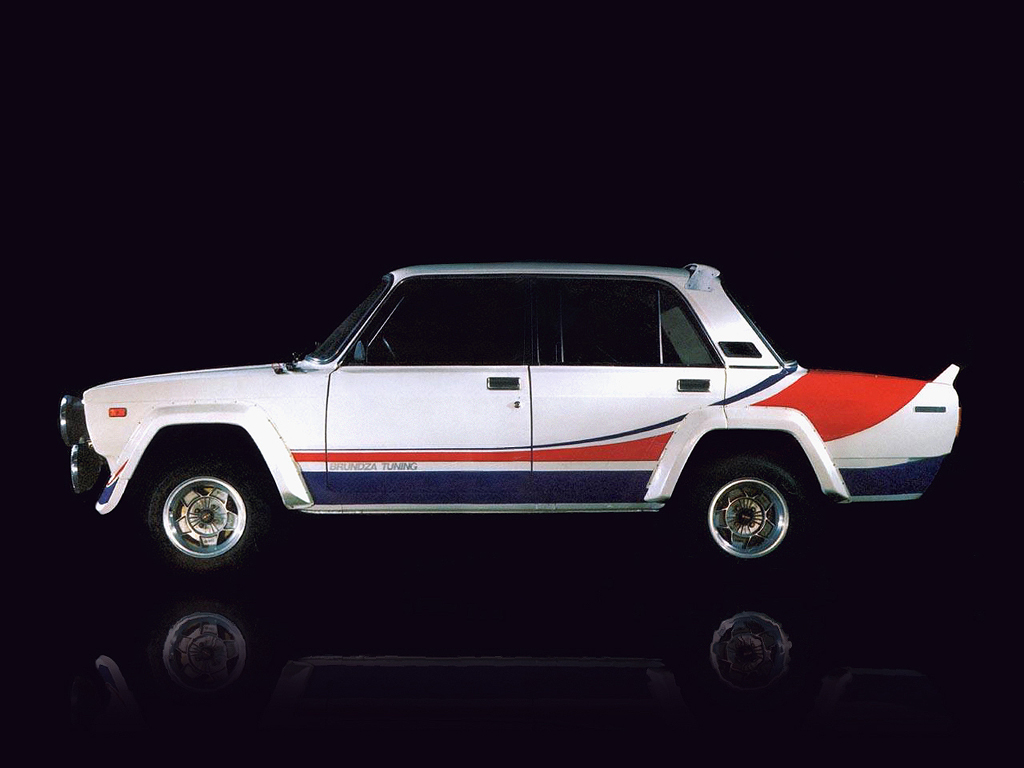
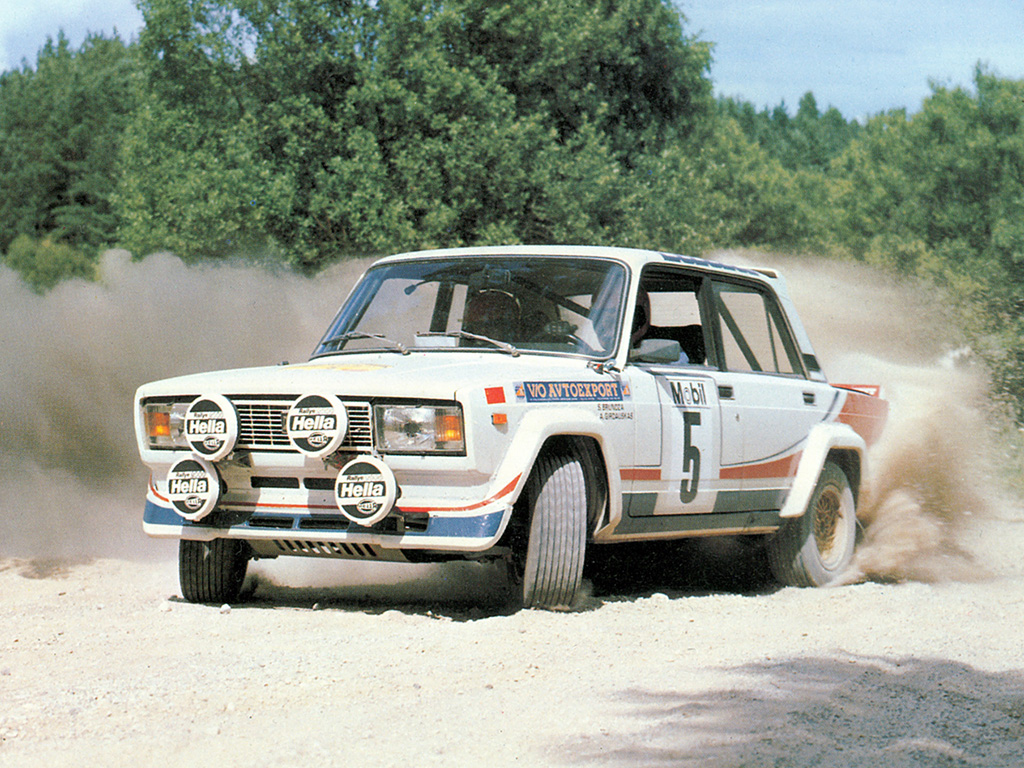
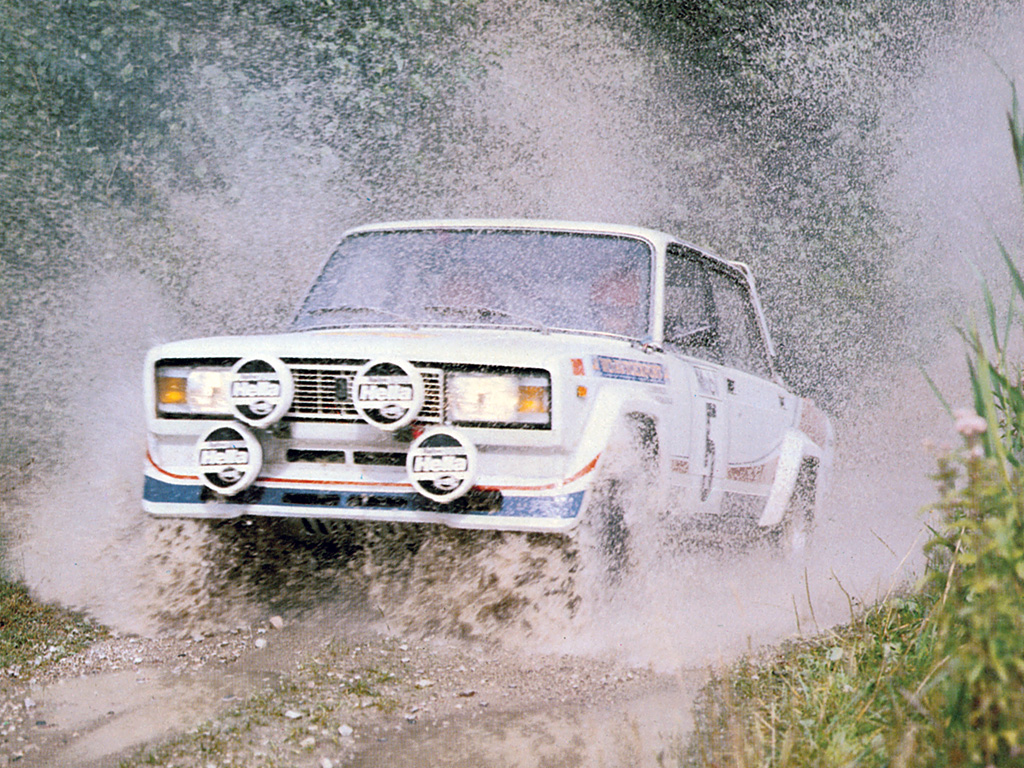
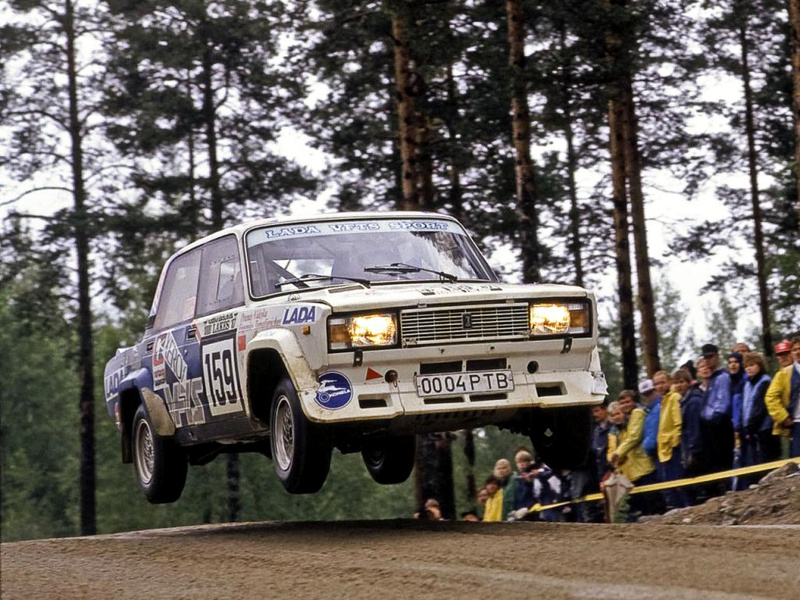
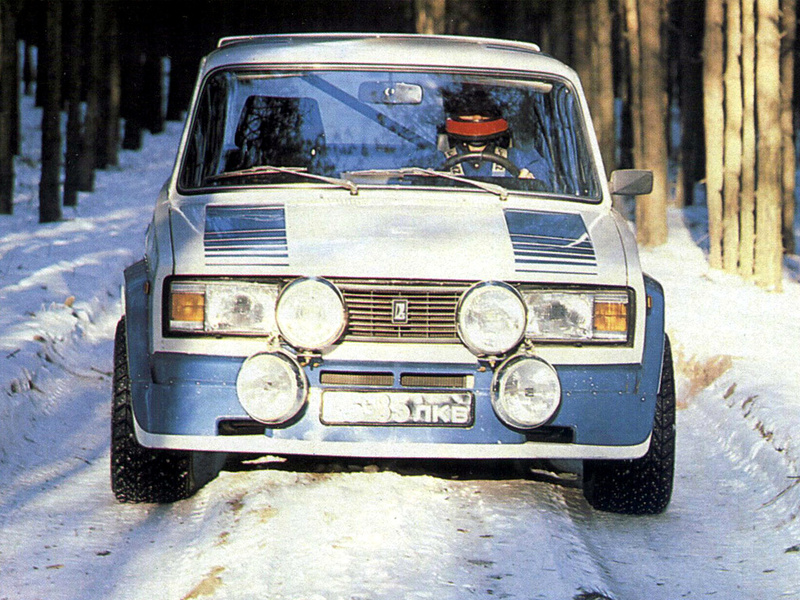
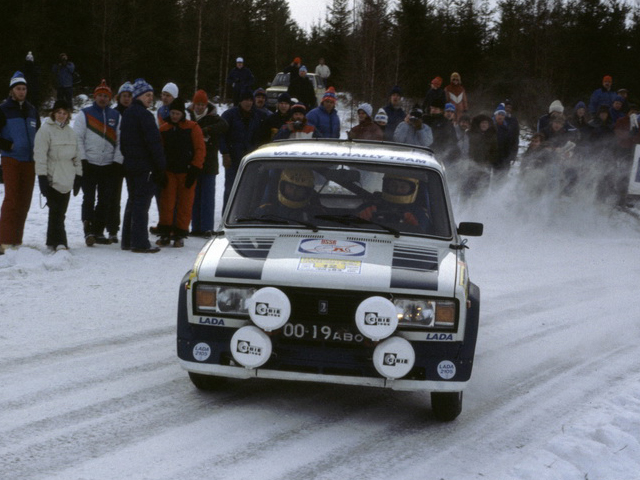
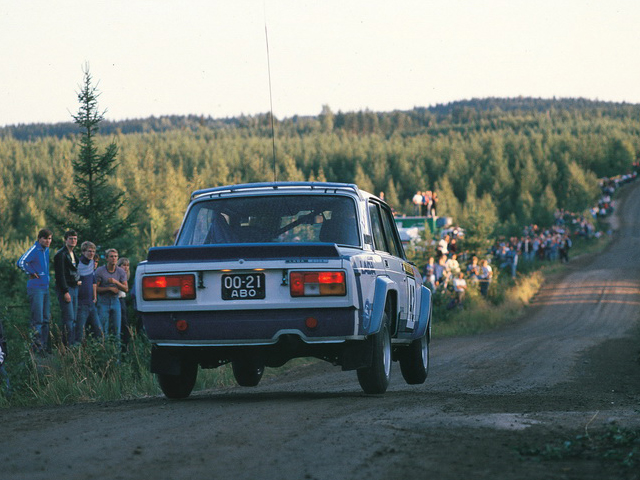
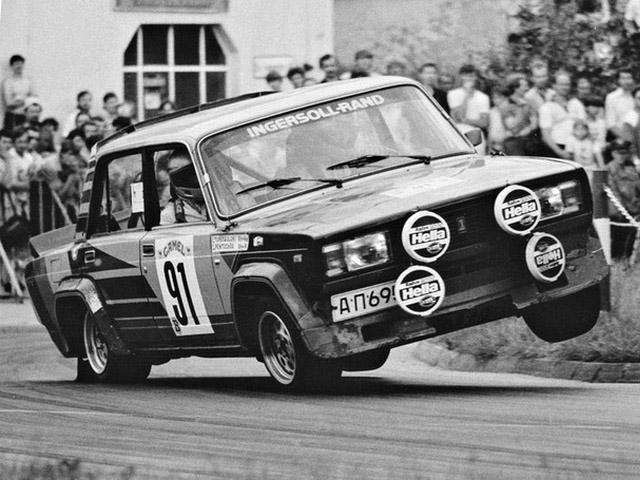
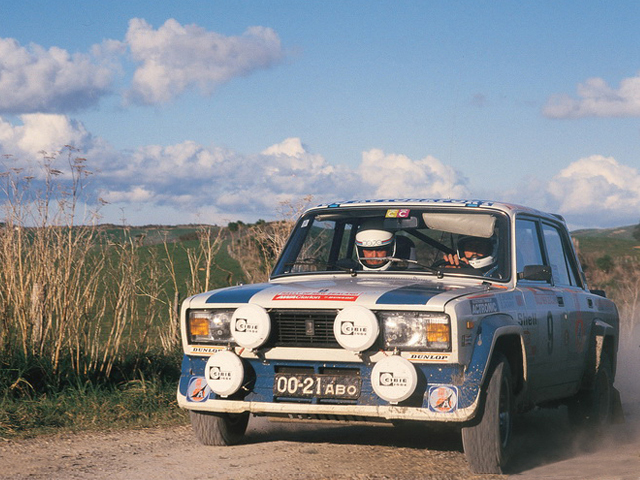
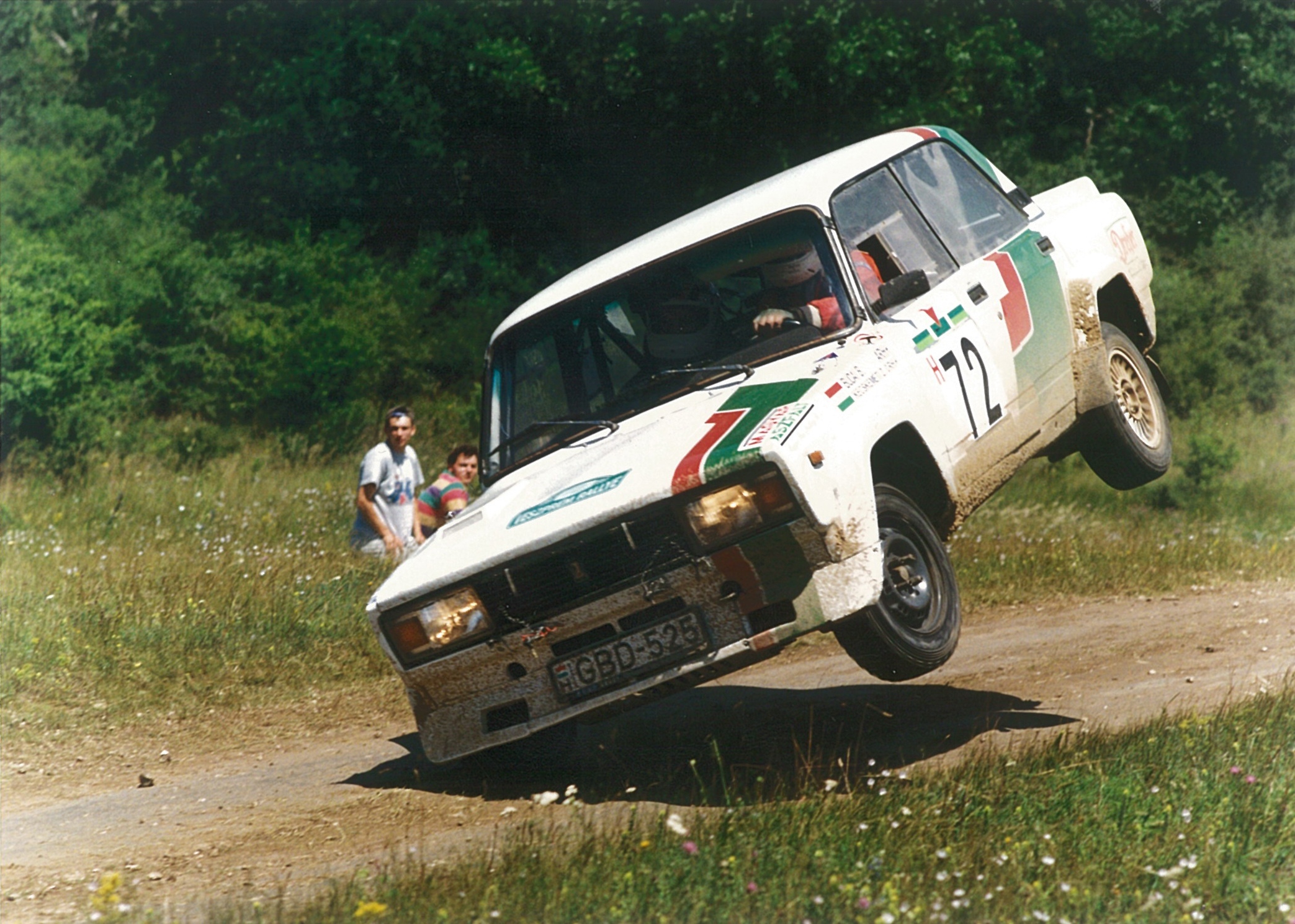
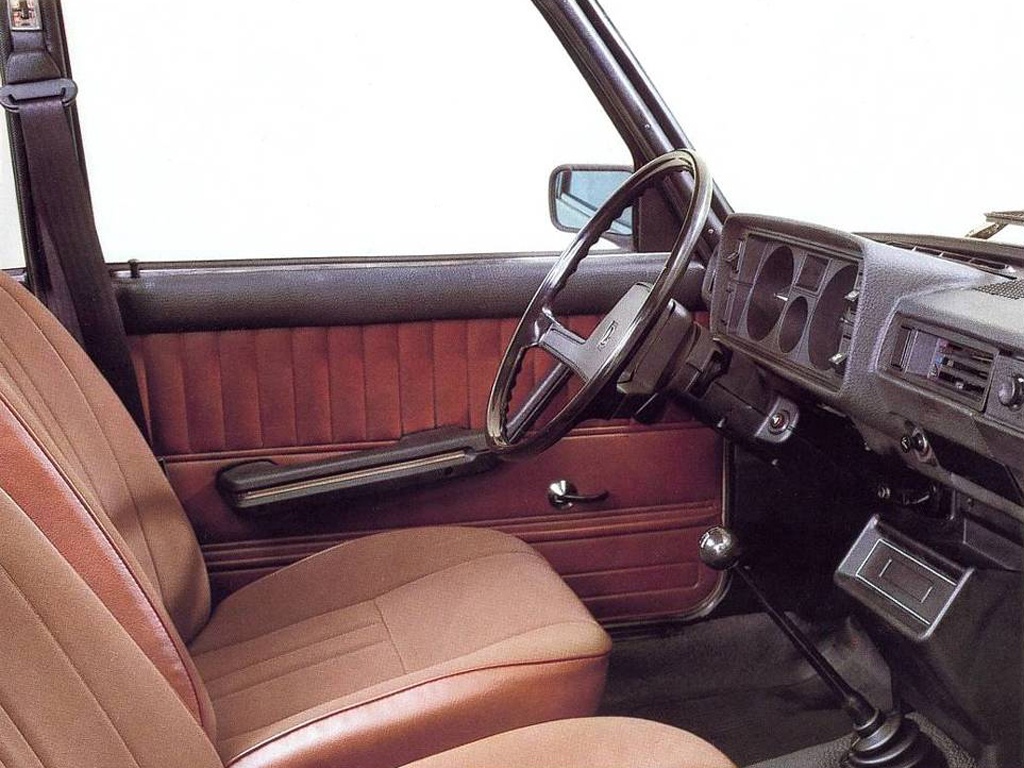
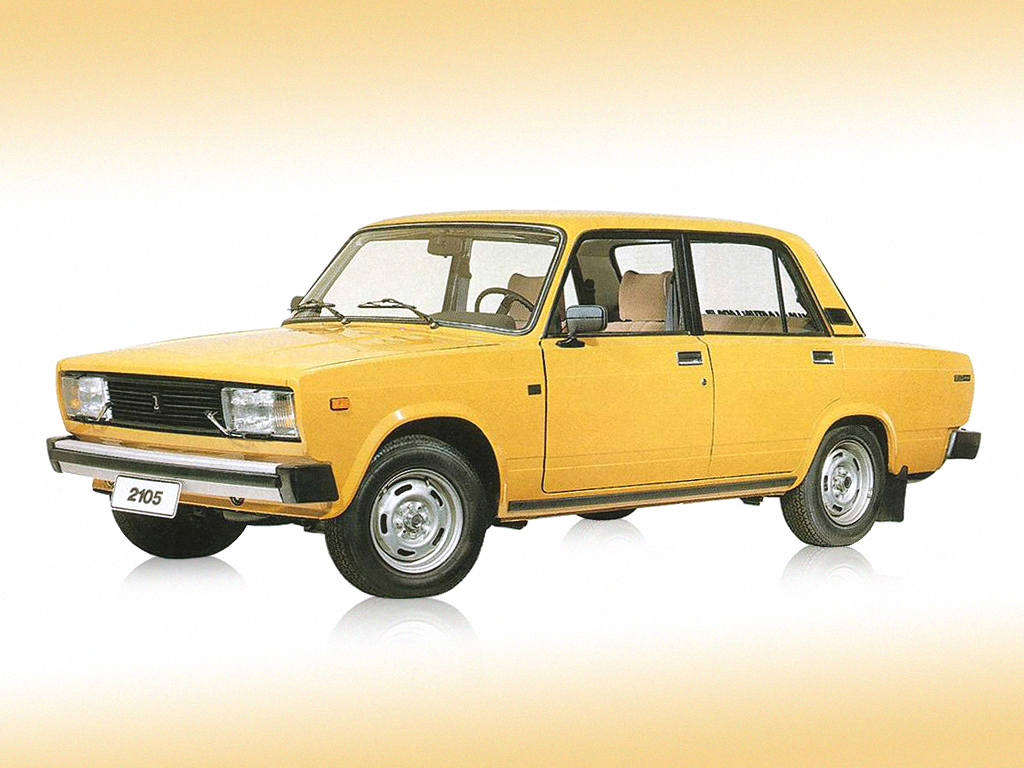
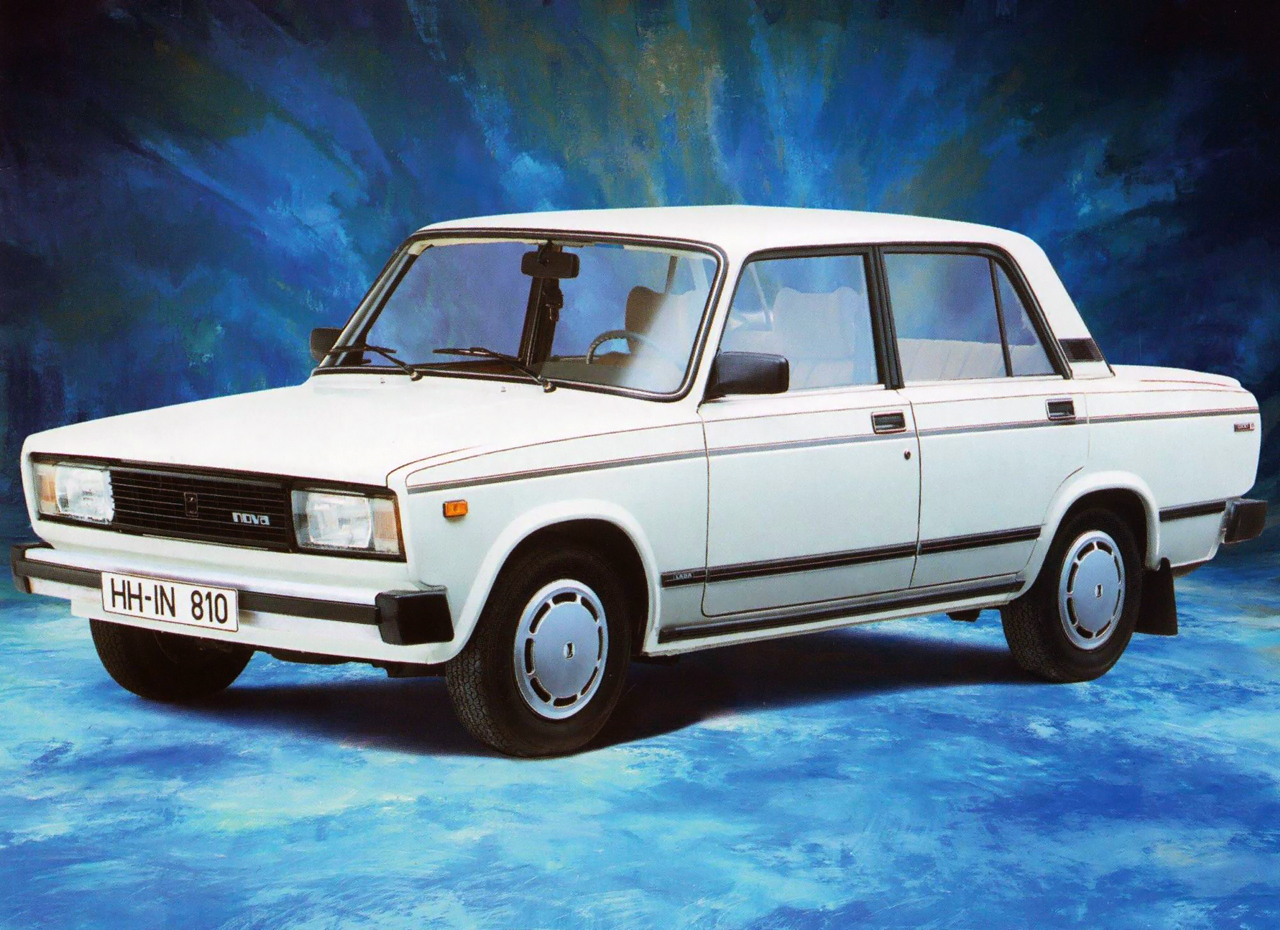
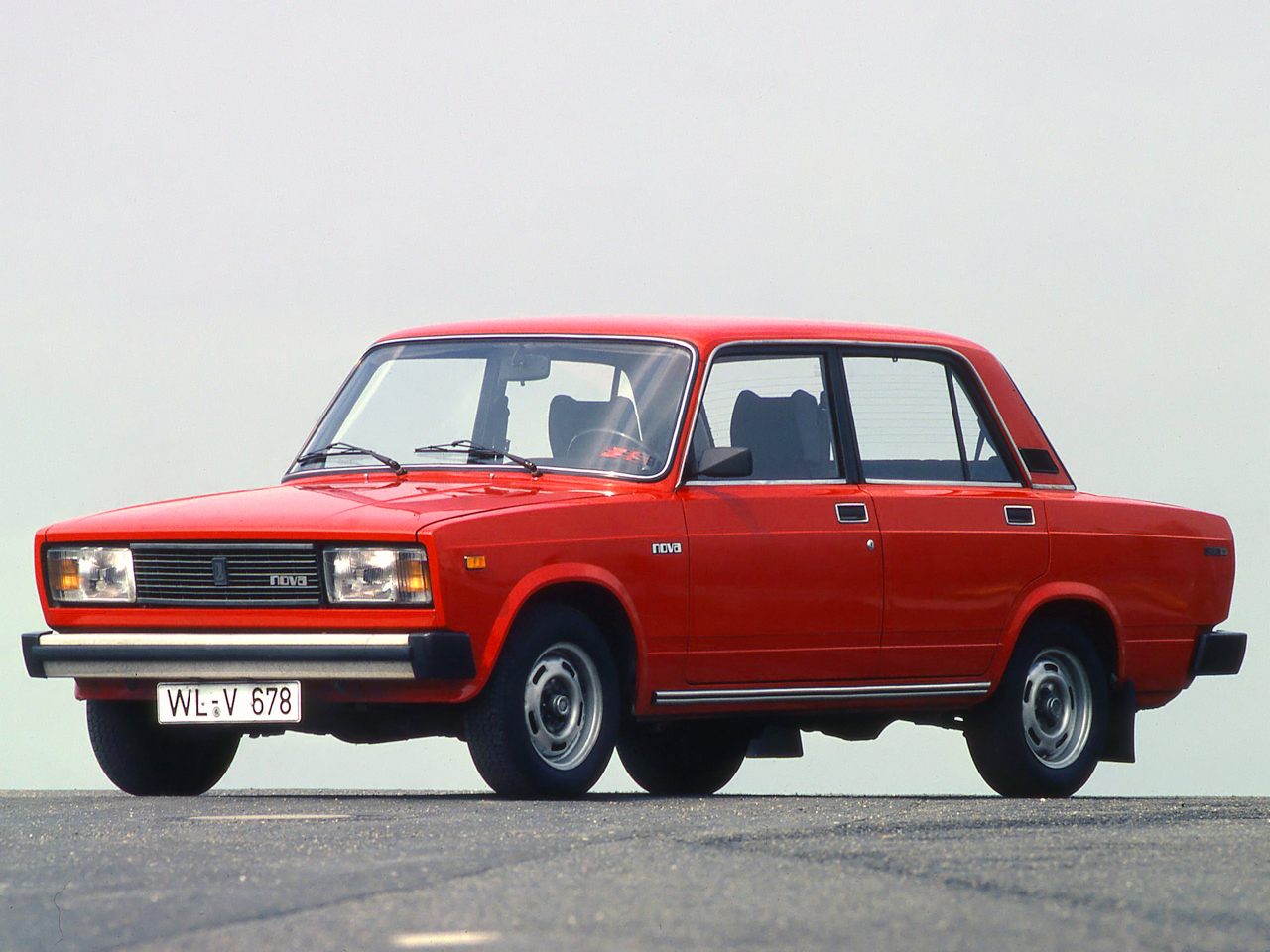
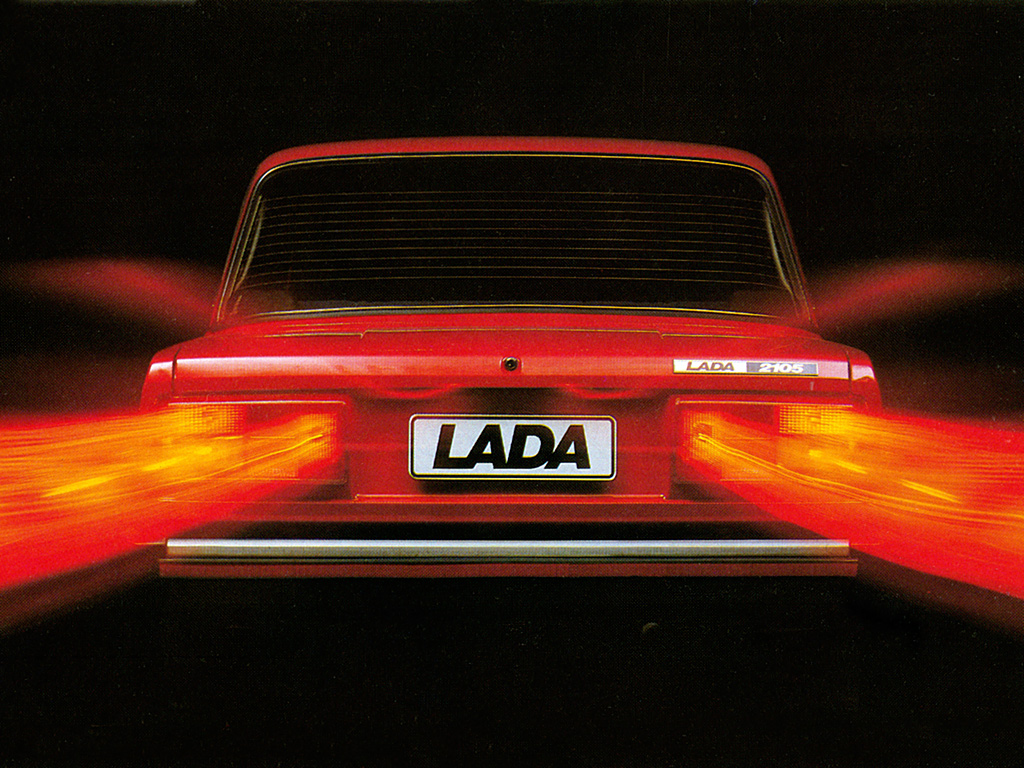
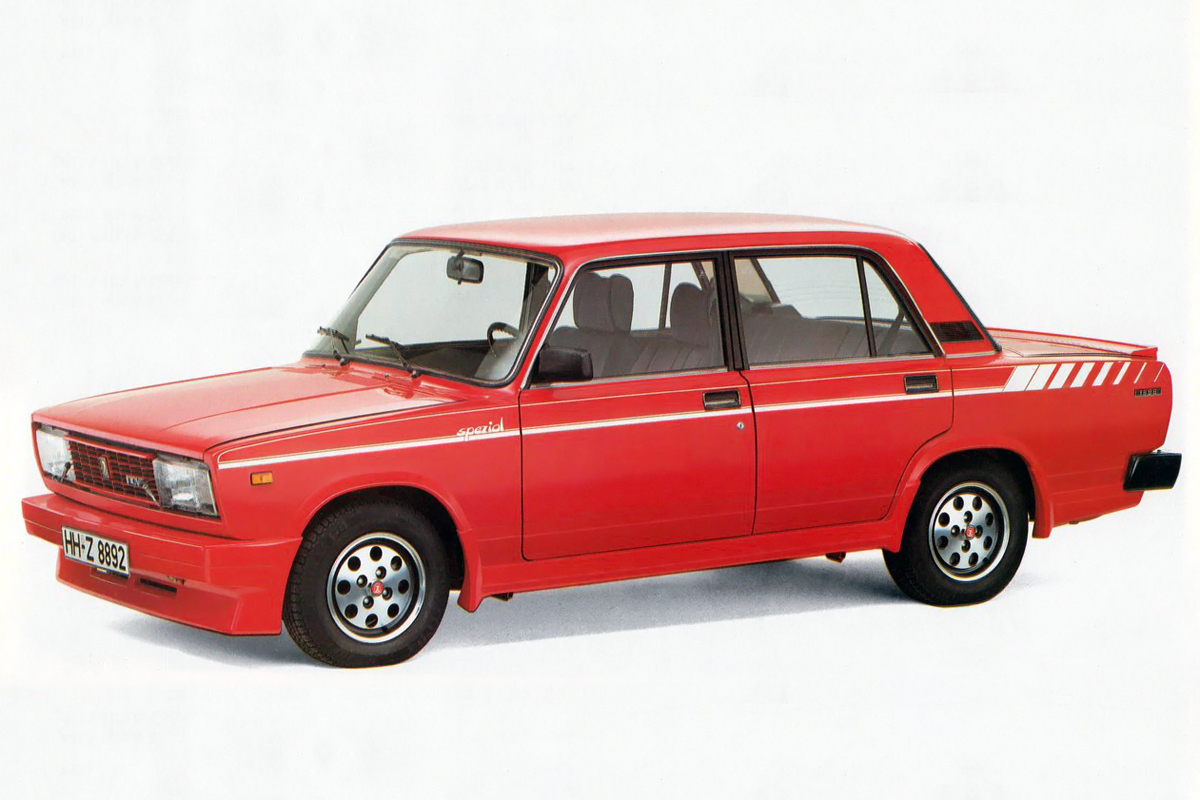
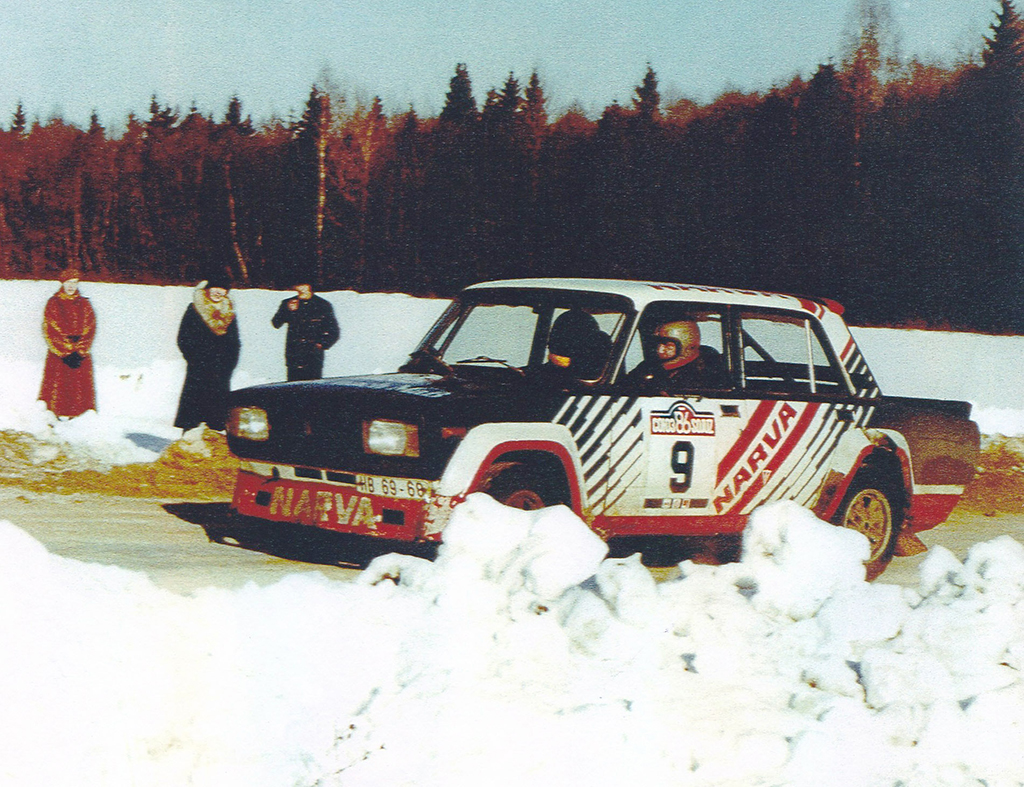
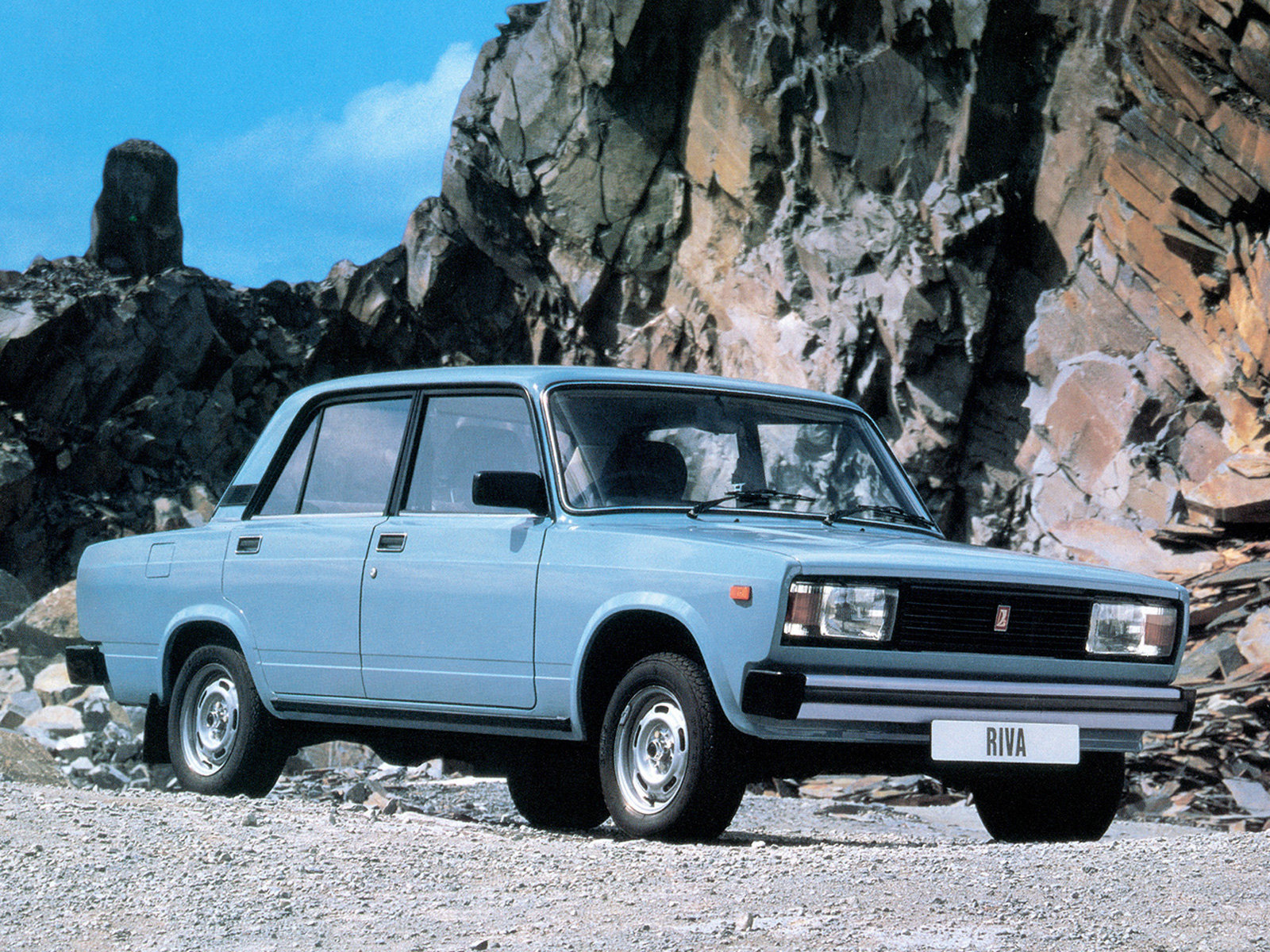
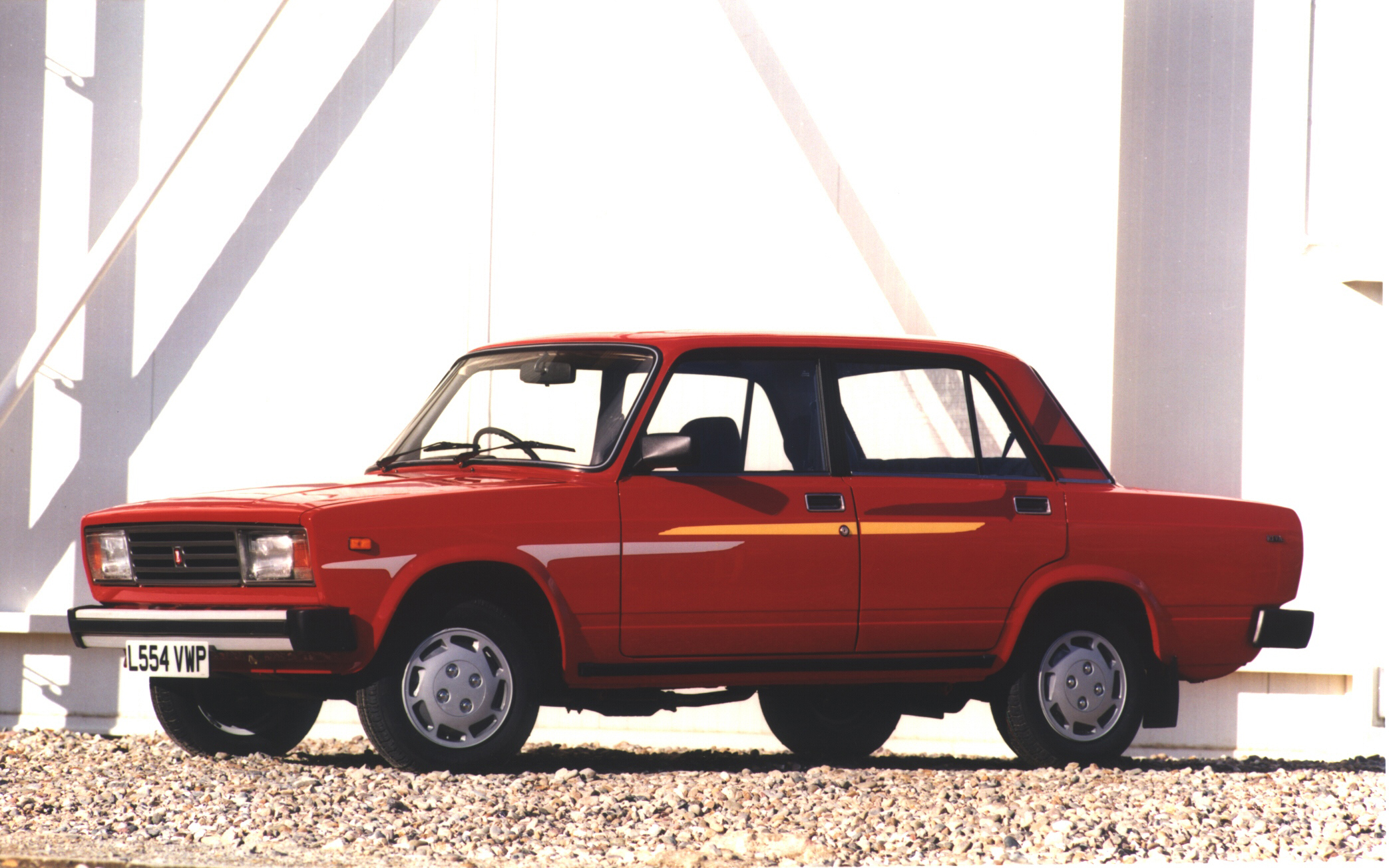
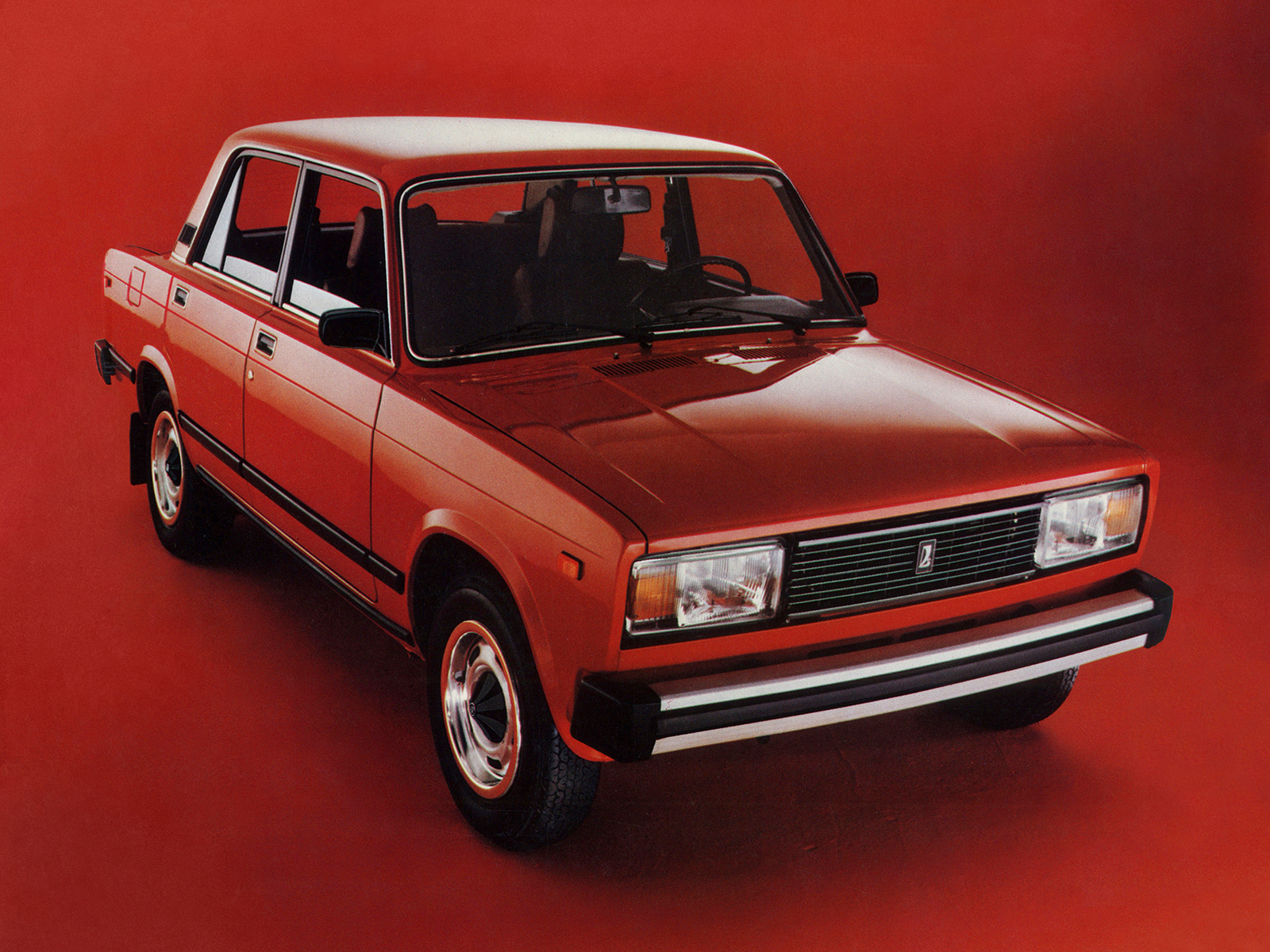
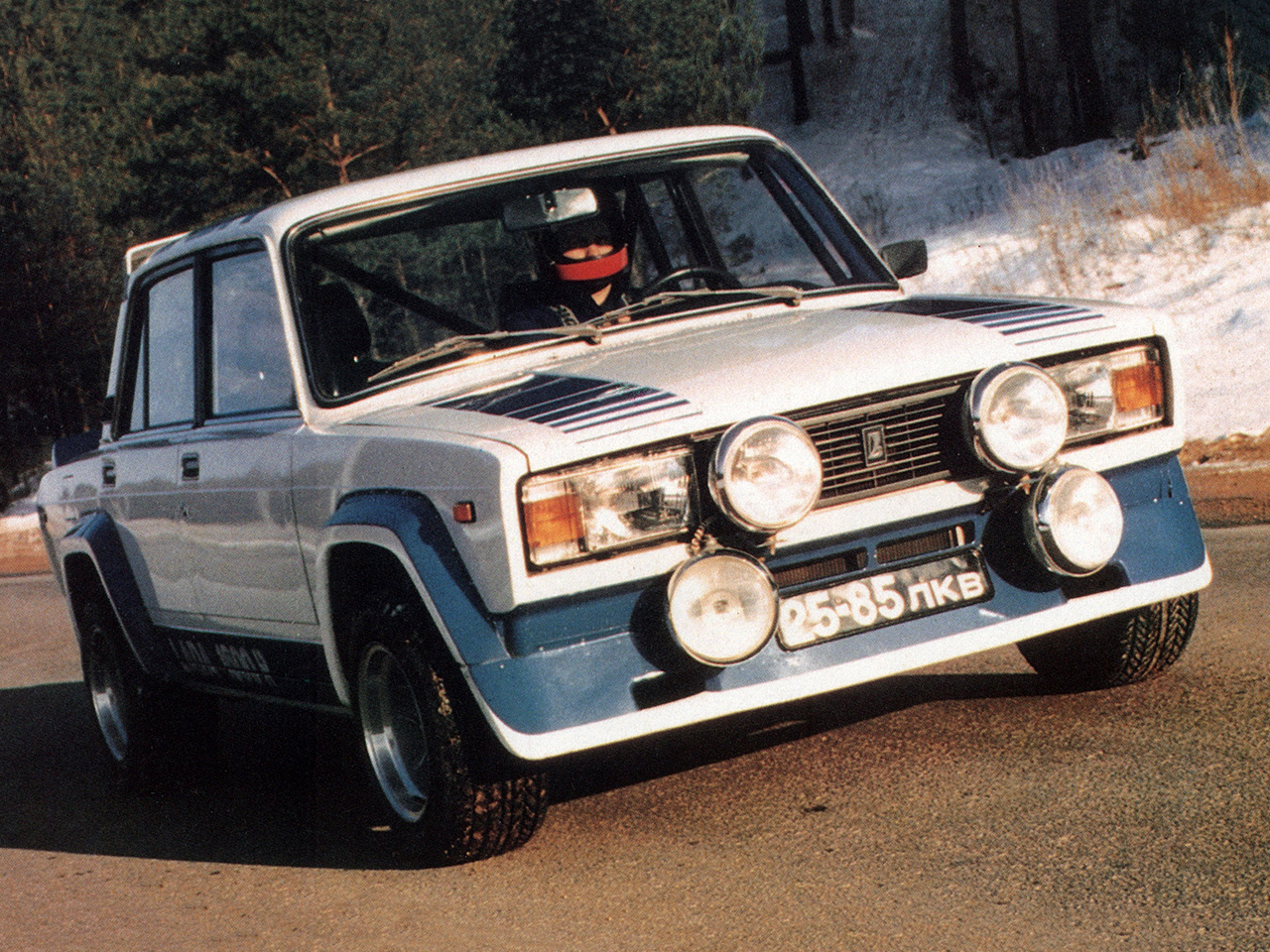
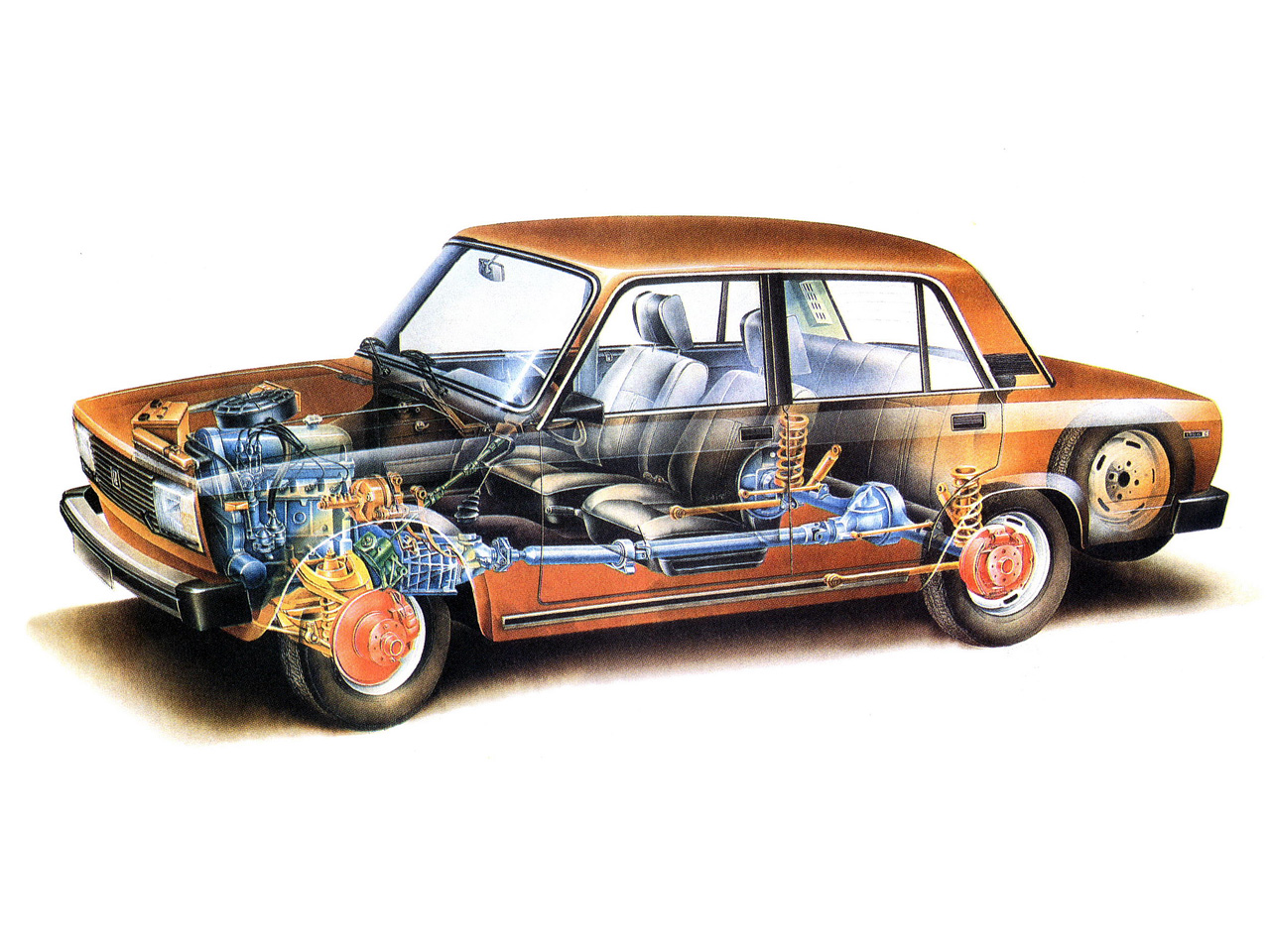
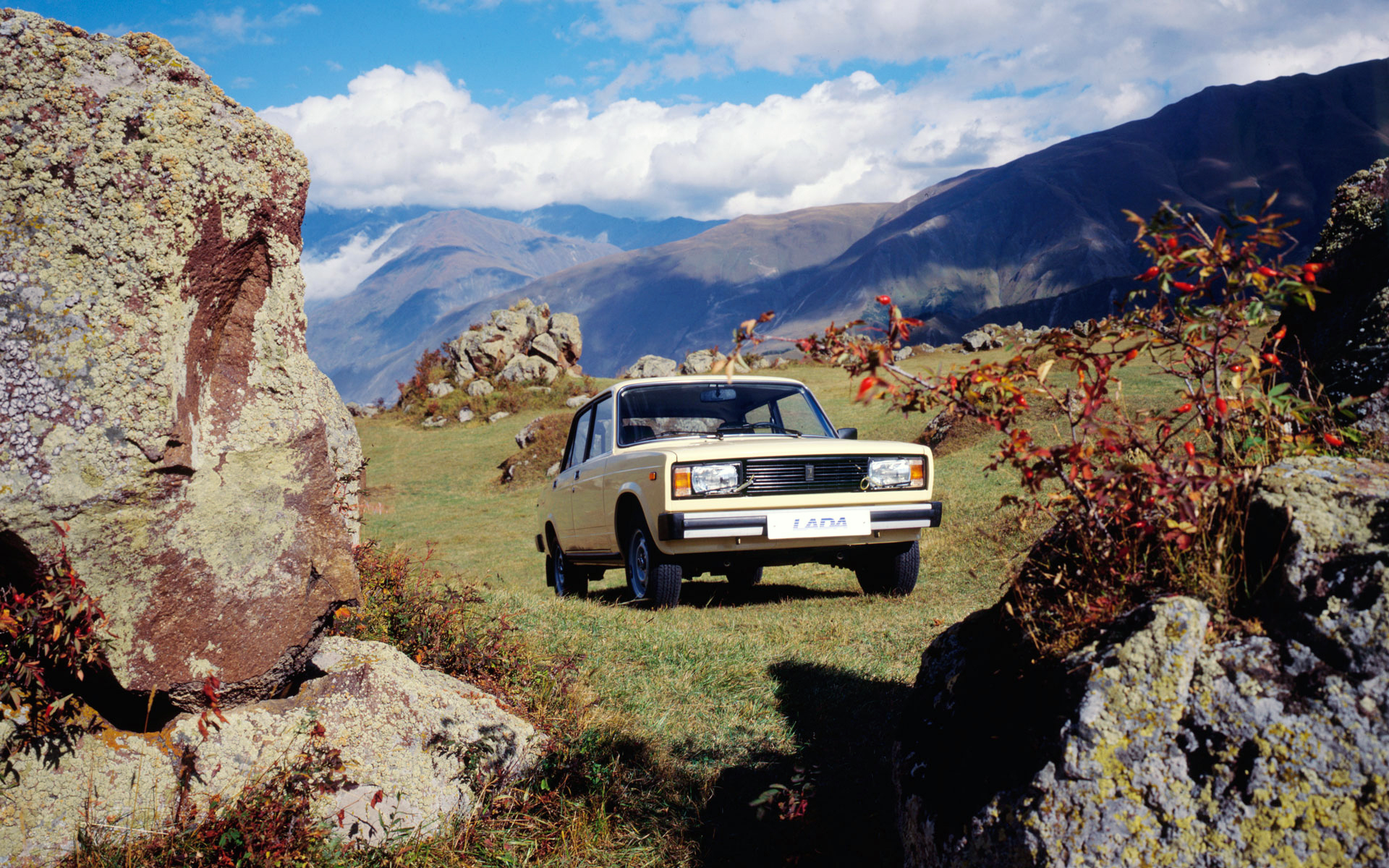
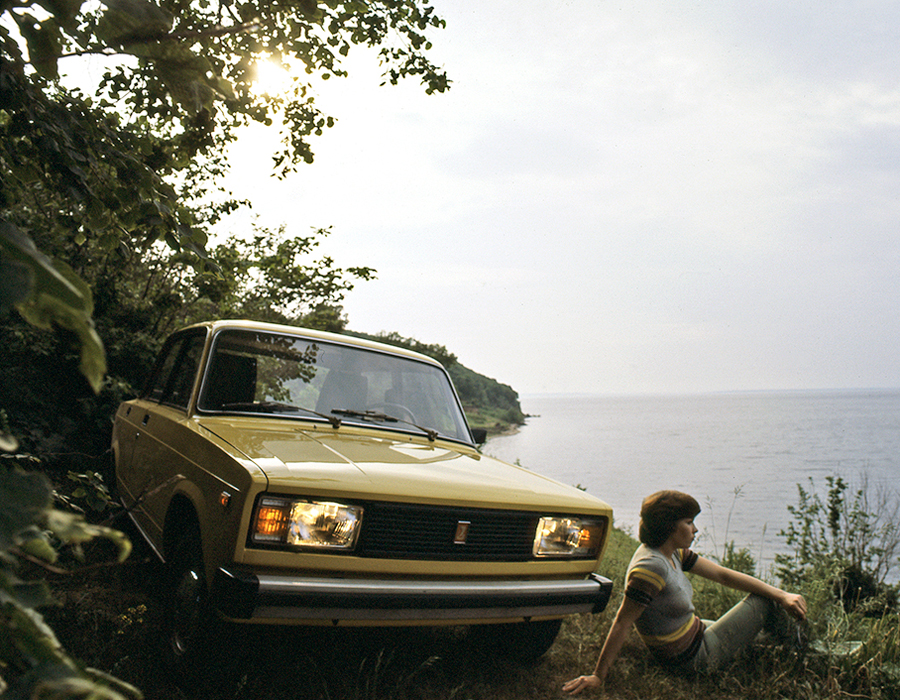
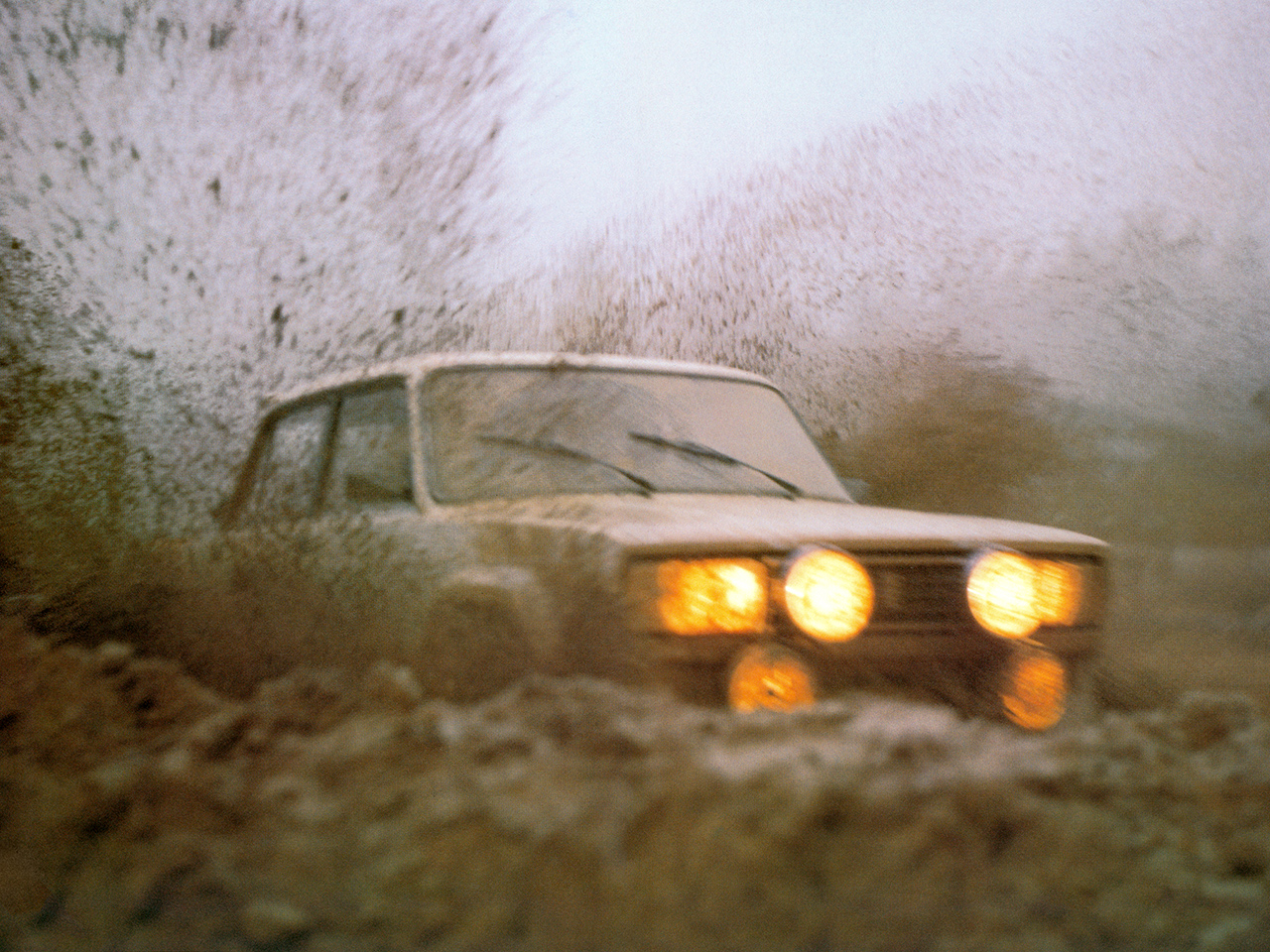
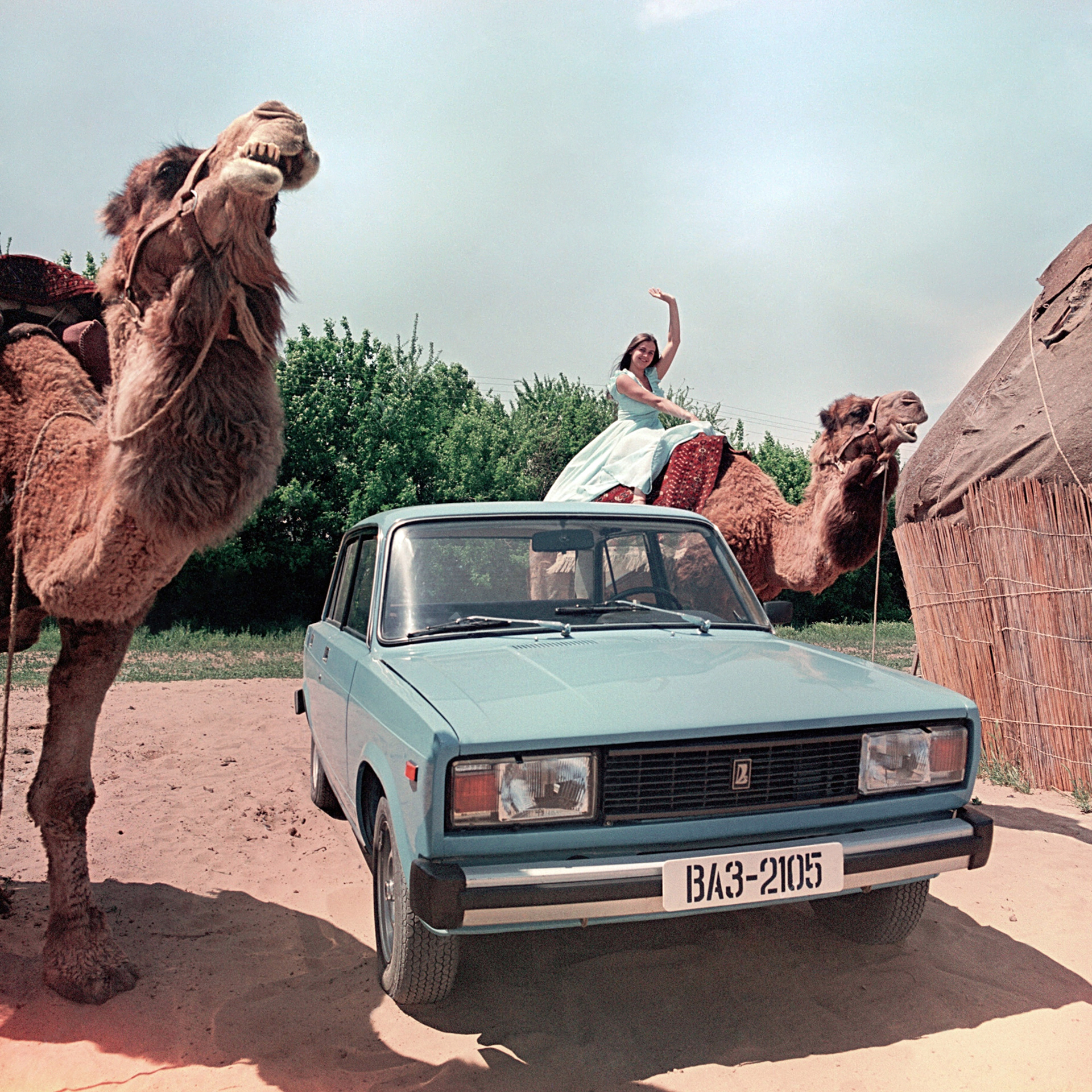
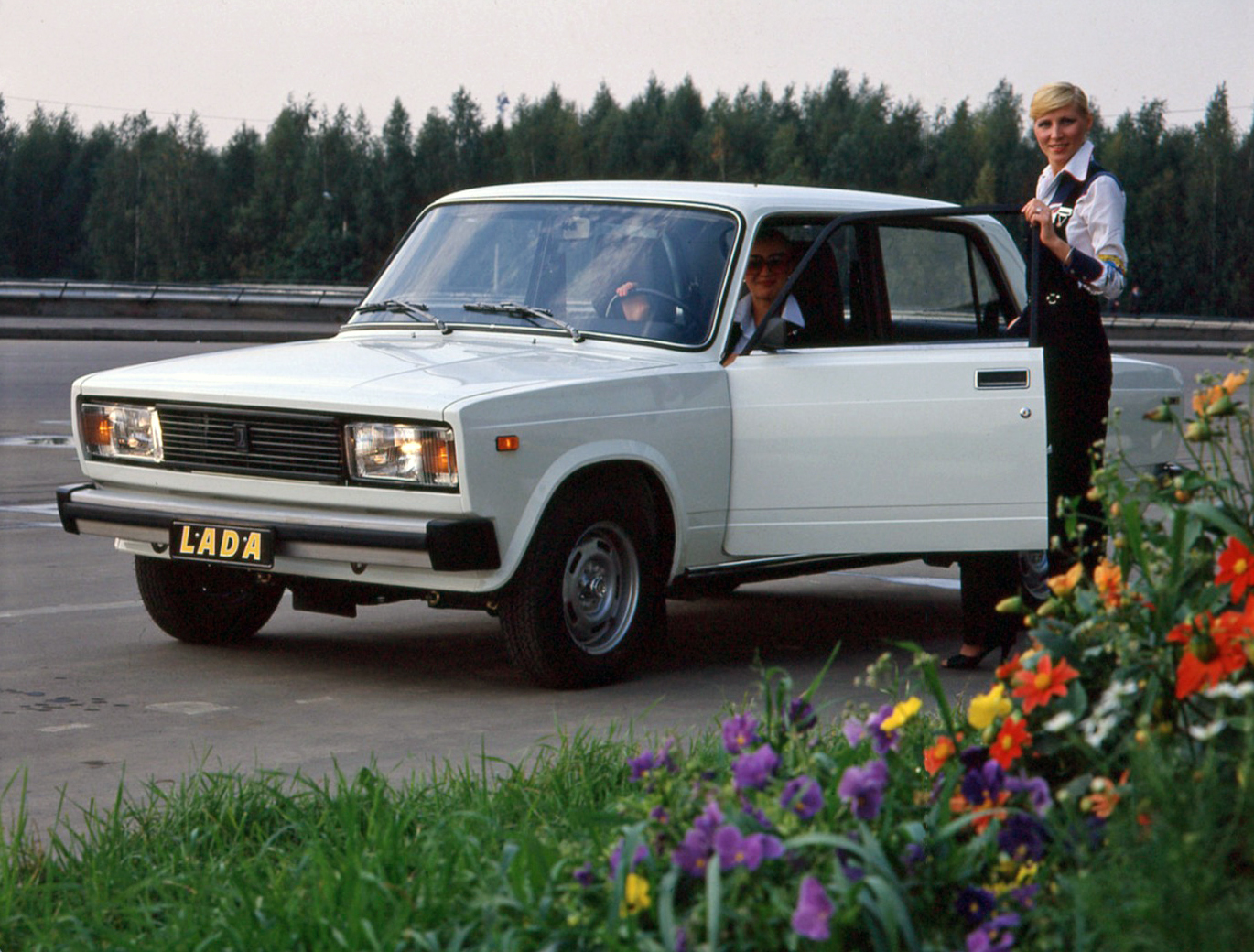
Lada 2105 VFTS was born in Lithuanian factories in 1979 – and 3 years after, it got homologated to the most fucked up rallying format ever devised by mankind. Motorsport Lada examples were viewed as simple and solid. Easy to maintain and repair – offering good power for low price.
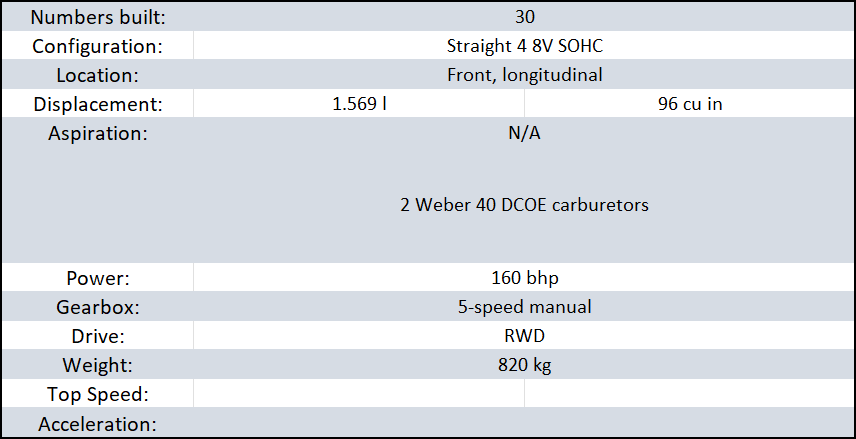
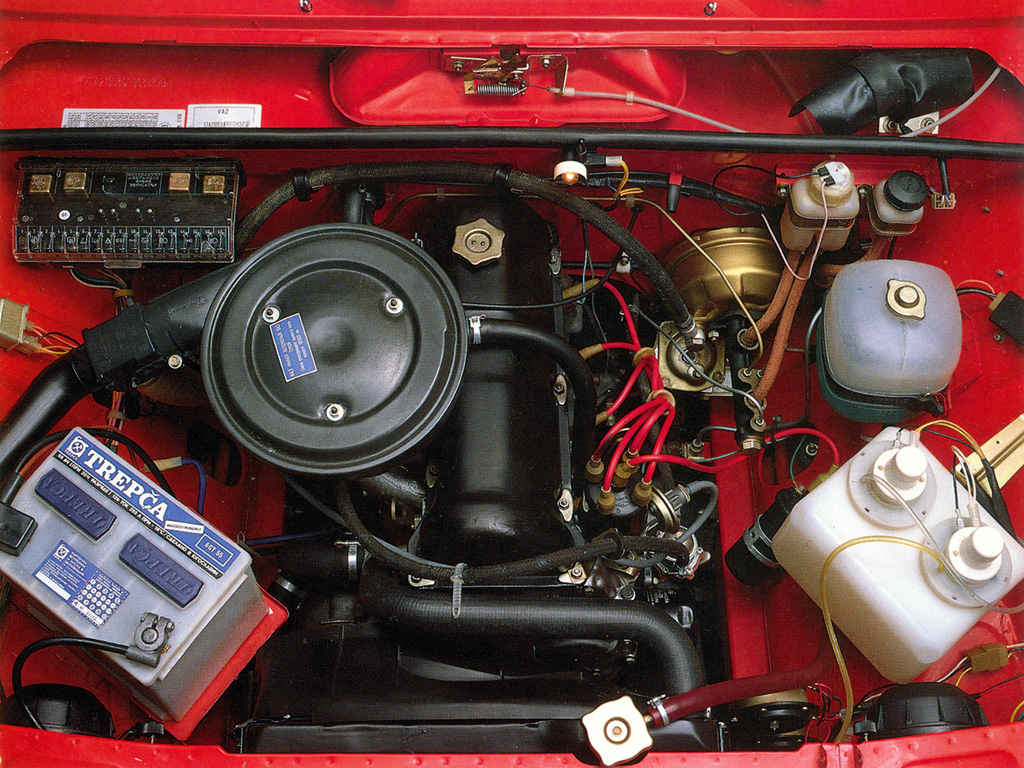
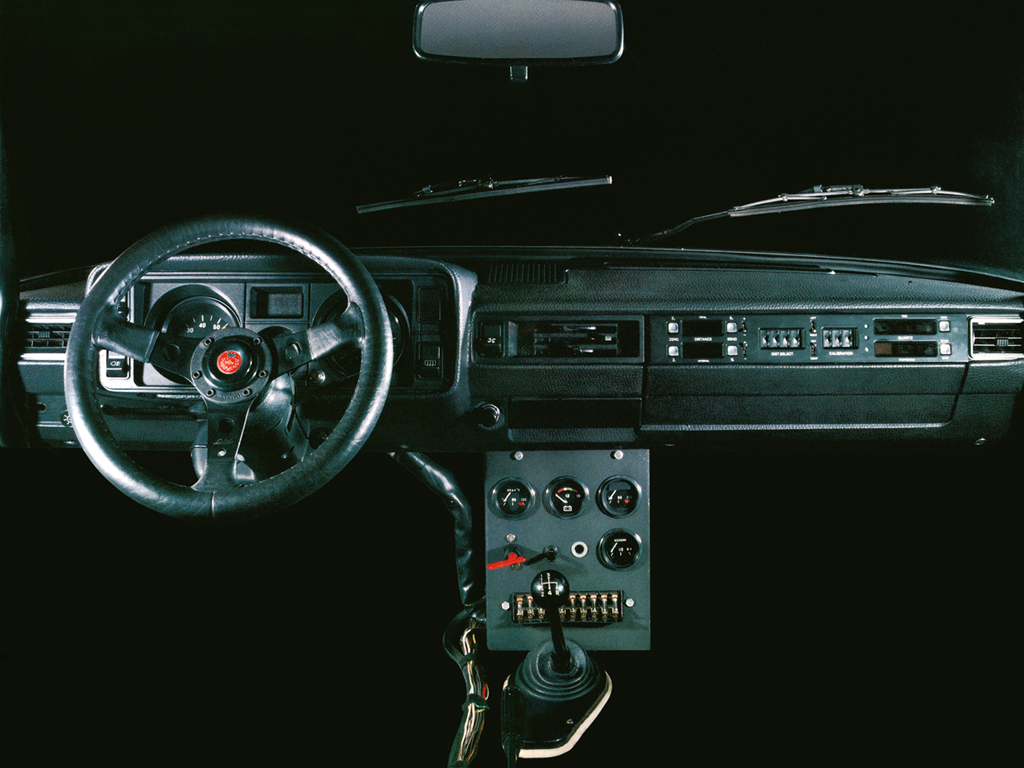
First rally models had 1.6-litre motors, and those powertrains were used as a base for the new cars. Double the power while maintaining its small size, helped it dominate smaller rankings for B/10, which was a Group B class for between 1.3 and 1.6 litres. And the car was still supported with rear suspension upgrades, and transmission a year after. The new gearbox had its 1st on the top right – right above reverse – and the rest look like in normal 4-speed… which did look moronic at first glance, but in fact you don’t really use first gear when rallying, and the rest was right opposite to each other with this layout – you didn’t have to go across to upshift, so it made perfect sense. The engineers also used aluminum and other lightweight materials to finish the car.
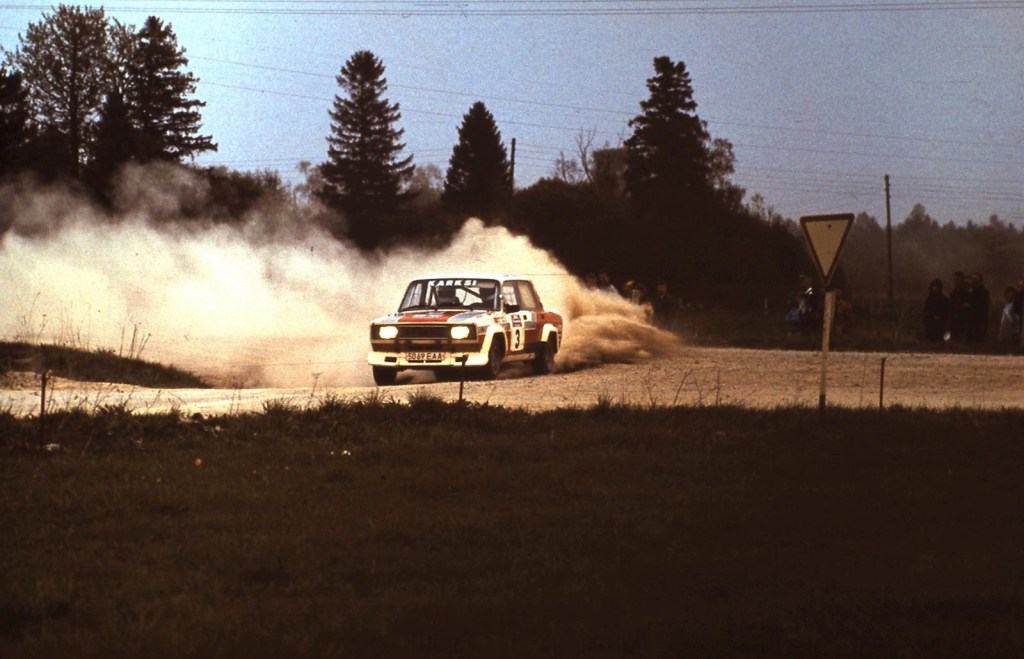
It was not a common participant in the WRC main events, but such as Rally Finland in Group B/10 ended up with 6 Ladas on first 6 positions – 18th place overall. In the age of Audi quattro, Lancia 037, Fords, Toyotas… Most successes were achieved behind the iron curtain, where it had no match, time and time again.
The last 2105 VFTS left the factory in 1990 and the total of 30 rally examples ever existed. They didn’t really suffer the worst of the Group B cancellation, because they rivalled within its lower divisions. That’s why they could end their careers late in 1991, when they stopped being competitive and the homologation papers expired. Eastern racers went mental about that model, so much so you can still see its replicas on various events to this day. Some are still fighting for… idk… Hungarian Championship for example. True story. Lada engineers tried their luck with a Group S project, but it was cancelled when they had around 30 examples of their car built and ready to rally.
Krzysztof Wilk All sources: favcars.com | wheelsage.org | groupbrally.com | rallygroupbshrine.org
M1 was a BMW’s halo car between 1978-1981, and even though it had some production issues, enough examples were made for Germans never to worry about the Group 4 homologation. BMW then tried to rival the Group 5 Porsches, but the fact was – the M1 was never designed as a Motorsport vehicle, be it race or rally car. Late ’70s though, rally racing got really popular everywhere in Europe – including France – and France housed numerous tarmac events. A local BMW division decided to up their image by launching the brand’s flagship sportscar’s rallying program. Oreca Team was signed and that was the most fruitful privateer cooperation then.
The M1 Group 4 Rallye was a platform for many high-performance systems from the – now defunct – Procar examples. That’s why the two configurations didn’t really differ that much in specification or performance. The road-going M1 was already a big and wide car, but for the rallying it gained additional 10 cm. New were the fiberglass spoilers and wheel-arches. When they had to, BMW sold their actual Procar M1s as road-legal homologation specials. The M88-series Straight 6 generating 277 bhp from factory, now in rally trim was capable of 430 figure. None had such power as the BMW. All of it was sent to the rear via the close-ratio 5-speed. Its brakes had enlarged aluminum calipers. The French started racing this thing in 1981. Bernard Darniche – 5 times the French Champion, twice the European. The man who won every event on the French soil since 1975 – he drove an HF Stratos then – now in a Group 4 M1 he doesn’t finish the race. The car’s suspension doesn’t make it. It’s a bad sign…
Oreca Team got a new sponsor for the year 1982. The cars with Motul stickers are preparing for Tour de Corse and… well, Corsica is known for numerous narrow corners – often tight or very tight. The BMW was big, with huge power and a tiny handbrake that could do fuck all. Darniche tried his best but the oil pump failed this time. And the whole season was like this. ONCE they make it to the finish line – they make 9th place in German ADAC Rallye Vorderpfalz. Fritzinger Klas drove a similar M1 variant then and even managed 2nd.
Darniche had a flawless sports career… until he sat behind the wheel of that M1. At the end of 1982 he said “fuck it – I care not!” – and BMW was forced to find another victim in his place. France had one more motorsport legend – Bernard Beguin – thrice the France Champion and once for the EuroReich. He was also a 911 veteran, for his SC/RS campaign. With the year 1983, all Group 4 cars transferred to Group B and so did the rally M1, but the car itself didn’t suffer any changes. All they did was, they offered the Procar parts as Evo and that was it. The M1 Evo never came to be, cause that would require another 20 examples physically built to the new standard and the Germans said – “why, absolutely!” – and they redirected their funds elsewhere.
Bernard Beguin made his starts in 1983’s edition of Rally Corsica and… what this time? The engine, of course. The car, again, failed to deliver and it could not finish a single event that year. On a plus side: Beguin managed to complete clean runs – never crashed even though the size of car itself was massive. If only it could last till the end – you could clinch some points with that thing. But the 1983 season… Jesus Christ, don’t even make me start… BMW prepared special upgrades for brakes. A new VO system – dedicated for tight handbrake corners. Spoiler alert – didn’t help shit, because the car still kept retiring early from events. In the final – Rallye d’Antibes, M1 got just 33s behind a Lancia 037.
All in all, BMW was too big for rallying – even dry tarmac. Too heavy, unreliable and generally expensive to run. The rally world was quickly flooded with Group B supercars – highly advanced off-road beasts – and the Germans could pack their shit and go home. Oreca Team surrendered without even trying to address the new rivalry and Beguin returned to Porsche, successfully restarting his 911 campaign. He even managed to win some wins for the BMW in a Group A M3 between ‘87-’89. And the M1? Its papers expired in 1986, so till that moment, it still fought in private hands. There was a time when BMW was the most powerful rally car in the world. Too bad – that’s only numbers in the Excel. And in reality? Not as competitive.
Krzysztof Wilk All sources: favcars.com | wheelsage.org | wikipedia.org | ultimatecarpage.com | Top Gear: The Cool 500 – The Coolest Cars Ever Made | M Buckley – The Complete Illustrated Encyclopedia Of Classic Cars | autozine.org | rallygroupbshrine.org | carthrottle.com |
Lancer to był właściwie praktyczny rodzinny sedan. Liczył się tam komfort i niskie spalanie. Z modelem Evolution łączyła go tylko buda, bo w środku wszystko od początku było inne. Tam była technologia wywodząca się jeszcze z Grupy B i prototypu Stariona. Dlatego Lancer Evolution nie jest usportowioną wersją Lancera, tylko traktuje się je raczej jako dwa osobne modele. Evo RS był udanym projektem i miał kupę zaawansowanej technologii zbudowanej już w zamyśle do walki z Subaru – a po roku przyszła pora na „dobrą zmianę”.
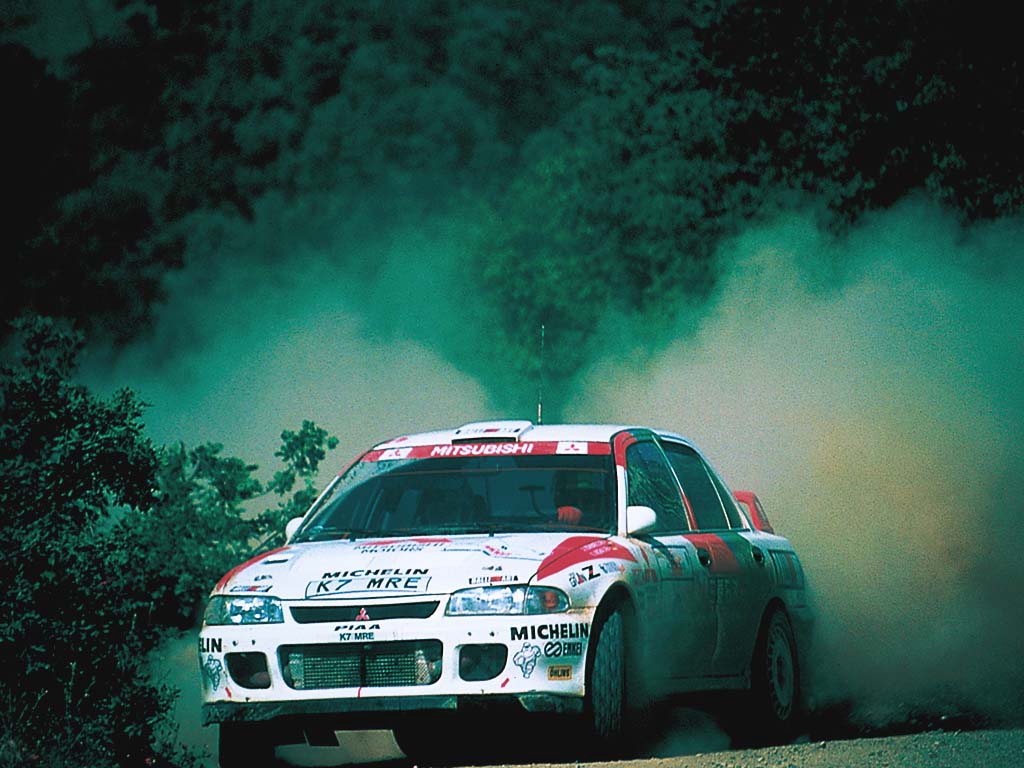
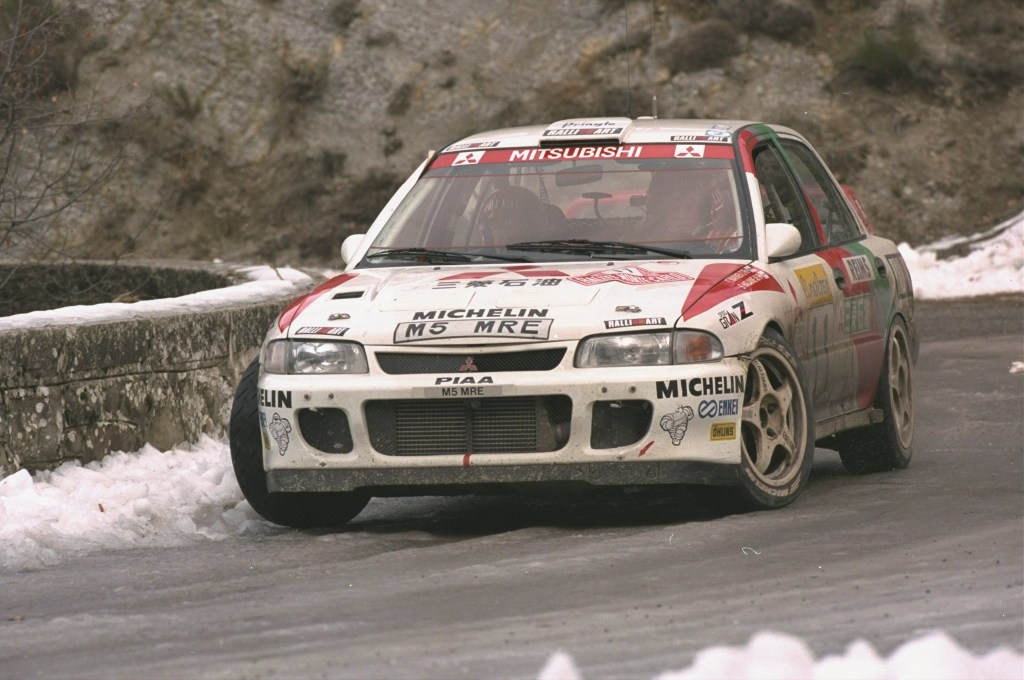
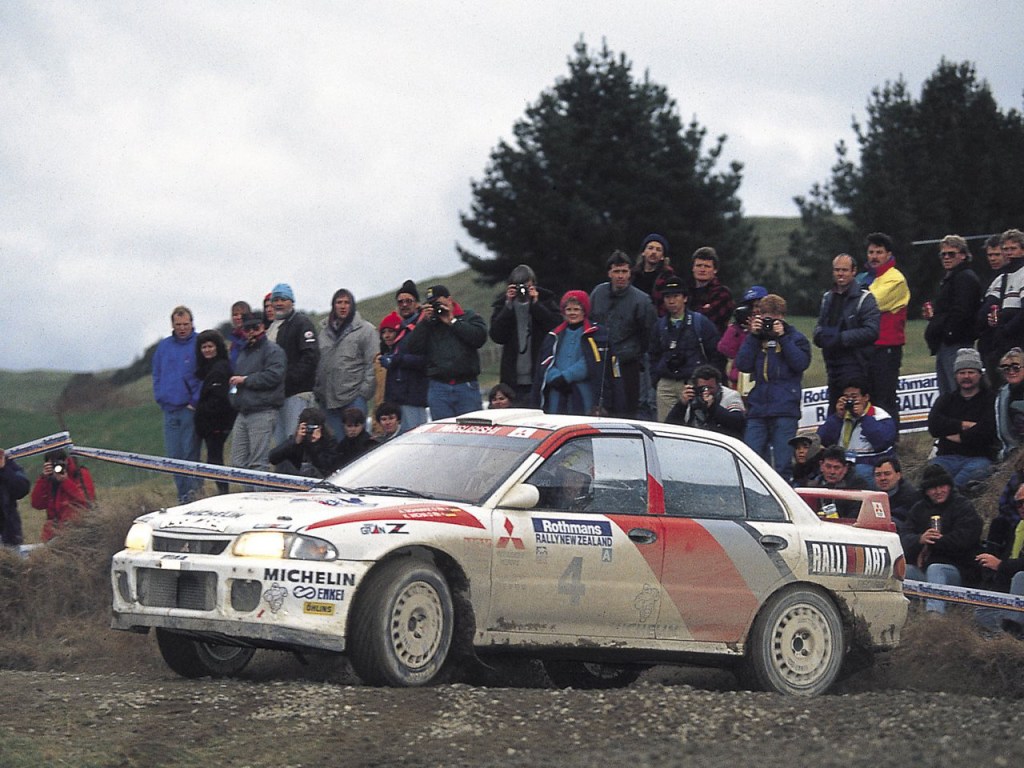
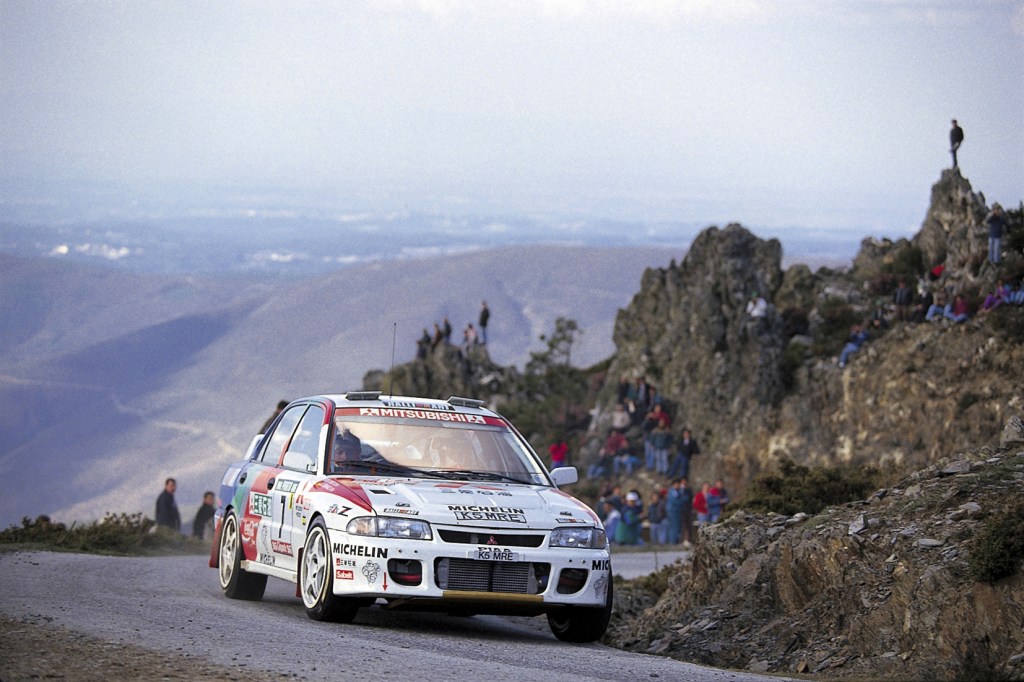
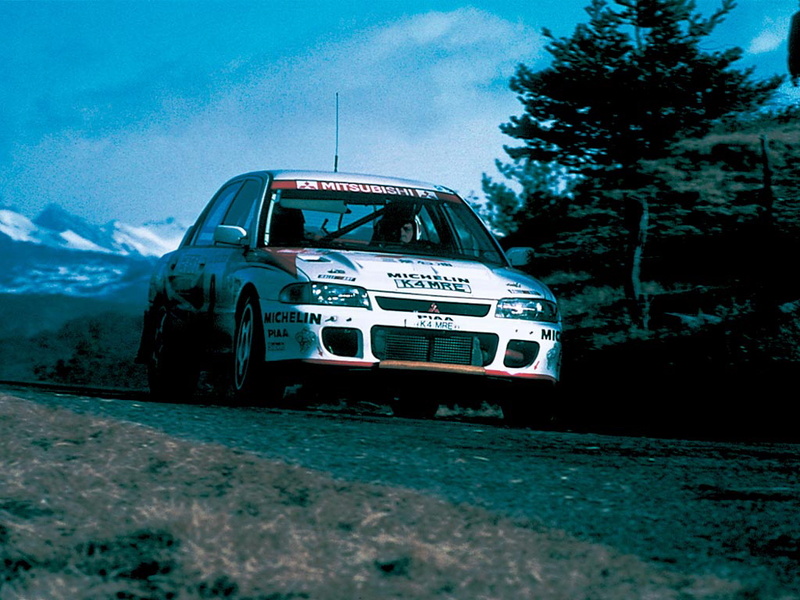
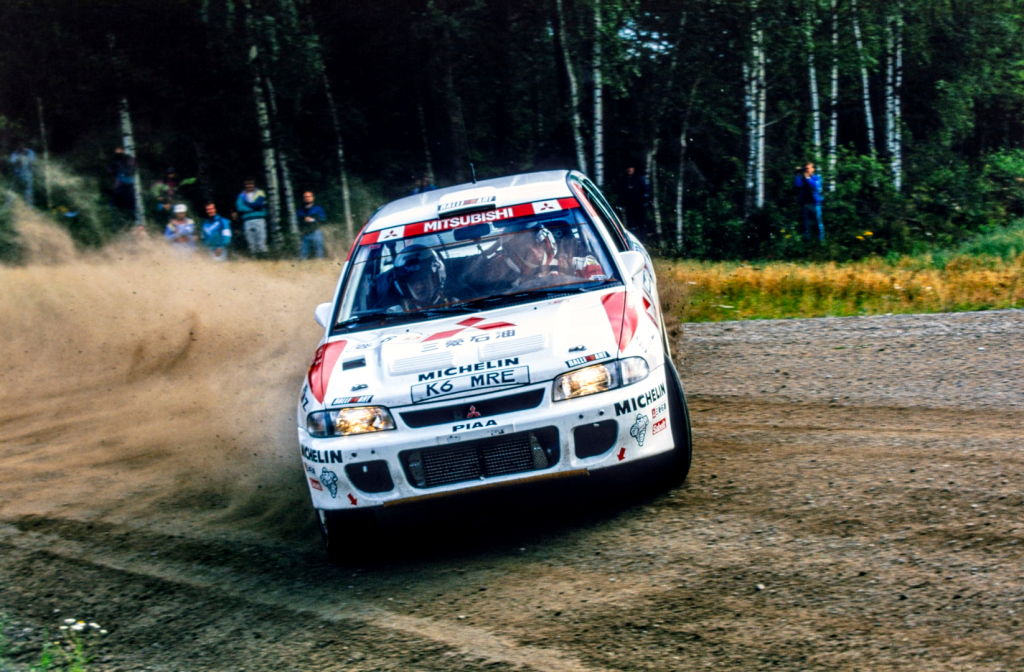
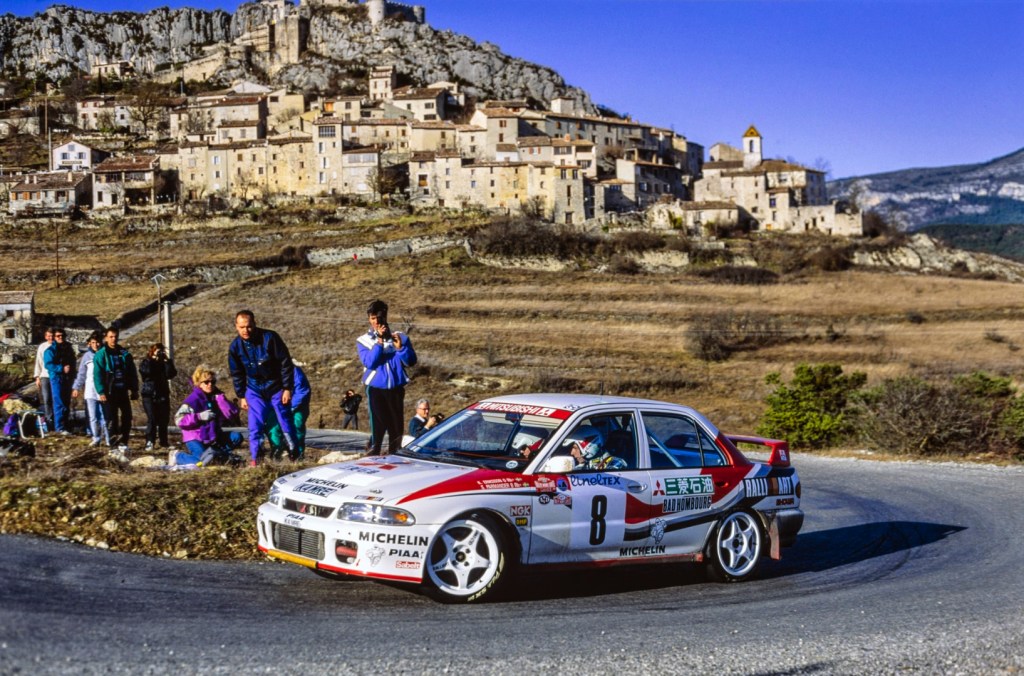
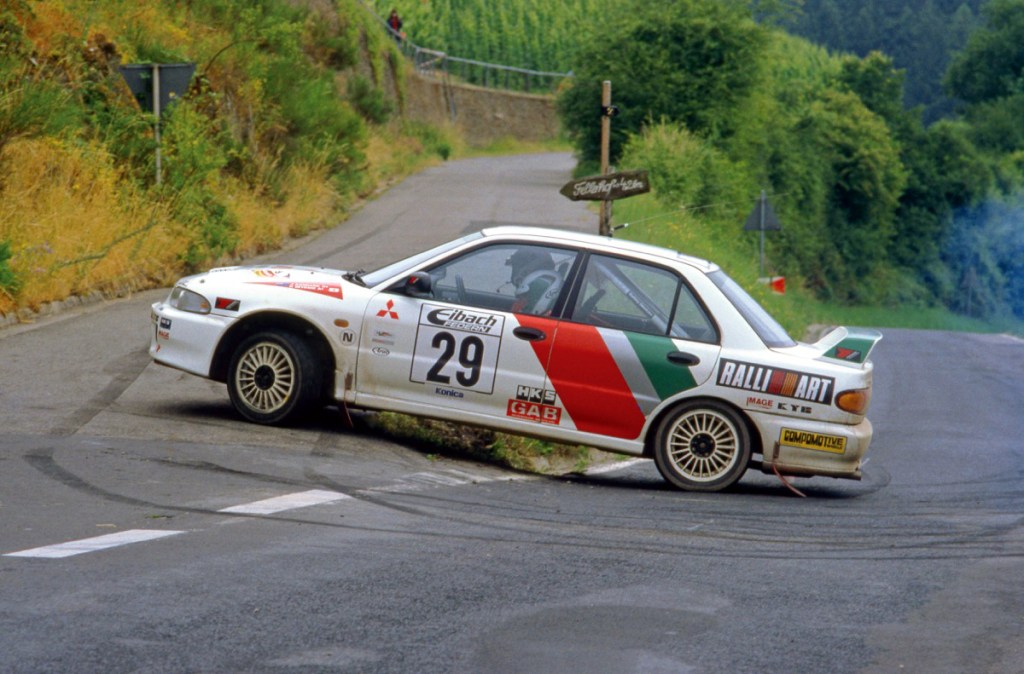
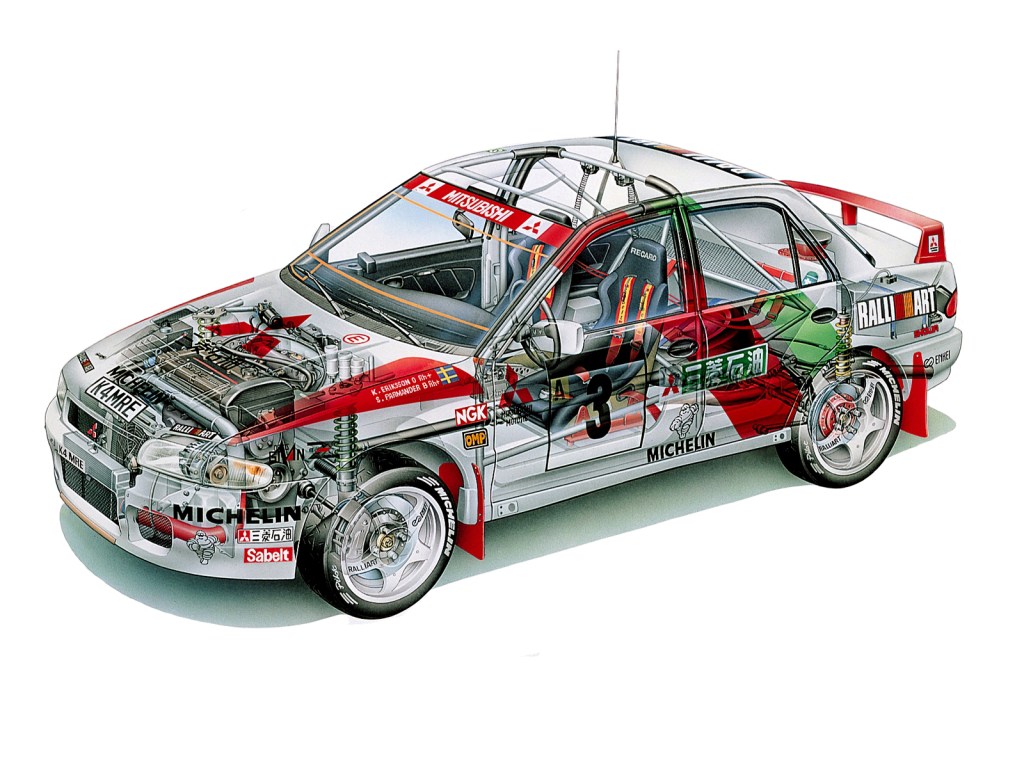
Evo II – to brzmi dumnie, ale auto było w zasadzie to samo, więc czy II oznacza nową generację? Raczej nie. Bliżej temu do faceliftingu – ewolucji, mówiąc po rajdowemu. Ale auto dostało szersze opony, większy 1.5-2.2cm rozstaw kół i dłuższy o centymetr rozstaw osi, więc potrzebna była ponowna homologacja. Tak jak w przypadku EVO I – te sprzedały się w dwukrotnie większej ilości niż wymagane i auto również przeznaczone było wyłącznie na rynek japoński. Nowy pojazd miał lepsze stabilizatory i 9 koni mocy więcej. Był 10 kilo cięższy, ale uwaga: właściwości skrętne polepszyły się o dobre 30%. Podkręcono nieco aero zmieniając wloty z przodu i wzmacniając tylny spojler. Od tej pory właśnie każde kolejne Evo miało być silniejsze w Mocy. Evolution II miał zwiększone ciśnienie z doładowania i udźwig krzywek – a ich ruch był dłuższy, dzięki czemu auto dostało dodatkowy power. Były też drobne zmiany w układzie wydechowym auta. Auto stało też na innej ramie – znaczy innej wariacji tej samej ramy. Dlatego ta „generacja” nazywa się Lancer CE w porównaniu do Evo I CD9A.
Z wyglądu były łudząco do siebie podobne a rozróżnić je można po przednim spojlerze, który w Evo II wzbogacony jest o gumowe dodatki na zderzaku – jak również po delikatnie podpartym tylnym spojlerze. W miejsce odblasków można było teraz w opcji dokupić światła przeciwmgielne. Evolution RS – w przeciwieństwie do wersji GSR – był tylko biały.
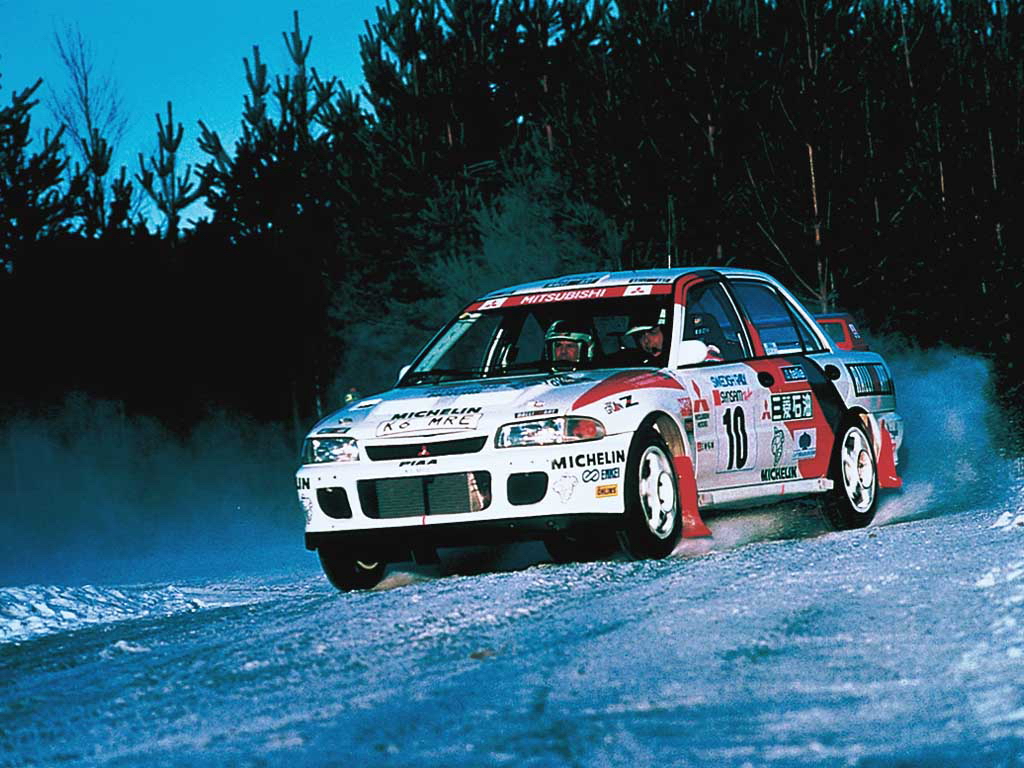
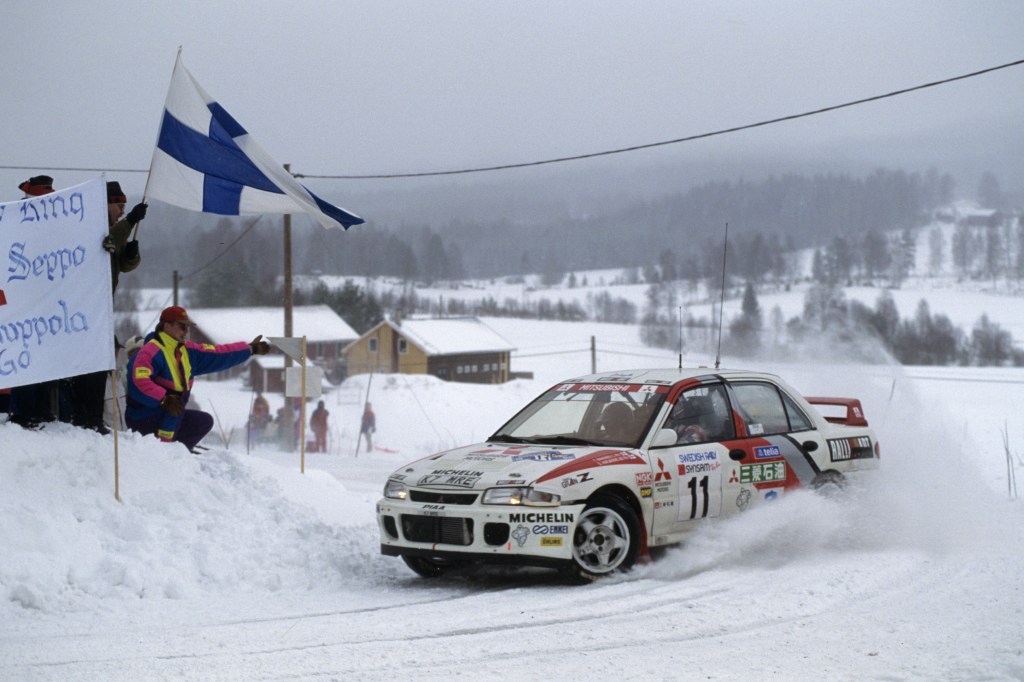
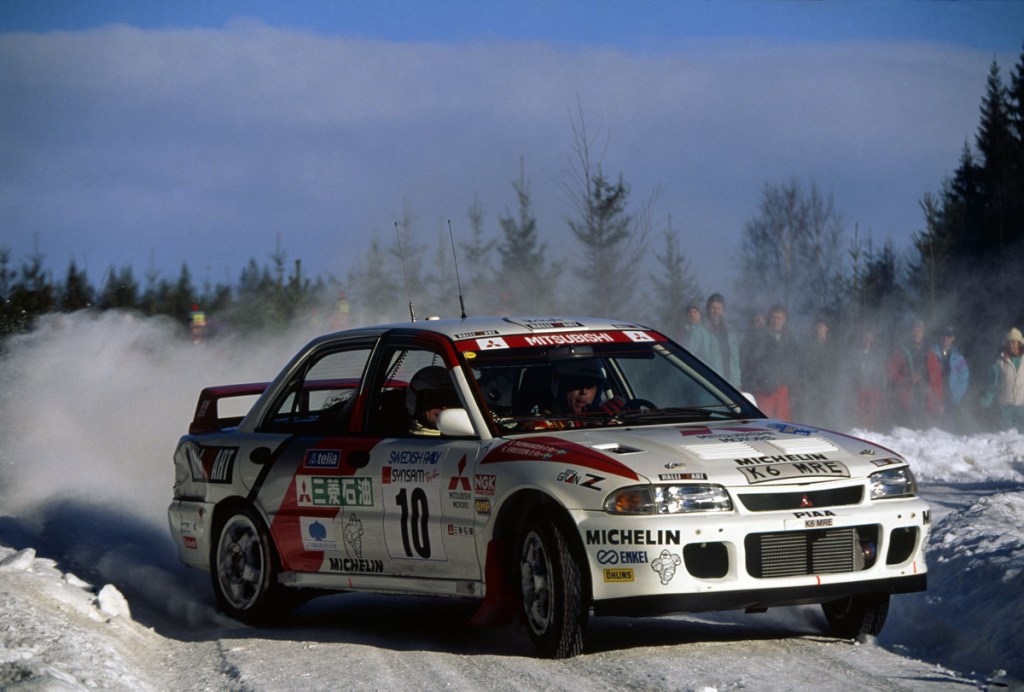
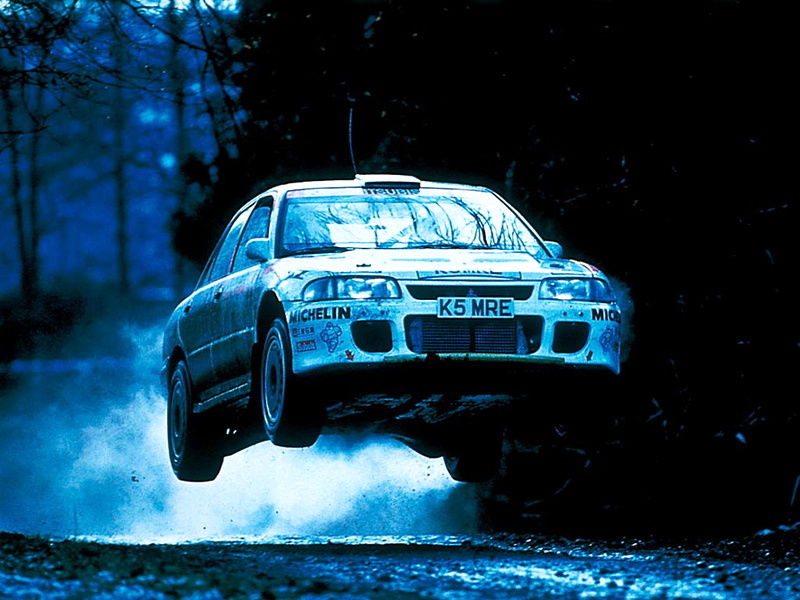
Evo I rywalizowało w czasach zmierzchu Integrale, ale Evo II nie miało mieć wcale łatwiej, bo po Lancii do głosu doszło Subaru 555, i Colin McRae z Carlosem Sainzem sprzedawali lepy na mordę każdemu wokoło. 4 eventy trafiły do nich – do tego jeszcze 5 innych podiów. To tylko w 1994, a rok później wcale nie było lepiej. 555 – o ile nie wygrało – to kończyło na podium, i to była u nich norma aż do 1997 i nowej wersji Imprezy. Team Mitsubishi miał w składzie Kennetha Erikssona, Armina Schwarza i Tommiego Makinena. Trójka w 4 eventach wywalczyła 3 podia (w czwartym – Sanremo – spalili samochód). W sezonie 1995 podtrzymali formę i, co najważniejsze, przywieźli pierwsze zwycięstwo. Zanim na Safari zaprezentowano kolejne poprawki, to Eriksson z Makinenem zajęli odpowiednio 1 i 2 miejsce w Szwecji – w EVO 2 właśnie.
Krzysztof Wilk Na podstawie: lancerregister.com | wikipedia.org | autoweek.com | YT: Donut Media | topspeed.com | autocar.co.uk | caranddriver.com | wheelsage.org
Ten model trafił do sprzedaży w 1992 i wyposażony był w dwulitrowy silnik oraz stały napęd na wszystkie koła. Zajebista sprawa, ale łatwo można było się naciąć, bo Lan-Evo robiono na tej samej budzie co zwykłe Lancery i niejeden pożegnał się z pieniądzem w nadziei, że nabył bestię z rajdowym rodowodem a okazało się, że puszczono mu rodzinne Mitsubishi z 1.8 pod maską. Na pocieszenie został mu tylko napęd na cztery buty. A buda też znalazła zastosowanie w Malezji – gdzie Proton Wira również korzystał z karoserii pierwszego Evo. I Proton też był opychany jako autentyczne RS Evolution. Jak ktoś chce takowy nabyć – uważajcie na scamy.
Nas interesują dwie wersje GSR i RS. Czym się różnią? Ano GSR to w pełni drogowa wersja z wygodami: elektryka na szybach, klimatyzacja, fotele Recaro i aluminiowe felgi. Słowem – jest moc. Lancer RS to z kolei baza do rajdowych wariantów z Grupy A. Wyjebane miał wszystko w środku: zero bajerów, zero klimatyzacji – nawet fotele były tanie a fegli stalowe. Myśl za tym szła taka, że cały ten szajz i tak do zawodów zastąpi się rajdowym osprzętem, a auto już z fabryki mogło być lżejsze od sportowego GSRa o całe 70 kilogramów. Znaczy obie wersje liczyły się do homologacji, ale GSR był doposażony dla cywilnych klientów. Obie miały tę samą skrzynię zestrojoną na krótko. GSRy występowały w 5 wariantach kolorystycznych, ale Evo RS był tylko biały lub srebrny. Evo RS od GSRa najłatwiej odróżnić po wejściu do środka. Żaden RS nie miał ABSu. Nigdy. A więc jeśli ktoś mówi wam, że ma Lancera RS, ale „ten ma ABS” – to nie jest RS. GSR wyposażony był też w klimę oraz tylną wycieraczkę – i ktoś może ściemniać, że się ułamała albo, że szyba była wymieniana, Niemiec płakał jak sprzedawał… – w dalszym ciągu powinny być w środku przyciski od włączania takiego mechanizmu. Jeśli nie ma – to nie GSR. To tak tylko, jakby ktoś chciał nabyć – albo miał znajomego, co się chwali Lancerem Evo.
Ale jak ktoś naprawdę ma Lan-Evo, to chylę czoła. To nie jest auto – to pierdolone bydle! Przez lata ’80-’90 rajdy stawały się dużo trudniejszym sportem – ciężkim i wymagającym a taki kobylin jak Galant VR-4 musiał szybko uderzyć w ścianę, bo był srogo ograniczony ze względu na swoje rozmiary. Oddał zatem pałeczkę, z całym swym doświadczeniem i technologią, mniejszemu Lancerowi. Tak powstał Lancer Evolution.
Jego silnik robił 247 koni – była to kultowa seria Sirius 4G63T połączona z 5-biegową ręczną skrzynią biegów. Taki zestaw napędzał wszystkie koła. Do homologacji potrzeba było 2500 sztuk – te sprzedano w 3 dni od premiery, a w niecałe dwa lata powstało ponad dwa razy tyle: wszystkie miały szpery z przodu, z tyłu i centralnie, jednostka napędowa (dzielona również przez modele Galant i Eclipse) miała podniesiony stopień sprężania… i w każdym kierownica była z prawej strony. Wszystkie trafiły na rynek japoński.
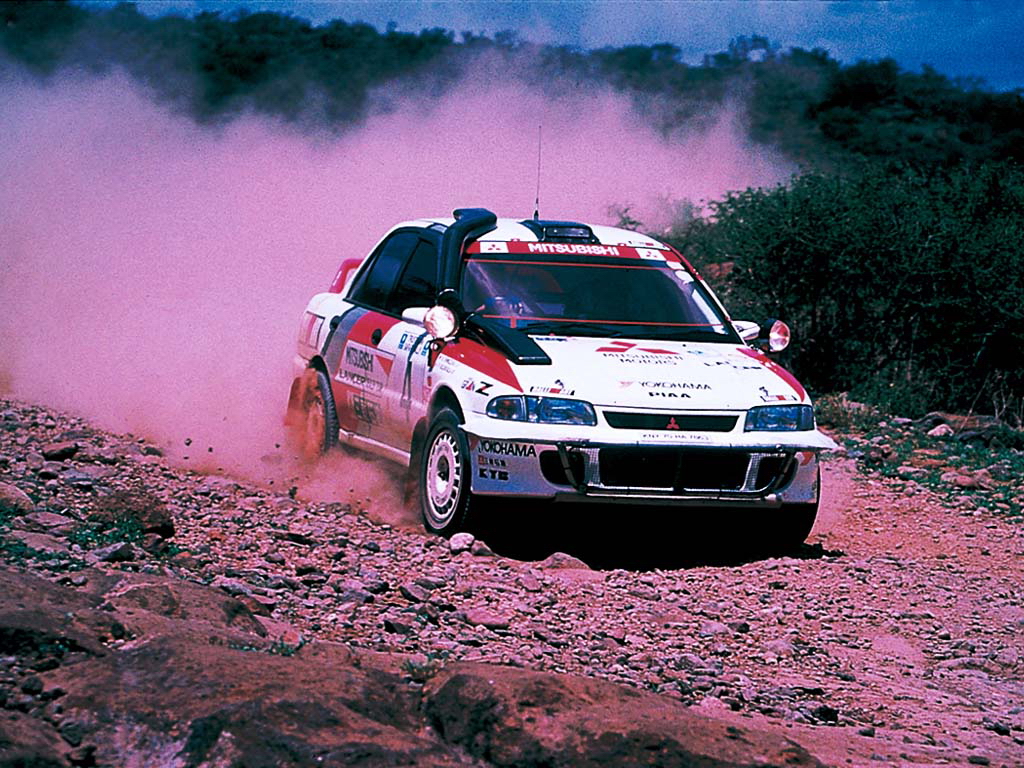
Do rajdów model trafił w 1993 roku i jeździł w teamie przez 2 lata – niestety był to okres Delty Integrale, więc mimo swego potencjału, to nie mógł poważnie zaszkodzić. Zawsze był groźny – choć nigdy nie najlepszy. Sezon 1993 to podia w Grecji i Wielkiej Brytanii a Monte Carlo, Finlandia, Portugalia i Australia skończyły się miejscami tuż za podium. Kolejny rok to były tylko 4 starty i drugie miejsce w Safari. Przejeżdżono tylko połowę sezonu, bo w tym roku weszły poprawki i Mitsubishi Ralliart mógł przerzucić się na Evo II.
Krzysztof Wilk Na podstawie: rallygroupbshrine.org | lancerregister.com | wikipedia.org | wheelsage.org


 SRT
SRT 