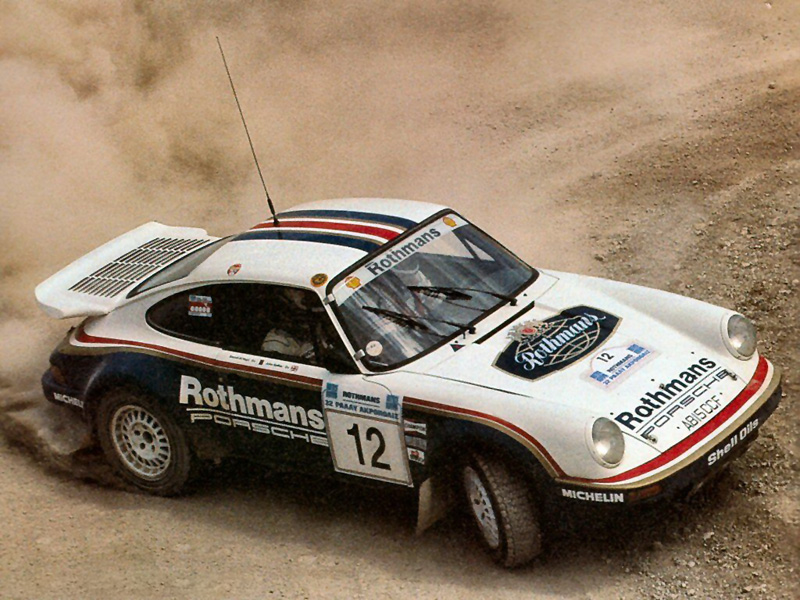
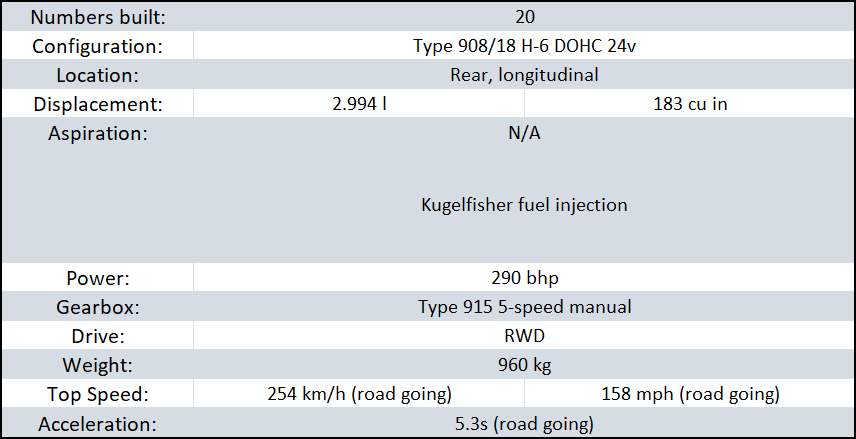
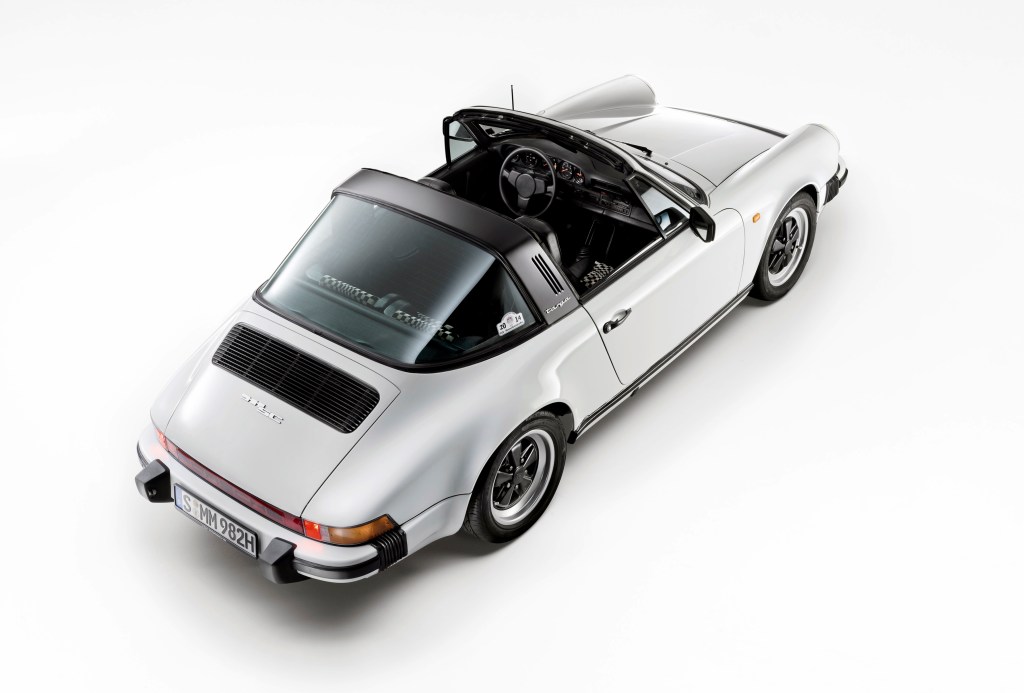
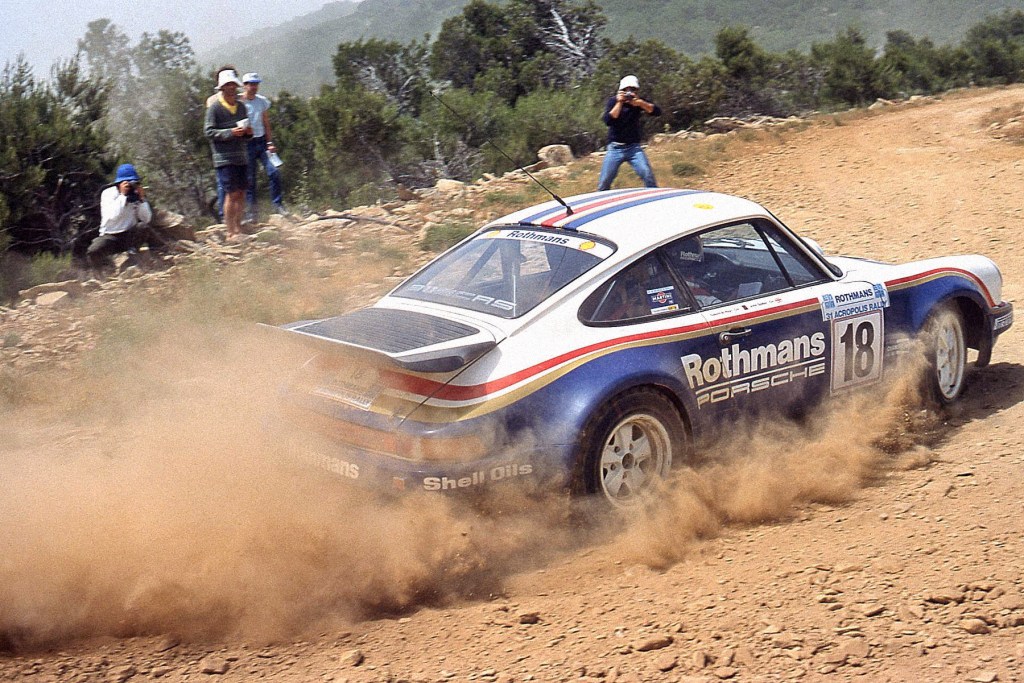
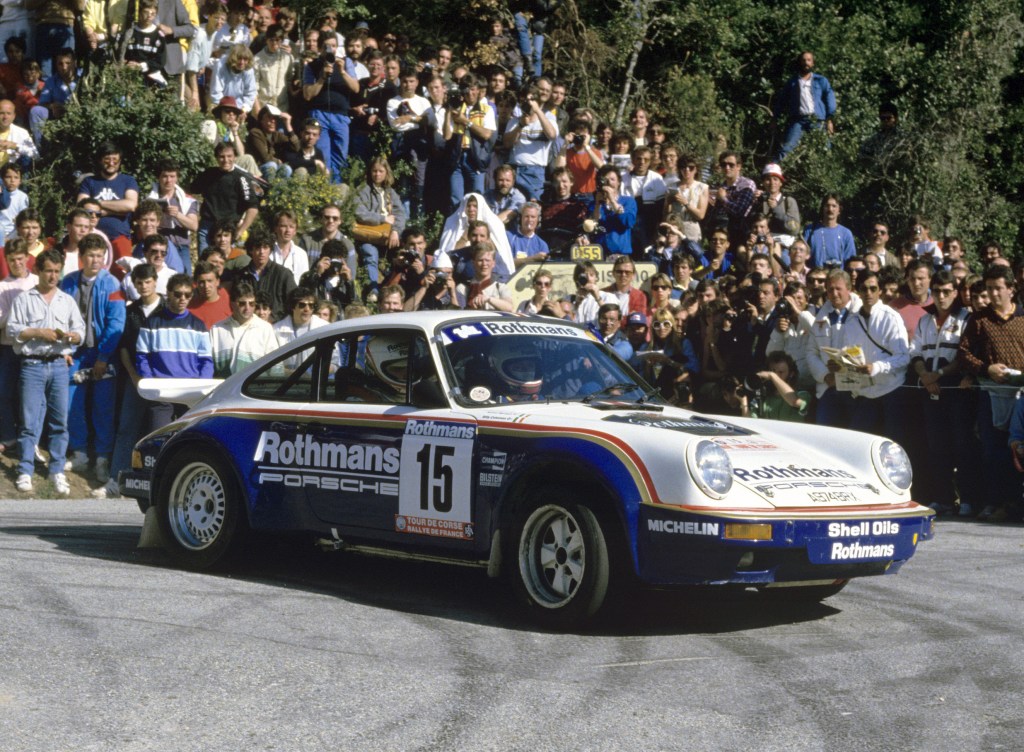
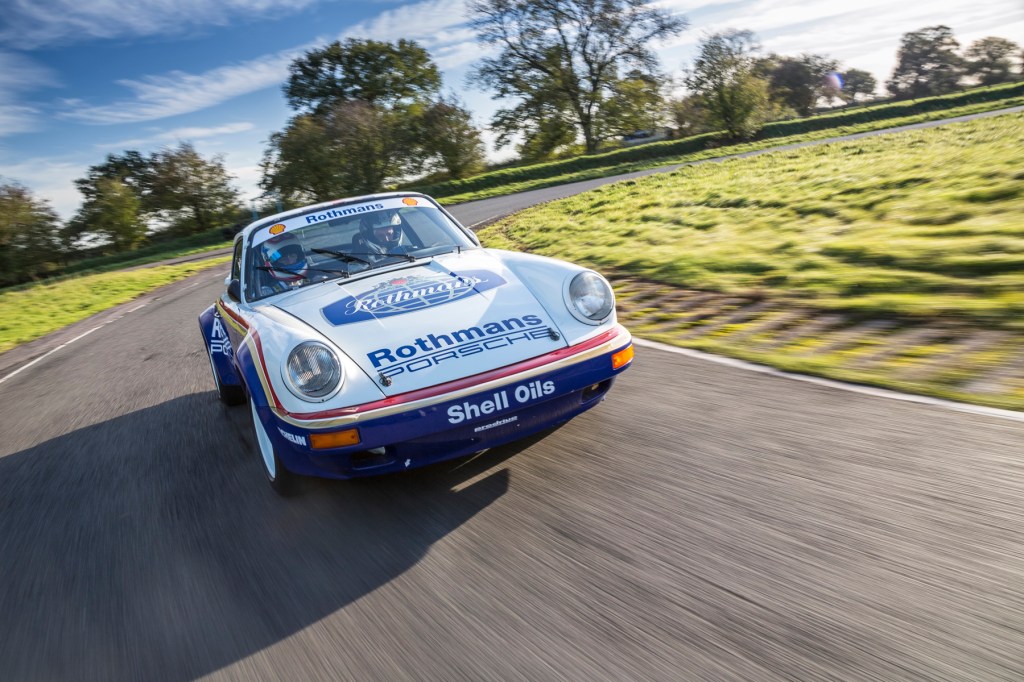
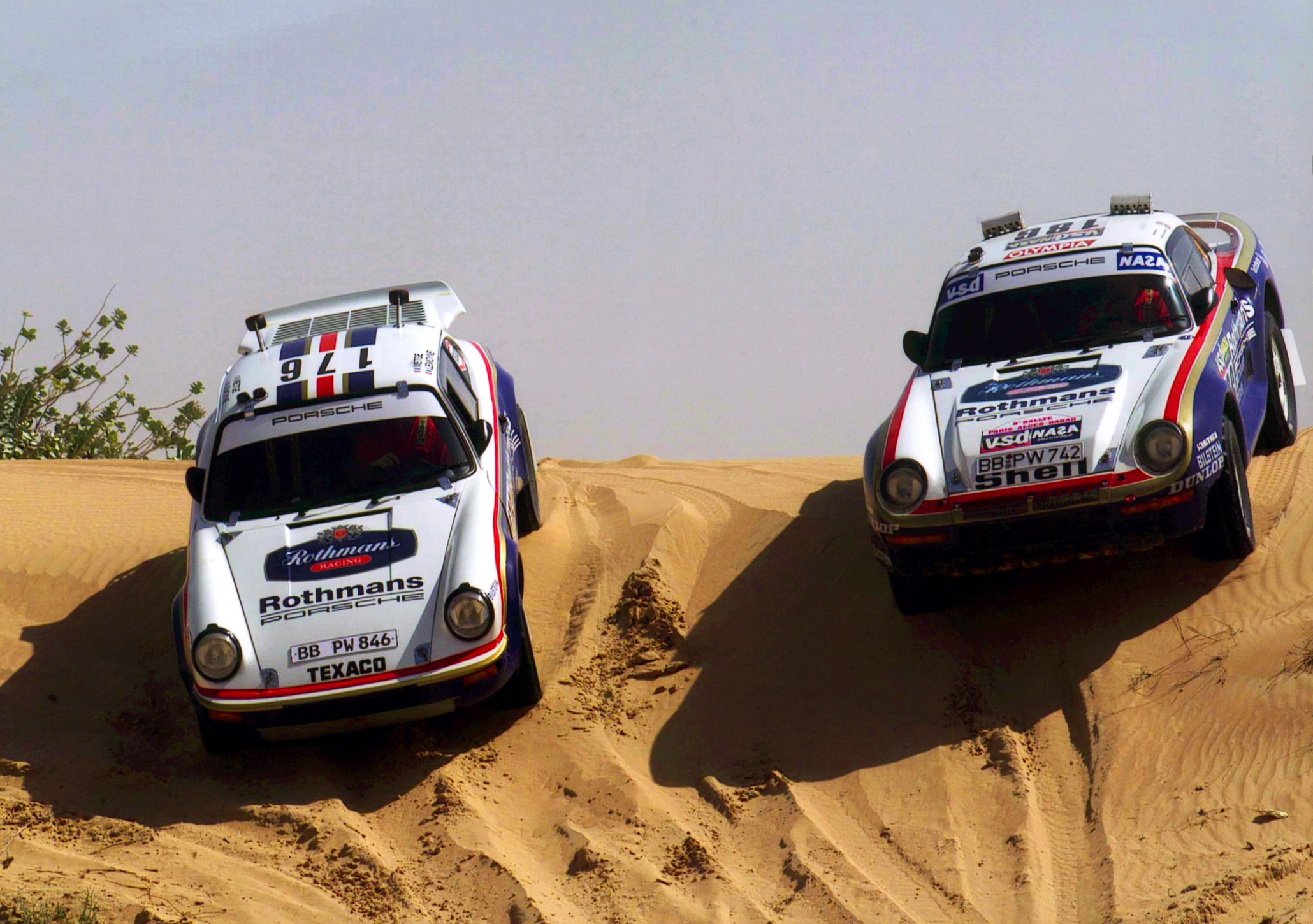
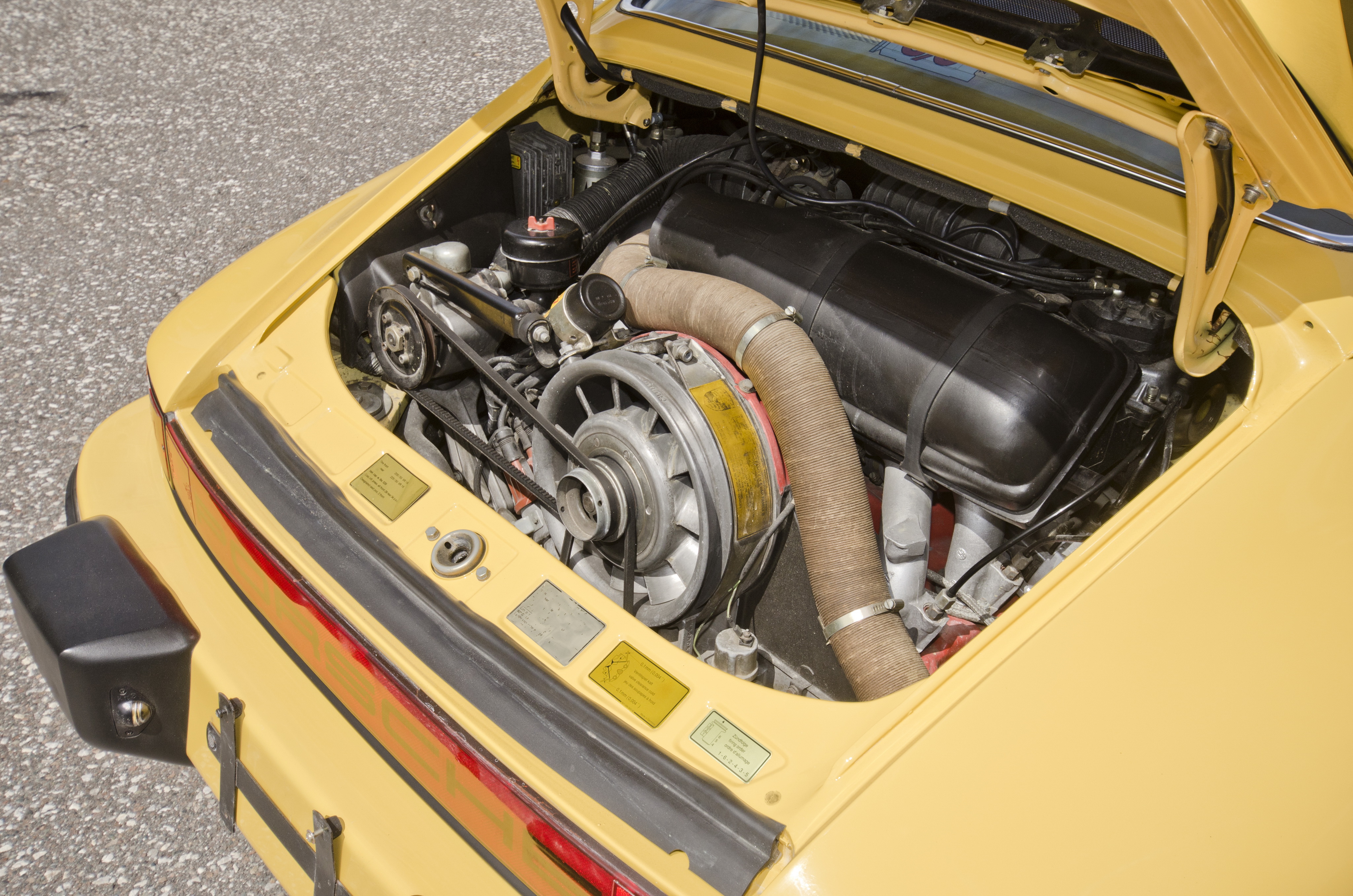
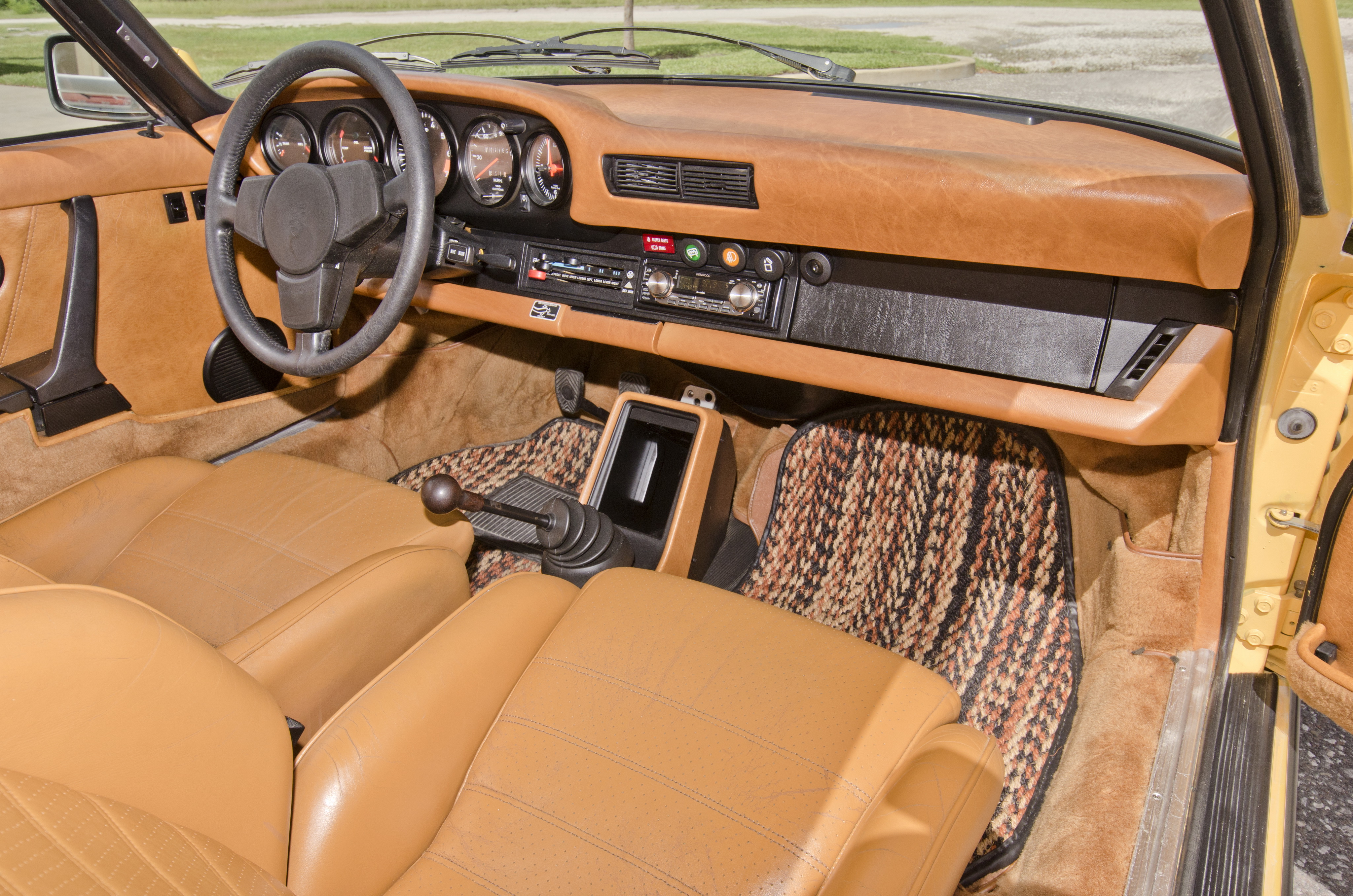
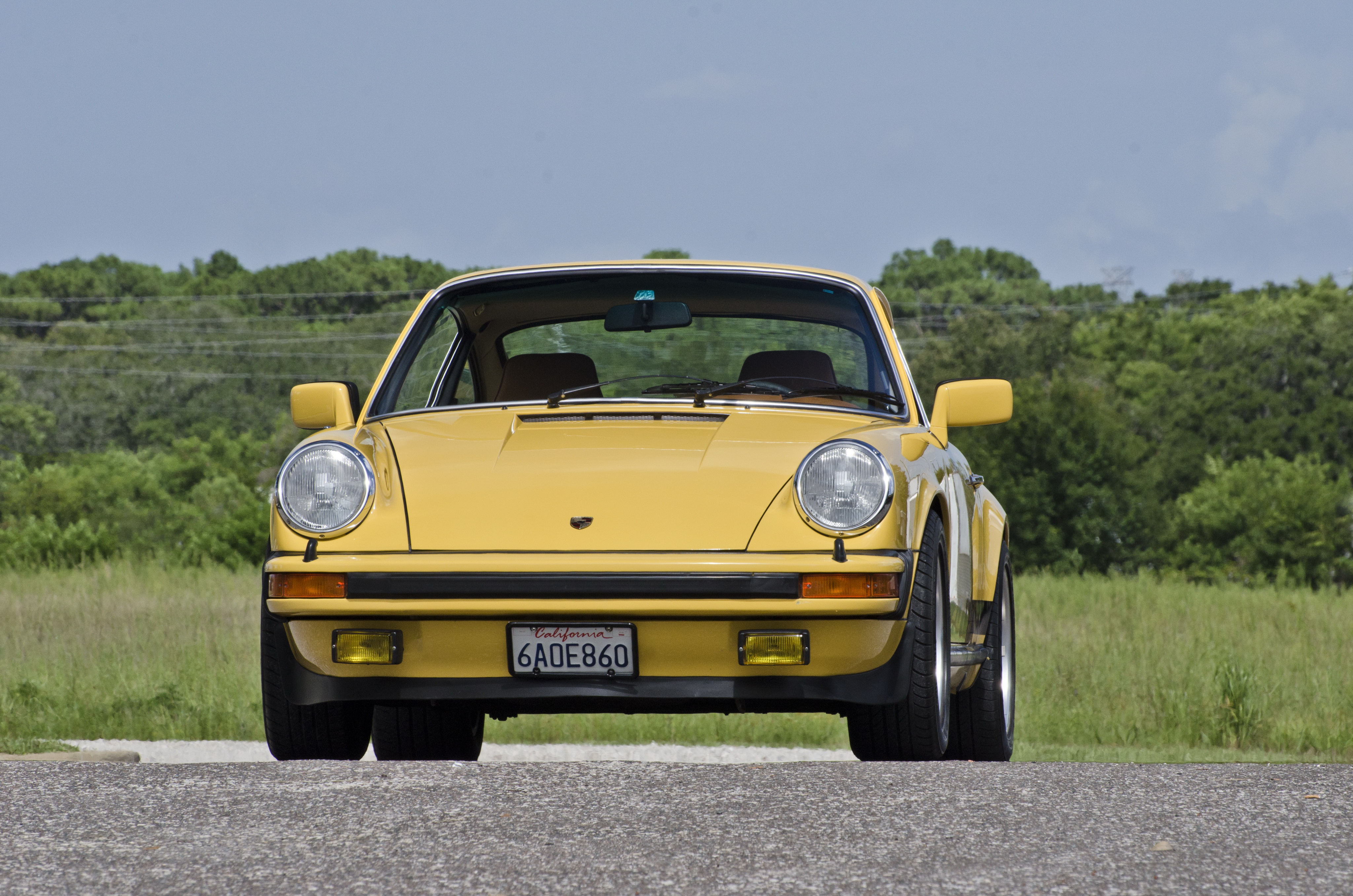
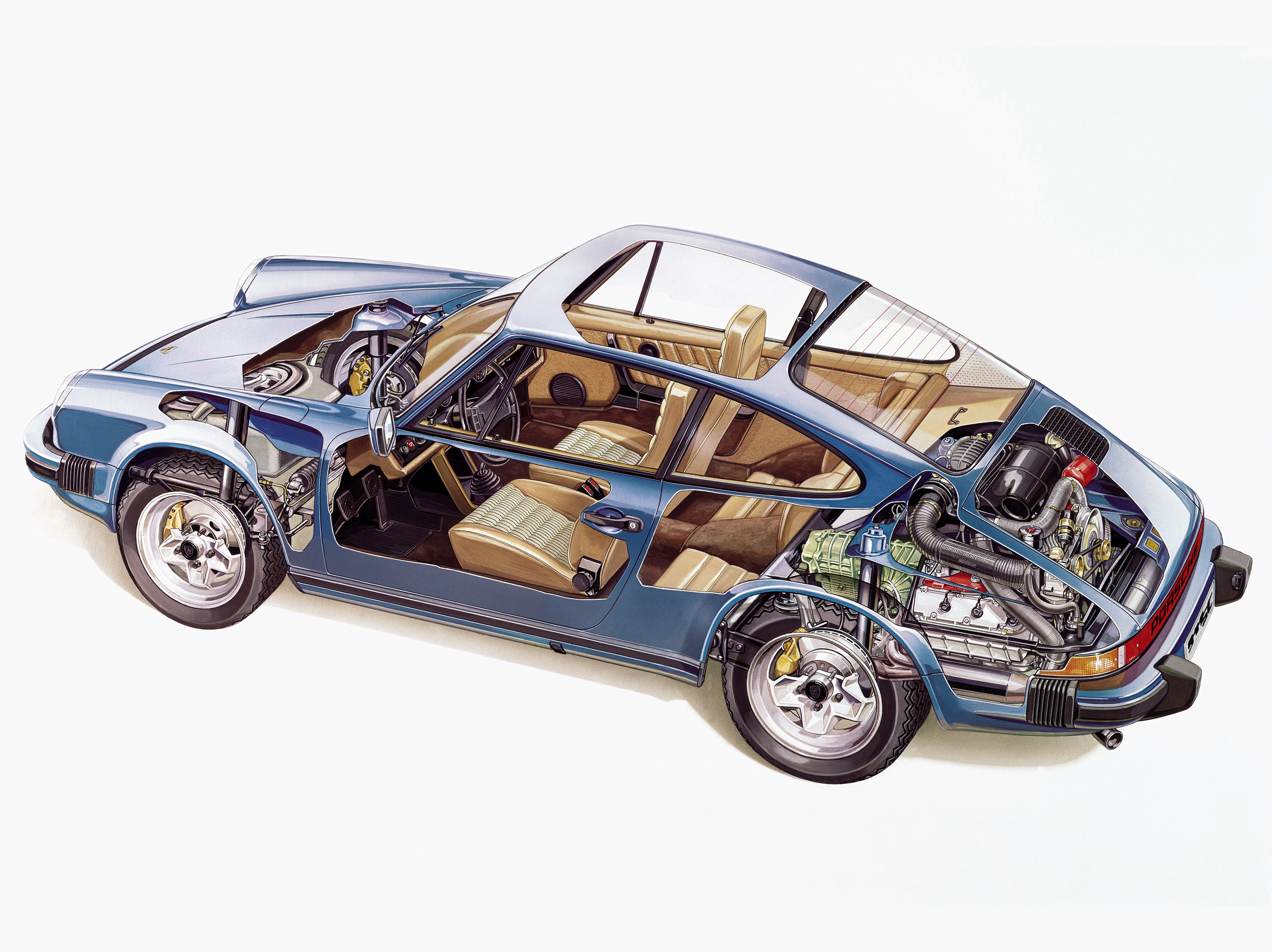
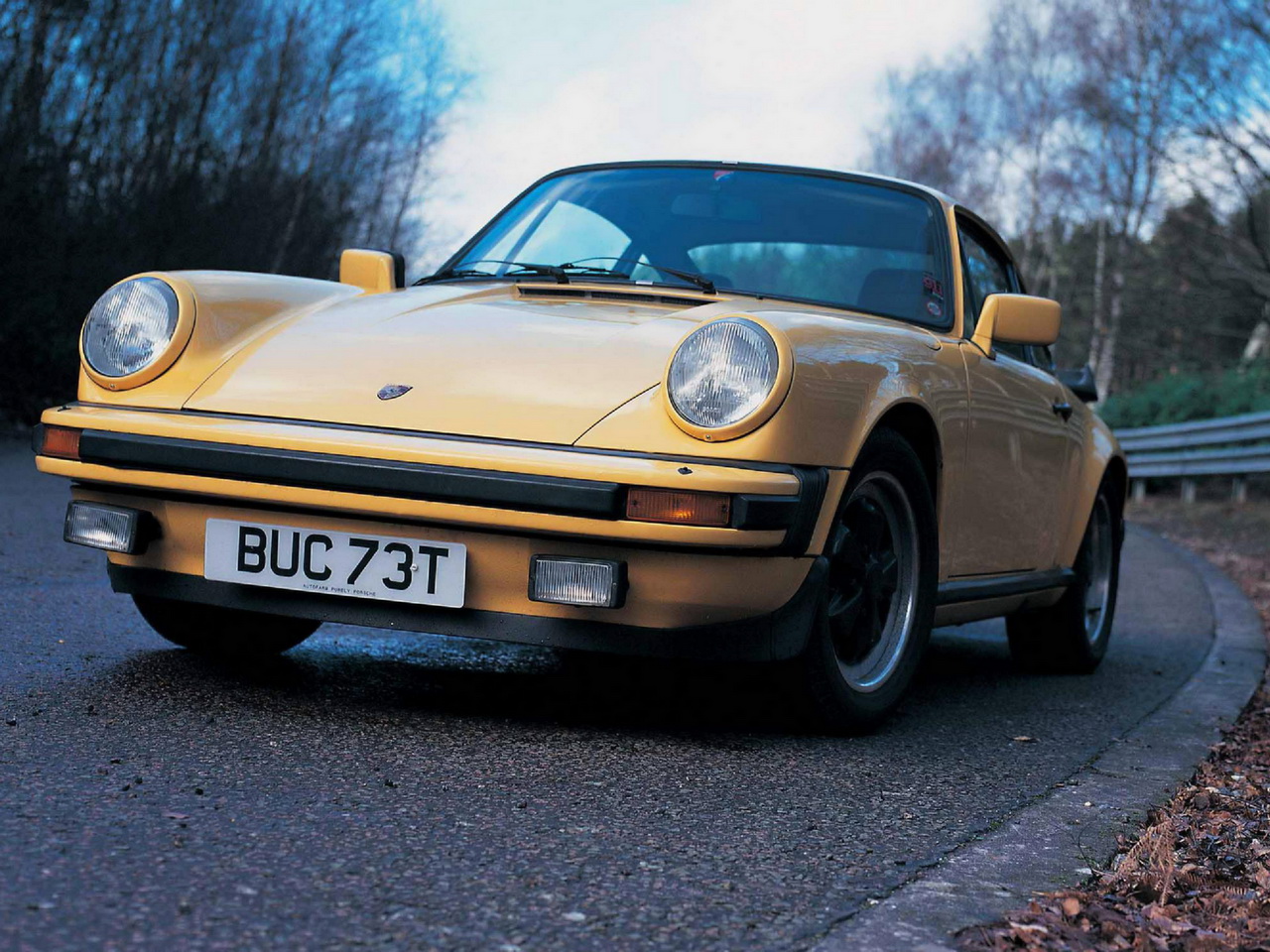
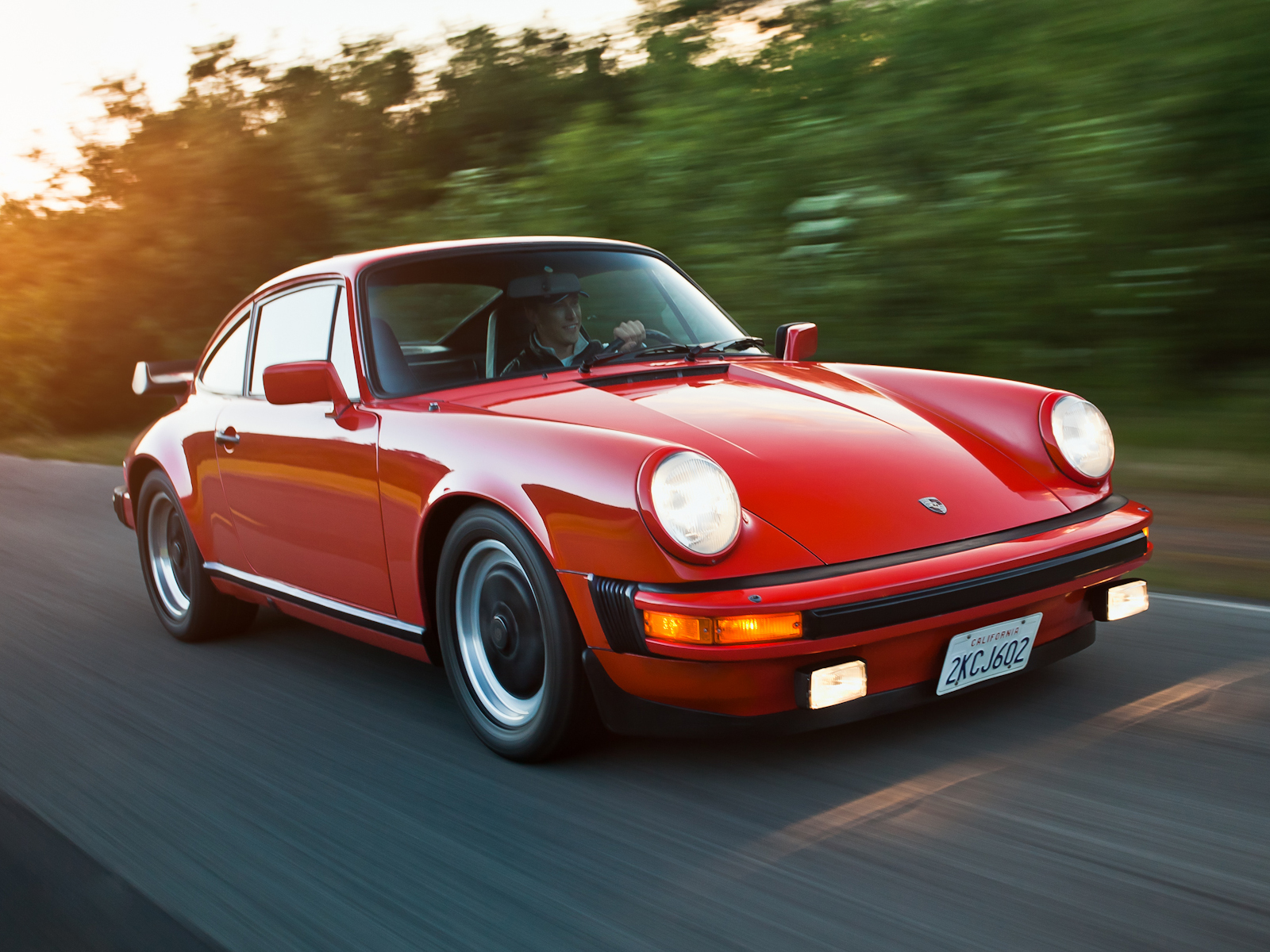
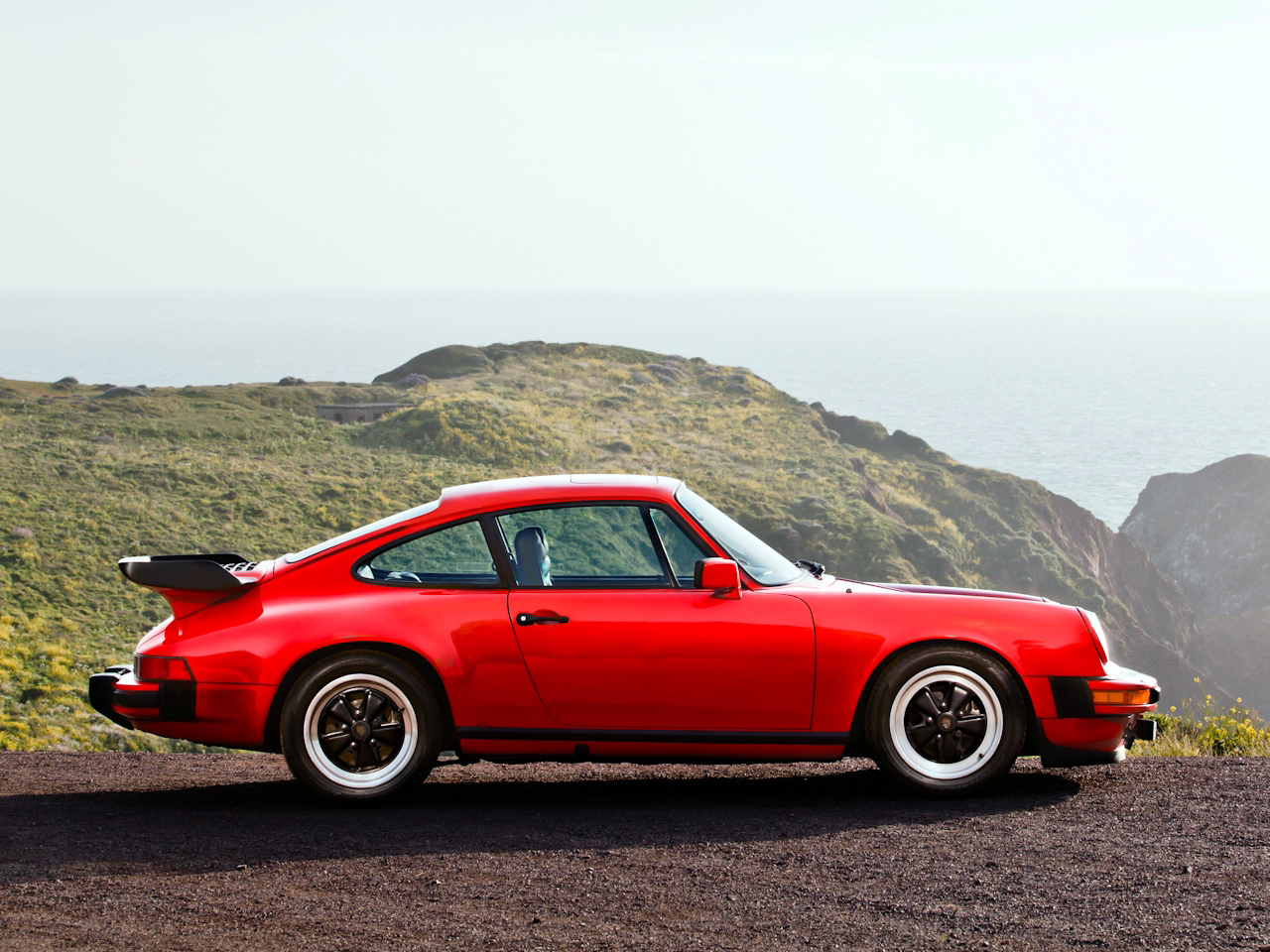
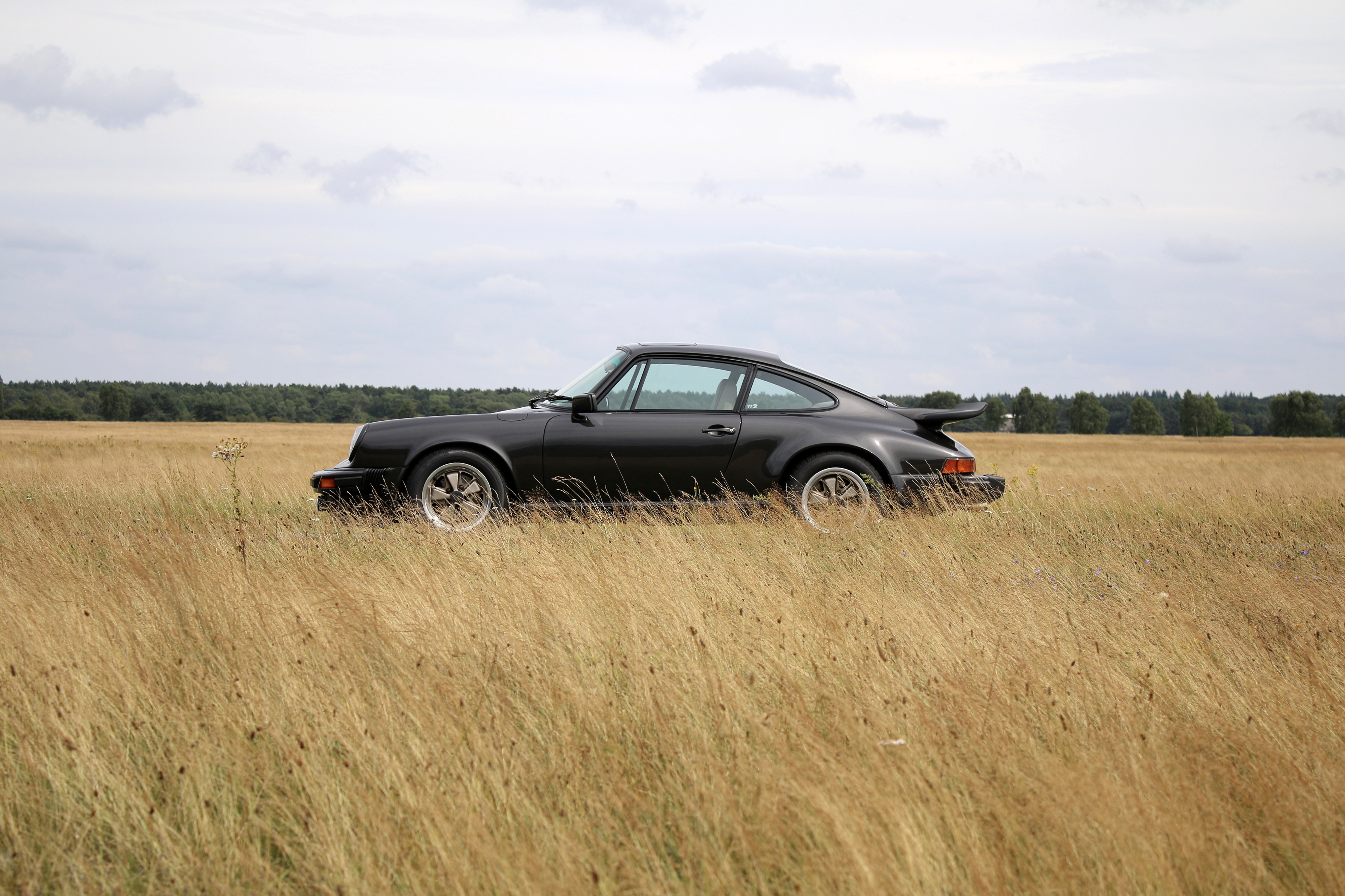
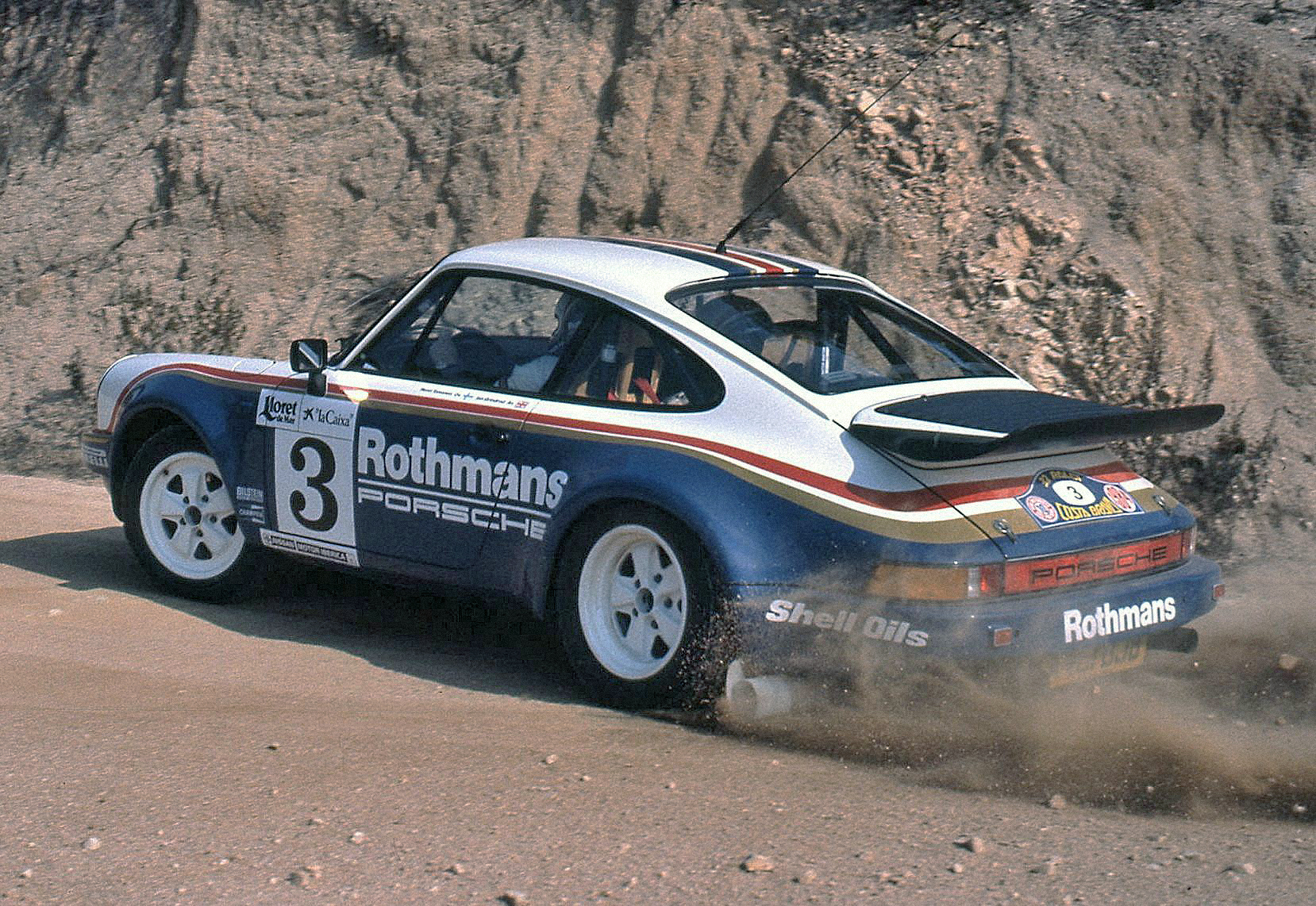
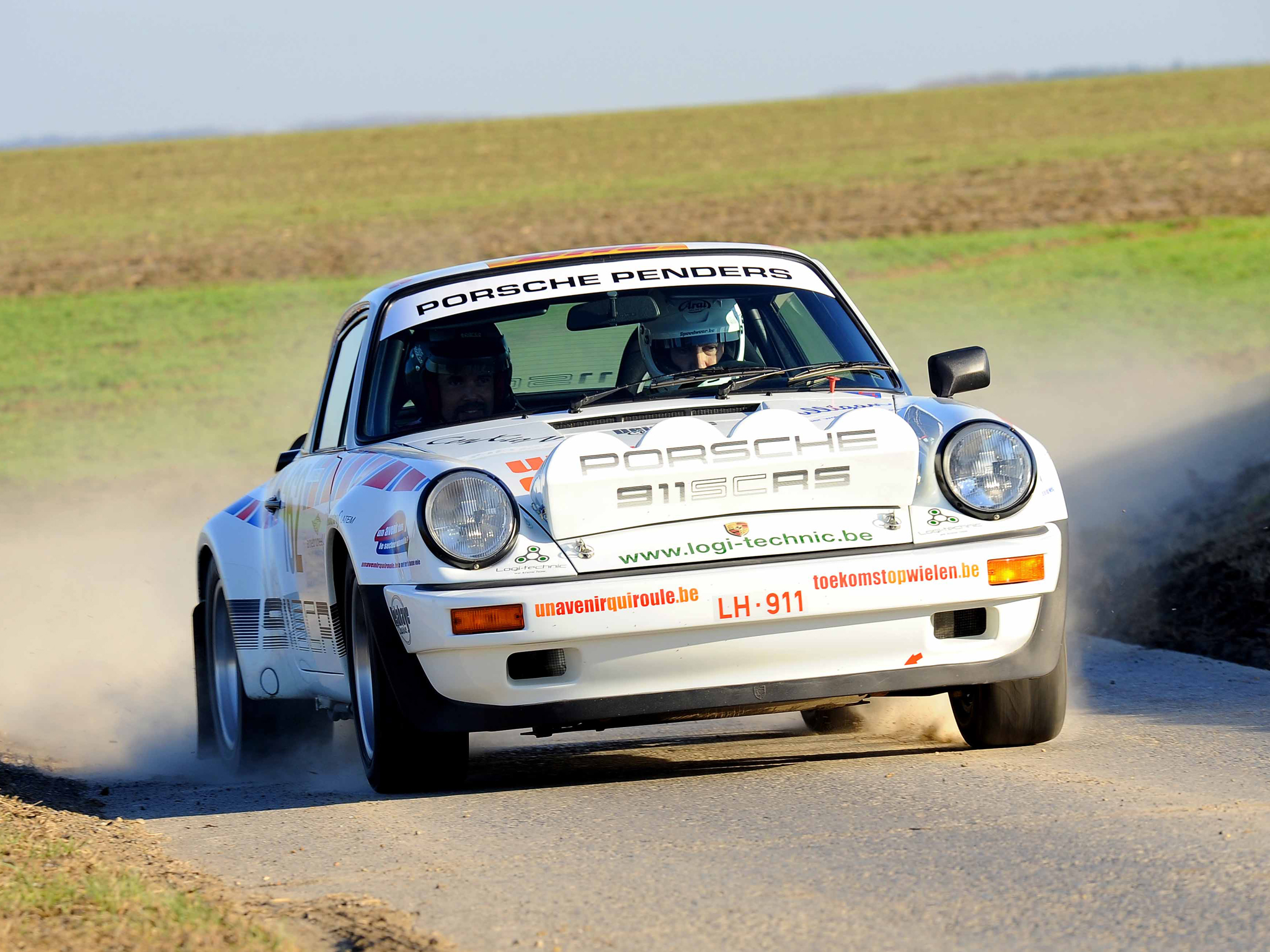
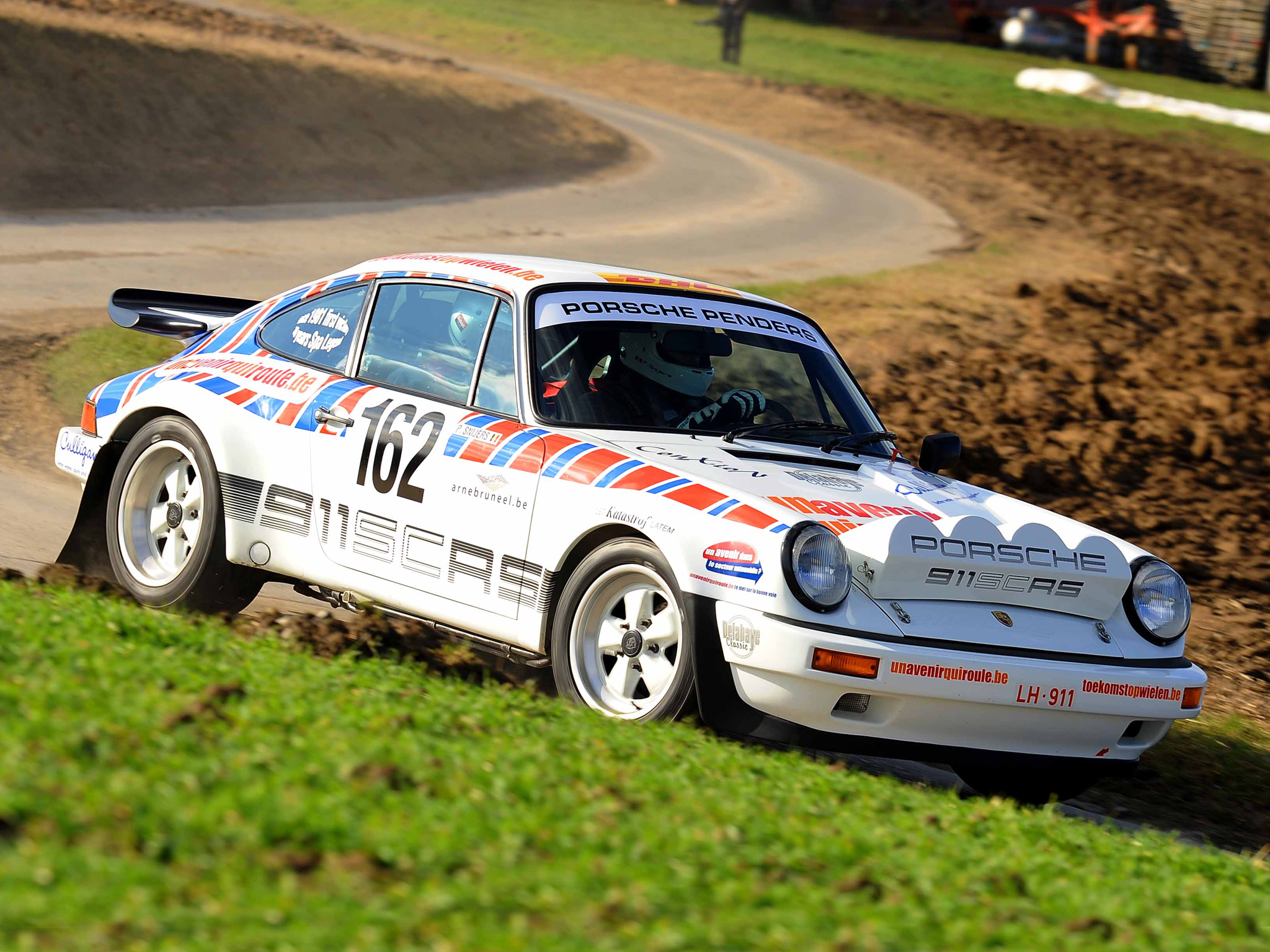
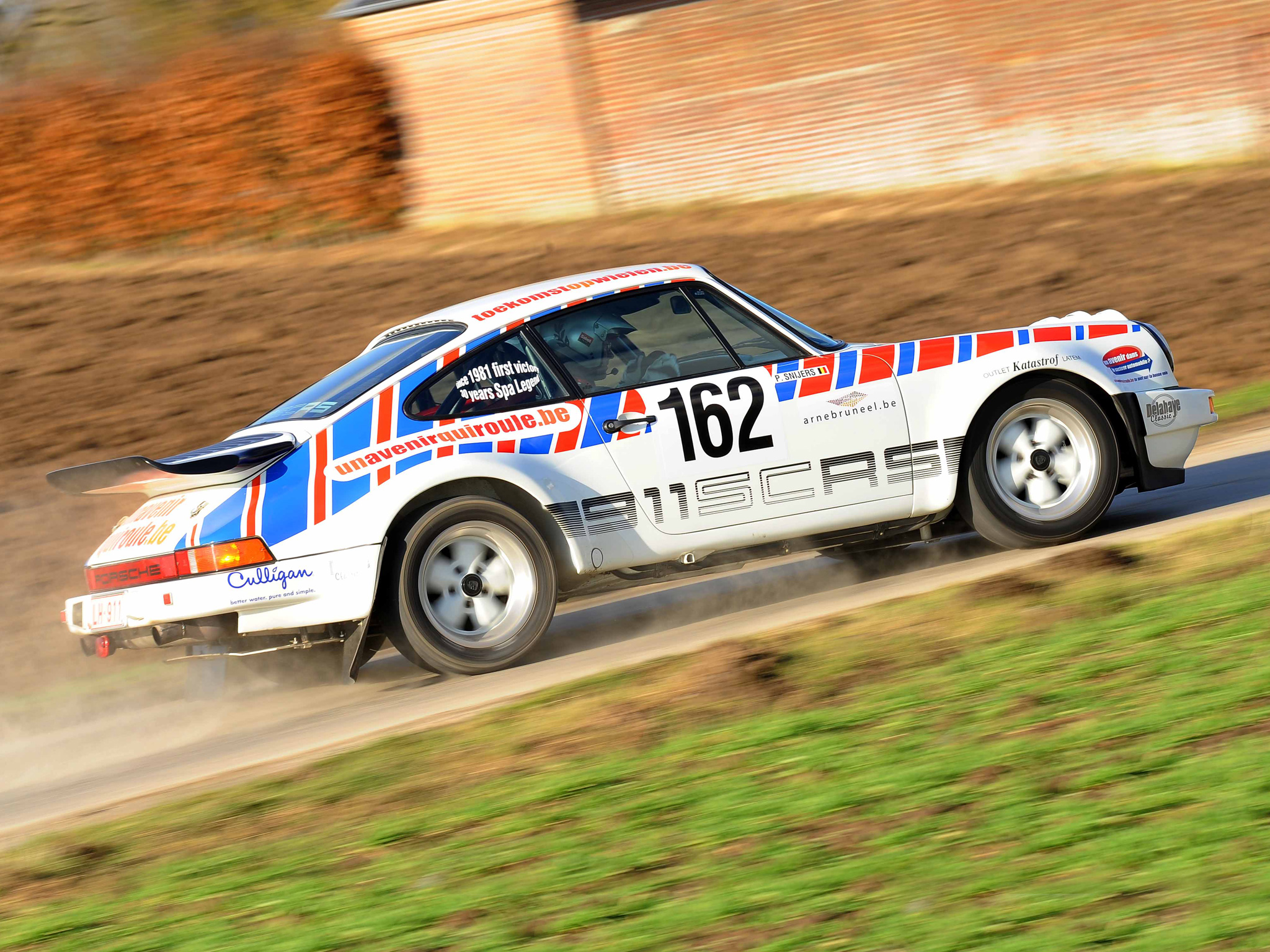
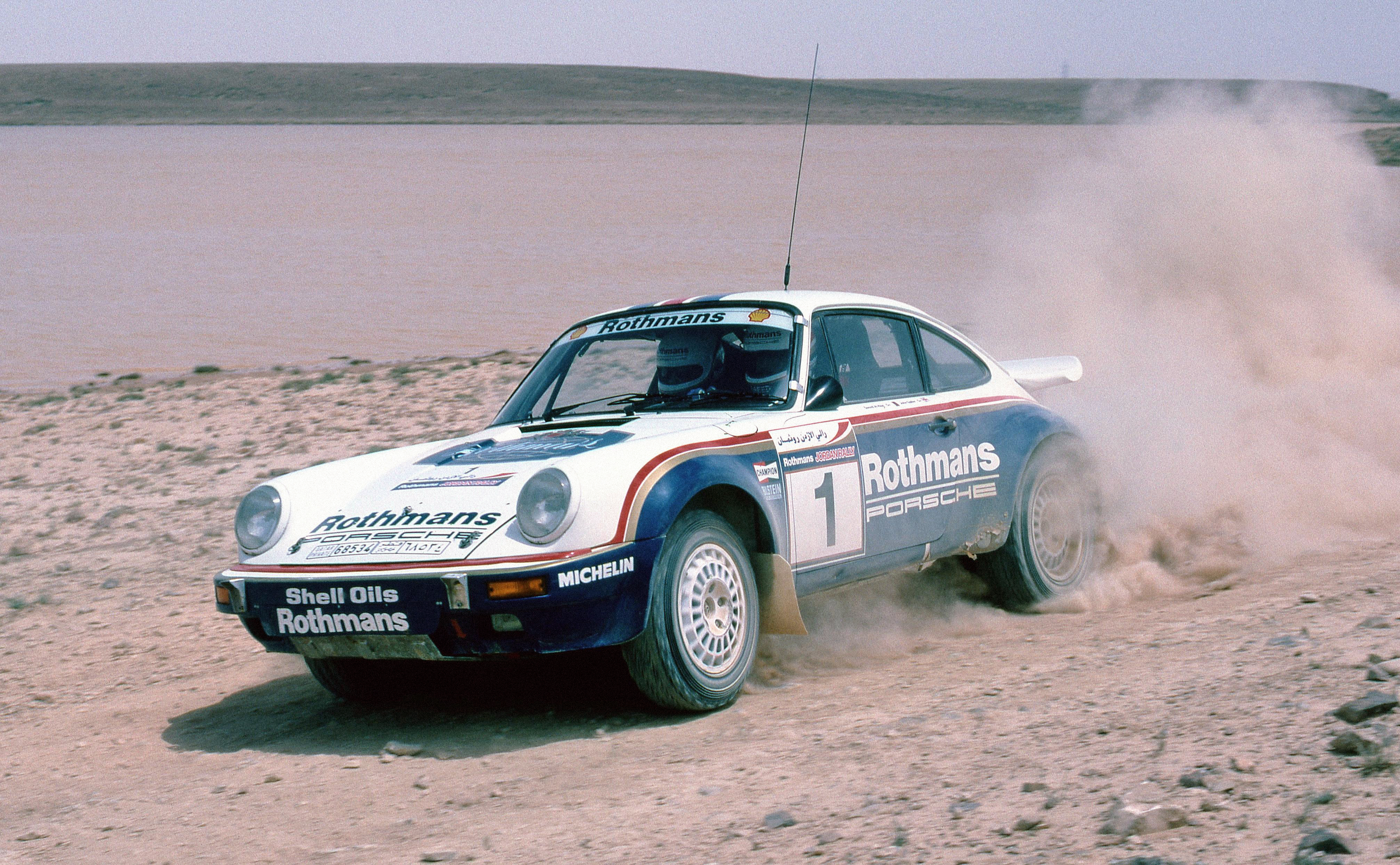
SC/RS 911 was a Group C transfer. Rothmans – as their sponsor – needed a machine for Group B rallying, so 911 was a natural choice. As all rally veterans, from Groups 1 to 4, could get a newly formed Group B papers, Porsche filed their 911 SC Group 3, and after constructing 20 EVO examples, they were allowed to compete with an RS machine.
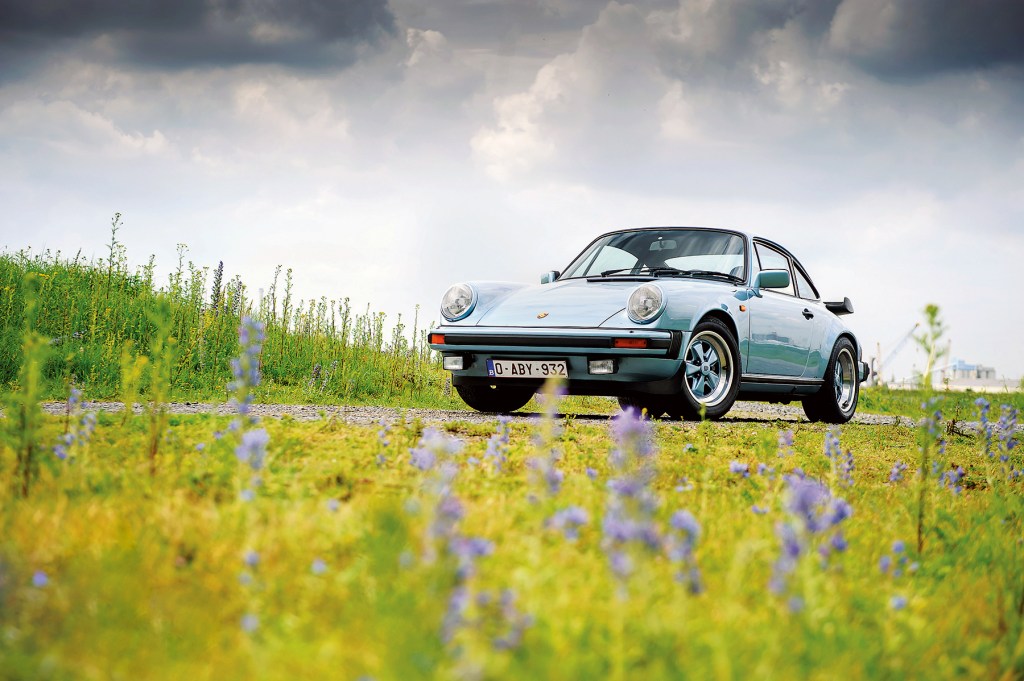
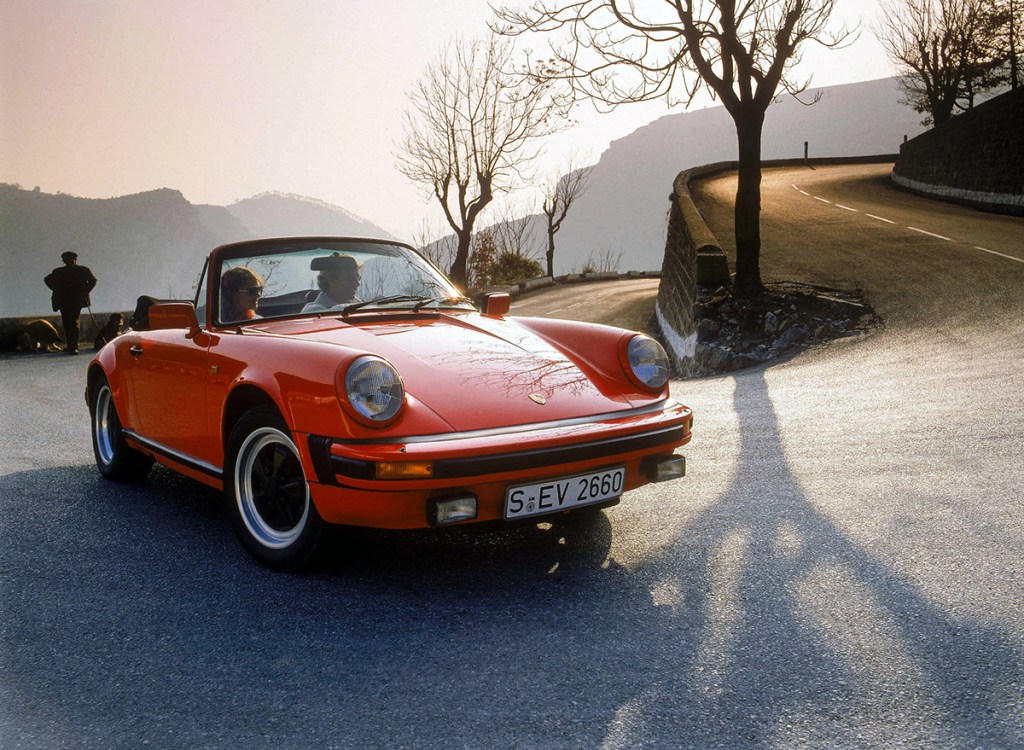
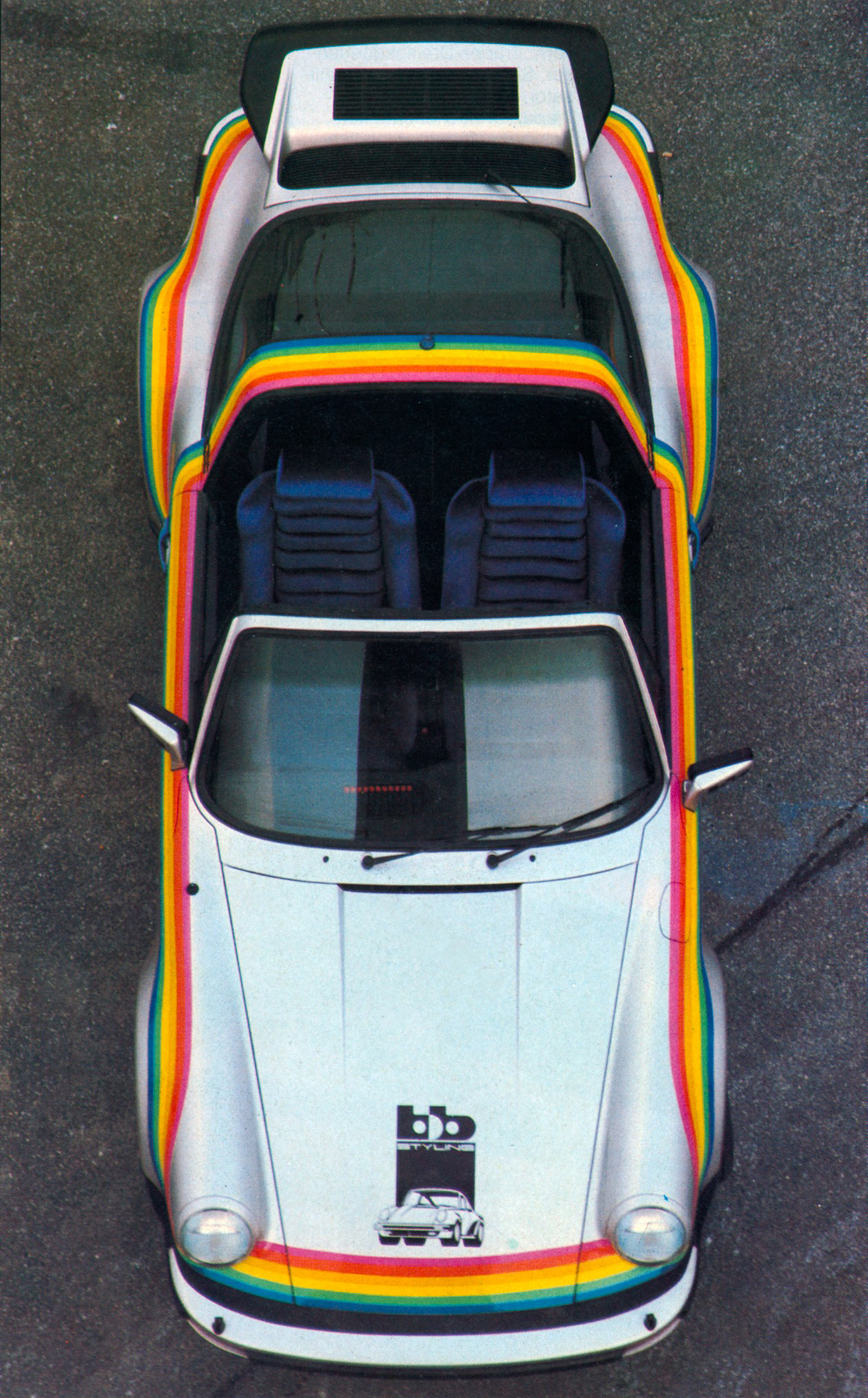
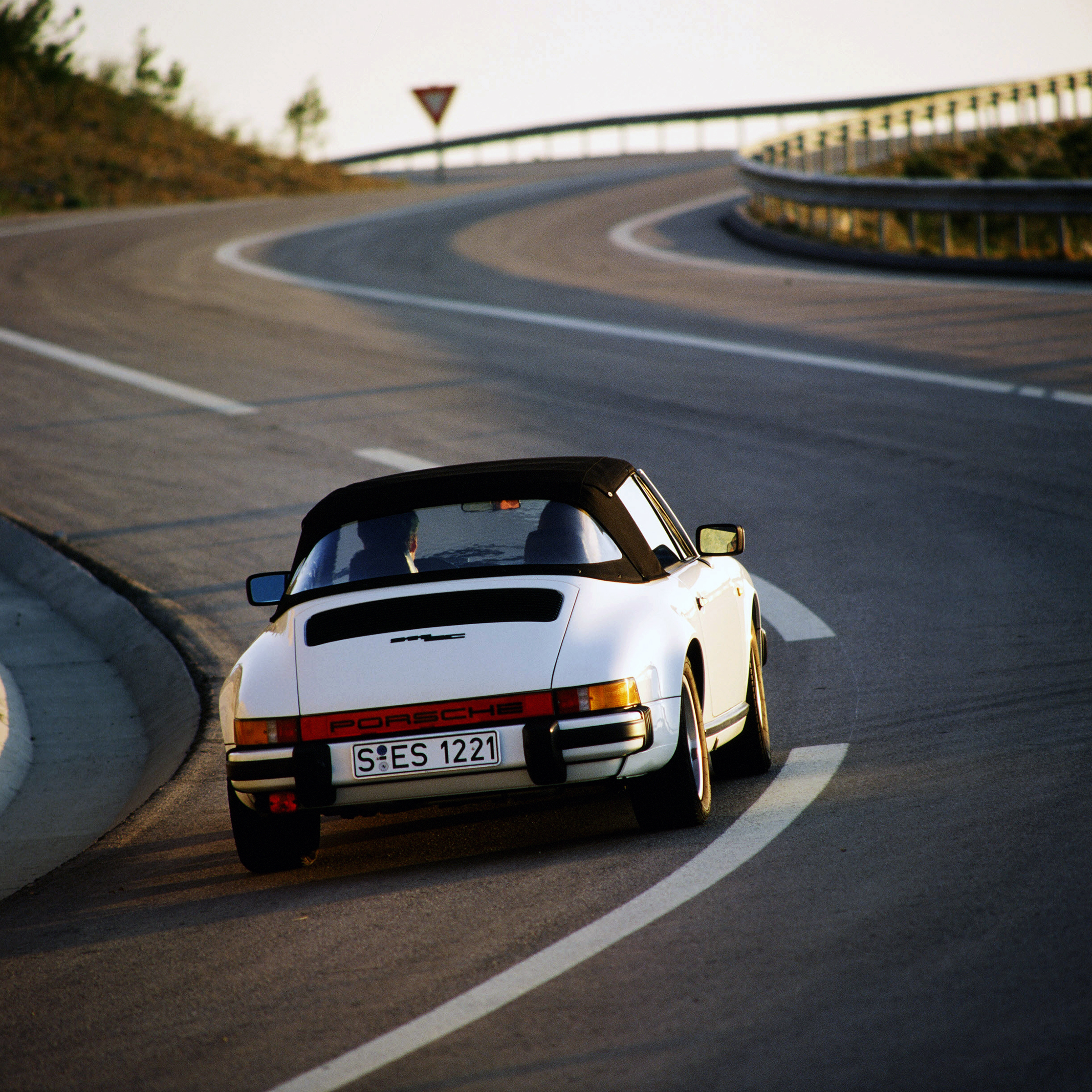
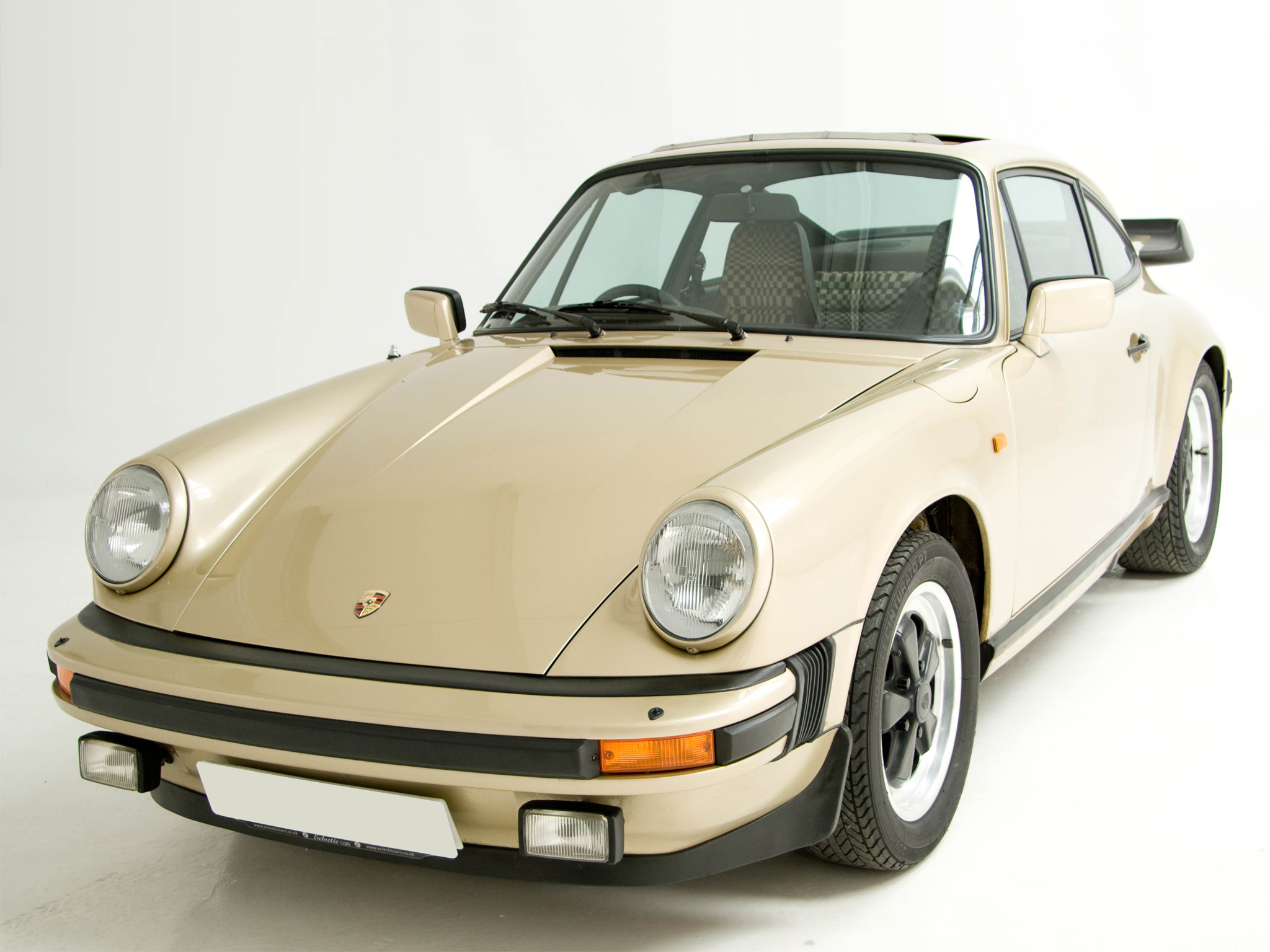
Homologation specials – Coupe, Cabrio and Targa
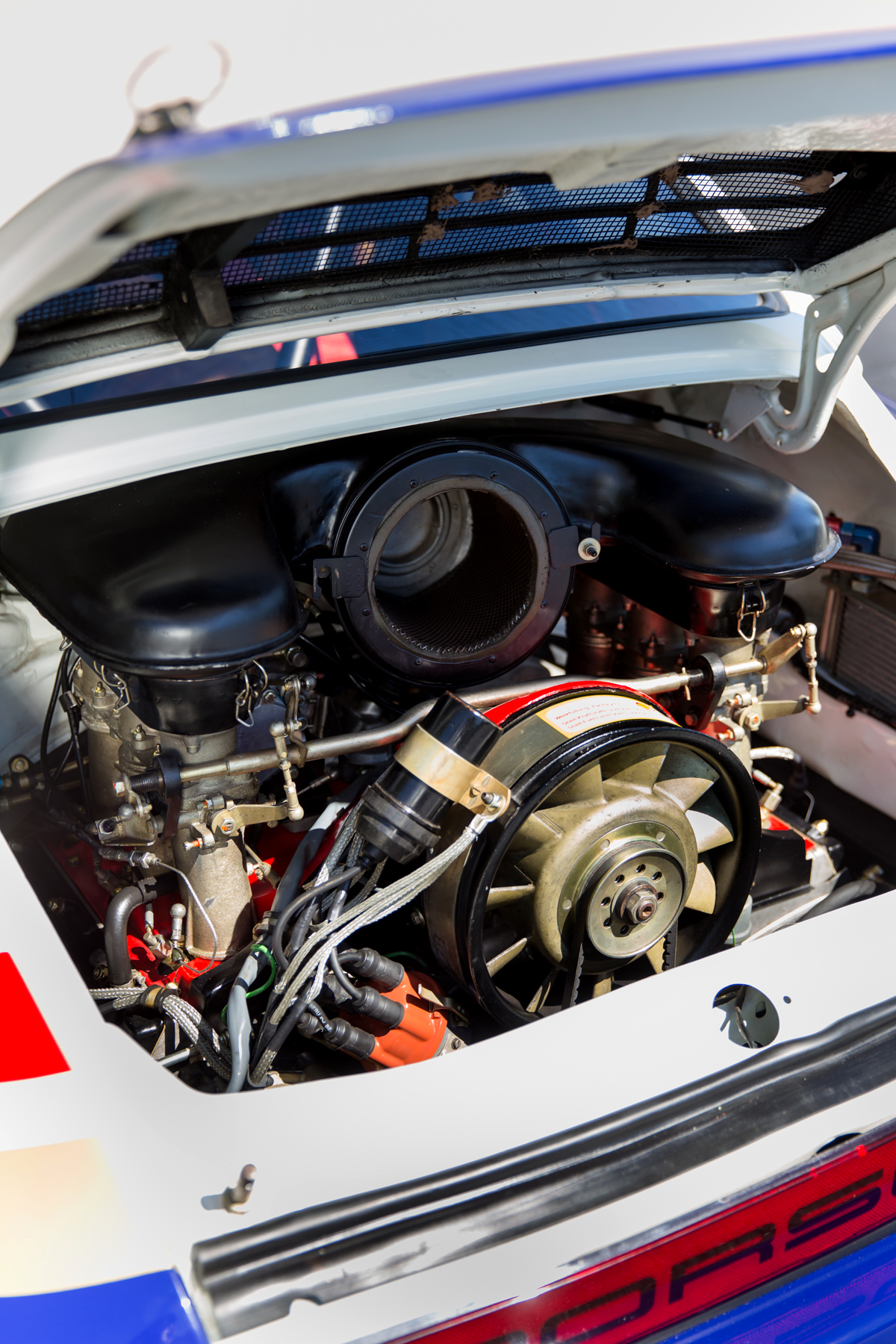
New rules put 1100kg min. weight restrictions on bigger engines. That is the reason why Porsche didn’t use their most recent 3.2 Carrera powertrains – and they chose older variant of a 3.0 SC-derived motor. Prodrive got huge money from their sponsors: Rothmans, Shell and Michelin – all of whom sent thick cheques to their Silverstone-based team. 20 cars were made – 5 of which raced with Prodrive stickers. All the rest was sold “road-legal”. Rothmans Porsche Rally Team led a successful SC/RS campaign in the early Group B era, but they couldn’t pick up the fight against specially derived AWD beasts, because – let’s face it – they lacked AWD. Their top result was a 3rd in 1982 Monaco and twice again the Corsica (1982 and 1985).
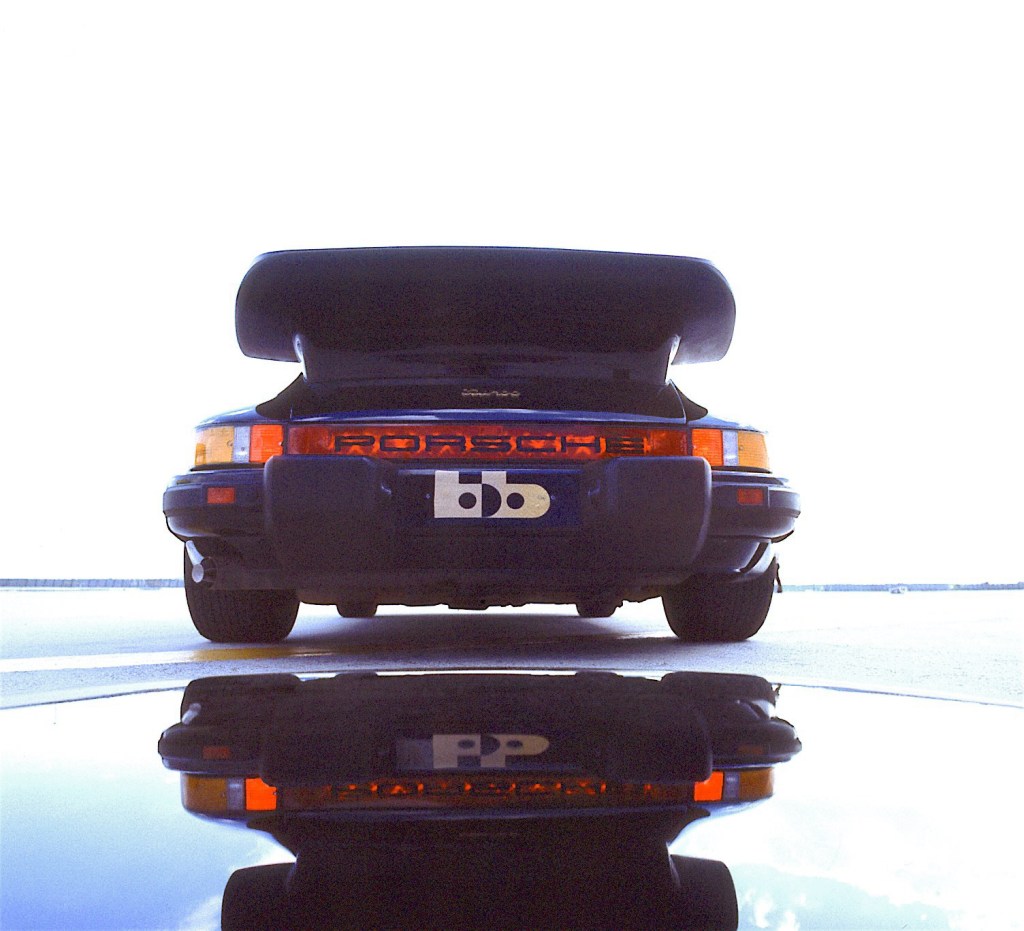
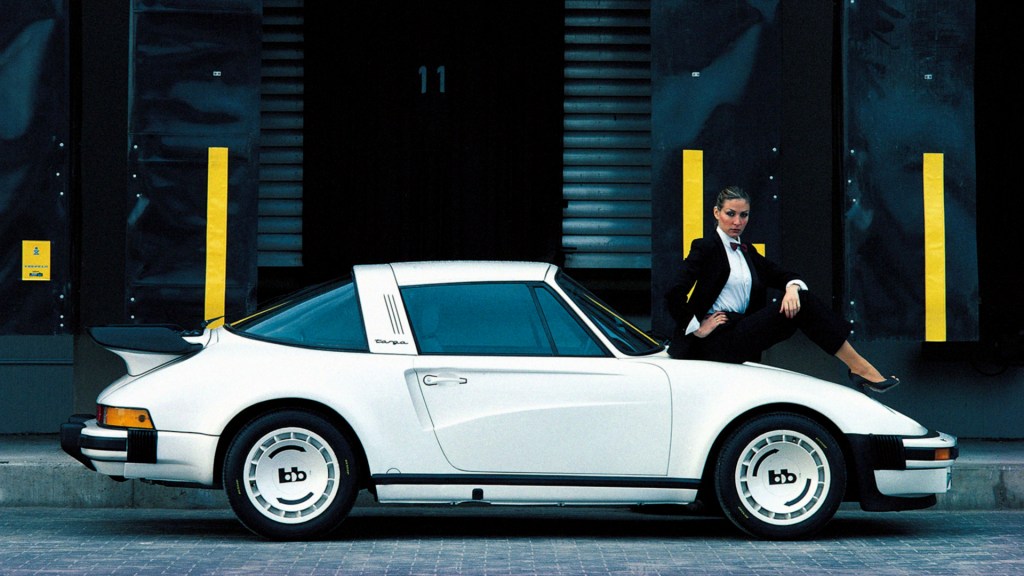
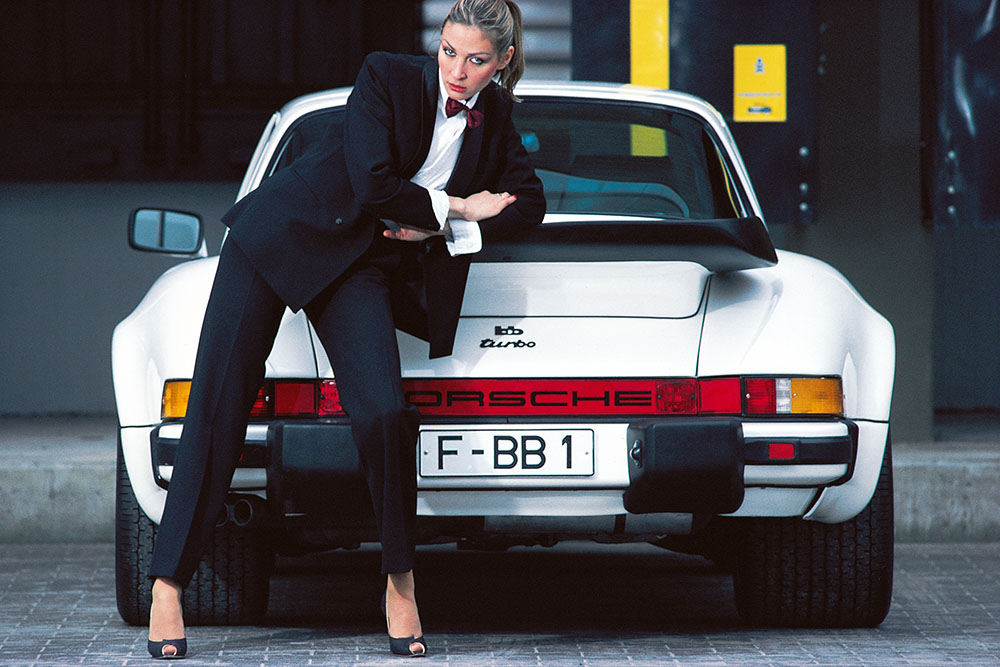
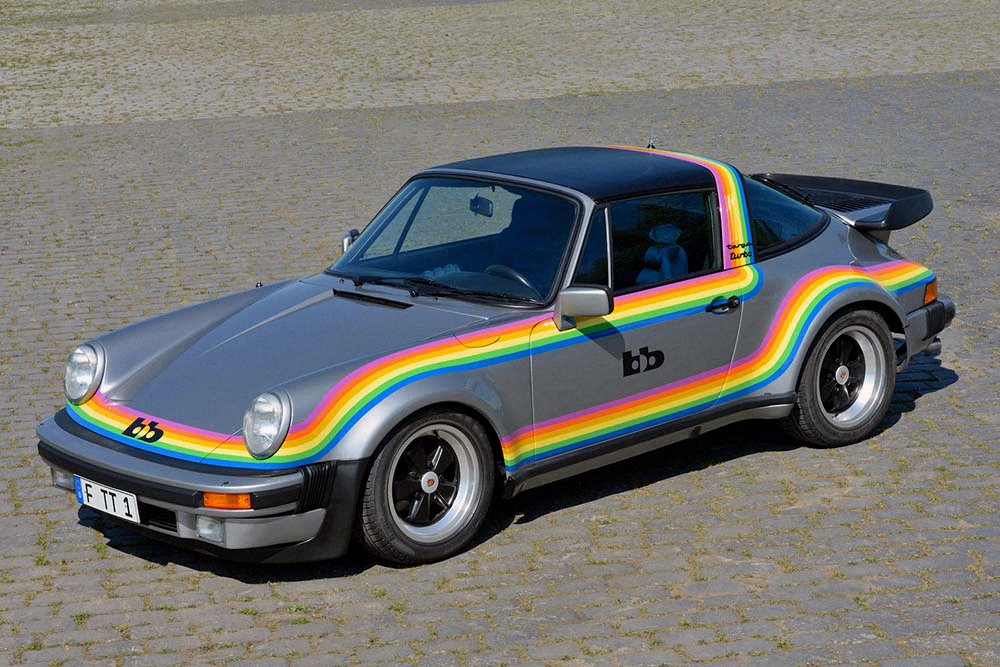
Upgraded BB Turbo
What’s worth noting – if you wanted to rally Porsches, then you could take practically anything from their catalogue. 924s had Group B papers, 928s and the 944s. They were often seen in minor asphalt events, but none could hold the stick to a 911. All in all, Germans had plans to replace their 911s with a 959 Gruppe B, but major delays on the development stage made it impossible – prolonging the SC/RS career till the Group B cancellation in 1986.
Group B SC/RS
Krzysztof Wilk All sources: wheelsage.org | rallygroupbshrine.org
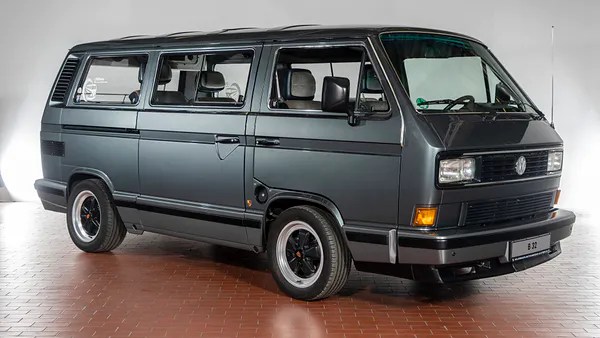
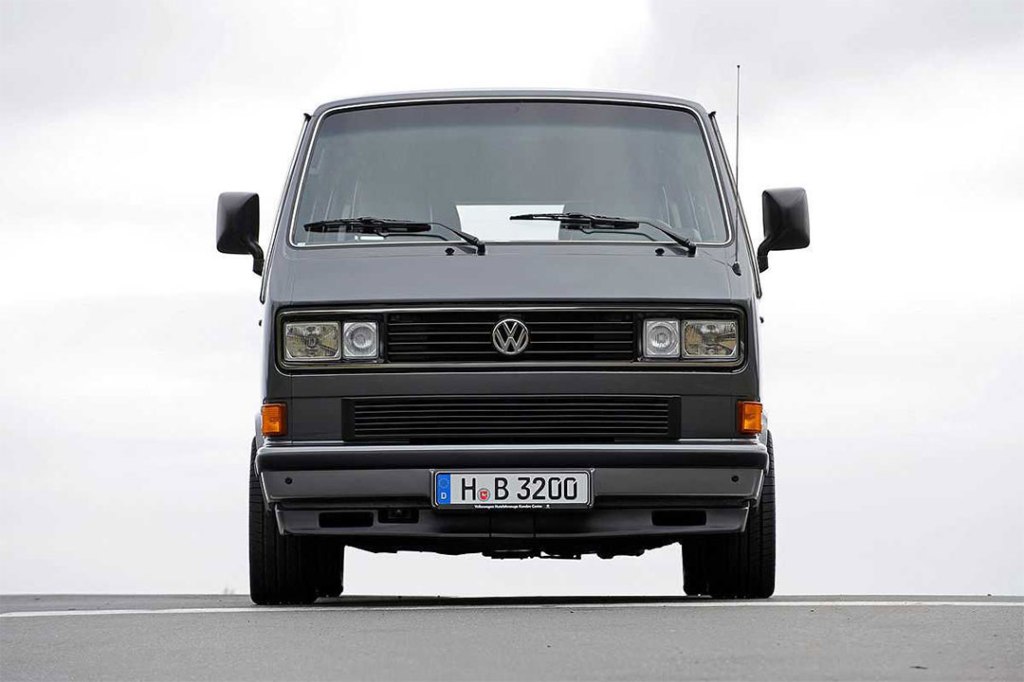
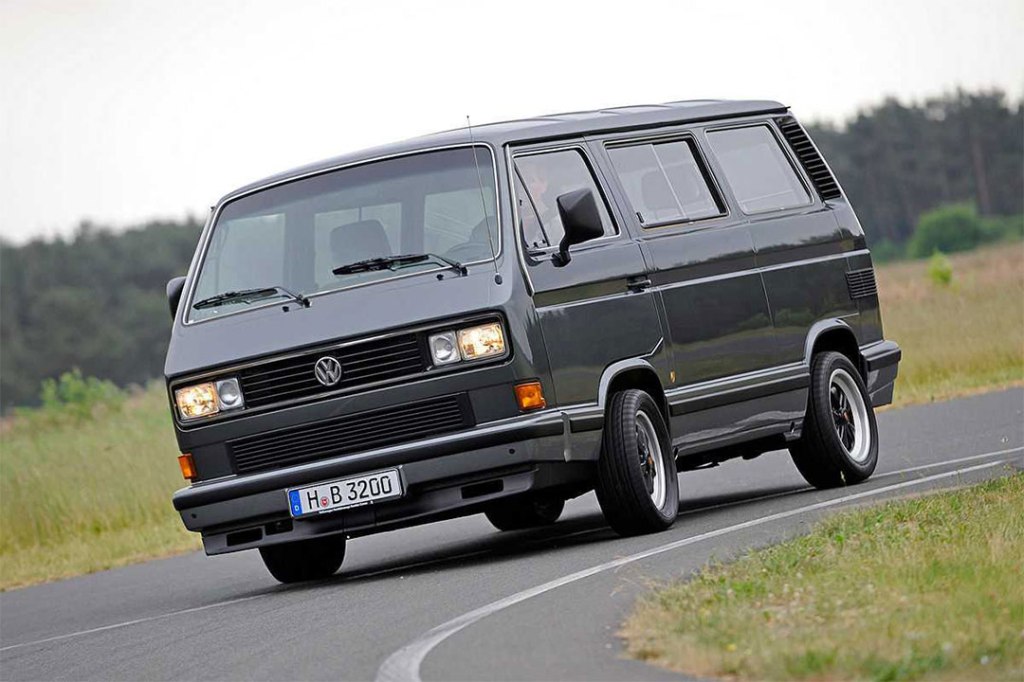
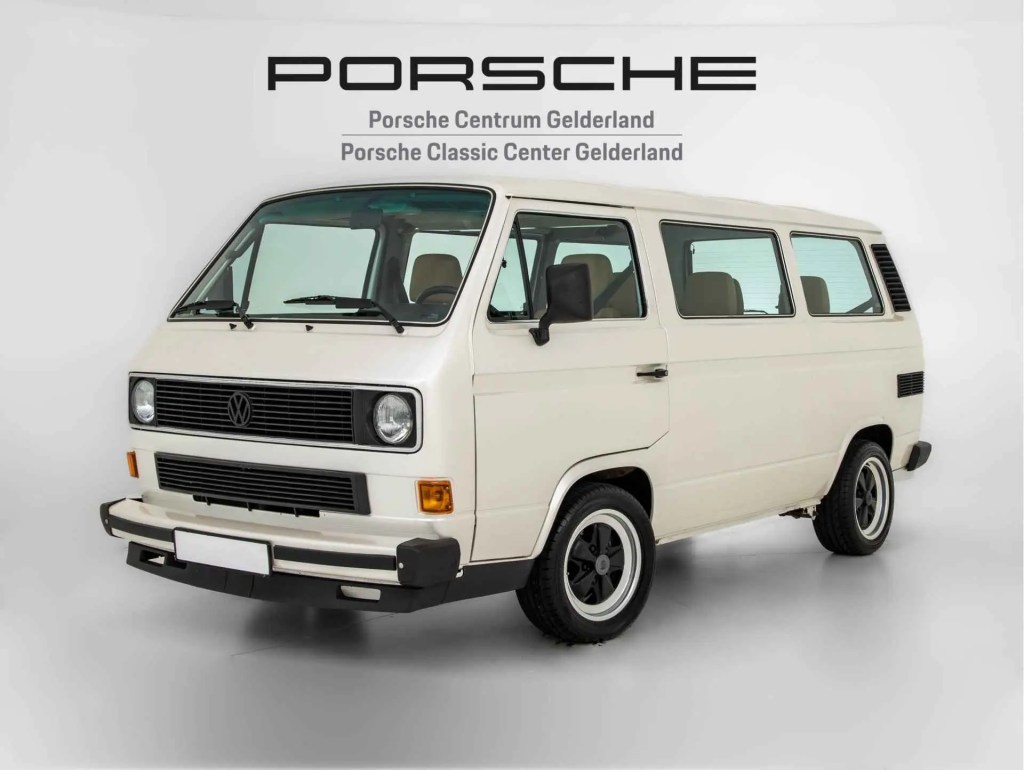
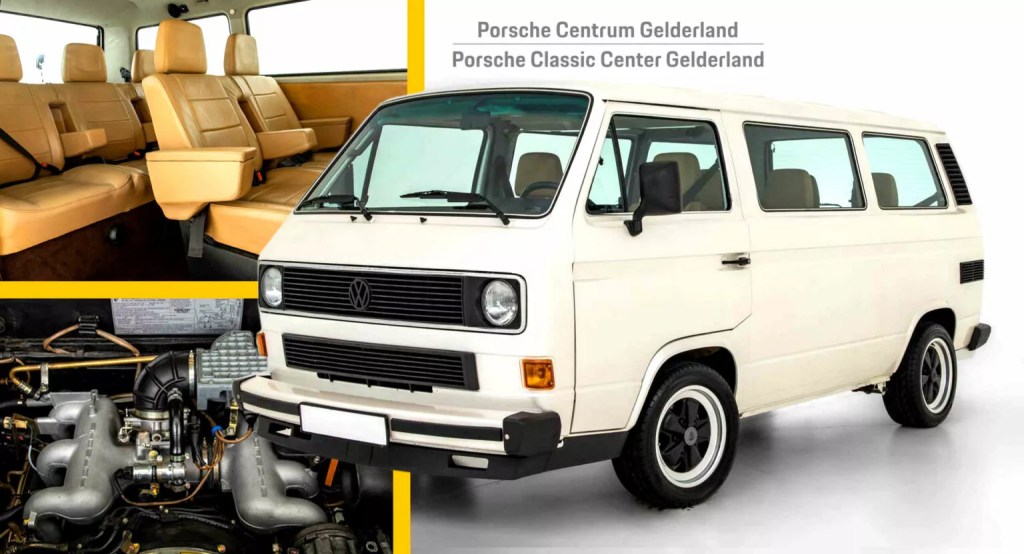
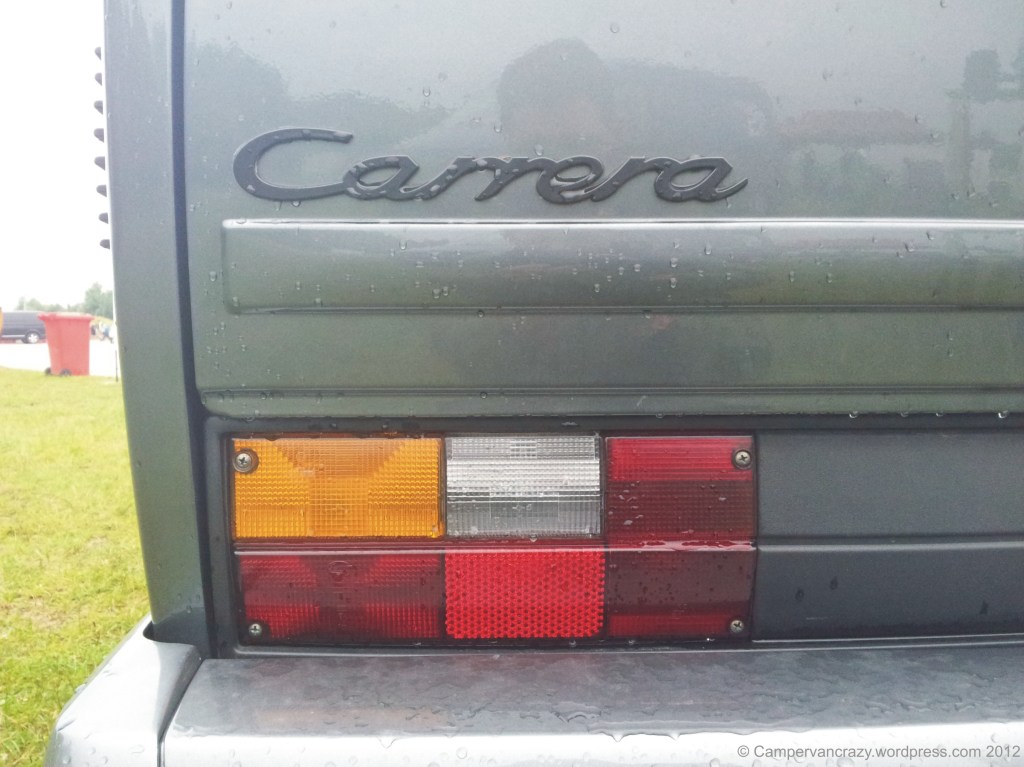
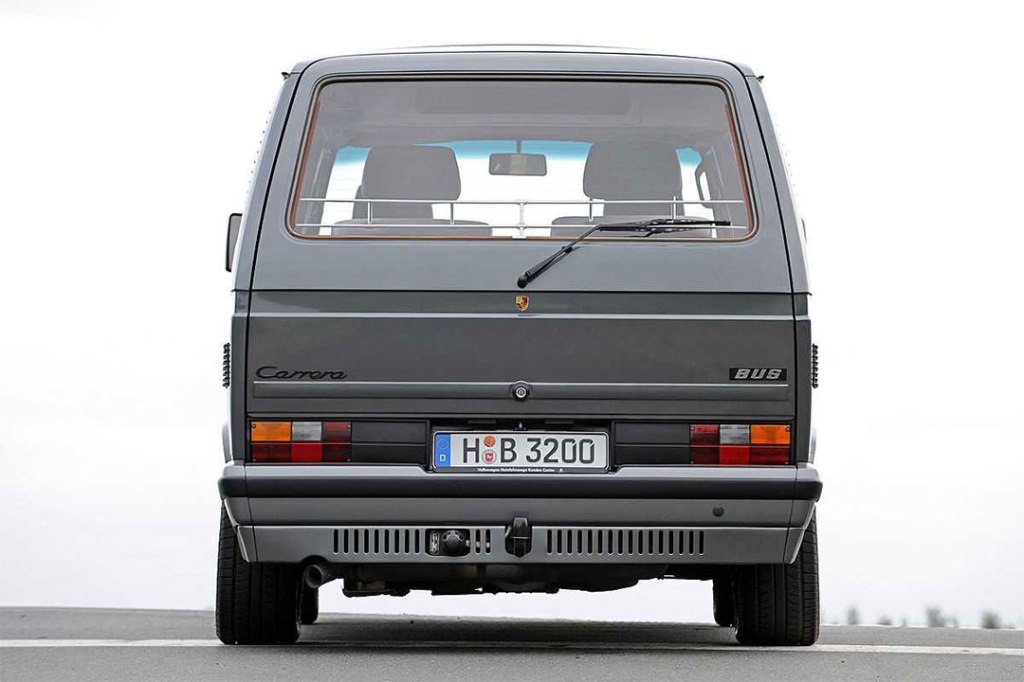
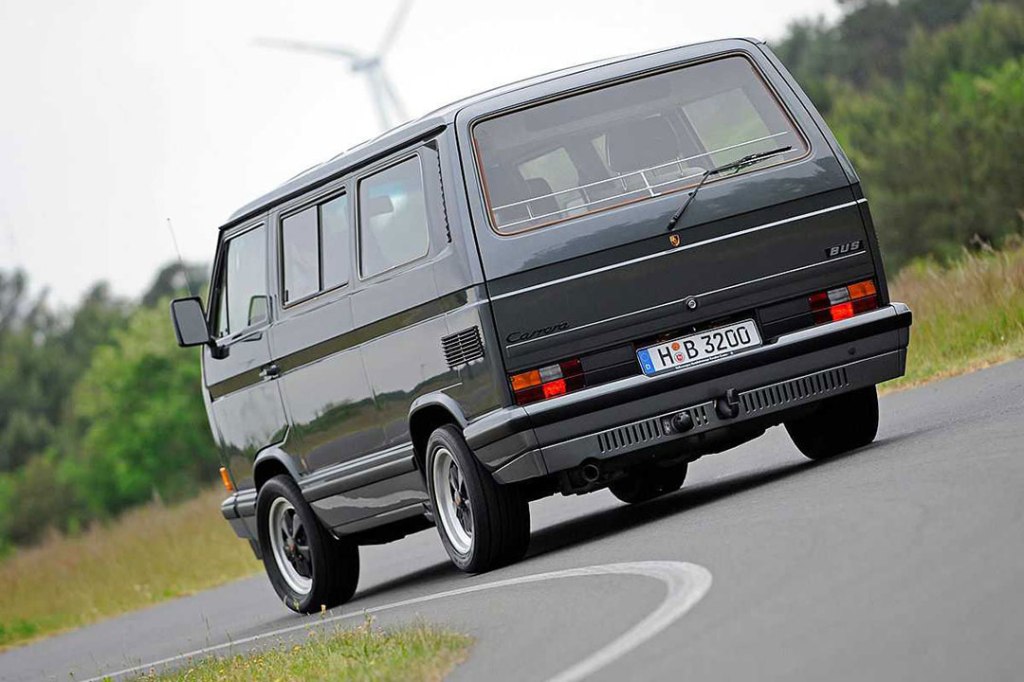
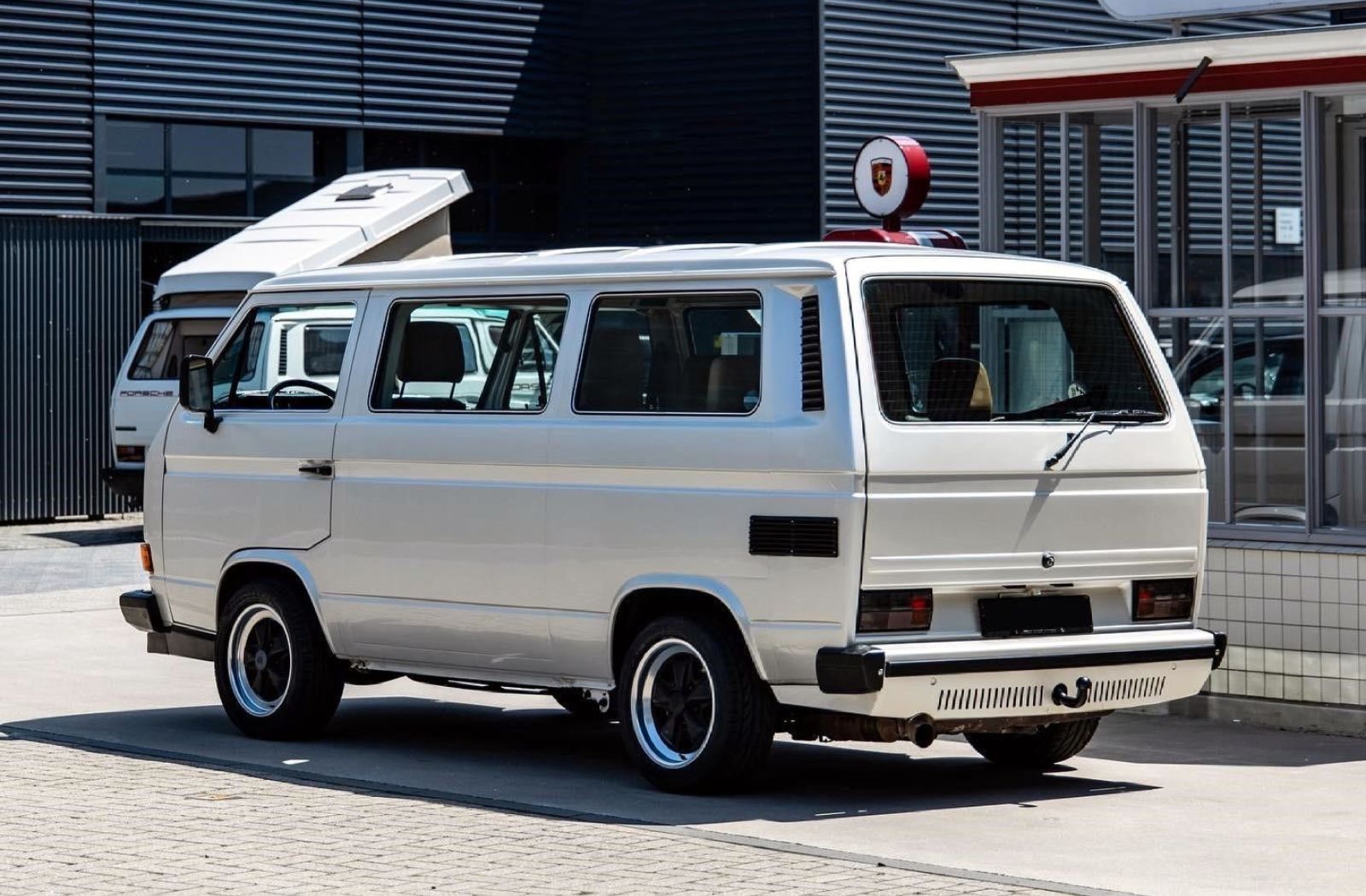
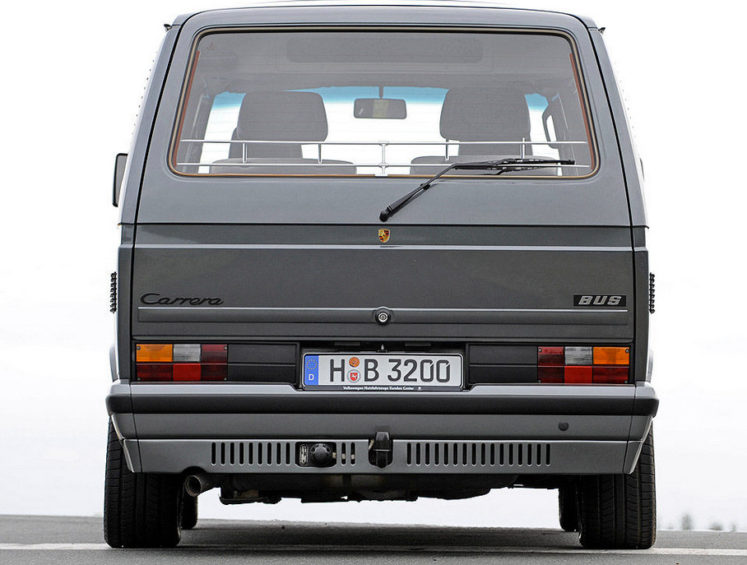
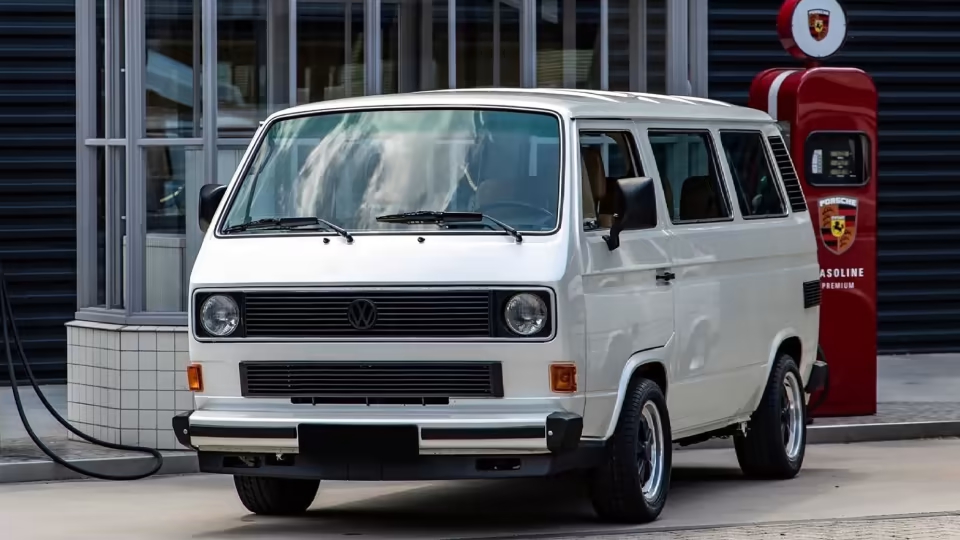
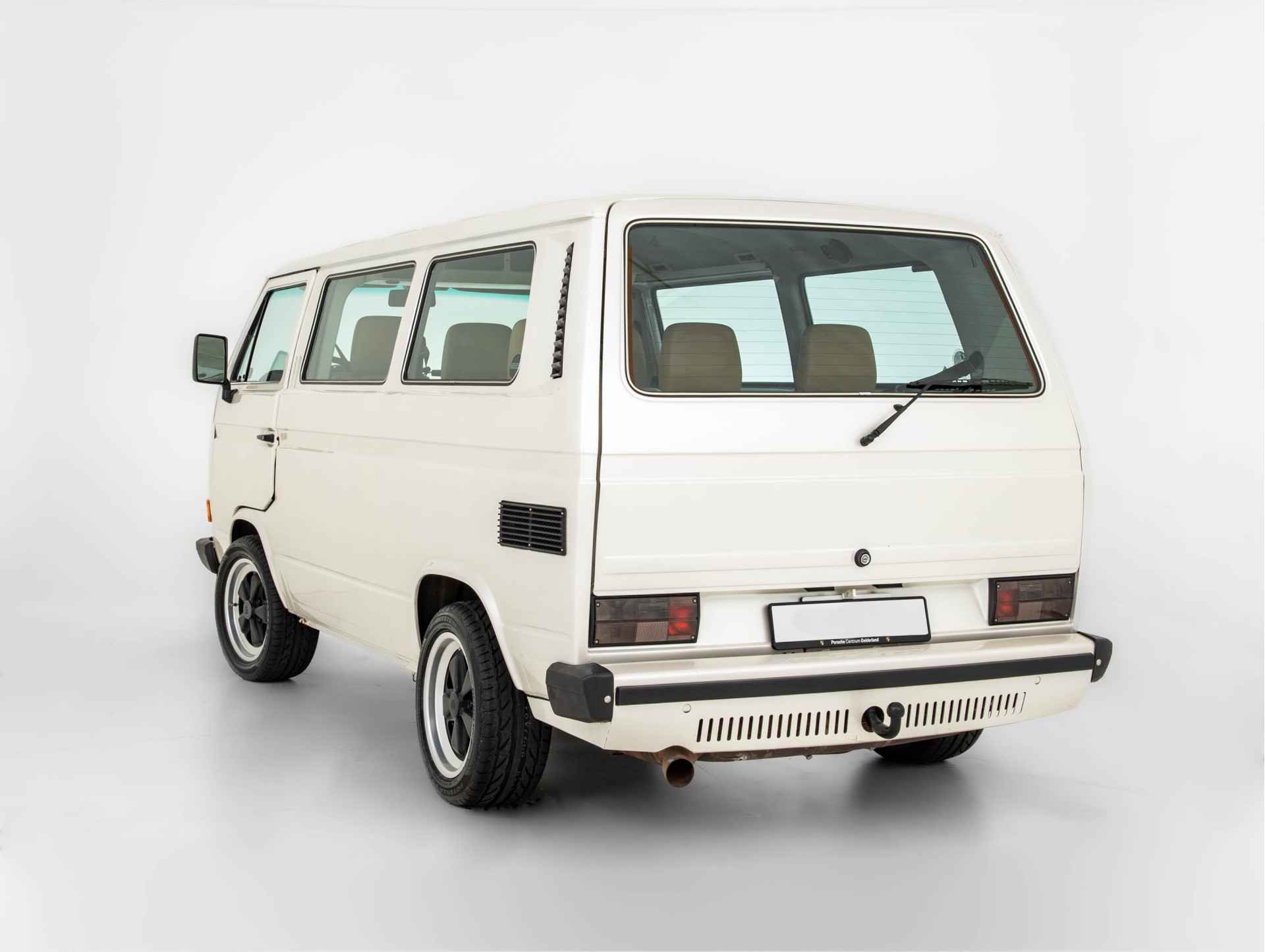
Wiecie jakie było najdroższe Porsche w katalogu w roku 1984? To wam powiem… W pierwszej połowie lat ‘80-tych powstało jedno z najbardziej pokręconych projektów rajdowych i Porsche ponosi pełną za to odpowiedzialność – a konkretnie, ówcześnie u sterów, Peter Schutz. Niewielu – nawet fanów marki – zna ten model, bo nie był on eksponowany. Powstał jako pojazd serwisowy do rajdu Paryż-Dakar, i miał w zamyśle równać tempa do 959 – bestii motorsportu, B-grupowej maszyny, rajdowego supersamochodu… Kurwa, ogórek – wyobrażacie sobie to?
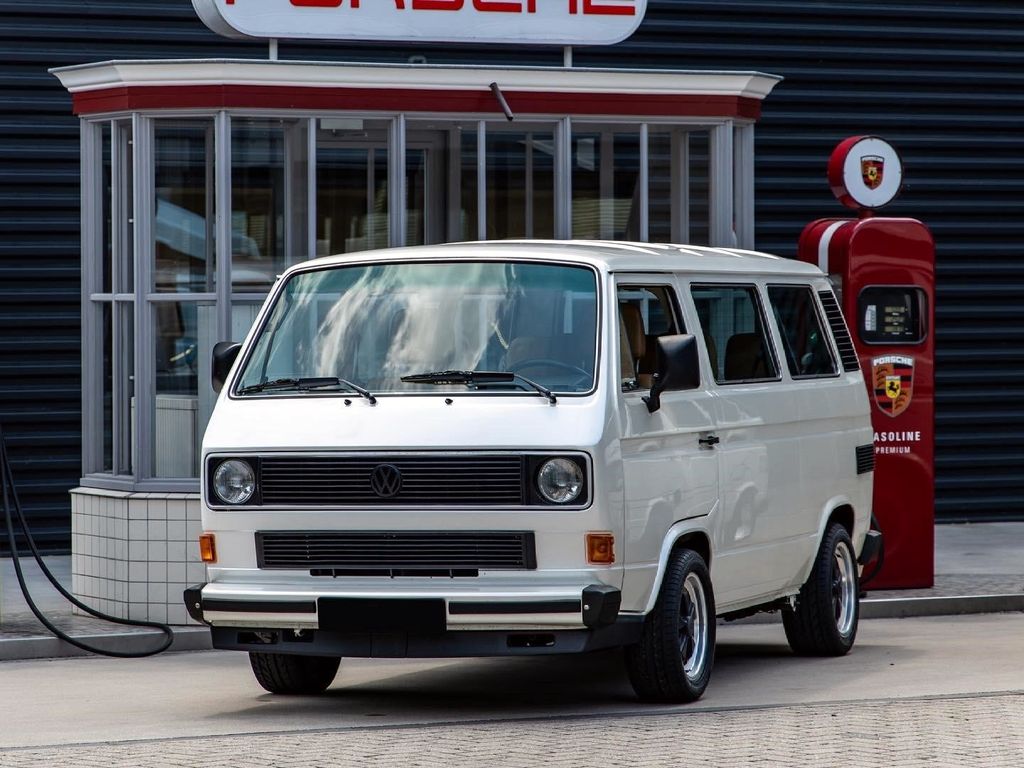
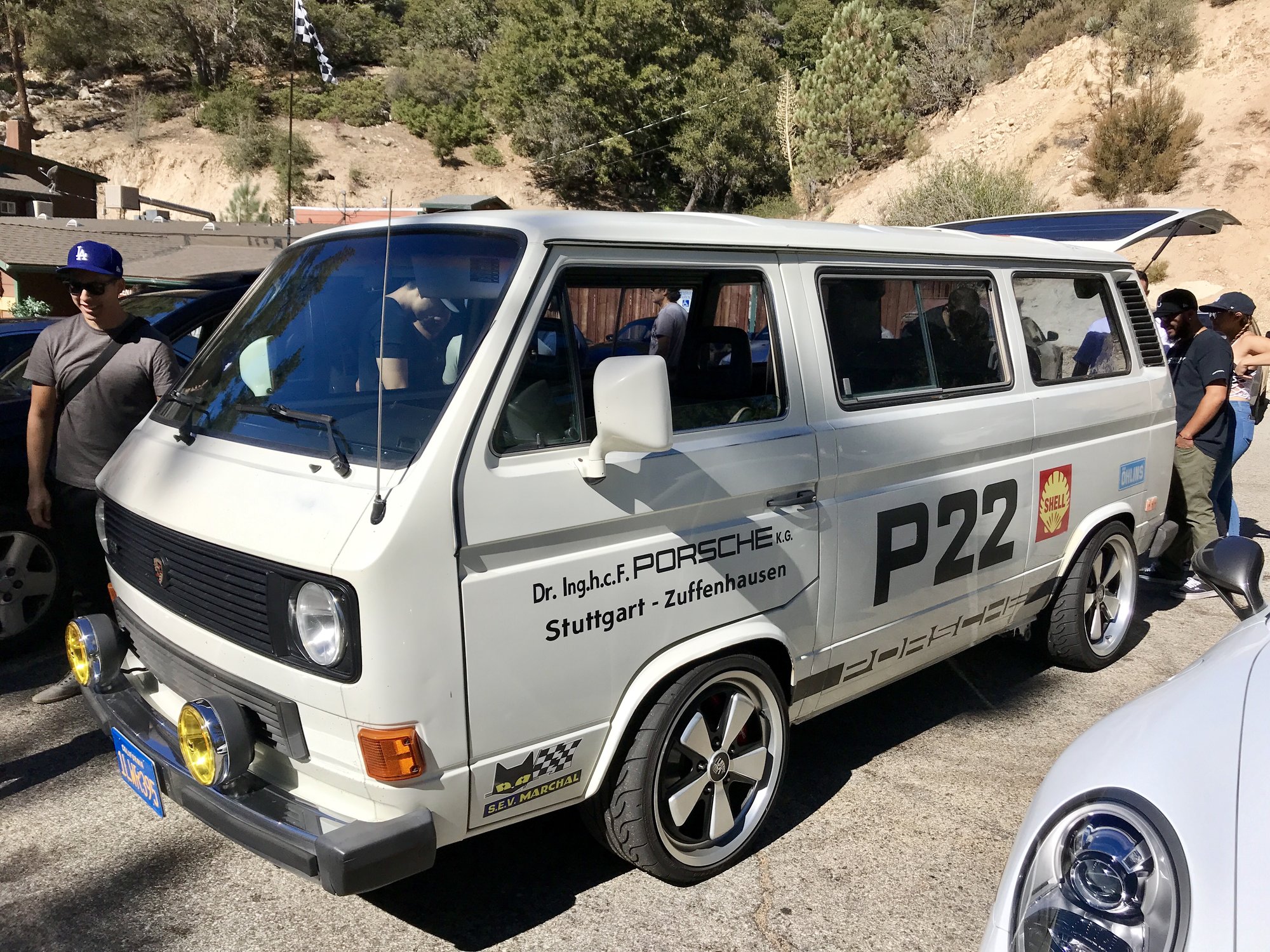
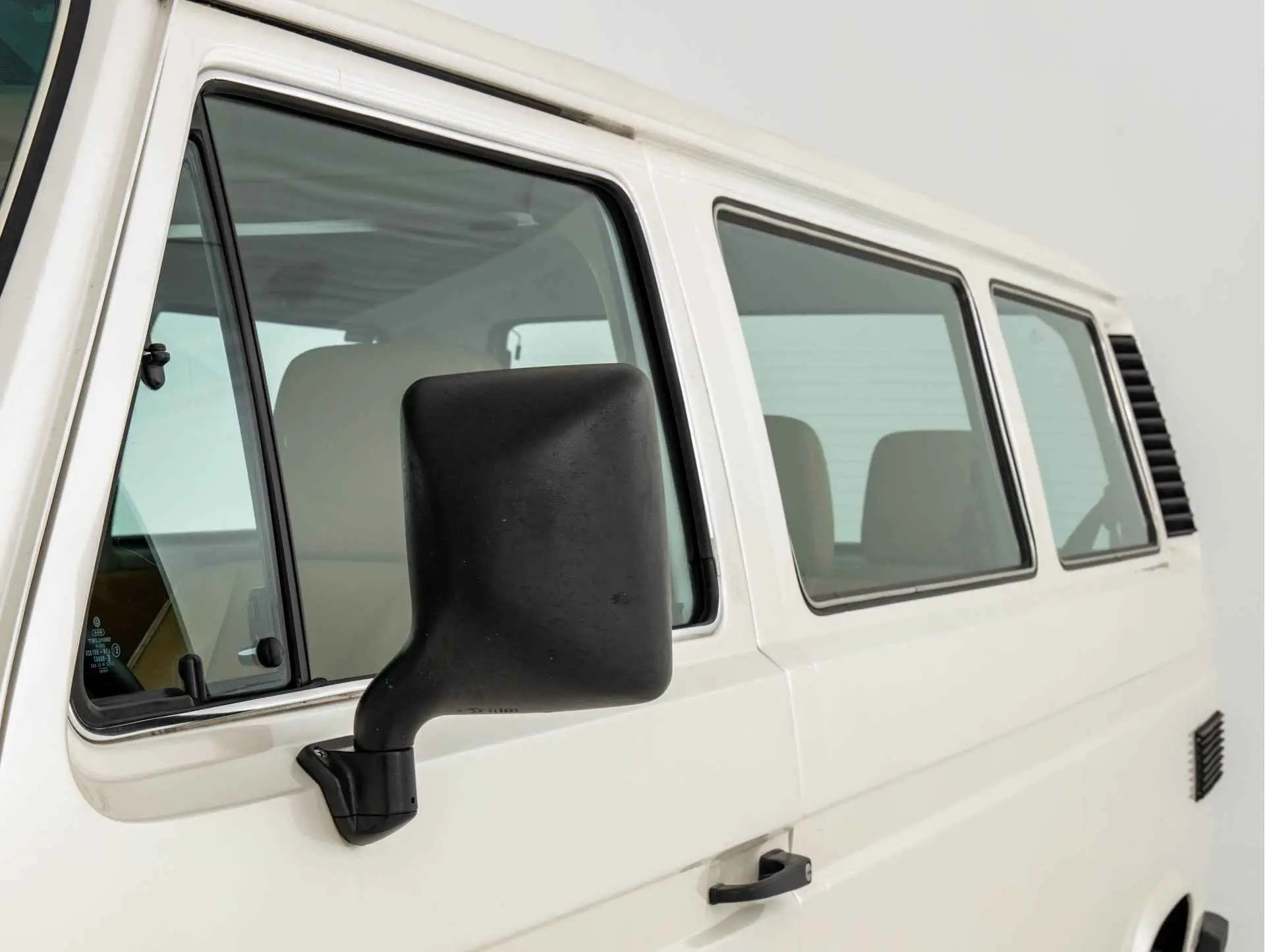
Można zadać sobie pytanie: “czym kieruje się człowiek, który upycha silnik z 911 do furgonu?” Zadajmy więc to pytanie… Porsche pracowało na bazie Volkswagena T3 i ten pomysł nie wyszedł tak znikąd. To nie był projekt badawczy, testowy prototyp ani nic w tym stylu. Była to “współpraca” między Porsche a Volkswagenem – z konieczności, i to po stronie Porsche właśnie! Niemcy mieli flotę Transporterów do celu serwisowania aut w “Dakarze”… z tym, że one… no zdychały w pogoni za rajdowymi 911-stkami. A auta przecież nie mogły czekać na serwis – pierwszą myślą więc był swap do silnika z 914. Aby pojazd sprostał zadaniu, Niemcy wsadzili doń 4-cylindrowy motor Volkswagena (tu może przypomnę: model 914 z 4 cylindrami to był VW 914, a z 6 cylindrowym silnikiem, to już Porsche 914). Miało to swoje efekty, ale Porsche pracowało wtedy nad rozwojem nowego 959 – a to był już konkret – no i nie chcę was okłamywać… Trzeba było podjąć bardziej radykalne kroki. Zwykły swap silnika nie wystarczył.
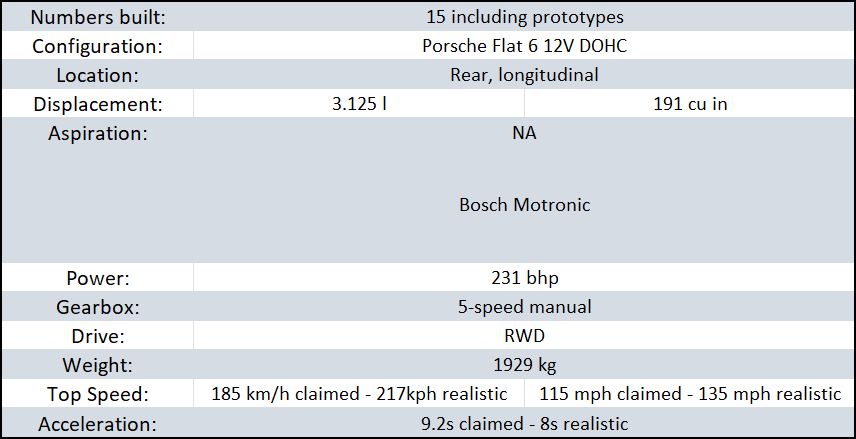
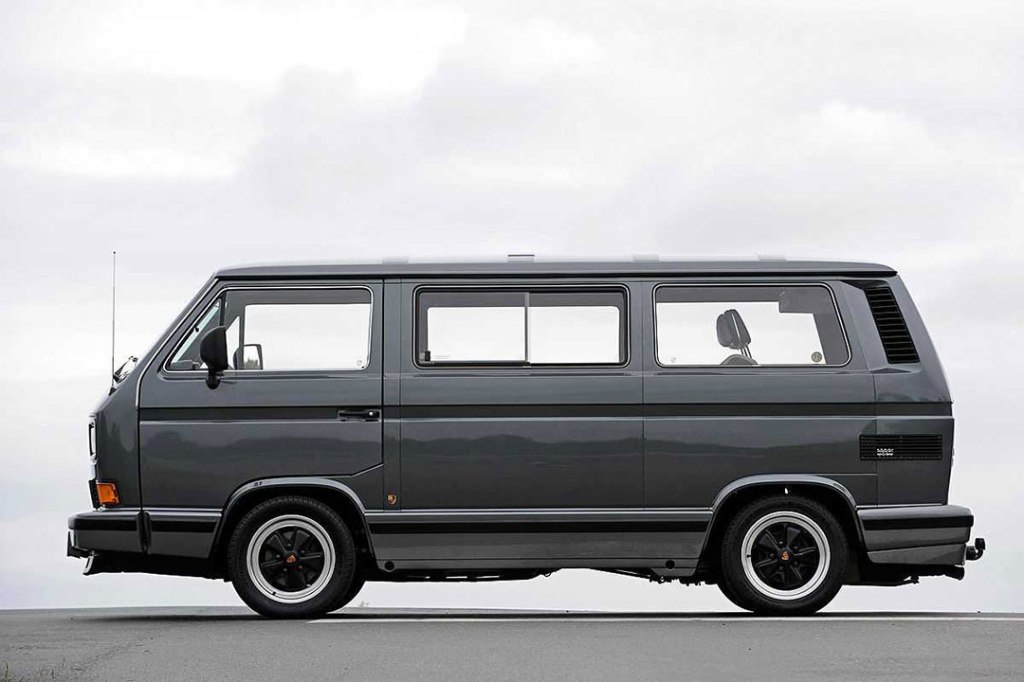
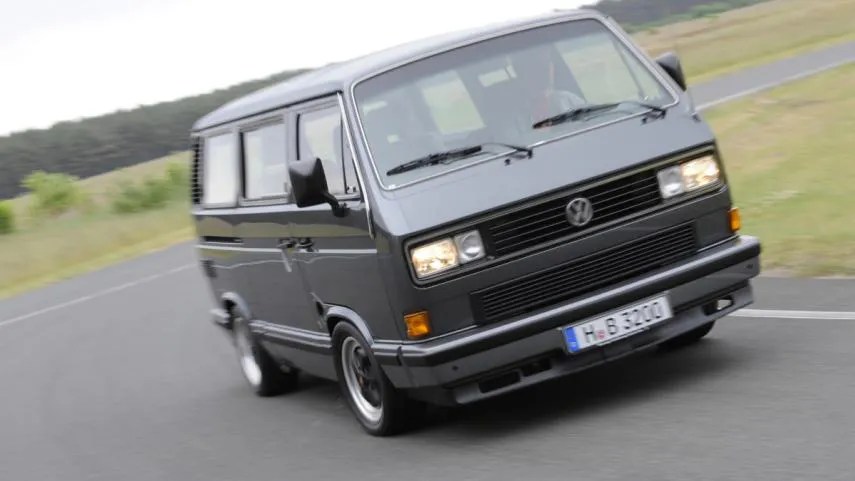
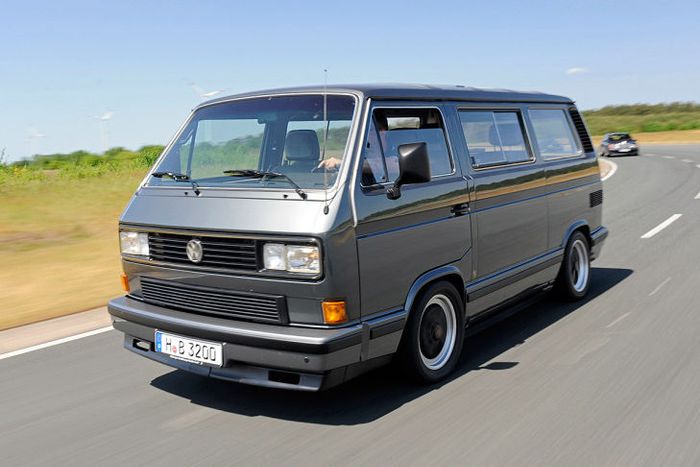
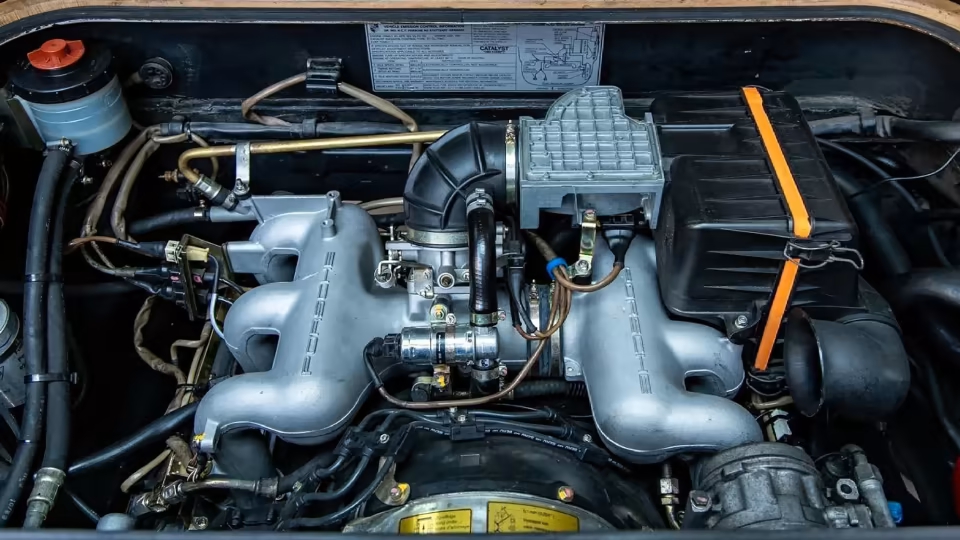
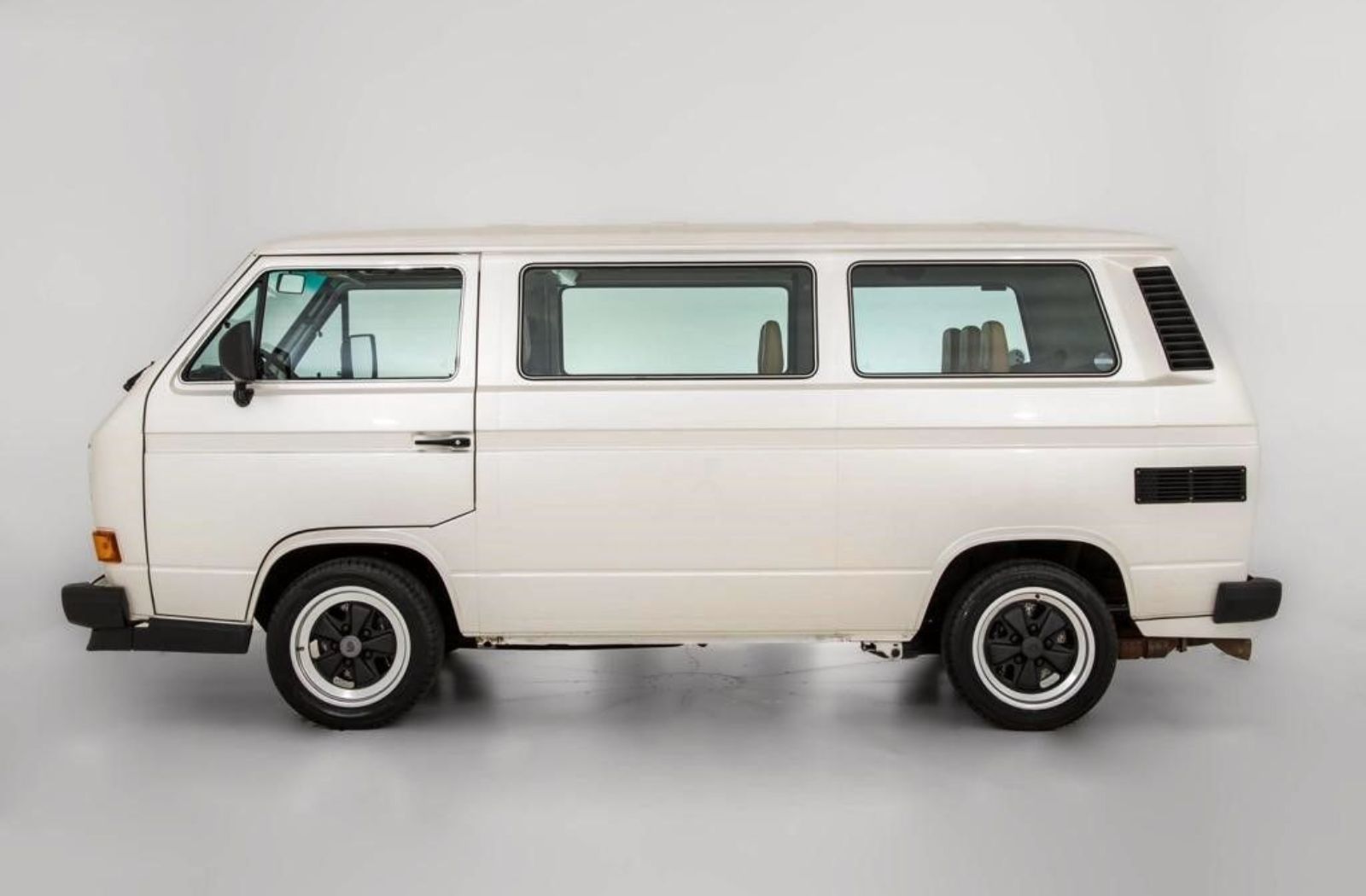
Do Afryki wyjechała wersja z 200-konnym sercem wariantu SC i robiła robotę… i wtedy klient – nie uprzedzony, że “to tak można” – też chciał takie cuda. Mówisz i masz: już było dobrze, ale serce z Carrery oferowało lepszy moment obrotowy – i tak pod maskę trafia boxer 3.2 litra z Carrery, od czego pochodzi nazwa B32. 3.2-litra boxer z Carrery! 230 koni mechanicznych bez VAT. To było więcej jak dwa razy więcej niż w najbardziej mocarnych “Ogórkach”. 9.2 sekundy do setki Transporterem T3 – tak twierdzi Porsche. Prawda jest taka, że auto przekracza pierwsze 100 km/h już w 8 sekund. Producent kłamie? I tak, i nie. Niemcy podają wartość przyspieszenia, które Volkswagen osiągnie ZAWSZE – W KAŻDYCH WARUNKACH I Z KAŻDYM OBCIĄŻENIEM. 9.2s do setki, niezależnie ilu pasażerów masz na pokładzie i czy wieziesz jakieś części zapasowe do innych pojazdów (zgodnie z przeznaczeniem). Jednakże… gdy B32 jedzie bez obciążenia – z samym tylko kierowcą – jest w stanie zaprezentować osiągi rzędu 8 sekund, jeśli chodzi o przyspieszenie. Analogicznie: Porsche zarzeka się, że ich auto pojedzie 185 km/h – z tych samych powodów – ale wiele źródeł jest zdania, że 220 nie jest problemem. To już można rozpierdalać M3-ki na autostradzie w ten sposób. Van, który przecież aerodynamiką nie grzeszył, mógł wyprzedzać i Audice, i Mercedesy z tamtych lat.
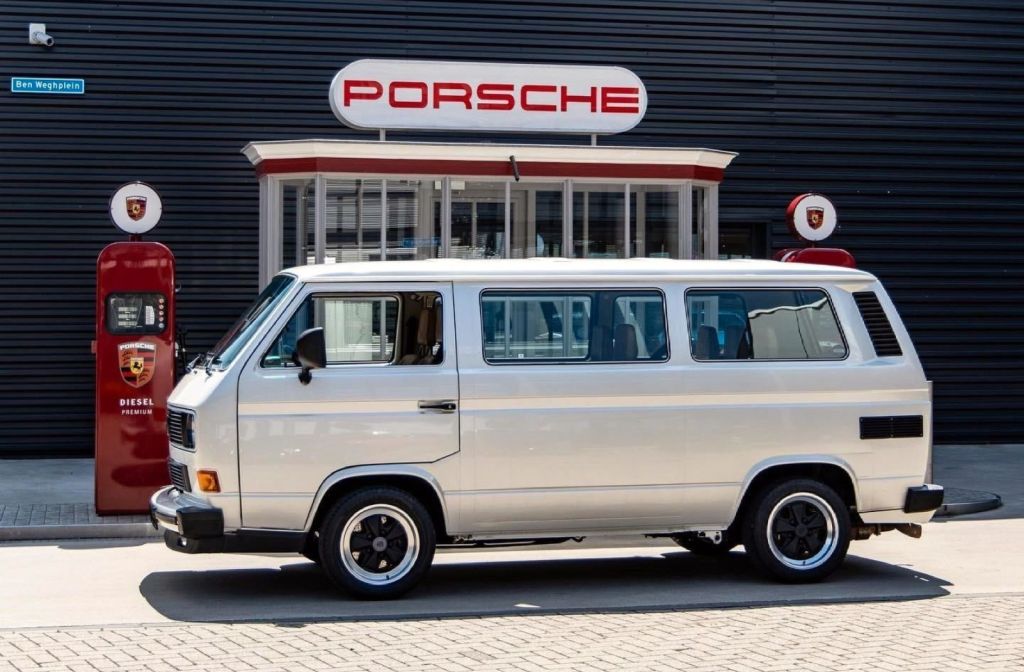
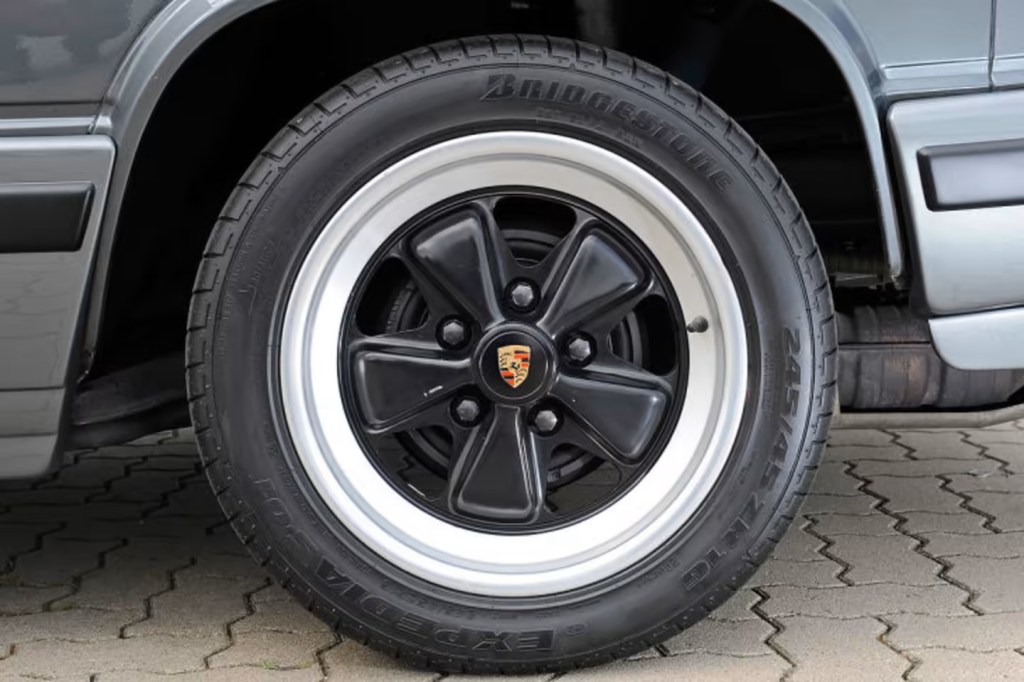
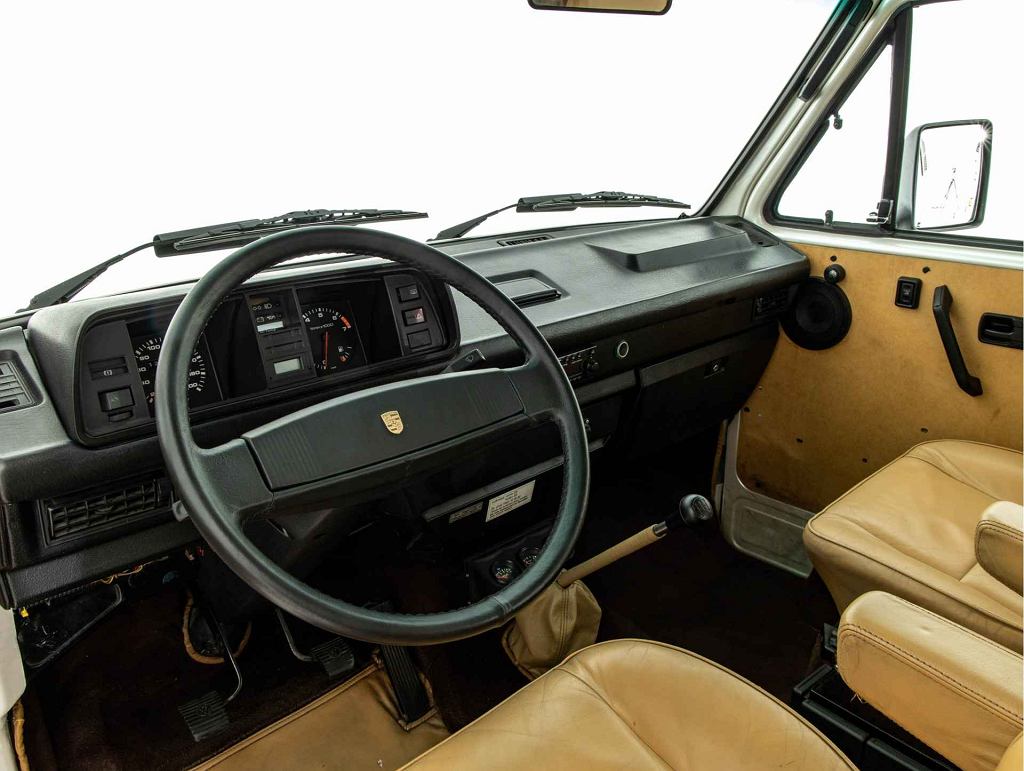
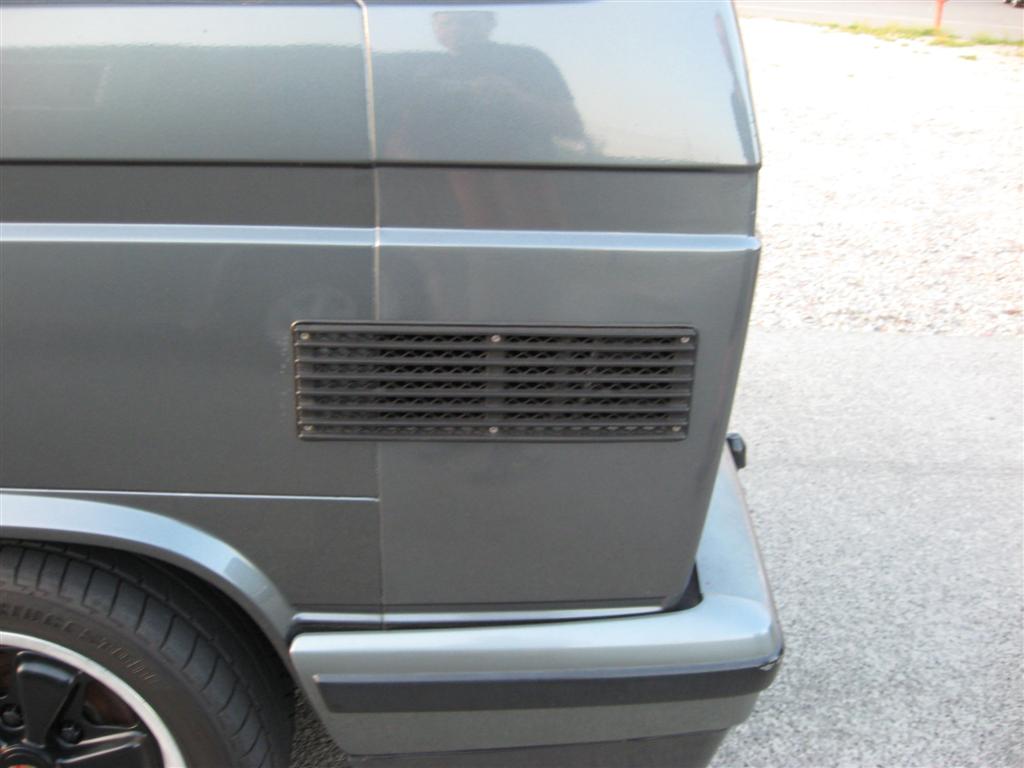
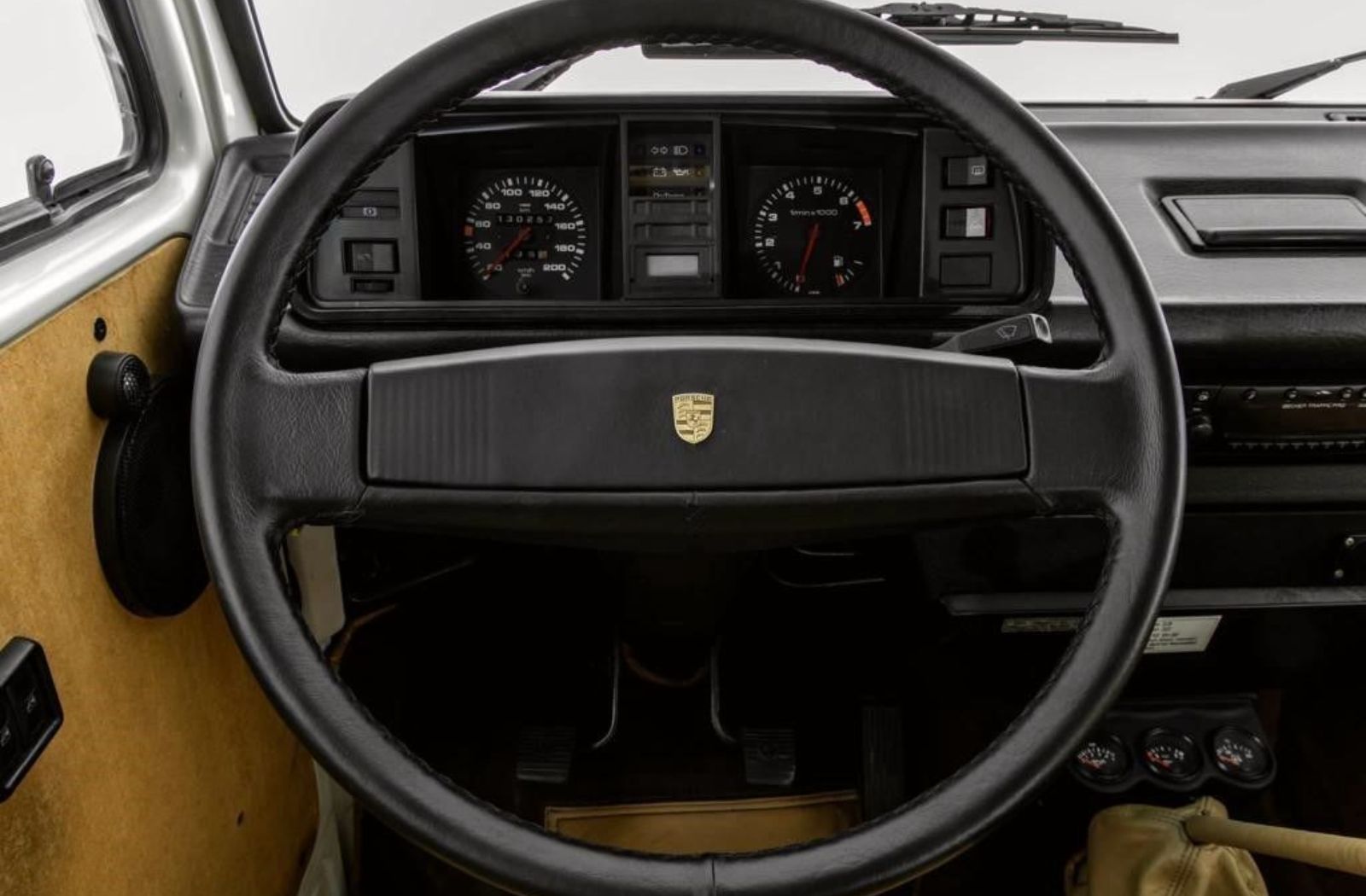
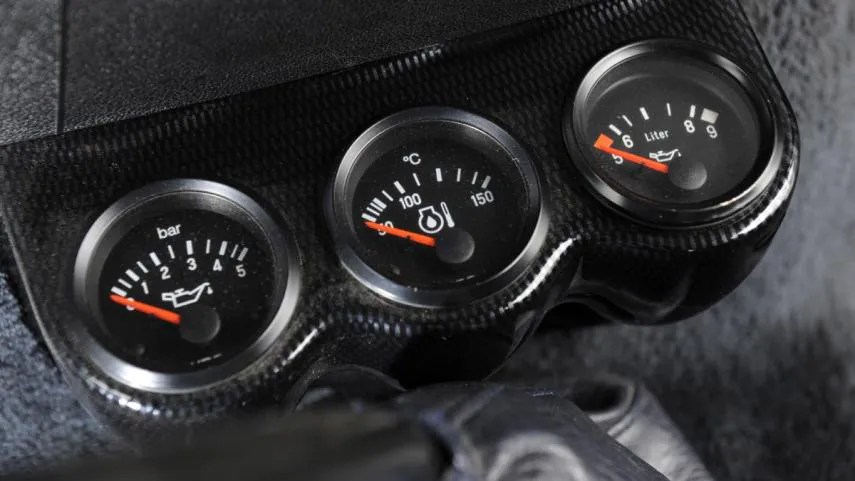
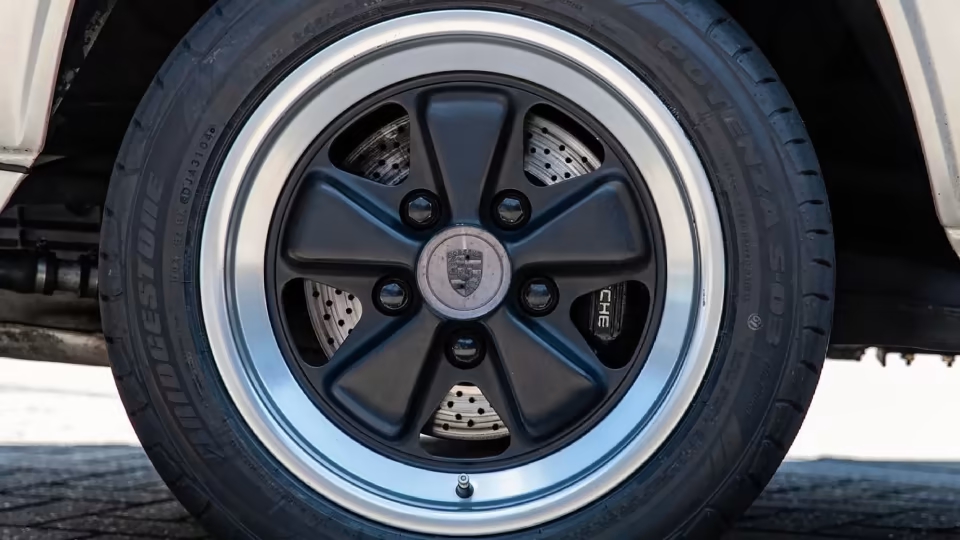
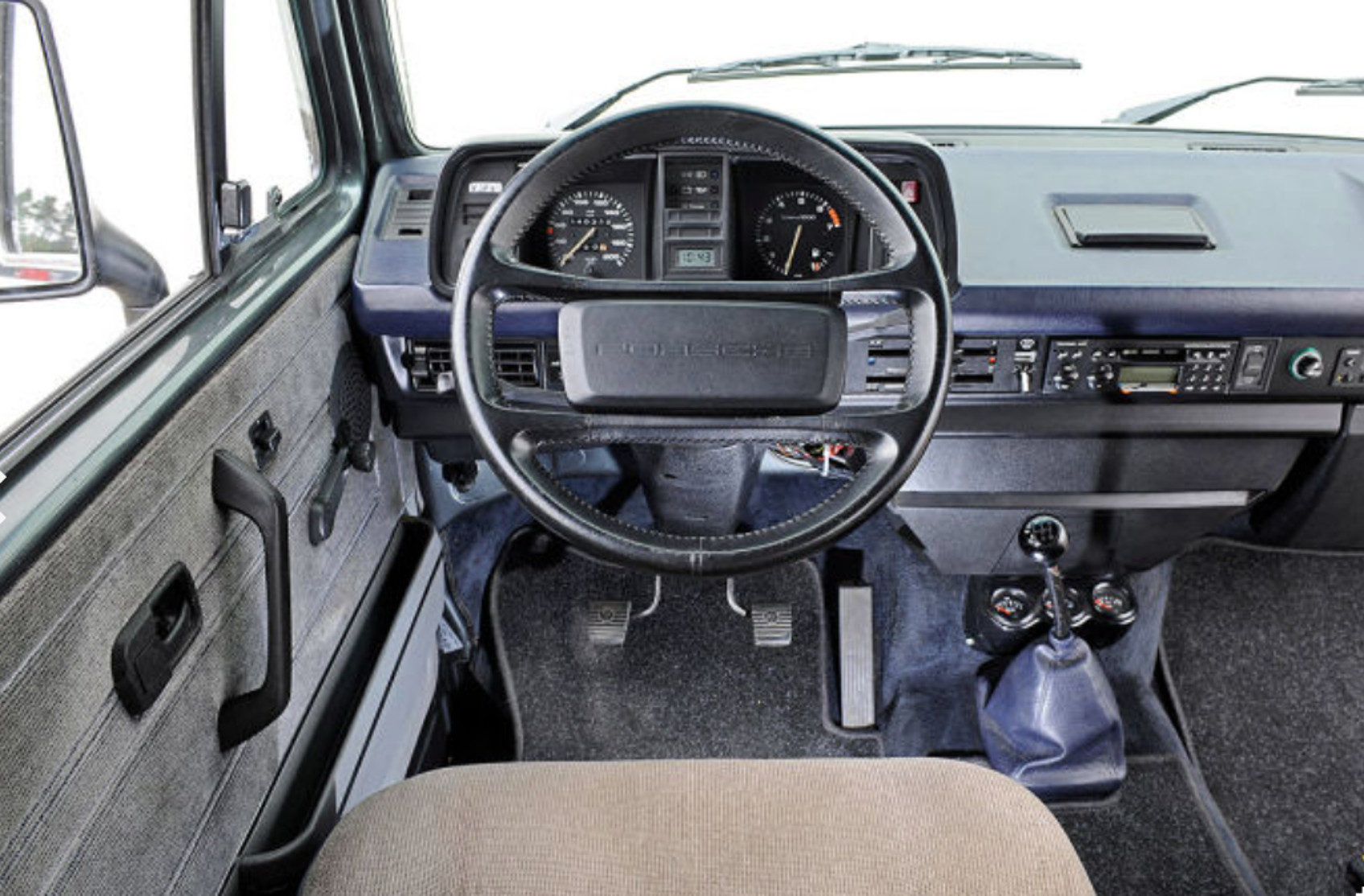
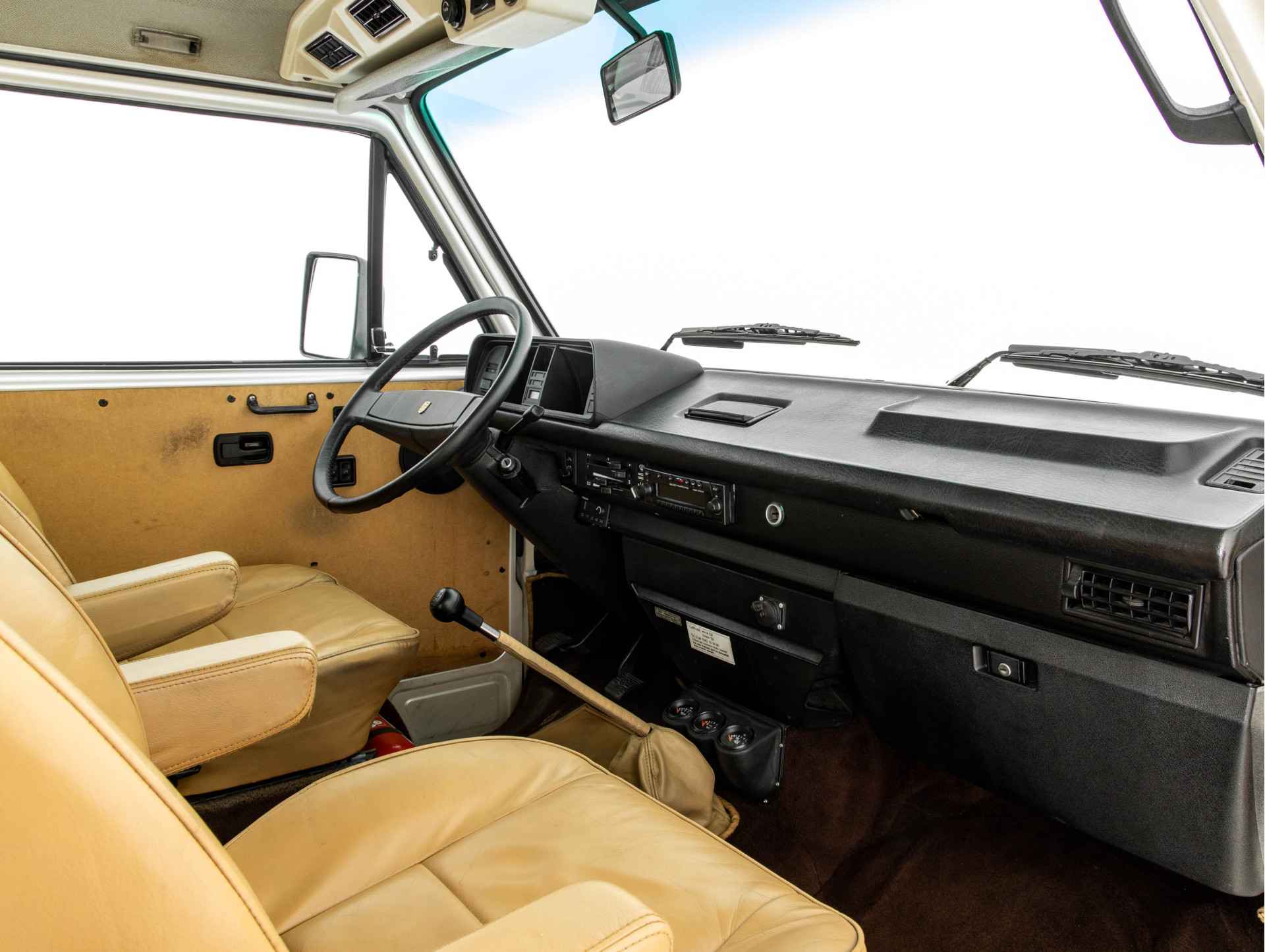
Zmian wymagało oczywiście więcej komponentów. Volkswagen dostał obręcze Fuchsa i duże hamulce z 911-stki/944S Coupe. Dodano również szperę, grubsze stabilizatory, wzmocniono wał napędowy i poprawiono zawieszenie sprężynami z 911. Kierownica pochodziła wprost z Carrery a skrzynia biegów – podobno z wariantu SC, na którym przecież do tamtego momentu bazował projekt rajdowy Porsche. Poprawiono przepływ powietrza dodając odpowiednie wloty. W warsztatach Porsche padały nawet takie pomysły, żeby do VW dostosować systemy z 959. Fajnie sobie o tym porozmawiać w teorii, ale wtedy chyba nikt w księgowości nie mógłby przewidzieć kosztów takiego przedsięwzięcia. Już w tamtym momencie Carrera nie była warta nawet 70% ceny tego busa. B32 kosztowało więcej jak dwie gołe 911-stki.
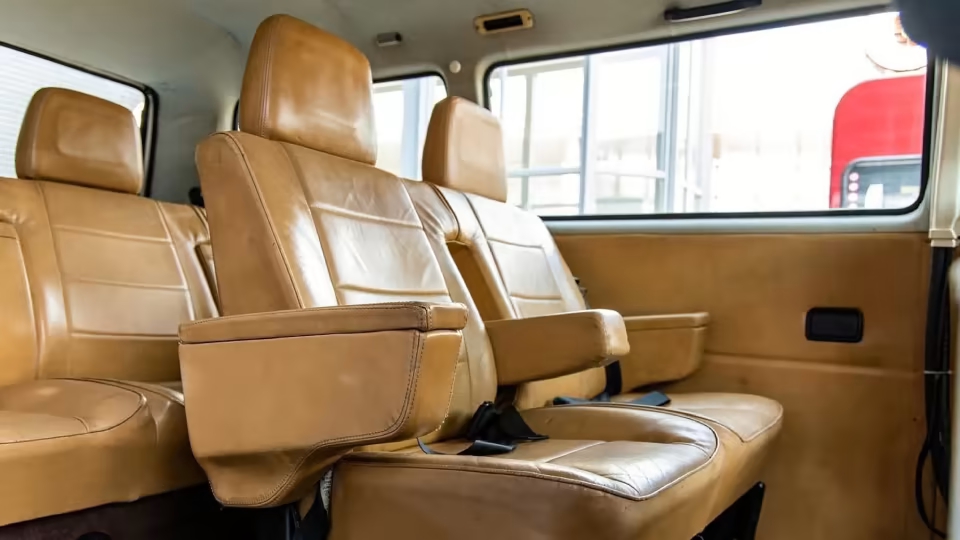
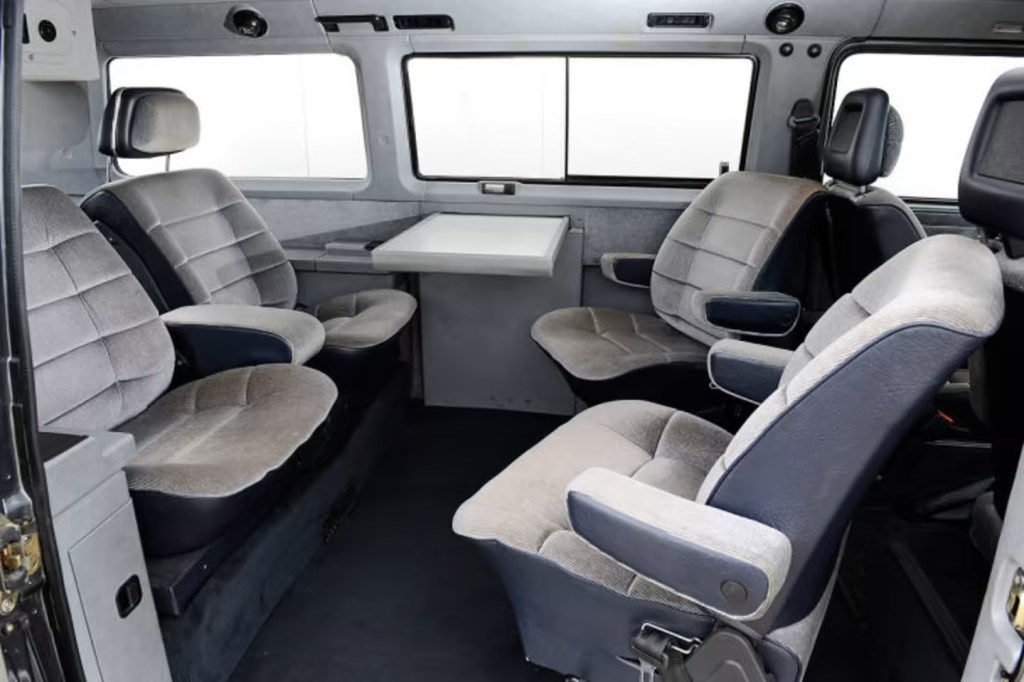
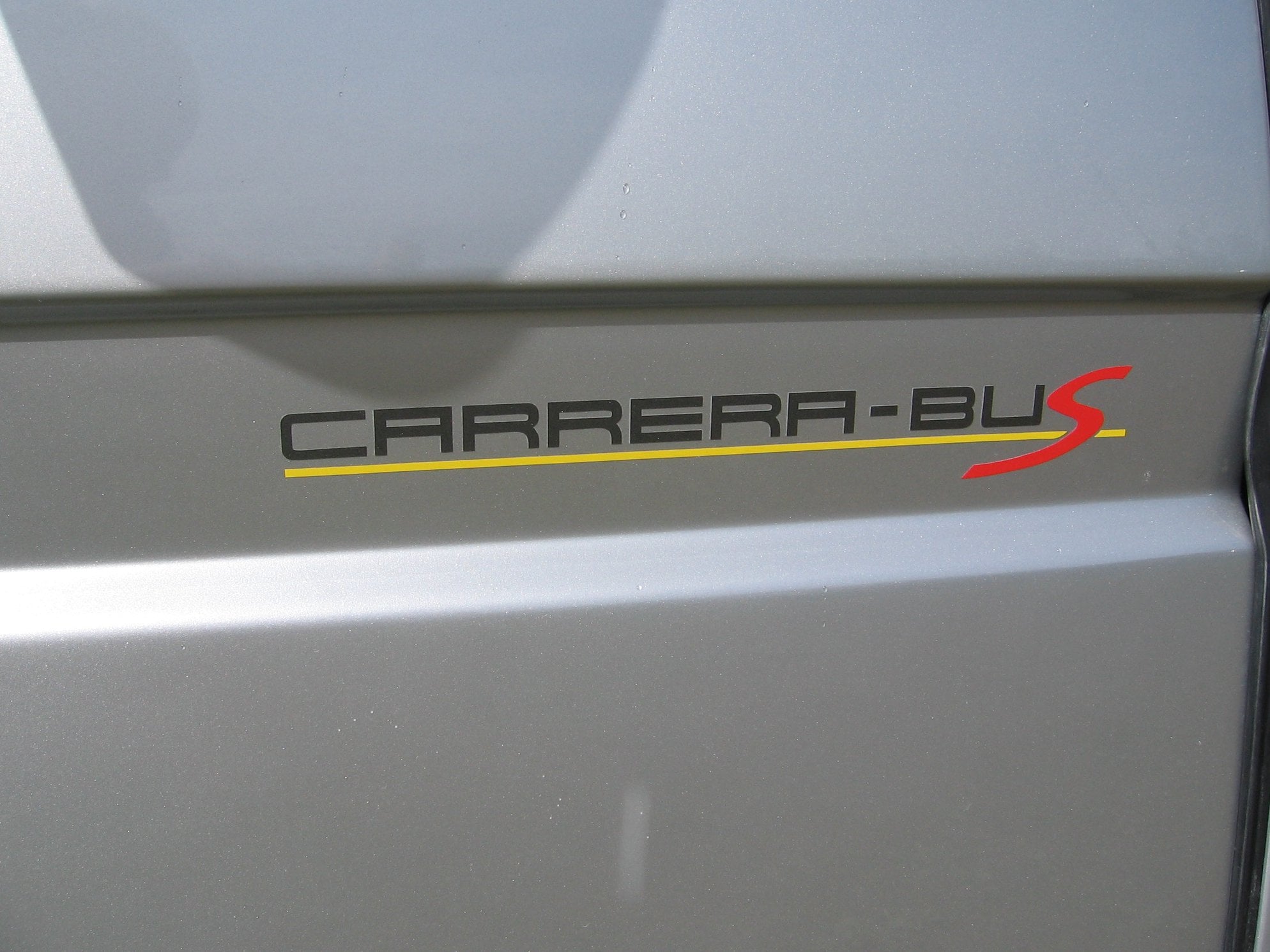
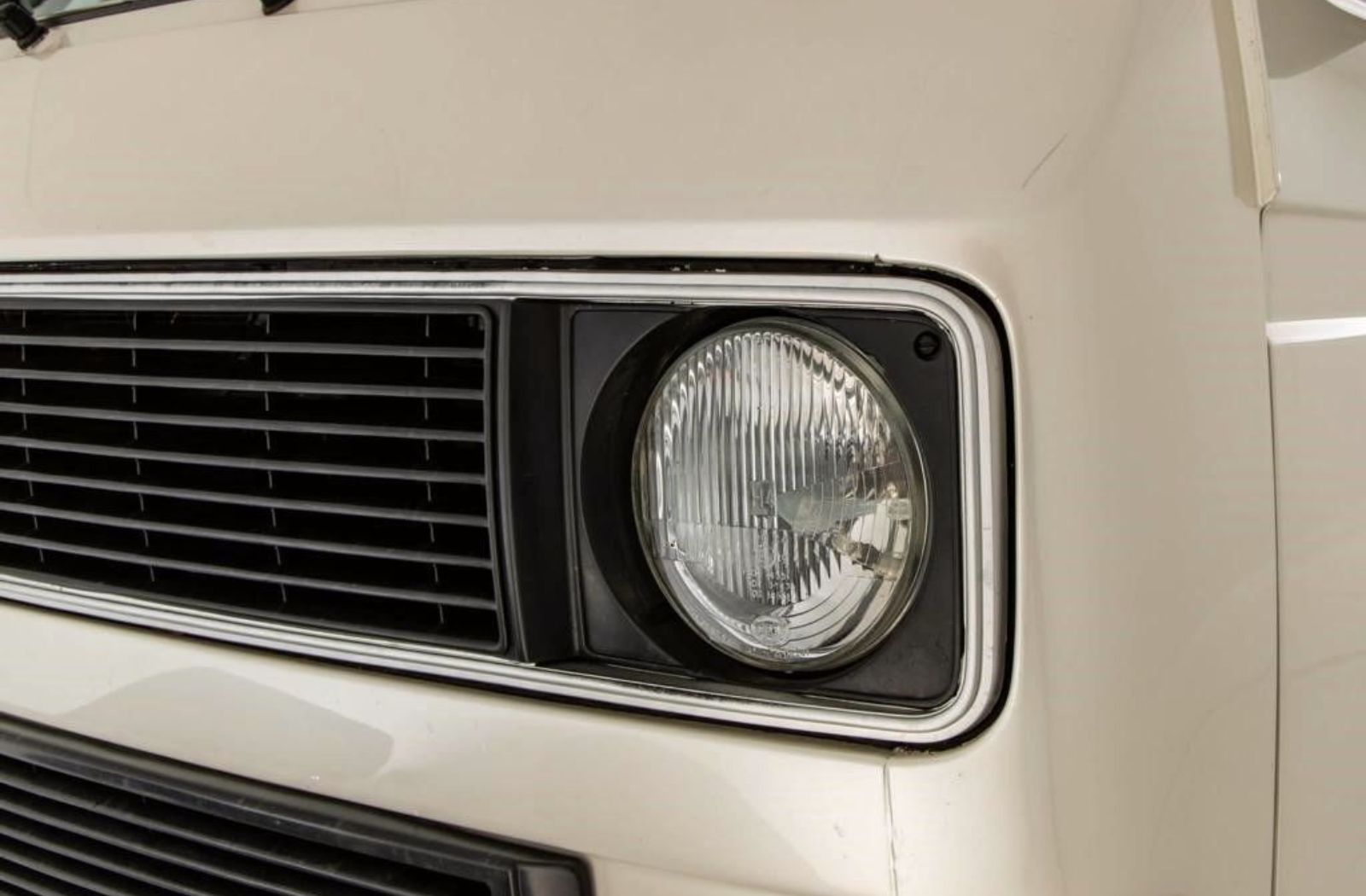
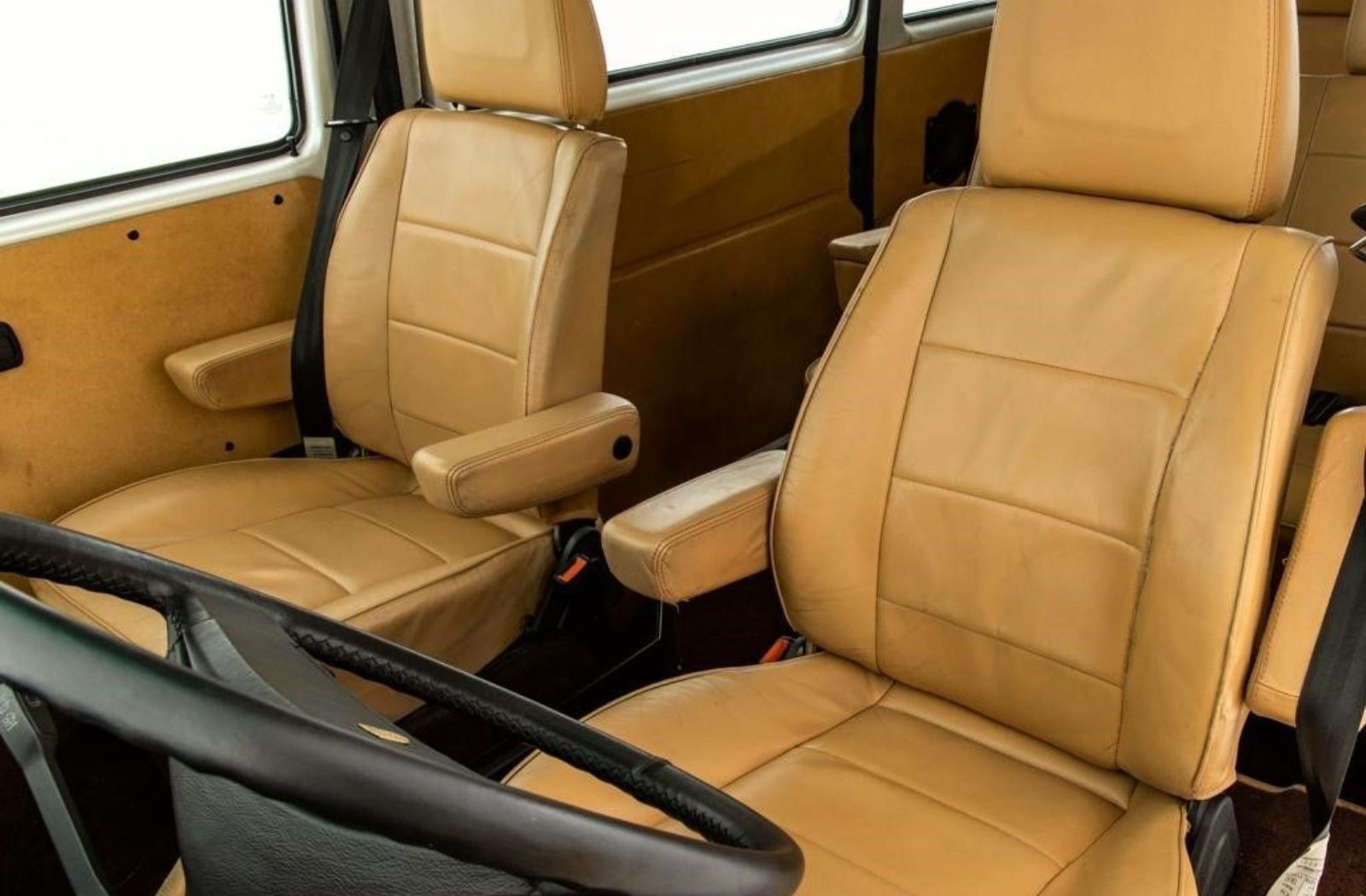
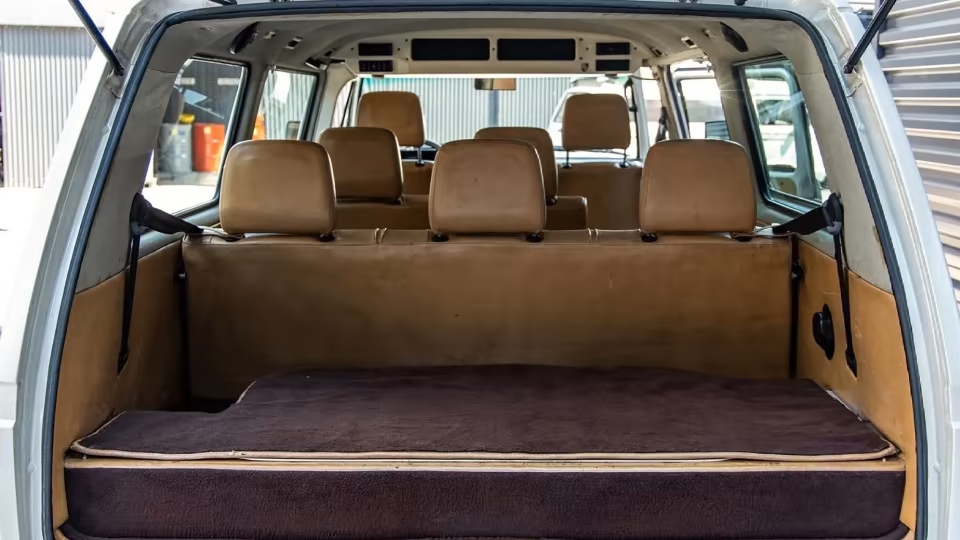
Platforma B32 była wszechstronna i niezawodna – a w środku oczywiście wszystkie wygody. Dostępna była klimatyzacja, skórzana tapicerka i wygodne fotele. Porsche dokonywało zmian na wariancie Carat Volkswagena, czyli już bazowo najbogatszej wersji Transportera. I tak – jest to pełnoprawne Porsche. Marka zakupiła te pojazdy od Volkswagena, wymieniła elektronikę na własną i nabiła własne numery VIN dorzucając całą masę papierologii, nie ma tu więc mowy o przebierańcach.
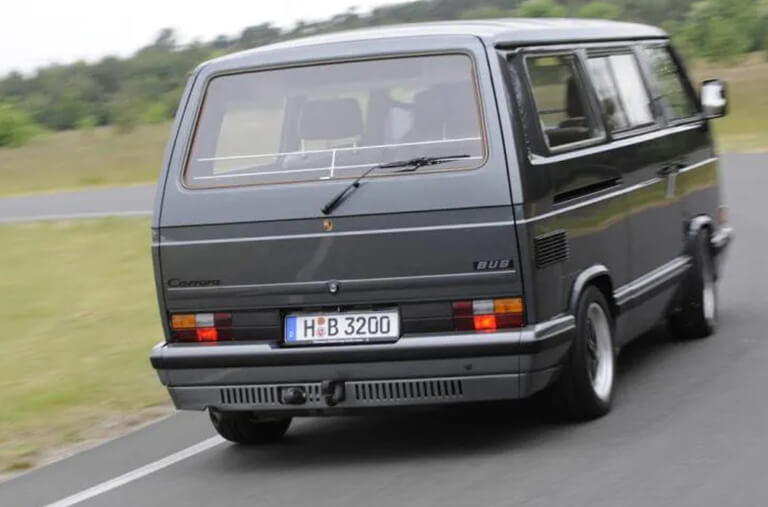
Niestety – bus od Niemców nigdy nie trafił do masowej produkcji. Powstało zaledwie 15 sztuk – licząc razem z prototypami – i 9 z nich trafiło do jednego, konkretnego dealera, który finalnie oferował je tylko wybranym klientom i to “pod stołem”. Nie mniej jednak – były one w sprzedaży i autentycznie można je było dostać! Jeden egzemplarz trafił do ówczesnego CEO marki Porsche. Jednym – ponoć – dzieci do szkoły woziła żona Ferdinanda “Butzi” Porsche. Główny inżynier również podobno miał takie auto. Produkcja na szerszą skalę nie wchodziła jednak w grę, bo B32 było zbyt drogie w produkcji, nieopłacalne w zakupie, utrzymaniu i naprawie. Kosztowało więcej niż samo 911. Wersja limitowana – typowo kolekcjonerski egzemplarz, jeden z niewielu. Na chuju można policzyć dostawczaki warte uwagi bogatych koneserów motoryzacji. Są jednak entuzjaści, którzy mniejszym kosztem robią swapy silników z 911-stek do Volkswagenów. W ten sposób pamięć o nim nie umiera, ale oryginału nic nie przebije. Były koncepcyjne przymiarki do furgonetek – na bazie Volkswagena – z tylnym napędem, albo Transportera Syncro 4×4… ale TO, to już zupełny odlot.
M1 was a BMW’s halo car between 1978-1981, and even though it had some production issues, enough examples were made for Germans never to worry about the Group 4 homologation. BMW then tried to rival the Group 5 Porsches, but the fact was – the M1 was never designed as a Motorsport vehicle, be it race or rally car. Late ’70s though, rally racing got really popular everywhere in Europe – including France – and France housed numerous tarmac events. A local BMW division decided to up their image by launching the brand’s flagship sportscar’s rallying program. Oreca Team was signed and that was the most fruitful privateer cooperation then.
The M1 Group 4 Rallye was a platform for many high-performance systems from the – now defunct – Procar examples. That’s why the two configurations didn’t really differ that much in specification or performance. The road-going M1 was already a big and wide car, but for the rallying it gained additional 10 cm. New were the fiberglass spoilers and wheel-arches. When they had to, BMW sold their actual Procar M1s as road-legal homologation specials. The M88-series Straight 6 generating 277 bhp from factory, now in rally trim was capable of 430 figure. None had such power as the BMW. All of it was sent to the rear via the close-ratio 5-speed. Its brakes had enlarged aluminum calipers. The French started racing this thing in 1981. Bernard Darniche – 5 times the French Champion, twice the European. The man who won every event on the French soil since 1975 – he drove an HF Stratos then – now in a Group 4 M1 he doesn’t finish the race. The car’s suspension doesn’t make it. It’s a bad sign…
Oreca Team got a new sponsor for the year 1982. The cars with Motul stickers are preparing for Tour de Corse and… well, Corsica is known for numerous narrow corners – often tight or very tight. The BMW was big, with huge power and a tiny handbrake that could do fuck all. Darniche tried his best but the oil pump failed this time. And the whole season was like this. ONCE they make it to the finish line – they make 9th place in German ADAC Rallye Vorderpfalz. Fritzinger Klas drove a similar M1 variant then and even managed 2nd.
Darniche had a flawless sports career… until he sat behind the wheel of that M1. At the end of 1982 he said “fuck it – I care not!” – and BMW was forced to find another victim in his place. France had one more motorsport legend – Bernard Beguin – thrice the France Champion and once for the EuroReich. He was also a 911 veteran, for his SC/RS campaign. With the year 1983, all Group 4 cars transferred to Group B and so did the rally M1, but the car itself didn’t suffer any changes. All they did was, they offered the Procar parts as Evo and that was it. The M1 Evo never came to be, cause that would require another 20 examples physically built to the new standard and the Germans said – “why, absolutely!” – and they redirected their funds elsewhere.
Bernard Beguin made his starts in 1983’s edition of Rally Corsica and… what this time? The engine, of course. The car, again, failed to deliver and it could not finish a single event that year. On a plus side: Beguin managed to complete clean runs – never crashed even though the size of car itself was massive. If only it could last till the end – you could clinch some points with that thing. But the 1983 season… Jesus Christ, don’t even make me start… BMW prepared special upgrades for brakes. A new VO system – dedicated for tight handbrake corners. Spoiler alert – didn’t help shit, because the car still kept retiring early from events. In the final – Rallye d’Antibes, M1 got just 33s behind a Lancia 037.
All in all, BMW was too big for rallying – even dry tarmac. Too heavy, unreliable and generally expensive to run. The rally world was quickly flooded with Group B supercars – highly advanced off-road beasts – and the Germans could pack their shit and go home. Oreca Team surrendered without even trying to address the new rivalry and Beguin returned to Porsche, successfully restarting his 911 campaign. He even managed to win some wins for the BMW in a Group A M3 between ‘87-’89. And the M1? Its papers expired in 1986, so till that moment, it still fought in private hands. There was a time when BMW was the most powerful rally car in the world. Too bad – that’s only numbers in the Excel. And in reality? Not as competitive.
Krzysztof Wilk All sources: favcars.com | wheelsage.org | wikipedia.org | ultimatecarpage.com | Top Gear: The Cool 500 – The Coolest Cars Ever Made | M Buckley – The Complete Illustrated Encyclopedia Of Classic Cars | autozine.org | rallygroupbshrine.org | carthrottle.com |
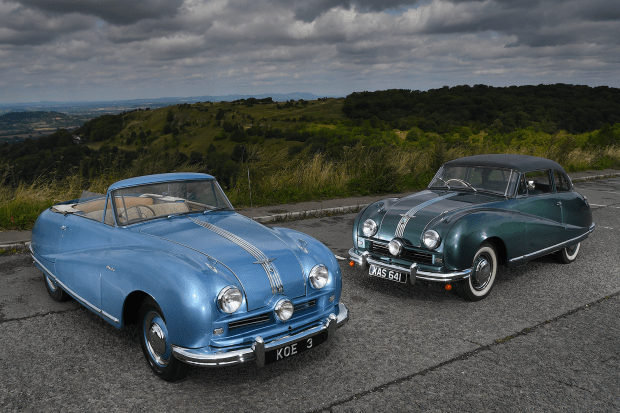
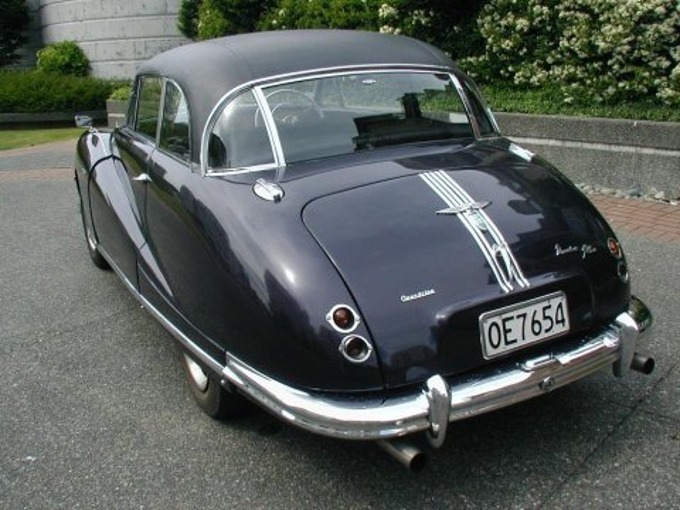
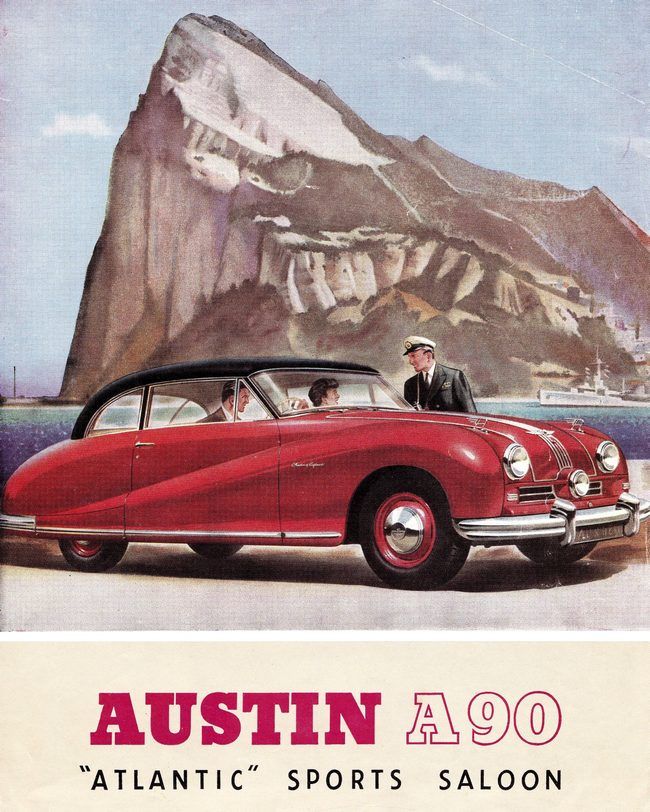
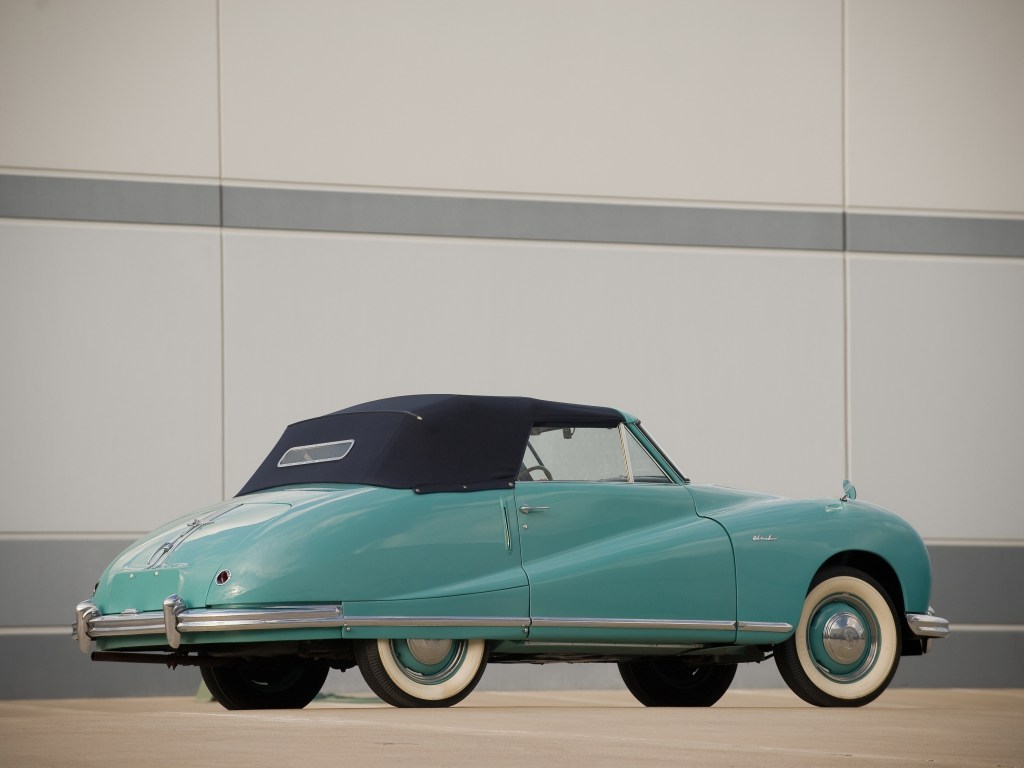
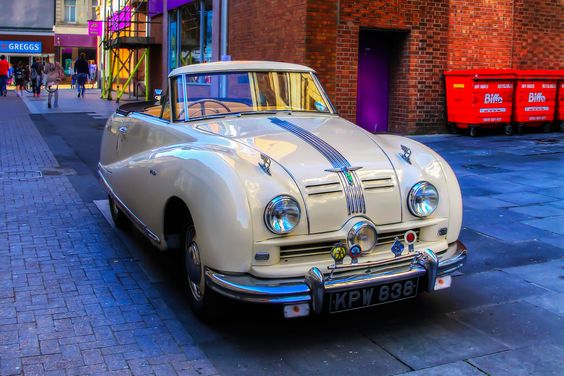
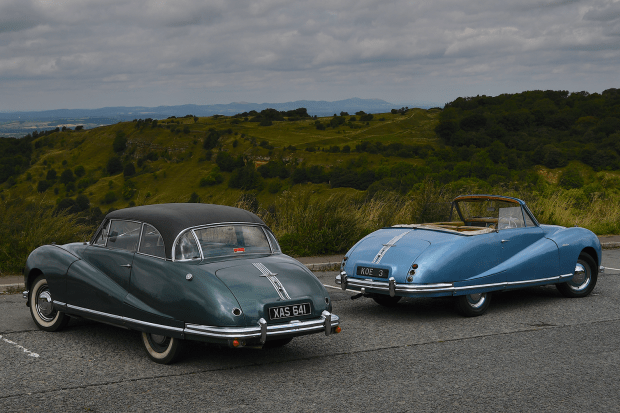
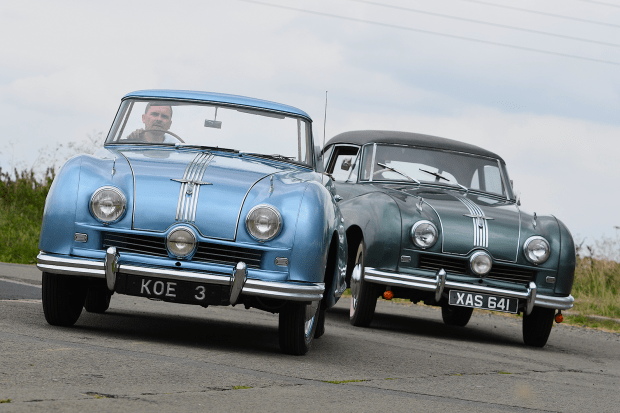
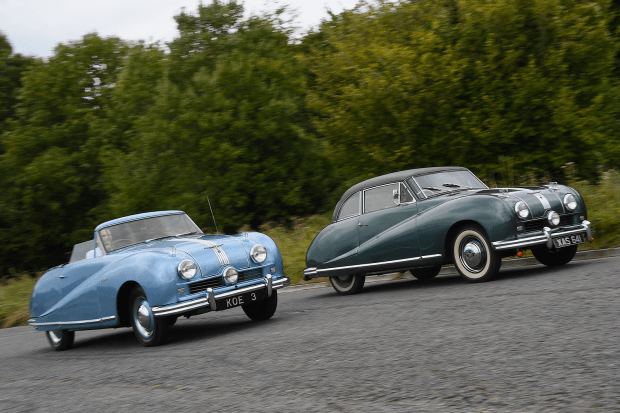
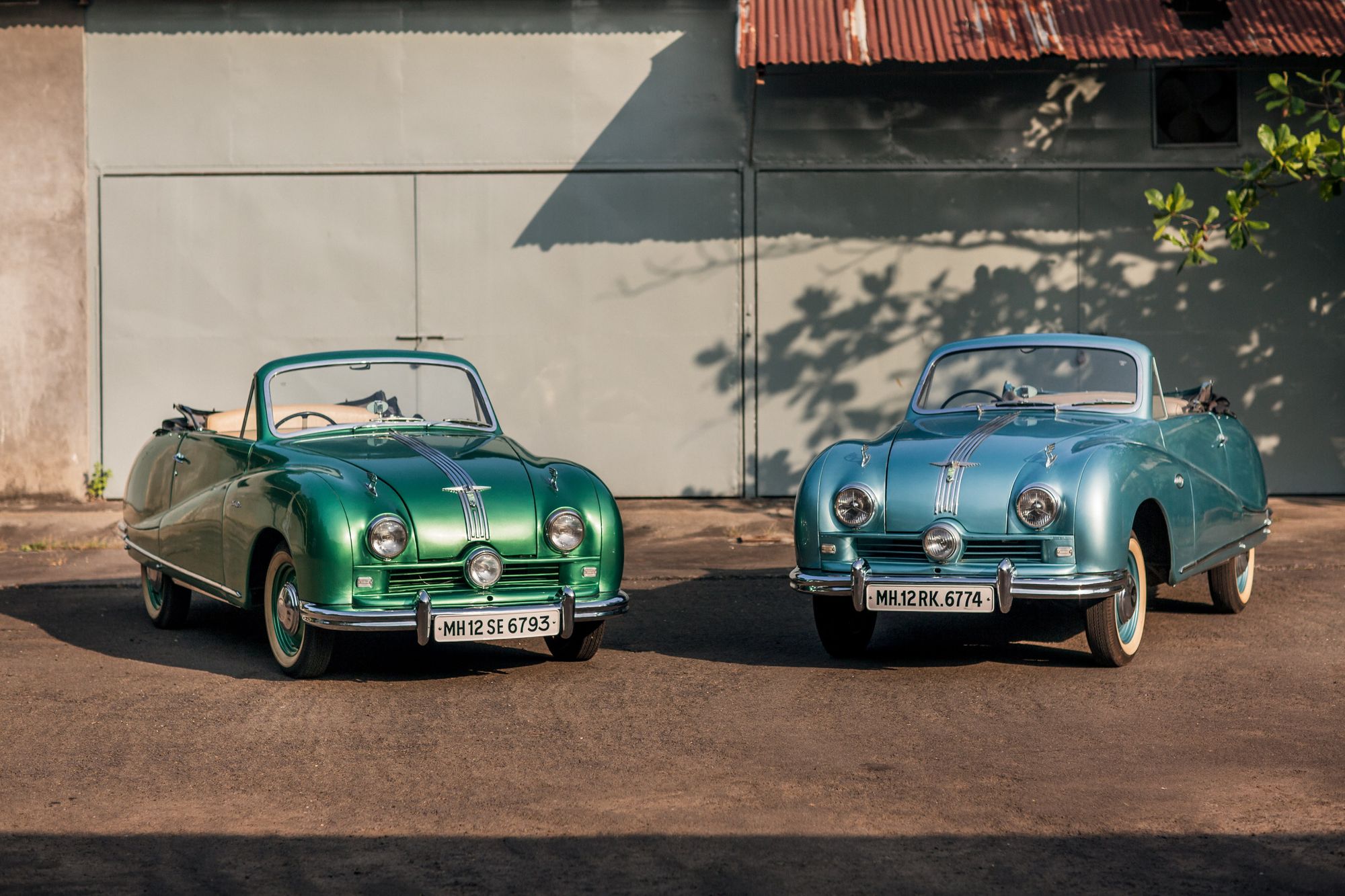
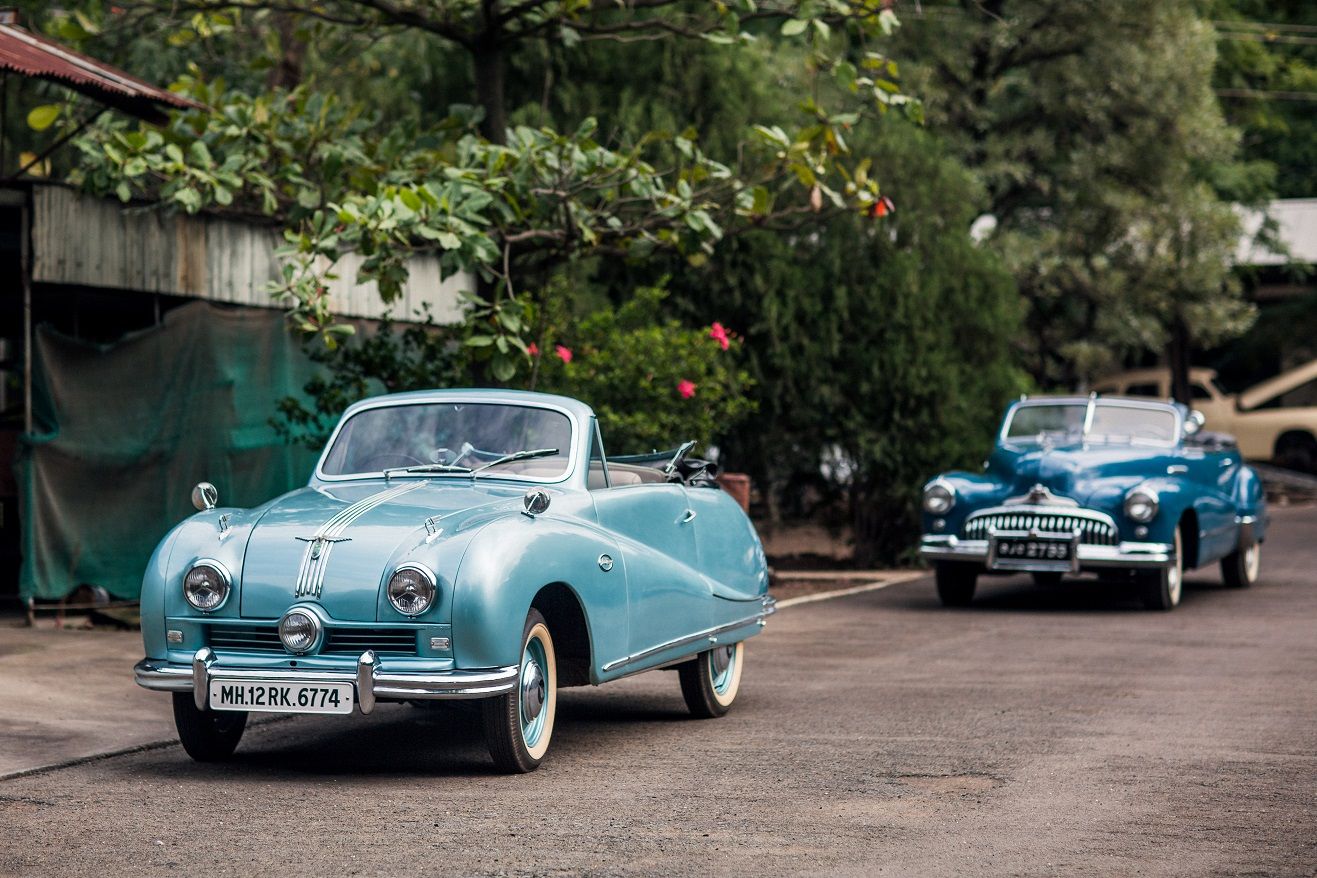
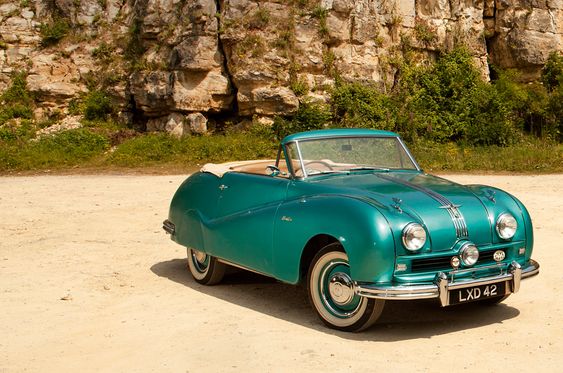
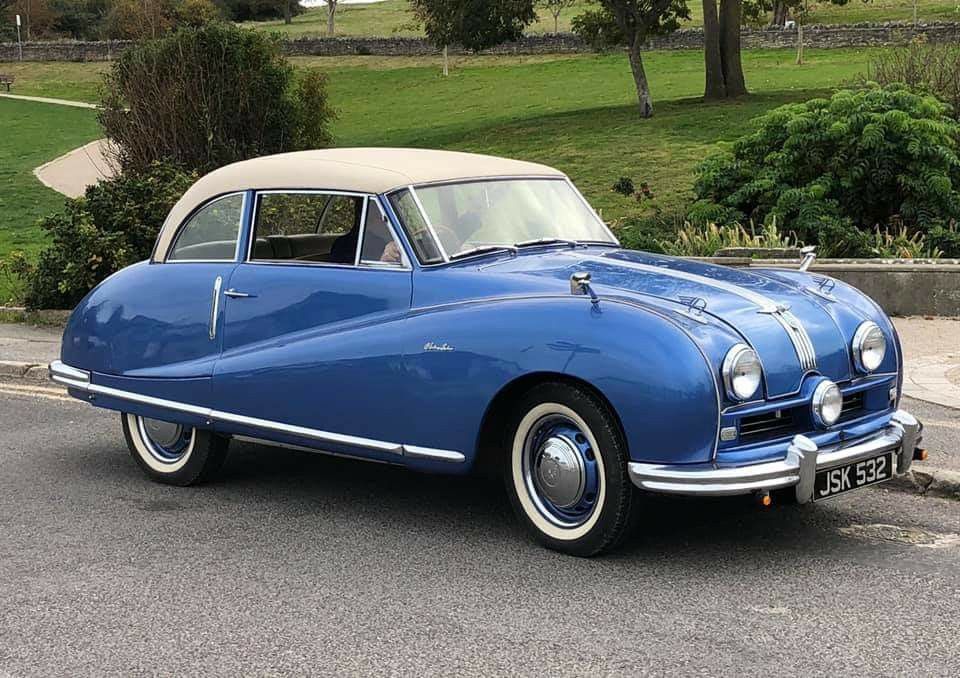
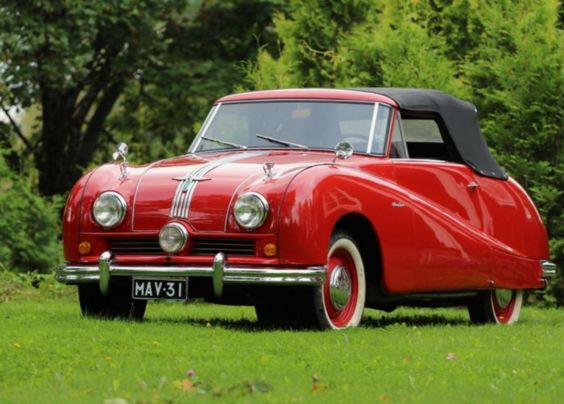
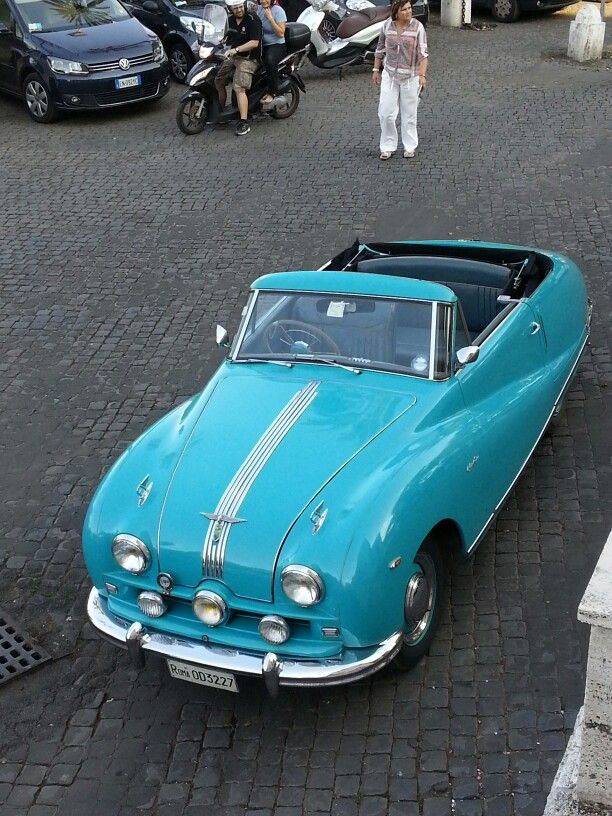
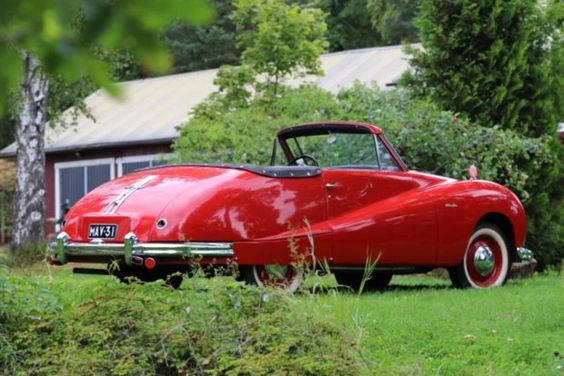
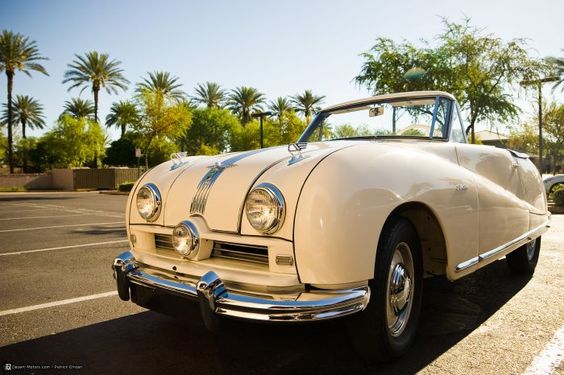
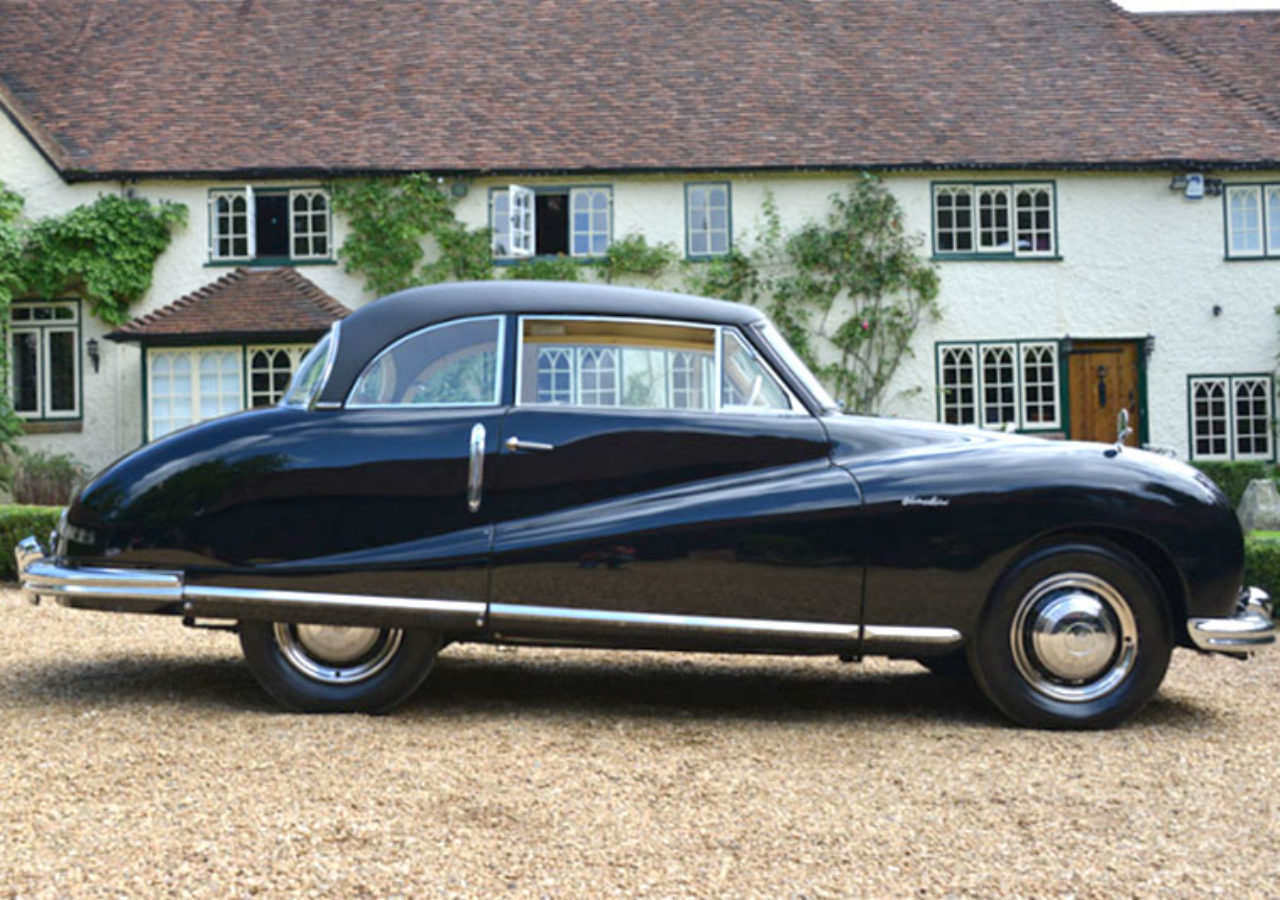
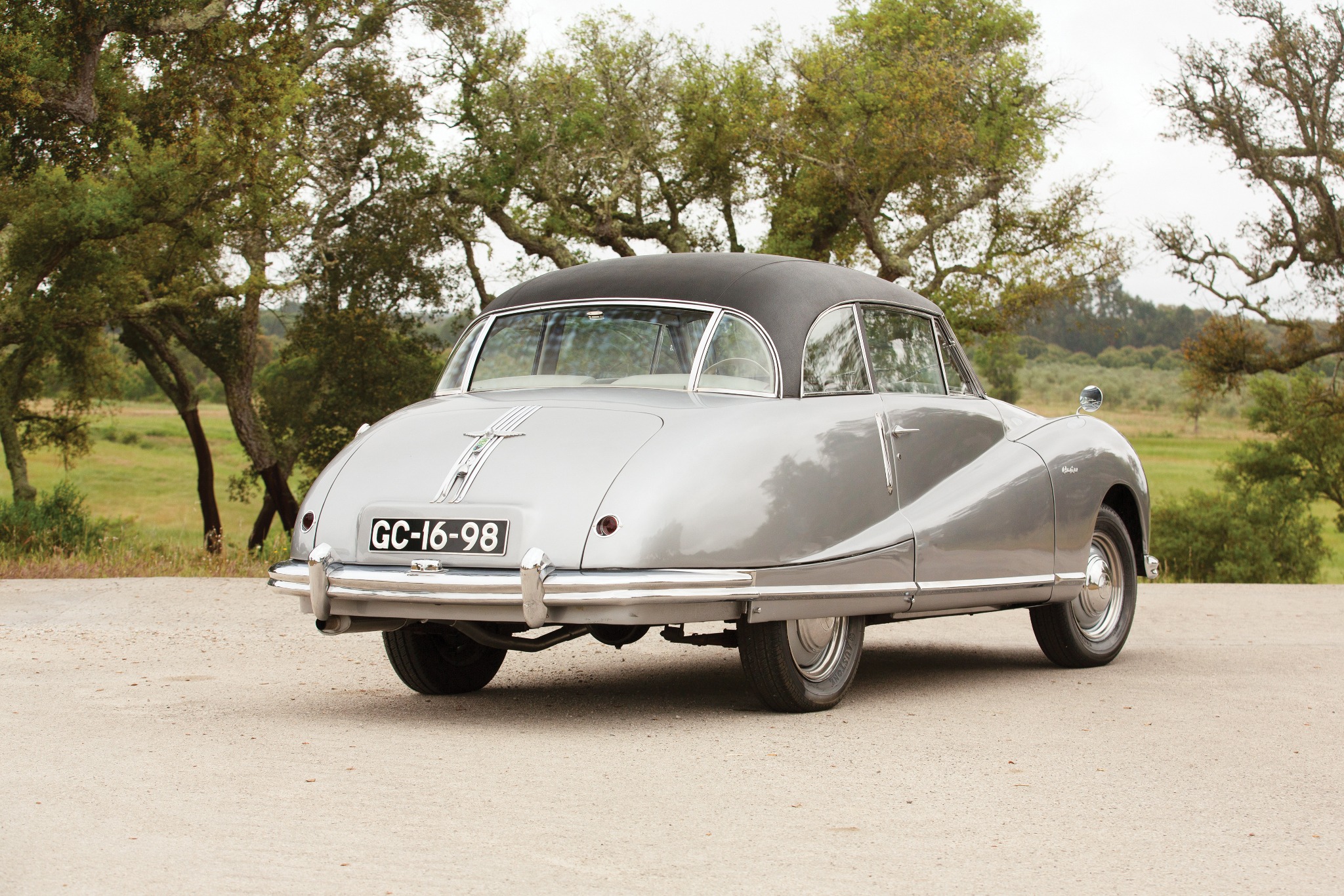
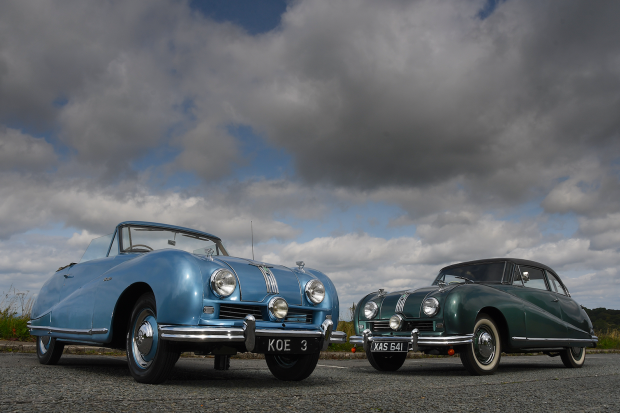
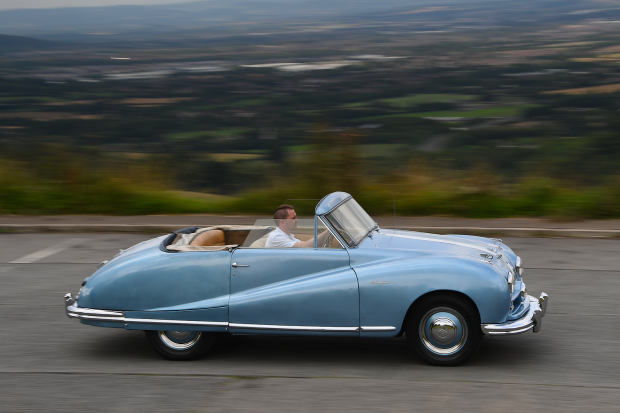
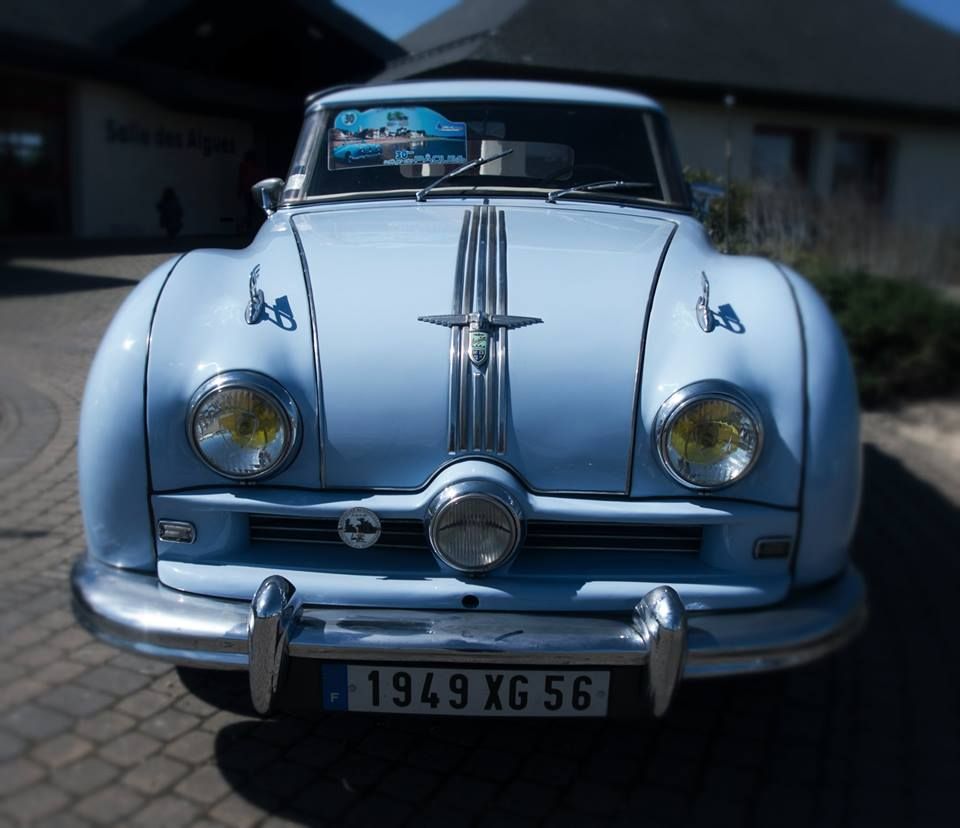
Jedno z pierwszych aut powstałych po drugiej wojnie – i pierwszy angielski samochód zaprojektowany z zamysłem podbijania rynku amerykańskiego. Pokazany na targach Earls Court Motor Show w 1948, był sensacją – choć o ograniczonym zasięgu, bo zaprezentowaną tego samego roku co premiera Jaguara XK120.
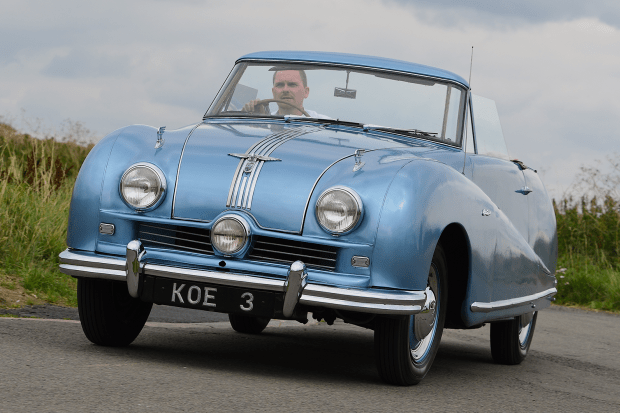
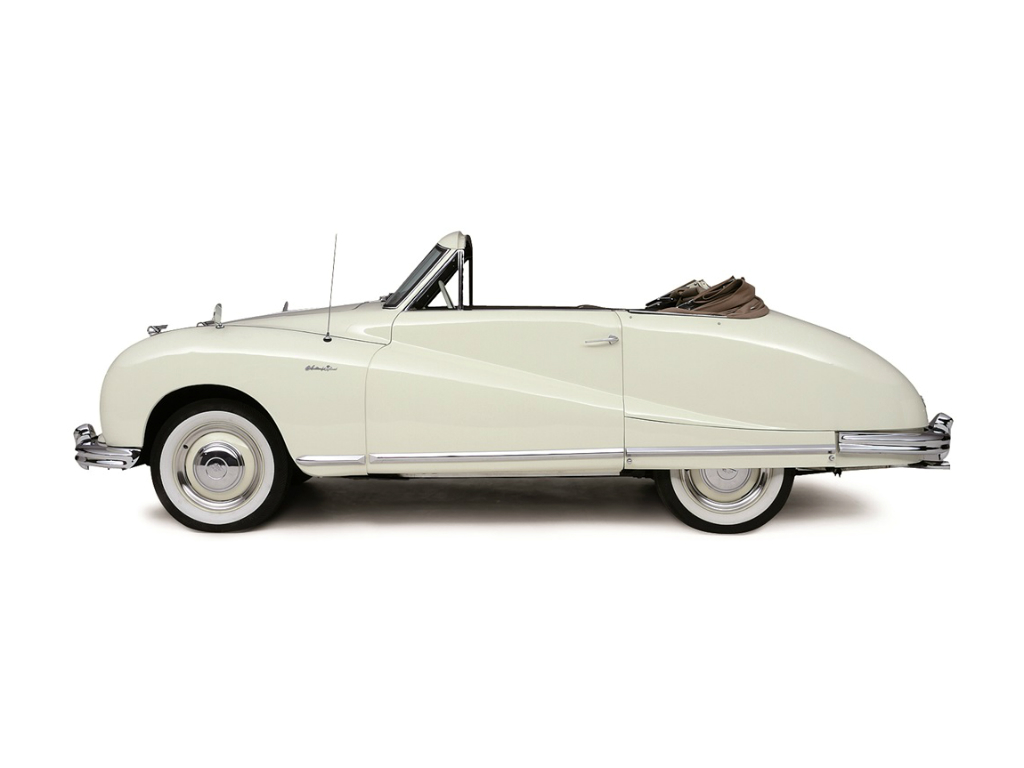
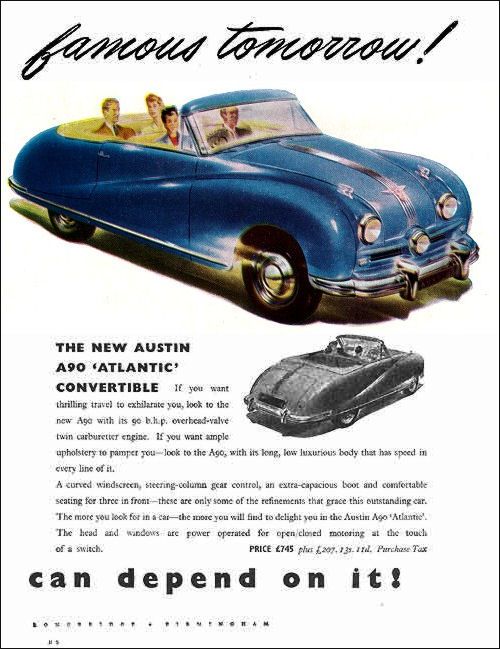
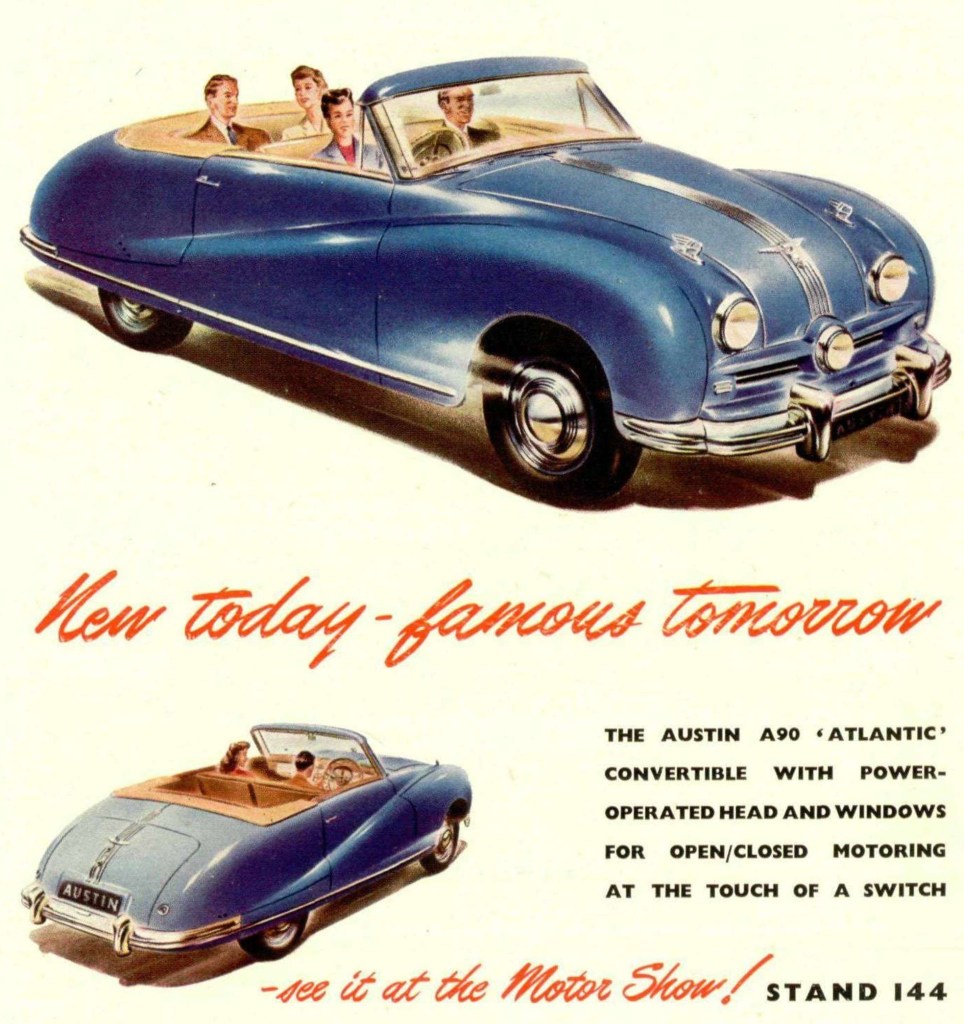
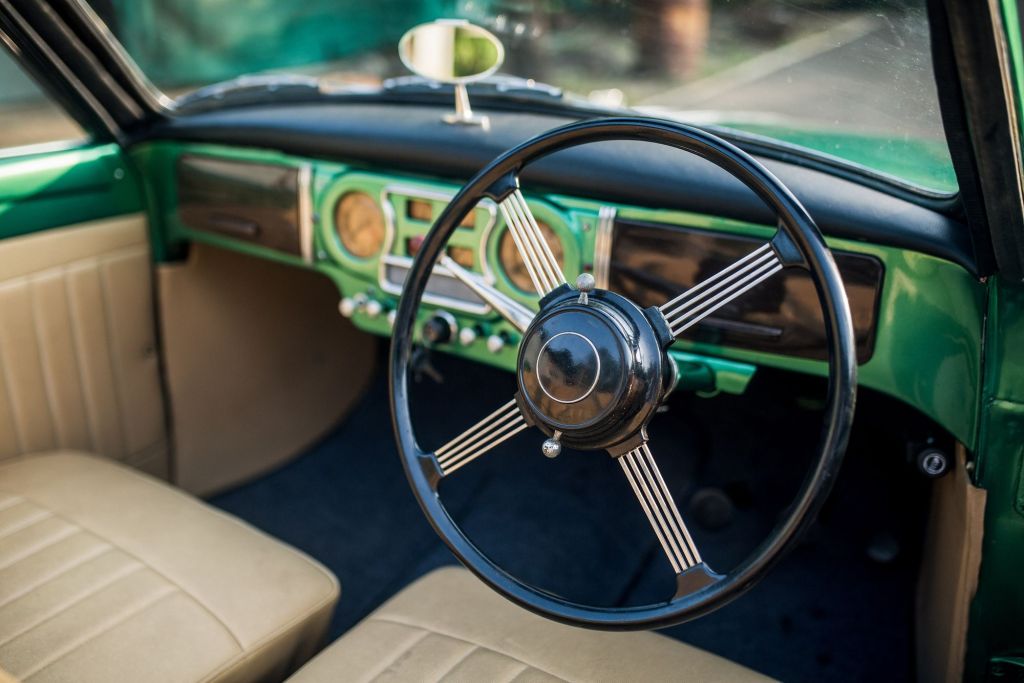
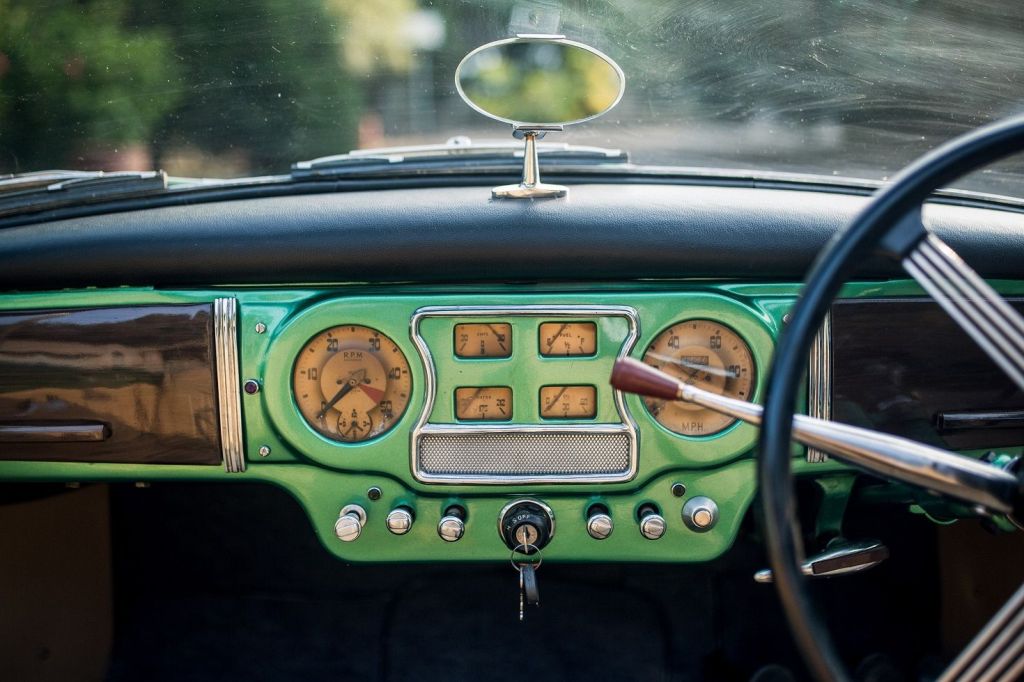
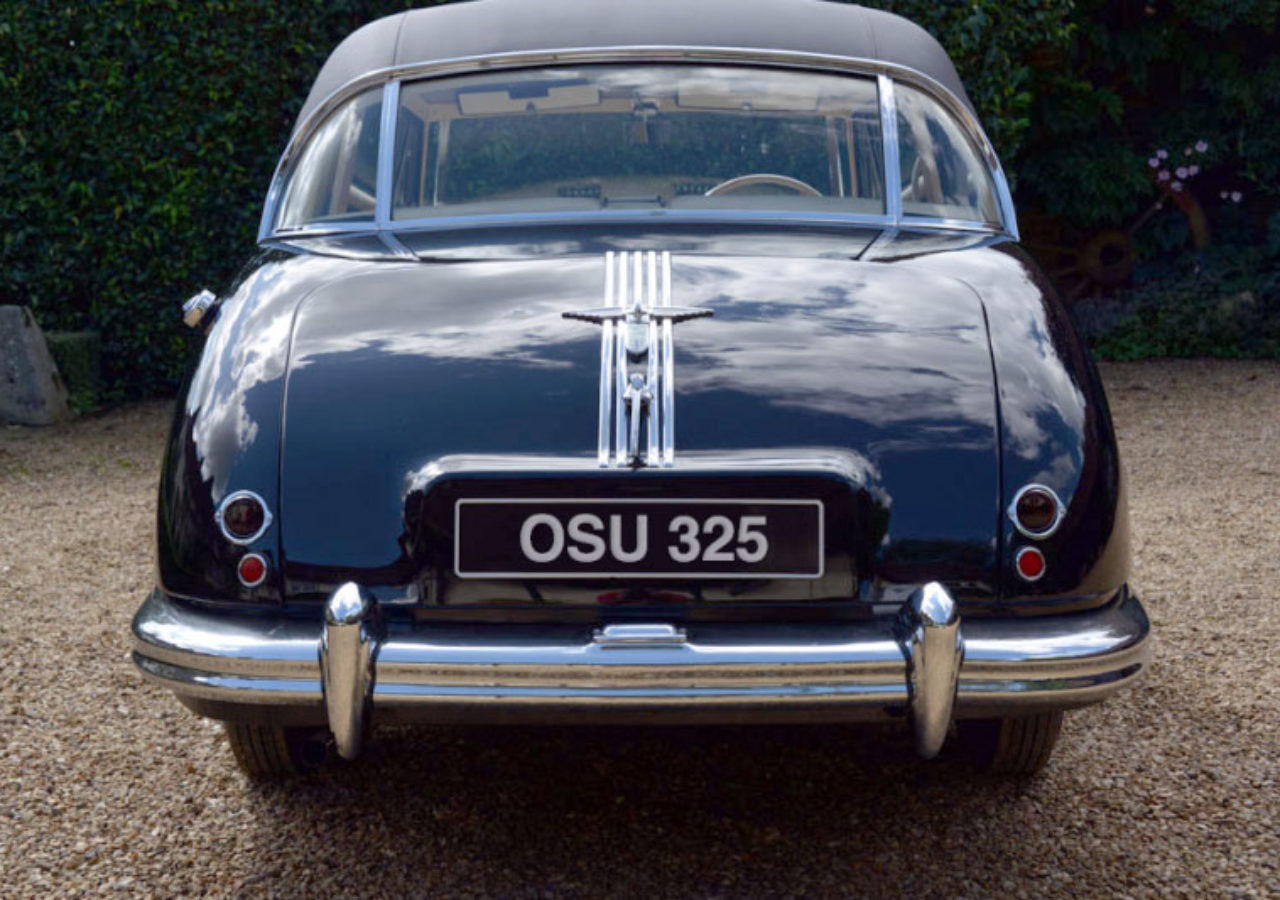
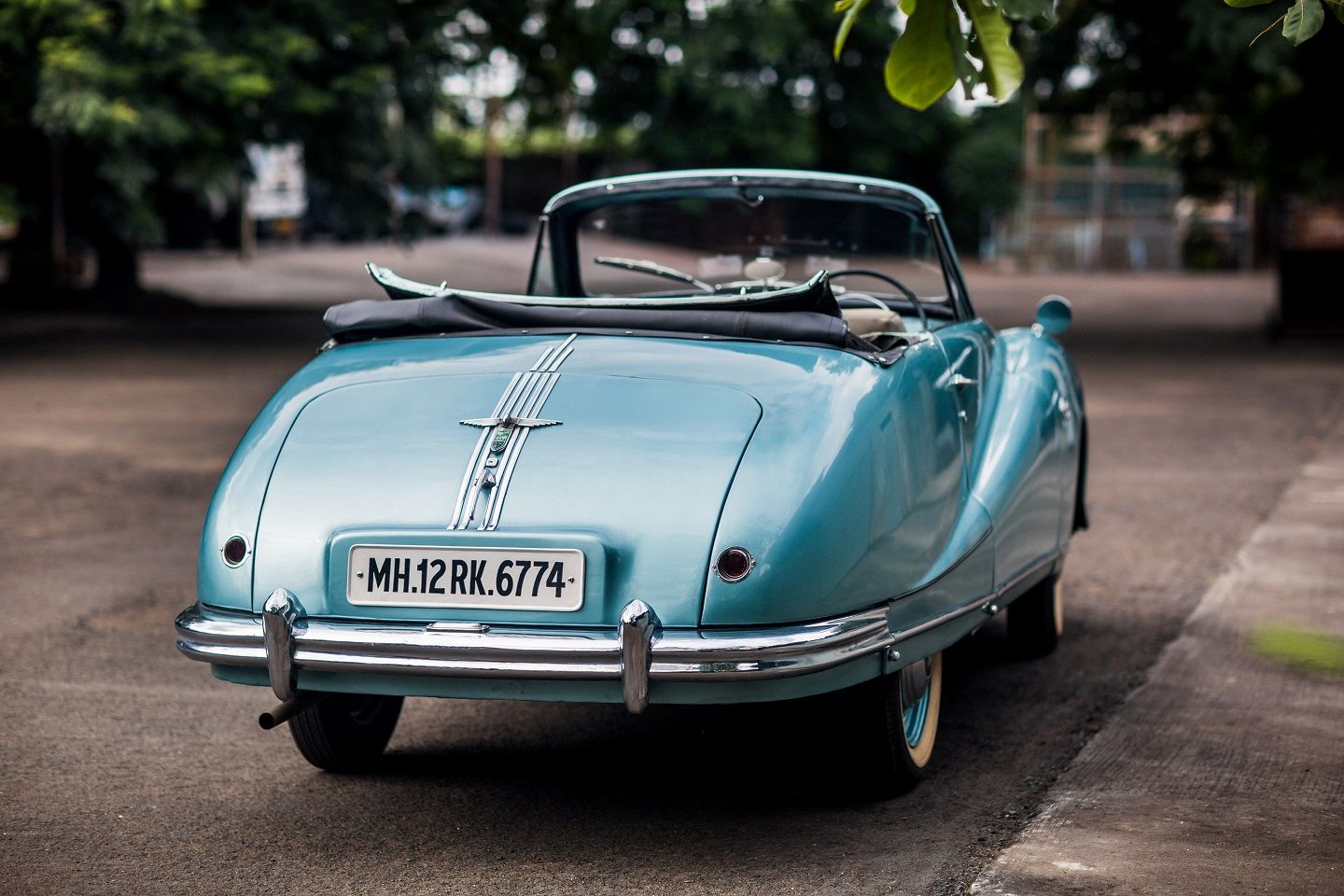
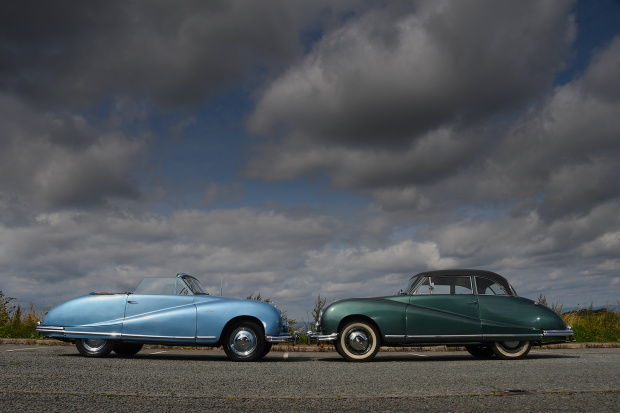
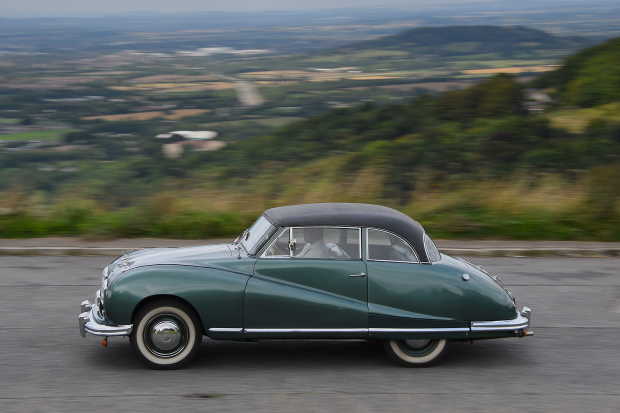
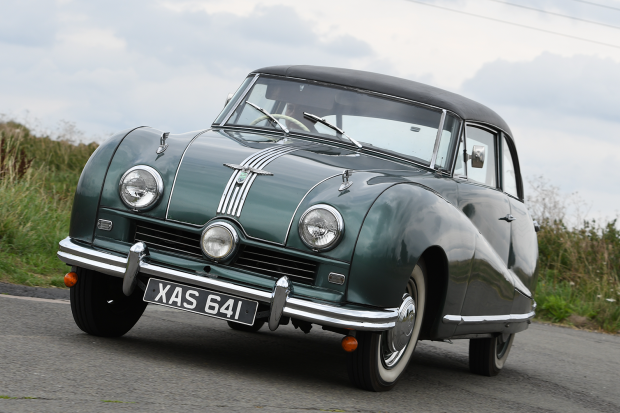
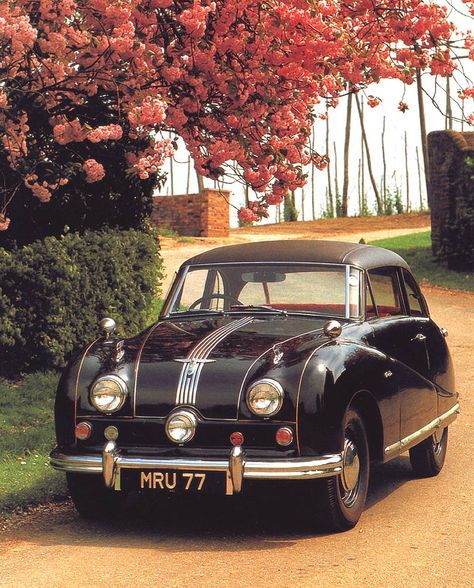
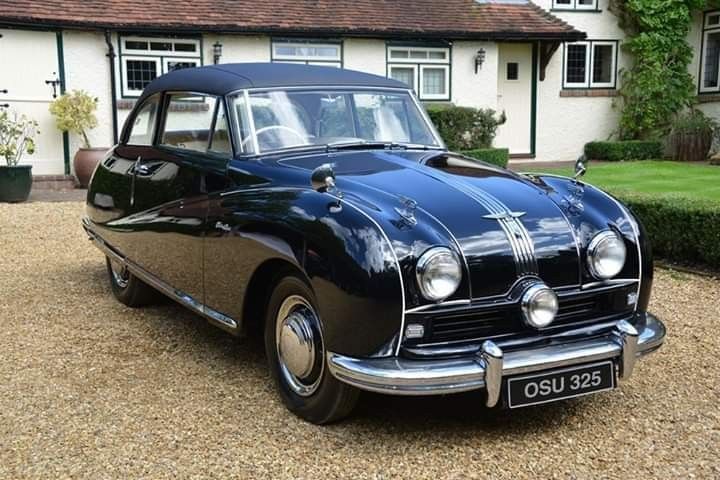
Jeśli chodzi o design, to większość producentów kultywowała stare przedwojenne tradycje. Nagle jednak Anglicy odpalają coś takiego! Przednie nadkola kończą swoje linie aż za drzwiami, przez tylne nadkole, i łagodnie przechodzą w zderzak. Atlantic był kabrioletem z elektrycznymi szybami i elektrycznie opuszczanym dachem – w 1948 roku – no bajer, że hej! A na wyposażeniu była jeszcze kierownica z regulacją pozycji, dobre radio oraz grzanie w aucie. Austin miał migacze. Migacze! Zamiast tych strzałek… wskazówek… no, jakkolwiek to nazwać – to to, co było używane do tej pory. Tylna szyba, w wariancie ze sztywnym dachem, była opuszczana – również elektrycznie. Tylna szyba, rozumiecie? Nie te boczki, tylko jej centralna część!
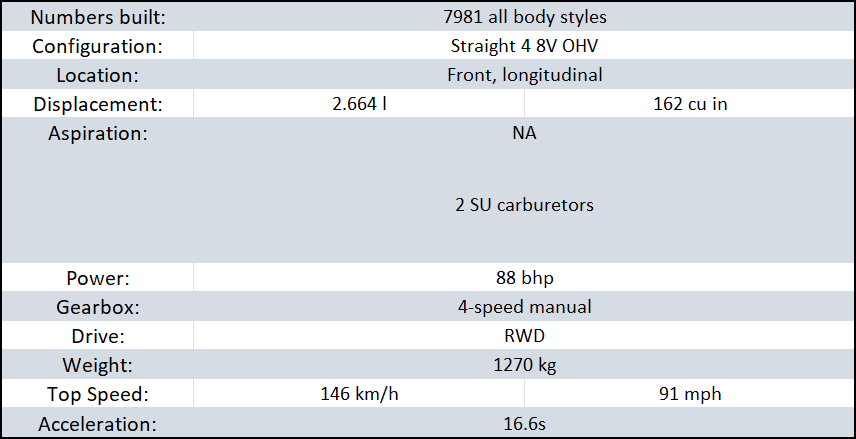
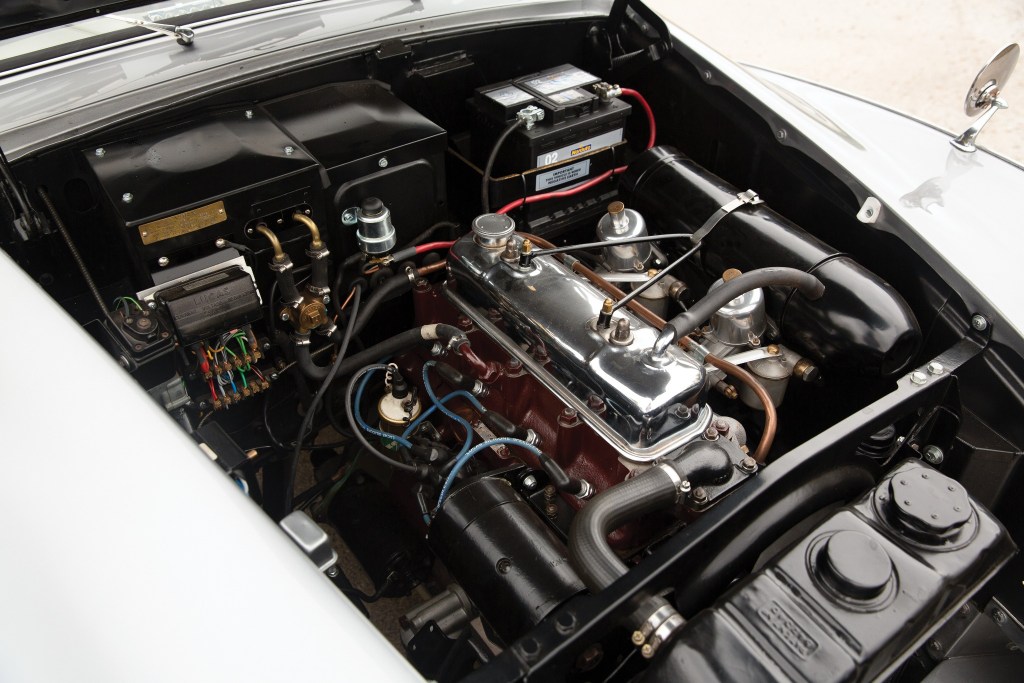
Serce tego modelu stanowił motor znany z A70 – rozwiercony do 2,7 litra pojemności. Rzędowa czwórka o długim suwie, zdolna do 88 koni mechanicznych przy ssaniu dwóch gaźników SU. Stąd nazwa modelu: A90, od zaokrąglonej mocy. Taki power wystarczał do 145 km/h, więc wstydu nie było. Ta sama jednostka napędzała potem sportowe Austiny-Healey. Skrzynia biegów była ręczną 4-biegową przekładnią, ale jej wajchę umieszczono w typowo hamburgerskim miejscu: przy kierownicy.
A90 zachwycał przede wszystkim osiągami. Niewiele było aut, które tuż po wojnie mogłyby się zbliżać do 90 mil na godzinę – a Austin z nich wszystkich był najtańszy. Do tego przyspieszał w 16,6s do setki, co również przemawiało na jego korzyść. To wszystko w aucie, które można użytkować ekonomicznie i nie zbankrutować przy kolejnym tankowaniu. Amerykanie jednak są głupi i jak coś nie ma 8 cylindrów, albo conajmniej 6, to dla nich tak, jakby tego nie było. Auto nie sprzedawało się u nich nawet mimo tego, że pobiło 63 amerykańskie rekordy na torze Indianapolis, i nawet tydzień im to nie zajęło.
Bardzo szybko zakończono tę przygodę. Anglicy próbowali nawet utrzymać model na powierzchni. Przedstawili wersję ze sztywnym dachem, odświeżali skrzynie biegów, oferowali promocje. W 1951 jednak produkcja ustaje, a w rok później żywot kończy również A90 w sedanie. Z 7981 powstałych aut, Ameryka przyjęła ledwie 350 sztuk. Mało które się zachowały do tej pory. Z angielskimi autami po wojnie było tak, że zabezpieczenia przed korozją praktycznie nie było wcale i gniły one na potęgę. Dziś na wyspach ponoć jest około 60 takich pojazdów i dobrze jak połowa jest na chodzie – pewnie nie jest. Do tego wiele podgnitych egzemplarzy skończyło jako dawcy dla modeli Healey. Smutna historia ciekawego autka, ale Anglicy taką mieli filozofię, że albo znajdą się klienci za granicą – albo model zdechnie. I tak też się stało.
Krzysztof Wilk Na podstawie: M Buckley – The Complete Illustrated Encyclopedia of Classic Cars | wikipedia.org | classicandsportscar.com | magazine.derivaz-ives.com | gbclassiccars.co.uk | studio434.co.uk | revivaler.com | wheelsage.org
That car had its debut at Detroit North American Auto Show in 1989 and it literally kicked ass. It was a man machine. An iconic Shelby Cobra spirit incarnate – mean and knowing no compromise. More, in future we will learn it would be, maybe not purely American, but one of the most yankee automobile on the market – with over 75% of its parts made in-house. That’s placing it in top ten in the world. Well, what can you say? Americans can be proud… but it wouldn’t take much for the car to never have existed.
Chrysler Cordoba was fading out in the ’80s and it was an important model for them, cause it really saved their asses in the face of a global crisis. It was to rival Oldsmobiles, Regals and the Cougars on the luxury market, but Chrysler wanted to badge their car as Plymouth Mirada initially. That planned was crossed as quickly as the fuel prices went up, so the mother company decided to fully embrace the new car as a Chrysler. That way, Cordoba gained +5 to prestige, and the Chrysler marketing tools did good job as well. Happy days – and Chrysler people could put the ropes back on the shelf this time.
Cordoba was a success, but it had its toll. It did eventually manage to keep the company on the surface, but it was going against its own family. Dodge Charger SE, though cheap, looked like shit compared to the fancy new cousin. Not to mention all the under-equipped smaller luxury vehicles like Plymouth Fury and Dodge Coronet – all that couldn’t ever match Chrysler comfort levels or prestige. That’s how LeBaron was born – it was to clean up the mess in that segment in the late ’70s.
It got a facelift and a completely new front wheel-drive platform – yet LeBaron still remained the cheapest luxury car on the market then. Chrysler started offering those cars as convertibles – first like that since the Eldorado – and the richer dads with families could buy fresh Town and Country station wagons. The cheap LeBaron kept coming with more interior options and the bigger Cordoba was losing attention to the point that it’s factories were shut dead with the end of 1983.
Chrysler said goodbye to the models like Fifth Avenue – which started as a trim for the LeBaron, but grew big enough to get its own series – Dodge Diplomat and Plymouth Gran Fury – both of which were closely related to New Yorker, Fifth Avenue, and by definition, with the LeBaron. To put it simple: boring, boring and more rebadged boring – in a different package. The head of the Chrysler business was Lee Iacocca, and he tried to be a smartass. He had a plan to give a fresh tone to the Chrysler name.
Lee was a chairman of a big corporation himself and with the legendary De Tomaso brand owner – they were good friends. Alejandro de Tomaso was an ex-F1 driver and the mastermind behind the De Tomaso Pantera sportscar. And privately – he hung with his pal Iacocca. At times they were discussing new ideas: one of them was a Reliant-based Mercedes luxury roadster. It didn’t happen, but what did happen was they had plans for what was to be a completely new product in Chrysler line-up: the one to change everything upside down and bring new clients to their dealerships. The target was: young people, full of energy and with money. Such that would look for a Buick Reatta sort of car, or a Cadillac Allante. That way Chrysler TC came to be – and let’s face it, it was gutless. It was the definition of bland. The cheap LeBaron similarities were striking, and it had nothing to make up for it. It was under-equipped compared to the LeBaron and it cost bigger money – while you could at least get some sportier versions of the LeBaron. Chrysler planned to craft the TC in 10,000 examples every year, but the production stopped after exactly 7300 – and only because that was the deal. Chrysler just burnt 600M dollars – SIX HUNDRED MILLION – that’s how much the development cost. They had to spend 80 thousand to produce one vehicle of that sort. I don’t think I have to say there was no image change coming with it, do I? In order to achieve that, they had to try a different approach…
Bob Lutz was the owner of the Chrysler corporation then, and he once shared his ideas with Tom Gale. Gale was working in their design facility and Lutz asked him: ‚Hey, Bob. What if we made a, you know… a Shelby Cobra? Essentially… I’m just thinking, yeah? Like if we, hypothetically, made a Cobra, yeah? But today. So – im not suggesting anything, ok… but how would it look like? To you. And remember: if you put some shit motor in it, you’re fired.’ Gale then told him he had to think about it… and he prepared a model of the car. When Lutz saw the car, they made a prototype and sent it to Detroit Auto Show. Fuck me, it was the bomb. People were clapping their ears and chief engineer Roy Sjoberg was redirected to work on the development of a running example. Iacocca though started having TC flashbacks – he just threw 600M down the toilet, remember? – and as the chairman… afraid of the risks of the new project, he held the financing. It wasn’t a car for everyone, with high chance it would never be cost effective. The Pope adviced patience.
Sjoberg took over Team Viper: an exclusive group of 85 engineers – all volunteers – and with one focus… secret development of a killer sportscar. Sjoberg told his guys: – We got that 70M promised, but we can’t spend it just now, so if anyone asks, we ain’t doing nothing – he said. – But we are working on a project… – Yes, we are – but if anyone asks, if there are questions – We not doing anything. – Ohh… If anyone asks, we not working… Because, in fact, we are working. But if anyone asks, we aren’t. Got it!
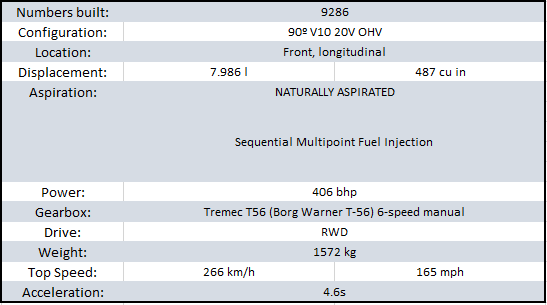
He finally got his money and started making calls. He spoke to Lamborghini first – it belonged to Americans then – and he made a request for new motors for the prototypes and production cars’ engine blocks. He had 70M dollars to make a car from scratch. It really was nothing, so Team Viper used the worst crap they could find in their cheapest cars, and with that waste they finished the interior. They had only one goal: the car had to be fast. Anything else was irrelevant. They didn’t think much about glovebox, or any other passenger amenities. There was no such bullshit in their car. Air condition wasn’t even in their plans, and the car didn’t have electric windows… frankly, they didn’t put the windows in at all! Why, who needs them? No windows, no roof, not even doorhandles. What it had was performance. The bucket seats and, if you had the money, adjustable suspension. It was a proper Cobra-style roadster – and quick as fuck!
Lamborghini delivered 400-horsepower V10s, that – when put under the hood of a 3300-pound car the size of a Miata – could be an immediate threat on the road. You could start driving on 3rd gear and you know what? Actually… the transmission, when driving in low RPM, would go from 1st to 4th without asking. Not everyone can drive this thing. It’s not really hard when you’re careful, but faster corners are incredibly demanding, and it takes a lot of skill to do it. And bare this: Viper drivers die like real men. No airbags, no heatseeking guidance systems. What… you thought that rollbar would save you from death? Pfff… forget about it! The car is like a friend who’s got wasted and – you’re having some laughs together at the party – by when you’re stopped by some dudes on the way home, he’s looking for some heat. And you know you can drive normal – you’re not in hurry. But you got an 8-liter V10 under the hood. 400 horsepower. And it’s testing you. “Well, go hit it – you think I can’t take it? You know I can. Just wait and see. You know what’s gonna happen. Go step on it – you know me…” and then you step on it…
There is a very thin line separating a sportscar from a serial widowmaker. The edge, many automakers in the history were carefully closing in to. Dodge shows at the place, kicks the door open, shits in the middle of the room, giving everyone the finger on the exit. They don’t make such cars anymore. No one will. Even later Vipers – tremendous sportscar’s, extremely effective on a racetrack – year by year they strayed further from god. Early GTS variants from 1996 got a fixed roof already and an Aircon. It was still a daring coffin on wheels – but more practical at that which takes away some of its brute charm. Even though each next generation was more powerful and more lightweight at the same time – it could forgive more driver mistakes. The fastest variants held the Nurburgring time and the dealerships had several special editions waiting the clients. 1998 Let Mans went to Dodge – GTS-R Group 2 was best AND second best in its class. But it wasn’t enough… they year after they came for first 6 positions! No point bringing all their wins now, cause the list goes from here to San Francisco. Dodge was best in GTS class DAILY – they could win 16 events out 18 possible. That model dominated GT Endurance formats. It took podiums on every track of the world. Often standing on the first spot.
It was a huge leap of faith for Lee Iacocca. Burning money for a project so bold, so short after a devastating TC disaster that shook his self esteem to the bits. It must have been a huge test for him. It worked perfectly this time – and after many years, Iacocca gave America a car… THE CAR to fight Corvettes again – just like Shelby Cobra did. Viper does 0-60 in 4.5 seconds and transfers all the tiniest road imperfections straight on the steering wheel precisely. Yes, it asked for a strong grip on the wheel and nerves to drive it, but it did quarter mile in less than 13s from the factory, and 200 km/h (120 mph) is reached after 17 seconds. From the factory. No traction control, no ABS – none of this crap. Such character we will not find in any car today, and the brute, crude nature we know and love this car for. Viper wins races for 26 years until the last examples exit Dodge factory in 2017.
Krzysztof Wilk All sources: ultimatecarpage.com | favcars.com | wheelsage.org | wikipedia.org | hotcars.com | rallyways.com | motorsportmagazine.com | netcarshow.com | hotcars.com | supercars.net | carscoops.com | YT: Doug DeMuro | YT: Donut Media | YT: Z Innej Perspektywy








 SRT
SRT 