1975 – BMW E9 3.0 CSL IMSA Group 2

The touring car championships started in the early ’60s and the format quickly grasp the hearts of both the fans and manufacturers. It was a chance to show your muscles on a racetrack – and the audience could see the drivers fight head-to-head. The early stars were Alfa Romeo Giulia and Ford Cortina, but the rules were often changed, so the 2-door Alfa GTA or BMW 2002 could be allowed. All you had to do was to sell 1000 examples to get the paper. End of the ’60s, Alfa Romeo was the largest player in ETCC, but in their shadow others emerged. Ford and BMW grew strong enough to engage in such an epic battle, that it will shape this format for years to come.

Let’s start with defining what a touring car is. At the time Porsche tried to make their 911 legal, but it’s backseats were too small to ever consider it. Giulia GTA though, or a BMW 2800 CS were almost as tight in the back, yet they could race. 911 drivers then had to be happy with a GT championships, and bigger coupes with a specified passenger space and manufactured in certain volume – they could be raced in ‚touring’ series. A few categories of those were devised for fair competition, and smaller cars could compete side by side with the bigger and more powerful vehicles in one event, as everyone was matched against similar rivals based on their gross weight. Year and year the rules had been polished, and one of the more important changes was allowing more extreme car upgrades after a given part was released in 100 examples.

The touring sport starts off and the BMW quickly change their focus from big 8-cylinder sedans that are expensive to make, and they start building more smaller and cheaper – well, relatively at least – 6-cylinder cars that would attract new niche. The new motors were also far better for racing, so much so, that as soon as in 1964 the Germans could successfully enter their machines in ETCC. And along with their sport campaign, they managed construction of the very same motors for single seater and sports prototype purposes. At some point BMW had a chance to show their support to one of the local marques – Alpina – and help them enter their own racing team in same format, right next to Works BMW racing program. And the ’50s were shit, but later BMWs started actually winning and for some time you couldn’t see any end to the mayhem those cars were bringing on European tracks.

European Ford sent the very new Capri Coupe to fight the German flood, and it entered ETCC in 1970. It was both light AND with a powerful 6-cylinder engine. When Alpina guys saw this shit, they decided to devise a proper racing 2800 CS iteration. 3 enormous Weber carburetors, 3-litre V6 screaming out 300 bhp – and that was not enough to catch up with the Ford! The Germans then made such far going modifications that their car had to undergo another homologation process. They made it lighter, changed the carburetors to a Kugelfischer fuel injection – that alone upped the power to 335 bhp. And Alpina could do a lot, but making 1000 examples for the common folk was too much. In order to get their cars homologated, it was the BMW who took that responsibility upon themselves – otherwise they wouldn’t be allowed to race the Ford at all.

To minimise the risks, the BMW hired the Ford Motorsport Director Jochen Neerpasch, an icon that put the grounds for what we will later know as BMW Motorsport. They made huge modifications on the latest 3.0 CSi – that is how under BMW Motorsport Department’s wings – the 3.0 CSL was born. Its name meant Coupe Sport Leicht (Lightweight Sport Coupe) and the Germans removed everything from it. The bonnet, boot and the doors were all aluminium. The poor people could buy a 180 bhp variant of a 3-litre sport coupe, but starting in 1973 the CSL could be obtained with a more powerful 3.2-litre motor. Now we think of it as a flamboyant batmobile-looking vehicle, but truth be told, none of the road cars ever stood next to those spoilers. They were necessary and very purposeful on a racetrack, but very much illegal in public. However… if you managed to purchase one of such cars in a dealership and took it home, you could then open the boot and find a nice surprise the Germans had a fancy leaving there in form of an 8-step instruction on how to transform your generic BMW road car in a fucking batmobile!

Racing CSLs were ready to fight in 1973, and after the season started they had their displacement increased from 3.2 to 3.5-litre, as well as a new 5-speed Getrag transmission in place of the previous 4-speed gearbox. All in all, the new car was over 150kg (330lbs) lighter than Alpina’s initial car and 75 bhp more powerful. Such cars in BMW Works liveries, the M-Sport colors we know all too well, as well as Alpina and Schnitzer paints – they took the challenge of facing the mighty Ford. At the end of the season, it was Toine Hezemans in his 3.0 CSL who took the first prize, and BMW could live in glory as the new manufacturers champions.

Winter passed and both Ford and BMW used that time for their preparations. All changes were made by the book and with the 100 examples for public use to fulfill homologation requirements. Both sides had Double Overhead Camshaft, 4 valves per cylinder and their power increased to 400 bhp with eyes-fucking-closed. Ford changed their aero, so that it could stand a chance against BMW’s extreme downforce. Bad news – global scale oil crisis reached another level and it took its toll in motor racing. Both the Ford and the BMW were absent for the first round of the season, but they could compare their dick size in the second race – and with the machines in their strongest variants. The Ford chose to sacrifice some reliability for more performance, but the BMW was the hit! 10 out of 10 CSLs that entered the Nurburgring race – never crossed the finish line. Zakspeed team Escort had no rival for the first place run. After such display, the Germans said ‚Auf Wiedersehen you fuckin-…’, well you know… and they retired from that format. Hans Heyer was the best that year and he drove an Escort.

Ford followed the BMW eventually, and they quit with the end of the season. Year 1975 was left to the private teams – 24-valve CSLs still raced in Schnitzer or Alpina’s colors. The latter did even win the driver’s title. Nonetheless, year 1975 shows how quickly the whole format can go to shit. First they changed the homologation rules to cut the costs for following season and suddenly 4 valves per cylinder are a no-no, same with the huge spoilers. Can’t have anything anymore. The last CSLs with 3.2-litre motors and 4-speed transmissions stood strong till very late – successfully fighting off even the new racecars. People even took some 24V variants overseas to enter IMSA GTO format in America and win points in Groups 4 and 5.

Krzysztof Wilk
Na podstawie: favcars.com | wheelsage.org | ultimatecarpage.com

1988 – Audi 200 R4 Quattro Trans-Am

Audi could taste their victories at ’86 and ’87 editions of Pikes Peak Hillclimb, with their complex Sport quattro S1 – and since then, they only wanted more. Their American team set their course to Trans-Am championships, but that required them to develop a car that would underline quattro system’s domination – and clear any doubts that may remain, that quattro gave Germans advantage not only on dirt rallies, but also crushed its rivals on racetracks.

The engineers started working on 200 Quattro – internal code: R4. The championship rules allowed a lot, but the body and suspension had to be mostly stock, so they installed a rollcage to increase safety and overall car rigidity. The whole geometry was set up so it could start destroying any possible rivalry.

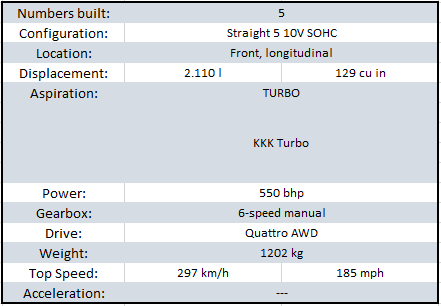
The engine had to be based on the road going motor – otherwise they would never be allowed to start. The natural choice was their Inline 5-cylinder Turbo SOHC. The crankcase was new, the valves were new – and it had additional fuel pump. And that was mostly it! It was enough. The turbo gave it around 3 bars of boost, which allowed the 2.1-litre engine to generate 510 bhp right from the start of the season.

The whole transmission layout was practically 1:1 quattro rally derived, but SCCA disallowed 6-speed gearboxes, so Audi had one blank gear on it. The grande finale was – of course – the quattro system. It included TorSen in the mid section and a separate Limited Slip front and rear.

The Germans had a production-based chassis with fibreglass reinforced bodypanels based on the production car, but the final product didn’t look much like the road legal Audi 200. It was the biggest Audi racecar then: almost 5 metres long and over 2 metres wide! They had to push the driver’s seat 40cm back to fix the weight distribution. That’s almost 1 metre back!

When preparing the car, Audi used the expertise of Bob Tullius and his team – Group 44 – known for working with Jags. Tullius let Hurley Haywood man the machine and, when he could, Hans Joachim Stuck was the second driver… but sometimes he couldn’t, and then, he was replaced by Walter Rohrl – World Rally Championship superstar himself. With such a dream team, Audi (Haywood) managed „only” second place in their first start, but the second event they won fair and square. Haywood, Stuck and Rohrl brought 8 first places combined out of 13 possible, and maybe the finish of the season wasn’t perfect, but Audi had enough points to stay on the very top.

Americans, of course, had to voice their objections targeted against the German machine devouring, at that point, any and every opposition, and SCCA answered: first with raising weight limits from 1.1 to 1.2 tons, and changing airflow regulations after. All in vain as Walter Rohrl, behind the wheel of the machine in its worst configuration, finished first and with the fastest lap.

Americans pressed SCCA enough to finally ban All-Wheel Drive altogether, starting year 1989. Germans said to that: Ok, fuck you then! And they moved to the rival format. IMSA GT Championship allowed even more ridiculous Audi 90 quattro IMSA-GTO, but that also meant the end of the first track car of the German manufacturer. Banned after 1 season, 8 victories out of 13, driver’s and manufacturer’s champion. I think they made their point. Quattro rules!

Krzysztof Wilk
All sources: favcars.com | wheelsage.org | ultimatecarpage.com

1990 – Renault Alpine GTA

It was year 1955 when a rally driver and Renault car dealer Jean Redele opened his own company – Alpine. They made sports cars using Renault parts – as a separate company – but you could see their cars right next to Renaults in the very same dealerships. Alpine racers were very successful in Le Mans, and model A110 won Rally Monte Carlo in the early ’70s.

The crisis came in the ’70s and put the small company in a bad position – and Renault, since Alpine was a good and valued partner, they pumped money in their pockets and kept them on the market. At that moment they offered 2 models: A110 and A310. The first one… it still was successful – yes, but getting older quickly and instead of working on a fresh configuration of the same, decision was made to close the project. And so A110 – first introduced in 1963 – kicked the bucket in ’77. Not all was lost though. It’s chassis and engine still lived in the new A310s starting from year 1971, and in 1977 they introduced 2.6l V6 for that car – able to generate 150 bhp so it could compete against Porsches on equal terms. That car was a hit! The factories were delivering over 1 thousand of such per year, and Alpine was back in business.

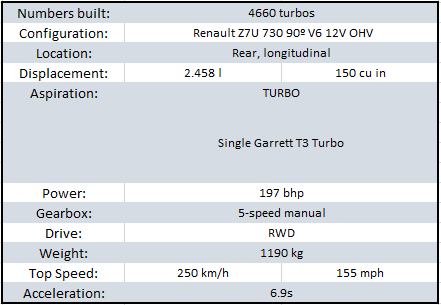
The end of ’70s and early ’80s can be called one big success for Alpine. They’re turbo engines kept finishing first in Formula 1, and A442 dominated at Le Mans. Now well experienced Frenchmen crafted a 2,5l turbo V6 capable of 200 bhp. It was meant to put life in the A310’s successor – among with a naturally aspirated V6 generating 160 bhp.

That’s how GTA was born – Grand Tourismo Alpine. Came to life and OWNED the 1985 Geneva Motorshow. It looked like A310 derivation, but the design might be the only similarity. With that model came new trophies and limited series like Mille Miles and Le Mans. GTA’s replacement was introduced in 1990 as A610 was shown to world – with it’s 250 bhp 3-litre engine.

Krzysztof Wilk
All sources: favcars.com | wheelsage.org | ultimatecarpage.com

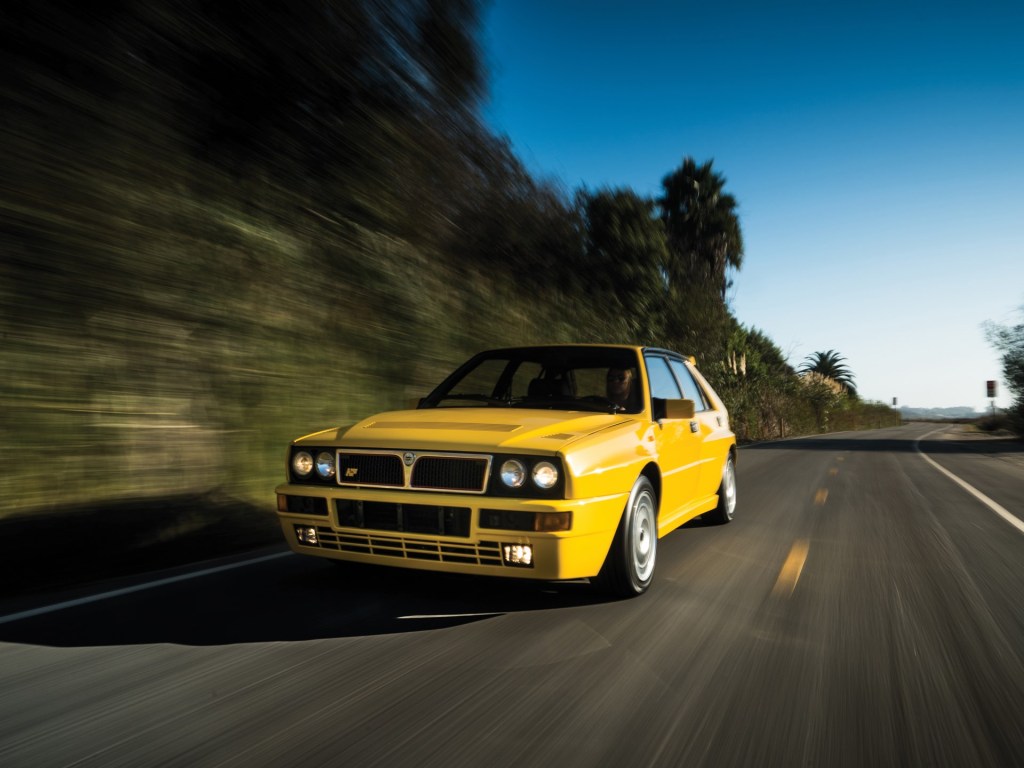
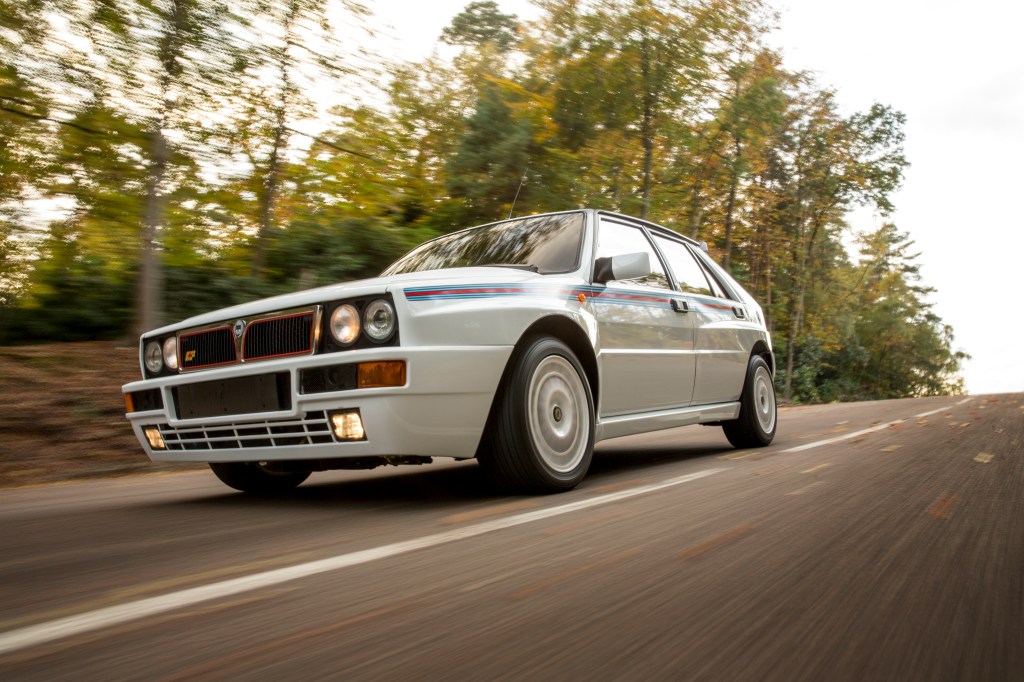
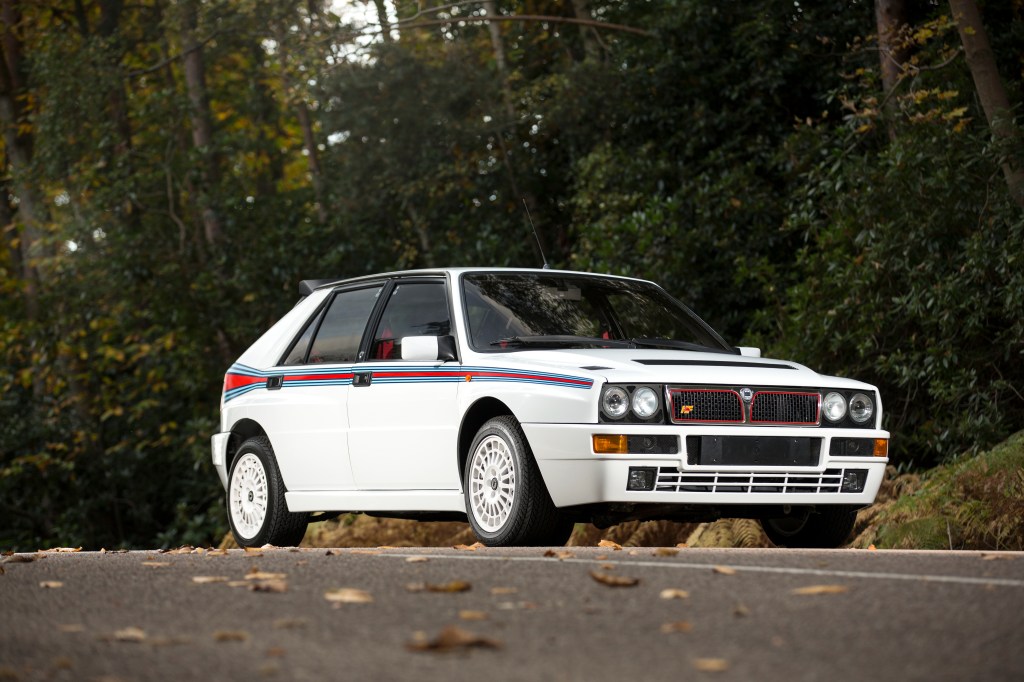
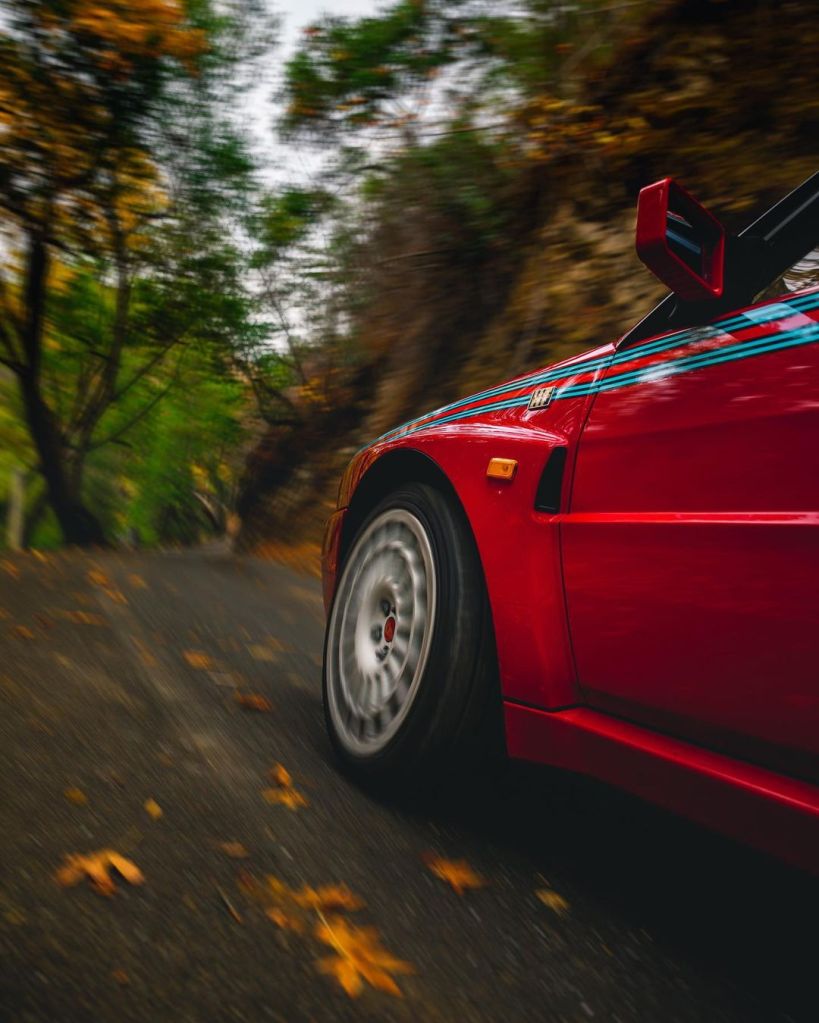
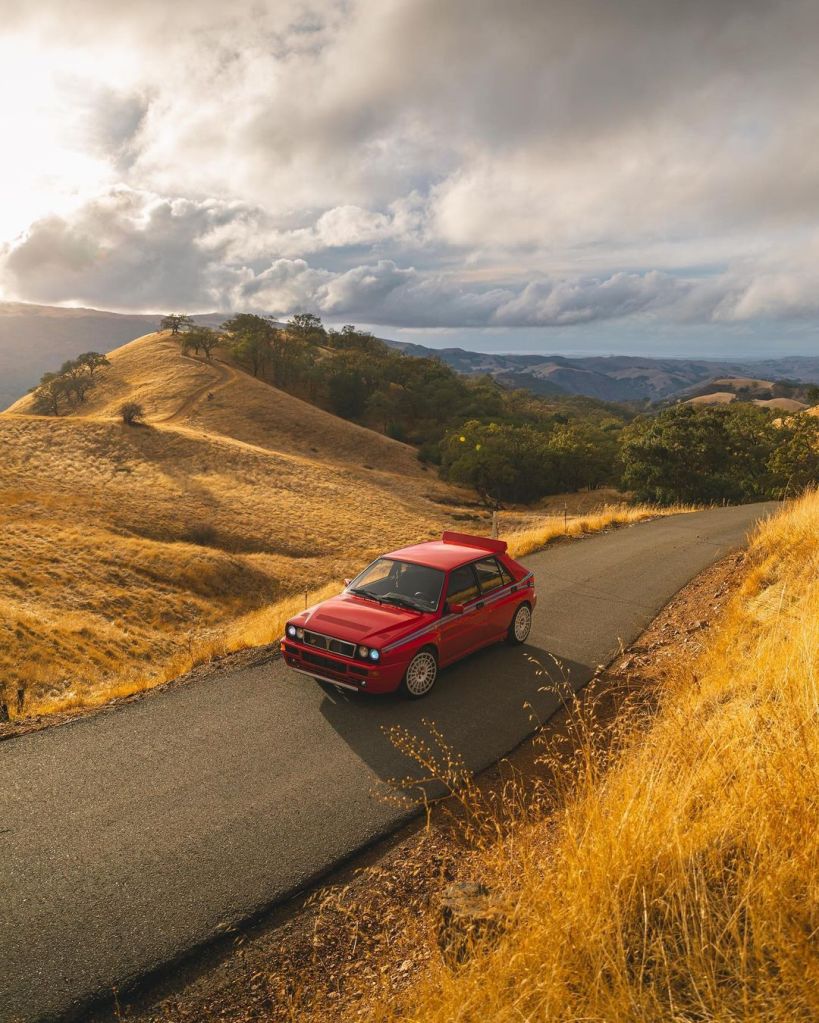
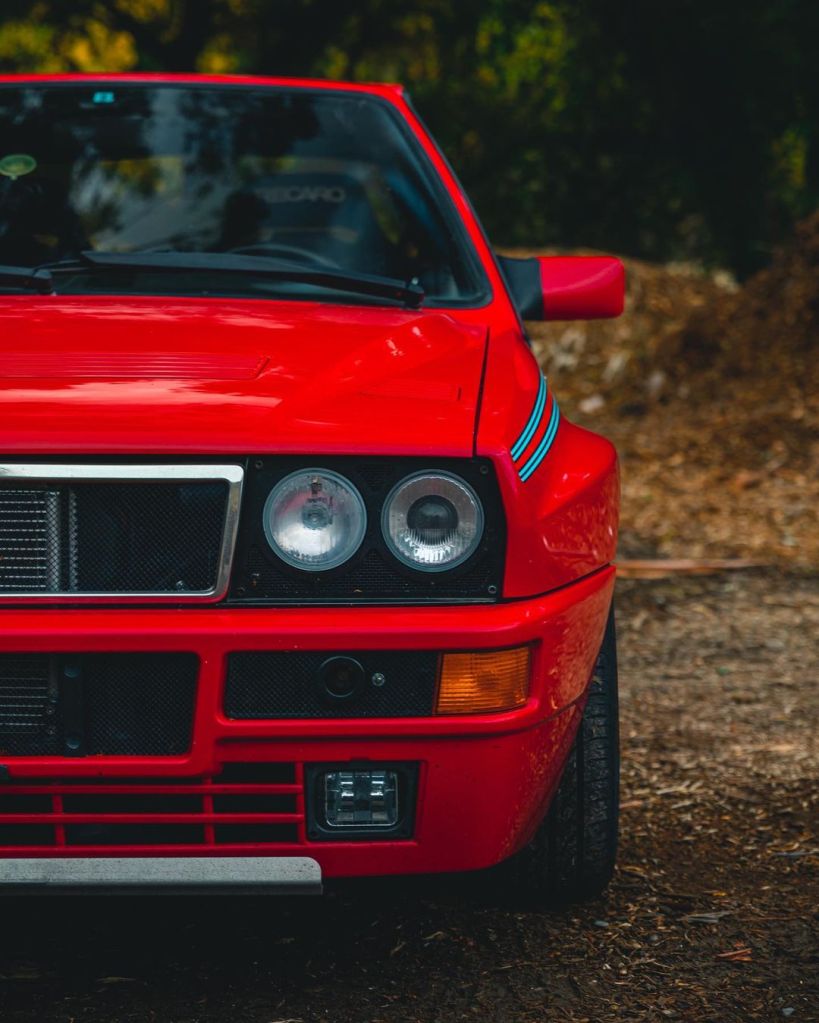
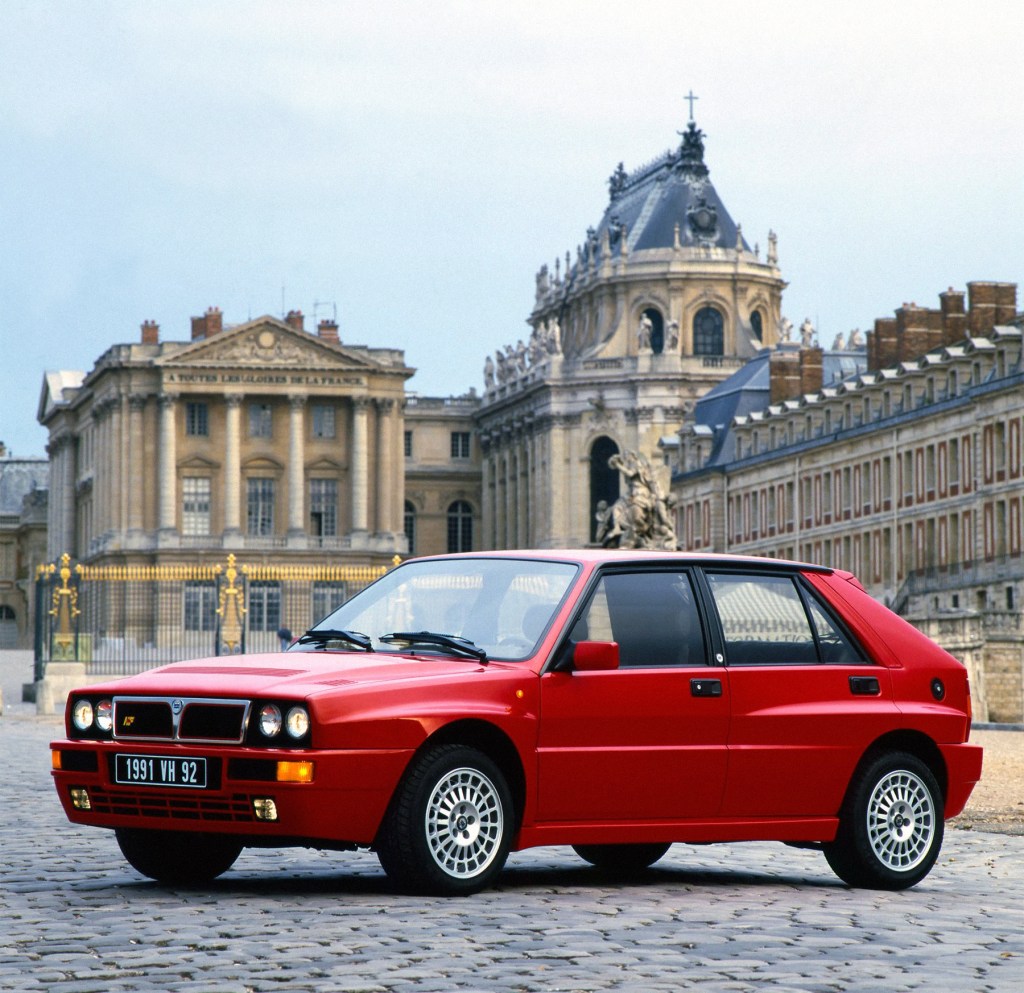
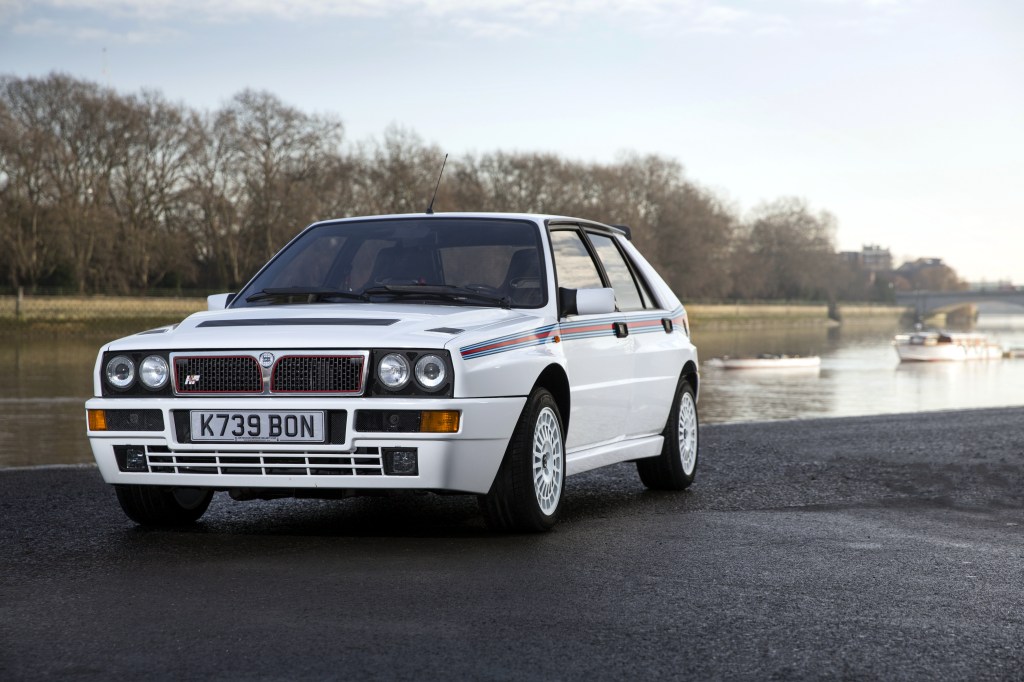
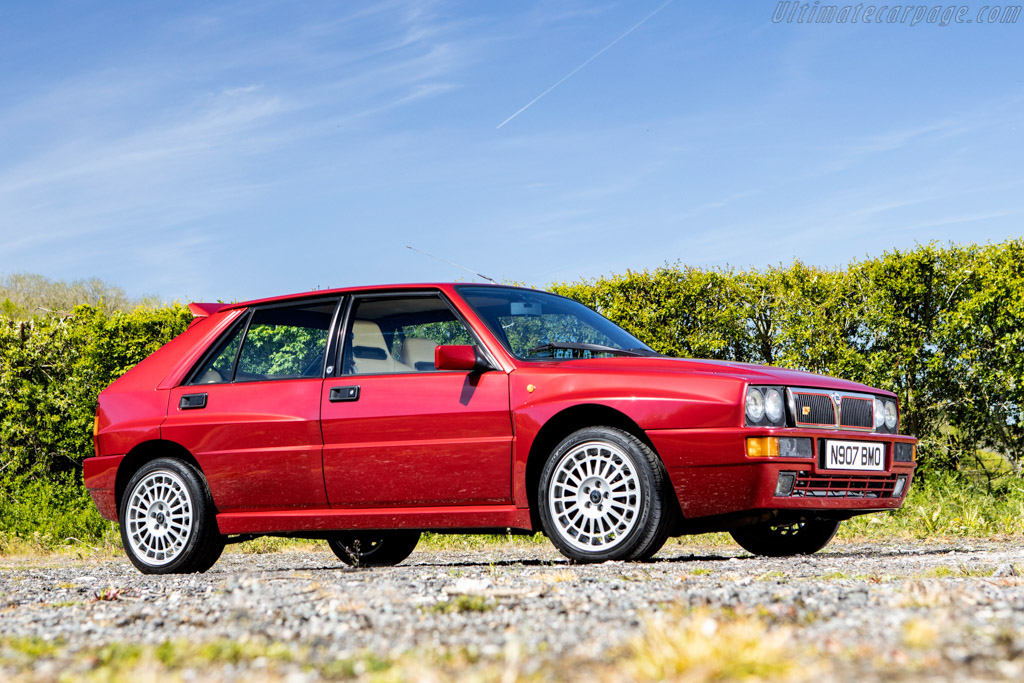
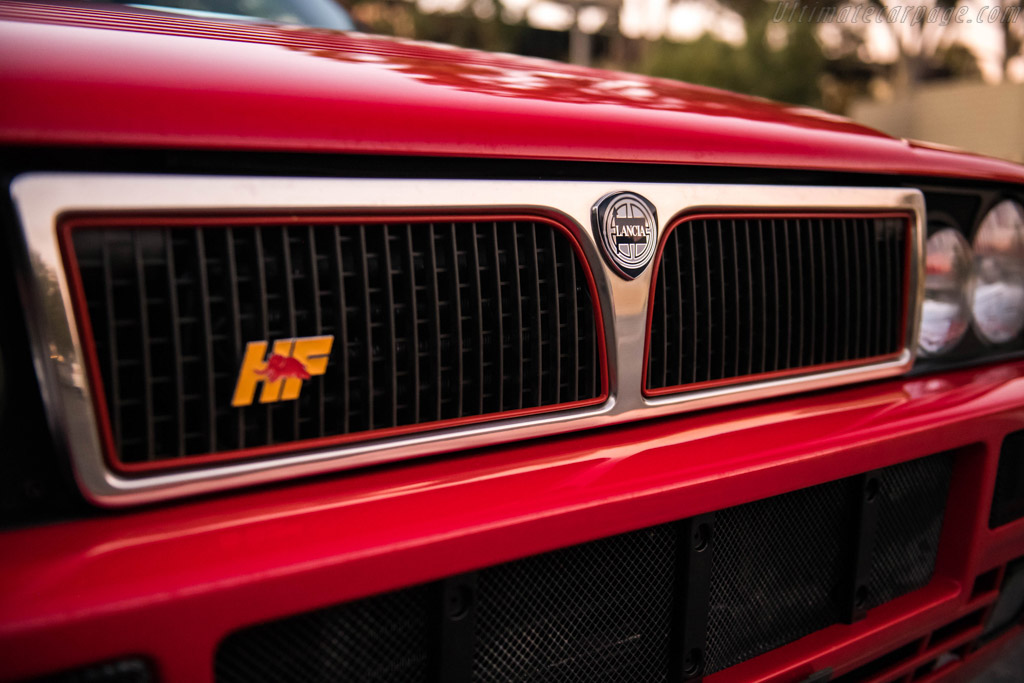
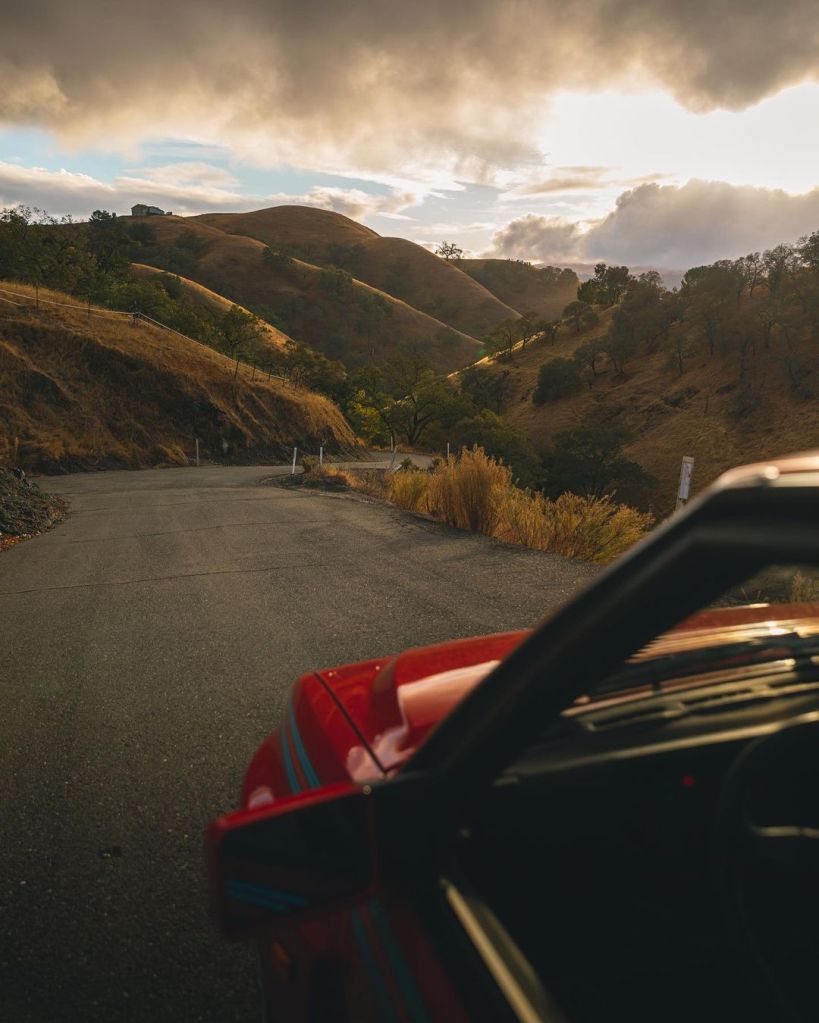
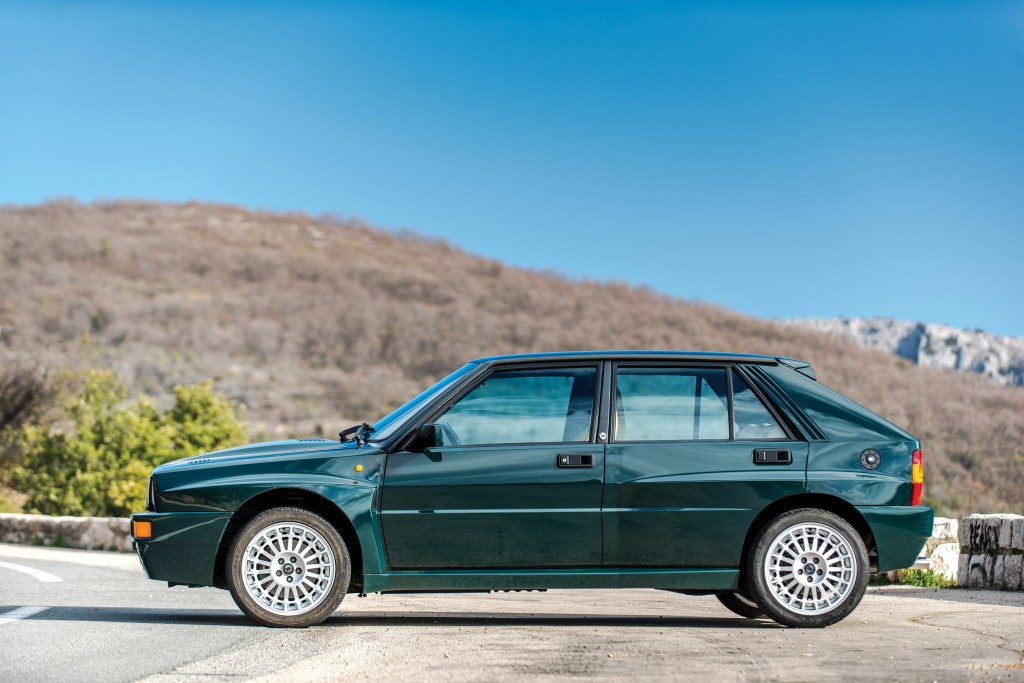
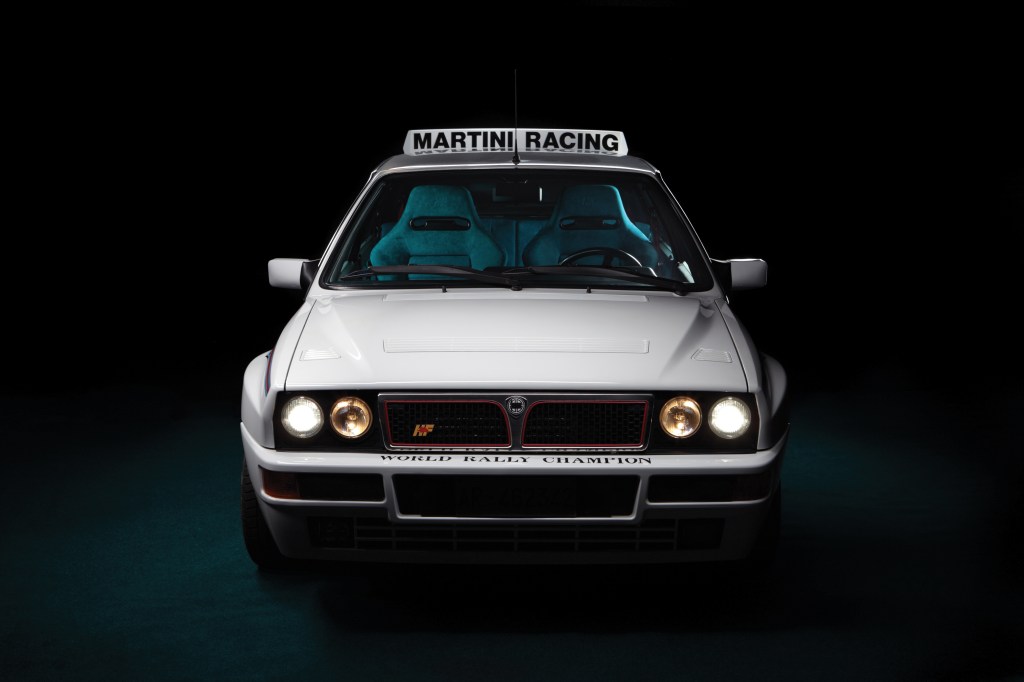
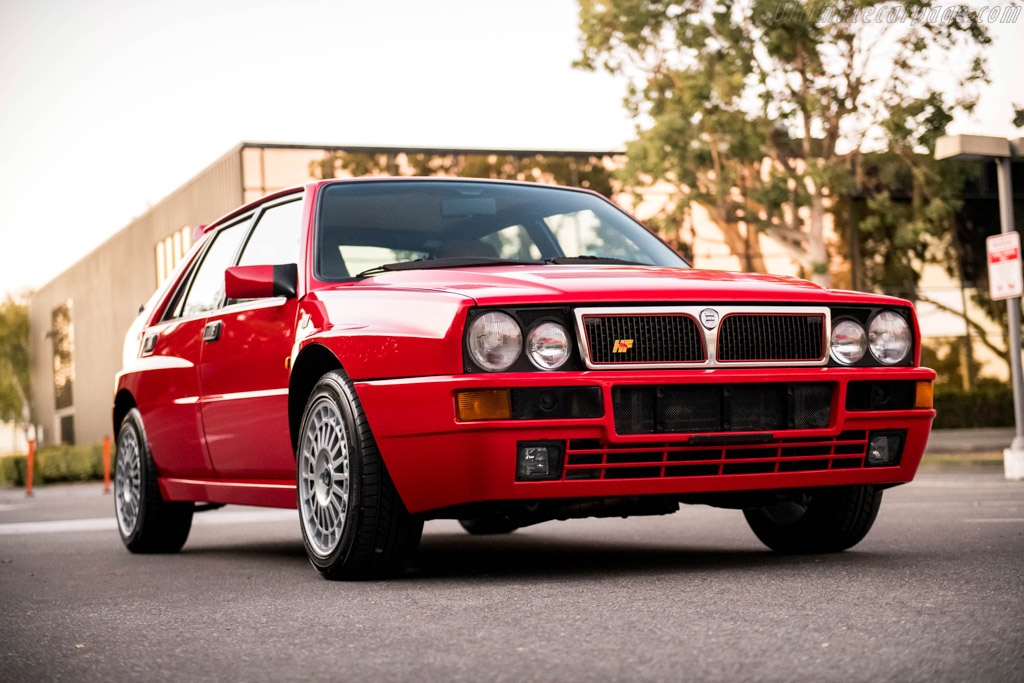
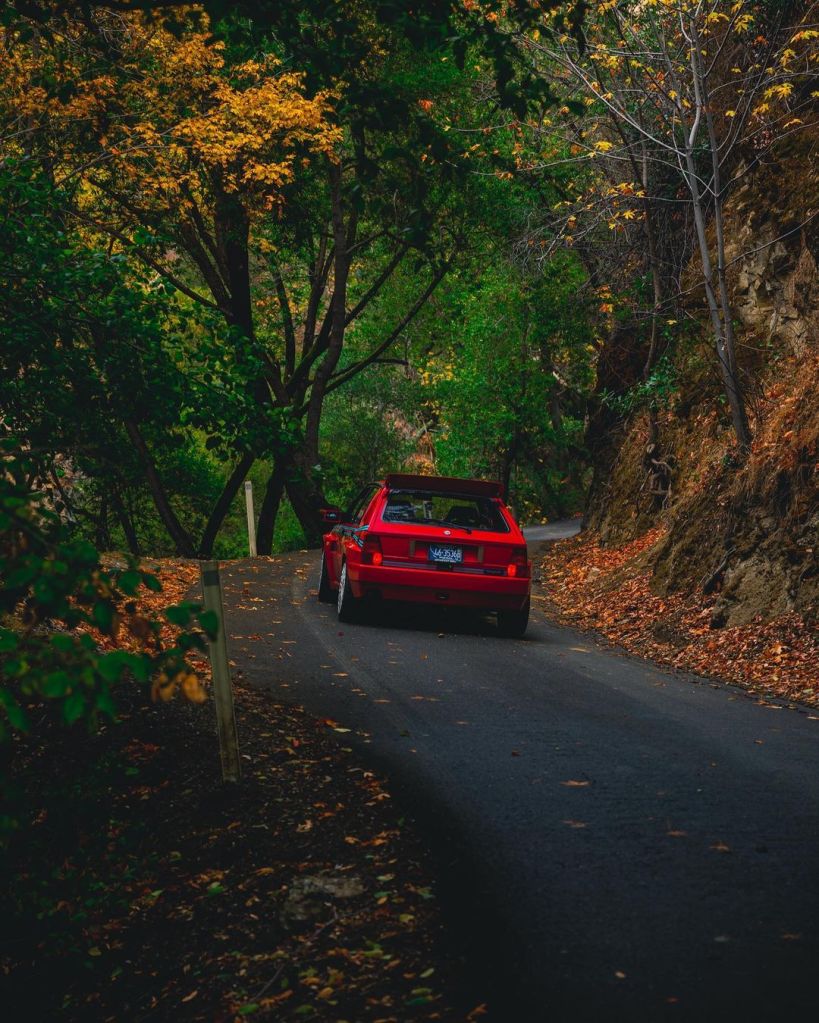
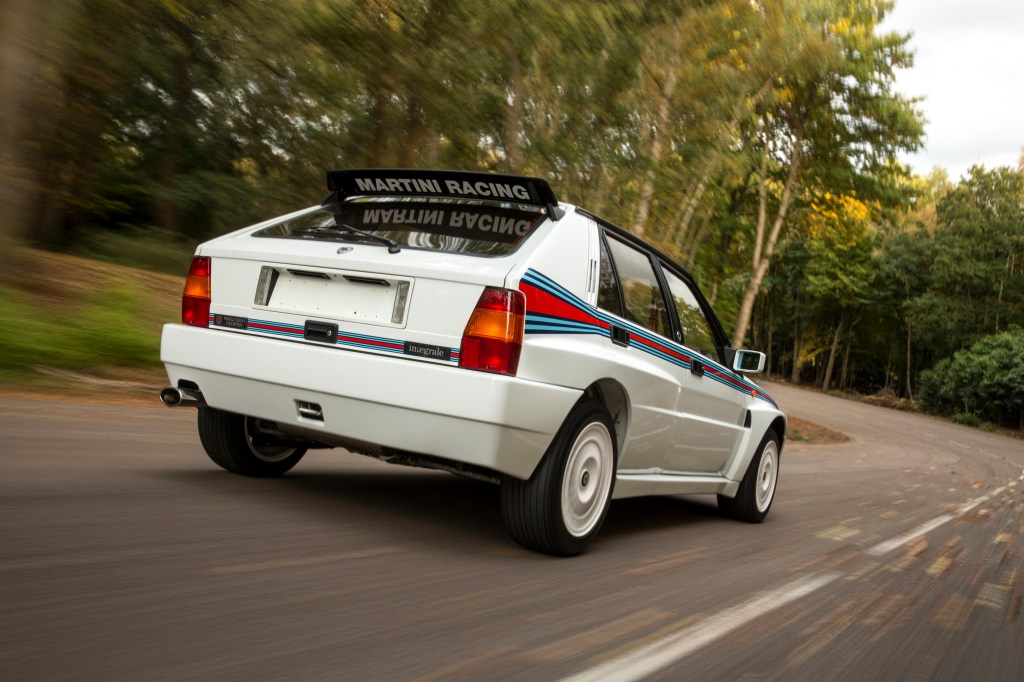
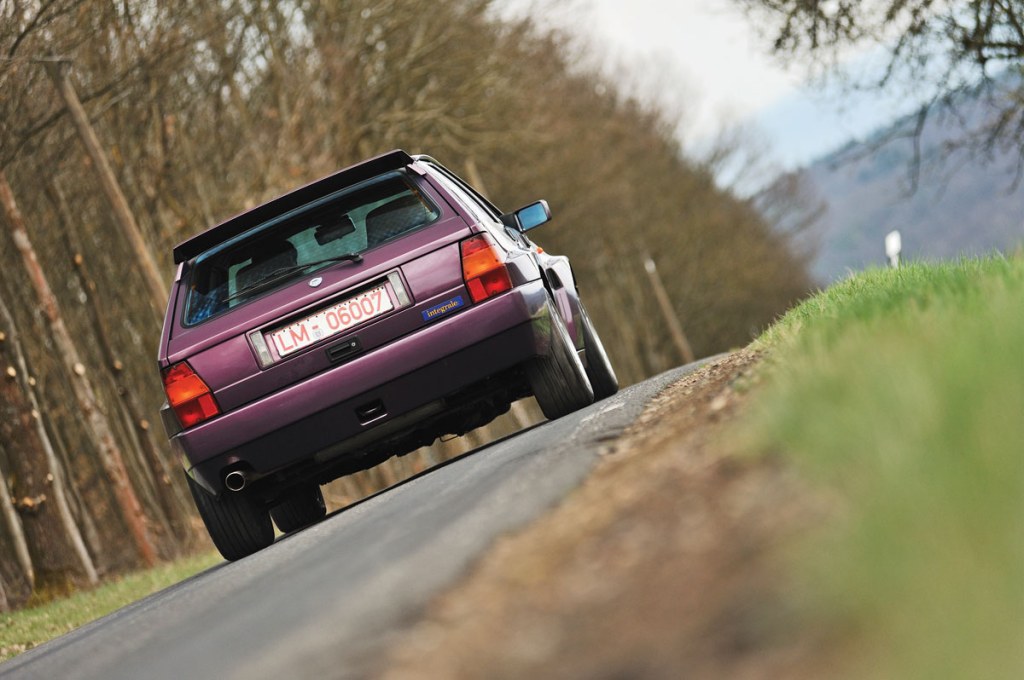
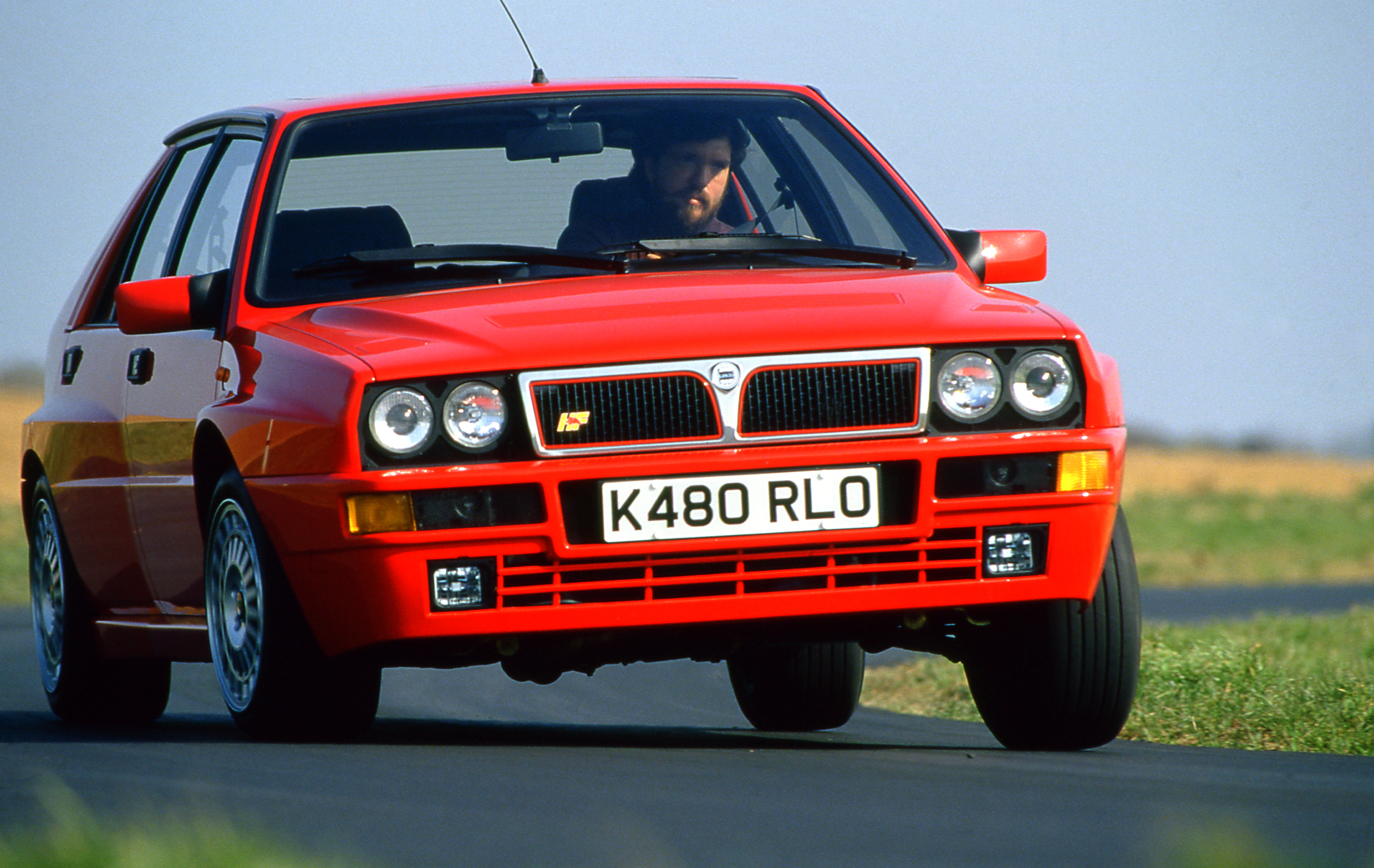
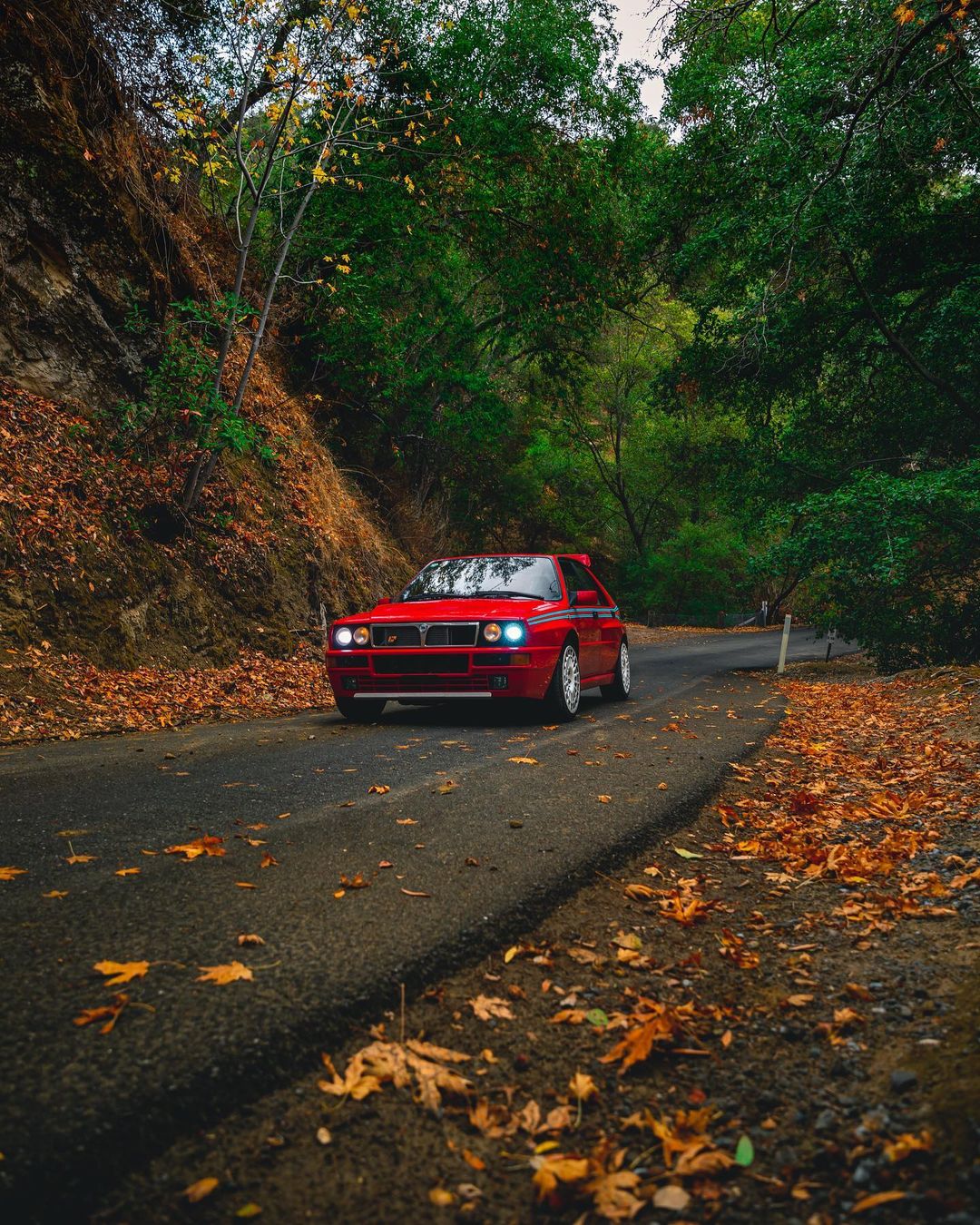
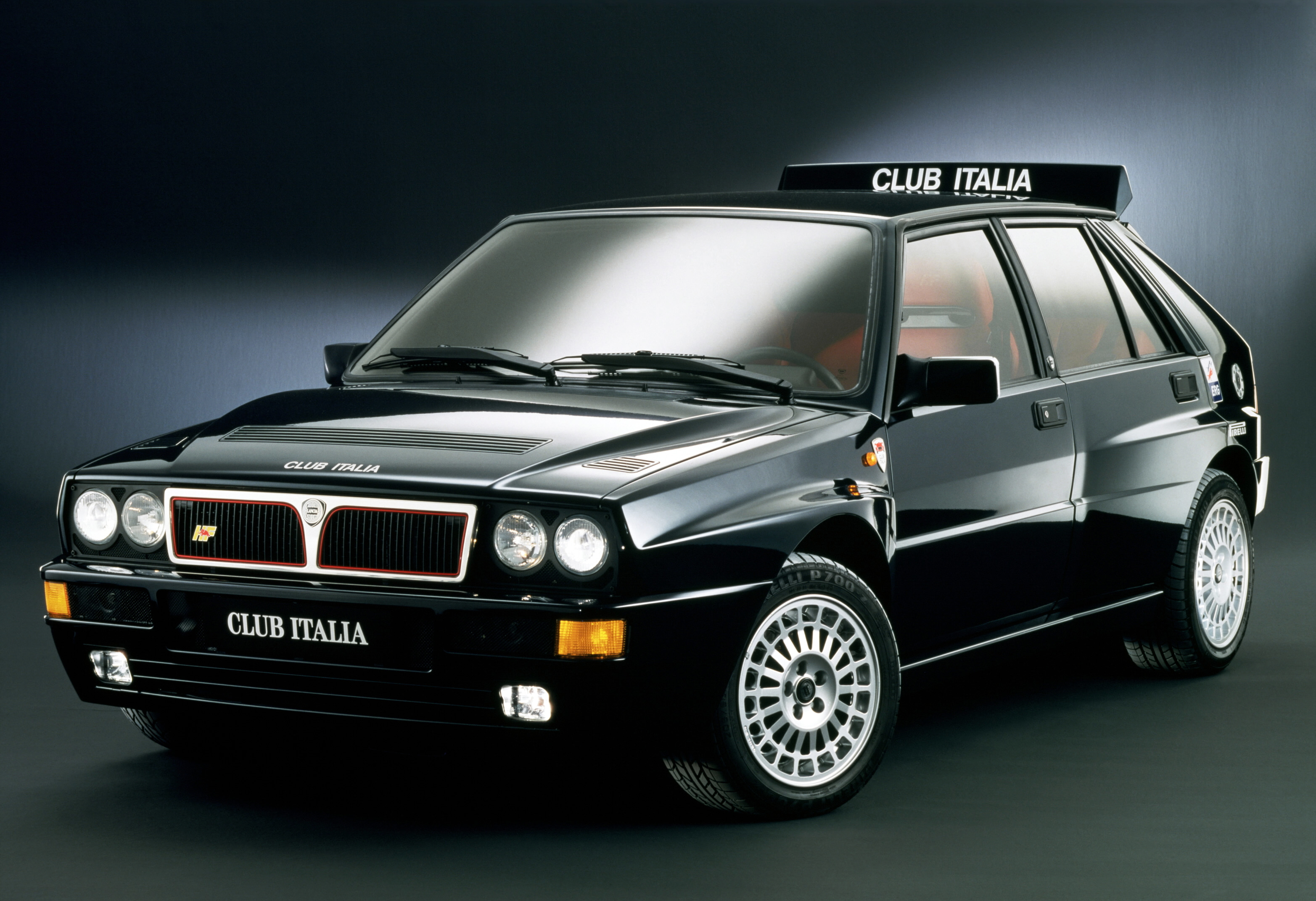
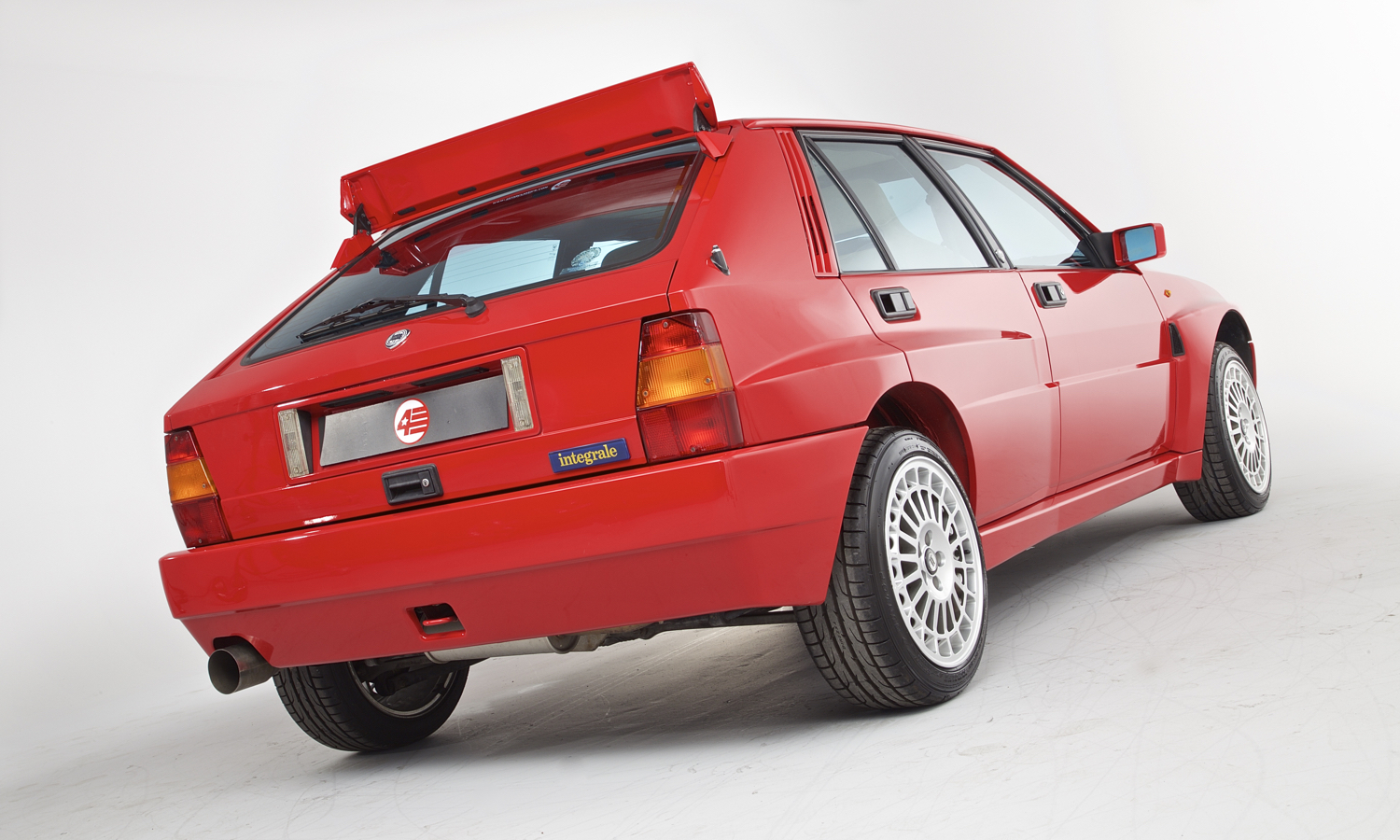
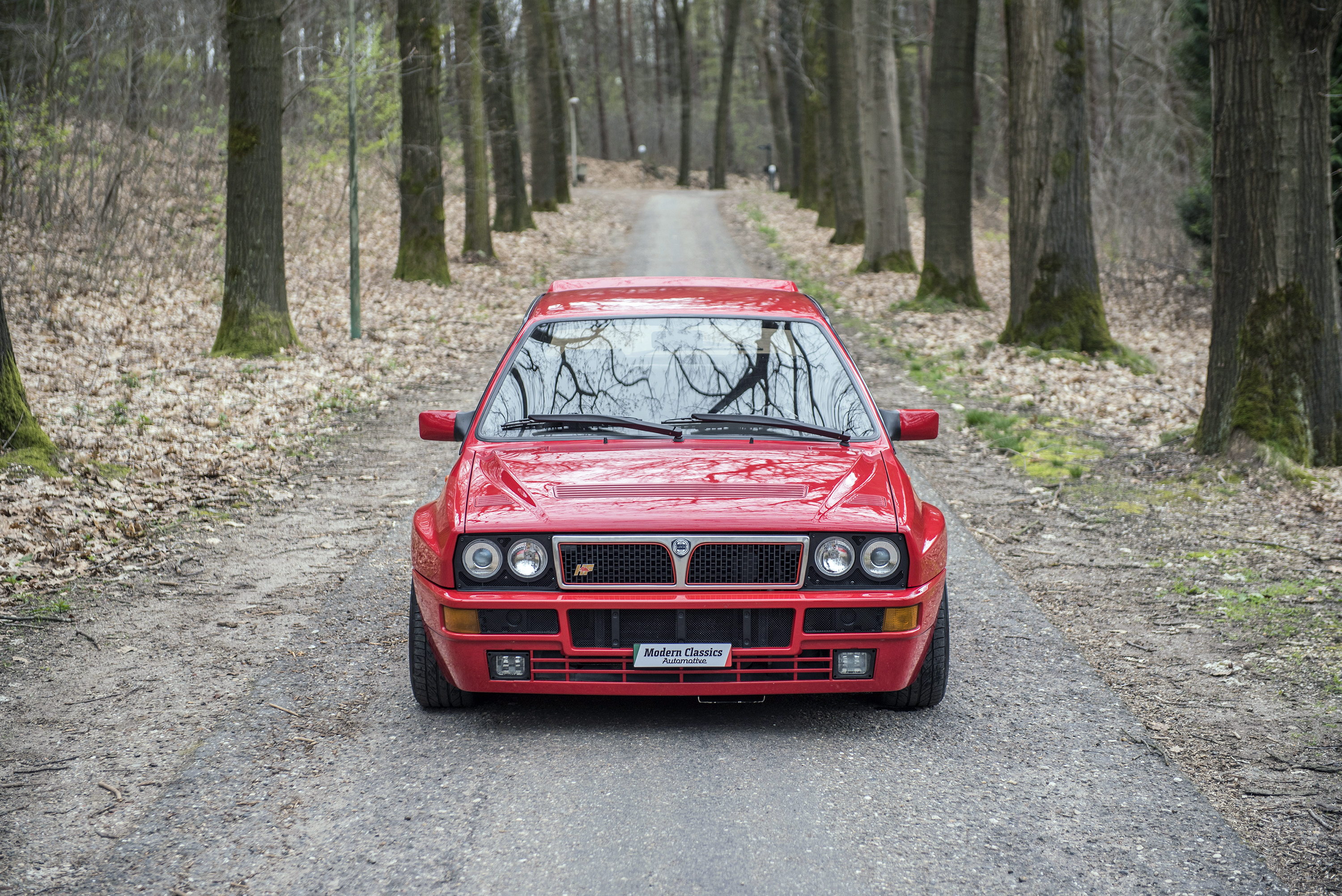
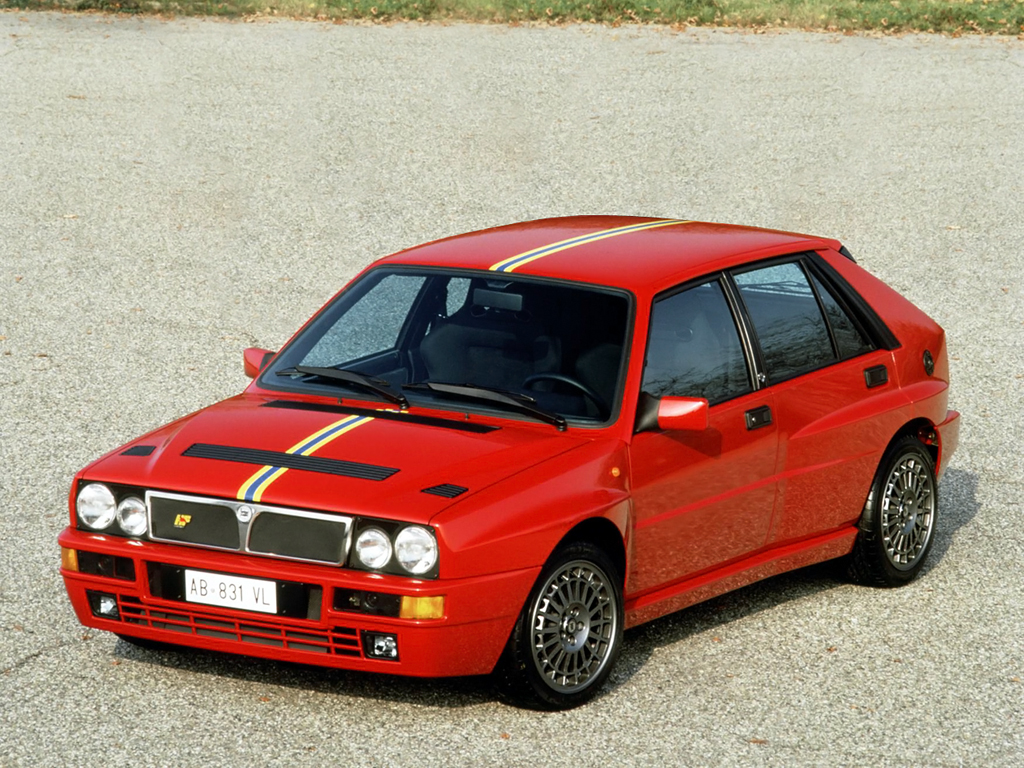
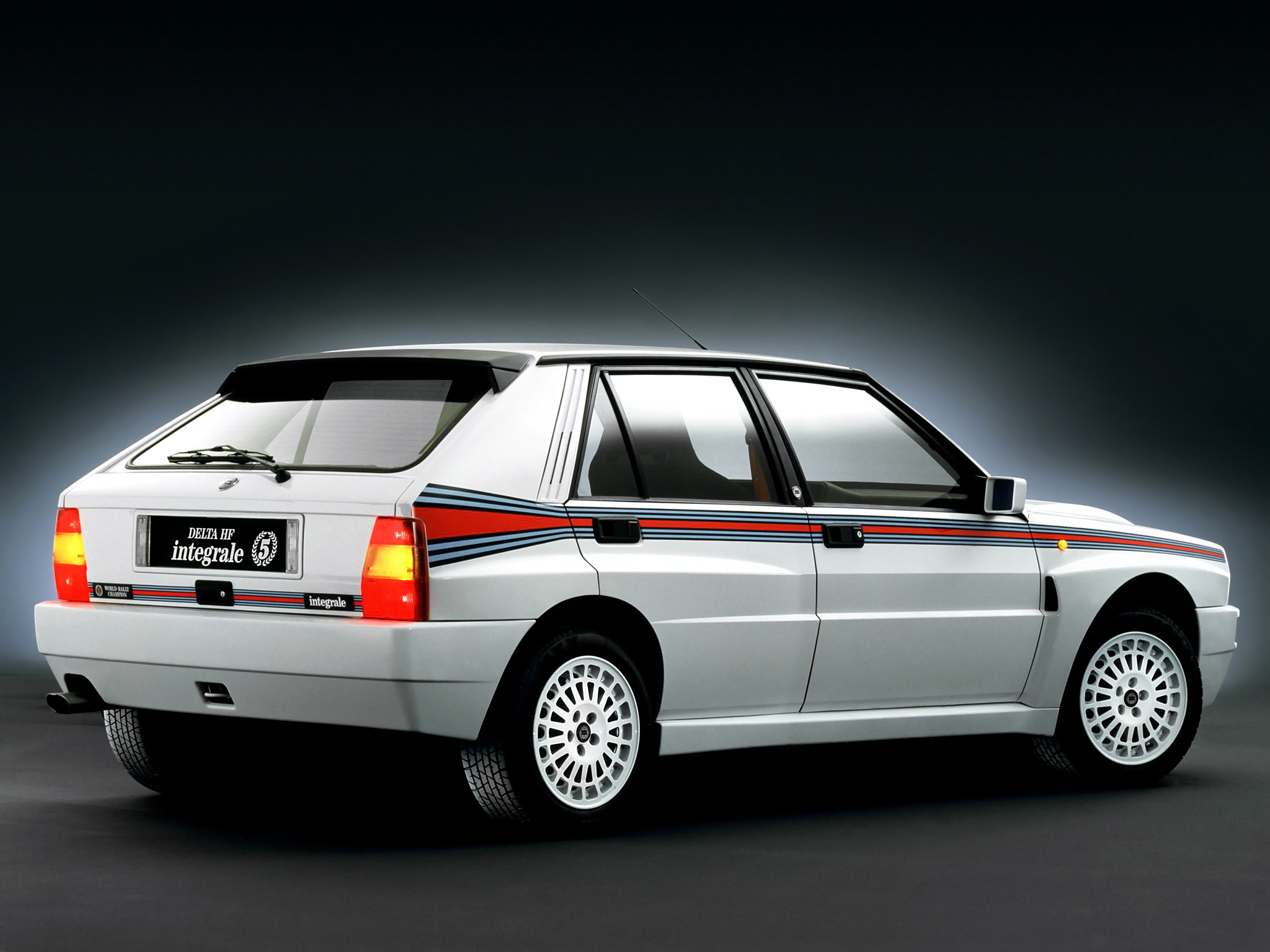
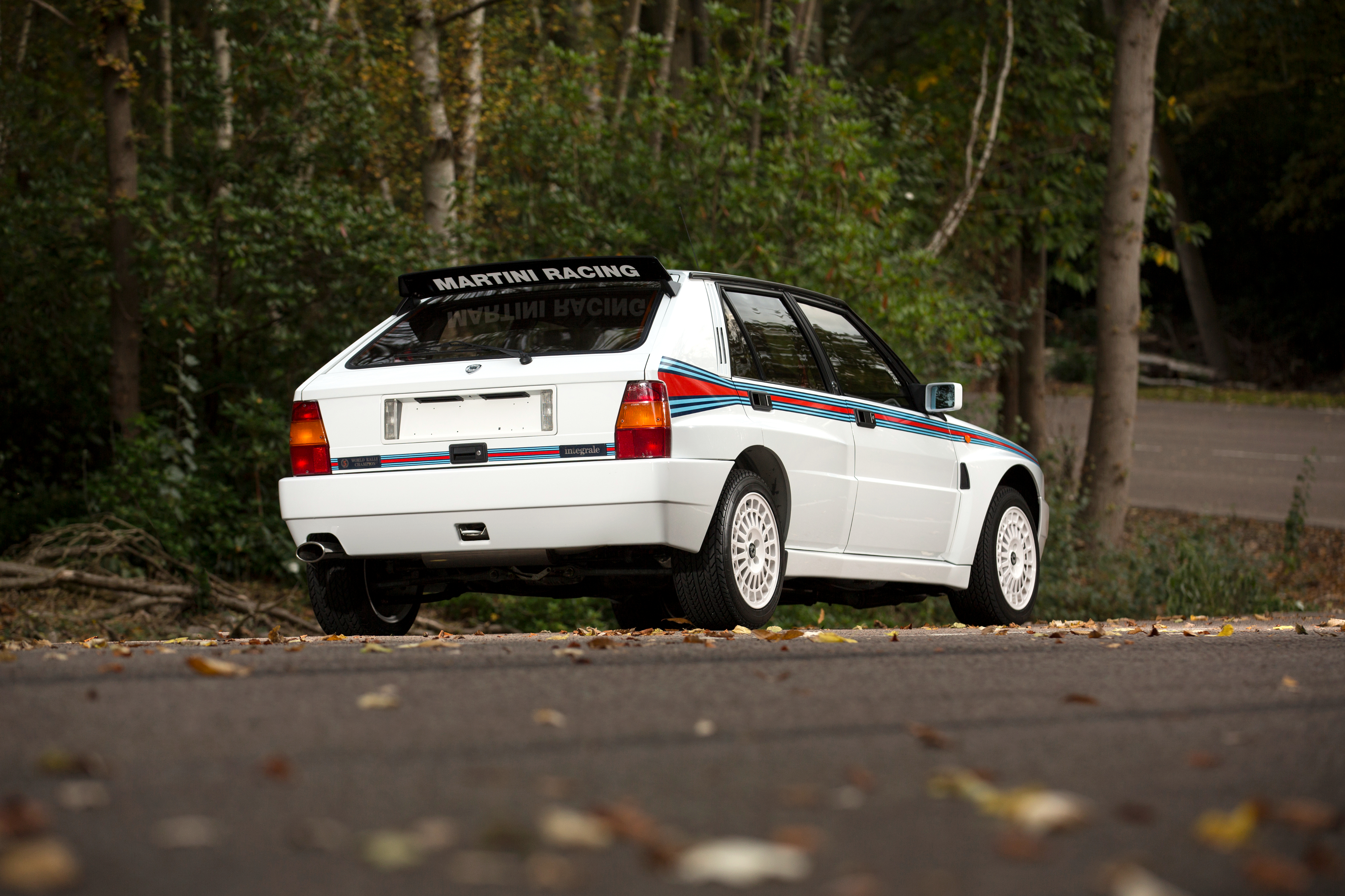
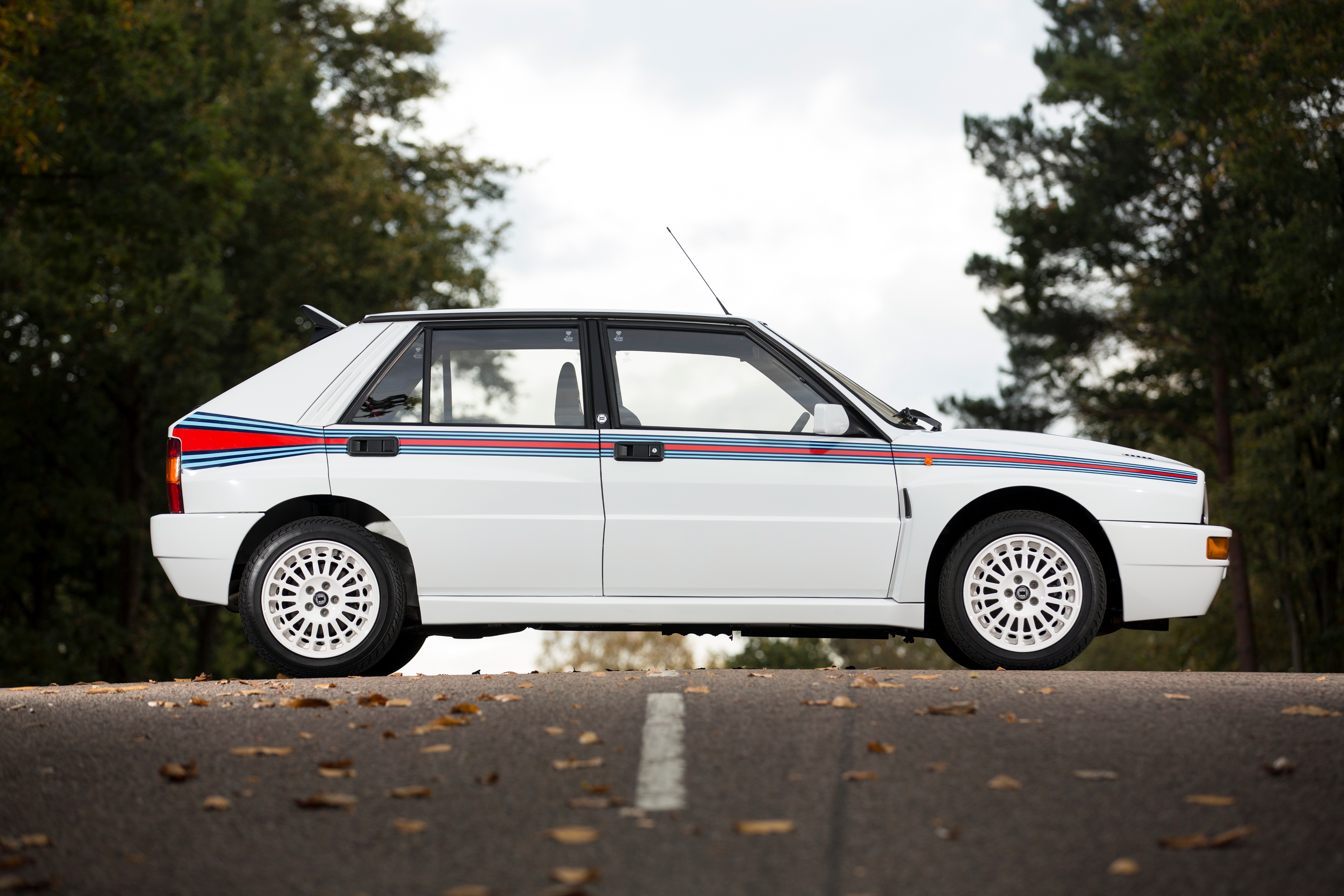
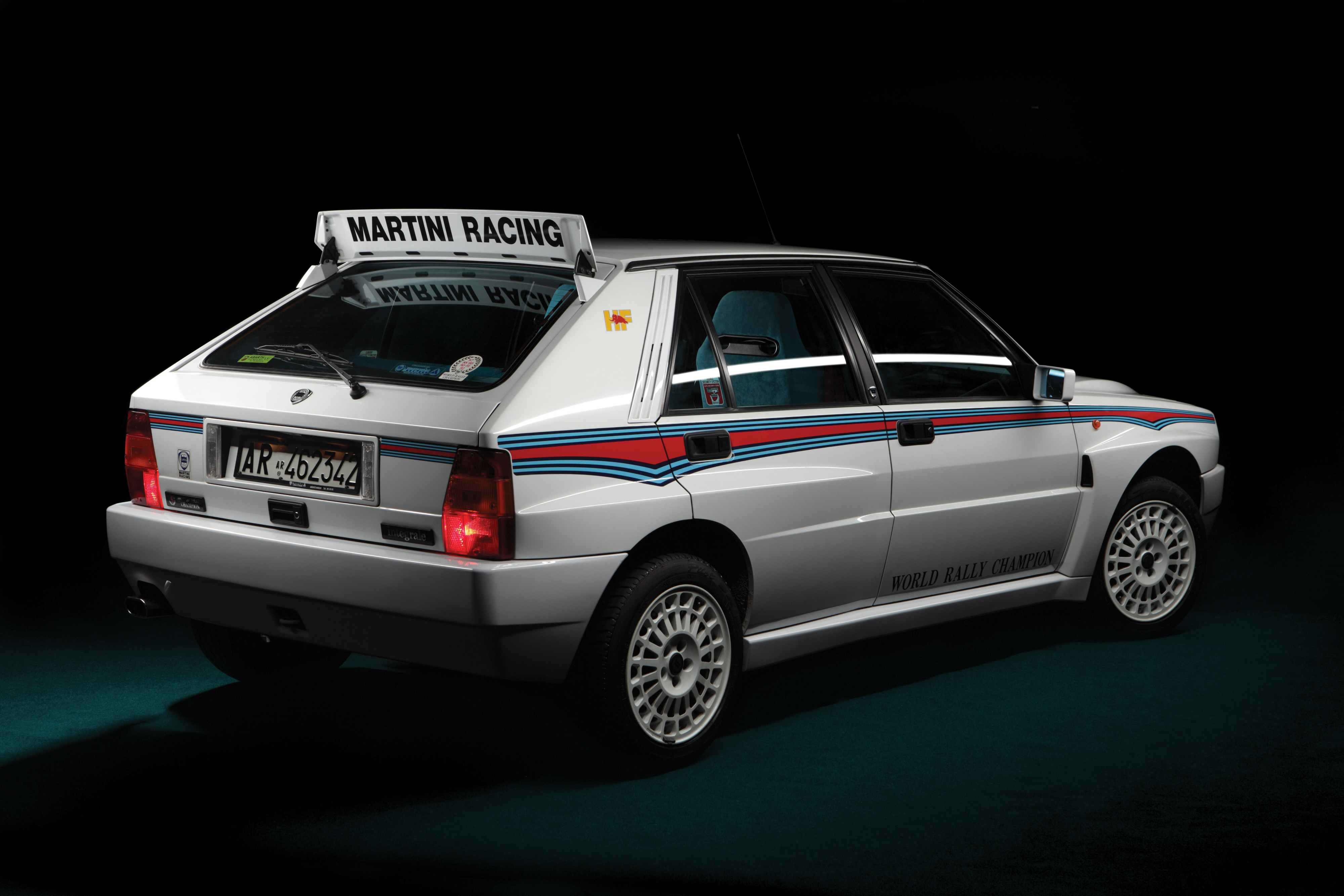
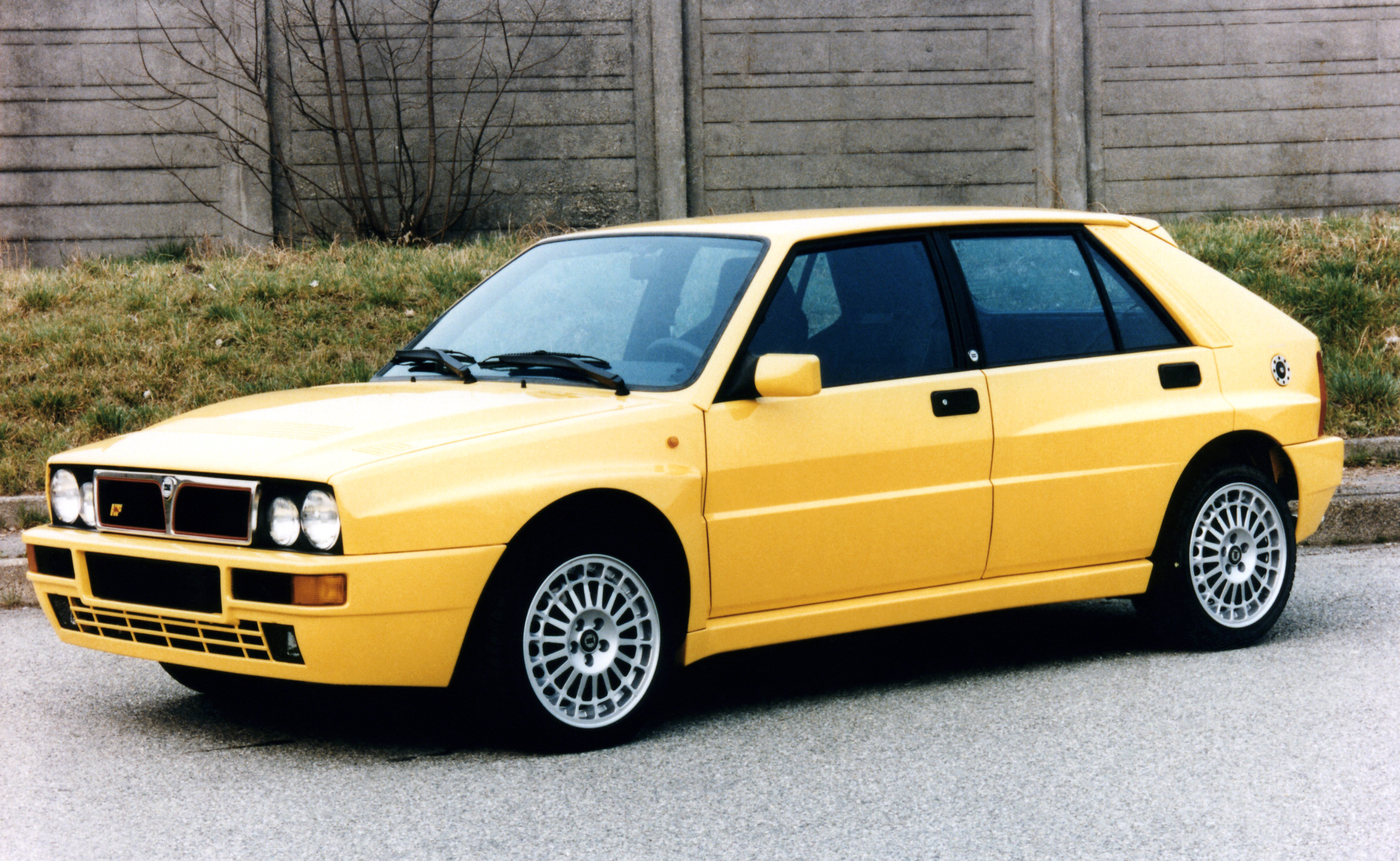
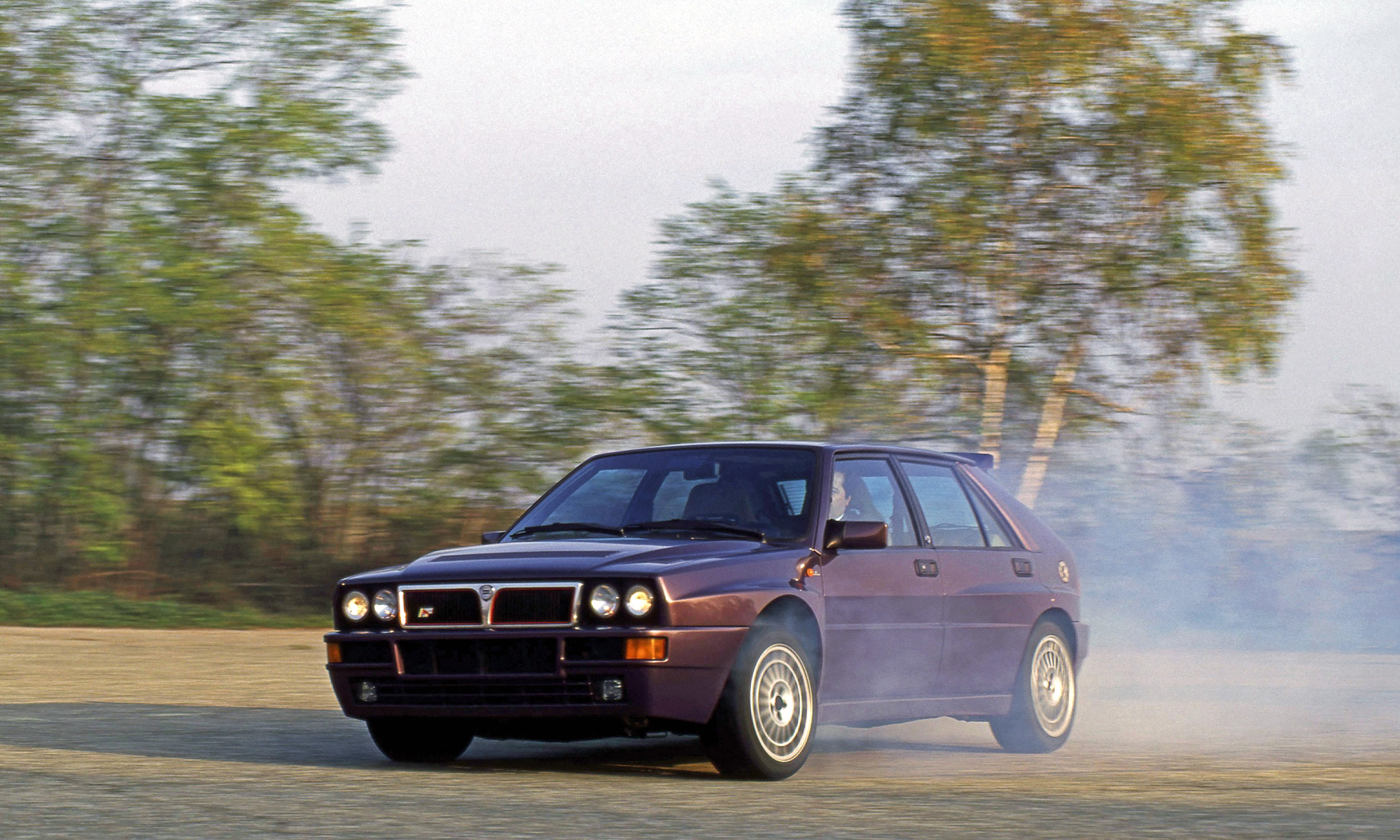
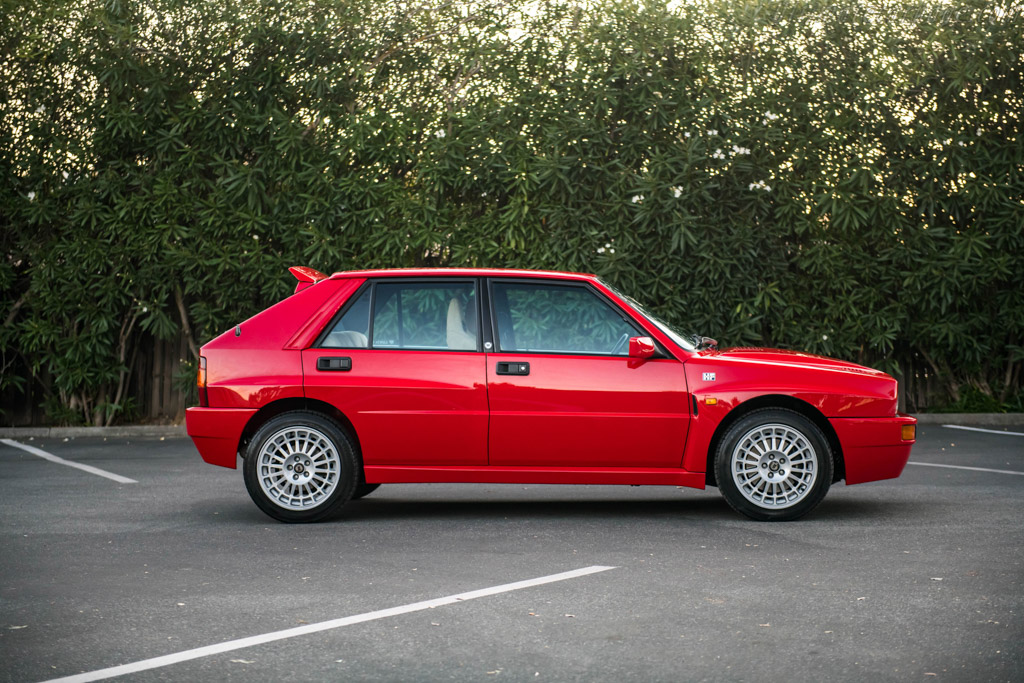
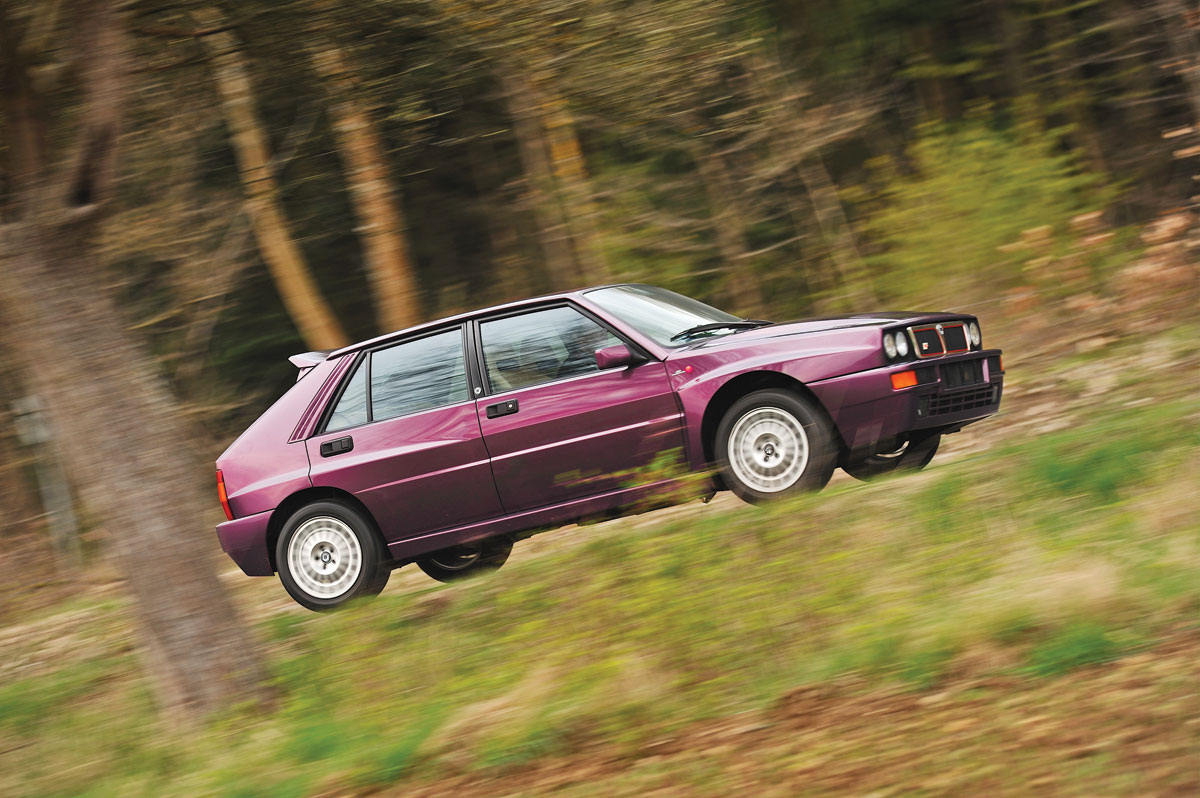
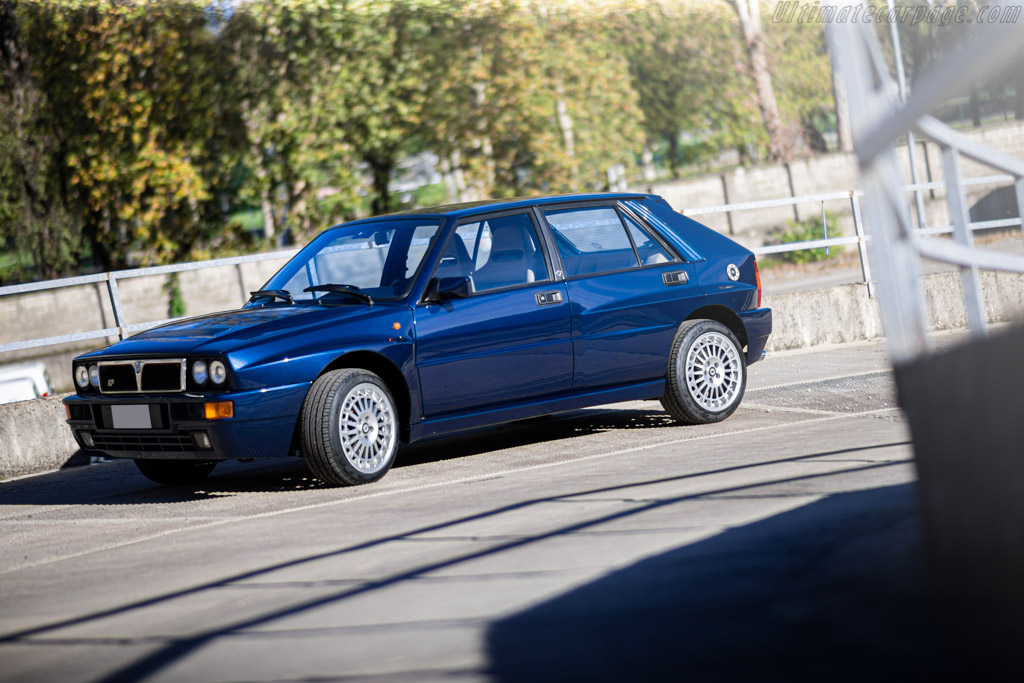
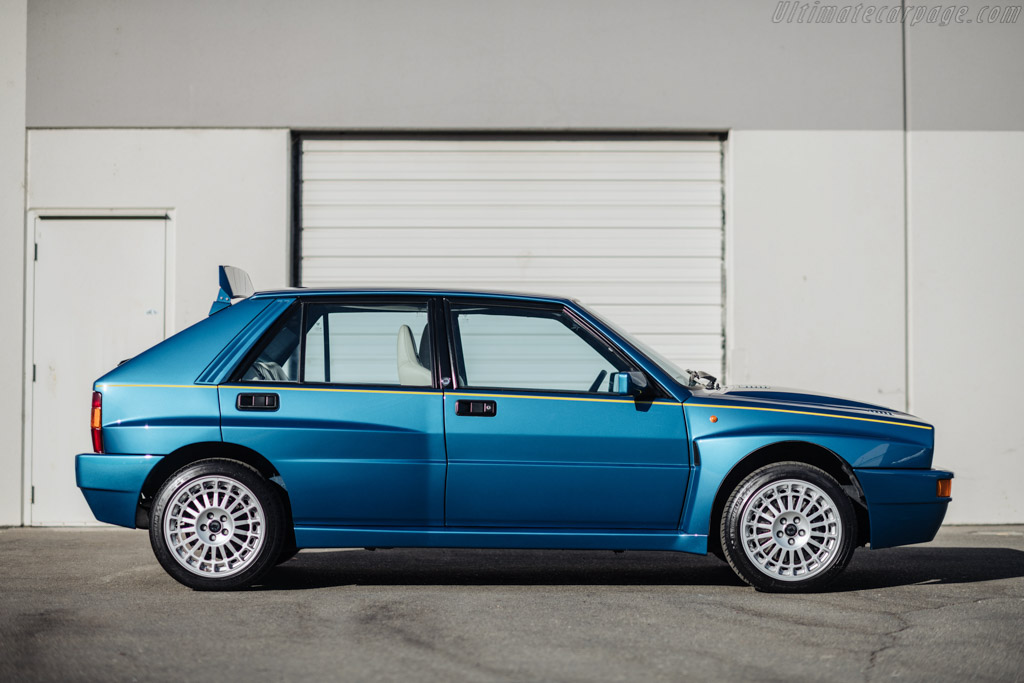
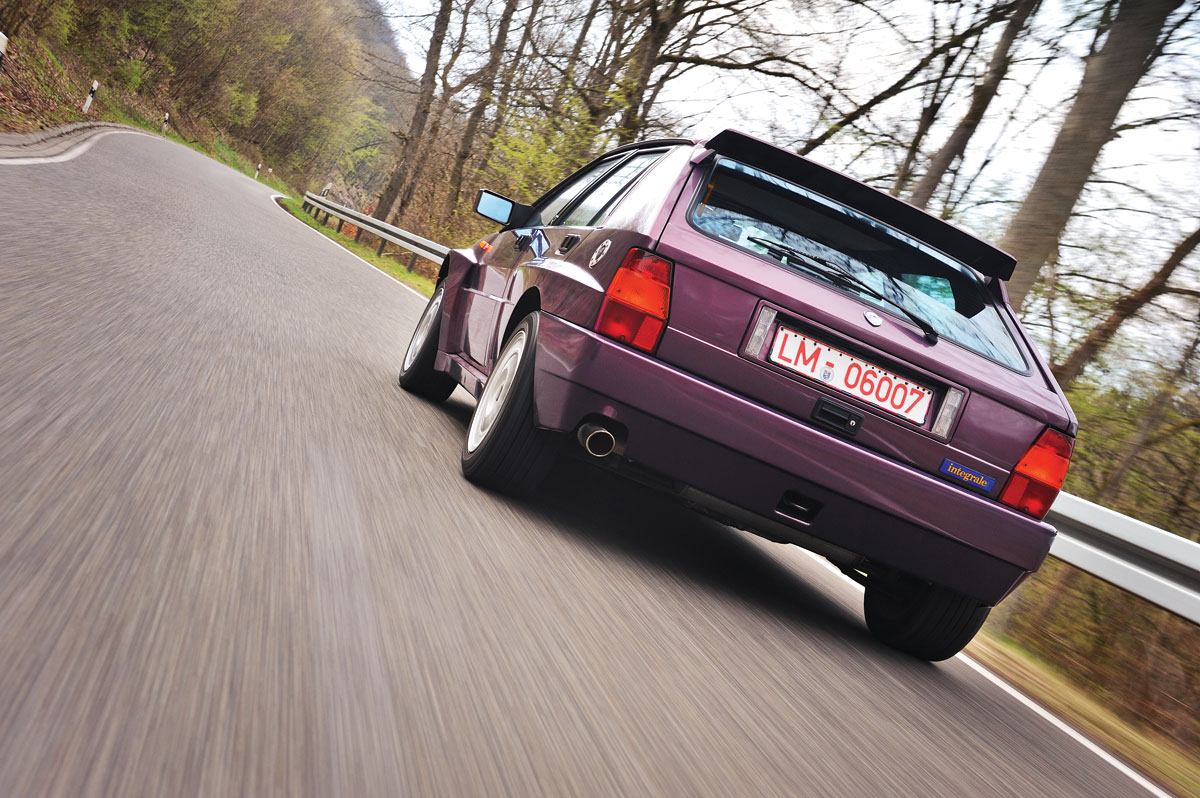
1993 – Lancia Delta HF Integrale Evoluzione II

Integrale, to po włosku oznacza „pełny, całkowity” – i to chyba najlepsze określenie dla tego auta. Powstało do homologacji egzemplarzy rajdowych Lancii, i okazało się jednym z najlepszych wyborów na drogi publiczne. W rajdowym świecie Lancia zawsze była silna. Jeszcze Stratosy i 037 nie powiedziały ostatniego słowa, a już do mikrofonu podchodzili kierowcy w S4 – wyposażeni nie dość, że w silniki centralnie, nota bane podwójnie doładowane, to jeszcze z napędem 4×4. Niestety, doszło do serii nieszczęśliwych wypadków i cały rajdowy świat przesiadł się do A-grupowych konstrukcji.

Jej historia sięga aż 1979 roku i debiutu modelu kreski Giugiaro. To auto, jeszcze zanim zaczęło jeździć sportowo, zdobyło nagrodę dla Europejskiego Auta Roku. I trzeba uczciwie przyznać, że nie pojeździłoby sobie w sporcie, bo to bardziej utarty schemat rodzinnego hatchbacka był aniżeli potwór do wyścigów. Klasyka kina: silnik poprzecznie, napęd na przód i kolumny McPhersona przy każdym z kół. Standard, nic nowego. No, nowych kierunków to nie wyznacza – i jeszcze długo nie będzie wyznaczało. Całe siedem lat nam przyjdzie czekać na progres, ale Delta jest jak dobre wino – im starsze, tym lepsze… a kto rano wstaje, ten jak kocha, to poczeka… albo jakoś tak.

Do Delty Turbo w 1984 roku trafił motor 1.6 o mocy 130 koni, a potem i 140, i od razu stał się najmocniejszą wersją do kupienia. Dalej brakowało jej jednak „tego czegoś”, co Fulvia i Stratosy zawsze miały. I tak, rajdowe S4 siało postrach w WRC, ale nie miała ona nic wspólnego ze zwykłą Deltą dla szary człowiek. W 1986 roku wszystko uległo zmianie, gdy zasady Grupy B zastąpiono regulaminem wymagającym 5000 sztuk do papieru. Dedykowane wyczynowe bydło odpadało a taką taktykę miał wtedy każdy, kto się liczył. Lancia działała w ten sposób już od czasów Stratosa a teraz mieli nagle przesiąść się do aut bazowanych na tych, które sprzedawano w salonach? Ciekawym zbiegiem okoliczności Lancia miała już w zanadrzu takie auto.

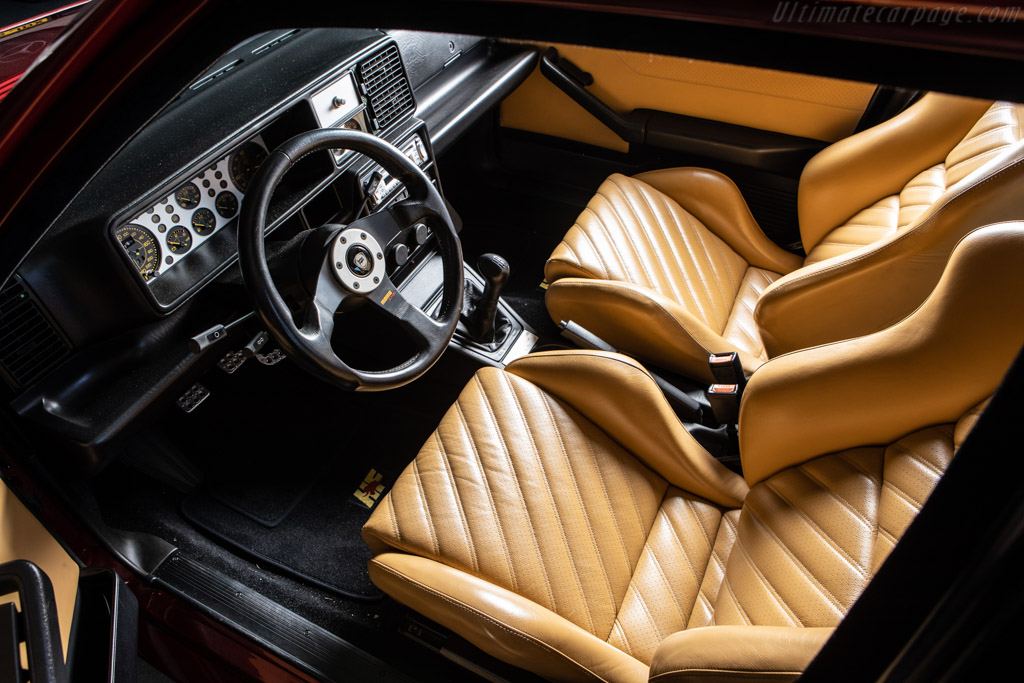
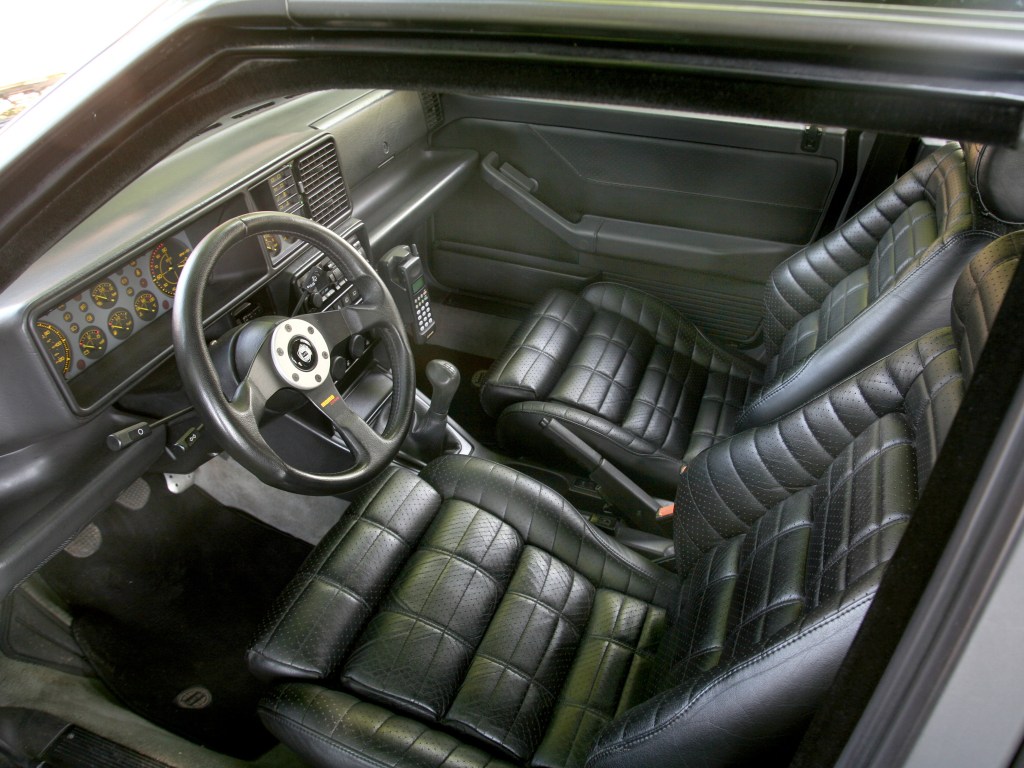
Preludium do Integrale stanowiła HF 4WD, która weszła do sportowego użytku w 1987 roku, i z miejsca pozamiatała całe to badziewie, jakie tam do tej pory jeździło. A jak już przyszło Integrale z większym turbo, to było najszybsze 14 razy w ciągu zaledwie 18 miesięcy, dzięki czemu Miki Biasion został nagrodzony tytułem mistrza świata dwukrotnie – siedząc za kierownicą Integrale właśnie. Miało pozmieniane chłodzenie, hamulce oraz układ zawieszenia względem HF 4WD i to była tylko kwestia czasu, kiedy zwykli szarzy użytkownicy ruchu docenią auto, jakim Lancia była. Przeniesienie napędu przyklejało ją do nawierzchni jak pisowców do socjalu, a 185 koni z pierwszych wersji w turbiu, zapewniało osiągi w tamtym okresie w żadnej wiosce niesłychane. Zwłaszcza na krętych odcinkach. Delta HF była najszybszym środkiem transportu z punktu A do punktu B na rynku, a do tego miała 5 drzwi i miejca więcej niż tylko na pół bagiety. Za pół ceny quattro miałeś elektryczne szyby ORAZ sportowe fotele Recaro, a nie „zamiast”. Integrale było jak połączenie wody i ognia. Jak woda ognista!

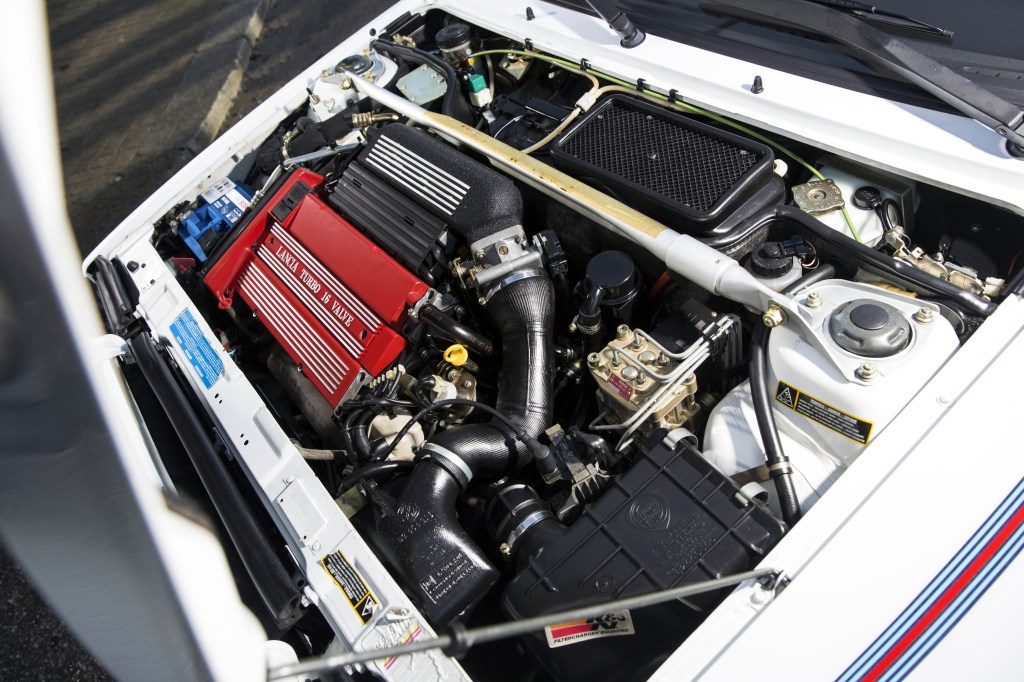
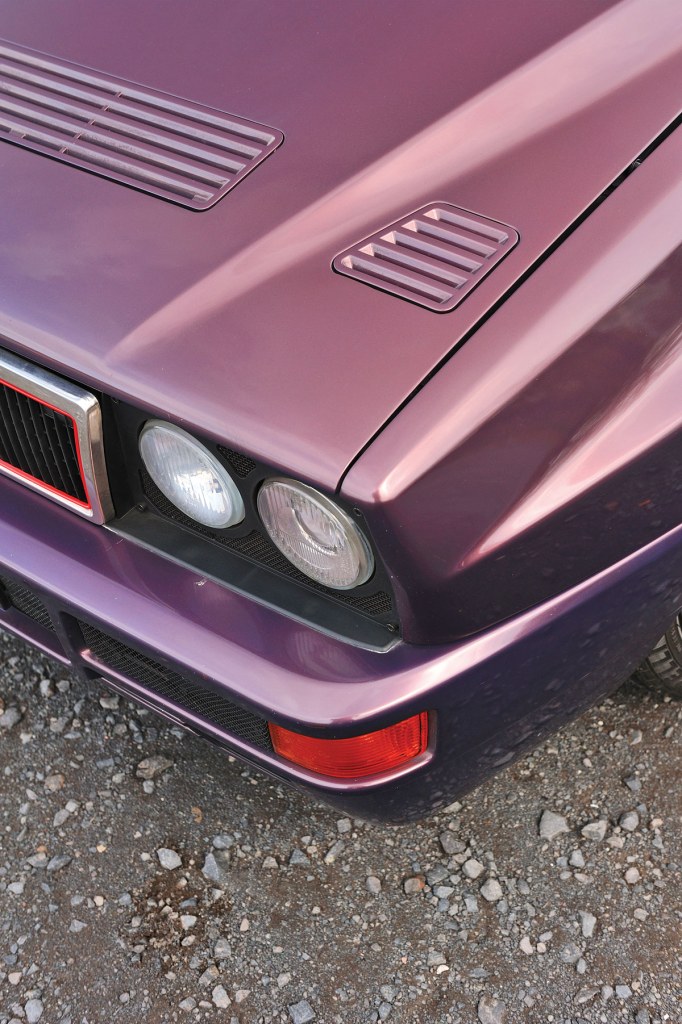
… I również z wiekiem coraz lepsze! Z rokiem 1989 Lancia ładowała do nich 16V, zwiększając tym samym moc do 200, i wygrywając przy okazji czymś takim kolejnych 13 eventów – sadzając na tronie również Kankkunena. 16-zaworowa głowica wymagała specjalnego wybrzuszenia na masce – a moc dalej rosła: do 210 i nawet 215, dzięki machinacjom przy wydechu. Auto rosło w oczach. Nadkola jeszcze bardziej poszerzono a rozstaw kół został wydłużony. Auta dostały nowe atrapy chłodnicy, wloty powietrza i inne elementy aerodynamiki. Od teraz tylny spojler był regulowany. Jak można się domyślić – te egzemplarze również powstały do homologacji Delty dla sportu, i te również wygrywały. Lancia zgarnęła kolejny tytuł konstruktorów przy pomocy technologii mającej korzenie w latach ’70-tych.

Wersja z 16-zaworową głowicą miała pozmieniany rozdział 4×4, żeby zmniejszyć podsterowność, utwardzone zawieszenie, aby przyspieszyć reakcję na ruch kierownicą, mniejsze turbo dla wyeliminowania turbolagów i po raz pierwszy: ABS. Auto w ten sposób dojrzało i było obiektywnie szybsze, choć bardziej wymagające wobec kierowcy. W rajdowym świecie jednak zrodziła się konkurencja w postaci Celiki ST185, więc w 1991 roku na Motor Show we Frankfurcie przedstawiono kolejne zmiany – tak powstała Integrale Evoluzione. Super Delta. Tym razem skupiono się na prowadzeniu. Cała geometria była przetasowana, zawieszenie podkręcono, jego ruchy były dłuższe a rozstaw kół szerszy. Nawet układ kierowniczy i hamulce uległy zmianie. Nowy sterownik dodał trochę mocy, ale prawda była taka, że wszystkie wersje Integrale, poczynając od HF 4WD, czasy przyspieszenia mają bardzo zbliżone.

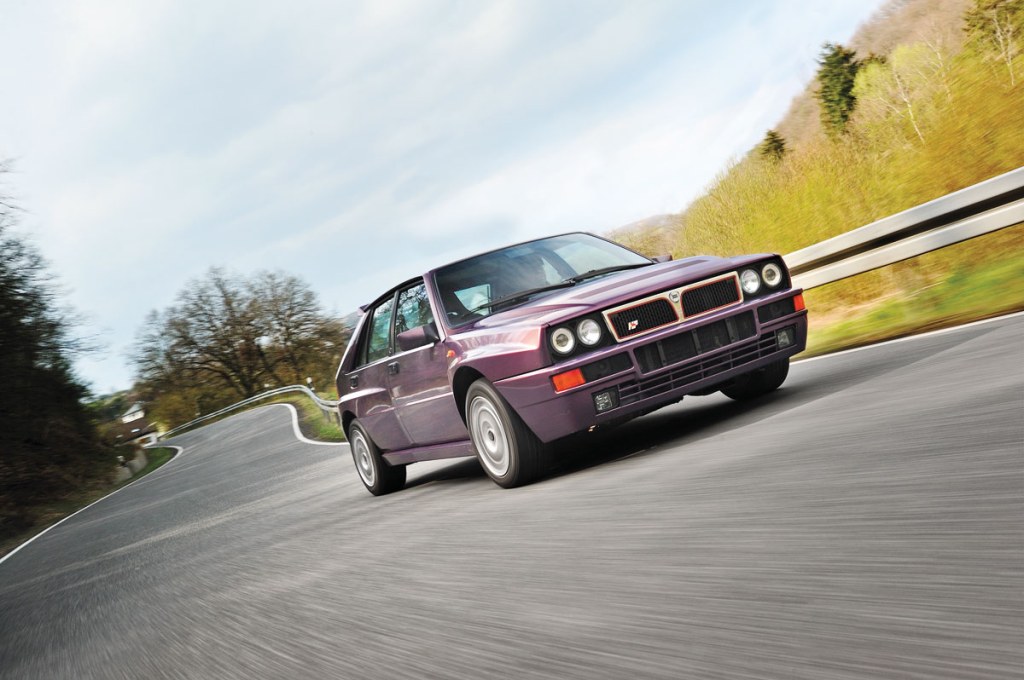
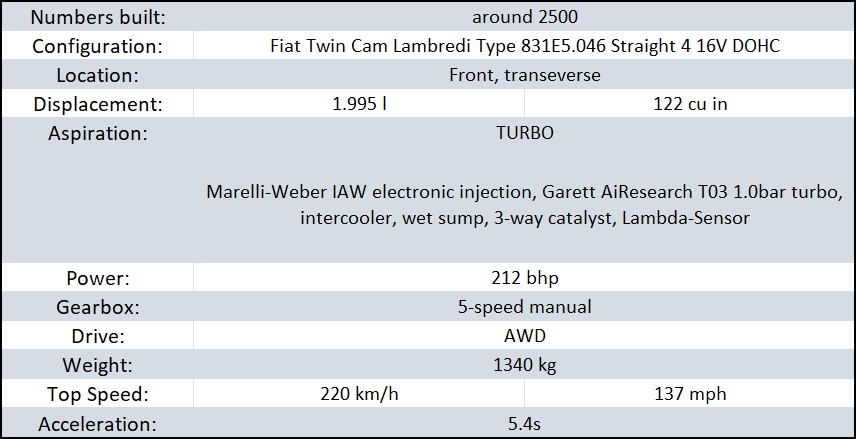
Nawet po wycofaniu swojego teamu z WRC, Delta dalej cieszyła się estymą. W 1993 roku do sprzedaży weszła jej druga generacja, którą pozwolę sobie pominąć minutą milczenia… a nawet po jej przedstawieniu, Integrale było wciąż dostępne w salonach przez prawie 2 lata. Evoluzione II nie była już tworzona z myślą o rajdach samochodowych, a przeznaczona wyłącznie do użytku na drogach publicznych. Dalej miała 16-zaworowy silnik Lambredi, dalej miała turbo Garetta. 212 koni – jak za najlepszych czasów. Z nowości doszedł układ chłodzenia Magnetti Marelli. Silnik wciąż wisiał przed przednią osią i był połączony z 5-biegową przekładnią. Nazwa integrale odnosiła się do stałego napędu na wszystkie koła – od czasów 16V ze stosunkiem 47% na przód i 53% na tył. Nie była tak szybka jak poprzedniczka z rajdowym rodowodem, ale dawała moc bardziej od dołu i lepiej sprawdzała się w cywilu.

Owiała się legendą jeszcze za życia. Miażdżyła najlepsze maszyny na rynku. Marki takie jak Subaru, czy Mitsubishi nie miały podejścia. Na szybkich łukach Lancia czuła się jak u siebie. Mordercze warunki to był chleb codzienny – to było jej terytorium. Była kompletna od samego początku. Jej rozwój to w skrócie: szersze auto i lepszy przepływ powietrza pod maską – tylko tyle i aż tyle. Dziś Delta Integrale, to Święty Graal tak dla fanów motorsportu, jak i motoryzacji jako-takiej. A jeśli o motoryzację chodzi, to jest to ostatnia Lancia warta uwagi w całej jej historii.

Krzysztof Wilk
Na podstawie: favcars.com | wheelsage.org | wikipedia.org | ultimatecarpage.com | autozine.org | Top Gear: The Cool 500 – The Coolest Cars Ever Made | The Kingfisher Motorsports Encyclopedia | M Buckley – The Complete Illustrated Encyclopedia of Classic Cars | N Balwdin – The World Guide to Automobiles, the Makers and their Marques | instagram: eatwithnaveed, auto__storiche

1981 – Rolls-Royce Jules Corniche Rally

Po, przypadającej na 1907 rok, prezentacji modelu Silver Ghost – cały segment aut luksusowych z najwyższej półki przez dekady należał do Rolls-Royce’a. Brytyjska marka nie miała prawdziwych rywali przez ponad 50 lat, ale powoli już ich modele zaczynały się starzeć. Kierownictwo opierało się innowacji, bało się implementować nowe technologie i w rezultacie, zbliżając się do lat ’60-tych, to oni musieli gonić konkurencję. Niemcy zaprezentowali S-Klasse z długim rozstawem osi (to był rok 1961), która już wtedy miażdżyła Rollsa technologicznie. W dwa lata potem pokazano Pullmana – model 600 – i to był, kurwa, nokaut. Mercedes był od tamtej pory luksusem na poziomie nie dostępnym nawet dla klientów Rolls-Royce’a. Anglia musiała odpowiedzieć – i dlatego powstał Silver Shadow.

Nowe auto wyparło model Silver Cloud na pozycji flagowca. W końcu postarano się o nowoczesne rozwiązania, które u każdego szanującego się rywala już były w standardzie. Od teraz Rolls-Royce jeździł z samonośnym nadwoziem, na całkowicie niezależnym układzie zawieszenia i miał tarczowe hamulce na wszystkich kołach. Samonośna struktura nie tylko usztywniała cały pojazd, ale i była lepiej ogarnięta przestrzennie, dzięki czemu auto mogło być mniejsze od poprzedniczki, a zarazem bardziej przestronne.

Do tego zdecydowano się na bardziej nowoczesny design. Kanciasty, ale ciągle taktowny – kształt, który nie odstraszał konserwatywnych entuzjastów marki. Tył był zawieszony na wahaczach skośnych ze sprężynami śrubowymi, co już było krokiem naprzód względem Mercedesa. Do tego, Rolls-Royce miał hydrauliczne amortyzatory na wzór tych z Citroena, które za pomocą wysokiego ciśnienia poziomowały całe zawieszenie. Jazda z czymś takim, to sama przyjemność. To dzisiaj brzmi całkiem nowocześnie, a w tamtym czasie – urywało odbyt już doszczętnie.

Moc pochodziła z 6.2-litrowej jednostki – V8 na popychaczach, obecne już w katalogu Rolls-Royce’a. Teraz pojemność miała wzrosnąć do 6.750-litra i motor, na przestrzeni lat, miał się charakteryzować mocą w przedziale 220-230 koni mechanicznych. Żaden wyścig – auto waży ponad 2 tony i prędzej zdechnie niż pojedzie 200 km/h. Przyspieszenie powyżej 10s również nie zachwyca. Zarówno S-Klasse, jak i rodzime Jaguary XJ12 zamiatały Rolls-Royce’a pod dywan… ale Rolls-Royce się nie przejmował. Silver Shadow to w zamierzeniu auto dla relaksu. Było mało zwrotne i nie zachęcało do brawury. W zakrętach dawało się wyczuć podsterowność a cała bryła potrafiła się przechylać jak motocyklista. A jeszcze układ kierowniczy – o Boże! Drewniany i powolny.

Wiele z tych problemów poprawiono w 1977 roku, z pojawieniem się drugiej generacji Silver Shadow. Śrubową przekładnię zastąpiono zębatką. Rozstaw kół poszerzono, pogrzebano w geometrii zawieszenia. Pojazd wiele na tym zyskał, był bardziej zwinny i mniej podsterowny. Co prawda do bezpośredniej konkurencji nigdy się nie zbliżył, ale i rywalom wiele brakowało do jakości wykonania Silver Shadow. Rolls-Royce znów wzbił się na wyżyny a przez 15 lat produkcji w świat poszło dobre 30k sztuk tego modelu – po dziś dzień najlepiej sprzedający się Rolls-Royce. A była jeszcze wersja ze składanym dachem, która sprzedała się w kolejnych 5 tysiącach egzemplarzy.

Auto o nazwie Corniche było kabrioletem na bazie Silver Shadow. Napędzał ją ten sam motor o mocy 230 koni mechanicznych. V8 z aluminium o pojemności 6.75-litra. Auto przez lata stale usprawniane, z czasem dostało układ kierowniczy z zębatką oraz geometrię zawieszenia z Silver Shadow, ale i wtryski, poduszki powietrzne, wentylowane tarcze hamulców i ABS. Pierwsze wersje Corniche były oferowane jako 4-osobowy kabriolet, bądź coupe ze sztywnym dachem i taki właśnie pojechał w najbardziej niespodziewane miejsce…

To miał być żart – głupi zakład… To uczucie, kiedy grupka kolegów zachęca cię do zrobienia czegoś absurdalnego.
– Ale w Rollsie, to nie pojedziesz…
– Co? Ja nie pojadę?
Na jedną z pierwszych edycji Rajdu Paryż-Dakar, w 1981 roku, zajechało auto, które się tam nie nadawało. Za kierownicą chad, którego tiktokowym challengem było 6 tysięcy kilometrów przez piekło pustyni – bezdroża, na których odpada 2/3 załóg – we dwójkę w wygodnej limuzynie. Tym chadem był Thierry de Montcorgé i, żeby dać sobie jakieś szanse, powspawał on rurową ramę przestrzenną a na nią nałożył panele i wnętrze z Rolls-Royce’a, tylko że z lekkiego włókna. Wszystkie zmiany były przemyślane. Układ napędowy (4×4 i skrzynia biegów) pochodziły z Toyoty Land Cruiser, a silnik V8 zastąpiono mocniejszym od Chevroleta i cofnięto go daleko wgłąb maski. Po tych zabiegach auto miało być 800 kilo lżejsze.

Taka rajdówka cechowała się dobrym zapasem mocy i solidnym układem napędowym. 150 km/h w terenie nie było problemem, a w pewnym momencie Rolls-Royce znajdował się na 13-tym miejscu ogólnie. Niestety, na jednym z końcowych etapów, po uderzeniu w drzewo, urwały się drążki kierownicze. Naprawy szły zbyt wolno i w rezultacie załoga została zdyskwalifikowana, ale zakład to zakład – Thierry walczył do końca. Z 291 załóg, rajd ukończyło 91 – Rolls-Royce znajdował się wśród tych, którzy dotarli do końca… jako jedna z 40 załóg w kategorii samochodów.

Projekt zrodził się jako żart, i z uśmiechem politowania był witany na starcie wyścigu. Na mecie był już brany całkiem na poważnie. Sponsoring nowej linii wody po goleniu Diora – Jules – na masce tej unikalnej limuzyny, przyniósł milionowe zyski. Do Rolls-Royce’a zaczęły napływać zapytania o model do offroadu… ale marka absolutnie się odcięła od tego egzemplarza. Nie chcieli mieć z nim nic wspólnego. I może dakarowy projekt ma mało wspólnego z Rolls-Roycem, ale w dalszym ciągu jest jedną z ciekawszych i najbardziej trudnych do wyobrażenia rajdówek wszechczasów.

Krzysztof Wilk
Na podstawie: favcars.com | wheelsage.org | roadandtrack.com | Błażej Żuławski dla classicdriver.com | autozine.org | Top Gear: The Cool 500 – The Coolest Cars Ever Made | The Kingfisher Motorsports Encyclopedia | M Buckley – The Complete Illustrated Encyclopedia of Classic Cars | N Balwdin – The World Guide to Automobiles, the Makers and their Marques